
Moche Oracle Practices: Seeking Divine Guidance and Prophecy

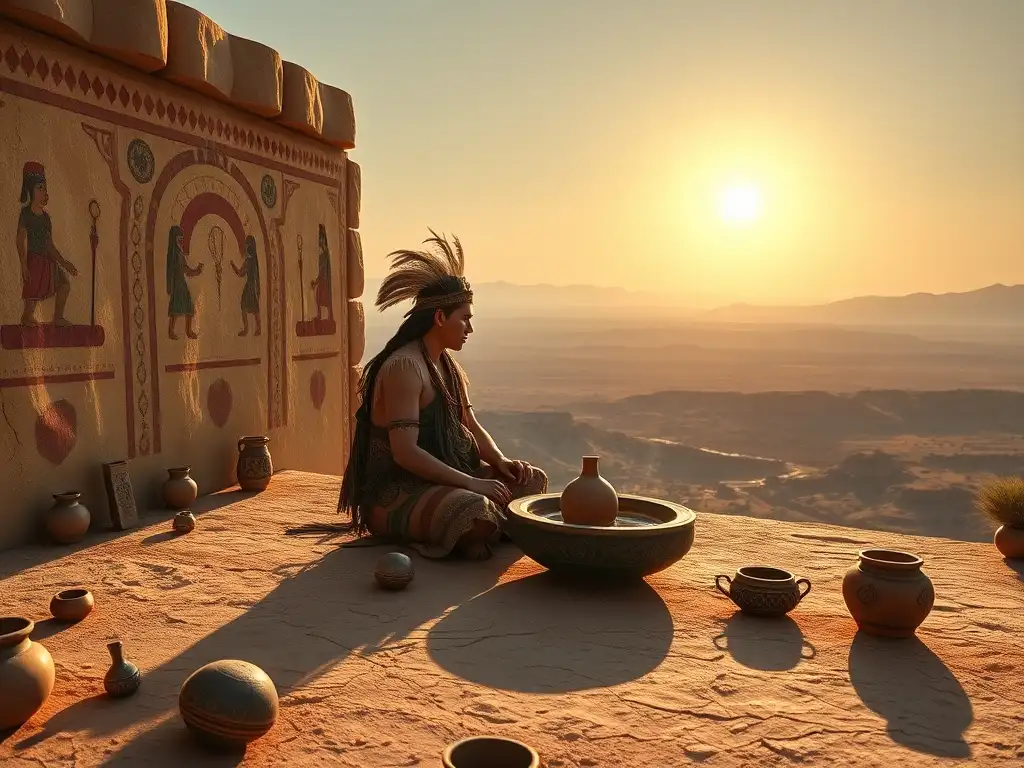
Uncover the mysteries of a lost world. Journey with us into the heart of the Andes, where empires rose and fell, leaving behind a legacy of breathtaking artistry and enigmatic practices. Prepare to be captivated by the intricate world of the ancient Andean civilizations—from the Incas to the Nazca. But first, delve into the intriguing secrets of Moche oracle practices, a window into how these powerful societies sought divine guidance and shaped their destinies. Dare to explore the unknown...
The Moche civilization, flourishing along the northern coast of Peru from approximately 100 CE to 800 CE, left behind a rich tapestry of artistic, architectural, and technological achievements. However, understanding their complex religious beliefs and practices requires delving into their sophisticated systems of divination and prophecy. This article explores the fascinating world of Moche oracle practices, examining the methods they employed to seek guidance from the supernatural realm and understand the will of their gods.
We will uncover the evidence found in their art, architecture, and archaeological remains to reconstruct a picture of their spiritual landscape and the vital role divination played in their society. Understanding Moche oracle practices offers a key to unlocking a deeper comprehension of their worldview and social structures. Their sophisticated techniques highlight the intricate relationship between the Moche people and the forces they believed shaped their lives.
Divination Methods Employed by the Moche
The Moche employed a variety of methods to communicate with the supernatural world and gain insight into the future. Evidence from their elaborate iconography suggests a reliance on several key techniques. These included, but were likely not limited to, the interpretation of dreams, the observation of natural phenomena (such as the flight of birds or the patterns of stars), and the use of specialized objects for divination.
Archaeological discoveries frequently reveal intricately crafted artifacts that may have served as tools in these practices. For instance, certain ceramic vessels depict scenes of shamans engaging in rituals, possibly representing divinatory ceremonies.
These scenes often feature stylized figures and symbols, the precise meanings of which remain subject to ongoing scholarly interpretation, but their presence clearly indicates the importance of divination within Moche society. Further research into the chemical composition of certain materials found within these vessels could potentially reveal further clues about their use in ritual contexts.
The Role of Shamans and Priests in Moche Oracle Practices
The Moche social structure placed great importance on religious specialists, likely shamans and priests, who acted as intermediaries between the mortal and spiritual worlds. These individuals were responsible for conducting divinatory rituals and interpreting the messages received from the gods. Their status is evident in the depiction of elaborately adorned figures in Moche art, often shown in positions of authority and wielding objects associated with ritual practices.
These depictions suggest a hierarchical religious system, with shamans and priests occupying a privileged position within the community. Their expertise in divination would have been highly valued, influencing decisions ranging from agricultural practices to military campaigns. The extent of their influence on the daily lives of ordinary Moche citizens remains a topic of ongoing research, but their presence in Moche iconography is undeniable.
Interpreting Moche Art for Clues on Oracle Practices
Moche art, renowned for its intricate detail and realism, offers invaluable insights into their religious beliefs and practices. Ceramic vessels, textiles, and metalwork frequently depict scenes of rituals, ceremonies, and supernatural beings. By carefully examining these artistic representations, scholars can piece together clues about Moche oracle practices. For instance, the recurring motifs of specific animals, such as jaguars or condors, may represent divine messengers or symbols of power, suggesting that their presence in a divinatory context held specific significance.
Similarly, the depiction of specific plants or celestial bodies could suggest the use of these elements in rituals aimed at gaining prophetic insight. The careful study of Moche art therefore constitutes a vital source of information for understanding their complex system of divination. The vibrant colors and intricate details in these artifacts provide a rich visual language that continues to fascinate and inform researchers today.
The Significance of Oracle Practices in Moche Society
The prevalence of Moche oracle practices underscores their significance within the broader context of Moche society. Divination was not a marginal activity but rather an integral part of daily life, influencing decision-making at both individual and societal levels. From determining the optimal time for planting crops to predicting the outcome of battles, oracle practices likely guided many aspects of Moche life.
This reliance on divination highlights the importance of the supernatural in their worldview, demonstrating a deep-seated belief in the power of the gods to influence human affairs. Further research is needed to fully understand the extent to which oracle practices shaped the social, political, and economic structures of Moche society. The continued study of Moche oracle practices promises to reveal further layers of complexity and nuance in our understanding of this remarkable civilization.
- Divination Methods Employed by the Moche
- The Role of Shamans and Priests in Moche Oracle Practices
- Interpreting Moche Art for Clues on Oracle Practices
- The Significance of Oracle Practices in Moche Society
- What were the Moche people's beliefs about oracles?
- How did the Moche utilize oracles in their society?
- What methods did the Moche employ for oracle practices?
- What evidence exists to support the understanding of Moche oracle practices?
- How did Moche oracle practices compare to those of other Andean cultures?
Understanding the Role of Divination in Moche Society
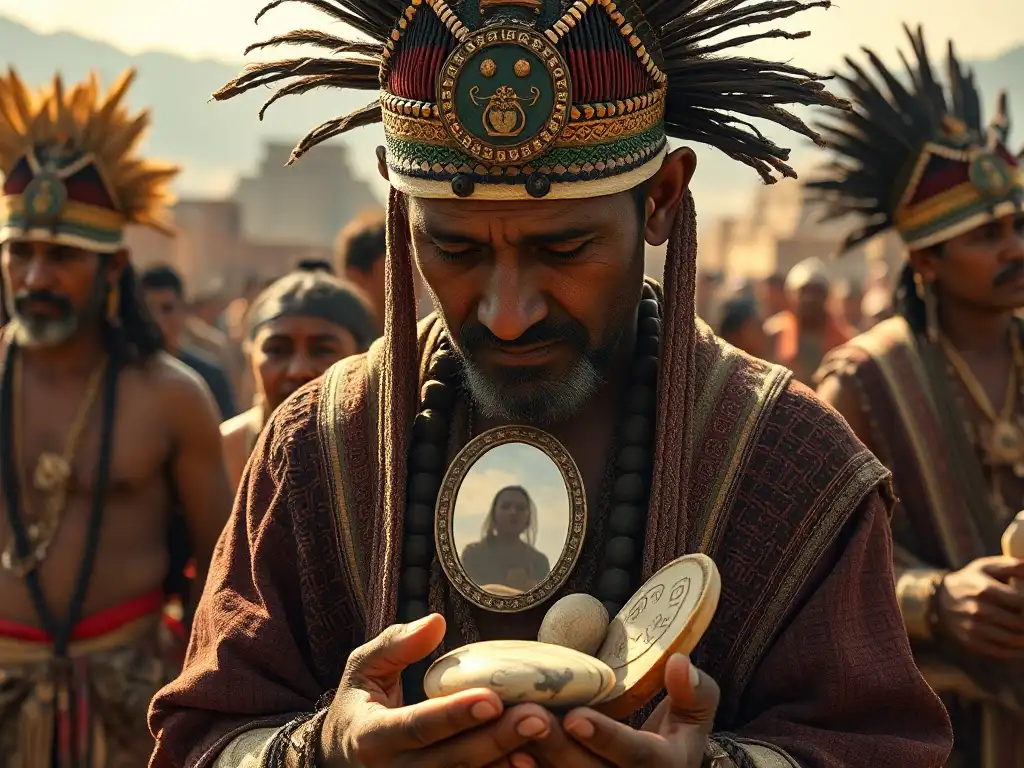
The Moche civilization, flourishing along the northern coast of Peru from approximately 100 CE to 800 CE, demonstrated a sophisticated understanding of the natural world and a deep-seated belief in the supernatural. Divination, the practice of seeking knowledge of the future or the unknown through various means, played a crucial role in their society. It wasn't merely a matter of personal curiosity; rather, divination was intricately interwoven with political decisions, agricultural practices, and everyday life.
The Moche relied on oracles to guide their actions, ensuring favorable outcomes and averting potential catastrophes. This reliance on divination highlights the inherent uncertainty of life in their arid environment and their strong belief in the power of supernatural forces to influence their destiny. Understanding Moche oracle practices provides critical insight into their worldview and social structure.
The frequency and importance of these practices are evident in their art, where scenes depicting divination rituals are frequently portrayed. These artistic representations, coupled with archaeological findings, offer valuable clues into the methods and significance of these ancient practices.
The Importance of Prophecy in Moche Culture
Prophecy, a form of divination focused on predicting future events, held immense significance within Moche culture. The ability to foresee the future, whether it concerned bountiful harvests, impending warfare, or natural disasters, was highly valued. Such knowledge empowered rulers to make informed decisions, potentially saving lives and securing prosperity.
Evidence suggests that Moche rulers consulted oracles regularly, seeking divine guidance on matters of state. The elite's reliance on prophecy solidified their power, presenting them as intermediaries between the divine and the people. This further strengthened their authority and legitimacy.
For example, archaeological evidence from the Huaca de la Luna suggests the presence of specialized chambers or areas dedicated to divination rituals, implying a formalized and institutionalized approach to prophecy within the Moche societal structure. The precise methods employed by the Moche for prophecy remain a subject of ongoing research, but analyzing the iconography and artifacts found within these sites offers promising avenues for further understanding. The importance of prophecy extended beyond the realm of politics; it also influenced personal decisions, shaping daily life for ordinary Moche citizens.
Moche Beliefs and the Supernatural World
The Moche worldview was deeply infused with supernatural beliefs. Their pantheon of gods and spirits played a vital role in their daily lives, influencing everything from agriculture and warfare to health and personal well-being. The Moche believed that the natural world was inhabited by powerful deities and spirits, many associated with specific natural phenomena like storms, the sea, and fertility.
This belief system fostered a strong connection between the earthly and spiritual realms, making divination a necessary tool for navigating this complex interaction. The Moche believed that these supernatural beings could be influenced through ritual and sacrifice, and divination was a key component of these practices. By understanding the will of the gods, the Moche sought to secure their favor and ensure the prosperity of their society.
Their religious beliefs were not simply abstract concepts; they were deeply embedded in their daily routines and social structures, impacting their behavior and shaping their understanding of the world around them. The Moche's reverence for the supernatural underscores the importance of divination as a practical tool for interacting with a world they believed was permeated by divine forces.
Moche Priests as Intermediaries with the Gods
Moche priests acted as crucial intermediaries between the earthly and spiritual realms. They were responsible for conducting divination rituals, interpreting the results, and communicating the divine will to the ruling elite and the wider population. Their specialized knowledge and skills made them highly respected members of society. The priests' role extended beyond simply interpreting omens; they also played a significant role in maintaining social order and mediating conflicts.
Their authority stemmed from their perceived ability to communicate directly with the gods, making them vital figures in both religious and political life. Archaeological evidence, including depictions in Moche pottery and murals, shows priests performing various rituals, often involving elaborate costumes, ceremonial objects, and offerings. The depiction of these priests highlights their prominent status and the importance of their role in Moche society.
The training and selection of Moche priests remain unclear, but their specialized knowledge and skills suggest a rigorous system of education and initiation. Further research is needed to fully understand the complexities of their social standing, training, and the hierarchical structure within the priestly class. The study of Moche oracle practices is therefore inseparable from the study of the Moche priesthood.
Methods of Moche Divination: Unveiling the Future
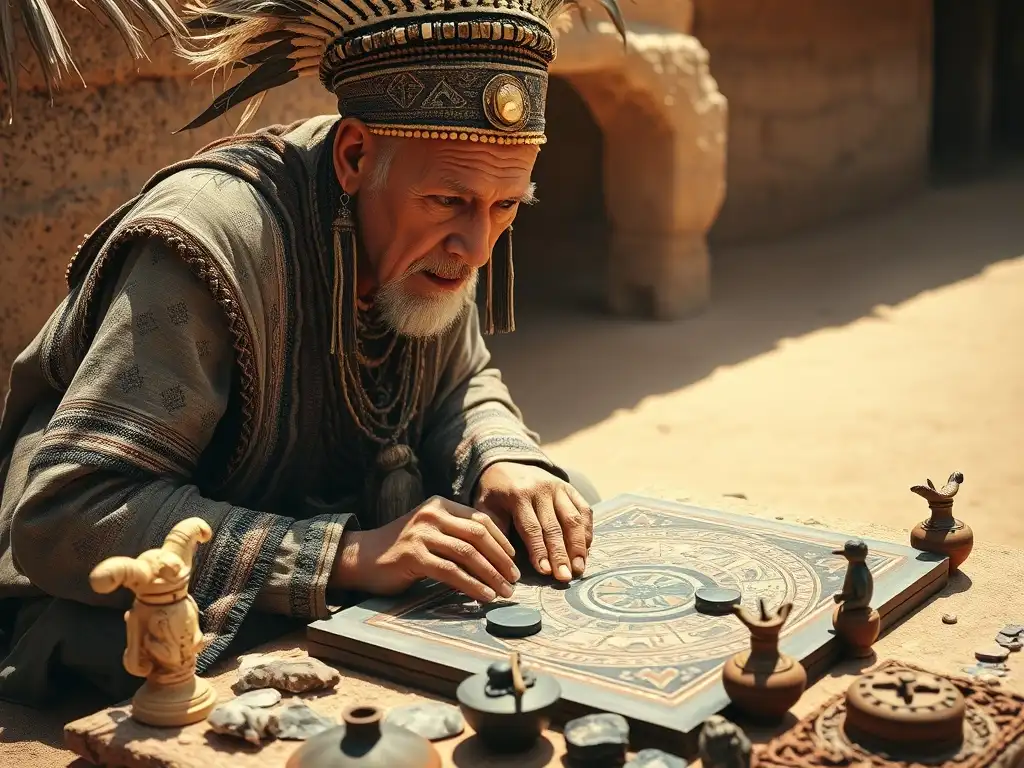
The Moche civilization, renowned for its sophisticated artistry and intricate social structures, also possessed a deeply ingrained belief system heavily reliant on divination and oracle practices. Understanding Moche oracle practices requires examining the diverse methods employed to communicate with the supernatural realm and interpret divine will. These methods weren't simply superstitious rituals; they were integral components of Moche societal governance, influencing decisions ranging from agricultural planning to military campaigns.
The intensity and sophistication of these practices reflect the central role of the supernatural in shaping Moche daily life and worldview. The Moche didn't passively await fate; they actively sought to understand and influence it through a complex interplay of ritual, sacrifice, and interpretation. This section will delve into the specific techniques and rituals employed by Moche priests and diviners to unveil the future.
Ritualistic Practices for Seeking Divine Answers
Moche ritualistic practices for seeking divine answers were elaborate affairs, often involving significant preparation and the participation of multiple individuals. Archaeological evidence suggests the use of specially prepared spaces, possibly within temples or designated ceremonial areas. These locations may have contained specific features designed to enhance the ritualistic atmosphere, such as carefully positioned altars, unique iconography, or specific arrangements of artifacts.
The rituals themselves likely involved a combination of offerings, prayers, and possibly altered states of consciousness. Evidence of hallucinogenic substances, such as those derived from certain plants, has been found in some Moche contexts, suggesting their possible use in divination rituals to facilitate communication with the spirit world. The specifics of these practices, however, remain partially shrouded in mystery due to the limited nature of surviving textual records. We can only speculate on the exact nature of the chants, prayers, and incantations used, relying primarily on the interpretation of iconography found on ceramics and other artifacts.
Furthermore, the participation of specific individuals – perhaps priests, shamans, or individuals holding specialized religious roles – is highly probable. These individuals may have possessed specialized knowledge and training necessary to interpret the signs and omens received during the ritual. Their role was not only to conduct the ritual but also to translate its meaning for the community, providing guidance and direction based on the divine pronouncements.
Moche Oracle Techniques: From Sacrifice to Interpretation
Moche oracle techniques encompassed a range of practices, extending beyond simple rituals. Animal sacrifice was a prominent feature, with the type of animal and the manner of sacrifice potentially influencing the interpretation of the oracle’s message. The examination of the animal's entrails, for example, was likely a key component of divination, providing insights based on the observed patterns and anomalies. This practice mirrors similar divination techniques observed in other ancient cultures.
Beyond animal sacrifice, the Moche may have employed other divination methods, such as observing natural phenomena – the flight of birds, the patterns of stars, or unusual weather events – to glean insights into the future. The interpretation of these signs would have required significant expertise and an intimate understanding of the symbolic language of the natural world. This knowledge, passed down through generations of priests and diviners, formed a crucial part of Moche religious practice.
The complexity of these interpretations suggests a sophisticated understanding of cosmology and a deeply ingrained belief in the interconnectedness of the natural and supernatural realms. Further research is needed to fully elucidate the range of Moche oracle techniques and their associated interpretive systems.
The Use of Sacred Objects in Moche Prophecy
The use of sacred objects played a crucial role in Moche prophecy and divination. Elaborately crafted artifacts, often depicting deities or mythological scenes, served as powerful mediums for communicating with the spirit world. These objects were not merely decorative; they were imbued with spiritual significance, acting as conduits for divine communication.
Specific types of artifacts, such as intricately carved figurines, ceremonial vessels, or meticulously woven textiles, may have been used in divination rituals. These objects may have been manipulated or consulted during rituals, with their position, orientation, or even the patterns on their surfaces providing crucial information for interpretation. The significance of each object would likely have been deeply embedded within the Moche religious system, requiring specialized knowledge for proper interpretation.
The creation and use of these sacred objects were likely controlled by a priestly class, reinforcing their authority and influence within the society. The objects themselves represent a tangible manifestation of Moche religious beliefs, offering valuable insights into their cosmology, worldview, and understanding of the relationship between the human and divine realms. The intricate detail and artistry of these objects emphasize the importance of these practices within the Moche culture. Further study of these artifacts is crucial for a more complete understanding of Moche oracle practices and their significance within their society.
Interpreting the Moche Oracle: Symbols and Meanings
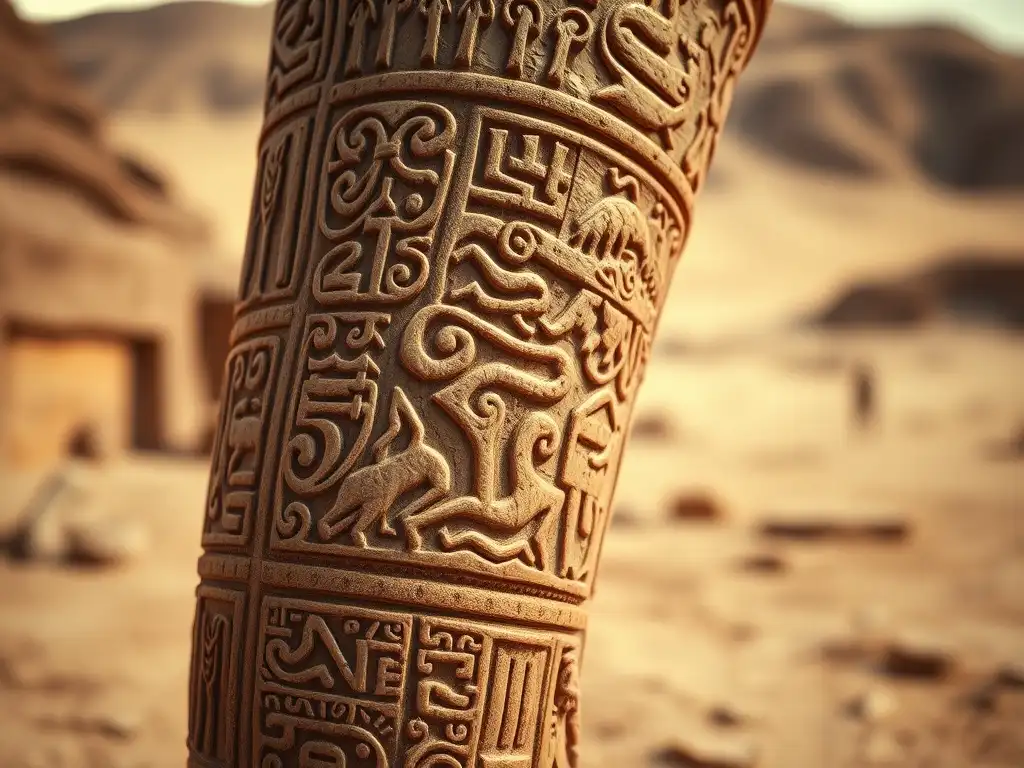
The Moche oracle practices, a fascinating aspect of their complex religious system, relied heavily on interpreting symbolic imagery. Understanding these symbols is key to deciphering the messages believed to be delivered by the gods. The Moche didn't leave behind written texts explaining their divination methods, so scholars rely on careful analysis of their art, particularly pottery and metalwork, to piece together the puzzle of their oracle practices.
The vibrant colors, intricate designs, and recurring motifs in Moche artwork offer invaluable clues to their worldview and their methods of seeking divine guidance. The accuracy and consistency of these interpretations, however, remain a subject of ongoing scholarly debate, highlighting the challenges of interpreting a culture without a written language.
The Role of Moche Iconography in Divination
Moche iconography played a central role in their divination rituals. Specific symbols, often depicted on ceremonial vessels or other artifacts, were believed to represent specific deities, events, or outcomes. For example, the recurring image of a feline deity, often associated with warfare and hunting, might indicate a prediction of military success or a bountiful hunt.
Conversely, the depiction of a specific type of bird could signify a coming drought or famine. The context in which these symbols appeared was also crucial. A feline deity depicted on a drinking vessel used in a ritual might have a different meaning than the same deity depicted on a funerary urn.
The arrangement and combination of symbols further complicated the interpretation, suggesting a sophisticated system of symbolic language. Scholars are still uncovering new layers of meaning within these complex images, constantly refining our understanding of Moche oracle practices and their sophisticated symbolic system. Further research is needed to fully understand the nuances of Moche iconography and its application in divination.
Decoding Moche Symbolism: Animals, Deities, and Rituals
Animals held significant symbolic weight in Moche culture. Specific animals were often associated with particular deities or natural forces. For example, the caiman, a powerful reptile, frequently appeared in Moche artwork and might have represented the forces of the underworld or the power of the river.
Similarly, birds, often depicted in flight, may have symbolized messages from the gods or the spirit world. The Moche pantheon of deities, often anthropomorphic and zoomorphic, further complicated the symbolic landscape. Identifying these deities within the artwork and understanding their individual attributes is crucial for interpreting the messages conveyed through the oracle.
The context of the ritual itself – the setting, the participants, and the accompanying offerings – provided further layers of meaning. Analyzing these elements in combination with the symbolic imagery is essential for a comprehensive understanding of Moche oracle practices. For example, the presence of specific offerings alongside specific symbols on a ceremonial vessel could significantly alter the interpretation of the prophecy.
Analyzing Moche Art for Prophetic Insights
Analyzing Moche art for prophetic insights requires a multi-faceted approach. Scholars employ a variety of methods, including stylistic analysis, iconographic interpretation, and contextual examination. Stylistic analysis focuses on the artistic techniques and conventions used in creating the artwork.
Changes in style over time can provide insights into the evolution of Moche beliefs and practices. Iconographic interpretation focuses on the identification and interpretation of individual symbols and their combinations. Contextual examination considers the location where the artifact was found, the type of ritual it was associated with, and the other objects found alongside it.
By combining these approaches, researchers can gradually uncover the hidden meanings embedded within Moche artwork and gain a deeper understanding of their divination practices. This is an ongoing process, and new discoveries continue to challenge and refine our understanding of Moche oracle practices, continually revealing the sophistication and complexity of their religious beliefs. The meticulous study of Moche art, therefore, remains a vital tool in unlocking the secrets of their prophetic traditions.
The Significance of Moche Oracle Centers
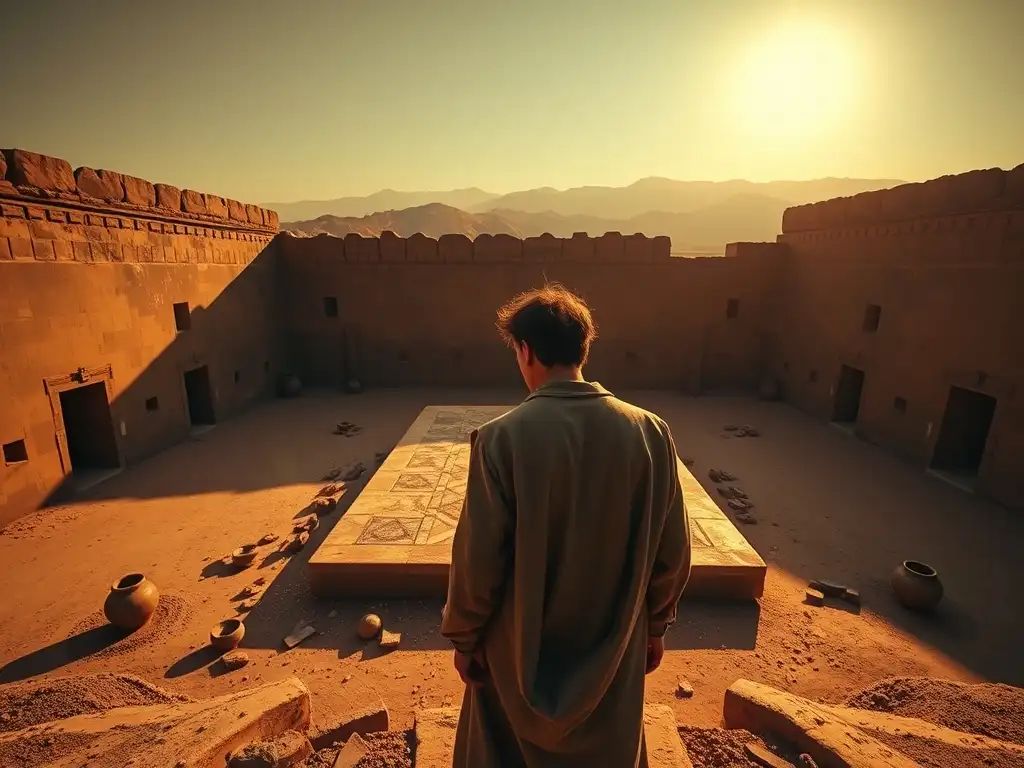
The Moche civilization, flourishing along the northern coast of Peru from approximately 100 to 800 CE, developed sophisticated religious practices centered around elaborate oracle centers. These weren't simply places of worship; they were dynamic hubs where the elite interacted with the supernatural, seeking divine guidance on matters of state, warfare, agriculture, and individual fortunes. The significance of these oracle centers stemmed from the Moche belief system, which emphasized a complex interplay between the earthly and spiritual realms.
The ability to access and interpret the will of the gods was considered a crucial aspect of leadership and social control. Access to these centers and the interpretations offered within them were likely carefully controlled, reinforcing the power of the ruling class and their connection to the divine. The sheer scale and architectural complexity of many Moche oracle sites underscore their paramount importance within the societal structure.
The investment of resources – both human and material – demonstrates the high value placed on oracle practices within Moche culture, highlighting the crucial role played by divination in shaping their society. Further research into the ritual deposits and artifacts discovered within these sites is crucial for a more complete understanding of the intricacies of Moche oracle practices.
Locations of Moche Oracle Sites and Their Importance
Several significant Moche oracle sites have been identified along the northern Peruvian coast. Their location was not arbitrary; many were strategically situated near important agricultural zones, rivers, and the sea, reflecting the Moche reliance on these resources and their connection to the fertility of the land and sea. This strategic placement also suggests a symbolic connection between the divine realm and the prosperity of the civilization. The specific locations of these sites likely held additional symbolic weight, potentially tied to local mythology or geographical features.
| Site Name | Geographic Location | Significance | Notable Features |
|---|---|---|---|
| Huaca de la Luna | Moche Valley, Peru | Major ceremonial center, extensive evidence of ritual activities and sacrifices. | Elaborate murals, human sacrifices, elite burials. |
| Huaca del Sol | Moche Valley, Peru | Large adobe pyramid, possibly used for both administrative and ritual purposes. | Immense size, evidence of significant construction effort. |
| [Site Name Pending] | [Location Pending] | [Significance Pending] | [Notable Features Pending] |
| [Site Name Pending] | [Location Pending] | [Significance Pending] | [Notable Features Pending] |
The variation in size and architectural style across these sites suggests a degree of regional diversity in Moche oracle practices, although a unifying core of beliefs and rituals undoubtedly existed. More research is needed to fully understand the regional variations and their significance.
Huaca de la Luna: A Prominent Moche Oracle Center
Huaca de la Luna, meaning "Temple of the Moon," stands as a prime example of a Moche oracle center. Its elaborate murals depict scenes of ritual sacrifice, warfare, and religious ceremonies, providing invaluable insights into Moche beliefs and practices. The discovery of numerous human sacrifices within the complex further underscores the importance of these rituals in appeasing the gods and ensuring the well-being of the society.
Analysis of the sacrificed individuals, their adornments, and the context of their burial reveals details about the social hierarchy and the nature of the rituals themselves. The intricately painted scenes, often featuring powerful deities and supernatural beings, showcase the sophisticated artistic skills of the Moche and their deep understanding of their religious iconography.
The sheer scale of the architectural undertaking reflects the immense power and resources commanded by the Moche elite, who oversaw the construction and maintenance of this significant religious center. The complex interplay between architecture, art, and ritual sacrifice at Huaca de la Luna makes it a critical site for understanding Moche oracle practices.
Pilgrimage to Moche Oracle Sites
While the precise nature of pilgrimage to Moche oracle sites remains partially unclear, archaeological evidence suggests that people from across the Moche territory, and potentially beyond, may have traveled to these centers for specific religious events or to seek divine guidance. The presence of artifacts and materials from distant regions within the oracle complexes hints at the widespread influence of these sites and the importance of pilgrimage in the Moche religious landscape.
The scale of the construction and the elaborate rituals performed suggest that these were not merely local affairs, but rather events of significant regional or even supra-regional importance. Further research focusing on the movement of people and goods across the Moche territory would help illuminate the patterns and significance of pilgrimages to these sacred spaces.
The potential for discovering more evidence related to pilgrimage, such as specialized pathways or resting places along travel routes, would significantly enhance our understanding of Moche oracle practices and their broader societal impact. The study of the social dynamics and the logistics involved in organizing such events would also offer valuable insights into the organization and social structure of the Moche civilization.
Moche Oracles and Their Influence on Society
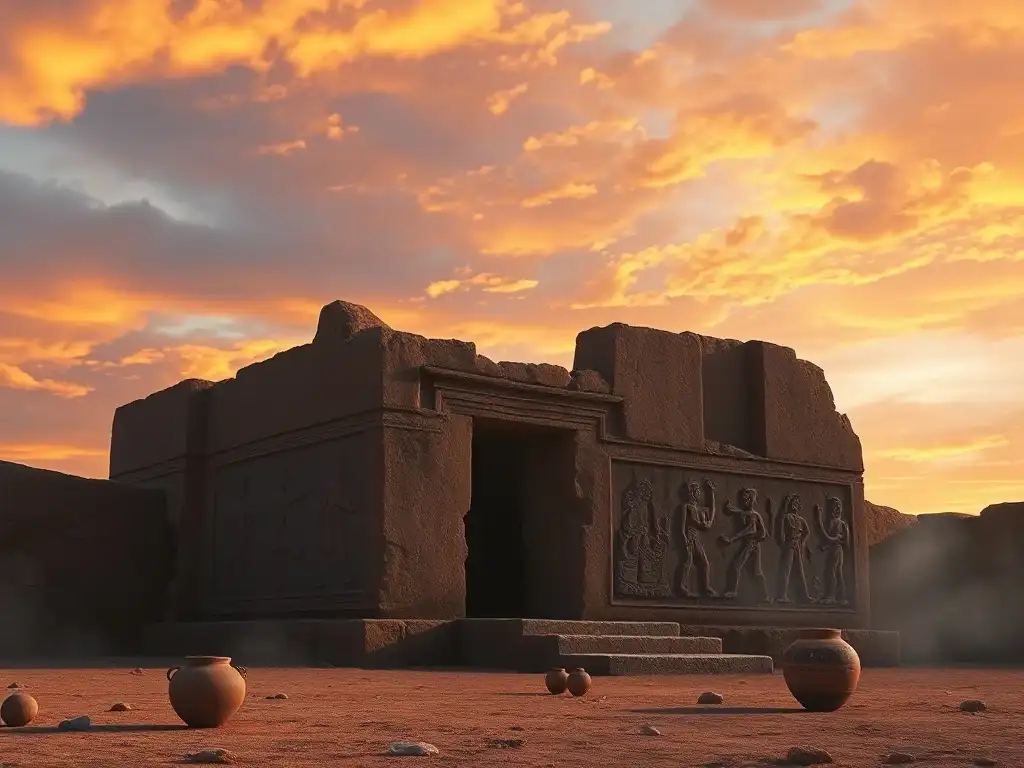
The Moche civilization, flourishing along the northern coast of Peru from approximately 100 CE to 800 CE, developed a complex religious system deeply intertwined with their daily lives. A crucial element of this system was the practice of divination, primarily through oracles, to seek guidance from the supernatural world. These oracles weren't simply tools for personal fortune-telling; they were integral to the political, economic, and military structures of Moche society.
The influence of oracle consultations permeated all levels of Moche life, shaping decisions from the construction of irrigation canals to the launching of military campaigns. Understanding Moche oracle practices provides invaluable insight into the worldview and societal organization of this fascinating civilization. The very fabric of Moche society was woven with threads of prophecy and divine intervention, as evidenced by the archaeological record and interpretations of Moche iconography.
How Moche Rulers Used Oracle Consultations
Moche rulers, often depicted in elaborate ceremonial attire in their art, heavily relied on oracle consultations to legitimize their power and make critical decisions. Archaeological evidence suggests that these consultations weren't haphazard events. Instead, they were carefully orchestrated ceremonies, often involving specialized priests and elaborate rituals.
The rulers likely used the outcomes of these consultations to justify their actions to the populace, solidifying their position as divinely appointed leaders. For example, the construction of monumental structures like pyramids and irrigation systems might have been predicated on favorable prophecies, presented as divine mandates. The sheer scale of these projects points to a centralized authority capable of mobilizing substantial resources, an authority strengthened by the perceived divine approval channeled through the oracles.
This system ensured social stability and obedience, as the ruler's decisions were framed as divinely ordained. Further research into the specific rituals and artifacts associated with these consultations is needed to fully understand the intricacies of this process. We can speculate, based on extant evidence, that offerings, possibly including precious metals or human sacrifice in certain instances, were involved.
The Impact of Prophecies on Moche Decision-Making
The Moche weren't simply passive recipients of prophecies; they actively incorporated oracle consultations into their decision-making processes at all levels of society. From determining the optimal time for planting crops to selecting the most favorable routes for trade expeditions, prophecies influenced a wide range of choices. The impact on agricultural practices, for instance, was likely significant.
A poor harvest could have devastating consequences for a society reliant on agriculture. By consulting oracles, the Moche sought to minimize risks and maximize yields. This proactive approach to risk management highlights a sophisticated understanding of the interplay between human agency and supernatural forces.
We can imagine village elders consulting oracles before undertaking communal projects, ensuring that the community's efforts were aligned with the perceived will of the gods. This integration of divination into everyday life underscores the pervasive influence of religious beliefs in the Moche worldview. Further study is needed to explore the specific methods of divination used by the common people, as opposed to the elite.
Moche Military Campaigns and Oracle Guidance
The Moche were known for their powerful military, capable of both expansion and defense. It's highly probable that Moche military campaigns were also guided by oracle consultations. The timing of attacks, the selection of battle strategies, and even the assessment of enemy strengths and weaknesses may have been influenced by prophecies.
The Moche's sophisticated military organization, evident in their weaponry and fortifications, suggests a strategic approach to warfare. Combining this organizational prowess with the guidance of oracles likely resulted in a formidable military machine. Think of the potential impact: a timely prophecy of an enemy's weakness could have tipped the balance of a crucial battle, leading to victory and territorial expansion.
Conversely, an unfavorable prophecy might have led to a strategic retreat or a postponement of hostilities, preserving valuable resources and lives. Unfortunately, concrete evidence directly linking specific Moche military victories or defeats to oracle consultations remains scarce, requiring further archaeological investigation and analysis of Moche iconography to confirm this hypothesis. The absence of direct evidence, however, does not negate the high probability of this practice, given the pervasive influence of oracles in other aspects of Moche life.
The Legacy of Moche Divination Practices
The Moche civilization, flourishing along the northern coast of Peru from approximately 100 to 800 CE, left behind a rich tapestry of religious beliefs and practices. Central to their worldview was the concept of divination and the seeking of divine guidance through various oracle practices. While much remains shrouded in mystery, archaeological discoveries and careful analysis of Moche iconography offer fascinating glimpses into their sophisticated methods of communicating with the supernatural.
The legacy of these practices extended far beyond the Moche era, influencing subsequent Andean cultures and leaving an indelible mark on the region's spiritual landscape. Understanding Moche oracle practices provides crucial insight into their societal structure, political systems, and deep-seated relationship with the natural world.
The influence of Moche divination techniques can be seen in the religious practices of later Andean civilizations, highlighting the enduring power of their spiritual beliefs and the continuity of certain ritualistic traditions across centuries. The persistence of these practices underscores the profound impact of the Moche worldview on the development of Andean spirituality.
Traces of Moche Oracle Beliefs in Later Andean Cultures
The sophisticated divination techniques employed by the Moche didn't vanish with the decline of their civilization. Elements of Moche oracle practices, particularly those involving shamanistic rituals and the interpretation of natural phenomena, are discernible in the religious practices of later Andean cultures, such as the Chimú and Inca. For instance, the Chimú, who succeeded the Moche, continued the tradition of elaborate funerary rituals, often incorporating elements reminiscent of Moche shamanistic practices.
The use of specific artifacts, like intricately carved vessels and ceremonial objects, suggests a continuation of ritualistic practices aimed at seeking divine guidance. Furthermore, the Inca, known for their complex state religion, incorporated elements of ancestor veneration and nature worship that echo the Moche emphasis on the spiritual power residing within the natural world. While the specific forms might have evolved, the underlying principles of seeking divine intervention through ritual and interpretation of omens remained a persistent theme in Andean religious life.
The continuity highlights the deep-rooted nature of these beliefs within the Andean worldview. Specific examples of iconographic similarities between Moche pottery depicting divination and later Chimú artifacts are still being researched, offering promising avenues for further understanding of this cultural transmission.
Archaeological Evidence of Moche Oracle Practices
Archaeological excavations at various Moche sites have yielded compelling evidence supporting the existence of sophisticated oracle practices. The discovery of intricately decorated vessels, often depicting scenes of ritualistic activities and shamanistic figures, provides tangible proof of their belief in divination. These vessels, frequently found within elite tombs or ceremonial contexts, are not simply decorative objects; they are powerful tools that likely served a ritualistic purpose, used in divination ceremonies or as offerings to the gods.
Furthermore, the presence of specific artifacts such as polished stones, meticulously crafted bone tools, and divining implements within these contexts strongly suggests the existence of organized and formalized oracle practices. The analysis of these artifacts, combined with contextual evidence from the burial sites, allows researchers to reconstruct aspects of the rituals and the societal roles involved in seeking divine guidance. For example, the discovery of multiple identical vessels in a single tomb might indicate a communal divination practice, while the presence of rare or precious materials could signify the high status of those involved in such rituals.
The meticulous arrangement of objects within tombs also provides valuable clues about the beliefs and practices surrounding death and the afterlife. The careful study of these archaeological finds continues to unveil new details about the complexity of Moche oracle practices.
The Continuing Study of Moche Prophecy and Religion
The study of Moche oracle practices is a dynamic and ongoing field of research. New discoveries continue to challenge existing interpretations and reveal new facets of this intriguing aspect of Moche culture. Scholars are employing advanced techniques, such as 3D modeling and digital analysis of artifacts, to gain a deeper understanding of the rituals and their symbolic meaning. Furthermore, the ongoing collaboration between archaeologists, anthropologists, and art historians is crucial in interpreting the complex iconography and symbolism present in Moche art.
The integration of different disciplinary perspectives allows for a more holistic understanding of Moche religion and beliefs. For instance, the analysis of Moche textiles alongside pottery has revealed intriguing connections between visual representations and ritual practices. The ongoing research also emphasizes the importance of considering the broader social and political context within which these practices occurred.
Understanding the role of shamans, priests, and rulers in Moche society is crucial to interpreting the function and significance of oracle practices within the larger framework of their civilization. The future of this research promises further insights into the intricate workings of Moche prophecy and their profound understanding of the supernatural world. A deeper understanding of the Moche worldview will undoubtedly enrich our understanding of Andean civilizations as a whole.
Frequently Asked Questions
What were the Moche people's beliefs about oracles?
The Moche believed that oracles provided direct communication with the supernatural world, offering guidance and prophecy on crucial matters like warfare, agriculture, and leadership. They held these pronouncements in high regard.
How did the Moche utilize oracles in their society?
Moche oracles played a significant role in decision-making processes, from political strategies to agricultural practices. Their pronouncements influenced everything from warfare to everyday life.
What methods did the Moche employ for oracle practices?
The Moche used various methods, including interpreting dreams, observing natural phenomena, and potentially employing specialized priests or shamans to communicate with deities. Specific techniques remain debated by scholars.
What evidence exists to support the understanding of Moche oracle practices?
Archaeological evidence, including iconography depicting rituals and divination, provides insights into their practices. Ceramics, textiles, and metalwork also depict scenes related to these practices.
How did Moche oracle practices compare to those of other Andean cultures?
While sharing some similarities with other Andean cultures, Moche oracle practices had distinct characteristics, reflecting their unique religious beliefs and societal structures. Further research is needed to fully compare them.
Final Reflection: Echoes of the Oracle: Understanding Moche Prophecy Today
The intricate world of Moche oracle practices, far from being a relic of the past, offers a compelling lens through which to examine our own contemporary search for meaning and guidance. Understanding their methods of divination, from interpreting the flight of birds to analyzing the patterns in coca leaves, provides a fascinating glimpse into a culture deeply connected to the spiritual realm. This connection, though expressed differently, resonates powerfully with our own persistent human need to understand the unknown and navigate the complexities of life.
The enduring legacy of the Moche's spiritual practices highlights the timeless human desire for connection with something larger than ourselves. Their sophisticated rituals, meticulously crafted artifacts, and the sheer dedication evident in their oracle practices speak volumes about the importance of seeking divine guidance. The gods do not reveal themselves to those who do not seek them,
a sentiment echoed across cultures and millennia, underscores the enduring relevance of the Moche's quest for prophecy. Their methods may differ from our own, but the underlying human need remains constant, a testament to the universality of the spiritual experience.
Consider the echoes of the Moche oracles in your own life. Do you seek guidance in your decisions? What methods do you employ to navigate uncertainty? Perhaps by reflecting on the ingenuity and dedication of the Moche, we can find new ways to connect with our own inner wisdom and find meaning in the complexities of our modern world. Let the legacy of the Moche inspire you to explore your own path towards understanding and connection, embracing the inherent human desire for guidance and meaning, however you choose to seek it.
Unveil Your Inner Oracle!
Thank you for exploring the fascinating world of Moche Oracle Practices. You've discovered how ancient civilizations sought divine guidance and prophecy! Now, let's apply that knowledge to your life.
Here's how you can connect with this rich heritage:
- **Trust your intuition! ** Spend some quiet time in meditation or journaling, reflecting on life's questions to access your inner wisdom.
- Share your insights with friends and family; discuss the importance of spirituality and guidance in today's world.
- Join a local workshop on divination or ancient cultures to expand your understanding and connect with others who share your interests.
Consider how ancient wisdom can inform your decisions in the modern world.