
The Guardians of Culture: Women as Transmitters of Andean Heritage

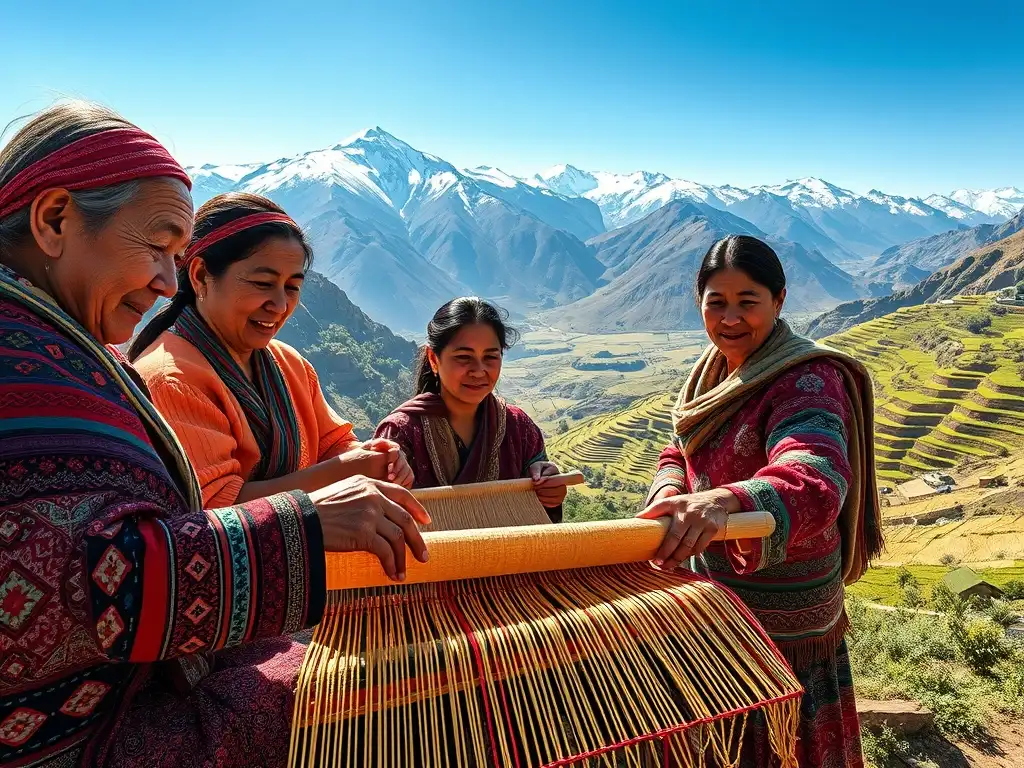
Step into a world lost to time, yet echoing with vibrant life. For centuries, the Andes Mountains have witnessed the rise and fall of magnificent civilizations. But what secrets lie hidden within their ancient stones, waiting to be uncovered? This journey delves into the fascinating role of Andean women's cultural transmission, revealing their crucial contributions to the enduring legacy of the Inca, Moche, Nazca, and Tiahuanaco. Prepare to be captivated by the stories of these extraordinary women, the true Guardians of Culture.
The Andean region, a breathtaking tapestry of towering mountains and fertile valleys, boasts a rich and complex history shaped by powerful civilizations like the Inca, Moche, Nazca, and Tiahuanaco. While often overshadowed in traditional historical narratives, the role of women in preserving and transmitting the cultural heritage of these societies was absolutely paramount. This article delves into the vital contributions of Andean women, exploring their multifaceted roles as keepers of knowledge, artisans, spiritual leaders, and social organizers.
We will examine how they ensured the continuity of traditions, beliefs, and practices across generations, demonstrating their crucial significance in shaping the Andean cultural landscape and their enduring legacy. Understanding their contributions is key to a more complete and accurate understanding of "Andean women's cultural transmission," offering a nuanced perspective beyond the commonly presented patriarchal interpretations of Andean history.
Introduction: The Vital Role of Women in Preserving Andean Traditions
The preservation of Andean cultural heritage wasn't solely the domain of men. Women actively participated in all aspects of life, from agriculture and textile production to religious ceremonies and social structures. Their knowledge, passed down through generations, was essential for the survival and prosperity of their communities. This oral tradition, often overlooked in written historical accounts, formed the bedrock of Andean culture.
Women were the primary educators of children, instilling values, beliefs, and practical skills vital for community life. They were also responsible for maintaining the intricate systems of knowledge related to agriculture, medicine, and cosmology, ensuring the continuity of these practices. Their roles were not merely supportive; they were foundational to the very fabric of Andean society. The intricate textiles, sophisticated agricultural techniques, and deeply rooted spiritual beliefs all owe a significant debt to the ingenuity and dedication of Andean women.
Weaving the Past into the Present: Textiles as Cultural Transmitters
Andean textiles are renowned worldwide for their exquisite artistry and intricate designs. These weren't merely decorative items; they served as powerful mediums for cultural transmission. Women, the primary weavers, incorporated symbolic patterns and motifs that encoded historical narratives, mythological stories, and cosmological beliefs. The colors, fibers, and techniques themselves held cultural significance, representing specific regions, clans, or social statuses.
By mastering these complex textile traditions, women became custodians of their communities' cultural memory. Each piece of cloth was a tangible link to the past, embodying generations of knowledge and skill. The intricate designs, often passed down through family lineages, served as living archives of Andean history and cosmology. Learning to weave wasn't simply a vocational skill; it was a rite of passage, marking a young woman's transition into adulthood and her role as a cultural transmitter.
Beyond the Loom: Women's Roles in Andean Agriculture and Spirituality
The agricultural practices of the Andes were sophisticated and deeply intertwined with religious beliefs. Women played a crucial role in both aspects. Their intimate knowledge of the land, its cycles, and its needs was essential for successful harvests. They were involved in planting, cultivating, and harvesting crops, often utilizing sophisticated techniques adapted to the challenging Andean terrain.
Furthermore, women were actively involved in religious ceremonies and rituals, often serving as intermediaries between the human and spiritual worlds. Their understanding of medicinal plants, their role in healing ceremonies, and their connection to the earth's energies solidified their status as important spiritual leaders within their communities. Their participation wasn't limited to domestic spheres; they held positions of authority and influence within both secular and religious contexts.
Preserving the Legacy: The Enduring Impact of Andean Women
The contributions of Andean women to their societies were immense and far-reaching. Their influence extends beyond the tangible artifacts they created; it permeates the very essence of Andean culture. Their knowledge, skills, and leadership were fundamental to the survival and prosperity of their communities for millennia.
By understanding their roles, we gain a more complete and accurate picture of Andean history, challenging traditional narratives that often marginalize their contributions. Their legacy serves as a powerful reminder of the vital role women played, and continue to play, in shaping cultures around the world. The stories of Andean women are not just historical accounts; they are living testaments to resilience, ingenuity, and the enduring power of cultural transmission.
- Introduction: The Vital Role of Women in Preserving Andean Traditions
- Weaving the Past into the Present: Textiles as Cultural Transmitters
- Beyond the Loom: Women's Roles in Andean Agriculture and Spirituality
- Preserving the Legacy: The Enduring Impact of Andean Women
Andean Women's Cultural Transmission: A Legacy of Knowledge
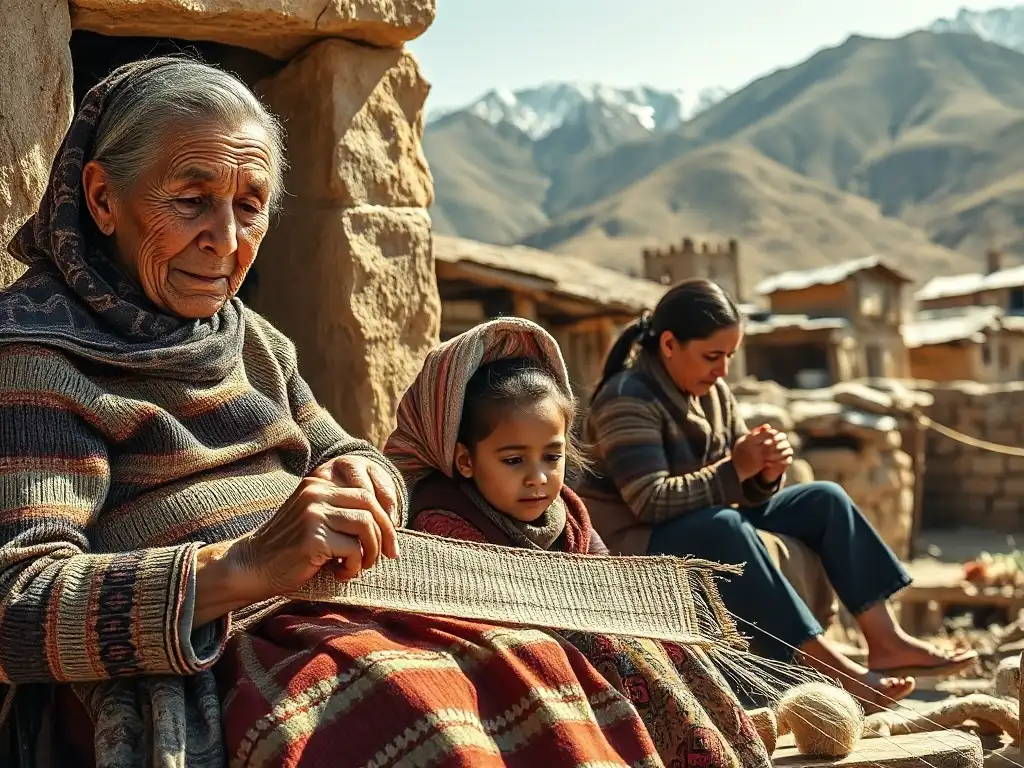
This section delves into the crucial role Andean women played – and continue to play – in preserving and transmitting their rich cultural heritage. For centuries, women served as the primary custodians of knowledge, skills, and traditions, ensuring the continuity of Andean cultural practices across generations. This wasn't a passive role; it was an active, dynamic process deeply interwoven with their daily lives and social structures.
Understanding this transmission is key to appreciating the enduring strength and resilience of Andean cultures. The analysis focuses on the multifaceted ways Andean women acted as active agents in cultural continuity, highlighting the significance of oral tradition, their role as storytellers, and their mastery of textile arts as powerful mediums of cultural expression and transmission. The enduring impact of Andean women's cultural transmission is undeniable, shaping the cultural landscape of the Andes for millennia.
The Significance of Oral Tradition and Women's Role
Oral tradition formed the bedrock of Andean knowledge systems. Before the widespread adoption of writing, information – historical accounts, myths, legends, agricultural techniques, medicinal knowledge, and social customs – was passed down verbally, primarily through women. This wasn't simply rote memorization; it involved intricate performance styles, poetic forms, and mnemonic devices that ensured accuracy and engagement.
Women, often within the family unit, were responsible for teaching children and younger generations these vital narratives and practical skills. This transmission wasn't confined to the domestic sphere; women also played significant roles in community gatherings and ceremonies where oral traditions were performed and shared, reinforcing social bonds and cultural identity. The precise mechanisms varied across different Andean cultures, but the central role of women in maintaining and transmitting oral traditions remained remarkably consistent.
For example, among the Quechua people, yachaywasi (houses of knowledge) often featured women as central figures in the transmission of ancestral knowledge. Their narratives, songs, and rituals served not only to educate but also to instill values and maintain social order. The loss of this oral tradition would have irrevocably damaged the cultural fabric of Andean societies.
Andean Women as Storytellers and Keepers of History
Andean women were not merely passive recipients of oral traditions; they were active creators and interpreters of narratives. They shaped the stories, adapting them to suit specific contexts and audiences. Their storytelling abilities were crucial in transmitting historical accounts, preserving cultural memory, and shaping collective identity.
These narratives weren't simply tales; they were powerful tools for education, socialization, and social control. They conveyed moral lessons, explained natural phenomena, and reinforced societal norms. Many stories featured female protagonists, highlighting the roles and achievements of women within their communities.
Unfortunately, much of this rich oral history remains undocumented, relying heavily on anthropological research and limited surviving accounts. Further research is needed to fully uncover the extent of women's contributions to Andean storytelling and their role as active keepers of historical memory. The ongoing efforts to document and preserve these oral traditions are critical to understanding the full complexity of Andean history and its female narratives.
Weaving as a Form of Cultural Expression and Transmission: Textile Techniques of the Quechua and Aymara
Weaving wasn't merely a craft; it was a powerful means of cultural expression and transmission in Andean societies. Women were the primary weavers, mastering intricate techniques passed down through generations. The textiles themselves served as repositories of knowledge, conveying historical information, social status, and spiritual beliefs.
The Quechua and Aymara peoples, for instance, employed complex patterns and symbols in their weavings, often encoding narratives, cosmological beliefs, and historical events. These visual codes were understood within the community, allowing the textiles to function as living archives of cultural knowledge. The techniques themselves, from the preparation of the fibers to the specific weaving methods, were carefully taught to younger generations of women, ensuring the continuity of these intricate skills.
The vibrant colors, complex designs, and symbolic representations in Andean textiles bear witness to the significant role women played in shaping and transmitting their cultural heritage. The study of Andean textiles provides invaluable insight into the social, political, and spiritual lives of Andean women and their contribution to cultural continuity. The intricate designs and techniques serve as a visual testament to their profound understanding of their culture and their role as its keepers.
Mothers and Daughters: The Intergenerational Transfer of Andean Heritage
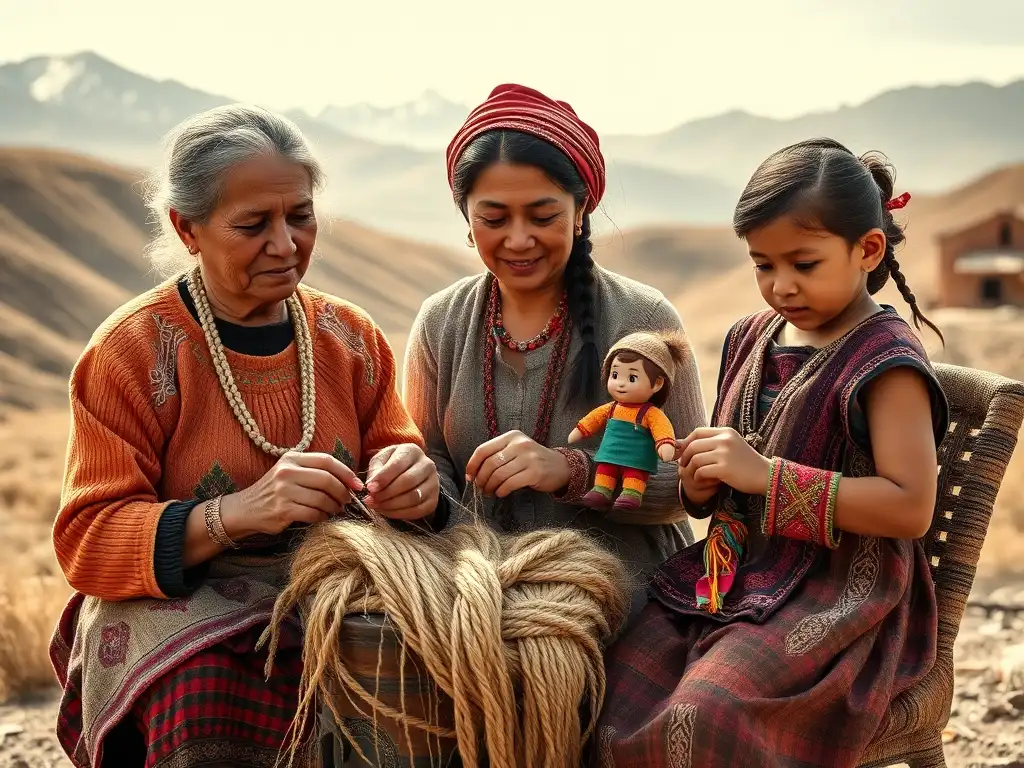
This section explores the crucial role of mothers and daughters in the enduring transmission of Andean cultural heritage. The intergenerational transfer of knowledge, skills, and traditions within the family unit formed the bedrock of Andean societal continuity for millennia. This wasn't merely a passive inheritance; it was an active, dynamic process, intricately woven into the fabric of daily life.
We will examine how this vital process ensured the survival and evolution of Andean culture across generations. Understanding this dynamic illuminates the profound impact Andean women had – and continue to have – on shaping their societies. The strength and resilience of Andean cultures are, in no small part, a testament to the dedication and expertise of these women.
Passing Down Skills and Knowledge: From Generation to Generation
The transmission of Andean heritage wasn't confined to formal settings; it was deeply embedded in the everyday routines shared between mothers and daughters. Textile production, for example, was a cornerstone of Andean life, and the intricate techniques of weaving, dyeing, and embroidery were meticulously passed down through generations. Mothers taught their daughters not only the practical skills but also the symbolic meaning embedded within each design. These designs often conveyed narratives, cosmological beliefs, and social status, representing a living archive of cultural knowledge.
Similarly, agricultural practices, medicinal knowledge, and culinary traditions were all taught through observation, imitation, and hands-on participation. This apprenticeship model ensured the continuity of essential skills and knowledge vital for the survival and prosperity of Andean communities. The process was often accompanied by storytelling, songs, and rituals, further enriching the learning experience and reinforcing cultural values.
Consider the painstaking process of preparing coca leaves, a practice passed down through generations of women, encompassing not only the physical act but also the associated rituals and beliefs. This holistic approach highlights the depth and complexity of intergenerational learning within Andean societies. The meticulous passing of these skills ensured that the cultural heritage remained vibrant and relevant across time.
The Importance of Family and Community in Cultural Education
The family unit was not an isolated entity in the context of Andean cultural transmission. Instead, it formed an integral part of a wider network of community support and education. Grandmothers, aunts, and other female relatives played significant roles in mentoring younger generations, contributing to a rich tapestry of shared knowledge and experience.
The community itself acted as a learning environment, where young girls observed and participated in various cultural activities, rituals, and ceremonies. This collaborative approach to education reinforced social cohesion and ensured the collective preservation of cultural practices. Furthermore, the integration of cultural education into daily life ensured its natural and continuous transmission, unlike the formal, structured education systems of other cultures.
Festivals, religious ceremonies, and agricultural cycles provided opportunities for learning and participation, making the transmission of cultural heritage a seamless part of everyday life. This community-based approach fostered a deep sense of belonging and collective responsibility for preserving Andean traditions, underscoring the importance of social networks in cultural continuity. The active participation of the entire community in this process strengthened the cultural identity and ensured its survival.
Women as Educators and Mentors within Andean Societies
Andean women served not only as transmitters of cultural heritage within their families but also as respected educators and mentors within their broader communities. Their expertise in various domains, from textile production to medicinal practices, earned them positions of authority and influence. They weren't merely passive recipients of tradition; they were active agents in its evolution and adaptation. Their knowledge, often deeply rooted in ancestral wisdom, guided community decisions and ensured the continuity of cultural practices.
This leadership role wasn't necessarily formalized; it stemmed from the recognition of their expertise and the respect they commanded within their communities. The role of women as healers, for example, highlights their profound understanding of medicinal plants and their ability to provide crucial healthcare services. Their knowledge, passed down through generations, was essential for maintaining community well-being and reflects their powerful role in shaping Andean societies.
The legacy of these women as educators and mentors continues to inspire and inform contemporary Andean communities, showcasing the enduring impact of their contributions to cultural preservation and societal development. Their influence extended far beyond the domestic sphere, impacting the social, economic, and spiritual fabric of Andean life. Their stories, often untold, are a testament to the vital role of Andean women in shaping their rich and complex cultural heritage.
Beyond the Domestic Sphere: Women's Influence on Andean Rituals and Ceremonies
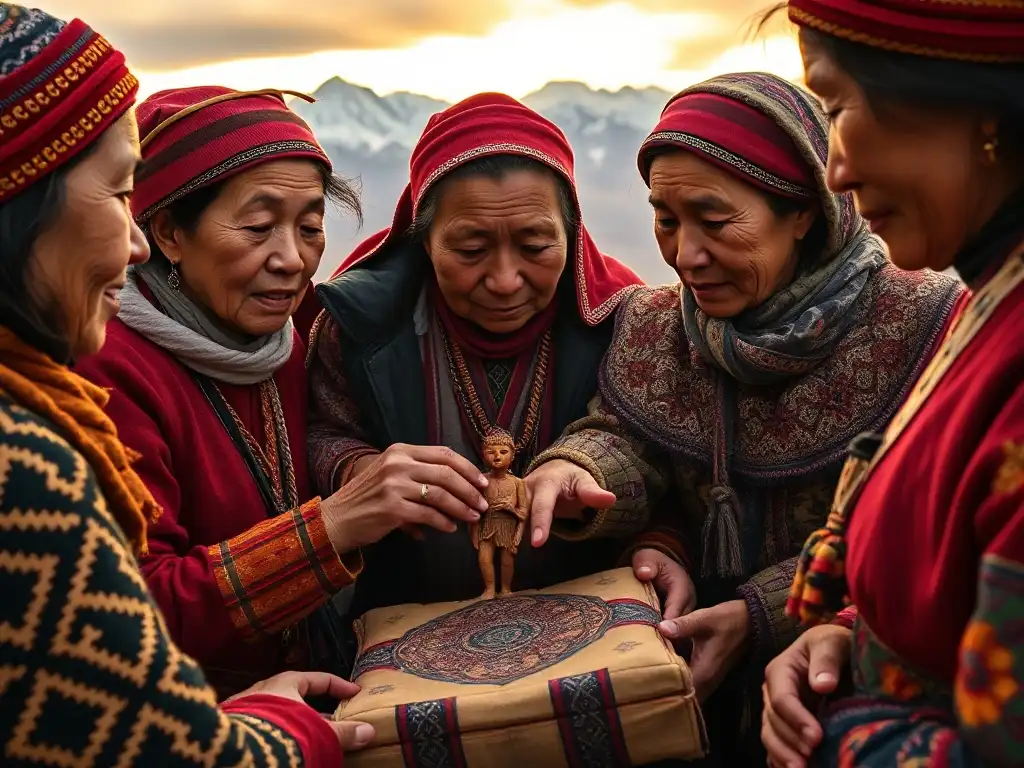
While often depicted primarily in domestic roles, Andean women held significant power and influence within the spiritual and ritual life of their communities. Their participation wasn't merely ancillary; it was integral to maintaining the cosmological balance and ensuring the prosperity of their societies. This section explores the multifaceted ways Andean women actively shaped and participated in religious practices and ceremonies, demonstrating their crucial role in cultural transmission beyond the domestic sphere. Understanding this aspect is key to a complete understanding of Andean women's cultural transmission.
Women's Participation in Religious Practices and Festivals
Andean religious life was vibrant and deeply intertwined with daily life. Women were not passive observers but active participants in numerous religious practices and festivals. Archaeological evidence, such as depictions on textiles and pottery, shows women participating in processions, rituals, and ceremonies alongside men.
For example, textiles from the Paracas culture (circa 500 BCE – 200 CE) frequently depict women performing rituals, offering gifts, and interacting with deities. These visual representations challenge the often-limited narratives focusing solely on women's domestic roles, highlighting their active engagement in the spiritual realm. Furthermore, oral traditions, though often fragmented and requiring careful interpretation, further corroborate the active role of women in festivals related to agriculture, fertility, and the veneration of ancestral spirits.
The transmission of these traditions, from generation to generation, through women was crucial for the continuity of Andean religious practices. Their knowledge of herbal remedies, rituals, and prophecies was essential for the wellbeing of their communities, and this knowledge was passed down through generations, shaping the cultural transmission of Andean spiritual practices.
The Role of Women as Healers and Spiritual Leaders
Beyond participating in communal rituals, Andean women often served as healers and spiritual leaders within their communities. Their expertise in herbal medicine, midwifery, and divination made them vital figures in maintaining the health and well-being of their people. The use of medicinal plants, knowledge passed down through generations of women, was not merely practical but deeply connected to spiritual beliefs.
The preparation and administration of these remedies involved rituals and incantations, further underscoring the spiritual dimension of women's healing practices. Some women held positions of authority as paqos (shamans) or held similar roles, demonstrating that spiritual leadership wasn't exclusively a male domain. This significant role in healing and spiritual guidance directly contributed to the transmission of Andean knowledge, ensuring the continuity of traditional healing practices and spiritual beliefs.
Further research into specific Andean communities and their unique spiritual leaders is needed to fully understand the nuances of women's roles in this area. [Specific information pending on regional variations in women's spiritual roles].
Specific Rituals where Women's Role is Key: Pachamama Offerings and Water Ceremonies
The veneration of Pachamama (Mother Earth) was central to Andean cosmology. Women played a crucial role in rituals honoring Pachamama, often leading offerings of coca leaves, food, and other gifts to appease the earth and ensure bountiful harvests. These offerings weren't merely symbolic; they were practical actions demonstrating the interconnectedness between humans and the natural world.
The knowledge of the appropriate times and methods for making these offerings was passed down through generations of women, highlighting their role as custodians of this vital tradition. Similarly, water ceremonies, crucial for Andean agricultural practices, often involved women. Their understanding of water sources, their connection to fertility, and their knowledge of the appropriate rituals to maintain the flow and purity of water were essential for the survival of their communities.
These rituals, central to Andean life, further illustrate the vital role of women in the cultural transmission of Andean traditions. The precise details of these rituals vary across different Andean communities, highlighting the diversity within Andean cultures and the importance of further research to fully appreciate the complexity of these traditions. The continued practice of these ceremonies today is a testament to the enduring legacy of Andean women and their role in preserving cultural heritage.
The information provided showcases the significant, often overlooked, roles Andean women played in shaping their societies' religious and spiritual life. Their contributions extended far beyond the domestic sphere, actively influencing the transmission of Andean cultural heritage for generations. This active participation demonstrates the crucial role of Andean women in the perpetuation of their rich culture and traditions.
Challenges and Resilience: The Enduring Power of Andean Women's Cultural Legacy
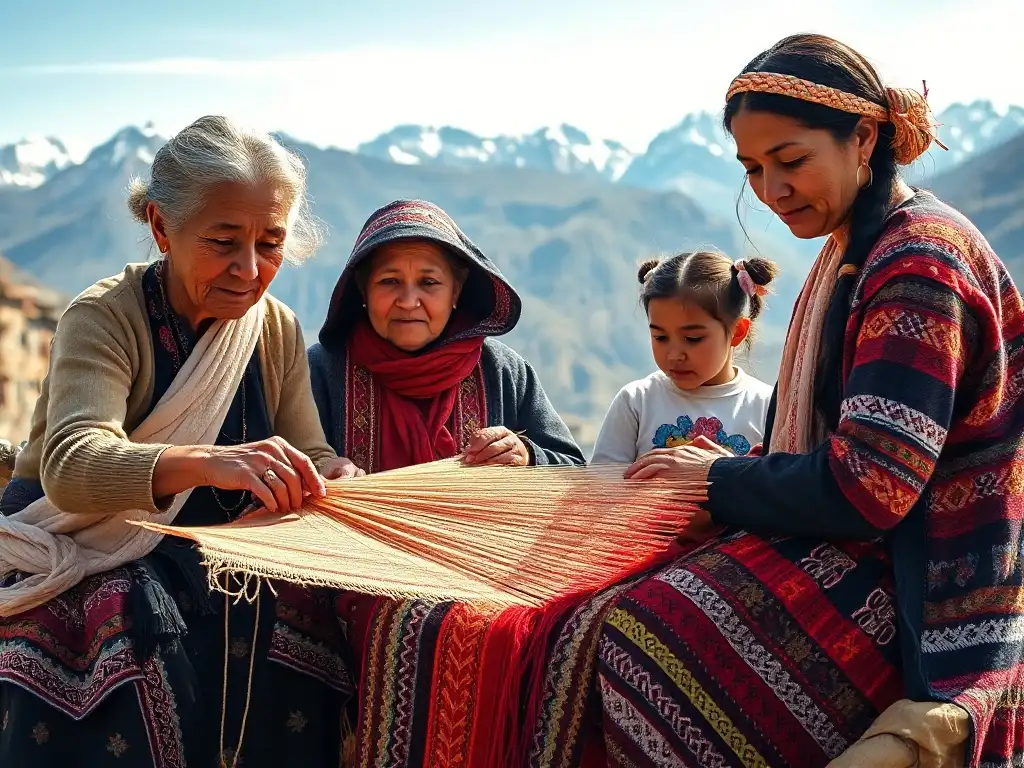
Andean women's cultural transmission has faced immense challenges throughout history, yet their resilience and determination have ensured the survival and evolution of rich cultural practices. Their role, often unseen by dominant historical narratives, was crucial in maintaining traditions, knowledge, and beliefs across generations. The strength of Andean women's cultural legacy lies not only in its longevity but in its adaptability, constantly evolving to meet new circumstances while retaining its core values.
This enduring power is a testament to the ingenuity and strength of Andean women, who acted as the bedrock of their communities. Understanding their contributions requires a nuanced examination of the historical context and the ongoing efforts to both protect and celebrate their legacy. The following sections will delve deeper into the specific challenges faced and the contemporary initiatives dedicated to preserving their invaluable contributions.
The Impact of Colonialism on Traditional Practices
The Spanish conquest profoundly impacted Andean societies, leading to significant disruptions in traditional practices and a concerted effort to suppress indigenous cultures. Colonial policies aimed to replace indigenous beliefs and customs with Catholicism, often resulting in the persecution of traditional Andean practices. Women, as primary keepers of cultural knowledge, bore the brunt of these changes. Many traditional textile techniques, medicinal practices, and agricultural knowledge were suppressed or altered.
For example, the intricate weaving techniques passed down through generations of women, often imbued with symbolic meaning and spiritual significance, were forcibly adapted to produce goods aligned with colonial demands. This led to a decline in the production of certain textiles and a shift towards less complex designs. Furthermore, the imposition of new social structures undermined the authority and agency of women within their communities, impacting their ability to transmit cultural knowledge effectively.
The impact was not uniform across all Andean regions, varying depending on the intensity of colonial control and the ability of communities to resist assimilation. However, the overall effect was a significant disruption to the continuity of Andean women's cultural transmission, demanding remarkable resilience and adaptation. Despite facing immense pressure, Andean women found ways to subtly preserve elements of their traditions, incorporating them into the new realities imposed upon them, thereby ensuring the survival, albeit in altered form, of their cultural heritage.
Contemporary Efforts to Revitalize and Preserve Andean Culture
Today, there's a growing recognition of the importance of revitalizing and preserving Andean culture, with a significant focus on empowering Andean women as key agents of this process. Numerous organizations and initiatives are working to document, promote, and support the transmission of traditional practices. These efforts include: the establishment of weaving cooperatives that provide women with economic opportunities while allowing them to practice and teach traditional textile arts; the creation of community-based museums and cultural centers that showcase Andean women's artistry and knowledge; the development of educational programs that incorporate Andean perspectives and histories into school curricula; and the digital documentation of traditional knowledge, making it accessible to wider audiences.
Furthermore, there's a concerted effort to recognize and celebrate the contributions of Andean women to their communities, promoting their leadership roles and expertise in various fields. This renewed focus on Andean women's cultural transmission is not only crucial for preserving cultural heritage but also for fostering social justice and empowering women within their communities.
The success of these initiatives depends heavily on collaboration between researchers, community members, and government agencies, ensuring that cultural preservation efforts are sustainable and community-led. The ongoing challenge lies in balancing the preservation of authenticity with the need for adaptation to contemporary contexts.
Celebrating the Contributions of Andean Women to Cultural Heritage
Celebrating Andean women's contributions to their cultural heritage requires actively challenging traditional historical narratives that often marginalize their roles. Their mastery of textile arts, agricultural techniques, medicinal knowledge, and spiritual practices are integral components of Andean cultural identity. This celebration should extend beyond mere recognition to active participation in preserving and promoting these contributions. For example, highlighting the intricate symbolism woven into traditional Andean textiles, or recognizing the vital role of women in maintaining traditional agricultural practices that ensure food security, are crucial steps.
The use of digital platforms to showcase the work of contemporary Andean women artists and craftspeople is another effective way to increase visibility and appreciation. Furthermore, supporting initiatives that empower Andean women to become active participants in cultural preservation efforts is essential. This includes providing access to education, resources, and opportunities for leadership within their communities.
By actively celebrating and supporting Andean women's cultural transmission, we not only acknowledge their historical significance but also contribute to the ongoing vitality and richness of Andean cultures. This recognition is not merely a matter of historical accuracy, but a vital step towards a more equitable and just future that values and celebrates the contributions of all members of society. The enduring legacy of Andean women serves as a powerful reminder of the resilience and ingenuity of human spirit, and their stories deserve to be heard and celebrated globally.
Examples of Notable Andean Women Transmitters of Culture
This section explores the significant roles Andean women played, and continue to play, in preserving and transmitting their rich cultural heritage. The transmission of Andean cultural knowledge wasn't solely a male domain; women were—and remain—integral to maintaining traditions, knowledge systems, and artistic expressions across generations. Their contributions, often overlooked in historical narratives, are crucial to understanding the dynamism and resilience of Andean cultures.
We will examine examples spanning historical figures to contemporary activists, highlighting the diversity of their roles in cultural transmission. This exploration will illuminate the multifaceted ways Andean women have acted as guardians of their cultural legacy, ensuring its continuity through time. The keyword "Andean women's cultural transmission" is central to understanding their enduring impact.
Specific Historical Figures and their Contributions: Bartolina Sisa and Micaela Bastidas
Bartolina Sisa and Micaela Bastidas exemplify the powerful roles women assumed in Andean societies, even amidst colonial oppression. Their contributions extended beyond domestic spheres; they actively participated in political and social movements, becoming key figures in resistance and cultural preservation.
Bartolina Sisa (c. 1750-1782), an Aymara woman from Bolivia, is remembered for her participation in the Túpac Amaru II rebellion against Spanish colonial rule. While her specific contributions are debated by historians, her role as a leader and organizer during the uprising is undeniable. Her involvement highlights the crucial role women played in coordinating resistance efforts, demonstrating their leadership capabilities and commitment to their communities.
Her legacy underscores the importance of indigenous women’s resistance to colonial forces and their active participation in shaping Andean history. The suppression of her story, like that of many Andean women, only serves to highlight the importance of recovering these narratives.
Micaela Bastidas Puyucahua (1742-1781), from Cusco, Peru, is another remarkable example. She was the wife of Túpac Amaru II and played a vital role in the rebellion, acting as a strategist and messenger. She organized support networks, mobilized resources, and even led troops in battle.
Her contributions are crucial to understanding the rebellion's success and the significant role of women in Andean resistance movements. Her unwavering commitment to the cause, even in the face of brutal colonial repression, exemplifies the strength and resilience of Andean women. She strategically used her position to maintain communication networks and bolster the morale of the rebel forces.
Contemporary Activists and their Work: Tarcila Rivera Zea and Nina Pacari
The legacy of Andean women's cultural transmission continues in contemporary times. Activists like Tarcila Rivera Zea and Nina Pacari have actively worked to reclaim, preserve, and promote indigenous knowledge and traditions.
Tarcila Rivera Zea (1946-2022), a Quechua woman from Peru, was a prominent anthropologist, writer, and activist. Her work focused on reclaiming the voices and experiences of indigenous women in Peru, highlighting their struggles, their resilience, and their crucial roles in preserving their cultural heritage. Through her writings and activism, she contributed significantly to raising awareness about indigenous women's rights and cultural preservation. Her work serves as a vital resource for understanding Andean women's lived experiences and their contributions to cultural continuity.
Nina Pacari (born 1962), an Ecuadorian indigenous leader, has been a strong voice for indigenous rights and women's empowerment. As a prominent figure in Ecuadorian politics, she has advocated for policies that protect indigenous cultures and promote gender equality. Her work demonstrates how women can use their positions of power to advocate for the preservation of Andean cultural heritage and the empowerment of indigenous communities. She is a significant figure in the ongoing struggle for indigenous rights and cultural preservation.
Showcasing the Diversity of Women's Roles in Cultural Transmission
Andean women's contributions to cultural transmission were and are incredibly diverse. They encompassed a vast range of activities, including:
- Textile production: The creation of intricate textiles—carrying symbolic meaning and historical narratives—was, and remains, a significant aspect of Andean women's cultural contribution. The techniques and designs passed down through generations represent a powerful form of cultural transmission.
- Storytelling and oral traditions: Women played a critical role in preserving and transmitting oral traditions, myths, and legends. These narratives are vital to maintaining cultural identity and historical memory.
- Agricultural knowledge: Women's expertise in agricultural practices, including seed saving and crop management, was crucial for the survival and prosperity of Andean communities. This knowledge, passed down through generations, represents a key aspect of cultural transmission.
- Spiritual practices and ceremonies: Women participated actively in spiritual practices, ceremonies, and rituals, contributing to the continuity of religious beliefs and traditions. Their involvement is crucial to understanding the spiritual dimensions of Andean culture.
- Food preparation and preservation: The preparation and preservation of traditional foods are essential aspects of Andean culture. Women's expertise in these areas represents a critical form of cultural transmission.
The diversity of these roles underscores the significant and multifaceted contributions of Andean women to the preservation and transmission of their rich cultural heritage. Their continuing legacy is a testament to their resilience, strength, and unwavering commitment to their communities and traditions. Further research is needed to fully document the vast scope of their impact on Andean cultural continuity. Understanding the full extent of "Andean women's cultural transmission" requires continued investigation and the recovery of marginalized voices.
Frequently Asked Questions
What role did women play in Andean societies?
Andean women held significant roles beyond domesticity. They were active participants in agriculture, textile production, and religious practices, contributing significantly to the economy and cultural life. Their influence extended to political and social spheres.
How did Andean women transmit their cultural knowledge?
Women transmitted knowledge through oral traditions, textile art, and ritual practices. They taught their daughters and granddaughters, ensuring the continuity of cultural traditions across generations. This knowledge encompassed everything from agriculture to religious beliefs.
What types of crafts were primarily associated with Andean women?
Andean women were renowned for their mastery of textile arts, creating intricate weavings and clothing. They also excelled in pottery, metalworking, and other crafts, often incorporating symbolic designs reflecting their cultural beliefs.
How did the Inca Empire impact the role of women?
While the Inca Empire emphasized a patriarchal structure, women still held important positions within the social hierarchy. They played crucial roles in agricultural production and religious ceremonies, maintaining their significance in cultural transmission despite the hierarchical system.
How is the cultural transmission of Andean women relevant today?
Understanding the role of Andean women in cultural transmission is crucial for preserving and celebrating their heritage. Their contributions continue to inspire and inform modern interpretations of Andean art, traditions, and social structures, demonstrating the enduring legacy of their knowledge.
Final Reflection: Weaving the Threads of Andean Heritage
The preservation of Andean cultural heritage is not merely a historical endeavor; it is a vibrant, ongoing process inextricably linked to the resilience and creativity of Andean women. Their roles as storytellers, artisans, and keepers of tradition are more critical than ever in a rapidly changing world, ensuring the survival of unique knowledge systems and artistic expressions for generations to come.
The profound impact of Andean women's cultural transmission resonates deeply within me, highlighting the interconnectedness of past, present, and future. Their dedication to maintaining ancient practices, despite facing immense challenges, is a testament to the enduring power of cultural identity. Culture is not inherited, it is conquered,
a phrase often attributed to Eduardo Galeano, rings particularly true when considering the active role Andean women play in shaping and reshaping their heritage in the face of modernization and globalization. Their strength and determination inspire us all to cherish and protect the rich tapestry of human experience.
Consider the stories you carry, the traditions you uphold, and the knowledge you share. You, too, are a guardian of culture.
Reflect on the ways in which you can contribute to the preservation of your own heritage, whether it be through supporting local artisans, learning from elders, or simply sharing your own unique stories with others. Let us all work together to ensure that the vibrant threads of cultural heritage continue to be woven for generations to come, honoring the legacy of Andean women and all those who dedicate their lives to preserving the richness of our shared human experience.
Celebrate and Empower Andean Heritage Today!
Thank you for exploring the vital role women play in preserving Andean culture. Understanding their contributions is crucial to appreciating this rich heritage. Now, let's turn that understanding into action!
- Join a local community group dedicated to preserving Andean traditions. Participate in and support their cultural events.
- Share your knowledge with friends and family. Spark conversations on social media about the importance of women in transmitting Andean culture.
- Take a workshop or online course to learn traditional Andean crafts or practices. Become actively involved in this vibrant legacy.
What aspect of Andean culture inspires you most, and how will you share that passion with your community?