
The Inca Tribute System: Labor and Resources for the Empire

Step into a world lost to time, yet echoing with the whispers of a magnificent empire. Here, within Andean Civilizations, we unravel the mysteries of the Andes, from the intricate artistry of the Nazca lines to the advanced engineering of Tiahuanaco. But today, we delve into the heart of the Inca Empire, exploring the complex and often misunderstood Inca tribute system labor requirements.
Were these demands truly oppressive, or did they serve a crucial function in maintaining this remarkable civilization? Discover the answers and more as you journey through the fascinating story of the Inca, and the intricate web of power that sustained them.
The Inca Empire, renowned for its sophisticated infrastructure, intricate social organization, and vast territorial reach, relied on a complex system of tribute to maintain its power and prosperity. Unlike solely monetary systems employed by other empires, the Inca tribute system primarily centered on the mobilization of human labor and the extraction of resources. This system, known as mita, was not merely a form of taxation; it was deeply interwoven into the fabric of Inca society, shaping its economic structure, social hierarchy, and the very landscape of the Andes.
Understanding the Inca tribute system, particularly its labor requirements, is crucial to grasping the empire's remarkable achievements and its ultimate fate. This article delves into the intricacies of the mita, exploring its various facets and its profound impact on the Inca Empire's expansion and consolidation.
We will analyze the system's organization, the types of labor demanded, and the mechanisms used to manage and control this vast workforce. The keyword "Inca tribute system labor requirements" will be explored in detail, providing a comprehensive understanding of this vital aspect of Inca civilization.
Understanding the Inca Economic Structure and State Demands
The Inca economy was fundamentally different from those of European or Asian empires. There was no concept of private land ownership; instead, land was held collectively and allocated by the state according to the needs of the population. This communal system facilitated the efficient distribution of resources and the mobilization of labor for large-scale public works projects.
The Inca state controlled agricultural production, mining, and artisan crafts, using a sophisticated system of storage and redistribution to ensure food security and maintain social order. This centralized control allowed the Inca to demand significant labor contributions from its subjects, ensuring the construction of monumental structures, extensive road networks, and the efficient management of agricultural lands.
The state's demands were not arbitrary; they were carefully calculated to meet the needs of the empire, balancing the requirements of infrastructure development with the capacity of the population to contribute. The system's effectiveness, however, was heavily reliant on the meticulous planning and administration of the mita system itself.
The Mita System: Mandatory Labor as Inca Tribute
The mita system was the cornerstone of the Inca tribute system, a form of mandatory public service that obligated all able-bodied subjects to contribute a certain amount of labor to the state. This was not simply a tax; it was a fundamental aspect of Inca social life, integrating seamlessly with the empire's religious beliefs and social structure. The duration and type of labor required varied, depending on factors such as geographic location, individual skills, and the specific needs of the state.
While the mita primarily involved agricultural labor and public works projects, it also extended to other activities like mining, textile production, and the construction of religious sites. Failure to fulfill mita obligations could result in severe penalties, highlighting the system's crucial role in maintaining imperial control and ensuring the empire's continued functioning.
The sheer scale of projects undertaken by the Inca, from vast agricultural terraces to intricate irrigation systems, testifies to the immense labor power harnessed through the mita. The effectiveness of this system is a testament to the Inca's organizational prowess and their ability to mobilize their population for the common good—or, rather, the good of the empire.
Mita Labor Obligations: Agricultural Terracing and Irrigation
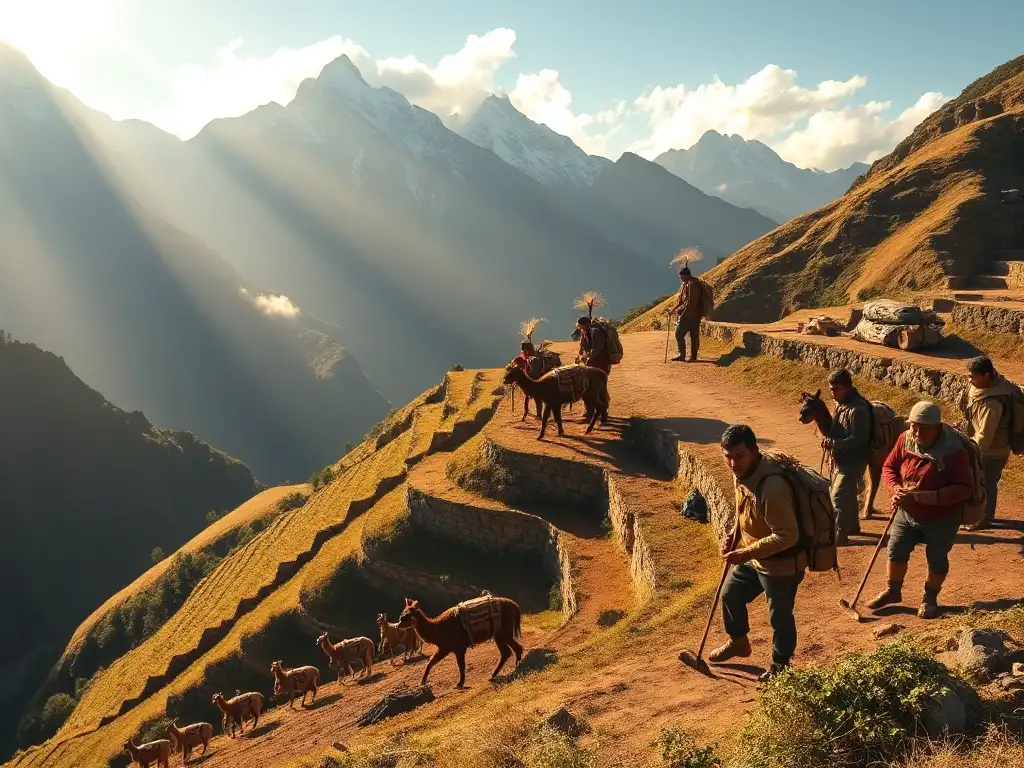
A significant portion of mita labor was dedicated to agricultural production. The Andes' steep slopes presented considerable challenges to farming, but the Inca overcame them through the construction of extensive terracing systems. These terraces, meticulously carved into the mountainsides, increased arable land and controlled erosion, significantly boosting agricultural yields. The construction and maintenance of these terraces required massive amounts of labor, often involving the coordinated efforts of entire communities.
Similarly, the Inca developed sophisticated irrigation systems to manage water resources in arid regions. Canals, aqueducts, and reservoirs were built to divert water from rivers and streams to agricultural fields, ensuring crop production even in challenging environments. The scale and precision of these projects are remarkable, demonstrating the Inca's engineering skills and the effectiveness of their labor mobilization strategies. The mita system was instrumental in creating the infrastructure necessary for the empire's agricultural prosperity.
How the Inca Mita System Fueled Road Construction and Maintenance
The Inca road network, spanning thousands of miles across the Andes Mountains, is another testament to the mita system’s power. This network facilitated communication, trade, and the movement of troops throughout the empire. The construction and maintenance of these roads, including bridges, tunnels, and pathways, required a massive workforce, mobilized through the mita. The roads were not only strategically important for military purposes but also crucial for the efficient distribution of goods and resources throughout the empire.
This infrastructure facilitated the movement of agricultural products, raw materials, and finished goods, underpinning the Inca's economic prosperity. The mita system ensured the ongoing upkeep of this vital infrastructure, demonstrating the empire's capacity for long-term planning and sustainable development. The road network, a symbol of Inca power and ingenuity, stands as a lasting monument to the mita system's effectiveness.
Organization and Administration of Mita Labor by Royal Officials
The Inca state meticulously organized and administered the mita system to ensure its efficiency and prevent exploitation. Royal officials, appointed by the emperor, were responsible for overseeing labor assignments, ensuring fair distribution of workloads, and monitoring the progress of projects. These officials, often drawn from the nobility, played a crucial role in coordinating the efforts of different communities and resolving disputes.
A complex system of record-keeping was employed to track labor contributions and ensure accountability. This involved the use of quipus, knotted cords used for storing numerical data, and a sophisticated system of communication that enabled the rapid transmission of information across the empire. The meticulous administration of the mita system reflects the Inca's commitment to efficiency and their ability to manage a vast and diverse population effectively.
This intricate bureaucratic system was essential to the success of the mita and the overall functioning of the Inca Empire. The organization and administration of the mita system were as crucial to its success as the labor itself.
Goods and Resources as Inca Tribute: Beyond Labor
The Inca tribute system wasn't solely about labor; it encompassed a vast network of resource extraction and redistribution. The empire demanded a wide array of goods, reflecting the diverse environments and economies under Inca control. This intricate system ensured the capital city, Cusco, and other important centers received the necessities for sustaining a large population and fueling imperial projects. The effectiveness of this system depended on a highly organized bureaucracy and a sophisticated understanding of logistics and resource management.
Failure to meet these demands could result in severe consequences for communities, highlighting the system's power in maintaining imperial control. The flow of goods was meticulously monitored, ensuring a steady supply of essential resources for the empire's needs. This meticulous approach to resource management allowed for the construction of massive infrastructure projects and the support of a large population in the capital and other significant centers.
Inca Tribute in Maize, Potatoes, and Quinoa
Agricultural products formed a cornerstone of the Inca tribute. Maize, potatoes, and quinoa—staple crops of the Andean region—were collected in substantial quantities. The amount varied depending on a community's agricultural capacity and the fertility of its land. For instance, fertile valley communities in the Cusco region likely contributed significantly more maize than those in the high Andes.
These agricultural tributes were essential for feeding the imperial bureaucracy, the army, and the population of major urban centers. Storage facilities, such as qollqas, were strategically located throughout the empire to manage and preserve these vital resources, ensuring their availability during lean times or for use in large-scale public works projects. The system facilitated the redistribution of food surpluses, mitigating the impact of local crop failures and ensuring food security across the empire.
Textile Tribute: Woven Cloth and Garments
Textiles constituted another crucial aspect of the Inca tribute system. Highly skilled weavers, particularly women, produced intricate and colorful textiles using alpaca and llama wool. These textiles served various purposes, from clothing for the elite and the army to ceremonial garments and decorative items. The quality and quantity of textile tribute varied regionally, reflecting the different weaving traditions and the availability of raw materials.
For example, coastal regions might have contributed cotton textiles, while highland communities focused on wool products. The complex designs and vibrant colors often incorporated symbolic elements, reflecting the Inca worldview and the status of the individuals who wore them. The control over textile production and distribution was a significant way the Inca maintained control and imposed their cultural values across the empire.
Mineral Resources and Precious Metals: Gold and Silver
The Inca tribute system also encompassed the extraction and delivery of mineral resources, particularly gold and silver. These precious metals were not only valued for their economic worth but also held great symbolic significance in Inca culture. Gold, often associated with the sun god Inti, was used to create elaborate ornaments, ceremonial objects, and religious icons. Silver, though less valued than gold, was still used extensively in the creation of tools, utensils, and decorative items.
The mines were worked under strict imperial control, and the extracted metals were carefully transported to Cusco for use in imperial projects or redistributed throughout the empire as rewards or symbols of power. The acquisition and control of these resources reinforced the Inca's power and prestige. The precise amounts of gold and silver extracted are difficult to ascertain, but archaeological evidence suggests significant quantities were amassed.
The Role of the Curacas in Managing Inca Tribute
The curacas, local leaders who retained a degree of autonomy under Inca rule, played a pivotal role in managing the tribute system. They acted as intermediaries between their communities and the Inca administration, overseeing the collection and delivery of tributes. This system relied heavily on the curacas' knowledge of their local populations and resources.
Their cooperation was crucial for the smooth functioning of the tribute system, as their authority and influence within their communities were essential to ensuring compliance. In return for their service, the curacas often received privileges and rewards from the Inca, maintaining a complex balance of power and dependency. However, failure to meet tribute obligations could lead to severe repercussions for both the curacas and their communities.
Local Leaders and the Quipu Record Keeping of Tribute
The quipus, complex knotted cords used for record-keeping, were instrumental in managing the tribute system. The curacas employed quipucamayocs, specialized quipu keepers, to meticulously record the amounts and types of tribute collected from each community. These records provided a detailed accounting of the resources flowing into the imperial system.
The quipus served as a crucial tool for monitoring compliance, identifying discrepancies, and ensuring the efficient redistribution of resources throughout the empire. The accuracy and detail of the quipus demonstrate the Inca's sophisticated administrative capabilities and their ability to manage a vast and complex economy. The information recorded on the quipus allowed for strategic planning and resource allocation, contributing significantly to the empire's stability and longevity.
Curaca Responsibility for Mita Labor and Local Resource Needs
The curacas were also responsible for organizing mita labor within their communities. The mita was a system of rotational labor service, requiring a portion of the population to work on Inca projects, such as road construction, agriculture, or mining. The curacas had to ensure that their communities provided the required number of laborers and that they were adequately supplied with food and tools.
This involved careful planning and coordination, as the mita could significantly impact local agricultural production and community life. Balancing the demands of the mita with the needs of their own communities was a delicate task that required the curacas to navigate the complexities of the Inca tribute system effectively. The curacas' role in managing both the mita and the provision of resources demonstrated the intricate relationship between local communities and the imperial system.
Inca Control Over Production and Resource Distribution
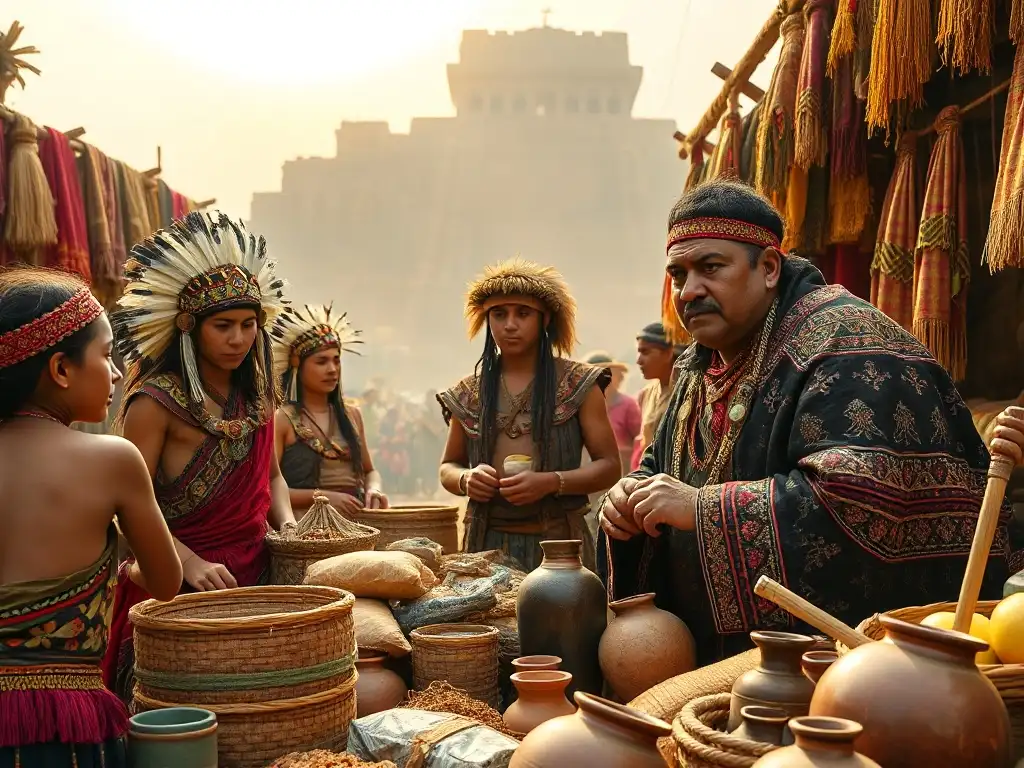
The Inca empire's economic strength rested heavily on its sophisticated system of tribute, which extended far beyond simple taxation. The Inca state meticulously controlled the production and distribution of resources throughout its vast territory. This control wasn't merely about extracting wealth; it was a crucial mechanism for maintaining social order and ensuring the empire's continued functioning.
The system involved a complex interplay of agricultural practices, specialized labor assignments, and a vast network for the storage and transportation of goods. This centralized control allowed the Inca to effectively manage the empire's resources, ensuring sufficient provisions for the army, religious institutions, and the elite, while simultaneously maintaining a degree of control over local populations. The Inca state didn't simply demand tribute; it actively managed the production process itself, often directing agricultural practices and assigning specific tasks to different communities based on their capabilities and proximity to resources.
This proactive approach ensured a steady flow of goods to the imperial center. The system was remarkably efficient, facilitating the distribution of essential goods across the empire, contributing significantly to its stability and longevity. A key element of this control was the standardization of agricultural techniques, ensuring consistent yields across diverse ecological zones.
State Warehouses (Qollqas) and the Storage of Tribute Goods
A critical component of the Inca tribute system was the extensive network of state-controlled warehouses, known as qollqas. These structures, built with remarkable architectural precision, served as vital storage facilities for agricultural products, textiles, metals, and other tribute goods collected from throughout the empire. The qollqas weren't simply storage spaces; they were strategically located along the Inca road system, facilitating efficient distribution of goods to different regions.
Their construction varied according to the local environment and the type of goods stored. Some qollqas were built into hillsides to take advantage of natural cooling and ventilation, preserving perishable goods. The meticulous organization of these warehouses suggests a sophisticated administrative system capable of tracking and managing vast quantities of goods.
The size and number of qollqas underscore the scale of the Inca tribute system and its critical role in supporting the empire's population and military. Archaeological evidence shows the qollqas were carefully maintained, reflecting the empire's commitment to efficient resource management. The precise inventory of goods stored within these warehouses remains a subject of ongoing research, but their existence is a testament to the Inca's organizational prowess.
The Inca Road System (Qhapaq Ñan): Facilitating Tribute Transportation
The Inca road system, the Qhapaq Ñan, played a crucial role in the efficiency of the tribute system. This vast network of roads, spanning thousands of miles, connected distant corners of the empire, enabling the rapid and reliable transportation of tribute goods. The roads were meticulously engineered, incorporating bridges, tunnels, and sophisticated drainage systems to ensure year-round accessibility.
Relay runners, called chasquis, used the roads to transmit messages and coordinate the movement of goods, ensuring a remarkably swift communication and logistical network. The strategic placement of qollqas along the road system facilitated the transfer and storage of tribute goods, minimizing spoilage and maximizing efficiency. The Qhapaq Ñan wasn't just a transportation network; it was a critical component of the empire's administrative and economic infrastructure, directly supporting the collection and distribution of tribute.
The system’s effectiveness minimized transportation costs and ensured that resources reached the areas where they were most needed. The construction and maintenance of the Qhapaq Ñan itself required a significant labor contribution, further highlighting the scale of the Inca tribute system's impact on Andean society.
The Impact of the Inca Tribute System on Andean Society
The Inca tribute system profoundly impacted Andean society, shaping its social structure, economy, and daily life. While the system provided the empire with the resources necessary for its expansion and maintenance, its implementation also resulted in significant consequences for the conquered populations. The demand for labor and resources was immense, requiring significant adjustments from the conquered communities. The system’s impact wasn't uniform across all regions or social groups, leading to varied responses and adaptations.
The tribute system fundamentally altered traditional social structures and economic practices. The consequences extended beyond the immediate economic demands, influencing social hierarchies, religious practices, and the very fabric of Andean communities. The system's influence remains visible in the archaeological record, revealing both the scale of the Inca's organizational abilities and the complexities of life under imperial rule.
Social Stratification and Labor Obligations of Different Ayllus
The Inca tribute system reinforced and modified existing social hierarchies within Andean society. The ayllus, traditional kinship-based communities, formed the basic unit of social organization. Under Inca rule, the ayllus continued to function but were now integrated into the empire's administrative structure.
Labor obligations were assigned to different ayllus based on their location, skills, and traditional practices. Some ayllus specialized in agriculture, while others contributed to mining, textile production, or construction projects. This division of labor ensured a steady supply of goods and services to the empire, but it also reinforced existing social inequalities.
Elite ayllus often held privileged positions within the system, while others faced greater demands and fewer opportunities. The system's complexity is evident in the varied nature of tribute obligations, reflecting the diversity of Andean society and the Inca's strategy of integrating rather than entirely supplanting existing social structures. This integration, however, often led to increased social stratification and the reinforcement of existing power dynamics.
Resistance and Adaptations to the Inca Tribute Demands through Local Strategies
Despite the apparent efficiency and control of the Inca tribute system, it wasn't without resistance. Local populations employed various strategies to adapt to and resist the demands placed upon them. While outright rebellion was rare, subtle forms of resistance were more common. These included manipulating production levels, concealing resources, or subtly altering the quality of goods delivered as tribute.
Communities also adapted their agricultural practices and labor organization to mitigate the impact of tribute demands. The evidence suggests a dynamic interplay between imperial control and local agency. While the Inca state exerted significant power, local communities retained a degree of autonomy and actively negotiated their relationship with the empire.
The strategies employed by Andean communities underscore their resilience and ability to navigate the complexities of imperial rule. Understanding these local adaptations provides a more nuanced perspective on the Inca tribute system, revealing the limitations of imperial power and the enduring strength of local traditions. The system, while seemingly all-powerful, was continually challenged and negotiated by the communities it governed.
The Legacy of the Inca Tribute System
The Inca tribute system, while demanding, profoundly shaped Andean society and left an enduring legacy that extended far beyond the empire's collapse. Its influence can be seen in the organization of labor, the distribution of resources, and the very structure of Andean communities for centuries afterward. The system's impact wasn't solely negative; it fostered a degree of social cohesion and infrastructure development unseen in previous Andean societies.
The vast network of roads, irrigation systems, and public works projects – all built through mita labor – stand as testaments to the system's capacity for large-scale organization and achievement. However, the inherent inequalities and potential for exploitation embedded within the system also contributed to future social unrest and vulnerabilities. The sheer scale of the mobilization of labor and resources under the Inca system presented both opportunities and challenges that continued to resonate long after the Spanish conquest.
The integration of different ethnic groups through shared labor obligations, while sometimes coercive, also facilitated a sense of collective identity, albeit one imposed from above. This complex interplay of positive and negative consequences continues to be a subject of scholarly debate and analysis.
Influence on Later Andean Social Structures under Spanish Rule
The Spanish conquest dramatically altered Andean society, but the legacy of the Inca tribute system significantly influenced the colonial system of forced labor known as the encomienda. The Spanish, familiar with the concept of compulsory labor from their own systems, readily adapted and exploited the existing infrastructure and organizational structures established by the Inca. The mita system, though modified and often abused, continued to be a crucial source of labor for the Spanish crown, particularly in mining operations.
This meant that the existing social hierarchies and labor obligations, already established under the Inca system, were repurposed and intensified under Spanish rule. Communities continued to fulfill labor obligations, but now for the benefit of Spanish overlords rather than the Inca state.
This continuity underscores the enduring power of the Inca system and its lasting impact on the social and economic organization of the Andes under colonial rule. The transition was not seamless, however, leading to significant resistance and rebellion from indigenous populations who resented the intensified exploitation.
Lessons from the Inca System of Labor and Resource Management on Sustainability
The Inca tribute system, despite its coercive nature, offers valuable insights into sustainable resource management and large-scale project implementation. The intricate network of roads, for example, was not only strategically important for military and trade purposes but also demonstrated an understanding of terrain and environmental constraints. The Inca's careful planning and management of agricultural resources, including terracing and irrigation systems, ensured food security for a vast population.
These achievements highlight the potential of centralized planning and organized labor when coupled with a deep understanding of ecological principles. However, it's crucial to acknowledge that the sustainability of the Inca system was ultimately compromised by its inherent inequalities and the potential for overexploitation of both human and natural resources. The system's success was partly dependent on a hierarchical structure that could effectively mobilize labor and resources, but this same structure also made it vulnerable to disruptions and unsustainable practices.
Modern interpretations of the Inca system emphasize the importance of balancing centralized planning with local autonomy and environmental considerations for achieving true sustainability. Analyzing the Inca's successes and failures can inform contemporary approaches to resource management and infrastructure development.
The Chinchaysuyu Region and its Tribute Obligations
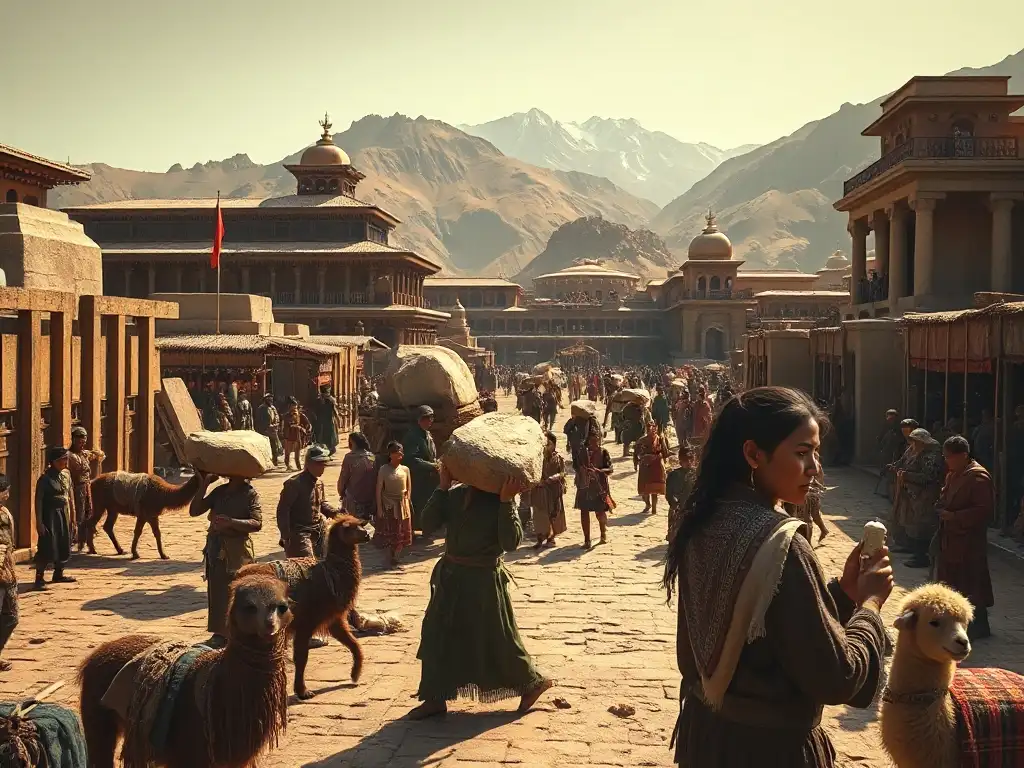
The Chinchaysuyu region, encompassing the southwestern portion of the Inca Empire, played a significant role in the empire's economy and contributed substantially to the tribute system. Known for its diverse geography, ranging from coastal deserts to high-altitude plains, Chinchaysuyu provided a variety of resources to the Inca state. Coastal communities contributed fish, salt, and textiles, while highland areas supplied agricultural products like potatoes and maize, along with valuable minerals like silver and gold.
The specific tribute obligations varied across different ethnic groups within Chinchaysuyu, reflecting the region's diverse ecological zones and specialized production. Some communities might have specialized in textile production, contributing finely woven fabrics to the imperial court, while others focused on agricultural output or mining activities. The organization and collection of these tributes were crucial to the empire's functioning, and the efficiency of this process speaks to the sophisticated administrative capabilities of the Inca state.
The management of resources from such a geographically diverse region required a complex system of record-keeping, transportation, and distribution, all of which were integral parts of the tribute system's operation in Chinchaysuyu. The system, although efficient in many ways, also placed significant burdens on the populations of Chinchaysuyu, contributing to the complexities of the Inca Empire's control and administration of this far-flung region. The impact of the tribute system on the populations of Chinchaysuyu continues to be a topic of ongoing research and analysis.
Comparing Inca Tribute System with Mesopotamian and Egyptian Systems
The Inca mita system, while sharing some similarities with ancient Mesopotamian and Egyptian tribute systems, also possessed unique characteristics. Mesopotamian rulers, like those of Akkad and Babylon, relied heavily on corvée labor, demanding agricultural work, construction projects (like ziggurats), and military service from their subjects. These demands were often brutal, leading to widespread resentment and contributing to the cyclical nature of Mesopotamian empires.
Similarly, the pharaohs of ancient Egypt utilized a system of forced labor, particularly in monumental construction projects like pyramids and temples. This labor, drawn from both free and enslaved populations, was essential to maintaining the power and prestige of the Egyptian state.
However, the Inca mita differed in several key aspects. While it certainly involved forced labor, it was arguably more structured and, in some ways, more equitable than its Mesopotamian and Egyptian counterparts. The Inca system was integrated into a broader social and economic framework, with the ayllu community playing a crucial role. The mita obligations were often rotated among community members, preventing individual families from bearing the brunt of the labor indefinitely.
Furthermore, the Inca provided food and some basic necessities to those fulfilling their mita obligations, a level of support rarely seen in the harsh realities of Mesopotamian corvée labor or Egyptian forced labor. The Inca system also emphasized reciprocity, with the state providing services and infrastructure in exchange for the labor provided. This element of reciprocity, though not always perfectly implemented, helped to foster a sense of shared responsibility and community within the empire.
However, it's crucial to note that this doesn't diminish the inherent burden of forced labor; the mita was still a significant demand on the time and energy of the Inca population, and its administration could be oppressive. Further research into the specific regional variations in mita implementation is necessary to fully understand its impact on different communities within the Inca Empire. For example, [specific information pending] regarding the differences in mita application between agricultural regions and those focused on mining or construction.
Conclusion: The Inca Tribute System as a Pillar of Imperial Power
The Inca tribute system, primarily manifested through the mita, was undeniably a cornerstone of Inca imperial power. This system, a complex interplay of labor contributions, resource extraction, and redistribution, fueled the empire's remarkable expansion and infrastructural achievements. The mita provided the manpower for the construction of extensive road networks, impressive agricultural terraces, and monumental buildings, all testaments to Inca engineering prowess.
The efficient mobilization of labor through the mita allowed the Inca to undertake ambitious projects that would have been impossible otherwise. The system also ensured a steady flow of resources – agricultural products, textiles, minerals – into the imperial center, supporting the elite and maintaining the stability of the state. This centralized control over resources and labor was key to the Inca's ability to consolidate and maintain their vast empire.
However, the system was not without its drawbacks. The demands of the mita could be severe, leading to hardship and resentment among the population. While the Inca state attempted to mitigate these negative consequences through various mechanisms, such as the rotation of labor assignments and provisions of basic necessities, the system's inherent coercive nature remained a source of potential instability.
The eventual collapse of the Inca Empire, though multi-faceted, was undoubtedly influenced by the strains imposed by the mita system, particularly in areas where its implementation was particularly harsh or poorly managed. Ultimately, the Inca tribute system, though instrumental in the empire's rise, also contained the seeds of its own fragility, highlighting the inherent tension between centralized control and the needs and aspirations of a diverse population.
The long-term sustainability of such systems is a critical question, one that continues to inspire scholarly debate and further research into the intricacies of Inca governance and its legacy. Understanding the complexities of the mita provides crucial insight into the rise and fall of the Inca Empire and its place within the broader tapestry of Andean civilizations.
- Understanding the Inca Economic Structure and State Demands
- The Mita System: Mandatory Labor as Inca Tribute
- Goods and Resources as Inca Tribute: Beyond Labor
- The Role of the Curacas in Managing Inca Tribute
- Inca Control Over Production and Resource Distribution
- The Impact of the Inca Tribute System on Andean Society
- The Legacy of the Inca Tribute System
- The Chinchaysuyu Region and its Tribute Obligations
- Comparing Inca Tribute System with Mesopotamian and Egyptian Systems
- Conclusion: The Inca Tribute System as a Pillar of Imperial Power
Frequently Asked Questions
What was the Inca tribute system?
The Inca tribute system, known as mita, wasn't solely about taxes; it was primarily a system of labor requiring subjects to dedicate a portion of their time to public works projects and service to the empire. This ensured the construction of infrastructure and sustained the empire's power.
What kind of labor was required under the mita?
The mita demanded a wide range of labor, from agricultural work on state lands to building roads, temples, and irrigation systems. Specialized skills were also utilized, including those of artisans and miners.
How did the Inca tribute system impact the common people?
While the mita provided essential infrastructure and benefited the empire, it placed a significant burden on the common people, demanding a substantial portion of their time and potentially impacting their own agricultural output. Exploitation was a concern, particularly during periods of intense construction.
Were there any exceptions to the mita system?
Yes, certain groups, such as the priests and nobility, were exempt from the mita. Additionally, individuals could sometimes be exempted due to age, illness, or disability. However, these exceptions were not universal.
How did the Inca tribute system contribute to the empire's success?
The mita system was crucial to the Inca Empire's success by providing the labor force necessary for constructing extensive infrastructure, including its famous road network and agricultural terraces. This efficient organization of labor facilitated the empire's growth and expansion.
Final Reflection: The Enduring Legacy of Inca Labor
The Inca tribute system, far from being a relic of a bygone era, offers crucial insights into the complexities of large-scale societal organization and resource management, a lesson profoundly relevant to our modern world grappling with issues of equitable distribution and sustainable development. Understanding the intricacies of mita and its impact on Inca society provides a powerful framework for analyzing contemporary challenges related to labor practices, resource allocation, and the very definition of societal progress.
The Inca tribute system's influence resonates even today, shaping our understanding of power dynamics, economic structures, and the ethical considerations inherent in demanding collective contributions. Its legacy extends beyond the Andes, serving as a cautionary tale and a source of inspiration for how societies can both harness collective power and mitigate the potential for exploitation. The Inca state, while demanding significant labor contributions, also invested heavily in infrastructure and social welfare, creating a complex interplay between obligation and benefit.
This nuanced perspective reminds us that even seemingly oppressive systems can contain elements of both coercion and cooperation.
Consider the implications of the Inca system for your own life. How do you perceive the balance between individual contribution and collective benefit in your community? What lessons can we glean from the Inca experience to build more equitable and sustainable systems today? Let the legacy of the Inca tribute system inspire you to critically examine the structures that shape our world and to actively participate in creating a future where the demands of society are met with fairness and justice for all.
Unveil the Power of the Inca Tribute System!
Thank you for exploring the fascinating world of the Inca tribute system with us! Understanding how the Incas managed labor and resources to fuel their empire's growth is crucial to appreciating the rich cultural legacy of the Andes. Inspired? Let's build on your newfound knowledge:
- Deepen your understanding: Visit a local museum with Andean artifacts or exhibits to experience this legacy firsthand.
- Share your discoveries: Discuss the Inca tribute system with friends, family, or online, comparing ancient systems to modern resource management.
- Join our community: Leave a comment below or join our forum to share your thoughts and engage in discussions about the most compelling aspects of the tribute system.
What aspect of the Inca tribute system most captivates you, and how do you believe it informs our understanding of modern resource management?