
The Nazca Color Code: Understanding the Symbolic Use of Pigments


Dive into the enigmatic world of the Andean civilizations! From the towering heights of Inca ingenuity to the breathtaking artistry of the Moche, a vibrant tapestry of history awaits. But prepare to be captivated by a mystery that still confounds experts: the Nazca lines pigment symbolism. What secrets do the carefully chosen colors of these colossal geoglyphs hold? Unravel the code and embark on a journey through the astonishing legacy of the Nazca civilization – discover the untold story.
The Nazca civilization, renowned for its enigmatic geoglyphs etched into the Peruvian desert, also left behind a vibrant legacy in pottery and textiles. These artifacts, meticulously crafted and richly decorated, are not simply aesthetically pleasing; they are repositories of complex symbolism, with color playing a pivotal role in conveying meaning and narrative.
This article delves into the captivating world of Nazca color, exploring the symbolic significance of the pigments used in their artwork and the insights they offer into the beliefs and worldview of this fascinating ancient culture. We will examine the specific pigments employed, their sources, and the ways in which their application reveals a sophisticated understanding of color's power to communicate complex ideas, beliefs, and social structures.
Understanding the Nazca lines pigment symbolism unlocks a deeper appreciation for the artistry and cultural richness of this remarkable civilization. This exploration promises to reveal a nuanced understanding of Nazca society, beliefs, and artistic expression far beyond the awe-inspiring scale of the famous Nazca lines themselves.
Introduction to Nazca Art and Color Symbolism
Nazca pottery and textiles are characterized by their striking use of color. Unlike many other ancient cultures where color palettes might be limited, Nazca artisans demonstrated a mastery of pigment production and application, creating intricate designs with a wide range of hues. These colors weren't randomly chosen; rather, they were carefully selected to convey specific meanings, often related to religious beliefs, social status, or cosmological concepts.
The most common colors found in Nazca art include reds, yellows, blacks, whites, and various shades of brown, each carrying its own unique symbolic weight. For example, red, often derived from iron oxides, might represent blood, life force, or the sun's power, while white, perhaps from kaolin clay, could symbolize purity or the celestial realm. The precise meanings, however, are still under investigation, requiring careful analysis of archaeological findings and cross-referencing with other Andean cultural practices.
The complexity of the designs, combined with the sophisticated use of color, suggests a highly developed artistic tradition and a rich understanding of symbolism. Further research into the specific mineral sources of these pigments and their geographical distribution could provide additional insights into trade networks and the social organization of Nazca society.
The Significance of Color in Ancient Andean Cultures
The symbolic use of color in Nazca art wasn't isolated; it was part of a broader Andean tradition extending across various cultures and time periods. Many Andean civilizations, including the Incas, Moche, and Tiahuanaco, assigned symbolic meanings to specific colors, although the precise interpretations varied across groups and contexts. Understanding the broader Andean context is crucial for interpreting Nazca color symbolism.
For instance, the prevalence of certain colors in specific types of artifacts (e.g., red for elite vessels, white for ritual objects) suggests a connection between color, social status, and ritual practice. Comparative studies of Andean color symbolism reveal recurring themes and variations, highlighting both the shared cultural heritage and the unique artistic expressions of individual societies. The use of color in textiles, for example, often reflected social status and could indicate specific roles or affiliations within the community.
Further research, including detailed chemical analysis of the pigments used across different Andean cultures, would reveal more about the extent of shared knowledge and artistic exchange between these fascinating civilizations. The study of these pigments is also crucial for understanding the technological advancements of the Nazca people and their understanding of the natural world around them.
Decoding the Nazca Palette: Pigment Sources and Preparation
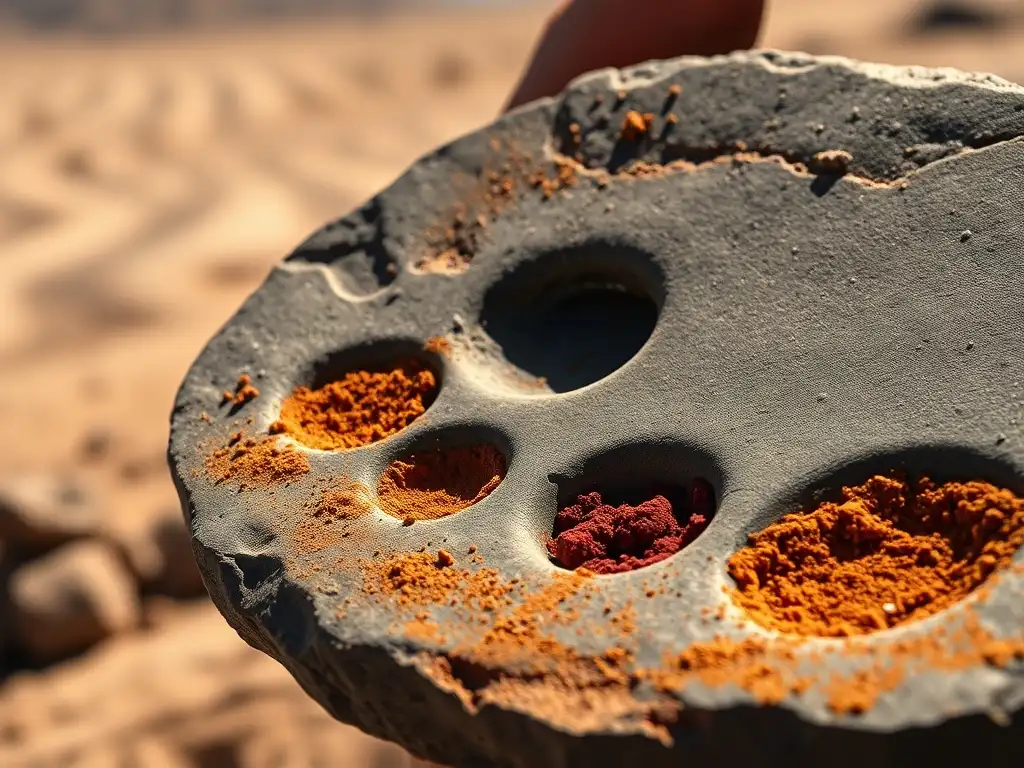
The vibrant hues adorning Nazca pottery and textiles weren't simply aesthetic choices; they held deep symbolic meaning within their culture. Understanding the "Nazca lines pigment symbolism" requires delving into the sources and preparation of these pigments. The Nazca people, masters of color manipulation, expertly harnessed both natural and mineral resources to create their striking palette.
Their sophisticated understanding of pigment chemistry allowed them to achieve a remarkable range of colors, each potentially conveying specific social, religious, or political messages. The careful selection and application of pigments reflect a highly developed artistic and technological skill, a testament to their ingenuity and cultural sophistication. Further research is needed to fully decode the nuances of their color choices, but existing evidence provides compelling insights into their methods and likely meanings.
Natural Pigments Used by the Nazca People
The Nazca palette primarily relied on readily available natural resources. Their environment provided a rich array of materials for pigment production. Evidence suggests that they skillfully utilized minerals from the surrounding deserts and mountains, as well as organic materials derived from plants and animals. These pigments were carefully ground and processed to achieve the desired consistency and color intensity. The meticulous nature of this process is evident in the evenness and vibrancy of the colors found on surviving artifacts.
For example, many shades of red were likely sourced from iron oxides found in abundance in the region. These oxides, ranging from hematite (providing a deep red) to goethite (offering a more yellowish-red), were likely pulverized and mixed with a binding agent, such as gum arabic or a clay-based medium, to create paints suitable for application to pottery and textiles. The precise ratios of these components would have significantly influenced the final hue.
Similarly, various shades of yellow and brown likely originated from different types of clay minerals, with variations in their composition leading to subtle differences in color. Further analysis of pigments from excavated artifacts would help clarify the exact composition of these natural color sources.
Mineral Pigments: Obtaining Earth Tones
The Nazca's mastery extended to the skillful extraction and processing of mineral pigments. The stunning earth tones—ochres, umbers, and siennas—were primarily derived from iron and manganese oxides and hydroxides. These mineral sources, readily available in the Andean landscape, offered a wide range of colors, from pale yellows to deep browns and reds. The precise hue achieved depended on the specific mineral composition, the degree of oxidation, and the processing techniques employed.
The process likely involved mining the raw materials, carefully grinding them into fine powders, and then mixing them with a binder to create a workable paint. The choice of binder would have also impacted the final color and the paint's durability. Analysis of pigments from various Nazca artifacts reveals a remarkable consistency in color and texture, suggesting a standardized approach to pigment preparation.
This standardization points to a level of control and expertise that is truly remarkable for its time. The consistency of the pigments across different sites and time periods also suggests a shared knowledge and possibly centralized production of some pigments.
Organic Pigments: Deriving Colors from Plants and Animals
Beyond mineral pigments, the Nazca also incorporated organic dyes into their palette, achieving a broader range of colors, including vibrant blues and greens. The sources of these organic pigments are less well understood, but research suggests the use of plant-based dyes derived from indigenous flora. For instance, various species of cacti and other desert plants could have provided sources of yellow and red dyes. The use of insect-derived dyes, like cochineal, which produces a rich crimson, is also a possibility, though further research is required to confirm this.
The process of extracting and preparing organic pigments would have differed significantly from the mineral pigment process. It likely involved intricate techniques of maceration, fermentation, or other methods to extract the color molecules from the plant or animal source. The limited survival of organic pigments makes their detailed analysis challenging.
However, the presence of diverse colors in Nazca textiles and pottery undeniably points to the successful employment of organic dyes, significantly expanding their artistic capabilities and adding another layer to the symbolism embedded in their color choices. The vibrant colors achieved through the use of these organic pigments further underscore the sophisticated understanding of color and material science possessed by the Nazca people.
The Nazca Technique: Preparing Pigments for Art
The Nazca people demonstrated remarkable skill in preparing pigments, a crucial aspect of their vibrant artistic expression seen in their renowned pottery and textiles. Their techniques, refined over centuries, involved a meticulous process of sourcing, processing, and mixing raw materials to achieve the desired hues. Understanding these techniques offers valuable insight into their understanding of color symbolism and their sophisticated artistic practices, directly impacting our understanding of "Nazca lines pigment symbolism".
Unlike many other ancient cultures that relied heavily on readily available mineral pigments, the Nazca palette shows a surprising diversity, suggesting a sophisticated knowledge of local geology and the properties of different minerals. They cleverly combined both natural earth pigments and plant-based dyes, resulting in a stunning range of colors. The precise methods of pigment extraction and preparation remain partly shrouded in mystery, but archaeological evidence and careful analysis of surviving artifacts provide crucial clues.
For example, red pigments were frequently obtained from iron oxides found in various locations across the Nazca region. The process likely involved crushing and grinding the ore into a fine powder, then carefully cleaning and purifying the resulting pigment to remove impurities. The finer the grind, the more vibrant and luminous the color would appear on the finished piece, highlighting the Nazca artisans' dedication to detail. This meticulous preparation is critical to appreciating the depth and complexity of the "Nazca lines pigment symbolism" as the quality of the pigment directly influenced the final visual impact.
The creation of yellow and ochre pigments involved similar processes, but using different mineral sources. These earthy tones, crucial for representing many aspects of their worldview, were often obtained from limonite and goethite, providing a range of shades from pale yellow to deep orange. Again, the level of refinement and purity of the pigment impacted the final artwork's aesthetic quality and symbolic meaning. The careful selection and treatment of these materials reflect the Nazca's deep appreciation for the natural world and its resources, which are intrinsically connected to the "Nazca lines pigment symbolism" and their overall cultural expression.
Beyond mineral pigments, the Nazca also expertly utilized plant-based dyes, adding another layer of complexity to their color palette. These dyes, likely derived from plants such as indigo and cochineal, provided rich blues, purples, and reds, expanding their artistic possibilities considerably. The extraction and preparation of these dyes would have involved different techniques, such as boiling and fermentation, requiring a different set of skills and knowledge.
The integration of plant-based dyes alongside mineral pigments further underlines the advanced level of their technological understanding and artistic skill. The choice to incorporate these dyes, contributing to the "Nazca lines pigment symbolism," speaks volumes about their advanced knowledge of botany and its practical applications.
Nazca Lines Pigment Symbolism: A Deeper Look

This section delves into the symbolic use of pigments in Nazca geoglyphs and artifacts, exploring the rich tapestry of meaning woven into their vibrant colors. Understanding the Nazca color code provides crucial insight into their worldview, social structures, and spiritual beliefs. The careful selection and application of pigments weren't arbitrary; they were integral to conveying complex narratives and potent symbolism.
This analysis will focus specifically on the most prevalent colors found in Nazca art, revealing the nuanced meanings associated with each. The study of these pigments offers a unique window into the sophisticated understanding of color held by this remarkable civilization, furthering our appreciation for the artistry and intellectual depth of the Nazca culture. This exploration of Nazca lines pigment symbolism will illuminate the intricate relationship between color and meaning in their artistic expressions.
The Meaning of Red in Nazca Geoglyphs
Red, a color often associated with blood, life force, and power across various cultures, held a significant place in Nazca symbolism. In their geoglyphs, red pigments, often derived from iron oxides, frequently highlighted key features or delineated important boundaries. The intensity of the red could also vary, potentially signifying different levels of importance or different aspects of the symbolized concept.
For instance, a deep, rich crimson might represent a powerful deity or a significant event, while a lighter, more muted red could indicate a lesser figure or a less significant element within the geoglyph’s narrative. Archaeological evidence suggests that the application of red pigment was a meticulous process, with artists carefully layering and blending shades to achieve the desired effect. The survival of these vibrant red hues for centuries is a testament to both the quality of the pigments and the skill of the Nazca artisans.
Further research is needed to definitively link specific shades of red to precise meanings, but the prevalence of this color in key areas strongly suggests its vital role in conveying meaning within the Nazca lines. The vibrant red hues, often seen in conjunction with other colors, contribute to the overall narrative and impact of the geoglyphs, adding another layer to the complex Nazca lines pigment symbolism.
Yellow and Gold: Symbolizing Power and Divinity
Yellow and gold pigments, often derived from ochre or other mineral sources, were highly valued by the Nazca. These colors frequently appeared in depictions of elite figures, religious ceremonies, and objects associated with power and divinity. The association of gold with the sun and its life-giving energy is a common theme across many ancient cultures, and this likely played a role in the Nazca's use of yellow and gold pigments.
The use of these colors often indicated a connection to the supernatural realm, signifying the power and authority of rulers or priests, or representing the celestial bodies believed to influence the earthly realm. Analysis of textiles and pottery reveals the meticulous application of these pigments, often combined with other colors to create complex designs and patterns. The presence of yellow and gold in specific contexts within Nazca art suggests a sophisticated understanding of color symbolism, further reinforcing the significance of these pigments in their cultural and religious practices.
The careful selection and application of these precious pigments underscore the high status and spiritual significance they held within Nazca society. The shimmering effect of gold pigment, especially in the light of the Andean sun, would have further enhanced its symbolic power and visual impact. Understanding the use of yellow and gold pigments offers a valuable insight into the Nazca lines pigment symbolism and the hierarchical structure of their society.
The Significance of Blue and Green in Nazca Art
Blue and green pigments, rarer than red or yellow in Nazca art, held a unique symbolic significance. The sources of these pigments were likely mineral-based, possibly including azurite for blue and various malachite-based compounds for green. Their relatively scarce occurrence suggests these colors may have represented precious or sacred elements.
While further research is needed to fully understand their symbolic meaning, their presence in certain contexts – for example, in depictions of water sources or possibly celestial elements – suggests possible associations with fertility, abundance, and spiritual purity. The subtle variations in shade, from deep azure to a lighter turquoise, or from emerald green to a softer seafoam, may have carried further layers of meaning, although this remains a topic for ongoing research. The careful application of these pigments, often in small details within larger compositions, highlights their importance and the skill of the Nazca artisans.
Despite their less frequent use compared to red or yellow, the presence of blue and green pigments adds complexity and depth to our understanding of the Nazca lines pigment symbolism, demonstrating the refined artistic sensibility and nuanced cultural worldview of the Nazca people. The careful study of these rarer colors promises to reveal even more about the rich symbolism embedded within Nazca art.
Black and White: Contrasts and Their Interpretations
The stark contrast between black and white pigments in Nazca pottery and textiles offers a fascinating glimpse into the symbolic world of this ancient civilization. While a definitive, universally accepted interpretation remains elusive, scholars propose several compelling theories regarding the use of these contrasting colors. The most prevalent interpretation centers on the duality inherent in Andean cosmology.
Black, often associated with the underworld, night, and the feminine principle, represents the unseen, the mysterious, and the fertile darkness from which life emerges. Conversely, white symbolizes the upper world, the sun, the masculine principle, and purity, representing light, clarity, and celestial power. The juxtaposition of these colors in Nazca artwork likely signifies the interconnectedness of these opposing forces, essential to the cyclical nature of life, death, and rebirth prevalent in Andean belief systems.
Furthermore, the application of black and white pigments wasn't always uniform. The intensity of the colors, the manner in which they were applied (e.g., as solid blocks or intricate patterns), and their combination with other pigments all contribute to the complexity of their symbolism. For instance, a predominantly white piece with subtle black details might represent a different concept than a piece with a more balanced distribution of the two colors.
Analysis of the specific contexts in which these pieces were found—whether in tombs, domestic settings, or ceremonial sites—could provide additional clues to their meaning. Unfortunately, the precise circumstances surrounding the discovery of many Nazca artifacts are not always well-documented, hindering a complete understanding of the nuanced symbolism. Further research, particularly archaeological excavation and careful cataloging of findings, is crucial to unraveling this aspect of Nazca culture.
The use of black and white also likely extended beyond simple cosmological representations. Some researchers suggest that these colors may have been associated with specific deities, social hierarchies, or even agricultural cycles. For example, the contrast might reflect the opposition between the dry coastal desert and the fertile highlands, essential to the Nazca's survival.
The black pigment, derived from natural sources like manganese oxides, could represent the dark, arid landscape, while the white, possibly from clay or other minerals, could represent the precious water and fertile lands necessary for agriculture. This interpretation aligns with the evidence of sophisticated irrigation systems developed by the Nazca, highlighting the importance of water management in their culture.
The interplay between these colors in their artwork, therefore, could reflect their deep understanding of and dependence on their environment. The ongoing study of the Nazca lines themselves, including the analysis of pigment remnants on any associated structures, might shed further light on this aspect of color symbolism.
Nazca Pottery and Textiles: Color as a Communicative Tool

The vibrant hues adorning Nazca pottery and textiles weren't merely aesthetic choices; they served as a sophisticated communicative system, conveying complex social, religious, and political messages. Understanding the symbolic use of pigments in Nazca art requires examining both the materials and the contexts in which they were employed. The careful selection and application of colors reveal a deep understanding of color theory and its power to express meaning, significantly contributing to our understanding of Nazca "Nazca lines pigment symbolism". This section delves into the specific techniques and interpretations surrounding color in Nazca artistic production.
Color Application on Nazca Ceramics
Nazca ceramicists displayed remarkable skill in manipulating pigments to achieve a wide range of colors and effects. They primarily used mineral pigments, sourced locally, ground into fine powders and mixed with a binding agent, likely a plant-based gum or clay. The application techniques varied depending on the desired effect. Some pieces exhibit a smooth, polished surface with even color distribution, achieved through careful layering and burnishing. Others feature more textured surfaces with contrasting colors, suggesting a different application process, perhaps using a brush or a dabbing technique.
The most common colors found on Nazca ceramics include:
- Red: Often associated with power, fertility, and the elite class. Intense reds were likely achieved using hematite, while lighter shades may have involved other iron oxides.
- Black: Used for outlines, details, and sometimes as a background color. The source of black pigment is still being researched, but likely involved charcoal or manganese oxides.
- White: Often used as a base coat or to create highlights. The source was probably kaolin clay.
- Yellow: Less frequent than red or black, yellow pigments likely came from limonite or other iron oxides.
- Brown: A range of browns, from light ochre to dark umber, were achieved through variations in iron oxide mixtures.
The careful juxtaposition of these colors created dynamic visual effects, reinforcing the narrative depicted on the pottery. For example, the combination of red and black frequently appeared in scenes depicting deities or important figures, enhancing their status and power. Detailed analysis of color placement on individual pieces provides valuable insights into the iconography and beliefs of the Nazca people. Further research is needed to fully elucidate the precise meaning of specific color combinations.
Nazca Textile Dyeing Techniques and Color Significance
Nazca textiles, often made from cotton or camelid fibers, represent another significant area for exploring "Nazca lines pigment symbolism". The dyes used were primarily natural, extracted from plants, minerals, and insects. The dyeing techniques were sophisticated, involving various processes to achieve the desired colors and fastness. Some common colors found in Nazca textiles include:
| Color | Possible Source | Symbolic Association (Tentative) |
|---|---|---|
| Crimson Red | Cochineal insects | Royalty, Ritual, Sacrifice |
| Deep Yellow | Annatto seeds, turmeric | Sun, Fertility, Harvest |
| Dark Blue | Indigo plants | Water, Sky, Spirituality |
| Light Brown | Plant extracts (various) | Earth, Nature, Everyday Life |
| Black | Plant extracts, charcoal | Night, Mystery, Underworld |
The dyeing process itself likely held ritual significance. The precision and intricacy of the patterns and color combinations suggest a high level of skill and expertise, possibly linked to specific guilds or social groups. Further research into the chemical analysis of the dyes could reveal more about their origins and the techniques used in their application. The longevity of many of these textiles is a testament to the effectiveness of the dyeing techniques employed.
Patterns and Color Combinations in Nazca Textiles
The patterns and color combinations in Nazca textiles are incredibly diverse and complex, reflecting a rich tapestry of social and religious beliefs. Geometric patterns, often combined with figurative representations of animals, plants, and human figures, dominate many textiles. The colors used in these patterns are not randomly selected; they contribute to the overall meaning and narrative.
For instance, a textile depicting a stylized hummingbird in shades of crimson red and deep yellow could be interpreted as a representation of a deity associated with the sun and fertility. The use of specific colors in combination with particular patterns helps to identify different social groups, religious practices, or even geographic locations. The analysis of these patterns and their associated colors provides a unique window into the cultural complexity and diversity of Nazca society.
Further study, including [specific information pending] on textile analysis techniques and the cultural context of specific motifs, would greatly enrich our understanding of Nazca textile symbolism. Unraveling this intricate system of color coding in Nazca textiles promises to reveal even more about the rich and complex culture that produced them.
Color Symbolism in Nazca Religious and Ritual Practices
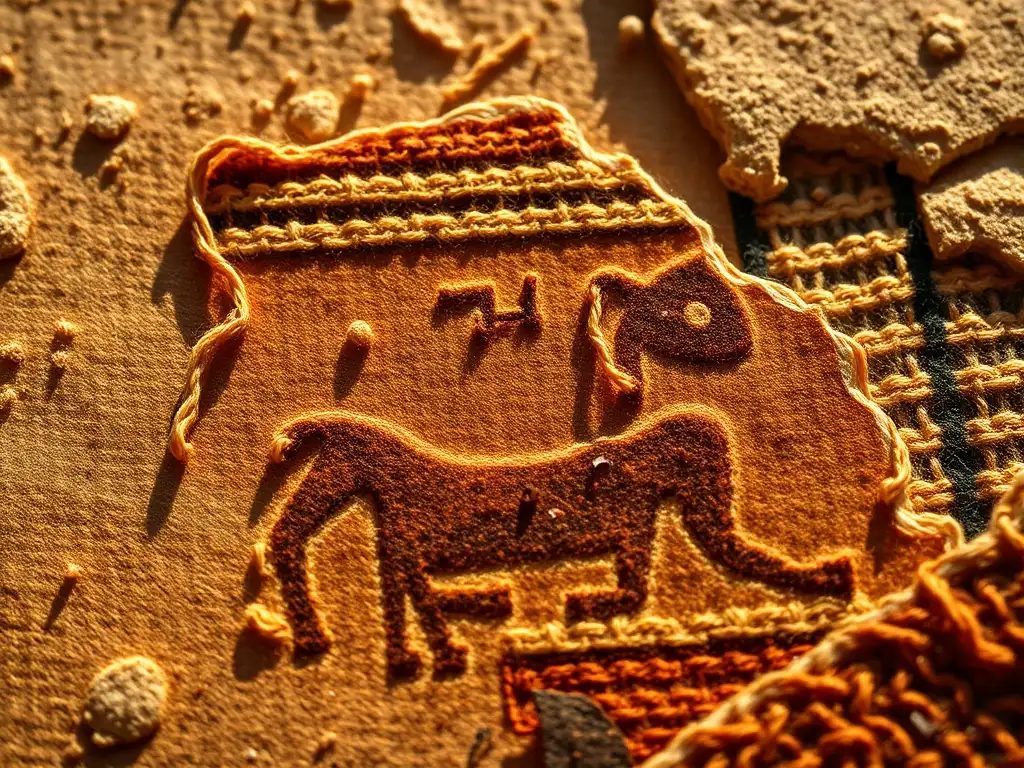
The Nazca people, renowned for their enigmatic lines etched into the desert landscape, also possessed a sophisticated understanding of color symbolism deeply interwoven with their religious and ritual practices. Their vibrant pottery and textiles serve as compelling evidence of this, showcasing a palette of pigments meticulously chosen to convey specific meanings within their worldview. Understanding the symbolic use of these pigments offers a window into the beliefs and practices of this fascinating pre-Columbian culture.
The choice of color wasn't arbitrary; it was a deliberate act, imbuing objects and ceremonies with potent spiritual significance, reflecting their complex cosmology and social structures. Analyzing the distribution and combination of colors in different contexts reveals a nuanced system of communication far beyond mere aesthetic preference.
This section will explore the various ways in which color functioned as a symbolic language within Nazca society. Further research into specific pigment compositions and their sources could reveal even more intricate details about their symbolic system.
Colors in Nazca Ceremonial Attire
Evidence from unearthed textiles and surviving pottery fragments suggests that color played a crucial role in differentiating social status and roles within Nazca society. Ceremonial attire, likely worn by priests or elites during rituals, frequently incorporated specific color combinations. For example, deep reds, possibly derived from cinnabar (mercury sulfide), might have signified power and connection to the divine, mirroring the color of blood and the setting sun, both powerful symbols in many ancient cultures. Conversely, lighter shades like yellows and creams, often achieved using ochre pigments, may have been associated with fertility and the earth.
Detailed analysis of textile fragments reveals intricate patterns and the strategic placement of different colored threads, suggesting a complex system of symbolic coding. The precise meaning of these combinations remains partially elusive, requiring further research into iconography and the context of their discovery. However, preliminary studies indicate that certain color pairings may have represented specific deities or cosmological concepts.
For instance, the combination of red and black might symbolize duality or opposing forces within their worldview. The study of Nazca textile technology and the intricate weaving techniques further enhances our understanding of their symbolic use of color in clothing. The meticulous craftsmanship suggests a deep respect for the symbolic power embedded within the garments themselves.
The Use of Pigment in Nazca Offerings
Pigments weren't limited to textiles and pottery; they also played a significant role in Nazca burial practices and offerings to deities. Archaeological findings reveal the use of colored pigments in grave goods, suggesting that the deceased were adorned with or accompanied by objects imbued with specific symbolic meanings. For example, the presence of red ochre in burial contexts might indicate a desire to ensure a successful journey to the afterlife or to connect the deceased with the realm of the ancestors.
Further investigation is needed to understand the full range of colors used in these offerings and their potential meanings. The careful placement of colored objects within tombs suggests a deliberate intention to create a specific atmosphere or symbolic landscape for the deceased. The study of Nazca offerings and their associated pigments helps us understand their beliefs about death, the afterlife, and the continuity between the living and the dead.
The meticulous nature of these offerings underscores the importance of color in their religious beliefs. The use of pigments in these contexts is a testament to the integration of color symbolism into every aspect of Nazca life.
Color and its Role in Nazca Cosmovision
The symbolic use of color in Nazca culture is inextricably linked to their cosmovision – their overall understanding of the universe and their place within it. The vibrant colors used in their art likely reflected their perception of the natural world and its cyclical processes. The prevalence of earth tones, such as browns, yellows, and reds, points to a deep connection with the desert environment. These pigments, readily available in the Nazca landscape, served as a direct link between the human realm and the forces of nature.
The more intense colors, such as deep blues and greens (if present, as further research into pigment analysis is needed), may have represented celestial phenomena or spiritual realms beyond the everyday experience. The combination of colors in specific patterns within their art likely represented complex cosmological concepts, such as the relationship between the earth, sky, and underworld. Further research into Nazca iconography and mythology is crucial to decipher the full meaning of these color combinations within their cosmological framework.
The study of Nazca color symbolism offers a profound insight into their understanding of the cosmos and their own place within the grand scheme of existence. The careful observation of color usage in various artifacts promises further revelations about their intricate worldview.
The Legacy of Nazca Color: Modern Interpretations and Research
The vibrant hues of Nazca pottery and textiles continue to fascinate researchers and artists alike, prompting ongoing investigations into the symbolic meaning embedded within their color palettes. While the precise significance of each pigment remains a subject of scholarly debate, significant progress has been made in understanding the cultural context of color use in Nazca society. This section delves into current research and interpretations, highlighting the enduring legacy of Nazca color in contemporary studies. The persistent interest in “Nazca lines pigment symbolism” reflects the enduring mystery and artistic brilliance of this ancient civilization.
Ongoing Studies of Nazca Pigments
Scientists employ a range of advanced techniques to analyze Nazca pigments, including spectroscopy and chromatography. These methods allow for precise identification of the mineral and organic components used in creating the diverse range of colors. Recent studies have revealed the sophisticated knowledge of the Nazca artisans in sourcing and processing pigments, often traveling considerable distances to acquire specific minerals.
For example, the intense reds often found in Nazca textiles are attributed to the use of hematite sourced from specific geological formations, demonstrating a deep understanding of both geology and color production. Furthermore, the analysis of trace elements within the pigments offers clues to the origins of the raw materials and potential trade networks that facilitated the distribution of these valuable resources.
This detailed chemical analysis provides critical data for understanding the cultural exchange and technological sophistication of Nazca society, contributing significantly to our understanding of "Nazca lines pigment symbolism" in a broader context. Further research is needed to fully characterize the complete range of pigments and their sources, potentially revealing additional insights into the production and distribution of these materials.
Preserving Nazca Art: Challenges and Conservation Efforts
The fragility of Nazca artifacts presents significant challenges for preservation. The pigments themselves, often composed of delicate minerals and organic materials, are susceptible to degradation due to environmental factors such as humidity, light exposure, and temperature fluctuations. Furthermore, the inherent porosity of the pottery and textile materials allows for the penetration of pollutants, accelerating the deterioration process.
Conservation efforts, therefore, focus on mitigating these factors through controlled environmental conditions, careful handling techniques, and the development of specialized cleaning and stabilization methods. The long-term preservation of these invaluable cultural treasures requires a multidisciplinary approach, combining scientific analysis with meticulous conservation practices.
This is crucial not only for protecting the physical integrity of the artifacts but also for safeguarding the cultural heritage they represent and the rich information they hold regarding "Nazca lines pigment symbolism." The development of new conservation technologies and the ongoing training of specialists are vital for ensuring the long-term survival of Nazca art for future generations.
Understanding the Nazca Color Code in Contemporary Art
The enduring appeal of Nazca color has inspired contemporary artists to explore its symbolic potential in new and innovative ways. Many artists draw inspiration from the vibrant palettes and intricate designs found in Nazca pottery and textiles, integrating these motifs and color schemes into their own work. This demonstrates a continued appreciation for the artistic and cultural significance of Nazca art, with contemporary artists often engaging in a dialogue with the past.
The interpretation of Nazca color symbolism in contemporary art reflects a broader interest in understanding the cultural context of ancient Andean civilizations. The use of similar pigments and techniques, albeit with modern adaptations, serves as a testament to the enduring legacy of Nazca artistic traditions.
This renewed interest in "Nazca lines pigment symbolism" through contemporary artistic expression underscores the lasting impact of this ancient civilization on the world of art and culture. The ongoing exploration of Nazca color in contemporary art ensures that the vibrant legacy of this civilization continues to resonate and inspire across time.
Frequently Asked Questions
What is the significance of pigment use in Nazca art?
The use of pigments in Nazca art wasn't merely decorative; it held deep symbolic meaning. Colors likely represented specific deities, concepts, or social status, influencing the interpretation of their geoglyphs and textiles.
What pigments did the Nazca culture primarily use?
The Nazca people utilized a range of natural pigments, including reds, yellows, browns, and blacks, derived from minerals and plants. Ochre was a particularly common and versatile pigment.
How do the Nazca Lines relate to pigment symbolism?
While the Nazca Lines themselves are not directly pigmented, the colors used in associated textiles and pottery offer clues to understanding their possible symbolic meaning. These artifacts could represent the same ideological framework reflected in the geoglyphs.
Is there evidence linking specific pigments to specific meanings?
While definitive interpretations are debated, some scholars suggest links between certain colors and specific deities or cosmological concepts. Further research is needed to confirm these tentative connections.
Where can I learn more about Nazca pigment analysis techniques?
Research papers on pigment analysis techniques used on Nazca artifacts are available in academic journals and online databases. Museums and archaeological sites often host exhibits and educational materials on this topic.
Final Reflection: Decoding the Whispers of the Nazca Colors
The vibrant pigments adorning the Nazca Lines aren't mere decoration; they are a powerful testament to a lost civilization's sophisticated understanding of symbolism and their enduring connection to the earth. These carefully chosen colors, meticulously applied centuries ago, continue to resonate with us today, offering a glimpse into a worldview profoundly different from our own, yet surprisingly relevant. The enduring mystery surrounding their creation only amplifies their impact, urging us to delve deeper into their meaning.
The enduring legacy of the Nazca Lines, and the symbolic weight of their pigments, transcends mere archaeological significance. They represent a profound connection to the land, a spiritual understanding of the natural world, and a sophisticated artistic expression that continues to inspire awe and wonder. The past is never dead. It's not even past.
- William Faulkner. This quote perfectly encapsulates the ongoing relevance of the Nazca Lines; their story, told through the language of color, continues to unfold, challenging our assumptions and enriching our understanding of human history and creativity.
Consider the implications of these findings. What can you learn from the deliberate choices made by the Nazca people? How can we apply their understanding of symbolic representation to our own lives, our own artistic expressions, and our own relationship with the natural world? Let the vibrant hues of the Nazca Lines inspire you to explore the power of color, the depth of symbolism, and the enduring legacy of those who came before us. Embrace the mystery, and let it guide your own journey of discovery.
Unveil the Vibrancy of the Nazca Colors!
Thank you for exploring the fascinating world of color symbolism in Nazca culture! By examining the symbolic use of pigments, you've gained a deeper understanding of the rich cultural heritage of the Andean civilizations. Let's build on that knowledge!
Here are some exciting ways to further explore this captivating topic:
- **Create your own Nazca-inspired color palette! ** Experiment with natural pigments to recreate the ancient colors and discover their significance. Share your creations on social media using #NazcaColors!
- **Connect with other enthusiasts** in online forums dedicated to Andean culture. Discussions with like-minded individuals can broaden your perspective and deepen your understanding.
- **Share your passion** by organizing a local art event or workshop focused on ancient Andean pigments and their cultural meanings. Inspire others to appreciate this fascinating aspect of history!
What new insights have you gained from the vibrant symbolism of Nazca colors, and how will you share this knowledge with others?