
The Tiahuanaco Legacy: Exploring the Highland Powerhouse Before the Incas

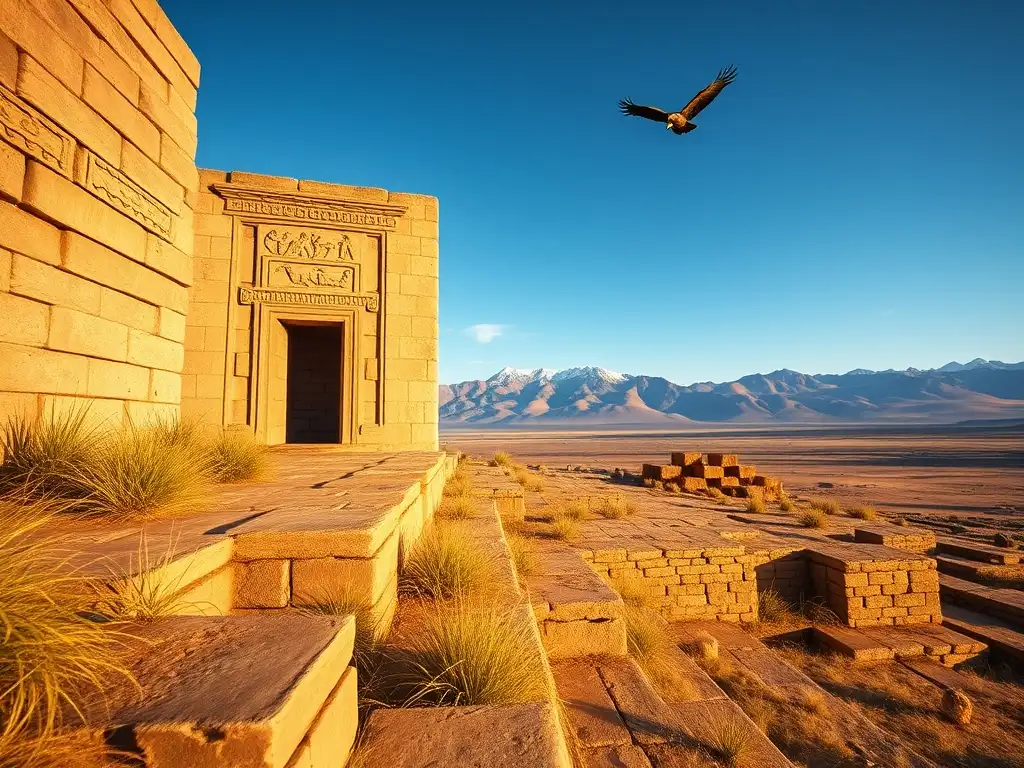
Unravel the mysteries of a civilization that thrived centuries before the Incas. Journey into the heart of the Andes and discover the astonishing Tiahuanaco civilization history, a powerful empire whose advanced technology and intricate artistry left an indelible mark on South America. Prepare to be captivated as we delve into the secrets of this enigmatic highland powerhouse – a legacy that continues to fascinate and intrigue researchers to this day. What secrets did the Tiahuanaco people leave behind? Explore further to find out.
The Bolivian Altiplano, a high-altitude plateau in the Andes Mountains, holds a secret whispered on the wind: the story of Tiahuanaco. This enigmatic civilization, flourishing centuries before the Inca Empire, left behind a legacy of monumental architecture, sophisticated engineering, and a complex social structure that continues to fascinate and inspire researchers today. Understanding Tiahuanaco's rise and fall is crucial to comprehending the broader tapestry of Andean civilization and the intricate interplay of cultures that shaped the region before the Inca's ascendance.
This exploration delves into the heart of Tiahuanaco's history, examining its societal organization, technological advancements, artistic expressions, and ultimate decline, offering a comprehensive overview of this remarkable pre-Inca powerhouse. We will uncover the mysteries surrounding its iconic structures, decipher clues from its intricate artifacts, and explore the lasting impact of its unique culture – all while focusing on the keyword "Tiahuanaco civilization history".
The Rise of a Highland Empire: Origins and Early Development
Tiahuanaco's origins remain shrouded in some mystery, with archaeological evidence suggesting a gradual development rather than a sudden emergence. Early settlements in the region date back to the Early Formative Period (ca. 1500-500 BCE), laying the groundwork for the later flourishing of the Tiahuanaco culture. The transition to the Middle Formative Period (ca.
500 BCE – 100 CE) witnessed the emergence of distinctive ceramic styles and the beginnings of more complex social structures. Evidence suggests a growing influence across the Altiplano, with Tiahuanaco gradually establishing itself as a regional center. The exact mechanisms of this rise are still debated, but factors such as control of vital resources, advanced agricultural techniques, and possibly even a degree of military dominance likely played significant roles. Further research is needed to fully understand the intricacies of this transformative period.
Monumental Architecture: A Testament to Engineering Prowess
The hallmark of Tiahuanaco civilization is its awe-inspiring architecture. The city's centerpiece, the Kalasasaya complex, features massive stone structures, meticulously carved and assembled without the use of mortar. The precision of the stonework and the sheer scale of the constructions—like the iconic Gateway of the Sun—testify to an advanced understanding of engineering and a highly organized workforce.
The construction techniques employed remain a source of wonder, highlighting the sophistication of Tiahuanaco's technology and societal organization. Specific examples, like the intricate carvings on the Gateway of the Sun and the precise alignment of structures with astronomical events, demonstrate a high level of planning and expertise. The sheer weight and precision of the stones involved in the construction of these monumental sites remains a remarkable feat of engineering for its time.
The social organization of Tiahuanaco was likely hierarchical, with a powerful elite controlling resources and religious practices. Evidence suggests a complex system of religious beliefs, with deities and rituals likely playing a central role in daily life. Iconography found on pottery, textiles, and stone carvings offers glimpses into their cosmology and spiritual world. However, the specific details of their social structure and religious beliefs remain areas of ongoing research and interpretation.
Further analysis of burial practices and the distribution of artifacts could shed more light on the complexities of Tiahuanaco society. Archaeological discoveries continue to provide new insights into the roles and status of different groups within the population. The presence of elaborate grave goods in certain burials suggests a significant social stratification.
Art and Iconography: A Visual Language of Power
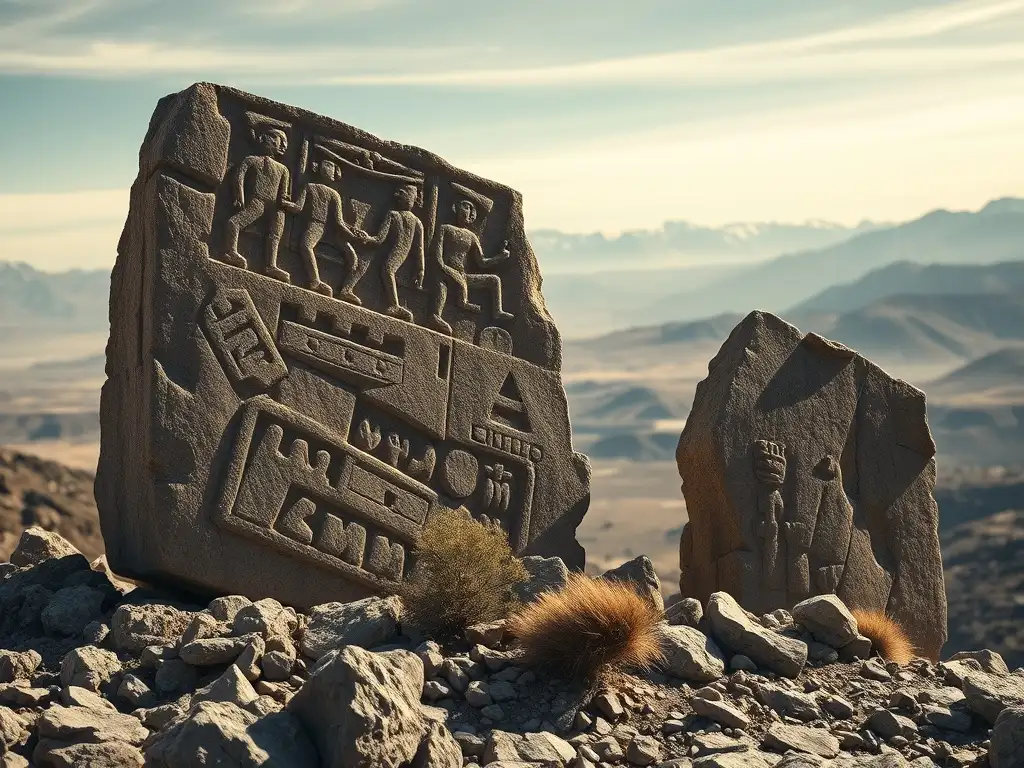
Tiahuanaco art is characterized by its distinctive style, featuring stylized figures, geometric patterns, and a unique iconography. The intricate carvings on the Gateway of the Sun, for example, depict a complex array of symbols and figures, interpreted by some as representations of deities or cosmological events. The artistic style of Tiahuanaco is easily recognizable and spread its influence across a wide geographical area.
The consistent use of specific motifs and stylistic elements suggests a degree of centralized control or a shared cultural identity across the empire. Further research on the specific meanings of these symbols and their evolution over time is crucial for a deeper understanding of Tiahuanaco culture. The use of different materials, such as stone, ceramic, and textiles, also highlights the diversity of artistic expression within the civilization.
Decline and Legacy: The End of an Era
The reasons behind Tiahuanaco's decline are still debated. Environmental factors, such as climate change and resource depletion, may have played a role. Internal conflicts or external pressures from rival groups could also have contributed to its eventual collapse. Around the 11th century CE, the power of Tiahuanaco waned, and the city was gradually abandoned.
However, its legacy lived on, influencing subsequent cultures in the Andes and leaving an indelible mark on the region's history and cultural identity. The impact of Tiahuanaco's artistic style, technological advancements, and religious beliefs can be seen in later Andean civilizations, highlighting its lasting contribution to the rich cultural heritage of the region. The study of Tiahuanaco's decline offers valuable insights into the factors that can lead to the collapse of complex societies.
- The Rise of a Highland Empire: Origins and Early Development
- Monumental Architecture: A Testament to Engineering Prowess
- Society and Religion: Unraveling the Social Fabric
- Art and Iconography: A Visual Language of Power
- Decline and Legacy: The End of an Era
Introduction to the Tiahuanaco Culture and its Historical Significance
The Tiahuanaco civilization, flourishing in the Andean highlands from approximately 500 CE to 1000 CE, represents a pivotal moment in pre-Columbian South American history. Its impact resonates far beyond its relatively short lifespan, leaving an indelible mark on subsequent Andean cultures, including the Inca. Understanding the Tiahuanaco civilization history is crucial to grasping the complex tapestry of Andean development. This powerful society, centered around the city of Tiahuanaco (near present-day Lake Titicaca, Bolivia), developed sophisticated agricultural techniques, monumental architecture, and a unique religious and artistic expression that significantly influenced the region.
Their legacy is etched in the very landscape, visible in the impressive ruins and the echoes of their cultural practices in later Andean societies. Studying the Tiahuanaco civilization provides invaluable insights into the social, political, and economic structures that shaped the pre-Inca world. The sophisticated irrigation systems, for example, highlight their advanced understanding of water management, a crucial factor in their success in a challenging high-altitude environment.
The scale and precision of their monumental architecture, such as the iconic Gateway of the Sun, are testaments to their organizational prowess and technological capabilities. Their distinctive artistic style, evident in their ceramics and textiles, showcases their creative ingenuity and cultural identity. The influence of Tiahuanaco art and religious beliefs can be traced in later Andean cultures, highlighting its lasting significance.
Setting the Stage: The Andean World Before the Inca Empire
Before the Inca Empire's rise to dominance, the Andean region was a vibrant mosaic of diverse cultures, each adapting to the unique challenges and opportunities of its environment. The high altitude, varied climates, and complex geography fostered a rich tapestry of social and political organizations. Prior to Tiahuanaco's emergence, numerous smaller societies thrived, developing their own distinct agricultural practices, religious beliefs, and artistic styles.
These earlier cultures laid the groundwork for the more complex societies that followed, contributing to the cumulative cultural development of the Andes. For instance, the sophisticated agricultural techniques developed by earlier cultures were refined and expanded upon by the Tiahuanaco, demonstrating a process of cultural evolution and adaptation. Understanding this pre-Tiahuanaco context is vital to appreciating the magnitude of Tiahuanaco's achievements and its impact on subsequent Andean civilizations.
The environmental context played a significant role; the fertile lands around Lake Titicaca provided a crucial resource for the development of agriculture and population growth, while the challenges posed by the high altitude spurred innovation in agricultural techniques. These earlier Andean societies, while less centralized than Tiahuanaco, contributed significantly to the overall development of the region's cultural and technological infrastructure. The legacy of these predecessors is interwoven with the story of Tiahuanaco, underscoring the continuous evolution of Andean civilization.
The Emergence of Tiahuanaco: A Powerful Pre-Incan Society
Tiahuanaco's rise to prominence involved a complex interplay of factors, including its advantageous location near Lake Titicaca, its mastery of agricultural techniques, and its ability to control vital resources. The city itself served as a powerful administrative and religious center, radiating its influence across a vast territory. Archaeological evidence suggests a highly organized society with sophisticated social stratification, evident in the construction of monumental architecture and the production of elaborate artifacts. Their mastery of irrigation allowed for intensive agriculture, supporting a large and densely populated urban center.
The Gateway of the Sun, a monumental structure adorned with intricate carvings, stands as a testament to their architectural skills and religious beliefs. The precise methods they employed in the construction of such massive structures remain a subject of ongoing research and debate, highlighting the ingenuity and organizational capabilities of Tiahuanaco builders. Further research into their sophisticated agricultural techniques, like raised field agriculture, is needed to fully understand their capacity to support a large population in a challenging environment. The Tiahuanaco civilization's influence extended far beyond their immediate territory, as evidenced by the widespread distribution of their distinctive ceramic styles and religious iconography.
This expansion suggests a powerful and centralized state capable of exerting considerable control over its vast domain. The development of a standardized artistic style across a wide area is further evidence of their strong political and cultural influence. The study of Tiahuanaco's monumental architecture and its iconography provides valuable insights into their religious beliefs, social structures, and political organization, contributing significantly to our understanding of "Tiahuanaco civilization history."
The Geographical Context of Tiahuanaco: A Strategic Location
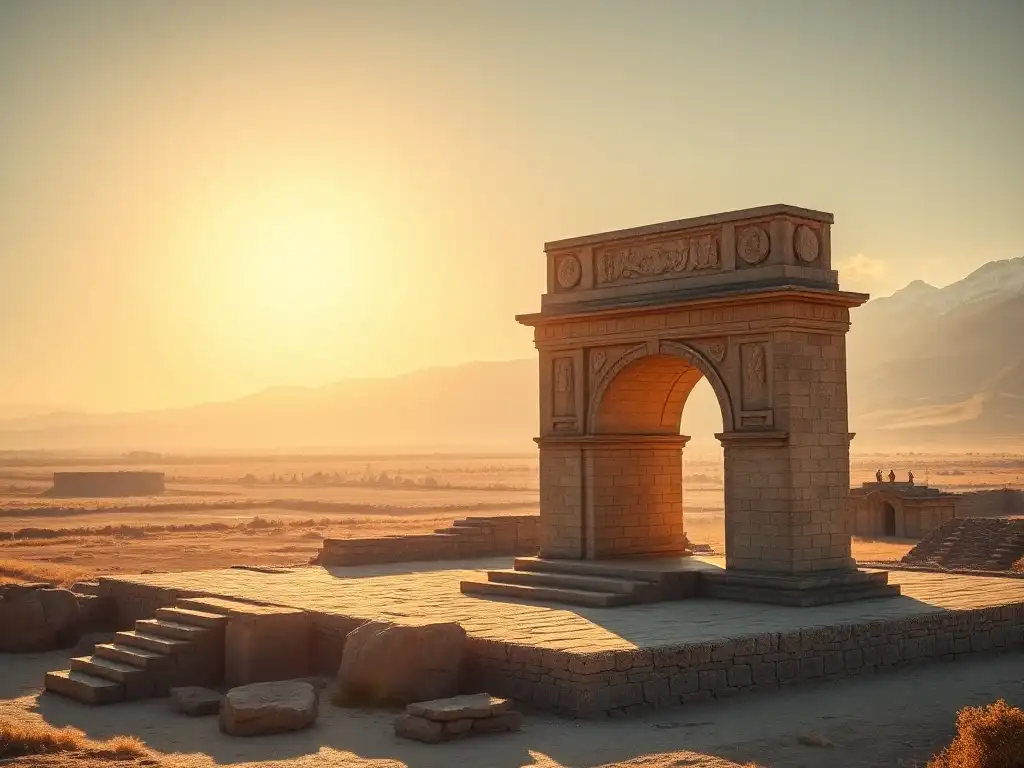
The remarkable Tiahuanaco civilization, a cornerstone of Andean history, flourished in a geographically unique and strategically advantageous location. Understanding this context is crucial to appreciating the civilization's rise and influence. Its location on the Altiplano, a high-altitude plateau in the Andes Mountains, provided both challenges and opportunities that profoundly shaped its development and its legacy.
The strategic placement near Lake Titicaca and major trade routes solidified its position as a powerful regional center, long before the Inca Empire's expansion. This section will delve into the specific geographic factors that contributed to Tiahuanaco's success, analyzing the interplay between environment, resources, and the civilization's ingenuity. Mastering the challenges of the high-altitude environment was fundamental to their success, and their innovative solutions offer valuable insights into the resilience and adaptability of the Tiahuanaco people.
This analysis will focus on the specifics of the Altiplano environment and the vital role of Lake Titicaca in shaping the Tiahuanaco civilization's history. The keyword "Tiahuanaco civilization history" is inherently tied to its geographical setting.
The Altiplano Environment: How It Shaped Tiahuanaco Development
The Altiplano, a high-altitude plateau averaging 12,500 feet (3,800 meters) above sea level, presented significant challenges to the Tiahuanaco. The thin air, intense solar radiation, and unpredictable weather patterns – including periods of drought and frost – demanded innovative agricultural techniques and architectural solutions. The Tiahuanaco people, however, overcame these obstacles with remarkable ingenuity.
They developed sophisticated agricultural systems, including raised fields ( suka kollus ) and terracing, to optimize water management and crop yields in the harsh environment. These techniques allowed them to cultivate potatoes, quinoa, and other crops vital for sustenance and supporting a large population. The unique challenges of the Altiplano also influenced the design of their architecture.
The monumental structures, such as the Kalasasaya complex, were built with meticulous precision, demonstrating a deep understanding of engineering and construction in this challenging environment. Their mastery of stonework, evident in the perfectly fitted blocks, also reflects an adaptation to the available resources and the constraints of the high-altitude setting. The resilience demonstrated in their adaptation to the Altiplano environment is a crucial part of understanding the Tiahuanaco civilization history.
Lake Titicaca: The Lifeblood of Tiahuanaco and its Influence
Lake Titicaca, the highest navigable lake in the world, played a pivotal role in the development and prosperity of Tiahuanaco. Its proximity provided a readily available source of fresh water, essential for agriculture and daily life in the arid Altiplano. Furthermore, the lake served as a vital transportation network, facilitating trade and communication with other regions. The movement of goods, such as obsidian, textiles, and agricultural products, across the lake contributed significantly to Tiahuanaco's economic strength and its expansion of influence.
The lake's rich biodiversity also provided a source of food, further supporting the population. Evidence suggests that fishing was an important economic activity for the Tiahuanaco, and the lake's resources likely played a crucial role in their diet and overall sustenance. The strategic location of Tiahuanaco near Lake Titicaca, therefore, was not merely a geographical advantage but a fundamental factor in the civilization's rise to power and its lasting impact on the Andean region.
The impact of Lake Titicaca on Tiahuanaco civilization history is undeniable. The symbiotic relationship between the civilization and the lake is a compelling example of human adaptation and resource management in a challenging environment. Further research into the specific details of their fishing techniques and trade networks along the lake would enrich our understanding of Tiahuanaco's history and its sophisticated societal organization.
Tiahuanaco Civilization History: Key Periods and Milestones
This section delves into the chronological development of the Tiahuanaco civilization, examining its key periods and significant milestones. Understanding this timeline is crucial to appreciating the civilization's immense influence on the Andean region and its lasting legacy. We will explore the rise, peak, and eventual decline of this remarkable pre-Columbian society, offering a nuanced perspective on its complex history. The study of Tiahuanaco civilization history reveals a fascinating interplay of societal structures, technological advancements, and environmental factors that shaped its trajectory.
Early Tiahuanaco: The Formative Stages and Initial Settlements
The formative stages of the Tiahuanaco civilization, often dated between 1500 and 500 BCE, represent a period of gradual development and initial settlement around Lake Titicaca. Archaeological evidence suggests a relatively small, dispersed population engaged in agriculture and basic craft production. Early settlements were characterized by simple structures and a less complex social organization compared to the later, more elaborate phases.
The discovery of early pottery shards and rudimentary tools provides insights into the daily lives of these early inhabitants. These initial communities laid the groundwork for the subsequent expansion and sophistication of the Tiahuanaco culture. Analysis of these early artifacts reveals a gradual shift in artistic styles and technological advancements, suggesting a process of cultural evolution and adaptation to the challenging high-altitude environment.
Further research is needed to fully understand the intricacies of this crucial period, but it is clear that the foundation for Tiahuanaco's later achievements was laid during these formative years. Careful excavation and analysis of these early sites continue to yield valuable information, refining our understanding of the Tiahuanaco civilization’s origins.
The Classic Period: Tiahuanaco's Zenith and Expansion
The Classic Period (approximately 500 CE – 1000 CE) marks the zenith of Tiahuanaco power and influence. This era witnessed a dramatic expansion of the civilization's reach, with its distinctive artistic style and monumental architecture spreading across a vast territory. The construction of monumental structures like the Akapana pyramid and the Kalasasaya temple complex showcases the sophisticated engineering and organizational capabilities of Tiahuanaco society.
This period also saw the development of a complex social hierarchy, with evidence suggesting a powerful ruling elite and a stratified social structure. The characteristic Tiahuanaco artistic style, characterized by intricate carvings, geometric patterns, and stylized representations of deities and animals, is widely visible in artifacts from this period. The widespread distribution of Tiahuanaco-style pottery and other artifacts throughout the Andes demonstrates the extensive network of trade and influence that the civilization established.
Evidence suggests sophisticated agricultural techniques, including raised fields ( waru waru), allowed for increased food production to support a larger population and facilitate expansion. The organization and scale of these projects underscore the level of centralized control and social engineering achieved during this golden age.
The Decline of Tiahuanaco: Factors Contributing to Its Collapse
The decline of Tiahuanaco, beginning around 1000 CE, remains a subject of ongoing debate among scholars. Several factors likely contributed to its eventual collapse, including environmental changes, internal conflicts, and external pressures. Climate fluctuations, such as prolonged droughts, may have severely impacted agricultural production, leading to food shortages and social unrest. Evidence suggests a possible weakening of central authority, leading to internal conflicts and a fragmentation of power.
The rise of other regional powers may have also played a role in challenging Tiahuanaco's dominance. The gradual abandonment of the monumental center at Tiwanaku and the dispersal of its population are testament to this decline. Analyzing the isotopic composition of human remains from this period could provide additional insight into dietary changes and potential environmental stress.
While the precise causes remain elusive, the collapse of Tiahuanaco marks a significant turning point in Andean history, paving the way for the emergence of new power structures and the eventual rise of the Inca Empire. The study of Tiahuanaco's fall offers valuable lessons about the fragility of even the most powerful civilizations and the complex interplay of factors that can lead to societal collapse. Further research, combining archaeological findings with climate modeling and detailed social analysis, is essential to fully unravel the mysteries surrounding the end of this remarkable civilization.
Tiahuanaco's Remarkable Architecture and Engineering
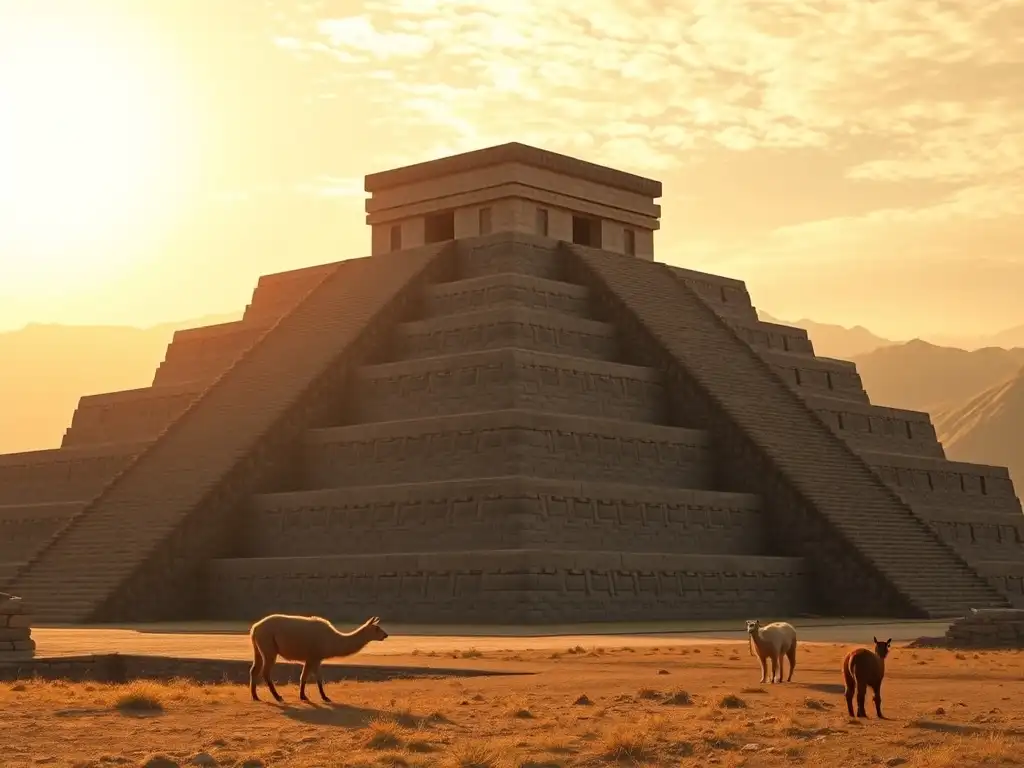
The Tiahuanaco civilization, flourishing in the Andes between roughly 300 and 1200 CE, left behind a breathtaking architectural legacy that continues to fascinate and inspire awe. Their mastery of stonework, their understanding of hydraulics, and the sheer scale of their constructions speak volumes about their sophisticated societal organization and advanced engineering capabilities. The monumental structures at Tiahuanaco are not merely buildings; they are powerful statements of religious belief, political authority, and technological prowess, reflecting the immense capabilities of this pre-Inca highland powerhouse.
Understanding their architecture is key to understanding the Tiahuanaco civilization history itself. The precision and scale of their projects are testament to a highly organized society capable of mobilizing significant labor resources and possessing a deep understanding of engineering principles.
Akapana Pyramid: A Monumental Center of Power
The Akapana pyramid, arguably the most impressive structure at Tiahuanaco, stands as a testament to the civilization's architectural ambition. Its stepped design, with its multiple platforms and intricate internal chambers, suggests a complex symbolic meaning, likely related to their cosmology and religious beliefs. While its exact function remains debated among scholars, many believe it served as a ceremonial center, perhaps even a temple dedicated to a specific deity or a place for important rituals.
The pyramid's size—estimates place it at approximately 180 meters wide and 16 meters high—indicates a significant investment of resources and manpower, underscoring its importance within the Tiahuanaco societal structure. Evidence suggests sophisticated water management systems were integrated into the pyramid's construction, further highlighting their advanced understanding of hydraulic engineering. Excavations have revealed intricate channels and reservoirs, indicating a possible connection to agricultural practices or ritualistic water usage.
The Akapana pyramid's construction techniques, including the use of massive blocks of stone and sophisticated earthworks, demonstrate a high level of skill and planning, reflecting a well-organized and highly skilled workforce. The sheer scale of the project, combined with the precision of its construction, points to a highly centralized and powerful state capable of undertaking such monumental tasks.
Kalasasaya Temple: Sun Worship and Ritual Practices
The Kalasasaya Temple, meaning "standing stones" in Aymara, is another key architectural feature of the Tiahuanaco complex. Its monumental gateway, adorned with intricate carvings and featuring depictions of possibly a deity, is a particularly striking example of Tiahuanaco artistry. The temple's orientation towards the solstices suggests a strong connection to astronomical observations and sun worship, a common theme in Andean cultures. The large, precisely cut stones used in its construction are a clear demonstration of the Tiahuanaco people's impressive engineering abilities.
The temple's layout and the arrangement of its stones indicate a clear understanding of spatial organization and symbolic representation. Evidence suggests the temple was used for religious ceremonies and rituals, with its large open spaces potentially serving as gathering places for large groups of people. The presence of intricately carved stones and the temple's meticulous construction suggest a deep reverence for religious practices and a highly skilled priestly class.
Furthermore, the Kalasasaya Temple's location within the larger Tiahuanaco complex suggests its importance within the overall religious and political landscape of the civilization. Analysis of the carvings on the stones may provide further insights into the religious beliefs and social structure of the Tiahuanaco people. Further research is needed to fully understand the complex interplay of religious practice and social organization reflected in this remarkable structure.
Puma Punku: The Puzzle of Precision Stone Work
Puma Punku, meaning "the gate of the puma," is perhaps the most enigmatic site at Tiahuanaco. Its massive, precisely fitted stones, some weighing many tons, continue to baffle archaeologists and engineers. The level of precision in the stonework is astonishing, with some blocks exhibiting tolerances of less than a millimeter. The techniques employed in the construction of Puma Punku remain largely unknown, further adding to its mystique.
Some researchers speculate on the use of advanced tools and techniques that were not fully understood until much later in history. The function of Puma Punku is also a subject of debate, with theories ranging from a ceremonial center to a sophisticated water management system. The sheer size and precision of the stone blocks, along with the intricate channels and other features, suggest a significant investment of resources and a highly sophisticated understanding of engineering principles. The unanswered questions surrounding Puma Punku's construction and purpose contribute to the enduring fascination with this remarkable site and provide a testament to the advanced technology and engineering capabilities of the Tiahuanaco civilization.
The mystery surrounding Puma Punku continues to fuel research and discussion, with ongoing efforts to understand the methods and motivations behind its construction. Unlocking the secrets of Puma Punku would offer invaluable insights into the Tiahuanaco civilization history and their advanced technological achievements. Further research and analysis are crucial to fully comprehend the significance of this remarkable site within the broader context of Tiahuanaco's cultural and technological achievements.
Advanced Techniques: Irrigation and Agricultural Innovations
The Tiahuanaco civilization's success was significantly linked to its mastery of agriculture in a challenging high-altitude environment. Their agricultural innovations were not merely about survival; they represented a sophisticated understanding of water management and soil optimization, crucial for supporting a large population and a complex social structure. The arid altiplano presented significant hurdles, but the Tiahuanaco people overcame these challenges through a remarkable network of sophisticated irrigation systems.
These weren't simple canals; they were complex networks that harnessed both surface and subterranean water sources, diverting water from rivers and streams across vast distances to irrigate fields at lower elevations. Evidence suggests the use of raised fields, suka kollus, which were artificially constructed platforms designed to improve drainage and retain moisture, maximizing crop yields in the often waterlogged or poorly drained soils of the region.
This was not simply a matter of digging ditches; it involved careful surveying, precise engineering, and a deep understanding of the local hydrology. The scale of these projects is truly impressive, reflecting a level of organization and centralized planning rarely seen in other contemporaneous societies.
The agricultural innovations extended beyond irrigation. The Tiahuanaco people developed advanced techniques for soil fertilization, likely using animal manure and other organic materials to enrich the soil and increase its fertility. The selection and cultivation of specific crops adapted to the high-altitude environment—such as potatoes, quinoa, and other hardy Andean staples—demonstrates a deep understanding of botany and agricultural science.
Archaeological evidence points to the use of terracing on hillsides, further increasing arable land and minimizing soil erosion. These terracing techniques, though common in Andean agriculture, were implemented with a level of precision and scale that highlights the sophistication of Tiahuanaco's agricultural practices. Their success in cultivating these crops in such a challenging environment underscores their deep understanding of the interplay between water, soil, and climate, and their ability to modify the environment to suit their needs.
The sophistication of their agricultural system likely contributed significantly to their political and economic power, allowing them to support a large, complex society in an otherwise harsh environment. The legacy of these agricultural innovations continues to inspire modern agricultural practices in the Andes, reminding us of the ingenuity and adaptability of the Tiahuanaco people.
The Tiahuanaco civilization, flourishing in the Andean highlands between approximately 500 and 1000 CE, was characterized by a sophisticated political organization and a complex social structure. Understanding this societal framework is crucial to comprehending the civilization's impressive achievements in architecture, agriculture, and religious practices. Evidence suggests a highly centralized political system, with a powerful elite controlling resources and directing labor.
The very scale of monumental construction projects, such as the Kalasasaya complex and the Akapana pyramid, points towards a highly organized and efficient administrative structure capable of mobilizing significant manpower. The question of how this authority was maintained and the nature of the power dynamics within Tiahuanaco society remains a subject of ongoing research and debate among archaeologists. The distribution of artifacts and the architectural layout of the sites themselves offer valuable clues to unraveling these mysteries of Tiahuanaco civilization history.
The presence of large-scale public works and the uniformity of certain architectural styles across the Tiahuanaco heartland strongly suggest a centralized authority. This elite likely controlled the distribution of resources, including agricultural surpluses and precious materials. Archaeological findings, like the discovery of elaborate burials with prestigious artifacts, point to a hierarchical society where a select few enjoyed significant privilege and power.
These individuals may have been religious leaders, political rulers, or a combination of both, wielding considerable influence over the population. The iconography found in Tiahuanaco art, frequently depicting powerful figures with elaborate headdresses and regalia, further reinforces this notion of a dominant elite class. However, the exact mechanisms of control and the extent of the elite's power remain areas requiring further investigation within Tiahuanaco civilization history.
Further research is needed to fully understand the nature of their authority and the degree to which it was accepted or challenged by the wider population. For instance, detailed analysis of settlement patterns and the distribution of artifacts could provide more insight into the relationship between the elite and the common people.
The monumental architecture of Tiahuanaco necessitates a highly organized workforce capable of undertaking complex engineering tasks. The precision and scale of the stonework indicate a sophisticated understanding of engineering principles and a well-defined system of labor organization. It's likely that the society was stratified, with different social groups performing specialized tasks.
While the elite likely oversaw the overall planning and direction of projects, a significant portion of the population would have been involved in labor-intensive activities like quarrying, transporting, and erecting massive stone blocks. The existence of specialized craftspeople, evidenced by the production of finely crafted textiles, ceramics, and metalwork, also suggests a complex division of labor.
The precise nature of this social hierarchy and the mechanisms of labor organization remain subjects of ongoing research within the field of Tiahuanaco civilization history. Further studies could explore the possibility of different forms of social organization within the wider Tiahuanaco sphere of influence.
Religious Beliefs and Ritual Practices in the Tiahuanaco Culture
Religious beliefs played a central role in Tiahuanaco society, shaping its worldview and influencing its social and political structures. The monumental architecture itself served as a backdrop for elaborate rituals and ceremonies. The Akapana pyramid, for example, may have functioned as a ceremonial center, with its internal chambers and platforms used for religious practices.
The iconography found on Tiahuanaco artifacts, including depictions of deities, mythical creatures, and stylized human figures, provides valuable insights into their religious beliefs. These images often feature recurring motifs, suggesting a structured cosmology and a well-defined pantheon of gods. Furthermore, the presence of numerous smaller shrines and ceremonial sites scattered across the Tiahuanaco region suggests a widespread engagement with religious practices.
The study of Tiahuanaco civilization history is enriched by considering the role of religious beliefs in shaping social interactions and in maintaining the power structure. Further research into the specific rituals and ceremonies practiced by the Tiahuanaco people, and their interpretations of the cosmos, is essential to fully understand their culture. The analysis of human remains found in ceremonial contexts could shed further light on their beliefs and practices.
Tiahuanaco Art and Iconography: Symbolism and Representation
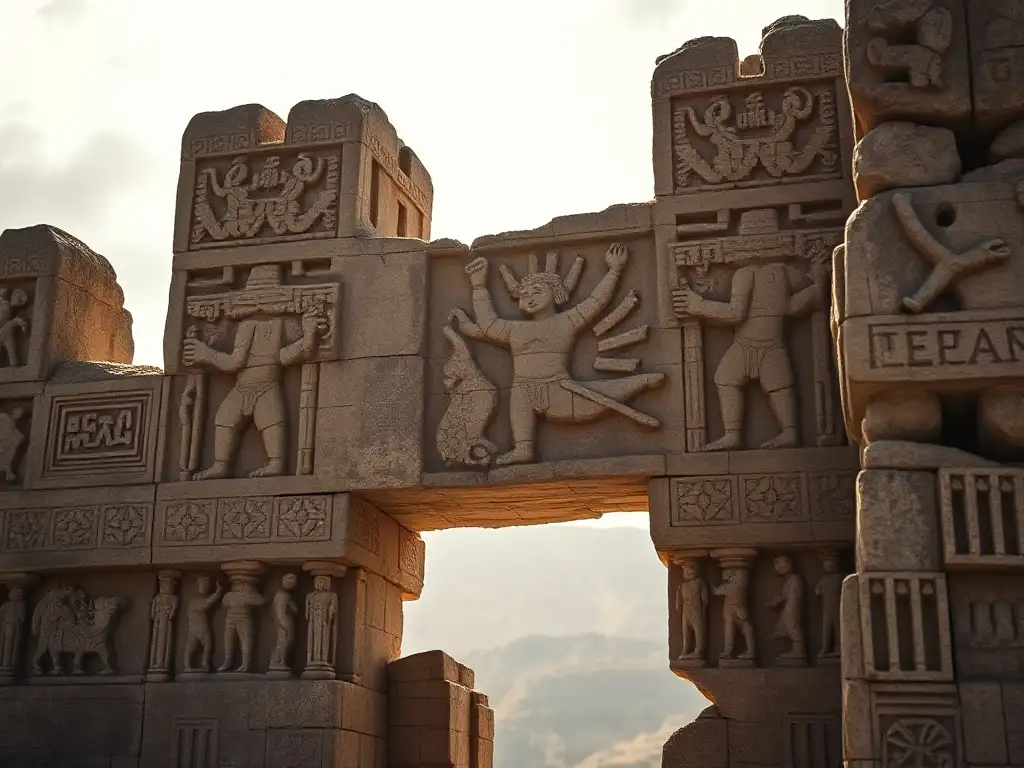
The Tiahuanaco civilization, flourishing in the Andean highlands between approximately 500 and 1000 CE, left behind a remarkable artistic legacy. Their art, deeply intertwined with their cosmology and religious beliefs, provides invaluable insights into their complex society and worldview. Understanding Tiahuanaco art requires deciphering its intricate symbolism and representation, which often blend human, animal, and mythical figures into powerful visual narratives.
The iconic style, characterized by its monumental scale and stylized figures, is instantly recognizable and continues to fascinate scholars and enthusiasts alike. This unique artistic expression served not only as aesthetic decoration but also as a means of reinforcing social hierarchies and conveying religious messages throughout their vast empire. The pervasive use of specific motifs, such as the staff god, the condor, and the puma, underscores the importance of these symbolic figures in Tiahuanaco ideology.
Further research into the meaning and context of these artistic expressions is crucial to fully appreciate the sophisticated level of Tiahuanaco artistic achievement and its contribution to Andean cultural history. The sheer volume of surviving artifacts, from monumental sculptures to intricately carved objects, presents a wealth of information waiting to be unlocked.
The Gateway of the Sun: Decoding Its Intricate Carvings
The Gateway of the Sun, arguably the most iconic artifact of the Tiahuanaco civilization, stands as a testament to their advanced architectural and artistic skills. This monolithic structure, crafted from a single block of andesite, is adorned with intricate carvings depicting a central figure, often interpreted as a deity, surrounded by a multitude of smaller figures and symbols. The central figure, frequently identified as the "Staff God," is depicted with a staff, a headdress, and other symbolic attributes that suggest a connection to power, fertility, and cosmic forces.
The surrounding figures, while less clearly defined, likely represent other deities, mythical creatures, or perhaps even representations of the Tiahuanaco people themselves. Scholars continue to debate the exact meaning of these carvings, with various interpretations proposed based on iconographic analysis and comparative studies of Andean art. The intricate detail and the careful execution of the carvings showcase the exceptional craftsmanship of Tiahuanaco artisans and the significance of this structure within their religious and societal context.
Further analysis, including technological studies of the carving techniques and a more comprehensive understanding of the Tiahuanaco calendar system, may provide a clearer understanding of the Gateway of the Sun's complex symbolism. The Gateway serves as a powerful example of how Tiahuanaco art served as a medium for communicating complex religious and cosmological ideas.
Ceramics and Pottery: Styles and Cultural Significance
Tiahuanaco ceramic production provides another window into the civilization's artistic capabilities and social structures. Their pottery, ranging from simple utilitarian vessels to elaborately decorated ceremonial pieces, exhibits a variety of styles and techniques. Common motifs include stylized human and animal figures, geometric patterns, and intricate designs that mirror the iconography found on other Tiahuanaco artifacts.
The use of different clay types, firing techniques, and decorative elements suggests a degree of specialization within the pottery-making community, possibly reflecting social hierarchies or regional variations. The analysis of ceramic styles and their distribution across the Tiahuanaco empire provides valuable insights into trade networks, cultural exchange, and the extent of the civilization's influence. For example, the presence of specific ceramic styles in distant locations indicates the movement of goods and ideas across significant distances.
Furthermore, the stylistic variations observed in Tiahuanaco pottery over time reflect the civilization’s evolution and the adaptation of artistic traditions. The study of Tiahuanaco ceramics offers a rich source of information for understanding the social, economic, and religious aspects of this fascinating civilization. The detailed analysis of pottery shards, their decoration, and the materials used, reveals a complex picture of Tiahuanaco society and its interactions with other Andean cultures.
Textile Art: Evidence of Tiahuanaco's Weaving Prowess
While less readily available than ceramics or stone carvings, evidence of Tiahuanaco textile art suggests an advanced level of weaving technology and artistic skill. Fragments of textiles discovered at various sites display intricate designs and a mastery of weaving techniques. These fragments, often composed of fine yarns made from camelid fibers (alpaca and llama), showcase a high level of craftsmanship and artistic sophistication.
The colors used, often vibrant and richly saturated, demonstrate an understanding of natural dyes and dyeing techniques. While complete textiles are rare, the surviving fragments reveal complex patterns and motifs that are consistent with the iconography found in other Tiahuanaco art forms. The study of these textiles, along with the analysis of spindle whorls and other weaving tools found at archaeological sites, provides crucial information about the social organization of textile production and the role of textiles in Tiahuanaco society.
The limited surviving examples, however, highlight the urgent need for further research and excavation to recover more complete textile samples, which would greatly enhance our understanding of Tiahuanaco weaving techniques and artistic traditions. The potential for uncovering more textile evidence is significant, promising further insights into the artistic achievements and daily life of the Tiahuanaco people. The existing fragments, though limited, undeniably demonstrate a remarkable level of technical skill and artistic expression.
The Influence of Tiahuanaco on Subsequent Andean Cultures
The Tiahuanaco civilization, flourishing in the Bolivian Altiplano between roughly 500 and 1000 CE, exerted a profound influence on subsequent Andean cultures. Its impact wasn't solely based on military conquest, although evidence suggests periods of expansion and control over surrounding regions. More significantly, Tiahuanaco's sophisticated technological achievements, unique artistic styles, and complex religious beliefs permeated the cultural landscape of the Andes long after its decline.
Understanding this influence is crucial to comprehending the tapestry of Andean history and the development of later empires, particularly the Inca. The spread of Tiahuanaco's cultural elements wasn't a simple process of linear succession; rather, it involved adaptation, modification, and integration into the pre-existing cultural frameworks of different Andean communities. The legacy of Tiahuanaco is a complex interplay of assimilation and innovation, a testament to the civilization's enduring power and influence.
Tiahuanaco's Legacy: Impact on Later Highland Societies
The architectural marvels of Tiahuanaco, such as the monumental Akapana pyramid and the intricate Gateway of the Sun, served as models for later constructions throughout the Andes. The distinctive Tiahuanaco style of monumental stonework, characterized by precise cuts and impressive scale, is clearly visible in sites built centuries after the civilization's collapse. For example, [Specific examples of architectural influence in later sites pending]. This suggests a continuation of architectural traditions and possibly the transmission of specialized knowledge and techniques.
Furthermore, Tiahuanaco's sophisticated irrigation systems, essential for survival in the harsh Altiplano environment, likely influenced the development of agricultural practices in later societies. The mastery of water management demonstrated by Tiahuanaco provided a blueprint for effective resource utilization in the challenging Andean geography. Their advanced understanding of hydraulic engineering contributed significantly to the agricultural success of subsequent cultures.
Cultural Transmission: How Tiahuanaco Ideas Spread Across the Andes
The spread of Tiahuanaco's cultural influence wasn't solely a consequence of territorial control. The dissemination of its religious beliefs, artistic motifs, and technological innovations occurred through a variety of channels, including trade networks, migration patterns, and cultural exchange. The distinctive Tiahuanaco style of pottery, with its characteristic red-on-white designs and stylized figures, is found in sites far beyond the immediate vicinity of the capital. This widespread distribution suggests a far-reaching network of exchange, possibly facilitated by the civilization's control over key trade routes.
Moreover, the adoption of Tiahuanaco religious iconography in later Andean cultures indicates a process of cultural assimilation and syncretism. [Specific examples of the spread of Tiahuanaco religious beliefs and iconography pending]. The influence of Tiahuanaco wasn't a simple imposition; it was a dynamic process of adaptation and integration into the existing belief systems of different groups.
The Enduring Significance of Tiahuanaco in Andean History
The Tiahuanaco civilization's significance in Andean history extends far beyond its relatively short lifespan. Its influence on subsequent cultures, particularly in the highlands, is undeniable. The civilization's sophisticated achievements in architecture, agriculture, and religious ideology left an indelible mark on the Andes. Even after its decline, the echoes of Tiahuanaco’s power and influence reverberated through the centuries, shaping the cultural landscape of the region and contributing to the development of later Andean empires. Understanding the Tiahuanaco civilization's legacy is crucial for a comprehensive understanding of the complexities and interconnectedness of pre-Columbian Andean societies. It’s a testament to the enduring impact of a civilization that, despite its demise, left an undeniable and profound imprint on the history of the Andes. The study of Tiahuanaco offers invaluable insights into the processes of cultural transmission, adaptation, and innovation in the Andean world, enriching our understanding of "Tiahuanaco civilization history" and its lasting contributions.
Further Research Areas: 🗺️
More research is needed to fully understand the intricacies of Tiahuanaco's influence on later Andean cultures. Specifically, further investigation into the following areas would be beneficial:
- Detailed comparative analysis of Tiahuanaco and later architectural styles.
- Tracing the distribution of Tiahuanaco pottery and its variations across different regions.
- Investigating the role of trade networks in the dissemination of Tiahuanaco ideas and technologies.
Exploring Tiahuanaco Today: Archaeological Sites and Research
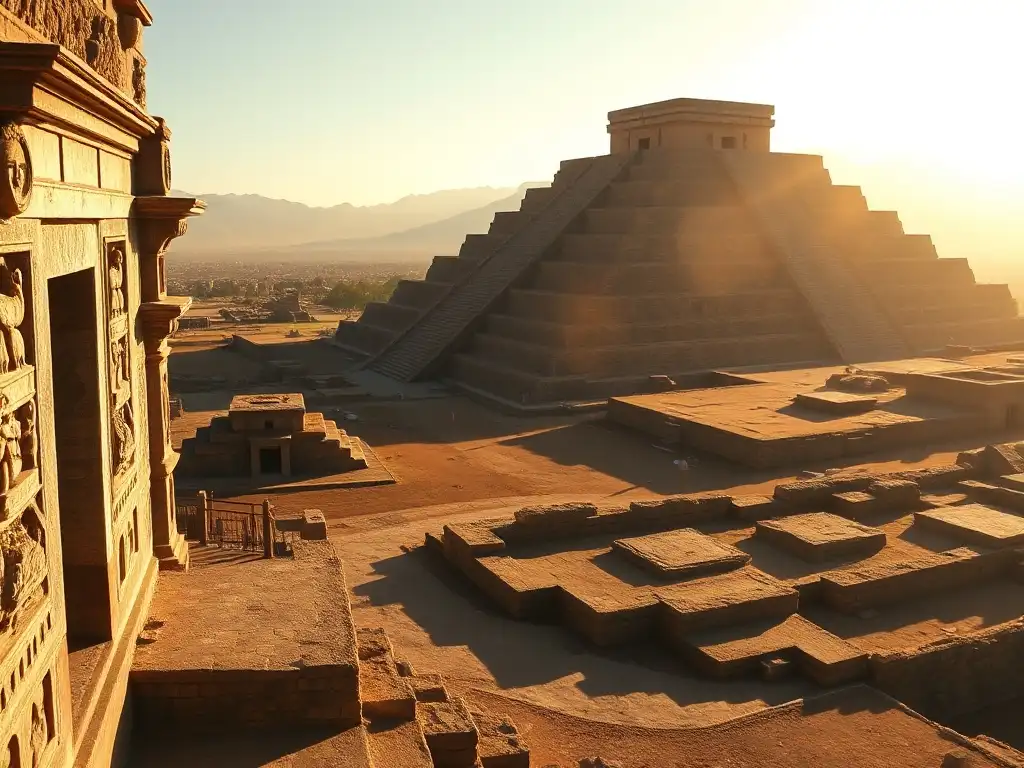
The remnants of the Tiahuanaco civilization, a powerful pre-Columbian society that flourished in the Bolivian Altiplano, continue to fascinate archaeologists and historians alike. The scale and sophistication of their architecture, combined with the enduring mysteries surrounding their societal structure and ultimate decline, make Tiahuanaco a compelling subject of study for understanding Tiahuanaco civilization history.
Today, visitors and researchers alike can explore a wealth of archaeological sites offering invaluable insights into this remarkable culture. The primary site, located near the modern-day city of Tiwanaku in Bolivia, is the most extensively excavated and studied, providing a tangible connection to the past.
This location showcases the civilization's mastery of monumental stonework, intricate carvings, and sophisticated urban planning, all testaments to their advanced technological capabilities for the time. Beyond the main site, numerous smaller settlements and satellite locations are scattered throughout the surrounding region, offering a broader perspective on the Tiahuanaco's influence and reach, contributing significantly to our understanding of Tiahuanaco civilization history.
Visiting Tiahuanaco: What to Expect at the Archaeological Site
A visit to the Tiahuanaco archaeological site is a journey back in time. The imposing structures, such as the Akapana pyramid and the Gate of the Sun, immediately impress upon visitors the scale and ambition of the civilization. The meticulously carved stones, adorned with intricate depictions of deities and mythical creatures, offer glimpses into Tiahuanaco's religious beliefs and cosmology.
Many visitors are struck by the precision of the stonework; the immense blocks of andesite, fitted together with remarkable accuracy, are a testament to the advanced engineering skills of the Tiahuanaco people. The site also offers museums showcasing artifacts unearthed during excavations, further enriching the visitor experience and providing context to the monumental architecture. Guided tours are readily available, providing valuable insights into the history, architecture, and significance of the site, helping visitors better understand the complexities of Tiahuanaco civilization history.
Remember to wear appropriate clothing and footwear, as the altitude and terrain can be challenging. Allow ample time to explore the expansive site fully and appreciate the grandeur of this ancient civilization. The experience is not just a visit to ruins; it's an immersion into a powerful past.
Ongoing Research: New Discoveries and Insights into Tiahuanaco
Research into the Tiahuanaco civilization is far from over. Ongoing archaeological excavations and interdisciplinary studies continue to yield new discoveries and insights, refining our understanding of their societal organization, agricultural practices, and the reasons behind their eventual decline. Recent studies utilizing advanced technologies like LiDAR (Light Detection and Ranging) have revealed previously unknown features and expanded the known extent of the Tiahuanaco urban landscape.
Analysis of unearthed artifacts, including pottery, textiles, and tools, provides further details about their daily lives, trade networks, and cultural interactions with neighboring groups. The application of isotopic analysis to human remains offers clues about their diet and origins, contributing to a more nuanced picture of their population dynamics.
These ongoing research efforts are crucial for piecing together a more complete narrative of Tiahuanaco civilization history, challenging existing assumptions and providing fresh perspectives on this enigmatic culture. The collaboration between archaeologists, anthropologists, and other specialists ensures a comprehensive and multifaceted approach to understanding this remarkable civilization.
Preserving Tiahuanaco: Efforts to Protect this Ancient Heritage
The preservation of Tiahuanaco's archaeological sites and artifacts is a critical undertaking, ensuring that future generations can appreciate this invaluable legacy. Efforts to protect this ancient heritage involve a multi-pronged approach encompassing conservation, restoration, and sustainable tourism practices. Careful restoration projects aim to stabilize existing structures and prevent further deterioration, using techniques that minimize intervention and maintain the site's authenticity.
Ongoing monitoring of the site's condition is crucial for identifying potential threats, such as erosion and looting, allowing for timely intervention. Sustainable tourism initiatives aim to balance the economic benefits of tourism with the need to protect the site from the damaging effects of uncontrolled visitor traffic. This involves managing visitor flow, promoting responsible behavior, and educating tourists about the site's significance and fragility.
International collaborations and partnerships play a vital role in supporting these preservation efforts, ensuring the long-term protection of this remarkable piece of Tiahuanaco civilization history. The challenges are significant, but the commitment to preserving Tiahuanaco's rich past remains strong.
Conclusion: The Enduring Legacy of the Tiahuanaco Civilization
The Tiahuanaco civilization, despite its eventual decline, left an undeniable mark on the Andean region. Its sophisticated agricultural techniques, impressive architectural feats, and complex social structures served as a foundation for later cultures, influencing the trajectory of Andean history in profound ways. Understanding the Tiahuanaco civilization history is crucial to grasping the full complexity of the pre-Inca period and its impact on the subsequent Inca Empire.
The legacy of Tiahuanaco is not simply a matter of historical interest; it's a key to understanding the enduring cultural and technological threads that weave through the tapestry of Andean civilization. Its influence resonates even today in the surviving structures, artistic motifs, and agricultural practices that continue to shape the region. Further research and archaeological discoveries promise to unveil even more about this remarkable society and its lasting impact.
The Tiahuanaco Impact: A Crucial Piece in the Andean Puzzle
The Tiahuanaco civilization's influence extended far beyond its immediate geographical boundaries. Archaeological evidence suggests a widespread network of trade and cultural exchange, connecting Tiahuanaco with distant communities across the Andes. Their distinctive artistic style, characterized by intricate carvings and monumental sculptures, can be traced in artifacts found in geographically diverse locations.
This suggests a significant level of interaction and influence, with Tiahuanaco possibly acting as a central hub for cultural diffusion. The adoption of Tiahuanaco-style pottery and architectural techniques in distant settlements indicates a process of cultural assimilation and adaptation. This wasn't simply the imposition of one culture upon another; instead, a complex interplay of cultural exchange and adaptation shaped the identities of various Andean groups.
The Tiahuanaco civilization's impact on subsequent Andean societies, including the later Inca Empire, is evident in their sophisticated agricultural systems, urban planning, and religious beliefs. The sophistication of their water management systems, for example, demonstrates an advanced understanding of engineering and resource management, knowledge that undoubtedly influenced subsequent Andean civilizations. Understanding this cultural exchange and adaptation is critical to a complete understanding of the Tiahuanaco civilization history.
Reflecting on Tiahuanaco: Lessons from a Pre-Incan Powerhouse
Studying the Tiahuanaco civilization offers valuable insights into the rise and fall of complex societies. Their success in creating a large-scale, centralized state in a challenging high-altitude environment highlights the importance of sophisticated agricultural techniques, efficient resource management, and strong social organization. However, their eventual decline also provides a cautionary tale about the fragility of even the most powerful empires.
Factors such as environmental change, internal conflicts, or external pressures likely contributed to their downfall. Analyzing these factors allows us to better understand the complexities of societal collapse and the interplay between environmental factors and human agency. The meticulous record-keeping and archaeological evidence associated with Tiahuanaco provide a rare opportunity to study the trajectory of a complex Andean society.
By examining their successes and failures, we can gain valuable perspectives on the broader dynamics of state formation, societal change, and the long-term consequences of human interaction with the environment. This detailed examination of Tiahuanaco civilization history offers crucial lessons applicable to our understanding of both past and present societies. The study of Tiahuanaco serves as a powerful reminder of the interconnectedness of human societies and the environment, and the importance of sustainable practices for long-term societal success.
Frequently Asked Questions
What is the Tiahuanaco civilization?
The Tiahuanaco civilization was a powerful pre-Columbian society that flourished in the Altiplano region of the Andes (modern-day Bolivia) between approximately 500 and 1000 CE. They are known for their remarkable architecture and sophisticated irrigation systems.
Where was the Tiahuanaco civilization located?
The center of the Tiahuanaco civilization was located near Lake Titicaca, in what is now Bolivia, in the high Andes mountains. Their influence, however, extended across a vast area of the central Andes.
What are some of the key achievements of the Tiahuanaco civilization?
The Tiahuanaco people are renowned for their monumental stone architecture, including the iconic Gate of the Sun, advanced agricultural techniques, and a complex social and political organization.
How did the Tiahuanaco civilization decline?
The exact reasons for the decline of the Tiahuanaco civilization are still debated, but factors likely included environmental changes, internal conflicts, and external pressures from other Andean cultures. Overextension of their empire is also considered a contributing factor.
How does the Tiahuanaco civilization relate to the Inca civilization?
While the Inca civilization came much later, it's believed they were influenced by the Tiahuanaco's achievements. The Incas likely adopted and adapted some of Tiahuanaco's architectural styles and technologies. The Tiahuanaco legacy is visible in later Andean cultures.
Final Reflection: Echoes of Tiahuanaco: A Legacy That Still Resonates
The enduring mystery of Tiahuanaco continues to captivate us, a testament to the ingenuity and power of a civilization that thrived centuries before the Inca. Its sophisticated urban planning, advanced agricultural techniques, and monumental architecture still challenge our understanding of pre-Columbian societies and offer a compelling counter-narrative to Eurocentric historical perspectives. The very existence of Tiahuanaco, flourishing in the harsh Andean highlands, speaks volumes about human resilience and the capacity for innovation in the face of adversity.
The impact of Tiahuanaco extends far beyond its physical remains; its influence can be traced in the subsequent cultures that rose and fell across the Andes. The echoes of its artistic style, religious beliefs, and societal structures reverberate through later Andean civilizations, shaping their own unique identities. Its legacy is not merely a historical footnote; it's a living thread woven into the cultural tapestry of the region. The past is never dead. It's not even past.
– William Faulkner. This quote perfectly encapsulates the ongoing relevance of Tiahuanaco's influence on the present-day Andean world.
Consider, for a moment, the ingenuity required to build a civilization at such altitude, to master irrigation in a challenging environment, and to create the breathtaking monuments that still stand as silent witnesses to a remarkable past. This is not just a story of a lost civilization; it's a story of human potential, of adaptation, and of the enduring power of culture.
Let the legacy of Tiahuanaco inspire you to explore the untold stories of our shared past, to challenge assumptions, and to appreciate the richness and complexity of human history. Embrace the wonder of discovery, and let the echoes of Tiahuanaco resonate within you.
**Unveil the Mysteries of Tiahuanaco! **
Thank you for exploring the fascinating world of Tiahuanaco with us! You've discovered insights into a remarkable civilization that profoundly shaped the Andean landscape long before the Inca. Now, let's delve even deeper into this rich legacy.
Here are some ways you can further explore Tiahuanaco:
- **Take a guided tour** of Tiahuanaco's incredible structures, either in person or virtually, to experience their grandeur firsthand.
- **Share your newfound knowledge** of this ancient civilization with friends and family—spark a conversation about its importance and enduring impact.
- **Expand your understanding** of the region's history by researching other lesser-known Andean cultures. This will provide valuable context and a broader perspective.
What aspect of Tiahuanaco's history most captivates you, and how will you continue to explore it? We'd love to hear your thoughts in the comments below!