
Inca Resistance and Rebellion: Struggles Against the Empire

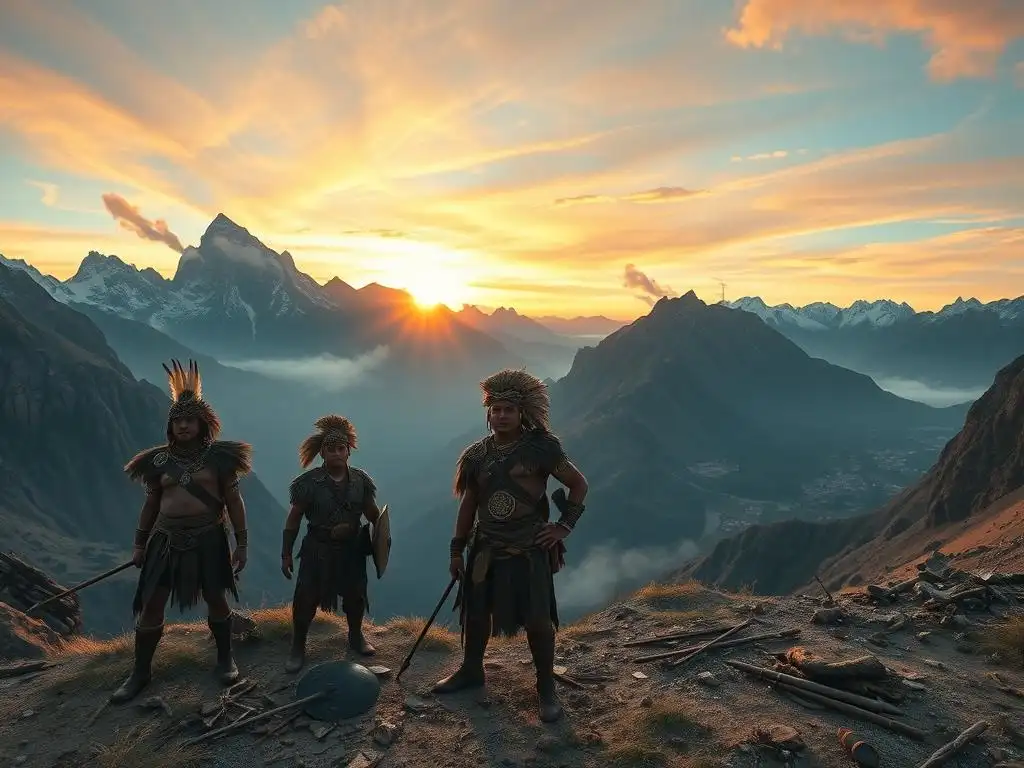
Uncover the secrets of a lost world, where empires rose and fell amidst breathtaking landscapes. Journey with us through the heart of the Andes, delving into the fascinating tapestry of ancient civilizations – from the intricate artistry of the Nazca to the formidable engineering feats of the Tiahuanaco. But prepare to be captivated by the untold story of Inca rebellion against Spanish conquest, a struggle for survival that shaped the destiny of a nation.
Discover the courage and resilience of a people fighting for their freedom – a fight far more complex than history books reveal. Dare to explore the hidden truths of the Inca Empire?
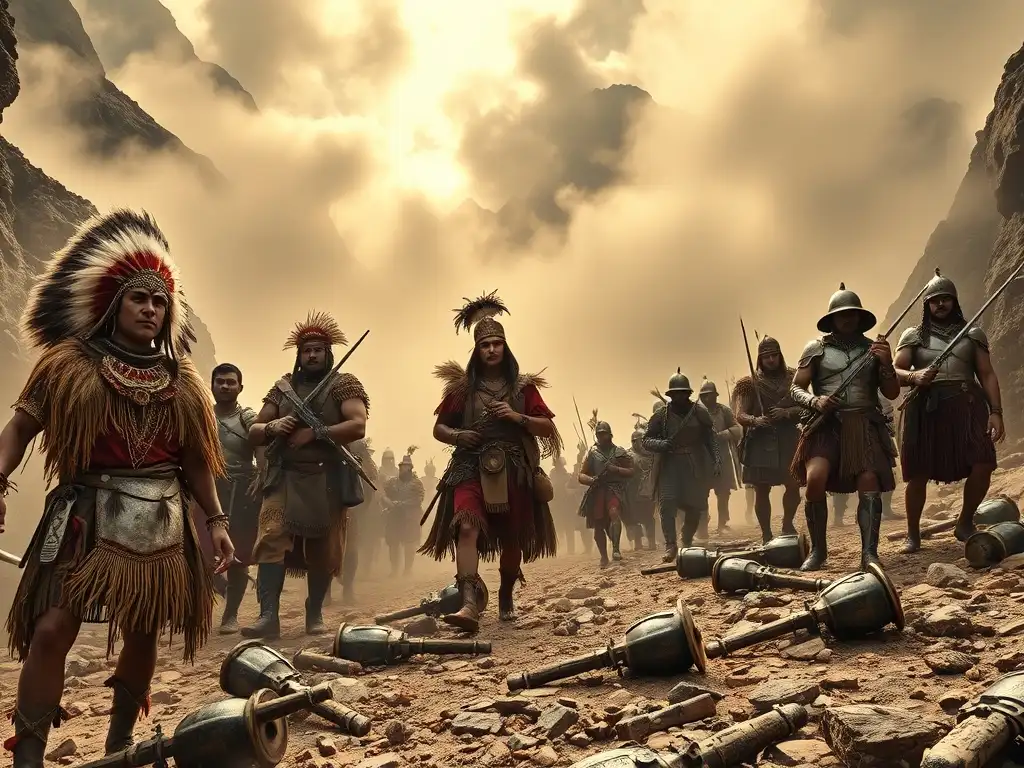
The Inca Empire, at its zenith a marvel of engineering and administration spanning the Andes Mountains, wasn't simply toppled by the Spanish conquistadors. The narrative of the Spanish conquest often overshadows the fierce and protracted resistance offered by the Inca people.
This article delves into the various forms of Inca rebellion against the Spanish, exploring the strategies employed, the key figures involved, and the lasting impact of these struggles on Andean history. Understanding this resistance is crucial to a complete understanding of the Inca Empire's legacy and the complex interplay of cultures that shaped modern South America.
We will examine the diverse ways in which the Inca people fought back, ranging from organized military uprisings to subtle acts of defiance, showcasing the resilience and determination of a civilization facing overwhelming odds. The keyword "Inca rebellion against Spanish conquest" is central to this exploration, highlighting the multifaceted nature of the conflict and the enduring legacy of Inca resistance.
Early Resistance and the Túpac Huallpa Uprising
The initial Spanish conquest, marked by the capture and death of Atahualpa, didn't extinguish Inca resistance. Instead, it ignited a series of uprisings. One notable example is the rebellion led by Túpac Huallpa, who, despite his young age, attempted to consolidate power and mobilize resistance against the Spanish. His efforts, though ultimately unsuccessful, demonstrated the immediate and widespread opposition to Spanish rule.
The rebellion highlighted the Inca's capacity for swift mobilization and their deep-seated resentment towards the foreign invaders. The brutality of the Spanish response served only to further inflame the situation and solidify the resolve of other resistance leaders. Detailed accounts of Túpac Huallpa's strategies and the scale of his rebellion are unfortunately scarce, requiring further research to fully understand the extent of his impact. However, even fragmented accounts demonstrate the immediate and widespread nature of Inca resistance to Spanish rule.
Manco Inca Yupanqui and the Siege of Cusco
Manco Inca Yupanqui, a key figure in the Inca resistance, initially collaborated with the Spanish. However, witnessing their brutality and broken promises, he launched a powerful rebellion, laying siege to Cusco, the former Inca capital. This siege, lasting several months, showcased the Inca's military prowess and their ability to organize large-scale operations against a technologically superior enemy. The siege demonstrated the Inca's sophisticated understanding of Andean terrain and their ability to utilize guerilla warfare tactics.
While the siege ultimately failed to recapture Cusco, it significantly weakened the Spanish position and demonstrated the ongoing threat posed by Inca resistance. The siege of Cusco stands as a testament to the Inca's unwavering determination and their capacity for sustained resistance against an apparently insurmountable foe. Further research into the specific tactics employed during the siege would illuminate the strategic thinking behind this crucial moment in the conflict.
Later Rebellions and the Legacy of Resistance
The resistance didn't end with Manco Inca Yupanqui. Numerous smaller rebellions continued throughout the Andes for decades after the initial conquest. These uprisings, often led by local chiefs and religious leaders, showcased the persistent opposition to Spanish rule. The Inca's deep-rooted social structures and their strong sense of identity fueled these continued acts of defiance.
These smaller rebellions, though less documented than the larger ones, are crucial to understanding the pervasive nature of Inca resistance. The scattered nature of these later rebellions makes their full documentation a challenge, but their persistence underscores the enduring spirit of rebellion against Spanish colonial rule. The legacy of these struggles continues to resonate in Andean cultures and serves as a powerful symbol of indigenous resistance throughout history. 🕗
The Importance of Understanding Inca Resistance
Understanding the Inca rebellion against the Spanish conquest is critical for a nuanced understanding of Andean history. The often-overlooked aspect of Inca resistance challenges the simplistic narrative of a swift and easy conquest. It highlights the resilience, strategic thinking, and enduring spirit of the Inca people in the face of immense adversity.
By acknowledging and studying this resistance, we gain a deeper appreciation for the complexity of the encounter between Inca and Spanish cultures and the long-lasting impact of colonial rule on Andean societies. The continued study of these rebellions is essential to understanding the cultural and historical complexities of the region. The ongoing discovery of new evidence and the reinterpretation of existing sources contribute to a more complete and accurate portrayal of this critical period in history.
- Early Resistance and the Túpac Huallpa Uprising
- Manco Inca Yupanqui and the Siege of Cusco
- Later Rebellions and the Legacy of Resistance
- The Importance of Understanding Inca Resistance
The Initial Stages of Inca Resistance to Spanish Rule
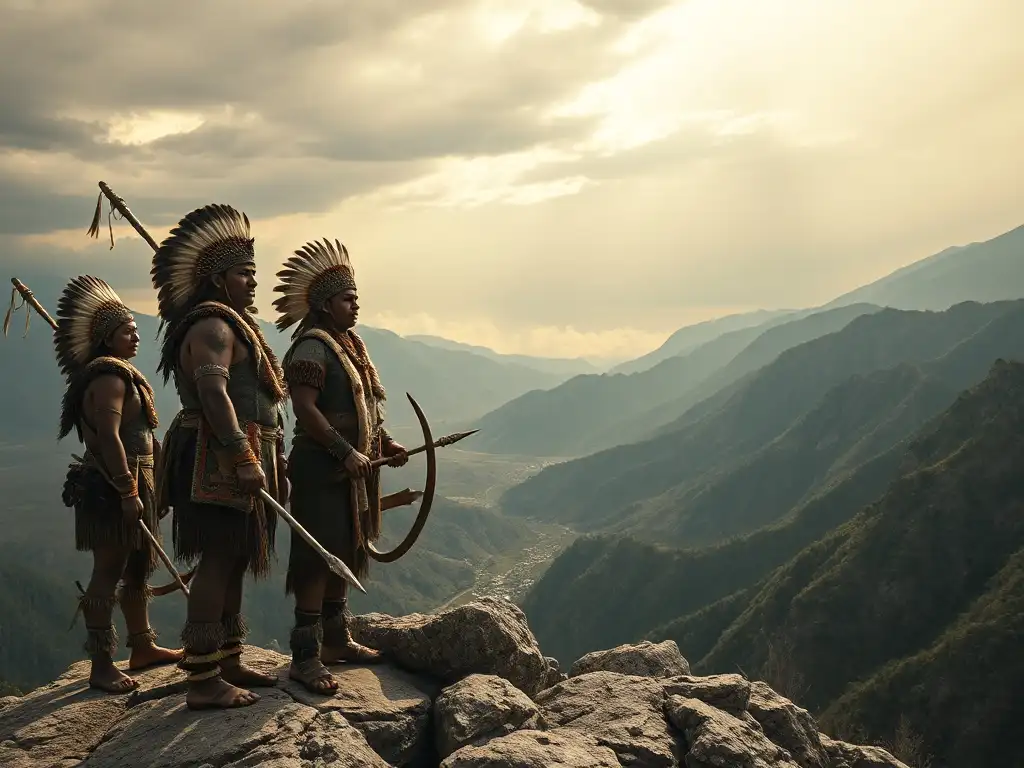
The initial response to the Spanish conquest wasn't a unified, nationwide Inca rebellion against Spanish conquest, but rather a series of smaller, localized uprisings and skirmishes. The sheer scale of the Spanish invasion, coupled with the unexpected effectiveness of their weaponry and tactics, initially stunned the Inca leadership. The swift capture of Atahualpa, the reigning Sapa Inca, left a power vacuum and sowed confusion amongst the populace. However, the Inca spirit of resistance was far from broken.
Early resistance manifested in various forms, including guerilla warfare, the withholding of supplies, and sabotage of Spanish operations. These early actions, though often unsuccessful in achieving large-scale victories, laid the groundwork for more organized and sustained rebellions in the years to come. The Inca's understanding of their mountainous terrain, their knowledge of hidden paths and escape routes, proved a significant advantage in these early skirmishes.
Early Inca Uprisings and Skirmishes Following the Conquest
Following the execution of Atahualpa in 1533, the Spanish faced scattered resistance across the vast Inca Empire. These early uprisings, while lacking the coordination of later rebellions, demonstrated the enduring defiance of the Inca people. Reports from Spanish chroniclers detail numerous instances of ambushes, raids on supply lines, and the targeted assassination of Spanish officials and soldiers. These actions, though often small-scale, significantly hampered the Spanish efforts to consolidate their control over the empire.
For example, the indigenous population in regions like Vilcabamba actively resisted Spanish encroachment, utilizing their knowledge of the terrain to their advantage. These early skirmishes, though individually unsuccessful in overthrowing the Spanish, collectively weakened the invaders' grip on power and instilled a sense of hope and defiance amongst the Inca population. The cumulative effect of these early actions was a gradual erosion of Spanish authority and the creation of a climate conducive to larger-scale rebellions.
Manco Inca's Rebellion: A Major Inca Revolt Against the Spanish
Manco Inca Yupanqui's rebellion represents a pivotal moment in the Inca resistance to Spanish conquest. Initially collaborating with the Spanish, Manco Inca soon recognized the true nature of their intentions – the subjugation and exploitation of the Inca people. His rebellion, beginning around 1536, marked a significant escalation of the conflict.
This was not just a series of scattered skirmishes but a planned and coordinated effort to reclaim Inca territory and drive out the invaders. Manco Inca’s forces, composed of a diverse coalition of Inca loyalists and those who resented Spanish rule, laid siege to Cusco, the Inca capital. The rebellion, while ultimately unsuccessful in completely expelling the Spanish, demonstrated the Inca's capacity for organized resistance and prolonged warfare.
The siege of Cusco highlighted the resilience of the Inca military strategies even in the face of superior weaponry. The sheer duration of the rebellion and the casualties inflicted upon the Spanish underscore the significant threat posed by Manco Inca's forces. His rebellion, although ultimately unsuccessful in reclaiming the empire, became a powerful symbol of Inca resistance and inspired future uprisings.
The Siege of Cusco: A Pivotal Moment of Inca Resistance
The siege of Cusco (1536-1537) stands as a crucial episode in the Inca rebellion against Spanish conquest. Manco Inca's forces, utilizing their intimate knowledge of the city's layout and surrounding terrain, effectively besieged the Spanish garrison within the city. The siege demonstrated the Inca's ability to wage prolonged warfare, employing tactics of attrition and harassment.
The Spanish, despite their superior weaponry, faced significant challenges due to the Inca's guerilla warfare tactics and the constant threat of ambushes. The siege highlighted the limitations of Spanish military dominance in the face of determined indigenous resistance. The siege ultimately failed to dislodge the Spanish from Cusco, but it significantly prolonged the conflict, inflicted heavy casualties on the Spanish, and demonstrated the enduring strength of Inca resistance to foreign rule.
The siege of Cusco, therefore, served as a powerful symbol of defiance and a testament to the Inca's unwavering commitment to their independence. It cemented Manco Inca's position as a legendary figure in the history of Inca resistance and laid the groundwork for continued resistance in the years that followed.
The Neo-Inca State in Vilcabamba: A Center of Inca Defiance
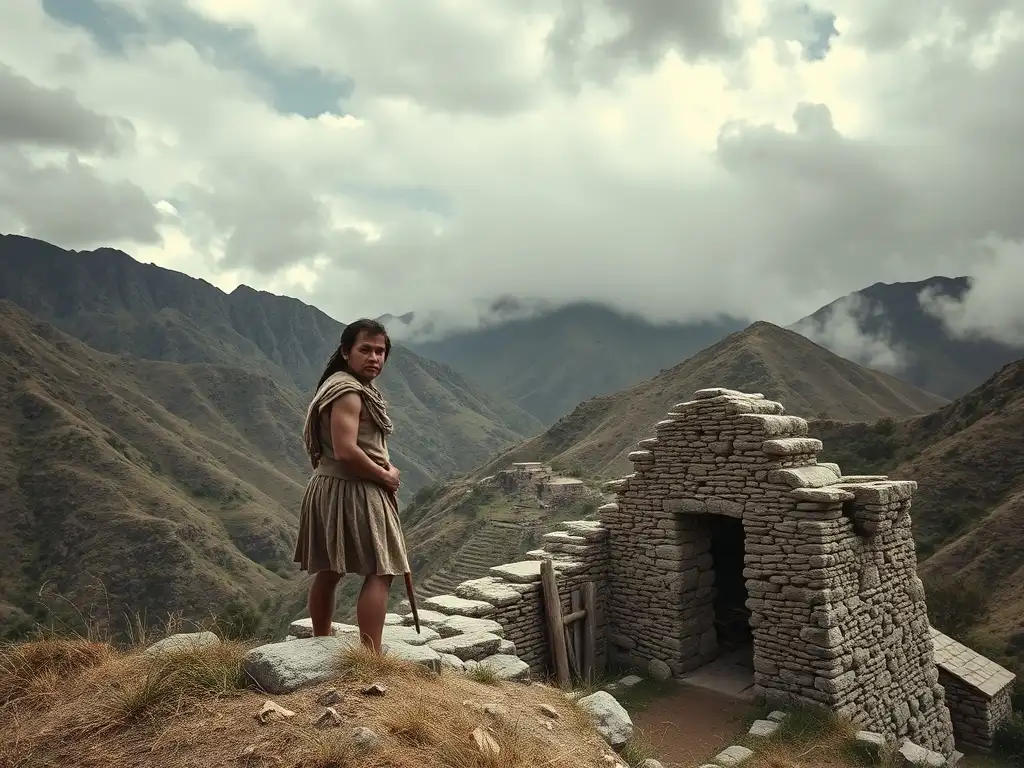
The fall of Cusco in 1533 did not mark the end of Inca resistance against the Spanish conquest. A significant portion of the Inca population, refusing to submit to Spanish rule, fled to the remote and rugged Vilcabamba region in the Andes mountains. This strategically advantageous location, characterized by dense jungle, steep mountains, and unpredictable weather, became the heart of a new Inca state, often referred to as the Neo-Inca state.
This resilient continuation of Inca governance and culture significantly prolonged the Inca rebellion against Spanish conquest, showcasing the tenacious spirit of the Andean people. The establishment of Vilcabamba as a bastion of resistance wasn't merely a geographical retreat; it represented a determined continuation of Inca political and social structures, a defiant assertion of cultural identity in the face of overwhelming odds. This prolonged struggle, fueled by a deep-seated desire for self-determination, significantly altered the trajectory of the Spanish conquest and left an indelible mark on Andean history.
The establishment of this independent state exemplifies the tenacious spirit of the Inca people in the face of colonial subjugation. The strategic location of Vilcabamba and the effective guerrilla tactics employed by the Neo-Inca state ultimately prolonged the Inca rebellion against Spanish conquest for decades.
The Establishment of the Neo-Inca State after the Fall of Cusco
Following the Spanish conquest of Cusco, Manco Inca Yupanqui, a key figure in the Inca rebellion against Spanish conquest, initially collaborated with the conquistadors. However, witnessing the brutality and injustices inflicted upon his people, he orchestrated a rebellion in 1536, aiming to reclaim Inca sovereignty. The rebellion, while initially successful in driving the Spanish out of Cusco temporarily, ultimately proved unsustainable due to the superior weaponry and tactical advantage of the Spanish forces.
This forced Manco Inca and his loyal followers to retreat to the inaccessible Vilcabamba region. The establishment of Vilcabamba was a carefully considered strategic move. Its remote location, characterized by treacherous terrain and dense vegetation, provided a natural defense against the Spanish, significantly hindering their ability to pursue and suppress the rebellion.
The Neo-Inca state wasn’t simply a collection of refugees; it was a deliberate reconstruction of Inca governance, maintaining traditional social hierarchies and administrative structures. This demonstrated an impressive capacity for adaptation and resilience in the face of overwhelming adversity. The establishment of this new center of power represented a critical turning point in the Inca rebellion against Spanish conquest, shifting the conflict from open warfare to a protracted guerrilla campaign.
Inca Leadership in Vilcabamba: Manco Inca and His Successors
Manco Inca Yupanqui, the founder of the Neo-Inca state, played a crucial role in sustaining the Inca rebellion against Spanish conquest. His leadership, characterized by both military prowess and diplomatic maneuvering, proved instrumental in establishing and maintaining the Neo-Inca state for several decades. He skillfully employed guerrilla warfare tactics, utilizing the terrain to his advantage and inflicting significant losses on the Spanish. After Manco Inca's assassination in 1544, his successors, including Sayri Túpac and Titu Cusi Yupanqui, continued the resistance, albeit with varying approaches.
Sayri Túpac, known for his pragmatic approach, eventually negotiated a peace treaty with the Spanish in 1557, a decision that deeply divided the Neo-Inca state. This demonstrates the internal complexities and challenges within the resistance movement. Titu Cusi Yupanqui, however, resumed the armed struggle, highlighting the persistent determination to resist Spanish rule.
The succession of leaders within Vilcabamba reflects the evolving strategies and internal dynamics within the Inca rebellion against Spanish conquest. Each leader adapted their approach based on the evolving circumstances, showcasing the resilience and adaptability of the Neo-Inca state. The internal conflicts and varying leadership styles highlight the complex nature of the resistance and the challenges faced by the Neo-Inca state.
Inca Guerrilla Warfare Tactics and Strategies in the Jungles
The Neo-Inca state's survival depended heavily on its mastery of guerrilla warfare. The dense jungles of Vilcabamba provided an ideal environment for this type of warfare, allowing the Inca to utilize their intimate knowledge of the terrain to their advantage. Their strategies included ambushes, hit-and-run attacks, and the effective use of traps and fortifications.
The Spanish, accustomed to open battlefield tactics, struggled to adapt to this unconventional warfare. Data suggests that the Inca's superior knowledge of the environment and their ability to blend seamlessly into the jungle allowed them to inflict significant casualties on the Spanish while minimizing their own losses. They employed a range of weapons, including slings, spears, and clubs, supplemented by the psychological impact of surprise attacks.
The Inca rebellion against Spanish conquest in Vilcabamba exemplifies the effectiveness of guerrilla warfare in asymmetric conflicts. The prolonged resistance, despite the Spanish numerical and technological superiority, underscores the importance of strategic adaptability and environmental knowledge in warfare. The Inca's mastery of guerrilla warfare prolonged the conflict for decades and significantly impacted the course of the Spanish conquest in the Andes.
Continued Inca Uprisings and Resistance Efforts
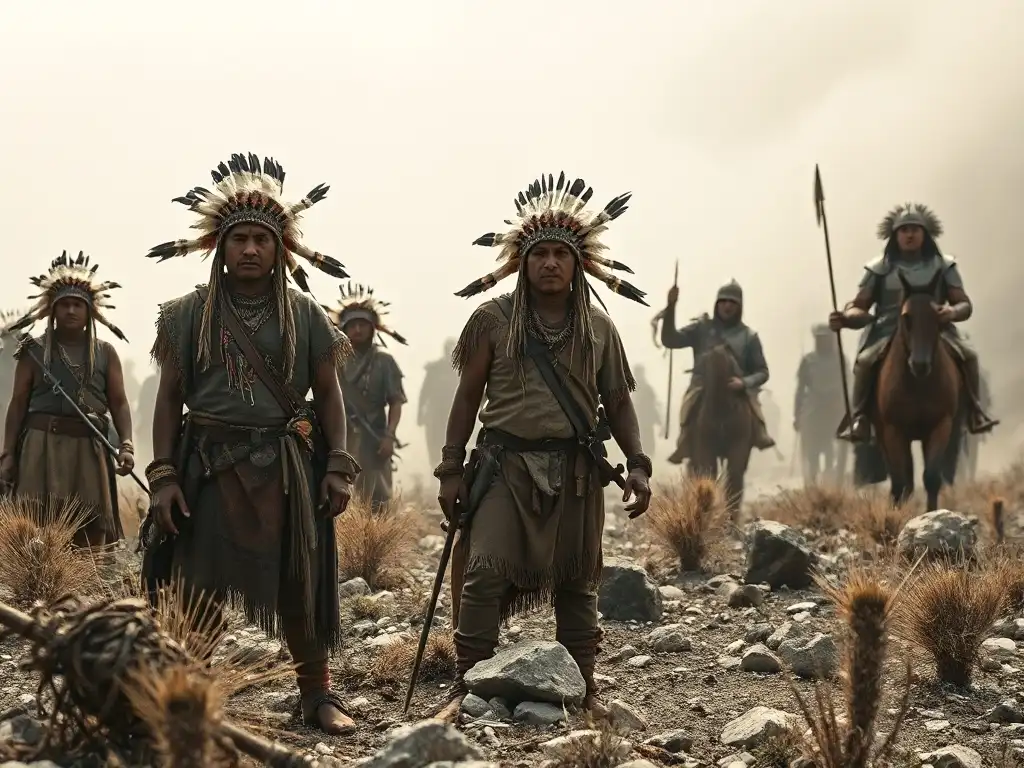
The Spanish conquest of the Inca Empire in the 16th century did not mark the end of Inca resistance. Far from it, the subjugation of the vast empire sparked numerous uprisings and rebellions, fueled by a potent mix of cultural pride, religious fervor, and the desire for autonomy. These rebellions, though ultimately unsuccessful in restoring the Inca state in its former glory, significantly prolonged the Spanish struggle for control and profoundly shaped the colonial landscape.
The intensity and scale of these uprisings varied across different regions and time periods, reflecting the diverse nature of Inca society and the uneven nature of Spanish domination. Understanding these continued struggles is crucial to a complete understanding of the "Inca rebellion against Spanish conquest." The fight for freedom wasn't a singular event, but a protracted and multifaceted conflict.
The resilience of the Inca people in the face of overwhelming odds is a testament to their strength and unwavering spirit. The echoes of these rebellions resonate even today.
Túpac Amaru I and the Final Stand of the Neo-Inca State
The rebellion led by Túpac Amaru I, a descendant of the Inca royal lineage, stands as a pivotal moment in the resistance against Spanish rule. His uprising, beginning around 1571, showcased the continued strength of Inca identity and the capacity for organized resistance even after the fall of the empire. Túpac Amaru I cleverly utilized both Inca traditions and newly adapted strategies to challenge the Spanish.
He successfully rallied a substantial force composed of various ethnic groups, demonstrating the enduring appeal of Inca leadership beyond the immediate Inca population. His rebellion, although ultimately crushed by the Spanish, lasted several years, highlighting the tenacity of the resistance and the significant logistical and military challenges the Spanish faced in maintaining control.
The execution of Túpac Amaru I, a brutal spectacle designed to quell further rebellion, only served to further galvanize resistance in the years to come. His legacy continues to inspire discussions on indigenous resistance and the struggle for self-determination.
The Role of Inca Nobility in the Resistance Movements
The Inca nobility played a complex and multifaceted role in the resistance movements following the conquest. While some collaborated with the Spanish, seeking to maintain their privileged positions within the new colonial order, many others actively participated in rebellions. These nobles often leveraged their social standing, access to resources, and knowledge of the terrain to organize and lead resistance efforts. Their participation wasn't monolithic; motivations ranged from genuine loyalty to Inca traditions and a desire for independence to strategic maneuvering for personal gain within the shifting power dynamics.
For example, [Specific examples of noble participation in different rebellions pending]. The involvement of the nobility demonstrates that the resistance was not simply a peasant revolt, but a broad-based challenge to Spanish authority drawing upon all levels of Inca society. Their actions significantly influenced the nature and trajectory of the "Inca rebellion against Spanish conquest."
Post-Conquest Inca Rebellions and Their Impact on Colonial Society
The post-conquest Inca rebellions had a profound and lasting impact on colonial society. While the Spanish ultimately maintained control, the continuous uprisings forced them to adapt their strategies and policies. The constant threat of rebellion necessitated a significant military presence, draining resources and shaping the colonial administration.
Moreover, the rebellions fostered a climate of fear and uncertainty, impacting social relations and economic activities. The Spanish response, often marked by brutal repression, further fueled resentment and contributed to the persistent tensions between the colonial authorities and the indigenous population. The long-term consequences included the modification of colonial policies aimed at pacifying and controlling the indigenous population, and the enduring legacy of resistance that continues to shape Peruvian identity.
The echoes of these struggles are felt even today, underscoring the importance of understanding the full scope of the "Inca rebellion against Spanish conquest" and its lasting ramifications. The enduring resistance exemplifies the strength and resilience of the Inca people and their continued fight for autonomy.
Understanding the Motivations Behind Inca Resistance
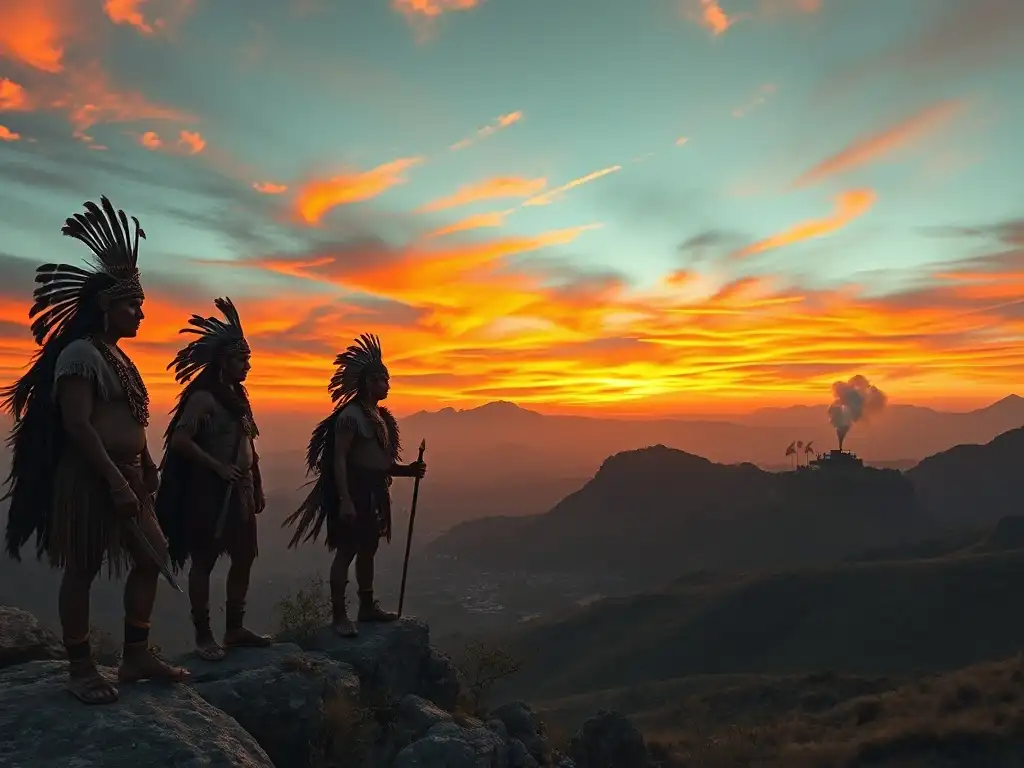
The Inca rebellion against Spanish conquest wasn't a monolithic event; it was a complex tapestry woven from various threads of cultural identity, religious belief, and political aspiration. Understanding the multifaceted motivations behind the resistance is crucial to appreciating the depth and duration of the struggle against the Spanish. While the initial conquest appeared swift, the subsequent decades saw a persistent, albeit fragmented, resistance fueled by deeply rooted factors.
The fight for survival, the preservation of traditions, and the yearning for autonomy all played significant roles in shaping the character and intensity of the Inca response to Spanish rule. Analyzing these interwoven factors allows us to gain a more nuanced understanding of the protracted Inca rebellion against Spanish conquest.
Inca Cultural Preservation as a Driver of Resistance
The Inca civilization possessed a rich and complex culture, deeply intertwined with their social structure, religious beliefs, and daily life. The Spanish conquest represented not only a political upheaval but also a profound threat to the very fabric of Inca society. The imposition of Spanish customs, language, and religion directly challenged the core values and traditions that had sustained the Inca empire for centuries.
This cultural clash fueled resistance in numerous ways. For instance, the destruction of Inca temples and the replacement of traditional ceremonies with Catholic practices sparked widespread resentment and fueled clandestine acts of defiance. The preservation of Quechua language and traditional agricultural techniques became acts of resistance, subtle yet powerful affirmations of Inca identity in the face of forced assimilation.
Many Inca communities actively resisted the replacement of their traditional textiles, pottery, and other crafts with European styles, continuing to produce goods that reflected their cultural heritage. The stubborn persistence of these cultural practices in the face of Spanish suppression highlights the depth of the Inca commitment to their cultural legacy as a key motivator of rebellion against the Spanish conquest.
Inca Religious Beliefs and the Rejection of Spanish Catholicism
Inca religion was inextricably linked to their worldview and social order. The Inca pantheon, with its complex hierarchy of deities and rituals, provided a framework for understanding the cosmos and their place within it. The Spanish introduction of Catholicism, with its unfamiliar deities, rituals, and iconography, represented a direct assault on the Inca spiritual foundation.
The destruction of Inca religious sites and the suppression of traditional ceremonies were deeply offensive and profoundly destabilizing. This religious upheaval was a significant factor in fueling the Inca rebellion against Spanish conquest. The Inca resistance wasn't merely a political struggle; it was also a spiritual battle for the preservation of their religious beliefs and practices.
Many revolts were led by individuals who held significant religious authority within their communities, further underscoring the importance of religious identity in shaping the resistance. Evidence suggests that many Inca continued to practice their traditional religions in secret, demonstrating their unwavering commitment to their ancestral beliefs even under the threat of severe punishment. The deep-seated religious convictions of the Inca people proved to be a potent force in their protracted struggle against Spanish domination.
The Inca Political System and the Desire for Self-Governance
The Inca empire, despite its hierarchical structure, possessed a sophisticated political system with intricate networks of governance and administration. The Spanish conquest shattered this system, replacing it with a centralized colonial administration that stripped the Inca of their power and autonomy. This loss of self-governance was a major catalyst for the Inca rebellion against Spanish conquest.
The Inca were accustomed to a system of rule that, while authoritarian, afforded a degree of local autonomy and participation in governance. The Spanish imposed a rigid and unfamiliar system that marginalized indigenous leaders and concentrated power in the hands of Spanish officials. This abrupt shift in power dynamics fueled resentment and resistance among the Inca population.
The desire for self-determination and the restoration of their traditional political structures proved to be a powerful motivator for rebellion. The numerous uprisings and revolts that occurred throughout the colonial period were often led by individuals who sought to reclaim their political rights and restore some semblance of the pre-conquest order, underscoring the profound impact of the loss of self-governance on the Inca resistance movement. The fight for autonomy was intrinsically linked to the struggle for cultural survival and religious freedom.
The Legacy of Inca Resistance and Rebellion
The Inca Empire, while vast and powerful, wasn't monolithic. Its control was challenged consistently, both before and especially after the Spanish conquest. The legacy of Inca resistance and rebellion extends far beyond the immediate aftermath of the conquest, shaping Andean identity and influencing social movements to this day.
Understanding this resistance is crucial to grasping the complexities of Inca society and its enduring impact on the region. Analyzing the various forms of rebellion—from localized uprisings to large-scale revolts—reveals the resilience and agency of the Inca people in the face of overwhelming odds.
The sheer scale and duration of these struggles highlight the inherent instability within the empire itself, and the deep-seated resentment that simmered beneath the surface of imperial authority. This section delves into the lasting consequences of this continuous struggle for freedom, examining its impact on Andean identity and its relevance to modern society's understanding of colonialism and indigenous rights.
The Lasting Impact of Inca Uprisings on Andean Identity
The Inca rebellions against the Spanish conquest profoundly shaped Andean identity. The memory of these struggles, passed down through generations via oral traditions and fragmented historical accounts, fostered a sense of shared heritage and collective resistance. The image of the defiant Inca warrior, fighting for their land and culture, became a powerful symbol of indigenous pride. This legacy continues to resonate today, influencing art, literature, and political activism throughout the Andes. For example, the continued use of traditional Andean clothing styles, often incorporating elements that subtly reference past resistance, demonstrates the enduring power of these historical struggles.
Furthermore, the ongoing revitalization of Quechua, the language of the Inca, is partly driven by a desire to reclaim a cultural identity threatened by colonization. This linguistic revival, coupled with the resurgence of traditional Andean practices like weaving and music, represents a direct response to the historical suppression of Inca culture.
The legacy of resistance is therefore not merely a historical fact; it is a living force shaping cultural expression and identity in the Andes today. The very act of maintaining these traditions serves as a form of ongoing resistance, a silent but powerful assertion of cultural survival in the face of historical oppression.
Inca Resistance as a Symbol of Indigenous Struggle
The Inca rebellion against Spanish conquest serves as a powerful symbol of indigenous struggle globally. It provides a case study for understanding the complexities of colonial encounters, highlighting the resilience and agency of colonized populations. The resistance wasn't simply a reaction to Spanish brutality; it was a multifaceted response to the disruption of social structures, economic systems, and spiritual beliefs.
The Inca resistance provides a counter-narrative to the often-Eurocentric accounts of the conquest, highlighting the strategic and organized nature of the indigenous response. It underscores the importance of understanding resistance not as isolated events, but as a continuous process of negotiation, adaptation, and defiance.
Analyzing different forms of resistance—open warfare, guerilla tactics, religious syncretism, and cultural preservation—illuminates the diverse strategies employed by the Inca people to challenge Spanish dominance. The Tupac Amaru II rebellion, for instance, demonstrates the lasting impact of the initial conquest and the continued efforts to reclaim autonomy. These historical struggles provide valuable lessons for understanding the dynamics of power, oppression, and liberation in various contexts, resonating deeply with indigenous communities facing similar challenges worldwide. The symbolism of Inca resistance transcends geographical boundaries, inspiring ongoing struggles for self-determination and cultural preservation.
Lessons from the Inca Rebellion Against Spanish Conquest for Modern Society
The Inca rebellion against Spanish conquest offers invaluable lessons for modern society, particularly regarding the enduring consequences of colonialism and the importance of understanding indigenous perspectives. The systematic dismantling of the Inca political and social structures, coupled with the imposition of foreign ideologies and religious practices, serves as a cautionary tale about the destructive potential of unchecked power. The rebellion underscores the need for recognizing the agency and resilience of indigenous populations, and for acknowledging the lasting impacts of historical trauma on communities.
The struggle for land rights, cultural preservation, and self-determination continues to be a central issue for many indigenous communities globally. Understanding the strategies employed by the Inca during their rebellion, including the use of alliances, guerilla warfare, and symbolic resistance, can inform contemporary movements for social justice and environmental protection. The experiences of the Inca highlight the importance of collective action, cultural revitalization, and the long-term fight for self-determination in the face of oppression.
Analyzing the Inca rebellion provides a framework for understanding the ongoing struggle for indigenous rights and the crucial role of historical memory in shaping social movements. The legacy of Inca resistance continues to inspire activists and scholars alike, reminding us of the power of collective action and the enduring fight for justice and self-determination.
Frequently Asked Questions
What sparked the Inca rebellion against the Spanish?
The Inca rebellion was primarily fueled by the Spanish conquest's brutal methods, including enslavement, forced labor (mita), and the destruction of Inca religious practices and social structures. This led to widespread resentment and ultimately, organized resistance.
Who were the key figures in the Inca rebellion?
Important figures included Tupac Amaru I, who led a significant early rebellion, and Tupac Amaru II, whose later revolt further challenged Spanish rule. Many other local leaders and communities also participated in various uprisings.
How long did the Inca rebellion last?
The Inca resistance wasn't a single, unified event but a series of rebellions and uprisings spanning decades. From the initial conquest in the 16th century, significant resistance continued for several decades, with smaller-scale conflicts lasting even longer.
What were the main strategies used by the Inca during their rebellion?
Inca resistance employed guerrilla warfare tactics, utilizing their knowledge of the terrain to their advantage. They also relied on ambushes and hit-and-run attacks against the better-equipped Spanish forces.
What was the ultimate outcome of the Inca rebellion against the Spanish?
Despite periods of significant success, the Inca rebellions were ultimately unsuccessful in driving out the Spanish. However, the resistance significantly delayed the complete pacification of the Andes and left a lasting legacy of defiance and cultural preservation.
Final Reflection: Echoes of Resistance: The Enduring Legacy of Inca Rebellion
The struggle for liberation, for self-determination, is not a relic of the past; it is a vibrant current running through the veins of human history. The Inca rebellion against the Spanish conquest, far from being a historical footnote, serves as a potent reminder of the enduring human spirit's capacity to resist oppression, even in the face of overwhelming odds. The echoes of this resistance resonate powerfully in contemporary movements for social justice and self-governance worldwide.
The Inca's fight for freedom, their ingenious strategies of guerilla warfare and their unwavering commitment to their ancestral lands, profoundly shaped the cultural and social landscape of South America. Their resistance continues to inspire indigenous communities today in their fight for land rights, cultural preservation, and political autonomy. The struggle for justice is an incessant process, a constant striving for a better future, a future where the dignity of all people is respected.
This quote, though not directly from an Inca source, encapsulates the spirit of their rebellion and its enduring relevance.
The story of Inca resistance isn't just a history lesson; it's a call to action. Consider the parallels between the Inca's fight and contemporary struggles for equality and justice. Reflect on the courage it takes to stand up against injustice, and the power of collective action in the face of adversity. Let the legacy of Inca rebellion inspire you to find your own voice, to fight for what you believe in, and to build a more just and equitable world for all.
Unleash Your Curiosity: Discover the Legacy of Inca Resistance!
Thank you for exploring the compelling story of Inca resistance against the Spanish Empire. Your interest highlights the enduring power of indigenous struggles and the importance of preserving cultural heritage. Let's turn that curiosity into action!
- Join a local cultural organization dedicated to Andean history and support indigenous communities through their work.
- Share this article with friends and family, or post it on social media to spark conversations about resilience, cultural identity, and social justice.
- Participate in workshops and events that celebrate Andean traditions—your involvement can make a real difference in supporting these vibrant cultures.
What aspect of Inca resistance resonates most with you, and how do you see its influence on contemporary social justice movements?