
Unearthing the Past: Modern Techniques Saving Andean Treasures

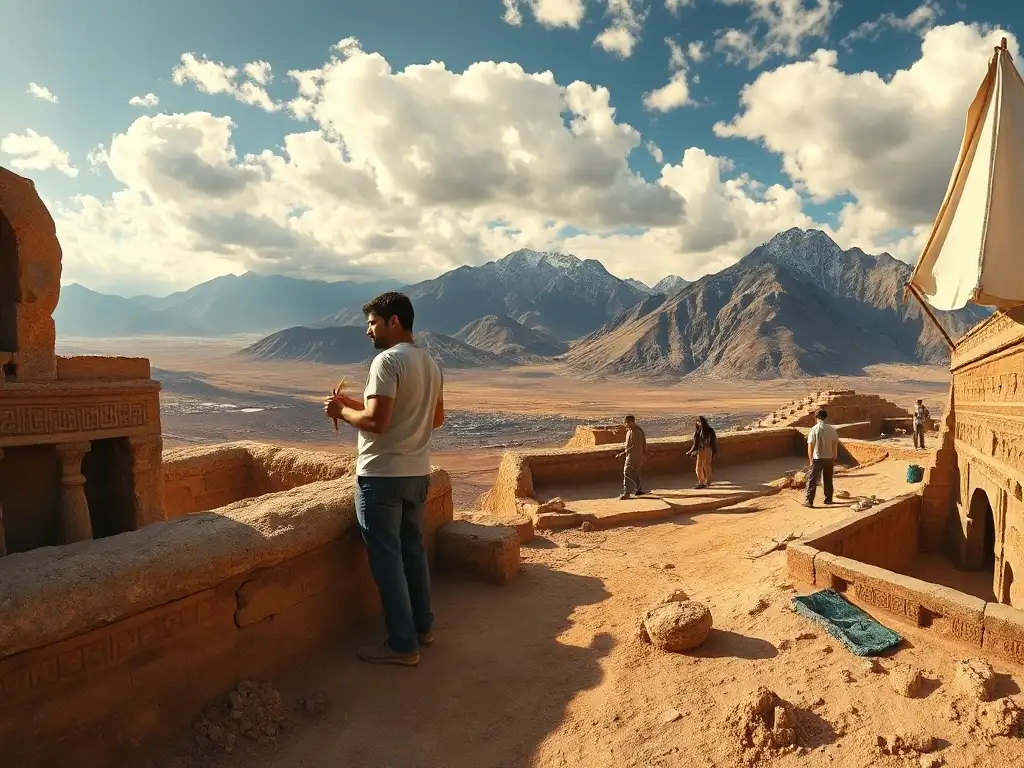
Step into a world lost to time, yet whispering secrets through the sands. The Andean Civilizations website unveils the breathtaking legacy of the Incas, Moche, Nazca, and Tiahuanaco. But how do we unlock their mysteries? Dive into the fascinating world of Andean civilizations archaeological techniques and discover the cutting-edge methods used to unearth and preserve these ancient treasures. Prepare to be amazed by the ingenuity of past civilizations and the modern science that reveals their stories.
The breathtaking legacy of the Andean civilizations—the Incas, Moche, Nazca, and Tiahuanaco, among others—continues to captivate the world. These ancient societies left behind an unparalleled treasure trove of architectural marvels, intricate textiles, stunning pottery, and sophisticated metalwork. However, the passage of time, environmental factors, and even human activity pose significant threats to the preservation of these invaluable artifacts and sites.
This article explores the crucial role of modern archaeological techniques in safeguarding the heritage of Andean civilizations, highlighting innovative approaches that are not only preserving the past but also enhancing our understanding of these remarkable cultures. We will delve into the specific methods employed to combat deterioration, document discoveries, and ensure the long-term survival of these irreplaceable pieces of history for future generations to appreciate and learn from.
The meticulous work of archaeologists and conservators is crucial in ensuring that the story of Andean civilizations continues to be told, a story written in stone, metal, textiles, and the very earth itself. Understanding the techniques used is key to appreciating the scale of the effort dedicated to preserving this rich cultural heritage for years to come.
Preserving the Heritage of Andean Civilizations
The preservation of Andean artifacts and sites presents unique challenges. The harsh Andean environment, characterized by fluctuating temperatures, high altitude, and intense UV radiation, contributes significantly to deterioration. Furthermore, many sites are vulnerable to looting and the effects of natural disasters, such as earthquakes and landslides. To combat these threats, archaeologists and conservators employ a multi-faceted approach that combines traditional methods with cutting-edge technologies. This holistic strategy is vital for the long-term survival of these irreplaceable cultural treasures. For example, the use of non-invasive techniques like ground-penetrating radar (GPR) allows for the mapping of sites without causing any damage, minimizing the risk of disturbing delicate artifacts buried beneath the surface. This is particularly important in fragile archaeological contexts where excavation can be destructive.
Advanced Imaging and Analysis Techniques
Modern imaging technologies have revolutionized the study and preservation of Andean artifacts. Techniques such as X-ray fluorescence (XRF) spectroscopy, multispectral imaging, and 3D laser scanning provide detailed information about the composition, structure, and condition of artifacts without causing damage. XRF, for instance, can reveal the chemical makeup of pigments used in pottery and textiles, providing insights into the trade networks and artistic practices of ancient Andean societies.
3D laser scanning creates highly accurate digital models, enabling the creation of virtual replicas for study and display, thus reducing the handling of original artifacts and minimizing the risk of damage. These digital records also provide invaluable backup in case of loss or damage to the originals.
The use of these non-destructive methods is crucial in preserving the integrity of these delicate artifacts for future generations. The sheer volume of data generated by these techniques also allows for a more detailed and nuanced understanding of the Andean civilizations than was previously possible.
Environmental Monitoring and Control
Maintaining a stable environment is crucial for the long-term preservation of Andean artifacts. Museums and storage facilities employ sophisticated climate control systems to regulate temperature, humidity, and light exposure, minimizing the risk of deterioration due to environmental factors. Furthermore, ongoing environmental monitoring provides crucial data on the effectiveness of these systems and allows for prompt adjustments to ensure optimal conditions.
The development of specialized storage containers and packaging materials also plays a vital role in protecting artifacts from environmental damage during transport and storage. The meticulous attention to detail in controlling the environment is critical to preventing further degradation and ensuring the longevity of these priceless artifacts. This careful management extends beyond the museum setting to include the preservation of archaeological sites themselves, often involving complex interventions to stabilize structures and protect them from the elements.
Ethical Considerations and Community Engagement
The preservation of Andean heritage is not solely a scientific endeavor; it is also a deeply ethical and social responsibility. Archaeological projects must prioritize the ethical treatment of human remains and artifacts, respecting the cultural sensitivities of indigenous communities. Active engagement with local communities is crucial, not just for obtaining informed consent but also for ensuring that preservation efforts align with the values and traditions of the people whose ancestors created these treasures.
Involving local communities in the preservation process empowers them, fosters a sense of ownership, and ensures that the benefits of archaeological research are shared equitably. This collaborative approach is essential for building trust and fostering long-term sustainable preservation practices. The success of any preservation effort hinges on the respect for cultural heritage and the active participation of the communities most directly involved.
- Preserving the Heritage of Andean Civilizations
- Advanced Imaging and Analysis Techniques
- Environmental Monitoring and Control
- Ethical Considerations and Community Engagement
- What archaeological techniques are used to study Andean civilizations?
- How does LiDAR help in the study of Andean sites?
- What role does paleobotany play in understanding Andean cultures?
- How are 3D modeling techniques used to preserve Andean artifacts?
- What ethical considerations are involved in Andean archaeological research?
Archaeological Techniques for Andean Sites
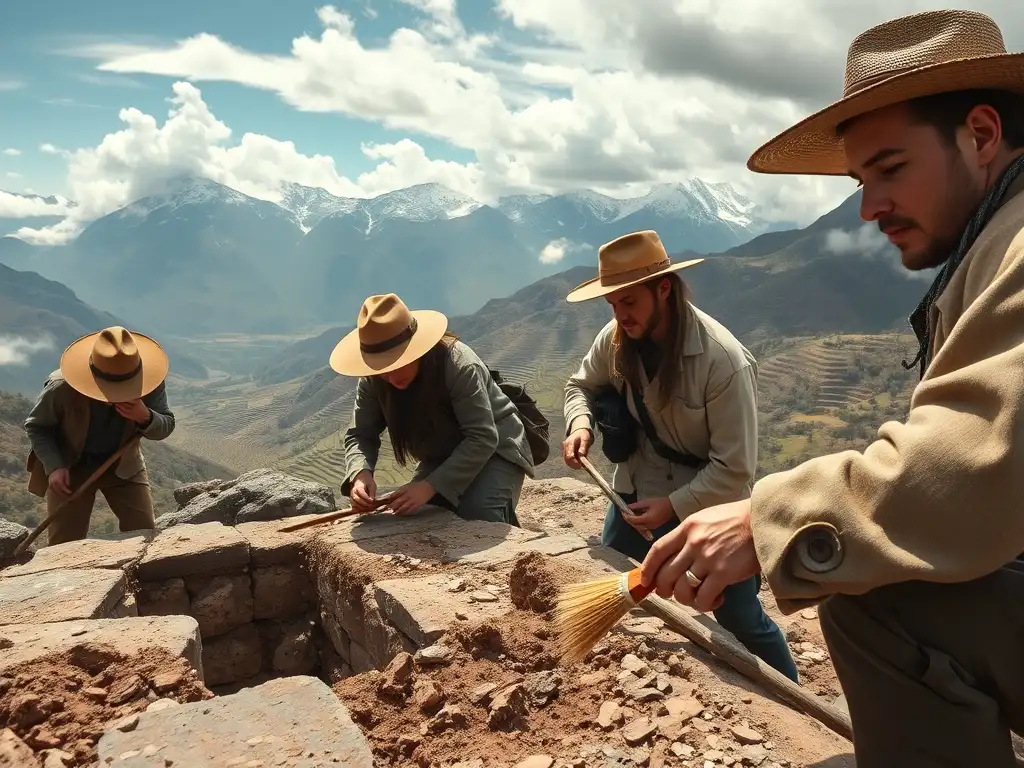
This section delves into the modern technological advancements revolutionizing our understanding of Andean civilizations. By employing sophisticated techniques, archaeologists are not only uncovering incredible artifacts but also preserving invaluable historical contexts for future generations. The meticulous application of these methods allows for a more nuanced and comprehensive interpretation of Andean societies, moving beyond simple artifact recovery to a deeper understanding of their daily lives, social structures, and environmental interactions. The careful preservation of these sites is paramount to understanding the legacy of these remarkable cultures. This is crucial for the ongoing study of Andean civilizations archaeological techniques.
LiDAR for Andean Archaeological Exploration
Light Detection and Ranging (LiDAR) has emerged as an indispensable tool in Andean archaeological exploration. Unlike traditional ground-based surveys, which can be time-consuming and limited by terrain, LiDAR utilizes airborne laser scanning to penetrate dense vegetation and reveal previously hidden features with remarkable accuracy. This non-invasive technique provides high-resolution three-dimensional models of the landscape, allowing researchers to identify subtle changes in topography that might indicate ancient settlements, agricultural terraces, irrigation canals, or even roadways.
For example, LiDAR surveys in the Sacred Valley of the Incas have revealed extensive networks of previously unknown agricultural terraces, dramatically expanding our understanding of Inca agricultural practices and their sophisticated water management systems. The detailed maps generated by LiDAR allow for more efficient planning of excavations, minimizing damage to the site and maximizing the recovery of significant archaeological data.
Furthermore, the digital models created by LiDAR can be easily shared and analyzed by researchers worldwide, facilitating collaborative research and fostering a more comprehensive understanding of Andean civilizations. The potential for future discoveries using LiDAR in less-explored regions of the Andes is immense, promising to unveil further secrets of these fascinating cultures.
X-Ray Fluorescence Analysis of Andean Ceramics
X-ray fluorescence (XRF) analysis offers a non-destructive method for analyzing the elemental composition of Andean ceramics. By bombarding a ceramic fragment with X-rays, researchers can determine the presence and concentration of various elements within the clay body and pigments. This information provides valuable insights into the sourcing of raw materials, the manufacturing techniques employed, and the potential trade routes connecting different Andean communities.
The analysis of pigments, in particular, offers a window into the symbolic and ritualistic practices of Andean societies. Variations in pigment composition can indicate different stylistic traditions, social status, or even chronological periods. For instance, the presence of rare earth elements in certain pigments might indicate access to specialized resources and a higher social standing.
XRF analysis therefore contributes significantly to our understanding of Andean social stratification, artistic production, and the complex networks of exchange that characterized these cultures. Moreover, the portability of some XRF instruments allows for on-site analysis, reducing the need for extensive sample transport and accelerating the research process.
The Role of GIS in Mapping Inca Road Systems
Geographic Information Systems (GIS) have become integral to mapping and analyzing the extensive road networks of the Inca Empire. GIS software allows researchers to integrate various data sets, including LiDAR data, satellite imagery, and archaeological survey records, to create detailed maps of Inca roads, qhapaq ñan, and their associated infrastructure. This integrated approach allows for a more comprehensive understanding of the logistical challenges faced by the Inca, their strategies for overcoming geographical obstacles, and the overall organization of their vast empire.
The spatial analysis capabilities of GIS provide insights into the strategic placement of roads, their connection to major urban centers and resource areas, and their role in facilitating communication, trade, and military movements. By analyzing the density and distribution of roads, researchers can infer patterns of population distribution, economic activity, and political control. Furthermore, GIS allows for the creation of interactive maps and 3D models that can be used for educational purposes and public engagement, promoting a wider appreciation for the engineering prowess and organizational skills of the Inca.
The continuous development of GIS technology and its integration with other archaeological techniques promise to further refine our understanding of this remarkable feat of Andean engineering. The application of GIS to the study of Andean civilizations archaeological techniques provides invaluable insights into the sophisticated infrastructure that supported these remarkable societies.
Conservation Strategies for Andean Treasures
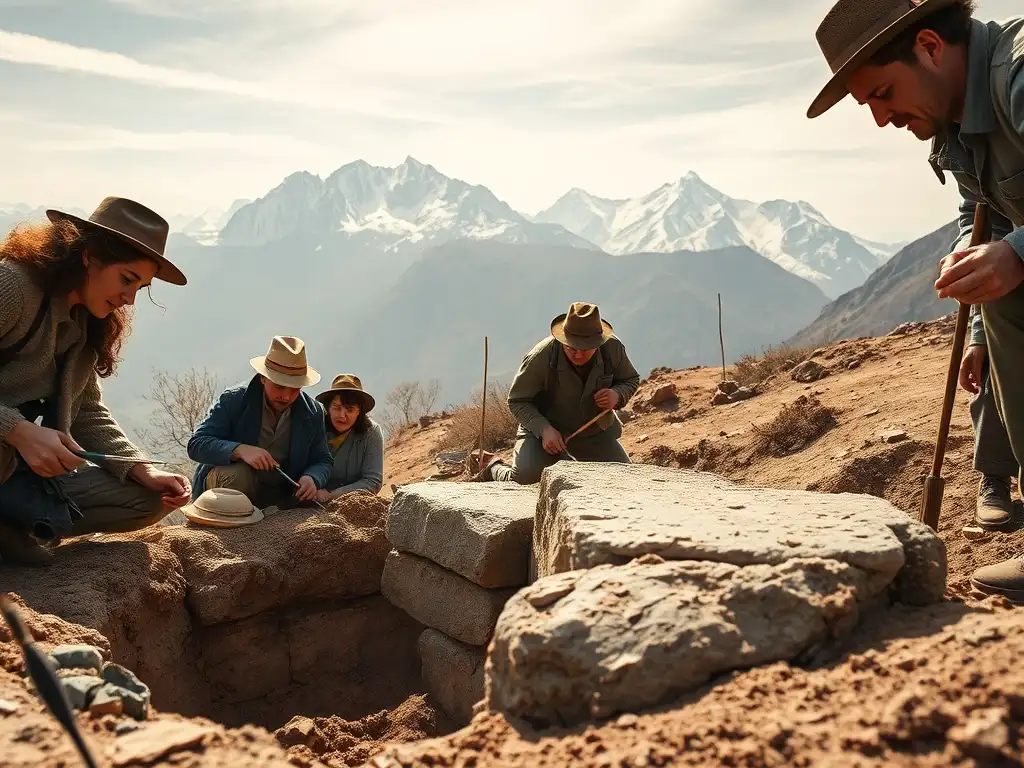
This section delves into the specific preservation challenges and innovative techniques employed to safeguard the fragile remnants of Andean civilizations. The delicate nature of these archaeological sites, coupled with environmental threats, necessitates a multi-pronged approach combining traditional methods with cutting-edge technology. Understanding the unique vulnerabilities of different materials and environments is crucial for effective long-term preservation of these invaluable cultural assets. This strategy focuses on the application of "Andean civilizations archaeological techniques" to ensure the survival of these irreplaceable artifacts and sites for future generations.
Stabilization of Adobe Structures at Chan Chan
The adobe city of Chan Chan, a UNESCO World Heritage site, faces significant challenges due to its construction material. Adobe, a sun-dried brick, is highly susceptible to erosion from wind, rain, and seismic activity. Traditional methods of conservation, such as repointing crumbling walls with mud mortar and the application of protective coatings, are still utilized. However, modern techniques offer more robust solutions.
Particularly effective is the use of geopolymer mortars. These environmentally friendly materials offer superior strength and durability compared to traditional mud mortars, providing enhanced protection against degradation. Furthermore, the application of consolidation techniques using consolidants such as acrylic polymers helps to strengthen the adobe bricks from within, increasing their resistance to weathering.
Researchers are also exploring the use of drone technology for detailed site mapping and monitoring, allowing for early detection of structural instability and targeted intervention. This proactive approach is vital for minimizing further damage and ensuring the long-term survival of this magnificent city. Detailed studies are ongoing to determine the optimal geopolymer composition for Chan Chan's specific environmental conditions, considering factors like humidity and temperature fluctuations.
Protecting Paracas Textiles from Humidity
The incredibly delicate Paracas textiles, renowned for their vibrant colors and intricate designs, are highly vulnerable to environmental damage, especially humidity. These textiles, often made from cotton and camelid fibers, are susceptible to mold and insect infestation in humid conditions. Traditional preservation methods involved storing them in climate-controlled environments, but modern techniques offer more proactive protection.
One crucial advancement is the application of controlled atmosphere storage. This involves precisely regulating temperature and relative humidity within storage containers to minimize deterioration. Regular monitoring of these parameters is crucial to maintain optimal conditions. Further advancements include the use of non-invasive imaging techniques, such as X-ray fluorescence (XRF) spectroscopy, to analyze the textile fibers and identify areas of weakness or deterioration without physically handling the artifacts.
This allows conservators to prioritize treatment and implement targeted interventions, minimizing the risk of further damage. The development of new, reversible consolidants specifically designed for these delicate textiles is also ongoing, with a focus on materials that maintain the integrity and aesthetic qualities of the artifacts. This careful balancing act between preservation and access is a key aspect of "Andean civilizations archaeological techniques".
Mitigating Glacier Melt Impact on Andean Sites
The accelerating melting of Andean glaciers poses a significant threat to numerous archaeological sites located in high-altitude regions. The increased water flow can cause erosion, landslides, and flooding, damaging or destroying invaluable artifacts and structures. This necessitates a comprehensive approach combining environmental monitoring with targeted conservation interventions.
One key strategy is the implementation of early warning systems to monitor glacier melt rates and potential risks to archaeological sites. This involves using remote sensing technologies such as satellite imagery and ground-based sensors to track changes in glacier volume and water flow. This data informs the development of mitigation strategies, such as the construction of drainage systems to divert water away from vulnerable sites. Furthermore, the stabilization of slopes prone to landslides through bioengineering techniques, such as planting vegetation, is proving effective in preventing damage.
The integration of climate change models into long-term conservation plans is crucial for proactive planning and adaptation. This understanding of the impact of climate change on Andean sites is a core element of modern "Andean civilizations archaeological techniques". Continued research into the most effective strategies is crucial for the preservation of these high-altitude treasures.
Case Studies: Successful Andean Preservation Projects
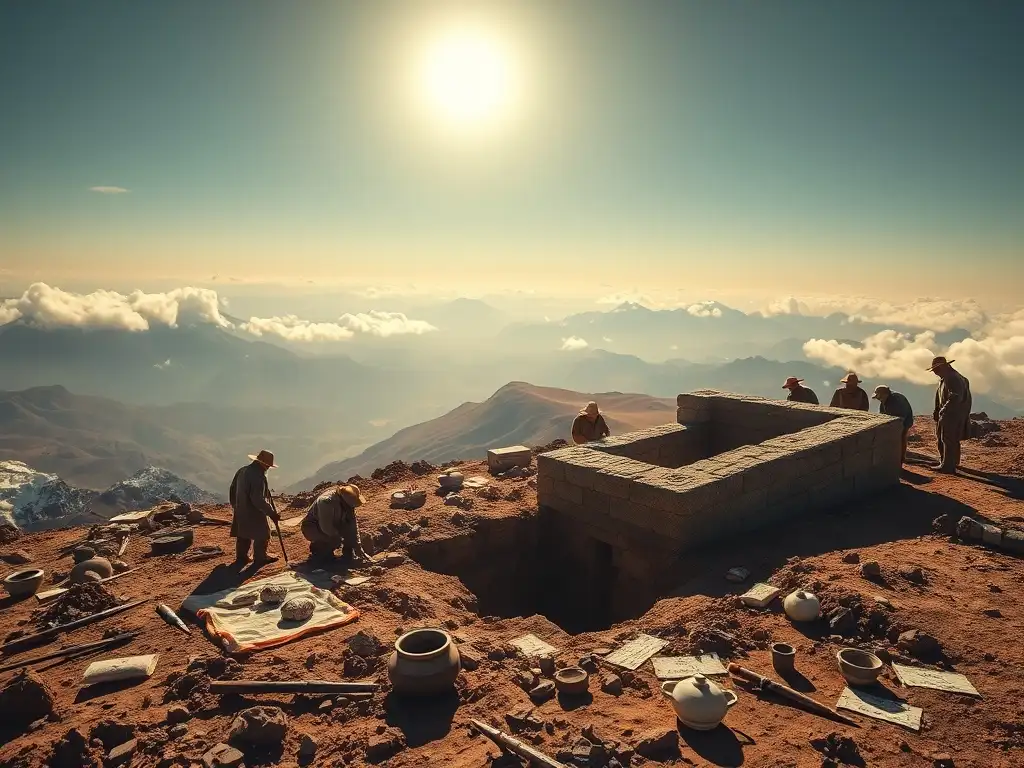
This section details specific examples of successful preservation projects showcasing the effectiveness of modern archaeological techniques in safeguarding Andean cultural heritage. These case studies highlight the diverse challenges faced and the innovative solutions implemented to protect irreplaceable artifacts and sites crucial to understanding Andean civilizations. The projects exemplify the critical role of advanced techniques in the ongoing effort to preserve these invaluable treasures for future generations. The careful application of these methods demonstrates a commitment to responsible stewardship of our shared history.
Machu Picchu: Stabilization and Sustainable Tourism
Machu Picchu, the iconic "Lost City of the Incas," stands as a testament to the ingenuity of Andean builders and a major draw for tourists worldwide. However, its popularity presents significant preservation challenges. The site's delicate ecosystem and ancient structures are constantly threatened by natural forces and the sheer volume of visitors.
Challenges Faced: Erosion, Tourist Impact, and Accessibility
Machu Picchu faces multiple threats to its long-term preservation. Erosion from rainfall and wind constantly wears away at the stonework. The sheer number of tourists annually puts immense stress on the fragile trails and structures. Furthermore, the site's remote location and challenging terrain pose logistical difficulties for access and maintenance. The delicate balance between preserving the site's integrity and allowing access for tourism is a constant challenge. Data from [specific data pending on erosion rates and tourist impact] would further illuminate the severity of these issues.
Applied Conservation Techniques: Drainage Systems, Structural Reinforcement, and Visitor Management
To mitigate these challenges, a multi-pronged approach has been implemented. Sophisticated drainage systems have been installed to divert rainwater and prevent further erosion. Structural reinforcement techniques, using traditional materials and methods where possible, have stabilized vulnerable sections of walls and buildings. Visitor management strategies, including regulated access and guided tours, aim to minimize the impact of tourism on the site's delicate environment. The careful implementation of these conservation techniques has shown promising results.
Results and Impact: Reduced Erosion, Improved Site Stability, and Controlled Tourism
The combined efforts have demonstrably reduced erosion rates in vulnerable areas. Structural reinforcement has significantly improved the overall stability of the site. The implementation of visitor management strategies has led to a more sustainable tourism model, minimizing damage while still allowing access for visitors. The success of this project underscores the importance of a holistic approach to Andean civilizations archaeological techniques, combining scientific expertise with responsible tourism management.
Tiwanaku Ceramics: Conserving Painted Surfaces
The vibrant painted ceramics of Tiwanaku represent a significant aspect of the culture's artistic achievements. However, these delicate artifacts are susceptible to deterioration over time, requiring specialized conservation methods.
Initial Condition and Deterioration: Flaking Paint and Salt Crystallization
Many Tiwanaku ceramics suffer from flaking paint, a common problem resulting from the degradation of the binding medium used in the pigments. Salt crystallization, a consequence of fluctuating humidity and environmental conditions, further contributes to the deterioration of the painted surfaces. This process causes expansion and contraction of the ceramic material, leading to cracking and flaking. Microscopic analysis reveals [specific data pending on the chemical composition of the pigments and the type of salts present].
Applied Conservation Methods: Consolidation, Desalination, and Controlled Environment Storage
Conservation efforts focus on stabilizing the flaking paint through consolidation techniques. This involves using carefully selected adhesives to strengthen the weakened paint layer without damaging the original artwork. Desalination treatments are employed to remove harmful salts that contribute to deterioration. Finally, controlled environment storage, maintaining stable temperature and humidity levels, is crucial for long-term preservation. The precision required in these methods highlights the sophistication of modern Andean civilizations archaeological techniques.
Long-Term Preservation Strategy: Museum Storage, Climate Monitoring, and Periodic Inspection
A long-term preservation strategy involves storing the ceramics in climate-controlled museum environments. Continuous climate monitoring ensures that optimal conditions are maintained. Regular inspections allow for early detection of any new deterioration or damage, enabling prompt intervention. This proactive approach is crucial for the continued preservation of these irreplaceable artifacts, demonstrating the ongoing commitment to safeguarding Andean cultural heritage using advanced techniques. The meticulous nature of this work underscores the dedication to the preservation of Andean civilizations.
The Future of Andean Archaeological Conservation
The preservation of Andean civilizations' fragile heritage requires a multi-pronged approach that blends cutting-edge technology with community engagement and sustainable practices. The challenges are immense, ranging from the effects of climate change on archaeological sites to the looting and illegal trafficking of artifacts. However, innovative strategies are emerging, offering hope for the long-term safeguarding of these invaluable treasures for future generations. This section explores some key advancements in Andean archaeological conservation, highlighting the crucial role of technology, community involvement, and responsible tourism. The future of Andean archaeological conservation hinges on the successful integration of these elements.
AI-Powered Image Analysis in Andean Artifact Study
Artificial intelligence (AI) is revolutionizing the study of Andean artifacts. AI-powered image analysis techniques are proving invaluable in several key areas. For example, sophisticated algorithms can analyze high-resolution images of pottery shards, identifying patterns and stylistic features that might be missed by the human eye.
This allows for a more accurate reconstruction of broken artifacts and a deeper understanding of the production techniques employed by ancient Andean artisans. Furthermore, AI can assist in the identification of forgeries, a significant problem in the illicit antiquities market. By comparing images of suspect artifacts with a vast database of authenticated pieces, AI can flag potentially fraudulent items, aiding in the fight against cultural heritage theft.
The application of AI in Andean artifact study is still relatively nascent, but early results are promising, suggesting a significant potential for accelerating research and enhancing the protection of these irreplaceable cultural assets. The detailed analysis of textile patterns, for instance, is benefiting immensely from AI’s capacity to identify subtle variations and repetitive motifs, revealing insights into social organization and trade networks. This technology promises to unlock deeper understanding of Andean civilizations and their artistic expressions.
Local Communities as Guardians of Andean Heritage
The successful preservation of Andean heritage depends heavily on the active participation of local communities. These communities are not merely passive recipients of conservation efforts; they are vital custodians of their ancestral past. Their intimate knowledge of the land, its history, and its traditions is invaluable.
Empowering local communities through education, training, and economic opportunities related to heritage tourism and conservation projects fosters a sense of ownership and responsibility. This approach not only ensures the protection of archaeological sites but also promotes sustainable development within the communities themselves. For example, initiatives that train local people in archaeological survey techniques or artifact preservation methods create skilled jobs, contributing to the economic well-being of the region while simultaneously safeguarding its cultural heritage.
This collaborative model, where local knowledge and expertise are integrated into conservation strategies, is crucial for long-term success. Successfully engaging local communities ensures the sustainability of conservation efforts and fosters a sense of pride in Andean heritage. This approach recognizes the intrinsic connection between the land, its people, and its history.
Sustainable Tourism Models in the Sacred Valley
The Sacred Valley of the Incas, a region rich in archaeological sites and breathtaking landscapes, faces the dual challenge of preserving its heritage while accommodating a growing influx of tourists. Sustainable tourism models are essential to mitigate the negative impacts of tourism on fragile archaeological sites and the environment. These models should prioritize responsible visitor management, minimizing damage to sites and promoting respectful interactions with local communities.
Implementing strict regulations regarding access to sensitive areas, providing clear guidelines for visitors, and investing in infrastructure that minimizes environmental impact are crucial elements of a sustainable tourism strategy. Furthermore, promoting community-based tourism initiatives, where local people directly benefit from tourism revenues, ensures that economic benefits are channeled back into the communities that are responsible for safeguarding the heritage. The development of eco-lodges, locally owned restaurants, and guided tours that emphasize cultural understanding can generate income while preserving the environment and cultural heritage.
This approach ensures the long-term preservation of the Sacred Valley's unique Andean heritage while providing sustainable economic opportunities for local populations. Careful planning and implementation of sustainable tourism strategies are critical to balance the economic benefits of tourism with the imperative of preserving this irreplaceable heritage for future generations.
Frequently Asked Questions
What archaeological techniques are used to study Andean civilizations?
A wide range of techniques are employed, including excavation, remote sensing (like LiDAR and aerial photography), 3D modeling, paleobotany, and paleopathology. These methods help researchers understand ancient settlements and lifestyles.
How does LiDAR help in the study of Andean sites?
LiDAR (Light Detection and Ranging) uses lasers to penetrate vegetation, revealing hidden structures and features like roads, irrigation systems, and settlements otherwise obscured by dense plant life. This is crucial for mapping vast areas quickly and accurately.
What role does paleobotany play in understanding Andean cultures?
Paleobotany, the study of ancient plant life, helps researchers reconstruct ancient environments and understand agricultural practices and diets of Andean civilizations. Pollen and plant remains provide vital clues to their lifestyles.
How are 3D modeling techniques used to preserve Andean artifacts?
3D scanning and modeling create virtual replicas of fragile artifacts, allowing for detailed study and preservation without handling the originals. This minimizes risk of damage and facilitates wider access to the finds.
What ethical considerations are involved in Andean archaeological research?
Ethical considerations include respecting indigenous communities, obtaining their informed consent, and ensuring the protection and repatriation of cultural heritage. Collaboration with local populations is paramount.
Final Reflection: Echoes of the Andes: Preserving a Legacy for Tomorrow
The meticulous excavation and preservation of Andean artifacts, using cutting-edge technology, is not merely an academic pursuit; it is a vital act of cultural preservation that resonates deeply with our present. The insights gleaned from these ancient civilizations offer invaluable lessons in sustainable living, societal structures, and the enduring power of human ingenuity, all of which remain profoundly relevant in navigating the complexities of the modern world. We are not simply unearthing objects; we are unearthing stories that shape our understanding of ourselves and our place in history.
The impact of these advancements extends far beyond the academic sphere, influencing how we perceive and interact with our shared past. The careful documentation and analysis of Andean sites are fostering a renewed appreciation for indigenous cultures and their contributions to human civilization. This process of rediscovery is crucial in combating historical biases and promoting a more inclusive and accurate understanding of our collective heritage. The past is never dead. It's not even past.
- William Faulkner. This quote perfectly encapsulates the ongoing relevance of Andean civilizations and the importance of preserving their legacy for future generations.
Consider the implications of this work. What responsibility do we, as inheritors of this rich history, have in ensuring its continued survival? I urge you to reflect on the power of preservation, not just in the context of archaeology, but in all aspects of your life. Think about the stories you want to leave behind, the knowledge you want to share, and the legacy you wish to create. Let the echoes of the Andes inspire you to protect and cherish the treasures of your own world, both tangible and intangible, for the benefit of all who will follow.
**Protect and Celebrate Andean Heritage Today! **
Thank you for exploring the innovative methods used to preserve our Andean heritage. Your interest is vital to the ongoing efforts to protect this invaluable cultural legacy. Now, let's work together to make a real difference!
Here's how you can get involved:
- **Support local heritage organizations** by volunteering your time or making a donation to their archaeological and conservation projects.
- **Share your newfound knowledge** with friends and family, emphasizing the importance of preserving Andean culture for future generations.
- **Expand your understanding** of these ancient civilizations through online resources such as virtual museum tours and educational webinars.
What will be your first step in helping to safeguard these irreplaceable treasures?