
The Soul of the Andes: Festivals and Traditions That Still Thrive

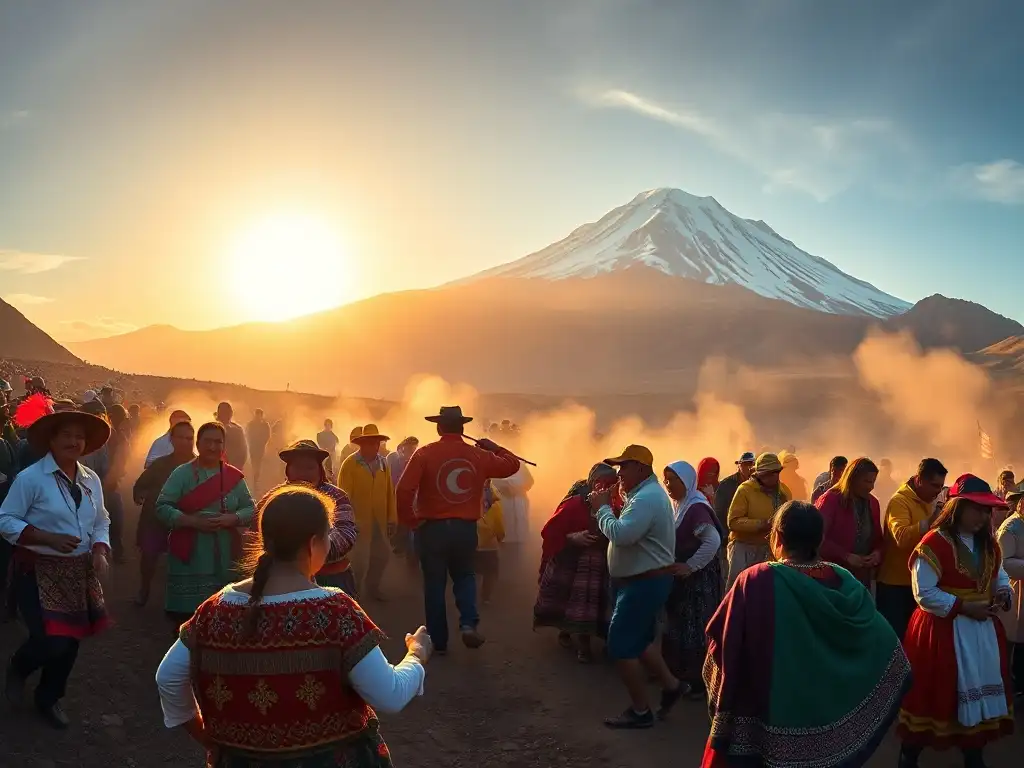
Dive into the mesmerizing world of the Andes, where echoes of ancient empires still resonate in vibrant celebrations. Beyond the majestic ruins and intricate textiles, lies a heart beating with ancient rhythms: Andean festivals and traditions. Discover how these captivating rituals, passed down through generations, continue to shape the lives of Andean communities today. Prepare to be captivated by a legacy that transcends time, a legacy waiting to be unveiled. Let's explore!
The Andes Mountains, a spine of towering peaks stretching along the western coast of South America, are home to a rich tapestry of vibrant cultures. For millennia, indigenous communities have thrived in this challenging yet breathtaking landscape, developing unique traditions, beliefs, and artistic expressions that continue to captivate the world. This article delves into the heart of Andean cultural heritage, exploring the festivals and traditions that not only celebrate their history but also remain a vital part of daily life.
From the sun-drenched coast to the high-altitude plains, Andean festivals and traditions are a testament to the enduring spirit and resilience of these remarkable peoples. We will examine the enduring significance of these celebrations, their connection to ancient rituals, and their role in shaping modern Andean identity.
We'll discover how these festivals and traditions, deeply rooted in agricultural cycles, ancestral veneration, and community bonding, continue to thrive and adapt in the 21st century, offering a powerful connection to a past that resonates powerfully in the present. Understanding these vibrant expressions is key to appreciating the soul of the Andes and the enduring legacy of its indigenous populations.
Celebrating Andean Culture: An Introduction to Living Traditions
Andean cultures boast a remarkable diversity of festivals and traditions, each reflecting the unique history and environment of its region. Many celebrations are deeply entwined with the agricultural calendar, marking crucial moments like planting and harvesting. These events are not merely occasions for merriment; they are powerful rituals that reinforce community bonds, honor ancestral spirits, and ensure the continuity of life-sustaining practices.
The vibrant colors, intricate costumes, captivating music, and delicious food are all integral components of these experiences, offering a truly immersive journey into the heart of Andean culture. Consider, for example, the Inti Raymi, the Inca festival celebrating the winter solstice – a breathtaking spectacle that continues to be re-enacted, showcasing the enduring power of ancient traditions. Or the various harvest festivals, where communities express gratitude for the bounty of the land through music, dance, and shared feasts.
These celebrations aren't static; they are dynamic expressions that evolve while maintaining their core values and significance. The continued practice of these traditions underscores the resilience and cultural richness of Andean communities.
The Significance of Andean Festivals: Beyond the Spectacle
While the visual spectacle of Andean festivals is undeniably captivating – think of the dazzling costumes, the rhythmic music, and the energetic dances – their significance extends far beyond mere entertainment. These celebrations serve crucial social, spiritual, and economic functions within Andean communities. Many festivals are linked to ancient agricultural practices, reflecting a deep-seated respect for the land and its bounty.
The rituals involved often seek to ensure a successful harvest, appease ancestral spirits, and maintain a harmonious relationship with the natural world. Furthermore, these festivals are vital for strengthening community bonds. They provide opportunities for people to gather, share experiences, and reaffirm their collective identity.
The collaborative effort involved in organizing and participating in these events fosters a sense of unity and shared purpose, contributing significantly to social cohesion. [Specific economic impact data pending] but it's clear that many festivals also play a significant role in local economies through tourism and the creation of artisan goods.
Examples of Enduring Andean Festivals and Traditions: A Diverse Tapestry
The Andes are home to a multitude of distinct ethnic groups, each with its own unique cultural heritage. This diversity is reflected in the wide array of festivals and traditions practiced across the region. For instance, the Fiesta de la Virgen de la Candelaria in Puno, Peru, is a massive celebration featuring vibrant dances and elaborate costumes.
It showcases the deep-rooted syncretism between indigenous and Catholic traditions, a common theme throughout the Andes. In contrast, the Chakana celebrations in the Bolivian Andes highlight the intricate cosmology and beliefs of the Quechua people. These examples, and countless others, demonstrate the remarkable diversity of Andean cultural expressions.
Each festival tells a story, preserving and transmitting historical knowledge, spiritual beliefs, and artistic traditions across generations. This vibrant tapestry of cultural practices offers a compelling glimpse into the rich and complex heritage of the Andean world. Understanding the unique characteristics of each festival provides a deeper appreciation for the nuances of Andean culture and its remarkable resilience.
Further Exploration: Key Themes in Andean Festivals
This section will delve deeper into specific recurring themes present in many Andean festivals, such as the significance of music and dance, the role of costumes and masks, and the importance of food and drink in these celebrations. Specific examples and case studies will be provided to illustrate these themes.
- Celebrating Andean Culture: An Introduction to Living Traditions
- The Significance of Andean Festivals: Beyond the Spectacle
- Examples of Enduring Andean Festivals and Traditions: A Diverse Tapestry
Ancient Rhythms: Key Andean Festivals and Their Significance
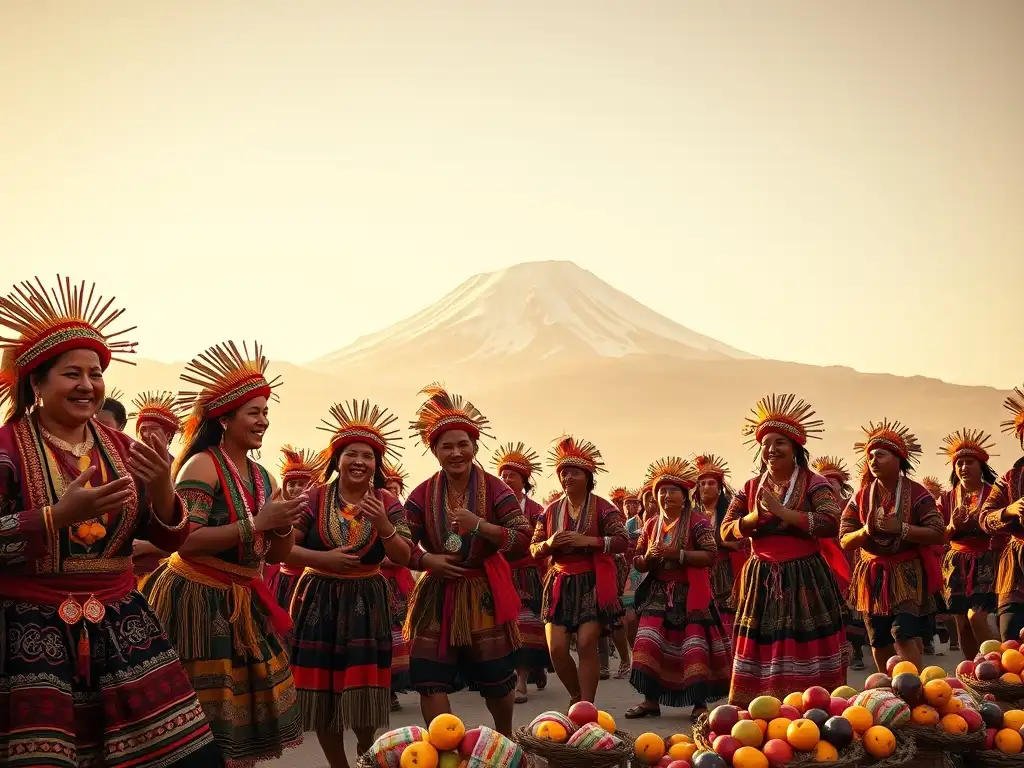
This section delves into the vibrant tapestry of Andean festivals, exploring their historical roots and enduring cultural significance. These celebrations, deeply intertwined with the Andean worldview and agricultural cycles, offer a window into the soul of the Andes, showcasing both ancient traditions and their modern adaptations. Understanding these festivals provides crucial insight into the resilience and continuity of Andean culture, a testament to its enduring power. The keyword, "Andean festivals and traditions," is central to understanding the rich cultural heritage of the region.
Inti Raymi: The Sun Festival and Its Modern Reenactment
Inti Raymi, meaning "Festival of the Sun" in Quechua, was the most important festival in the Inca Empire. Celebrated during the winter solstice (June 24th), it marked the renewal of the sun's energy and the start of the agricultural cycle. The festival involved elaborate rituals, sacrifices, and processions, showcasing the Inca's sophisticated understanding of astronomy and their reverence for the sun god, Inti. While the Spanish conquistadors brutally suppressed Inti Raymi upon their arrival, its spirit survived.
Today, a spectacular reenactment of Inti Raymi takes place annually in Cusco, drawing thousands of visitors and locals alike. The reenactment meticulously recreates aspects of the original ceremony, including the Inca emperor's procession, vibrant costumes, and symbolic offerings. While not an exact replica of the ancient ceremony, the modern Inti Raymi provides a powerful and moving experience, allowing participants to connect with a significant part of their cultural heritage.
The festival's continued popularity demonstrates the enduring power of Andean traditions and their ability to adapt and thrive in the modern world. The scale of the modern Inti Raymi is impressive; meticulous detail is given to costumes, music, and choreography, ensuring a historically accurate representation for modern audiences.
Paucar Raymi: The Festival of Flowering and Harvest
Paucar Raymi, also known as the "Festival of Flowering," is a celebration of abundance and fertility, deeply connected to the agricultural cycles of the Andes. Unlike Inti Raymi, which is primarily associated with the Inca Empire, Paucar Raymi has roots in pre-Inca traditions, showcasing the diverse cultural heritage of the region. This festival, typically held in August or September, marks the harvest season and celebrates the bounty of the land.
The celebrations often involve traditional music, dance, and feasts, with participants wearing vibrant clothing representing the richness of the harvest. The festival's significance lies not only in its agricultural context but also in its social aspect, strengthening community bonds and fostering a sense of shared identity. Specific rituals and offerings vary across different Andean communities, highlighting the regional diversity within this vibrant tradition. The use of traditional Andean instruments, such as panpipes and drums, further adds to the unique atmosphere of the festival.
Qoyllur Rit'i: The Star Snow Festival and Pilgrimage
Qoyllur Rit'i, meaning "Snow Star" in Quechua, is a unique Andean festival that blends indigenous beliefs with elements of Catholicism. Held annually on the slopes of Mount Ausangate, a sacred mountain in the Cusco region, it's a pilgrimage that attracts thousands of participants. The festival is a syncretic blend of pre-Columbian Andean traditions and Catholic beliefs, showcasing the complex cultural exchange that occurred after the Spanish conquest.
The festival involves a multi-day pilgrimage, with participants undertaking arduous treks to reach the sacred site. The festival centers around the veneration of both indigenous deities and Catholic saints, highlighting the enduring resilience of indigenous beliefs despite centuries of colonial influence. The festival includes processions, dances, and offerings, all imbued with deep spiritual significance. The unique blend of indigenous and Catholic elements in Qoyllur Rit'i exemplifies the fascinating and often complex cultural dynamics that shape Andean traditions today. The festival's popularity underscores the enduring power of Andean spirituality and its ability to integrate different belief systems.
Andean Carnival Celebrations: A Fusion of Cultures
Andean Carnival, a vibrant explosion of color, music, and dance, is far more than just a festive occasion; it's a powerful testament to the enduring legacy of Andean cultures and their ongoing interaction with other influences. Celebrated across the Andes in various forms, depending on the specific region and its unique history, Carnival showcases a fascinating fusion of indigenous traditions with elements introduced by Spanish colonizers and later cultural exchanges. This blending of traditions results in a rich tapestry of celebrations, each possessing its own unique character while sharing common threads of joy, community, and spiritual renewal.
The pre-Hispanic roots of Andean Carnival are deeply embedded in agricultural cycles and ancient beliefs. Many rituals centered around ensuring a bountiful harvest and appeasing deities associated with fertility and the earth. These ancestral practices often involved symbolic cleansing rituals, vibrant costumes representing nature spirits, and elaborate dances that mimicked the rhythms of the natural world. These elements continue to be visible in modern Carnival celebrations, although often intertwined with Catholic religious practices introduced during the colonial era.
The arrival of the Spanish brought with it Catholicism, and its influence is readily apparent in the modern Andean Carnival. The incorporation of Catholic elements, such as the celebration of Shrove Tuesday (Mardi Gras) before the Lenten season, has interwoven with indigenous traditions, creating a unique syncretism. For example, the use of water fights, often interpreted as a symbolic purification, is a common feature in many Andean Carnival celebrations. This practice likely has pre-Columbian roots, but its timing within the broader Catholic calendar gives it a new layer of meaning and significance.
Modern Andean Carnival celebrations are dynamic events that involve entire communities. The preparation often begins weeks in advance, with communities crafting elaborate costumes, rehearsing traditional dances, and preparing for the feasts that accompany the festivities. The atmosphere is electric, filled with the sounds of panpipes, drums, and other traditional instruments, as well as the joyous laughter and singing of participants. The vibrant costumes, often featuring intricate designs and bright colors, are a stunning visual spectacle, reflecting the rich artistic heritage of the Andes. These celebrations are a vital part of community life, strengthening social bonds and reaffirming cultural identity. The scale of these events varies greatly, from small village gatherings to large-scale citywide celebrations, but the core spirit of community and cultural expression remains constant. The sheer energy and participation reflect the deep-seated importance of Carnival in Andean life, demonstrating the enduring power of tradition in a constantly evolving world.
Andean Traditions: Practices Rooted in History
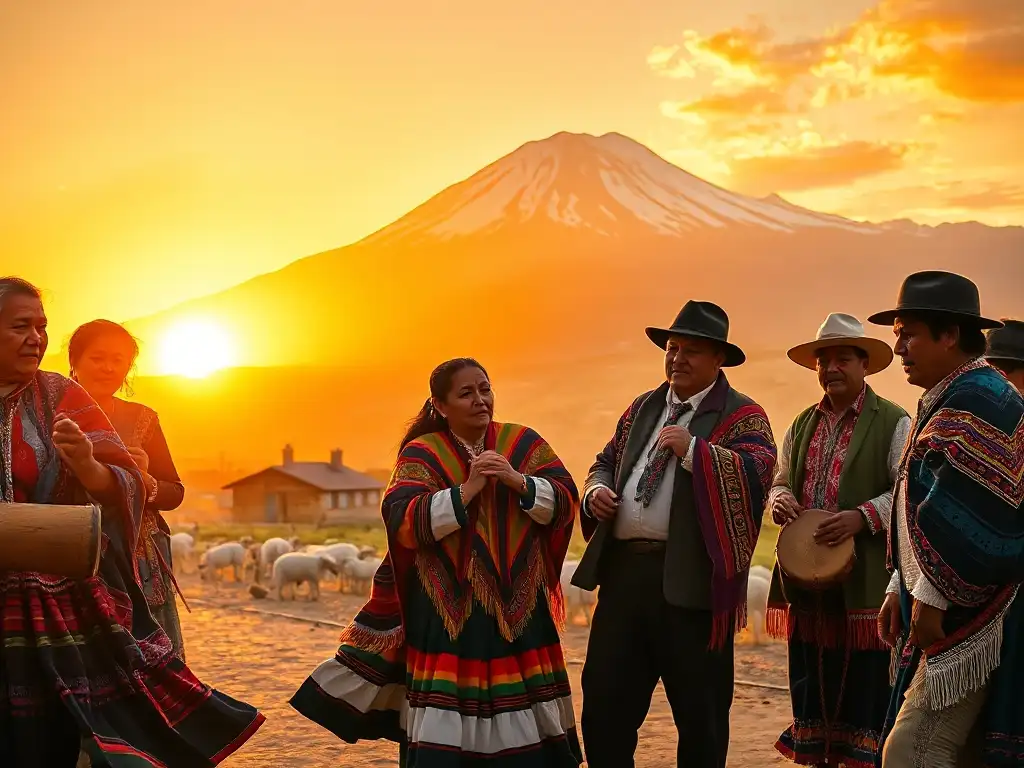
This section delves into the enduring traditions of the Andean region, exploring their historical roots and their continued relevance in contemporary Andean life. These practices, passed down through generations, offer a captivating glimpse into the soul of the Andean civilizations, showcasing their resilience and cultural richness. Understanding these traditions is key to appreciating the vibrant tapestry of Andean culture and its enduring legacy. We will explore the intricate art of textile weaving, the expressive power of Andean music and dance, and the unique flavors of traditional Andean cuisine, all vital components of Andean festivals and traditions.
Textile Arts: The Intricate Weaving Traditions of the Andes
Andean textile arts represent a pinnacle of human creativity and a testament to the ingenuity of Andean peoples. For centuries, skilled artisans have crafted exquisite textiles using techniques passed down through generations. The vibrant colors, intricate designs, and the use of high-quality materials like alpaca and llama wool, reflect not only artistic skill but also deep spiritual and social significance. Each piece tells a story, often depicting mythological figures, celestial events, or important historical moments.
The weaving process itself is a complex one, involving meticulous preparation of the fibers, intricate dyeing techniques using natural pigments derived from plants and minerals, and highly specialized weaving methods. Different Andean communities developed unique styles and patterns, making it possible to identify the origin of a textile based on its design and construction. For example, the intricate geometric patterns of the Paracas textiles contrast sharply with the more figurative designs found in Inca textiles.
The use of backstrap looms, a traditional technique still practiced today, further highlights the enduring nature of these traditions. These textiles serve not only as clothing and household items but also as powerful expressions of cultural identity, often worn during important ceremonies and festivals. The preservation of these textile arts is crucial for safeguarding a significant part of Andean cultural heritage and supporting the livelihoods of countless artisans.
Andean Music and Dance: Expressions of Cultural Identity
Andean music and dance are inseparable from the region's cultural identity. They are powerful mediums for expressing emotions, telling stories, and celebrating life's milestones. The rhythmic sounds of panpipes, flutes, drums, and other traditional instruments create an enchanting atmosphere, often accompanied by captivating dance movements that reflect the unique characteristics of different Andean communities.
The music itself is diverse, reflecting the geographical and cultural variations across the Andes. From the haunting melodies of the yaraví, a genre expressing sorrow and longing, to the lively rhythms of the huayno, a celebratory dance music, the musical landscape is incredibly rich. Many Andean songs are deeply rooted in history and mythology, recounting ancient legends and celebrating the achievements of past generations.
Similarly, the dances often tell stories through symbolic movements and costumes, reflecting the region's agricultural cycles, religious beliefs, and social structures. The diablada, a vibrant dance featuring devilish costumes, is a prime example of the complex interplay between Andean traditions and Spanish colonial influences.
The preservation and promotion of Andean music and dance are essential for ensuring the continuity of this invaluable cultural heritage and fostering a sense of community and identity among Andean peoples. The continued popularity of these art forms, both within the Andean region and internationally, underscores their enduring power and appeal.
Traditional Andean Cuisine: A Culinary Heritage
Andean cuisine is a testament to the region's biodiversity and the ingenuity of its people. Based on locally sourced ingredients, it showcases a remarkable adaptation to the challenging Andean environment. Potatoes, quinoa, maize, and various beans form the backbone of the Andean diet, supplemented by a wide array of fruits, vegetables, and meats adapted to high altitudes.
The preparation of these ingredients often involves unique techniques passed down through generations. For instance, the process of drying and preserving potatoes creates a variety of unique products, each with its own distinct flavor and texture. The diverse culinary traditions across the Andes reflect the regional variations in climate, geography, and cultural practices.
From the hearty stews of the highlands to the seafood-based dishes of the coastal regions, the culinary landscape is incredibly rich and diverse. Moreover, Andean cuisine is not merely about sustenance; it is also an integral part of social and religious life, with special dishes prepared for festivals and ceremonies.
The continued appreciation and promotion of traditional Andean cuisine are vital for preserving this rich culinary heritage and supporting the livelihoods of Andean farmers and food producers. The unique flavors and nutritional value of Andean ingredients are increasingly recognized globally, highlighting the importance of safeguarding this culinary treasure.
Agricultural Practices: Honoring the Pachamama
Andean agricultural practices weren't simply methods of food production; they were deeply spiritual rituals interwoven with the reverence for the Pachamama, the Earth Mother. These practices, passed down through generations, reflect a profound understanding of the environment and a symbiotic relationship with nature. The Pachamama is not merely the land, but a living entity deserving of respect and reciprocity. Farmers understood that their success depended on maintaining a harmonious balance with this powerful force.
One crucial aspect of Andean agriculture is the concept of ayni, reciprocity. This principle permeates all aspects of life, but in agriculture, it manifests as a careful exchange between the farmer and the Pachamama. Farmers offer prayers, coca leaves, and other offerings to appease the Earth Mother and ensure a bountiful harvest. This isn't seen as superstition, but as a fundamental acknowledgement of the natural world's power. Failure to show respect, it was believed, could result in crop failure or other misfortunes.
The meticulous terracing systems found throughout the Andes are a testament to the sophisticated agricultural techniques employed. These terraces, often carved into steep mountain slopes, not only maximized arable land but also helped conserve water and prevent soil erosion. The construction of these terraces was a communal effort, a further demonstration of the ayni principle, with entire communities working together to ensure the success of the harvest.
The intricate design and the sheer scale of these projects speak volumes about the advanced knowledge of Andean farmers and their deep connection to their environment. The enduring legacy of these terraces is a powerful symbol of the ingenuity and sustainability of Andean agricultural practices.
Furthermore, the careful selection and cultivation of diverse crops, including potatoes, maize, quinoa, and beans, demonstrated a remarkable understanding of crop rotation and biodiversity. This wasn't merely a matter of practicality; it was a strategy to maintain the fertility of the soil and ensure food security.
The cultivation of these crops wasn't simply for sustenance; they held symbolic significance, reflecting the Andean worldview and the importance of maintaining a balanced ecosystem. Each crop had its own unique spiritual significance, and their cultivation was a ritualistic act, deeply connected to the cycles of nature and the life-giving power of the Pachamama.
The diversity of Andean crops is a living testament to the ingenuity and resilience of Andean agricultural traditions. The Andean understanding of sustainable agriculture offers valuable lessons for modern agricultural practices, highlighting the importance of respecting the environment and fostering a harmonious relationship between humans and nature in the quest for sustainable food production.
The Role of Community in Andean Celebrations
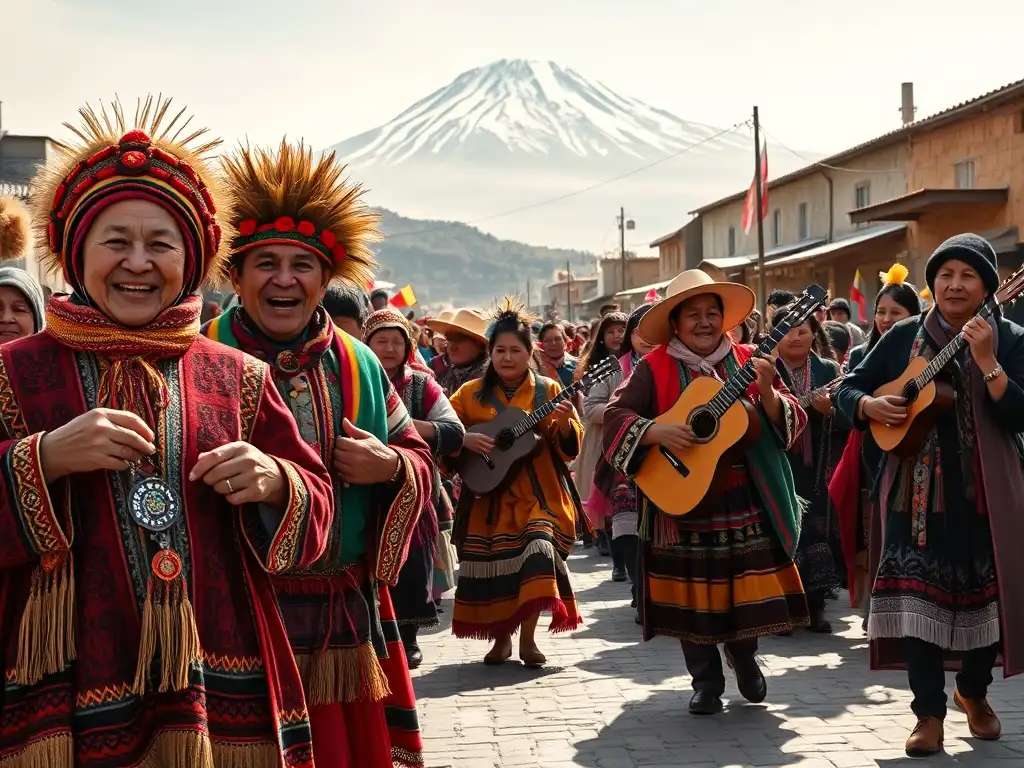
Andean festivals and traditions are not merely spectacles; they are deeply ingrained in the social fabric of Andean communities. The vibrant celebrations we witness today are the result of centuries of evolving practices, reflecting a profound connection between people, the land, and the spiritual realm. Understanding the role of community is crucial to appreciating the true essence of these events. The collective participation, mutual support, and shared responsibility are fundamental pillars that ensure the continuity of these ancient customs. This section delves into the intricate relationship between community and the preservation of Andean cultural heritage.
The Importance of Ayni and Reciprocity
The concept of ayni, a Quechua term signifying reciprocity and mutual assistance, is central to Andean life and profoundly shapes their celebrations. Ayni isn't simply about exchanging goods or services; it's a deeply ingrained social ethic that fosters strong community bonds. During festivals, ayni manifests in various ways.
For instance, the preparation of food for a large gathering often involves the entire community, with families contributing their specialties. The construction of temporary structures for celebrations, the creation of elaborate costumes, and even the performance of dances all rely on the collaborative spirit of ayni. This reciprocal system ensures that the burden of organizing and participating in festivals is shared equitably, strengthening social ties and reinforcing a sense of collective ownership.
The success of any Andean festival is, in essence, a testament to the strength of its ayni network. The absence of ayni would severely impact the vitality and continuity of these traditions. Data on specific communities demonstrating exceptional ayni practices during festivals would further enrich this analysis, [specific data on community ayni practices pending].
Community Participation in Andean Rituals
Andean festivals are not passive events; they demand active participation from all community members. From the youngest children to the oldest elders, everyone plays a vital role in upholding the traditions. Children often participate in smaller, preparatory rituals, learning the steps and songs associated with the main festival.
Adults take on the responsibility of organizing the event, preparing food and drinks, creating decorations, and ensuring the smooth running of the celebrations. The elders, as custodians of ancestral knowledge, guide the proceedings and ensure the rituals are performed correctly. This inclusive approach ensures that Andean festivals are not just preserved but also passed down through generations, maintaining a living connection to the past.
The level of participation varies depending on the specific festival and the community, but the principle of collective involvement remains constant. For example, in certain harvest festivals, the entire community might participate in the planting or harvesting of crops, making the festival itself an integral part of the agricultural cycle. This active participation reinforces the communal bond and ensures the perpetuation of Andean cultural heritage.
Elders as Guardians of Andean Wisdom
The elders within Andean communities serve as invaluable repositories of knowledge, preserving and transmitting the traditions associated with festivals. Their role extends beyond mere participation; they are the keepers of the oral history, the intricate details of rituals, and the profound meanings embedded within the celebrations. They are the ones who teach the younger generations the songs, dances, and stories that form the heart of Andean cultural heritage.
Their guidance ensures the authenticity and continuity of the celebrations. Their deep understanding of the symbolism and spiritual significance of the rituals guarantees that the festivals remain true to their ancestral roots. The loss of these elders would represent an irreplaceable loss to the vibrant tapestry of Andean festivals and traditions.
Documenting their knowledge through oral histories and ethnographic studies is crucial for the preservation of this invaluable cultural heritage. [Specific examples of elders’ roles in different Andean communities and festivals pending]. Their wisdom is the lifeblood of these celebrations, ensuring their continued relevance and richness for generations to come.
Preserving Andean Heritage: Challenges and Opportunities
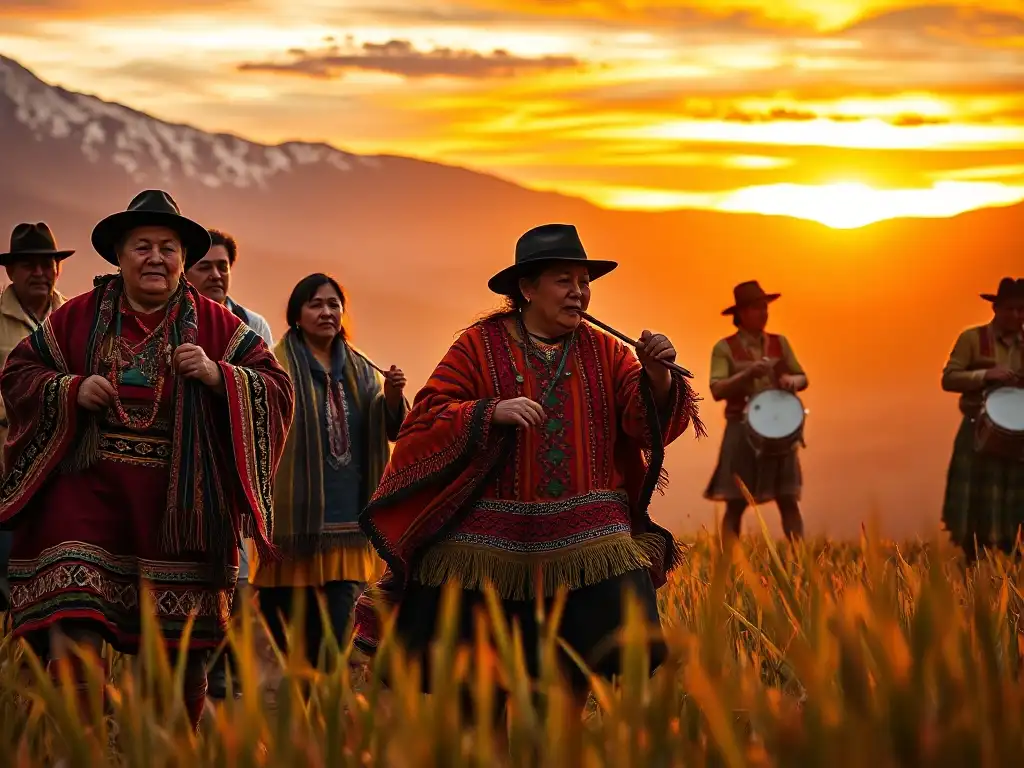
The vibrant tapestry of Andean festivals and traditions, a legacy passed down through millennia, faces significant challenges in the modern world. The delicate balance between preserving cultural heritage and adapting to the pressures of globalization requires careful consideration and proactive strategies. Understanding these challenges is crucial for ensuring the continued flourishing of these unique cultural expressions. The survival of these traditions depends on a multifaceted approach that recognizes both the threats and the opportunities presented by the 21st century.
The Impact of Modernization on Traditional Practices
Modernization, while bringing progress in many areas, poses a considerable threat to the continuity of Andean festivals and traditions. The influx of Western media, consumerism, and urban lifestyles often leads to the erosion of traditional values and practices. Younger generations, increasingly exposed to globalized culture, may find less appeal in the seemingly slower pace and more demanding rituals of their ancestors.
This cultural shift can lead to a decline in participation in traditional festivities, a loss of knowledge about ancestral crafts and techniques, and the gradual fading of unique cultural expressions. For example, the intricate textile techniques passed down through generations in communities like Chinchero, Peru, are facing challenges due to the availability of mass-produced clothing. Similarly, the oral traditions and storytelling that formed the backbone of many Andean communities are gradually being replaced by written media and digital platforms.
Quantifying this impact precisely is difficult, as it involves intangible cultural aspects, but anecdotal evidence and observations from anthropologists suggest a worrying trend. A comprehensive study on the impact of television viewing on the participation rates in local festivals in the Andes would provide valuable data in this regard. [Specific data on participation rates pending].
Efforts to Revitalize and Promote Andean Culture
Despite the challenges, significant efforts are underway to revitalize and promote Andean culture. Community-based initiatives play a vital role in preserving traditional knowledge and practices. These initiatives often involve workshops, apprenticeships, and the creation of cultural centers dedicated to teaching traditional arts, music, and dance. Furthermore, governments and NGOs are increasingly investing in projects aimed at documenting and safeguarding intangible cultural heritage.
This includes initiatives focused on archiving oral histories, preserving traditional music recordings, and supporting the creation of museums and cultural heritage sites dedicated to Andean civilizations. The use of digital technologies also plays a significant role. Online platforms and social media are increasingly used to showcase Andean art, music, and traditions to a wider audience, fostering a sense of pride and promoting cultural tourism.
For instance, online platforms showcasing traditional Andean weaving techniques are not only preserving these skills but also providing artisans with new market opportunities. A detailed analysis of successful community-based initiatives, including their funding mechanisms and impact, would further illuminate these efforts. [Case studies of successful initiatives pending].
Sustainable Tourism and the Preservation of Andean Traditions
Sustainable tourism presents a unique opportunity to both preserve and promote Andean festivals and traditions. By carefully managing tourism activities, it's possible to generate income for local communities while safeguarding their cultural heritage. This involves developing tourism programs that respect local customs and traditions, ensuring that tourism benefits directly support the communities involved, and preventing the commodification of cultural practices.
For example, community-based tourism initiatives can empower local people to share their traditions with visitors in an authentic and respectful manner, generating income while preserving their cultural identity. However, it is crucial to avoid situations where the pursuit of tourism leads to the distortion or superficial representation of cultural practices, turning traditions into mere spectacles for consumption. A balanced approach that prioritizes cultural authenticity and community participation is critical for the long-term sustainability of such initiatives.
A comparative analysis of successful and unsuccessful models of sustainable tourism in the Andes would provide valuable insights into best practices. [Comparative analysis of sustainable tourism models pending].
Experiencing Andean Culture: Practical Tips for Visitors
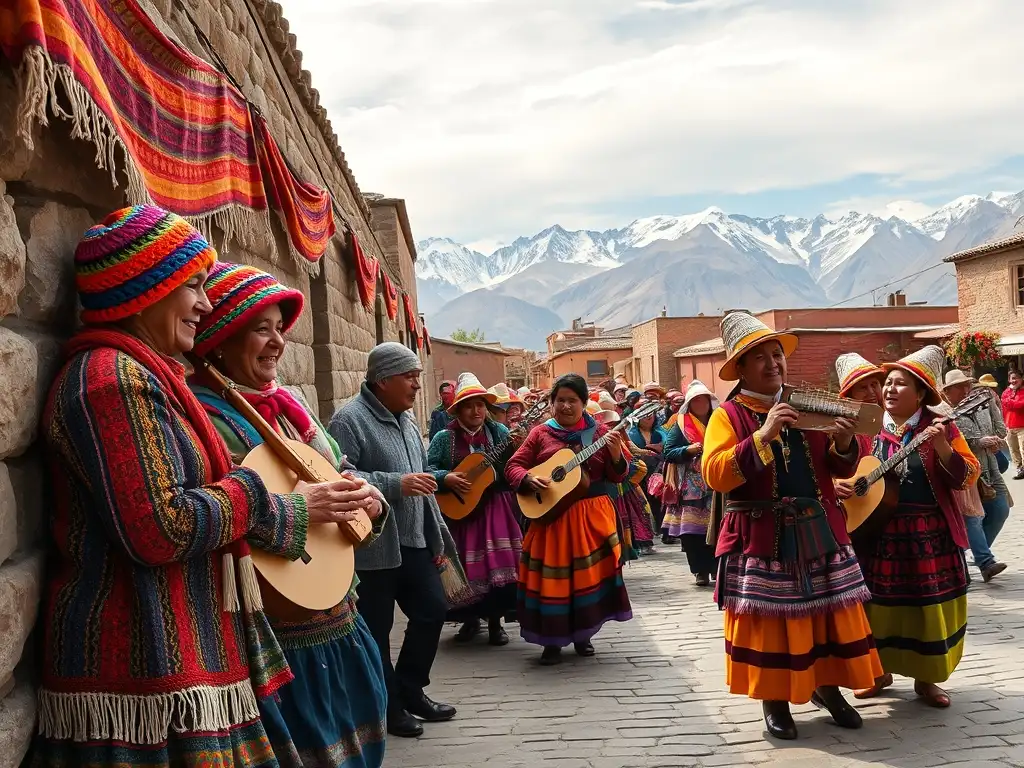
This section offers practical advice for travelers wishing to experience Andean festivals and traditions respectfully and authentically. Understanding the nuances of Andean culture ensures a richer, more meaningful experience for both the visitor and the local communities. Remember, responsible tourism is crucial for preserving this vital cultural heritage for future generations.
Respectful Engagement with Local Communities
Engaging respectfully with Andean communities is paramount. Before attending any festival or ceremony, research the specific customs and etiquette. For example, some communities may have specific dress codes or protocols for photography. Always ask permission before taking photographs, particularly of individuals or sacred sites. Avoid intrusive behavior, and remember that you are a guest in their space.
Learning a few basic Quechua phrases, even a simple "hola" or "gracias," can go a long way in demonstrating respect and fostering connection. Consider participating in community-based tourism initiatives, which directly benefit local communities and promote sustainable practices. These initiatives often provide opportunities to learn traditional crafts, participate in workshops, or even stay with local families, offering a truly immersive and culturally sensitive experience. Remember, mindful engagement is key to appreciating Andean festivals and traditions responsibly. Observing rather than participating can also be a respectful way to appreciate these rich cultural practices.
Understanding the Significance of Andean Rituals
Andean rituals are deeply intertwined with the landscape, cosmology, and spiritual beliefs of the people. Many festivals and ceremonies are rooted in ancient traditions, passed down through generations. These rituals often involve offerings to the apus (mountain spirits), prayers, music, dance, and the use of sacred objects.
Understanding the significance of these rituals requires a level of sensitivity and respect. For example, the Pachamama (Mother Earth) is a central figure in Andean spirituality, and rituals related to her often involve offerings of food, drink, or coca leaves. These are not merely symbolic gestures; they are deeply meaningful acts of connection and reverence.
Similarly, many festivals celebrate agricultural cycles, harvests, or significant historical events, reflecting the close relationship between the Andean people and their environment. Researching the specific significance of a festival before attending will greatly enhance your appreciation and understanding. Avoid trivializing or misinterpreting these rituals; treat them with the respect they deserve.
Finding Authentic Cultural Experiences in the Andes
Finding authentic cultural experiences requires careful planning and research. Avoid tourist traps that offer superficial representations of Andean culture. Instead, seek out community-led initiatives or locally owned businesses that promote sustainable tourism and authentic cultural exchange. Look for festivals and celebrations that are organized by local communities rather than commercial entities.
These often offer a more genuine and immersive experience. Consider engaging with local guides who possess a deep understanding of Andean culture and traditions. A knowledgeable guide can provide valuable insights and context, enriching your understanding and appreciation of the experiences.
Remember that the best way to experience the soul of the Andes is through respectful engagement and a genuine desire to learn and understand. This approach ensures a memorable and enriching journey that benefits both the traveler and the Andean communities. It's also important to support local artisans and businesses, contributing to the economic sustainability of the Andean cultural heritage.
The Enduring Legacy of Andean Festivals and Traditions
The vibrant tapestry of Andean culture is intricately woven with threads of ancient traditions and festivals, many of which continue to thrive in the 21st century. These celebrations, deeply rooted in the agricultural cycles, astronomical observations, and spiritual beliefs of the Andes, are not mere historical relics; they are living expressions of a dynamic and resilient cultural heritage. From the Inti Raymi, the Inca festival celebrating the winter solstice, to the colorful and elaborate processions of Corpus Christi in various Andean communities, these events showcase the enduring power of tradition to adapt and evolve while preserving its core essence.
The persistence of these Andean festivals and traditions is a testament to the strength and resilience of Andean communities and their unwavering connection to their ancestral past. Understanding the significance of these celebrations provides crucial insight into the complexities and richness of Andean identity.
The Vitality of Andean Culture in the 21st Century
Andean culture isn't static; it's a dynamic process of adaptation and innovation. While many traditional practices persist, they are often reinterpreted and integrated into contemporary life. For instance, the ancient agricultural knowledge embedded in many festivals is now being used to promote sustainable farming practices and food security.
The celebration of Pachamama (Mother Earth), a central theme in numerous Andean festivals, is being revitalized as a means of raising awareness about environmental conservation and responsible resource management. This isn't simply a matter of preserving the past; it’s about using the past to build a sustainable future. Furthermore, many young Andean people are actively involved in organizing and participating in these festivals, ensuring the continuation of these traditions for generations to come.
Their active participation demonstrates a conscious effort to preserve their cultural identity in the face of globalization and modernization. This active engagement ensures that Andean festivals and traditions are not simply historical artifacts, but rather living, breathing components of a dynamic culture.
The Role of Education in Preserving Andean Traditions
Education plays a pivotal role in ensuring the long-term survival of Andean festivals and traditions. Formal and informal educational initiatives are crucial in transmitting knowledge about the historical, social, and spiritual significance of these celebrations. Schools and community centers are increasingly incorporating Andean traditions into their curricula, teaching children about the rituals, music, dance, and crafts associated with these events. This approach fosters a sense of cultural pride and ownership among younger generations.
Furthermore, the documentation and archiving of Andean traditions, including oral histories, songs, and artistic representations, are essential for preserving this invaluable cultural heritage for future generations. This documentation serves as a critical resource for educational programs and helps to ensure that the stories and knowledge associated with Andean festivals and traditions are not lost. Investing in educational initiatives focused on Andean cultural heritage is an investment in the future of these vibrant communities.
Supporting Indigenous-Led Initiatives
Crucially, the preservation of Andean festivals and traditions should be spearheaded by Indigenous communities themselves. Supporting Indigenous-led initiatives is paramount; these communities possess the deepest understanding of their cultural heritage and are best positioned to determine how these traditions should be preserved and celebrated. This support can manifest in various forms, including providing funding for community-based projects, facilitating access to resources and technology, and advocating for policies that protect Indigenous rights and cultural practices.
Moreover, respecting Indigenous knowledge systems and avoiding cultural appropriation are absolutely vital. Collaboration, not paternalism, is the key to ensuring the authenticity and sustainability of these initiatives. By empowering Indigenous communities, we not only preserve their rich cultural heritage but also contribute to a more just and equitable world that values cultural diversity.
This active support ensures that Andean festivals and traditions remain vibrant expressions of self-determination and cultural resilience for years to come. The future of these traditions rests on the shoulders of those who have inherited and continue to nurture them.
Frequently Asked Questions
What are some of the most important Andean festivals?
Andean festivals are diverse! Some key examples include Inti Raymi (Inca Sun Festival), Fiesta de la Candelaria (a significant Peruvian festival), and various harvest festivals celebrating the agricultural cycles. These vary regionally.
How do Andean traditions influence modern life?
Many Andean traditions remain integral to daily life. From agricultural practices and weaving techniques to music, dance, and spiritual beliefs, these ancient customs continue to shape communities and cultural identities. Indigenous languages also persist in many areas.
What role does religion play in Andean festivals and traditions?
Religion plays a central role, blending ancient Andean beliefs with Catholicism and other influences. Festivals often involve offerings to the apus (mountain spirits) and other deities, reflecting a deep spiritual connection to the natural world.
How are Andean festivals celebrated?
Celebrations involve vibrant costumes, music, dance, and rituals. Many festivals feature processions, offerings, and feasts, showcasing the rich artistic expression of the Andean cultures. Community participation is crucial to these events.
Where can I experience Andean festivals and traditions firsthand?
You can experience these traditions by visiting countries such as Peru, Bolivia, Ecuador, Colombia, and Argentina. Research specific festivals and their locations to plan a trip and immerse yourself in the rich culture firsthand. Consider visiting during the relevant festival season.
Final Reflection: Echoes of the Andes: A Legacy of Resilience and Joy
The vibrant tapestry of Andean festivals and traditions, far from being relics of the past, continues to pulse with life, offering a powerful testament to the enduring spirit of a people. These celebrations are not merely historical events; they are living, breathing expressions of cultural identity, resilience, and a profound connection to the land and its ancestral spirits. They are a vital force shaping the present and securing a future rich in cultural heritage.
The enduring power of these festivals lies in their ability to bridge the gap between generations, transmitting invaluable knowledge, beliefs, and practices. They are a testament to the human capacity for adaptation and innovation, seamlessly weaving ancient rituals with modern expressions. As the writer Eduardo Galeano eloquently stated, Memory is the only paradise from which we cannot be expelled.
These festivals are precisely that: a vibrant, ever-evolving paradise of memory, ensuring that the soul of the Andes remains alive and thriving.
Consider, for a moment, the profound impact these traditions have had on your own life, even if indirectly. Perhaps you've encountered Andean music, art, or food, catching a glimpse of this rich cultural heritage. Now, I invite you to delve deeper. Seek out these festivals, learn their stories, and support the communities that keep these traditions alive. Let the echoes of the Andes resonate within you, inspiring a deeper appreciation for the beauty and resilience of human culture and the importance of preserving our shared heritage for generations to come.
Dive Deeper into the Andean Spirit!
Thank you for exploring the vibrant world of Andean festivals and traditions with us! We hope you've gained a deeper appreciation for the rich culture of the Andes. Now, let's continue your journey and connect you even more deeply with the heart of Andean life.
Here's how you can further explore:
- Attend a local Andean festival. Immerse yourself in the celebrations—taste the food, enjoy the music, and meet the people who keep these traditions alive.
- Share your experiences. Tell your friends about your favorite aspects of Andean culture on social media—let's spread the joy together!
- Learn more. Explore our recommended readings and documentaries on our website to uncover even more fascinating traditions of the Andes.
What aspect of Andean culture resonates most with you, and how will you explore it further?