
Moche Ceramics: The Evolution of Artistic Styles Over Time

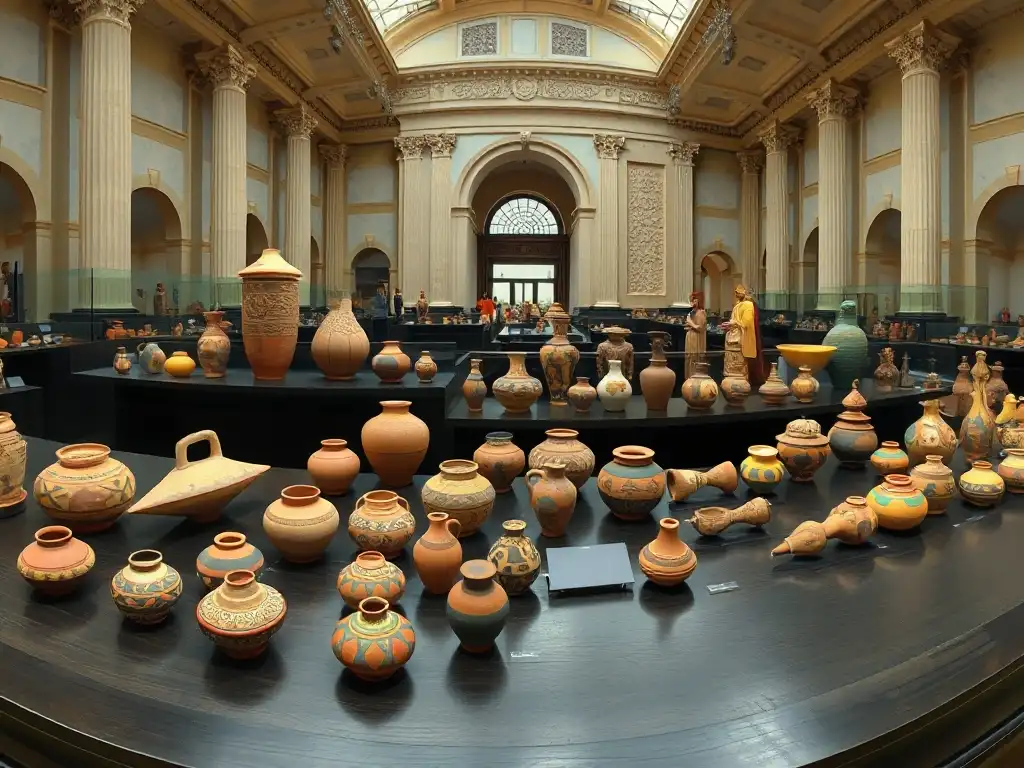
Uncover the secrets whispered by the sands of time! Journey with us into the captivating world of Andean civilizations, where vibrant cultures flourished and left behind a legacy of breathtaking artistry. Prepare to be amazed by the Moche pottery styles evolution, a testament to the ingenuity and sophisticated aesthetic of this remarkable civilization. Their ceramic masterpieces tell a story spanning centuries – a story waiting to be unearthed. Dive in and discover the surprising transformations of Moche pottery, revealing a society as complex and intriguing as the designs themselves.
- Moche Ceramics: Tracing the Evolution of Artistic Styles
- The Flourishing of Moche Pottery: Moche III and IV
- Late Moche Ceramic Styles: Moche V
- The Evolution of Moche Pottery Shapes
- Moche Pottery Decoration Techniques
- Moche Pottery Iconography: A Window into Moche Society
- Moche Pottery: Legacy and Influence
- Frequently Asked Questions
- Final Reflection: Echoes of the Moche: A Legacy in Clay
- **Unveil the Rich Tapestry of Moche Ceramics! **
Moche Ceramics: Tracing the Evolution of Artistic Styles
The Moche civilization, flourishing along the northern coast of Peru from approximately 100 CE to 800 CE, left behind a remarkable legacy: their exquisite ceramics. More than mere vessels, Moche pottery offers a captivating window into their complex society, religious beliefs, and daily life.
This article delves into the evolution of Moche ceramic styles, exploring the distinct characteristics of each phase and highlighting the artistry that makes these pieces so iconic. By examining the stylistic changes across Moche I, II, III, and IV periods, we aim to understand the cultural and technological advancements reflected in their pottery, tracing the development of this unique artistic expression and its significance within the broader context of Moche culture.
Understanding the evolution of Moche pottery styles provides crucial insight into the societal shifts, artistic innovations, and religious practices that defined this fascinating ancient civilization. Prepare to be amazed by the vibrant colors, intricate detail, and powerful narratives captured in these ancient artifacts, a testament to the Moche people's exceptional skill and creativity.
Introduction to Moche Pottery and its Significance
Moche pottery is renowned for its exceptional craftsmanship and the vivid portrayal of scenes from daily life, mythology, and ritual practices. These meticulously crafted vessels, often featuring intricate details and vibrant colors, serve as invaluable sources of information for archaeologists and historians. The sheer volume of surviving pottery, found in both elite tombs and everyday contexts, speaks to its importance in Moche society.
Beyond their practical function as containers for food, water, and other goods, Moche ceramics held significant symbolic and ritual value. Many pieces depict powerful figures, mythical creatures, and complex narratives, revealing insights into the Moche worldview and social hierarchy. The evolution of these styles reflects not only artistic innovation but also the changing social dynamics and religious beliefs within the Moche culture over several centuries.
The stylistic changes, from simpler forms to elaborate depictions, are indicative of a dynamic society experiencing growth, transformation, and ultimately, decline. The study of Moche pottery, therefore, is crucial for a comprehensive understanding of this fascinating ancient civilization. The range of subject matter, from realistic portrayals of animals and people to fantastical creatures and symbolic motifs, showcases the Moche's artistic prowess and their rich cultural tapestry.
Early Moche Ceramic Styles (Moche I & II)
The early phases of Moche pottery, encompassing Moche I and Moche II, exhibit a gradual progression in stylistic complexity and artistic sophistication. While sharing some common characteristics, distinct features differentiate these two periods, reflecting the evolving artistic sensibilities and technological advancements of the time. The transition between these phases marks a crucial period in the development of Moche artistic expression, setting the stage for the more elaborate and narrative-focused styles of the later periods.
Analyzing these early styles helps us trace the foundations of Moche artistic traditions and understand the processes that led to their later flourishing. The use of different techniques and materials also provides insights into the economic and social structures of the time.
Characteristics of Moche Phase I Pottery
Moche Phase I pottery is characterized by its simpler forms and less elaborate decoration compared to later periods. While still showcasing a degree of craftsmanship, the vessels tend to be more utilitarian in nature, with less emphasis on intricate detail or narrative scenes. Common shapes include bowls, jars, and pitchers, often decorated with geometric patterns, simple motifs, and limited use of color. [Specific color palette data pending].
The use of slip and paint was relatively rudimentary, and the overall aesthetic was less refined than in subsequent phases. Despite its relative simplicity, Moche I pottery provides a vital baseline for understanding the evolution of Moche ceramic styles and lays the foundation for the more complex and expressive art forms that followed. The focus on functionality suggests a society still developing its artistic traditions, prioritizing practical needs over elaborate aesthetics.
Defining Features of Moche Phase II Ceramics
Moche Phase II ceramics represent a significant step forward in artistic sophistication. While still retaining some features of the previous phase, Phase II pottery exhibits a greater emphasis on detail, a wider range of colors, and the emergence of more complex decorative motifs. [Specific examples of motifs and color palettes pending]. The shapes of the vessels become more varied, and the craftsmanship shows a clear improvement in both technical skill and aesthetic refinement.
The introduction of more elaborate painting techniques and the increased use of mold-made vessels reflect advancements in ceramic technology. This period marks a transition toward the highly stylized and narrative-rich pottery characteristic of later Moche phases. The increased complexity of the designs suggests a growing social complexity and a more sophisticated artistic tradition.
The Rise of Narrative Scenes in Early Moche Art
A key development in Moche Phase II pottery is the emergence of narrative scenes. While earlier phases primarily featured geometric patterns and simple motifs, Phase II vessels begin to depict increasingly complex scenes, often featuring human figures, animals, and mythological creatures. These narrative scenes, while still relatively simple compared to later periods, represent a significant shift in the artistic focus, moving from purely decorative designs to the telling of stories and conveying of meaning.
[Specific examples of narrative scenes and their interpretations pending]. The inclusion of these scenes offers invaluable insights into Moche mythology, social structures, and daily life.
The growing sophistication of these narrative depictions signifies a maturing artistic tradition and a culture increasingly focused on symbolic representation and storytelling through their art. The use of narrative scenes in Moche pottery establishes a powerful precedent for the highly developed and complex narrative representations that would characterize the later Moche periods.
The Flourishing of Moche Pottery: Moche III and IV
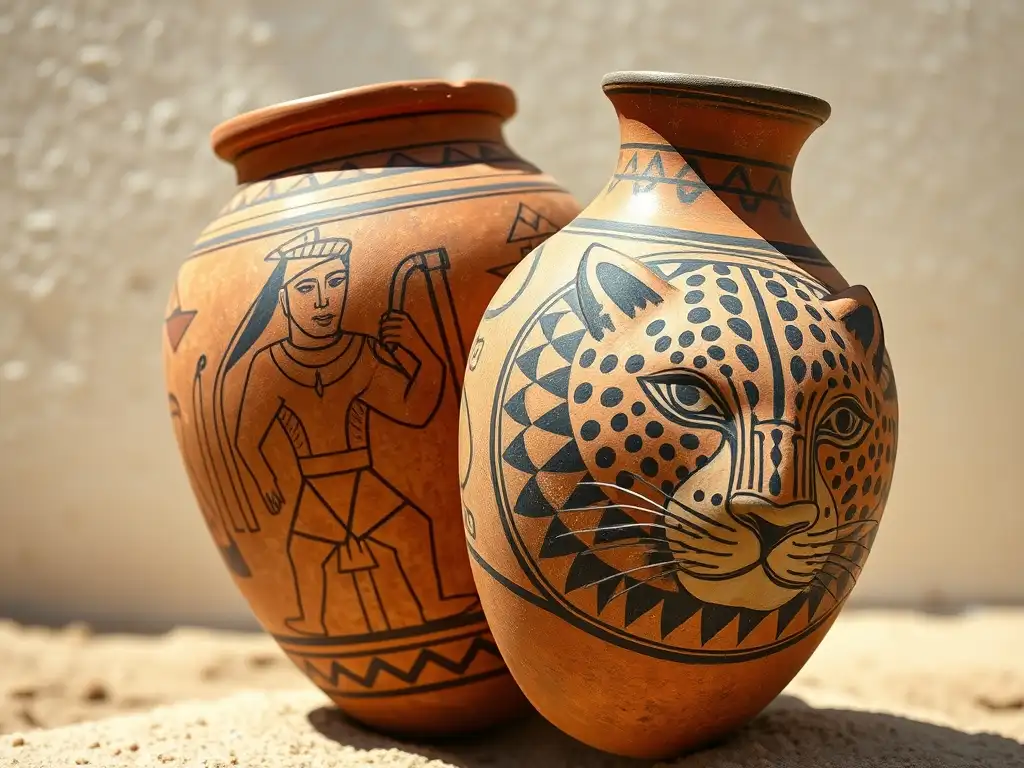
The Moche pottery styles evolution truly reached its zenith during the Moche III and IV periods (circa 200-700 CE). These phases witnessed a remarkable refinement of techniques, a diversification of iconographic themes, and an unprecedented level of artistic skill. Understanding the stylistic shifts during these periods provides crucial insight into the societal changes and evolving worldview of the Moche people. The evolution of Moche ceramic styles wasn't just a matter of aesthetic change; it reflected transformations in power structures, religious beliefs, and daily life. This section will explore these crucial developments in detail.
Moche Phase III: Refinement and Detail
Moche Phase III pottery showcases a clear progression from the earlier styles. While retaining the characteristic modeling and vibrant colors of previous phases, Moche III artisans introduced greater complexity and detail to their work. The overall aesthetic moved toward a more refined and sophisticated look.
Increased Complexity in Moche III Iconography
The narrative scenes depicted on Moche III pottery became increasingly intricate. Instead of simple, isolated figures, we see more elaborate compositions with multiple characters interacting within detailed settings. For example, depictions of ritual ceremonies involving numerous individuals, each with unique attributes and attire, became more common. The use of negative space also became more sophisticated, enhancing the visual impact of the scenes.
These stylistic changes suggest a growing interest in portraying complex social interactions and religious rituals. Analysis of these scenes reveals a deeper understanding of Moche social structures and beliefs. The increased detail required a higher level of skill and planning, highlighting the growing expertise of Moche potters.
The Emergence of Battle and Sacrifice Scenes on Ceramics
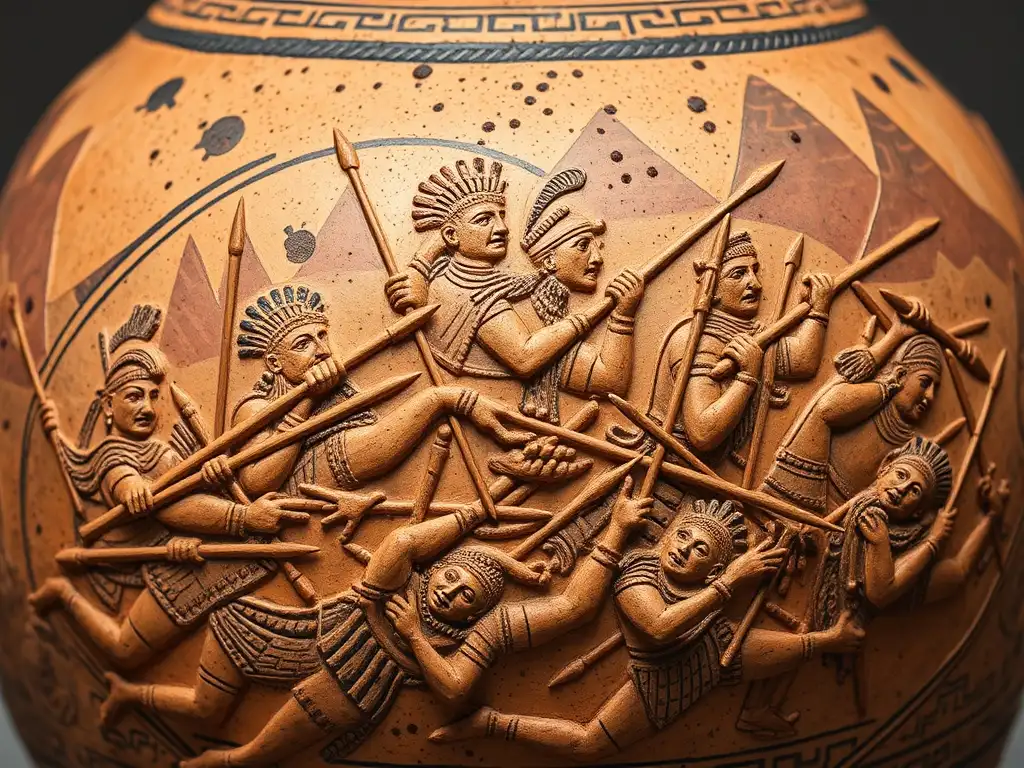
A significant development in Moche III pottery is the prominent appearance of battle and sacrifice scenes. These depictions, often featuring violent confrontations and human sacrifice, offer valuable insights into Moche warfare and religious practices. The level of detail in these scenes, showing individual warriors with distinct weapons and armor, suggests a meticulous observation of actual combat.
These scenes are not simply violent representations; they convey complex narratives about power, conflict, and the relationship between the Moche elite and their subjects. The increasing frequency of these themes in Moche III pottery reflects a potential escalation of warfare or a heightened emphasis on ritual sacrifice within Moche society. Further research into the context of these scenes is needed to fully understand their meaning and significance within Moche culture.
Moche Phase IV: The Pinnacle of Ceramic Artistry
Moche Phase IV (circa 400-700 CE) represents the culmination of Moche ceramic artistry. This period is characterized by an unparalleled level of technical mastery, innovative techniques, and the refinement of existing styles. The evolution of Moche pottery styles in this phase is marked by an exceptional level of detail and realism.
Technical Mastery in Moche IV Pottery Production
Moche IV potters demonstrated exceptional skill in a variety of techniques. The precision of their modeling, the vibrant colors of their paints, and the intricate details of their designs were unmatched. They perfected techniques like slip-casting and modeling, allowing for the creation of incredibly lifelike and detailed vessels.
The use of multiple layers of paint and the application of fine lines and details further enhanced the visual impact of their work. Analysis of Moche IV pottery reveals an advanced understanding of materials and firing techniques, leading to incredibly durable and aesthetically pleasing ceramics. The refinement of these techniques reflects a highly skilled and specialized workforce, possibly indicating a greater degree of social organization within the Moche society.
Iconographic Themes of Power and Ritual
Iconographic themes in Moche IV pottery continued the trends established in Phase III, with an even stronger emphasis on themes of power and ritual. Depictions of elites, often adorned with elaborate headdresses and jewelry, became more prevalent, reflecting the importance of the ruling class in Moche society. The portrayal of ritual scenes, including sacrifices and ceremonies, remained a significant theme, often depicted with an increased level of detail and realism.
The evolution of Moche pottery styles in this context underscores the continuing importance of religious beliefs and practices in shaping Moche culture. These elaborate scenes provide valuable insights into Moche religious beliefs, social hierarchy, and the role of the elite in maintaining social order. The consistency of these themes across many vessels suggests a strong ideological underpinning to Moche society and the importance of reinforcing these themes through visual representations.
Late Moche Ceramic Styles: Moche V
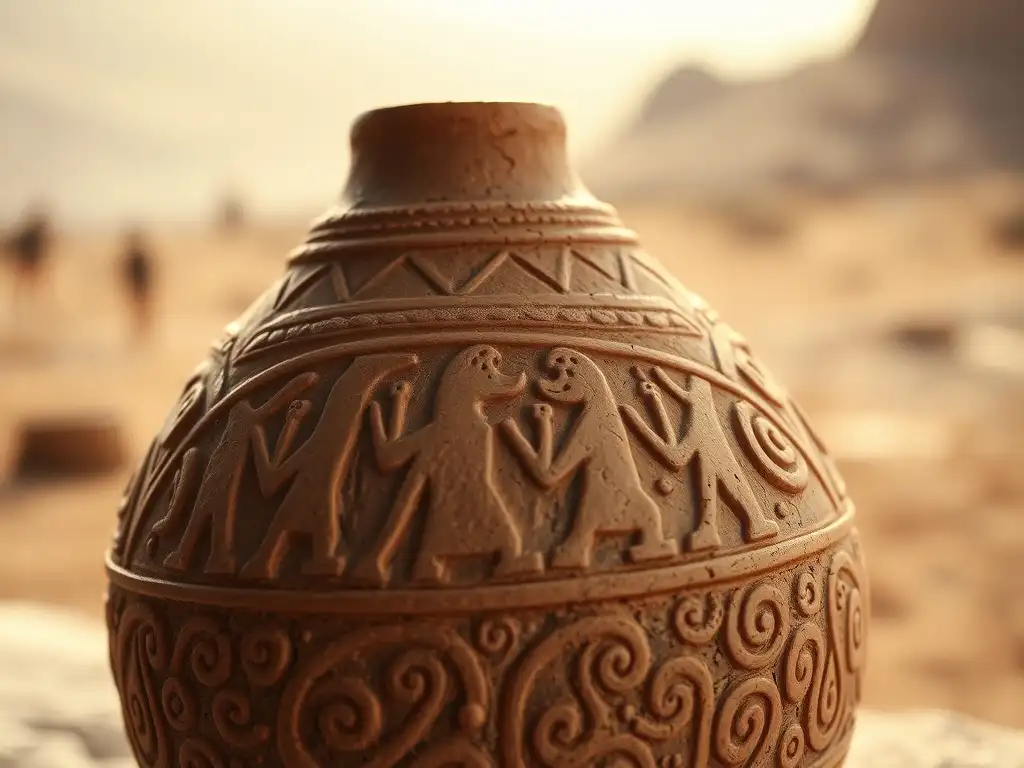
The Moche V period (circa 400-700 CE) marks a significant shift in ceramic production, representing a departure from the elaborate and highly stylized forms characteristic of earlier Moche phases. Understanding the evolution of Moche pottery styles during this time requires examining the interplay of several factors, including societal changes, resource availability, and potentially, external influences. The analysis of Moche pottery styles evolution during this phase reveals a fascinating story of adaptation and change within a complex society facing internal and external pressures.
Moche Phase V: Stylistic Changes and Regional Variations
Moche V pottery showcases a noticeable simplification compared to the preceding phases. The intricate details and vibrant polychromy that defined Moche III and IV ceramics are largely absent. Instead, we see a trend towards less complex forms and a reduction in the range of colors used.
While earlier Moche pottery often featured highly detailed figurative representations, Moche V pieces frequently display simpler geometric designs, abstract patterns, and a decrease in the prevalence of anthropomorphic and zoomorphic depictions. This evolution wasn't uniform across the entire Moche territory. Regional variations in style became more pronounced, suggesting a weakening of centralized control or perhaps the emergence of independent workshops and artistic traditions.
The stylistic changes in Moche V pottery reflect a broader transformation within the Moche society, possibly indicating shifts in social organization, religious beliefs, or economic structures. Further research is needed to fully understand these complex relationships. The available data suggests a move away from the highly centralized artistic production seen in earlier periods.
Simplification of Forms and Decoration in Late Moche Pottery
The simplification of forms in Moche V pottery is readily apparent. The iconic stirrup-spout vessels, while still present, often display less elaborate modeling and fewer decorative elements. Many vessels show a reduction in size, with a preference for smaller, more utilitarian shapes.
The intricate mold-made decorations of earlier periods are replaced by simpler techniques, including incised lines, painting with fewer colors (often restricted to black, red, and white), and less detailed modeling. For example, the highly detailed depictions of warriors and deities seen in Moche III and IV are largely replaced by more abstract designs or simpler representations of the same themes. This reduction in complexity might reflect a shift in resources or a change in the social significance of elaborate ceramic production.
It may indicate a decline in the specialized workforce needed to produce the highly detailed pieces of earlier phases. The shift towards simpler forms might also have been a response to changing social values or a reflection of different aesthetic preferences.
Regional Styles and Influences on Moche V Ceramics
The decline of the Moche state also contributed to the rise of regional variations in ceramic styles. While earlier periods show a remarkable stylistic uniformity across the Moche territory, Moche V pottery exhibits a greater diversity of forms and decorative motifs. Some regions show a preference for certain types of vessels or decorative patterns, suggesting the emergence of independent artistic traditions.
This regionalization could be linked to the weakening of central authority and the rise of smaller, more localized political entities. The possibility of external influences also needs consideration. Contact with other cultures in the Andes might have contributed to the stylistic changes observed in Moche V ceramics.
However, identifying specific external influences requires further investigation and comparative analysis of Moche V pottery with contemporary ceramics from neighboring regions. The lack of detailed archaeological data on trade routes and interactions limits our understanding of this aspect of Moche V ceramic evolution.
The Decline of Elaborate Figurative Art
The most significant change in Moche V pottery is the marked decline in the production of elaborate figurative art. The iconic portraits of individuals, detailed depictions of mythological beings, and realistic representations of animals, so characteristic of earlier phases, become much rarer. While some figurative elements remain, they are generally simpler and less detailed.
This reduction in figurative art might reflect a change in social values or religious beliefs, or it might simply be a consequence of the economic and political instability that characterized the late Moche period. The shift away from elaborate figurative art might also be related to a change in the social function of ceramics. If elaborate vessels were primarily used in elite contexts, their decline might reflect a shift in power structures or a change in the rituals and ceremonies in which they were used.
Further research into Moche burial practices and the context of ceramic finds is needed to understand the reasons behind this significant stylistic shift. The disappearance of these highly detailed representations marks a significant turning point in Moche artistic expression and reflects the broader societal transformations of the period.
The Evolution of Moche Pottery Shapes
From Simple Vessels to Complex Forms
The Moche pottery styles evolution is a fascinating journey reflecting both technological advancements and evolving artistic sensibilities. Early Moche pottery (Moche I, roughly 100-200 CE) demonstrates a relatively simple approach to vessel shapes. These early pieces often feature basic forms like bowls, jars, and shallow dishes, primarily focusing on functionality. The decoration, while present, was less elaborate than in later periods, often consisting of simple painted lines or geometric patterns. This reflects a focus on practicality, with less emphasis on complex artistic expression. As the Moche civilization progressed, however, a dramatic shift occurred.
The development of more sophisticated techniques and a growing artistic sophistication led to significantly more complex forms in later Moche phases (Moche II and III, roughly 200-800 CE). The range of shapes expanded dramatically, incorporating intricate details, additions like handles and appendages, and a greater variety of sizes. This evolution mirrors the increasing complexity of Moche society, reflecting a growing social hierarchy and the emergence of specialized artisans.
The sheer variety of forms—from large storage jars to miniature figurines—testifies to the Moche mastery of ceramic production and their profound artistic vision. The transition from simple, utilitarian shapes to complex, highly stylized forms showcases not just a technological advancement, but also a significant cultural and artistic development.
Changes in Vessel Shapes Across Moche Phases
Analyzing the evolution of Moche pottery shapes across the different phases reveals a clear trajectory. The following table summarizes key changes in vessel forms:
| Moche Phase | Predominant Shapes | Notable Characteristics | Artistic Style |
|---|---|---|---|
| Moche I (100-200 CE) | Bowls, jars, simple dishes | Primarily functional; limited decoration | Simple painted lines, geometric patterns |
| Moche II (200-500 CE) | Stirrup-spouted vessels, double-spouted vessels, anthropomorphic vessels | Increased complexity; introduction of intricate details and appendages | More elaborate painting, three-dimensional modeling |
| Moche III (500-800 CE) | Highly stylized anthropomorphic and zoomorphic vessels, complex composite forms | Peak of artistic complexity; intricate modeling and painting; use of mold-making | Highly detailed scenes; vibrant colors; masterful execution |
The transition from simpler, more functional forms in Moche I to the highly complex and stylized vessels of Moche III demonstrates a significant development in artistic expression and technological capabilities. The increasing complexity reflects not only a mastery of ceramic techniques but also the evolving artistic and cultural landscape of the Moche civilization. The increasing sophistication of Moche pottery mirrors the growing complexity of their social structures and their religious beliefs. The detailed depictions on the later vessels provide valuable insights into their daily life, rituals, and mythology.
The Significance of Stirrup Spouts and Other Forms
The iconic stirrup spout, a defining characteristic of Moche pottery, didn't appear fully formed. Its development is a gradual process, evolving from simpler spouts to the elaborate, often anthropomorphic or zoomorphic forms seen in later phases. The stirrup spout, a distinctive feature that allows for easy pouring, isn't merely functional; it also serves as a powerful artistic element. Often decorated with intricate scenes and figures, the spout itself becomes a focal point of the vessel's artistic expression. The evolution of the stirrup spout perfectly illustrates the Moche's ability to seamlessly integrate functionality with artistic expression.
Beyond stirrup spouts, other forms, such as double-spouted vessels and anthropomorphic and zoomorphic vessels, hold significant meaning. Double-spouted vessels, for example, often appear in funerary contexts, suggesting a ritualistic significance. Anthropomorphic and zoomorphic vessels, depicting human and animal figures, provide valuable insights into Moche mythology and religious beliefs.
These forms often feature intricate details and vibrant colors, showcasing the high level of skill and artistry achieved by Moche potters. The development and diversification of these forms reflect the richness and complexity of Moche culture and underscore the enduring significance of their ceramic artistry. Analyzing these forms and their evolution gives us a deeper appreciation for the Moche civilization and their remarkable contributions to art and technology.
Moche Pottery Decoration Techniques
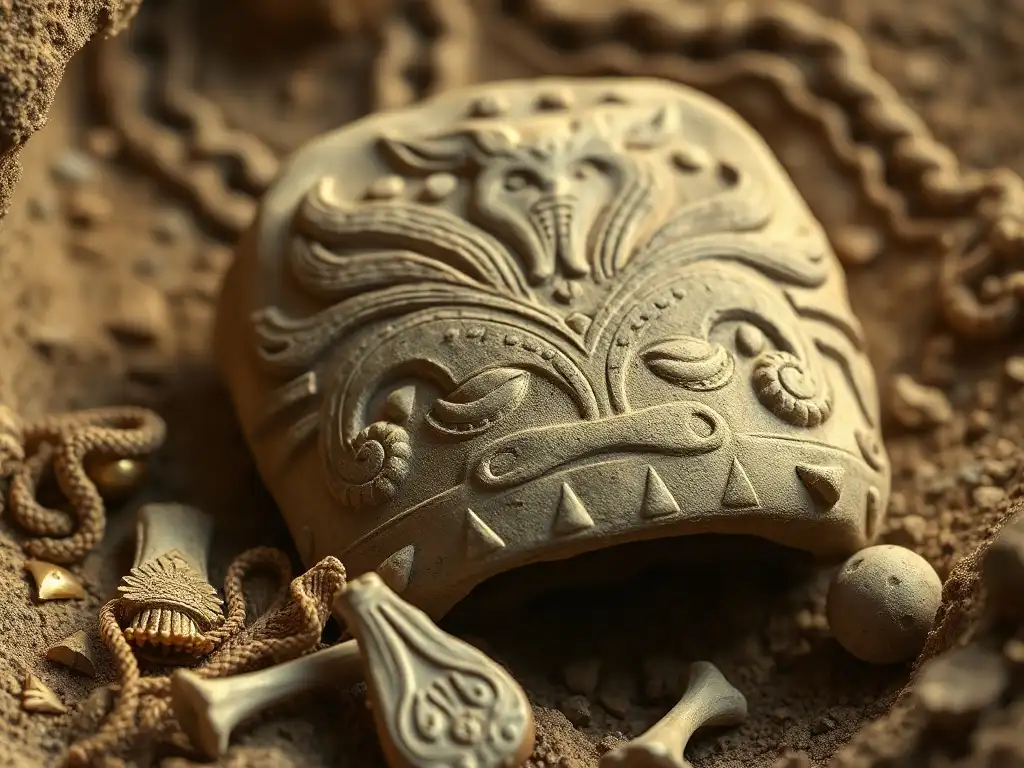
The Moche, a pre-Columbian civilization flourishing on Peru's northern coast from roughly 100 CE to 800 CE, left behind a remarkable legacy of ceramic artistry. Their pottery isn't merely functional; it's a vibrant window into their complex society, religious beliefs, and daily life. Understanding the evolution of Moche pottery styles requires a close examination of the techniques employed by these skilled artisans.
The sophisticated techniques used in the creation of Moche pottery contributed significantly to the distinctive styles that evolved over time. This section delves into the methods they utilized to create their iconic pieces, highlighting the artistry and technical prowess involved. The evolution of Moche pottery styles is intricately linked to the refinement and innovation of these decoration techniques.
Painting, Modeling, and Molded Pottery
Moche ceramic decoration wasn't a single process; rather, it was a multifaceted approach combining painting, modeling, and molding techniques. The artisans skillfully integrated these methods to produce a wide range of visual effects and levels of detail. This combination of techniques allowed for both mass production of certain forms and the creation of highly individualized, unique pieces. The mastery of these techniques allowed for the creation of incredibly detailed and lifelike representations of people, animals, and mythological figures. The evolution of Moche pottery styles is directly tied to the increasing complexity and sophistication of these combined techniques.
The Use of Slip and Pigments in Moche Ceramics
Slip, a liquid clay suspension, served as the base for Moche pottery decoration. Applied before firing, the slip provided a smooth surface and acted as a ground for the vibrant pigments. These pigments, derived from natural sources such as minerals and plants, were meticulously ground and mixed to achieve a wide spectrum of colors. Red, white, black, and yellow were particularly common, often used in combination to create intricate designs.
The evolution of color palettes and application techniques throughout the Moche period reflects shifts in artistic preferences and potentially, social structures. Analysis of pigment composition from different Moche periods could provide further insight into this aspect of stylistic evolution. [Specific information pending on pigment analysis across Moche periods].
Molding Techniques and Mass Production
While many Moche pieces are unique works of art, showcasing the artist's individual skill, the use of molds allowed for mass production of certain standardized forms. These molds, often made from clay, facilitated the creation of vessels with consistent shapes and sizes. This is particularly evident in the production of certain types of bowls and jars.
This technique, combined with painting, allowed for the efficient creation of large quantities of similar items, suggesting a degree of standardization in Moche society. However, even mass-produced pieces often exhibited variations in painting and detail, indicating a balance between efficiency and artistic expression. The evolution of Moche pottery styles also involves understanding the interplay between mass production techniques and the unique artistic touches applied to even standardized forms.
Exploring Moche Ceramic Decoration Techniques: A Summary
The evolution of Moche pottery styles is inextricably linked to the development and refinement of their decoration techniques. From the careful application of slips and pigments to the innovative use of molds for mass production, the artisans demonstrated a remarkable mastery of their craft.
The combination of meticulous painting, skillful modeling, and efficient molding techniques allowed them to create a diverse range of ceramic objects reflecting the complexity and dynamism of their culture. Further research into the specific techniques and materials used, particularly through scientific analysis of surviving artifacts, promises to further illuminate the evolution of Moche pottery styles and their significance within the broader context of Moche civilization.
The understanding of these techniques allows us to appreciate not only the aesthetic beauty of Moche pottery but also the sophisticated technology and artistic vision behind their creation. The evolution of these techniques, therefore, is key to understanding the evolution of Moche pottery styles as a whole.
Moche Pottery Iconography: A Window into Moche Society
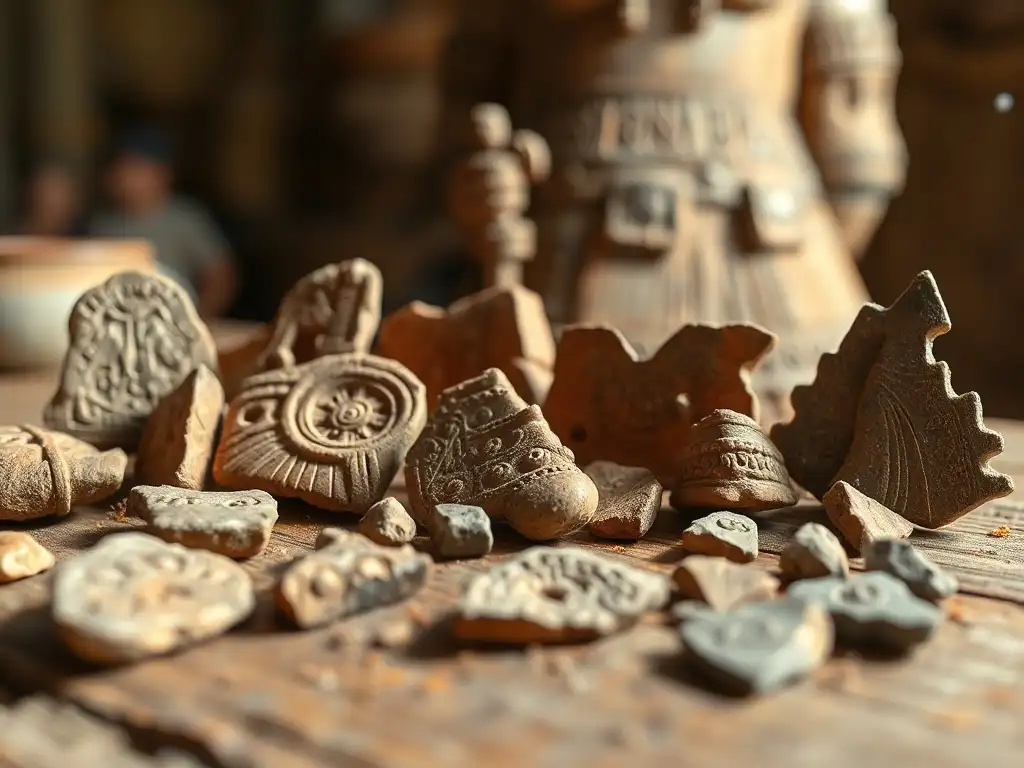
The vibrant and intricate designs adorning Moche pottery offer invaluable insights into the social structures, religious beliefs, and daily lives of this fascinating ancient civilization. Moche ceramic iconography is not merely decorative; it's a rich tapestry woven with narratives, symbols, and representations that reveal a complex worldview. The evolution of Moche pottery styles, closely tied to evolving societal structures and beliefs, provides a chronological roadmap through their history.
Studying these stylistic changes alongside the iconography allows for a deeper understanding of the societal transformations that occurred within the Moche culture. This section will explore the key themes and motifs prevalent in Moche pottery, focusing on their significance and evolution over time.
The meticulous detail and artistic skill evident in these pieces demonstrate the high social status afforded to the artisans and the importance of pottery in Moche society. The stylistic changes and iconographic shifts serve as tangible markers of the periods of growth, stability, and potential decline within the Moche civilization.
The Representation of Gods, Myths, and Rituals
Moche religious beliefs were deeply ingrained in their daily lives, and this is vividly reflected in their pottery. Many vessels depict powerful deities, often anthropomorphic figures with exaggerated features, intricate headdresses, and symbolic attributes. These representations provide clues to the Moche pantheon and the roles of different gods in their cosmology.
For example, the depiction of a specific deity, repeatedly shown holding a staff and wearing a jaguar pelt, might indicate a god associated with both authority and the natural world. The evolution of these divine figures across different Moche pottery styles can reveal changes in religious practices or the rise and fall of specific cults. Some styles show a clear emphasis on specific deities, implying their heightened importance during that particular period.
Analyzing the changing iconography associated with these deities allows researchers to trace the evolution of Moche religious thought and practice. The stylistic changes, even subtle ones like variations in headdresses or jewelry, can signify shifts in religious interpretations or the introduction of new cults.
Moche Iconography and Religious Beliefs
The iconography on Moche pottery is not haphazard. Careful observation reveals recurring motifs and symbolic elements. For instance, certain types of birds, animals (like jaguars and felines), and stylized plants appear frequently, often associated with specific deities or rituals. The presence of these elements in different combinations and contexts within the evolving pottery styles can reveal complex religious narratives and beliefs.
We can observe, for example, a shift from depictions of primarily naturalistic representations of animals in earlier styles to more stylized and symbolic representations in later periods, suggesting a growing abstraction of religious concepts. Further research into the specific meanings assigned to these recurring symbols is crucial for a complete understanding of Moche religious beliefs. The precise function of specific symbols, however, remains a subject of ongoing scholarly debate, requiring further investigation and cross-referencing of archaeological findings.
Depictions of Elite Life and Warfare
Moche pottery frequently depicts scenes of elite life, showcasing the power and wealth of the ruling class. These portrayals often feature elaborate feasts, ceremonies, and depictions of warfare. The styles used to depict these scenes also evolved over time, reflecting changes in social structures and military organization. Early styles may focus on individual warriors, while later styles might emphasize larger battle scenes, suggesting a shift towards larger-scale military campaigns or perhaps the development of a more centralized military structure. The evolution of the weaponry depicted, for example, could provide clues about technological advancements within the Moche military.
Depictions of Elite Life and Warfare
The detailed depictions of elite individuals, often adorned in elaborate jewelry and clothing, are not just aesthetic choices. They serve as visual representations of social hierarchy and power dynamics. The size and prominence of these figures on the pottery often correlate with their status within society. The evolution of the styles used to portray elite individuals, such as changes in clothing styles or jewelry, could reflect changes in fashion, status symbols, or even royal lineage.
Similarly, the depictions of warfare often show varying levels of detail and scale, providing insights into the nature of Moche conflicts and their military capabilities. Further research is needed to fully understand the evolution of Moche warfare and its impact on their society. A systematic analysis of the frequency of warfare scenes in different pottery styles, compared to other themes, could reveal periods of greater social instability or expansionism.
Decoding the Messages Encoded in Moche Pottery
Moche pottery is not just a collection of beautiful objects; it's a visual archive filled with coded messages about their society, beliefs, and history. By carefully analyzing the iconography, styles, and contexts in which the pottery was found, scholars can begin to decipher these messages. The evolution of these artistic styles reflects not only artistic development but also societal shifts, technological advancements, and changes in religious practices.
Understanding the evolution of Moche pottery styles requires a multidisciplinary approach, combining art history, archaeology, anthropology, and other related fields. The intricate details, even seemingly minor variations in style across different periods, can hold clues to significant changes in Moche society.
Decoding the Messages Encoded in Moche Pottery
The challenge in decoding Moche pottery lies in the lack of written language. Researchers must rely on careful observation, comparison across different pieces, and contextual analysis. For example, the presence of specific motifs in burial contexts might indicate their significance in death rituals. The evolution of these motifs over time can provide insight into changes in funerary practices.
Furthermore, stylistic analysis can help to date different pieces and establish a chronological sequence of artistic development. This chronological framework is essential for understanding the evolution of Moche iconography and its relationship to broader societal changes. The careful study of Moche pottery styles is, therefore, crucial for understanding the cultural and historical significance of this remarkable civilization. The development of new analytical techniques and the accumulation of further archaeological data will continue to enhance our understanding of these complex and fascinating artifacts.
Moche Pottery: Legacy and Influence
The Moche civilization, flourishing along the northern coast of Peru from approximately 100 CE to 800 CE, left behind a remarkable legacy, most notably its stunning ceramic artistry. Moche pottery, far from being mere vessels, served as powerful mediums for religious expression, social commentary, and the preservation of cultural narratives. Its influence reverberates through subsequent Andean cultures, impacting artistic styles and techniques for centuries.
Understanding the evolution of Moche pottery styles is key to comprehending the complexity and sophistication of this remarkable civilization. The enduring appeal of Moche ceramics lies not only in their technical mastery but also in their ability to vividly depict scenes of daily life, mythological figures, and ritual practices, offering invaluable insights into Moche society.
The vibrant colors, intricate details, and expressive forms continue to captivate audiences worldwide, making Moche pottery a cornerstone of Andean art history. Analyzing the stylistic changes across different Moche phases provides a chronological framework for understanding the civilization's development and societal transformations.
The Enduring Impact of Moche Ceramic Art
Moche ceramic art wasn't simply a fleeting phenomenon; its impact resonates profoundly through later Andean cultures. The mastery of techniques like modeling, slip painting, and the use of pigments, perfected by the Moche, served as a foundation for subsequent ceramic traditions. The stylistic conventions—the depiction of specific deities, the portrayal of elaborate headdresses, and the representation of ritualistic scenes—influenced the artistic vocabulary of later cultures, often appearing in modified or adapted forms.
For instance, the iconic Moche stirrup-spout vessels, with their distinctive shape and intricate decorations, found echoes in the ceramic work of the Chimú and Inca civilizations, demonstrating a clear lineage of artistic inspiration. This continuity highlights the enduring legacy of Moche artistic innovation and its role in shaping the broader landscape of Andean ceramic production. The stylistic elements, though adapted, served as a recognizable link to the powerful artistic legacy of the Moche.
Moche Pottery and its Influence on Later Andean Cultures
The influence of Moche pottery extends beyond mere stylistic imitation. Later cultures often adopted and adapted Moche techniques, integrating them into their own artistic expressions. The Chimú, for example, while developing their own distinct style, clearly drew inspiration from Moche ceramic traditions in terms of vessel shapes and decorative motifs.
Evidence suggests a process of cultural exchange and adaptation, where later artisans learned from and built upon the foundations laid by the Moche. This isn't merely a matter of superficial resemblance but a deeper integration of techniques and artistic concepts. Analyzing the evolution of specific motifs, like the depiction of certain deities or ritualistic scenes, reveals the ways in which later cultures selectively incorporated and reinterpreted Moche artistic conventions, reflecting both continuity and change in Andean artistic traditions.
The persistence of certain stylistic elements across centuries underscores the profound and lasting influence of Moche pottery. This continuous adaptation demonstrates the enduring power of Moche artistic innovation.
The Importance of Moche Ceramics for Archaeological Understanding
Moche ceramics are invaluable sources of information for archaeologists seeking to understand this ancient civilization. Unlike many other ancient societies, the Moche left behind relatively few written records. Their pottery, however, provides a wealth of information on various aspects of their lives, including their religious beliefs, social structures, and daily activities. The detailed depictions on the vessels, ranging from scenes of warfare and hunting to depictions of everyday life and religious ceremonies, offer unparalleled insights into Moche society.
The iconography—the system of symbols and imagery—found on Moche pottery provides clues to their religious beliefs and cosmology. Furthermore, the stylistic changes observable across different Moche phases allow archaeologists to establish a chronological framework for understanding the civilization's development and its transformations over time. The careful study of Moche pottery, therefore, is crucial for reconstructing a comprehensive understanding of this fascinating and complex civilization.
The careful analysis of Moche pottery allows us to piece together a rich tapestry of their culture, beliefs, and daily lives. This makes Moche pottery a cornerstone of Andean archaeological research. The detailed nature of the pottery provides an unmatched level of insight.
Frequently Asked Questions
What is the significance of Moche pottery?
Moche pottery is incredibly significant because it provides invaluable insights into their daily life, religious beliefs, and social structures. The intricate details and vibrant colors offer a unique window into their world. Artistic skill was highly valued.
How did Moche pottery styles evolve over time?
Moche pottery styles evolved through a series of stylistic phases, marked by changes in painting techniques, shapes, and iconography. Early styles were simpler, while later styles became more elaborate and complex, reflecting societal changes. Technological advancements also played a role.
What are some common themes depicted in Moche pottery?
Common themes include portraits of rulers and elites, depictions of mythological creatures and beings, scenes of daily life and rituals, and representations of fertility and warfare. These themes offer a glimpse into their worldview and values.
What materials did the Moche use to create their pottery?
The Moche primarily used clay sourced from local rivers. They expertly shaped and fired the clay, often using slipping and painting techniques to decorate the finished pieces. The result was durable and visually stunning pottery.
How did Moche pottery techniques compare to other Andean cultures?
While other Andean cultures also produced sophisticated pottery, the Moche's unique style and level of detail were exceptional. Their mastery of modeling, painting, and firing set them apart, producing highly expressive and realistic depictions. Their iconography was particularly distinctive.
Final Reflection: Echoes of the Moche: A Legacy in Clay
The vibrant artistry of the Moche civilization continues to resonate today, a testament to their enduring creativity and sophisticated understanding of ceramic techniques. Their pottery, far from being mere vessels, serves as a powerful window into their complex society, beliefs, and daily lives. The evolution of their styles, meticulously documented throughout this article, reveals a dynamic culture constantly innovating and adapting.
The impact of Moche ceramics extends far beyond the dusty archaeological sites of Peru. Their influence can be seen in contemporary art, inspiring artists and designers to this day. The bold colors, intricate designs, and powerful imagery continue to captivate audiences worldwide. Their legacy is a reminder of the importance of preserving and understanding our shared cultural heritage. The past is never dead. It's not even past.
- William Faulkner. This quote perfectly encapsulates the enduring relevance of Moche pottery, its continued presence in our collective consciousness a testament to its power and beauty.
Consider the intricate details, the bold colors, the stories whispered in the clay. You, too, can become a part of this legacy. Take a moment to appreciate the artistry of the Moche, to reflect on the skill and dedication poured into each piece. Let their vibrant creations inspire you to explore the rich tapestry of human history and to appreciate the enduring power of artistic expression across time and cultures. Engage with the past, and you will find a deeper understanding of the present, and a clearer vision for the future.
**Unveil the Rich Tapestry of Moche Ceramics! **
Thank you for exploring the fascinating world of Moche ceramics with us! You've gained insights into the evolution of artistic styles reflecting the vibrant culture of the Andes. Now, let's delve deeper into this extraordinary art form.
Here are some ways to further your exploration:
- **Visit Local Museums and Galleries:** See authentic Moche ceramics firsthand by visiting a museum or art gallery showcasing Andean artifacts.
- **Take a Pottery Workshop:** Learn traditional techniques inspired by Moche artistry by participating in a pottery workshop. Creating your own piece will provide a unique hands-on experience and connect you with fellow enthusiasts.
- **Share Your Passion:** Inspire others to appreciate the beauty and history of Moche ceramics by discussing your discoveries with friends, family, or online communities.
What specifically captivates you about Moche ceramics, and how will you integrate this rich cultural heritage into your life?