
The Meaning of the Stepped Fret Design: A Cosmic Symbol in Tiahuanaco Art

Uncover the secrets whispered through the ages… Journey with us into the heart of the Andes, where ancient empires flourished and left behind a legacy of breathtaking artistry. From the intricate weavings of the Inca to the enigmatic ceramics of the Moche, we delve into the captivating world of Andean civilizations. But what mysteries lie hidden within the Tiahuanaco stepped fret design? Prepare to be amazed as we unravel the cosmic symbolism etched into this iconic motif – a journey that will redefine your understanding of this remarkable culture.
The enigmatic stepped fret design, a ubiquitous motif in Tiahuanaco art, has captivated researchers and enthusiasts for decades. This intricate pattern, characterized by its repeating series of stepped rectangles, is not merely a decorative element; it represents a profound cosmological and religious symbolism deeply embedded within the worldview of the Tiahuanaco civilization. This article delves into the various interpretations of this iconic symbol, exploring its potential connections to Andean cosmology, agricultural practices, and the very structure of the Tiahuanaco worldview.
We will examine the stepped fret's appearance across different Tiahuanaco artifacts, analyzing its variations and exploring the potential meanings behind its subtle changes. Understanding the stepped fret design offers a crucial window into the sophisticated intellectual and spiritual life of this pre-Columbian society, enhancing our appreciation of their complex relationship with the cosmos.
The exploration of this symbol allows us to better comprehend the Tiahuanaco’s sophisticated understanding of their world and their place within it. Prepare to journey into the heart of Tiahuanaco's enigmatic artistry and uncover the secrets hidden within this fascinating design.
The Prevalence of the Stepped Fret in Tiahuanaco Architecture and Artifacts
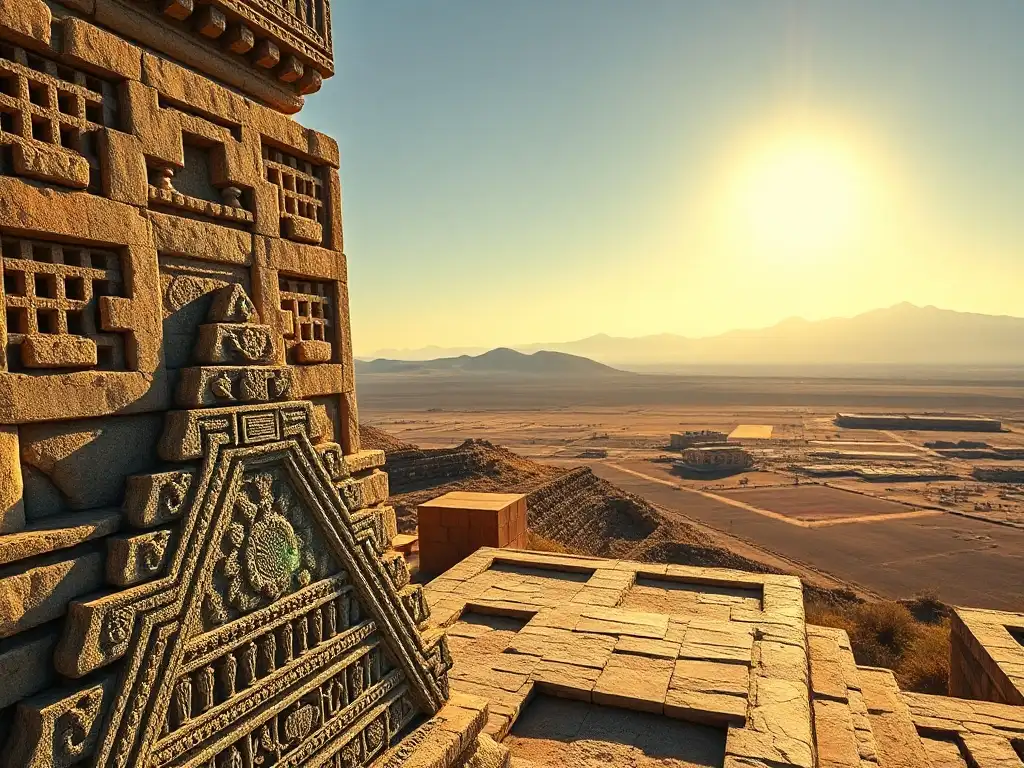
The stepped fret design is remarkably pervasive throughout Tiahuanaco’s artistic output. It adorns the monumental architecture of its capital city, such as the Kalasasaya Temple and the Puerta del Sol, as well as smaller artifacts like ceramics, textiles (where evidence suggests its presence, although preservation is challenging), and intricately carved stone objects. The consistent recurrence of this design across such a diverse range of media strongly suggests its significance as a central motif within Tiahuanaco culture.
Its presence on both large-scale public works and smaller, potentially personal items hints at its importance across different social strata. The meticulous craftsmanship evident in many examples further underscores the cultural value placed upon this repeated symbol. Detailed studies of these artifacts reveal subtle variations in the design, suggesting a level of complexity and nuanced meaning beyond simple ornamentation.
Interpretations of the Stepped Fret: A Cosmic Staircase?
One prominent interpretation of the stepped fret design links it to a representation of a cosmic staircase or pathway. This theory suggests that the steps symbolize the ascent or descent between different realms or levels of existence, perhaps connecting the earthly world with the celestial or underworld. This interpretation aligns with Andean cosmologies, which often featured a multi-layered universe with distinct realms inhabited by different deities and spiritual entities.
The repetitive nature of the design could also represent the cyclical nature of time and the continuous renewal of life, reflecting the importance of agricultural cycles in Andean societies. Further research is needed to fully understand the specific cosmological beliefs reflected in this representation. [Specific information pending: Detailed analysis of related Andean cosmological texts and iconography].
Agricultural Symbolism and the Stepped Fret Design
The stepped fret's resemblance to agricultural terraces, a crucial element of Andean farming techniques, has led some scholars to propose an alternative, or perhaps complementary, interpretation. The design, in this view, could symbolize the carefully constructed agricultural landscapes that sustained Tiahuanaco society. The steps might represent the levels of the terraces, reflecting the society's mastery over its environment and its dependence on successful harvests.
This interpretation is supported by the prevalence of agricultural motifs in other aspects of Tiahuanaco art. The combination of agricultural and cosmological interpretations suggests a possible synthesis, where the stepped fret represents the connection between the earthly realm of agriculture and the celestial realm of the gods, highlighting the sacred nature of farming practices within Tiahuanaco culture. [Specific information pending: Comparative analysis of Tiahuanaco agricultural practices and related artistic motifs].
The Stepped Fret and the Power of the Tiahuanaco Elite
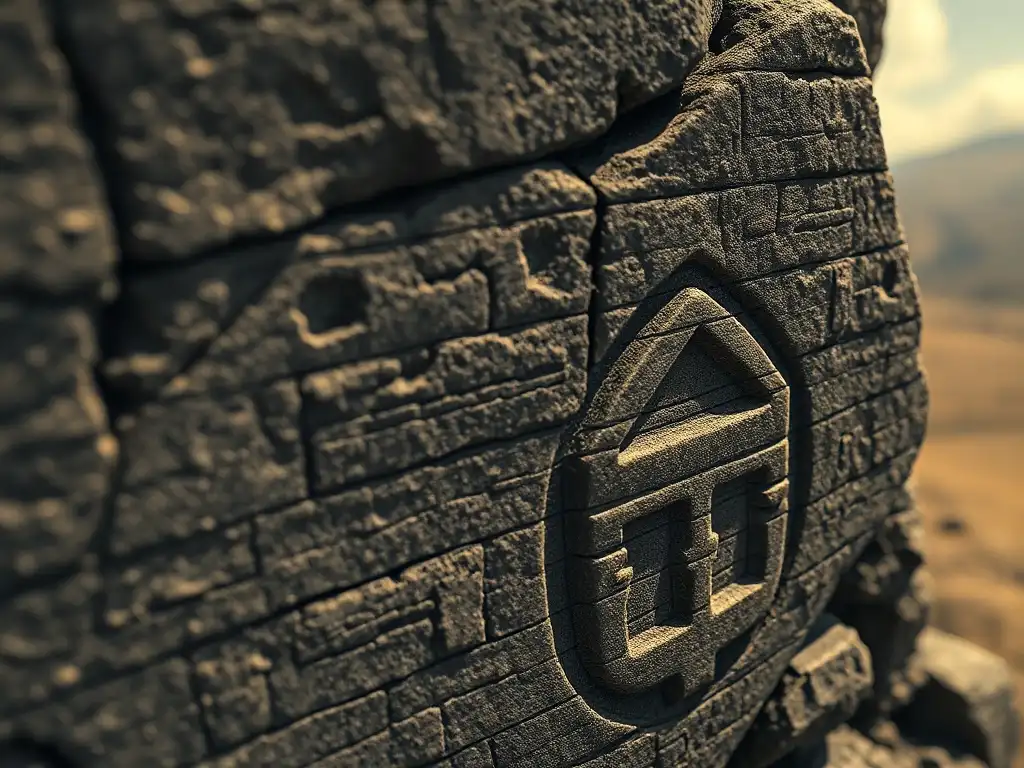
The prominent placement of the stepped fret design on monumental structures and elite artifacts suggests a connection to the power and authority of the Tiahuanaco ruling class. The design may have served as a visual symbol of their legitimacy and control, reinforcing their claim to divine authority or connection to the cosmos. Further research into the social and political organization of Tiahuanaco society is necessary to fully understand the role of the stepped fret in reinforcing social hierarchies.
[Specific information pending: Analysis of Tiahuanaco social stratification and the distribution of artifacts featuring the stepped fret]. The meticulous precision and scale of the stepped fret in monumental architecture further supports this hypothesis, suggesting a significant investment of resources and labor, mirroring the power dynamics of the society.
Unanswered Questions and Future Research
Despite the considerable research already undertaken, many questions surrounding the meaning of the stepped fret design remain. Further interdisciplinary research, combining archaeological findings with anthropological and iconographic analyses, is crucial to gain a more comprehensive understanding of this enigmatic symbol. The application of new technologies, such as 3D modeling and advanced imaging techniques, could also reveal previously unseen details and provide new insights into the design's complexity and meaning.
The ongoing investigation of this symbol promises to continue enriching our understanding of Tiahuanaco culture and its unique place within Andean history. The stepped fret design, therefore, stands as a testament to the enduring mystery and intellectual sophistication of the Tiahuanaco civilization, urging continued exploration and scholarly investigation.
- The Prevalence of the Stepped Fret in Tiahuanaco Architecture and Artifacts
- Interpretations of the Stepped Fret: A Cosmic Staircase?
- Agricultural Symbolism and the Stepped Fret Design
- The Stepped Fret and the Power of the Tiahuanaco Elite
- Unanswered Questions and Future Research
Understanding the Stepped Fret Motif in Tiahuanaco Culture
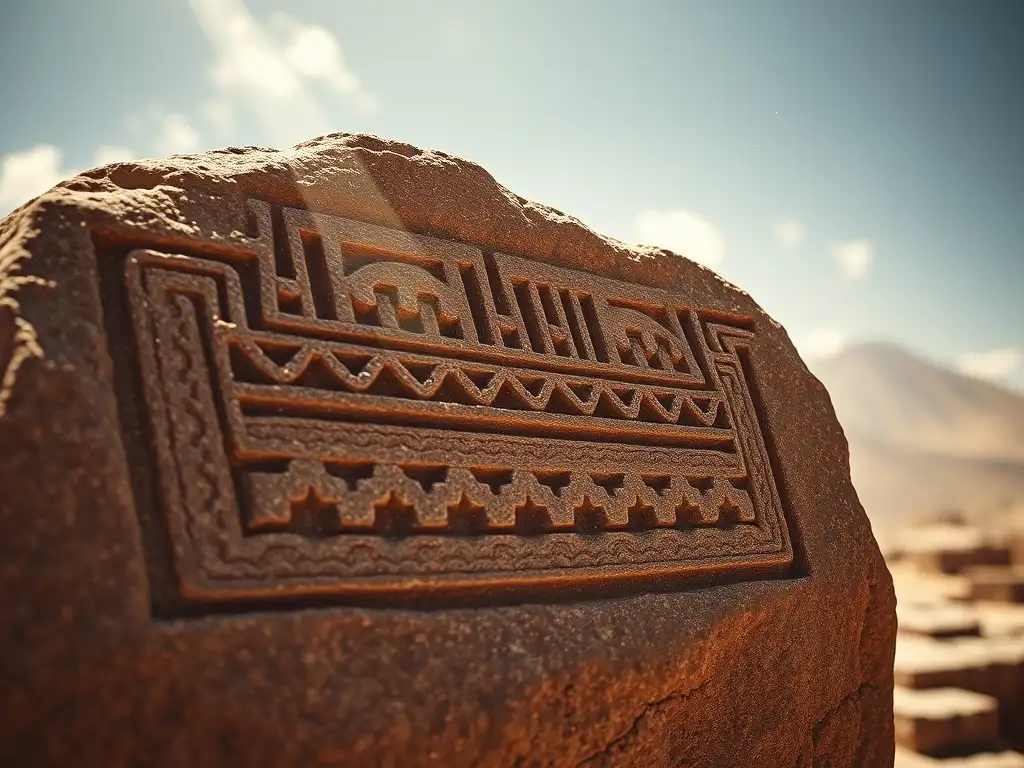
The stepped fret, a ubiquitous motif in Tiahuanaco art, remains a captivating enigma for researchers. Its intricate design, featuring a series of interconnected, stepped rectangles, appears on a vast array of artifacts, from monumental architecture like the Kalasasaya temple to smaller objects such as ceramics and textiles.
Understanding its meaning requires delving into the complex religious and cosmological beliefs of the Tiahuanaco culture, a civilization that flourished in the Andean highlands between 500 and 1000 CE. The prevalence and consistency of the stepped fret design suggest its profound significance within their worldview, likely representing a fundamental aspect of their cosmology or a powerful symbolic representation of their social order.
Further research into the context of its use, alongside comparative analyses with similar motifs from other Andean cultures, is crucial for a complete interpretation. This section explores the origins and interpretations of this fascinating symbol, shedding light on its potential meaning within the rich tapestry of Tiahuanaco culture.
Origins and Prevalence of the Stepped Fret in Tiahuanaco Art
The stepped fret's origins within Tiahuanaco art are not definitively established. However, its early appearance in the culture's artistic repertoire suggests it held a significant role from the civilization's inception. The motif's prevalence is undeniable.
It's not merely a decorative element; rather, it's integrated into the very fabric of Tiahuanaco artistic expression. Archaeological evidence points to its presence on numerous sites and artifacts, showcasing its importance across different mediums and social contexts. For example, the intricately carved stonework of the Kalasasaya complex prominently features the stepped fret design, suggesting its use in monumental architecture was deliberate and symbolic.
Similarly, its presence on smaller artifacts, such as pottery and textiles, indicates a broader usage, potentially signifying its relevance to daily life and religious practices. The consistency in its depiction across various scales and materials strengthens the argument for its deeply rooted cultural and religious significance. Further analysis of the stylistic variations within the motif across different periods of Tiahuanaco's history could potentially reveal insights into its evolving meaning and its possible connection to specific rituals or beliefs.
The Stepped Fret as a Recurring Design in Andean Iconography
While the stepped fret is strongly associated with Tiahuanaco, its presence extends beyond this specific civilization, appearing in various forms in the broader Andean region. This suggests a possible shared symbolic meaning or a diffusion of the motif across different cultures through trade, interaction, or the transmission of ideas. Comparing the Tiahuanaco stepped fret with similar designs found in other Andean cultures, such as the Nazca and Moche, could offer valuable comparative insights.
Analyzing the variations in style, context, and associated imagery could help researchers determine whether the meaning was consistent across these different cultures or if it underwent transformations as it spread geographically. The presence of similar motifs in the wider Andean world underscores the need for a broader, pan-Andean perspective when interpreting the Tiahuanaco stepped fret's significance.
This inter-cultural comparison offers a promising avenue for future research, potentially unlocking deeper layers of meaning embedded within this captivating symbol. Understanding the broader Andean context is essential for a comprehensive interpretation of the Tiahuanaco stepped fret design meaning.
Interpreting the Tiahuanaco Stepped Fret: A Symbolic Exploration
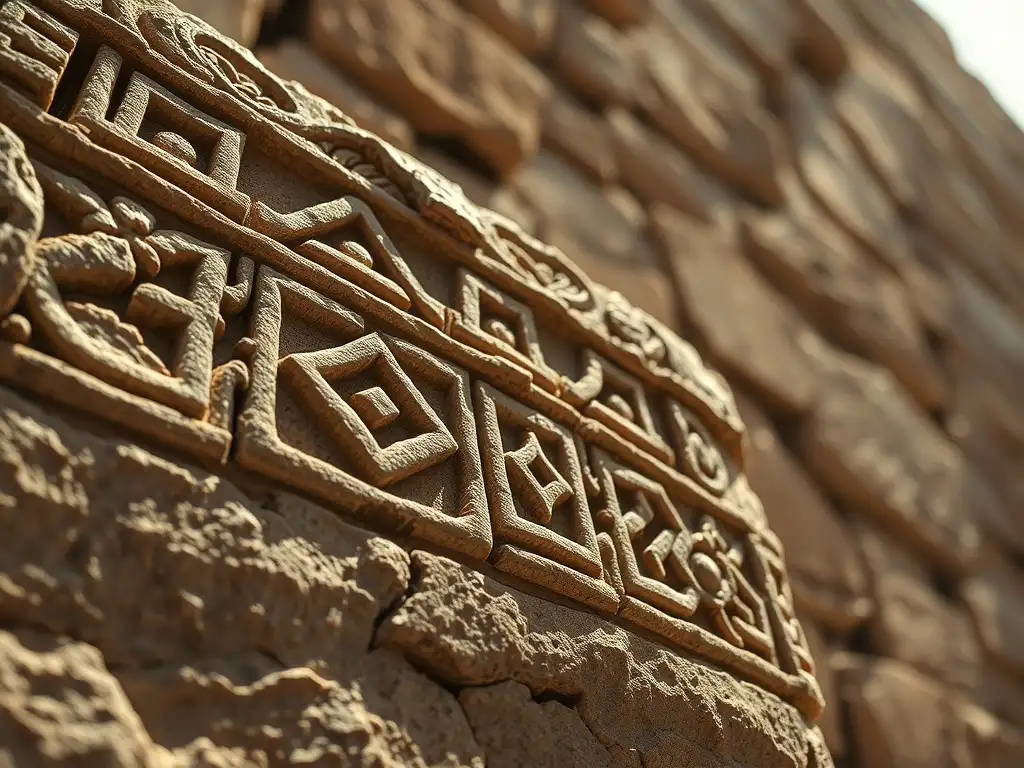
The Tiahuanaco stepped fret design, a recurring motif in the art and architecture of the Tiahuanaco civilization, remains a captivating enigma for researchers. Its ubiquitous presence, from intricate textiles to monumental stone carvings, suggests a profound symbolic significance within the Tiahuanaco worldview. This section explores various interpretations, focusing on the design's potential connection to sacred mountains, its representation of the relationship between the earthly and celestial realms, and its potential association with specific Tiahuanaco deities. Understanding these aspects helps unravel the complex cosmology of this remarkable Andean culture and provides further insight into the "Tiahuanaco stepped fret design meaning".
The Stepped Fret as a Representation of Sacred Mountains
The stepped fret's resemblance to terraced mountains, a prominent feature of the Andean landscape, is striking. Many scholars believe this visual similarity is intentional, reflecting the sacred importance of mountains in Tiahuanaco cosmology. Mountains were not merely geographical features; they were considered apu, powerful deities connecting the earthly and spiritual worlds. The stepped terraces could represent the levels of these sacred mountains, each level potentially signifying a different realm or spiritual plane.
The meticulous craftsmanship involved in creating the stepped fret design, whether on a small textile or a massive stone carving, underscores the reverence and care with which these representations of sacred mountains were produced. This meticulous detail reinforces the importance of the "Tiahuanaco stepped fret design meaning" within the context of their religious beliefs. Further research, perhaps involving detailed analysis of the geographic locations of Tiahuanaco sites in relation to specific mountain ranges, could strengthen this interpretation.
The Stair-Like Symbolism: Connecting the Terrestrial and Celestial Realms
The stepped fret's stair-like structure also suggests a connection between the terrestrial and celestial realms. The steps could symbolize the journey of the soul, the ascent to the heavens, or the cyclical movement between the earthly and spiritual planes. This interpretation aligns with the Andean worldview, which often emphasized the interconnectedness of the cosmos. The upward movement represented by the steps might symbolize the aspiration towards spiritual enlightenment or the connection to the divine.
The number of steps themselves may hold further symbolic weight, potentially relating to specific cosmological cycles or significant numerical values within Tiahuanaco beliefs. Unfortunately, [specific numerical data on the frequency of step counts in different stepped fret designs is pending]. A more thorough analysis of existing artwork and architectural elements is needed to explore this aspect of the "Tiahuanaco stepped fret design meaning" further.
The Stepped Fret and its Association with Tiahuanaco Deities
While direct evidence linking the stepped fret to specific Tiahuanaco deities is limited, its prevalence in contexts associated with religious practices suggests a potential connection. The stepped fret's presence on artifacts found in ceremonial sites or associated with religious rituals implies a symbolic significance within the religious sphere. It is possible that the stepped fret represented a visual manifestation of a particular deity or a symbolic representation of the power and authority of the ruling class, who often held religious authority.
Further research focusing on the context in which the stepped fret appears—the specific artifacts it adorns, the locations where these artifacts were found, and the accompanying iconography—could shed light on its potential association with specific figures within the Tiahuanaco pantheon. This would significantly enhance our understanding of the "Tiahuanaco stepped fret design meaning" and its role in religious practices.
The potential connection between the stepped fret and specific deities remains an area of ongoing investigation, requiring a more comprehensive analysis of Tiahuanaco iconography and religious practices. This is a crucial aspect of understanding the full "Tiahuanaco stepped fret design meaning".
The Stepped Fret Design: Variations and Contextual Significance
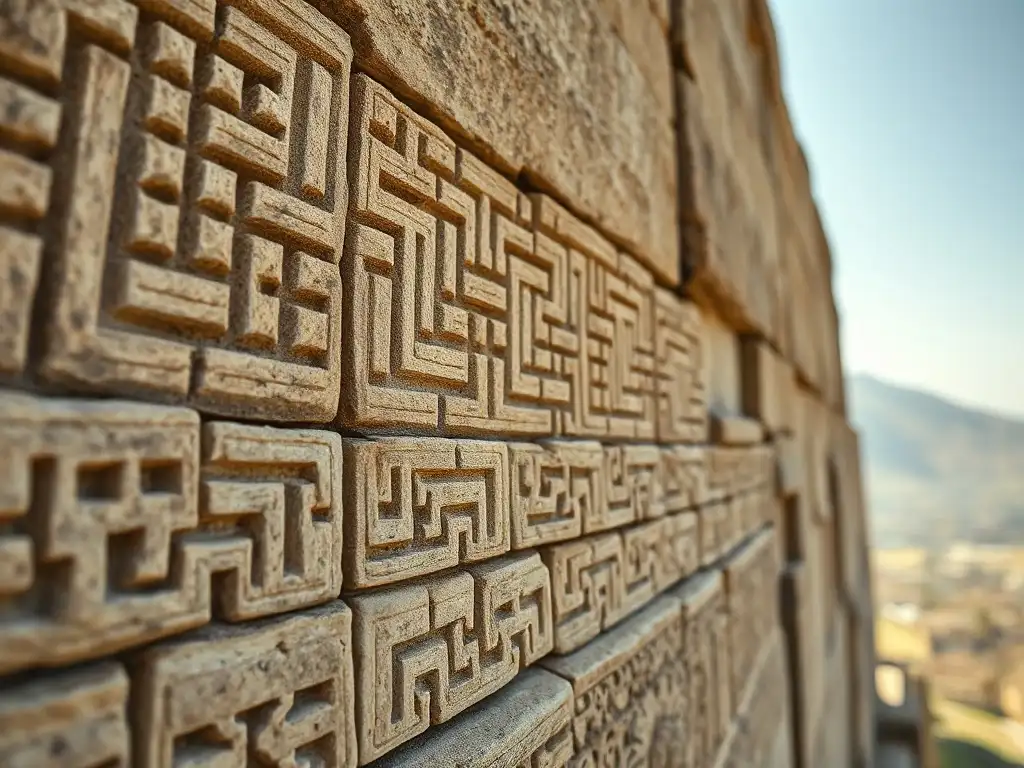
The Tiahuanaco stepped fret design, a recurring motif in Tiahuanaco art, presents a fascinating case study in Andean iconography. Its ubiquity across various media and its consistent symbolic presence suggest a deep-seated cosmological significance within Tiahuanaco culture. Understanding the nuances of its representation requires examining its variations across different artistic expressions and architectural contexts.
This section will explore these variations and their potential implications for interpreting the overall meaning of this iconic symbol. The consistent use of the stepped fret design, a testament to its importance in Tiahuanaco ideology, warrants a detailed analysis to uncover its intricate symbolism and the subtle variations that enrich its meaning.
Stepped Fret Variations in Tiahuanaco Ceramics and Weavings
The stepped fret motif appears in numerous forms across Tiahuanaco ceramics and textiles. In ceramics, the design is often incorporated as a border element on bowls, jars, and other vessels. The number of steps, the width of the bands, and the overall style can vary considerably. Some examples exhibit a highly stylized and geometric representation, while others show a more organic, almost flowing interpretation.
This variability suggests a potential link between the design's specific rendering and its intended meaning within a particular context. For example, a more geometric version might represent a specific celestial body or deity, while a more fluid version could symbolize a different aspect of the cosmos or a terrestrial element. Further research into the specific contexts of these artifacts is necessary to fully understand these variations. Analysis of the pigments and materials used could also provide additional insights into the symbolic significance of these variations.
Detailed analysis of Tiahuanaco textiles reveals similarly diverse depictions of the stepped fret. Weavings often incorporate the motif into complex patterns, sometimes combining it with other symbolic elements such as feline figures or stylized birds. The intricate weaving techniques, the choice of colors, and the placement of the stepped fret within the broader design all contribute to the multifaceted interpretation of this ubiquitous symbol.
For instance, the use of specific colors might relate to seasonal cycles or agricultural practices, adding another layer to the symbolic meaning. Unfortunately, the fragility of many surviving textiles limits the scope of detailed analysis, and further research is needed to fully understand the range of variations and their contextual meanings.
The Stepped Fret in Tiahuanaco Structures and Monoliths
The stepped fret design extends beyond portable artifacts, appearing prominently in the monumental architecture of Tiahuanaco. The most striking example is its incorporation into the intricate stonework of structures like the Kalasasaya, where the motif is meticulously carved into stone blocks, forming part of the overall architectural design. The scale and precision of these carvings highlight the importance of the symbol within the broader cosmological framework of Tiahuanaco society.
The size and placement of the stepped fret within the architectural design likely held specific meaning, reflecting the relationship between the earthly and cosmic realms. These monumental expressions of the stepped fret design further underscore its significance and its integration into the very fabric of Tiahuanaco society.
Unlike the variations seen in ceramics and textiles, the stepped fret in stonework tends to be more consistent in its representation. This consistency may suggest a more formalized, ritualistic, or even canonical interpretation of the symbol in architectural contexts. The precision and scale of the carvings demonstrate the importance of the design and its symbolic meaning, suggesting a deliberate and carefully planned integration into the overall architectural scheme. Future research focusing on the precise measurements and alignments of the stepped frets within the structures could reveal further insights into their cosmological significance.
Contextual Analysis of the Stepped Fret Design: Geographic Adaptations
While the stepped fret design is a hallmark of Tiahuanaco art, its appearance in neighboring cultures and regions suggests a broader distribution and potential adaptation of its meaning. The variations observed in these contexts offer valuable clues to understanding the evolution and interpretation of this potent symbol.
Tracing the geographical spread of this motif and analyzing its variations across different cultural contexts allows us to better understand its overall significance and its potential for cultural exchange and adaptation. Further research examining the specific variations and contexts in these neighboring cultures is crucial to fully understand the broader impact and meaning of the Tiahuanaco stepped fret design.
The potential for regional interpretations of the stepped fret design is a significant area for future research. Did the meaning of the symbol evolve as it spread across different regions? Were local variations influenced by existing beliefs and practices?
Answering these questions will require a deeper understanding of the cultural contexts in which the stepped fret appeared outside of the immediate Tiahuanaco region. The study of related iconography in neighboring cultures could provide valuable insights into the wider dissemination and interpretation of this symbol. Comparative analysis of the stepped fret design across different Andean cultures could help to clarify its origins and broader meaning within the wider Andean cosmological framework.
Tiahuanaco Stepped Fret Meaning: A Synthesis of Interpretations
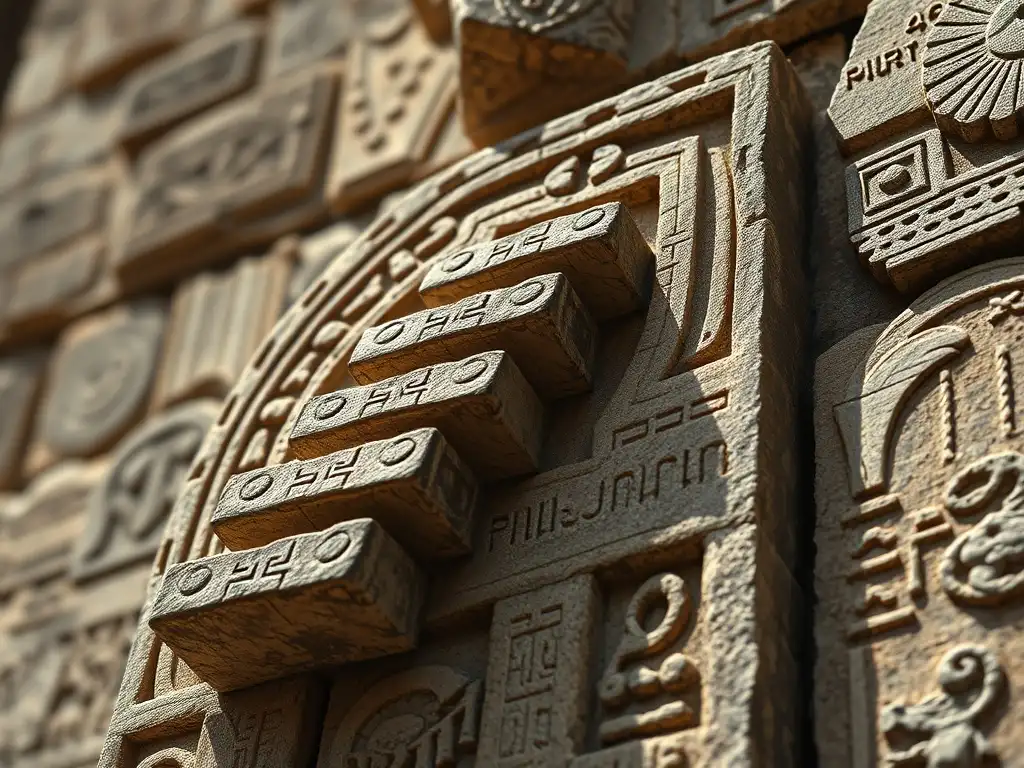
The Tiahuanaco stepped fret design, a recurring motif in the art and architecture of the Tiahuanaco culture, remains a captivating enigma for researchers. Its ubiquitous presence across various media – from intricate textiles to monumental stonework – suggests a profound symbolic significance within the Tiahuanaco worldview. While a definitive, universally accepted interpretation remains elusive, scholars have proposed compelling theories regarding the meaning of this iconic design, linking it to concepts of cosmology, social structure, and ritual practices.
This section synthesizes these interpretations, highlighting the multifaceted nature of the stepped fret's meaning within the context of Tiahuanaco culture. Understanding the Tiahuanaco stepped fret design meaning requires considering its various manifestations and the cultural context in which it appeared.
The Multifaceted Significance of the Stepped Fret
The stepped fret's symbolic weight is not easily reduced to a single meaning. Instead, its significance likely encompassed multiple layers of interpretation, depending on the context of its use. For instance, the size and placement of the stepped fret design varied considerably. On smaller artifacts like pottery shards, it might represent a more localized or personal significance, perhaps related to individual identity or status. In contrast, its presence on monumental structures like the Kalasasaya Temple suggests a broader, more cosmological meaning, reflecting the worldview of the entire Tiahuanaco society.
The design itself offers clues. The repeated steps, often symmetrical, could symbolize cycles of life, death, and rebirth, mirroring the cyclical nature of Andean agriculture and the cosmos itself. The precise number of steps in a given depiction may hold further specific meaning, potentially linked to calendrical systems or astronomical observations, although more research is required to confirm these hypotheses.
Some scholars suggest a connection to the concept of pachakuti, a cyclical renewal of the world. The stepped fret, in this interpretation, visually represents this continuous process of transformation and regeneration within the Andean cosmology. Further complicating the analysis is the occasional inclusion of other symbolic elements within or alongside the stepped fret, adding further layers of meaning to its interpretation.
The Stepped Fret as a Symbol of Transition and Movement
Another prominent interpretation focuses on the stepped fret as a representation of transition and movement, both physical and spiritual. The ascending steps could symbolize the journey of the soul, a pilgrimage towards a higher spiritual realm or a progression through different social strata. This interpretation aligns with the Tiahuanaco emphasis on ritual and the importance of pilgrimage to their sacred sites.
The design's presence on textiles, which were often associated with ritual ceremonies and social status, further supports this idea. The stepped fret, woven into the fabric of ceremonial garments, might have served as a visual reminder of the wearer's role in the social and religious hierarchy, symbolizing their progress or potential ascension within the community.
Moreover, the stepped fret's appearance on architectural elements, particularly those related to water management systems, could symbolize the flow of water, a vital resource for agriculture and a powerful symbol in Andean cosmology. The controlled movement of water, mirrored by the structured steps of the fret, could represent the Tiahuanaco's mastery over their environment and their ability to harness natural forces for their benefit.
The Stepped Fret in Relation to Tiahuanaco Cosmology and Ritual Practices
The stepped fret's prominent role in Tiahuanaco architecture and iconography strongly suggests its connection to the culture's complex cosmology and ritual practices. The design's frequent appearance on structures aligned with astronomical events, such as solstices and equinoxes, reinforces the possibility of its use in astronomical observations and calendrical reckoning.
The stepped fret may have played a role in rituals related to fertility, agriculture, and ancestor veneration. Its presence on objects associated with these practices suggests a connection between the design and the cyclical nature of life, death, and regeneration. Further research is needed to fully understand the relationship between the stepped fret, astronomical alignments, and ritual practices in Tiahuanaco society.
The precise nature of these rituals and their connection to the stepped fret remains largely unknown, but ongoing archaeological investigations and analyses of existing artifacts continue to shed light on this fascinating aspect of Tiahuanaco culture. The multifaceted nature of the Tiahuanaco stepped fret design, encompassing cosmological, social, and ritualistic aspects, underscores its importance as a key symbol in understanding this remarkable civilization. The continued study of the "Tiahuanaco stepped fret design meaning" promises to reveal more about this ancient culture's beliefs and practices.
Stepped Fret Symbolism Beyond Tiahuanaco: Influences and Continuities
The iconic Tiahuanaco stepped fret design, while deeply rooted in the cosmology of that specific civilization, didn't vanish with its decline. Its influence reverberated throughout subsequent Andean societies, demonstrating a remarkable cultural continuity and adaptation across centuries. Understanding this broader context enriches our interpretation of the symbol's meaning, moving beyond a purely Tiahuanaco-centric perspective. The stepped fret's enduring presence suggests a powerful and resonant symbolism that transcended specific cultural boundaries. Its persistence highlights its likely significance as a fundamental element within a broader Andean worldview, rather than a uniquely Tiahuanaco invention.
The Enduring Presence of the Stepped Fret in Later Andean Societies
While the exact mechanisms of transmission remain a subject of ongoing scholarly debate, evidence suggests the stepped fret motif continued to appear in various forms in the art and architecture of later Andean civilizations. For instance, although often stylized or adapted, similar patterns can be found in the ceramics and textiles of the Inca Empire, albeit with potential variations in their specific symbolic interpretations.
The Inca, known for their imperial ambitions and cultural absorption, may have adopted and reinterpreted the stepped fret, integrating it into their own symbolic system. This suggests a process of cultural exchange and adaptation, where the symbol's fundamental visual form persisted while its meaning might have been subtly modified to fit within the Inca worldview.
Further research is needed to definitively establish the extent of these connections and the potential semantic shifts that occurred. Detailed comparative studies of the stepped fret's depiction in Tiahuanaco and subsequent Inca art are crucial for understanding these cultural continuities.
Continuities of the Stepped Fret Motif in Andean Art and Culture
The continuity of the stepped fret motif extends beyond its mere visual presence. The motif's persistent use across different media – from monumental architecture to small-scale artifacts – points to its deep-seated cultural significance. The fact that it appears on textiles, pottery, and stone carvings suggests a versatile symbol capable of expressing complex ideas across various cultural contexts.
This adaptability indicates a symbolic robustness that transcended specific material limitations. Moreover, the stylistic variations observed in its representation across different Andean cultures offer valuable insights into the evolving interpretations of its meaning. These variations might reflect regional differences in Andean beliefs or adaptations to specific artistic traditions.
For example, the use of color, the number of steps, and the incorporation of other symbolic elements all contribute to the nuanced expressions of the stepped fret's meaning across time and space. Further investigation into these variations is crucial to developing a more comprehensive understanding of its broader significance.
The Stepped Fret: Further Avenues for Research
The enduring presence and adaptability of the stepped fret design present numerous opportunities for future research. Several key avenues warrant further investigation: Firstly, a comparative analysis of the stepped fret's representation across different Andean cultures could reveal significant insights into the evolution of its meaning. This could involve detailed stylistic comparisons, as well as an examination of the contextual elements surrounding its appearance in different artifacts.
Secondly, interdisciplinary approaches combining archaeological data with ethnographic studies of contemporary Andean communities could shed light on potential links between ancient beliefs and contemporary interpretations of similar symbolic motifs. This could involve investigating whether elements of the stepped fret's symbolic meaning persist in contemporary Andean traditions, offering valuable insight into the long-term influence of this ancient symbol. Finally, a more thorough investigation of the materiality of the stepped fret—the materials used, the techniques employed in its creation, and its placement within specific architectural or artistic contexts—could also provide deeper understanding of its significance within the Andean worldview.
The Tiahuanaco stepped fret design meaning remains a complex and fascinating topic that invites further scholarly attention. These avenues of research promise to enrich our understanding of this iconic symbol and its place within the rich tapestry of Andean culture.
Frequently Asked Questions
What is the stepped fret design?
The stepped fret design is a geometric motif frequently found in Tiahuanaco art. It features a series of interlocking, stepped rectangles, often arranged in intricate patterns. It's a key element of their visual language.
What is the significance of the stepped fret design in Tiahuanaco culture?
Scholars believe the stepped fret design held deep cosmological significance for the Tiahuanaco people. It likely represented layers of the cosmos, mountain ranges, or even agricultural terraces. Its meaning is still debated.
How is the stepped fret design used in Tiahuanaco art?
The stepped fret design appears on a variety of Tiahuanaco artifacts, including ceremonial textiles, stone carvings, and pottery. It's often incorporated into larger, more complex designs.
What other Andean cultures used similar designs?
While the specific stepped fret design is strongly associated with Tiahuanaco, similar geometric patterns appear in the art of other Andean cultures, suggesting a possible shared cultural heritage or influence across regions.
Where can I see examples of the stepped fret design?
Examples of the stepped fret design can be found in museums around the world that house Tiahuanaco artifacts. You can also find images online in academic databases and publications focusing on Andean art and archaeology.
Final Reflection: Unraveling the Cosmic Tapestry of Tiahuanaco
The stepped fret design, far from being a mere decorative element in Tiahuanaco art, serves as a potent symbol connecting the earthly realm with the celestial, a resonance that continues to intrigue and inspire us today. Its intricate geometry speaks to a sophisticated understanding of cosmology and a profound spiritual connection to the Andes landscape, a testament to the ingenuity and vision of a civilization that flourished millennia ago. The enduring mystery surrounding its precise meaning only adds to its captivating allure.
The impact of the stepped fret design extends beyond the archaeological record; it permeates our understanding of Andean cosmology and its influence on subsequent cultures. Its recurring motifs in textiles, ceramics, and architecture suggest a deeply ingrained cultural significance, a visual language that transcended generations. The past is never dead. It's not even past,
wrote William Faulkner, and the enduring presence of the stepped fret design powerfully illustrates this truth. Its continued study offers invaluable insights into the worldview and spiritual practices of the Tiahuanaco people, enriching our understanding of human history and the enduring power of symbolic representation.
Consider, for a moment, the intricate patterns and the deliberate precision evident in the stepped fret design. What does this tell you about the worldview of the Tiahuanaco people? What connections can you draw between their understanding of the cosmos and your own perspective?
I invite you to delve deeper, to explore the rich tapestry of Tiahuanaco culture, and to contemplate the enduring legacy of this remarkable symbol. Let the stepped fret design inspire you to seek out the hidden meanings in the world around you, and to appreciate the profound connections that bind us to the past and to the cosmos.
Unveil the Depths of Stepped Fret Design Today!
Thank you for exploring the fascinating world of Tiahuanaco art with us! You've discovered the rich significance of the stepped fret design, a symbol deeply rooted in cosmic beliefs. Now, let's put that knowledge to use!
Here are some engaging ways to delve deeper and share your insights:
- Immerse Yourself: Visit a local museum or explore online resources showcasing Andean art to experience the stepped fret design firsthand. Consider visiting a museum with a strong collection of pre-Columbian art.
- Join the Conversation: Share your thoughts and discoveries about Tiahuanaco art on social media or in online forums dedicated to ancient civilizations and Andean cultures. Engaging with others can offer new perspectives.
- Create Something Unique: Let the stepped fret design inspire your own artwork or craft project—whether it's a drawing, painting, sculpture, or even a digital design. Consider how you might reinterpret this ancient symbol in a modern context.
How might your understanding of Tiahuanaco's cosmic symbols influence your perspective on contemporary art and culture?