
Conquering the Andes: Inca Innovations in Farming at High Altitudes


Step into a world lost in time, where ingenuity triumphed over unforgiving terrain. Imagine civilizations carving empires from the towering Andes Mountains, defying the odds with astonishing advancements. This is the story of the Andean civilizations, and we invite you to uncover their secrets. Prepare to be amazed by the Inca farming techniques high altitude, a testament to their remarkable adaptability and engineering prowess – a feat that continues to inspire awe centuries later. Dare to explore the ingenuity behind their survival... and discover how they shaped a legacy that endures.
The Andes Mountains, a formidable barrier stretching along the western coast of South America, presented an unparalleled challenge to ancient civilizations. Steep slopes, thin air, and unpredictable weather patterns made agriculture a constant struggle.
Yet, the Inca Empire, flourishing between the 15th and 16th centuries, not only survived but thrived in this harsh environment, thanks to a sophisticated and ingenious system of agricultural innovations specifically designed for high-altitude farming. This article delves into the remarkable Inca farming techniques that allowed them to cultivate crops at altitudes exceeding 4,000 meters (13,123 feet), transforming the Andean landscape into a productive agricultural powerhouse and supporting a vast and complex empire.
We will explore their mastery of terracing, irrigation, and crop diversification, revealing the ingenuity and resilience that allowed them to conquer not only the Andes physically, but also the challenges of food production in such a demanding environment. Understanding these techniques provides crucial insights into the Inca's remarkable success and offers valuable lessons for sustainable agriculture in high-altitude regions today.
Terracing: Transforming Steep Slopes into Cultivable Land
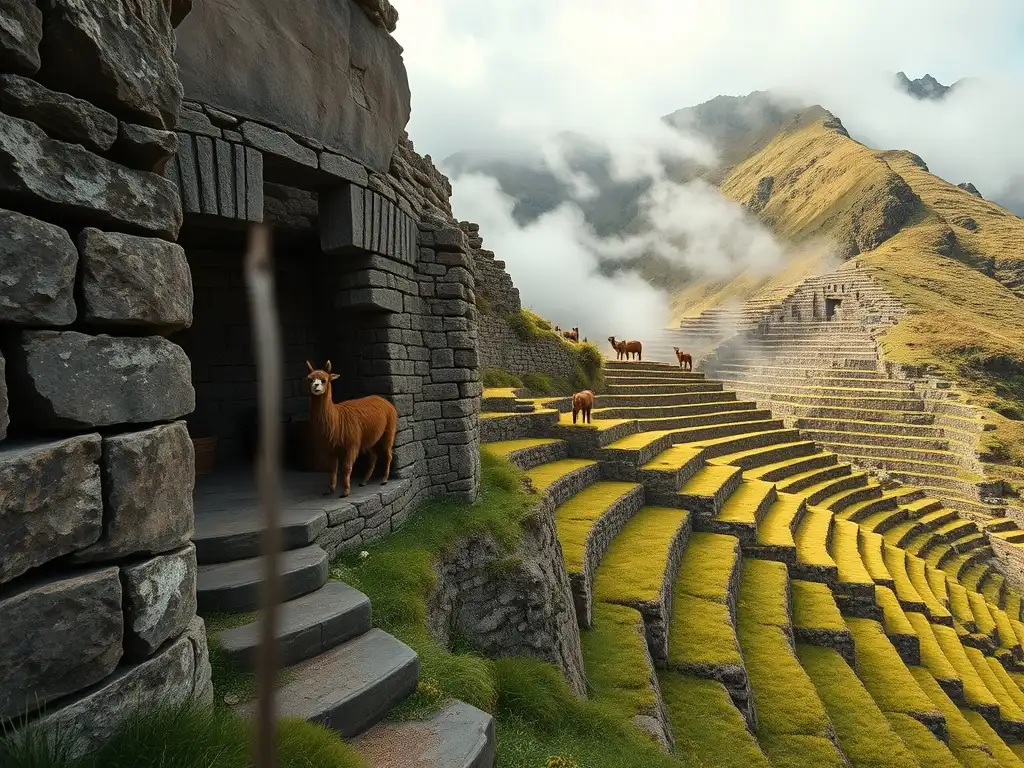
The Inca's mastery of terracing is perhaps their most visually striking and impactful agricultural innovation. They meticulously carved thousands of kilometers of terraces into the steep mountain slopes, creating a series of flat, level platforms. These terraces served several crucial purposes: They dramatically increased the amount of arable land available, reduced soil erosion by slowing the flow of rainwater, and created microclimates that were more conducive to crop growth.
The construction of these terraces was a monumental undertaking, requiring immense labor and sophisticated engineering skills. They utilized stone walls, carefully fitted together without mortar, to retain the soil on the terraces. The precise orientation and construction of these terraces also optimized sunlight exposure and drainage, maximizing crop yields.
The scale of this undertaking is truly breathtaking, a testament to the Inca's organizational prowess and their deep understanding of Andean geography. Evidence suggests that the terraces were not only functional but also aesthetically pleasing, reflecting the Inca's appreciation for both practicality and beauty. The remnants of these terraces still stand as a testament to their engineering prowess and their agricultural ingenuity.
Irrigation Systems: Harnessing Scarce Water Resources
Water scarcity is a major constraint in high-altitude agriculture. The Inca recognized this and developed intricate irrigation systems to channel water from rivers, springs, and melting snow to their fields. These systems involved canals, aqueducts, and reservoirs, often carved into the rock face with astonishing precision.
Some of these canals extended for kilometers, carrying water across challenging terrain. The Inca understood the importance of water management and conservation, implementing techniques to minimize water loss and optimize its distribution. They developed sophisticated methods for controlling water flow and distributing it evenly across the terraces.
The construction of these irrigation systems required advanced understanding of hydraulic engineering and a significant investment of labor. The efficiency of their system allowed the Inca to cultivate crops even in areas with limited water resources, further enhancing their agricultural productivity. The precise engineering and enduring nature of many of these systems highlight the Inca's remarkable ability to adapt to and overcome environmental challenges.
Crop Diversification and Crop Rotation: Ensuring Food Security
The Inca did not rely on a single crop but practiced a strategy of crop diversification and crop rotation. They cultivated a wide variety of crops, including potatoes (with hundreds of varieties adapted to different altitudes and climates), maize, quinoa, beans, and various fruits and vegetables. This approach minimized the risks associated with crop failure due to disease, pests, or adverse weather conditions. Crop rotation helped maintain soil fertility and prevent the depletion of essential nutrients.
The Inca's understanding of different crops' needs and their ability to adapt their cultivation practices to various altitudes and microclimates is a remarkable example of sustainable agriculture. Their agricultural practices ensured food security for a large and densely populated empire, even in a challenging environment. This sophisticated approach provides valuable lessons for modern agriculture, emphasizing the importance of biodiversity and sustainable land management.
Waru Waru: A Sustainable Agricultural Technique
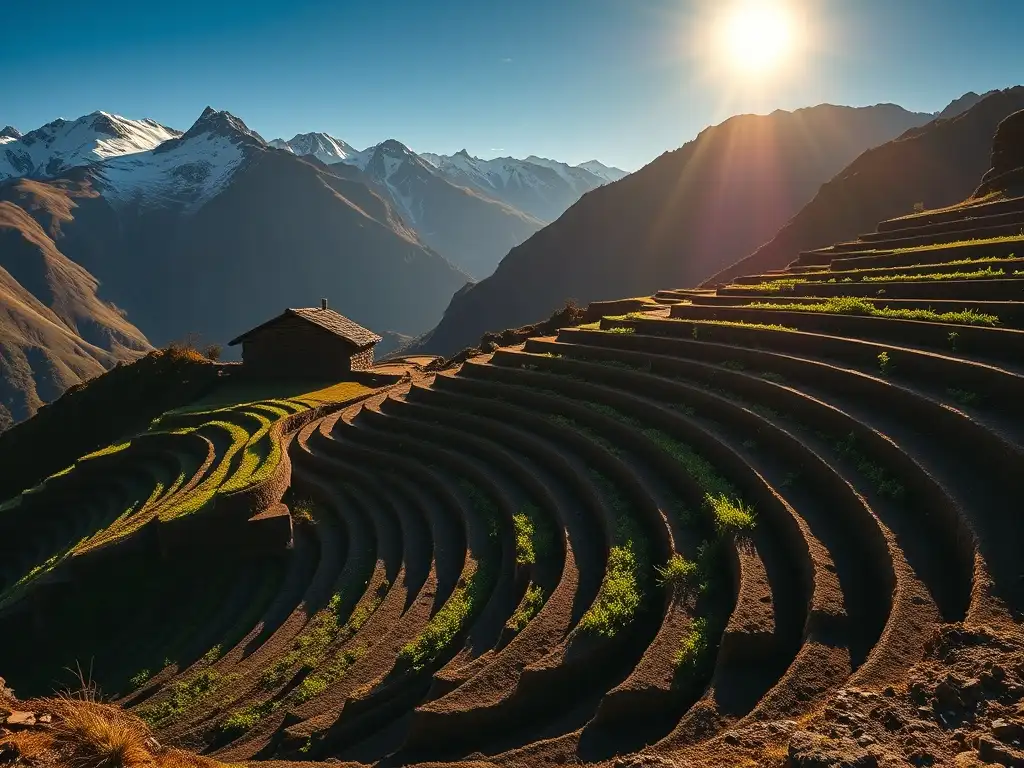
The Inca also employed a unique agricultural technique known as waru waru, which involved creating raised beds separated by irrigation canals. This system offered several advantages: it improved drainage, regulated soil temperature, and provided better control over water availability. The canals within the waru waru system also served as a source of irrigation and helped to moderate soil temperatures. This method reduced frost damage and increased crop yields, especially in high-altitude areas prone to frost.
The waru waru system is a prime example of Inca ingenuity and their understanding of the complex interplay between climate, soil, and water in the Andean highlands. Its sustainability and resilience make it a valuable model for contemporary agriculture in challenging environments. The effectiveness of waru waru demonstrates the Inca's capacity for innovation and adaptation in the face of environmental constraints.
The Legacy of Inca Farming Techniques
The Inca's agricultural innovations were not merely a means of subsistence; they were integral to the empire's power and stability. Their sophisticated farming techniques allowed them to support a large population, maintain a complex social structure, and build a vast empire in a challenging environment. The legacy of these techniques continues to resonate today, providing valuable insights for sustainable agriculture in high-altitude regions.
Understanding their methods can help us address the challenges of food security and environmental sustainability in the face of climate change and population growth. The ingenuity and resilience of the Inca farmers serve as an inspiring example of human adaptation and the power of sustainable agricultural practices.
The study of Inca farming techniques offers crucial lessons for modern agriculture and highlights the enduring value of traditional knowledge. The impact of their advancements is still felt today, reminding us of the importance of understanding and preserving traditional farming practices.
- Terracing: Transforming Steep Slopes into Cultivable Land
- Irrigation Systems: Harnessing Scarce Water Resources
- Crop Diversification and Crop Rotation: Ensuring Food Security
- Waru Waru: A Sustainable Agricultural Technique
- The Legacy of Inca Farming Techniques
- What farming challenges did the Inca face in the Andes?
- How did the Inca overcome the limitations of high-altitude farming?
- What is terracing, and how did it benefit Inca agriculture?
- What other innovative farming techniques did the Inca use?
- What were some of the main crops grown by the Inca at high altitudes?
The Challenge of Andean Agriculture: Farming at Extreme Altitudes
The Andes Mountains present a formidable challenge to agriculture. Inca farming techniques high altitude were crucial for their survival and the success of their empire. The sheer altitude, ranging from 2,000 to over 6,000 meters above sea level, significantly impacts growing conditions.
Thin air results in lower oxygen levels, affecting plant growth and impacting the ability of humans to work at those elevations. Furthermore, the steep slopes lead to soil erosion and limited arable land. Intense solar radiation, fluctuating temperatures (often extreme daily variations), and unpredictable weather patterns, including frost and hail, add further complexity.
The Inca people, therefore, had to develop sophisticated agricultural techniques to overcome these obstacles and ensure food security for their burgeoning population. The ingenuity and adaptability displayed in their farming practices are a testament to their profound understanding of their environment and their capacity for innovation. This understanding wasn't just practical; it was deeply interwoven with their spiritual beliefs and social structures.
Understanding the Harsh Environment of the Andes
The Andes' environment is characterized by several key factors that heavily influenced Inca agricultural practices. Firstly, the altitude directly affects temperature and atmospheric pressure. At higher altitudes, the air is thinner, resulting in lower oxygen levels and reduced photosynthetic activity in plants. This means slower growth rates and lower yields compared to lower elevations.
Secondly, the terrain is extremely challenging. Steep slopes are prone to soil erosion, making it difficult to cultivate crops effectively. Water management is also critical, as rainfall can be unpredictable and often insufficient, especially in drier regions. The mountainous landscape necessitates intricate terracing and irrigation systems.
Thirdly, the climate is highly variable. While some regions experience relatively stable temperatures, many others face drastic daily fluctuations. High altitude areas are particularly susceptible to frost, even during the growing season, posing a serious threat to crops. Hailstorms can also inflict significant damage.
These climatic challenges required Inca farmers to develop resilient crops and sophisticated protection methods. For example, they chose cold-hardy varieties and utilized microclimates to their advantage. The unpredictable nature of Andean weather further highlighted the need for robust agricultural strategies that could cope with unexpected events. The Inca's detailed understanding and adaptation to these harsh conditions is a remarkable example of human resilience and environmental stewardship.
The Need for Innovative Inca Agricultural Practices
The harsh environment of the Andes necessitated the development of innovative Inca agricultural practices. Their ingenuity is evident in their sophisticated techniques, which allowed them to cultivate a variety of crops at extreme altitudes. These practices were not merely technological advancements; they were deeply intertwined with their social organization and spiritual beliefs, highlighting a holistic approach to agriculture.
The terracing of hillsides dramatically increased the amount of arable land available. This wasn't just a simple process; it involved careful planning, precise engineering, and considerable labor. Terraces reduced soil erosion, created level plots for easier cultivation, and improved water retention. The Inca's mastery of terracing is evident in the extensive networks of terraces still visible throughout the Andes today. Each terrace was carefully designed to optimize sunlight exposure and drainage, reflecting a deep understanding of both agriculture and the local topography.
The waru waru system, a raised-field agricultural technique, was another crucial innovation. This involved creating raised beds separated by canals, which provided excellent drainage and moderated temperature fluctuations. The canals served as irrigation channels and also retained water, helping to regulate soil moisture and provide a microclimate favorable to plant growth.
The waru waru system not only enhanced crop yields but also reduced the risk of frost damage. This sophisticated system demonstrates a remarkable understanding of hydrology and its application to agriculture at high altitudes. The efficiency of this system can be observed in its continued use in some Andean communities today.
The Inca also employed advanced irrigation techniques. They constructed canals and aqueducts to divert water from rivers and streams to their fields, often over considerable distances. This allowed them to irrigate even the most arid areas, increasing agricultural productivity significantly. The complex system of canals and aqueducts required careful planning, engineering expertise, and considerable labor. The Inca's ability to manage water resources at high altitudes was a critical factor in their success. The intricate network highlights the importance of water management in high-altitude Andean agriculture.
The Inca's success in conquering the challenges of Andean agriculture highlights not only their technological achievements but also their deep understanding of their environment and their ability to adapt to its demands. Their innovative farming techniques ensured the food security of their empire, contributing significantly to its growth and prosperity. The legacy of Inca farming techniques high altitude continues to inspire sustainable agricultural practices today.
Inca Ingenuity: Mastering High Altitude Farming Techniques
The Inca Empire's success was inextricably linked to its mastery of agriculture, particularly in the challenging high-altitude environments of the Andes. Their innovative farming techniques, developed over centuries, allowed them to cultivate crops in seemingly inhospitable terrain, ensuring food security for a vast and growing population. This section delves into some of the most remarkable Inca farming practices, showcasing their ingenuity and profound understanding of their environment. The keyword phrase "Inca farming techniques high altitude" is central to understanding their remarkable achievements.
Terracing: Creating Arable Land on Mountain Slopes
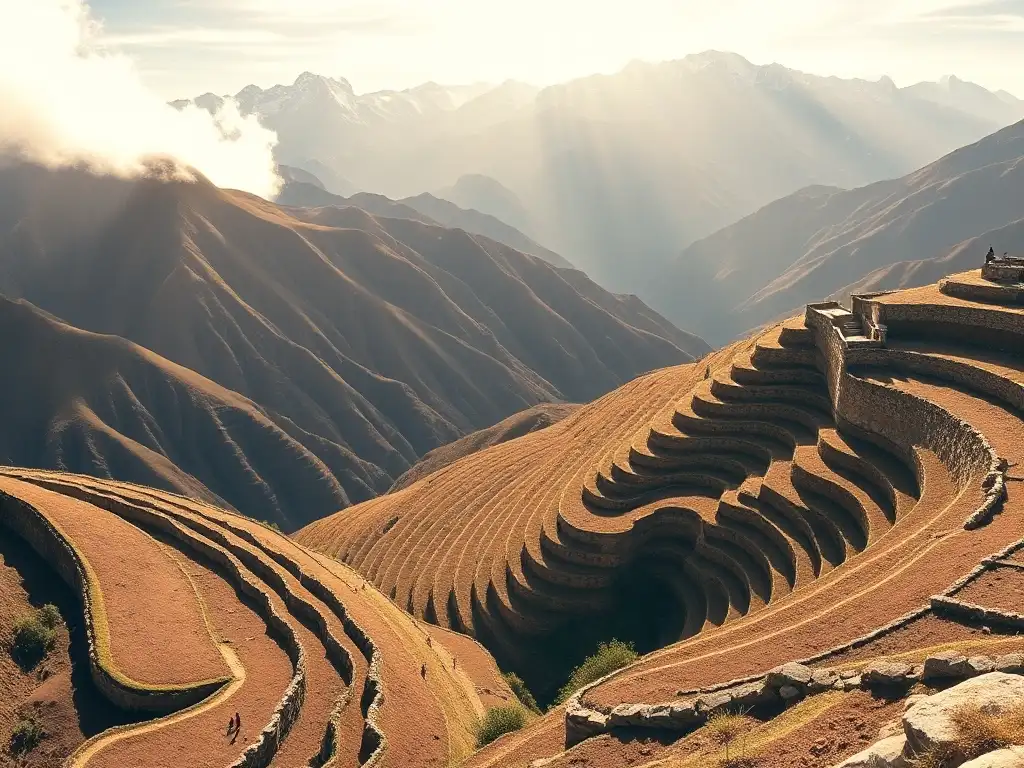
Terracing, the construction of step-like platforms on slopes, was a cornerstone of Inca agricultural practices. This technique dramatically increased the amount of arable land available, transforming steep, unusable mountainsides into productive farmland. These terraces weren't simply carved into the hills; they were meticulously engineered.
The Incas used sophisticated techniques to build retaining walls, often using stone and mortar, to prevent soil erosion and create level planting surfaces. The walls were carefully designed to withstand the forces of gravity and the intense weather conditions prevalent at high altitudes. The size and orientation of the terraces were carefully considered, taking into account factors such as sunlight exposure, drainage, and soil type.
Smaller terraces were often created in steeper areas, while larger terraces were used on gentler slopes. Furthermore, the terraces were often irrigated using a complex network of canals and channels, ensuring that crops received adequate water even during dry periods.
This careful planning and execution maximized the yield from each terraced area, demonstrating a deep understanding of both engineering and agricultural principles. The effectiveness of this method can still be seen in the breathtaking landscapes of the Andes today, a testament to the longevity and ingenuity of Inca engineering.
Waru Waru: Raised Bed Agriculture for Water Management
Waru Waru, a unique raised-bed agricultural system, stands as another testament to Inca agricultural innovation. This technique involved constructing raised beds separated by irrigation canals. This seemingly simple design had profound implications for water management and crop productivity in the high Andes.
The raised beds provided several key advantages. First, they improved drainage, preventing waterlogging which is detrimental to many crops at high altitudes. The canals between the beds acted as reservoirs, storing water and allowing for regulated irrigation. This was crucial in areas with unpredictable rainfall patterns. The system also allowed for better temperature regulation.
The raised beds warmed up more quickly during the day, extending the growing season. Moreover, the canals acted as microclimates, moderating temperature fluctuations and protecting crops from frost. The system's effectiveness was enhanced by the use of organic matter, such as manure and compost, which improved soil fertility and water retention. Waru Waru farming techniques are still practiced in some Andean communities, demonstrating the enduring value of this ancient Inca innovation. The efficiency of water usage in this system makes it particularly relevant to modern sustainable agriculture.
Vertical Agriculture: Optimizing Land Use and Microclimates
The Incas understood the importance of utilizing the diverse microclimates found at varying altitudes in the Andes. Their agricultural practices weren't confined to a single level; they effectively employed a system of "vertical agriculture," cultivating different crops at different altitudes based on their specific climatic requirements.
This strategy maximized land use and optimized crop yields. For instance, hardy crops like potatoes were cultivated at higher altitudes, while more delicate crops were grown at lower elevations. This system allowed the Incas to grow a wide variety of crops, ensuring dietary diversity and resilience against crop failures. The Inca's understanding of microclimates extended beyond altitude, incorporating aspects such as slope orientation and exposure to sunlight.
They carefully selected planting locations to ensure optimal conditions for each crop. This sophisticated approach to agriculture showcases their deep knowledge of their environment and their ability to adapt their farming practices to maximize productivity across diverse conditions. Careful observation and experimentation allowed them to refine this approach over generations, resulting in a highly efficient and sustainable agricultural system. This vertical approach is a powerful example of how environmental understanding can be applied to optimize agricultural production.
Inca Irrigation Systems: Efficient Water Distribution at High Altitudes
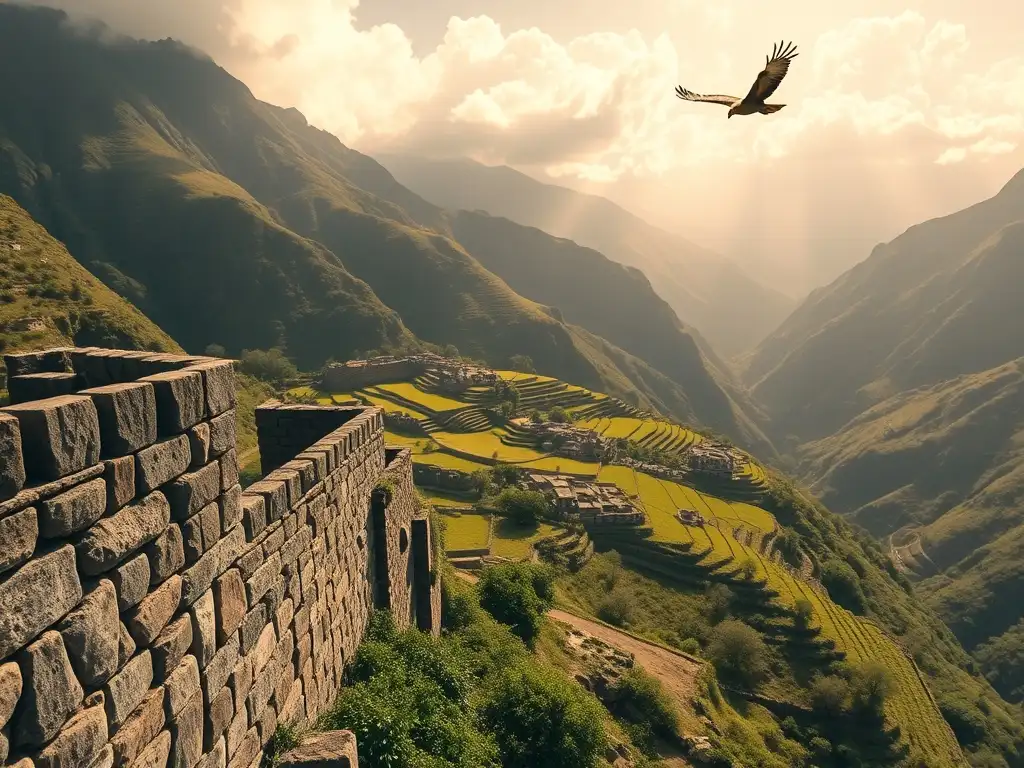
The Inca's success in cultivating the harsh Andean terrain hinged significantly on their sophisticated irrigation systems. These weren't simply canals; they were complex networks meticulously designed to manage scarce water resources at high altitudes. The ingenuity lay not only in the scale of these projects but also in their adaptability to diverse landscapes. Inca engineers skillfully channeled water from distant sources, often using gravity-fed systems to transport water across significant distances and varying elevations.
This involved constructing intricate networks of canals, ditches, and aqueducts, often carved into the steep mountain slopes. These weren't straight lines; they followed the contours of the land, utilizing natural features to minimize construction and maximize efficiency. The systems were remarkably durable, often incorporating techniques like stone lining to prevent erosion and seepage. Evidence suggests sophisticated water management practices, such as the use of reservoirs and storage tanks, to ensure a consistent water supply even during dry seasons.
Furthermore, the system was not static; it was continuously maintained and adapted to changing environmental conditions, reflecting a deep understanding of the local hydrology and a commitment to long-term sustainability. The precise methods of construction, including the tools used and the labor organization, remain areas of ongoing research, but the impressive scale and efficiency of the Inca irrigation systems stand as a testament to their advanced engineering capabilities and their profound understanding of water management in challenging high-altitude environments. The legacy of these systems can still be seen today in some Andean regions, a silent tribute to the Inca's remarkable agricultural achievements.
Soil Management: Nutrient Cycling and Soil Conservation
Inca farming techniques extended beyond irrigation; they incorporated sophisticated soil management practices crucial for sustained productivity in the nutrient-poor high-altitude soils. The Incas understood the importance of maintaining soil fertility and preventing erosion in their challenging environment. They employed a variety of techniques, including terracing, which created level platforms on steep slopes to reduce erosion and create optimal conditions for planting. Terraces also helped to retain moisture, further mitigating the challenges of high-altitude aridity.
Beyond terracing, the Incas practiced crop rotation, strategically alternating crops to prevent nutrient depletion and maintain soil health. This wasn't random; it was a carefully planned system based on an understanding of which crops depleted which nutrients and which crops replenished them. They also utilized organic fertilizers, including manure and compost, to enrich the soil and improve its structure. Evidence suggests the systematic use of guano, bat and seabird droppings, a highly effective fertilizer, enriching the soil with essential nutrients.
Furthermore, the Incas likely employed techniques like intercropping, planting different crops together to enhance nutrient cycling and pest control, demonstrating an integrated approach to soil management that aimed for ecological balance and long-term sustainability. The success of Inca agriculture was not solely a matter of water management; it was also a testament to their deep understanding of soil ecology and their commitment to sustainable farming practices that allowed them to thrive in a remarkably challenging environment. The enduring legacy of these practices continues to inform contemporary Andean agriculture, highlighting the timeless wisdom embedded within Inca soil management techniques.
Key Crops of the Inca Empire: Adapting to the Andes
The Inca Empire's agricultural prowess was crucial to its success, particularly given the challenging high-altitude environment of the Andes Mountains. Mastering Inca farming techniques high altitude was paramount to sustaining a large population and a powerful empire. This mastery wasn't achieved through a single crop, but rather a diverse portfolio of plants uniquely adapted to the varying conditions across the vast Andean landscape. Let's explore some of the key crops that formed the foundation of the Inca diet and economy.
Potatoes: The Staple Crop of the Inca Diet
The potato ( Solanum tuberosum) is arguably the most iconic Andean crop and a cornerstone of the Inca diet. Its incredible adaptability to diverse altitudes and climates was a major factor in the Inca's success. Incas cultivated a wide variety of potato cultivars, each suited to specific ecological niches. Some thrived in the warmer, lower valleys, while others flourished in the frigid, high-altitude puna. This diversity ensured food security even in the face of crop failures in one specific area.
The Incas developed sophisticated techniques for potato cultivation, including terracing, irrigation, and fertilization. Terracing, in particular, allowed them to cultivate steep slopes, maximizing arable land in a mountainous region. They also employed sophisticated systems of crop rotation and fallowing to maintain soil fertility.
The potato's nutritional value – a good source of carbohydrates, vitamins, and minerals – further cemented its importance in the Inca diet. Archaeological evidence suggests that potatoes were prepared in various ways, from boiling and roasting to drying and fermenting, demonstrating a deep understanding of food preservation techniques. The potato's versatility and nutritional benefits made it a truly indispensable food source for the Inca people.
Quinoa: A High-Altitude Superfood
Quinoa ( Chenopodium quinoa) is another remarkable Andean crop, renowned for its nutritional value and resilience in harsh conditions. A "superfood" even by today's standards, quinoa is a complete protein, containing all nine essential amino acids. It's also a good source of fiber, iron, and other essential minerals. Its ability to thrive in high-altitude, arid environments made it an invaluable crop for the Inca Empire, particularly in areas where potatoes struggled to grow.
Unlike many crops that struggle in saline soils, quinoa tolerates high levels of salinity, making it suitable for cultivation in areas with poor drainage or high mineral content. The Incas likely employed similar techniques for quinoa cultivation as they did for potatoes, using terracing and irrigation systems to optimize yields. The versatility of quinoa is also noteworthy; it could be ground into flour, cooked as a porridge, or popped like popcorn, demonstrating its adaptability to various culinary preparations.
Its high nutritional value and resilience contributed significantly to the Inca's ability to thrive in challenging environments. The cultivation of quinoa represented a significant achievement in Inca agricultural technology, highlighting their deep understanding of plant adaptations and soil management.
Other Andean Crops: Oca, Ulluco, and Mashua
Beyond potatoes and quinoa, the Inca diet incorporated a variety of other crops adapted to high-altitude conditions. Oca ( Oxalis tuberosa), ulluco ( Ullucus tuberosus), and mashua ( Tropaeolum tuberosum) are three examples of tuberous root crops that played significant roles in the Inca food system. These crops, like potatoes, offered diverse nutritional profiles and varying levels of tolerance to different environmental factors.
Oca, with its sour taste, was often used in stews and other dishes. Ulluco, with its milder, slightly sweet flavor, was more versatile and could be consumed raw or cooked. Mashua, known for its slightly spicy flavor, was often used as a condiment or in combination with other crops.
These crops, along with others like kiwicha (amaranth) and canihua, contributed to the dietary diversity and resilience of the Inca Empire. Their cultivation showcased the Incas' mastery of diverse agricultural techniques and their ability to adapt to the unique challenges of the Andean ecosystem. The combined cultivation of these crops underscored the Inca's sophisticated understanding of agriculture, contributing to their empire's remarkable longevity and prosperity.
Crop Rotation: Maintaining Soil Health and Productivity
The Incas, masters of high-altitude agriculture, understood the importance of maintaining soil fertility in the challenging Andean environment. Crop rotation was a cornerstone of their farming practices, a technique employed to prevent soil depletion and ensure consistent yields. Unlike monoculture, which depletes specific nutrients, crop rotation allowed them to strategically plant different crops in a cyclical pattern. This prevented the exhaustion of one type of nutrient, while replenishing the soil with organic matter and improving its overall structure.
For instance, they might plant a nitrogen-fixing crop like beans or quinoa one year, followed by a more nutrient-demanding crop like potatoes or maize the next. The nitrogen-fixing crops, through symbiotic relationships with bacteria in their root systems, enriched the soil with nitrogen, a crucial nutrient for plant growth. Subsequent crops then benefited from this increased nitrogen availability. This cyclical approach prevented the need for artificial fertilizers, which were unavailable to the Inca.
The practice was not just about nutrient management; it also helped to control pests and diseases. By diversifying their crops, the Incas minimized the risk of widespread infestations that could devastate a single, heavily planted crop. This was particularly crucial in the unpredictable Andean climate, where crop failures could have devastating consequences. The intricate understanding and implementation of crop rotation showcases the Incas' deep knowledge of both agriculture and the Andean ecosystem.
Their sustainable methods allowed them to thrive in a challenging environment for centuries, a testament to their agricultural ingenuity. The precise rotations varied regionally depending on the specific crops available and the local environmental conditions. Archaeological evidence, while still being pieced together, suggests a sophisticated understanding of soil types and their specific nutrient needs, further highlighting the sophistication of Inca farming practices. Furthermore, the integration of terraces and irrigation systems complemented crop rotation, creating an incredibly efficient and resilient agricultural system.
Inca Agricultural Tools and Techniques: Essential for High-Altitude Success
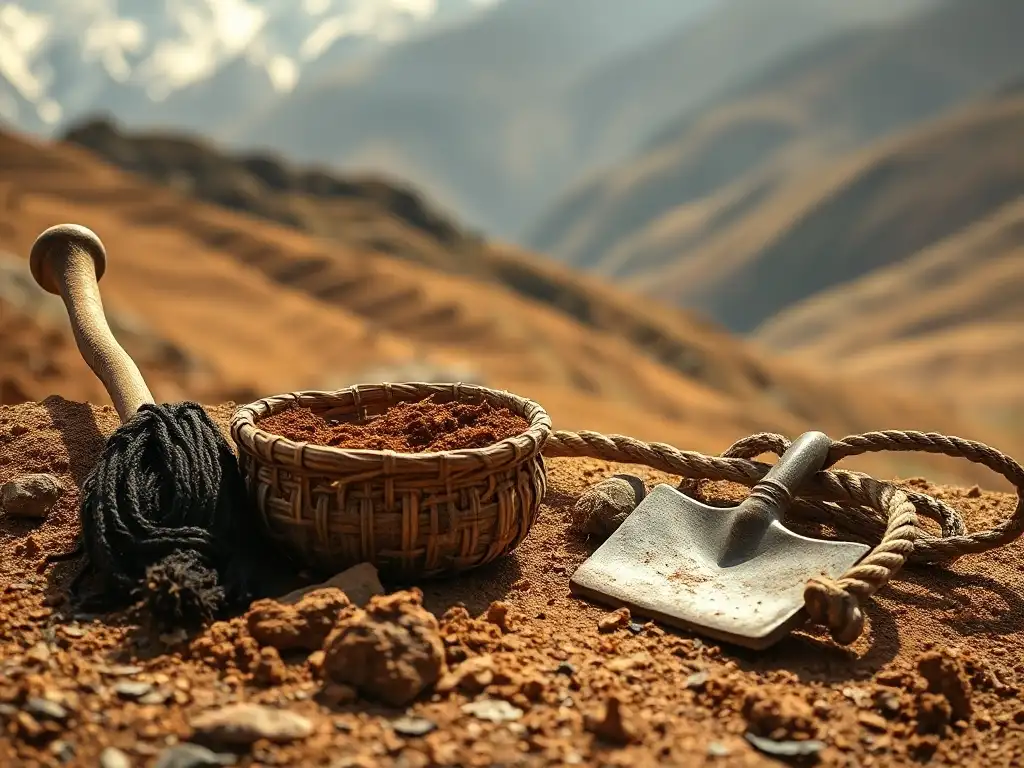
The success of Inca agriculture, particularly at high altitudes in the Andes, wasn't solely reliant on ingenuity; it was also deeply intertwined with the development of specialized tools and techniques. These innovations allowed the Inca to cultivate challenging terrains and maximize crop yields in harsh, often unpredictable, environments. Mastering these techniques was crucial for sustaining their vast empire and supporting a large population. The Inca farming techniques high altitude were a testament to their understanding of both their environment and the power of collaborative effort.
The Chaquitaclla: The Inca Foot Plow
The chaquitaclla, often referred to as the Inca foot plow, is perhaps the most iconic example of Inca agricultural innovation. This simple yet effective tool was a crucial element in their high-altitude farming strategies. Unlike animal-drawn plows used in other parts of the world, the chaquitaclla was a hand-held, foot-operated device. Its design was perfectly suited to the rocky, often uneven terrain of the Andean highlands.
The chaquitaclla consisted of a wooden frame with a sharp, typically metal, point at the bottom. The farmer would push the point into the soil using their foot, leveraging their weight to break up the earth and create furrows for planting. This process was considerably less labor-intensive than manual digging, particularly in compacted or rocky soils.
Its efficiency allowed for faster planting and cultivation, critical in the short growing seasons at high altitudes. The design also minimized soil disturbance, helping to retain moisture and prevent erosion – vital considerations in arid mountainous environments. Archaeological evidence suggests widespread use of the chaquitaclla, demonstrating its importance in Inca agricultural practices across various altitudes.
Other Inca Agricultural Implements
Beyond the chaquitaclla, the Inca employed a range of other tools and techniques to maximize agricultural output in the Andes. These included:
- Irrigation Canals: Ingenious systems of canals and terraces channeled water from rivers and streams to fields, providing a reliable water source even in dry periods. These sophisticated irrigation systems were essential for crop cultivation in the arid regions of the Andes. The scale and precision of these systems are a testament to Inca engineering prowess.
- Terracing: Terracing transformed steep slopes into cultivatable land, increasing arable land dramatically. These terraces, often built with incredible precision, reduced erosion, conserved water, and created microclimates more favorable to crop growth. The construction of these terraces required immense collaborative effort.
- Waru Waru: This raised-field agricultural system, particularly prevalent in the Lake Titicaca region, involved creating elevated planting beds surrounded by water channels. This method improved drainage, regulated soil temperature, and protected crops from frost, significantly increasing yields even in challenging climatic conditions. This technique showcases a deep understanding of both hydrology and soil management.
| Tool/Technique | Description | Benefits |
|---|---|---|
| Chaquitaclla | Foot-operated plow | Reduced labor, minimized soil disturbance, suitable for rocky terrain |
| Irrigation Canals | Systems of canals channeling water to fields | Reliable water source, crucial in arid regions |
| Terracing | Transforming steep slopes into cultivatable land | Increased arable land, reduced erosion, conserved water, created microclimates |
| Waru Waru | Raised-field system with water channels | Improved drainage, regulated temperature, frost protection, increased yields |
Labor Organization: The Mita System and Communal Farming
The Inca's success in high-altitude farming wasn't just about tools and techniques; it was also about effective labor organization. The mita system, a form of mandatory public service, played a crucial role. While often associated with labor in mines and construction, the mita also applied to agriculture, ensuring a readily available workforce for essential tasks like irrigation maintenance, terrace construction, and planting. This system, while sometimes demanding, provided a structured approach to managing large-scale agricultural projects.
Furthermore, communal farming practices were essential. The ayllu, a kinship-based community, was the foundation of Inca social organization. Agricultural labor was often undertaken collectively, with individuals contributing their time and effort to the benefit of the entire community. This system ensured the efficient allocation of resources and the equitable distribution of crops.
This collaborative spirit fostered resilience and ensured the survival of the community, especially in the face of challenges posed by high-altitude agriculture. The integration of the mita system with existing communal structures created a highly efficient and sustainable agricultural system, allowing the Inca to thrive in the harsh Andean environment. The success of Inca farming techniques high altitude was thus a product of both technological innovation and sophisticated social organization.
Inca Food Storage and Preservation Methods: Ensuring Food Security
The success of the Inca Empire, particularly its ability to sustain a large population in the challenging Andean highlands, was significantly reliant on sophisticated food storage and preservation methods. These techniques, developed over centuries, were crucial for mitigating the risks associated with unpredictable weather patterns and ensuring year-round food security. Understanding these methods offers valuable insight into the ingenuity and resilience of Inca agricultural practices, especially considering the keyword phrase "Inca farming techniques high altitude." The Inca's mastery of food preservation wasn't simply about extending shelf life; it was a strategic element of their complex socio-political system.
Storage Techniques for High-Altitude Climates
The harsh climate of the Andes, characterized by extreme variations in temperature and limited arable land at high altitudes, necessitated innovative storage solutions. The Incas didn't rely on a single approach; instead, they employed a range of techniques tailored to specific crops and environmental conditions. For example, potatoes, a staple crop, were stored in subterranean cellars ( qollqas) – carefully constructed underground chambers with excellent insulation properties.
These structures maintained relatively stable temperatures and humidity levels, minimizing spoilage and extending the shelf life of potatoes significantly. The design varied depending on the altitude and the specific characteristics of the soil and rock. Some qollqas were simple pits lined with stone, while others were more elaborate structures with ventilation systems.
This adaptability demonstrates a deep understanding of environmental factors and their impact on food preservation. The effective use of these underground storage facilities directly contributed to the Inca's ability to survive challenging weather events and maintain food supplies year-round, a key aspect of their sophisticated "Inca farming techniques high altitude." Accurate data on the average lifespan of potatoes stored in qollqas is unfortunately scarce, but anecdotal evidence suggests that they could be preserved for several months, sometimes even up to a year, under optimal conditions.
Food Preservation: Freeze-drying and Fermentation
Beyond storage, the Incas employed advanced preservation methods to extend the usability of their harvested crops. Freeze-drying, although not explicitly documented in written records, is strongly suspected to have been utilized. The extreme altitude and cold temperatures in certain regions of the Andes provided a natural environment for this process, allowing for the effective dehydration of foods like potatoes and other vegetables. This method not only reduced the volume of the food, making transportation and storage easier, but also significantly inhibited microbial growth, preventing spoilage.
Fermentation was another crucial technique. This process was employed to preserve a variety of foods, including meats and grains. While the exact methods varied, the principle was always the same: using microorganisms to transform the food and extend its shelf life.
This prevented spoilage and transformed some ingredients into more palatable or nutritious forms. Further research is needed to fully understand the specific fermentation techniques employed by the Incas, and the impact this had on the nutritional value and palatability of their food. The precise recipes and fermentation techniques remain partially elusive, highlighting the need for further archaeological and historical investigation into Inca food preservation practices.
Maintaining Food Supplies: Granaries and Distribution Networks
The Inca Empire’s vast network of granaries played a vital role in maintaining food supplies across its diverse regions. These weren’t simply storage facilities; they were integral components of a sophisticated system of resource management and redistribution. Granaries, often located in strategic locations near population centers or along trade routes, were used to store surplus food collected through tribute or taxes.
This system ensured that food could be readily distributed to regions experiencing shortages or facing natural disasters. The Inca's ability to effectively manage and distribute food was a key factor in their success and stability as an empire. The efficient "Inca farming techniques high altitude" were only one part of a larger, comprehensive strategy.
This centralized system, combined with their advanced understanding of storage and preservation, allowed the Inca to withstand periods of scarcity and maintain social order. The intricate organization of their distribution networks, coupled with the efficient storage of food in qollqas and other facilities, represents a remarkable feat of logistical engineering and resource management, underlining the efficiency of "Inca farming techniques high altitude" within the broader societal context.
The Legacy of Inca Farming Techniques in Modern Agriculture
The ingenuity of Inca farming techniques at high altitudes continues to resonate in contemporary agriculture. Their sophisticated understanding of Andean ecosystems, coupled with their practical innovations, offers valuable lessons for sustainable food production, particularly in challenging environments. The Incas weren't merely subsistence farmers; they developed a complex system capable of supporting a large and densely populated empire in a geographically demanding region.
Their success stemmed from a deep understanding of water management, soil conservation, and crop diversification, all crucial elements for modern sustainable agriculture striving to meet the needs of a growing global population. The impact of their practices can still be seen today, not only in the Andes but also globally, inspiring the development of new agricultural strategies. Many modern agricultural practices, such as terracing and crop rotation, are directly inspired by, or echo, Inca methods.
The resilience and adaptability of Inca farming techniques serve as a powerful reminder of the importance of working with nature, rather than against it. Understanding and adapting these techniques are critical for addressing modern challenges such as climate change and food security.
Lessons from Inca Agriculture for Sustainable Practices
Inca agricultural practices offer several key lessons for modern sustainable agriculture. One crucial aspect was their mastery of water management. They built intricate systems of canals, aqueducts, and irrigation ditches to channel meltwater from the Andes to their fields, even at steep inclines. This efficient water distribution minimized water waste and maximized crop yields, a lesson particularly relevant in today's world facing water scarcity.
Furthermore, their sophisticated understanding of soil conservation is remarkable. They employed techniques like terracing to create level platforms on steep slopes, preventing soil erosion and maximizing arable land. These terraces also helped to retain moisture, further improving crop yields. Their innovative use of fertilizers, including guano (bird droppings) and compost, enriched the soil and promoted healthy plant growth.
The Incas also prioritized crop diversification, planting a variety of crops to minimize risks associated with crop failure and to ensure a diverse diet. This practice reduces the reliance on monoculture farming which is vulnerable to pests and diseases. Modern agriculture could benefit significantly from adopting these integrated and holistic approaches to farming. The Incas' emphasis on ecological balance showcases a level of environmental awareness that remains highly relevant in contemporary sustainable agriculture debates.
Adapting Ancient Techniques to Modern Challenges
While many Inca techniques are directly applicable today, adapting them to modern challenges requires careful consideration. For example, while terracing remains a powerful tool for soil conservation, modern engineering techniques can improve its efficiency and longevity. Similarly, while traditional irrigation methods were effective, modern technologies like drip irrigation can enhance water use efficiency, crucial in arid and semi-arid regions.
Integrating traditional knowledge with modern technologies is key to maximizing the benefits of Inca farming practices. For example, combining traditional crop rotation with modern pest and disease management strategies can lead to higher yields and improved food security. The application of Geographic Information Systems (GIS) can help in optimizing the placement of terraces and irrigation systems, ensuring their effectiveness and sustainability.
Moreover, the Incas' emphasis on community-based management of resources offers valuable insights for contemporary agricultural practices, which often struggle with issues of equitable resource allocation and environmental stewardship. The integration of traditional knowledge with modern technology offers a powerful pathway towards a more sustainable and resilient agricultural future. This requires collaborative efforts involving researchers, farmers, and policymakers.
Preserving Inca Agricultural Knowledge: Community-Based Projects
Preserving Inca agricultural knowledge requires a multifaceted approach that prioritizes community engagement. Numerous community-based projects are actively working to document, revitalize, and adapt traditional Inca farming techniques. These projects often involve collaboration between researchers, local farmers, and indigenous communities, ensuring that traditional knowledge is preserved and passed on to future generations.
Such initiatives not only contribute to food security but also promote cultural preservation and empower local communities. Documentation efforts include detailed studies of ancient agricultural landscapes, interviews with farmers who still practice traditional techniques, and the creation of digital archives to preserve this valuable information. These projects often focus on specific Inca techniques, such as the construction and maintenance of Andenes (terraces), the management of irrigation systems, and traditional crop varieties.
The success of these projects hinges on empowering local communities, providing them with the resources and support needed to continue practicing and adapting traditional farming techniques. This includes access to training, tools, and markets, as well as recognition of their invaluable contribution to preserving a rich cultural heritage and promoting sustainable agriculture. The preservation of Inca agricultural knowledge is not merely an academic endeavor; it is a vital step towards creating a more sustainable and food-secure future.
Modern Applications: Waru Waru in Flood-Prone Regions
The ingenious Waru Waru raised-field agricultural system, a hallmark of Inca ingenuity, continues to find relevance in modern agriculture, particularly in regions grappling with water scarcity and flood-prone environments. Its effectiveness stems from its unique design: raised beds separated by irrigation canals. This system not only improves drainage in waterlogged areas, preventing crop loss during floods, but also enhances water retention during dry spells. The canals act as reservoirs, storing water for irrigation during periods of drought. This dual functionality makes Waru Waru a particularly sustainable solution for regions experiencing fluctuating water availability.
Modern agricultural scientists and communities are actively exploring and adapting Waru Waru techniques to address contemporary challenges. Research initiatives are underway to assess the system's efficacy in various climates and soil types, documenting its impact on crop yields and water efficiency. For example, studies in the Peruvian Altiplano have demonstrated the system's ability to significantly increase potato yields compared to traditional farming methods, even in areas prone to frost and unpredictable rainfall. The system's resilience to climate change-induced variability is also a key factor driving its renewed interest.
Furthermore, the application of Waru Waru is not limited to potato cultivation. Its adaptability allows for the cultivation of a range of crops, including quinoa, maize, and various vegetables, further enhancing its potential as a sustainable food production system. Its implementation can contribute to food security and economic development in vulnerable communities, fostering resilience in the face of environmental challenges.
The enduring legacy of Inca farming practices, therefore, offers valuable lessons for modern agriculture, highlighting the importance of traditional knowledge in addressing contemporary issues related to sustainable food production and water management. The integration of traditional techniques, like Waru Waru, with modern agricultural practices offers a promising path towards climate-resilient and sustainable agriculture, particularly in challenging high-altitude environments. This represents a powerful example of how ancient wisdom can inform and improve modern agricultural practices, promoting food security and environmental sustainability.
Frequently Asked Questions
What farming challenges did the Inca face in the Andes?
The Inca faced significant challenges, including high altitude, steep slopes, thin air, and variable climates. These factors limited the growing season and soil fertility.
How did the Inca overcome the limitations of high-altitude farming?
The Inca developed ingenious techniques like terracing, irrigation systems, and fertilizer management to maximize crop yields in harsh conditions. They also adapted crops suitable for high altitudes.
What is terracing, and how did it benefit Inca agriculture?
Terracing involved creating flat platforms on steep slopes. This prevented soil erosion, conserved water, and increased the area available for cultivation, maximizing land use.
What other innovative farming techniques did the Inca use?
Besides terracing, the Inca utilized sophisticated irrigation channels to divert water to fields, fertilizers (like guano) to enrich the soil, and crop rotation to maintain soil fertility. They also developed freeze-resistant crops.
What were some of the main crops grown by the Inca at high altitudes?
The Inca successfully cultivated potatoes, quinoa, and corn at high altitudes. These crops were adapted to the harsh environment and provided essential nutrients to the population.
Final Reflection: The Enduring Legacy of Andean Ingenuity
The ingenious farming techniques developed by the Inca remain a powerful testament to human adaptability and a crucial lesson for our time. As climate change intensifies and global food security faces unprecedented challenges, understanding and potentially re-implementing these ancient methods could prove invaluable in ensuring sustainable agriculture in increasingly harsh environments. The Inca's success wasn't just about survival; it was about thriving in a seemingly impossible landscape, a feat that continues to inspire awe and wonder.
The Inca's profound understanding of their environment, their meticulous planning, and their community-driven approach to agriculture offer a stark contrast to many modern, unsustainable practices. Their success wasn't solely technological; it was deeply intertwined with their spiritual beliefs and social structures. The land was not merely a source of sustenance, but a sacred entity, demanding respect and careful stewardship.
This holistic approach to farming, emphasizing harmony between humans and nature, is a valuable lesson for us today as we grapple with the environmental consequences of our actions.
Consider the ingenuity of the waru waru system, the terraced fields, and the sophisticated irrigation networks. These weren't just clever solutions to a difficult problem; they were expressions of a deep connection to the land and a commitment to collective well-being. You too can cultivate a deeper appreciation for sustainable practices, by exploring the principles of Andean agriculture and applying them to your own life, however small the scale. Let the legacy of the Inca inspire you to find innovative and sustainable solutions to the challenges facing our world today.
**Embrace the Andes: Transform Your Perspective on Agriculture! **
Thank you for exploring the remarkable agricultural innovations of the Inca civilization! You've discovered how these ingenious farmers adapted their techniques to thrive in the challenging high-altitude Andes. Now, let's consider how you can apply these inspiring principles to your own life and community.
- **Start a community garden**, perhaps incorporating vertical farming techniques inspired by the Inca's terraced fields. This could be a wonderful way to bring people together and grow fresh, healthy food.
- **Share this article** with friends and family to spread awareness about sustainable farming practices and the rich history of Andean agriculture.
- **Experiment with growing high-altitude crops** like quinoa or potatoes in your garden. You might be surprised at how well they flourish!
How can the Inca's innovative farming methods reshape our understanding of sustainable agriculture today? We encourage you to share your thoughts and experiences in the comments below!