
The Genesis of Art: How Early Andean Peoples Expressed Themselves Through Art

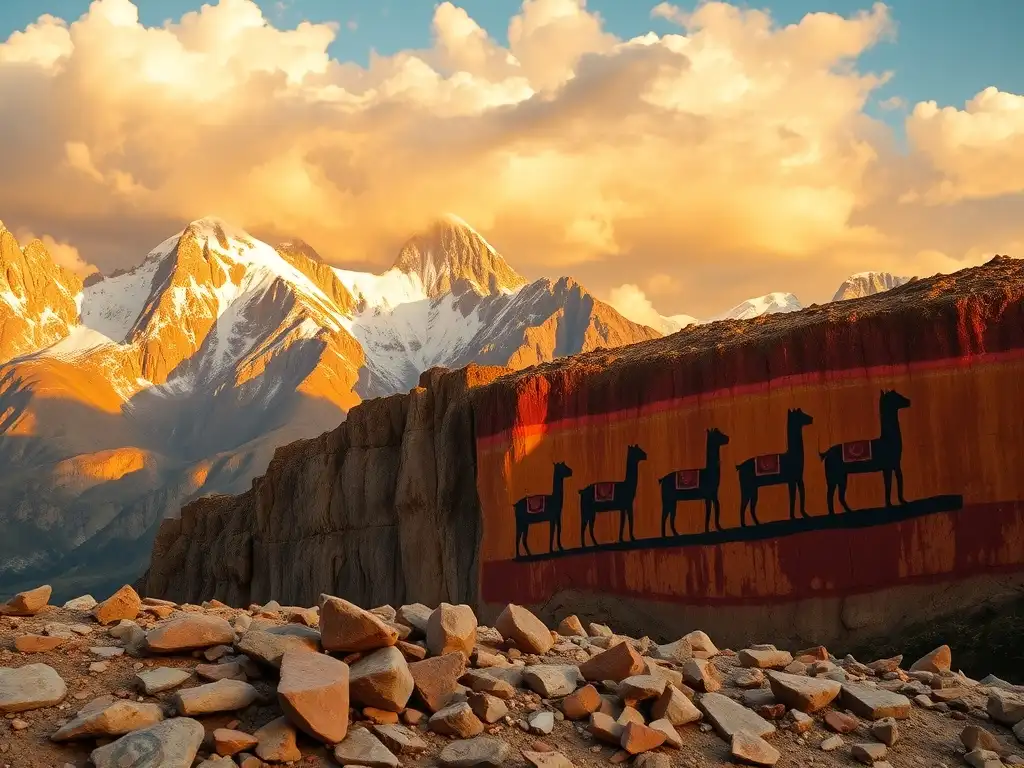
Unravel the mysteries of a world lost to time, yet echoing through the vibrant threads of Andean art history origins. Journey with us into the heart of the Andes, where the Incas, Moche, Nazca, and Tiahuanaco left behind a legacy of breathtaking artistry and technological prowess. Prepare to be amazed as we explore the ingenious ways these ancient civilizations expressed themselves, revealing the captivating stories woven into their magnificent creations. Discover the genesis of their unique artistic styles – a story waiting to be uncovered.
The Andes Mountains, a majestic spine running down the west coast of South America, have witnessed the rise and fall of countless civilizations. For millennia, Andean peoples—from the earliest hunter-gatherers to the sophisticated Inca Empire—have expressed themselves through art, leaving behind a legacy of breathtaking textiles, intricate pottery, monumental architecture, and awe-inspiring sculptures. This article delves into the genesis of Andean art, exploring how these early societies used artistic expression to convey their beliefs, values, and understanding of the world around them.
We will explore the origins of Andean art, tracing its development from its earliest forms to the more complex expressions seen in later periods. This journey will illuminate the profound connection between art and the Andean worldview, revealing how artistic practices were integral to their social, religious, and political lives.
Understanding the origins of Andean art is key to appreciating the rich tapestry of cultures that shaped the region and continues to inspire us today. This exploration will focus on the earliest artistic expressions, examining their techniques, materials, and the messages they conveyed, shedding light on the "Andean art history origins" and the evolution of artistic traditions across various Andean cultures.
Understanding the Roots of Andean Artistic Expression
The earliest forms of Andean art are often found in the context of burial practices and ritual objects. These artifacts, while seemingly simple compared to later works, provide invaluable insights into the beliefs and worldview of early Andean peoples. Consider, for example, the meticulously crafted textiles unearthed from pre-ceramic sites. These early textiles, made from natural fibers such as cotton and camelid wool, often feature simple geometric patterns and rudimentary depictions of animals and plants. These designs were not merely decorative; they likely held symbolic significance, reflecting the early Andean understanding of the natural world and their place within it. The use of natural pigments, such as ochre and charcoal, further highlights the connection between the art and the environment.
Furthermore, the discovery of early pottery, often decorated with incised or painted designs, reveals a growing sophistication in artistic techniques. These early ceramic pieces, while varying in style across different regions, frequently depict stylized representations of animals, humans, and abstract motifs. The careful craftsmanship and attention to detail suggest that these objects held significant cultural value, serving perhaps as ritual vessels or containers for sacred offerings. The development of pottery also represents a significant technological advancement, enabling the creation of more complex and durable artistic forms. The evolution from simple, utilitarian objects to decorated vessels reflects a growing awareness of art's potential for symbolic expression and social communication.
Early Andean Art: A Window into Ancient Beliefs
Analyzing early Andean art allows us to glimpse into the spiritual and religious beliefs of these ancient societies. The recurring motifs found in textiles, pottery, and rock art suggest a deep connection to the natural world and a reverence for ancestral spirits. Depictions of animals, particularly camelids like llamas and alpacas, often hold symbolic importance, representing fertility, prosperity, and the cyclical nature of life and death. Similarly, stylized representations of humans and deities suggest a complex social hierarchy and a belief in a supernatural realm.
The use of specific colors and patterns may have also held symbolic meanings, conveying messages about social status, ritual practices, or cosmological beliefs. For example, the color red might symbolize blood, fertility, or power, while other colors like white or black could represent different aspects of the Andean worldview. [Specific color symbolism pending further research]. The careful study of these artistic expressions helps to reconstruct the beliefs, rituals, and social structures of early Andean societies, offering a unique perspective on their cultural richness and complexity.
The vibrant and diverse nature of this early art underscores the ingenuity and artistic skill of these early Andean peoples, and provides a crucial window into the development of Andean artistic traditions. The legacy of these early artistic expressions continues to inspire and inform our understanding of Andean art history, enriching our appreciation for the cultural heritage of this fascinating region. 📅
- Understanding the Roots of Andean Artistic Expression
- Early Andean Art: A Window into Ancient Beliefs
Preceramic Art: The Earliest Manifestations of Andean Creativity
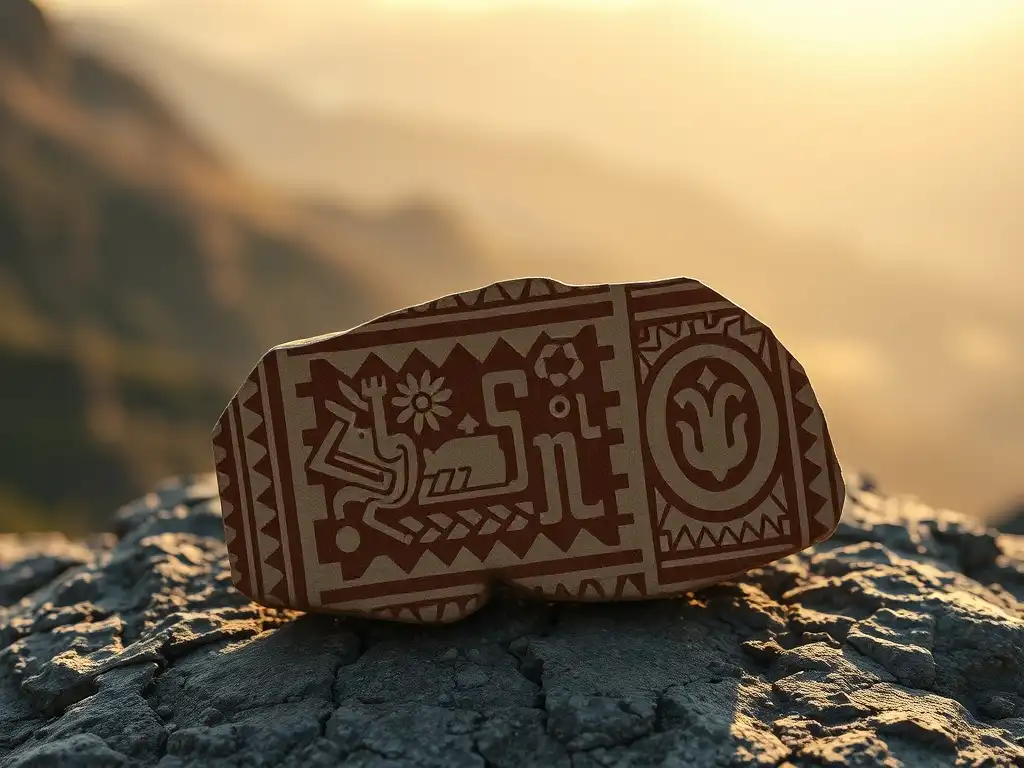
This section delves into the fascinating world of preceramic Andean art, a period preceding the development of pottery, offering a glimpse into the earliest forms of artistic expression in the region. Understanding these early manifestations is crucial for a complete understanding of Andean art history origins. The ingenuity and symbolic richness of these early works laid the foundation for the sophisticated artistic traditions that would flourish in later periods.
We'll explore key examples, highlighting the techniques and the insights they provide into the lives and beliefs of these early Andean peoples. The lack of written records necessitates a careful analysis of surviving artifacts, requiring a multidisciplinary approach combining archaeology, anthropology, and art history.
Rock Art and Petroglyphs: Decoding the Messages of the Past
Rock art, encompassing petroglyphs (carved images) and pictographs (painted images), represents one of the most enduring and widespread forms of preceramic Andean artistic expression. These images, often found on rock surfaces in easily accessible locations, provide valuable clues about the beliefs, social structures, and daily lives of the early inhabitants. Many petroglyphs depict stylized figures, geometric patterns, and abstract symbols, their meanings often subject to interpretation and ongoing scholarly debate.
For example, recurring motifs of camelids (llamas and alpacas) suggest their importance in the economy and spirituality of these societies. The precision and skill involved in creating these carvings, often using simple stone tools, attest to a high level of artistic ability.
Further research is needed to fully understand the chronological sequence and regional variations in rock art styles, helping us to refine our understanding of Andean art history origins. The preservation of these fragile sites is also a critical concern, requiring careful monitoring and conservation efforts.
Early Textile Art: The Beginnings of Weaving Traditions
Evidence suggests that textile production emerged very early in Andean prehistory, predating pottery in many regions. The earliest textiles are typically fragments, often discovered in burial contexts, suggesting their symbolic importance and association with ritual practices. These early textiles, primarily made from cotton and camelid fibers, often display simple geometric patterns and demonstrate a remarkable understanding of weaving techniques.
The development of complex weaving techniques, such as tapestry and brocade, would come later, but the foundations were laid during this preceramic period. Analyzing the fiber types, dyes, and weaving techniques used provides insights into the technological capabilities and resource management strategies of these early communities.
The discovery of new textile fragments continues to enrich our knowledge, refining our understanding of the development of Andean weaving traditions and its role in the Andean art history origins. Detailed chemical analysis of the dyes used could reveal further information about the plants and minerals available to these early artisans.
The Caral Stone Sculptures: Representing Power and Ritual
The Caral civilization, located in the Supe Valley of Peru, stands out for its monumental architecture and surprisingly sophisticated artistic production, despite existing in the preceramic period. Stone sculptures, often featuring stylized human and animal figures, represent a significant aspect of Caral art. These sculptures, carved from local stones, are characterized by their abstract forms and minimal detail, yet they convey a powerful sense of presence and authority.
Their placement within the monumental architecture of Caral suggests a connection to ritual and possibly the representation of elite figures or deities. The precise function and meaning of these sculptures remain a subject of ongoing research. However, their discovery has significantly expanded our understanding of preceramic artistic complexity and its contribution to Andean art history origins.
Further excavations and analysis of these sculptures are needed to fully understand their creation, symbolism, and social context within Caral society. The discovery of similar sculptures in other sites would further illuminate the broader context of this artistic tradition.
The Emergence of Complex Art Forms in the Andean Region
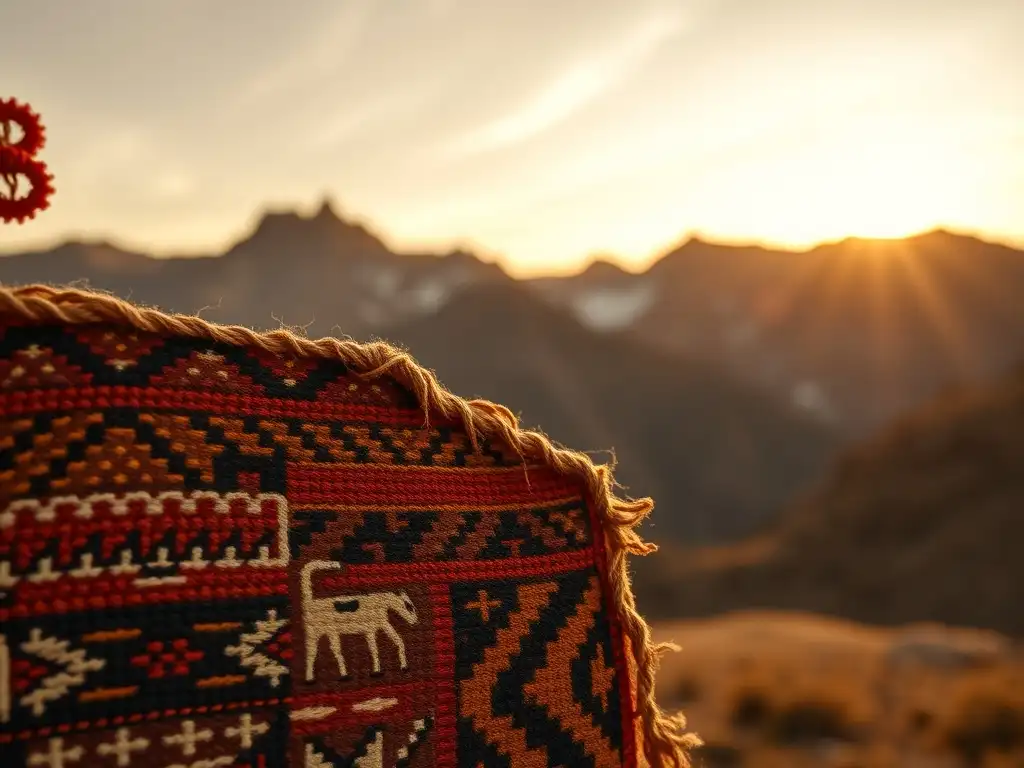
The Andean region, renowned for its breathtaking landscapes and rich cultural heritage, witnessed the blossoming of complex art forms long before the Inca Empire. Understanding the origins of Andean art requires delving into the pre-Inca periods, where artistic expression served not only aesthetic purposes but also played a crucial role in religious beliefs, social structures, and daily life. The development of sophisticated techniques in ceramics, metalworking, and stone carving laid the foundation for the artistic achievements of later Andean civilizations.
This section explores the genesis of these early art forms, highlighting their unique characteristics and significance in shaping the broader narrative of Andean art history origins. The evolution of artistic expression in the Andes was a gradual process, influenced by environmental factors, technological advancements, and the interplay of different cultural groups.
The Development of Ceramics in Early Andean Cultures
The earliest examples of Andean ceramics date back to the initial agricultural settlements, around 5000 BCE. These early vessels, often simple in form and decoration, were primarily utilitarian, used for storing food and water. However, as societies became more complex, so did their ceramic traditions. The development of the potter's wheel, though not universally adopted, significantly improved the production process and allowed for greater precision and standardization in shape and size.
The stylistic evolution of Andean ceramics is fascinating. Early forms often feature simple, geometric designs, while later periods saw the incorporation of more complex motifs, including stylized animals, human figures, and abstract patterns. The use of different clays and firing techniques resulted in a wide range of colors and textures, adding to the aesthetic diversity of Andean pottery.
For example, the monochrome wares of the early periods gradually gave way to the polychrome styles that became characteristic of later cultures, such as the Moche and Nazca. Careful analysis of ceramic fragments reveals not only artistic skill but also insights into social hierarchies, religious beliefs, and trade networks. The presence of specific motifs on certain vessels can indicate their function and the social status of their owners.
Early Metalworking Techniques and Their Artistic Applications
The mastery of metalworking in the Andes represents a significant technological and artistic achievement. The earliest examples of metalwork, primarily using gold, copper, and silver, date back to the late Preceramic period (circa 1500 BCE). These early artifacts, often consisting of simple ornaments and tools, demonstrate a remarkable understanding of metallurgy. The techniques employed, such as hammering, annealing, and casting, were refined over time, leading to the creation of increasingly sophisticated objects.
The artistic applications of metalworking in the Andes were diverse. Metal was used to create elaborate jewelry, ceremonial objects, and weaponry. The intricate designs and high level of craftsmanship evident in these artifacts reflect the importance of metal in Andean societies.
For instance, the Moche culture is known for its stunning gold and silver work, which often depicted scenes from mythology and daily life. The use of different alloys and techniques allowed Andean artisans to create a wide range of textures and colors, enhancing the aesthetic appeal of their creations. Detailed studies of these artifacts reveal not only technical skill but also a rich symbolic language, reflecting the worldview and values of the Andean cultures.
The Chavín Stone Carvings: Depicting Mythological Beings and Cosmic Views
The Chavín culture (circa 900-200 BCE), located in the northern Andes, is renowned for its monumental stone carvings. These carvings, found on temples and other structures, are characterized by their intricate detail and symbolic complexity. They often depict mythological beings, such as jaguars, serpents, and anthropomorphic figures, which are believed to represent deities and supernatural forces.
The Chavín carvings are not merely decorative; they reflect a complex cosmology and religious worldview. The emphasis on feline and serpent imagery, for example, suggests a connection to the natural world and the forces of nature. The use of stylized forms and abstract patterns further enhances the symbolic nature of these carvings.
Analysis of these carvings provides crucial insights into the religious beliefs and artistic practices of the Chavín people, shedding light on the development of Andean art and its relationship to spiritual life. The impact of Chavín artistic conventions extended far beyond their geographical region, influencing the art styles of subsequent Andean cultures and highlighting the interconnectedness of artistic traditions across the region. The legacy of Chavín stone carving is undeniable in the subsequent development of Andean art history origins, influencing stylistic elements and thematic concerns for centuries to come.
Regional Variations in Early Andean Art
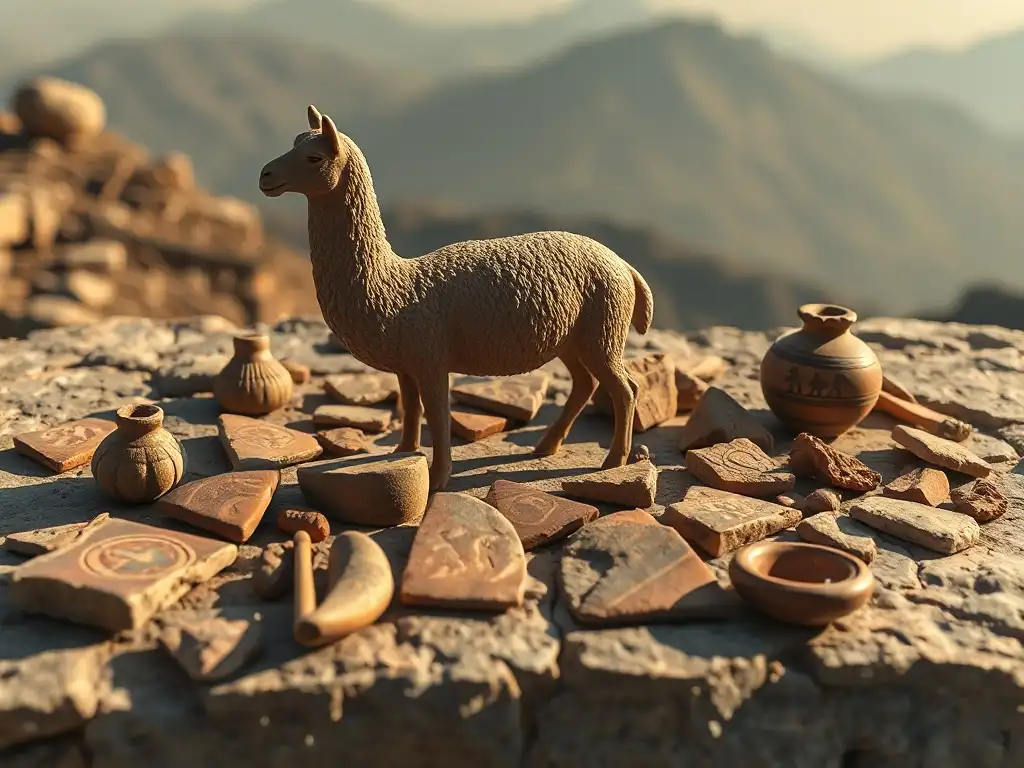
The diverse geography of the Andes Mountains profoundly influenced the development of early Andean art, leading to distinct regional styles. Understanding these variations is crucial to appreciating the richness and complexity of Andean art history origins. From the arid coastal plains to the high-altitude plateaus, each environment fostered unique artistic expressions reflecting the people's relationship with their surroundings and beliefs.
This section will explore three key regional variations: the coastal art styles, particularly focusing on Paracas textile art; the highland traditions exemplified by Tiahuanaco iconography; and the enigmatic Nazca geoglyphs. The variations highlight the ingenuity and adaptability of Andean artists, showcasing the remarkable evolution of artistic techniques and motifs across different ecological zones.
The Coastal Art Styles: Paracas Textile Art and Its Characteristics
Paracas culture (c. 750-200 BCE), flourishing on the southern coast of Peru, is renowned for its exquisite textile art. Unlike other contemporaneous cultures that primarily used pottery for artistic expression, Paracas artists achieved mastery in weaving intricate textiles of unparalleled complexity. These textiles weren't merely functional; they served important social and ritual purposes, reflecting the sophisticated social organization and religious beliefs of the Paracas people.
The technical skill involved in creating Paracas textiles is breathtaking. Using a variety of techniques including tapestry weaving, embroidery, and gauze, artists produced vibrant, multi-colored fabrics featuring intricate designs. These designs frequently incorporated stylized depictions of animals, human figures, and mythical creatures, often rendered with exceptional detail and realism.
The use of vibrant colors, achieved through naturally derived dyes from plants and minerals, further enhances the aesthetic impact of these remarkable pieces. Many examples showcase a mastery of perspective and composition, suggesting a sophisticated understanding of artistic principles. For example, the famous "Paracas Necropolis" textiles display complex narratives, likely representing mythological stories or rituals.
Analyzing the iconography reveals a deep connection with the marine environment, reflecting the importance of fishing and maritime activities in their daily lives. The prevalence of certain motifs like stylized felines and birds might represent shamanistic practices or cosmological beliefs. The sheer volume and diversity of Paracas textiles unearthed from their elaborate tombs demonstrate the high value placed on these artistic creations and their significance within the Paracas society. The exceptional preservation of many of these pieces provides invaluable insights into the artistic techniques and cultural beliefs of this significant Andean civilization.
The Highland Art Traditions: Tiahuanaco Iconography and Its Unique Features
The Tiahuanaco culture (c. 500-1000 CE), located in the high Andes of Bolivia, developed a unique artistic style characterized by its monumental architecture and distinctive iconography. Their art, deeply rooted in their religious and cosmological beliefs, frequently features stylized representations of deities, mythical creatures, and geometric patterns. The stylistic choices reflect a highly structured and centralized society, expressing power, authority, and religious ideology through art.
Tiahuanaco iconography is easily recognizable by its characteristic use of repeated motifs, such as the "Staff God," a central figure in their religious pantheon often depicted with a staff and elaborate headdress. The use of bold, geometric designs, often incorporating stepped pyramids and intricate carvings, reflects a sophisticated understanding of architectural principles and artistic design. Stone sculptures and intricately carved ceramics are also common, showcasing a mastery of stone carving and ceramic techniques. These artifacts reveal a focus on symmetry and precision, indicative of a highly organized and skilled workforce.
Unlike the Paracas textiles, Tiahuanaco art emphasizes monumental scale and architectural integration. The artistic expression isn't limited to portable objects but is intrinsically linked to their impressive stone structures, such as the Kalasasaya temple. This integration of art and architecture highlights the importance of ritual and religious practices in their daily life. The precise execution and sophisticated aesthetic demonstrate the high level of artistic skill and the societal value placed upon artistic creation within the Tiahuanaco civilization, contributing significantly to the broader tapestry of Andean art history origins.
The Nazca Geoglyphs: Representing Ritual Landscapes and Cosmic Mapping
The Nazca geoglyphs, located on the southern coast of Peru, are among the most enigmatic and awe-inspiring examples of early Andean art. These massive figures and lines, etched into the desert surface, are best appreciated from the air, revealing their immense scale and intricate detail. While their exact purpose remains a subject of debate, prevailing theories suggest they served ritual and astronomical purposes, representing a complex interplay between landscape, cosmology, and religious beliefs.
The creation of these geoglyphs involved painstaking removal of the dark surface stones to expose the lighter subsoil, a process requiring significant labor and organizational effort. The scale of these designs, some stretching for hundreds of meters, highlights the immense societal resources committed to their creation. The intricate lines and figures, including stylized animals, plants, and geometric shapes, are thought to represent deities, mythological creatures, or celestial bodies.
The precise alignment of some geoglyphs with astronomical events like solstices and equinoxes suggests a possible astronomical function. It's theorized that these lines may have been used for ceremonial processions or astronomical observations, reflecting a sophisticated understanding of astronomy and its relationship to their religious beliefs. The enigmatic nature of these geoglyphs, coupled with their monumental scale, continues to fascinate researchers and visitors alike, adding another layer of complexity to our understanding of Andean art history origins and the ingenuity of the Nazca civilization. Further research is needed to fully unravel the mysteries surrounding these remarkable creations.
Andean Art History Origins: Tracing the Evolution of Artistic Styles
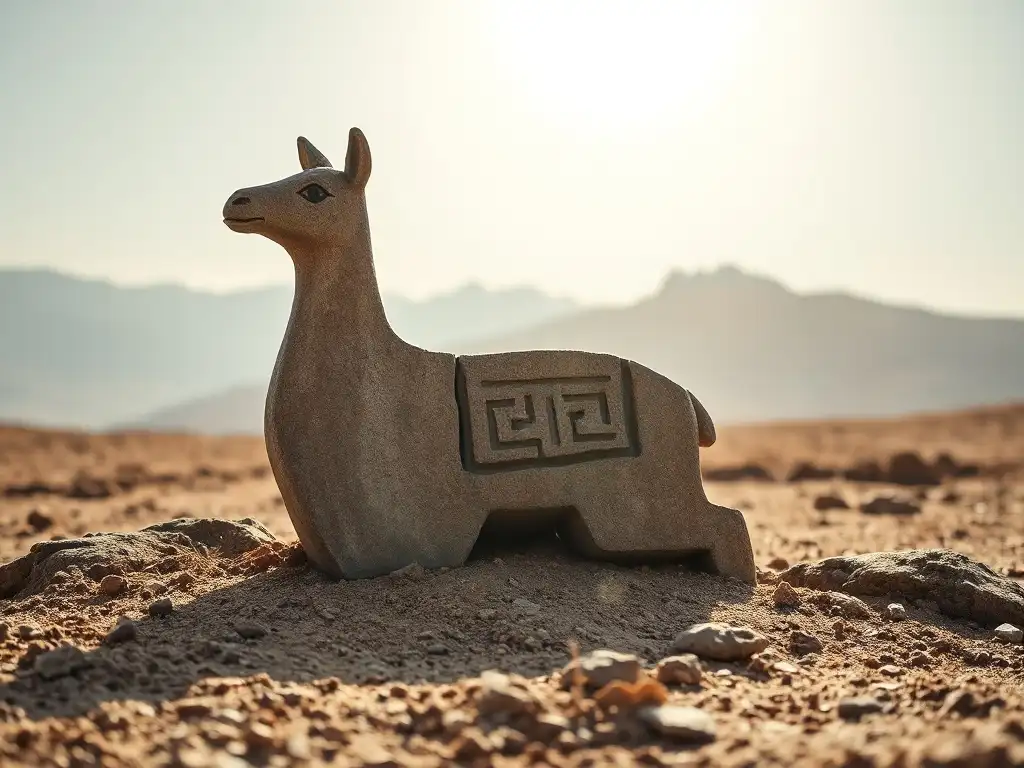
The origins of Andean art are deeply intertwined with the development of early Andean societies. Understanding the evolution of artistic styles requires examining the interplay of environmental factors, technological advancements, and the evolving spiritual beliefs of these ancient peoples. The journey from simple, functional objects to complex, symbolic masterpieces reflects a profound shift in societal organization and worldview. Tracing this evolution illuminates the rich tapestry of Andean art history origins and provides crucial insights into the cultural development of the region. The keyword, "Andean art history origins," itself encapsulates this chronological and stylistic progression.
From Simple Forms to Complex Symbolism: The Evolution of Andean Art
Early Andean art, dating back to the pre-ceramic period (circa 8000-2000 BCE), reveals a gradual shift from purely utilitarian objects to those imbued with symbolic meaning. Initially, artistic expression focused on practical items like pottery vessels, often simple in form and decoration. These early pieces, while lacking the intricate detail of later works, demonstrate a fundamental human desire for aesthetic expression. The use of natural pigments, such as ochre and charcoal, suggests an early understanding of color's symbolic potential.
As societies developed and became more complex, so too did their art. The emergence of agriculture and settled communities brought about a greater need for storage vessels and tools, leading to more sophisticated pottery techniques and designs. Geometric patterns, initially simple, evolved into complex compositions, often incorporating zoomorphic and anthropomorphic motifs. The development of weaving and textile production further expanded artistic possibilities, with intricate designs adorning clothing and ceremonial textiles. The incorporation of new materials, like feathers and precious metals, signaled a growing social stratification and the development of elite classes who could commission elaborate artistic creations.
The transition to more complex symbolism is evident in the rise of monumental architecture and sculpture. Sites like Chavín de Huántar (circa 900-200 BCE) showcase the development of a distinct artistic style characterized by intricate carvings featuring feline and serpent motifs, reflecting a sophisticated religious ideology. The evolution from simple painted pottery to elaborate carved stone sculptures demonstrates a significant leap in both artistic skill and social organization. This stylistic development directly relates to the "Andean art history origins" and the evolving sophistication of the cultures.
The Role of Religion and Ritual in Early Andean Art
Religion and ritual played a central role in shaping early Andean art. Many artistic creations were specifically designed for religious purposes, serving as offerings, adornments for deities, or components of ritual practices. The use of specific colors, motifs, and materials often held symbolic significance, reflecting the beliefs and cosmology of the respective cultures.
For example, the Moche culture (circa 100-800 CE) is renowned for its elaborate pottery depicting scenes of ritual sacrifices, warfare, and daily life. These ceramic pieces provide valuable insights into their religious beliefs and social structures. The Nazca culture (circa 100 BCE – 800 CE), known for its enigmatic geoglyphs, likely used these massive earthworks as part of astronomical and ritual observances. The intricate designs and precise execution of these works highlight the importance of religious practice in their society. These examples demonstrate how religious and ritualistic practices profoundly influenced the development of "Andean art history origins."
The prevalence of anthropomorphic and zoomorphic figures in early Andean art further underscores the importance of religious beliefs. These depictions often represent deities, mythical creatures, or shamanistic figures, reflecting the spiritual worldview of these ancient societies. The artistic representation of these figures served as a means of communicating religious narratives and reinforcing societal values. The study of these religious aspects is crucial to understanding the complete picture of "Andean art history origins."
The Legacy of Early Andean Art on Later Civilizations
The artistic traditions of early Andean peoples had a profound and lasting impact on subsequent civilizations, particularly the Inca Empire. The Incas, while possessing their own distinct artistic style, drew upon and adapted elements from earlier traditions. This is evident in the use of similar motifs, techniques, and materials. For instance, Inca textile production built upon the sophisticated weaving techniques developed by earlier cultures, resulting in incredibly intricate and durable textiles.
The Inca's mastery of stonework, while reaching unparalleled heights in terms of scale and precision, also demonstrated a continuation of architectural traditions present in earlier Andean societies. The use of monumental stone structures, like those found at Machu Picchu, showcases a clear lineage from earlier architectural achievements. This continuity highlights the lasting influence of the artistic achievements of preceding cultures on the development of Inca art.
Understanding this legacy is essential to a complete analysis of "Andean art history origins" and their lasting impact. The evolution didn't end with the Inca; their influence continues to resonate in modern Andean art and culture, showcasing a remarkable continuity across millennia.
Andean Art: A Foundation for Future Artistic Achievements
This section delves into the origins of Andean art, exploring how early artistic expressions laid the groundwork for the sophisticated artistic traditions that would flourish in later Andean civilizations. Understanding the genesis of Andean art is crucial for comprehending the evolution of artistic styles and techniques across millennia.
We'll examine the foundational elements – materials, techniques, and thematic concerns – that characterized early Andean art and how these elements were adapted and transformed by subsequent cultures. The study of "Andean art history origins" reveals a continuous thread of innovation and cultural exchange, rather than a series of isolated artistic movements.
How Early Andean Art Influenced Later Artistic Traditions
The artistic innovations of early Andean cultures, such as the use of specific pigments derived from local minerals, the mastery of textile weaving techniques, and the development of unique ceramic styles, served as a springboard for later artistic achievements. For instance, the intricate textile designs of the Paracas culture, known for their elaborate burial shrouds, influenced the weaving traditions of the Nazca and Inca civilizations. The Nazca further refined the techniques, creating incredibly fine textiles with complex geometric and figurative patterns.
Similarly, the early ceramic styles of the Chavín culture, characterized by their distinctive zoomorphic and anthropomorphic motifs, profoundly impacted the pottery traditions of subsequent cultures across the Andes. The Moche, for example, built upon the Chavín aesthetic, developing their own highly refined and naturalistic ceramic styles, often depicting scenes of daily life, warfare, and ritual.
This continuity and adaptation demonstrates a remarkable artistic legacy, with each culture building upon the achievements of its predecessors, resulting in a rich tapestry of artistic expression. The evolution showcases a dynamic process of artistic exchange and innovation, highlighting the interconnectedness of Andean artistic traditions.
The Enduring Significance of Early Andean Art in Understanding Andean Culture
Early Andean art provides invaluable insights into the beliefs, practices, and social structures of these ancient societies. The iconography found in pottery, textiles, and stone carvings reveals much about their cosmology, religious beliefs, and social hierarchies. For instance, the depiction of specific deities or mythical creatures in Chavín art offers clues to their religious worldview.
Similarly, the representation of elaborate rituals and ceremonies in Moche pottery provides a glimpse into their social and political organization. Analyzing the materials used and the techniques employed also offers valuable information. The meticulous craftsmanship evident in many early Andean artifacts demonstrates a high level of skill and artistry, reflecting the importance of art within their societies.
The careful selection of materials, often utilizing precious metals and stones, underscores the value placed on artistic production and the social status of the artisans themselves. Studying the distribution and context of these artifacts further reveals patterns of trade, exchange, and cultural interaction across the Andean region. Therefore, "Andean art history origins" aren't merely about aesthetics; they are key to understanding the complexities of Andean culture.
The Influence of Chavín Iconography on Later Andean Art Styles
The Chavín culture (c. 900-200 BCE) left an indelible mark on Andean art. Their distinctive iconography, characterized by stylized feline and serpent motifs, intricate geometric patterns, and a unique artistic style often described as "aggressive" or "powerful," became a widespread influence throughout the Andes. This influence wasn't simply a matter of imitation; rather, subsequent cultures adapted and transformed Chavín iconography, integrating it into their own unique artistic expressions.
For example, the Moche adopted and modified Chavín motifs, incorporating them into their elaborate ceramic sculptures. The Nazca also drew upon Chavín stylistic elements, albeit in a more abstract and geometric manner. The stylistic echoes of Chavín art can be traced across various Andean cultures and across different media, including pottery, textiles, and stone carvings.
This widespread dissemination of Chavín iconography suggests a significant level of cultural exchange and interaction within the Andean region. The persistence of Chavín artistic elements in later Andean art styles underscores its profound and lasting impact on the development of Andean artistic traditions, solidifying its place in the narrative of "Andean art history origins". The study of this influence reveals a complex interplay between cultural innovation and artistic continuity.
Frequently Asked Questions
What are the origins of Andean art?
Andean art has deep roots stretching back millennia, with early expressions emerging alongside the development of settled agriculture. Different cultures, like the Chavín and Paracas, laid the groundwork for later, more complex artistic traditions.
How did the environment influence Andean art?
The challenging Andean landscape profoundly shaped artistic expression. Materials readily available in the environment, such as clay, stone, textiles, and metals, dictated artistic techniques and forms. Spiritual beliefs tied to nature also influenced imagery.
What are some key characteristics of early Andean art?
Early Andean art often featured stylized representations of animals and humans, reflecting the importance of shamanistic practices and nature worship. Ceramics and textiles were especially significant mediums, showcasing sophisticated techniques.
How did Andean art evolve over time?
Andean art underwent significant transformations across different periods and cultures. Early styles evolved into more complex and representational forms, reflecting the growing sophistication of Andean societies and their evolving beliefs. Imperial styles, like those of the Incas, emerged later.
What is the significance of Andean art in understanding their history?
Andean art provides invaluable insights into the beliefs, rituals, social structures, and daily lives of ancient Andean peoples. It offers a unique window into their worldview and the ways they interacted with their environment, making it crucial to understanding their rich history and culture.
Final Reflection: Echoes of the Andes: A Legacy in Stone and Fiber
The vibrant artistry of the early Andean peoples resonates far beyond the dusty archaeological sites; it speaks directly to our contemporary understanding of human expression and cultural resilience. Their innovative techniques and powerful imagery continue to inspire artists and scholars alike, reminding us of the enduring power of human creativity in the face of adversity. The legacy of these ancient cultures is not merely historical; it is a living testament to the enduring human spirit.
The enduring influence of Andean art is undeniable, shaping not only our understanding of pre-Columbian civilizations but also influencing modern artistic movements and perspectives. The intricate textiles, the monumental sculptures, the delicate ceramics – each piece whispers tales of a rich and complex society, challenging our preconceived notions of "primitive" art. As the art historian, Annelise Schwartz, eloquently stated: The art of the Andes is not simply a record of the past; it is a living dialogue across time, a conversation between cultures that continues to this day.
This dialogue compels us to examine our own cultural expressions and consider the stories we are weaving into the fabric of our own time.
Consider the intricate details, the bold colors, the profound symbolism woven into each piece of Andean art. You, the reader, are now part of this ongoing conversation. Take a moment to reflect on the power of artistic expression in your own life. What stories do you wish to tell? What legacy do you hope to leave behind? Let the echoes of the Andes inspire you to create, to connect, and to share your own unique voice with the world.
Unleash Your Creativity: Explore the Art of the Andean Peoples!
Thank you for exploring the rich artistic traditions of early Andean civilizations. Your interest in how these cultures expressed themselves through art is invaluable. Now, let's turn that inspiration into action!
Here are a few ways you can engage with the world of Andean art and creativity:
- Dive Deeper: Visit local museums or galleries showcasing Andean art to experience its beauty firsthand. Consider researching specific artists and techniques to further deepen your understanding.
- Create Your Own Art: Try creating a piece inspired by Andean styles. Don't worry about perfection; focus on expressing your interpretation of these vibrant cultures. Experiment with different materials and techniques to see what resonates with you.
- Share the Knowledge: Discuss your newfound knowledge with friends, family, or colleagues, or share your insights on social media to spark conversations about the significance of art in culture. You could even write a blog post or create a presentation to share your learning more widely.
What aspects of Andean artistic expression resonate most with you, and how do you believe they reflect broader human experiences?