
The Fall of Empires: Analyzing the Downfall of Andean Military Powers

Step into a world lost to time, yet echoing with the power of empires. For centuries, the Andes Mountains witnessed the rise and fall of magnificent civilizations. But what truly caused the dramatic collapse of Andean empires? This is the question we delve into, exploring the complex interplay of factors behind the downfall of mighty Andean military powers, from the Incas to the Moche. Uncover the secrets surrounding the Andean empires collapse causes and unravel the mysteries of their spectacular demise. Prepare to be captivated by a story of ambition, innovation, and ultimate ruin.
The rise and fall of empires is a recurring theme in human history, and the Andean region is no exception. This article delves into the complex factors contributing to the collapse of several powerful Andean military powers, examining both internal weaknesses and external pressures that ultimately led to their demise.
We will explore the specific cases of several significant Andean civilizations, analyzing their military strategies and tactics in the context of their eventual downfall. Understanding these causes offers crucial insights into the dynamics of power, resilience, and vulnerability within ancient societies, shedding light on the broader themes of societal collapse and the enduring legacy of these remarkable cultures.
This exploration will be particularly focused on understanding the multifaceted reasons behind the "Andean empires collapse causes," offering a nuanced perspective beyond simplistic explanations. We will investigate the interplay between environmental factors, internal conflicts, and external pressures to paint a complete picture of these fascinating historical events.
Environmental Factors and Resource Depletion
The Andes' challenging environment played a significant role in the fate of its empires. Extended droughts, devastating earthquakes, and unpredictable weather patterns severely impacted agricultural production, the lifeblood of these societies. Resource depletion, particularly of fertile land and vital minerals, further exacerbated these issues. The Inca Empire, for instance, faced significant agricultural challenges in its later years, leading to widespread food shortages and social unrest.
These environmental pressures weakened the empires, making them more vulnerable to internal rebellion and external threats. Specific examples of devastating droughts and their impact on Inca agricultural output are still being unearthed by archaeologists, highlighting the crucial role of environmental factors in the empire's decline. Furthermore, the overexploitation of resources, particularly in areas with intensive mining operations, contributed to environmental degradation and ultimately affected the stability of the empire.
Internal Conflicts and Political Instability
Internal strife and political instability were recurring themes within many Andean empires. Succession crises, power struggles between elites, and social inequalities often led to civil wars and widespread unrest. The Moche civilization, known for its sophisticated military organization, experienced periods of intense internal conflict that weakened its ability to defend against external threats.
The lack of a clear and established succession process frequently resulted in violent power struggles, diverting resources away from defense and infrastructure and creating an environment ripe for rebellion. Moreover, the concentration of power in the hands of a few elites often led to social unrest and resentment amongst the wider population, fostering conditions conducive to revolt and weakening the empire's overall stability. Detailed analysis of Moche iconography reveals evidence of internal conflict, showcasing battles and power struggles depicted in their art.
External Pressures and Military Conflicts
External pressures from rival empires and neighboring groups also contributed significantly to the downfall of Andean military powers. Conquests, raids, and prolonged warfare depleted resources, manpower, and the morale of the defending armies. The Tiahuanaco empire, for example, faced challenges from expanding neighboring groups, leading to protracted conflicts that ultimately weakened its control over its vast territory.
The constant need to defend its borders and suppress rebellions diverted resources and manpower from other essential areas, such as infrastructure development and agricultural improvements, ultimately contributing to the empire's weakening and eventual collapse. The scale and intensity of these conflicts are still being investigated, but archaeological evidence suggests widespread destruction and displacement of populations during these periods of intense warfare.
Disease and Demographic Shifts
The introduction of new diseases, often brought by external contact, had a devastating impact on the population of Andean empires. The lack of immunity to these diseases resulted in widespread epidemics that decimated the population, weakened the workforce, and disrupted social structures. While the exact impact is difficult to quantify, the effects of disease on the Inca population following the Spanish conquest dramatically demonstrate the vulnerability of these empires to infectious diseases.
These demographic shifts significantly weakened the empires' ability to maintain their military strength and administrative control over their territories, leading to a decline in their power and influence. Further research is needed to pinpoint the specific diseases and their impact on various Andean empires before the arrival of Europeans.
Technological Limitations and Adaptation
While Andean civilizations possessed advanced technologies for their time, certain limitations in certain areas hindered their ability to adapt to changing circumstances. For example, while the Inca road system was impressive, it could not always effectively respond to rapid military movements or the spread of disease. The reliance on specific agricultural techniques made them vulnerable to environmental shifts.
While their technologies were innovative for their context, a lack of certain technological advancements, particularly in communication and rapid mobilization, hampered their ability to effectively respond to challenges and threats. A more detailed analysis is required to fully understand the specific technological limitations that hindered the Andean empires' ability to overcome their challenges.
- Environmental Factors and Resource Depletion
- Internal Conflicts and Political Instability
- External Pressures and Military Conflicts
- Disease and Demographic Shifts
- Technological Limitations and Adaptation
- What were the primary causes of the collapse of the Andean empires?
- Did environmental factors contribute to the fall of the Andean empires?
- How did the Spanish conquest impact the existing Andean empires?
- What role did internal conflicts play in the downfall of Andean civilizations?
- Were all Andean empires affected equally by the same factors?
Understanding the Dynamics of Andean Military Power
This section delves into the complex interplay of factors that contributed to the rise and, ultimately, the fall of powerful Andean military states. Understanding these dynamics is crucial to grasping the multifaceted nature of the "Andean empires collapse causes." We'll explore the initial conditions that allowed for military expansion and the inherent vulnerabilities that eventually led to their decline. The analysis will focus on key elements, moving beyond simplistic narratives of conquest and defeat to examine the subtle shifts in power and societal structures.
The Rise of Andean Military States
The emergence of powerful Andean military states wasn't a sudden event but rather a gradual process spanning centuries. Several factors contributed to this rise:
- Agricultural Surplus: The development of sophisticated agricultural techniques, including terracing and irrigation, led to significant food surpluses. This surplus freed a portion of the population from agricultural labor, allowing for the development of specialized roles, including a standing army. The ability to feed a larger, professional military was a crucial factor in Andean military expansion. The increased food production also supported a growing population, providing the manpower necessary for military campaigns.
- Technological Advancements: The Andean civilizations were innovative in their development of weaponry and military technology. Improved metallurgy led to the creation of stronger and more effective weapons, such as bronze and later copper-alloy tools and weapons. The development of advanced textiles also played a crucial role, allowing for the creation of sturdy and protective clothing for soldiers. This technological advantage gave them a significant edge in conflict.
- Strategic Alliances and Conquests: Many Andean empires weren't built solely through military might but also through strategic alliances and calculated conquests. Smaller, independent groups were often incorporated into larger empires through a combination of diplomacy and military force. This process of expansion, while sometimes brutal, allowed for the consolidation of resources and manpower, further bolstering military strength. The Inca empire, for example, skillfully utilized this strategy, incorporating conquered populations into their vast network.
Key Factors in Andean Military Expansion
The expansion of Andean empires wasn't simply a matter of superior military technology; it involved a complex interplay of factors. We can identify several key drivers:
- Effective Military Organization: Andean armies were not just mobs of warriors. They were highly organized forces, often structured along kinship lines or administrative units. This organizational structure allowed for effective command and control, crucial for coordinating large-scale military operations. The Inca's mit'a system, a form of labor taxation, also provided a readily available pool of manpower for military service.
- Control of Resources: Access to vital resources, such as fertile land, water, and minerals, was essential for military expansion. Control over these resources not only provided the means to sustain a large army but also allowed for the creation of wealth, which could be used to fund military campaigns and reward loyal subjects. The control of crucial trade routes also played a significant role in Andean military expansion, providing access to valuable goods and facilitating communication.
- Ideological Legitimacy: The Andean empires often justified their military expansion through ideological narratives. These narratives, often involving divine right or ancestral claims, helped to legitimize their rule and consolidate power. This ideological framework was crucial in gaining the support of conquered populations and preventing widespread rebellion. The Inca's emphasis on the divine lineage of their Sapa Inca is a prime example of this ideological justification. The narrative of the chosen leader, divinely ordained, helped to solidify their control and influence.
The reasons for the collapse of Andean empires are multifaceted and require a deeper, nuanced understanding than simple narratives of military defeat. Understanding the dynamics of their rise, however, provides a crucial foundation for analyzing their eventual decline. Further research into specific case studies of individual empires will illuminate the specific factors that contributed to their individual falls.
Andean Empires Collapse Causes: A Deep Dive
The collapse of the powerful Andean empires, a topic of enduring fascination, wasn't a singular event but rather a complex process driven by a confluence of internal and external factors. Understanding these "Andean empires collapse causes" requires a nuanced analysis of political, economic, social, and environmental pressures, along with the impact of external forces. This section delves into the key contributing elements, offering a detailed examination of the multifaceted nature of these historical events.
Internal Factors Contributing to Andean Decline
Internal weaknesses significantly undermined the strength and resilience of the Andean empires, paving the way for their eventual downfall. These internal factors often interacted and exacerbated each other, creating a cascading effect that weakened the empires from within.
Political Instability and Succession Crises
Succession crises frequently destabilized Andean empires. The intricate systems of inheritance and power struggles within the ruling elite often led to civil wars and fragmentation of power. For instance, the Inca Empire, while possessing a sophisticated administrative system, faced numerous challenges related to succession.
The death of a Sapa Inca could trigger power struggles among potential heirs, weakening the central authority and creating opportunities for rebellions in peripheral regions. The lack of a clear and consistently applied succession process left the empire vulnerable to internal conflict and weakened its ability to respond effectively to external threats. This political instability directly contributed to the empire's vulnerability to both internal dissent and external conquest.
Economic Weaknesses and Resource Depletion
The economic foundations of Andean empires were not immune to vulnerabilities. Overextension of territories, coupled with unsustainable resource management practices, led to economic strain. Extensive labor demands for monumental construction projects and the maintenance of vast infrastructure networks placed a significant burden on the population.
The Inca's mita system, while efficient in many ways, could become oppressive, leading to resentment and decreased productivity. Furthermore, depletion of vital resources, such as fertile land and readily accessible minerals, impacted the empire's ability to sustain its population and maintain its military strength. This economic fragility created a fertile ground for social unrest and ultimately contributed to the empire's collapse.
Social Unrest and Internal Conflicts
Social unrest and internal conflicts played a significant role in weakening the Andean empires. While the empires maintained a degree of social order, inequalities in wealth distribution and access to resources led to simmering discontent. The forced labor systems, such as the mita, while crucial for large-scale projects, also generated resentment among the population.
This resentment, combined with the political instability discussed earlier, often manifested as rebellions and uprisings, diverting resources away from defense and further weakening the empire's ability to maintain control. The accumulation of these internal tensions significantly undermined the empire's stability. Ethnic tensions and religious conflicts also played a role in destabilizing some Andean societies.
The Role of Infrastructure Collapse
The extensive infrastructure networks of the Andean empires, while impressive feats of engineering, were also vulnerable to damage and decay. Road networks, irrigation systems, and storage facilities were essential for the functioning of the empires. Damage to these systems, whether through natural disasters, neglect, or warfare, could have severe consequences, disrupting trade, food distribution, and communication. The disruption of these vital infrastructure systems weakened the empire's ability to respond to crises and maintain control over its vast territories. The scale of the infrastructure required constant maintenance and repair, a task that became increasingly difficult as the empires weakened.
External Factors Leading to Andean Empire Collapse
While internal factors played a crucial role, external pressures significantly contributed to the fall of the Andean empires. These external forces often interacted with and exacerbated the existing internal weaknesses.
Impact of Climate Change on Andean Societies
Climate change significantly impacted Andean societies. Droughts, floods, and other extreme weather events disrupted agricultural production, leading to food shortages and famine. These environmental challenges strained the empires' resources and created social unrest, weakening their ability to withstand other pressures. The impact of El Niño events, for example, could have devastating consequences for agricultural production, leading to widespread famine and social disruption. The vulnerability of Andean agriculture to climatic variability is a critical factor to consider when analyzing the decline of these empires.
The Arrival of the Spanish Conquistadors
The arrival of the Spanish conquistadors marked a turning point in the history of the Andean empires. Superior weaponry, strategic alliances with indigenous groups who resented Inca rule, and the devastating impact of European diseases (such as smallpox) decimated the indigenous populations and shattered the empires' defenses. The Inca Empire, already weakened by internal strife, proved particularly vulnerable to the Spanish conquistadors' advanced military technology and tactics. The Spanish conquest represents a significant external factor that decisively contributed to the collapse of the Andean empires.
Competition and Warfare with Neighboring Groups
The Andean region was not a monolith. Numerous groups competed for resources and territory, engaging in frequent warfare. These conflicts weakened individual empires, diverting resources away from internal development and creating opportunities for rivals to exploit.
While some empires achieved periods of dominance, the constant pressure of warfare and competition with neighboring groups contributed to their eventual decline. The constant need to maintain a strong military and defend against external threats placed a significant strain on the empires' resources and manpower, leaving them vulnerable to internal decay and external conquest. This continuous competition and warfare contributed significantly to the overall instability of the Andean region.
Case Studies of Andean Military Power Downfalls
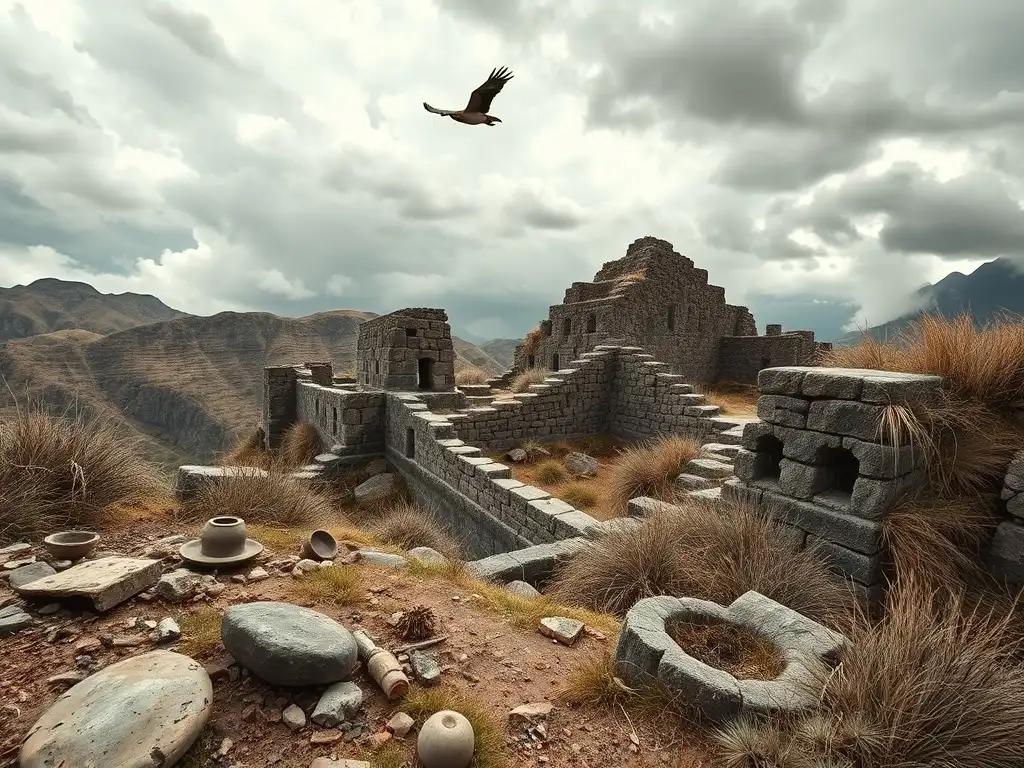
This section delves into specific examples of Andean empires' collapses, analyzing the contributing factors and demonstrating the complex interplay of internal weaknesses and external pressures that ultimately led to their demise. Understanding these historical collapses provides crucial insights into the dynamics of power and the vulnerabilities inherent in even the most formidable military machines. The keyword "Andean empires collapse causes" is central to this analysis.
The Decline of the Moche Civilization
The Moche, a powerful pre-Columbian civilization flourishing on Peru's northern coast between c. 100 and 800 CE, boasted a sophisticated military structure and impressive technological achievements. Their downfall, however, serves as a compelling case study in how environmental and social factors can undermine even the strongest military might.
Analyzing Moche Collapse: Environmental and Social Pressures
The Moche's prosperity was intrinsically linked to the fertile valleys of the northern Peruvian coast. Their sophisticated irrigation systems allowed for extensive agriculture, fueling their population growth and military strength. However, evidence suggests a period of severe drought and El Niño events around the 7th-8th centuries CE significantly impacted agricultural output.
This environmental stress exacerbated existing social inequalities, leading to increased internal conflict and weakening the central authority. Archaeological findings point to a decline in monumental architecture and a shift in burial practices, suggesting social unrest and a breakdown of the centralized power structure. The weakening of the Moche's economic and social foundations directly impacted their military capabilities, making them vulnerable to internal rebellion and possibly external incursions from neighboring groups.
The scarcity of resources likely led to internal conflict over control of the remaining arable land, further destabilizing the empire. The Moche's story highlights how even advanced irrigation techniques couldn't completely shield them from the devastating consequences of environmental change combined with social instability – a crucial factor in their eventual collapse. This demonstrates that a strong military alone is insufficient to ensure long-term survival; robust social and economic foundations are equally critical.
The Fall of the Wari Empire
The Wari Empire (c. 600-1000 CE), a major power in the Andes, controlled a vast territory through a complex administrative and military system. Unlike the Moche, the Wari's demise wasn't solely attributed to environmental factors. Instead, a combination of internal divisions and external pressures contributed to their eventual fragmentation.
Wari Empire Decline: Internal Divisions and External Pressures
The Wari's expansive empire, while impressive, presented significant challenges in terms of governance and control. Maintaining order across such a large and diverse population required a strong centralized authority. Evidence suggests that towards the end of their reign, internal divisions weakened the empire's ability to effectively respond to external threats. These internal fractures might have stemmed from competing elites vying for power, leading to political instability and weakening the military's effectiveness.
Furthermore, the sheer size of the Wari empire proved difficult to administer effectively. Maintaining control over distant provinces became increasingly challenging, leading to localized rebellions and the emergence of independent power centers. Simultaneously, the rise of other powerful groups, such as the Tiwanaku, exerted increasing pressure on the Wari's borders, further straining their resources and weakening their military strength.
The Wari case illustrates the vulnerability of large empires to centrifugal forces, highlighting the importance of effective governance, internal cohesion, and the ability to adapt to changing geopolitical landscapes. The inability to manage internal conflicts and withstand external pressures ultimately led to the Wari's disintegration, demonstrating that even a powerful military can be overwhelmed by a combination of internal strife and external threats. This underscores the importance of considering both internal and external factors when examining the causes of Andean empires collapse.
The Incan Empire's Vulnerability
The Incan Empire, at its zenith, controlled a vast territory stretching along the Andes Mountains. However, this seemingly invincible empire possessed inherent vulnerabilities that ultimately contributed to its downfall. One significant weakness was its centralized, hierarchical structure. While efficient for administration and resource management during periods of stability, this system proved incredibly brittle in the face of internal dissent or external threats.
The emperor held absolute power, and the death or incapacitation of a ruler could trigger power struggles and instability, weakening the empire's ability to respond effectively to challenges. Furthermore, the extensive reliance on a complex system of tribute and labor (mita) while ingenious for its time, created resentment among conquered populations. This resentment, coupled with harsh treatment in some regions, fostered simmering discontent that easily ignited into rebellion, weakening the empire from within. The lack of a strong, unified military force independent of the emperor’s direct control also proved problematic.
While the Inca army was formidable, its effectiveness depended heavily on the emperor's leadership and the loyalty of its diverse components. This reliance on a centralized command structure made the army vulnerable to disruption when faced with a coordinated attack or internal subversion. Finally, the Incan Empire's advanced road system, while facilitating communication and resource movement, also acted as a conduit for the rapid spread of disease, a factor that played a crucial role in the Spanish conquest.
Incan Empire Collapse: The Impact of the Spanish Conquest
The Spanish conquest dramatically accelerated the Incan Empire's demise, exposing its vulnerabilities to devastating effect. The relatively small Spanish force, led by Francisco Pizarro, exploited existing tensions and weaknesses within the Inca state. The unexpected arrival of the Spanish, coupled with the devastating impact of Old World diseases like smallpox—to which the Inca population had no immunity—decimated the population and severely weakened the empire's ability to resist. The Inca's initial surprise and lack of effective countermeasures against firearms and horses further exacerbated their disadvantage.
Internal conflicts over succession between Huáscar and Atahualpa further fractured the empire, allowing the Spanish to exploit the ensuing power vacuum and gain control through a combination of military force, strategic alliances with disgruntled Inca factions, and psychological warfare. The Inca's sophisticated administrative and logistical systems, designed for a unified empire, proved ineffective against a technologically superior and strategically cunning enemy that skillfully manipulated existing divisions within the Inca society. The capture and execution of Atahualpa effectively decapitated the empire, leaving it vulnerable to complete subjugation by the Spanish conquistadors.
The swiftness of the conquest underscores the fragility of the Incan Empire despite its apparent strength and power. The Spanish conquest serves as a stark reminder that even the most advanced civilizations can be brought down by a combination of internal weaknesses and external pressures. The subsequent brutal subjugation of the Inca population and the destruction of their culture highlight the devastating consequences of empire collapse.
Strategies and Tactics: The Impact of Military Weaknesses
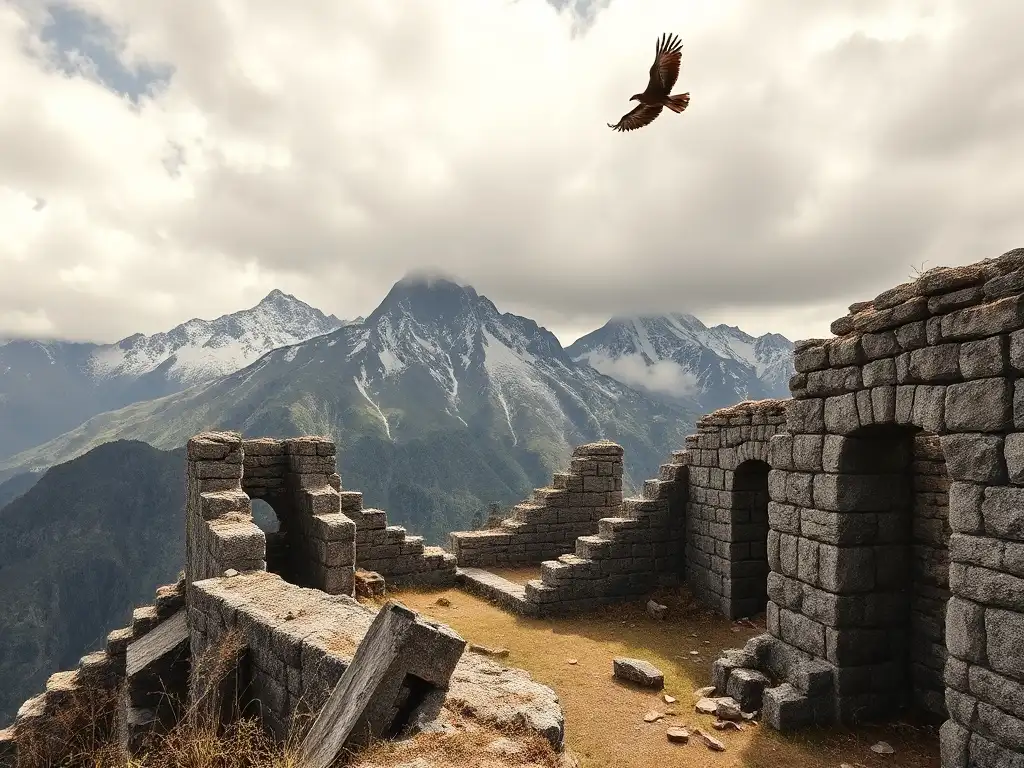
This section delves into the strategic and tactical vulnerabilities that contributed to the collapse of several powerful Andean empires. While renowned for their impressive military achievements, these civilizations were not immune to internal weaknesses that ultimately undermined their dominance. Examining these shortcomings offers crucial insight into the complex interplay of factors leading to their downfall. Understanding the Andean empires collapse causes requires a nuanced look beyond simple conquest narratives.
Adaptability and Resilience of Andean Military Tactics
The Andean military landscape was incredibly diverse, with tactics varying significantly between different cultures and across time periods. While some empires, like the Inca, demonstrated remarkable adaptability, adjusting their strategies to conquer diverse terrains and peoples, others proved less flexible. The Moche, for example, heavily relied on their coastal fortifications and naval prowess, leaving them vulnerable when faced with inland incursions. Their tactics, while effective in their specific environment, lacked the broad adaptability necessary to withstand sustained pressure from diverse enemies.
This lack of adaptability is evidenced by the archaeological record. While Moche weaponry and defensive structures were sophisticated for their time, there's limited evidence of significant tactical innovation in response to changing threats. Conversely, Inca military strategies show a greater capacity for adaptation, evidenced by their use of diverse weaponry (slings, clubs, spears, and later, firearms acquired through contact with Europeans), their mastery of mountain warfare, and their effective use of logistics and communication networks across vast distances.
The Inca's success underscores the importance of a flexible military doctrine capable of responding to evolving threats. The contrast between the Moche and Inca highlights how adaptability, or its lack, directly impacted an empire's longevity and resilience.
The ability to swiftly respond to changing military landscapes wasn't solely about tactical flexibility; it also involved logistical prowess and efficient resource management. The Inca's mit'a system, a form of mandatory labor, allowed them to rapidly mobilize resources and manpower for military campaigns. This logistical advantage proved crucial in their conquests, but its absence in other Andean empires, such as the Nazca, contributed to their relative weakness and susceptibility to external threats.
The Limitations of Andean Military Structures
Beyond tactical adaptability, the internal structure and organization of Andean armies played a critical role in their success or failure. While the Inca developed a highly centralized and efficient military system, with a complex hierarchy and specialized units, other empires lacked this level of organization. This difference significantly impacted their ability to respond effectively to large-scale conflicts and internal rebellions.
For example, the Tiahuanaco empire, while possessing considerable military strength, seemingly lacked a robust system for integrating conquered territories and maintaining control over vast distances. This resulted in frequent uprisings and internal conflicts that weakened the empire from within, making it vulnerable to external threats. The absence of a well-defined chain of command and efficient communication networks severely hampered their ability to coordinate military responses and suppress dissent. The Inca's success, in contrast, stemmed partly from their ability to integrate conquered peoples into their military structure and to maintain effective communication and control across their expansive empire.
We can analyze this through a simple table comparing key aspects of Andean military structures:
| Empire | Centralization | Communication | Integration of Conquered Peoples | Logistical Efficiency |
|---|---|---|---|---|
| Inca | High | High | High | High |
| Tiahuanaco | Moderate | Low | Low | Low |
| Moche | Low | Low | Low | Moderate |
| Nazca | Low | Low | Low | Low |
This table clearly shows the correlation between centralized military structures, efficient communication, successful integration of conquered populations, and logistical efficiency with the longevity and success of Andean empires. The lack of these elements in many empires ultimately contributed to their vulnerabilities and eventual collapse.
How Warfare Contributed to Andean Empire Downfall
Constant warfare, while sometimes a catalyst for expansion, frequently contributed to the downfall of Andean empires. Prolonged conflicts drained resources, destabilized societies, and eroded the legitimacy of ruling elites. The costs of maintaining large armies, funding military campaigns, and rebuilding after battles placed significant strains on the empires' economic and social systems.
The constant need for military mobilization disrupted agricultural production, trade networks, and infrastructure development. This disruption, in turn, led to widespread economic hardship, social unrest, and ultimately, weakened resistance to both internal and external threats. Furthermore, the high casualty rates associated with prolonged warfare depleted the empires' manpower, making them increasingly vulnerable to rebellions and invasions.
The effects of this are readily apparent in the archaeological record. Sites across the Andes show evidence of extensive destruction and abandonment, reflecting the devastating impact of warfare on settlements and populations. For instance, [specific archaeological evidence pending] illustrates the scale of destruction in certain regions following prolonged periods of conflict.
The cumulative effect of these factors significantly weakened the Andean empires, making them ripe for collapse, emphasizing the crucial role that sustained warfare played in undermining their power and stability. Ultimately, the study of these Andean empires collapse causes highlights the importance of considering both internal vulnerabilities and the devastating consequences of prolonged conflict.
Lessons from the Fall of Andean Empires
This section delves into the multifaceted reasons behind the collapse of powerful Andean empires, offering insights into the complex interplay of factors that contributed to their demise. Understanding these historical patterns provides valuable lessons for analyzing societal stability and the vulnerabilities of even the most formidable military powers. Analyzing the "Andean empires collapse causes" reveals a tapestry woven from internal strife, environmental pressures, and external threats.
Understanding the Cycles of Rise and Fall
The rise and fall of Andean empires weren't isolated events; they followed cyclical patterns, often mirroring each other in surprising ways. The Inca Empire, for example, rose to prominence through superior military organization and effective administrative systems, eventually conquering a vast territory. However, this rapid expansion strained resources and created internal tensions. Similarly, the Wari Empire, a predecessor to the Inca, experienced a period of significant growth followed by a gradual decline, possibly due to overextension and internal conflicts. These cycles highlight the inherent fragility of even seemingly invincible empires.
The cyclical nature of Andean power dynamics wasn't simply a matter of chance. Each empire faced a similar set of challenges: maintaining control over a diverse population, managing resources effectively, and adapting to environmental changes. The inability to effectively navigate these challenges often proved fatal. For instance, the Chimu Empire, known for its sophisticated irrigation systems, eventually crumbled under the weight of internal rebellions and external pressures from the Inca.
Their sophisticated technology, while impressive, couldn't compensate for the empire's internal weaknesses. Studying these cycles reveals that sustainable power requires not just military might, but also robust social structures and adaptable governance. The absence of these factors often precipitated the collapse, regardless of military prowess.
Social and political stability played a crucial role in the longevity of Andean empires. The Inca, for instance, maintained a relatively stable empire for a considerable time through a sophisticated system of governance that included a complex bureaucracy and a network of loyal officials. This system ensured that resources were distributed effectively and that dissent was swiftly suppressed. However, even the Inca's elaborate system couldn't withstand the strains of internal conflict and external pressures that ultimately led to their downfall. The Spanish conquest, while a significant external factor, exploited pre-existing social and political fissures within the Inca Empire.
Conversely, empires characterized by internal strife and weak leadership often experienced rapid decline. The collapse of the Moche civilization, for example, is attributed to a combination of factors, including internal conflicts, social unrest, and possibly environmental challenges. The lack of a strong central authority likely exacerbated these problems, leading to the empire's fragmentation and eventual demise.
Examining the "Andean empires collapse causes" reveals that the ability to maintain social harmony and political unity was a key determinant of an empire's lifespan. Without it, even the most formidable military could not guarantee long-term stability. The absence of strong, unified leadership often led to internal power struggles, weakening the empire from within and making it vulnerable to external threats.
The Impact of Environmental Factors on Military Strength
Environmental factors significantly influenced the military strength and longevity of Andean empires. The availability of resources, such as fertile land and water, was crucial for supporting large armies and maintaining a stable population. Climate change, droughts, and natural disasters could have devastating consequences, leading to famine, disease, and social unrest. These environmental pressures often weakened empires, making them more vulnerable to conquest or internal collapse.
The Nazca civilization, renowned for its intricate irrigation systems, faced challenges related to water scarcity. While their engineering prowess allowed them to manage water resources effectively for a time, prolonged droughts could have severely impacted their agricultural production and consequently, their military capabilities. Similarly, the Tiahuanaco Empire's decline is partly attributed to environmental changes, including shifts in climate and decreased agricultural productivity. These environmental pressures weakened the empire's economic base and its ability to sustain a large military force, contributing to its eventual fall.
Therefore, understanding the "Andean empires collapse causes" requires considering the crucial role of environmental factors in shaping the strength and resilience of these civilizations. The interplay between human actions and environmental limitations played a significant role in determining the rise and, ultimately, the fall of Andean empires. Analyzing these environmental impacts provides a crucial perspective on the complex factors that contributed to their demise.
Further Research in Andean Collapse Analysis
Further research into the collapse of Andean empires requires a multidisciplinary approach, integrating archaeological evidence with historical accounts (where available), anthropological insights, and climatological data. Currently, there's a need for more detailed studies focusing on specific localized factors contributing to the overall decline. For example, while we understand the role of climate change in weakening agricultural yields, more research is needed to quantify the impact on specific crops and regions. Similarly, the interplay between internal societal pressures (e.g., rebellions, power struggles) and external threats (e.g., disease, warfare) remains a complex area requiring further investigation. The development of more sophisticated modeling techniques incorporating these various factors could significantly improve our understanding of the processes involved in the collapse of these complex societies.
Detailed analysis of the material culture from the periods leading up to and during the collapse is crucial. This includes a careful examination of changes in pottery styles, building techniques, and agricultural tools, to understand how societies adapted (or failed to adapt) to changing circumstances. Additionally, a more thorough investigation into the role of communication networks and their breakdown during periods of crisis would illuminate how information (or misinformation) spread and influenced societal responses to challenges. This interdisciplinary approach, combining archaeological digs with advanced data analysis and modelling, offers the best hope for a comprehensive and nuanced understanding of the Andean empires' demise.
A collaborative effort involving archaeologists, historians, anthropologists, climatologists, and data scientists is essential to unlock the secrets of these fascinating civilizations' fall. By combining existing knowledge with novel research methodologies, we can paint a far more complete picture of the factors that led to the collapse of these powerful Andean states, ultimately offering valuable insights into the fragility of even the most seemingly robust empires. This is particularly important in the context of modern societies facing similar challenges such as climate change and resource scarcity. The lessons learned from the past can inform our approach to present-day challenges.
Frequently Asked Questions
What were the primary causes of the collapse of the Andean empires?
The collapse of Andean empires like the Inca was a complex process with no single cause. Internal rebellions, disease, civil war, and Spanish conquest all played significant roles in weakening and ultimately destroying these powerful civilizations. The interplay of these factors proved devastating.
Did environmental factors contribute to the fall of the Andean empires?
Yes, environmental factors such as droughts, floods, and soil erosion significantly impacted agricultural production, leading to food shortages and social unrest, weakening the empires' ability to withstand other pressures. These issues stressed already fragile political systems.
How did the Spanish conquest impact the existing Andean empires?
The arrival of the Spanish introduced new diseases, such as smallpox, to which the indigenous populations had no immunity, causing widespread death and societal disruption. The Spanish military technology and strategies also proved superior, leading to the swift conquest of the Inca and other empires.
What role did internal conflicts play in the downfall of Andean civilizations?
Internal conflicts, including succession crises, power struggles, and rebellions from subjugated groups, significantly weakened the Andean empires. These internal divisions made them vulnerable to external threats, such as disease and conquest.
Were all Andean empires affected equally by the same factors?
No, the specific factors contributing to the downfall of each Andean empire varied. While some experienced similar challenges like disease, others faced unique pressures. For example, the Moche's downfall may have been partially due to environmental changes, while the Inca faced significant challenges from Spanish conquest and internal strife.
Final Reflection: Echoes of the Andes: Lessons from Fallen Empires
The collapse of Andean empires resonates deeply with our modern world, offering stark warnings about the fragility of power and the enduring importance of societal resilience. Understanding the factors that contributed to the downfall of civilizations like the Inca, Wari, and Tiwanaku – from internal strife and environmental pressures to external threats and disease – provides crucial insights into the cyclical nature of power and the potential pitfalls of unchecked ambition. These historical parallels are not mere academic exercises; they offer valuable lessons for navigating the complexities of our own interconnected and rapidly changing world.
The legacy of these Andean empires continues to shape the cultural and social landscape of South America, influencing everything from language and traditions to political structures and economic systems. Their stories serve as potent reminders of the ephemeral nature of dominance and the enduring strength of human spirit in the face of adversity. History does not repeat itself, but it often rhymes,
as Mark Twain famously observed. This rhyme echoes powerfully in the challenges faced by modern societies, highlighting the cyclical nature of societal rise and fall and the importance of learning from the past to build a more sustainable future.
Consider the fragility of power, the importance of adaptability, and the enduring strength of community. Reflect on the ways in which the lessons learned from the Andean collapses might inform your own understanding of societal dynamics and personal resilience. You, too, possess the power to build a legacy that transcends the ephemeral nature of power, a legacy built on understanding, empathy, and a commitment to sustainable growth. Let the echoes of the Andes inspire you to build a more resilient and equitable future.
Unveil the Secrets of Resilience!
Thank you for exploring the fascinating world of Andean military powers with us! Your interest reveals not only valuable historical insights but also offers a unique perspective on the dynamics of resilience in civilizations. Having examined the factors contributing to their decline, let's delve deeper.
Here are some ways to further your understanding and engagement:
- Expand your historical knowledge: Research the collapse of other ancient civilizations. What parallels can we draw with contemporary challenges and successes?
- Join our community: Subscribe to our newsletter for exclusive content and updates on upcoming discussions exploring Andean history and its enduring lessons.
- Share your insights: Discuss the intriguing connections between past and present with friends and colleagues, or share your reflections on resilience on social media.
Which lessons from these fallen empires resonate most strongly with you in today's world? We encourage you to share your thoughts below!