
Voices in the Wind: The Fragility and Resilience of Andean Oral Tradition

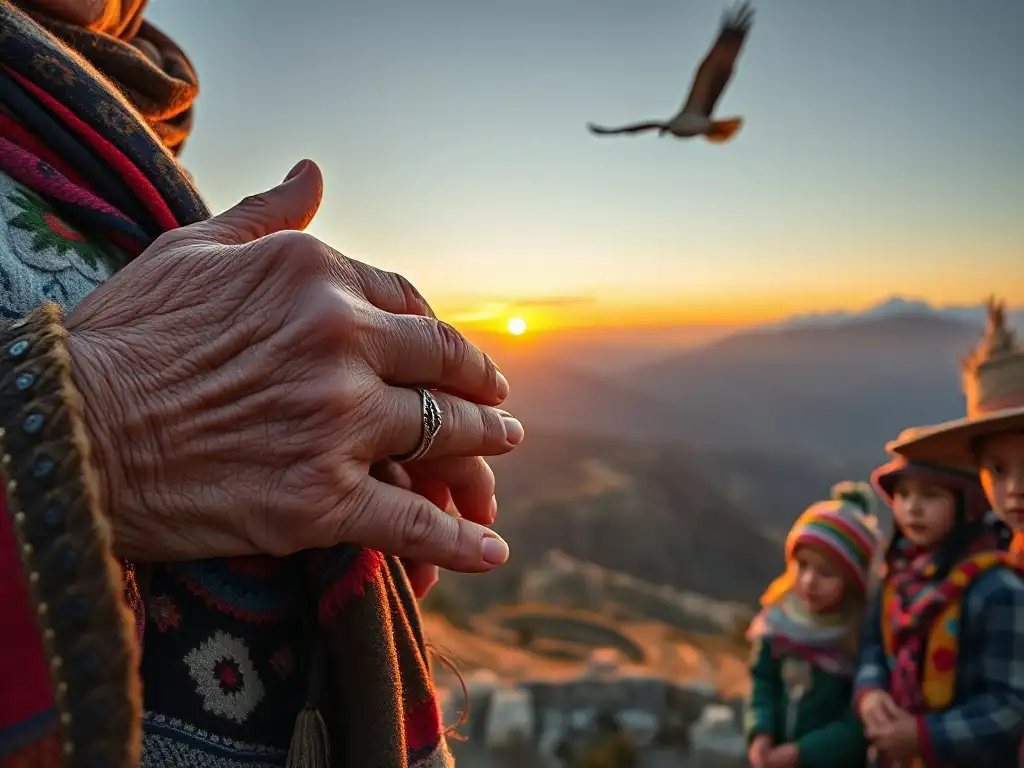
Unravel the mysteries whispered on the wind for millennia. Dive into the captivating world of Andean civilizations, where towering empires rose and fell, leaving behind a legacy richer than gold. But what secrets do the mountains themselves hold? Our exploration of Andean oral tradition history reveals a fragile yet resilient tapestry of stories, revealing how these ancient voices continue to shape the Andes today. Prepare to be amazed as we uncover the echoes of the past.
-
Voices in the Wind: Exploring the Fragility and Resilience of Andean Oral Tradition
- Introduction to Andean Oral Tradition and its Significance
- The Historical Roots of Andean Oral Storytelling
- Key Elements of Andean Oral Tradition
- The Fragility of Andean Oral Tradition
- Resilience and Adaptation of Andean Oral Tradition
- The Future of Andean Oral Tradition: Ensuring its Continuity
- Conclusion: The Enduring Legacy of Andean Oral Tradition
-
Frequently Asked Questions
- What role did oral tradition play in Andean societies?
- How was information preserved through oral tradition in the Andes?
- How reliable is information passed down through Andean oral tradition?
- What are some examples of Andean oral traditions that survive today?
- How does the study of Andean oral tradition contribute to our understanding of history?
- Final Reflection: Echoes of the Andes, Whispers of the Future
- **Embrace and Elevate Andean Oral Tradition Today! **
Voices in the Wind: Exploring the Fragility and Resilience of Andean Oral Tradition
The Andes Mountains, a spine of towering peaks running down the western coast of South America, have borne witness to millennia of human history. For centuries, long before the written word held sway, the vibrant cultures of the Andean region – the Incas, Moche, Nazca, Tiahuanaco, and countless others – relied on oral tradition to preserve their history, beliefs, and knowledge. This rich tapestry of stories, songs, myths, and rituals, passed down through generations, represents a profound and often overlooked aspect of Andean heritage.
Understanding Andean oral tradition is crucial to comprehending the complexities of these ancient societies and their enduring legacy. This article delves into the fragility and remarkable resilience of this vital form of cultural transmission, exploring its historical roots and the challenges it faced – and continues to face – in the modern world.
We will examine how oral tradition shaped Andean societies, its role in maintaining cultural identity, and the ongoing efforts to preserve this invaluable inheritance for future generations. This exploration is key to understanding the keyword "Andean oral tradition history" and its significance in the broader context of Andean civilizations.
Introduction to Andean Oral Tradition and its Significance
Andean oral tradition wasn't simply a method of entertainment; it served as the bedrock of Andean societies. It was the primary means of transmitting knowledge, preserving history, and reinforcing social structures. Narratives, often imbued with mythical and cosmological significance, explained the origins of the world, the relationship between humans and the natural environment, and the intricate social hierarchies that governed daily life.
These weren't merely stories; they were living repositories of cultural memory, shaping beliefs, values, and practices. The effectiveness of oral transmission relied on skilled storytellers, often individuals holding respected positions within their communities, who memorized vast amounts of information and adapted their narratives to suit specific audiences and contexts.
The power of these narratives lay in their ability to connect past, present, and future, fostering a sense of continuity and shared identity across generations. The impact of this tradition is still felt today, shaping Andean cultural practices and influencing modern artistic expressions.
The Historical Roots of Andean Oral Storytelling
The history of Andean oral storytelling is a long and complex one, extending back thousands of years. The sheer volume of information transmitted orally is staggering, encompassing cosmological myths, historical accounts, agricultural techniques, medicinal knowledge, and intricate social codes. The challenge of reconstructing this history is significant, as much of it relies on archaeological evidence, linguistic analysis, and the careful study of surviving oral traditions themselves. However, by piecing together these fragments, we can begin to appreciate the depth and richness of this ancient form of knowledge transmission.
Pre-Inca Oral Traditions: A Glimpse into the Past
Evidence from pre-Inca cultures suggests a sophisticated system of oral storytelling already existed long before the rise of the Inca Empire. Archaeological findings, such as intricate pottery depicting narrative scenes and the discovery of objects with symbolic meaning, hint at complex mythologies and belief systems. For example, the Nazca Lines, though their precise purpose remains debated, suggest a highly organized society capable of complex planning and communication, likely facilitated through elaborate oral traditions. Similarly, the Moche culture, known for its impressive metalwork and monumental architecture, also left behind visual representations that suggest a rich oral culture, possibly encompassing detailed accounts of their history, rituals, and beliefs. Understanding these pre-Inca traditions is essential to grasping the evolution of Andean oral culture and its subsequent development under Inca rule. Further research is needed to fully illuminate the specific details of these traditions, but the available evidence paints a vibrant and complex picture.
The Inca Empire and the Transmission of Knowledge through Oral Means
The Inca Empire, with its vast territory and highly centralized administration, relied heavily on oral tradition to maintain control and ensure the effective governance of its diverse population. The quipus, knotted strings used for recording numerical data and perhaps even narrative information, played a significant role in the transmission of knowledge. While the precise nature of quipu use remains a subject of ongoing scholarly debate, it is clear that they were an important tool for Inca record-keeping.
In addition to the quipus, the Inca also employed a complex system of professional storytellers, known as amautas, who played a crucial role in preserving and disseminating imperial narratives, historical accounts, and religious beliefs. These individuals were highly respected members of society, responsible for educating the population and reinforcing the Inca worldview. The Inca system, while centralized, co-existed with existing regional oral traditions, leading to a complex interplay between imperial narratives and local customs.
The Inca’s mastery of oral transmission ensured the empire’s stability and cultural cohesion. However, the Spanish conquest dealt a severe blow to this system, leading to significant loss and fragmentation.
Key Elements of Andean Oral Tradition
The Role of Storytellers and Keepers of Knowledge
Andean oral tradition wasn't simply a casual sharing of stories; it was a meticulously preserved and transmitted body of knowledge. Specific individuals, often elders within the community, held the crucial role of yachaywasi—keepers of knowledge. These weren't just storytellers; they were repositories of history, cosmology, social norms, and practical skills.
Their ability to recount narratives, genealogies, and historical events accurately was paramount. Their performance wasn't merely recitation; it was an art form, often incorporating dramatic flair, music, and mime to engage the audience and ensure memorability. The respect afforded to these yachaywasi ensured the continuity of cultural transmission across generations.
Their authority wasn't just based on age, but on their proven ability to accurately recall and interpret the vast body of knowledge entrusted to them. This system created a robust framework for cultural preservation, ensuring that essential information was passed down reliably. The loss of these key individuals, therefore, represents a significant blow to the survival of Andean oral traditions.
Myths, Legends, and Folktales: Preserving Cultural Heritage
Myths, legends, and folktales formed the bedrock of Andean oral tradition, serving as powerful tools for transmitting cultural values, beliefs, and historical narratives. These stories weren't mere entertainment; they provided explanations for natural phenomena, guided social behavior, and reinforced community identity. For example, stories about the creation of the world, the origins of different ethnic groups, and the exploits of legendary heroes instilled a sense of shared history and belonging.
Legends often served to caution against certain actions or to celebrate exemplary behavior. Folktales, on the other hand, often provided moral lessons or explored universal themes of love, loss, and ambition. The intricate details and symbolic language within these narratives were carefully crafted to convey complex ideas and ensure their lasting impact.
Their survival, often passed down through generations, is a testament to their significance in shaping Andean cultural identity and worldview. The richness and diversity of these narratives reflect the complex tapestry of Andean societies.
The Importance of Music and Song in Oral Transmission
Music and song played a vital role in the preservation and transmission of Andean oral tradition. Songs weren't just musical compositions; they were mnemonic devices, embedding historical events, genealogies, and cultural knowledge within memorable melodies and rhythms. The use of repetitive verses and specific musical structures aided memorization and facilitated the transmission of information across generations. Different musical styles were often associated with specific occasions, rituals, or social groups, further enhancing their mnemonic function.
The use of musical instruments, such as panpipes and drums, added another layer of cultural significance, enhancing the emotional impact and memorability of the songs. The loss of these musical traditions would represent an irreparable loss of cultural memory and a significant weakening of the Andean oral tradition. The intricate interplay between music, lyrics, and performance ensured that knowledge was not merely communicated but deeply ingrained in the cultural consciousness.
Rituals and Ceremonies as Vehicles for Oral Tradition
Rituals and ceremonies provided crucial contexts for the transmission of Andean oral tradition. These events weren't just formal occasions; they were active sites of knowledge transfer, where stories, myths, and historical accounts were recounted and re-enacted. The performance of these rituals often involved specific songs, chants, and dances, all of which served to reinforce the cultural knowledge embedded within them.
The cyclical nature of these rituals ensured the regular repetition and reinforcement of key narratives and beliefs. The active participation of community members in these events further cemented their understanding and appreciation of their cultural heritage.
The decline in the practice of traditional rituals poses a significant threat to the preservation of Andean oral tradition, as it weakens the social mechanisms through which knowledge is transmitted and celebrated. The loss of these rituals would mean more than just the loss of a performance; it would be the loss of a vital link to the past.
The Fragility of Andean Oral Tradition
The Impact of Colonization on Indigenous Languages and Storytelling
The Spanish colonization of the Andes had a devastating impact on indigenous languages and storytelling. The systematic suppression of Quechua and Aymara, the dominant indigenous languages, led to a significant loss of cultural knowledge embedded within them. The imposition of Spanish as the official language forced many communities to abandon their native tongues, leading to the erosion of traditional storytelling practices. The destruction of indigenous cultural artifacts and the suppression of traditional rituals further compounded the problem.
This resulted in a significant loss of ancestral knowledge and a weakening of community identity. The colonial project actively sought to erase indigenous cultures, and the impact on oral traditions was profound and long-lasting. The consequences are still felt today, highlighting the deep wounds left by colonial oppression.
Modernization and the Erosion of Traditional Practices
Modernization has presented another significant challenge to the preservation of Andean oral tradition. The influx of mass media, such as television and the internet, has led to a decline in the practice of traditional storytelling. Younger generations are increasingly exposed to globalized forms of entertainment, which often overshadow traditional narratives. Rapid urbanization and migration patterns have also disrupted traditional social structures, weakening the ties that bind communities and hindering the transmission of cultural knowledge.
The shift towards a predominantly literate culture has further marginalized oral traditions, leading to a decline in the number of individuals proficient in traditional storytelling practices. This erosion of traditional practices poses a serious threat to the survival of Andean cultural heritage. The challenge lies in finding ways to integrate traditional practices with modern life while preserving their cultural significance.
The Loss of Elders and Their Knowledge
The passing of elders represents an irreplaceable loss to Andean oral tradition. These individuals are the custodians of vast amounts of cultural knowledge, accumulated over generations. Their death signifies not only the loss of a single person but also the potential disappearance of unique stories, historical accounts, and traditional practices. The knowledge embedded within them is often tacit and difficult to document, making their loss particularly devastating.
The lack of systematic efforts to record and preserve this knowledge before it disappears represents a significant failure in cultural preservation. The urgency of documenting and preserving this knowledge cannot be overstated, as the window of opportunity is rapidly closing. This loss represents a critical break in the chain of cultural transmission, impacting the continuity of Andean communities.
Challenges in Documenting and Preserving Oral Histories
Documenting and preserving Andean oral histories presents numerous challenges. The sheer volume of knowledge to be recorded, the diversity of languages and dialects, and the often-fragmented nature of oral traditions make this task daunting. Finding skilled individuals capable of both recording and interpreting these narratives is also crucial.
Ensuring the accuracy and authenticity of the recordings while respecting the cultural sensitivity of the communities involved is paramount. The lack of resources and funding often hampers efforts to undertake comprehensive documentation projects. Furthermore, gaining the trust and cooperation of indigenous communities is essential, as many are wary of outsiders appropriating their cultural heritage.
Overcoming these challenges requires a collaborative approach involving indigenous communities, researchers, and cultural institutions, with a focus on respecting cultural protocols and ensuring the ethical and responsible preservation of oral histories. The success of such endeavors relies on mutual respect and a shared commitment to safeguarding this invaluable cultural legacy.
Resilience and Adaptation of Andean Oral Tradition
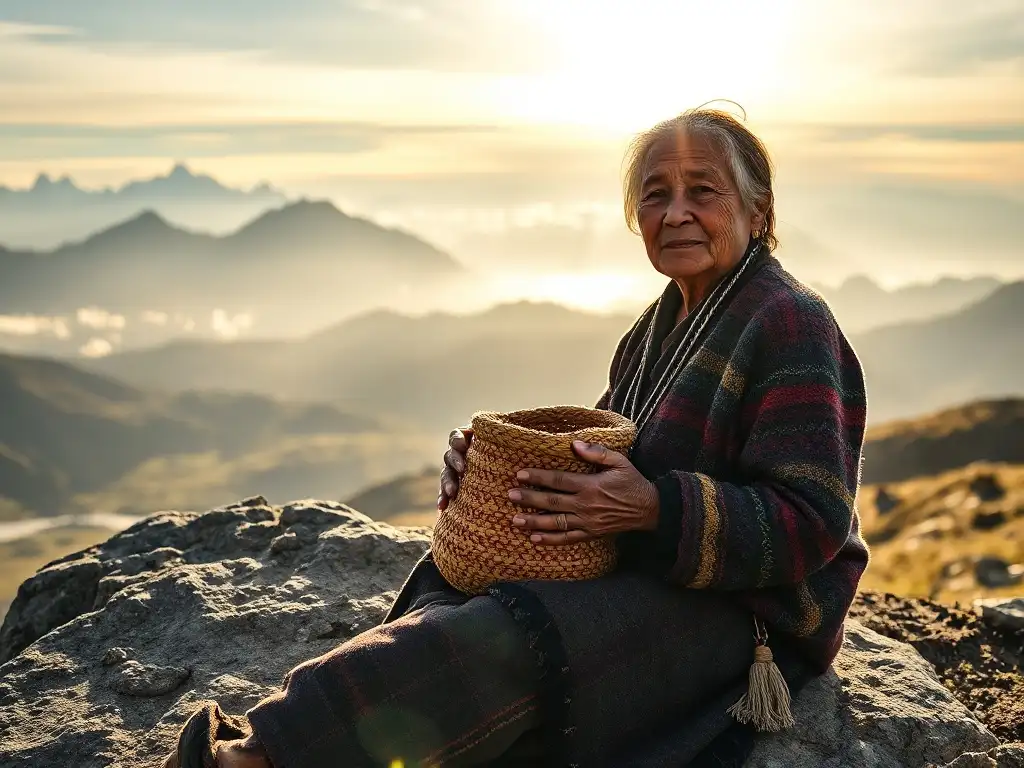
Andean oral tradition, despite facing immense pressure from colonization and globalization, has demonstrated remarkable resilience. Its survival is a testament to the deep-rooted cultural significance and the ingenious strategies employed by Andean communities to safeguard their heritage. This resilience isn't passive; it's an active process of adaptation and reinvention. For centuries, Andean peoples have creatively interwoven their ancestral narratives into new social and political contexts, ensuring the continuity of their traditions even amidst significant societal shifts.
The ability to adapt and transmit knowledge across generations is a key factor in the ongoing vitality of Andean oral traditions. This adaptability is not simply about survival; it's about the ongoing evolution and enrichment of the tradition itself. New stories emerge, reflecting contemporary realities while still drawing upon the rich tapestry of the past. The narratives themselves shift and evolve, incorporating new experiences and perspectives while maintaining their core values and meanings.
Community-Based Initiatives for Language and Culture Revitalization
Numerous community-based initiatives across the Andes are actively working to revitalize their languages and cultures, including their oral traditions. These initiatives often involve collaborative efforts between community members, linguists, educators, and cultural organizations. They focus on creating spaces for the transmission of knowledge, developing educational materials in indigenous languages, and documenting oral narratives before they are lost.
These grassroots movements are crucial for ensuring the sustainability of Andean oral traditions, empowering communities to actively participate in the preservation of their heritage. Successful initiatives frequently involve intergenerational projects, bringing together elders who are repositories of traditional knowledge with younger generations eager to learn and carry on the legacy. For example, [specific community-based initiative and its impact pending].
The Role of Education in Promoting Oral Traditions
Education plays a pivotal role in the preservation and transmission of Andean oral traditions. Integrating indigenous languages and oral narratives into school curricula is vital for fostering cultural pride and promoting language revitalization. However, this requires more than simply including stories in textbooks; it necessitates a pedagogical approach that values oral learning and active participation.
Effective educational strategies should involve storytelling workshops, community-based learning, and the use of multimedia resources that engage students and make the learning process more interactive and meaningful. Unfortunately, many educational systems still undervalue indigenous languages and oral traditions, hindering their transmission to younger generations. A concerted effort is needed to reform educational policies and practices to adequately reflect the importance of Andean oral heritage.
The Use of Technology to Preserve and Share Oral Histories
Technology offers unprecedented opportunities for preserving and sharing Andean oral histories. Audio and video recordings can capture the nuances of storytelling, preserving the voices and performances of elders and storytellers. Digital archives can make these recordings accessible to a wider audience, both within and beyond Andean communities.
Furthermore, technology facilitates the creation of interactive digital storytelling projects, allowing for greater engagement and participation. However, the use of technology must be approached thoughtfully and ethically, ensuring that community members have control over the recording and dissemination of their stories and that their intellectual property rights are respected. The digital preservation of oral traditions also requires strategies for long-term accessibility and data security.
The Adaptability of Oral Storytelling in Contemporary Contexts
Andean oral storytelling has demonstrated remarkable adaptability in contemporary contexts. Storytellers are creatively incorporating modern themes and issues into their narratives, while still maintaining the essence of traditional storytelling techniques. This adaptability ensures the relevance and resonance of oral traditions with younger generations.
For instance, [specific example of contemporary adaptation of Andean oral storytelling pending]. This ability to adapt and evolve is not a betrayal of tradition but a testament to its enduring power and its capacity to engage with the changing world. The fusion of traditional and contemporary elements ensures the continued vitality and relevance of Andean oral storytelling.
The Future of Andean Oral Tradition: Ensuring its Continuity
The future of Andean oral tradition hinges on a multifaceted approach that addresses both immediate challenges and long-term sustainability. This requires a concerted effort from various stakeholders, including indigenous communities, governments, educational institutions, and cultural organizations. A holistic strategy is needed, combining traditional practices with innovative approaches to ensure the continuity of this invaluable cultural heritage. The challenges are significant, but the potential rewards—preserving a rich cultural legacy and fostering intercultural understanding—are equally immense.
Supporting Indigenous Communities and Their Efforts
Supporting indigenous communities in their efforts to preserve their oral traditions is paramount. This involves providing financial resources, technical assistance, and access to educational opportunities. It also requires recognizing and respecting the rights of indigenous communities to control and manage their own cultural heritage. Governments and international organizations have a crucial role to play in providing the necessary support and protection. This support should not be limited to financial aid; it must also include the creation of enabling environments where indigenous languages and oral traditions can flourish.
The Importance of Intergenerational Transmission
Intergenerational transmission is crucial for the continuity of Andean oral traditions. Creating opportunities for elders to share their knowledge and stories with younger generations is vital. This can be achieved through storytelling workshops, mentorship programs, and family-based learning. The active involvement of youth in the preservation of their cultural heritage is essential for ensuring its longevity. This transmission is not simply a transfer of information; it is a process of cultural continuity that strengthens community bonds and fosters a sense of belonging.
The Need for Continued Research and Documentation
Continued research and documentation are essential for understanding the complexity and diversity of Andean oral traditions. This involves meticulous fieldwork, linguistic analysis, and the development of comprehensive archives. The research should be conducted in collaboration with indigenous communities, respecting their knowledge and perspectives. This research is not just an academic exercise; it is a vital step in preserving and promoting Andean oral traditions for future generations. The data gathered will inform educational initiatives, cultural preservation projects, and broader public awareness campaigns.
Protecting the Cultural Heritage of Andean Oral Storytelling
Protecting the cultural heritage of Andean oral storytelling requires a multi-pronged approach that combines legal protection, community-based initiatives, and international cooperation. Stronger legal frameworks are needed to safeguard indigenous intellectual property rights and prevent the unauthorized appropriation of oral traditions. International collaborations can facilitate the sharing of best practices and resources, promoting the global recognition and appreciation of Andean oral heritage.
This protection is not merely about preserving stories; it is about safeguarding the cultural identity and self-determination of Andean communities. The protection of Andean oral storytelling is a vital component of broader efforts to protect cultural diversity and promote intercultural understanding. The vibrant tapestry of Andean narratives deserves to be cherished and celebrated for generations to come.
Conclusion: The Enduring Legacy of Andean Oral Tradition
The fragility of Andean oral tradition, constantly threatened by the encroachment of colonialism, globalization, and the passage of time, is undeniable. The loss of languages, the dwindling number of fluent speakers, and the societal shifts that devalue traditional knowledge all contribute to a sense of urgency in preserving this invaluable heritage. However, the resilience of Andean oral tradition is equally striking. Despite immense pressures, stories, songs, and rituals continue to be passed down through generations, adapting and evolving while retaining their core cultural significance.
This adaptability is a testament to the deep-seated importance of oral tradition within Andean communities. The continued telling of myths, legends, and historical accounts serves not only to entertain but also to transmit crucial knowledge about cosmology, social structures, agriculture, and medicine. These narratives bind communities together, shaping their identities and providing a sense of continuity across time.
The ongoing efforts to document and revitalize Andean oral traditions, through initiatives such as community-based archiving projects and language revitalization programs, are crucial for securing their future. These efforts not only preserve linguistic diversity but also safeguard the rich tapestry of cultural knowledge embedded within these oral traditions. The stories themselves hold the key to understanding the Andean worldview, their intricate relationship with the environment, and their remarkable capacity for adaptation and survival.
By supporting these preservation efforts, we not only contribute to the survival of a unique cultural heritage but also gain a deeper understanding of the human experience itself. The voices in the wind, though sometimes faint, continue to speak, reminding us of the enduring power and legacy of Andean oral tradition, a legacy that deserves to be cherished and protected for generations to come. The study of Andean oral tradition history reveals not just a past, but a living, breathing culture constantly adapting and reinventing itself.
The challenge, and the opportunity, lies in ensuring that these voices continue to be heard. The future of Andean oral tradition depends on our collective commitment to its preservation and celebration.
Frequently Asked Questions
What role did oral tradition play in Andean societies?
Oral tradition was central to Andean life, transmitting history, beliefs, and knowledge across generations before the arrival of writing systems. It shaped social structures, religious practices, and artistic expressions.
How was information preserved through oral tradition in the Andes?
Information was preserved through memorization, storytelling, and ritual performance. Specialized individuals, like quipucamayocs, played a vital role in maintaining and interpreting this knowledge. Songs, poems, and myths were key tools.
How reliable is information passed down through Andean oral tradition?
The reliability of oral tradition is a complex issue. While subject to change over time, it offers valuable insights into Andean perspectives. Careful analysis, cross-referencing with archaeological evidence, and understanding the context are crucial for interpretation.
What are some examples of Andean oral traditions that survive today?
Many Andean oral traditions persist, including myths, legends, and songs. These are often interwoven with contemporary life, demonstrating the ongoing relevance of this ancient practice. They are kept alive through community gatherings and storytelling events.
How does the study of Andean oral tradition contribute to our understanding of history?
The study of Andean oral tradition provides alternative perspectives on the past, often excluded from written records. It reveals the complex social, political, and religious lives of Andean peoples, enriching our understanding of their history and culture.
Final Reflection: Echoes of the Andes, Whispers of the Future
The preservation of Andean oral tradition is not merely a historical exercise; it is a vital act of cultural survival in a rapidly changing world. The stories, songs, and knowledge passed down through generations are facing unprecedented challenges in the digital age, yet their resilience continues to inspire awe and hope. These vibrant narratives, woven into the very fabric of Andean identity, hold the key to understanding a rich and complex history, a history that deserves to be heard and understood by all.
The impact of globalization and modernization on Andean oral tradition is profound, threatening to silence the voices that have shaped the region for millennia. The delicate balance between preserving ancient customs and embracing progress is a constant struggle. Yet, the spirit of resistance remains strong. As the renowned Andean scholar, Maria Rostworowski, once wrote: The oral tradition is not simply a collection of stories; it is the living memory of a people, their history, their identity, their very soul.
This sentiment resonates deeply, underscoring the urgent need to actively support and celebrate the continuation of this invaluable heritage.
You, the reader, now hold a piece of this living memory. Consider how the stories and knowledge shared within these pages might resonate with your own life, your own community. What stories do you carry within you? What traditions are you actively preserving? Let us all become active participants in the preservation of these invaluable cultural treasures, ensuring that the voices of the Andes continue to echo through the generations, shaping our understanding of the past and inspiring our vision for the future.
**Embrace and Elevate Andean Oral Tradition Today! **
Thank you for exploring the rich world of Andean oral tradition. Your interest is crucial to preserving these unique cultural narratives, which demonstrate both the vulnerability and strength of Andean communities. Let's turn this appreciation into action!
**Here's how you can help:**
- **Share a story** from an Andean community on social media to raise awareness. Highlighting the beauty and significance of these tales will help ensure their survival.
- Connect with others who value these narratives by joining an online forum or a local storytelling group. Sharing your thoughts and learning from others will enrich your understanding.
- **Deepen your knowledge** by watching a documentary or listening to a podcast about Andean cultures. Sharing your reflections will help spread appreciation for this vital cultural heritage.
How will you help ensure these captivating stories continue to be heard and valued today?