
Where it All Began: Exploring the Cradle of Andean Civilization


Step into a world lost to time, yet echoing with the whispers of empires. Journey with us through the breathtaking landscapes and enigmatic legacies of the Ancient Andean civilizations. Discover the secrets behind their awe-inspiring achievements in Ancient Andean civilizations history, from the intricate artistry of the Nazca Lines to the sophisticated engineering of Machu Picchu. Uncover the mysteries that still shroud these remarkable cultures – prepare to be amazed.
The Andes Mountains, a spine of rock and ice stretching along the western coast of South America, are not merely a geographical feature; they are the very cradle of a rich tapestry of ancient civilizations. This article delves into the fascinating history of the Ancient Andean civilizations, exploring their origins and early settlements, a period that laid the foundation for the remarkable empires that would later flourish in the region.
We'll journey back in time to uncover the secrets of these pioneering societies, examining their adaptations to challenging environments, their innovative technologies, and the enduring legacy they left behind. Understanding the origins of these cultures is key to appreciating the complexities and achievements of later Andean empires like the Inca, and this exploration will provide a foundational understanding of the "Ancient Andean civilizations history."
We will focus on the early development of societal structures, agricultural practices, and the initial expressions of art and religious beliefs that shaped the Andean worldview. Prepare to be amazed by the resilience and ingenuity of these early inhabitants of the Andes.
The First Inhabitants: Early Human Presence in the Andes
The presence of humans in the Andes dates back tens of thousands of years, although precise dating remains a subject of ongoing research. Archaeological evidence suggests that early groups of hunter-gatherers adapted to the diverse ecosystems of the region, from the high-altitude puna grasslands to the coastal deserts. These early inhabitants developed sophisticated strategies for survival, mastering the challenges of a varied and often unforgiving landscape.
Their tools and technology, while seemingly simple, reflect a deep understanding of their environment and a remarkable capacity for innovation. Evidence of early settlements, although often fragmentary, points to a gradual shift towards more sedentary lifestyles as communities began to exploit local resources more effectively.
The transition from nomadic hunting and gathering to more settled agricultural practices would prove to be a pivotal moment in the development of Andean civilization. Further research is needed to fully understand the social structures and belief systems of these early Andean populations.
The Rise of Agriculture: A Foundation for Civilization
The development of agriculture was a transformative event in Andean history. The domestication of plants like potatoes, quinoa, and beans, along with the herding of llamas and alpacas, provided a stable food source, allowing for the growth of larger, more permanent settlements. This agricultural revolution is not just about food production; it's about the creation of surplus, leading to specialization of labor, the development of social hierarchies, and the emergence of complex societies.
The ingenious techniques developed by Andean farmers to cultivate crops in diverse and challenging environments, such as terracing and irrigation systems, are testaments to their technological prowess and deep understanding of their surroundings. These innovations laid the foundation for the impressive population growth and the rise of powerful states that would characterize later Andean civilizations. The impact of this agricultural revolution on the social and political landscape of the Andes cannot be overstated.
Early Andean Societies: Organization and Belief Systems
While our understanding of early Andean societies is still evolving, archaeological discoveries reveal a growing complexity in social organization and religious beliefs. Evidence suggests the existence of relatively sophisticated social hierarchies, with specialized roles and responsibilities within communities. Religious practices, often intertwined with agriculture and the natural world, played a central role in daily life.
The development of early artistic expressions, such as pottery and textiles, reflects not only aesthetic sensibilities but also the evolving belief systems and social structures of these communities. These early artistic creations offer valuable insights into the worldview and spiritual practices of the Andean people, providing a tangible link to their past. The diversity of these early societies across the different ecological zones of the Andes highlights the adaptability and resilience of the human spirit in the face of environmental challenges.
The Legacy of the Early Andean Civilizations
The early Andean civilizations, while often overlooked in favor of their later, more powerful successors, laid the groundwork for the remarkable achievements of the Inca and other Andean empires. Their innovations in agriculture, social organization, and technology provided the foundation upon which later cultures built their empires. Their mastery of their environment, their resilience in the face of adversity, and their rich cultural expressions serve as a testament to the human capacity for adaptation and innovation.
Understanding their history is essential to fully appreciating the grandeur and complexity of the Andean world. Their legacy continues to resonate in the modern Andes, shaping the cultural landscape and inspiring future generations. The study of these early civilizations offers valuable lessons about human adaptability, ingenuity, and the enduring power of cultural heritage.
- The First Inhabitants: Early Human Presence in the Andes
- The Rise of Agriculture: A Foundation for Civilization
- Early Andean Societies: Organization and Belief Systems
- The Legacy of the Early Andean Civilizations
- What is the focus of this article, "Where it All Began: Exploring the Cradle of Andean Civilization"?
- Which civilizations are discussed in the article about Ancient Andean civilizations history?
- What aspects of Andean civilization history are covered?
- How does the article relate to the keyword "Ancient Andean civilizations history"?
- Where can I find more information about specific Andean civilizations mentioned in the article?
Understanding the Roots of Ancient Andean Civilizations History
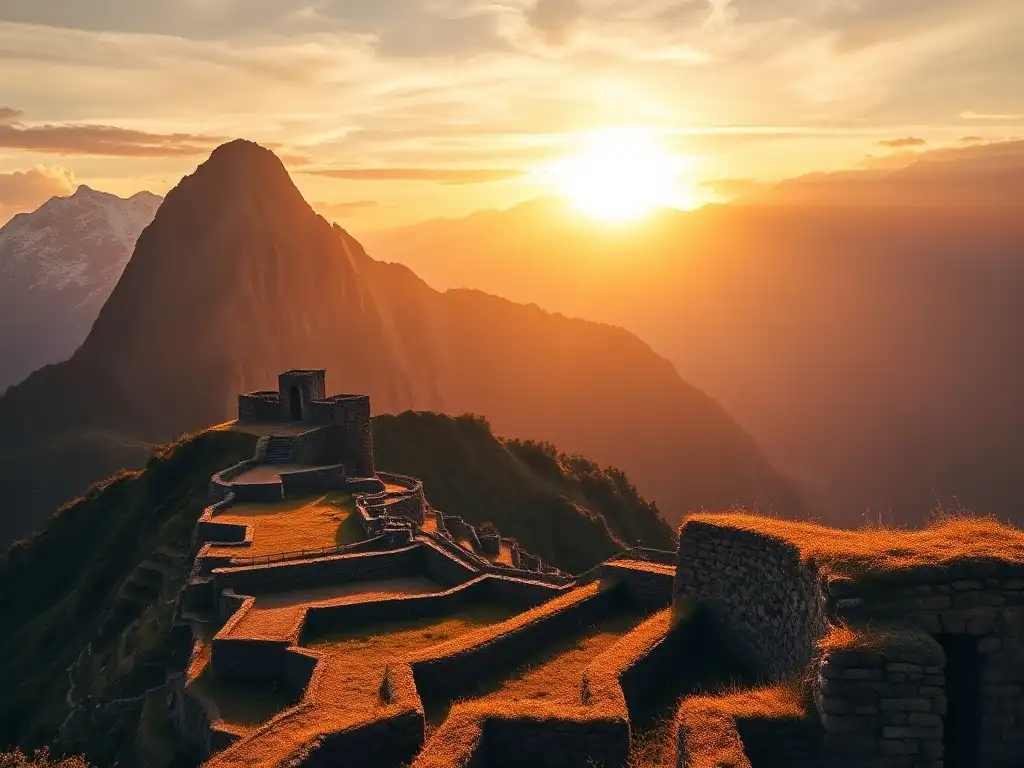
This section delves into the foundational aspects of Ancient Andean civilizations history, exploring the complex interplay of geographical factors and cultural development. We will examine the environmental influences that shaped the societies of the Andes, highlighting the ingenuity and resilience of these early cultures in adapting to their challenging surroundings. Understanding these roots is crucial to appreciating the remarkable achievements of later Andean empires like the Inca. The study of "Ancient Andean civilizations history" reveals a fascinating narrative of human adaptation and innovation.
Defining the Geographical Context of Early Andean Cultures
The geographical context of early Andean cultures is paramount to understanding their development. The Andes Mountains, stretching along the western coast of South America, present a diverse and challenging environment. This region is characterized by extreme altitude variations, leading to distinct ecological zones – from arid coastal deserts to lush cloud forests and high-altitude puna grasslands. This verticality, often referred to as verticality, profoundly influenced the agricultural practices, settlement patterns, and social structures of these early civilizations.
The coastal areas, while arid, offered access to the sea, providing essential resources like fish and shellfish. Rivers, often originating in the high Andes and flowing through diverse ecosystems, provided crucial irrigation sources for agriculture. However, the steep slopes and unpredictable weather patterns of the Andes posed significant obstacles. Early Andean communities had to develop sophisticated techniques for terracing hillsides, managing water resources, and adapting their agriculture to varied altitudes and climates. This ingenuity is a hallmark of Ancient Andean civilizations history.
We can see evidence of this adaptation in the diverse array of crops cultivated, ranging from potatoes and quinoa grown at high altitudes to maize and beans cultivated in lower, warmer regions. The mastery of these techniques enabled the growth of complex societies, capable of supporting larger populations and fostering cultural development. The intricate relationship between the environment and human ingenuity is a recurring theme in the study of Ancient Andean civilizations history.
The Importance of Environmental Factors in Andean Civilization Development
Environmental factors played a pivotal role in shaping the trajectory of Andean civilization development. The scarcity of resources in certain areas, coupled with the abundance in others, fostered trade networks and inter-regional interactions. The need to manage water resources, particularly in arid coastal regions, led to the development of sophisticated irrigation systems. These systems, some dating back millennia, are testaments to the engineering prowess of these early cultures. Their construction required meticulous planning, collaboration, and a deep understanding of hydrology, further highlighting the sophistication of Ancient Andean civilizations history.
Furthermore, the diverse ecological zones fostered specialization and exchange. Communities in different altitudinal bands produced different goods, leading to a complex system of trade and exchange. This interdependence fostered social connections and contributed to the growth of larger, more complex societies. The study of Ancient Andean civilizations history reveals a nuanced relationship between environmental challenges and human innovation, where resource scarcity often spurred creativity and technological advancement.
The impact of the environment extended beyond agriculture and trade. The mountainous terrain also influenced settlement patterns, with communities often establishing themselves in strategic locations that offered access to resources and protection from potential threats. The development of fortified settlements and defensive structures in some regions reflects the challenges posed by the environment and the need for community protection. This interplay between environmental constraints and human adaptation continues to fascinate researchers studying Ancient Andean civilizations history. Understanding this context is crucial to appreciating the resilience and ingenuity of these remarkable early civilizations.
Early Inhabitants and the Dawn of Andean Societies
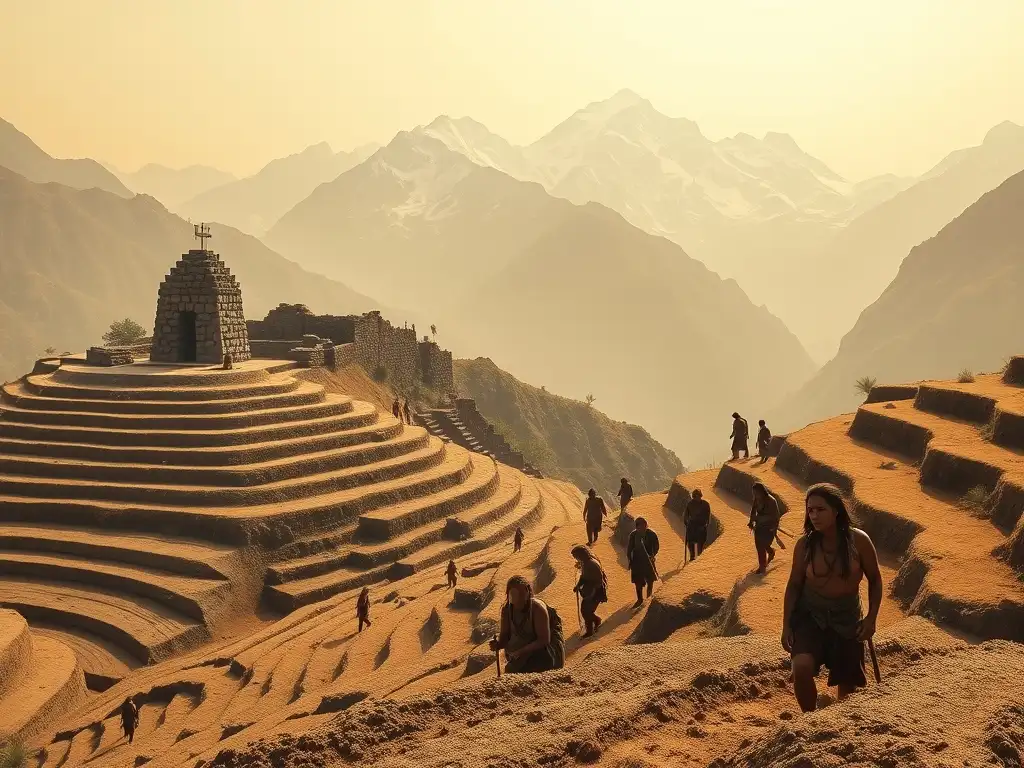
This section delves into the fascinating beginnings of Andean civilizations, exploring the lives and developments of the earliest inhabitants who laid the foundation for the complex societies that would later flourish in the region. Understanding the pre-Inca history of the Andes is crucial to appreciating the full tapestry of "Ancient Andean civilizations history." We'll examine the pivotal shifts from nomadic lifestyles to settled agricultural communities, highlighting key archaeological discoveries that illuminate this transformative period.
Preceramic Period: The First Settlements in the Andes
The Preceramic Period, spanning roughly 8000 to 2500 BCE, marks the initial human presence in the Andes and the gradual development of early societies. Evidence suggests that initial inhabitants were hunter-gatherers, adapting to the diverse Andean environment. Their survival depended on mastering the challenges of the high altitude, varied climates, and diverse landscapes.
The discovery of tools and early settlements indicates a growing understanding of the environment and its resources. These early inhabitants were not just surviving; they were actively shaping their world, laying the groundwork for future advancements. The development of sophisticated hunting techniques, such as the use of atlatls (spear-throwers) and the creation of specialized tools for processing plants and animals, shows a level of technological innovation that is often underestimated.
The transition from nomadic to semi-sedentary lifestyles began during this period, coinciding with the exploitation of increasingly abundant resources in certain areas. Archaeological evidence reveals the earliest rudimentary forms of domestication, with some evidence pointing towards experimentation with local plants and animals. While full-scale agriculture was still in its infancy, this period witnessed the crucial first steps towards a more settled existence, which would be a defining characteristic of later Andean societies. These initial experiments in resource management and community organization would prove vital for the subsequent development of complex Andean societies.
The Archaic Period: Transition to Sedentary Life and Agriculture
The Archaic Period (circa 2500-1800 BCE) witnessed a significant shift towards sedentary life and the development of agriculture as the primary subsistence strategy. This period represents a critical turning point in "Ancient Andean civilizations history," with profound implications for social organization, population density, and technological innovation. The adoption of agriculture, particularly the cultivation of crops like squash, beans, and potatoes, allowed for a more reliable food supply. This, in turn, supported larger, more permanent settlements, leading to a more complex social structure. This is reflected in the increased size and complexity of archaeological sites discovered from this era.
The development of irrigation systems, even rudimentary ones, played a crucial role in the success of agriculture in the arid coastal regions and high valleys. This required collaboration and social organization, indicating a growing level of social complexity and coordination. The increased availability of food resources also facilitated population growth, leading to the formation of larger, more densely populated settlements. This burgeoning population, in turn, fueled further technological innovations and social diversification.
Key Archaeological Sites Revealing Early Andean Life: Caral
Caral, located in the Supe Valley of Peru, stands out as one of the most significant archaeological sites providing insights into early Andean life. Dating back to approximately 2600 BCE, Caral is considered one of the oldest urban centers in the Americas. Its monumental architecture, including large platforms and plazas, suggests a highly organized society with a complex social structure. The absence of defensive structures or evidence of warfare suggests a relatively peaceful and stable society, focusing on economic production and social integration.
The discovery of sophisticated tools, including finely crafted textiles and intricate musical instruments, reveals a level of technological and artistic sophistication beyond what was previously expected for this early period. The intricate design of the buildings and the evidence of specialized labor indicate a high degree of social organization and a clear division of labor. Caral's remarkable complexity challenges previous assumptions about the development of early Andean societies, highlighting the sophisticated nature of their social and technological advancements.
Further research at Caral continues to provide valuable insights into the cultural and social dynamics of this formative period in "Ancient Andean civilizations history," enriching our understanding of the origins of Andean civilization. The site offers a compelling glimpse into the ingenuity and resilience of the earliest Andean inhabitants and their remarkable contributions to the rich cultural heritage of the region.
Key Archaeological Sites Revealing Early Andean Life: Kotosh
Kotosh, located in the central Andes of Peru, stands as a pivotal archaeological site illuminating the early stages of Andean societal development. Excavations at Kotosh have unearthed compelling evidence of complex social structures and religious practices dating back to the early centuries CE. 1 The site's fame rests largely on its remarkable temples, particularly the "Temple of the Crossed Hands," a structure showcasing intricate architectural design and symbolic artistry. This temple, constructed during the Kotosh phase (approximately 1500-1000 BCE), features iconic carved reliefs depicting crossed hands, interpreted by many researchers as a representation of early Andean religious beliefs and possibly signifying offerings or supplication. 2 The precision in the stonework and the deliberate arrangement of the structures suggest a level of societal organization and planning rarely seen in contemporaneous settlements. Furthermore, the discovery of meticulously crafted pottery and sophisticated tools provides insight into the daily lives and technological capabilities of the Kotosh people. The variety of pottery styles and the presence of specialized tools point towards a degree of economic specialization and social stratification, indicating a more complex society than previously imagined. The site’s location in the high Andes also highlights the early adaptation of Andean populations to challenging environments. The successful cultivation of crops in such an environment speaks volumes about their agricultural knowledge and resource management techniques.
The ongoing research at Kotosh continues to refine our understanding of early Andean social and religious evolution. New discoveries regularly challenge and expand existing theories, pushing the boundaries of our knowledge about the development of Andean civilizations. The meticulous excavation techniques and advanced analytical methods employed at Kotosh are setting new standards for archaeological research in the region, contributing significantly to the broader understanding of Ancient Andean civilizations history. The site's significance extends beyond its immediate geographical location; Kotosh serves as a crucial link in understanding the development of complex societies across the Andes, providing a glimpse into the formative years of a rich cultural tapestry. The intricate carvings, the sophisticated architecture, and the evidence of complex social structures all contribute to a more nuanced and complete narrative of the dawn of Andean societies. The enduring legacy of Kotosh lies in its ability to continually unveil new information and reshape our understanding of the origins of Andean civilization.
1 [Specific information pending: Cite source for dating of Kotosh structures] 2 [Specific information pending: Cite source for interpretation of "Crossed Hands" relief]
The Emergence of Complex Societies in the Andes
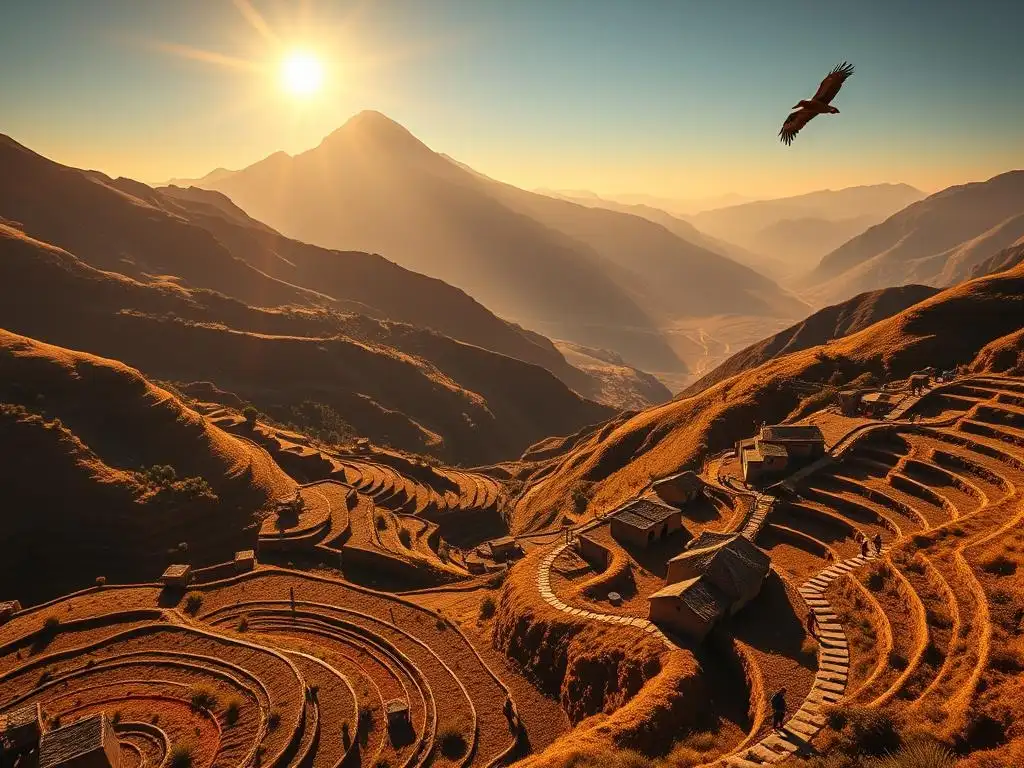
The Andes Mountains, a spine of towering peaks and fertile valleys, witnessed the slow but dramatic unfolding of complex societies long before the Inca Empire rose to prominence. Understanding the "Ancient Andean civilizations history" requires delving into the millennia-long process that shaped these cultures, a process marked by both continuity and dramatic change. This section focuses on the initial steps towards societal complexity, exploring the foundational elements that paved the way for later, more sophisticated civilizations.
We will examine the transition from small, dispersed settlements to larger, more integrated communities, the development of social hierarchies, and the emergence of distinct religious beliefs and practices. This evolution, spanning centuries, laid the groundwork for the remarkable achievements of later Andean cultures.
The initial period, spanning roughly from 3000 BCE to 1000 BCE, saw a remarkable diversification of cultural expressions across the Andean region. While evidence suggests relatively simple social structures in the earliest settlements, a gradual shift towards more complex social organization is apparent. Archaeological findings reveal the emergence of specialized labor, suggesting a degree of social stratification.
For example, the discovery of elaborate burial sites containing prestigious grave goods indicates the presence of elite individuals, signifying the beginning of social hierarchies. These hierarchies weren't necessarily rigid or oppressive in the early stages; rather, they likely reflected increasing social complexity and the emergence of individuals with specialized skills or roles within the community.
The development of irrigation systems, crucial for agriculture in the arid Andean environment, may have played a significant role in consolidating power and influence among those who controlled access to water resources. This period's legacy is one of experimentation, adaptation, and the gradual building blocks of increasingly complex social structures, all crucial to understanding the "Ancient Andean civilizations history".
The Rise of Early Andean Chiefdoms and Their Characteristics
By 1000 BCE, the Andean region saw the rise of early chiefdoms, characterized by larger populations, centralized authority, and a more pronounced social hierarchy. These chiefdoms were not uniform; they varied considerably in their size, political organization, and economic strategies, reflecting the diverse ecological environments of the Andes. However, some common characteristics emerge. One key feature was the control of resources, especially agricultural land and water.
Chiefs, or leaders, often held a privileged position within society, controlling the distribution of goods and services. This control allowed them to accumulate wealth and power, further solidifying their status. The construction of monumental architecture, such as large platforms and ceremonial centers, served as a powerful symbol of the chief's authority and the power of the chiefdom itself.
These structures not only served a practical purpose but also played a crucial role in reinforcing social hierarchy and religious beliefs. The increasing complexity of social organization during this period laid the groundwork for the even larger and more powerful states that would emerge in later centuries. Further research is needed to fully understand the intricacies of power dynamics within these early chiefdoms and their impact on the “Ancient Andean civilizations history”.
Religious Beliefs and Ritual Practices of Early Andean Peoples
Religious beliefs and ritual practices were central to the lives of early Andean peoples. While specific details vary across different cultures and time periods, certain common themes emerge. Evidence suggests a strong connection to the natural world, with deities associated with mountains, water, and the sun.
Archaeological discoveries, such as elaborate burial sites containing offerings of food and artifacts, indicate the importance of ancestor veneration and the belief in a continuity between the living and the dead. Ritual practices likely played a significant role in maintaining social order and ensuring the fertility of the land. The development of specialized religious roles, such as priests or shamans, points to the growing importance of religion in shaping social life.
The increasing sophistication of religious practices mirrors the growing complexity of Andean societies. Further research into iconography, textiles, and other artifacts is necessary to fully elucidate the rich tapestry of religious beliefs and practices that shaped the “Ancient Andean civilizations history”, and their impact on the social and political structures of the time. The nuanced understanding of these practices provides crucial insight into the worldview and values of these ancient Andean communities.
Early Forms of Andean Art and Technology
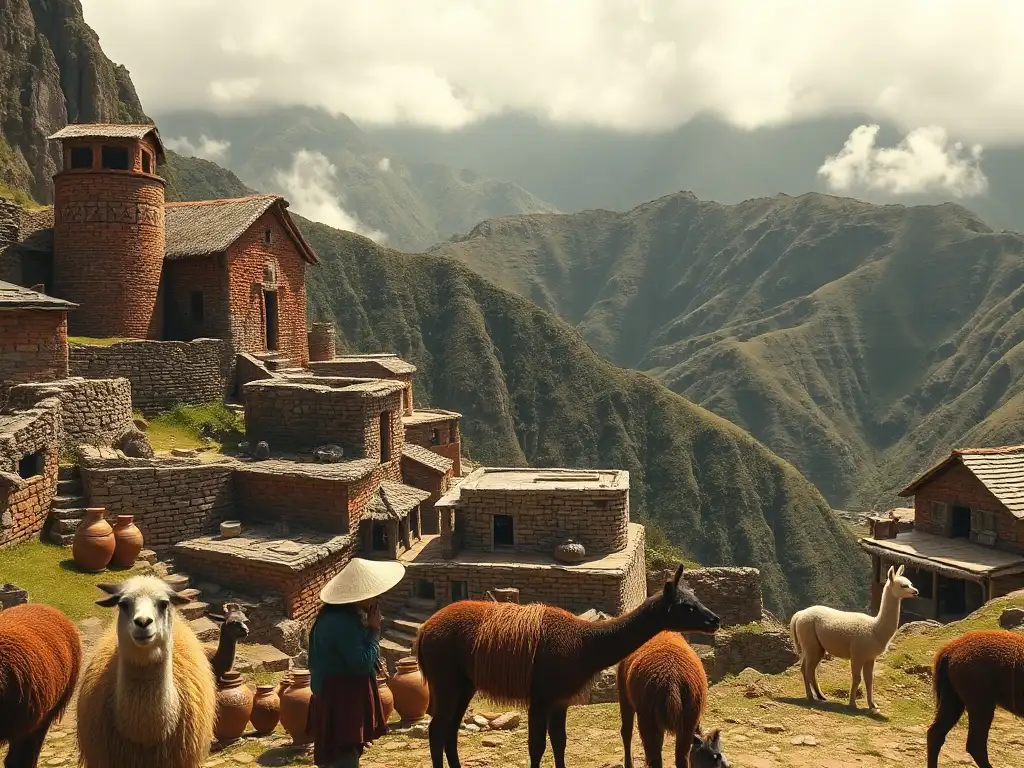
The earliest forms of Andean art and technology are deeply intertwined with the environment and the necessities of survival. Long before the rise of the Inca Empire, peoples inhabiting the Andes developed sophisticated techniques for crafting tools and creating artistic expressions. Evidence suggests that early Andean societies utilized readily available materials such as stone, bone, wood, and fibers from plants like cotton and camelid wool.
Their tools, initially simple, gradually evolved in complexity. For example, early projectile points, initially made from simple flakes of stone, eventually became more refined and aesthetically pleasing, showcasing an increasing understanding of material properties and toolmaking techniques. This evolution reflects not just a functional improvement but also a growing artistic sensibility.
The earliest artistic expressions often took the form of simple geometric designs etched into pottery or woven into textiles. These designs, while seemingly basic, served a purpose beyond mere decoration. They likely held symbolic meaning, perhaps representing clan affiliations, cosmological beliefs, or important events.
As societies became more complex, so too did their art. We see the emergence of more elaborate pottery styles, often featuring intricate painted designs and sculpted forms. The development of metalworking, initially using copper and later bronze and gold, further revolutionized Andean art and technology.
The ability to work with metals allowed for the creation of more intricate and durable tools, weapons, and ornaments, reflecting an advanced level of technological skill and artistic expression. This early mastery of metalworking laid the groundwork for the spectacular metalwork of later Andean civilizations. The transition from simple tools to elaborate artistic creations showcases a gradual evolution of skills and aesthetic sensibilities, reflecting the burgeoning complexity of Andean societies.
The Development of Andean Agriculture and Irrigation Techniques
The development of sophisticated agricultural and irrigation techniques was crucial to the emergence of complex societies in the Andes. The challenging Andean terrain, characterized by steep slopes, high altitudes, and variable rainfall, necessitated innovative approaches to food production. Early Andean farmers developed a remarkable understanding of their environment, adapting their agricultural practices to the unique challenges posed by their habitat.
Terracing, a technique involving the creation of level platforms on steep slopes, allowed for efficient cultivation and reduced soil erosion. This ingenious system maximized arable land in an otherwise challenging environment. Furthermore, the development of sophisticated irrigation systems played a crucial role in ensuring a stable food supply.
Canals, ditches, and aqueducts were constructed to divert water from rivers and streams to agricultural fields, providing a reliable source of water even during dry periods. These systems were not simply rudimentary channels; they often incorporated intricate engineering principles, demonstrating a remarkable understanding of hydraulics and water management.
The cultivation of diverse crops was another key element of Andean agricultural success. Potatoes, maize, quinoa, and beans formed the basis of the Andean diet, providing a varied and nutritious food source. The domestication and cultivation of these crops required significant knowledge of plant genetics and agricultural techniques.
Evidence suggests that Andean farmers experimented with different varieties of crops, selecting and cultivating those best suited to their specific environments. This process of domestication and diversification played a vital role in supporting the growth and stability of Andean societies. The integration of agriculture and irrigation systems with the broader social and political structures of Andean civilizations highlights the fundamental importance of food production in shaping the trajectory of Andean history.
The success of these techniques is a testament to the ingenuity and adaptability of Andean peoples in confronting the challenges of their environment. The sophisticated systems they developed laid the foundation for the flourishing of complex societies in the Andes.
The Influence of Coastal and Highland Regions on Andean Civilizations
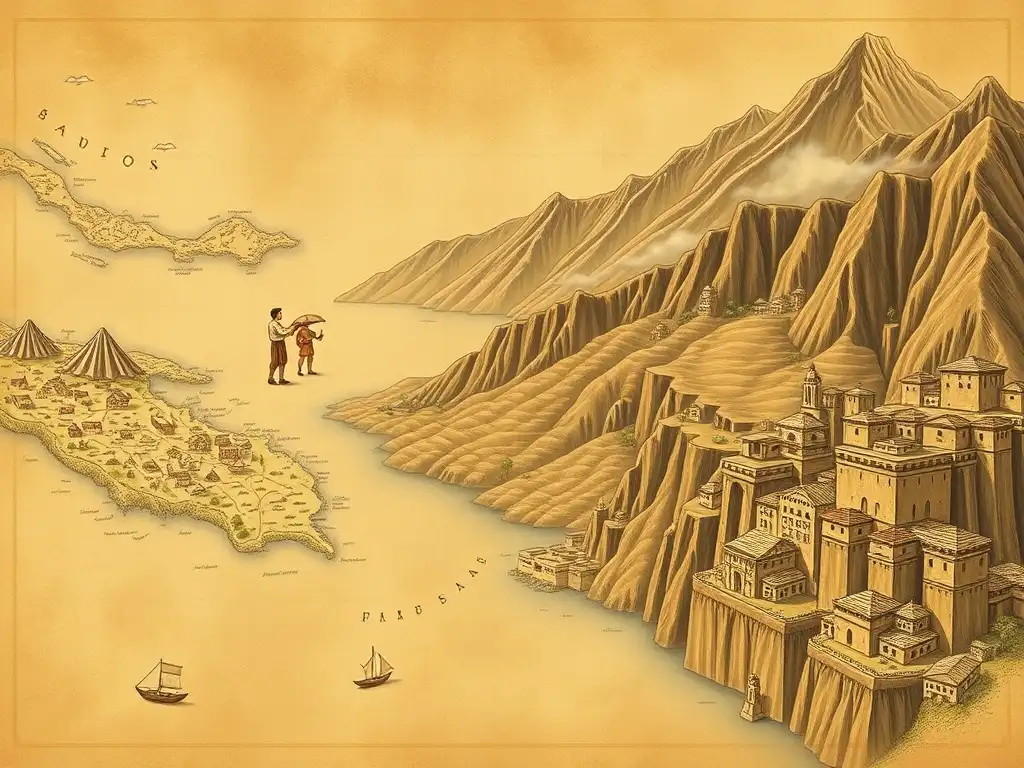
The diverse geography of the Andes Mountains profoundly shaped the development of ancient Andean civilizations. The stark contrast between the arid coastal deserts and the fertile, but challenging, highlands fostered distinct yet interconnected societal structures and technological advancements. Understanding the interplay between these two regions is crucial to comprehending the trajectory of "Ancient Andean civilizations history." The unique adaptations in each environment led to complex exchange networks and a vibrant cultural synthesis that characterized Andean societies for millennia.
Coastal Adaptations and Maritime Resources
The coastal regions of ancient Peru presented a unique set of challenges and opportunities. The arid climate, coupled with the presence of the Humboldt Current, created a rich marine ecosystem but limited freshwater resources. Coastal communities, therefore, developed sophisticated strategies for harnessing the ocean's bounty. Fishing became a cornerstone of their economy, with evidence suggesting the use of advanced fishing techniques, including large-scale netting and the construction of artificial fishing reefs.
The development of sophisticated irrigation systems, though less extensive than in the highlands, was also crucial. These systems, often utilizing underground canals ( puquios), allowed for the cultivation of limited arable land near oases and river valleys. The coastal civilizations, such as the Moche and Nazca, are renowned for their mastery of irrigation, enabling them to cultivate crops like cotton, beans, and maize, supplementing their seafood-based diets.
Furthermore, the abundance of marine resources fueled not only sustenance but also artistic expression, with intricate depictions of marine life frequently appearing in their pottery and textiles. The mastery of maritime technology, including the construction of reed boats ( caballitos de totora), facilitated trade and communication along the coast.
Highland Adaptations and Agricultural Innovations
In contrast to the coastal regions, the Andean highlands presented a different set of environmental challenges. The high altitude, steep slopes, and variable climate demanded innovative agricultural practices. The development of terracing is perhaps the most impressive example of highland adaptation. This technique involved carving level platforms into the steep slopes, creating relatively flat areas suitable for cultivation. This dramatically increased arable land and reduced soil erosion. The sophisticated understanding of water management, exemplified by intricate canal systems, allowed for the effective irrigation of terraced fields.
Furthermore, the highlands' inhabitants cultivated a diverse range of crops adapted to the high altitude and varying climatic conditions. Potatoes, quinoa, and various beans formed the basis of their diet, providing essential nutrients in a challenging environment. The domestication of these crops, along with the development of advanced agricultural techniques, enabled the flourishing of large populations in the highlands. The impressive scale of the agricultural achievements in the highlands stands as a testament to the ingenuity and organizational capabilities of these ancient communities, showcasing a vital aspect of "Ancient Andean civilizations history."
Interactions and Exchange between Coastal and Highland Communities
The distinct adaptations of coastal and highland communities did not exist in isolation. Instead, a complex system of interaction and exchange linked these two regions, fostering cultural exchange and economic interdependence. Archaeological evidence suggests extensive trade networks connecting coastal and highland settlements. Coastal communities provided fish, cotton, and other marine products, while highland communities offered agricultural goods, such as potatoes and quinoa, as well as precious metals like gold and silver.
The exchange was not limited to material goods; ideas, technologies, and religious beliefs also flowed between the regions. For example, the distinctive artistic styles of coastal cultures often influenced highland artistic traditions, and vice versa. This continuous interaction enriched the cultural landscape of the Andes, leading to the development of a unique and complex civilization.
The intricate relationship between the coastal and highland regions highlights the interconnectedness of Andean societies and provides a crucial perspective in understanding the richness and complexity of their "Ancient Andean civilizations history." The symbiotic relationship between these environments is a key element to consider when studying the origins and development of these remarkable cultures.
The Legacy of Early Andean Civilizations
This section delves into the profound and lasting influence of the earliest Andean societies on their successors, particularly the Moche and Nazca cultures. Understanding this legacy is crucial to grasping the full complexity of Ancient Andean civilizations history. We'll explore how innovations in agriculture, social structures, and religious beliefs were passed down through generations, shaping the trajectory of Andean development.
Contributions to Later Andean Societies like the Moche and Nazca
The Moche and Nazca, flourishing centuries after the initial Andean settlements, didn't emerge in a vacuum. They inherited a rich tapestry of knowledge and practices from their predecessors. For instance, sophisticated irrigation techniques, initially developed by earlier cultures to manage the arid coastal and highland environments, were refined and expanded upon by the Moche. Their intricate canal systems, capable of diverting water over vast distances, are a testament to this inherited ingenuity. This technological advancement allowed for increased agricultural productivity, supporting larger, more complex societies.
Similarly, the Nazca's famed geoglyphs, etched into the desert surface, might represent a continuation of earlier astronomical and religious traditions. While the precise meaning of these lines remains a subject of ongoing research and debate amongst archaeologists, their scale and complexity suggest a sophisticated understanding of land management and possibly a continuation of earlier societal structures and beliefs. The intricate pottery styles of both the Moche and Nazca, with their vibrant colors and detailed depictions of daily life and mythology, also show clear stylistic links to earlier ceramic traditions, suggesting a continuous evolution rather than a sudden break.
The use of specific pigments and techniques reveal a direct lineage in artistic practices. These weren't isolated developments; they built upon a foundation laid by earlier generations.
The Enduring Impact of Early Andean Art and Architecture
The art and architecture of early Andean civilizations provide invaluable insights into their beliefs, social structures, and technological capabilities. These early expressions of creativity served not only as functional objects but also as powerful symbols of religious and political authority. Their influence reverberates through later Andean cultures, demonstrating a remarkable continuity in artistic styles and architectural principles.
Consider the monumental architecture: Early Andean societies constructed impressive structures from stone, demonstrating a profound understanding of engineering and construction techniques. These skills were not lost but instead honed and adapted by subsequent cultures, such as the Incas, who built upon the foundations of their predecessors. The use of specific stone types, cutting techniques, and methods of construction show a clear progression and evolution of techniques over time. This continuous innovation is evident in the increasing complexity and scale of structures built throughout the Andean region.
Furthermore, the symbolic imagery found in early Andean art, often depicting deities, animals, and agricultural practices, reappeared in modified forms in the art of later cultures. This continuity suggests the persistence of core beliefs and values across generations. The recurring motifs and stylistic elements demonstrate a shared cultural heritage and a consistent evolution of artistic expression. This sustained influence highlights the deep-rooted connection between early and later Andean societies.
Preserving and Studying the History of Ancient Andean Civilizations
Preserving and studying the history of Ancient Andean civilizations requires a multifaceted approach. The fragile nature of archaeological sites, coupled with the challenges of climate change and looting, necessitates proactive conservation efforts. This includes not only the physical protection of sites but also the careful documentation and analysis of artifacts. The development of advanced technologies, such as 3D scanning and remote sensing, plays a crucial role in this process, allowing for detailed recording of sites without causing further damage.
Furthermore, collaborative efforts between archaeologists, anthropologists, and local communities are essential. Engaging local communities not only respects their cultural heritage but also provides invaluable insights and perspectives. Their traditional knowledge and oral histories often complement archaeological findings, offering a richer and more complete understanding of Ancient Andean civilizations history. This collaborative approach ensures the responsible stewardship of these invaluable cultural resources for future generations.
The ongoing research and preservation efforts are crucial to understanding the full complexity and impact of these ancient societies. The meticulous recording of artifacts, the careful excavation of sites, and the collaborative approach to research all contribute to the preservation and understanding of this rich history. The study of ancient Andean civilizations is an ongoing process, constantly evolving with new discoveries and interpretations.
Frequently Asked Questions
What is the focus of this article, "Where it All Began: Exploring the Cradle of Andean Civilization"?
This article explores the rich history of the ancient Andean civilizations, focusing on their origins and development. It delves into the cultural achievements and technological advancements of groups like the Incas, Moche, Nazca, and Tiahuanaco.
Which civilizations are discussed in the article about Ancient Andean civilizations history?
The article covers several key Andean civilizations, including the Incas, Moche, Nazca, and Tiahuanaco. It examines their individual contributions and interrelationships within the broader Andean context.
What aspects of Andean civilization history are covered?
The article explores various facets of ancient Andean history, including their social structures, religious beliefs, artistic expressions, agricultural practices, and engineering feats. The focus is on understanding their development and impact.
How does the article relate to the keyword "Ancient Andean civilizations history"?
The article directly addresses the keyword by providing a comprehensive overview of the history of ancient Andean civilizations. It aims to be a valuable resource for those seeking information on this topic.
Where can I find more information about specific Andean civilizations mentioned in the article?
The article serves as an introduction; further research can be done through academic journals, books, and museum resources dedicated to Inca, Moche, Nazca, and Tiahuanaco history and culture. Many online resources are also available.
Final Reflection: Echoes of the Andes: A Legacy Unfolding
The echoes of the ancient Andean civilizations resonate powerfully in today's world, shaping our understanding of societal structures, agricultural innovation, and the enduring human spirit. Their sophisticated systems of governance, intricate artistry, and remarkable engineering feats continue to inspire awe and wonder, reminding us of the incredible capacity of human ingenuity even in the face of challenging environments. The legacy of the Andes is not merely a historical footnote; it's a living testament to the power of human resilience and cultural adaptation.
The impact of these civilizations extends far beyond the archaeological sites themselves; their influence permeates the cultural landscape of modern-day South America, shaping traditions, languages, and even political structures. The intricate tapestry woven by these ancient societies continues to inspire artists, historians, and researchers alike. Their story is a powerful reminder of the interconnectedness of human history and the importance of preserving and understanding our shared past. The past is never dead. It's not even past.
- William Faulkner. This quote perfectly encapsulates the enduring relevance of understanding the Andean civilizations and their lasting impact on the world.
Consider, for a moment, the ingenuity of terrace farming, the complexity of their astronomical observations, or the breathtaking artistry of their textiles. These achievements were not simply products of their time; they represent a profound understanding of their environment and a remarkable capacity for innovation. You, the reader, are now part of this ongoing conversation.
Take the time to delve deeper into the rich history of the Andean civilizations. Explore the museums, read the books, and engage with the ongoing research. Let the echoes of their past inspire you to appreciate the enduring power of human creativity and the importance of preserving our shared heritage for future generations.
Embark on Your Andean Adventure Today!
Thank you for exploring the rich history of Andean civilizations with us! We hope this journey has ignited your curiosity about these remarkable cultures and their achievements. Now, let's delve even deeper.
Here are some ways to further your understanding and appreciation:
- Join a local archaeological tour to experience Andean history firsthand and learn from expert guides.
- Read a book about Andean civilizations to uncover more insights. For a compelling narrative, consider “The Inca Empire: The Formation and Disintegration of a Pre-Columbian State”.
- Share your newfound knowledge! Discuss this fascinating culture with friends, family, or online using the hashtag #AndeanCivilizations.
What aspect of Andean history intrigues you most? Sharing your interests could inspire others to explore this captivating subject!