
The Role of Warfare: How Conflict and Competition Drove Social Change in the Andes

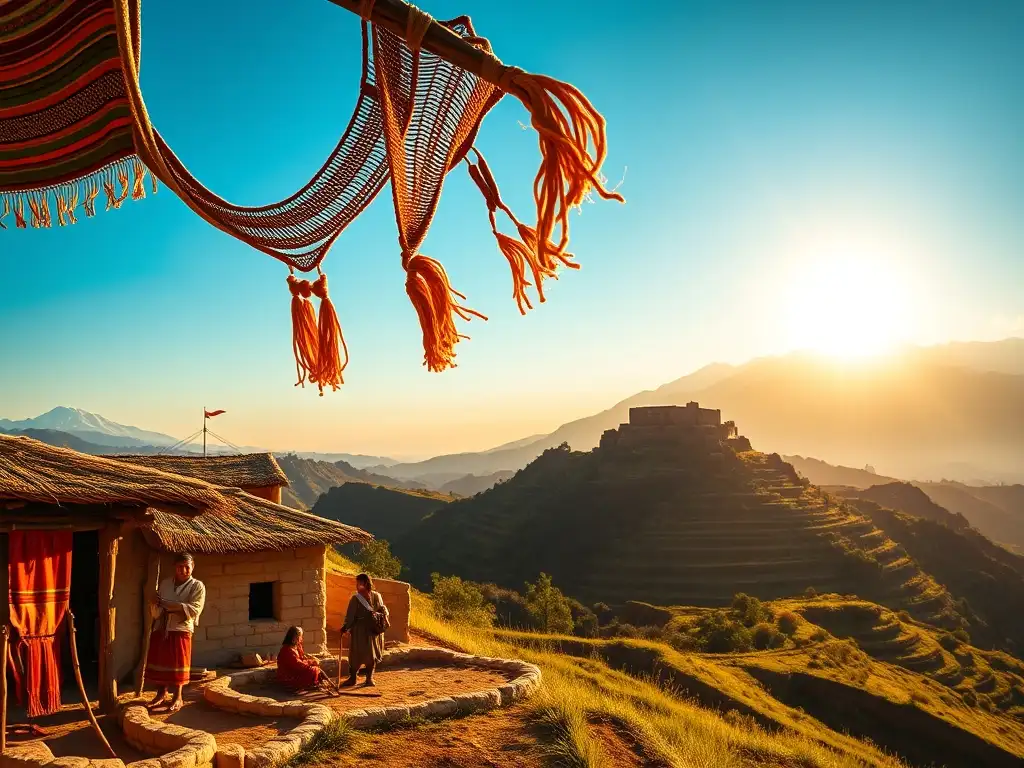
Step into a world lost to time, yet echoing with the thunder of ancient battles. For centuries, the Andean civilizations – from the Incas to the Nazca – shaped a landscape as breathtaking as their achievements. But what truly fueled their rise and fall? Uncover the surprising truth behind the Andean civilizations warfare impact, a force that forged empires, toppled dynasties, and ultimately, redefined the very fabric of Andean society. Dare to explore the unexpected consequences of conflict and discover a history far richer and more complex than you ever imagined.
The Andes Mountains, a spine of towering peaks and deep valleys stretching along the western coast of South America, were not only a geographical marvel but also the cradle of numerous sophisticated civilizations. For centuries, these Andean societies—including the Incas, Moche, Nazca, and Tiahuanaco—engaged in complex interactions marked by both cooperation and conflict.
While often overlooked in discussions of Andean achievements, warfare played a pivotal, and often underestimated, role in shaping the social, political, and technological landscapes of these remarkable cultures. This article explores the significant impact of warfare and inter-societal competition on the development and evolution of Andean civilizations, examining how conflict acted as a catalyst for social change, technological innovation, and the rise of complex societal structures.
We will delve into specific examples from various pre-Columbian Andean societies to illustrate the multifaceted nature of warfare's influence and its lasting legacy on the region. Understanding the role of warfare is crucial for a complete appreciation of the rise and fall of these fascinating Andean civilizations, and for a deeper understanding of the "Andean civilizations warfare impact".
Understanding Andean Civilizations Warfare: An Overview
Warfare in the Andes wasn't simply a matter of brute force. It was a complex system interwoven with religious beliefs, economic strategies, and political ambitions. Unlike many other ancient societies where warfare was primarily about territorial expansion, Andean conflicts often served multiple purposes. Control of resources, such as fertile land, water sources, and valuable minerals, was a significant driver.
Political dominance and the consolidation of power were equally important. Furthermore, many Andean cultures incorporated warfare into their religious practices, viewing battles as a means of appeasing deities or demonstrating their divine favor. The scale and intensity of warfare varied considerably across different Andean societies and periods.
Some, like the Nazca, seem to have engaged in less frequent large-scale conflicts, while others, like the Wari and the Inca, built vast empires through extensive military campaigns. The very nature of Andean warfare, with its diverse motivations and varying intensities, shaped the unique trajectory of each civilization. The following sections will explore these complexities in greater detail, focusing on specific pre-Inca societies.
Pre-Inca Warfare: Conflict and Societal Development
The period before the Inca Empire witnessed a dynamic interplay of conflict and cooperation among various Andean groups. The rise of complex societies was often intertwined with military success and the ability to control resources and populations. This era provides valuable insights into the long-term impact of warfare on Andean societal structures. While archaeological evidence can be challenging to interpret definitively, the available data suggests a complex picture of evolving warfare practices and their consequences. We can start to uncover the subtle yet significant influence of conflict on the development of these fascinating cultures by examining specific case studies.
Early Andean Warfare Tactics and Strategies
Early Andean warfare involved a range of tactics and strategies reflecting the diverse environments and resources available. Mountainous terrain often dictated military approaches, favoring smaller, highly mobile units capable of maneuvering effectively in challenging landscapes. The use of fortifications, such as hilltop settlements and strategically located defensive structures, was common. Archaeological evidence points to the use of diverse weaponry, including slings, spears, clubs, and possibly rudimentary forms of bows and arrows.
The development of effective military strategies was crucial for survival and expansion, leading to innovations in organization, communication, and logistics. The lack of widespread use of horses or chariots, common in other parts of the world, shaped the character of Andean warfare, emphasizing infantry tactics and strategic positioning. Further research is needed to fully understand the specifics of early Andean military technology and training.
The Impact of Warfare on Moche Society
The Moche civilization (c. 100-800 CE) of northern Peru is renowned for its sophisticated artistic achievements, particularly its elaborate pottery depicting scenes of warfare and ritual sacrifice. These depictions provide valuable insights into the role of warfare in Moche society. Evidence suggests that warfare was a significant aspect of Moche life, possibly linked to competition for resources and political control. The Moche elite likely used warfare to maintain their power and consolidate their control over the population.
The depiction of battles and captives in their art suggests a complex relationship between warfare, power, and religious beliefs. The impact of warfare on Moche social structure and economic organization requires further investigation; however, the available evidence suggests a close connection between military power and societal hierarchy. More research is needed to fully understand the long-term consequences of Moche warfare.
The Role of Conflict in the Nazca Culture
The Nazca culture (c. 100 BCE – 500 CE), known for its iconic geoglyphs, presents a contrasting case. While evidence of warfare exists, it seems to have been less prominent compared to societies like the Moche. The limited evidence of fortifications and weaponry suggests that large-scale inter-societal conflicts might have been less frequent. However, the presence of defensive structures indicates that the Nazca were not entirely immune to conflict.
The relative absence of large-scale warfare in the Nazca record may reflect different social structures, resource management strategies, or perhaps a different relationship with neighboring groups. Further investigation is required to fully understand the role of conflict in shaping the unique characteristics of Nazca society and its remarkable artistic legacy. The relative peace, compared to their contemporaries, could potentially explain their focus on artistic and engineering achievements.
The Inca Empire and its Military Expansion
The Inca Empire, at its zenith, controlled a vast territory stretching along the Andes Mountains. This impressive feat wasn't achieved through diplomacy alone; military expansion played a crucial role. The Inca's military prowess wasn't simply about brute force; it was a sophisticated system built on meticulous planning, efficient logistics, and a highly organized army. Their expansion, beginning in the 15th century, saw them conquer numerous smaller Andean groups, incorporating them into their vast empire.
This expansion wasn't a continuous, relentless march; it involved periods of consolidation, alliances, and strategic retreats, showcasing a nuanced approach to conquest. The Inca's success can be attributed, in part, to their adaptability and ability to integrate conquered peoples into their system. They understood the value of strategic alliances and the importance of recognizing the strengths and weaknesses of their adversaries. This pragmatic approach allowed them to steadily expand their influence and control.
Inca Military Organization and Logistics
The Inca army was a marvel of organization. It wasn't a standing army in the modern sense, but rather a system that mobilized a significant portion of the male population when needed. This system relied heavily on the mita, a labor tax that obligated citizens to serve in various capacities, including military service. The army was structured hierarchically, with commanders appointed based on merit and loyalty to the Sapa Inca.
Logistics were crucial to Inca military success. The chasquis, a relay runner system, facilitated rapid communication across the vast empire, enabling quick mobilization and response to threats. The Inca also developed an extensive network of roads, strategically placed storehouses (qollqas) for supplies, and efficient methods of transporting goods and troops across challenging terrain. This impressive logistical network allowed the Inca army to sustain prolonged campaigns far from their home base, a significant factor in their expansion.
The Impact of Inca Conquest on Andean Societies
The Inca conquest had a profound and multifaceted impact on the diverse Andean societies. While some groups were integrated relatively peacefully, others faced brutal subjugation. The imposition of Inca culture, language (Quechua), and religion led to significant cultural changes. Existing political structures were dismantled, and Inca administrators were installed to oversee conquered territories.
The introduction of Inca agricultural techniques, such as terracing and irrigation, improved food production in some areas, but also led to forced labor and the disruption of traditional farming practices in others. The mita system, while providing a crucial source of labor for the Inca, also imposed heavy burdens on conquered populations, leading to resentment and resistance. The effects of Inca conquest varied considerably across different regions and ethnic groups, resulting in a complex tapestry of adaptation, resistance, and cultural transformation.
Inca Warfare: Methods of Control and Assimilation
Inca warfare wasn't solely about conquest; it was also a sophisticated method of control and assimilation. While military might was employed to subdue resistance, the Inca also implemented strategies to integrate conquered populations. The resettlement of conquered peoples, often to strategically important locations, was a common tactic. This strategy helped to dilute potential rebellion and foster a sense of Inca dominance.
The Inca also strategically placed loyal administrators and military garrisons in conquered territories to ensure compliance and suppress dissent. The use of propaganda and the display of Inca power were also crucial elements of their control strategy. The Inca skillfully leveraged cultural symbols and religious practices to assert their authority and legitimize their rule. This multifaceted approach, combining military force with shrewd political and cultural strategies, allowed the Inca to maintain control over their vast empire.
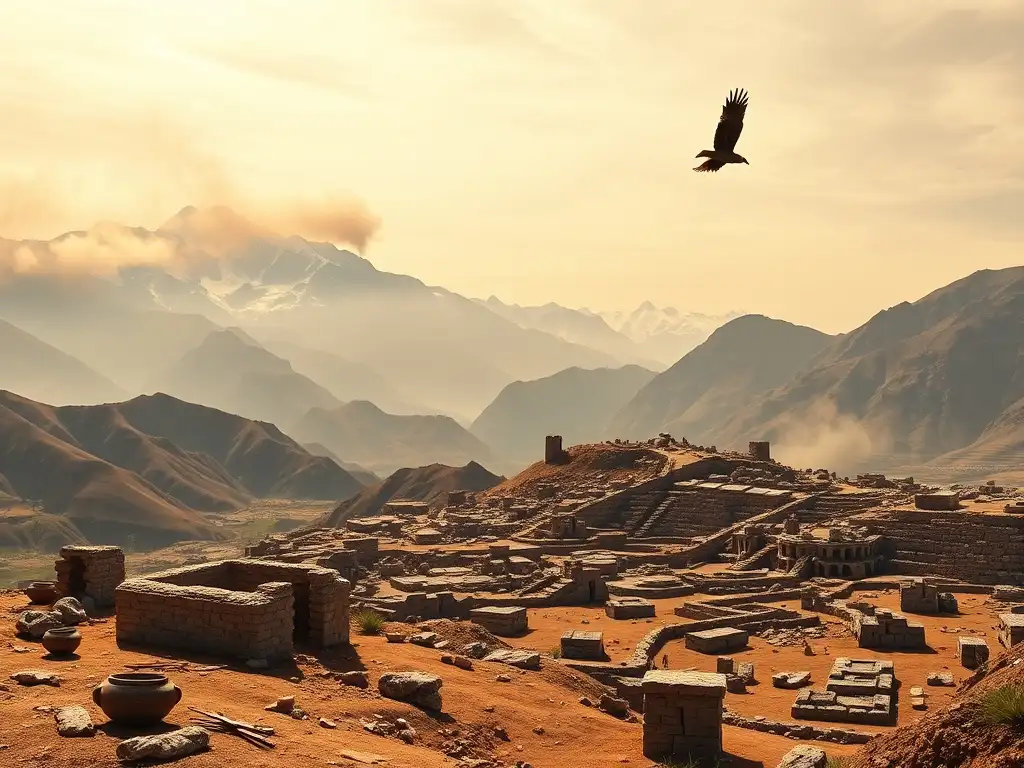
Warfare in the Andes, while destructive, also acted as a powerful catalyst for social change. The constant competition and conflict between different groups forced them to adapt and innovate. This competition drove technological advancements, improved military organization, and the development of complex political structures.
The need for efficient resource mobilization, defense, and expansion spurred innovations in agriculture, infrastructure, and communication. The threat of war also strengthened social cohesion within competing groups, leading to the development of stronger leadership structures and more centralized systems of governance. The constant pressure of conflict acted as a selective force, favoring those groups that could adapt and innovate most effectively.
The Rise of Complex Societies through Competition
The rise of complex societies in the Andes was intricately linked to inter-group competition. The constant struggle for resources, territory, and dominance forced groups to develop sophisticated strategies for survival and expansion. This competition led to the development of centralized political systems, improved agricultural techniques to support larger populations, and the construction of monumental architecture to symbolize power and prestige.
The need to coordinate large-scale projects like irrigation systems and defensive fortifications necessitated more efficient forms of social organization and leadership. The pressure of competition fostered innovation and adaptation, ultimately driving the evolution of complex societies in the Andean region.
The Influence of Conflict on Andean Political Structures
Warfare significantly influenced the evolution of Andean political structures. The need for effective defense and expansion led to the development of more centralized and hierarchical systems of governance. Powerful leaders emerged, able to mobilize resources and coordinate military campaigns.
The constant threat of conflict also necessitated the creation of bureaucratic structures to manage resources, organize labor, and maintain control over conquered territories. The rise of empires such as the Inca was directly linked to their ability to successfully wage war and consolidate their power. The resulting political structures, while often oppressive, reflected the adaptive responses to the constant pressure of inter-group conflict.
Warfare and the Development of Andean Technology
The constant threat of warfare in the Andes spurred significant technological advancements. The need for effective weapons and defensive structures led to innovations in metallurgy, particularly in the production of bronze and later copper alloys. The construction of defensive fortifications, such as impressive stone walls and strategically located settlements, required advanced engineering skills and sophisticated knowledge of construction techniques.
The development of efficient communication systems, such as the Inca chasquis, was also driven by the need for rapid mobilization and response to military threats. These technological advancements, born out of the exigencies of warfare, also had broader applications, contributing to the overall development of Andean societies.
The Long-Term Effects of Andean Warfare
The long-term effects of warfare in the Andes were profound and multifaceted, shaping the political landscape, social structures, and cultural expressions of numerous Andean civilizations. Continuous conflict fostered a cycle of expansion, consolidation, and collapse, influencing the rise and fall of empires like the Wari, Tiwanaku, and Inca. The constant need for defense and expansion spurred technological innovation in weaponry, fortifications, and military organization.
For example, the development of sophisticated weaponry, such as the bolas and macuahuitl, showcases the ingenuity born from the necessity of warfare. Furthermore, the strategic placement of forts and defensive structures, often integrated into the landscape, reveals a deep understanding of terrain and military tactics. The impact extended beyond the battlefield; the constant threat of conflict necessitated the development of strong centralized governments capable of mobilizing resources and manpower for defense.
This, in turn, influenced the evolution of social hierarchies and political systems. The legacy of this constant struggle for dominance is visible in the archaeological record, with evidence of widespread destruction and rebuilding reflecting the cyclical nature of conflict and its impact on urban centers and rural settlements. The very fabric of Andean society was interwoven with the threads of warfare, leaving an indelible mark on its trajectory.
The Legacy of Conflict in Andean Cultural Practices
Andean warfare wasn't simply a matter of military campaigns; its influence permeated various aspects of Andean culture, leaving a lasting legacy on artistic expression, religious beliefs, and societal norms. Depictions of battles and warriors are frequently found in textiles, ceramics, and metalwork, illustrating the importance of military prowess and conquest in the Andean worldview. For instance, the Moche pottery vividly portrays scenes of warfare, showcasing both the brutality and the ritualistic aspects of combat.
These artistic representations served not only as records of historical events but also as vehicles for transmitting cultural values and beliefs related to war and its significance in Andean society. Furthermore, religious practices often incorporated elements related to warfare, with deities associated with conflict and victory playing prominent roles in the Andean pantheon.
The integration of warfare into both art and religion underscores its profound influence on the cultural identity of Andean civilizations. The enduring legacy of conflict is also reflected in the social structures and hierarchies that emerged in response to the demands of warfare, with elite warriors and military leaders often holding positions of power and prestige.
Reinterpreting Andean History Through the Lens of Warfare
Traditional interpretations of Andean history often overlooked or minimized the significance of warfare, focusing instead on other aspects of Andean societies, such as agriculture, trade, and religious practices. However, a more nuanced understanding of Andean civilizations necessitates a reevaluation of their history through the lens of warfare. By acknowledging the pervasive role of conflict, we gain a deeper appreciation for the complexities of Andean societies and the factors that shaped their development.
Analyzing the archaeological evidence of fortifications, weaponry, and battlefield remains, alongside the iconographic representations of warfare in art and textiles, allows for a more comprehensive picture of the dynamics of power, competition, and social change. This approach reveals a dynamic interplay between internal conflicts and external pressures, highlighting the constant struggle for resources, territory, and political dominance that characterized the Andean region.
This reinterpretation sheds light on the adaptive strategies employed by Andean societies in response to the challenges posed by warfare, including the development of sophisticated military technologies and organizational structures. The shifting balance of power between different Andean groups, as revealed through the archaeological record, underscores the importance of considering warfare as a central driver of social and political transformation.
The Impact of Inca Roads and Infrastructure on Post-Conquest Trade
The Inca Empire's extensive road network, the Qhapaq Ñan, played a crucial role in facilitating communication, military mobilization, and trade throughout their vast empire. This impressive infrastructure, however, had lasting impacts far beyond the Inca's reign, continuing to influence trade patterns even after the Spanish conquest. The pre-existing road system provided a foundation upon which the Spanish could build their own trade routes, facilitating the movement of goods and people across the Andes.
The strategic placement of Inca settlements along these routes provided convenient locations for Spanish administrative centers and trading posts. The integration of the Qhapaq Ñan into the colonial system highlights the enduring legacy of Inca infrastructure and its impact on the economic and political landscape of the post-conquest Andes.
While the Spanish adapted and modified aspects of the Inca road system, the fundamental structure and strategic location of many routes remained, demonstrating the resilience and adaptability of Inca engineering. The legacy of this infrastructure underscores the long-term impact of Andean civilizations on the broader historical context of the region.
Conclusion: The Enduring Legacy of Andean Civilizations Warfare
The impact of warfare on Andean civilizations was profound and far-reaching, shaping their political structures, social hierarchies, technological advancements, and cultural expressions. From the sophisticated weaponry and fortifications to the intricate artistic representations of conflict, warfare was deeply ingrained in the fabric of Andean society. While traditional interpretations of Andean history often downplayed the role of conflict, a more comprehensive understanding requires a reevaluation through the lens of warfare.
The enduring legacy of Andean warfare is not merely a matter of past conflicts; it continues to inform our understanding of the complexities of these societies and their lasting impact on the region. The study of Andean warfare provides invaluable insights into the dynamics of power, competition, and adaptation in a challenging environment, enriching our appreciation of the resilience and ingenuity of Andean civilizations.
The cyclical nature of conflict and its impact on social structures and cultural practices underscore the need for continued research and a nuanced understanding of the multifaceted legacy of warfare in the Andes. Understanding this legacy provides crucial context for appreciating the complexities and richness of Andean history.
- Understanding Andean Civilizations Warfare: An Overview
- Pre-Inca Warfare: Conflict and Societal Development
- The Inca Empire and its Military Expansion
- Warfare as a Catalyst for Social Change in the Andes
- The Long-Term Effects of Andean Warfare
- Conclusion: The Enduring Legacy of Andean Civilizations Warfare
- What is the main focus of this article about Andean civilizations?
- How did warfare influence the rise and fall of Andean civilizations?
- Which Andean civilizations are discussed in relation to warfare?
- What technological advancements were driven by warfare in the Andes?
- Beyond military conflict, what other aspects of Andean society were affected by warfare?
Frequently Asked Questions
What is the main focus of this article about Andean civilizations?
This article explores the significant impact of warfare and conflict on the social and political development of ancient Andean societies. It examines how competition and military engagements shaped the trajectory of different civilizations.
How did warfare influence the rise and fall of Andean civilizations?
Warfare played a crucial role, with victorious groups often expanding their territories and influence while defeated groups experienced decline or assimilation. This constant competition spurred innovation and adaptation.
Which Andean civilizations are discussed in relation to warfare?
The article covers several important Andean civilizations, including the Inca, Moche, Nazca, and Tiahuanaco, analyzing their respective military strategies, conflicts, and the consequences of these actions on their societies.
What technological advancements were driven by warfare in the Andes?
The need for military advantage spurred innovations in weaponry, fortifications, and logistics. Improved metallurgy, for example, led to better weapons and tools.
Beyond military conflict, what other aspects of Andean society were affected by warfare?
Warfare significantly impacted social structures, political organization, and economic systems. It influenced resource allocation, population movements, and the development of ideologies.
Final Reflection: Echoes of Conflict, Seeds of Progress in the Andes
The legacy of warfare in the Andes isn't simply a bloody past; it's a foundational element shaping the societies we see today. The intricate tapestry of Andean civilizations, their remarkable achievements in agriculture, engineering, and social organization, were profoundly influenced – even forged – in the crucible of constant competition and conflict. Understanding this dynamic is crucial not only for comprehending the past but also for navigating the complexities of our interconnected world.
The enduring impact of warfare on Andean culture is undeniable; it's woven into the very fabric of their artistic expressions, religious beliefs, and social structures. The constant need for defense and expansion spurred innovation, leading to advancements in weaponry, fortifications, and agricultural techniques designed to sustain larger, more organized populations. Warfare, while destructive, often acts as a catalyst for technological and social advancement, forcing societies to adapt and innovate to survive.
This quote highlights the paradoxical nature of conflict, its capacity to simultaneously destroy and create. The intricate systems of tribute and resource management, born from the need to support large armies and maintain control, left an indelible mark on Andean political and economic organization.
Consider the implications of this history. How does understanding the role of conflict in shaping Andean societies inform our understanding of modern conflicts and their consequences? You, the reader, are now equipped with a deeper appreciation for the complex interplay between conflict and progress.
Reflect on the ways in which competition and cooperation shape your own world, and consider how the lessons learned from the Andes might offer a new perspective on the challenges and opportunities we face today. Let the echoes of Andean warfare inspire you to seek innovative solutions to conflict, fostering a future where progress is achieved not through destruction, but through collaboration and understanding.
Uncover the Legacy of Conflict in the Andes!
Thank you for exploring the fascinating relationship between warfare and social change in the Andes! You've gained valuable insights into how conflict has profoundly shaped not only the history, but also the very fabric of Andean societies. Now, let's delve even deeper.
Here are some ways to continue your exploration of this rich and complex topic:
- **Connect with fellow history enthusiasts** by joining a local history group or online forum dedicated to Andean civilizations. Sharing perspectives and engaging in discussions will enhance your understanding.
- **Expand your knowledge** by researching academic articles and documentaries that analyze the profound social transformations caused by warfare in the Andean region.
- **Inspire others** to learn about the remarkable history of Andean cultures by sharing your discoveries on social media.
Consider how the lessons learned from Andean warfare might offer valuable perspectives on modern conflicts and the processes of social evolution.