
The Interplay of Water and Agriculture in Andean Civilization


Unravel the mysteries of a lost world where ingenuity thrived amidst towering peaks and arid landscapes. Step into the fascinating realm of Andean civilizations, where innovation wasn't just a concept, but a necessity for survival. Discover how masterful Andean agriculture and water management techniques shaped empires, defying the seemingly impossible challenges of the Andes. Prepare to be amazed by the ingenious solutions employed by the Incas, Nazca, and other remarkable cultures—a legacy that continues to inspire awe today. Dive into the details of their remarkable achievements in our exploration of Andean agriculture and water management.
- Andean Agriculture Water Management: A Legacy of Ingenuity
- Pre-Incan Water Management Techniques
- Inca Mastery of Water Resources
- Case Studies of Andean Water Management
- The Impact of Andean Water Management on Agriculture
- Lessons from Andean Water Management for Modern Agriculture
- The Enduring Legacy of Andean Water Management
-
Frequently Asked Questions
- How did Andean civilizations manage water for agriculture in arid climates?
- What were some of the key agricultural techniques used by Andean cultures?
- What role did water play in the religious beliefs of Andean societies?
- How did the Inca Empire manage its large-scale irrigation systems?
- What impact did climate change have on Andean agriculture and water management?
- Final Reflection: The Enduring Legacy of Andean Water Wisdom
- Unleash the Power of Water in Agriculture!
Andean Agriculture Water Management: A Legacy of Ingenuity
The Andes Mountains, a seemingly inhospitable landscape of towering peaks and arid valleys, nurtured some of the most sophisticated agricultural societies in pre-Columbian America. This remarkable achievement wasn't a matter of luck; it was the result of ingenious water management systems developed over millennia.
This article delves into the intricate interplay between water and agriculture in Andean civilizations, exploring the innovative techniques employed by cultures like the Inca, Nazca, Moche, and Tiahuanaco to harness scarce water resources and cultivate thriving agricultural economies. We will examine the challenges posed by the Andean environment, the diverse strategies implemented to overcome them, and the lasting legacy of these remarkable engineering feats, showcasing the deep understanding these civilizations possessed of their environment and the ingenuity they displayed in adapting to it.
Understanding Andean agriculture and water management provides crucial insight into the resilience and technological prowess of these fascinating ancient societies, and highlights the importance of sustainable practices in challenging environments. This exploration of "Andean agriculture water management" will reveal a complex and fascinating story of human adaptation and innovation.
The Vital Role of Water in Andean Civilizations
Water was, and remains, the lifeblood of the Andes. The highly variable rainfall patterns, coupled with steep slopes and diverse altitudes, created a challenging environment for agriculture. The success of Andean civilizations hinged on their ability to effectively manage and distribute this precious resource. Without sophisticated irrigation systems, the cultivation of staple crops like potatoes, maize, and quinoa would have been severely limited, impacting population density and societal complexity.
The ingenuity displayed in these water management systems is a testament to the deep understanding these cultures held of their environment and their ability to adapt to its limitations. Many societies developed unique approaches reflecting the specific geographical and climatic conditions of their regions. For example, the arid coastal regions demanded different solutions compared to the higher-altitude valleys. The following sections will explore these diverse approaches in greater detail.
Pre-Inca Irrigation Technologies: A Tapestry of Innovation
Before the Inca Empire rose to prominence, a variety of Andean cultures developed impressive irrigation systems. The Nazca, known for their enigmatic geoglyphs, also constructed extensive canal networks that channeled water from distant sources to their fields. These canals, often carved into the desert landscape, demonstrate a remarkable understanding of hydraulic engineering. Similarly, the Moche culture, renowned for its sophisticated metalwork and pottery, also relied on intricate irrigation systems to support their intensive agriculture.
These systems often involved complex networks of canals, reservoirs, and aqueducts, reflecting a deep understanding of water flow and management. Evidence suggests that these pre-Inca societies utilized sophisticated surveying techniques to ensure the accurate alignment and gradient of their canals, minimizing water loss and maximizing efficiency. The development of these technologies was crucial for the flourishing of these societies, laying the groundwork for future advancements.
Inca Hydraulic Engineering: A System of Control and Distribution
The Inca Empire inherited and expanded upon the pre-existing irrigation systems, creating a vast and integrated network that facilitated agricultural production across their vast territory. The Inca’s mastery of hydraulic engineering is evidenced by their construction of sophisticated canals, terraces, and reservoirs that adapted to the diverse topography of their empire. They implemented innovative techniques, such as the use of stone-lined channels to minimize water loss through seepage and the construction of intricate diversion structures to manage water flow.
The Inca also implemented a highly organized system of water allocation, ensuring equitable distribution amongst communities and regulating water use to prevent conflicts. This centralized approach to water management played a crucial role in the stability and prosperity of the Inca Empire, highlighting the importance of effective governance and resource management in large-scale societies. The impact of Inca water management continues to be felt today.
The Legacy of Andean Water Management: Lessons for the Future
The sophisticated water management techniques employed by Andean civilizations offer valuable lessons for contemporary societies facing the challenges of water scarcity and climate change. Their ingenuity in harnessing limited resources and their understanding of sustainable practices provide insights into achieving greater efficiency and resilience in modern agricultural systems.
Many of the principles underlying Andean water management, such as the importance of integrated systems, equitable distribution, and careful consideration of environmental impact, remain highly relevant today. By studying and understanding these ancient practices, we can gain valuable knowledge to inform current and future approaches to water resource management and sustainable agriculture, particularly in regions facing similar environmental challenges.
The legacy of Andean water management is not merely a historical curiosity; it is a source of inspiration and practical knowledge for addressing the pressing water challenges of the 21st century. The enduring impact of their ingenuity continues to shape our understanding of sustainable agriculture and water resource management.
Pre-Incan Water Management Techniques
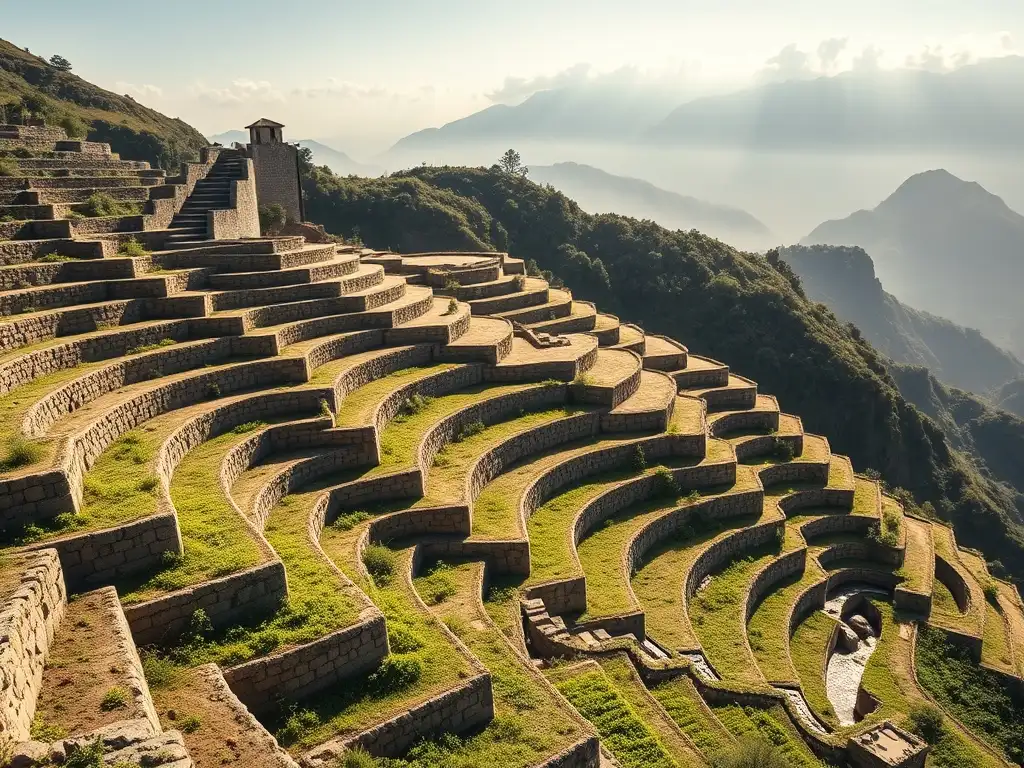
The ingenuity of Andean civilizations in harnessing water resources for agriculture is a testament to their deep understanding of their environment. Long before the Inca Empire, sophisticated water management systems were in place, allowing for thriving agricultural societies in challenging terrains. Understanding these pre-Incan techniques is crucial to appreciating the full scope of Andean agriculture water management.
These systems weren't simply about irrigation; they represented a complex interplay of knowledge, labor, and adaptation to the unique Andean landscape. The success of these early systems laid the groundwork for later, even more ambitious projects undertaken by the Inca. Analyzing these early methods reveals a remarkable continuity in Andean water management strategies across centuries.
Early Andean Irrigation Strategies
Early Andean irrigation strategies varied significantly depending on the specific ecological niche and the available resources. In coastal regions, for example, the development of Andean agriculture water management often relied on capturing and channeling scarce rainfall or utilizing fog collection techniques. Evidence suggests that simple gravity-fed channels, often constructed from stone and earth, were used to divert water from streams and rivers to irrigate fields. These early systems were often small-scale, tailored to the needs of individual communities or family units. However, even these seemingly simple systems demonstrate a keen understanding of water flow and topography.
Detailed archaeological studies of early irrigation systems in the Moche and Nazca cultures reveal a sophisticated understanding of hydrology. The Moche, known for their elaborate artwork depicting irrigation canals, constructed extensive networks of channels that utilized a combination of gravity and carefully graded slopes to transport water over considerable distances. The Nazca, famed for their geoglyphs, developed similarly intricate systems, although the precise mechanisms used in some of their projects remain a subject of ongoing research. The effectiveness of these early systems is evident in the flourishing agriculture that sustained these societies for centuries.
Terracing and Water Conservation in Pre-Incan Agriculture
Terracing, a hallmark of Andean agriculture, played a crucial role in optimizing water use. By creating level platforms on steep slopes, farmers dramatically increased the amount of arable land while simultaneously improving water retention. This technique minimized runoff and allowed for more efficient irrigation, making it a cornerstone of Andean agriculture water management.
The construction of terraces was a labor-intensive process, requiring careful planning and execution. Stone walls were used to create the terraces, and often these walls were carefully constructed to prevent erosion and leakage. The design and orientation of terraces were also carefully considered to maximize sunlight exposure and minimize water loss.
The integration of terracing with other water management techniques, such as the construction of small reservoirs and check dams, further enhanced its effectiveness. These reservoirs collected rainwater and runoff, providing a supplemental water source during dry periods. The construction of check dams slowed the flow of water in canals, allowing for more even distribution and reducing erosion. The careful planning and execution of these integrated systems demonstrate a remarkable understanding of both hydrology and agricultural principles. This sophisticated approach to water conservation was essential for supporting large populations in challenging environments.
The Development of Canals and Aqueducts
As Andean societies grew and became more complex, so too did their water management systems. The construction of larger-scale canals and aqueducts became increasingly common, reflecting a greater capacity for organized labor and engineering expertise. These projects often required significant coordination and planning, involving the cooperation of multiple communities. The construction of these large-scale infrastructure projects demonstrates a remarkable level of social organization and technological advancement.
Some of the most impressive examples of pre-Inca canals and aqueducts are found in the highlands of Peru and Bolivia. These systems often involved the construction of tunnels and underground channels to transport water across valleys and mountains. The engineering challenges involved in constructing these systems were considerable, requiring a deep understanding of geology and hydraulics.
The precise methods used in their construction remain a subject of ongoing research, but it is clear that they represent a remarkable feat of engineering and a testament to the ingenuity of Andean civilizations. These sophisticated systems represent a pinnacle of pre-Inca Andean agriculture water management, setting the stage for the even more ambitious projects undertaken by the Inca. The legacy of these early systems continues to inspire awe and admiration.
Inca Mastery of Water Resources
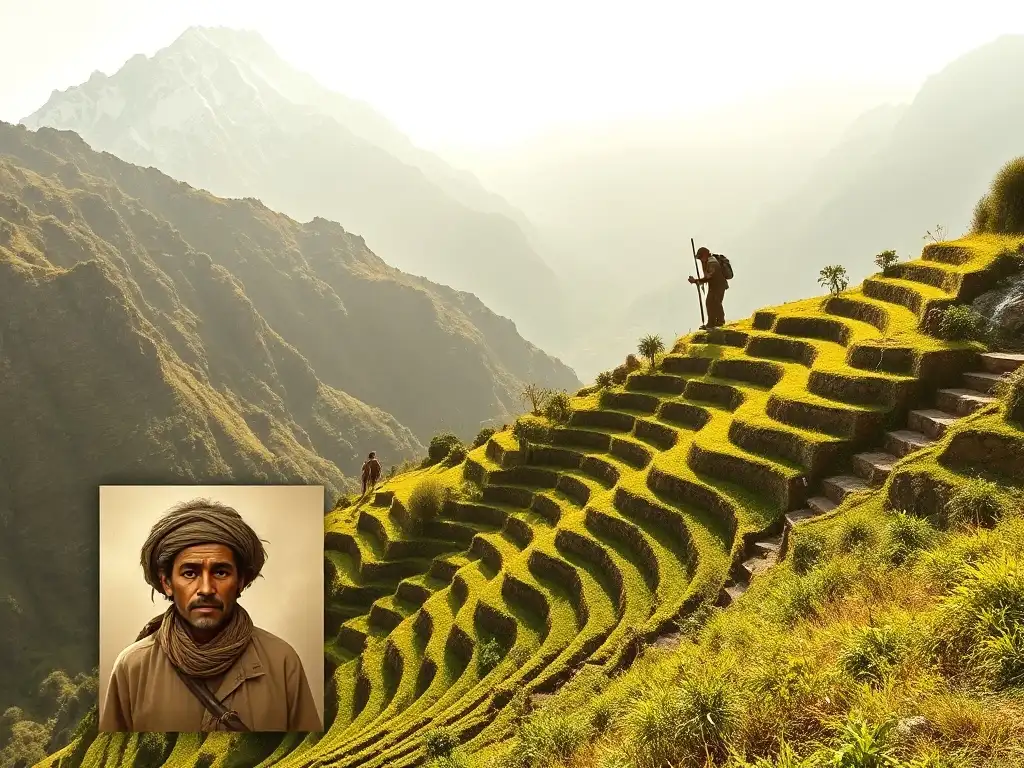
The Inca Empire, renowned for its sophisticated engineering feats, demonstrated an unparalleled mastery of water resource management. Their success wasn't merely a matter of technological prowess; it was a deeply intertwined system connecting agricultural practices, societal structures, and religious beliefs. This intricate network ensured the survival and prosperity of a vast population spread across diverse and challenging Andean landscapes.
Understanding the Inca approach to water management provides crucial insights into their societal organization and their remarkable ability to thrive in a geographically demanding environment. The strategic use of water, carefully planned and meticulously executed, is a testament to their ingenuity and foresight. This section delves into the specific techniques and cultural significance of water in Inca society, highlighting the close relationship between Andean agriculture and water management.
Inca Agricultural Practices and Water Use
Inca agricultural practices were intrinsically linked to their sophisticated water management systems. They employed a variety of techniques to maximize water availability and optimize crop yields in the often-arid Andean highlands. Terracing, for instance, was a common practice, creating level platforms on steep slopes to retain water and soil. This reduced erosion and provided ideal conditions for cultivation.
The construction of these terraces required immense labor, reflecting the importance placed on agriculture within Inca society. Further enhancing water retention were techniques like waru waru, raised fields that trapped moisture and moderated temperature fluctuations, especially crucial in high-altitude regions. The Inca also cleverly utilized qochas, artificial lagoons and reservoirs, to store water during the rainy season for use during drier periods.
This foresight ensured a consistent water supply for irrigation throughout the year, minimizing the impact of seasonal variations. Detailed records, though limited, suggest a sophisticated understanding of hydrology and soil conditions, informing their strategic placement of agricultural plots and water management infrastructure. The close relationship between water and agriculture is evident in the extensive network of canals and aqueducts that crisscrossed the empire, a testament to their advanced understanding of Andean agriculture water management.
Advanced Inca Irrigation Systems
The Inca irrigation systems were marvels of engineering, showcasing their advanced understanding of hydraulics and their capacity for large-scale projects. Canals, often lined with stone to prevent leakage and erosion, transported water over considerable distances, traversing varied terrain with remarkable precision. These canals were not simply straight channels; they incorporated ingenious features like siphons, aqueducts, and diversion structures to manage water flow effectively.
The precise grading and construction of these canals demonstrate a deep understanding of water pressure and flow dynamics. Evidence suggests the use of sophisticated surveying techniques to ensure accurate alignment and efficient water distribution. The scale of these projects—some canals stretching for tens of kilometers—is astonishing, reflecting the Inca's ability to mobilize vast labor forces and organize complex logistical operations.
These sophisticated irrigation systems enabled the cultivation of diverse crops across varied altitudes, contributing significantly to the empire's agricultural productivity and food security. The meticulous planning and execution of these systems underscore the importance of Andean agriculture water management in Inca societal organization.
The Importance of Water in Inca Society and Religion
Water held profound significance in Inca society, extending beyond its purely practical applications in agriculture. It played a central role in their religious beliefs and worldview, viewed as a sacred element essential for life and fertility. Water sources were often associated with deities, and rituals and ceremonies were performed to ensure a plentiful supply and to express gratitude for this vital resource.
The Inca’s reverence for water is reflected in their careful management and conservation practices. The construction of elaborate fountains and bathing facilities in urban centers further highlights the cultural and symbolic importance of water. The intricate relationship between Andean agriculture and water management is further emphasized by the fact that water management infrastructure was often integrated into the broader landscape, reflecting a holistic approach to environmental stewardship.
This interwoven relationship between the practical and the spiritual underscores the deep cultural significance of water in Inca society, highlighting its central role in their worldview and societal organization. The careful management of water wasn't just a matter of survival; it was a religious duty, ensuring the prosperity and continuity of Inca civilization.
Inca Engineering and Water Control
Inca agricultural success hinged on sophisticated water management techniques, a testament to their advanced engineering prowess. Their mastery wasn't simply about diverting water; it involved a complex interplay of canals, aqueducts, reservoirs, and sophisticated irrigation systems tailored to the diverse Andean terrain. This wasn't a haphazard approach; rather, it was a carefully planned and executed system reflecting a deep understanding of hydrology and topography.
The Inca engineers meticulously surveyed the land, identifying water sources and assessing the feasibility of channeling water across varying altitudes and distances. Their ability to build durable and efficient systems, often across challenging mountainous landscapes, is a remarkable feat of engineering. The precision and scale of their projects are still a source of wonder and study for modern engineers.
The Inca utilized a variety of materials depending on the specific needs of the project and the availability of resources. Stone, often meticulously fitted without mortar, formed the backbone of many larger structures like aqueducts and canals. Smaller channels and irrigation ditches might have been lined with clay or other readily available materials to prevent water loss through seepage. The choice of materials reflected a practical approach: durability, ease of construction, and accessibility were key considerations.
Evidence suggests that the Inca also understood the importance of maintaining their water systems. Regular inspections and repairs were likely carried out to ensure the continued efficiency of their irrigation networks, highlighting their long-term commitment to sustainable water management. This proactive approach contributed significantly to the longevity and success of their agricultural practices.
One striking example of Inca engineering ingenuity is the intricate network of canals that crisscrossed the Sacred Valley. This system not only provided water for irrigation but also facilitated the transportation of goods and people, demonstrating the interconnectedness of their infrastructure. The integration of water management with other aspects of their civilization highlights the holistic approach the Inca took towards resource management and societal development.
Furthermore, the ability to construct these systems across varying elevations showcased not only their engineering skills but also their understanding of hydraulic principles, allowing them to create a sustainable and efficient system for agricultural production. Their success in harnessing water resources played a crucial role in supporting their large population and maintaining their complex social structure.
The legacy of their water management systems continues to inspire modern agricultural practices and provides valuable lessons in sustainable resource management. The study of Inca engineering offers valuable insights into both ancient technology and sustainable solutions for contemporary challenges.
Case Studies of Andean Water Management
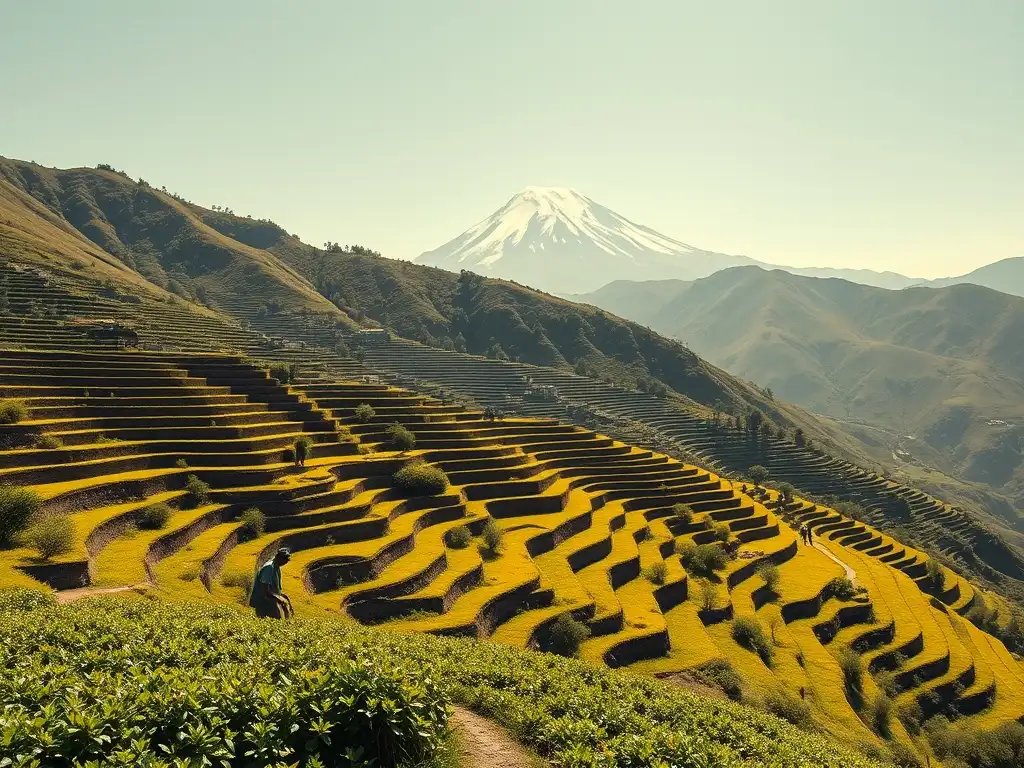
This section delves into specific examples of ingenious water management techniques employed by various Andean civilizations, showcasing their remarkable engineering prowess and deep understanding of their environment. These examples highlight the crucial interplay between water availability and agricultural productivity, which was fundamental to the survival and prosperity of these societies. The efficient management of water resources allowed for the development of sophisticated agricultural systems capable of supporting large and complex populations in challenging terrains. The keyword "Andean agriculture water management" is intrinsically linked to the success and innovation displayed in these case studies.
The Example of the Nazca Aqueducts
The Nazca civilization (c. 100 BCE – 800 CE), famed for their enigmatic geoglyphs, also possessed exceptional skills in water management. Their arid coastal environment necessitated innovative solutions for accessing and distributing scarce water resources. The Nazca's most impressive achievement in this regard was their network of puquios. These are underground aqueducts, ingeniously constructed to channel water from underground aquifers to the surface.
The construction of a puquio involved sinking vertical shafts into the ground to reach the water table. Horizontal tunnels, often extending for considerable distances, were then dug to connect these shafts. These tunnels were carefully lined with stones to prevent collapse and maintain water flow. The water was then brought to the surface through carefully placed outlets, often strategically located to serve agricultural fields or settlements.
The precise engineering involved in creating these systems, considering the limited tools available, is truly remarkable and speaks volumes about the Nazca's understanding of hydrology and subterranean water sources. The Nazca's mastery of puquio construction allowed them to cultivate crops in an otherwise extremely dry environment, contributing significantly to their societal development and stability. This exemplifies the crucial role of "Andean agriculture water management" in shaping their culture.
Tiahuanaco's Raised Fields and Water Control
The Tiahuanaco civilization (c. 500 – 1000 CE), located on the Altiplano of Bolivia, faced a different set of hydrological challenges. The high altitude and fluctuating water levels of Lake Titicaca required sophisticated strategies for agricultural production. Tiahuanaco's engineers developed a complex system of raised fields, strategically designed to manage water resources effectively.
These raised fields consisted of artificial platforms built from earth and stones, creating elevated plots for cultivation. The spaces between the raised fields acted as channels, collecting and distributing water from rainfall and irrigation canals. This system allowed for better drainage, preventing waterlogging and ensuring optimal moisture levels for crops. Furthermore, the elevated fields provided protection from frost, a significant threat in the high-altitude environment.
The intricate design and meticulous construction of these fields demonstrate a deep understanding of water dynamics and soil management. The effectiveness of Tiahuanaco's raised field system speaks to their innovative approach to "Andean agriculture water management" in a challenging high-altitude environment. The capacity to sustain a large population through efficient water management in such a harsh environment is a testament to their engineering skills.
Moche Irrigation and Hydraulic Engineering
The Moche civilization (c. 100 – 800 CE) of northern Peru developed an extensive network of irrigation canals to support their intensive agriculture. Their mastery of hydraulic engineering allowed them to harness the waters of the Andes mountains, diverting rivers and streams to irrigate vast stretches of land along the coastal valleys.
The Moche canals were not simply straight channels; they incorporated sophisticated features such as aqueducts, siphons, and spillways to manage water flow and prevent erosion. They also constructed reservoirs and storage facilities to regulate water supply during dry periods. The scale and complexity of the Moche irrigation systems are impressive, reflecting a high degree of organizational capacity and technical expertise. The construction of these systems required meticulous planning, skilled labor, and a deep understanding of hydraulic principles.
The Moche's success in developing and maintaining these complex irrigation networks demonstrates the critical role of "Andean agriculture water management" in supporting their flourishing society. Their legacy in irrigation technology continues to influence agricultural practices in the region even today. The intricate design and maintenance of such a large-scale system highlight the importance of collective effort and sophisticated planning within the Moche civilization.
The Waru Waru System in the Lake Titicaca Basin
The Waru Waru system, a testament to the ingenuity of pre-Inca Andean civilizations, stands as a remarkable example of sustainable agriculture and water management. Developed primarily around Lake Titicaca, this sophisticated system involved the construction of raised fields, or waru warus, separated by canals. These weren't simply haphazard mounds; their design incorporated a deep understanding of hydrology and microclimates. The raised beds, typically 1-2 meters high and 2-4 meters wide, provided fertile soil elevated above the water table, improving drainage and reducing frost damage—a crucial consideration in the high-altitude environment of the Altiplano.
The intervening canals served multiple purposes. They acted as irrigation channels, supplying water to the raised fields during dry periods. Equally important, they functioned as drainage systems, removing excess water during the rainy season, preventing waterlogging that could damage crops. This intricate interplay of raised fields and canals created a remarkably efficient and resilient agricultural system.
The remarkable effectiveness of Waru Waru is attributed to several factors. The raised beds acted as thermal regulators, mitigating temperature fluctuations and protecting crops from frost. The canals, in addition to irrigation and drainage, served as reservoirs, storing water for later use and moderating water temperatures. Furthermore, the system facilitated biodiversity.
The canals and surrounding areas provided habitats for aquatic life, enriching the soil through organic matter and potentially offering supplementary food sources. Studies suggest that Waru Waru systems could significantly increase crop yields compared to traditional farming methods in the same environment, demonstrating the system's economic and social importance to the communities that relied on them. Archaeological evidence indicates that these systems were carefully planned and maintained over centuries, highlighting the dedication and knowledge invested in their construction and upkeep. The Waru Waru system is not merely a historical curiosity; it offers valuable lessons for contemporary sustainable agriculture, particularly in regions facing water scarcity and climate change.
Its principles of water conservation, soil management, and biodiversity are highly relevant to modern agricultural practices and offer a blueprint for innovative solutions to global challenges in food security and environmental sustainability. The legacy of Andean agriculture water management, particularly exemplified by the Waru Waru, continues to inspire and inform present-day approaches to sustainable farming. The system's resilience and adaptability offer compelling evidence of the advanced knowledge and resourcefulness of pre-Columbian Andean societies. Further research into the Waru Waru system promises to uncover even more details about its design, construction, and long-term impact on the Andean landscape and its inhabitants.
The Impact of Andean Water Management on Agriculture

The ingenuity of Andean civilizations in managing water resources profoundly shaped their agricultural practices, leading to impressive achievements in food production and societal development. Their success wasn't merely about survival; it was about creating thriving societies capable of supporting large populations and complex social structures. This section explores the multifaceted impact of Andean water management on agriculture, highlighting its influence on productivity, crop diversification, and the development of sustainable farming techniques. The keyword phrase "Andean agriculture water management" is central to understanding this remarkable interplay.
Increased Agricultural Productivity Through Irrigation
Andean agriculture wasn't solely reliant on rainfall. The civilizations developed sophisticated irrigation systems tailored to their diverse environments, dramatically boosting agricultural productivity. These systems ranged from simple canals diverting water from rivers and streams to complex networks of aqueducts, terraces, and reservoirs.
For instance, the Nazca people, renowned for their geoglyphs, also constructed extensive canal systems that channeled water across arid landscapes, allowing them to cultivate crops in otherwise unproductive areas. This ingenuity is reflected in the remarkable agricultural output they achieved, despite the challenging desert environment. The increase in productivity wasn't just about quantity; it also improved the quality and consistency of harvests, ensuring food security for the population.
Evidence suggests that the effectiveness of these irrigation systems allowed for surplus food production, which in turn supported the growth of specialized labor and the development of complex social hierarchies. The careful management of water resources allowed for the cultivation of larger areas of land, leading to a significant increase in the overall food supply. This is a prime example of how effective "Andean agriculture water management" directly translated into societal prosperity.
Diversification of Crops Enabled by Water Management
Effective water management wasn't just about increasing the yield of a single crop; it also enabled the diversification of Andean agriculture. By controlling water flow and creating microclimates through terracing and irrigation, Andean farmers were able to cultivate a wide range of crops adapted to different altitudes and water requirements. This contrasts sharply with rain-fed agriculture, which is typically limited to a smaller range of drought-resistant crops.
The Incas, for example, cultivated a remarkable variety of potatoes, each suited to specific environmental conditions. This diversity was crucial for ensuring food security; if one crop failed due to disease or climate change, others were available to compensate. Moreover, this diversity enriched the Andean diet, providing a balanced nutritional intake for the population.
The ability to cultivate diverse crops is a testament to the sophisticated understanding of water management and its impact on plant growth. This diversification, facilitated by advanced "Andean agriculture water management", contributed significantly to the resilience and adaptability of Andean societies. The integration of different crops also supported complex economic systems and trade networks throughout the Andean region.
Sustainable Practices in Andean Agriculture
Andean civilizations didn't simply exploit their water resources; they developed sustainable practices that ensured the long-term viability of their agricultural systems. Terracing, for example, not only increased cultivable land but also prevented soil erosion and conserved water. The careful construction of terraces and the use of irrigation channels minimized water waste and ensured that water reached the crops efficiently.
Furthermore, the use of organic fertilizers and crop rotation techniques further enhanced soil fertility and minimized the environmental impact of agriculture. These sustainable practices demonstrate a deep understanding of the interconnectedness of water, soil, and plant life. The longevity of Andean agricultural systems, some of which persisted for centuries, is a testament to the wisdom of these sustainable practices.
The integration of these sustainable practices into their "Andean agriculture water management" strategies highlights their forward-thinking approach to resource management, a lesson that remains relevant in today's world. This long-term perspective on resource management is a key factor in understanding the remarkable achievements of Andean civilizations.
Potato Cultivation Enhanced by Controlled Water Distribution
The potato, Solanum tuberosum, is arguably the most important crop in the Andean region, and its cultivation was inextricably linked to sophisticated water management techniques. Andean farmers didn't simply rely on rainfall; they developed intricate systems to ensure a consistent water supply for their potato fields, maximizing yields and mitigating the risks associated with unpredictable weather patterns. This involved a deep understanding of the potato's water requirements at different stages of its growth cycle. Early Andean agriculturalists understood the importance of controlled irrigation, recognizing that both waterlogging and drought could severely impact the potato harvest.
The precise methods varied depending on the specific ecological niche and available resources. In some areas, they employed sophisticated canal systems to divert water from rivers and streams, channeling it precisely to the potato fields. These canals were often built on terraced slopes, allowing for efficient water distribution across uneven terrain. This precise control allowed farmers to optimize water use, preventing water stress during dry periods and avoiding waterlogging which could lead to crop rot. The construction and maintenance of these canal systems were community endeavors, showcasing the importance of cooperation and shared resources in Andean agricultural success.
Furthermore, the development of raised fields—a type of agricultural intensification—played a crucial role in improving potato cultivation. Raised fields were artificial islands created in swamps or wetlands. By raising the planting surface above the water table, farmers could regulate water levels more effectively, preventing waterlogging while still providing adequate moisture for the potatoes.
This technique also improved soil drainage and aeration, benefiting potato growth and increasing yields. Evidence suggests that raised field agriculture was particularly important in areas with high water tables, where traditional irrigation methods might have been less effective. The construction of raised fields required significant labor and planning, but the resulting increase in potato production made it a worthwhile investment for Andean communities.
The ingenuity of these techniques highlights the deep understanding of hydrology and soil science possessed by ancient Andean farmers. Their mastery of "Andean agriculture water management" allowed them to cultivate this crucial crop reliably, even in challenging environments.
Lessons from Andean Water Management for Modern Agriculture
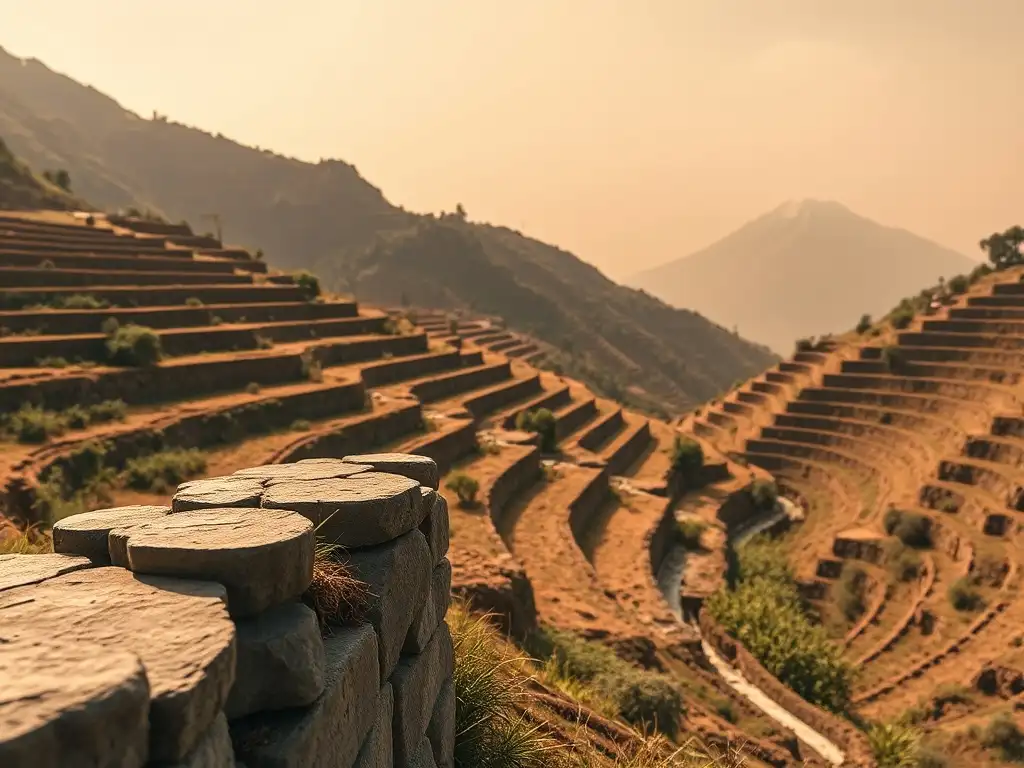
The ingenuity of Andean civilizations in harnessing water resources for agriculture offers valuable insights for contemporary agricultural practices. Their sophisticated systems, developed over millennia in challenging high-altitude environments, demonstrate the power of adaptation, sustainability, and community-based resource management. Understanding these historical approaches can help address modern challenges like water scarcity and climate change, particularly in regions with similar environmental constraints. Analyzing their success provides a blueprint for more resilient and efficient agricultural systems globally. The Andean experience highlights the crucial role of integrating traditional knowledge with modern technology for optimal water resource management in agriculture.
Adaptable Water Management Techniques
Andean agricultural practices weren't static; they were remarkably adaptable to diverse terrains and fluctuating water availability. Farmers employed a range of techniques tailored to specific microclimates and water sources. For instance, the canales (canals) were not uniformly designed.
Their size, slope, and construction materials varied depending on the water source (glacial meltwater, river flow, springs), the terrain (steep slopes versus flat valleys), and the type of crop being irrigated. This adaptability is a key lesson: a "one-size-fits-all" approach to water management is often ineffective. Instead, a flexible, context-specific approach, informed by local knowledge and environmental conditions, is crucial for optimal results.
Furthermore, the use of techniques like andenes (terraces) was not merely for increased land area; the terraces also helped to regulate water flow and reduce soil erosion, showcasing an integrated approach to water and land management. The intricate network of canals, reservoirs, and aqueducts, meticulously maintained by communities, was a testament to their adaptive capacity.
The ingenious use of gravity-fed systems minimized energy expenditure, a lesson particularly relevant in today's world, where energy-intensive irrigation methods are a significant contributor to greenhouse gas emissions. The integration of different water sources—rainwater harvesting, snowmelt collection, and river diversion—demonstrates a holistic approach that modern agriculture can emulate to enhance water security. This diversification of water sources reduced reliance on any single source, making the system more resilient to drought or other disruptions.
Importance of Sustainable Water Use
The Andean civilizations understood the importance of sustainable water use long before the term gained widespread currency. Their water management systems weren't designed for short-term gains; they were built to endure for generations. This long-term perspective is a vital lesson for modern agriculture, which often prioritizes immediate yield over long-term sustainability. The meticulous maintenance of irrigation infrastructure, the careful consideration of water allocation, and the integration of traditional ecological knowledge all contributed to the sustainability of their agricultural practices.
Evidence suggests that the Andean civilizations monitored water usage carefully, often employing communal decision-making processes to ensure equitable distribution and prevent overuse. This contrasts sharply with many modern agricultural practices, where individualistic approaches can lead to unsustainable water depletion. The concept of ayni, a reciprocal system of labor and resource sharing, played a crucial role in maintaining the shared water resources, emphasizing community responsibility and collective action.
This collaborative approach is a powerful model for addressing modern water challenges, particularly in areas facing water scarcity. The long-term success of their water management systems demonstrates the critical link between sustainable practices and the long-term viability of agriculture.
Indigenous Knowledge of Water Conservation
The Andean civilizations' success in water management was deeply rooted in their profound understanding of local ecosystems and hydrological cycles. This indigenous knowledge, passed down through generations, provided the foundation for their sophisticated irrigation systems and water conservation techniques. Their intimate knowledge of rainfall patterns, soil types, and water sources allowed them to design systems that maximized water use efficiency.
This traditional knowledge wasn't simply a collection of empirical observations; it was interwoven with spiritual beliefs and practices that emphasized respect for nature and the interconnectedness of all living things. This holistic worldview fostered a sense of responsibility towards the environment and ensured that water resources were managed sustainably. Modern agriculture can benefit greatly from incorporating this indigenous knowledge into its practices. By acknowledging and integrating traditional ecological knowledge, we can develop more sustainable and culturally sensitive approaches to water management that are better suited to specific local contexts.
The integration of this knowledge with modern scientific understanding can lead to more effective and resilient agricultural systems. Ignoring this invaluable resource would be a significant oversight in the quest for sustainable agriculture. The Andean legacy underscores the crucial role of respecting and learning from indigenous knowledge in addressing global water challenges.
Modern Micro-Irrigation Inspired by Ancient Andean Methods
Ancient Andean civilizations weren't just masters of terrace farming; they also pioneered sophisticated water management techniques that are remarkably relevant to modern agriculture. Their understanding of water distribution, even in arid environments, led to the development of incredibly efficient irrigation systems. These systems, often employing intricate networks of canals and channels, delivered water precisely where it was needed, minimizing waste and maximizing crop yields. This precision is mirrored in modern micro-irrigation techniques.
Modern micro-irrigation systems, such as drip irrigation and micro-sprinklers, directly deliver water to the roots of plants, significantly reducing water loss through evaporation and runoff. This is strikingly similar to the way Andean farmers channeled water directly to their crops, often using small channels or porous materials to distribute the water evenly. The efficiency of these ancient systems is a testament to the Andean people's deep understanding of hydrology and their ingenuity in adapting to challenging environments.
The concept of minimizing water waste, a central tenet of modern sustainable agriculture, was already deeply ingrained in Andean agricultural practices centuries ago. The precise control over water flow, achieved through carefully designed channels and sophisticated water management practices, is a crucial element in both ancient and modern micro-irrigation systems.
The resurgence of interest in these ancient techniques is largely due to the increasing need for water conservation in modern agriculture. As water scarcity becomes a more pressing global issue, the lessons learned from the Andean civilizations' innovative approaches to water management become increasingly valuable. Modern agricultural engineers are actively studying and adapting these historical methods to create more efficient and sustainable irrigation systems, demonstrating the enduring legacy of Andean ingenuity in the face of environmental challenges.
The enduring relevance of Andean water management techniques underscores the importance of studying traditional knowledge systems in addressing contemporary agricultural challenges. By understanding and integrating these traditional practices into modern agricultural systems, we can develop more resilient and sustainable approaches to food production. This is particularly crucial in regions facing water scarcity, where the lessons from Andean water management can provide vital insights for improving agricultural productivity and ensuring food security.
The Enduring Legacy of Andean Water Management
The ingenuity of Andean civilizations in harnessing water resources for agriculture remains a testament to their advanced understanding of hydraulic engineering and their deep connection to their environment. Their sophisticated water management systems, developed over millennia, allowed them to thrive in challenging high-altitude environments characterized by variable rainfall and steep topography. This legacy continues to influence modern agricultural practices in the Andes, demonstrating the enduring relevance of these ancient techniques.
The efficient use of water, a precious resource in the region, was crucial for the sustenance and prosperity of these societies. Their methods, often adapted to the specific geographical conditions of each region, highlight a remarkable level of adaptation and innovation.
Understanding these systems provides valuable insights into sustainable water management strategies applicable even today, particularly in the face of climate change and increasing water scarcity. The Andean approach to water conservation offers a powerful example of how to optimize limited resources for maximum agricultural output.
Preserving Andean Irrigation Systems
Preserving the remaining Andean irrigation systems is crucial not only for historical preservation but also for the continued economic and social well-being of Andean communities. Many of these systems, built centuries ago, are still in use today, showcasing their remarkable durability and effectiveness. However, they face numerous threats, including climate change, neglect, and the encroachment of modern agricultural practices.
Efforts to preserve these systems often involve community participation, restoration projects, and the implementation of sustainable water management practices. For example, initiatives focusing on the restoration of canales (canals) and acequias (irrigation ditches) are common. These projects not only safeguard the historical heritage but also enhance the agricultural productivity of the region.
Documenting and understanding the traditional knowledge associated with these systems is equally important, ensuring that the expertise of local communities is incorporated into preservation efforts. This holistic approach, combining engineering expertise with local knowledge, is essential for the long-term sustainability of Andean irrigation systems and the preservation of "Andean agriculture water management" techniques. The success of such initiatives depends on a collaborative effort between governments, researchers, and local communities.
The Cultural Significance of Water in the Andes
Water in the Andes is not merely a resource; it is deeply intertwined with the cultural and spiritual fabric of Andean societies. From ancient rituals and ceremonies honoring water deities to the intricate systems of water rights and distribution, water holds immense cultural significance. The concept of ayni, reciprocal exchange and community cooperation, is often reflected in the management of water resources, emphasizing the shared responsibility for its equitable distribution and conservation.
Many Andean communities still maintain traditional ceremonies and practices related to water, highlighting the enduring importance of this resource in their lives. The connection between water, agriculture, and spirituality underscores the holistic approach adopted by Andean civilizations in their interaction with the environment.
This understanding is critical for appreciating the full scope of "Andean agriculture water management" and its lasting influence on Andean culture. Anthropological studies reveal the rich tapestry of beliefs and practices associated with water, demonstrating the profound impact of this resource on Andean worldview and social organization.
The Importance of Studying Ancient Water Techniques
Studying ancient Andean water techniques offers invaluable lessons for contemporary water management challenges. The innovative solutions developed by these civilizations, particularly their ability to adapt to diverse terrains and climates, provide insights into sustainable and resilient water management strategies. Their understanding of water harvesting, storage, and distribution, often achieved with limited technology, offers valuable lessons for modern engineering and agricultural practices.
Analyzing these techniques can inform the development of more efficient and environmentally friendly irrigation systems, particularly in regions facing water scarcity. The integration of ancient knowledge with modern technology can lead to innovative solutions for water management in the Andes and beyond.
Furthermore, studying these techniques helps us understand the long-term consequences of unsustainable water practices and emphasizes the importance of integrating ecological considerations into water resource management. This interdisciplinary approach, combining historical research, engineering expertise, and anthropological insights, is crucial for developing effective and sustainable solutions to address global water challenges, further highlighting the importance of understanding "Andean agriculture water management."
Community-Based Water Management in the Andes
The success of Andean agriculture hinged not solely on ingenious engineering feats like canal systems, but also on sophisticated community-based water management practices. These weren't simply technical solutions; they were deeply embedded within the social fabric of Andean societies, reflecting complex power structures, social hierarchies, and intricate systems of reciprocity. The effective distribution of water, a precious resource in the often-arid Andean landscape, required collaboration, negotiation, and adherence to established rules and customs. Failure to cooperate often resulted in conflicts, highlighting the crucial role of social organization in water management.
For instance, the Inca Empire, known for its impressive infrastructure projects, also implemented a highly centralized system for water allocation. While the state controlled major water projects, local communities played a vital role in maintaining smaller canals and ensuring equitable distribution within their own territories. This involved the appointment of community leaders responsible for overseeing water use, resolving disputes, and enforcing regulations.
These weren't merely appointed officials; they held significant social standing and their decisions carried considerable weight within the community. Their authority stemmed not just from official designation but also from their respected position within the social hierarchy and their understanding of traditional customs related to water rights and usage. This blend of centralized control and localized management ensured both efficiency and fairness in water distribution, critical factors in sustaining agricultural production across the vast Inca Empire.
Evidence suggests that pre-Inca societies also possessed sophisticated community-based systems. Archaeological findings reveal intricate canal networks and irrigation infrastructure predating the Inca, suggesting a long history of collective water management. These systems likely involved similar principles of community participation, negotiation, and the enforcement of customary rules, reflecting the enduring importance of social cohesion in addressing the challenges of water scarcity.
Detailed studies of these pre-Inca systems are still ongoing, but preliminary research indicates a remarkable degree of sophistication and adaptability in their approaches to water management, mirroring the ingenuity found in their agricultural practices. Understanding these systems offers valuable insights into the long-term sustainability of Andean agriculture and its resilience in the face of environmental challenges. The legacy of these community-based practices continues to resonate today, informing modern approaches to water management in the Andes and offering valuable lessons for sustainable water resource management globally.
Frequently Asked Questions
How did Andean civilizations manage water for agriculture in arid climates?
Andean civilizations developed sophisticated water management systems, including canals, terraces, and reservoirs, to capture and distribute water efficiently, even in challenging environments. This allowed for intensive agriculture in otherwise unsuitable areas.
What were some of the key agricultural techniques used by Andean cultures?
Andean farmers employed techniques like terracing, which created level platforms for planting on steep slopes, and waru waru, a raised-field system that improved drainage and soil fertility. Crop diversification was also crucial to their success.
What role did water play in the religious beliefs of Andean societies?
Water held significant religious importance in Andean cultures. Many deities were associated with water, and rituals and ceremonies were often performed to ensure a plentiful water supply for agriculture and life. Water was sacred.
How did the Inca Empire manage its large-scale irrigation systems?
The Inca Empire built upon pre-existing systems, expanding and improving them through a vast network of canals, aqueducts, and reservoirs. Their centralized administration facilitated the construction and maintenance of these vital infrastructure projects.
What impact did climate change have on Andean agriculture and water management?
Climate change significantly impacted Andean agriculture and water resources. Droughts and floods challenged existing water management systems, impacting crop yields and potentially contributing to societal shifts and the decline of some cultures.
Final Reflection: The Enduring Legacy of Andean Water Wisdom
The ingenious water management systems of the Andes remain a powerful testament to human ingenuity and a crucial lesson for our increasingly water-stressed world. Their sophisticated understanding of hydrology and their ability to adapt to diverse and challenging terrains offers a blueprint for sustainable agriculture that is more relevant today than ever before. The challenges of climate change and growing populations demand innovative solutions, and the wisdom of the Andean civilizations provides a rich source of inspiration.
The impact of Andean agricultural practices, particularly their intricate systems of canals, terraces, and reservoirs, continues to resonate through the cultural and social fabric of the region. These systems were not merely functional; they were deeply embedded in the spiritual and social life of the communities they served, fostering a profound respect for water as a life-giving force. Water is life, and without it, there is no civilization.
This simple truth, understood so profoundly by the Andean people, serves as a stark reminder of our own dependence on this precious resource and the urgent need for its responsible stewardship.
Consider the ingenuity of these ancient civilizations, their deep understanding of their environment, and their ability to build sustainable systems that thrived for centuries. You too can cultivate a deeper appreciation for the interconnectedness of water and agriculture. Examine your own relationship with water; explore ways to conserve this precious resource in your daily life, and advocate for sustainable practices in your community. Let the legacy of Andean water wisdom inspire you to become a steward of the earth and a champion of sustainable solutions for a future where water security is a reality for all.
Unleash the Power of Water in Agriculture!
Thank you for exploring the fascinating relationship between water and agriculture in Andean civilizations. You've discovered the crucial role water management played in creating sustainable farms and thriving communities. Now, let's put this knowledge into practice!
Here are a few ways you can get involved:
- Research traditional Andean water conservation methods and consider how these time-tested techniques can inspire more sustainable practices in your own garden or community.
- Share this article with friends and fellow gardening enthusiasts to spread awareness of sustainable water use and its benefits for local food production. Discuss how improved water management can enhance your community's farming efforts.
- Participate in local workshops or volunteer with agricultural organizations that promote water conservation and sustainable farming practices.
How can the ingenuity of ancient Andean civilizations inform your approach to water management in modern agriculture? Share your thoughts below!