
The Lasting Impact: Why Studying PreCeramic Andean Societies Matters

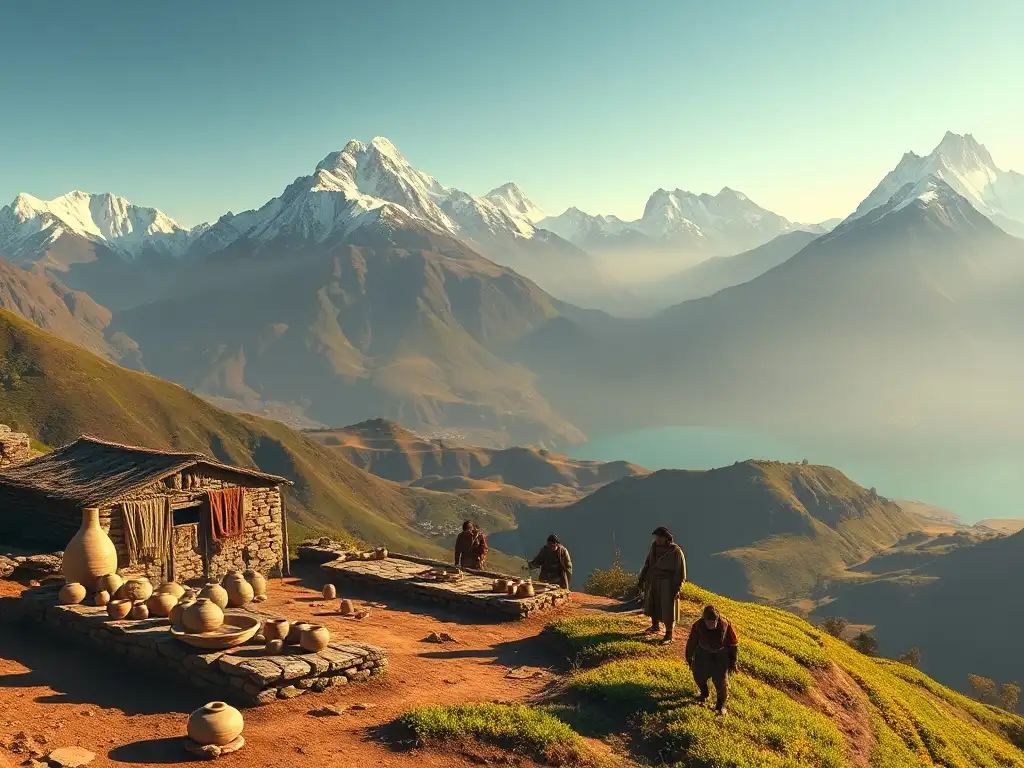
Uncover the mysteries hidden within the towering Andes! For centuries, these majestic mountains have guarded the secrets of remarkable civilizations, far older than the Incas. Journey back in time and discover the profound Preceramic Andean civilizations impact, a legacy that shaped the future of South America. Prepare to be amazed by their ingenuity and the enduring relevance of their achievements—a story waiting to unfold before your eyes.
Understanding the Preceramic Andean civilizations—those societies that thrived in the Andes Mountains before the advent of pottery—is crucial for a complete understanding of the region's rich and complex history. While the Inca Empire often steals the spotlight, the foundations of Andean ingenuity, social structures, and cultural practices were laid centuries earlier, during this formative period. This article delves into the lasting impact of these Preceramic societies, demonstrating why their study is not just academically relevant but essential for appreciating the full scope of Andean heritage.
We'll explore the advancements in agriculture, the development of intricate social hierarchies, and the surprising sophistication of their artistic expressions, all of which profoundly shaped subsequent Andean cultures. Ignoring this crucial period is akin to studying a skyscraper without understanding its foundation – we risk a fundamentally incomplete picture. The keyword “Preceramic Andean civilizations impact” directly reflects the core argument of this exploration.
Agricultural Innovations: The Genesis of Andean Success
The Preceramic period witnessed remarkable advancements in agriculture, laying the groundwork for the later flourishing of larger, more complex societies. These early Andeans weren't simply surviving; they were actively shaping their environment. They developed sophisticated irrigation systems, terracing techniques, and crop diversification strategies—all crucial for thriving in the challenging Andean terrain. The cultivation of crops like potatoes, quinoa, and beans, along with the domestication of camelids (llamas and alpacas), provided a stable food source and fueled population growth.
This agricultural revolution wasn't a singular event; it was a gradual process of experimentation and adaptation spanning centuries, showcasing the ingenuity and resilience of these early communities. The impact of these innovations reverberates through Andean history, forming the backbone of subsequent economic and social structures. Consider the intricate canal systems still visible in some areas – a testament to the enduring legacy of this early agricultural mastery.
Societal Structures: From Bands to Villages
The development of agriculture led to significant shifts in social organization. Preceramic Andean societies transitioned from small, nomadic bands to larger, more settled villages. This shift necessitated new forms of social organization and governance. Archaeological evidence suggests the emergence of hierarchical structures, with some individuals or groups accumulating more power and influence than others.
While the exact nature of these hierarchies remains a subject of ongoing research, the presence of elaborate burial sites and monumental architecture indicates a degree of social stratification and centralized authority. This evolving social complexity paved the way for the larger, more centralized states that would emerge later in Andean history. The seeds of Andean political organization were sown during this crucial Preceramic period. The evolution from simple bands to complex village societies demonstrates a clear progression in social development, a pattern that continued through later periods.
Artistic Expressions: A Window into Preceramic Beliefs
Contrary to the sometimes-held assumption of primitive societies, Preceramic Andean art displays surprising sophistication and complexity. Elaborate textiles, intricate carvings, and monumental architecture reveal a rich symbolic world and a sophisticated understanding of aesthetics. These artistic expressions offer valuable insights into the beliefs, values, and worldview of these early communities. For example, the geometric designs found on textiles and pottery often reflect cosmological beliefs and a deep connection to the natural world.
The creation of these artifacts required specialized skills and knowledge, suggesting the existence of specialized artisans and potentially a system of apprenticeship or knowledge transmission. Studying these artistic achievements allows us to connect with the spiritual and intellectual lives of these early Andean people, enriching our understanding of their culture far beyond material achievements. The artistry is not merely decorative; it is a powerful testament to their worldview and cultural identity.
The Enduring Legacy: Shaping Subsequent Andean Cultures
The Preceramic period wasn't merely a prelude to later Andean civilizations; it was a foundational period that profoundly shaped their development. The agricultural innovations, social structures, and artistic traditions established during this time laid the groundwork for the later flourishing of cultures like the Moche, Nazca, and Inca. Understanding the Preceramic period is therefore essential for a nuanced and comprehensive understanding of Andean history.
It provides context, depth, and a richer appreciation of the continuity and change that characterized Andean societies over millennia. Ignoring this foundational period risks a superficial understanding of the region's rich tapestry of culture and achievement. The impact of these early societies continues to resonate today, shaping our understanding of Andean identity and heritage.
- Agricultural Innovations: The Genesis of Andean Success
- Societal Structures: From Bands to Villages
- Artistic Expressions: A Window into Preceramic Beliefs
- The Enduring Legacy: Shaping Subsequent Andean Cultures
- What is meant by "Preceramic Andean civilizations"?
- How did Preceramic Andean civilizations impact later cultures?
- What are some key achievements of Preceramic Andean societies?
- Why is studying Preceramic Andean civilizations important today?
- How did the Preceramic Andean civilizations impact our understanding of "Preceramic Andean civilizations impact"?
Understanding the Foundations: The Significance of Preceramic Andean Cultures
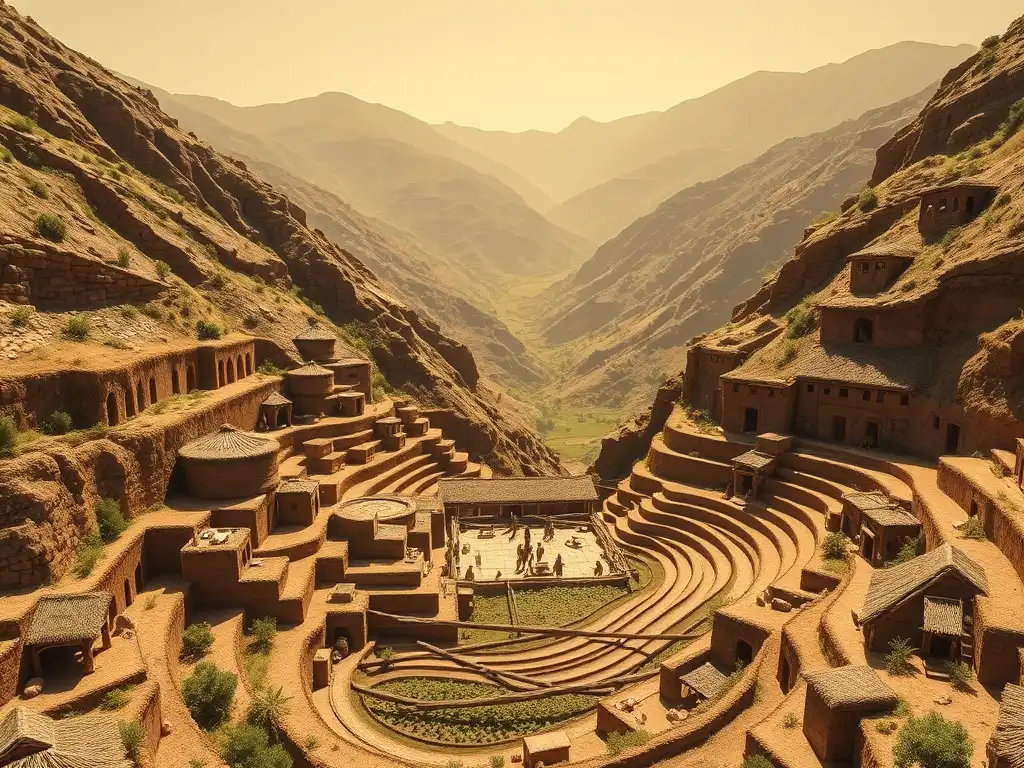
This section delves into the crucial role of Preceramic Andean societies in shaping the later, more complex civilizations of the Andes. Understanding their impact on subsequent cultures is key to comprehending the full tapestry of Andean history. The legacy of these early inhabitants is surprisingly extensive, influencing everything from agricultural practices to social structures and artistic expression. Ignoring their contributions risks a profoundly incomplete understanding of the region's rich heritage. The study of Preceramic Andean civilizations impact is therefore not merely an academic exercise; it's essential for a complete appreciation of Andean history.
Defining the Preceramic Period in the Andes
The Preceramic period in the Andes, spanning roughly 8000 BCE to 1800 BCE, represents a formative era of significant societal development. It's characterized by the absence of pottery, a defining feature used to chronologically distinguish later periods. However, the lack of pottery doesn't imply a lack of sophistication. Instead, this era witnessed the development of crucial technologies and social structures that laid the groundwork for later Andean cultures. The Preceramic period saw the domestication of plants like potatoes and quinoa, 1 revolutionizing food production and enabling the growth of larger, more settled populations. This agricultural revolution, a cornerstone of the "Preceramic Andean civilizations impact", led to significant changes in social organization, with the emergence of early village settlements and increasingly complex social hierarchies. Furthermore, the development of sophisticated irrigation systems, particularly evident in coastal regions, showcases the remarkable engineering capabilities of these early communities. The intricate knowledge of water management, displayed even in this early period, directly influenced subsequent Andean civilizations' ability to thrive in diverse environments.
Examples of Preceramic Sites and Their Significance
Sites like Caral in Peru offer compelling evidence of complex social organization and sophisticated urban planning during the Preceramic period. The impressive scale of Caral's architecture, including large pyramidal structures and residential complexes, suggests a highly organized society with specialized labor and a centralized power structure. This challenges earlier assumptions about the simplicity of Preceramic societies and underlines their considerable achievements.
Why Study Preceramic Andean Civilizations?
The study of Preceramic Andean civilizations offers invaluable insights into the long-term processes of cultural evolution in the Andes. By examining their achievements, we gain a deeper understanding of the roots of Andean ingenuity and resilience. Understanding the "Preceramic Andean civilizations impact" allows us to trace the evolution of specific technologies and social practices across millennia, revealing patterns of continuity and change. For example, the early experimentation with agriculture and irrigation systems in the Preceramic period directly informs our understanding of the sophisticated agricultural techniques employed by later Andean societies, such as the Incas.
Similarly, the development of early social hierarchies and forms of political organization in the Preceramic era provides a crucial context for understanding the complex state structures that arose later. Moreover, the art and iconography of this period, though expressed through different mediums than later pottery-based art, offer glimpses into the worldview and spiritual beliefs of these early Andean peoples. Their influence can be traced in the symbolic language and artistic styles of subsequent cultures.
In essence, studying the Preceramic period is not simply about understanding a distant past; it's about gaining a much richer and more nuanced understanding of the entire trajectory of Andean civilization. The impact of these early societies resonates through millennia, shaping the cultural landscape of the Andes in profound ways. Ignoring this foundational period would be akin to attempting to understand a tree without its roots.
1 Further research is needed to fully detail the specific timelines and methods of domestication for each crop.
Key Contributions of Preceramic Andean Societies
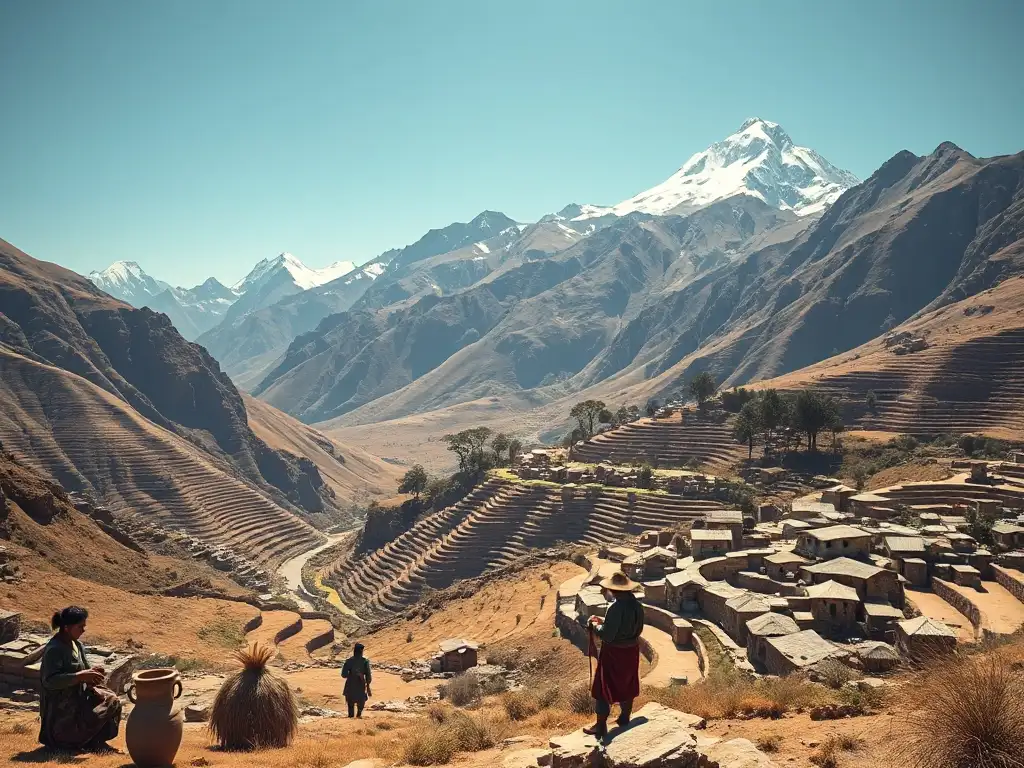
The study of Preceramic Andean civilizations offers a crucial lens through which to understand the later, more complex Andean societies. Their impact reverberates through millennia, shaping the cultural landscape and technological advancements of subsequent civilizations. Dismissing this foundational period risks a fragmented understanding of Andean history, neglecting the ingenious innovations and societal structures that laid the groundwork for the Inca Empire and other remarkable cultures. Understanding the "Preceramic Andean civilizations impact" requires a deep dive into their achievements, which were far from primitive.
Early Agricultural Practices and Their Impact
Preceramic Andean societies weren't simply hunter-gatherers; they were pioneers in agriculture. Their mastery of cultivating crops in challenging Andean terrains was a monumental achievement, directly impacting the subsequent development of larger, more sedentary populations. The domestication of plants like cucurbita (squash) and various tubers – vital to Andean diets for centuries – began during this era. This wasn't simply about sustenance; it represented a profound shift in human-environment interaction, laying the foundation for complex social organization and population growth.
The impact of these early agricultural practices can be seen in the development of sophisticated irrigation systems, evidenced by the remains found in various sites. These systems, often requiring collaborative effort on a large scale, suggest a level of social organization and planning far beyond what is often assumed for early societies.
Furthermore, the surplus of food produced through these advanced agricultural techniques allowed for specialization of labor and the emergence of social hierarchies, paving the way for the complex societies that followed. The careful management of water resources, a persistent challenge in the Andes, demonstrates an intimate understanding of the environment and a remarkable capacity for adaptation and innovation.
Contrary to the misconception that complex social structures emerged only with the advent of pottery, evidence suggests that Preceramic Andean societies possessed sophisticated social hierarchies and organizational systems. While the absence of written records makes definitive conclusions challenging, archaeological findings such as monumental architecture, elaborate burial practices, and the distribution of artifacts point to stratified societies with clear power dynamics.
For example, the size and complexity of some Preceramic sites, like Caral in the Supe Valley, indicate a level of centralized planning and resource management that suggests a highly organized society. The presence of large public structures alongside residential areas implies a division of labor and the existence of specialized roles, possibly including religious leaders, artisans, and administrators.
The careful construction and placement of these structures, along with the meticulous organization of burial sites, demonstrate a shared understanding of social order and a commitment to collective projects. Further research into the social organization of these early societies is needed, but preliminary evidence strongly suggests a sophisticated social fabric far exceeding simple egalitarian structures.
Architectural Innovations in Preceramic Andean Sites
Preceramic Andean architecture is a testament to the ingenuity and skill of these early societies. The construction of monumental structures, often using massive stones and sophisticated techniques, demonstrates a remarkable capacity for engineering and collaboration. These structures, not simply dwellings but also ceremonial centers and possibly administrative buildings, are striking examples of architectural innovation in a challenging environment.
The use of adobe bricks, rammed earth, and stone in construction, varying based on availability and purpose, showcases adaptability and a deep understanding of local materials and their properties. The precision and scale of some structures suggest a highly developed understanding of geometry and engineering principles. For instance, the precise alignment of some buildings with astronomical phenomena suggests sophisticated astronomical knowledge, further highlighting the advanced nature of Preceramic Andean societies.
The architectural achievements of this era laid the groundwork for the impressive building traditions of later Andean civilizations, demonstrating a continuous thread of innovation and expertise. Further study is needed to fully understand the construction techniques and the social implications of these monumental structures.
Preceramic Art and Symbolic Expression
The Preceramic period in the Andes, spanning roughly from 8000 to 1800 BCE, witnessed the blossoming of artistic expression that laid the groundwork for later Andean civilizations. While lacking the monumental architecture of later periods, Preceramic art reveals a sophisticated understanding of symbolic representation and a deep connection to the natural world. This artistic output wasn't merely decorative; it served crucial social, ritualistic, and possibly even cosmological functions.
One remarkable aspect of Preceramic art is its focus on depicting animals. Carvings of felines, birds, and camelids—animals crucial to their subsistence—are frequently found. These depictions aren't simply realistic portrayals; the stylistic choices, such as exaggerated features or stylized forms, suggest a deeper symbolic meaning.
For example, the recurring motif of the feline might represent power, agility, or a connection to the spirit world. The specific meaning, however, remains a subject of ongoing scholarly debate, with interpretations varying based on context and specific artistic styles found in different regions. Further complicating interpretation is the limited number of preserved artifacts, many having been damaged or destroyed by environmental factors over the millennia.
Another key element of Preceramic art is its use of textiles. While the textiles themselves are rarely preserved due to the harsh Andean climate, evidence of their existence comes from the discovery of intricately woven fragments and tools used in their creation. These early textiles likely served both practical and symbolic purposes, perhaps signifying social status or marking important rituals.
The surviving fragments show a surprisingly advanced knowledge of weaving techniques, demonstrating a high level of skill and artistry. The colors used, often derived from natural pigments, suggest sophisticated knowledge of botanical resources and their chemical properties. Further research into the dyes and pigments used could unlock more secrets about their understanding of the natural world and their social structures.
Beyond animal depictions and textiles, Preceramic societies also developed sophisticated forms of pottery, though in limited numbers compared to later periods. These early ceramics, often plain or decorated with simple geometric patterns, reveal a mastery of firing techniques and a growing understanding of clay as a medium for artistic expression. The evolution of pottery styles across different regions and time periods provides valuable insight into cultural exchange and technological advancements.
The discovery of new sites and the application of advanced scientific techniques like spectrographic analysis continue to shed light on the production methods and the symbolic meanings embedded within these early ceramic forms. The study of these early ceramic pieces is crucial to understanding the development of Andean artistic traditions and their relationship to broader societal developments. The simplicity of their forms belies a complex understanding of material culture and its role in shaping social identity.
Exploring Specific Preceramic Sites and Their Significance
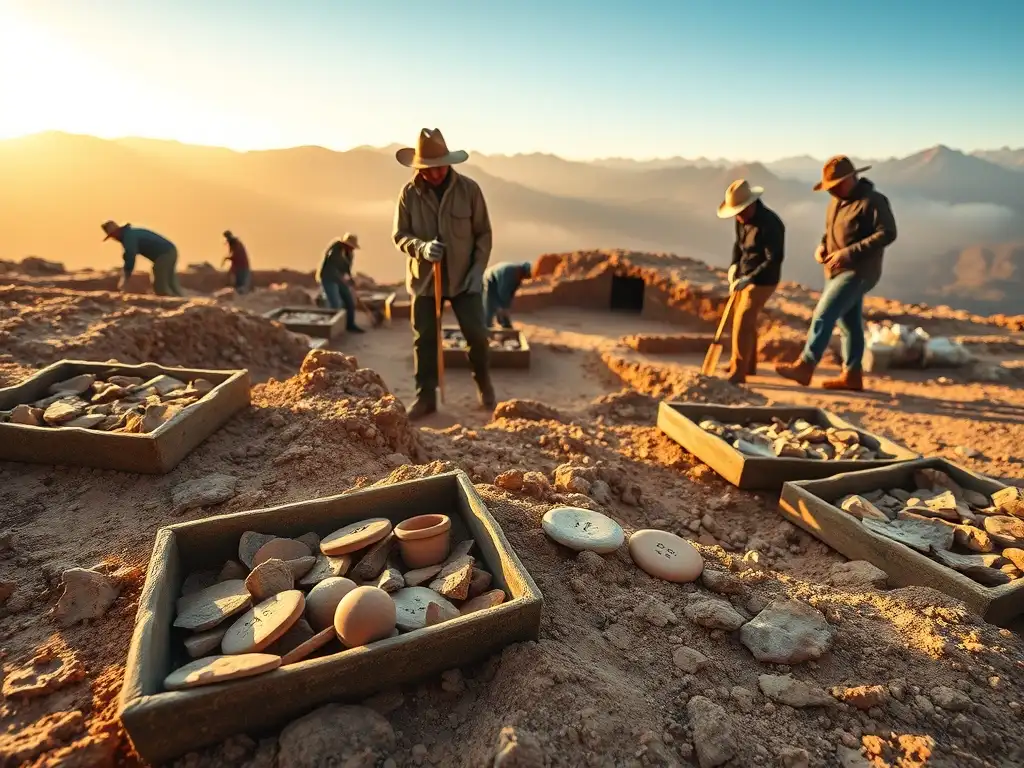
This section delves into the lasting impact of specific Preceramic Andean civilizations by examining key archaeological sites and their contributions to our understanding of early Andean societies. These sites offer invaluable insights into the development of complex social structures, innovative technologies, and sophisticated religious beliefs long before the arrival of the Inca Empire. Understanding these early societies illuminates the deep roots of Andean culture and its enduring legacy. The study of "Preceramic Andean civilizations impact" is crucial to a complete understanding of the region's history.
Caral: A Monumental Example of Early Andean Urbanism
Caral, located in the Supe Valley of Peru, stands as a remarkable example of early urban planning and societal complexity in the Preceramic period (2600-2000 BCE). Unlike later Andean cities, Caral wasn't built around a central plaza or imposing fortress. Instead, it featured a network of interconnected platforms, plazas, and residential areas, indicating a sophisticated understanding of urban design and social organization. The scale of Caral is breathtaking; its monumental architecture, including large pyramidal structures, demonstrates a significant mobilization of labor and resources, suggesting a highly organized and stratified society.
The absence of evidence for warfare or elite burials at Caral challenges traditional notions of early Andean societies as inherently hierarchical or violent. Instead, the evidence suggests a society focused on religious practices, ritual activities, and the management of resources. The discovery of numerous ceremonial structures and musical instruments indicates the importance of ritual and music in Caral's social life.
Archaeological evidence reveals a complex system of irrigation canals and agricultural techniques, further highlighting Caral's advanced understanding of resource management and its sophisticated social organization. The impact of Caral's innovative urban planning and social structures reverberated throughout later Andean societies.
Huaca Prieta: Unveiling Early Coastal Adaptations
Located on the north coast of Peru, Huaca Prieta (ca. 3500-1800 BCE) provides crucial insights into early coastal adaptations and the development of agriculture in the Andean region. This site showcases the remarkable ingenuity of early Andean people in harnessing marine and terrestrial resources. Evidence of early cotton cultivation and complex fishing techniques demonstrates a deep understanding of both land and sea, showcasing the adaptability and resourcefulness of these early coastal communities.
Unlike Caral's monumental architecture, Huaca Prieta's significance lies in its evidence of early agricultural practices and the development of sophisticated technologies for food production. The discovery of early cotton remains, indicating the earliest known use of cotton in the Americas, is a testament to the innovative spirit of these early Andean settlers. Furthermore, the remains of elaborate fishing implements and evidence of diverse fishing strategies suggest a complex understanding of marine ecosystems and a highly specialized economy.
The impact of Huaca Prieta's innovations in agriculture and fishing was felt across the Andean coastal region, shaping the development of later coastal societies. The site's importance lies in its demonstration of the diverse ways early Andean peoples adapted to their environment.
Kotosh: Religious Practices and Early Temples
Kotosh, situated in the central Andes of Peru, is renowned for its early temple structures and evidence of complex religious practices dating back to the Preceramic period (ca. 2000-1500 BCE). The site's most famous feature is the "Temple of the Crossed Hands," a building containing a unique and enigmatic sculpted design. This building, along with other temple structures at Kotosh, demonstrates the early development of elaborate religious rituals and the significance of religious beliefs in shaping early Andean societies.
The "Temple of the Crossed Hands" itself is a source of ongoing scholarly debate, with various interpretations proposed for the meaning of the crossed-hands motif. Regardless of its precise meaning, the temple's existence highlights the importance of religious practices in early Andean societies, and the considerable investment of resources in constructing and maintaining elaborate religious structures. The discovery of other ceremonial artifacts, such as intricately carved pottery and offerings, further supports the importance of ritual and religious life at Kotosh.
The influence of Kotosh's religious practices can be traced in later Andean religious traditions, demonstrating the enduring impact of its early religious innovations. The site's significance underscores the profound role of religion in shaping the social and cultural landscape of the early Andean world. Further research is needed to fully understand the "Preceramic Andean civilizations impact" of Kotosh's religious beliefs and practices.
The Relevance of Preceramic Andean Research Today
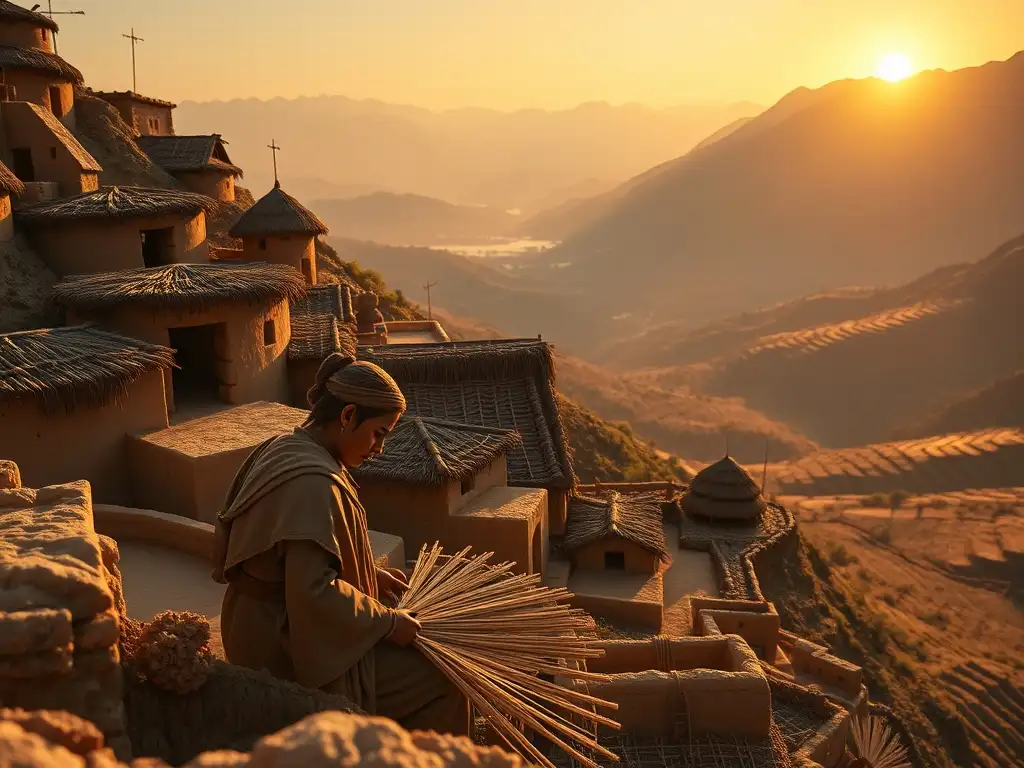
The study of Preceramic Andean civilizations offers a crucial lens through which to understand the development of later, more complex Andean societies. While the Inca Empire often steals the spotlight, the foundations upon which their impressive achievements were built lie firmly in the ingenuity and resilience of these earlier cultures. Understanding their innovations in agriculture, social organization, and artistic expression provides invaluable context for interpreting the later flourishing of Andean civilization.
This research isn't just about dusty artifacts; it's about tracing the threads of human ingenuity and adaptation across millennia, revealing patterns of societal evolution that resonate even today. The impact of Preceramic Andean civilizations is far-reaching, influencing our understanding of human history and offering valuable lessons for the future.
Ignoring this crucial period risks a fragmented and incomplete picture of one of the world's most fascinating and enduring cultures. The keyword phrase "Preceramic Andean civilizations impact" accurately reflects the significance of this research.
Insights into Andean Civilization's Origins
The Preceramic period, spanning roughly from 8000 BCE to 1800 BCE, witnessed the development of crucial adaptations that laid the groundwork for the later rise of complex Andean societies. The domestication of plants like potatoes, quinoa, and beans, for example, revolutionized food production, allowing for settled village life and population growth.
Archaeological evidence from sites like Caral in Peru reveals sophisticated irrigation systems and monumental architecture, suggesting complex social organization and labor mobilization far earlier than previously thought. These achievements weren't isolated incidents; they represent a gradual, cumulative process of innovation and adaptation to the challenging Andean environment.
Studying these early societies allows us to trace the evolution of Andean agricultural techniques, societal structures, and artistic styles, providing essential context for understanding the later Inca and other advanced civilizations. The impact of this early ingenuity is visible in the enduring legacy of Andean agriculture and its continued importance to the region today.
Lessons for Sustainable Development from Ancient Practices
The Preceramic Andean societies developed remarkably sustainable practices in agriculture and resource management. Faced with a challenging environment, they developed ingenious techniques to optimize water use, prevent soil erosion, and manage resources effectively. Their understanding of the local ecology and their ability to adapt to environmental changes offer valuable lessons for contemporary sustainable development initiatives. For instance, the intricate terrace farming systems employed by these cultures provided efficient water management and prevented soil degradation, practices that are still relevant in addressing modern challenges of deforestation and desertification.
Analyzing these ancient strategies can inform the development of more effective and environmentally responsible agricultural practices, particularly in regions facing similar ecological constraints. The impact of understanding these ancient techniques is directly applicable to modern-day challenges in sustainable development. We can learn from their successes and failures to build a more sustainable future.
The Ongoing Discovery and Preservation of Preceramic Sites
The study of Preceramic Andean civilizations is an ongoing process of discovery and preservation. New archaeological sites are constantly being unearthed, revealing fresh insights into the lives and achievements of these early societies. The preservation of these fragile sites is crucial, not only for understanding the past but also for protecting the cultural heritage of the Andean region. The ongoing efforts of archaeologists, anthropologists, and other specialists are essential in ensuring that these invaluable resources are properly documented, conserved, and made accessible for future generations.
These efforts contribute significantly to our understanding of the "Preceramic Andean civilizations impact" on the development of later Andean cultures and provide valuable resources for education and research. Furthermore, the preservation of these sites promotes cultural tourism and contributes to the economic development of the region. The ongoing work highlights the importance of continued investment in archaeological research and preservation efforts.
The Enduring Legacy of Preceramic Andean Civilizations
The study of Preceramic Andean civilizations offers a crucial window into the development of complex societies in the Andes, significantly impacting our understanding of human history and cultural evolution. Far from being a mere precursor to later Andean empires, the Preceramic period (circa 8000 BCE – 1800 BCE) laid the foundation for many aspects of Andean life, leaving an indelible mark on subsequent cultures. Understanding this foundational period is paramount to appreciating the full scope of Andean achievement.
This section will explore the lasting impact of these early societies, highlighting their contributions to later cultures and our modern understanding of human development. We will also examine the crucial role of preservation efforts in safeguarding this invaluable heritage for future generations. The impact of these early societies resonates even today, shaping our understanding of societal development and the enduring power of cultural innovation.
How Preceramic Andean societies Shaped Later Andean Cultures
The ingenuity and adaptability of Preceramic Andean societies directly influenced the development of later cultures. Their innovations in agriculture, particularly the domestication of plants like potatoes and beans, formed the bedrock of Andean food production for millennia. This agricultural prowess allowed for population growth and the development of settled communities, paving the way for more complex social structures.
The sophisticated irrigation systems they developed, often involving extensive terracing and canal construction, provided a model for later Andean civilizations, enabling them to cultivate even challenging terrains. Furthermore, the early experimentation with pottery and textile production, evident in the exquisite artistry of Preceramic artifacts, laid the groundwork for the later mastery of these crafts. The intricate weaving techniques and artistic styles seen in Preceramic textiles, for instance, demonstrate a high level of technical skill and aesthetic sensibility that continued to evolve and flourish in later periods.
The continuity of certain artistic motifs and techniques across millennia underscores the strong link between these early societies and their successors. The legacy of Preceramic Andean ingenuity is not simply a historical curiosity; it's a fundamental element of the Andean story.
The Preceramic Andean impact on modern understanding of human development
The study of Preceramic Andean societies profoundly impacts our modern understanding of human development, challenging previously held assumptions about societal evolution. The discovery of sophisticated social organization, including evidence of early ceremonial centers and complex burial practices, demonstrates that complex societies could emerge in diverse environments without relying on metalworking or writing systems. This challenges linear models of societal development, suggesting a more nuanced and multifaceted path to complexity.
The sophisticated agricultural techniques employed during this period, adapting to the unique environmental challenges of the Andes, provide valuable insights into sustainable resource management and its crucial role in societal stability. Moreover, the analysis of Preceramic artifacts, including pottery, textiles, and tools, offers valuable information about early Andean lifeways, belief systems, and social structures, enriching our understanding of human cultural diversity.
The evidence suggests a level of social and technological advancement that was previously underestimated, forcing a reconsideration of the timelines and processes of human progress in the Americas. The impact is a more inclusive and accurate understanding of human potential and adaptability.
Preserving the heritage of preceramic Andean cultures
Preserving the fragile heritage of Preceramic Andean cultures is crucial for understanding our shared human history. The ongoing efforts of archaeologists, anthropologists, and museum professionals are vital in this endeavor. Careful excavation techniques, meticulous documentation, and responsible curation of artifacts ensure that these invaluable resources remain available for future generations of researchers and the public.
The challenges are immense, including the effects of climate change, looting, and the degradation of archaeological sites. These threats underscore the importance of proactive conservation measures, such as implementing sustainable tourism practices, strengthening legal protections, and educating local communities about the significance of their heritage. Furthermore, collaborative projects involving researchers and local communities empower local stewardship, ensuring that the preservation efforts are both effective and culturally sensitive.
The preservation of Preceramic Andean sites and artifacts is not merely an academic pursuit; it is a vital step in ensuring the continuity of cultural memory and understanding. The work requires constant vigilance and innovative strategies to combat the various threats facing this irreplaceable heritage. The emojis below represent some of the diverse artifacts and cultural elements which need preservation: 🏺🧶☀️⛰️
Frequently Asked Questions
What is meant by "Preceramic Andean civilizations"?
This refers to the Andean societies that existed before the widespread use of pottery, generally considered to be before 1800 BCE. These cultures still developed complex social structures, agriculture, and technologies. Their study reveals much about early human adaptation in the Andes.
How did Preceramic Andean civilizations impact later cultures?
Preceramic societies laid the groundwork for later Andean civilizations. Their advancements in irrigation, agriculture, and social organization were built upon and expanded by subsequent cultures like the Incas. Their impact is fundamental to understanding the region's development.
What are some key achievements of Preceramic Andean societies?
These societies developed sophisticated agricultural techniques adapted to the challenging Andean environment, including terracing and irrigation. They also created impressive monumental architecture, such as the giant geoglyphs of the Nazca. Their achievements demonstrate remarkable ingenuity.
Why is studying Preceramic Andean civilizations important today?
Studying these societies provides crucial insights into the long-term adaptation of humans to varied environments. It challenges Eurocentric narratives of development and reveals the diversity of human ingenuity. Understanding their history is vital for comprehending the present.
How did the Preceramic Andean civilizations impact our understanding of "Preceramic Andean civilizations impact"?
The study of these civilizations directly shapes our understanding of their influence. By examining their innovations and societal structures, we can better define and analyze the long-term consequences of their actions and cultural legacy. This allows for a more complete picture of Andean history and its global significance.
Final Reflection: Echoes of the Andes: A Legacy Worth Understanding
The innovative agricultural techniques and complex social structures of Preceramic Andean societies are not relics of a distant past; they are foundational to our understanding of human resilience and ingenuity. Their impact resonates even today, shaping our approaches to sustainable agriculture, community building, and resource management in the face of climate change and global challenges. The echoes of their ingenuity continue to inspire modern solutions.
The enduring legacy of these civilizations compels us to reconsider our relationship with the environment and the importance of collaborative societal structures. Their sophisticated understanding of their ecosystem, evident in their mastery of irrigation and terracing, offers a powerful counterpoint to modern unsustainable practices. The past is never dead. It's not even past.
– William Faulkner. This quote perfectly encapsulates the ongoing relevance of studying Preceramic Andean societies; their story is not merely historical, but a living testament to human potential and the enduring power of adaptation.
Consider the ingenuity of these early Andean communities, their ability to thrive in challenging environments, and the intricate social systems they developed. Let their achievements inspire you to seek innovative solutions to contemporary problems, to foster collaboration and community, and to approach the world with a deeper understanding of our shared human history. You too can be a part of this legacy, carrying forward the spirit of innovation and resilience that defined these remarkable civilizations.
Uncover the Rich Heritage of Preceramic Andean Societies!
Thank you for exploring the fascinating world of Preceramic Andean societies with us! You've discovered the significance of these ancient cultures and their lasting impact. Now, let's delve deeper and explore how you can further enhance your understanding and appreciation of this rich heritage.
- Join our community: Connect with fellow enthusiasts in our online forum to discuss and share insights about Andean civilization.
- Expand your knowledge: Explore our curated selection of resources, including books, documentaries, and scholarly articles on Andean societies.
- Share your passion: Spread the word! Share this article with friends and on social media to help keep this important history alive.
What aspect of Preceramic Andean societies most captivates you, and how will you integrate this new knowledge into your life?