
The Power of the Pick: Andean Mining Tools and Techniques

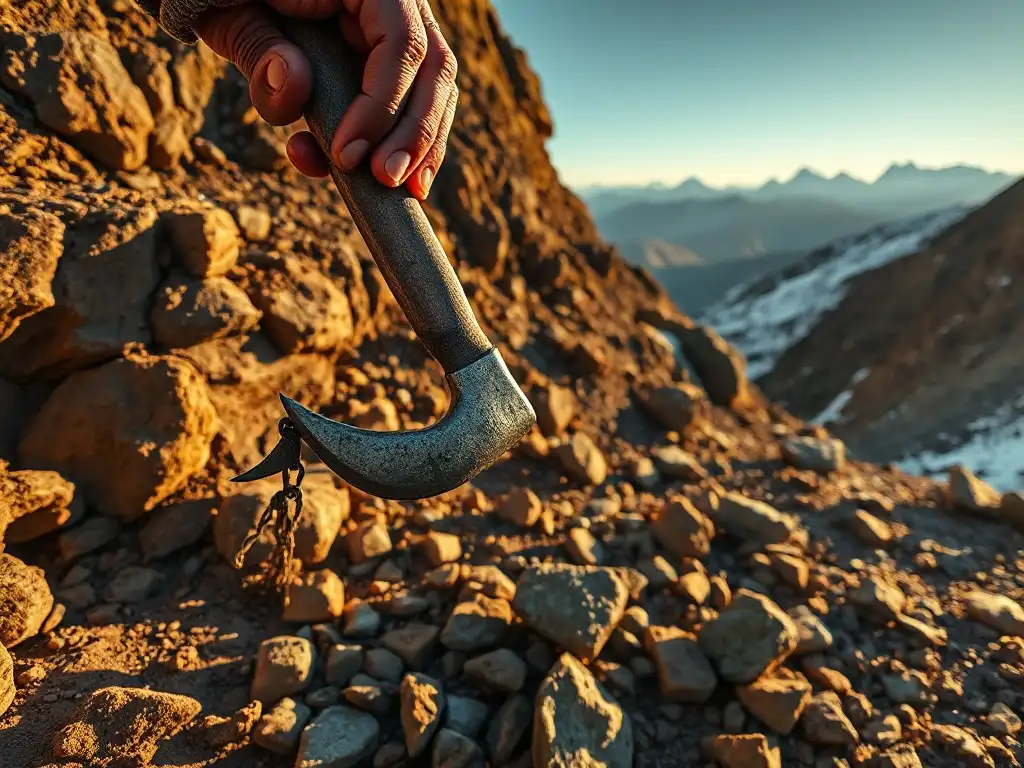
Step into a world lost to time, yet echoing with the ingenuity of giants. Discover the secrets behind the remarkable achievements of the Andean civilizations – from the Incas to the Nazca. Prepare to be amazed by their sophisticated understanding of engineering, as we delve into the fascinating world of Andean mining tools and techniques. How did they carve empires from the mountains? The answer lies within...
The Andes Mountains, a spine of towering peaks running down the western coast of South America, were not just a geographical feature but a source of immense wealth and power for the ancient civilizations that thrived there. For millennia, these cultures, including the Incas, Moche, Nazca, and Tiahuanaco, developed sophisticated techniques for extracting valuable resources from the earth.
This article delves into the fascinating world of Andean mining, exploring the tools and techniques employed by these resourceful societies, and revealing the ingenuity that allowed them to extract minerals vital to their social, economic, and religious lives. We will examine the evolution of their mining practices, highlighting the remarkable adaptations made to the challenging Andean terrain and the significant impact mining had on their civilizations.
Understanding these ancient methods offers a unique perspective on the technological advancements and cultural significance of Andean mining, showcasing the remarkable ingenuity of these pre-Columbian societies. We will explore how their innovations in mining directly contributed to the prosperity and longevity of their empires.
Introduction to Ancient Andean Mining
Andean mining wasn't simply a matter of digging holes; it was a complex undertaking requiring specialized knowledge, tools, and labor organization. The process began with the identification of mineral deposits, often located high in the treacherous mountain slopes. Unlike modern mining, which relies heavily on machinery, Andean miners relied primarily on human power and relatively simple tools.
These tools, however, were expertly crafted and remarkably effective for their time. The challenging geography – steep slopes, unpredictable weather, and high altitudes – demanded innovative solutions. We’ll examine how these challenges shaped the development of Andean mining tools and techniques, and how the environment itself became a crucial factor in their mining strategies.
The sheer scale of some Andean mining operations, even with their limited technology, is a testament to the organizational capacity and engineering skills of these ancient societies. The legacy of these techniques can still be seen in the numerous mines and associated artifacts discovered throughout the Andes.
Early Andean Mining Practices
Early Andean mining techniques involved a combination of surface and underground methods. Surface mining, focusing on easily accessible deposits, utilized tools such as stone hammers, picks, and chisels made from obsidian, copper, and bronze. These tools, though seemingly rudimentary, were carefully shaped and honed to maximize efficiency.
Underground mining, however, presented a greater challenge. Evidence suggests that the use of fire-setting – heating rock faces to fracture them – was a common practice. This was often followed by the careful removal of loosened rock using smaller tools and baskets.
The development of sophisticated drainage systems is also noteworthy, indicating a level of engineering expertise far exceeding initial assumptions. The construction of ramps and tunnels, some of considerable length, demonstrates a remarkable understanding of geological principles and organizational skills. The precise methods of ventilation in these early mines remain an area of ongoing research, but the survival of numerous underground structures speaks volumes about their effectiveness.
The Importance of Mining in Andean Civilizations
Mining played a pivotal role in the development and prosperity of Andean civilizations. The extraction of minerals like copper, gold, silver, and other valuable resources fueled economic growth and facilitated the creation of sophisticated technologies. Copper, in particular, was essential for the production of tools, weapons, and ornaments.
Gold and silver were used in religious ceremonies and to create elaborate jewelry and decorative objects, reflecting the high status and importance attributed to these metals. Furthermore, the control of mining resources often played a crucial role in political power and the assertion of dominance between different groups. The distribution of mined goods across vast distances points to the existence of well-established trade networks, connecting Andean societies and contributing to cultural exchange.
⛏️ The impact of mining on the Andean landscape itself is also significant, shaping the environment and leaving a lasting legacy visible even today. The development of sophisticated mining techniques was not only a technological achievement but also a reflection of the complex social and religious beliefs of these ancient cultures.
- Introduction to Ancient Andean Mining
- Early Andean Mining Practices
- The Importance of Mining in Andean Civilizations
- What types of tools did Andean civilizations use for mining?
- How did Andean mining techniques differ from those in other parts of the world?
- What materials did Andean miners extract?
- What impact did Andean mining have on the environment?
- How advanced were Andean mining techniques compared to other ancient civilizations?
Andean Mining Tools: A Closer Look
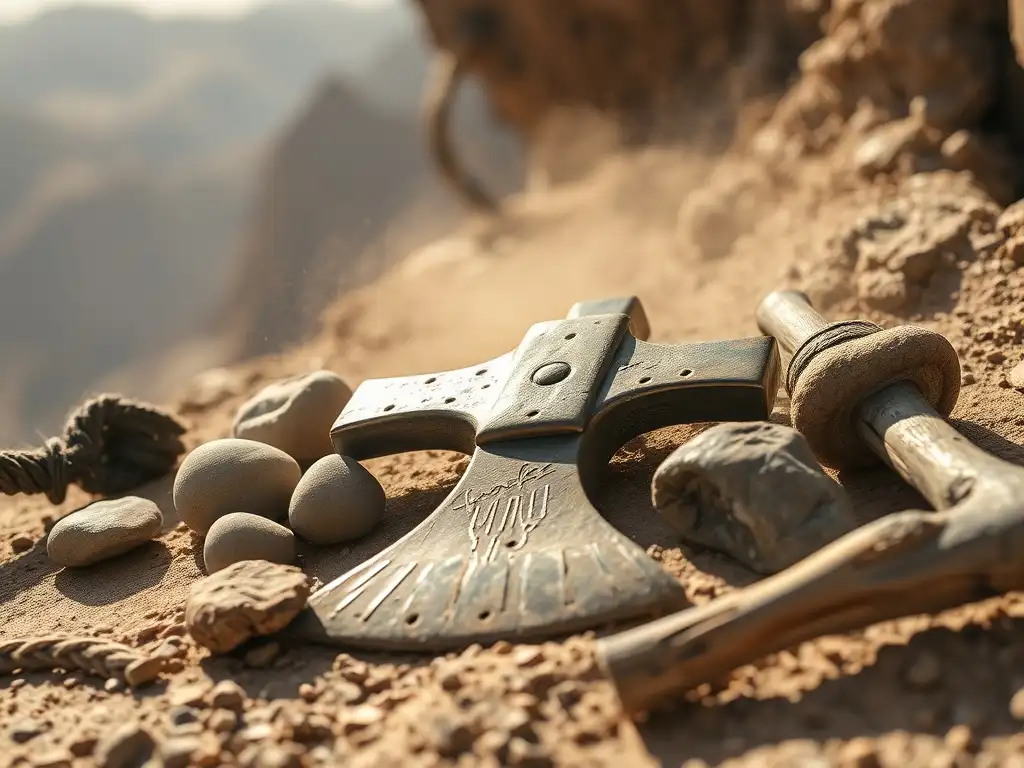
This section delves into the fascinating world of Andean mining tools and techniques, exploring the ingenuity and resourcefulness of ancient Andean civilizations in extracting valuable resources from the challenging mountainous terrain. We will examine the evolution of their tools, from simple stone implements to more sophisticated metalworking, highlighting the remarkable adaptation of their technology to the specific demands of their environment. The mastery of these techniques was crucial to the economic and social development of these impressive cultures, fueling their artistic endeavors and societal structures.
Understanding these tools provides invaluable insight into the daily lives and technological prowess of Andean peoples. The keyword "Andean mining tools techniques" is central to this exploration.
The Andean Pick: Design and Functionality
The Andean pickaxe, a quintessential tool of Andean mining, stands as a testament to the ingenuity of these ancient civilizations. Far from a simple, crude instrument, the pick displayed remarkable design features tailored to the specific challenges of high-altitude mining. While variations existed across different cultures and time periods, several common characteristics emerge.
Many picks were crafted from tough, durable volcanic rock, such as andesite, selected for its resistance to fracturing under intense pressure. The head itself typically featured a sharpened, pointed end, ideal for breaking apart rock faces, and a broader, flatter opposite end, possibly used for prying or leveraging larger stones.
The shaft, often made from wood sourced from high-altitude forests, was carefully fitted to the stone head, secured with techniques like lashing or resin bonding. The length of the shaft was likely adjusted to optimize leverage and minimize strain on the miner. The design also considered the ergonomics of the user, reflecting an understanding of efficient body mechanics.
Anthropological studies indicate that the pickaxe's design minimized the risk of injury while maximizing efficiency in breaking down rock. This meticulous attention to detail in both material selection and design showcases a sophisticated understanding of engineering principles. The effectiveness of the Andean pickaxe is evidenced by the vast quantities of minerals extracted throughout Andean history.
Stone Tools for Mining: Hammers and Chisels
Beyond the iconic pickaxe, a range of other stone tools played crucial roles in Andean mining operations. Hammers, often made from similarly durable volcanic rock, were used in conjunction with the pickaxe to break up larger chunks of ore into manageable sizes. These hammers varied significantly in size and shape, reflecting their diverse applications. Some were relatively small and lightweight, suitable for delicate work, while others were considerably larger and heavier, designed for more forceful blows.
Chisels, crafted from fine-grained stone like obsidian or quartzite, were employed for more precise tasks, such as shaping stone blocks or creating channels for water drainage within mines. The sharpness and durability of these chisels were paramount to their effectiveness. The creation of these tools required advanced skill in stone knapping, a testament to the expertise of Andean artisans.
The integration of hammers and chisels with pickaxes showcases a sophisticated understanding of complementary tooling strategies, indicative of advanced planning and organization within mining operations. The meticulous craftsmanship evident in these tools underscores the importance placed on efficiency and precision in Andean mining.
Metal Tools in Andean Mining: Copper and Bronze
The introduction of metalworking marked a significant advancement in Andean mining techniques. Initially, copper, readily available in certain Andean regions, was utilized to create tools that were stronger, more durable, and capable of greater precision than their stone counterparts. Copper picks, hammers, and chisels were likely more efficient in breaking down harder rock formations and allowed for more intricate mining operations.
The subsequent development of bronze metallurgy, an alloy of copper and tin, further enhanced tool performance. Bronze tools possessed greater hardness and wear resistance than pure copper, leading to improved efficiency and longevity. The use of metal tools in Andean mining is a clear indication of the technological sophistication and advanced metallurgical capabilities of these ancient civilizations.
The transition from stone to metal tools represents a crucial stage in the evolution of Andean mining techniques, reflecting a constant drive for innovation and improvement in resource extraction processes. The discovery and utilization of these metals significantly impacted the scale and complexity of mining activities throughout the Andes.
Other Essential Mining Implements
Beyond the pickaxe, Andean miners relied on a diverse array of tools to extract and process ore. These implements, often crafted from readily available materials like stone, wood, bone, and shell, demonstrate remarkable ingenuity and adaptation to the challenging Andean terrain. The effectiveness of these tools stemmed not only from their design but also from the collective knowledge and specialized labor within mining communities.
For example, the use of specific types of stone for hammers and chisels was likely determined by factors like hardness, durability, and ease of shaping. This careful selection speaks to a deep understanding of material properties and their application in mining operations.
One crucial implement was the stone hammer, used for breaking larger rocks into manageable pieces before the pickaxe was employed. These hammers varied in size and shape depending on the specific task and the type of rock being worked. Some were relatively small and lightweight, ideal for finer work, while others were significantly larger and heavier, designed for shattering tough, resistant materials. The craftsmanship involved in creating these hammers, often exhibiting polished surfaces and carefully shaped heads, suggests a high level of skill and precision amongst Andean artisans.
In addition to hammers, various types of stone chisels were essential for shaping and refining ore. These chisels, often made from harder stones like obsidian or andesite, allowed miners to create more precise cuts and remove unwanted material from the extracted ore. The different shapes and sizes of chisels indicate their adaptation to various tasks, ranging from rough shaping to the fine detail work necessary for creating intricate artifacts from precious metals. Evidence from archaeological sites suggests that these chisels were frequently resharpened, indicating that they were highly valued and carefully maintained tools.
Furthermore, wooden wedges played a vital role in the extraction process. By inserting wooden wedges into cracks in the rock face and then soaking them with water, miners could exploit the natural expansion of the wood to create fissures and loosen large blocks of stone. This technique, combined with the use of picks and hammers, allowed for efficient extraction of ore with relatively simple tools. The ingenuity of this method highlights the practical knowledge and problem-solving abilities of Andean miners. The selection of wood type likely depended on factors such as moisture absorption and resistance to splitting under pressure.
Finally, carrying tools such as woven bags and slings were indispensable for transporting extracted ore and other materials. These tools were not only functional but also reflected the cultural context of Andean mining, often incorporating intricate designs and patterns that provided a glimpse into the beliefs and aesthetic sensibilities of the communities involved in these vital activities. The durability and practicality of these carrying tools were critical for the efficient operation of the mines. The careful selection of materials and weaving techniques speaks to the skilled craftsmanship and resourcefulness of Andean societies.
Andean Mining Techniques: Extraction Methods
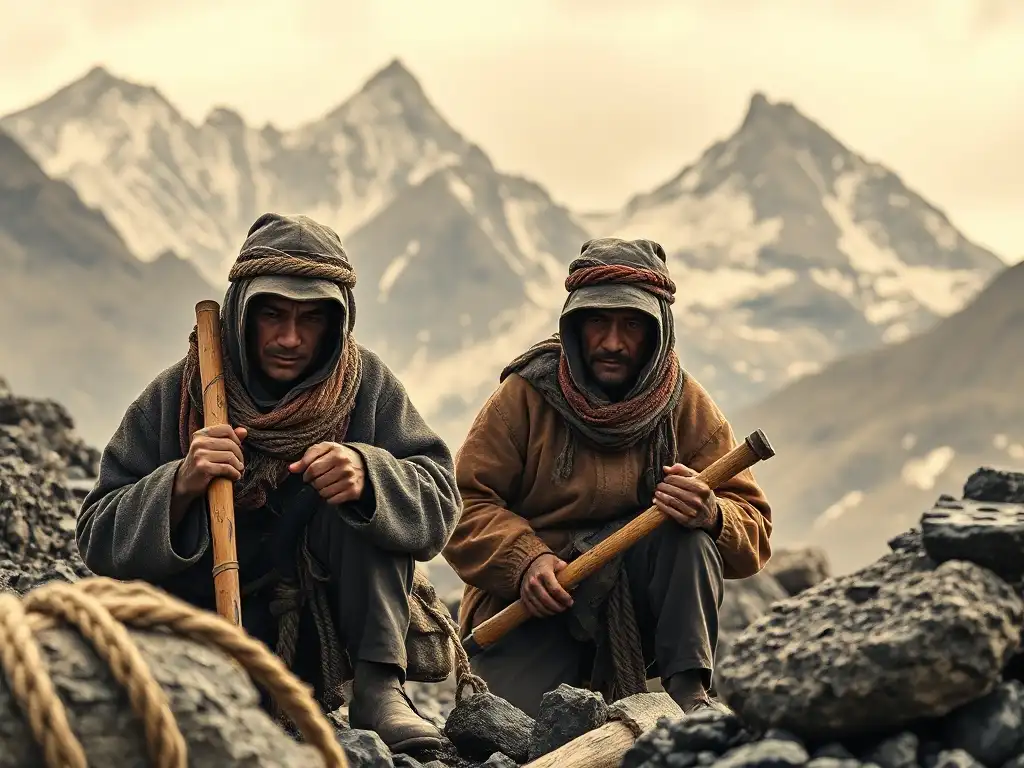
The ingenuity of Andean civilizations is vividly illustrated in their mining practices, which were sophisticated for their time and adapted to the challenging Andean terrain. Their techniques, spanning centuries and diverse cultures, reveal a deep understanding of geology, engineering, and resource management. This section explores the diverse methods employed by Andean miners, highlighting their remarkable achievements in extracting valuable minerals like copper, gold, silver, and obsidian.
Understanding these techniques provides insight into the economic and social structures of these remarkable societies, showcasing their ability to harness the resources of their environment. The study of Andean mining tools techniques reveals not just practical skills, but a deep connection between humans and their environment.
Surface Mining Techniques in the Andes
Surface mining, particularly open-pit mining, was prevalent in the Andes, especially for easily accessible deposits. This involved removing overlying rock and soil to expose the ore body. Evidence suggests that Andean miners employed various tools for this task.
These included stone hammers, picks made from hard stone like andesite, and chisels for shaping and breaking rock. The scale of some open-pit mines, like those associated with copper production in the coastal regions, indicates a considerable mobilization of labor, potentially involving community-wide efforts or even specialized work crews. The effectiveness of surface mining depended significantly on the geological context – the depth and nature of the ore deposit, and the hardness of the surrounding rock.
For example, deposits located near the surface and composed of softer materials would have been easier to extract compared to those requiring more extensive excavation. The lack of large-scale water management systems in some Andean regions suggests that surface mining operations were often limited by available manpower and the need for relatively dry conditions. ⛏️
The effectiveness of these methods is demonstrably linked to the availability of appropriate tools. While stone tools were prevalent, the use of copper and bronze tools, when available, would have significantly increased efficiency, allowing for more rapid excavation and potentially the exploitation of deeper or harder deposits. Detailed analysis of archaeological findings, including the wear patterns on tools and the distribution of mining debris, offers a more comprehensive understanding of the specific techniques and the scale of operations.
Further research is needed to fully understand the logistical challenges and organizational structures behind these large-scale surface mining projects. [Specific information pending on the average size of Andean surface mines].
Underground Mining Methods of Ancient Andean Miners
As surface deposits were depleted, Andean miners transitioned to more complex underground mining techniques. These methods varied depending on the geological conditions and the type of ore being extracted. One common approach involved constructing shafts and galleries using simple tools, such as stone picks, hammers, and chisels. The miners would carefully excavate tunnels, following the ore veins, often creating a network of interconnected passages.
The lack of advanced explosives meant that these operations were labor-intensive and slow, relying on manual excavation and the careful removal of rock. The shafts were often relatively narrow, requiring miners to work in cramped conditions. Evidence suggests that some underground mines reached considerable depths, demonstrating the persistence and skill of Andean miners. 🪨
The challenges of underground mining necessitated specialized techniques for supporting the tunnels and shafts to prevent collapses. This often involved using wooden supports, and in some cases, stone blocks to reinforce the walls and ceilings. The construction of these supports required careful planning and execution, as the stability of the mine depended on their effectiveness.
The design of the underground workings often reflected an understanding of geological principles, with miners adapting their methods to the specific characteristics of the rock formations. [Specific information pending on the deepest known Andean mine and its supporting structures]. Detailed studies of ancient Andean mine shafts and galleries are necessary to fully understand the engineering feats involved in their construction and maintenance.
Ventilation and Support in Andean Mines
Ventilation in Andean mines was a critical concern, especially in deeper workings. The lack of advanced ventilation systems meant that miners relied on natural airflow and simple techniques to improve air quality. Shafts and galleries were often strategically positioned to take advantage of natural drafts, and fires were sometimes used to create convection currents, though this practice also posed risks.
Poor ventilation could lead to the buildup of dangerous gases, such as carbon dioxide and methane, posing significant health hazards to the miners. The presence of ventilation shafts in some mines suggests a degree of planning and foresight in mitigating these risks. 💨
Maintaining the structural integrity of the mines was another major challenge. The use of wooden supports and stone blocks was crucial in preventing collapses, but these were not always sufficient. The design and construction of the underground workings likely played a significant role in minimizing the risk of collapses.
Analyzing the architecture of Andean mines, including the shape and size of tunnels, the spacing of supports, and the use of different materials, can provide valuable insights into the strategies employed to ensure the safety and stability of the mines. Further research is needed to fully understand the techniques used for ventilation and support in Andean mines, and how these techniques evolved over time. [Specific information pending on the types of wood used in mine supports and their durability].
Refining and Processing of Extracted Minerals
The extraction of minerals was only the first step in the complex process of Andean mining. Refining and processing the raw materials into usable forms required significant technological skill and ingenuity. Different minerals demanded different techniques, reflecting the sophisticated understanding of metallurgy prevalent in these ancient societies.
For example, the processing of copper, a metal highly valued by Andean cultures, involved multiple stages. Initially, the extracted copper ore, often malachite or azurite, needed to be carefully crushed and ground. This was often achieved using stone mortars and pestles, gradually reducing the ore to a fine powder.
The specific techniques varied depending on the hardness of the ore and the desired particle size. Larger, tougher stones were used for initial crushing, while finer grinding was done with smaller, smoother stones. The efficiency of this process was likely improved through the use of water power in some instances, though evidence for this is still under investigation.
Following grinding, the powdered ore underwent smelting. This process, crucial for extracting pure copper, involved heating the ore in furnaces at high temperatures. These furnaces, often constructed from clay or stone, were carefully designed to maintain consistent heat and airflow.
The exact methods of achieving these high temperatures and the types of fuel used (charcoal being a likely candidate) remain areas of ongoing research, but archaeological evidence suggests a remarkable level of control over the process. The resulting copper, often impure, then underwent further refinement, likely involving repeated melting and casting to remove impurities and achieve a higher degree of purity. The quality of the final product was directly related to the skill of the metallurgist and the precision of the techniques employed.
The processing of other metals, such as gold and silver, followed similar patterns but with variations in techniques. Gold, for instance, was often found in its native form and therefore required less extensive processing, though techniques like annealing and hammering were used to shape and refine the metal. Silver, often found in combination with other minerals, required more complex refining techniques, likely involving processes analogous to cupellation, though the specifics are not fully understood.
The detailed study of Andean metallurgical remains continues to reveal new insights into the sophisticated techniques used in refining and processing a range of valuable minerals. The precision and skill evident in the finished products are a testament to the advanced metallurgical knowledge of Andean societies.
Specific Examples of Andean Mining Sites
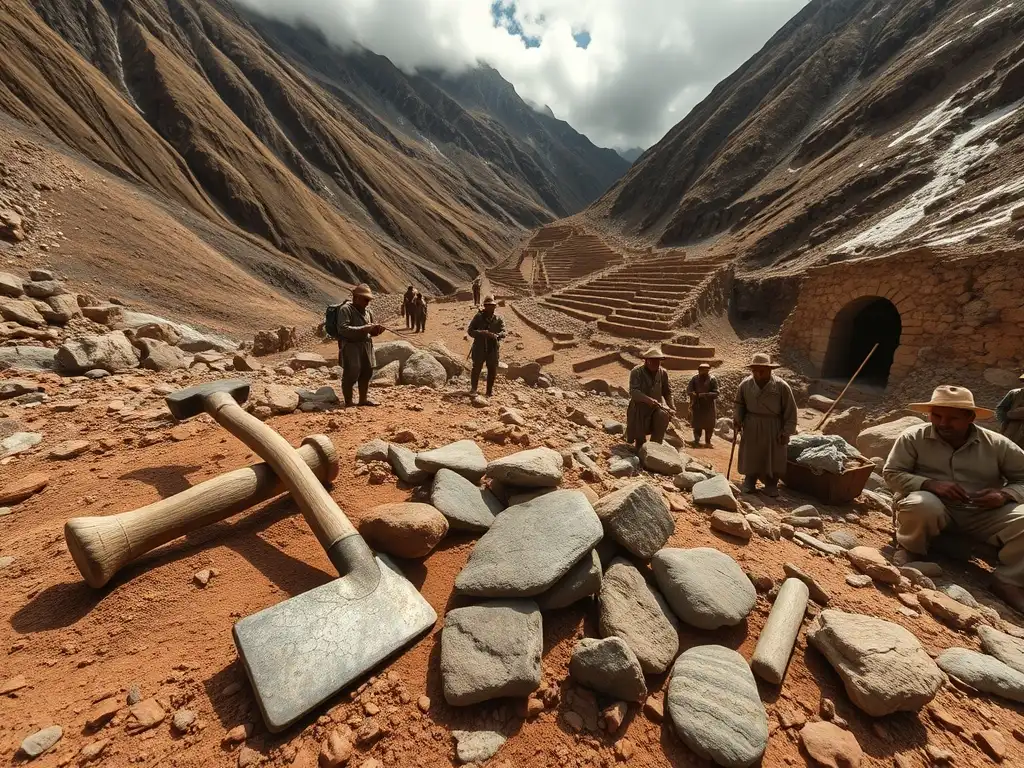
This section delves into the specifics of Andean mining, examining prominent sites and their unique approaches to extraction. Understanding these case studies offers a clearer picture of the diverse techniques employed across different regions and time periods. The ingenuity and adaptability of Andean miners are vividly illustrated through these examples, showcasing their mastery of both simple and complex mining methods. The impact of these mining operations on the surrounding environments and societies is also considered, highlighting the far-reaching consequences of Andean mining practices. Analyzing these sites allows us to better appreciate the sophistication of Andean mining tools and techniques.
Cerro Rico de Potosí: Silver Mining and its Impact
Cerro Rico de Potosí, in modern-day Bolivia, stands as a testament to the scale and intensity of Andean silver mining. For centuries, this mountain yielded immense quantities of silver, fueling the Spanish colonial empire and profoundly shaping the region's history. The mining techniques employed, while often brutal and exploitative, showcased remarkable engineering feats. Miners utilized a complex network of shafts and tunnels, often reaching depths of hundreds of meters.
Their tools, primarily picks, hammers, and chisels made of bronze or iron (depending on the period), were used to extract the ore. Ventilation was a major concern, with miners employing ingenious methods, including rudimentary air shafts and the burning of fires to create air currents. The impact of Potosí's silver boom was immense, leading to significant population growth, economic transformations, and environmental degradation.
The mountain itself bears the scars of centuries of intensive mining, a stark reminder of both the human endeavor and the environmental cost. The sheer volume of silver extracted is staggering, with estimates ranging in the millions of kilograms, a testament to the effectiveness of the Andean mining tools and techniques employed, even if those techniques came at a terrible human cost. The legacy of Cerro Rico de Potosí continues to shape Bolivian identity and serves as a critical case study in understanding the dynamics of Andean mining.
Chuquicamata: Copper Extraction in the Atacama Desert
In stark contrast to the high-altitude silver mines of Potosí, Chuquicamata in northern Chile presents a different Andean mining narrative. Located in the arid Atacama Desert, this site showcases the adaptation of mining techniques to challenging environmental conditions. The extraction of copper, a crucial resource for the Andean civilizations and later for global markets, required different approaches.
While picks and hammers remained essential, the nature of the ore necessitated different strategies. Open-pit mining became prevalent, with miners progressively excavating vast quantities of copper ore. The harsh desert climate presented unique challenges, including water scarcity and extreme temperatures.
Ingenious water management systems, though often undocumented in detail, were crucial to the operation, [Specific information pending on water management techniques at Chuquicamata]. The scale of Chuquicamata's operations throughout history is impressive, demonstrating the perseverance and adaptability of Andean miners. The site's evolution from pre-Columbian workings to a massive modern industrial mine reflects the continuous importance of copper in the region's economy and underscores the enduring legacy of Andean mining tools and techniques.
Analysis of Mining Methods in Different Andean Regions
Comparing the mining practices at Cerro Rico de Potosí and Chuquicamata reveals the remarkable adaptability of Andean mining tools and techniques. While both sites involved the extraction of valuable metals, the geographical and geological differences necessitated distinct approaches. Potosí's high-altitude setting and vein deposits led to the development of intricate underground mining networks, while Chuquicamata’s open-pit methods were better suited to the desert landscape and the nature of its ore bodies. This adaptability highlights the advanced understanding of geology and engineering possessed by Andean miners.
| Mining Site | Metal Extracted | Primary Mining Method | Environmental Challenges | Tools & Techniques |
|---|---|---|---|---|
| Cerro Rico de Potosí | Silver | Underground | High altitude, ventilation | Picks, hammers, chisels; complex shaft systems |
| Chuquicamata | Copper | Open-pit | Arid climate, water scarcity | Picks, hammers; open-pit excavation; [Water management techniques pending] |
The diversity of Andean mining practices extended beyond these two prominent examples. [Specific information pending on mining methods in other Andean regions, such as Nazca and Tiahuanaco]. Further research is needed to fully document the range of tools and techniques employed across the Andean region, providing a more complete understanding of this crucial aspect of Andean technology and innovation.
The available evidence, however, already showcases the impressive ingenuity and resourcefulness of Andean miners, who adapted their tools and methods to the unique challenges presented by each mining site. The study of Andean mining tools and techniques provides valuable insights into the technological advancements and societal structures of these remarkable civilizations. 🇿🇦
The Legacy of Andean Mining Technology
The legacy of Andean mining is not merely about the extraction of precious metals; it's a testament to the ingenuity and resourcefulness of ancient Andean civilizations. Their sophisticated techniques, developed over millennia, significantly impacted their societies, influencing everything from their artistic expressions to their social structures. Understanding their mining practices offers a crucial lens through which to view their technological prowess and cultural development.
This section will explore the lasting impact of their mining achievements, focusing on their metallurgical advancements and the surprising parallels between their methods and modern practices. The keyword, "Andean mining tools techniques," is central to understanding this rich history.
Impact of Andean Mining on Metallurgy
Andean mining significantly advanced metallurgy in the region. The extraction of copper, gold, silver, and other metals fueled innovation in metalworking. The ability to obtain these resources led to the development of sophisticated techniques in smelting, alloying, and casting.
For instance, the Moche culture is renowned for its intricate gold and silver work, showcasing a high level of skill in manipulating these metals. Their mastery of lost-wax casting, a complex technique, allowed them to create elaborate jewelry, ceremonial objects, and even tools. The development of alloys, such as tumbaga (a gold-copper alloy), demonstrates a deep understanding of metallurgical processes and the properties of different metals.
This expertise wasn't limited to precious metals; the ability to work with copper and bronze also facilitated the creation of tools for agriculture, warfare, and daily life. This metallurgical development, fueled by Andean mining, profoundly shaped the artistic and technological landscape of the region. The precision and artistry evident in surviving artifacts clearly demonstrate the advanced level of expertise reached by Andean metallurgists, directly linked to their mining capabilities and the quality of the ores they extracted.
Andean Mining Techniques and Modern Mining
While separated by centuries, there are surprising parallels between ancient Andean mining techniques and modern practices. Both relied heavily on understanding geological formations to locate ore deposits. Andean miners, lacking sophisticated equipment, developed ingenious methods to locate and extract ore. They used techniques like surface mining, shaft mining, and even rudimentary hydraulic mining.
Evidence suggests they employed sophisticated systems for ventilation and drainage in their mines, showcasing an understanding of engineering principles. Modern mining, while utilizing advanced technology, still relies on many of the same fundamental principles: identifying ore bodies, accessing them safely, and extracting the ore efficiently. While the tools and scale have changed dramatically, the core challenges remain remarkably similar.
Consider the use of terraces in Andean agriculture – a technique which mirrored their approach to hillside mining, maximizing usable space and resource extraction. This echoes modern methods that aim for efficient and sustainable resource use, demonstrating a surprising continuity between ancient and modern practices. The study of Andean mining techniques provides valuable insights for contemporary mining operations, highlighting the enduring relevance of these ancient methods.
The Enduring Significance of Andean Mining Tools
The tools used by Andean miners reflect their remarkable adaptability and resourcefulness. While some tools were made of stone, others were crafted from copper, bronze, or even gold, reflecting the materials available and the specific mining tasks involved. These tools, ranging from simple picks and hammers to more specialized instruments, were meticulously crafted and carefully maintained. Archaeological discoveries continue to reveal new insights into their design and function.
The durability and effectiveness of these tools, considering the challenging conditions under which they were used, are a testament to the skill of their creators. The study of these tools provides invaluable information about the social organization and technological capabilities of Andean societies. For example, the standardization of certain tool types suggests specialized labor and potentially sophisticated systems of production and distribution.
The analysis of wear patterns on these tools offers further clues about mining techniques and the types of ore being extracted, allowing researchers to reconstruct ancient mining practices with remarkable detail. The enduring significance of these tools lies not only in their practical functionality but also in their ability to illuminate the complex interplay between technology, society, and environment in the Andes. Analyzing these "Andean mining tools techniques" provides a fascinating window into the past.
Conclusion: Appreciating Andean Mining Ingenuity
The ingenuity of Andean mining techniques, developed and refined over millennia, is truly remarkable. From the simple yet effective tools like the tumi and the pickaxe, to the sophisticated understanding of metallurgy and water management employed in large-scale operations, Andean miners demonstrated a profound connection with their environment and a remarkable ability to adapt their methods to challenging terrains and geological conditions. Their achievements are not just feats of engineering; they represent a deep cultural and spiritual understanding of the earth and its resources. The legacy of Andean mining extends far beyond the extraction of minerals; it reveals a complex interplay of technology, society, and belief systems that shaped the very fabric of Andean civilizations.
Understanding these techniques allows us to appreciate the scale and complexity of their societal structures and their sophisticated understanding of the natural world. The enduring impact of Andean mining practices is evident even today, reminding us of the remarkable achievements of these ancient cultures and the importance of respecting and learning from their innovative approaches to resource management. Further research into specific sites and technologies promises to reveal even more about the depth and breadth of Andean mining ingenuity.
The meticulous craftsmanship evident in their tools, combined with their innovative techniques, deserves our continued study and admiration. Their legacy serves as a powerful testament to human adaptability and resourcefulness in the face of considerable challenges. The study of Andean mining tools and techniques offers invaluable insights into the broader context of Andean civilization, enriching our understanding of their social organization, economic systems, and spiritual beliefs.
Frequently Asked Questions
What types of tools did Andean civilizations use for mining?
Andean miners employed a variety of tools, including stone picks, copper and bronze chisels, and mauls made of stone or wood. They also used simple levers and wedges to extract ore.
How did Andean mining techniques differ from those in other parts of the world?
Andean techniques were often adapted to the challenging mountainous terrain. They relied heavily on manual labor and sophisticated systems of organization, reflecting unique cultural practices and beliefs.
What materials did Andean miners extract?
Andean civilizations mined a range of materials, most notably copper, gold, silver, and various other metals crucial for their tools, ornaments, and religious objects.
What impact did Andean mining have on the environment?
While largely manual, Andean mining still had an impact, including deforestation for timber and the creation of mining waste. The long-term environmental consequences are still being studied.
How advanced were Andean mining techniques compared to other ancient civilizations?
Andean mining techniques were remarkably sophisticated for their time, demonstrating a high level of engineering skill and organizational capacity. They were comparable to, and in some ways surpassed, techniques used in other ancient societies.
Final Reflection: Unearthing the Legacy of Andean Mining
The ingenuity of Andean mining tools and techniques continues to resonate today, a testament to human adaptability and the enduring power of innovation in the face of challenging environments. These ancient methods, far from being relics of the past, offer valuable lessons in sustainable resource management and problem-solving that remain strikingly relevant in our modern world grappling with environmental concerns and resource depletion. The sophisticated understanding of metallurgy and engineering displayed by Andean cultures challenges our assumptions about technological advancement and its relationship to societal development.
The impact of Andean mining extends far beyond the extraction of resources; it shaped entire societies, influencing their social structures, religious beliefs, and artistic expressions. The intricate knowledge passed down through generations, often embedded in oral traditions and practical skills, represents a profound connection to the land and a deep understanding of its potential. The mountains are not merely a source of wealth, but a living entity, a sacred space that demands respect and reciprocity.
This perspective, so deeply ingrained in Andean cosmology, offers a powerful counterpoint to the often exploitative nature of modern mining practices.
Consider the ingenuity of these ancient techniques, the resourcefulness born from necessity. Think about how their understanding of the environment, their respect for the land, and their collaborative approach to resource management might inform our own approaches to sustainable development. You, the reader, are now part of this legacy. Let the enduring power of the Andean pick inspire you to seek innovative and responsible solutions to the challenges facing our world, fostering a deeper connection between humanity and the natural resources that sustain us.
Unleash Your Inner Explorer: Dive into Andean Mining Traditions!
Thank you for exploring the fascinating world of Andean mining tools and techniques! Your interest highlights the innovative practices that shaped ancient civilizations. Now, let's build on this knowledge and inspire further exploration.
Here are some ways to deepen your connection with this rich heritage:
- Visit a local museum or historical site showcasing Andean culture and mining artifacts for a firsthand experience of history.
- Join or start a discussion group focused on ancient Andean technologies to share ideas and insights with others.
- Share this article to spread awareness and appreciation for Andean civilization and foster a community of curious minds.
What new insights or perspectives on Andean mining have you found intriguing? We'd love to hear your thoughts!