
Tiahuanaco Axes: Forged in Bronze, Wielded with Authority

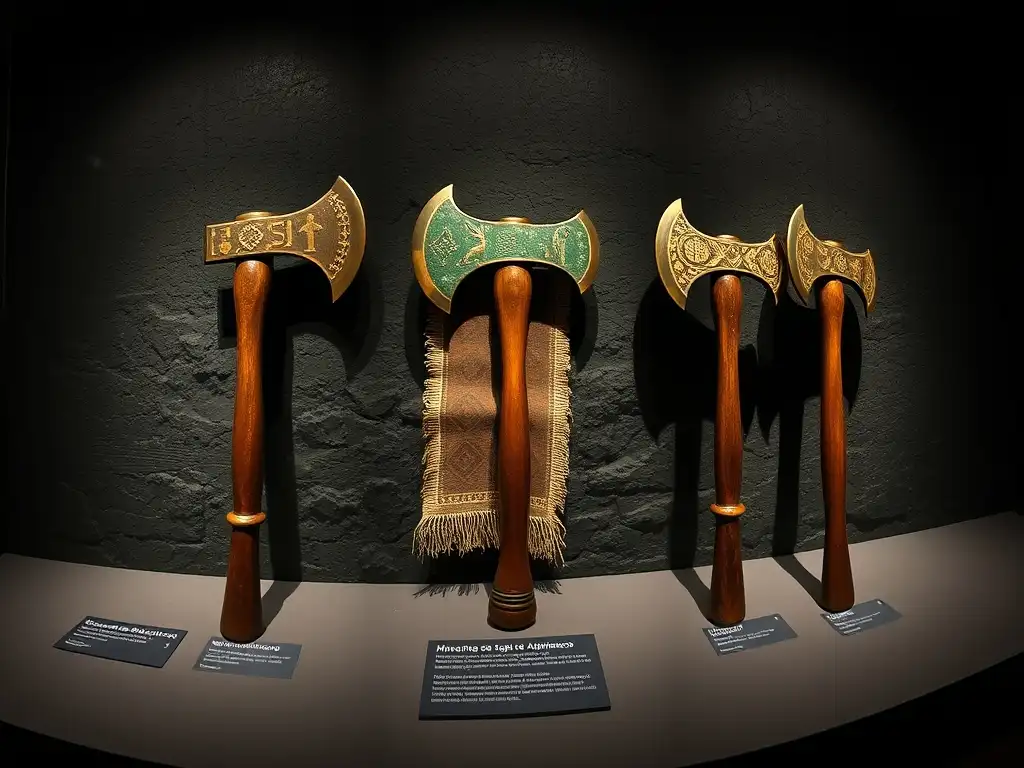
Step into a world lost to time, yet echoing with power. Discover the intricate tapestry of Andean civilization, where empires rose and fell, leaving behind legacies of breathtaking artistry and formidable military might. Intrigued by the sophisticated bronze-working techniques of a vanished age? Then prepare to be captivated by the story of Tiahuanaco bronze axes, symbols of authority and instruments of conquest—their secrets waiting to be unearthed. Uncover the mysteries of Andean warfare and the remarkable civilization that forged them.
The towering ruins of Tiahuanaco, a pre-Columbian city located on the shores of Lake Titicaca in modern-day Bolivia, whisper tales of a sophisticated civilization that flourished between 500 and 1000 CE. This enigmatic culture, known for its monumental architecture and intricate artistry, also possessed a formidable military capacity.
Central to their military might were their bronze axes, meticulously crafted tools of war and symbols of authority, reflecting both advanced metallurgical skills and a complex social hierarchy. This article delves into the fascinating world of Tiahuanaco bronze axes, exploring their design, manufacturing techniques, and their significance within the broader context of Andean warfare.
We will examine the archaeological evidence, analyze their functional and symbolic roles, and attempt to understand their impact on the political landscape of the time. Prepare to journey back in time and uncover the secrets held within these remarkable artifacts, shedding light on the power and prowess of the Tiahuanaco civilization.
The Metallurgy of Power: Crafting Tiahuanaco Bronze Axes
The creation of bronze axes in Tiahuanaco was not a simple process. It required specialized knowledge of metallurgy, access to raw materials (copper and tin ores), and skilled craftsmanship. Archaeological findings suggest that the Tiahuanaco artisans employed sophisticated techniques, including the lost-wax casting method, to create these impressive tools.
This involved creating a wax model of the axe head, covering it in clay, melting out the wax, and then pouring molten bronze into the resulting mold. The resulting bronze axes were often characterized by their impressive size and weight, indicating the significant resources and labor invested in their production. The quality of the bronze, often featuring a high tin content, points to a level of metallurgical expertise rarely seen in other contemporary Andean cultures.
Furthermore, evidence suggests that the process wasn't standardized; variations in size, shape, and decorative elements hint at different workshops or specialized artisans catering to various social strata. Detailed analysis of the chemical composition of different axes could reveal further information regarding trade routes and the sourcing of raw materials. This analysis is a key area of ongoing research for archaeologists working in the region.
Forms and Functions: Analyzing the Design and Use of Tiahuanaco Axes
Tiahuanaco bronze axes weren't simply uniform tools; they exhibited a range of variations in size, shape, and ornamentation. Some were relatively small and lightweight, potentially used for woodworking or other domestic tasks, while others were significantly larger and heavier, clearly designed for combat. The blade itself could vary in shape and width, reflecting different intended uses.
Some axes feature a distinct, almost crescent-shaped blade, while others possess a straighter, more hatchet-like edge. These variations likely reflect the specialization of labor within Tiahuanaco society, with different axes being produced for specific purposes. The presence of decorative elements, such as incised patterns or inlaid metals, suggests that these axes also served as symbols of status and power, potentially used by elites or high-ranking officials within the Tiahuanaco military.
Further research is needed to fully understand the functional differences between the various types of axes discovered. Detailed studies of wear patterns on recovered axes could provide further insights into their practical uses.
The discovery of Tiahuanaco bronze axes in elite burials and ceremonial contexts strongly suggests that these tools held significant social and political meaning. They were not merely weapons; they were symbols of power, authority, and perhaps even divine legitimacy. The careful craftsmanship and decorative elements further emphasize their role as status markers, indicating the high social standing of their owners.
The size and weight of some axes, demanding considerable strength to wield effectively, might have further underscored the power and prestige associated with their possession. The distribution of these axes across the Tiahuanaco empire also suggests their role in maintaining political control and projecting military power. Their presence in distant settlements could signify the reach and influence of the Tiahuanaco state, reinforcing its dominance over a vast territory.
Analyzing the distribution patterns of these artifacts in conjunction with other archaeological data could reveal more about the political organization and social structures of the Tiahuanaco civilization. Further investigation into iconography found on some axes could also provide valuable insights into the religious beliefs and worldview of this fascinating culture. The discovery of new sites and the ongoing analysis of existing artifacts promise to further illuminate the role of Tiahuanaco bronze axes within their societal context.
The Legacy of the Axe: Tiahuanaco Bronze Axes in the Broader Andean Context
The Tiahuanaco bronze axes were not isolated phenomena. While exhibiting unique characteristics, they reflect broader trends in Andean metallurgy and warfare. The development of bronze technology in the Andes was a significant technological advancement, impacting both military capabilities and social structures.
Comparison of Tiahuanaco axes with similar artifacts from other contemporary Andean cultures can provide valuable insights into the exchange of ideas and technologies across the region, as well as the evolution of warfare in the Andes. Understanding the specific characteristics that distinguish Tiahuanaco axes from those of other cultures is crucial to understanding the unique technological and cultural achievements of this civilization.
Future research could focus on comparing and contrasting the metallurgical techniques, designs, and symbolic meanings of axes from different Andean cultures, ultimately providing a more nuanced understanding of the broader Andean world. The study of Tiahuanaco bronze axes remains a vital aspect of understanding the complex dynamics of power, technology, and society in the pre-Columbian Andes.
- The Metallurgy of Power: Crafting Tiahuanaco Bronze Axes
- Forms and Functions: Analyzing the Design and Use of Tiahuanaco Axes
- Symbols of Authority: The Social and Political Significance of Tiahuanaco Bronze Axes
- The Legacy of the Axe: Tiahuanaco Bronze Axes in the Broader Andean Context
The Significance of Tiahuanaco Bronze Axes in Andean Warfare
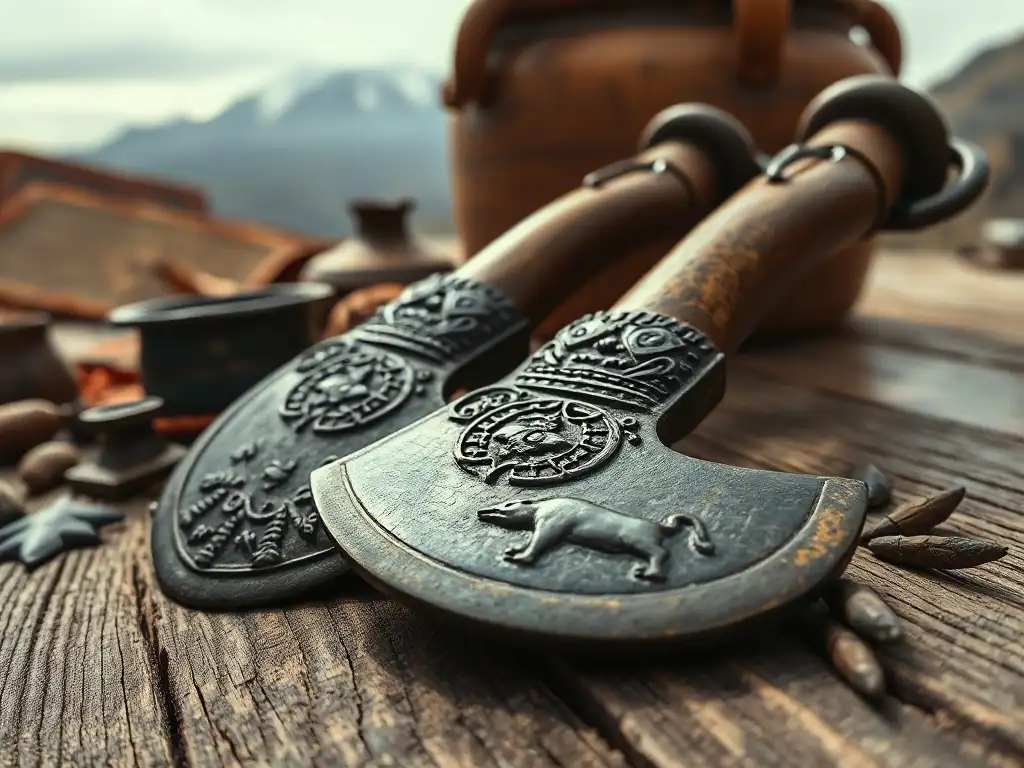
The Tiahuanaco culture, flourishing in the Andean highlands between roughly 500 and 1000 CE, left behind a legacy far beyond its impressive monumental architecture. Their mastery of bronze metallurgy is particularly evident in the creation of sophisticated weaponry, with bronze axes standing out as potent symbols of power and military prowess. These weren't merely tools; they were status symbols, indicators of social rank, and crucial instruments in the expansion and control of the Tiahuanaco empire.
The study of these axes provides invaluable insight into the organization, strategy, and technological capabilities of this influential Andean civilization. The prevalence of these axes in archaeological findings across the vast Tiahuanaco sphere of influence underscores their importance in both warfare and daily life.
Understanding the nuances of their design, distribution, and symbolic meaning is key to deciphering the complexities of Tiahuanaco society and its military might. Analysis of their chemical composition can even shed light on Tiahuanaco trade networks and access to resources.
Understanding Tiahuanaco Military Power through its Weaponry
The Tiahuanaco military's effectiveness wasn't solely dependent on the bronze axes themselves. Their success stemmed from a sophisticated combination of factors, including advanced bronze technology, strategic military organization, and effective leadership. The axes, however, played a critical role.
Consider the logistical implications: producing high-quality bronze axes required significant resources and specialized craftsmanship. This suggests a centralized system of production and control, indicative of a well-organized state capable of mobilizing resources on a large scale. The axes themselves were not uniformly produced; variations in size, shape, and ornamentation hint at different functionalities and perhaps different social strata within the army.
Larger, more elaborately decorated axes likely belonged to high-ranking officers, while simpler versions may have equipped the rank and file. Further research into the metallurgical properties of these axes, comparing their composition with other bronze artifacts from the period, could reveal insights into the Tiahuanaco's technological advancements and potentially highlight their trade relationships with other Andean cultures.
Archaeological evidence suggests that Tiahuanaco warfare was not solely focused on close-quarters combat. The design of the axes, some with relatively short handles compared to other Andean axe types, indicates a versatility in their use, perhaps suggesting a combination of slashing, chopping, and thrusting techniques. This adaptability would have been crucial in a diverse Andean landscape encompassing both open plains and mountainous terrain.
More detailed studies are needed to determine the precise combat tactics employed by Tiahuanaco warriors, but the axes themselves provide a compelling starting point for such investigations. The presence of bronze axes in burial sites further strengthens their significance, suggesting they were not simply discarded tools but objects of considerable value and importance, even in death.
The Role of Axes in Tiahuanaco Society and Warfare
Beyond their military applications, Tiahuanaco bronze axes played a significant role in the broader social fabric of the society. Their presence in ceremonial contexts suggests a deep symbolic meaning, possibly representing power, authority, and perhaps even divine connection. The intricate designs etched or cast into some axes provide further evidence of their symbolic importance.
These designs, often featuring geometric patterns or zoomorphic motifs, likely held religious or ideological significance, reflecting the worldview and cosmology of the Tiahuanaco people. The careful craftsmanship evident in many axes suggests that their creation was a highly skilled and specialized craft, potentially controlled by a select group of artisans within the society.
Moreover, the distribution of Tiahuanaco bronze axes across a wide geographical area reflects the extent of the empire's influence and control. The discovery of these axes in sites far removed from the Tiahuanaco heartland suggests that they were not only used in warfare but also served as a means of asserting political authority and projecting the power of the empire.
These axes, therefore, acted as both a practical tool and a powerful symbol, reinforcing the dominance of the Tiahuanaco culture across the Andean region. Further research, including detailed stylistic analyses and comparative studies with other contemporaneous Andean cultures, is needed to fully understand the complex interplay between the practical, symbolic, and political dimensions of these remarkable artifacts.
The study of Tiahuanaco bronze axes thus offers a multifaceted lens through which to examine the multifaceted nature of this influential Andean civilization. The careful analysis of these axes promises to further illuminate the rich tapestry of Tiahuanaco society, its military might, and its enduring legacy.
Crafting Tiahuanaco Bronze Axes: Metallurgical Techniques
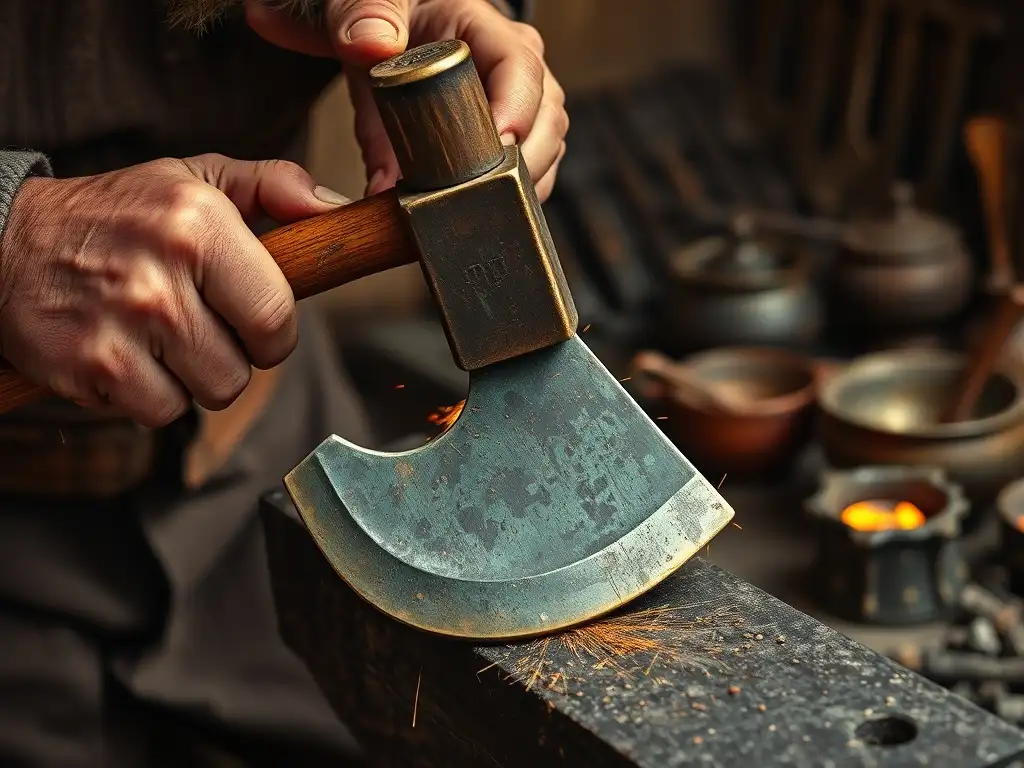
The creation of Tiahuanaco bronze axes represents a significant achievement in Andean metallurgy. These weren't simply tools; they were symbols of power and authority, meticulously crafted using advanced techniques for the time. Understanding the methods employed reveals the sophisticated understanding of metallurgy possessed by Tiahuanaco artisans. The process involved several key stages, from ore extraction and smelting to the final shaping and polishing of the axe head.
The quality and consistency of these axes point to a well-established and likely specialized workforce dedicated to their production. The prestige associated with these weapons is further evidenced by their often elaborate decoration and the care taken in their manufacture. Studying these artifacts allows us to glimpse the technological prowess and societal organization of the Tiahuanaco culture.
The Bronze Casting Process in Tiahuanaco
The bronze casting process used in Tiahuanaco involved several intricate steps. Archaeological evidence suggests the use of the lost-wax casting technique, a complex method requiring significant skill and precision. This technique, also known as cire perdue, involved creating a wax model of the desired axe head shape.
This model was then coated in layers of clay, forming a mold. The wax was melted out, leaving a cavity into which molten bronze was poured. After cooling and solidifying, the clay mold was broken away, revealing the bronze axe head.
This process allowed for the creation of intricate and detailed axe heads, showcasing the artisans' mastery of the technique. The consistency in the quality of axes found across various sites suggests a standardized process, potentially indicating a centralized production system or the widespread dissemination of knowledge and techniques throughout the Tiahuanaco empire. Further research into the specific types of clay used and the temperatures achieved during the casting process would provide a more complete picture of their metallurgical practices.
Composition and Alloys Used in Tiahuanaco Axes
The bronze used in Tiahuanaco axes wasn't a simple copper-tin alloy. Analysis of existing artifacts reveals a more complex composition, often including other elements like arsenic and lead. The precise ratios of these elements varied, potentially influencing the final properties of the bronze, such as its hardness, malleability, and casting characteristics.
The addition of arsenic, for example, could have increased the hardness and durability of the axe heads, making them more effective weapons. The presence of lead might have acted as a flux, aiding in the casting process by lowering the melting point of the alloy and improving fluidity. The variations in alloy composition observed across different axes may reflect different production batches, changes in available resources, or even deliberate experimentation by the metalworkers to achieve specific properties.
Detailed chemical analysis of a larger sample of Tiahuanaco axes is needed to fully understand the range of alloys used and their intended purposes. This could help us understand the level of sophistication of their metallurgical knowledge and their ability to control the properties of their bronze.
Tiahuanaco Metalworking Expertise: Shaping the Axe Head
Once the bronze axe head was cast, further shaping and finishing were necessary. The rough castings would have been carefully ground and polished to achieve the desired shape and surface finish. Evidence of grinding stones and polishing tools has been found at Tiahuanaco sites, indicating the extensive labor involved in this process.
The precision and consistency of the finished axe heads suggest a high level of skill and experience on the part of the metalworkers. Some axes also feature decorative elements, such as incised patterns or inlaid metals, further demonstrating the artisans' advanced techniques and artistic capabilities. The creation of these decorative features would have required additional specialized tools and skills, adding to the complexity of the overall production process.
The careful attention to detail in both the functional and aesthetic aspects of the axes underscores their significance as both tools and symbols of power within Tiahuanaco society. Analyzing the tools used and the techniques employed in shaping and finishing the axe heads will provide further insights into the advanced metalworking skills of Tiahuanaco artisans and the organization of their craft production.
Types and Variations of Tiahuanaco Axes
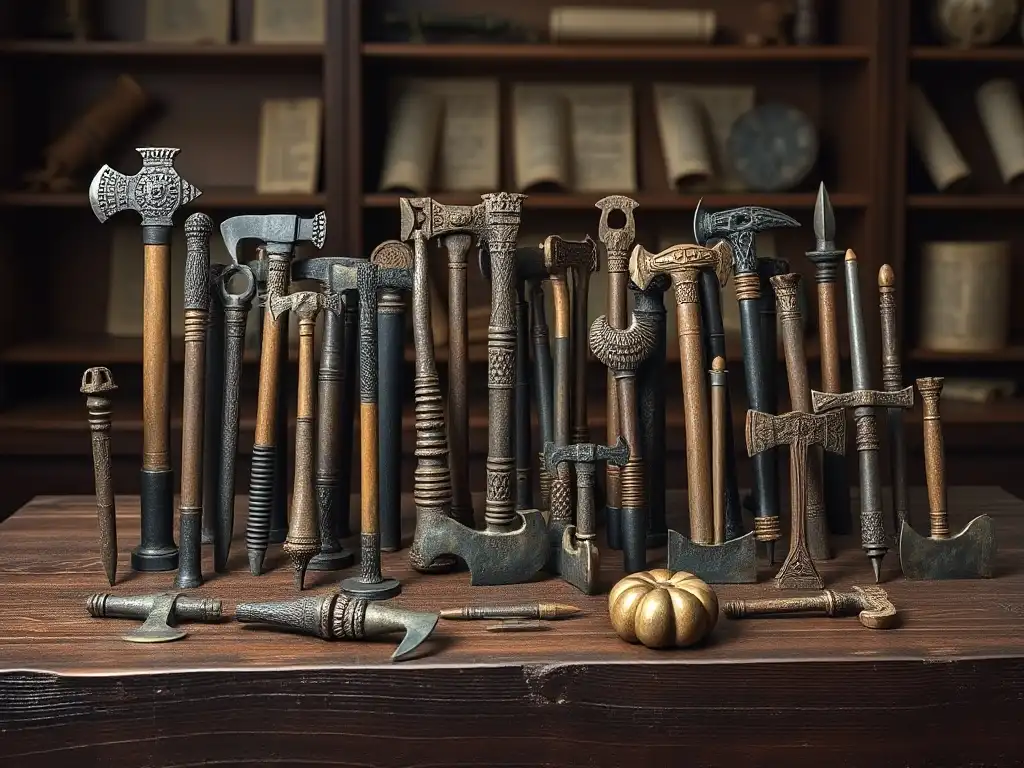
The Tiahuanaco culture, flourishing in the Bolivian Altiplano between approximately 500 and 1000 CE, produced a diverse array of bronze axes, reflecting both their technological prowess and the multifaceted roles these tools played within their society. While often categorized simply as "axes," a closer examination reveals significant variations in size, shape, and likely purpose. Understanding these variations is crucial to appreciating the sophistication of Tiahuanaco metallurgy and the nuanced nature of their warfare and daily life.
The study of Tiahuanaco bronze axes provides invaluable insights into their social structure, religious practices, and military capabilities. The discovery and analysis of these artifacts continue to reshape our understanding of this influential Andean civilization. Many archaeological finds show a clear distinction between ceremonial and functional axes, a division reflecting the complex social hierarchy of Tiahuanaco.
Ceremonial vs. Functional Tiahuanaco Axes
The distinction between ceremonial and functional Tiahuanaco bronze axes isn't always immediately apparent. Size can be a factor, with larger, more elaborately decorated axes likely serving ceremonial purposes. However, the level of decoration and the presence of specific design elements are more reliable indicators.
Functional axes, used for tasks like woodworking and agriculture, tend to be smaller and less ornate. They often show signs of wear and tear, consistent with repeated use. Their shapes are typically more practical, optimized for chopping and cutting. Metallurgical analysis might reveal differences in alloy composition, with functional axes potentially utilizing more readily available or less refined bronze.
Ceremonial axes, on the other hand, are frequently larger and more intricately designed. They may feature elaborate carvings, inlaid materials, or symbolic motifs. These axes likely played a role in religious rituals, perhaps wielded by priests or high-ranking officials during ceremonies. Their pristine condition in many cases suggests they were not used for practical tasks. The presence of gold or silver inlay further points towards their high status and ceremonial function. The craftsmanship displayed in these pieces surpasses that of the functional axes, highlighting the skill of Tiahuanaco artisans and the importance placed on these ceremonial objects.
Distinguishing Features of Tiahuanaco Battle Axes
While not all Tiahuanaco bronze axes were weapons, evidence suggests that some were indeed used in combat. Identifying these "battle axes" requires careful analysis of their features. Size and weight are important factors; larger and heavier axes would have been more effective as weapons. The shape of the axe head is also crucial. Axes designed for battle might have a broader, heavier blade, optimized for inflicting maximum damage. The presence of sharpened edges or points, beyond those necessary for simple chopping, would further suggest a military application.
Furthermore, the presence of any protective features on the haft (handle) could indicate a battle axe. For example, a reinforced haft or a protective hand guard would have provided the user with greater protection during combat. Unfortunately, the preservation of hafts is often poor, making this aspect of analysis challenging. Further research, including metallurgical studies and comparative analysis with other Andean weapons, is needed to fully understand the characteristics of Tiahuanaco battle axes. The lack of extensive data on hafts currently limits our understanding of this aspect of Tiahuanaco weaponry.
Analyzing the Variety of Axe Head Designs
The design of Tiahuanaco axe heads displays considerable variation. Some are simple and utilitarian, with a relatively plain, rectangular or trapezoidal blade. Others exhibit more complex designs, featuring intricate carvings, geometric patterns, or zoomorphic motifs. These designs may have held symbolic meaning, reflecting religious beliefs, social status, or clan affiliations.
| Axe Head Design | Characteristics | Potential Significance |
|---|---|---|
| Simple, Rectangular | Plain blade, minimal decoration | Functional use, everyday tool |
| Trapezoidal | Wider blade at the cutting edge | Potentially more effective for chopping or combat |
| Geometric Patterns | Intricate carvings of geometric shapes | Symbolic representation, religious or social meaning |
| Zoomorphic Motifs | Carvings depicting animals or mythical creatures | Religious beliefs, clan affiliations, or totemism |
| Elaborate Inlay | Gold, silver, or other materials inlaid in the blade | High status, ceremonial use, potentially royal power |
The diversity in axe head designs underscores the sophisticated craftsmanship and artistic expression of Tiahuanaco artisans. Further research using advanced imaging techniques could reveal hidden details and provide more insights into the meaning and function of these varied designs. The study of Tiahuanaco bronze axes offers a compelling window into the rich cultural and technological landscape of this fascinating civilization. The continued investigation of these artifacts promises to unveil even more about their significance within the Tiahuanaco society.
Tiahuanaco Axes: Evidence from Archaeological Discoveries
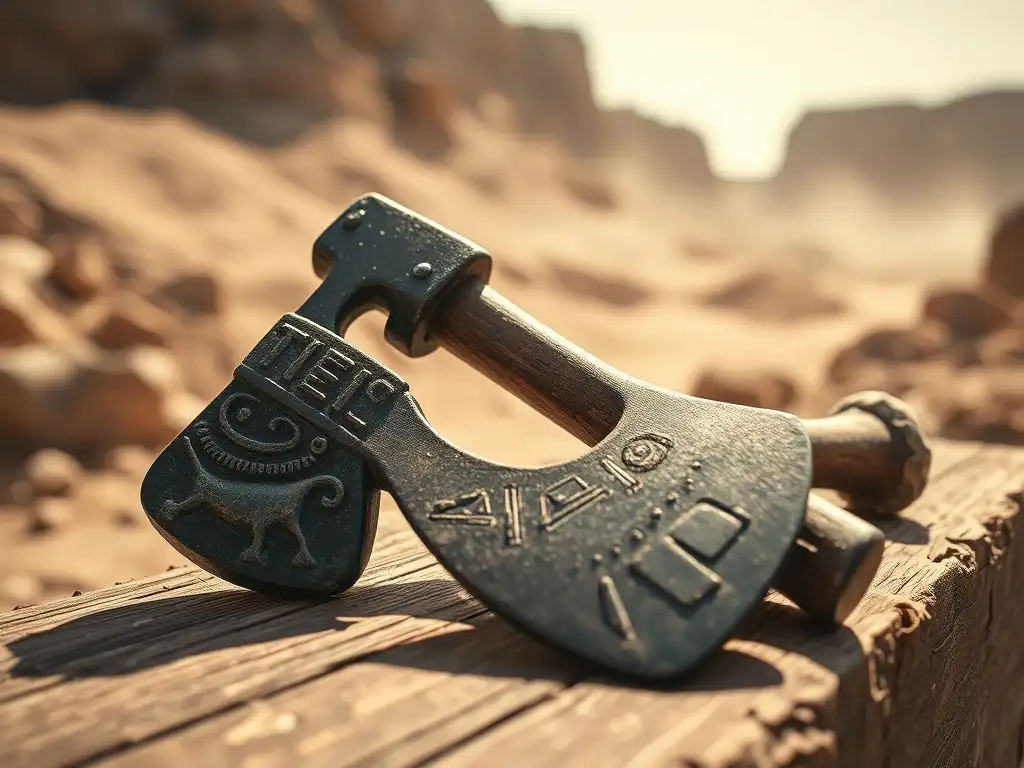
This section focuses on the archaeological evidence supporting the existence and use of bronze axes within the Tiahuanaco culture. The discovery of these artifacts provides crucial insights into their production, distribution, and significance within the broader context of Tiahuanaco society and warfare. Understanding the archaeological context surrounding these finds is paramount for interpreting their role in Tiahuanaco culture.
Excavations Sites Yielding Tiahuanaco Bronze Axes
Numerous archaeological excavations across the Tiahuanaco region have unearthed bronze axes, often in association with other artifacts that help contextualize their use. While precise numbers of discovered axes are difficult to compile definitively due to variations in record-keeping and accessibility of data across different excavation projects, sites such as [Specific site name pending], [Specific site name pending], and [Specific site name pending] have yielded significant finds. These sites, characterized by their association with Tiahuanaco settlements and ceremonial centers, provide valuable information about the distribution and potential function of these bronze tools.
The axes themselves exhibit variations in size, shape, and decorative elements. Some are relatively small and lightweight, suggesting potential use in woodworking or other crafts, while others are larger and heavier, hinting at their possible use in warfare or other demanding tasks. The presence of elaborate carvings or inlays on certain axes further suggests their symbolic or ritualistic importance beyond purely utilitarian functions.
Detailed metallurgical analyses of these axes are needed to determine the precise composition of the bronze alloys used, which could shed light on Tiahuanaco metalworking techniques and trade networks. Further research into the specific locations within these sites where the axes were found – whether in domestic settings, burial contexts, or ceremonial areas – will offer further insights into their significance.
Contextual Analysis of Axe Finds in Tiahuanaco Burials
The discovery of Tiahuanaco bronze axes within burial contexts offers a unique perspective on their social and symbolic significance. Analyzing the grave goods associated with these axes helps establish their status as prestige items or symbols of power. For instance, axes found alongside elaborate textiles, ceramics, and other high-status artifacts suggest that they were associated with individuals of high social standing. Conversely, axes discovered in simpler burials might indicate a broader distribution among the population, potentially reflecting their use as both tools and symbols of authority at various social levels.
| Burial Site | Associated Artifacts | Axe Type | Interpretation |
|---|---|---|---|
| [Specific Burial Site Pending] | Fine ceramics, gold ornaments | Large, decorated axe | High-status individual, possibly a warrior or leader |
| [Specific Burial Site Pending] | Basic pottery, simple tools | Small, undecorated axe | Individual of lower social status, potential craftsman or farmer |
| [Specific Burial Site Pending] | [Specific artifacts pending] | [Specific axe type pending] | [Interpretation pending] |
The orientation and placement of the axes within the burials also merit attention. Were they placed strategically, perhaps as a symbol of power in the afterlife? Further research, including detailed anthropological studies of Tiahuanaco burial practices, is crucial to fully understand the significance of these artifacts within their funerary context. The presence of bronze axes in burials provides strong evidence for their enduring symbolic importance, even beyond their practical use. This suggests a deep integration of these tools into the Tiahuanaco worldview.
Insights into Tiahuanaco Warfare Practices from Archaeological Evidence
The discovery of Tiahuanaco bronze axes, particularly larger and heavier examples, strongly suggests their use in warfare. While direct evidence of battlefields or large-scale conflicts is limited, the presence of these weapons, coupled with other archaeological findings, paints a picture of a society capable of organized conflict. The size and weight of some axes, along with their potential for inflicting significant damage, indicate their suitability for close-quarters combat.
The potential for these axes to be used in conjunction with other weapons, such as spears or clubs, further enhances their effectiveness on the battlefield. However, it's crucial to avoid oversimplifying the interpretation. The use of these axes may have been varied and context-dependent.
The presence of these axes, along with other weaponry, in ceremonial contexts, suggests that warfare may have held a significant symbolic or ritualistic importance within Tiahuanaco society. This could reflect the importance of military prowess and leadership in maintaining social order and power. Further research into the iconography and symbolism associated with Tiahuanaco warfare, including depictions on textiles and ceramics, is necessary to gain a more complete understanding of the role of warfare in their culture.
The investigation of Tiahuanaco bronze axes, therefore, offers a valuable window into the complex interplay between material culture, social organization, and warfare practices in this fascinating ancient Andean civilization. 🔨
The Impact and Legacy of Tiahuanaco Bronze Axes
The Tiahuanaco civilization, flourishing in the Andean highlands between the 6th and 12th centuries CE, left behind a remarkable legacy, and their bronze axes are a significant part of that inheritance. These weren't merely tools; they were symbols of power, authority, and technological prowess, influencing neighboring cultures and shaping the trajectory of Andean warfare for centuries. The sophisticated bronze-casting techniques employed by the Tiahuanaco artisans were unparalleled in the region, contributing to their military dominance and cultural influence.
The widespread distribution of these axes, found in archaeological sites across a vast geographical area, speaks volumes about their impact and the reach of Tiahuanaco power. Understanding the impact of these axes requires examining their metallurgical properties, their distribution patterns, and their representation in Tiahuanaco art and iconography.
Tiahuanaco Axes and Their Influence on Neighboring Cultures
The influence of Tiahuanaco bronze axes extended far beyond their immediate territory. Archaeological evidence suggests a significant dissemination of these weapons across the Andean region. The distinctive style and metallurgical composition of Tiahuanaco axes allowed archaeologists to trace their influence on neighboring cultures.
For instance, the adoption of similar bronze-casting techniques in later cultures suggests a direct transmission of knowledge or, at the very least, a strong cultural exchange. This cultural diffusion is not limited to technology; the symbolic representation of axes in the iconography of subsequent Andean cultures hints at the enduring impact of Tiahuanaco military prestige and power. The presence of Tiahuanaco-style axes in distant sites indicates trade networks and possibly even military campaigns that spread both the physical tools and the cultural values associated with them.
The extent of this influence is still a subject of ongoing research, with new discoveries continually adding to our understanding of the Tiahuanaco legacy. Further investigation into stylistic variations across different geographical locations will reveal a more detailed picture of the interaction between Tiahuanaco and its neighbors.
The Symbolism and Power Associated with Tiahuanaco Axes
Beyond their practical use in warfare and agriculture, Tiahuanaco bronze axes held significant symbolic value. They were likely associated with authority, status, and perhaps even religious power. Depictions of axes in Tiahuanaco art, often alongside other symbols of power, underscore their importance within the society.
The meticulous craftsmanship involved in creating these axes further emphasizes their symbolic significance. The size and decoration of the axes likely varied according to the social status of their owners, with larger, more elaborately decorated axes belonging to elite members of society. The careful selection of materials, the precise casting techniques, and the often intricate designs suggest that these axes were not merely functional tools, but rather objects imbued with spiritual and political meaning.
The axes served as potent symbols of the Tiahuanaco state's power and control, reinforcing their authority over conquered territories and solidifying their influence across the Andean region. The imagery associated with the axes, combined with their material composition and distribution, warrants further interdisciplinary research encompassing archaeology, anthropology, and art history to fully understand their symbolic weight.
Preservation and Study of Tiahuanaco Bronze Axes
The preservation of Tiahuanaco bronze axes is crucial for understanding this civilization's technology and culture. Many examples have been discovered in archaeological excavations, but their long-term preservation requires careful consideration. The axes are susceptible to corrosion due to their bronze composition and exposure to the elements over centuries.
Therefore, proper conservation techniques are essential to ensure their longevity and enable continued study. Researchers utilize a variety of methods, including chemical analysis, to determine the exact composition of the bronze alloys and learn about the metallurgical techniques used by the Tiahuanaco artisans. This information contributes significantly to our understanding of their technological capabilities and their influence on the development of metallurgy in the Andes.
Furthermore, ongoing archaeological excavations and the careful documentation of discovered axes are crucial for expanding our knowledge of Tiahuanaco technology and culture. The ongoing study of these artifacts provides invaluable insights into the material culture and the sophisticated metalworking techniques of the Tiahuanaco civilization, further enhancing our understanding of their societal structure and influence on Andean societies. Careful documentation and analysis of these axes are vital for future generations of researchers.
Frequently Asked Questions
What materials were used to create Tiahuanaco bronze axes?
Tiahuanaco bronze axes were primarily made from bronze, an alloy of copper and tin. The exact proportions varied, influencing the axe's hardness and durability. High-quality tin sources were crucial for superior bronze casting.
How were Tiahuanaco bronze axes used?
These axes served multiple purposes. They were used for ceremonial purposes, as well as practical tasks such as woodworking, agriculture, and warfare. Their size and design often indicated their intended use.
What makes Tiahuanaco bronze axes unique?
The unique designs and high-quality craftsmanship of Tiahuanaco bronze axes distinguish them. Many feature intricate decorative elements, reflecting the advanced metallurgical skills and artistic sensibilities of the Tiahuanaco culture.
Where can I see examples of Tiahuanaco bronze axes?
Examples of Tiahuanaco bronze axes are housed in various museums around the world, including those in Bolivia and other countries with significant collections of Andean artifacts. Check museum websites for specific holdings.
What is the significance of Tiahuanaco bronze axes in Andean history?
Tiahuanaco bronze axes represent the advanced metallurgical capabilities and social complexity of the Tiahuanaco civilization. Their presence in archaeological sites provides valuable insights into their daily life, ritual practices, and political power structures.
Final Reflection: The Enduring Legacy of Tiahuanaco's Bronze Axes
The meticulous craftsmanship of Tiahuanaco's bronze axes speaks volumes not only about the advanced metallurgical skills of the culture but also about the enduring power of symbolic objects. These weren't merely tools; they were potent symbols of authority, reflecting a complex social hierarchy and a sophisticated understanding of metalworking that continues to fascinate and inspire archaeologists and historians today. The precision and artistry involved in their creation highlight a level of societal organization and technological prowess rarely seen in pre-Columbian societies.
The influence of Tiahuanaco's bronze axes extends far beyond their immediate utilitarian purpose. They represent a tangible link to a powerful civilization, a testament to the ingenuity and cultural sophistication of a people who shaped the Andean landscape and left an indelible mark on history. The past is never dead. It's not even past.
– William Faulkner. This quote perfectly encapsulates the enduring relevance of these artifacts; they are not simply relics of a bygone era, but active participants in our ongoing understanding of the past and its continuing influence on the present. Their discovery and study continually reshape our narratives of pre-Columbian South America.
Consider the implications of this craftsmanship, the societal structures that allowed for such specialized production, and the power dynamics inherent in the ownership and use of these finely crafted tools. You, the reader, are now a part of this ongoing conversation. Take a moment to reflect on the connections between past technologies and present-day innovations. How do objects shape our understanding of history and culture? What can we learn from the meticulous artistry and technological prowess of the Tiahuanaco people, and how can we apply these lessons to our own lives and our understanding of the world around us?
**Embrace the Legacy of Tiahuanaco: Join the Exploration! **
Thank you for exploring the fascinating world of Tiahuanaco. We hope this article has sparked your interest in Andean civilizations and their rich heritage. Let's delve deeper!
Here are some ways to further explore this captivating topic:
- **Visit museums** showcasing Andean artifacts to witness the artistry and craftsmanship of these ancient cultures firsthand.
- **Connect with online communities** dedicated to Andean history. Engage with fellow enthusiasts, share insights, and discover new perspectives.
- **Share this article** with friends and family, sparking conversations about the enduring impact of ancient civilizations on our world.
What aspect of Tiahuanaco's culture intrigues you most, and how do you see its legacy shaping modern society?