
The Inca Judges: Administering Law and Justice


Step into a world lost to time, yet echoing with the whispers of a sophisticated empire. Journey with us through the breathtaking landscapes and enigmatic cultures of the Andes, where innovation thrived and empires rose and fell. But did you know the Inca weren't just conquerors? Uncover the intricacies of Inca legal system administration – a testament to their advanced societal structure – and discover how justice was served in the heart of the Andes. Prepare to be amazed by the ingenuity and complexity of this forgotten legal world.
- The Inca Judges: Administering Law and Justice in the Andean Empire
- The Structure of the Inca Legal System
- Key Principles of Inca Law
- Types of Offenses and Their Consequences
- Methods of Dispute Resolution
- The Impact and Legacy of the Inca Legal System
-
Frequently Asked Questions
- What was the structure of the Inca legal system?
- How did the Inca administer justice without a written legal code?
- What role did religion play in the Inca legal system?
- What types of punishments were common in the Inca legal system?
- How effective was the Inca legal system in administering justice across a vast empire?
- Final Reflection: Echoes of Justice in the Andes
- **Unlock the Secrets of Inca Justice! **
The Inca Judges: Administering Law and Justice in the Andean Empire
The Inca Empire, a vast and sophisticated civilization spanning the Andes Mountains, possessed a surprisingly intricate legal system. While lacking a codified legal code in the Western sense, Inca justice was a complex interplay of customary law, religious beliefs, and the authority of the Sapa Inca and his appointed officials.
This article delves into the crucial role of Inca judges – often overlooked in discussions of Andean history – in administering this system, examining their selection, responsibilities, and the methods they employed to maintain order and resolve disputes across the empire. Understanding the Inca legal system administration provides critical insight into the social fabric and the remarkable administrative capabilities of this pre-Columbian civilization.
We will explore the mechanisms of justice, the types of offenses handled, and the punishments meted out, revealing a system surprisingly effective in managing a diverse and geographically challenging empire. The efficient administration of justice was vital to the Inca's success, contributing significantly to the empire's stability and longevity.
Understanding the Role of the Inca Judiciary
The Inca judicial system wasn't centralized in the way modern systems are. Instead, it operated on a hierarchical structure, mirroring the administrative divisions of the empire. At the local level, village elders and community leaders often acted as initial arbiters, resolving minor disputes through mediation and community pressure. More serious cases, however, were escalated to higher authorities.
These higher authorities included Curacas (local chiefs), who held significant influence within their regions, and Tucuy Ricoc (provincial governors), who oversaw larger administrative units. Ultimately, the most serious cases, those involving significant crimes or disputes between different provinces, were brought before the Sapa Inca himself or his designated representatives. These representatives, often high-ranking officials or members of the Inca nobility, acted as judges, dispensing justice according to customary law and imperial decrees.
The selection process for these judges remains somewhat obscure, but it likely involved a combination of merit, lineage, and the trust placed in them by the Sapa Inca. Their role was critical in maintaining social order and ensuring the smooth functioning of the empire. The efficiency of this system is evidenced by the empire's remarkable stability and relatively low levels of widespread social unrest for its size and duration.
Investigating Inca Legal Procedures and Practices
Inca legal procedures were largely informal, relying heavily on oral tradition and customary practices. Formal written records were scarce, with much of the legal knowledge passed down through generations of judges and officials. Evidence suggests that trials involved a combination of witness testimony, examination of physical evidence, and perhaps even some form of ordeal. The emphasis was on reconciliation and restoring harmony within the community, rather than solely on punishment.
Fines, community service, and exile were common punishments, with the severity varying depending on the nature of the crime and the social standing of the offender. Capital punishment existed, but it was reserved for the most serious offenses, such as treason or rebellion. The absence of a formal written code, however, doesn't imply a lack of structure.
Instead, it highlights the significance of oral tradition and the role of the judges in interpreting and applying customary law in a flexible and context-sensitive manner. This system, while seemingly less rigid than modern systems, was remarkably effective in maintaining order across a vast and diverse empire. Further research into archaeological findings and surviving accounts could illuminate additional details about the specifics of Inca legal processes.
Analyzing the Effectiveness of Inca Justice
The effectiveness of the Inca legal system can be judged by its contribution to the empire's remarkable stability and longevity. While we lack precise statistical data on crime rates or judicial outcomes, the sheer size and duration of the Inca Empire suggest a system capable of maintaining social order and resolving disputes effectively. The emphasis on community reconciliation, coupled with a hierarchical structure that allowed for the resolution of disputes at appropriate levels, likely contributed to the system's success.
The integration of the judicial system into the broader administrative framework of the empire further enhanced its effectiveness. The judges, as representatives of imperial authority, played a key role in enforcing laws, resolving conflicts, and maintaining social harmony. Their actions were crucial in ensuring the smooth functioning of the Inca state, contributing to the empire's prosperity and stability.
Further studies could compare the Inca system to other contemporaneous legal systems to better understand its relative effectiveness and unique characteristics. The Inca legal system, while vastly different from modern systems, serves as a compelling example of how a complex society could function without a formal, codified legal code. The key to its success lay in its flexible application of customary law, the skillful mediation of disputes, and the effective use of imperial authority.
The Structure of the Inca Legal System
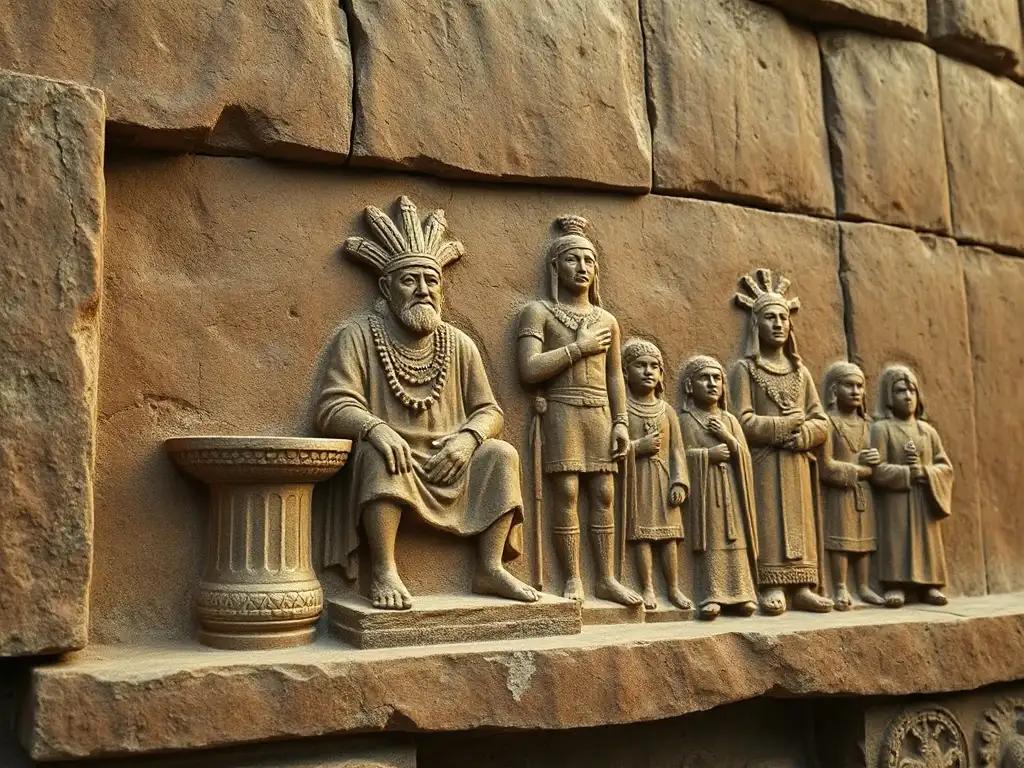
The Inca legal system, a complex network woven into the fabric of their empire, wasn't codified in written law like many modern systems. Instead, it relied heavily on a hierarchical structure of judges, customs, and oral traditions passed down through generations. Understanding the administration of Inca justice requires appreciating this intricate system, which prioritized community harmony and the maintenance of order within the ayllu (the basic socio-economic unit).
Effective Inca legal system administration depended on the consistent application of these principles throughout the vast empire. The system's effectiveness is evidenced by the empire's longevity and relative social stability, considering its size and diverse population.
Hierarchy of Inca Judges: From Local to Imperial
The Inca legal system’s administration followed a clear hierarchy. Justice wasn't dispensed uniformly; rather, it was tiered, reflecting the empire's administrative structure. At the base were local authorities, responsible for minor disputes. As cases escalated in complexity or severity, they were referred to higher courts and eventually to the imperial level. This hierarchical approach ensured that smaller issues were resolved efficiently at the local level, preventing minor conflicts from overwhelming the higher courts. This efficient administration of the Inca legal system minimized disruption to the daily lives of the population.
The hierarchy can be visualized as follows:
| Level | Jurisdiction | Type of Cases | Appeal Route |
|---|---|---|---|
| Local Village Elders | Individual ayllu or small communities | Minor disputes, property conflicts, minor offenses | To the provincial judge |
| Provincial Judges | Province (several ayllus) | More serious crimes, inter-community disputes | To the regional judge |
| Regional Judges | Region (several provinces) | Major crimes, land disputes, significant offenses | To the imperial judge (Apunchic) |
| Imperial Judges (Apunchic) | Entire Empire | Very serious crimes, treason, disputes between regions | Directly to the Sapa Inca (Emperor) for final judgment |
This structured approach to Inca legal system administration allowed for a degree of localized justice while ensuring overall consistency and fairness across the vast empire. The swift and fair resolution of disputes, even at the local level, contributed significantly to the stability of the Inca state.
Local Village Elders and Chieftains: Resolving Community Disputes
Local village elders and chieftains played a crucial role in the administration of the Inca legal system. These individuals, deeply embedded within their communities, acted as mediators and judges, resolving disputes through negotiation, mediation, and customary law. Their intimate knowledge of local customs and social dynamics allowed them to understand the nuances of each case and reach solutions that maintained social harmony. They were often respected members of the ayllu, chosen for their wisdom, impartiality, and understanding of Inca traditions.
Their methods often involved community participation, emphasizing restorative justice rather than solely punitive measures. The goal was to reconcile parties and restore balance within the community, not necessarily to inflict punishment. This emphasis on community reconciliation was a key feature of Inca legal system administration at the local level. The effectiveness of this approach is suggested by the relative absence of widespread social unrest within the ayllus.
Their authority stemmed from their respected position within the community, and their decisions were generally accepted and respected. However, if a dispute proved intractable or involved more serious offenses, it would be escalated to the next level of the judicial hierarchy. This ensured that even the most minor disagreements could find resolution within the framework of the Inca legal system.
At the apex of the Inca legal system's administration sat the imperial judges, known as Apunchic. These individuals were appointed by the Sapa Inca, the emperor, and held the highest judicial authority within the empire. They dealt with cases of significant importance, those that transcended local or regional jurisdictions, such as serious crimes against the state, inter-regional disputes, or cases involving high-ranking officials. Their decisions were essentially final, subject only to review by the Sapa Inca himself.
The Apunchic were highly trained in Inca law and customs. Their role extended beyond simple adjudication; they also served as advisors to the emperor on matters of law and justice. Their expertise was crucial in ensuring consistent application of the Inca legal system across the vast and diverse empire. This centralized authority, while powerful, was crucial for maintaining the unity and stability of the Inca state.
The existence of a powerful centralized judicial body is a testament to the sophisticated nature of Inca legal system administration. The effectiveness of this top-down approach is evidenced by the empire's impressive longevity and relative social order, considering its vast size and diverse population. Further research into specific cases handled by Apunchic would provide a more complete understanding of their role and the intricacies of the Inca legal system.
Key Principles of Inca Law
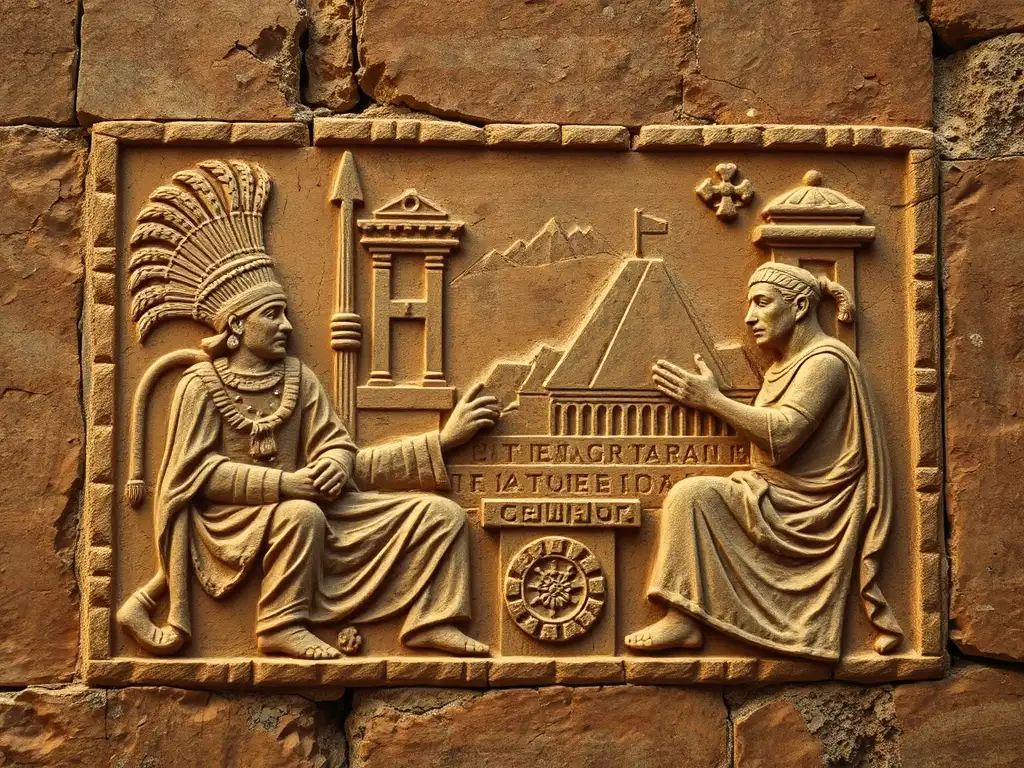
The Inca legal system, while lacking a codified written law like many contemporary systems, was surprisingly sophisticated and effective in maintaining order and resolving disputes across a vast and diverse empire. Its strength lay not in written statutes, but in a complex interplay of customary practices, religious beliefs, and a hierarchical administrative structure.
Understanding the Inca legal system requires appreciating its reliance on oral traditions, the deep integration of law with religion and social norms, and the crucial role played by curacas (local leaders) and the emperor himself in administering justice. This system, focused on maintaining social harmony and upholding the Inca worldview, effectively managed conflict and ensured the stability of the empire for centuries.
The administration of this system, often overlooked in favor of narratives focused on military conquest, is crucial to understanding the Inca's long-term success. The keyword, "Inca legal system administration," encapsulates this often-understudied aspect of Inca society.
The Importance of Custom and Tradition in Inca Legal Practices
Inca law wasn't dictated from a central legal code. Instead, it was deeply rooted in custom and tradition, passed down through generations orally. These traditions, varying slightly from region to region, dictated acceptable behavior and provided the framework for resolving conflicts.
Decisions were often made based on precedents and established customs, reflecting a strong emphasis on community consensus and the preservation of established social order. For example, disputes over land ownership frequently referred back to ancestral claims and long-standing patterns of land use. The curacas, local leaders appointed by the Inca emperor, played a crucial role in interpreting and applying these customary laws within their communities.
Their understanding of local customs and traditions was vital for fair and effective dispute resolution. This system prioritized maintaining social harmony and preventing escalation of conflicts, ensuring the smooth functioning of the Inca empire. Effective administration of this system required a deep understanding of these nuanced local customs, highlighting the importance of effective communication and trust between the curacas and their communities.
Ayni and Reciprocity as Cornerstones of Inca Justice
A core principle underpinning Inca justice was the concept of ayni, a system of reciprocal labor and mutual support. This principle extended beyond simple economic exchange; it permeated all aspects of Inca social life, including the administration of justice. Individuals were expected to contribute their time and resources to the community, and failure to do so could be considered a legal infraction.
Reciprocity wasn't just a matter of fairness; it was viewed as a sacred obligation, crucial for maintaining cosmic balance and social harmony. The Inca legal system used ayni as a basis for resolving disputes, often focusing on restoring balance and repairing damaged relationships rather than simply punishing offenders. For instance, a person who damaged another's property might be required to compensate the victim through labor or goods, restoring the disrupted equilibrium.
This emphasis on restorative justice, deeply intertwined with the principle of ayni, distinguishes the Inca legal system from many others. The efficient administration of this system required a clear understanding of reciprocal obligations and the ability to mediate conflicts in a way that restored social harmony.
Severity of Punishments in the Inca Legal Framework
While the Inca legal system prioritized restorative justice and community harmony, it also employed punishments for serious crimes. The severity of these punishments varied depending on the nature of the offense and the social standing of the offender. Minor infractions might result in fines, community service, or public shaming.
However, more serious crimes such as theft, murder, or treason could lead to severe penalties, including death, exile, or enslavement. The administration of these punishments was carefully controlled to ensure fairness and to prevent arbitrary application of the law. Records suggest that the Inca state carefully monitored the curacas to prevent abuse of power and ensure consistent application of justice.
The Inca emphasis on maintaining order and stability within their empire is clearly reflected in the punishments meted out for those who violated their social norms. While the exact details of many punishments remain debated by scholars, the evidence suggests a system that balanced the need for justice with the desire to preserve social cohesion. The effective administration of this system involved a complex balance between maintaining order and ensuring that punishments were proportionate to the crime.
Types of Offenses and Their Consequences
The Inca legal system, while lacking a codified set of laws like those found in later Western societies, was remarkably effective in maintaining order and social harmony across a vast and diverse empire. Understanding the Inca legal system administration requires examining the types of offenses recognized and the range of punishments imposed. The severity of punishment often depended on the perceived impact on the ayllu (community), the social standing of the offender, and the nature of the crime itself.
The administration of justice was deeply intertwined with the Inca worldview, emphasizing collective responsibility and the importance of maintaining balance within the community. This intricate system, while not documented in detail by written law, is revealed through archaeological evidence, colonial accounts, and surviving indigenous traditions. The Inca concept of justice wasn't solely about retribution, but also about restoring equilibrium and ensuring the continued prosperity of the empire.
Crimes Against the State and the Inca Ruler
Crimes against the state, particularly those directed against the Sapa Inca (emperor), were considered the most serious offenses. These included treason, rebellion, conspiracy against the Inca ruler, and any act that threatened the stability of the empire. The consequences for such crimes were severe, often resulting in the death penalty, sometimes through ritual sacrifice.
The Inca believed that the Sapa Inca was a divinely appointed ruler, and any act of defiance against him was seen as an affront to the gods themselves. For example, a plot to overthrow the Inca, even if unsuccessful, would be met with swift and brutal retribution. Families of those convicted of such crimes often faced exile or confiscation of their land and possessions.
The Inca legal system administration in such cases aimed not only at punishment but also at sending a strong message to prevent future acts of sedition. The severity of the punishment served as a powerful deterrent, reinforcing the absolute authority of the Inca ruler and the importance of loyalty to the state.
Theft and Disruption of Agricultural Practices
Theft, particularly of agricultural products, was a significant concern in the Inca empire, given its reliance on a sophisticated agricultural system. The ayllu, the fundamental social and economic unit, relied heavily on collective farming and resource management. Therefore, theft disrupted the delicate balance of the community and was treated seriously. The punishment for theft varied depending on the value and importance of the stolen goods.
Minor theft might result in fines, community service, or even public shaming. However, larger-scale theft, especially of goods essential for the community's survival (like stored grain during lean times), could lead to much harsher penalties, including imprisonment or even death. The Inca legal system administration in these cases prioritized restitution and the restoration of balance within the ayllu.
The emphasis was on repairing the harm done to the community, not just punishing the individual. This approach reflected the Inca's communal values and their focus on social harmony. The disruption of agricultural practices, such as damaging irrigation canals or destroying crops, was similarly viewed as a severe offense, carrying comparable consequences.
Personal Conflicts and Disputes in the Inca Context
Personal conflicts and disputes, though less severe than crimes against the state, still fell under the purview of the Inca legal system administration. These ranged from minor disagreements between individuals to more serious matters involving assault, injury, or even homicide. The Inca judicial system relied heavily on community elders and local officials to resolve these disputes through mediation and reconciliation.
The goal was not necessarily to assign blame but rather to find a solution that would restore harmony within the community. The process often involved community discussions, where the parties involved, along with witnesses and community leaders, would work towards a resolution. Punishments for personal conflicts varied widely, from fines and apologies to more severe penalties like corporal punishment or exile in cases involving serious violence.
The Inca legal system administration in such cases aimed to prevent escalation of conflicts and maintain social cohesion. This approach highlights the importance placed on community harmony and the restorative nature of Inca justice. The system emphasized reconciliation and reintegration of offenders back into the community, rather than simply focusing on punishment.
Methods of Dispute Resolution
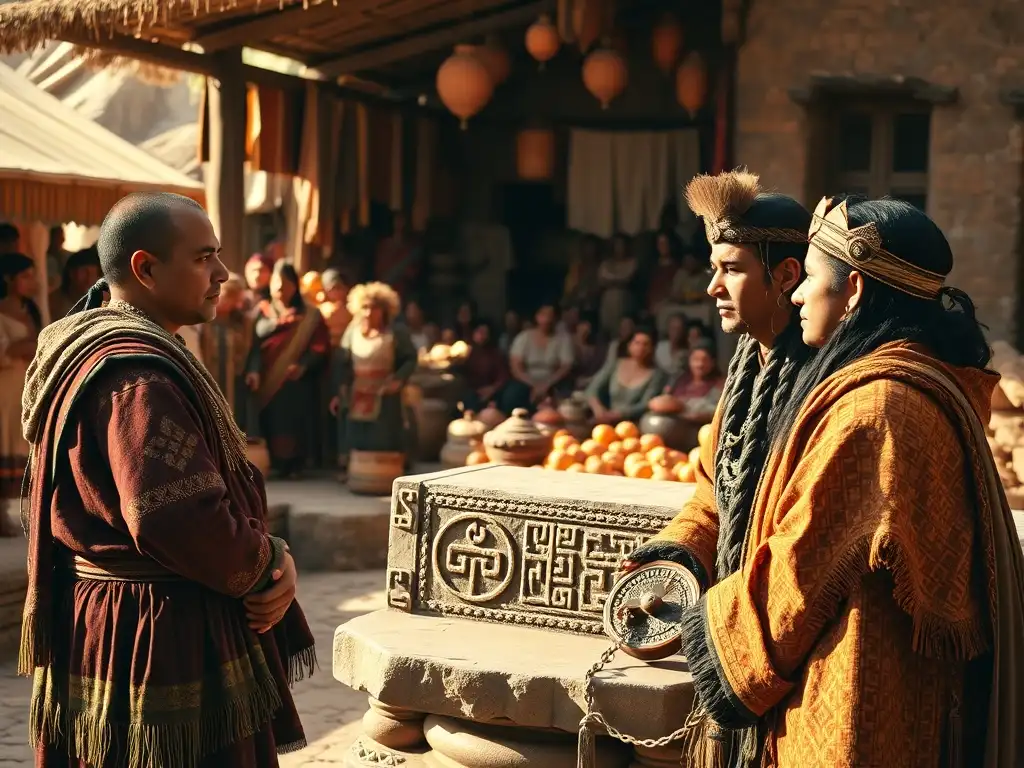
The Inca legal system, while lacking a codified body of law like those of later European societies, was surprisingly sophisticated in its approach to dispute resolution. Its effectiveness stemmed from a deeply ingrained social structure and a strong emphasis on community involvement. The administration of Inca justice wasn't solely reliant on centralized authority; rather, it was a layered system, with local leaders playing a crucial role in resolving smaller conflicts before they escalated. This decentralized approach to Inca legal system administration helped maintain social order and minimize the burden on the central government.
The system prioritized restorative justice, aiming to reconcile parties and maintain harmony within the ayllu (community). This contrasted sharply with punitive systems focused solely on punishment. Understanding these methods is key to appreciating the nuance of Inca legal system administration and its lasting impact.
Mediation and Arbitration in Inca Society
Mediation and arbitration formed the cornerstone of Inca dispute resolution. Before a case reached higher authorities, local leaders, often curacas (local chiefs) or respected elders, acted as mediators, attempting to reconcile disputing parties through negotiation and compromise. This process emphasized restoring balance within the community rather than assigning blame. The curaca's influence and knowledge of community dynamics were instrumental in fostering agreement. Successful mediation avoided the need for formal trials, conserving resources and maintaining social harmony.
In instances where mediation failed, arbitration was employed. A neutral third party, chosen for their wisdom and impartiality, would hear both sides of the dispute and render a binding decision. This decision, while authoritative, still aimed at reconciliation and the restoration of social order.
While evidence was considered, the arbitrator's judgment often involved considering the social impact of the decision on the community. The emphasis was not solely on legal technicalities but also on the broader societal implications of the ruling within the Inca legal system administration. This system, focusing on community well-being, exemplifies a unique approach to conflict resolution within Inca legal system administration.
Confessions and Testimonies in Inca Trials
When disputes could not be resolved through mediation or arbitration, they progressed to formal trials. The Inca justice system relied heavily on confessions and testimonies, often gathered through a process involving community scrutiny and pressure. While formal legal representation as we know it didn't exist, individuals could present their cases and call upon witnesses to support their claims.
The testimony of multiple witnesses, particularly those with established reputations within the ayllu, carried significant weight. Interestingly, the Inca system did not possess a formal system of cross-examination. The emphasis was placed on the credibility and reputation of the witnesses within their communities.
Confessions, while considered strong evidence, were not always obtained through coercion. The social pressure to admit wrongdoing, combined with the belief in the supernatural power of the Inca rulers, often led individuals to confess, even without direct physical coercion. However, it is important to acknowledge the potential for abuses of power within this system, as the pressure to confess could have led to false admissions.
Further research is needed to fully understand the extent of coercion and its impact on the fairness of trials within Inca legal system administration. The role of confessions and testimonies reveals a system that blended legal processes with social and spiritual pressures.
Sentencing and Punishments in the Inca Justice System
Sentencing in the Inca justice system varied depending on the severity of the offense and the social standing of the offender. Minor offenses often resulted in fines, community service, or restitution to the victim. More serious crimes, such as theft, assault, or rebellion, could lead to harsher penalties. These could include corporal punishment, exile, or even the death penalty, though the latter was relatively rare. The administration of punishments was often carried out within the community, reinforcing the system's focus on social order and accountability.
The Inca legal system administration aimed for proportionality in sentencing, considering the context of the crime and the individual's role within society. For instance, a member of the elite committing a crime might face a harsher punishment than a commoner committing the same offense, reflecting the hierarchical nature of Inca society. Records of specific sentences and their application are limited, making a complete understanding of the system's intricacies challenging.
However, available evidence suggests a system striving for balance between justice and social cohesion, a hallmark of effective Inca legal system administration. Further research into archival records and archaeological findings could shed more light on the specifics of sentencing practices.
The Inca legal system, while different from modern systems, demonstrates a sophisticated approach to dispute resolution and justice, emphasizing community involvement and restorative practices. The complexities of this system, particularly concerning the balance between social pressure and individual rights, continue to fascinate and challenge researchers today.
The Impact and Legacy of the Inca Legal System
The Inca legal system, while vastly different from modern Western legal frameworks, exerted a profound influence on Andean society for centuries. Its impact extended beyond simple law enforcement; it shaped social structures, economic practices, and even the spiritual beliefs of the Inca Empire. The system, characterized by its emphasis on community responsibility and the close intertwining of law and religion, created a relatively stable and highly organized society across a vast and diverse geographical area.
Its principles, though adapted and modified over time, left an undeniable mark on subsequent Andean cultures, including those that followed the Spanish conquest. Understanding the Inca legal system is crucial to grasping the intricacies of Inca civilization and its enduring legacy. Effective administration of this system, under the Inca legal system administration, was key to its success.
The Inca legal system's effectiveness stemmed from its intricate integration with the social fabric of the empire. Rather than relying solely on punitive measures, it prioritized the maintenance of ayllu (community) harmony. Disputes were often resolved within the community itself, with elders and respected figures acting as mediators. This emphasis on community-based conflict resolution minimized formal legal proceedings, fostering a sense of shared responsibility and collective well-being.
The system was not without its punishments, however. Offenses against the state, such as treason or rebellion, were met with severe penalties, ranging from exile to death. These punishments, while harsh, served as a deterrent and reinforced the authority of the Inca ruler and the state's power. The system's success in maintaining social order can be attributed to this blend of community-based resolution and state-sanctioned punishment.
The intricate balance between these two aspects was crucial to the Inca legal system administration. For example, records suggest that theft within an ayllu was handled differently than theft from the state's storehouses. The former might involve restitution and community service, while the latter could result in severe corporal punishment. This demonstrates the nuanced approach employed by Inca judges in administering justice.
The Adaptation of Inca Legal Concepts in Colonial Era Andes
The Spanish conquest dramatically altered Andean society, yet elements of the Inca legal system persisted, albeit transformed. The colonial administration, while aiming to impose its own legal framework, could not entirely erase the existing social structures and legal customs. Indigenous communities continued to utilize traditional methods of conflict resolution, often incorporating elements of Inca law alongside Spanish legal principles.
This led to a syncretic legal system, a blend of indigenous and colonial practices. For instance, the concept of mita (labor tribute), a cornerstone of the Inca economy and a subject of Inca legal regulation, was adapted and exploited by the Spanish colonial authorities. While the mita was originally a form of reciprocal obligation within the ayllu system, the Spanish transformed it into a system of forced labor, demonstrating the adaptation and perversion of pre-existing Inca legal concepts.
This adaptation, however, highlights the resilience and adaptability of Inca legal principles, even under the harsh conditions of colonial rule. Further research into specific colonial-era legal documents is needed to fully understand the extent of this adaptation and the ongoing influence of Inca Inca legal system administration principles.
The Enduring Significance of Inca Legal Principles
Despite the passage of centuries and the profound societal changes that have occurred in the Andes, certain principles of the Inca legal system continue to resonate. The emphasis on community responsibility, the integration of law with social and spiritual life, and the importance of resolving conflicts through dialogue and mediation remain relevant in many Andean communities today.
Many contemporary legal practices in the Andes draw upon traditional methods of conflict resolution, reflecting a continuity that links modern Andean societies to their Inca heritage. These enduring principles are a testament to the effectiveness and adaptability of the Inca legal system and its lasting impact on Andean culture and legal thought.
The study of the Inca legal system provides valuable insights into the complexities of pre-Columbian societies and offers a rich source of information for contemporary legal scholars and anthropologists alike. The legacy of effective Inca legal system administration continues to shape legal and social dynamics in the region.
Frequently Asked Questions
What was the structure of the Inca legal system?
The Inca legal system was hierarchical, mirroring the empire's structure. Local authorities initially handled disputes, escalating to higher courts for more serious cases. Ultimately, the Sapa Inca held final authority.
How did the Inca administer justice without a written legal code?
Justice was administered through customary law, oral traditions, and the Sapa Inca's decrees. Judges relied on precedent and community consensus, interpreting laws based on established norms and religious beliefs. Oral testimonies played a crucial role.
What role did religion play in the Inca legal system?
Religion significantly influenced the Inca legal system. Religious officials often participated in trials, and the concept of Ayni (reciprocity) guided many legal decisions. Divine will was considered in judgment.
What types of punishments were common in the Inca legal system?
Punishments varied based on the severity of the crime, ranging from fines and community service to exile or death. The emphasis was on restorative justice and maintaining social harmony, rather than solely retribution.
How effective was the Inca legal system in administering justice across a vast empire?
The Inca legal system's effectiveness is a subject of ongoing debate. While it maintained a degree of order across a vast and diverse empire, challenges existed in ensuring consistent application of justice and addressing regional differences in customs and beliefs. Communication limitations also played a role.
Final Reflection: Echoes of Justice in the Andes
The intricate system of Inca legal administration, far from being a relic of the past, offers crucial insights into the enduring human need for just and equitable societies. Its emphasis on community involvement, restorative justice, and the integration of law with social harmony remains strikingly relevant in our modern world, grappling as we are with issues of inequality and social fragmentation. The principles embedded within the Inca system challenge us to reconsider our own approaches to justice and governance.
The Inca's focus on community well-being as the cornerstone of their legal system profoundly impacted their society, fostering a sense of collective responsibility and shared destiny. This holistic approach, prioritizing reconciliation over retribution, resonates deeply with contemporary discussions surrounding restorative justice practices. Justice consists not in being neutral between right and wrong, but in finding out the right and upholding it, wherever found, against the wrong.
– Theodore Roosevelt. This quote highlights the active, rather than passive, role of justice that the Inca system exemplified, a concept worth revisiting in our own pursuit of equitable societies.
Consider the enduring legacy of the Inca legal system. Reflect on how the principles of community engagement, restorative justice, and the integration of law with social harmony might inform your own interactions and perspectives. You have the power to contribute to a more just and equitable world, starting with your own actions and choices. Embrace the challenge of building a society that values both individual rights and collective well-being, inspired by the wisdom of a civilization that, centuries ago, prioritized justice as a fundamental pillar of its existence.
**Unlock the Secrets of Inca Justice! **
Thank you for exploring the fascinating world of Inca judges and their role in administering justice! You've uncovered a rich tapestry of cultural practices and legal systems that shaped this remarkable civilization. Now, let's deepen your understanding and engage with this history in meaningful ways.
Here are some ways to delve further into the Inca legacy:
- **Expand your knowledge:** Read more about Andean civilizations to learn about other aspects of Inca life, such as their sophisticated social structures and architectural marvels.
- **Join the discussion:** Share your thoughts on Inca justice in our community forum and connect with other history enthusiasts.
- **Explore Inca culture firsthand:** Visit a local museum with Andean artifacts or host a film screening showcasing Inca culture to spark conversations about their legal practices.
What aspect of Inca justice most intrigues you, and how does it compare to modern legal systems? Let's discuss!