
Unveiling the Genesis: How Early Andean Villages Transformed into Complex Societies

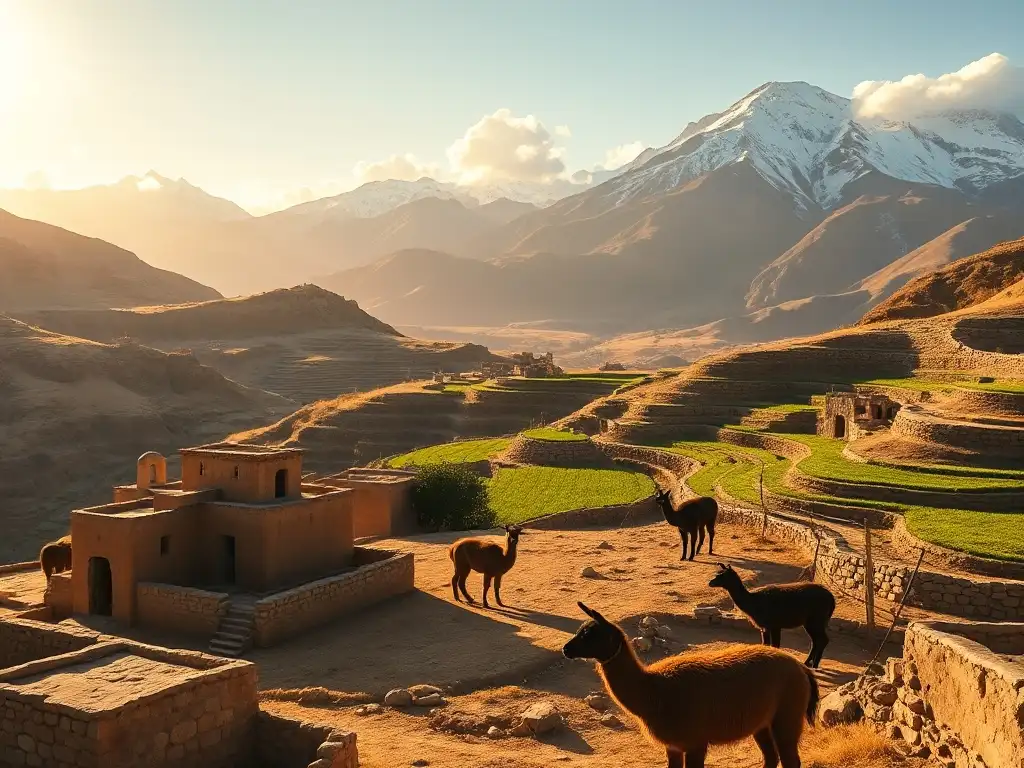
Step into a world lost to time, yet echoing with the whispers of a magnificent past. Imagine towering cities carved into mountainsides, intricate textiles whispering tales of ancient rituals, and sophisticated engineering feats that defy explanation. This is the realm of the Andean civilizations, and our journey begins with Andean civilization development. Uncover the secrets behind the astonishing transformation from humble villages to powerful empires—a story of innovation, resilience, and a legacy that continues to captivate us today. Prepare to be amazed.
-
Andean Civilization Development: Tracing the Roots of Complex Societies
- Early Andean Villages: The Foundation of Societal Complexity
- The Shift from Simple Settlements to Complex Social Structures
- The Role of Agriculture in Andean Civilization Development
- Craft Specialization and Technological Advancements in the Andes
- The Development of Religious Beliefs and Ritual Practices
- Trade Networks and Interregional Exchange in the Andean Region
- The Path to Complex Andean Societies: Key Transformations
- Case Study: The Caral Supe Civilization and Its Societal Evolution
- Lessons from the Genesis: Understanding Andean Civilization's Rise
-
Frequently Asked Questions
- What factors contributed to the development of Andean civilizations?
- How did the geography of the Andes influence civilization development?
- What role did agriculture play in Andean civilization development?
- How did different Andean cultures interact with each other?
- What were some of the key achievements of Andean civilizations in terms of technology and engineering?
- Final Reflection: Echoes of the Andes: A Legacy of Innovation and Resilience
- Step into the Legacy: Engage with Andean Heritage!
Andean Civilization Development: Tracing the Roots of Complex Societies
The Andes Mountains, a spine of towering peaks and fertile valleys, cradled some of the most fascinating and sophisticated civilizations of the pre-Columbian Americas. Understanding the development of Andean civilization requires a journey back in time, to the humble beginnings of early Andean villages and the gradual, transformative processes that led to the emergence of complex societies like the Inca, Moche, Nazca, and Tiahuanaco.
This exploration delves into the intricate web of factors—environmental adaptation, agricultural innovation, social organization, and technological advancements—that fueled this remarkable societal evolution. We'll examine the crucial transition from small, relatively simple settlements to the highly stratified and organized empires that left behind a legacy of breathtaking architecture, intricate artistry, and advanced engineering.
This article will illuminate the key stages in the development of Andean civilizations, providing insights into how these societies successfully navigated the challenges of their environment and built enduring legacies that continue to captivate us today. The journey towards understanding "Andean civilization development" begins with a closer look at the foundations upon which these complex societies were built.
Early Andean Villages: The Foundation of Societal Complexity
The earliest Andean societies were characterized by small, dispersed villages. Life revolved around subsistence agriculture, primarily focused on cultivating crops adapted to the diverse Andean ecosystems. These early communities, often situated near fertile river valleys or along the coast, developed sophisticated irrigation systems to maximize crop yields.
Archaeological evidence reveals rudimentary forms of social organization, with evidence suggesting the existence of communal labor and possibly early forms of leadership. The development of pottery, textiles, and basic tools indicates a growing level of craft specialization and technological innovation, even within these seemingly simple societies. The seeds of future complexity were sown in these early villages, as patterns of cooperation, resource management, and technological advancement laid the groundwork for future growth.
Understanding these early settlements is crucial for comprehending the subsequent stages of Andean civilization development. The transition from these small, relatively self-sufficient units to larger, more integrated societies represents a significant leap in human organizational capabilities.
The transition from small villages to larger, more complex societies in the Andes was a gradual process spanning centuries. This shift involved a series of interconnected developments, including increased population density, the rise of specialized labor, and the development of more sophisticated social hierarchies. The intensification of agriculture, driven by innovations in irrigation and terracing techniques, led to increased food surpluses.
These surpluses, in turn, supported larger populations and allowed for the specialization of labor. Individuals could now focus on activities beyond food production, leading to the development of specialized crafts, religious roles, and administrative functions. This specialization fostered a greater degree of social stratification, with the emergence of elites and ruling classes who controlled resources and exerted power over the wider population.
The construction of monumental architecture, such as temples and palaces, further signifies the increasing power and influence of these ruling elites. This period also witnessed the development of more centralized political systems, with evidence suggesting the emergence of early states and chiefdoms. The shift from simple settlements to complex social structures was a fundamental step in the development of Andean civilization, paving the way for the great empires that would follow.
Factors Driving Social Change in Early Andean Communities
Several interconnected factors fueled the remarkable transformation of early Andean villages into complex societies. These include:
- Environmental Adaptation: The challenging Andean environment necessitated innovative agricultural techniques, such as terracing and irrigation, which fostered increased food production and population growth. The ability to adapt to and manage the diverse ecological zones of the Andes was crucial for societal development.
- Agricultural Innovation: Improvements in agricultural technology, including the domestication of new crops and the development of sophisticated irrigation systems, were essential for supporting larger, denser populations. This led to food surpluses that allowed for specialization of labor and the emergence of complex social structures.
- Social Organization: The development of more complex social structures, including hierarchical systems and specialized roles, was crucial for managing resources and coordinating large-scale projects. The emergence of elites and ruling classes played a significant role in consolidating power and directing societal development.
- Technological Advancements: Advances in technology, such as pottery making, textile production, and metallurgy, contributed to economic growth and social complexity. These technological advancements fostered trade networks and facilitated the exchange of goods and ideas across different regions.
The interplay of these factors highlights the dynamic and multifaceted nature of Andean civilization development. The path towards complexity was not linear, but rather a process shaped by environmental pressures, technological innovations, and evolving social structures. Further research continues to uncover new insights into this fascinating period of human history. 🎉
The Role of Agriculture in Andean Civilization Development
The development of Andean civilizations was inextricably linked to advancements in agriculture. The challenging Andean geography, with its diverse altitudes and climates, demanded innovative farming techniques. Early inhabitants weren't simply subsistence farmers; they were pioneers in agricultural engineering, adapting to their environment to create thriving communities.
Their success wasn't just about producing enough food to survive; it was about creating a surplus that fueled social complexity and population growth. The ability to cultivate diverse crops at varying altitudes—from potatoes and quinoa at higher elevations to maize and beans in lower valleys—was crucial to their success. This diversification provided resilience against crop failures and ensured a consistent food supply, even in the face of environmental challenges like droughts or frost.
This agricultural ingenuity laid the foundation for the rise of larger, more complex societies. The ability to reliably produce food allowed populations to settle in one place, leading to the development of villages and, eventually, larger urban centers.
Intensification of Farming Techniques
The intensification of farming techniques was a key driver of Andean civilization development. Early methods involved simple slash-and-burn agriculture, but over time, more sophisticated techniques emerged. Terracing, for example, allowed farmers to cultivate steep slopes, dramatically increasing arable land.
This involved painstakingly carving level platforms into hillsides, creating a series of steps that held water and soil. The construction of these terraces was a significant undertaking, requiring coordinated labor and sophisticated engineering knowledge. Irrigation systems, another crucial advancement, channeled water from rivers and streams to fields, ensuring consistent water supply even during dry periods.
These systems ranged from simple canals to complex networks of aqueducts and reservoirs, demonstrating a remarkable understanding of hydraulic engineering. The development of these sophisticated techniques allowed for increased agricultural yields, supporting larger and denser populations. The ingenuity displayed in these techniques is a testament to the Andean peoples' deep understanding of their environment and their ability to adapt and innovate.
Agricultural Surplus and its Impact on Social Organization
The successful intensification of farming techniques led to a significant agricultural surplus. This surplus was crucial in several ways. Firstly, it freed up a portion of the population from the constant demands of food production, allowing individuals to specialize in other activities like crafts, administration, or religious leadership.
This specialization is a hallmark of complex societies, leading to a more stratified social structure. Secondly, the surplus provided resources for social elites, allowing them to accumulate wealth and power. This concentration of resources and power contributed to the development of hierarchical social structures, with distinct classes and specialized roles.
Finally, the surplus could be used to support large-scale public works projects, such as the construction of temples, palaces, and irrigation systems. This cycle of surplus leading to further investment in infrastructure and social organization further fueled the growth and complexity of Andean societies. The surplus wasn't just about food; it was a catalyst for social and political transformation.
Craft Specialization and Technological Advancements in the Andes
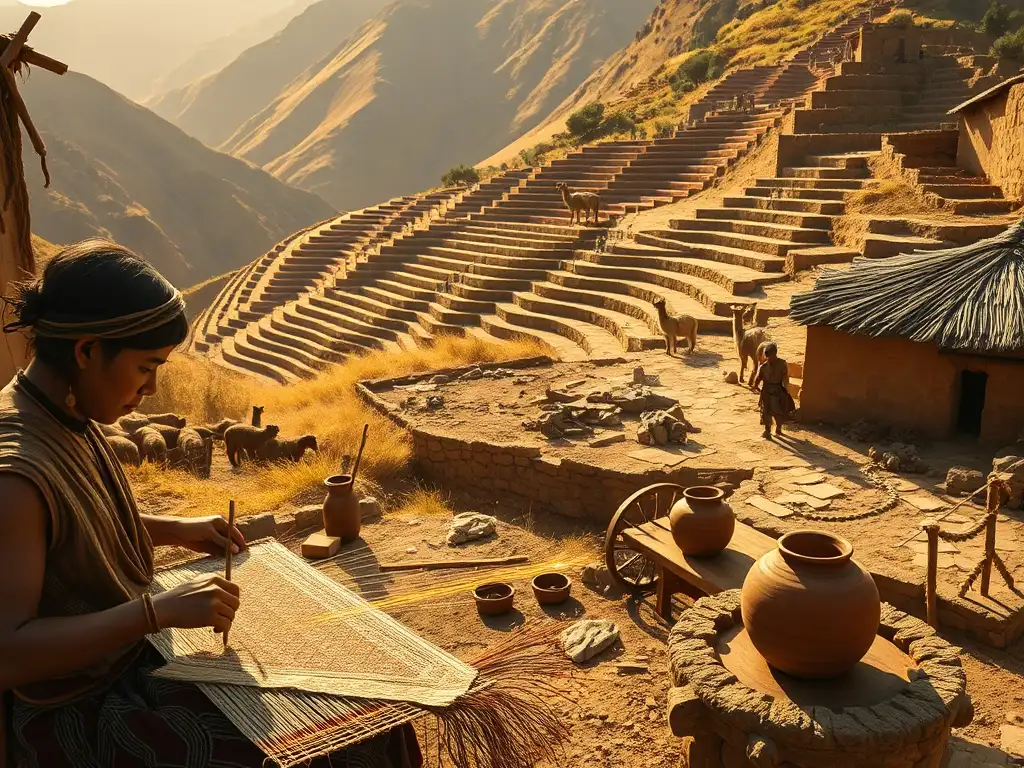
Beyond agriculture, the development of Andean civilizations was characterized by remarkable craft specialization and technological advancements. The ability to produce a surplus of food allowed for the emergence of specialized artisans who dedicated themselves to creating intricate textiles, pottery, metalwork, and other goods. This specialization fostered innovation and the development of sophisticated techniques in various crafts. The Andes saw a remarkable diversity of artistic expression, with each culture developing its unique style and techniques. This wasn't simply decorative; the creation and exchange of these goods played an important role in social and economic interactions.
The Rise of Specialized Artisans
The rise of specialized artisans was a key aspect of Andean civilization development. These artisans were not merely craftspeople; they were skilled professionals who possessed specialized knowledge and techniques. In textile production, for instance, Andean artisans developed techniques for creating incredibly intricate and colorful textiles, using a variety of fibers and dyes.
Similarly, in metalworking, they mastered techniques for creating sophisticated jewelry, tools, and weapons from gold, silver, copper, and bronze. The development of these specialized skills required years of training and apprenticeship, contributing to the emergence of distinct artisan guilds and communities. The high quality and artistry of Andean crafts are evident in the numerous surviving artifacts, demonstrating the advanced level of skill and knowledge achieved by these specialized artisans.
Their work not only contributed to the economic prosperity of their societies but also served as a powerful symbol of cultural identity and prestige. The exchange of these crafted goods also facilitated trade networks and strengthened social ties between different Andean communities.
The Development of Religious Beliefs and Ritual Practices
The development of complex societies in the Andes was intrinsically linked to the evolution of sophisticated religious beliefs and ritual practices. These beliefs provided a unifying framework for social organization, shaping political structures, economic activities, and even artistic expression. The early stages saw the emergence of animistic beliefs, where natural forces and objects were imbued with spiritual significance.
This worldview likely influenced early agricultural practices, with rituals performed to ensure successful harvests. Evidence suggests a gradual shift towards more formalized religious systems, with the development of specialized roles for religious leaders and the construction of ceremonial centers. The Andean worldview, deeply connected to the land and its resources, fostered a profound respect for the environment and a complex understanding of the cosmos.
This spiritual foundation, constantly evolving and adapting, played a crucial role in the integration and cohesion of Andean societies. The intricate interplay between religious belief and daily life is evident in the archaeological record, reflecting a complex and dynamic relationship that shaped the trajectory of Andean civilization development.
The Emergence of Shamanism and Ancestor Veneration
Shamanism, with its emphasis on altered states of consciousness and communication with the spirit world, likely played a pivotal role in early Andean religious life. Shamans, acting as intermediaries between the human and spiritual realms, likely held considerable influence within their communities. Their expertise in healing, divination, and ritual practices would have been essential in a society grappling with the challenges of survival and understanding the natural world.
Ancestor veneration, another significant aspect of Andean religious beliefs, highlights the importance of lineage and continuity. The reverence for ancestors, often manifested through offerings and commemorative rituals, solidified social bonds and provided a sense of collective identity. This practice reinforced social hierarchies and legitimized political authority, connecting the living with the spiritual power of their forebears.
The intertwining of shamanistic practices and ancestor veneration created a powerful spiritual framework that underpinned the social and political structures of early Andean communities. This complex spiritual system deeply influenced the development of Andean civilization.
The Construction of Ceremonial Centers
The construction of ceremonial centers marks a significant step in the development of Andean religious practices. These structures, ranging from simple platforms to elaborate complexes, served as focal points for communal rituals, religious festivals, and political gatherings. Their design and construction often involved monumental architecture, intricate carvings, and the use of symbolic imagery, reflecting the growing sophistication of Andean religious beliefs and artistic expression.
The placement of these centers, often strategically located in relation to geographical features or agricultural resources, suggests their importance in maintaining social order and managing resources. The construction of these centers involved a significant mobilization of labor, suggesting a degree of centralized authority and social organization. The scale and complexity of these projects are a testament to the power of religious belief in shaping the landscape and the social structures of Andean societies, showcasing the increasing sophistication of Andean civilization development.
Religious Beliefs and their Impact on Andean Social Life
Andean religious beliefs had a profound and pervasive influence on all aspects of social life. They shaped social hierarchies, regulated economic activities, and guided moral conduct. Religious rituals played a central role in social cohesion, reinforcing community bonds and strengthening social identity. The close relationship between religious leaders and political authorities ensured the integration of religious and secular power, creating a stable and cohesive social order.
The development of elaborate religious calendars, marking seasonal cycles and significant events, ensured the coordination of agricultural activities and social gatherings. The control and distribution of resources, often tied to religious practices, further reinforced the influence of religious leaders and political elites. The pervasive influence of religion in daily life is evident in the archaeological record, with religious symbols appearing in textiles, pottery, and architecture, demonstrating the centrality of religious belief in Andean civilization development.
Trade Networks and Interregional Exchange in the Andean Region
The development of extensive trade networks was crucial in the formation of complex societies in the Andes. The exchange of goods, resources, and ideas facilitated interaction between different groups, promoting cultural exchange and political integration. This interregional exchange fostered economic specialization, with different regions focusing on the production of specific goods or resources.
This specialization, in turn, fueled the growth of trade and the development of more sophisticated economic systems. The Andean region's diverse geography, with its varied climates and resources, created opportunities for specialized production and trade. The exchange of goods and ideas, however, also facilitated the spread of technologies and cultural practices across the region, contributing to the overall development of Andean civilization.
The Development of Trade Routes
The development of sophisticated trade routes was essential to the expansion of exchange networks across the Andean region. These routes, often traversing challenging terrain, connected distant communities and facilitated the movement of goods and people. The construction and maintenance of these routes required significant investment of labor and resources, reflecting the economic importance of trade.
The routes themselves often followed natural features, such as rivers and mountain passes, but also involved the construction of bridges, pathways, and storage facilities. The organization and management of these routes likely involved a degree of centralized control, indicating the growing sophistication of Andean political structures and their role in facilitating trade. The development of these trade routes reflects the growing complexity of Andean societies and their ability to organize and manage large-scale economic projects, crucial to Andean civilization development.
Exchange of Goods and Ideas
The exchange of goods across Andean trade networks was not merely an economic activity; it also facilitated the dissemination of ideas, technologies, and cultural practices. The movement of goods often involved the transfer of knowledge and skills, leading to technological innovation and cultural diffusion. The spread of agricultural techniques, pottery styles, and religious beliefs across different regions is evidence of this process.
The exchange of goods also fostered the development of standardized weights and measures, reflecting the growth of a more integrated and formalized economic system. The integration of diverse cultures through trade contributed to the development of a shared Andean identity, despite regional differences. This exchange was crucial for the development of Andean civilization.
The Impact of Trade on Social and Political Integration
The expansion of trade networks had a significant impact on the social and political integration of Andean societies. The exchange of goods fostered interaction and cooperation between different groups, leading to the formation of alliances and the development of more complex political structures. The control of trade routes and the distribution of resources often became a source of political power, leading to the rise of powerful regional elites and the emergence of larger, more centralized states.
The integration of diverse communities through trade facilitated the spread of cultural practices and religious beliefs, contributing to the development of a shared Andean identity. Trade also played a crucial role in the accumulation of wealth and the development of social hierarchies. The impact of trade on social and political integration was therefore a critical factor in Andean civilization development.
The Path to Complex Andean Societies: Key Transformations
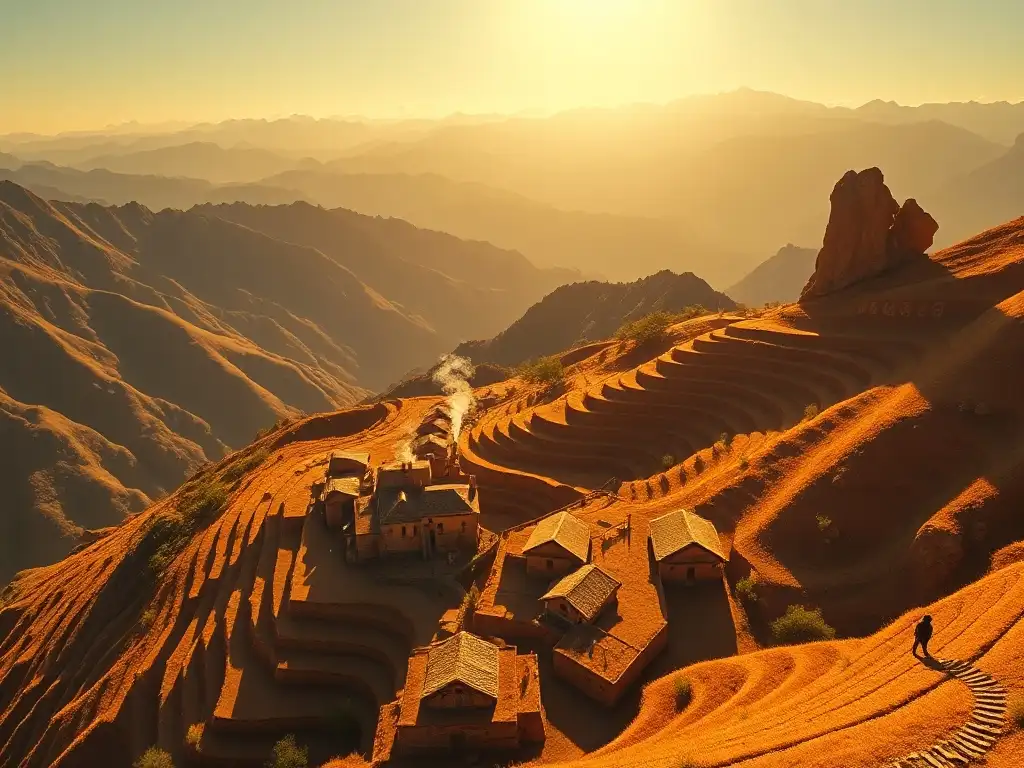
The development of complex societies in the Andes wasn't a sudden event but a gradual process spanning millennia. Several key transformations fueled this remarkable societal evolution, marking a shift from small, egalitarian villages to large, hierarchical states. Understanding these transformations is crucial to grasping the intricacies of Andean civilization development. The process wasn't uniform across all Andean cultures; different groups experienced these changes at varying paces and in unique ways, leading to the diverse tapestry of Andean civilizations we know today.
However, common threads weave through these diverse narratives, providing insights into the broader patterns of societal growth in the region. These commonalities include advancements in agriculture, the development of sophisticated technologies, and the emergence of complex social and political structures. The interplay of these factors ultimately shaped the destiny of Andean societies.
From Village Life to Hierarchical Social Structures
Early Andean villages, characterized by relatively egalitarian social structures, gradually transitioned into more complex societies with pronounced hierarchies. This shift wasn't solely driven by population growth, but also by the need for efficient management of resources and labor, particularly in relation to increasingly sophisticated agricultural practices. As villages grew and became more interconnected, the need for centralized authority and leadership became increasingly apparent.
This led to the emergence of individuals or groups holding greater power and influence, laying the foundation for hierarchical social structures. The development of specialized roles, such as priests, artisans, and warriors, further contributed to this social stratification.
The concentration of power and resources in the hands of a ruling elite marked a significant departure from the more egalitarian social arrangements of earlier village life. This process was often accompanied by the development of elaborate religious and ceremonial practices, strengthening the authority of the ruling class and reinforcing social distinctions.
The Rise of Chiefdoms and Early States
The development of hierarchical social structures paved the way for the rise of chiefdoms and, eventually, early states in the Andes. Chiefdoms represented an intermediate stage, with a chief or leader wielding significant authority over a larger population than in a simple village. This authority was often based on a combination of factors, including religious prestige, control over resources, and military power.
The transition from chiefdom to state involved a further centralization of power, the development of more formalized political institutions, and the implementation of more sophisticated systems of governance and administration. Early Andean states, such as the Moche and Nazca cultures, displayed evidence of centralized control over large territories, complex administrative systems, and monumental public works projects.
This marked a significant step in the evolution of Andean civilization development, demonstrating the capacity for large-scale organization and sophisticated political control. The construction of impressive monumental architecture, such as pyramids and temples, further solidified the power and prestige of the ruling elite.
The Development of Social Stratification
The evolution of Andean societies was accompanied by a growing complexity in social stratification. Initially, social distinctions might have been based on factors such as kinship, age, or skill. However, as societies grew larger and more hierarchical, social stratification became increasingly formalized, leading to distinct social classes with varying levels of power, prestige, and access to resources. The elite controlled the surplus of agricultural production and the distribution of goods.
Archaeological evidence reveals clear distinctions in burial practices, housing, and access to luxury goods, reflecting significant social inequalities. The development of specialized crafts and technologies also contributed to social stratification, with certain groups specializing in the production of high-status goods and services. This social hierarchy played a crucial role in shaping the political and economic dynamics of Andean civilization development. The maintenance of this stratification often relied upon elaborate religious ideologies that legitimized the power of the ruling class.
Case Study: The Caral Supe Civilization and Its Societal Evolution
The Caral Supe civilization, located in the Supe Valley of Peru, provides a fascinating case study of early Andean societal evolution. Its development offers valuable insights into the processes that led to the emergence of complex societies in the region, predating many other well-known Andean cultures. Caral Supe's longevity and complexity challenge traditional notions of Andean civilization development, showcasing a unique trajectory of societal growth that significantly contributed to the overall narrative of Andean history. The civilization's sophisticated social organization, impressive architectural achievements, and advanced agricultural practices demonstrate its remarkable level of sophistication for its time.
Caral Supe’s Early Settlements and Agricultural Practices
The earliest settlements in the Caral Supe region were relatively small, but the population grew steadily over time. The development of intensive agricultural practices was crucial to supporting this population growth. Caral Supe's inhabitants employed sophisticated irrigation systems to maximize crop yields, allowing them to support a larger and denser population than was possible with simpler agricultural techniques.
The careful management of water resources was essential to their success, showcasing their advanced understanding of environmental management and planning. The location of settlements near river valleys provided access to fertile land and reliable water sources, which were vital for agricultural productivity and population growth. Evidence suggests a degree of cooperation and collective effort in managing these resources, hinting at a level of social organization beyond that of simple village life.
Caral Supe’s Development of Craft Specialization and Technology
Caral Supe witnessed the development of craft specialization, with artisans specializing in the production of textiles, pottery, and other goods. This specialization contributed to the increasing complexity of the society, enabling the production of high-quality goods and the emergence of a more elaborate material culture. The development of advanced technologies, such as sophisticated weaving techniques and the construction of large-scale public works, further fueled societal growth.
The construction of monumental structures, such as the large platforms and pyramids, required significant organization and coordination of labor, reflecting the growing complexity of social organization and technological capabilities. The presence of specialized tools and techniques indicates a level of technological advancement beyond that of simple agricultural communities.
Caral Supe’s Social and Political Evolution
The evolution of Caral Supe's social and political organization was a gradual process, marked by the increasing centralization of power and the emergence of a complex social hierarchy. While evidence of a highly stratified society is debated, the monumental architecture and sophisticated organization required for large-scale projects indicate a centralized authority and complex social structures. The presence of large public buildings, such as ceremonial platforms and temples, suggests a significant role for religious institutions in shaping Caral Supe society.
The development of a complex social hierarchy, along with the increasing sophistication of their technology and agricultural practices, demonstrates the significant strides made by Caral Supe in the development of complex societies within the Andean region. The interplay of these factors ultimately contributed to the growth and complexity of Caral Supe, offering a significant case study in Andean civilization development.
Lessons from the Genesis: Understanding Andean Civilization's Rise
The development of Andean civilization wasn't a singular event but a complex process spanning millennia. Understanding this rise requires examining a multitude of interacting factors, from environmental adaptations to social innovations and technological advancements. Early settlements, initially small and relatively isolated, gradually coalesced into larger, more interconnected communities.
This wasn't a linear progression; periods of growth were punctuated by setbacks, reflecting the dynamic interplay between human agency and environmental constraints. The story of Andean civilization development is one of resilience, adaptation, and the remarkable capacity of human societies to overcome challenges and build increasingly sophisticated social structures. Studying the early phases of this development provides crucial insights into the processes that ultimately led to the emergence of powerful empires like the Inca.
We can trace the roots of complex societal structures, intricate irrigation systems, and sophisticated agricultural techniques back to these nascent communities, highlighting the importance of understanding the long-term trajectory of Andean societal evolution in order to fully appreciate the achievements of later civilizations. The study of Andean civilization development offers a compelling case study in the complexities of societal growth and the lasting impact of early innovations.
The Interplay of Factors in Andean Development
Several key factors intertwined to shape the trajectory of Andean civilization development. Firstly, the Andean environment, characterized by diverse altitudes, climates, and ecological zones, presented both challenges and opportunities. The need to adapt to varied terrains and climates spurred innovation in agriculture, leading to the development of sophisticated terracing techniques and irrigation systems. This, in turn, allowed for increased food production, supporting larger and denser populations.
Secondly, social organization played a crucial role. The emergence of leadership structures, specialized labor, and complex social hierarchies facilitated the coordination of resources and labor necessary for large-scale projects like irrigation works and monumental architecture. Thirdly, technological advancements were essential. The development of new tools and techniques for agriculture, pottery, textiles, and metallurgy not only improved efficiency but also fostered specialization and trade networks.
The interplay of these environmental, social, and technological factors created a positive feedback loop, driving further innovation and societal complexity. For example, improved agricultural techniques led to population growth, which in turn necessitated more sophisticated social structures and technological innovations to manage the increased demand for resources. Understanding this intricate web of interconnected factors is critical to grasping the full complexity of Andean civilization development.
The Legacy of Early Andean Societies on Later Civilizations
The early Andean societies, though less technologically advanced than their later counterparts, laid crucial foundations for the development of powerful empires like the Inca. Their innovations in agriculture, particularly the mastery of terracing and irrigation, allowed for sustainable food production that supported larger populations and fueled economic growth. The social structures and organizational principles they developed, albeit simpler than those of later empires, provided a framework for the more complex political and administrative systems that emerged later.
Furthermore, the cultural traditions, religious beliefs, and artistic styles of these early societies profoundly influenced the art, architecture, and religious practices of subsequent civilizations. For example, the intricate textile techniques and pottery styles developed in early Andean communities were refined and elaborated upon by later cultures. This continuity and evolution of cultural practices highlight the enduring legacy of early Andean societies and underscore the importance of understanding their contributions to the overall trajectory of Andean civilization development.
In essence, the achievements of the Inca and other later empires were built upon the foundations laid by these earlier communities, making the study of their contributions essential to a comprehensive understanding of Andean history. The legacy of these early societies is not merely a historical footnote; it is an integral part of the ongoing narrative of Andean civilization development.
Frequently Asked Questions
What factors contributed to the development of Andean civilizations?
The development of Andean civilizations was a complex process driven by several factors, including environmental adaptation, agricultural innovation (like terracing), and the emergence of sophisticated social and political structures. These factors allowed for population growth and the creation of complex societies.
How did the geography of the Andes influence civilization development?
The challenging Andean geography, with its high altitudes, diverse climates, and limited arable land, significantly influenced Andean civilization development. Adapting to these conditions spurred innovation in agriculture, architecture, and resource management, shaping their unique cultures.
What role did agriculture play in Andean civilization development?
Agriculture was fundamental to the development of Andean civilizations. Innovative farming techniques, such as terracing and irrigation, allowed for increased food production, supporting larger populations and the growth of complex societies.
How did different Andean cultures interact with each other?
Andean cultures engaged in a complex interplay of cooperation and conflict. They traded goods and ideas, but also competed for resources and dominance, resulting in periods of both alliance and warfare, shaping the course of their development.
What were some of the key achievements of Andean civilizations in terms of technology and engineering?
Andean civilizations achieved remarkable feats of engineering and technology. Examples include extensive irrigation systems, precise stonework, and sophisticated road networks, showcasing their advanced understanding of architecture, mathematics, and engineering.
Final Reflection: Echoes of the Andes: A Legacy of Innovation and Resilience
The ingenious strategies employed by early Andean villagers to overcome environmental challenges and build complex societies resonate deeply with our modern world, offering invaluable lessons in adaptation and sustainable development. Their story isn't just a historical account; it's a blueprint for navigating the complexities of our own time, reminding us of the power of collective action and innovative problem-solving in the face of adversity.
The enduring influence of Andean civilization is palpable, not only in the breathtaking archaeological sites that remain but also in the cultural practices and societal structures that continue to shape the region. The ingenuity displayed in their agricultural techniques, their sophisticated understanding of water management, and their intricate social hierarchies continue to inspire awe and admiration. The past is never dead. It's not even past.
- William Faulkner. This quote perfectly encapsulates the enduring legacy of the Andean civilizations, whose innovations and challenges continue to inform our understanding of societal development.
Consider the challenges faced by these early communities – harsh terrains, unpredictable climates, and the constant need for resource management. Their solutions, born out of necessity and ingenuity, offer a powerful counterpoint to our own modern struggles. You, the reader, are now equipped with a deeper understanding of the Andean journey.
Take this knowledge and apply it to your own life. Reflect on how innovation, collaboration, and a deep respect for the environment can help us build a more sustainable and equitable future. Let the echoes of the Andes inspire you to create positive change in your own community and beyond.
Step into the Legacy: Engage with Andean Heritage!
Thank you for exploring the fascinating evolution of early Andean villages into complex societies. Your interest in this rich history deepens your understanding and connects you to a heritage that profoundly shaped the world. Now, let's build on that appreciation!
- Dive Deeper: Explore further articles and resources on Andean innovations and cultural achievements to broaden your understanding of these remarkable civilizations.
- Get Involved: Join our online community to share your thoughts and insights, and connect with other enthusiasts passionate about Andean heritage.
- Share Your Learning: Spread the word! Share this information with friends and family to help foster a wider appreciation of Andean civilizations.
What aspect of Andean culture most captivates you, and how do you see its enduring influence on our lives today?