
The Legacy of the Ancestors: How Reverence for the Past Shaped Andean Culture


Step into a world lost to time, yet echoing in the vibrant tapestry of modern life. Discover the secrets of the Andean civilizations cultural legacy, a story woven from breathtaking artistry, ingenious engineering, and deeply spiritual beliefs. From the towering heights of Machu Picchu to the enigmatic Nazca Lines, prepare to be captivated by the enduring impact of these remarkable cultures. Unravel the mysteries and delve into the fascinating legacy that continues to shape the Andes today – your journey begins now.
The Andes Mountains, a spine of towering peaks running down the western coast of South America, are not just a geographical feature; they are the cradle of a rich tapestry of ancient civilizations. For millennia, cultures like the Incas, Moche, Nazca, and Tiahuanaco thrived in this challenging landscape, leaving behind a profound cultural legacy that continues to resonate today.
This article delves into the ways in which reverence for ancestors and the past fundamentally shaped Andean societies, influencing their art, technology, religion, and social structures. We will explore how this deep-rooted respect for the past fostered innovation, resilience, and a unique worldview that continues to fascinate and inspire.
Understanding this profound connection to their heritage is key to comprehending the remarkable achievements and enduring impact of Andean civilizations. This exploration of the Andean civilizations cultural legacy will reveal the intricate threads that weave together their history, shaping their identity and leaving an indelible mark on the world.
Ancestor Veneration: The Foundation of Andean Society
Andean societies placed immense importance on their ancestors. Ancestor veneration wasn't merely a religious practice; it was deeply ingrained in their daily lives, influencing social structures, political systems, and even agricultural practices. Evidence suggests that ancestors were seen not as distant figures but as active participants in the community's well-being. Elaborate rituals, mummification practices, and the construction of monumental tombs all point to the central role ancestors played in shaping their worldview.
The continuity between the living and the dead was paramount, with offerings and prayers regularly made to ensure the continued favor and guidance of those who came before. This profound respect extended beyond immediate family, encompassing lineage groups and even mythical founders, creating a powerful sense of collective identity and historical continuity. [Specific examples of rituals and offerings pending]
Architectural Marvels: Echoes of the Past in Stone
The monumental architecture of the Andes stands as a testament to the enduring legacy of their ancestors. From the intricate stonework of Machu Picchu to the massive platforms of Tiahuanaco, these structures were not merely functional; they were imbued with deep symbolic meaning, reflecting a continuity with the past and a reverence for ancestral knowledge. The precise techniques used in stone construction, passed down through generations, demonstrate a remarkable mastery of engineering and a profound understanding of the Andean landscape.
The careful alignment of structures with celestial events further suggests a sophisticated astronomical knowledge, passed down and refined over centuries. These architectural achievements were not only expressions of power and prestige but also served as tangible links to the past, reminding the living of their connection to their ancestors and their collective history. [Specific data on construction techniques and astronomical alignments pending]
Technological Innovations: Building on the Legacy of the Past
Andean technological advancements were not made in isolation; they were built upon the foundation of inherited knowledge and techniques. The sophisticated irrigation systems, for example, represent centuries of accumulated experience and adaptation to the challenging Andean environment. Similarly, the development of advanced textile techniques, metalworking, and ceramic production shows a continuous process of refinement and innovation, drawing upon the accumulated wisdom of previous generations.
This iterative process of building upon existing knowledge highlights the importance of preserving and transmitting ancestral skills and techniques. The continuity of these traditions ensured the survival and prosperity of Andean societies, even in the face of environmental challenges and social upheavals. [Specific examples of technological innovations and their evolution pending]
The Enduring Influence: A Legacy That Continues
The cultural legacy of the Andean civilizations continues to shape the region today. Many traditions, practices, and beliefs have persisted, demonstrating the enduring impact of their ancestors' worldview. From the vibrant textiles and artistic traditions to the enduring reverence for the mountains and the land, the influence of the past remains palpable. Understanding this rich heritage is crucial not only for appreciating the achievements of these remarkable societies but also for understanding the complex cultural landscape of the Andes today.
The ongoing research and preservation efforts dedicated to these civilizations ensure that their remarkable story continues to inspire and inform future generations. The study of Andean civilizations cultural legacy offers a powerful reminder of the enduring power of cultural memory and the profound impact of respecting the past. 🚍
- Ancestor Veneration: The Foundation of Andean Society
- Architectural Marvels: Echoes of the Past in Stone
- Technological Innovations: Building on the Legacy of the Past
- The Enduring Influence: A Legacy That Continues
- What is the most significant aspect of the Andean civilizations' cultural legacy?
- How did the Andean civilizations' worldview impact their technology?
- What role did religion play in shaping Andean cultural legacy?
- How did the different Andean cultures influence one another?
- How is the Andean cultural legacy preserved today?
The Enduring Impact of Ancestral Reverence in Andean Societies
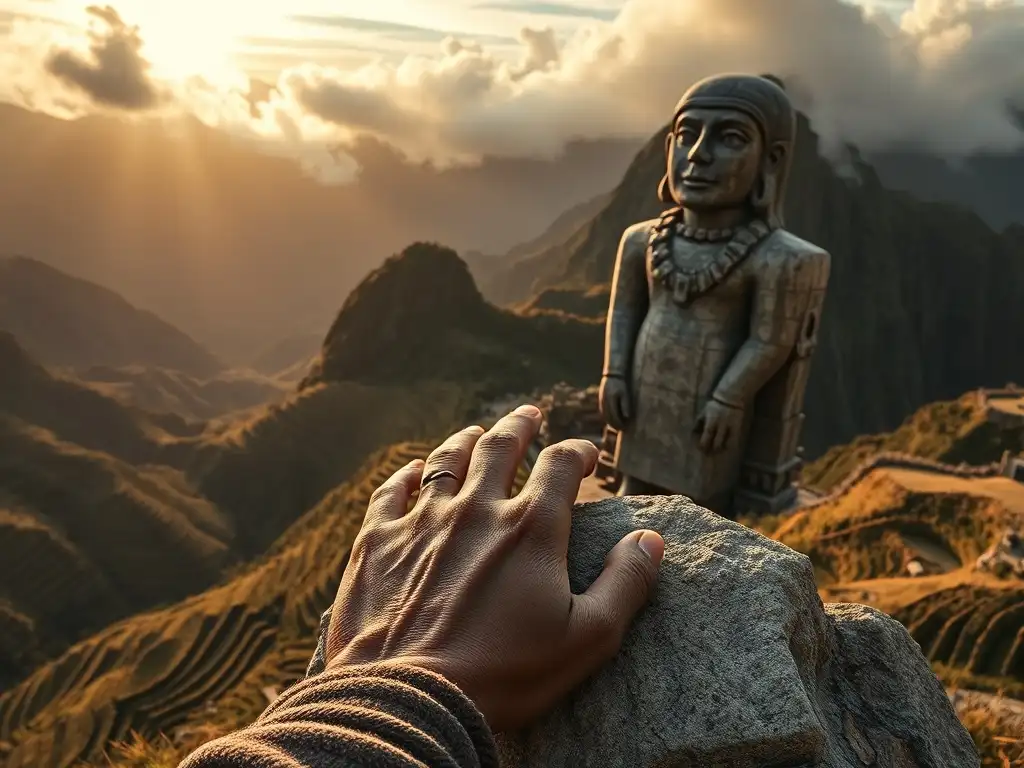
The Andean civilizations' cultural legacy is profoundly shaped by a deep-seated reverence for ancestors. This wasn't simply a matter of remembering past generations; ancestor veneration was a living, breathing force that permeated every aspect of Andean life, from daily routines to monumental architecture. Understanding this profound respect for the past is crucial to comprehending the complexity and sophistication of these societies.
The impact of ancestral reverence extended far beyond mere ritual; it formed the bedrock of their social structures, their political systems, and even their understanding of the cosmos. This section will explore the multifaceted ways in which this veneration shaped Andean culture, leaving an enduring legacy visible even today.
The Foundation of Andean Worldview: Ancestor Veneration
Ancestor veneration in Andean societies wasn't a passive commemoration; it was an active engagement with the spiritual realm. Andean people believed that their ancestors remained present and influential in the world of the living. They weren't simply remembered; they were considered active participants in the ongoing life of the community. This belief system is reflected in numerous archaeological findings:
- Mummy bundles: Elaborately prepared mummies, often adorned with precious artifacts, were not simply placed in tombs and forgotten. They were brought out for ceremonies, consulted for advice, and even participated in feasts. This highlights the ongoing interaction between the living and the dead.
- Shrines and offerings: Numerous sites across the Andes reveal evidence of ongoing ritual activity dedicated to ancestors. Offerings of food, drink, and other valuable goods were regularly presented, demonstrating a continued effort to maintain a relationship with the deceased. The sheer scale and persistence of these offerings underscores the importance of ancestor veneration.
- Oral traditions: While written records are scarce, oral traditions preserved the stories and deeds of ancestors, keeping their memory alive and their influence strong. These stories served as moral guides and provided a sense of continuity and identity across generations. These narratives helped solidify the cultural legacy of the Andean civilizations.
The belief in a continuous connection with ancestors profoundly influenced the Andean worldview. It provided a framework for understanding the world, its forces, and their place within it. This connection was not only spiritual but also practical, as ancestors were believed to influence the harvest, weather patterns, and the overall well-being of the community. This active participation of ancestors in the affairs of the living created a sense of responsibility and obligation towards them, reinforcing the importance of respecting and honoring their memory. The legacy of this worldview continues to resonate in many Andean communities today.
The reverence for ancestors wasn't just a spiritual practice; it was deeply intertwined with the social and political structures of Andean societies. Ancestor veneration served to legitimize power, maintain social order, and reinforce community bonds.
- Elite lineages: In many Andean societies, elite lineages traced their ancestry back to powerful mythical figures or revered ancestors. This claim to ancestral authority provided legitimacy to their rule and reinforced their status within the community. The Inca Empire, for example, meticulously maintained genealogical records to emphasize their divine connection and reinforce their imperial authority.
- Social cohesion: Ancestor veneration fostered a strong sense of community and collective identity. Shared ancestry connected individuals, strengthening social bonds and promoting cooperation. Rituals involving ancestors often brought the community together, reinforcing their shared history and values. This collective identity was crucial for the stability and resilience of Andean societies, particularly in challenging times.
- Land ownership and inheritance: In some Andean societies, land ownership and inheritance were directly linked to ancestral claims. This connection reinforced the importance of maintaining family lineages and preserving ancestral lands. The continuity of land ownership, tied to ancestral reverence, played a vital role in the stability of Andean communities over generations.
The influence of ancestor veneration on Andean social structures is undeniable. It provided a framework for social organization, political legitimacy, and the transmission of cultural values across generations. The complex interplay between spiritual beliefs and social practices shaped the unique character of Andean societies and continues to inform aspects of Andean culture today. The enduring legacy of these practices is a testament to their importance in shaping the Andean civilizations' cultural legacy.
Manifestations of Ancestral Legacy in Andean Culture
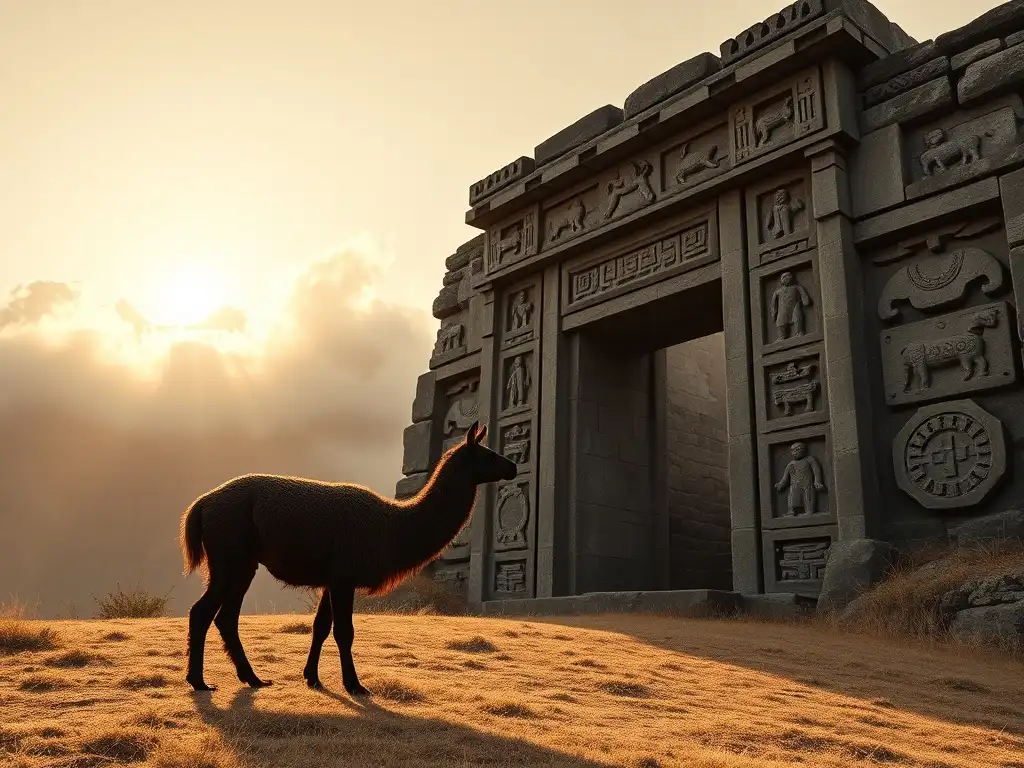
The enduring reverence for ancestors profoundly shaped the cultural landscape of Andean civilizations. This respect wasn't merely a sentimental attachment; it was a deeply ingrained belief system that permeated every facet of life, from artistic expression and religious practices to social structures and political power. Understanding the Andean civilizations cultural legacy requires acknowledging the central role played by ancestor veneration in shaping their societies.
This deep-seated belief system manifested in numerous ways, influencing the creation of elaborate art forms, the performance of complex rituals, and the very fabric of their social organization. The legacy of this ancestor worship continues to resonate in modern Andean cultures, demonstrating its enduring impact on the region's identity and traditions.
Andean Art as a Reflection of Ancestral Beliefs
Andean art serves as a powerful testament to the importance of ancestor veneration. Artists didn't simply depict aesthetically pleasing scenes; they created visual narratives that communicated complex beliefs about the relationship between the living and the dead. Through intricate textiles, imposing ceramics, and monumental sculptures, Andean peoples immortalized their ancestors, preserving their memories and reinforcing their continued influence on the living world. The stylistic choices, the materials used, and the subjects depicted all speak volumes about the deep-seated respect for the past.
Paracas Textiles: Depictions of Deceased Ancestors and Lineage
The Paracas culture (circa 800 BCE – 100 CE), known for its exquisite textiles, provides a striking example of ancestor veneration in art. Their burial shrouds, often intricately woven with vibrant colors and complex imagery, frequently depict deceased ancestors, often in elaborate ceremonies or surrounded by symbolic representations of their status and lineage. These textiles weren't merely adornments; they were powerful statements about the continuity of life and the enduring influence of the ancestors on the living.
The detailed depictions, often showing individuals in positions of power or performing ritualistic acts, suggest a belief in the continued agency and importance of the deceased in the social and spiritual realms. Analyzing these textiles reveals a complex system of beliefs about ancestor worship, social hierarchy, and the afterlife. For instance, the recurring motifs of feline figures, possibly representing ancestral spirits or deities, highlight the spiritual significance attributed to the deceased.
The use of specific colors and patterns may also have held symbolic meanings related to ancestry and social status, which are still under investigation by scholars. Further research is needed to fully decipher the intricate symbolism embedded within these remarkable artifacts, providing deeper insights into the Andean civilizations cultural legacy.
Ancestral Influence on Andean Rituals and Ceremonies
Beyond artistic expression, ancestor veneration deeply influenced Andean rituals and ceremonies. These rituals weren't simply commemorative events; they were vital mechanisms for maintaining social cohesion, ensuring fertility, and seeking guidance from the ancestors. The ceremonies often involved elaborate offerings, sacrifices, and symbolic acts designed to honor the deceased and solicit their continued support. The influence of ancestor worship is evident in the complexity and frequency of these rituals, highlighting their central role in Andean society.
The Day of the Dead: A Modern Manifestation of Ancestral Respect
The modern celebration of "Día de los Muertos" (Day of the Dead) in many Andean communities stands as a powerful testament to the enduring legacy of ancestor veneration. This vibrant and multifaceted celebration, characterized by the creation of ofrendas (offerings) and the remembrance of deceased loved ones, is a direct descendant of ancient Andean traditions.
While the specific practices may have evolved over time, the underlying principle of honoring and connecting with ancestors remains central. The use of colorful decorations, traditional foods, and music echoes the rich tapestry of ancient Andean rituals, showcasing the continuity of cultural practices across millennia.
Even today, the Day of the Dead serves as a vital mechanism for strengthening family ties, reaffirming community bonds, and maintaining a living connection with the past. The continued observance of this tradition underscores the profound and lasting impact of ancestor veneration on the Andean civilizations cultural legacy, demonstrating its resilience and enduring significance.
The Transmission of Knowledge Through Generations: Oral Traditions
The Andean civilizations lacked widespread writing systems like those of Mesopotamia or Egypt. Instead, they relied heavily on oral traditions to transmit knowledge, history, and cultural values across generations. This oral tradition wasn't merely storytelling; it was a sophisticated system of preserving and disseminating crucial information for the survival and continuity of their societies. Think of it as a living library, constantly updated and refined through performance and repetition. The accuracy and detail preserved in these oral accounts are astonishing, demonstrating the power of a meticulously crafted system of memory and transmission.
These traditions weren't simply passed down haphazardly. Specialized individuals, often elders or shamans, held the responsibility of memorizing and reciting complex narratives, genealogies, and cosmological beliefs. These individuals were highly respected within their communities, acting as custodians of cultural memory and often playing pivotal roles in religious ceremonies and social governance.
The process of learning these narratives was rigorous, often involving years of apprenticeship and rigorous memorization techniques, ensuring the fidelity of the transmitted information. This dedication to preserving their history and knowledge through oral traditions is a testament to the deep reverence the Andean people held for their ancestors and their legacy.
Furthermore, the oral tradition wasn't a static entity. Each telling of a story, each recitation of a myth, offered an opportunity for subtle adjustments, interpretations, and adaptations to the changing circumstances of the community. This dynamic element ensured that the oral tradition remained relevant and responsive to the needs of each generation, allowing for the incorporation of new experiences and perspectives while retaining the core values and beliefs of their ancestors.
The very act of recounting these stories served as a vital social function, reinforcing community bonds and transmitting cultural identity. The rich tapestry of Andean mythology, cosmology, and historical accounts we have today is a direct result of this vibrant and resilient oral tradition.
The continued existence and ongoing study of these traditions provide invaluable insights into the beliefs, practices, and social structures of these remarkable civilizations. The detailed accounts of their history, passed down through generations, allows us to understand their worldview and their sophisticated understanding of the natural world around them.
Andean Civilizations Cultural Legacy: Specific Examples
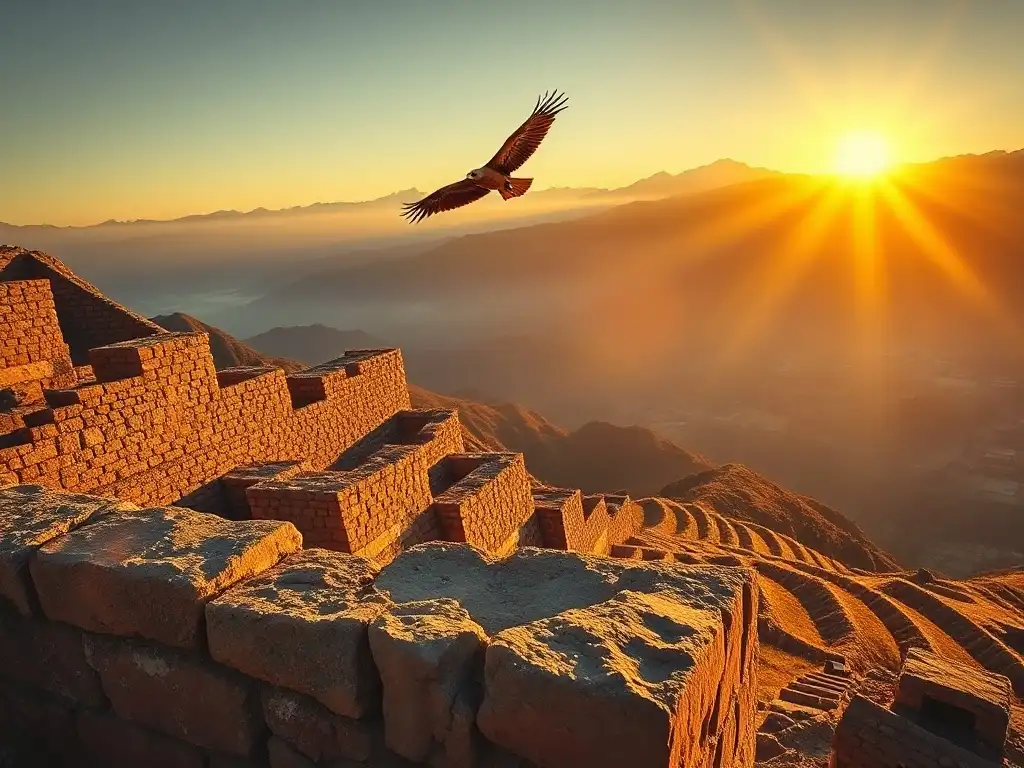
The Andean civilizations' cultural legacy is profoundly shaped by a deep reverence for their ancestors. This veneration wasn't merely sentimental; it was deeply interwoven with their political structures, religious beliefs, and daily lives. The legacy of ancestor worship profoundly impacted social organization, artistic expression, and technological advancements, leaving an enduring mark on the region's history and shaping the identity of subsequent cultures. Understanding this ancestral reverence is key to understanding the complexity and richness of the Andean civilizations. This section will explore specific examples from the Inca, Moche, and other cultures to illustrate this powerful influence.
The Inca Empire's Emphasis on Lineage and Royal Ancestry
The Inca Empire, at its zenith, controlled a vast territory and a diverse population. Maintaining order and legitimacy within such a sprawling empire required a sophisticated system of governance, heavily reliant on the concept of ayllu, or kinship groups, and the perceived divine right to rule stemming from royal ancestry. The Inca emperor was considered a direct descendant of the sun god, Inti, solidifying his authority and connecting the ruling class to the spiritual realm. This divine connection was meticulously maintained and visually reinforced through elaborate ceremonies, monumental architecture, and carefully curated narratives.
Inca Mummification Practices and the Cult of the Royal Dead
Inca mummification practices were not simply a method of preservation; they were integral to the cult of the royal dead and the perpetuation of the emperor's power. Royal mummies were treated with the utmost reverence, dressed in fine clothing, adorned with jewelry, and placed in elaborate tombs. These mummies weren't merely relics of the past; they were active participants in the present, consulted on important matters and integrated into royal ceremonies. The continued veneration of deceased emperors reinforced the legitimacy of the current ruler and the unbroken line of descent from the sun god. The meticulous care given to royal mummies, along with the elaborate rituals surrounding them, vividly demonstrates the Inca's profound respect for their ancestors and their belief in the enduring power of lineage. Evidence suggests that even commoners practiced some forms of ancestor veneration, albeit on a smaller scale, showing the widespread impact of this belief system.
The Moche and Their Depictions of Deified Ancestors
The Moche civilization, flourishing on the northern coast of Peru, developed a unique artistic style characterized by intricate pottery and metalwork. Their art provides invaluable insight into their religious beliefs and social structures, particularly their reverence for ancestors. Unlike the Inca's emphasis on royal lineage, the Moche's ancestor veneration seems to have been more broadly applied, incorporating figures of significant social standing, warriors, and possibly even deified ancestors.
Moche Pottery Depicting Ancestral Warriors and Rituals
Moche pottery is renowned for its realistic depictions of daily life, warfare, and religious rituals. Many pieces depict scenes of ancestral figures, often portrayed as powerful warriors or shamans, participating in ceremonies or battles. These depictions are not simply historical records; they are acts of veneration, reinforcing the importance of these ancestors in the Moche worldview.
The detail and craftsmanship of these pieces highlight the significance given to the ancestors, suggesting that their influence extended into the spiritual and political realms of Moche society. The presence of these ancestral figures in scenes of ritual and warfare suggests their continued involvement in the affairs of the living, a testament to the profound impact of ancestor veneration on Moche culture.
Analyzing the iconography on these pots reveals a complex system of beliefs and social structures, illustrating the intricate relationship between the living and the dead in Moche society. Further research into [specific Moche burial sites and their contents pending] could offer a more complete understanding of their ancestor veneration practices.
The Nazca Lines: Connecting with the Ancestral Realm?
The Nazca Lines, etched into the Peruvian desert, remain one of the most enigmatic and debated legacies of Andean civilizations. Their sheer scale and intricate designs, visible only from the air, have captivated researchers and the public alike for decades. While their precise purpose remains a mystery, the prevailing theories strongly suggest a deep connection to ancestral veneration and communication with the spirit world.
The immense effort required to create these geoglyphs, spanning hundreds of kilometers, speaks volumes about the importance the Nazca culture placed on these monumental works. It wasn't simply a matter of artistic expression; the lines demanded significant organization, planning, and a shared cultural understanding that transcended individual lives. This collective undertaking reinforces the notion that the lines served a crucial role in maintaining social cohesion and reinforcing their connection to the past.
The dedication to their creation and preservation over generations points towards a deeply ingrained belief system that revered ancestors and their spiritual influence. The enduring mystery surrounding their creation only enhances their significance as a powerful symbol of the Andean civilizations' cultural legacy.
Nazca Lines as Pilgrimage Routes and Ritual Spaces for Ancestral Communication
Some scholars propose that the Nazca Lines weren't merely viewed as static artistic creations but served as active pilgrimage routes and ritual spaces. Imagine processions of Nazca people walking along these massive lines, engaging in ceremonies and offerings to their ancestors. The lines themselves, with their intricate animal and geometric designs, may have represented specific ancestral figures or cosmological concepts.
Certain lines might have marked significant locations for ritual gatherings, perhaps connected to water sources or other vital resources, further emphasizing the connection between the living and the ancestral realm. The cyclical nature of agricultural practices in the Nazca region could also be reflected in the lines, with specific paths used during important seasonal celebrations. By walking these routes, the Nazca people could physically and spiritually connect with their ancestors, reaffirming their identity and place within the continuous flow of time and tradition.
This interpretation strengthens the argument for the Nazca Lines being a powerful testament to the deep reverence for ancestors characteristic of Andean civilizations. The lines, therefore, become more than just intriguing geoglyphs; they become conduits for communication with the past, a tangible link to the spirit world.
Tiahuanaco's Architectural Legacy and Ancestral Connections
Tiahuanaco, a pre-Inca city located in present-day Bolivia, stands as a testament to the architectural prowess and spiritual beliefs of the Andean civilizations. Its monumental structures, meticulously crafted from massive stone blocks, demonstrate an advanced understanding of engineering and a profound reverence for their ancestral heritage. The city's layout, with its carefully planned plazas and temples, suggests a highly organized society with a complex social structure.
The precise methods used to transport and erect these colossal stones remain partially shrouded in mystery, further emphasizing the remarkable skill and dedication of the Tiahuanaco builders. The scale and precision of the architecture itself speak to the importance of maintaining a connection with their ancestors, who were likely seen as the source of their power and prosperity.
The very act of constructing these massive structures could be seen as an offering to the ancestors, a tangible manifestation of their reverence and a way to ensure continued prosperity and spiritual well-being. The city's ruins continue to inspire awe and wonder, serving as a powerful reminder of the sophistication and spiritual depth of Andean civilizations.
Tiahuanaco's Gateway of the Sun and the Representation of Ancestral Deities
The Gateway of the Sun, a monumental stone structure at Tiahuanaco, is perhaps the most iconic symbol of the city's ancestral connections. This intricately carved gateway features a central figure, often interpreted as a deity or a representation of a powerful ancestor, surrounded by smaller figures and symbolic motifs. The meticulous detail and the scale of the carving demonstrate the artistic skill and the importance of this structure in the Tiahuanaco cosmology.
The figures depicted on the Gateway of the Sun likely represent key figures in their pantheon, possibly including deities associated with agriculture, fertility, and the cyclical nature of life and death. The central figure, often believed to be a sun god or a powerful ancestral leader, might have served as a focal point for rituals and ceremonies, reinforcing the connection between the living and the spiritual realm.
The Gateway of the Sun, therefore, served not only as an architectural masterpiece but also as a powerful visual representation of their belief system, demonstrating the profound influence of ancestral veneration on their daily lives and their understanding of the cosmos. The intricate details continue to fascinate scholars and offer valuable insights into the religious beliefs and cultural practices of the Tiahuanaco people, a crucial component of the broader Andean civilizations cultural legacy.
The Continuity of Ancestral Traditions in Modern Andean Communities
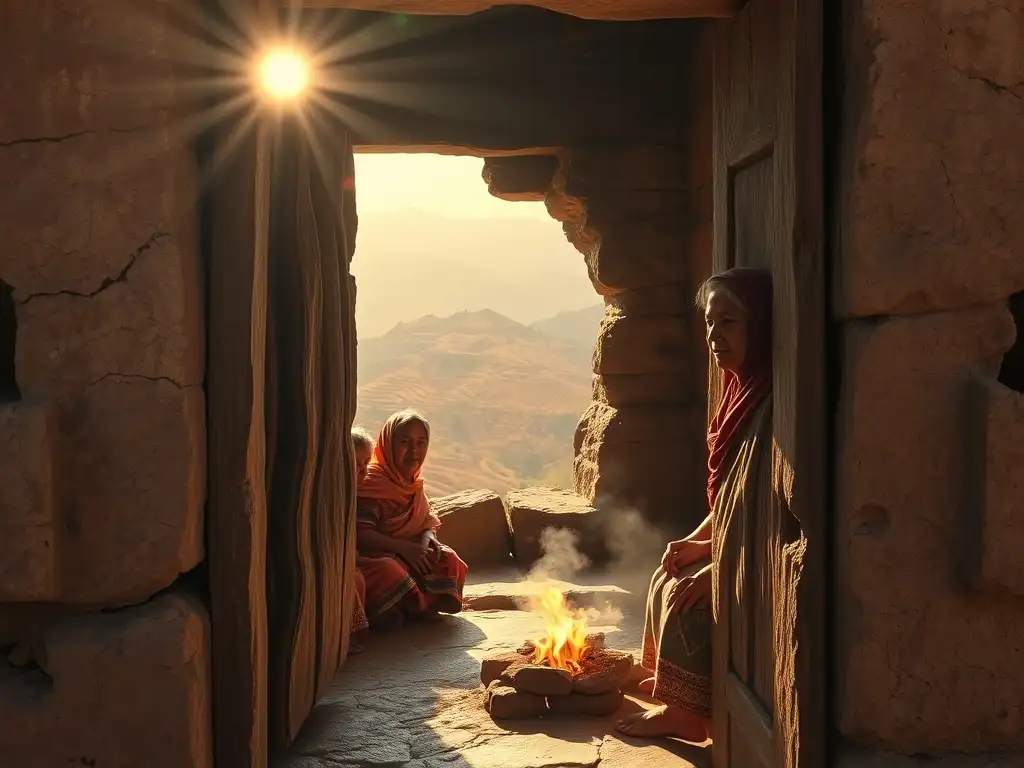
The Andean civilizations cultural legacy isn't confined to dusty museum artifacts; it thrives in the vibrant tapestry of modern Andean communities. A profound reverence for ancestors and ancient practices continues to shape daily life, demonstrating the enduring power of cultural memory. This enduring connection to the past isn't merely nostalgic; it's a dynamic force that informs social structures, religious beliefs, and even agricultural practices.
The legacy of sophisticated irrigation systems, intricate textile techniques, and complex societal hierarchies persists, albeit transformed, in contemporary Andean societies. Understanding this continuity is crucial to appreciating the full depth and richness of the Andean civilizations cultural legacy.
Modern Andean Practices Reflecting Ancient Beliefs
Many contemporary Andean communities maintain practices directly linked to ancient beliefs and rituals. These practices aren't simply symbolic; they are integral to daily life, reflecting a worldview deeply rooted in the past. The reverence for nature, particularly the Earth (Pachamama), and the veneration of ancestors are central themes, echoing the importance of these elements in pre-Columbian Andean societies. The seamless integration of these ancient beliefs into modern life showcases the remarkable resilience and adaptability of Andean culture. The transmission of these beliefs, often through oral traditions and family practices, ensures their continued relevance across generations.
Aymara Offerings to Pachamama and the Spirits of the Ancestors
The Aymara people of the Andes, for instance, continue the ancient practice of offering gifts to Pachamama, the Earth Mother. This act of reverence is not a mere ritual; it's a deeply ingrained expression of gratitude and a recognition of the Earth's life-sustaining power. These offerings, often consisting of coca leaves, food, and alcohol, are made during significant events like planting and harvesting seasons, mirroring similar practices observed in archaeological records of earlier Andean civilizations.
Furthermore, Aymara communities also conduct ceremonies to honor the spirits of their ancestors, believing that these spirits continue to influence their lives and protect them. These ceremonies often involve intricate rituals, specific offerings, and the sharing of stories that preserve the memory and legacy of their ancestors, showcasing a direct link to the Andean civilizations cultural legacy. The continuity of these practices underscores the enduring spiritual and philosophical foundations of Andean culture.
The Importance of Oral History in Preserving Cultural Memory
Oral history plays a pivotal role in transmitting the Andean civilizations cultural legacy. While written records exist, particularly from the Inca period, much of the knowledge and traditions of earlier Andean cultures were passed down through generations via storytelling, songs, and myths. This oral tradition is not static; it's a dynamic process of adaptation and interpretation, ensuring the continued relevance of ancient knowledge in a changing world.
The narratives woven into these stories often contain vital information about agricultural techniques, medicinal plants, social structures, and cosmological beliefs, effectively preserving and transmitting crucial aspects of Andean cultural heritage. The vibrant continuation of this oral tradition in contemporary Andean communities is a testament to the enduring power of storytelling and its significance in maintaining cultural identity and continuity. The preservation of these oral histories is paramount to understanding the complexities and nuances of the Andean civilizations cultural legacy and its ongoing evolution.
The intricate details embedded within these oral accounts offer invaluable insights that cannot be found in written documents alone. Therefore, the study and documentation of these oral traditions are crucial for future generations to fully comprehend the rich and complex tapestry of Andean culture.
Understanding the Cultural Importance of Ancestor Veneration in Andean History
Ancestor veneration wasn't merely a practice in Andean civilizations; it was the bedrock of their social structures, political systems, and even their understanding of the cosmos. This deep-seated reverence for ancestors permeated every aspect of life, shaping their beliefs, rituals, and daily routines. Unlike many other cultures where ancestors are remembered but not actively engaged with, the Andean worldview saw ancestors as powerful, active forces, continuing to influence the living world.
This connection wasn't abstract; it was a tangible, vital link that sustained social order and provided a sense of continuity across generations. The mummification practices, elaborate burial rituals, and the construction of monumental sites like Machu Picchu all testify to the profound importance placed on the ancestors' legacy. Understanding this profound respect for the past is key to unlocking the complexities of Andean civilizations cultural legacy.
The Influence of Ancestral Reverence on Andean Identity
The Andean concept of identity was inextricably linked to ancestry. Lineage wasn't simply a genealogical record; it was a powerful force defining social status, access to resources, and even spiritual power. Individuals derived their identity not only from their immediate family but also from the long chain of ancestors stretching back through generations.
This connection fostered a strong sense of community and collective responsibility, as individuals felt bound to uphold the traditions and values of their forefathers. Royal lineages, for example, were meticulously documented, reinforcing the authority of rulers and justifying their claim to power through their direct connection to revered ancestors. This emphasis on ancestral continuity is evident in the intricate iconography found on textiles, ceramics, and other artifacts, where ancestral figures are frequently depicted, often in positions of power or reverence.
The persistent representation of ancestors highlights their ongoing influence on the lives of the living, solidifying their role in shaping Andean identity and the Andean civilizations cultural legacy. Furthermore, the oral traditions, meticulously passed down through generations, played a vital role in preserving and transmitting ancestral knowledge, beliefs, and values, ensuring the continuation of the Andean civilizations cultural legacy.
The Lasting Significance of the Andean civilizations cultural legacy
The enduring influence of ancestor veneration on Andean societies is undeniable. Even today, many Andean communities retain elements of these ancient traditions, demonstrating the remarkable resilience and lasting impact of this worldview. The continued reverence for ancestral sites, the preservation of traditional rituals, and the ongoing importance of lineage all speak to the profound and lasting influence of ancestor veneration on Andean culture.
This legacy is not confined to isolated communities; its impact is visible in the broader cultural landscape of the Andes, shaping contemporary art, music, and social structures. The Andean civilizations cultural legacy continues to inspire and inform the lives of millions, serving as a testament to the enduring power of tradition and the profound connection between the past and the present.
The study of these practices offers invaluable insights into the complex interplay between belief systems, social structures, and the shaping of cultural identity, revealing the rich tapestry of the Andean civilizations cultural legacy and highlighting the importance of understanding this cultural heritage. The impact of this worldview, deeply rooted in respect for the ancestors, continues to resonate in contemporary Andean society, demonstrating the enduring power of this ancient belief system.
Frequently Asked Questions
What is the most significant aspect of the Andean civilizations' cultural legacy?
The most significant aspect is the enduring reverence for ancestors and their traditions. This is reflected in their art, architecture, agriculture, and social structures, which continue to influence modern Andean cultures. It's a living legacy.
How did the Andean civilizations' worldview impact their technology?
Their worldview, deeply connected to nature and spirituality, heavily influenced their technology. They developed sophisticated agricultural techniques, astronomical knowledge, and impressive building skills, all reflecting their understanding of the world around them.
What role did religion play in shaping Andean cultural legacy?
Religion played a central role, shaping social structures, artistic expression, and even agricultural practices. Ancestor veneration and rituals connected the living and the dead, influencing daily life and the construction of monumental sites.
How did the different Andean cultures influence one another?
The various Andean cultures engaged in extensive interaction and exchange, leading to the diffusion of ideas, technologies, and artistic styles. This cultural exchange resulted in a rich tapestry of traditions that influenced each other over centuries.
How is the Andean cultural legacy preserved today?
The Andean cultural legacy is preserved through various means, including living traditions, archaeological sites, museums, and ongoing research. Communities actively maintain their ancestral languages, customs, and artistic practices, ensuring the continuation of this rich heritage.
Final Reflection: Echoes of the Andes: A Legacy That Endures
The reverence for ancestors in Andean cultures isn't just a historical footnote; it's a living, breathing force shaping identities and communities even today. The intricate tapestry woven from ancient traditions continues to influence modern Andean societies, demonstrating the enduring power of cultural memory and the profound impact of respecting one's heritage. This legacy, far from being static, is a dynamic process of adaptation and innovation, constantly reinterpreted and reimagined in the face of modern challenges.
The enduring strength of Andean cultural practices, from agricultural techniques to artistic expressions, is a testament to the ingenuity and resilience of its people. These traditions, passed down through generations, offer a powerful counterpoint to the homogenizing forces of globalization. They remind us of the importance of preserving unique cultural identities and the vital role that storytelling plays in maintaining a connection to the past. The past is never dead. It's not even past.
– William Faulkner. This quote perfectly encapsulates the vibrant presence of Andean ancestral legacies in the contemporary world. The echoes of their wisdom resonate in the mountains, valleys, and cities, shaping the very fabric of Andean life.
Consider the ways in which your own heritage influences your life. What traditions, values, or beliefs have been passed down to you? How can you honor your ancestors and contribute to the preservation of your own cultural legacy? Let the enduring spirit of the Andean civilizations inspire you to connect with your roots, celebrate your heritage, and build a future informed by the wisdom of the past. Embrace the power of cultural memory and let it guide you towards a more meaningful and connected existence.
Embrace Your Heritage – Take Action Today!
Thank you for exploring the rich tapestry of Andean culture and understanding the profound influence of ancestral reverence. Your exploration reveals the deep connection between our histories, traditions, and our present lives. Now, let's put this understanding into practice.
Here are some ways to strengthen your connection with your heritage:
- Connect with Your Ancestors: Begin by researching your family history. Create a family tree or journal to trace your roots and uncover the stories that shaped your family's journey.
- Explore Andean Traditions: Participate in local workshops or events celebrating Andean culture. Immerse yourself in activities such as weaving, music, or cooking to honor and revitalize ancestral practices.
- Share Your Experiences: Join online communities or forums to connect with others who share your heritage. Share your discoveries and the inspiration you find in your heritage.
How has your heritage most profoundly impacted your life?