
Ritualistic Representations: Symbolism in Andean Religious Art

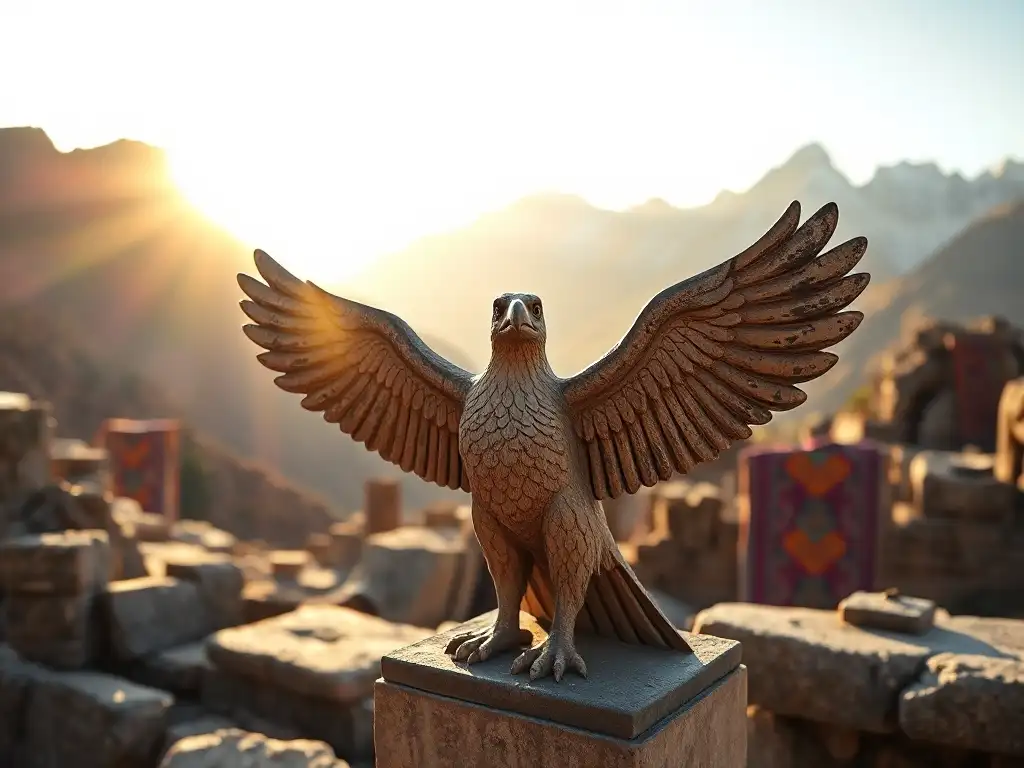
Step into a world lost to time, yet echoing with vibrant whispers of ancient power. Discover the secrets hidden within the breathtaking artistry of the Andes, where intricate designs and symbolic representations unveil the profound spiritual beliefs of civilizations like the Inca, Moche, and Nazca. Unravel the mysteries of Andean religious art symbolism—a captivating journey awaits, revealing the stories etched into every artifact, every carving, every textile. Prepare to be amazed.
The Andes Mountains, a spine of colossal peaks stretching along the western edge of South America, cradled some of the most fascinating and enigmatic civilizations the world has ever known. For millennia, these cultures—including the Incas, Moche, Nazca, and Tiahuanaco—developed complex belief systems deeply intertwined with their environment and reflected powerfully in their art. This article delves into the captivating world of Andean religious art, exploring the rich symbolism embedded within these artifacts and uncovering the spiritual narratives they convey.
Understanding the symbolism in Andean religious art provides invaluable insight into the worldview, social structures, and cosmological beliefs of these remarkable societies. We will examine specific examples, analyzing recurring motifs and their significance within the context of Andean religious practices and beliefs.
By exploring the intricate details and powerful imagery, we aim to illuminate the profound spiritual significance of Andean religious art and its enduring legacy. This exploration will shed light on the complex interplay between religion, art, and society in the ancient Andes, offering a richer understanding of "Andean religious art symbolism".
The Significance of Color in Andean Religious Art
Andean religious art is vibrant and saturated with meaning, with color playing a crucial role in conveying spiritual significance. Different colors were associated with specific deities, events, or concepts. For example, red often represented blood, sacrifice, and the sun, while yellow symbolized gold, royalty, and the power of the Inca emperor. Green represented agriculture and fertility, reflecting the profound importance of agriculture in Andean societies.
The meticulous application of color, often achieved through natural pigments derived from minerals and plants, demonstrates the artistry and spiritual intentionality inherent in these works. Further research is needed to fully understand the nuances of color symbolism across different Andean cultures, as regional variations likely existed. [Specific information pending on regional variations in color symbolism]. The use of color wasn't arbitrary; it was a carefully considered element in the creation of powerful religious images, reinforcing the narrative and enhancing the spiritual impact.
Animal Representations and Their Cosmological Significance
Animals hold a prominent place in Andean religious art, often representing powerful deities or embodying specific cosmological concepts. The condor, for instance, frequently symbolized the sun god and represented power, strength, and the ability to connect the earthly and celestial realms. The puma, a creature revered for its strength and stealth, was often associated with earthly power and shamanic abilities.
Serpents, frequently depicted in intricate detail, represented water, fertility, and the underworld. The careful selection and depiction of these animals suggest a complex understanding of the natural world and its relationship to the spiritual realm.
Analyzing the context in which these animals appear – whether in pottery, textiles, or metalwork – provides crucial clues to their specific meaning within a given piece of art. For example, a puma depicted alongside agricultural motifs might symbolize the fertility of the land, while a condor soaring above a mountain peak might represent the sun god's dominion over the landscape.
Geometric Patterns and Their Symbolic Meaning
Geometric patterns are ubiquitous in Andean religious art, often woven into textiles, carved into stone, or painted onto pottery. These patterns are not merely decorative; they carry profound symbolic meanings, often representing the cosmos, the cycles of life and death, or the intricate social structure of Andean societies. The repetition of specific motifs, such as zigzags, spirals, and stepped frets, suggests a connection to the Andean worldview, reflecting a deep understanding of the interconnectedness of the universe.
[Further research is required on the specific meanings of different geometric patterns across various Andean cultures]. The precision and complexity of these geometric designs demonstrate the sophisticated mathematical and artistic skills of Andean artisans, highlighting the importance of these patterns within their religious and cultural practices. The intricate detail demonstrates not only artistic skill but also the profound spiritual significance attached to these geometric representations.
Human Representations and the Depiction of Rituals
Human figures frequently appear in Andean religious art, often depicted participating in rituals or ceremonies. These depictions offer valuable insights into Andean religious practices, revealing details about ceremonies, offerings, and the roles of different individuals within the religious hierarchy. The style of representation varies across different cultures and time periods, reflecting evolving artistic techniques and religious beliefs.
The postures, clothing, and objects held by the figures provide clues to their identity and the nature of the ritual being depicted. For example, figures shown carrying offerings or engaged in ceremonial dances offer tangible evidence of religious practices. The study of these human representations allows us to reconstruct aspects of Andean religious life, enriching our understanding of their beliefs and practices.
Careful analysis of these representations, combined with archaeological findings, allows for a more comprehensive understanding of the social and religious dynamics within these ancient societies. The detailed depiction of these rituals provides a compelling window into the spiritual lives of the Andean people.
- The Significance of Color in Andean Religious Art
- Animal Representations and Their Cosmological Significance
- Geometric Patterns and Their Symbolic Meaning
- Human Representations and the Depiction of Rituals
Understanding Andean Religious Art and its Symbolic Language
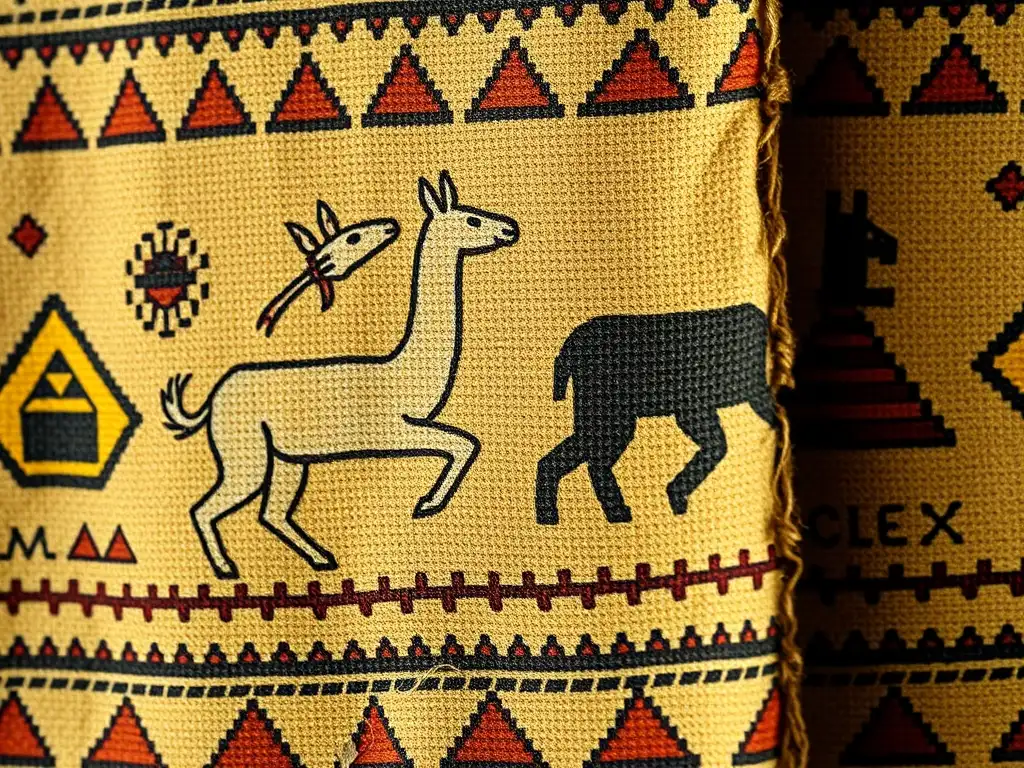
Andean religious art, a vibrant tapestry woven from diverse cultural threads, offers a captivating window into the spiritual beliefs and practices of ancient Andean societies. Understanding its symbolism is key to unlocking the rich complexities of these civilizations. Unlike many other ancient cultures that left behind extensive written records, the Andeans relied heavily on visual representations to communicate their cosmology, mythology, and social structures. Therefore, deciphering the symbolic language embedded within their art is crucial for comprehending their worldview.
This section will explore the fundamental principles guiding the interpretation of Andean religious art, focusing on the recurring motifs and their contextual significance. We will delve into the intricate relationship between art, religion, and power within these societies. The analysis will show how seemingly simple shapes and figures hold layers of meaning, reflecting a sophisticated understanding of the natural world and the spiritual realm.
The Significance of Symbolism in Ancient Andean Cultures
The significance of symbolism in ancient Andean cultures cannot be overstated. Religious beliefs permeated every aspect of life, from agriculture and warfare to daily routines and social hierarchies. Art served as a powerful medium for expressing these beliefs, reinforcing social order, and communicating with the supernatural.
The Andes' challenging geography – towering mountains, vast deserts, and unpredictable weather patterns – deeply influenced their worldview. This shaped their religious beliefs, which often centered on deities associated with nature, fertility, and the cyclical rhythms of life and death. These beliefs are reflected in the pervasive use of symbolic imagery in their art, including:
- Animal representations: Condors, jaguars, snakes, and llamas frequently appear, representing power, strength, fertility, and the interconnectedness of the natural world. The specific animal and its context within the artwork significantly impact its interpretation. For example, a condor depicted in a funerary context might symbolize the journey to the afterlife.
- Geometric patterns: Intricate geometric designs, such as spirals, zigzags, and stepped pyramids, often represent cosmological concepts, celestial bodies, or the layered structure of Andean society. The precise arrangement and combination of these patterns can convey subtle differences in meaning.
- Anthropomorphic figures: Depictions of human figures, often stylized and adorned with elaborate headdresses and jewelry, frequently represent deities, ancestors, or shamans. Their posture, attributes, and surrounding elements provide critical clues to their identity and function within the religious context.
Key Elements of Andean Iconography
Andean iconography is characterized by its rich diversity and regional variations. While common motifs exist across different cultures, specific interpretations can vary based on the time period, location, and the specific artistic tradition. For instance, the representation of a deity might differ slightly between the Moche and Nazca cultures, reflecting unique regional beliefs and artistic styles. The following table summarizes some key elements frequently encountered in Andean religious art:
| Element | Possible Interpretation(s) | Example Culture(s) |
|---|---|---|
| Staff/Scepter | Power, authority, divine connection | Inca, Wari |
| Sun Disc | Sun god, celestial power, life-giving force | Inca, Moche |
| Crescent Moon | Moon goddess, cycles of life and death, feminine principle | Nazca, Tiahuanaco |
| Feathers | Power, prestige, connection to the spirit world | Inca, Moche |
| Mirrors | Divination, communication with the spirit world, shamanistic practices | Moche, Nazca |
Understanding these key elements and their potential interpretations is crucial for a comprehensive analysis of Andean religious art. Furthermore, the context in which these symbols appear – whether it's a ceramic vessel, a textile, a stone carving, or a mural – significantly impacts their meaning. Further research is needed to fully understand the nuanced symbolism within specific artwork examples, considering archaeological evidence, ethnohistorical accounts, and comparative analyses of similar motifs across different Andean cultures. The study of Andean religious art symbolism is an ongoing endeavor, constantly evolving as new discoveries are made and new interpretive frameworks are developed.
Exploring Core Symbols in Andean Religious Art
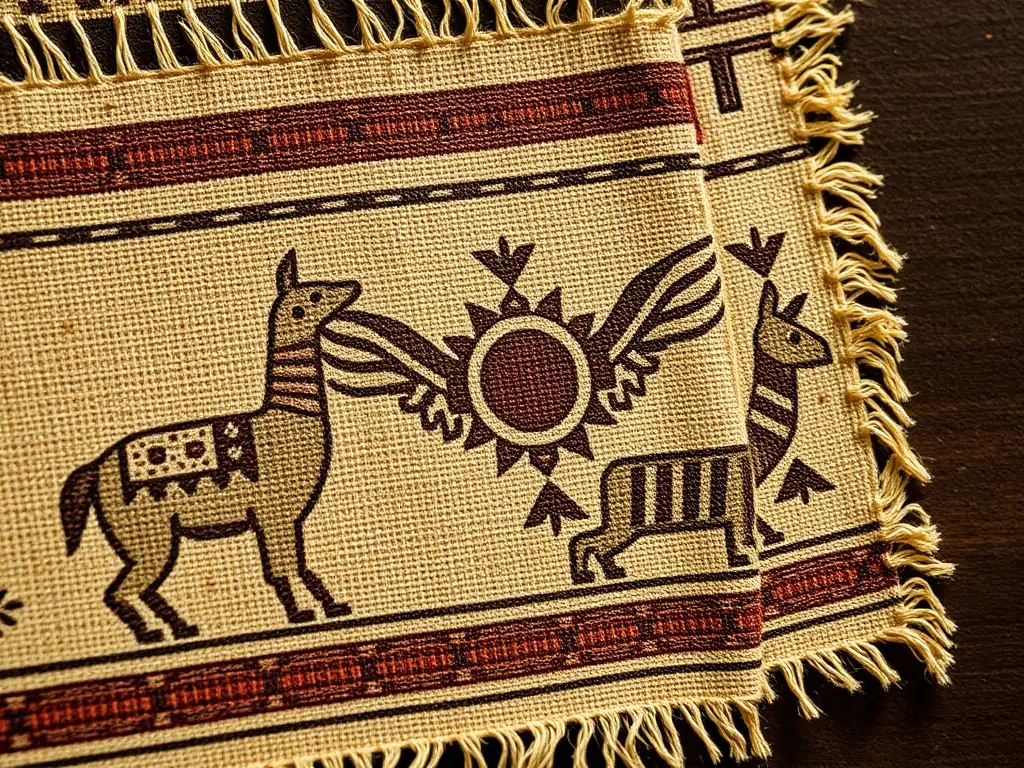
This section delves into the core symbolic representations frequently found in Andean religious art, focusing on their meaning and significance within the complex religious worldview of these ancient cultures. Understanding these symbols provides crucial insight into the beliefs, practices, and social structures of Andean civilizations. The intricate interplay of these symbols across various artistic mediums – from textiles and ceramics to monumental architecture – reveals a rich tapestry of cosmological beliefs and spiritual practices.
The analysis will focus on the most prevalent and enduring symbols, highlighting their variations across different Andean cultures. The study of Andean religious art symbolism offers a unique window into the minds and hearts of these sophisticated societies.
The Andean Cross: Chakana and its Cosmic Significance
The chakana, often referred to as the Andean Cross, is arguably the most recognizable symbol in Andean religious art. Its representation varies slightly across different cultures and time periods, but its fundamental meaning remains consistent: a representation of the cosmos and the interconnectedness of the different realms. The four arms symbolize the four cardinal directions, the four elements (earth, air, fire, water), and the four stages of life (birth, growth, maturity, and death). The central square often represents the axis mundi, the central point connecting the earthly and celestial realms.
Some scholars propose that the chakana also represents the Milky Way galaxy, reflecting the Andean peoples’ deep understanding of astronomy and their incorporation of celestial observations into their religious beliefs. The cross's presence in textiles, pottery, and stone carvings underscores its importance across various aspects of Andean life. The intricate designs and variations in its representation further highlight the depth and complexity of its symbolic meaning, demonstrating a sophisticated understanding of cosmology and spirituality.
The chakana's enduring presence in modern Andean culture testifies to its lasting significance as a symbol of identity and connection to ancestral traditions. Its pervasive use in religious art speaks volumes about its central role in Andean spirituality.
Animal Symbolism: The Condor, Puma, and Serpent
Animal symbolism played a crucial role in Andean religious art, with certain creatures holding profound spiritual significance. Among these, the condor, puma, and serpent stand out as particularly prominent. The condor, a majestic bird of prey, represented the upper world, the realm of the sun and the celestial deities. Its powerful flight symbolized connection to the divine and spiritual power. Depictions of condors in Andean art frequently appear in scenes of ritual or sacrifice, emphasizing their connection to the sacred.
The puma, a powerful terrestrial predator, symbolized the earthly realm and the strength and resilience of the Andean peoples. Its association with rulers and elite figures is often seen in iconography, suggesting a connection between earthly power and the natural world. The puma's image can be found in numerous forms, from carved stones to intricate textiles, reflecting its important place in Andean cosmology.
The serpent, a symbol of life, fertility, and the underworld, represents the subterranean world and the cyclical nature of life and death. Its association with water and the earth's bounty is reflected in its frequent depiction in agricultural contexts and in representations of fertility deities. The serpent's image, often intertwined or coiled, symbolizes regeneration, hidden knowledge, and the power of the earth.
The Role of the Sun and Moon Deities
The sun and moon held paramount importance in Andean cosmology, represented as powerful deities with significant influence over the earthly realm. The sun god, Inti (in Inca mythology), was often depicted as a powerful, benevolent figure, the source of life and energy. His image, frequently adorned with gold and precious stones, appears in countless artistic representations, reflecting his central position in the Andean pantheon. The sun's journey across the sky was seen as a cyclical process, mirroring the rhythms of life, death, and rebirth.
The moon goddess, Mama Killa, held equal importance, often associated with fertility, water, and the feminine principle. Her cyclical phases mirrored the agricultural cycles, underlining her crucial role in the Andean worldview. Representations of Mama Killa frequently appear alongside those of Inti, highlighting the complementary relationship between these two celestial bodies and their influence on the life of the Andean people.
The intricate interplay between the sun and moon deities in Andean religious art reflects the sophisticated understanding of celestial mechanics and their profound influence on the Andean societies' agricultural practices and religious beliefs. Their symbolic presence in art reinforces their central role in the Andean worldview, highlighting the deep reverence and respect afforded to these powerful celestial figures.
Ritualistic Depictions in Andean Art
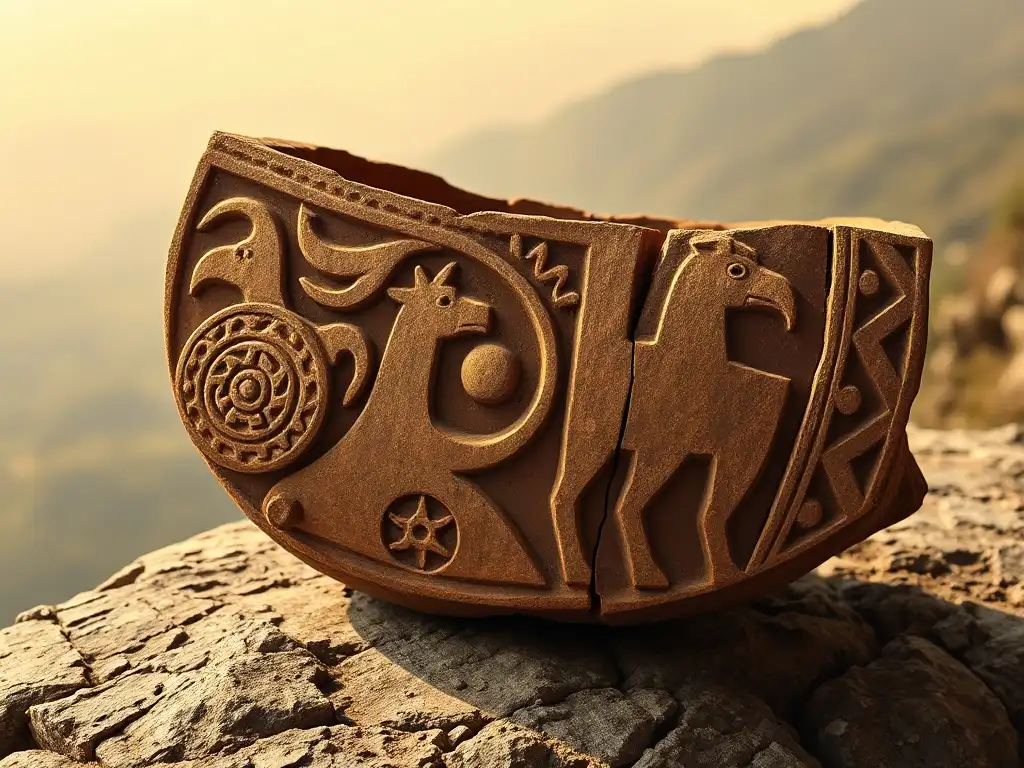
This section delves into the fascinating world of ritualistic representations within Andean art, focusing on how ancient Andean cultures visually encoded their complex religious beliefs and practices. We will explore the symbolic language embedded in their artwork, revealing insights into their spiritual world and cosmological understanding. The analysis will primarily focus on the visual aspects of religious practices, interpreting the artistic choices made to represent these significant events.
Understanding these depictions is crucial to grasping the depth and complexity of Andean religious systems. Analyzing Andean religious art symbolism offers a unique window into the beliefs and rituals of these vibrant civilizations.
Representations of Offerings and Sacrifices
Offerings and sacrifices formed a cornerstone of Andean religious practices. These weren't merely acts of appeasement; they were intricate rituals laden with symbolic meaning, meticulously recorded in art. Depictions often show llamas, the most common sacrificial animal, meticulously rendered with detail. The positioning of the llama, the presence of specific paraphernalia (like intricately woven textiles or ceramic vessels), and the overall context within the artwork all contribute to understanding the ritual's purpose and significance. For example, a llama depicted with its legs bound and positioned near a deity figurine likely represents a sacrifice intended to honor that particular entity.
Furthermore, human sacrifice, while less frequently depicted directly due to its sensitive nature, is alluded to through symbolic imagery. For example, certain motifs, like stylized skulls or severed heads, might represent the ultimate offering, subtly integrated into a larger narrative scene within a textile or ceramic piece. The scarcity of direct depictions suggests a level of reverence or taboo surrounding the act itself, making the subtle allusions all the more significant for interpretation.
Scholars are continuously uncovering new clues, refining our understanding of these complex rituals through careful analysis of existing artifacts and archaeological discoveries. The study of these representations is ongoing, with new findings constantly enriching our knowledge of Andean religious practices.
Shamanic Practices and Their Visual Depiction
Shamanistic practices held a central place in Andean religious life. Shamans, acting as intermediaries between the human and spiritual worlds, played a crucial role in rituals, healing, and divination. Art provides valuable clues to understanding their role and the nature of their practices.
Common depictions include figures in altered states of consciousness, sometimes depicted with enlarged eyes, elongated limbs, or unusual headdresses suggesting a connection to the supernatural. These figures often hold ritual objects, such as staffs, rattles, or hallucinogenic plants, symbolizing their power and connection to the spiritual realm. The use of specific colors and patterns also hints at the shaman's role; for example, vibrant colors might symbolize spiritual energy or altered perceptions.
The analysis of shamanic imagery in Andean art is particularly challenging due to the often abstract and symbolic nature of the representations. However, by comparing different depictions across various media—textiles, ceramics, metalwork—and considering the context of their discovery, scholars can piece together a more comprehensive understanding of these practices. The consistent use of certain motifs across geographically disparate sites suggests a shared understanding of shamanistic practices within the Andean region. Further research into the specific iconography associated with shamanism will undoubtedly yield a richer understanding of this pivotal aspect of Andean religious life.
The Importance of Textiles in Ritual Symbolism
Textiles in Andean cultures weren't merely functional; they were deeply imbued with religious symbolism and often served as integral components of rituals. The intricate weaving techniques, the use of specific colors and motifs, and the very act of creating these textiles all held symbolic weight. For example, the use of specific knots, colors, and patterns in textiles could encode messages, represent specific deities, or symbolize events of cosmological significance. The materials themselves—the type of fiber used, the dyes employed—also held symbolic meaning, reflecting the social status and ritual significance of the piece.
The creation of textiles themselves was often a ritualistic act. Specific rituals might have accompanied the shearing of the alpaca, the spinning of the yarn, and the weaving of the cloth. The finished textile, therefore, represented not only the skill of the weaver but also the accumulated spiritual energy invested in its creation.
The discovery of textiles in burial contexts further emphasizes their religious importance, often serving as grave goods intended to accompany the deceased into the afterlife. The detailed analysis of Andean textiles continues to reveal new and exciting insights into the religious beliefs and practices of these ancient cultures, underscoring the profound role of textiles in Andean religious life.
Regional Variations in Andean Art Symbolism
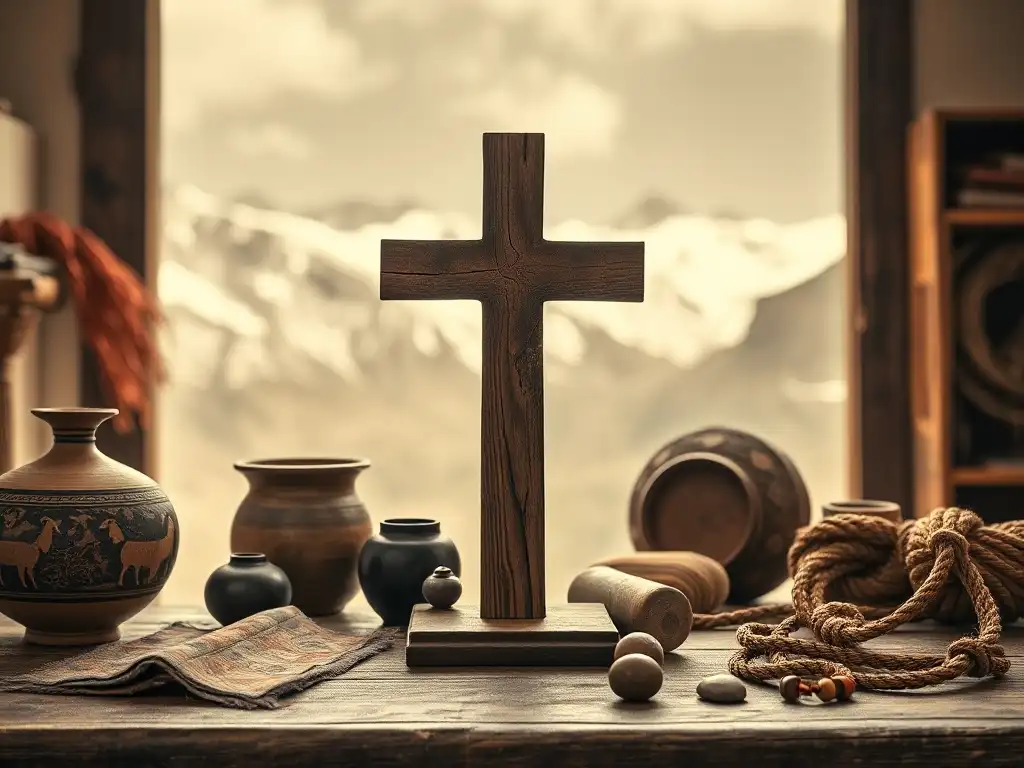
Andean religious art symbolism varied significantly across different cultures and regions, reflecting unique beliefs and practices. While certain motifs, such as the use of feline imagery and celestial bodies, appeared across various civilizations, their specific interpretations and contextual significance differed considerably. Understanding these regional variations is crucial for a comprehensive appreciation of Andean religious art.
The stylistic differences, alongside the variations in symbolic meaning, highlight the diverse spiritual landscapes of the Andean world. This section will explore some key regional examples, focusing on the Moche, Nazca, and Tiahuanaco cultures. The rich tapestry of Andean religious beliefs is revealed through careful analysis of their artistic expressions, allowing us to glimpse the complexities of their worldview and spiritual practices.
Moche Art: Depictions of Deities and Rituals
Moche art, flourishing along the northern coast of Peru from roughly 100 to 800 CE, is renowned for its exquisite ceramics and metalwork. These artifacts provide invaluable insights into Moche religious beliefs and rituals. Deities are frequently depicted, often anthropomorphic figures with exaggerated features, elaborate headdresses, and symbolic regalia.
For example, the Ai Apaec, a powerful deity often associated with warfare and fertility, is frequently shown in a menacing posture, often wielding weapons or surrounded by human sacrifices. The detailed representations of these scenes – including the costumes, the offerings, and the expressions on the faces of the participants – allow us to reconstruct aspects of Moche religious ceremonies. Many Moche ceramics also depict ritualistic scenes, such as shamanistic practices, sacrifices, and feasts, offering further insight into their religious worldview.
The vibrant colors and dynamic compositions of Moche pottery are not merely aesthetic choices; they are integral to conveying the power and importance of these religious acts. Analysis of these artistic representations reveals a complex pantheon of deities and a rich ceremonial life deeply embedded within Moche society. The meticulous detail in Moche art provides an unparalleled window into the beliefs and practices of this ancient civilization, showcasing the strong connection between religious symbolism and artistic expression.
Nazca Lines: Geoglyphs and their Symbolic Meaning
The Nazca Lines, located in southern Peru, are a series of enormous geoglyphs etched into the desert surface. These colossal designs, ranging from simple lines to complex figures of animals and plants, have captivated researchers and the public for decades. While their precise purpose remains debated, a strong case can be made for their association with Andean religious practices and cosmology.
Many scholars believe the Nazca Lines served as a form of ritualistic landscape art, potentially linked to astronomical events or water rituals in a region characterized by aridity. The intricate designs, such as the hummingbird, the monkey, and the spider, may represent deities, ancestral figures, or symbols associated with fertility and water. The scale of these geoglyphs is astonishing, suggesting a significant investment of labor and a profound religious significance.
The meticulous planning and execution of these immense works underscore the importance of these symbolic representations in Nazca culture. Further research into the astronomical alignments of some lines and the potential connection between specific geoglyphs and water sources may reveal a deeper understanding of their symbolic meaning within the context of Nazca religious beliefs. The enduring mystery surrounding the Nazca Lines only adds to their fascination, and continued study promises to further illuminate their significance in the broader context of Andean religious art symbolism.
Tiahuanaco Art: The Gateway of the Sun and its Iconography
Tiahuanaco, a pre-Inca civilization flourishing near Lake Titicaca in present-day Bolivia, produced some of the most iconic examples of Andean religious art. The Gateway of the Sun, a monumental stone structure adorned with intricate carvings, stands as a prime example. This gateway is richly decorated with a central figure, often interpreted as a deity, surrounded by smaller figures and symbolic motifs.
The central figure is frequently associated with the sun god, Viracocha, a powerful creator deity prominent in Andean mythology. The surrounding figures and symbols, which include stylized plants, animals, and geometric patterns, likely represent elements of the Tiahuanaco cosmology. Scholars continue to debate the precise meaning of these iconographic elements, but their presence on such an important structure highlights their significance within Tiahuanaco religious beliefs.
The sophisticated stonework and the precise execution of the carvings demonstrate the advanced technological capabilities of the Tiahuanaco culture and their commitment to expressing their religious beliefs through monumental art. The Gateway of the Sun, along with other architectural and sculptural works from Tiahuanaco, provides compelling evidence of a highly organized and sophisticated religious system, contributing significantly to our understanding of Andean religious art symbolism. The enduring legacy of Tiahuanaco's art continues to inspire awe and wonder, prompting ongoing research into its complex iconography and religious meaning.
Inca Art: Adaptations and Transformations of Earlier Symbols
The Inca Empire, while possessing a distinct artistic style, didn't emerge in a vacuum. Their artistic representations, particularly in religious contexts, drew heavily upon and adapted pre-existing symbols and motifs from the diverse cultures they conquered and incorporated into their vast realm. This process of assimilation and transformation is a fascinating aspect of Andean religious art symbolism. The Incas were masterful synthesizers, taking existing iconography and imbuing it with new meanings within their own cosmological framework.
For example, the use of the chakana, or Andean cross, is a prime illustration. While evidence suggests its presence in earlier Andean cultures, the Incas elevated it to a central symbol of their empire, associating it with the four cardinal directions, the sacred mountains, and the four levels of their cosmos. The Incas’ representation of the chakana often incorporated intricate knotwork and other decorative elements, reflecting their sophisticated metalworking techniques and their worldview. This wasn't merely a passive adoption; the Incas actively reshaped the chakana's meaning and visual form, integrating it into their imperial ideology.
Similarly, the Inca treatment of feline imagery, prevalent in earlier coastal cultures like the Moche, shows a significant shift in meaning. While Moche depictions of jaguars and other felines often emphasized ferocity and shamanistic power, Inca representations often portrayed these animals in a more regal, stylized manner, associating them with royal authority and divine power. This adaptation highlights the Inca's ability to selectively adopt and reinterpret existing symbols to solidify their own power and legitimacy.
The Inca's mastery of gold and silver also profoundly impacted their religious art. They inherited techniques from earlier Andean cultures but pushed the boundaries of metalworking to create elaborate religious objects, such as the famous golden llamas and ceremonial vessels. These objects, adorned with intricate designs incorporating both traditional and newly created motifs, served as powerful symbols of wealth, power, and divine connection within the Inca religious system. The sheer opulence of these pieces further emphasized their sacred significance. The meticulous craftsmanship and the use of precious metals themselves became potent symbols within the Inca worldview.
The Inca's adaptation of existing symbols wasn't simply about appropriation; it was a complex process of negotiation and transformation. They carefully selected and reinterpreted symbols, weaving them into a new narrative that served to strengthen their imperial power and reinforce their religious beliefs. Understanding this process of adaptation is crucial to fully appreciate the richness and complexity of Andean religious art symbolism. The Inca Empire’s artistic legacy is therefore not just a unique expression, but a powerful testament to the continuous evolution of Andean religious thought and its visual representations across time.
The Legacy of Andean Religious Art Symbolism
The enduring power of Andean religious art symbolism is undeniable. Its influence stretches across millennia, weaving a rich tapestry of meaning that continues to resonate in contemporary Andean societies. Understanding this legacy requires examining not only the artifacts themselves, but also their contextual significance within the belief systems of the various Andean cultures.
The intricate designs, often incorporating geometric patterns, zoomorphic figures, and anthropomorphic deities, weren't merely decorative; they served as powerful conduits to the spiritual realm, reflecting a deep connection with the natural world and the cosmos. For example, the recurring motif of the serpent in Moche pottery often symbolizes fertility and water, vital resources in the arid Andean landscape. Similarly, the condor, a powerful bird of prey, represented both power and shamanic abilities in Inca iconography.
The intricate weaving techniques employed by the Nazca, often featuring stylized representations of deities and animals, showcase the high level of artistic skill and the profound religious significance attributed to textile art. Analyzing these diverse artistic expressions reveals a complex interplay of beliefs and practices that shaped the lives and worldview of ancient Andean peoples. The vibrant colors, often derived from natural pigments, further enhanced the symbolic potency of these artifacts, adding another layer to their religious and cultural significance.
Influence on Contemporary Andean Art and Culture
The legacy of Andean religious art symbolism profoundly influences contemporary Andean art and culture. Many contemporary artists draw inspiration from ancient motifs and techniques, reinterpreting them within a modern context. This revival isn't simply a nostalgic trend; it represents a conscious effort to preserve and celebrate cultural heritage.
We see this in the continued use of traditional weaving techniques, the incorporation of ancient symbols in modern textiles, and the creation of contemporary sculptures that echo the stylistic conventions of ancient Andean art. For example, the use of geometric patterns reminiscent of Paracas textiles in modern clothing and handicrafts demonstrates the enduring appeal of these ancient designs. The persistence of these symbols in everyday life, from traditional ceremonies to contemporary artistic expressions, highlights the vitality of Andean cultural identity and the ongoing relevance of its ancient religious beliefs.
This continuous engagement with the past informs a vibrant present, demonstrating the living legacy of Andean artistic traditions and their enduring spiritual significance. Quantitative data on the prevalence of these symbols in contemporary art forms is [specific information pending], but anecdotal evidence points towards a significant and widespread influence.
Preserving the Symbolic Heritage of Andean Civilizations
Preserving the symbolic heritage of Andean civilizations requires a multi-faceted approach. Careful archaeological excavation and meticulous cataloging of artifacts are crucial for understanding the context and meaning of these ancient symbols. Furthermore, initiatives promoting the study and documentation of Andean art and iconography are essential for disseminating knowledge and raising awareness.
Museums play a vital role in exhibiting these artifacts and educating the public about their cultural significance. Educational programs, both within Andean communities and internationally, help to foster appreciation for this rich cultural heritage. However, challenges remain, including the potential for looting and the degradation of artifacts due to environmental factors.
Protecting these precious remnants of the past requires collaborative efforts between archaeologists, museums, governments, and local communities. Moreover, digital archiving and online databases can facilitate access to information and promote broader understanding of Andean religious art symbolism, making it available to a wider audience globally. This proactive approach is crucial for ensuring that the symbolic heritage of Andean civilizations is preserved for future generations.
Contemporary Andean Artists and Symbolism
Contemporary Andean artists are actively engaging with and reinterpreting the symbolism of their ancestors. Many artists incorporate traditional motifs and techniques into their work, creating contemporary pieces that resonate with both ancient traditions and modern sensibilities. This creative process often involves a careful examination of the historical and cultural context of the symbols, resulting in works that are both aesthetically pleasing and deeply meaningful.
The use of traditional materials, such as alpaca wool and natural pigments, further connects these contemporary works to the ancient past. Some artists focus on specific Andean cultures, such as the Inca or Moche, while others draw inspiration from a broader range of Andean traditions. Their work often explores themes of identity, spirituality, and the relationship between humans and the natural world, reflecting the enduring relevance of Andean symbolism in contemporary society.
[Specific examples of contemporary Andean artists and their works incorporating Andean religious art symbolism are pending]. Their contributions are vital in ensuring the continued vitality and relevance of this rich artistic and spiritual legacy. The continued exploration and creative reinterpretation of these symbols promises a vibrant future for Andean art and culture.
Frequently Asked Questions
What is the main focus of Andean religious art?
Andean religious art primarily focused on representing deities, rituals, and cosmological beliefs. It aimed to connect the earthly and spiritual realms, reflecting the complex religious systems of the various Andean cultures.
How did Andean artists depict their deities?
Artists used diverse techniques to depict deities, including anthropomorphic and zoomorphic forms, often combining human and animal characteristics. Symbolic elements like specific clothing, headdresses, and attributes further identified the deities represented.
What are some common symbols found in Andean religious art?
Common symbols include the condor, representing power and the upper world; the puma, symbolizing the earthly realm; and the snake, associated with the underworld. Geometric patterns and colors also held significant symbolic meaning.
What materials were typically used in Andean religious art?
Andean artists utilized a range of materials, including gold, silver, textiles, ceramics, and stone. The choice of material often reflected the status of the artwork and its intended purpose within religious contexts.
How did the symbolism in Andean religious art vary across different cultures?
While some symbols held pan-Andean significance, specific interpretations and artistic styles varied significantly across cultures like the Inca, Moche, Nazca, and Tiahuanaco. Regional variations reflect diverse religious beliefs and artistic traditions.
Final Reflection: Echoes of the Andes: A Legacy in Symbolism
The vibrant symbolism woven into Andean religious art remains a powerful testament to the enduring strength of indigenous spirituality, a legacy that continues to resonate deeply within contemporary Latin American culture and beyond. Its intricate designs, far from being mere decoration, offer a window into a complex cosmology, a rich tapestry of beliefs and practices that shaped – and continue to shape – the lives of millions. Understanding this symbolism is not just an academic exercise; it's a key to unlocking a profound understanding of Andean identity and its ongoing struggle for recognition and preservation.
The enduring impact of Andean religious art is undeniable; its motifs, from the condor's soaring flight to the intricate patterns of the khipu, continue to inspire artists, scholars, and spiritual practitioners alike. These symbols are not static relics of the past; they are living expressions of a culture that has adapted and evolved while retaining its core values. The past is never dead. It's not even past,
wrote William Faulkner, and this rings profoundly true when considering the persistent influence of Andean artistic traditions. Their continued presence in contemporary art, fashion, and even political discourse speaks volumes about their enduring power and relevance.
Consider the intricate detail, the vibrant colors, the stories whispered within each piece of Andean religious art. You, the reader, are now invited to reflect on the power of symbolism in your own life. What symbols resonate with you?
What stories do they tell? By engaging with the rich visual language of the Andes, we can deepen our understanding of ourselves, our connection to the past, and the enduring power of cultural expression. Let the echoes of the Andes inspire you to seek out and appreciate the symbolic language that surrounds you, enriching your own life and fostering a deeper appreciation for the diverse tapestry of human experience.
Unveil the Power of Andean Symbolism Today!
Thank you for exploring the rich world of Andean religious art and its profound symbolism. Your interest in understanding these cultural expressions is vital for preserving this important heritage. Let's delve deeper!
Here are some ways to further engage with Andean culture:
- **Explore local collections:** Immerse yourself in the beauty of Andean art by visiting museums or cultural centers that showcase these artifacts. A guided tour can significantly enhance your understanding.
- **Share your newfound knowledge:** Discuss this fascinating topic with friends, family, or online communities. Inspire others to appreciate the depth and beauty of Andean art by sharing your favorite symbols and their meanings.
- **Create your own inspired work:** Let the symbols that resonated most with you fuel your creativity. Whether you choose to write, paint, sculpt, or engage in another creative pursuit, allow Andean symbolism to inspire your next project.
How has learning about Andean symbolism broadened your perspective on art and culture? We'd love to hear your thoughts in the comments below!