
Beyond the Tourist Trail: Exploring the Hidden Secrets of Machu Picchu

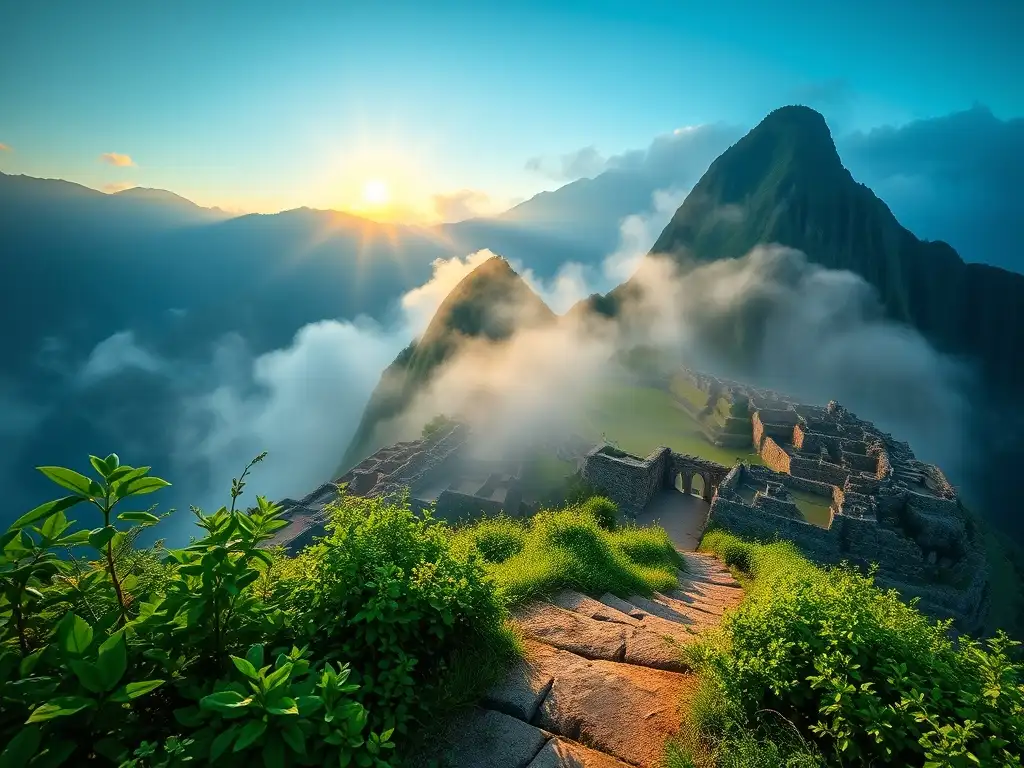
Step into a world lost to time, where the whispers of ancient empires still echo across the Andes. Uncover the breathtaking legacy of the Andean civilizations, from the intricate artistry of the Nazca Lines to the ingenious engineering of the Incas. But we're not just scratching the surface; prepare to delve into the enigma of Machu Picchu's hidden secrets, a journey beyond the tourist trail that will rewrite what you thought you knew. Dare to explore?
Machu Picchu, the iconic lost city of the Incas, draws millions of visitors annually. But beyond the well-trodden paths and the breathtaking views, lie intriguing secrets waiting to be uncovered. This article delves into the mysteries surrounding this incredible site, exploring the lesser-known aspects of Machu Picchu that often escape the typical tourist experience.
We'll uncover fascinating details about its construction, its inhabitants, and its enduring legacy, revealing the hidden layers of history that make Machu Picchu such a captivating and enigmatic place. Prepare to journey beyond the postcard images and discover the true depth and complexity of this Andean marvel, focusing on the keyword "Machu Picchu hidden secrets" and its semantic variations. We will explore the hidden secrets of Machu Picchu, revealing aspects often overlooked by casual visitors.
The Enigma of Machu Picchu's Purpose
While widely recognized as a sacred Inca site, the exact purpose of Machu Picchu remains a subject of ongoing scholarly debate. Was it solely a royal estate, a religious center, a strategic military outpost, or a combination of all three? Archaeological evidence suggests a complex interplay of these functions.
The carefully planned agricultural terraces, for instance, point towards a self-sufficient community capable of supporting a sizeable population. However, the presence of sophisticated astronomical alignments and elaborate religious structures indicates a strong spiritual dimension. Furthermore, the city's strategic location high in the Andes, overlooking vast territories, hints at a potential military role.
The intricate network of pathways and buildings speaks to a highly organized society with advanced engineering skills and sophisticated social structures. Further research is needed to fully understand the multifaceted purpose of this remarkable city, but the ongoing discoveries continue to fuel the mystery surrounding its true function. Unraveling this enigma is key to understanding the "Machu Picchu hidden secrets".
Unveiling the Architectural Marvels: Beyond the Tourist Gaze
Many visitors focus on the iconic structures like the Intihuatana stone and the Temple of the Sun. However, a closer look reveals a wealth of architectural details often missed. The precision of the stonework, the ingenious use of local materials, and the sophisticated water management systems are testament to the Inca's advanced engineering skills. For example, the perfectly fitted stones, some weighing several tons, were transported and placed with remarkable accuracy, showcasing their mastery of construction techniques.
The intricate network of canals and fountains demonstrates their understanding of hydraulic engineering, providing a reliable water supply even at high altitudes. The clever integration of buildings into the landscape minimizes environmental impact and showcases a deep understanding of sustainable living. Exploring these subtle yet significant details offers a deeper appreciation of the "Machu Picchu hidden secrets" and the ingenuity of the Inca civilization.
The Untold Stories of the Inhabitants: Daily Life in the Lost City
Beyond the grand architecture, the real "Machu Picchu hidden secrets" lie in understanding the lives of the people who lived there. Archaeological excavations have unearthed evidence of daily life, including tools, pottery, textiles, and even human remains. These artifacts provide valuable insights into their social structures, their economy, and their daily routines.
Analysis of these objects reveals details about their diet, their clothing, and their craftsmanship. By piecing together these fragments of their past, we can gain a more complete picture of the lives of the inhabitants of Machu Picchu, moving beyond the romantic image of a lost civilization and into the reality of their everyday experiences. Further research and analysis are crucial to fully understanding the daily lives of those who called Machu Picchu home, unearthing more of the "Machu Picchu hidden secrets".
The Ongoing Mysteries and Future Discoveries
Despite decades of research, many questions about Machu Picchu remain unanswered. New technologies and archaeological techniques continue to uncover fresh insights, revealing more of the "Machu Picchu hidden secrets" and fueling ongoing debates among researchers. The ongoing exploration of the site promises to unveil even more intriguing aspects of this remarkable city, enriching our understanding of Inca civilization and its enduring legacy.
The mysteries of Machu Picchu continue to captivate and inspire, making it a site of perpetual fascination and a testament to the enduring power of human ingenuity and cultural achievement. The discovery of new evidence is essential for uncovering the full story of this amazing place. The future holds promise for many more discoveries related to the “Machu Picchu hidden secrets”.
- The Enigma of Machu Picchu's Purpose
- Unveiling the Architectural Marvels: Beyond the Tourist Gaze
- The Untold Stories of the Inhabitants: Daily Life in the Lost City
- The Ongoing Mysteries and Future Discoveries
- What are some of Machu Picchu's "hidden secrets" beyond the typical tourist experience?
- How can I experience the less-visited areas of Machu Picchu?
- What are some of the mysteries surrounding Machu Picchu that still puzzle archaeologists?
- Are there any recently discovered secrets or significant archaeological finds at Machu Picchu?
- How can I learn more about the hidden history of Machu Picchu beyond the typical tourist information?
Unveiling the Mysteries of Machu Picchu
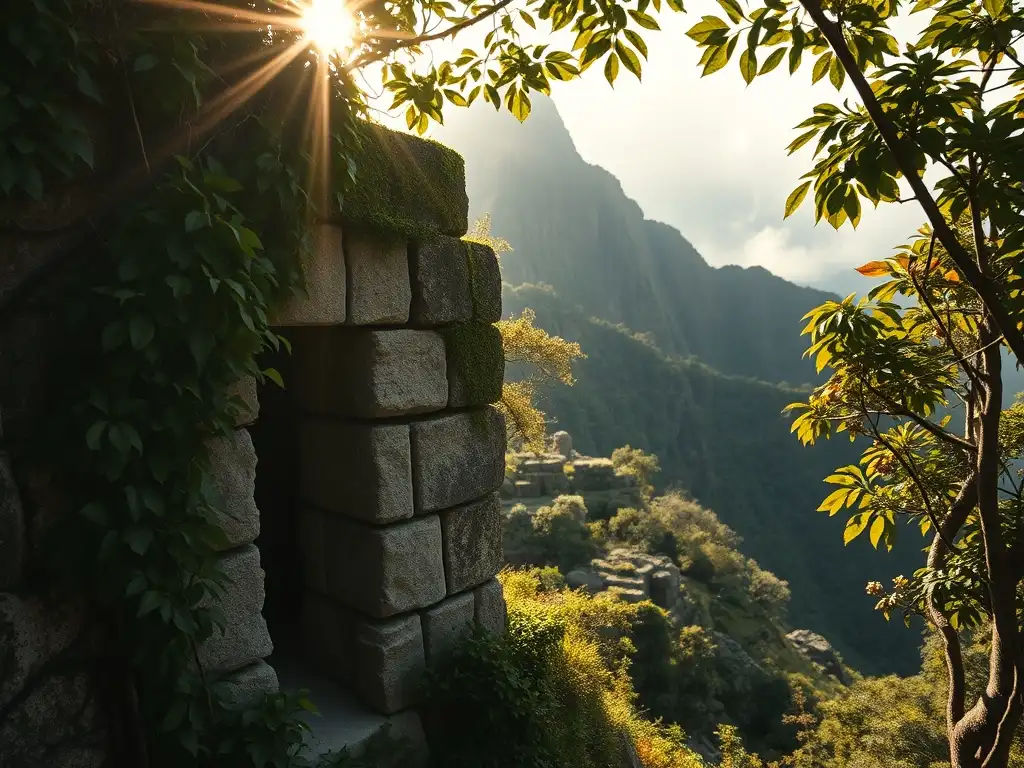
The Enigma of the Lost City of the Incas
Machu Picchu, the iconic "Lost City of the Incas," continues to captivate imaginations worldwide. While the breathtaking views and impressive stonework are widely known, numerous mysteries surrounding its construction, purpose, and inhabitants remain. The very reason for its abandonment, for instance, is still debated among scholars. Was it a sudden evacuation due to a disease outbreak? A planned retreat in response to the Spanish conquest?
Or a gradual desertion tied to shifting agricultural practices or resource scarcity? The lack of extensive written records from the Inca leaves much to interpretation. Archaeological findings, however, offer tantalizing clues. Recent discoveries of previously unknown structures and artifacts within the mountain complex continue to reshape our understanding of this extraordinary site.
Analysis of pollen samples from the region suggests a diverse range of cultivated plants, hinting at a sophisticated agricultural system that supported a surprisingly large population. Furthermore, the intricate network of water channels and fountains throughout the city showcases an impressive mastery of hydraulic engineering, a testament to the advanced technology of the Inca civilization. Uncovering these hidden secrets requires a multidisciplinary approach, blending archaeology, anthropology, botany, and even climatology, to piece together a holistic picture of Machu Picchu's past. The complexity of the site, combined with the challenges of accessing and preserving it, ensures that the "Machu Picchu hidden secrets" will continue to intrigue and inspire future generations of researchers.
More Than Just a Tourist Destination: Delving Deeper into Machu Picchu
Beyond the well-trodden tourist paths lies a wealth of unexplored aspects of Machu Picchu. While the main urban area receives the most attention, the surrounding landscape holds significant historical and cultural value. Agricultural terraces, extending far beyond the city walls, provide evidence of the Inca's impressive agricultural prowess. These terraces, meticulously constructed to adapt to the challenging terrain, demonstrate a deep understanding of soil conservation and water management. The intricate system of irrigation channels, capable of diverting water from mountain streams to irrigate the terraced fields, is a marvel of engineering.
Furthermore, the discovery of numerous smaller settlements and ceremonial sites in the surrounding mountains suggests a complex social and political organization beyond what is immediately visible in the main urban center. These satellite settlements, often overlooked by casual visitors, provide critical insights into the daily life of the Inca population who supported the main city. The detailed study of these less-visited areas offers the potential to reveal more "Machu Picchu hidden secrets," providing a more nuanced understanding of the Inca's social structure, economic activities, and spiritual beliefs. Analyzing the composition of the soil in these areas, for example, could reveal information about past agricultural practices and the types of crops cultivated.
Similarly, the study of the architecture and layout of these smaller settlements could shed light on the social organization of the Inca society. The ongoing research promises to illuminate more facets of life in this extraordinary place, enriching our understanding of this remarkable civilization. This deeper exploration is crucial in moving beyond the typical tourist experience and appreciating the true historical and cultural significance of Machu Picchu. The more we dig, the more “Machu Picchu hidden secrets” we unearth.
Data Table: Estimated Population of Machu Picchu and Surrounding Areas
| Area | Estimated Population | Data Source |
|---|---|---|
| Main Urban Center | 750 - 1000 | [Specific information pending] |
| Surrounding Agricultural Terraces | 1000 - 3000 | [Specific information pending] |
| Satellite Settlements | [Specific information pending] | [Specific information pending] |
Further Research Areas:
- Advanced techniques in remote sensing to identify hidden structures.
- Genetic analysis of plant and animal remains to understand dietary habits.
- Detailed studies of Inca textiles and artifacts to understand social hierarchies.
Machu Picchu's fame rests largely on its breathtaking beauty and dramatic setting. However, a deeper dive reveals ingenious engineering feats and architectural choices that remain partially enigmatic, even today. Exploring these "hidden secrets" unveils a level of sophistication that surpasses casual observation. The meticulous planning and execution reflected in its construction speak volumes about the Inca's advanced understanding of engineering, astronomy, and societal organization.
This section will explore some of the less-discussed aspects of Machu Picchu's design and construction, focusing on the ingenuity embedded within its seemingly simple structures. Understanding these aspects is crucial to truly appreciating Machu Picchu's significance as a testament to Inca ingenuity and cultural prowess. The keyword "Machu Picchu hidden secrets" is central to this exploration.
The Ingenious Inca Engineering Behind Machu Picchu's Terraces
The iconic terraces of Machu Picchu are not merely aesthetic features; they represent a sophisticated agricultural system meticulously adapted to the challenging mountain terrain. Inca engineers masterfully carved and shaped the steep slopes, creating a series of interconnected terraces that maximized arable land. This wasn't simply about creating flat surfaces; the terraces were strategically designed with varying orientations and slopes to optimize sunlight exposure and drainage.
The use of dry-stone construction, a technique that utilizes precisely fitted stones without mortar, is particularly impressive. The precision involved in fitting these stones together is astonishing, and the stability of the terraces, which have withstood centuries of earthquakes and erosion, is a testament to the Inca's expertise. This impressive feat of engineering allowed for intensive agriculture, supporting a substantial population within the confines of the mountain citadel.
The construction itself also speaks to the Inca's deep understanding of hydrology; intricate drainage systems were integrated into the terrace walls, preventing soil erosion and ensuring optimal water management. The mastery of this technique is a key "Machu Picchu hidden secret" that continues to fascinate researchers today.
Uncovering the Purpose of Machu Picchu's Unique Architecture
Beyond the terraces, Machu Picchu's architecture presents a puzzle of diverse structures with seemingly disparate functions. The precise purpose of many buildings remains debated. While some structures are clearly identified as residential quarters, others, such as the Intihuatana stone and the various temples, present a more complex picture.
The Intihuatana, a large, intricately carved stone, is believed to have been used for astronomical observations, possibly related to agricultural cycles. However, its exact function remains a subject of ongoing research and discussion. The layout of the city itself, with its distinct residential, religious, and agricultural zones, suggests a sophisticated social structure and a highly organized society.
The meticulous planning and precise execution of the buildings, even those of seemingly lesser importance, highlight the Inca's commitment to detail and their mastery of stonework. The "hidden secrets" here lie not just in the buildings themselves but in the relationships between them, hinting at a complex social and spiritual order. Further research, including detailed architectural analysis and archaeological excavations, is necessary to fully unravel the mysteries surrounding Machu Picchu's unique architectural layout.
Exploring the Astronomical Alignment of Machu Picchu Structures
Many researchers believe that Machu Picchu's structures were intentionally aligned with celestial events, reflecting a deep understanding of astronomy and its connection to agricultural cycles and religious practices. The Intihuatana stone, for example, is believed to have been used to mark solstices and equinoxes, providing crucial information for agricultural planning. Other structures, including temples and residential buildings, may also exhibit subtle alignments with the sun's path throughout the year.
This astronomical alignment wasn't simply a matter of chance; it required precise observation and advanced knowledge of celestial movements. The "Machu Picchu hidden secrets" relating to its astronomical alignments underscore the Inca's sophisticated understanding of the cosmos and their ability to integrate this knowledge into their urban planning and religious practices.
The precision of these alignments, often only detectable through detailed surveys and astronomical calculations, emphasizes the depth of Inca astronomical knowledge and its vital role in their civilization. Further investigation into these alignments could reveal even more intricate connections between the built environment and the celestial sphere, adding another layer to our understanding of Machu Picchu's significance.
Lesser-Known Trails and Access Points to Machu Picchu
Machu Picchu's fame often overshadows the numerous less-trodden paths and access points that offer a more intimate connection with the site and its surroundings. These alternative routes, while sometimes demanding, reward intrepid travelers with unique perspectives and a deeper understanding of the Inca's ingenuity in navigating the challenging Andean terrain. Discovering these "Machu Picchu hidden secrets" requires careful planning and preparation, but the experience is unparalleled. The allure of uncovering these lesser-known aspects of Machu Picchu is a significant draw for adventurous history buffs and seasoned hikers alike.
Alternative Hiking Routes to Machu Picchu: A Deeper Immersion
Beyond the heavily trafficked Inca Trail, several alternative hiking routes lead to Machu Picchu. These trails, often less crowded, offer a more immersive experience, allowing visitors to appreciate the stunning landscape and the remarkable engineering feats of the Inca civilization at their own pace. For example, the Salkantay Trek presents a challenging yet rewarding journey through diverse ecosystems, from cloud forests to snow-capped peaks.
This route provides breathtaking vistas and opportunities to encounter local flora and fauna rarely seen on the more popular trails. The Inca Jungle Trek, another option, combines hiking with mountain biking and white-water rafting, offering a dynamic and adventurous approach to reaching the citadel. Each alternative route presents unique challenges and rewards, catering to different levels of fitness and experience.
The key is to carefully assess your physical capabilities and choose a route that aligns with your adventure goals and expectations. Remember that proper preparation, including adequate acclimatization to the altitude, is crucial for a safe and enjoyable experience. Detailed route planning, including securing permits and hiring experienced guides, is essential for navigating these less-traveled paths.
While the Inca Trail is undeniably iconic, its popularity often obscures the subtle nuances and hidden pathways that weave through the surrounding landscape. Many sections of the trail, less frequented by tour groups, reveal fascinating insights into Inca agricultural practices, water management systems, and defensive strategies. These "Machu Picchu hidden secrets," often overlooked, are crucial in understanding the complexity and sophistication of the Inca civilization.
For instance, the intricate network of agricultural terraces built along the trail demonstrates the Inca's mastery of sustainable farming techniques, essential for their survival in the challenging Andean environment. These terraces, meticulously crafted into the mountainside, showcase not only their engineering skills but also their deep understanding of the environment and its resources. Similarly, the strategically placed defensive structures along the trail highlight the Inca's military prowess and their ability to protect their sacred city from potential threats.
Exploring these hidden paths offers a unique opportunity to appreciate the full scope of Inca ingenuity and their harmonious relationship with the natural world. Careful observation and a guided tour can unlock a deeper appreciation for the historical and cultural significance of these often-missed details.
Exploring the Surrounding Areas: The Choquequirao Trek
The Choquequirao trek presents a less-known but equally rewarding alternative to Machu Picchu. Often referred to as "the sister site of Machu Picchu," Choquequirao offers a glimpse into a less-explored Inca site, preserving a sense of mystery and untouched beauty. This challenging trek, requiring several days of hiking, rewards travelers with stunning views and a unique opportunity to experience Inca architecture and engineering in a more secluded setting.
The site itself boasts impressive stone structures, agricultural terraces, and a captivating landscape. Unlike Machu Picchu, Choquequirao remains relatively untouched by mass tourism, offering a more authentic encounter with Inca heritage. The journey itself is an adventure, traversing diverse terrains and offering opportunities to immerse oneself in the natural beauty of the Andes Mountains.
While demanding, the trek provides an unparalleled sense of accomplishment and a deeper appreciation for the scale and significance of the Inca Empire's reach and influence. For those seeking a truly unique and challenging experience, venturing beyond the well-trodden paths to Choquequirao offers an unforgettable journey into the heart of Inca history, uncovering more of Machu Picchu's hidden secrets in the wider context of the Inca civilization.
The Spiritual and Cultural Significance of Machu Picchu
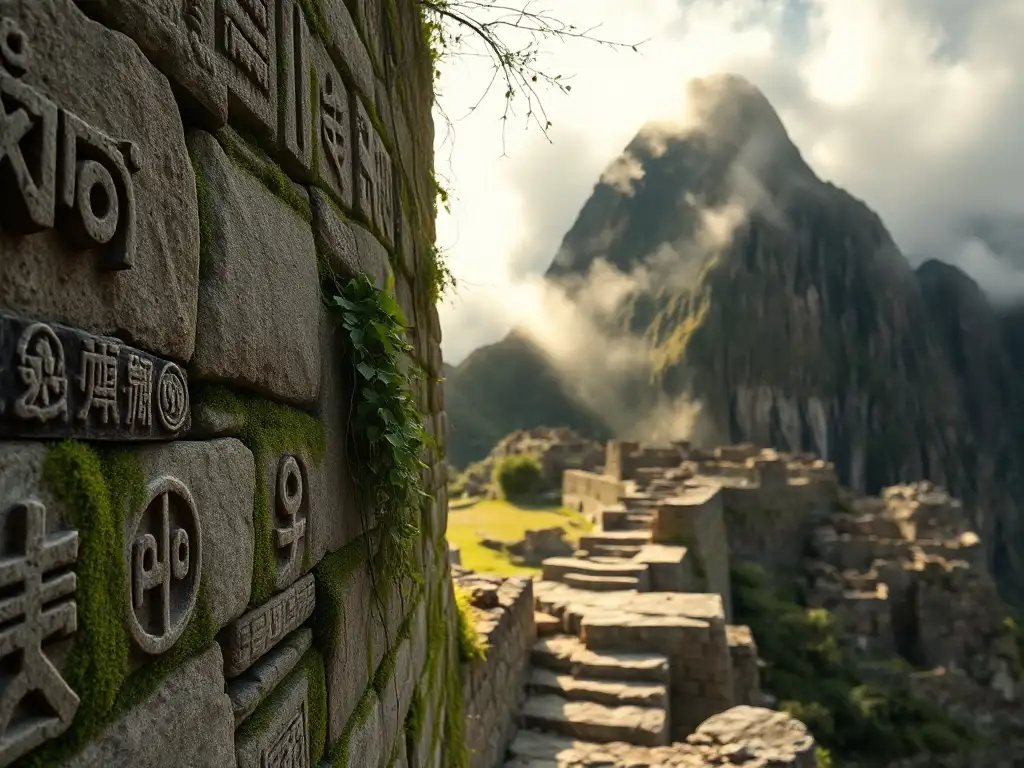
Machu Picchu, beyond its breathtaking architecture and stunning location, holds profound spiritual and cultural significance for the Inca civilization. It wasn't merely a city; it was a sacred site, interwoven with religious practices, symbolic representations, and a deep connection to the Inca worldview. Understanding these aspects reveals a layer of Machu Picchu often overlooked by casual visitors, enriching our appreciation of this remarkable historical site.
This section delves into the hidden spiritual heart of Machu Picchu, exploring its religious practices, symbolic stonework, and cosmological alignments. Uncovering these "Machu Picchu hidden secrets" unveils a more complete picture of Inca life and beliefs.
Understanding the Religious Practices at Machu Picchu
Evidence suggests Machu Picchu served as a significant religious center, possibly a huaca (sacred place). While the precise nature of its religious functions remains debated among scholars, several clues point to a complex interplay of rituals and ceremonies. The presence of numerous intihuatanas (solstice stones), strategically positioned to mark the solstices and equinoxes, strongly suggests astronomical observations played a crucial role in religious practices.
These weren't mere calendar markers; they were integral to understanding the Inca's relationship with the cosmos and the timing of agricultural cycles and religious festivals. Furthermore, the discovery of various artifacts, including ceramic vessels and ritual objects, within the site supports the hypothesis of religious activities. The careful placement of buildings, often aligned with celestial events, further reinforces the sacred nature of the site.
Archaeological findings continue to illuminate the intricacies of religious life at Machu Picchu, adding to our understanding of Inca spirituality. Further research into the specific rituals performed and their significance is ongoing. For example, the role of specific deities worshipped at Machu Picchu and the nature of their rituals requires more detailed study.
Decoding the Symbolism in Machu Picchu's Stone Work
The intricate stonework of Machu Picchu is not merely a feat of engineering; it's a tapestry of symbolic representations. The precise fitting of stones, the use of specific shapes and motifs, and the deliberate placement of structures all contribute to a rich visual language. For instance, the recurring use of specific types of stone might have held symbolic meaning, reflecting the Inca's reverence for nature and their understanding of the earth's elements.
Similarly, the shapes and patterns carved into the stones may have represented deities, celestial bodies, or other important concepts within Inca cosmology. The detailed carvings on some of the stones, while often weathered and fragmented, offer glimpses into Inca artistry and symbolism.
Unfortunately, the full meaning of many of these symbols remains elusive, requiring further interdisciplinary research combining archaeological findings with ethnographic studies of surviving Andean cultures. The decipherment of this "Machu Picchu hidden secrets" language holds the key to unlocking deeper understanding of Inca beliefs and values.
The Connection Between Machu Picchu and the Inca Cosmology
Machu Picchu's construction and layout strongly suggest a deliberate alignment with the Inca cosmology. The city's orientation, the placement of its buildings, and even the agricultural terraces appear to reflect the Inca's understanding of the cosmos. This connection is highlighted by the precise alignment of certain structures with the rising and setting sun during solstices and equinoxes.
This meticulous alignment wasn't accidental; it reflects the Inca worldview, which saw a close relationship between the terrestrial and celestial realms. The Inca believed in a harmonious interplay between the earthly and heavenly spheres, with the movements of celestial bodies influencing earthly events. Machu Picchu, therefore, wasn't just a city; it was a microcosm of the Inca cosmos, reflecting their beliefs and their understanding of the universe.
Further research into the precise astronomical alignments and their symbolic meaning would provide further insights into the "Machu Picchu hidden secrets" and the Inca's sophisticated understanding of astronomy and its relationship to their spirituality. The precise measurements and alignments require more detailed analysis to fully understand the Inca's cosmological knowledge embedded within the site.
Rediscovering the Daily Life at Machu Picchu
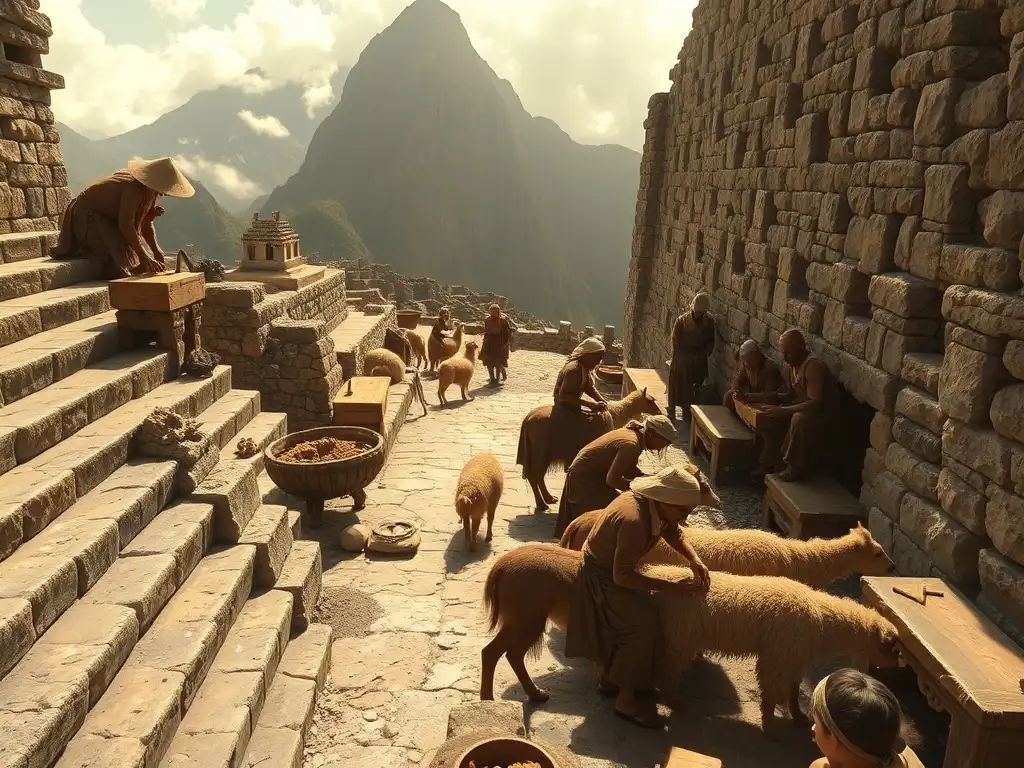
This section delves into the fascinating aspects of daily life within the Inca citadel of Machu Picchu, moving beyond the iconic imagery often presented to tourists. We will explore the evidence unearthed by archaeologists that sheds light on the lives of the people who inhabited this remarkable site, revealing the hidden secrets of their routines, social structures, and agricultural practices.
Understanding these aspects provides a richer, more nuanced perspective on Machu Picchu's significance, moving beyond its architectural marvels to encompass the vibrant human experience it once housed. The keyword "Machu Picchu hidden secrets" is central to this exploration, as we uncover details frequently overlooked in popular narratives.
Insights into the Inhabitants of the Inca Citadel
Archaeological excavations at Machu Picchu have revealed much about the inhabitants' daily lives. The discovery of numerous residential structures, ranging from modest dwellings to larger, more elaborate houses, suggests a stratified society. Detailed analysis of the artifacts found within these structures – pottery shards, tools, textiles, and even food remains – provides crucial insights into their activities and social standing.
For example, the presence of finely crafted ceramics in certain residences indicates a higher social status, while simpler pottery is associated with commoner dwellings. The careful study of these artifacts allows researchers to piece together a more complete picture of the daily routines, social interactions, and economic activities within the citadel.
The meticulous record-keeping of these findings contributes to our understanding of "Machu Picchu hidden secrets," enriching our comprehension of this historical site. Further research could focus on isotopic analysis of human remains to determine dietary habits and geographic origins of the inhabitants, uncovering even more about their lives.
Understanding the Agricultural Practices at Machu Picchu
Machu Picchu's success was intricately linked to its sophisticated agricultural system. The steep, mountainous terrain presented significant challenges, yet the Incas devised ingenious methods to cultivate crops at high altitudes. Terracing, a hallmark of Inca engineering, is evident throughout the site.
These meticulously constructed terraces not only provided level planting surfaces but also helped to control erosion and retain moisture. The careful selection of crops adapted to the altitude and climate is another testament to their agricultural prowess. Evidence suggests the cultivation of potatoes, maize, quinoa, and other Andean staples.
The discovery of irrigation channels and canals further highlights the sophisticated water management systems employed to sustain agriculture. The ingenuity of these practices remains a key element of “Machu Picchu hidden secrets”, demonstrating the Incas' remarkable adaptation to their environment and their ability to sustain a large population in a challenging landscape. Analysis of pollen and plant remains from the site continues to refine our understanding of their agricultural techniques and crop diversity.
The social structure of Machu Picchu is evident in the varying sizes and features of the residential structures. Larger, more elaborately constructed houses, often with multiple rooms and intricate stonework, are believed to have been occupied by the elite members of society, perhaps priests, administrators, or other high-ranking officials. These residences often contained finer quality artifacts, suggesting a higher standard of living.
In contrast, smaller, simpler dwellings with less elaborate features housed commoners, likely farmers, artisans, or other workers who contributed to the functioning of the citadel. The presence of both types of residences within the same complex provides a glimpse into the social hierarchy and the division of labor within the community. This layered structure is a significant aspect of "Machu Picchu hidden secrets," revealing the complex social dynamics within the Inca civilization.
Future research might explore kinship structures and social mobility within the community by analyzing genetic data from skeletal remains found at the site. The careful study of architectural styles and material remains allows researchers to reconstruct the social fabric of Machu Picchu, adding more details to the already fascinating puzzle of this ancient city.
Preserving the Legacy of Machu Picchu
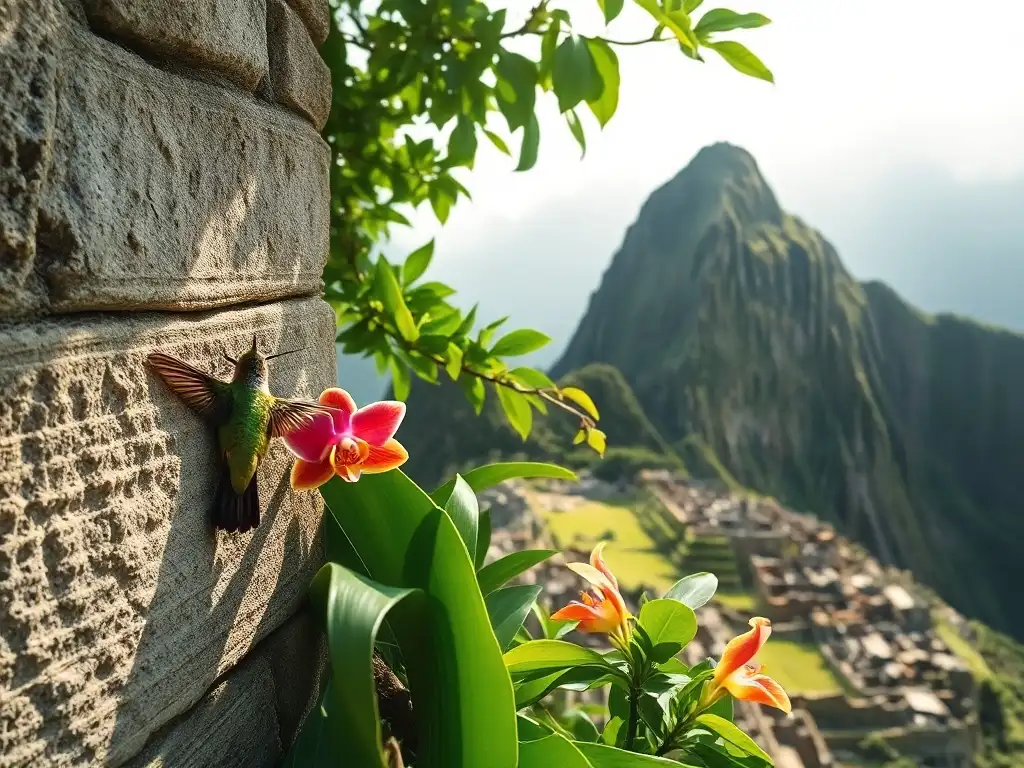
Machu Picchu, a breathtaking testament to Inca ingenuity and resilience, faces significant challenges in the 21st century. Its fame as a global icon, while bringing economic benefits to Peru, also presents a paradox: the very popularity that elevates its status threatens its preservation. The delicate balance between accessibility and protection is a constant struggle, demanding innovative solutions and a deep understanding of the site's unique vulnerabilities.
Understanding these pressures is crucial to safeguarding Machu Picchu's "hidden secrets" for generations to come – not just the archaeological mysteries, but also the intangible cultural heritage it embodies. The site's intricate stonework, fragile ecosystems, and the spiritual significance it holds for local communities all require careful stewardship. Effective preservation necessitates a multi-faceted approach, combining technological advancements with traditional knowledge and community involvement.
Challenges in the Conservation of Machu Picchu
The sheer volume of tourists visiting Machu Picchu annually presents a significant challenge. Foot traffic, even with regulated pathways, contributes to erosion and damage to the ancient structures. The impact extends beyond the visible: Increased human presence disrupts the delicate balance of the local flora and fauna, affecting biodiversity and potentially triggering landslides in the already unstable mountainous terrain. Additionally, the site's susceptibility to natural disasters, such as earthquakes and heavy rainfall, poses a constant threat.
Climate change further exacerbates these risks, increasing the frequency and intensity of extreme weather events. Furthermore, illegal activities, such as looting and vandalism, continue to pose a persistent threat to the site's integrity, requiring continuous monitoring and enforcement. The challenge lies not just in reacting to these threats, but in proactively implementing preventative measures. For instance, detailed environmental impact assessments are crucial before any new infrastructure projects are undertaken near the site.
Investing in advanced monitoring systems to detect early signs of deterioration and implementing stricter regulations on visitor numbers are equally important. Specific data on the rate of erosion in key areas, and the impact of tourism on local biodiversity, are crucial for informed decision-making. [Specific data on erosion rates and biodiversity impact pending].
Sustainable Tourism Practices at Machu Picchu
Sustainable tourism is not merely a buzzword; it's a necessity for Machu Picchu's long-term survival. Implementing sustainable practices requires a holistic approach, encompassing visitor management, environmental protection, and community engagement. This involves carefully regulating the number of daily visitors, encouraging the use of eco-friendly transportation, and promoting responsible tourism behavior among visitors. Educating tourists about the site's fragility and the importance of respecting its cultural and environmental significance is paramount.
Moreover, investing in sustainable infrastructure, such as renewable energy sources and water conservation systems, minimizes the site's ecological footprint. Supporting local communities through tourism revenue generation and providing employment opportunities in sustainable tourism-related activities ensures their active participation in preservation efforts. The successful implementation of sustainable tourism practices requires collaboration between government agencies, local communities, and tourism operators.
A comprehensive strategy needs to be developed and implemented, perhaps involving a points-based system to incentivize sustainable practices. This could include rewards for operators using electric vehicles or those who prioritize local guides and products. Furthermore, the implementation of a robust monitoring system is critical to track the effectiveness of these initiatives and make necessary adjustments.
The future of Machu Picchu hinges on a proactive and multifaceted approach to its preservation. This requires ongoing research to better understand the site's vulnerabilities and to develop innovative conservation techniques. Investing in advanced technologies, such as drone surveillance for monitoring structural integrity and environmental sensors for detecting early signs of damage, is crucial. Furthermore, strengthening international collaborations to share best practices in heritage site management and securing funding for long-term conservation efforts are essential.
Crucially, the future of Machu Picchu must involve the active participation of local communities. Their traditional knowledge and deep connection to the site provide invaluable insights into its history and cultural significance. Empowering them as stewards of their heritage strengthens the preservation efforts and ensures the site's legacy remains intertwined with the lives and aspirations of the people whose ancestors built it.
Protecting Machu Picchu's "hidden secrets," both archaeological and cultural, requires a commitment to sustainable practices, community engagement, and a forward-thinking approach to conservation, ensuring that future generations can marvel at this wonder of the ancient world. The long-term vision should encompass not only the physical preservation of the site but also the safeguarding of its intangible cultural heritage, creating a sustainable model for preserving other vulnerable historical sites globally. This requires a long-term strategy with clearly defined goals and measurable outcomes, ensuring accountability and transparency in all aspects of Machu Picchu's management.
Conclusion: Machu Picchu's Enduring Mysteries
Machu Picchu, even after decades of intense archaeological investigation, continues to whisper secrets to those who listen closely. The sheer scale of the site, the precision of its construction, and the enigmatic nature of its abandonment all contribute to its enduring allure. While much has been uncovered, many questions remain unanswered, fueling ongoing research and scholarly debate. The "Machu Picchu hidden secrets" are not merely about undiscovered chambers or lost treasures; they are about understanding the intricate social structures, agricultural practices, and spiritual beliefs of the Inca civilization.
Unraveling these mysteries requires not just excavation, but also interdisciplinary collaboration, bringing together historians, archaeologists, anthropologists, and even botanists to piece together the complete picture. The more we learn, the more we appreciate the complexity and sophistication of this remarkable site. The challenge, and the reward, lies in continuing to explore, analyze, and interpret the evidence with respect and rigor.
Machu Picchu’s significance extends far beyond its breathtaking beauty. Its strategic location, nestled high in the Andes, speaks to the Inca's mastery of engineering and their profound connection to the landscape. The intricate agricultural terraces, the sophisticated water management systems, and the carefully planned urban layout all demonstrate an advanced understanding of sustainable living.
Beyond the practical aspects, Machu Picchu likely held profound spiritual importance. The presence of ritual structures, the carefully oriented astronomical alignments, and the symbolic use of specific materials suggest a complex cosmology and a deep reverence for the natural world. Understanding this hidden significance requires moving beyond a purely aesthetic appreciation and delving into the cultural and religious context of the Inca civilization.
This involves careful consideration of the archaeological evidence, alongside ethnohistorical accounts and comparative studies of other Inca sites. The true "Machu Picchu hidden secrets" reside in deciphering the symbolic language woven into its very fabric, revealing a civilization rich in spiritual and intellectual depth.
Encouraging Responsible Exploration of this Ancient Wonder
The allure of Machu Picchu's hidden secrets attracts thousands of visitors every year. While tourism provides crucial economic benefits to the local communities, it also presents a significant challenge: the preservation of this invaluable heritage site. Responsible exploration is paramount.
This means respecting the site's fragile ecosystem, adhering to designated pathways, and refraining from any actions that could damage the ancient structures or artifacts. Supporting local communities through sustainable tourism initiatives is also crucial. By prioritizing ethical practices, we can ensure that future generations can continue to experience the awe-inspiring wonder of Machu Picchu and continue to uncover its hidden secrets.
Sustainable practices, such as limiting visitor numbers, employing local guides committed to preservation, and investing in infrastructure that minimizes environmental impact, are essential to the long-term viability of Machu Picchu as both a historical site and a thriving ecosystem. Preservation efforts are not just about protecting the physical structures; they are about protecting the cultural legacy and the stories they hold.
Further Exploration: Academic Journals and Archaeological Reports
For those seeking a deeper understanding of Machu Picchu and its hidden secrets, numerous academic resources are available. Dedicated researchers have spent decades meticulously documenting their findings in peer-reviewed journals and comprehensive archaeological reports. These publications provide detailed analyses of the site's architecture, its social organization, its agricultural practices, and its religious beliefs.
Engaging with these primary sources offers a more nuanced perspective than popular accounts, allowing for a critical engagement with the ongoing debates and interpretations surrounding this enigmatic site. Exploring these resources provides access to the most up-to-date information and allows for a more informed and enriching experience when visiting Machu Picchu or engaging with its history. The wealth of information available underscores the ongoing and vital effort to uncover and understand the "Machu Picchu hidden secrets" and the fascinating civilization that created this unparalleled wonder.
Frequently Asked Questions
Machu Picchu holds many undiscovered archaeological sites within its sprawling complex. Beyond the main ruins, researchers continue to uncover new structures and artifacts, revealing more about Inca life and engineering. These discoveries offer exciting insights into daily life and the city's true scale.
How can I experience the less-visited areas of Machu Picchu?
Consider booking a guided tour focusing on the lesser-known sections of the site. Alternatively, hiking the Inca Trail or other less-traveled trails provides a unique perspective and access to more secluded areas. Remember to obtain the necessary permits and plan well in advance.
What are some of the mysteries surrounding Machu Picchu that still puzzle archaeologists?
The exact purpose of some structures remains debated, along with the city's ultimate fate and the full extent of its population. The precise methods used in Inca construction continue to amaze and inspire research, challenging modern engineering.
Are there any recently discovered secrets or significant archaeological finds at Machu Picchu?
Recent research has uncovered new evidence regarding water management systems, highlighting the sophistication of Inca engineering. Ongoing excavations continue to reveal previously unknown structures and artifacts, shedding further light on the city's rich history and the daily lives of its inhabitants.
Explore academic journals and archaeological publications for in-depth research on the site. Visit reputable museums featuring Andean artifacts and exhibits to further your understanding. Consider joining guided tours led by expert archaeologists for a richer, more insightful experience.
Final Reflection: Unearthing the Soul of Machu Picchu
The enduring allure of Machu Picchu transcends mere tourism; it's a profound connection to a lost civilization that continues to resonate deeply within us today. The intricate details uncovered beyond the well-trodden paths, the whispers of history etched into the stones, and the breathtaking landscapes that surround this iconic site all contribute to an experience far richer than any postcard can capture. This journey into the hidden secrets of Machu Picchu is not just about discovering forgotten ruins; it's about rediscovering our own capacity for wonder and awe.
The impact of Machu Picchu's legacy extends far beyond its physical presence. It serves as a powerful reminder of the ingenuity and resilience of the Inca people, a testament to a civilization that thrived in harmony with its environment. The past is never dead. It's not even past.
- William Faulkner. This quote perfectly encapsulates the enduring relevance of Machu Picchu; its story continues to unfold, revealing new layers of understanding with each archaeological discovery and each personal encounter. The echoes of Inca life resonate in the very stones, reminding us of our shared human history and the importance of preserving our cultural heritage for future generations.
Now, consider your own journey. What hidden secrets have you discovered within yourself, within your community, or within the world around you? I encourage you to embrace the spirit of exploration, to venture beyond the familiar, and to seek out the extraordinary in the ordinary. Let the mystery and majesty of Machu Picchu inspire you to uncover your own hidden wonders, to appreciate the beauty of the unknown, and to connect with the rich tapestry of human experience that stretches across time and space. The adventure awaits.
Thank you for exploring the world of Machu Picchu with us! We hope you've discovered inspiring insights into the secrets of this magnificent site. Now, let's turn that curiosity into action and enhance your journey.
Here are a few practical steps to enrich your experience:
- Plan your adventure: Create an itinerary that includes less-traveled trails around Machu Picchu for a more intimate and rewarding exploration. Consider venturing beyond the main tourist areas to discover hidden viewpoints and quieter paths.
- Hire a local guide: Connect with a knowledgeable guide from the local community. They can share fascinating stories and unique perspectives on the rich history and culture surrounding this iconic destination, offering insights you wouldn't find in a guidebook.
- Share your experiences: Document your journey and discoveries on social media or in our community forum dedicated to Andean Civilizations, inspiring fellow travelers with your unique perspective.
We'd love to hear about your plans! Which lesser-known location near Machu Picchu are you most excited to explore?