
Andean Agriculture and Social Organization: How Food Shaped Society

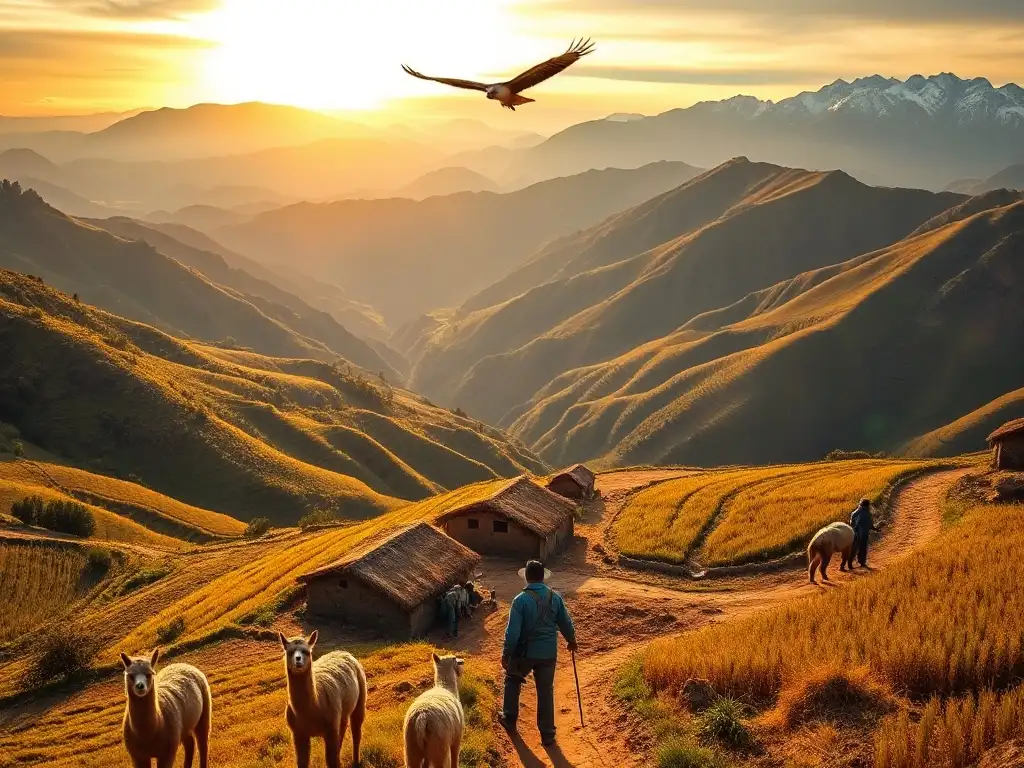
Unravel the mysteries of a world sculpted by ingenuity and shaped by the Andes themselves. For centuries, towering mountains and unforgiving landscapes were conquered, not through brute force, but through the remarkable ingenuity of the Andean people. Prepare to be amazed by the sophisticated agricultural practices that underpinned the rise and fall of mighty civilizations like the Inca, Moche, and Nazca. Discover how Andean civilization agricultural practices not only sustained these societies but also fundamentally shaped their social structures and power dynamics. Dive in and uncover the secrets of a legacy etched into the very fabric of the Andes.
The Andes Mountains, a formidable yet fertile landscape, cradled some of the most sophisticated pre-Columbian civilizations. Understanding Andean civilization agricultural practices is key to unlocking the secrets of their remarkable societal structures and enduring legacy. This article delves into the intricate relationship between agriculture and social organization in the Andes, exploring how innovative farming techniques and diverse crop cultivation not only sustained these populations but also profoundly shaped their political, economic, and religious systems.
We will examine the ingenuity of Andean agricultural practices, focusing on the specific techniques employed by various cultures, including the Incas, Moche, Nazca, and Tiahuanaco, and analyze how these practices contributed to the development of complex social hierarchies and powerful empires. The ingenuity of their agricultural systems—developed in response to the challenging Andean environment—provides a compelling case study in human adaptation and the profound impact of food production on the trajectory of civilization.
Ingenious Irrigation Systems: Conquering the Challenges of the Andes
Andean agriculture was not a simple matter of planting seeds; it required a deep understanding of the environment and masterful engineering. The mountainous terrain, characterized by steep slopes, varying altitudes, and unpredictable rainfall, presented significant challenges. To overcome these obstacles, Andean civilizations developed sophisticated irrigation systems.
These weren't merely canals; they were complex networks of channels, aqueducts, and reservoirs, meticulously designed to divert water from rivers and streams to terraced fields high in the mountains. The Nazca, for example, are renowned for their intricate canal systems, some stretching for kilometers, demonstrating an impressive command of hydraulic engineering. These systems not only ensured a reliable water supply but also played a crucial role in controlling the flow of water, preventing erosion, and maximizing agricultural output.
The construction and maintenance of these systems required coordinated labor, highlighting the importance of community cooperation in Andean agriculture and further strengthening social bonds. The scale and complexity of these projects also point to a centralized authority capable of organizing and overseeing such large-scale undertakings – a clear link between agricultural needs and societal structure.
Terracing: Maximizing Land Use in a Mountainous Environment
The steep slopes of the Andes presented a significant constraint on arable land. To overcome this, Andean farmers developed the ingenious technique of terracing. Terracing involved carving the mountainsides into a series of flat, step-like platforms, creating level fields suitable for cultivation.
This not only increased the amount of cultivable land but also reduced soil erosion and improved water management. The terraces, often built with stone retaining walls, could be found at varying altitudes, allowing for the cultivation of a diverse range of crops adapted to different climatic conditions. The construction of terraces was a monumental task, requiring significant labor and planning, further underscoring the importance of collective effort and social organization in Andean agricultural practices.
The precise alignment and construction of these terraces, some of which still stand today, are a testament to the advanced engineering skills and meticulous planning of Andean civilizations. The enduring legacy of these terraces is a poignant reminder of the close connection between the landscape and the societies that shaped it.
Andean agriculture was not limited to a single crop; instead, it boasted an impressive diversity of plants, reflecting the varied ecological zones and the ingenuity of Andean farmers. Potatoes, quinoa, maize, beans, and various other crops formed the cornerstone of the Andean diet, providing a balanced and nutritious source of sustenance. The diversity of crops not only ensured food security but also contributed to the development of complex social structures.
Surplus production, facilitated by advanced agricultural techniques, allowed for the emergence of specialized labor, trade networks, and hierarchical social organizations. The control and distribution of food resources became a central aspect of power and authority, leading to the establishment of powerful empires and the development of elaborate religious rituals centered around agricultural cycles and deities.
The intricate interplay between crop diversity, food surpluses, and social organization is a key factor in understanding the rise and development of Andean civilizations. Further research into specific dietary habits and their correlation with social class would illuminate this aspect even further.
The Role of Llamas and Alpaca in Andean Agriculture
Andean agricultural practices weren't solely reliant on plant cultivation; they also incorporated animal husbandry. Llamas and alpacas played a crucial role in the Andean economy, providing wool, meat, and transport. Their dung served as an important fertilizer, enriching the soil and boosting crop yields. These animals were integral to the Andean ecosystem and their management required careful planning and coordination, further strengthening the social fabric of Andean communities.
The integration of animal husbandry with plant cultivation showcases the holistic approach to resource management that characterized Andean agricultural practices. Further research into specific breeding practices and animal management techniques would provide a more comprehensive understanding of their contribution to the Andean agricultural system. The symbiotic relationship between humans, animals, and the environment highlights the sustainable and integrated nature of Andean agriculture.
- Ingenious Irrigation Systems: Conquering the Challenges of the Andes
- Terracing: Maximizing Land Use in a Mountainous Environment
- Crop Diversity and Andean Diets: The Foundation of Social Complexity
- The Role of Llamas and Alpaca in Andean Agriculture
- What role did agriculture play in Andean civilizations?
- What were some of the main crops cultivated by Andean civilizations?
- How did the geography of the Andes influence agricultural practices?
- What is the relationship between Andean agricultural practices and social organization?
- How did Andean civilizations adapt their agriculture to different altitudes?
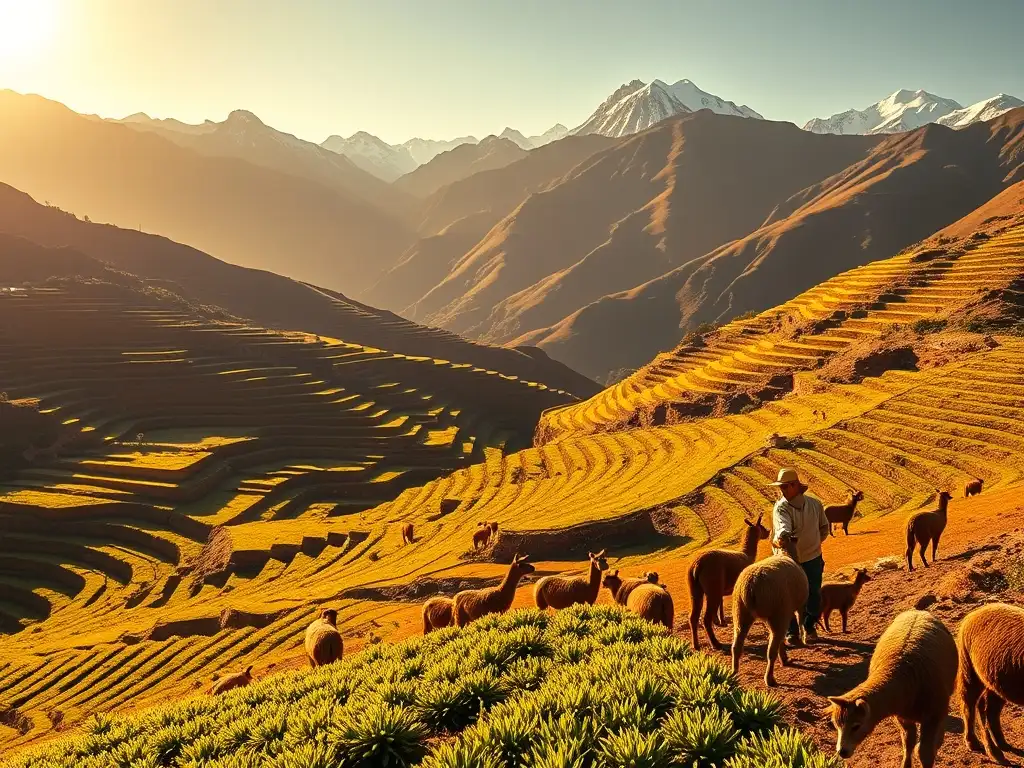
This section delves into the intricate relationship between agricultural practices and the social structures of Andean civilizations. We will explore how innovative farming techniques not only ensured food security but also profoundly shaped social hierarchies, religious beliefs, and political power dynamics. Understanding this interplay is crucial to grasping the complexity and sophistication of these ancient societies. The term "Andean civilization agricultural practices" encompasses a wide range of techniques and approaches, reflecting the diverse environments and cultures across the Andes.
The Foundations of Andean Societies: Agriculture as a Core Element
Andean societies, from the earliest settlements to the Inca Empire, were fundamentally agrarian. Agriculture wasn't merely a means of subsistence; it was the bedrock upon which their entire social order was built. The ability to cultivate crops in diverse and challenging environments – from arid coastal deserts to high-altitude mountain slopes – was a testament to their ingenuity and adaptability. This mastery of agriculture allowed for population growth, the development of complex urban centers, and the emergence of specialized labor. Without successful agricultural practices, the impressive achievements of the Andean civilizations would have been impossible.
The success of Andean agriculture wasn't solely dependent on environmental factors; it was inextricably linked to social organization. Collective labor, sophisticated irrigation systems, and carefully planned terracing were all crucial components. These collaborative efforts required strong leadership and social cohesion, reinforcing existing power structures or creating new ones. For example, the construction and maintenance of large-scale irrigation projects likely involved the coordinated efforts of numerous communities, overseen by powerful elites who controlled water access and distribution. This control translated directly into political and social influence.
Understanding the Agricultural Origins of Andean Civilizations
Tracing the agricultural origins of Andean civilizations reveals a long and fascinating history of innovation and adaptation. Early Andean farmers experimented with diverse crops, including potatoes, maize, quinoa, beans, and squash, adapting them to different ecological niches. Archaeological evidence suggests that the domestication of these crops occurred over millennia, a process involving careful selection and cultivation. The development of sophisticated techniques, like raised fields and waru waru (a form of raised-field agriculture), allowed for increased agricultural productivity even in challenging environments.
The spread of these techniques and the resulting surplus of food likely played a significant role in the development of larger, more complex societies. As populations grew and food became more abundant, specialization of labor became possible. This led to the emergence of specialized craftspeople, religious leaders, and political elites, further solidifying social stratification.
The control of agricultural resources became a key factor in determining social status and power, shaping the political landscape of Andean civilizations for centuries. The evolution of Andean agriculture is a compelling example of how human ingenuity and environmental adaptation can lead to profound social and cultural transformations. Further research into specific Andean cultures, such as the Nazca and Moche, could reveal even more nuanced details about the interplay between agriculture and social organization within these groups.
Key Agricultural Techniques in Andean Civilizations
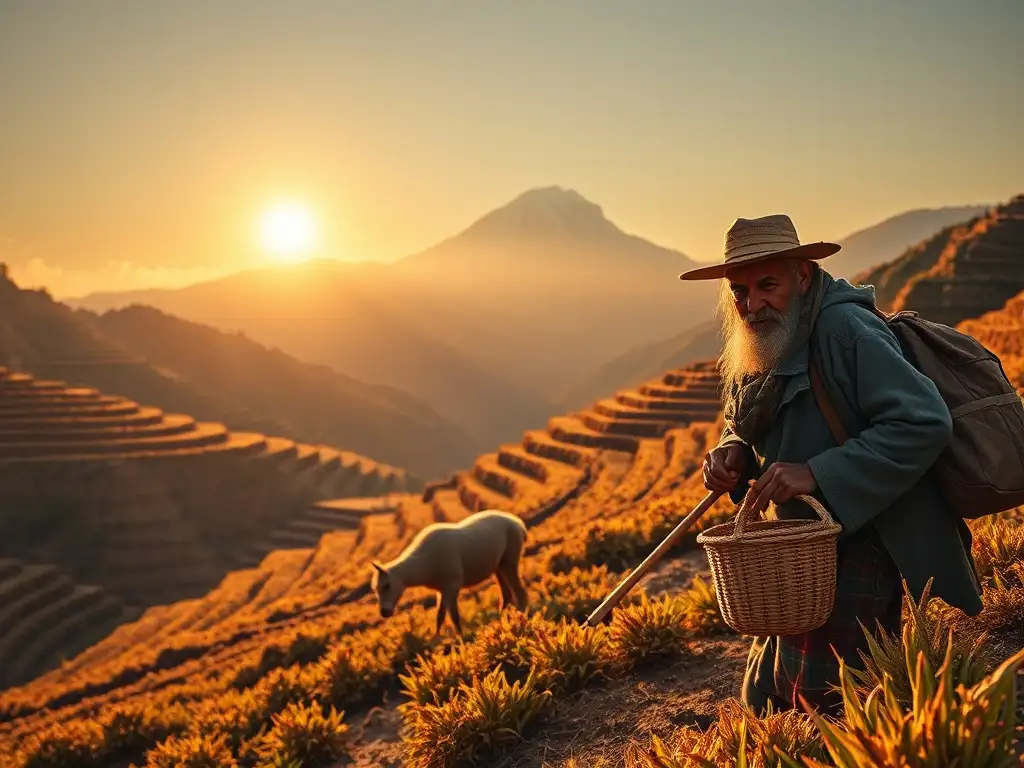
Andean civilization agricultural practices were remarkably sophisticated, given the challenging terrain and diverse climates of the Andes Mountains. The ingenuity of these ancient societies is evident in their innovative techniques for maximizing food production, adapting to the environment, and ensuring the sustainability of their agricultural systems. Understanding these techniques is crucial to appreciating the complex interplay between agriculture and social organization in the Andes.
The remarkable achievements in Andean agriculture were not simply about producing food; they were fundamental to the power structures, social hierarchies, and cultural identities of these civilizations. Their success in cultivating food in such a difficult environment demonstrates a deep understanding of both the natural world and the principles of sustainable agriculture.
Terraced Farming: Maximizing Arable Land in the Andes
Terraced farming, or andenes, is arguably the most iconic symbol of Andean agricultural ingenuity. These meticulously constructed terraces, carved into mountain slopes, dramatically increased the amount of arable land available for cultivation. The terraces were not just haphazardly cut into the hillsides; they were carefully designed to optimize water retention and minimize soil erosion. The construction involved significant labor, often requiring the coordinated efforts of entire communities. The size and complexity of the terraces varied depending on the specific location and the needs of the community, ranging from small, family-sized plots to extensive systems covering entire mountainsides.
The benefits of terraced farming were numerous. First, it significantly expanded the land suitable for agriculture, allowing Andean civilizations to support larger populations. Second, the terraces slowed the flow of rainwater, reducing erosion and preventing the loss of valuable topsoil. Third, the flat surfaces created by the terraces allowed for easier planting, weeding, and harvesting.
The construction of andenes also involved sophisticated water management techniques, often incorporating channels and reservoirs to distribute water evenly across the terraces. Evidence suggests that different crops were planted on terraces at varying altitudes to take advantage of microclimates and optimize yields. For instance, higher-altitude terraces might have been used for frost-resistant crops like potatoes, while lower-altitude terraces were suitable for more sensitive plants.
Irrigation Systems: Engineering for Water Management in Andean Agriculture
Water management was paramount to successful agriculture in the Andes, a region characterized by variable rainfall and steep slopes. Andean civilizations developed sophisticated irrigation systems to ensure a reliable water supply for their crops. These systems ranged from simple canals diverting water from streams to complex networks of channels, aqueducts, and reservoirs capable of supplying water to extensive agricultural areas. The construction of these systems required advanced engineering knowledge and significant community cooperation. The precise methods varied depending on the location and available resources, but the underlying principle remained consistent: to harness and control water flow effectively.
Examples of impressive irrigation systems include those found in the Nazca region, famous for their intricate lines and geoglyphs. These systems demonstrate a deep understanding of hydrology and the ability to channel water over long distances across challenging terrain. The ability to manipulate water resources was not simply a matter of survival; it was a source of power and prestige.
Control over water distribution often played a crucial role in social organization and the allocation of resources. The maintenance and expansion of irrigation systems also required ongoing community effort, reinforcing social bonds and promoting cooperation. The ingenuity displayed in these systems highlights the advanced understanding of hydraulic engineering within Andean civilizations.
Crop Rotation and Soil Conservation Methods in Ancient Andean Farming
Andean civilization agricultural practices were not only innovative but also remarkably sustainable. The civilizations employed a range of techniques to maintain soil fertility and prevent land degradation. Crop rotation was a key strategy, involving the systematic planting of different crops in succession to prevent nutrient depletion and the build-up of pests and diseases. This practice, coupled with the use of organic fertilizers such as manure and guano (bird droppings), ensured the long-term productivity of their fields. The use of guano, in particular, was a significant contribution, providing a rich source of nutrients and dramatically increasing crop yields.
Furthermore, Andean farmers employed various soil conservation methods to prevent erosion and maintain soil structure. These methods included terracing (already discussed), but also the use of contour plowing, which involved plowing along the contours of the land to reduce runoff and erosion. The integration of livestock grazing into agricultural systems played a role in soil management, with animals contributing manure as fertilizer while the careful management of grazing patterns helped to maintain soil health.
These practices ensured the long-term sustainability of Andean agriculture and contributed to the resilience of their societies. The sophisticated understanding of soil health and the implementation of sustainable agricultural practices stand as a testament to the environmental awareness and resourcefulness of Andean civilizations.
The Importance of Andean Agricultural Tools and Technology
Andean agricultural practices were not simply about planting seeds and harvesting crops; they were deeply intertwined with sophisticated tools and technologies developed over millennia to overcome the challenges of the diverse Andean landscape. The ingenuity of these civilizations is evident in the tools they crafted and the techniques they employed to maximize yields in often-difficult terrains. Understanding these tools and technologies is key to appreciating the complexity and sophistication of Andean agriculture and its profound impact on their social structures.
The development of effective irrigation systems was paramount. The Incas, for example, are renowned for their intricate canals and terraces, which allowed them to cultivate crops on steep slopes and arid regions. These weren't simply haphazard ditches; they were meticulously planned and constructed, often involving complex water management systems that utilized gravity and strategically placed reservoirs.
The precision and scale of these projects are a testament to the advanced engineering capabilities of the Andean civilizations and their deep understanding of hydrology. The efficiency of these systems allowed for increased agricultural output, supporting larger populations and more complex social structures. Without these technological advancements, the agricultural success of the Andean civilizations would have been severely limited.
Beyond irrigation, the tools themselves demonstrate remarkable innovation. The Andean peoples crafted a diverse array of tools from readily available materials like wood, stone, and bone. Simple-looking implements like the chaquitaclla (a foot-powered plow) were incredibly effective in tilling the soil, particularly in mountainous regions where animal-drawn plows were impractical. The design of the chaquitaclla, with its foot-operated lever system, allowed farmers to efficiently turn the soil without the need for large animals or significant physical exertion. This illustrates a deep understanding of leverage and mechanics, contributing significantly to increased agricultural efficiency.
Furthermore, the development of specialized tools for specific tasks reflects a high level of agricultural specialization. Tools for harvesting, processing, and storing crops were diverse and adapted to the specific needs of various crops. The creation of these specialized tools points to a well-organized agricultural system, with individuals or groups specializing in particular tasks within a larger agricultural production chain.
This specialization contributed to both increased efficiency and overall agricultural output, again supporting the growth and complexity of Andean societies. The effective use of these tools was not merely a matter of technological prowess, but also a reflection of a deeply ingrained understanding of agricultural practices and the natural environment. The sophistication of these technologies, therefore, is intrinsically linked to the overall success and social organization of the Andean civilizations.
The remarkable agricultural achievements of Andean civilizations weren't merely about sustenance; they were the bedrock upon which complex social structures, religious beliefs, and political power were built. Understanding the ingenuity of their farming techniques – from terracing to irrigation – is crucial to grasping the intricacies of Andean society. The innovative agricultural practices of the Andean civilization directly influenced the development and evolution of their social organization, resulting in sophisticated hierarchical structures and elaborate religious systems.
Analyzing the interplay between agriculture and society reveals a fascinating picture of how food production shaped the destiny of these remarkable cultures. This section will delve into the specific ways in which agricultural productivity impacted Andean social structures, examining surplus production, labor organization, and religious rituals.
Surplus Production and the Rise of Complex Societies
The ability to consistently produce agricultural surpluses was a pivotal factor in the development of complex societies in the Andes. Unlike hunter-gatherer groups, Andean civilizations, through their mastery of irrigation, terracing, and crop diversification, could generate food beyond immediate needs. This surplus food wasn't just extra sustenance; it fueled population growth, specialization of labor, and the emergence of social hierarchies. For example, the Inca Empire's sophisticated mit'a system, a form of mandatory labor, relied on the existence of surplus to support those who worked on state projects like road construction or religious sites, rather than solely on food production.
The availability of surplus resources also allowed for the development of a specialized elite class. These individuals, freed from the constant demands of food production, could dedicate their time to administrative tasks, religious ceremonies, crafting, or warfare – activities that contributed to the increasing complexity and sophistication of Andean societies.
The storage and redistribution of surplus food, often managed by the ruling elite, became a powerful tool for consolidating power and maintaining social order. Archaeological evidence, such as large granaries found at various sites across the Andes, supports the existence of sophisticated systems for managing and distributing surplus agricultural production.
Andean agricultural practices were intricately linked to social stratification. The organization of agricultural labor reflected and reinforced existing social hierarchies. The ayllu, a kinship-based community, played a central role in agricultural production, with labor often organized on a reciprocal basis within the community. However, this system was far from egalitarian. Evidence suggests that significant differences in wealth and status existed, with certain individuals or families controlling access to prime agricultural land and resources.
The Inca Empire, for instance, implemented the mit'a system, a form of rotational labor service, which obligated individuals to contribute a portion of their time to public works projects, including agricultural endeavors. While seemingly equitable in its rotation, the mit'a system often disproportionately burdened certain communities, reinforcing existing power structures. Those in higher social positions were often exempt or had their obligations reduced, further highlighting the connection between agricultural labor and social hierarchy. The distribution of agricultural products, including the allocation of surplus, served as another mechanism for reinforcing social inequalities.
The Role of Agriculture in Andean Religious Beliefs and Rituals
Agriculture was not merely an economic activity in Andean societies; it was deeply intertwined with religious beliefs and rituals. The success of agricultural production was seen as dependent on the favor of the gods, and elaborate ceremonies were conducted to ensure bountiful harvests. Many Andean deities were associated with agricultural fertility, including the Inca god Inti (the sun) and Pachamama (Mother Earth).
Religious rituals often involved offerings of agricultural products, such as coca leaves, maize, and potatoes. These offerings were not simply symbolic gestures; they were believed to maintain a reciprocal relationship between humans and the supernatural realm. The importance of agriculture is evident in the numerous archaeological sites featuring agricultural motifs in their art and architecture.
For instance, many temples and palaces incorporated agricultural imagery, emphasizing the central role of agriculture in the Andean worldview. The careful cultivation of specific crops, like maize, often held symbolic value, reflecting a complex interplay between agricultural practices and religious beliefs. The cycles of planting, growing, and harvesting were mirrored in religious calendars and festivals, highlighting the deep spiritual significance of Andean agricultural practices.
Specific Crops and Their Influence on Andean Society
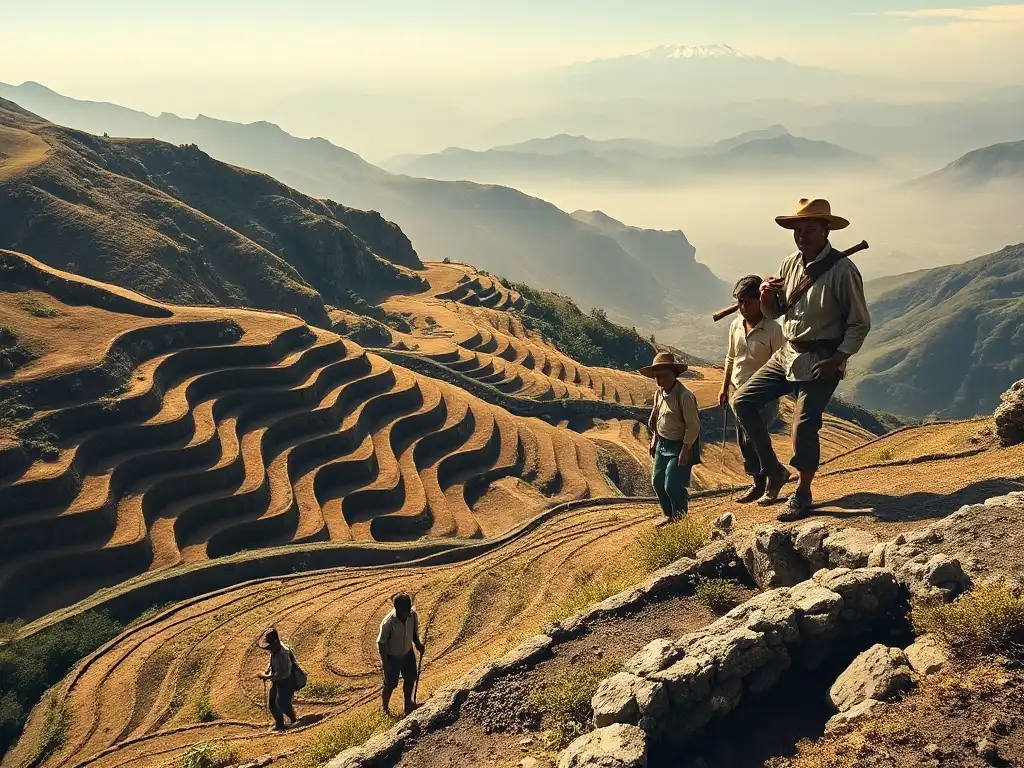
This section delves into the crucial role specific crops played in shaping Andean societies. Understanding the cultivation, distribution, and consumption of these plants provides invaluable insight into the complex social structures and power dynamics of these ancient civilizations. The focus on "Andean civilization agricultural practices" reveals a sophisticated relationship between the environment and the people who inhabited it. From the humble potato to the resilient quinoa, these crops were more than just sustenance; they were integral to religious beliefs, economic systems, and social hierarchies.
The Significance of Potatoes and Other Tubers in Andean Diets
The potato ( Solanum tuberosum) is undeniably iconic in Andean culture, and its significance extends far beyond simple dietary needs. Archaeological evidence suggests potato cultivation began in the Andes thousands of years ago, predating the Inca Empire. The remarkable adaptability of the potato, thriving in diverse altitudes and climates, allowed its cultivation across a wide range of Andean ecosystems. This versatility contributed significantly to the population density and stability of Andean settlements.
Beyond the common potato, numerous other tubers, such as oca ( Oxalis tuberosa), ulluco ( Ullucus tuberosus), and mashua ( Tropaeolum tuberosum), formed the cornerstone of the Andean diet. These tubers, rich in carbohydrates and essential nutrients, provided crucial calories and vitamins. The diversity of these crops acted as a form of natural insurance against crop failure, a crucial factor in a region prone to unpredictable weather patterns.
The cultivation and storage of these tubers required extensive knowledge of agricultural techniques, including terracing, irrigation, and sophisticated storage methods to preserve them throughout the year. This knowledge was often passed down through generations, reinforcing community bonds and social structures. The distribution and control of these vital food sources likely played a role in determining social status and political power within Andean communities. Further research is needed to quantify the precise impact of tuber distribution on social stratification. [Specific information pending: detailed analysis of social stratification based on tuber access].
Maize Cultivation and its Impact on Andean Culture
Maize ( Zea mays), or corn, held immense cultural and religious significance across various Andean civilizations. Its cultivation was widespread, its presence evident in archaeological sites throughout the region. Unlike the relatively decentralized cultivation of potatoes, maize production often involved larger-scale, coordinated efforts, suggesting a more centralized form of social organization in certain contexts.
The importance of maize is reflected in Andean mythology and religious practices. Maize was often associated with deities and played a vital role in ceremonies and rituals. The use of maize in the production of chicha, a fermented beverage, further highlights its integral role in social and religious life. The consumption of chicha during ceremonies and feasts played a key role in social cohesion and the reinforcement of community bonds.
The sheer scale of maize cultivation, particularly in the coastal regions, necessitated sophisticated irrigation systems and advanced agricultural techniques. This, in turn, required complex social organization and labor mobilization, reflecting a hierarchical structure in some Andean societies. The abundance of maize, and its role as a staple food, likely contributed to population growth and the development of larger, more complex settlements.
Quinoa and Other Andean Grains: Nutritional Powerhouses
Quinoa ( Chenopodium quinoa) stands out as a nutritional powerhouse, boasting a unique combination of proteins, carbohydrates, and essential amino acids. Its cultivation, though not as widespread as potatoes or maize, played a significant role in the Andean diet, particularly in high-altitude regions where other crops struggled to thrive. The resilience of quinoa to harsh environmental conditions made it a crucial crop for Andean communities, ensuring food security in challenging terrains.
Along with quinoa, other Andean grains, such as amaranth ( Amaranthus) and kañiwa ( Chenopodium pallidicaule), contributed to the dietary diversity of the region. These grains, rich in nutrients and adaptable to diverse climates, provided essential dietary components, complementing the carbohydrates provided by tubers and maize. The cultivation of these grains may have been particularly important in specific ecological niches, contributing to regional variations in dietary habits and social structures.
The nutritional value and adaptability of these grains underscore the ingenuity and resourcefulness of Andean agricultural practices. Their importance in the Andean diet, alongside the other crops detailed above, shaped the cultural and social fabric of these ancient societies, highlighting the deep connection between food production and social organization. Further research is needed to fully understand the specific regional variations in grain cultivation and their impact on local social structures. [Specific information pending: detailed regional analysis of grain cultivation and social impact].
Coca ( Erythroxylum coca) leaves held, and continue to hold, a position of paramount importance in Andean cultures, profoundly impacting their ritual practices, medicinal applications, and social structures. Its significance extends far beyond simple agricultural production; it's interwoven with the very fabric of Andean societies, past and present.
The cultivation of coca was not merely an economic activity; it was deeply embedded in religious and spiritual beliefs. Archaeological evidence reveals coca leaves present in ancient burial sites, suggesting their use in funerary rites and offerings to deities. The leaves were believed to facilitate communication with the spirit world, providing a conduit for accessing divine guidance and power.
Shamans, or paqos, played a crucial role in these rituals, utilizing coca leaves in their ceremonies to achieve altered states of consciousness and divine inspiration. The precise rituals varied across different Andean cultures, but the central role of coca remained consistent.
Beyond its ritualistic significance, coca also played a vital role in Andean medicine. Its leaves possess stimulant properties, providing energy and suppressing hunger and thirst – invaluable assets in the challenging Andean environment. Traditional healers utilized coca to alleviate various ailments, including headaches, altitude sickness, and digestive problems. Chewing coca leaves was a common practice to combat fatigue and enhance endurance, particularly for those undertaking arduous tasks such as farming or construction projects. The knowledge of coca's medicinal properties was passed down through generations, forming an integral part of Andean healthcare systems.
The social structure of Andean societies was also influenced by coca. Control over coca production and distribution often translated to political and economic power. In the Inca Empire, for example, coca was a significant source of tribute, with the elite controlling its access and distribution.
This created a complex system of social hierarchy, where access to coca was a marker of status and influence. The Inca state regulated coca cultivation and trade, ensuring a steady supply for the imperial court and its allies, while simultaneously maintaining control over this valuable resource. This control extended to the management of coca plantations, the regulation of harvesting, and the distribution of the leaves within the empire.
Even today, coca remains a significant element in the social and economic life of many Andean communities. The intricate relationship between coca cultivation, social power, and economic control persists, demonstrating the lasting impact of this plant on Andean societies. Understanding this multifaceted role is crucial to appreciating the depth and complexity of Andean civilization.
Andean Agricultural Practices and Trade Networks

This section delves into the intricate relationship between Andean agricultural practices and the extensive trade networks that crisscrossed the Andes Mountains. The sophisticated agricultural techniques employed by Andean civilizations weren't isolated endeavors; they were deeply intertwined with complex systems of exchange that facilitated the distribution of vital resources and shaped social structures. Understanding this interconnectedness is crucial to grasping the full extent of Andean ingenuity and societal organization. The concept of "Andean civilization agricultural practices" encompasses far more than just farming techniques; it includes the entire logistical and economic framework supporting food production and distribution.
The Exchange of Agricultural Products Between Different Regions
The diverse geography of the Andes, ranging from coastal deserts to high-altitude plains, fostered a remarkable variety of agricultural products. Coastal regions excelled in producing cotton, beans, and seafood, while higher altitudes were ideal for cultivating potatoes, quinoa, and maize. This natural variation created a strong incentive for trade between different ecological zones, known as vertical archipelagoes. The exchange wasn't simply a matter of surplus; it represented a fundamental strategy for survival and prosperity. Communities specialized in specific crops, relying on trade to obtain the diverse range of foods necessary for a balanced diet.
For example, coastal communities, skilled in fishing and cotton cultivation, traded these products for the potatoes and quinoa produced in the highlands. This reciprocal exchange wasn't haphazard; it was meticulously organized through established trade routes and systems of reciprocity, often involving ritualized exchanges and social obligations. The movement of goods wasn't only about food; it also included other essential materials like salt, wood, and precious metals, further solidifying the interconnectedness of Andean societies.
Archaeological evidence, including the discovery of diverse agricultural products in far-flung sites, strongly supports the existence of these extensive trade networks. The sheer volume and variety of exchanged goods underscore the importance of inter-regional cooperation and the sophisticated organizational skills of Andean societies.
The Economic Importance of Agriculture in Andean Civilization
Agriculture formed the bedrock of the Andean economy. It wasn't merely a means of subsistence; it was the engine driving social stratification, political power, and economic prosperity. The surplus production of staple crops like potatoes and maize allowed for the development of specialized labor, the growth of urban centers, and the support of a complex social hierarchy. The control over agricultural resources, including land and irrigation systems, often translated directly into political and economic dominance.
The economic significance of Andean agriculture is evident in the monumental irrigation systems, terraced fields, and sophisticated agricultural technologies developed across different cultures. The Inca, for example, implemented a highly efficient system of mit'a labor, organizing the workforce to build and maintain extensive infrastructure, including canals, reservoirs, and storage facilities. This ensured a reliable food supply, even in times of drought or other environmental challenges.
The scale and sophistication of these projects highlight the immense economic importance placed on agriculture and its role in maintaining social stability. The economic impact extended beyond food production; agricultural products formed the basis of trade, taxation, and even ritual offerings, deeply embedding agriculture in the fabric of Andean life.
The Role of Vertical Archipelagoes in Andean Trade
The concept of the vertical archipelago is central to understanding Andean agricultural practices and trade. This unique system involved the exploitation of diverse ecological zones, from the coast to the high Andes, to create a network of interconnected communities. Each zone produced distinct agricultural products, fostering a system of reciprocal exchange that ensured the survival and prosperity of participating groups. The vertical archipelago wasn't merely a geographical feature; it represented a complex socio-economic strategy that maximized resource utilization and promoted regional integration.
The success of this system depended on the development of sophisticated transportation networks, including trails, bridges, and storage facilities. The Inca, in particular, excelled in developing and maintaining these networks, facilitating the movement of goods across vast distances. The chaski messenger system, for instance, played a critical role in coordinating trade, relaying information, and ensuring the efficient distribution of resources.
The integration facilitated by the vertical archipelago resulted in a remarkable degree of economic interdependence and social cohesion across the Andean region, showcasing the ingenuity and organizational capabilities of Andean civilizations. The system's resilience and adaptability underscore its importance as a key factor in the long-term success and stability of Andean societies. Further research into the specific trade routes and the volume of goods exchanged would provide a deeper understanding of the economic dynamics within these vertical archipelagoes.
Legacy of Andean Agriculture: Lessons for Today

The ingenuity of Andean agricultural practices continues to resonate today, offering valuable lessons in sustainability and resilience. For centuries, Andean civilizations thrived in challenging environments, developing sophisticated techniques to maximize crop yields and minimize environmental impact. Understanding these practices is crucial not only for appreciating the achievements of these ancient cultures but also for addressing modern agricultural challenges, such as climate change and food security. The Andes, with its diverse ecosystems ranging from arid coastal deserts to high-altitude grasslands, presented significant hurdles for agriculture.
Yet, the inhabitants of the region developed remarkable adaptations, leaving a legacy that continues to inspire modern farming practices. This legacy is particularly relevant in the face of global climate change and increasing pressure on food resources. Understanding their methods can help us build more sustainable and resilient food systems.
Sustainable Farming Practices: Insights from Andean Agriculture
Andean agricultural practices were deeply intertwined with a profound understanding of their environment. They employed a variety of techniques to optimize resource use and minimize environmental impact. Examples include:
- Terracing: The construction of terraces on steep slopes significantly reduced soil erosion and increased arable land. This ingenious system allowed for cultivation on otherwise unusable terrain, maximizing agricultural output in mountainous regions. The precise engineering involved in creating these terraces, often incorporating sophisticated irrigation systems, is a testament to the advanced knowledge of Andean engineers and farmers.
- Waru Waru: This unique agricultural system involved creating raised fields separated by canals. This system improved drainage, regulated soil temperature, and increased water retention, crucial for survival in unpredictable weather patterns. The Waru Waru system, still practiced in some areas, demonstrates the ability of Andean civilizations to adapt their farming practices to specific environmental conditions. Its effectiveness in water management is especially pertinent in the context of droughts and water scarcity.
- Crop Rotation and Intercropping: Andean farmers practiced diverse cropping systems, rotating crops to maintain soil fertility and prevent pest infestations. Intercropping, the practice of planting different crops together, further enhanced biodiversity and productivity. This approach, unlike monoculture farming, increased resilience to environmental shocks and reduced the risk of widespread crop failure.
- Fertilizers: The use of organic fertilizers, such as guano (bird droppings) and compost, enriched the soil and enhanced crop yields. The understanding and sustainable utilization of natural resources like guano highlight the Andean peoples' respect for the environment and their ability to harness its resources effectively. This contrasts with the environmentally damaging impact of modern chemical fertilizers.
The sophisticated techniques employed by Andean civilizations showcase a holistic approach to agriculture, emphasizing sustainability and resilience. These techniques, developed through centuries of experience and observation, offer valuable lessons for contemporary agriculture.
Modern Applications of Andean Agricultural Knowledge in Agroecology
The principles of Andean agriculture are finding renewed relevance in modern agroecology. Agroecology, a holistic approach to farming that integrates ecological principles, seeks to create sustainable and resilient food systems. Many of the techniques employed by Andean civilizations align perfectly with the goals of agroecology, offering valuable insights and practical applications.
For example, the terrace system is being revived and adapted in various parts of the world to address soil erosion and land degradation, particularly in mountainous regions. Similarly, the Waru Waru system’s water management capabilities are being investigated and implemented to improve water use efficiency and drought resilience in arid and semi-arid areas. This demonstrates the enduring value of traditional knowledge in addressing modern agricultural challenges.
The study and adaptation of Andean farming practices are proving invaluable in the development of sustainable agricultural strategies for the future. The integration of traditional knowledge with modern scientific understanding is a key aspect of successful agroecological projects.
Preserving the Rich Agricultural Heritage of the Andes
Preserving the rich agricultural heritage of the Andes is crucial for both cultural and environmental reasons. The knowledge and practices developed over millennia are invaluable resources for sustainable agriculture and food security. However, many traditional farming techniques are under threat due to modernization, migration, and climate change. Efforts to document, preserve, and promote these traditional practices are essential to ensure their survival for future generations.
This preservation effort involves several key aspects:
- Documentation of Traditional Knowledge: Comprehensive documentation of traditional Andean agricultural practices, including detailed descriptions of techniques, crop varieties, and cultural significance, is essential. This documentation should be accessible to both researchers and local communities.
- Support for Local Farmers: Support for local farmers who continue to practice traditional techniques is crucial. This support could include access to markets, training programs, and financial assistance. This ensures the continuity of traditional practices and the preservation of valuable knowledge.
- Education and Awareness: Raising awareness about the importance of Andean agricultural heritage among both local communities and the wider world is essential. Educational programs can help promote the adoption of sustainable farming practices and highlight the cultural significance of traditional agriculture.
The preservation of Andean agricultural heritage is not merely a matter of cultural preservation but also a critical contribution to global food security and environmental sustainability. By learning from the past, we can build a more resilient and sustainable future for agriculture.
Conclusion: Andean Agriculture as a Cornerstone of Civilization
The Enduring Connection Between Food and Society in the Andes
The sophisticated agricultural practices of the Andean civilizations weren't merely methods of food production; they were the very foundation upon which their complex societies were built. The ingenuity displayed in terracing mountainsides, developing irrigation systems, and adapting crops to diverse altitudes profoundly impacted social structures, political power, and religious beliefs. Understanding Andean civilization agricultural practices is crucial to grasping the full extent of their achievements.
The intricate interplay between food production and social organization is evident in the distribution of resources and labor. The surplus generated by these advanced techniques allowed for the creation of specialized labor forces beyond agriculture, fueling the growth of artisans, builders, and religious elites. This surplus also facilitated trade networks, connecting distant communities and strengthening political alliances. The control over water resources, a critical element in Andean agriculture, often translated directly into political power, with elites wielding significant influence over irrigation systems and agricultural lands.
Consider the Inca Empire, a prime example of how agricultural prowess underpinned societal strength. Their mastery of waru waru agriculture, a sophisticated raised-bed system, allowed them to cultivate vast swathes of land, even in challenging environments. This agricultural surplus fueled the empire's expansion and enabled the support of a large bureaucracy and military. The Inca's meticulous record-keeping of agricultural production and distribution further highlights the centrality of food in their administrative system.
The impact extends beyond the material realm. Religious beliefs and ceremonies were deeply intertwined with agricultural cycles. Many Andean deities were associated with fertility and harvest, reflecting the profound importance of agriculture in their worldview. Festivals and rituals were timed to coincide with planting and harvesting seasons, underscoring the sacred nature of food production. This spiritual connection reinforced social cohesion and provided a framework for communal action in agricultural endeavors.
The legacy of Andean agricultural practices continues to resonate today. Many traditional farming techniques, adapted and refined over millennia, are still practiced in the Andes. These practices demonstrate a remarkable resilience and adaptation to environmental challenges, offering valuable lessons for sustainable agriculture in a changing world.
Understanding the ingenuity and sophistication of these ancient methods provides insights into effective and environmentally responsible food production strategies. The study of Andean civilization agricultural practices offers not only a glimpse into the past but also a valuable resource for addressing contemporary agricultural challenges. The connection between food and society in the Andes remains a powerful and enduring one, shaping both the landscape and the lives of the people who inhabit it.
| Aspect of Society | Impact of Andean Agricultural Practices |
|---|---|
| Social Structure | Created specialized labor, supported social hierarchy |
| Political Power | Control over water and land resources translated into political influence |
| Religious Beliefs | Deities associated with fertility and harvest, rituals tied to agricultural cycles |
| Economic System | Enabled trade networks, facilitated surplus distribution |
| Environmental Adaptation | Development of techniques to cultivate diverse terrains and climates |
The study of Andean agriculture is a testament to human ingenuity and adaptation. The sophisticated techniques developed by these civilizations offer valuable lessons for modern agriculture and highlight the profound and enduring connection between food production and the fabric of society. The legacy of their agricultural achievements continues to shape the Andes today, reminding us of the vital role that sustainable and innovative farming practices play in building strong and resilient communities. 🌱
Frequently Asked Questions
What role did agriculture play in Andean civilizations?
Agriculture was absolutely fundamental to Andean societies. It provided the basis for their complex social structures, supporting large populations and enabling the development of sophisticated cities and empires. Food production dictated social organization and power structures.
What were some of the main crops cultivated by Andean civilizations?
Key crops included potatoes, maize (corn), quinoa, beans, and various types of squash. These crops were adapted to the diverse Andean environments, ranging from high-altitude plains to coastal deserts. Irrigation systems were crucial for successful cultivation.
How did the geography of the Andes influence agricultural practices?
The varied geography of the Andes – from high mountains to coastal deserts – forced Andean people to develop diverse and innovative agricultural techniques. They utilized terracing, irrigation canals, and raised fields to maximize crop yields in challenging environments.
Andean agricultural practices were directly linked to social stratification. Control over water resources and fertile land often determined social status and power. Elite classes frequently controlled the most productive agricultural areas.
How did Andean civilizations adapt their agriculture to different altitudes?
Andean farmers developed specialized crops and agricultural techniques adapted to different altitudes. They cultivated different varieties of potatoes suited to various climates and elevations, showcasing their impressive agricultural knowledge and adaptability.
Final Reflection: The Enduring Legacy of Andean Agriculture
The ingenious agricultural practices of the Andean civilizations remain a powerful testament to human ingenuity and adaptation, a legacy that continues to resonate in our modern world grappling with food security and climate change. Their innovative techniques, from terracing to sophisticated irrigation systems, offer invaluable lessons for sustainable agriculture in the face of increasing environmental pressures. The ingenuity of these ancient societies serves as a potent reminder of our capacity to overcome seemingly insurmountable challenges.
The profound impact of Andean agriculture extends far beyond mere sustenance; it shaped the very fabric of Andean society, influencing social structures, religious beliefs, and artistic expression. The intricate relationship between people and the land fostered a deep sense of community and interdependence, a model that stands in stark contrast to many aspects of our modern, often disconnected, food systems. The land was not merely a source of food, but a sacred entity, a mother who provided for her children.
This perspective, though expressed in a modern interpretation, captures the essence of the deep spiritual connection the Andean people held with their agricultural practices.
Consider the ingenuity of these ancient farmers, their deep understanding of their environment, and their ability to create thriving societies in challenging terrains. You too can cultivate a deeper appreciation for the interconnectedness of food, culture, and sustainability. Reflect on your own relationship with food – where does it come from, how is it produced, and what impact does your consumption have on the world? Let the legacy of Andean agriculture inspire you to make conscious choices that support sustainable practices and build a more resilient and equitable future for all.
Nourish Your Knowledge and Connect with the Andean Heart!
Thank you for exploring the fascinating interplay between Andean agriculture and social organization. You've gained valuable insights into how food has shaped societies for centuries. Now, let's put that knowledge to work!
- Explore Andean farming techniques: Experiment with growing native Andean crops like potatoes or quinoa in your garden or a community garden. Learn about traditional methods and adapt them to your local environment.
- Share your knowledge: Discuss your newfound understanding with friends, family, or online communities. Consider hosting a potluck featuring delicious Andean-inspired cuisine to share the experience.
- Join our community: Subscribe to our newsletter or follow us on social media to stay updated on the latest research and discoveries about Andean civilizations and their rich history.
What aspects of Andean culture do you believe could positively impact your community today?