
Pizarro's Shadow: Unveiling the Initial Encounters Between Spaniards and Andean Peoples

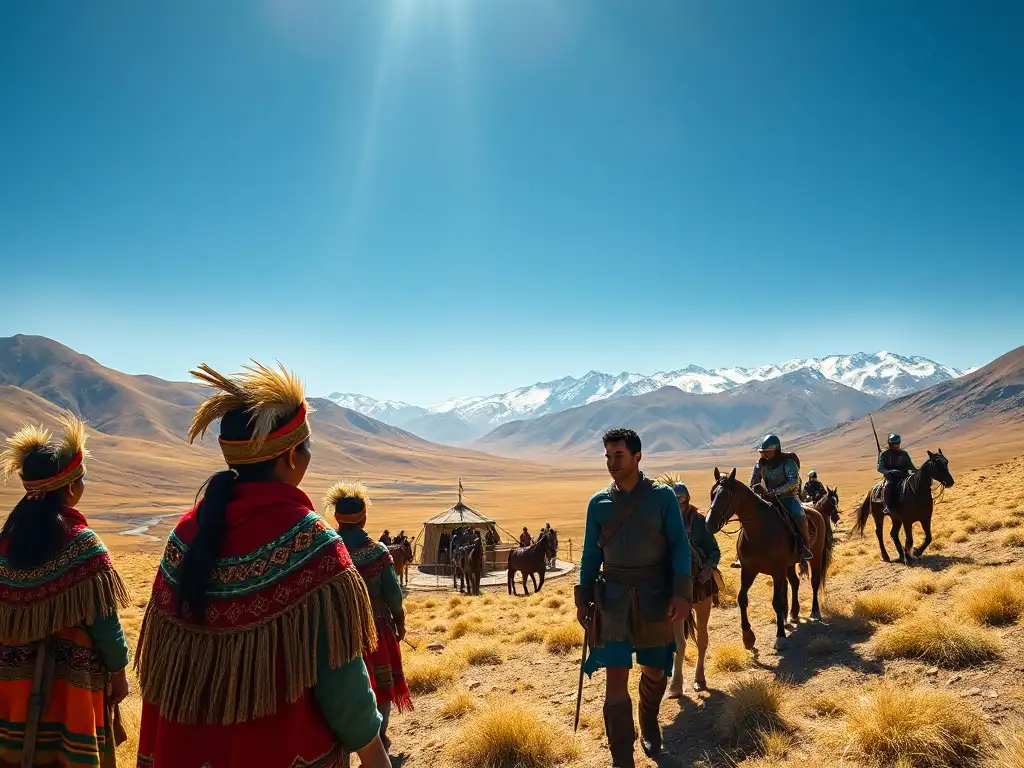
Step into a world lost to time, yet echoing with the grandeur of empires. Imagine the breathtaking landscapes of the Andes, home to civilizations whose ingenuity and artistry still leave us speechless. But what truly happened when the Spanish conquistadors arrived? This website delves into the fascinating history of the Andean civilizations, from the Incas to the Nazca. Our exploration begins with a gripping account of the Spanish encounter with the Incas, a pivotal moment that forever altered the course of history. Prepare to be captivated as we unravel the mysteries of Pizarro's Shadow.
The Spanish conquest of the Inca Empire remains one of history's most dramatic and consequential events. This article delves into the crucial initial encounters between the Spanish conquistadors and the Andean peoples, focusing particularly on the Spanish encounter with Incas, examining the complexities, misconceptions, and brutal realities that shaped the subsequent colonization.
We'll move beyond the simplified narratives often presented, exploring the diverse perspectives of both the Spanish and the Indigenous populations, and analyzing the factors that contributed to the seemingly improbable Spanish victory. Understanding these initial interactions is crucial to grasping the full impact of the conquest on the Andean world and its lasting legacy.
We will explore the cultural clashes, the strategic advantages and disadvantages of both sides, and the devastating consequences that unfolded in the years following the first contact. This exploration will illuminate not only the events themselves but also the broader implications of colonialism and its enduring effects on Andean societies.
The Arrival of Pizarro and his Conquistadors
The arrival of Francisco Pizarro and his relatively small band of conquistadors on the coast of Peru in 1532 was not a sudden, unforeseen event. Decades of prior Spanish exploration and exploitation of the Caribbean and Central America had provided valuable experience, albeit often brutal, in dealing with Indigenous populations. Pizarro, however, benefited from a unique confluence of factors.
He leveraged existing tensions and rivalries within the Inca Empire, exploiting the aftermath of a recent civil war that had weakened the empire significantly. The Inca Emperor Atahualpa, having just emerged victorious from this conflict, was still consolidating his power and dealing with internal dissent. This internal instability played a crucial role in the success of the Spanish, who were far outnumbered but possessed superior weaponry and tactical skills.
The initial encounters were characterized by a mixture of awe, fear, and misunderstanding on both sides. The Spanish were amazed by the Inca's advanced civilization, their sophisticated infrastructure, and the sheer scale of their empire. Simultaneously, the Inca likely viewed the Spanish with a mixture of curiosity and apprehension, perhaps initially unaware of the impending catastrophe.
The Impact of Technological Disparity
The Spanish conquest was not solely a result of superior military strategy; it was significantly influenced by a vast technological disparity. The Spanish possessed firearms, steel weapons, horses, and advanced shipbuilding technology—all of which were unknown to the Inca. This technological advantage allowed a relatively small force of Spaniards to inflict devastating casualties on the much larger Inca army. The psychological impact of these weapons was equally significant.
The sound and effect of cannons and muskets were terrifying to the Inca, who had never encountered such weaponry. This technological gap, combined with the Inca's initial underestimation of the Spanish capabilities, proved decisive in the early battles. The effectiveness of Spanish weaponry is often overstated in popular accounts, but its psychological impact and its contribution to the early Spanish victories cannot be ignored.
Cultural Misunderstandings and Exploitation
Beyond the technological advantage, the Spanish conquest was also fueled by profound cultural misunderstandings and deliberate exploitation. The Spanish, driven by greed for gold and a fervent religious zeal, failed to grasp the complexities of Inca society and its political structures. They ruthlessly exploited Inca beliefs and customs to their advantage, using religious symbols and ceremonies to manipulate and control the population. The Inca's initial hospitality and attempts at diplomacy were misinterpreted as weakness, leading to escalating aggression and violence.
The Spanish systematically dismantled the Inca political system, replacing it with a colonial administration that served their own interests. This process involved the systematic destruction of Inca religious practices, the enslavement of the population, and the imposition of a foreign culture and ideology. The initial encounters were thus not simply military clashes but also a clash of cultures, with devastating consequences for the Inca civilization.
The Aftermath of Initial Encounters: A Path to Conquest
The initial encounters between the Spanish and the Inca set the stage for the complete conquest of the empire. The Spanish victories, fueled by technological superiority, internal Inca conflicts, and cultural misunderstandings, allowed Pizarro and his men to gain a foothold in the Andean region. The subsequent years were marked by brutal warfare, systematic oppression, and the devastating effects of disease. The initial successes were not inevitable; they were the result of a complex interplay of factors, including luck, strategic decision-making, and the exploitation of existing weaknesses within the Inca Empire.
The legacy of these initial encounters continues to shape the Andean world today. Understanding these early interactions is essential to comprehending the long-term consequences of Spanish colonialism and its lasting impact on the region. Further research into specific battles and interactions will provide a more nuanced understanding of this pivotal period in Andean history.
- The Arrival of Pizarro and his Conquistadors
- The Impact of Technological Disparity
- Cultural Misunderstandings and Exploitation
- The Aftermath of Initial Encounters: A Path to Conquest
- What was the initial reaction of the Inca Empire to the arrival of the Spaniards?
- How did the Spanish conquistadors manage to conquer such a large and powerful empire like the Inca?
- What role did technology play in the Spanish conquest of the Inca?
- What were the immediate consequences of the Spanish encounter with the Incas for the Inca people?
- How did the Spanish encounter with the Incas shape the history of South America?
The Pre-Contact Landscape: Andean Civilizations Before the Spanish Arrival
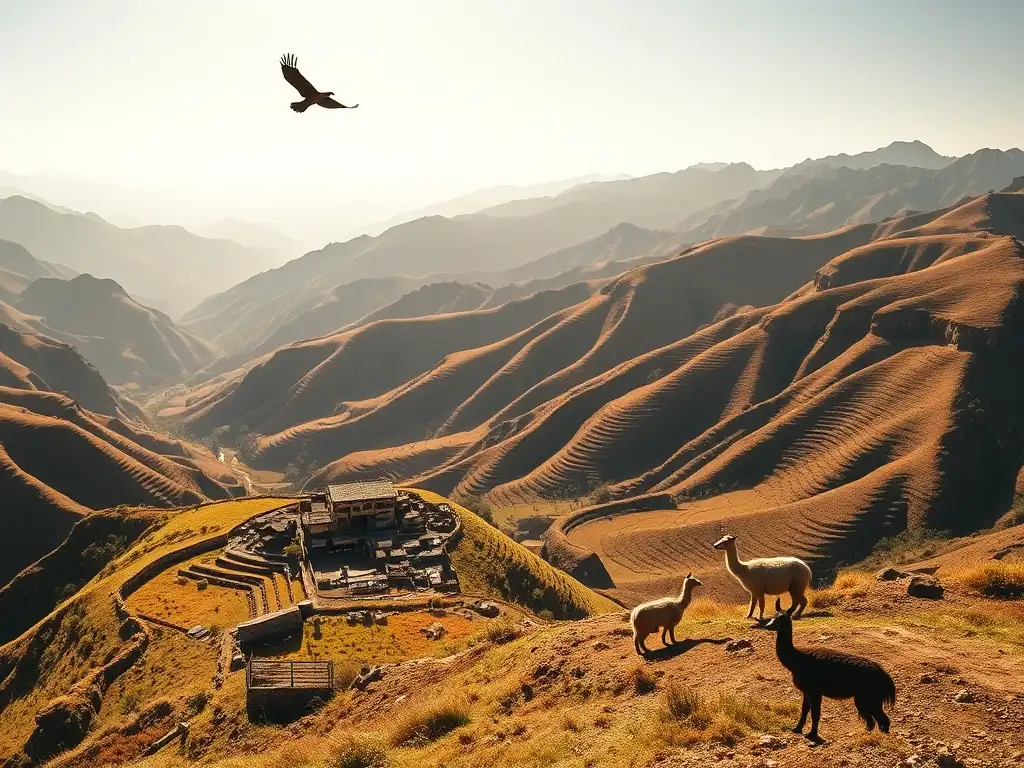
This section examines the state of Andean societies immediately prior to the arrival of the Spanish, focusing on the complexities of the region and the diverse cultures that inhabited it. Understanding this pre-contact landscape is crucial to appreciating the impact of the Spanish encounter and the subsequent conquest. The narrative often centers on the Inca, but it's vital to remember the rich tapestry of other Andean cultures and their interactions, shaping a complex political and social environment.
The Thriving Inca Empire: A Glimpse into Pre-Columbian Andes
The Inca Empire, at its zenith in the early 16th century, was a remarkable achievement of Andean engineering and political organization. Spanning vast territories across the Andes mountains, from present-day Colombia to Chile and Argentina, the Inca controlled a population estimated to be in the millions. Their sophisticated infrastructure included extensive road networks, meticulously engineered agricultural terraces (like those found at Moray), and impressive stonework evident in structures like Machu Picchu and Sacsayhuamán.
This intricate system of governance, based on a highly centralized authority under the Sapa Inca, facilitated efficient resource management and the transmission of information across the vast empire. The Inca's success was not solely based on military might; their advanced agricultural techniques, allowing them to cultivate diverse crops in varied terrains, played a significant role in supporting their large population.
The Inca also developed a complex system of record-keeping using quipus, knotted strings that encoded numerical and potentially other types of information. Understanding the Inca's advanced civilization is key to understanding the scale of the Spanish conquest and its long-term consequences.
Other Andean Cultures and Their Interactions with the Incas
While the Inca Empire dominated much of the Andes at the time of the Spanish arrival, it wasn't the only significant culture present. Numerous other groups, each with its unique traditions and social structures, inhabited the region. These included the Chimu on the northern coast, known for their impressive urban planning at Chan Chan, and the Aymara in the southern Andes, who maintained a distinct cultural identity even under Inca rule.
The relationship between the Inca and these other groups varied considerably. Some were incorporated peacefully into the Inca Empire through diplomacy or strategic alliances, while others resisted Inca expansion, leading to conflict and warfare. The level of integration varied; some groups adopted aspects of Inca culture and administration, while others retained their distinct identities and customs.
This diversity significantly impacted the Spanish encounter, as the conquistadors faced not a monolithic Andean society but a complex mosaic of cultures with differing levels of resistance and cooperation. The pre-existing tensions and alliances between these groups also influenced the course of the conquest.
The Andean social and political landscape before 1532 was characterized by a hierarchical structure, although the specifics varied across different groups. The Inca Empire, for example, had a highly centralized system with the Sapa Inca at its apex, followed by a complex bureaucracy of nobles, priests, and officials. This structure ensured efficient administration and resource allocation across the empire.
However, other Andean societies had different systems, some more decentralized and based on kinship ties or regional alliances. While the Inca imposed their system on conquered territories, local power structures often persisted to some degree. This complex interplay of centralized and decentralized power dynamics influenced how different groups responded to the Spanish, with some readily accepting Spanish authority while others fiercely resisted.
The presence of diverse social and political structures within the Andes created a dynamic and multifaceted environment that profoundly influenced the nature of the Spanish encounter and the subsequent colonial period. Further research is needed to fully understand the nuances of these interactions, particularly regarding the level of social mobility within different Andean societies and the impact of Inca rule on existing social hierarchies. Understanding these pre-existing structures is vital to comprehending the long-term effects of the Spanish conquest on Andean societies.
Economic Practices and Trade Networks in the Andean World
The Andean world before the Spanish conquest was far from a monolithic entity. Diverse economic practices flourished across different regions, shaped by unique environmental conditions and societal structures. While the Inca Empire certainly exerted significant influence in the later centuries leading up to the Spanish arrival, the economic landscape was a tapestry woven from the threads of numerous pre-existing systems. Understanding this complexity is crucial to grasping the impact of the Spanish encounter.
One key aspect was the sophisticated agricultural techniques employed across the Andes. The Incas, for example, are renowned for their terracing methods, which allowed them to cultivate steep slopes and maximize arable land. This wasn't unique to the Inca; earlier civilizations like the Nazca and Moche also developed advanced irrigation systems and agricultural strategies adapted to their specific environments. These techniques ensured food security and surplus production, forming the bedrock of their economies. The cultivation of potatoes, maize, quinoa, and other crops provided sustenance and fueled trade networks.
Beyond agriculture, various craft specializations thrived. The Moche, for instance, were master metalworkers, producing intricate gold and silver artifacts, while the Nazca excelled in textile production and pottery. This specialization led to a complex system of exchange and trade. Goods and resources moved along established routes, connecting different regions and cultures. These weren't simply bartering systems; evidence suggests a level of economic organization and control, especially within the Inca Empire, where tribute systems played a vital role in resource distribution. The mit'a, a form of labor tax, contributed to infrastructure projects and the production of goods for the elite.
The Inca quipus—complex knotted cords—likely served as accounting tools, recording economic transactions and managing resource allocation. While the precise method of their use remains debated, it's clear that the Inca possessed a sophisticated system for tracking and managing their economy. This organized approach stood in stark contrast to the decentralized economic systems of many other Andean societies, highlighting the differences in scale and complexity of various pre-Columbian Andean economies.
The intricate interplay of agriculture, craft production, and trade networks created a vibrant and dynamic economic landscape, which would be profoundly disrupted by the Spanish conquest. The introduction of European economic models and the exploitation of Andean resources radically altered this pre-existing system, permanently changing the economic fabric of the region.
The First Spanish Expeditions: Seeds of the Encounter
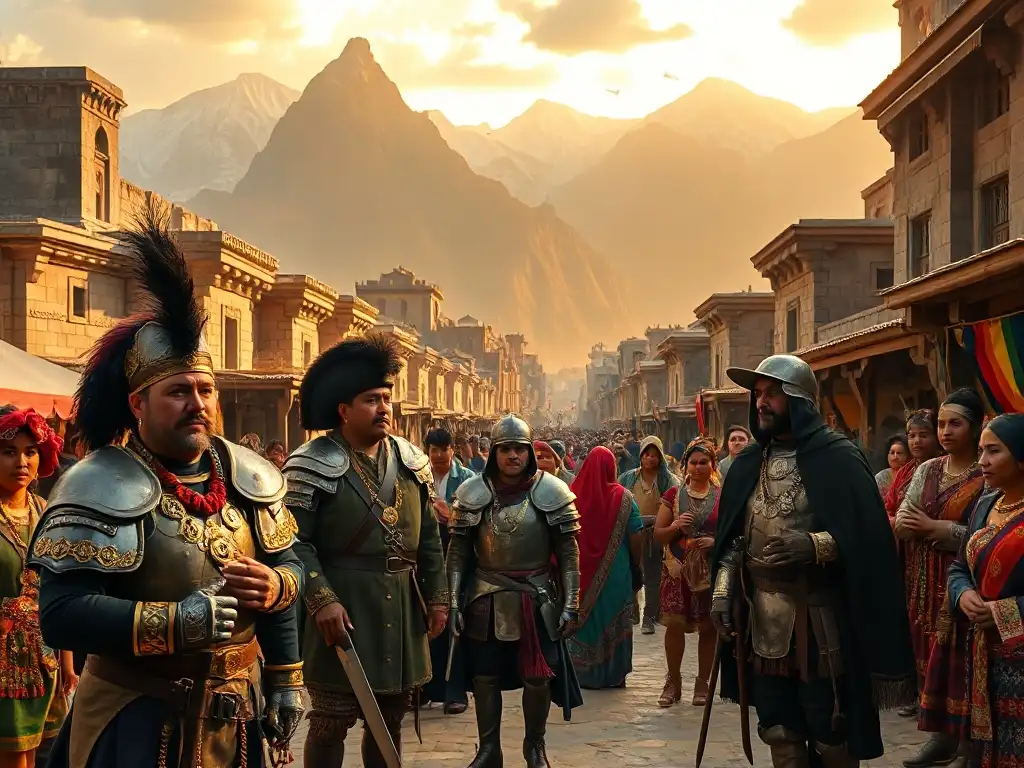
This section delves into the initial forays of Spanish expeditions into Andean territories, laying the groundwork for the infamous encounter with the Inca Empire. These early voyages, driven by a complex interplay of factors, were crucial in shaping the later, more decisive confrontations. Understanding these preliminary explorations provides essential context for appreciating the scale and impact of the subsequent conquest. The keyword "Spanish encounter with Incas" is inherently linked to these early, often overlooked, expeditions.
Early Spanish Explorers and Their Motivations
The lure of the Andes for early Spanish explorers stemmed from a potent cocktail of ambitions. The legendary riches of the Incas, whispered about in Spanish circles, fueled relentless greed. Accounts of gold, silver, and exotic goods ignited the imaginations of conquistadors, promising untold wealth and power. Beyond the allure of treasure, religious zeal played a significant role.
The desire to spread Christianity, to convert the "infidels" of the New World, was a powerful motivating force for many expeditions. Furthermore, the Spanish Crown offered incentives, land grants, and titles of nobility to those who successfully expanded the empire. This created a highly competitive environment, with explorers vying for recognition and reward.
Early explorers like Vasco Núñez de Balboa, though not directly involved in Andean exploration, established precedents for future expeditions. His discovery of the Pacific Ocean in 1513 fueled dreams of a westward route to the Spice Islands, inadvertently shifting Spanish attention towards the South American coast. This navigational knowledge, and the rumors of vast empires south of Panama, directly influenced subsequent voyages towards the Inca territories. The initial motivations, therefore, were a complex blend of economic opportunity, religious fervor, and imperial ambition – a potent combination that propelled Spanish expansion into the heart of the Andean world.
Pizarro's Initial Voyages and Reconnaissance Missions
Francisco Pizarro's expeditions represent a pivotal phase in the Spanish encounter with the Incas. His early voyages, beginning in the 1520s, were characterized by meticulous reconnaissance and strategic planning, unlike the more haphazard explorations of his predecessors. Pizarro's first voyage, in 1524-1525, reached the coast of present-day Ecuador and Peru.
While not encountering the Inca heartland, it provided invaluable information about the geography, coastal populations, and the potential for riches within the region. This initial contact with coastal settlements, while limited, allowed Pizarro to gather intelligence about the Inca Empire and its resources. He learned about the Inca's sophisticated political organization, their agricultural practices, and the vast quantities of precious metals they possessed.
Subsequent voyages, particularly the second expedition in 1526-1528, further solidified Pizarro's understanding of the Andean landscape and the Inca's power. These reconnaissance missions were carefully planned, involving mapping coastal regions, interacting with local populations, and gathering intelligence on Inca defenses and internal affairs. These voyages laid the groundwork for his later, successful conquest. Each journey refined his strategy, turning initially vague rumors into concrete plans for the subjugation of the Inca Empire. Pizarro's meticulous approach contrasts sharply with the often reckless adventures of earlier explorers, highlighting his strategic brilliance and foresight.
Encounters with Coastal Andean Populations: Initial Interactions
The initial Spanish encounters with coastal Andean populations, preceding the direct confrontation with the Inca, were crucial in shaping the later conquest. These interactions were often marked by a complex mixture of cooperation, conflict, and misunderstanding. Spanish explorers leveraged existing rivalries between different indigenous groups, exploiting these divisions to their advantage. The conquistadors often presented themselves as allies or liberators, offering protection from rival tribes or promising mutual benefits. However, this facade often masked more sinister intentions.
The initial interactions often involved trade, with the Spaniards acquiring goods like textiles, food, and precious metals in exchange for European trinkets and weaponry. This seemingly peaceful exchange, however, masked the underlying power imbalance. The superior weaponry of the Spaniards, coupled with their ruthless ambition, allowed them to gradually assert their dominance.
The exploitation of local populations, along with the introduction of diseases previously unknown in the Americas (which decimated the native populations), significantly weakened the coastal communities and paved the way for the Spanish conquest of the Inca Empire. Detailed records of these early encounters, though often biased, offer valuable insight into the dynamics of intercultural contact and the gradual escalation of conflict. Analyzing these early interactions helps us understand the subtle yet decisive steps that led to the full-scale Spanish conquest.
Gathering Information: Spanish Knowledge of the Inca Empire
Prior to Pizarro's conquest, Spanish knowledge of the Inca Empire was surprisingly limited, despite existing rumors and accounts from earlier voyages. These weren't detailed maps or comprehensive ethnographic studies; instead, they were fragmented pieces of information gleaned from various sources, often colored by hearsay and speculation. Early explorers, primarily those navigating the Caribbean and Central America, encountered rumors of a powerful, wealthy empire further south.
These accounts, passed along through indigenous intermediaries and seasoned sailors, painted a picture of a vast land brimming with gold and silver, ruled by a powerful emperor. However, the accuracy and reliability of this information varied wildly.
The Spanish Crown, driven by the allure of wealth and the expansion of its dominion, commissioned expeditions to investigate these rumors. These initial explorations, however, often lacked the resources and the strategic planning necessary for comprehensive intelligence gathering. Navigational challenges and the formidable geography of the Andes presented significant obstacles.
Furthermore, communication with local populations was often fraught with misunderstandings and misinterpretations, leading to inaccurate or incomplete information about the Inca's political structure, military strength, and social organization. The Spanish often relied on interpreters with limited understanding of both Spanish and Quechua, leading to significant distortions in the information exchange.
One crucial source of information for the Spanish was the accounts of earlier explorers and conquistadors who had ventured into the region. However, these accounts were often biased, focusing on the aspects most likely to attract royal patronage – tales of immense riches and easily subjugated populations. This selective reporting skewed the Spanish perception of the Inca, potentially underestimating their resilience and organizational capacity.
The Spanish often lacked a nuanced understanding of the Inca's sophisticated administrative systems, their intricate road network, and the extensive agricultural techniques that underpinned their empire's stability. This lack of in-depth knowledge played a significant role in shaping their initial strategies and ultimately, their success in the conquest.
The initial Spanish encounters were thus based more on fragmented rumors, ambitious speculation, and a thirst for gold than on accurate, comprehensive knowledge of the Inca Empire. This lack of informed understanding would prove to be a double-edged sword, contributing both to the initial success and eventual challenges faced by the Spanish conquistadors.
The Cajamarca Meeting: A Turning Point in History
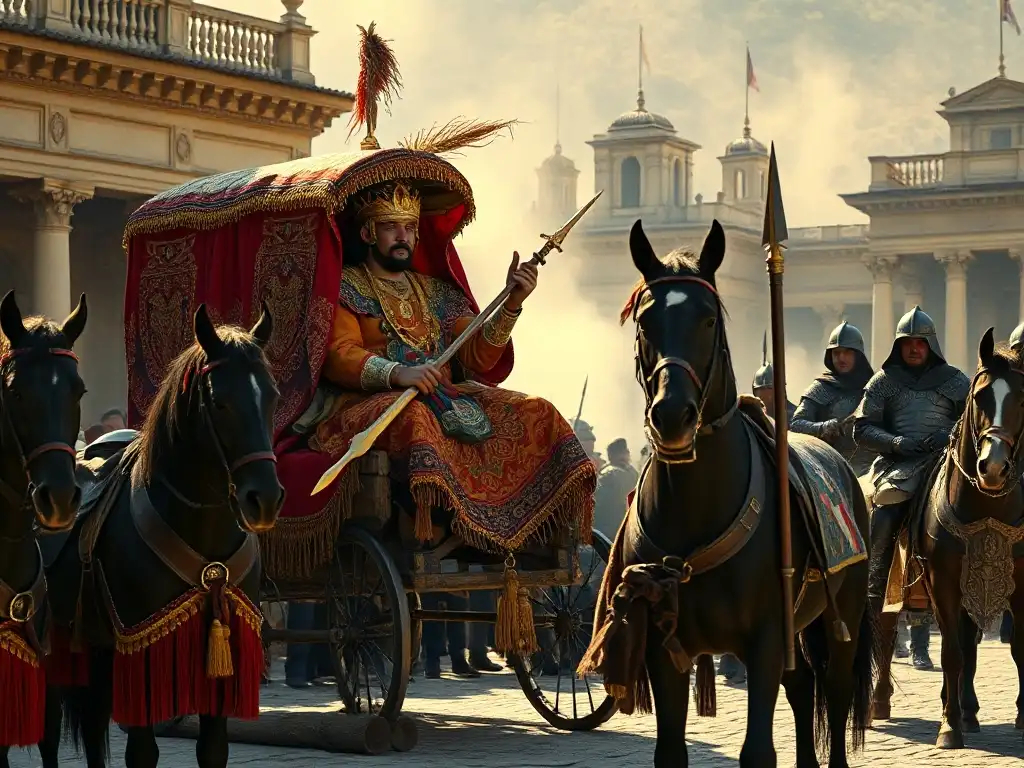
This section delves into the fateful meeting between Francisco Pizarro and the Inca emperor Atahualpa at Cajamarca in 1532, a pivotal moment in the Spanish encounter with Incas that irrevocably altered the course of Andean history. The events surrounding this encounter are shrouded in both historical accounts and legend, but the outcome remains undeniable: the swift and decisive capture of the Inca emperor marked the beginning of the Spanish conquest. We will explore the strategic brilliance—or perhaps fortunate circumstance—that allowed a relatively small force of Spaniards to overcome a vastly superior Inca army.
The details surrounding this clash of cultures offer a glimpse into the complexities of the initial Spanish encounter with Incas and the factors that contributed to the Spanish victory. Analyzing this event necessitates understanding the power dynamics at play, the cultural differences that fueled misunderstandings, and the strategic advantages exploited by Pizarro.
The Arrival of Pizarro in Cajamarca
Pizarro's arrival in Cajamarca was meticulously planned, a testament to his strategic prowess and understanding of Inca customs. While the exact numbers are debated by historians, Pizarro's force numbered in the hundreds, a fraction of the size of Atahualpa's army. However, Pizarro cleverly exploited Inca expectations of diplomacy and ceremony.
He positioned his troops strategically within the city, concealing the majority in buildings and behind carefully chosen vantage points. The Inca army, accustomed to displays of grandeur and ceremony, was utterly unprepared for the ambush that followed. This strategic deployment, combined with superior weaponry – including firearms and steel armor – gave Pizarro's relatively small contingent a significant advantage.
The element of surprise was crucial; the Incas were initially unaware of the true extent of the Spanish forces, leading to a decisive initial victory for the Spanish conquistadors. The initial encounter was far from a fair fight, but rather a carefully orchestrated military maneuver that utilized deception and superior technology to devastating effect. The Spanish encounter with Incas at Cajamarca exemplifies the importance of strategy and surprise in warfare.
The Capture of Atahualpa: A Pivotal Moment
The capture of Atahualpa was swift and brutal. While the Incas were initially hesitant to engage in direct conflict, Pizarro, under the guise of peaceful negotiations, lured Atahualpa into a trap. The Spanish, positioned within the city, unleashed a devastating surprise attack. Canons, muskets, and swords proved devastatingly effective against the Inca warriors, armed primarily with clubs, spears, and slings.
The sheer shock and confusion of the ambush, coupled with the superior weaponry of the Spaniards, resulted in a swift and decisive victory. Atahualpa, initially believing in the possibility of peaceful negotiations, found himself surrounded and captured. This capture was not merely a military victory; it was a symbolic conquest, representing the subjugation of the Inca Empire itself.
The capture of Atahualpa marked a pivotal moment in the Spanish conquest and set the stage for the systematic dismantling of the Inca political and social structure. The subsequent events – the ransoms, the trials, and the execution – solidified the Spanish control over the region and drastically altered the trajectory of Andean civilization. The capture of Atahualpa remains a potent symbol of the asymmetry of power during the initial Spanish encounter with Incas.
Cultural Misunderstandings and Communication Barriers
The Cajamarca meeting was also characterized by significant cultural misunderstandings and communication barriers. The Spanish and Inca worlds held vastly different perspectives on power, diplomacy, and warfare. The Incas, accustomed to elaborate ceremonies and symbolic displays of power, were ill-prepared for the direct and brutal tactics of the Spaniards. Conversely, the Spaniards, driven by a thirst for gold and a desire to convert the indigenous population to Christianity, often disregarded or misinterpreted Inca customs and traditions.
The lack of a common language further exacerbated these misunderstandings. While interpreters were present, nuances were lost in translation, leading to misinterpretations and escalating tensions. These communication failures contributed significantly to the Spanish success.
The inability of the Incas to fully grasp the Spanish intentions and the Spaniards' failure to comprehend the complexities of Inca society created a fertile ground for misunderstandings and exploitation. This clash of cultures, exacerbated by communication barriers, played a crucial role in shaping the outcome of the Spanish encounter with Incas at Cajamarca. The lack of mutual understanding fueled mistrust and ultimately facilitated the Spanish conquest.
The Imbalance of Power and its Consequences
The meeting at Cajamarca in 1532 wasn't a clash of equals; it was a stark demonstration of the immense power imbalance between the Spanish conquistadors and the Inca Empire. Atahualpa, the Inca emperor, arrived with a retinue, but it was a display of peaceful intent, a stark contrast to the heavily armed and armored Spanish forces. This disparity in military technology was decisive. The Spaniards possessed steel weaponry – swords, lances, and muskets – which were vastly superior to the Inca's bronze and stone implements. Furthermore, the Spanish had horses, providing unparalleled mobility and a psychological advantage on the battlefield. The Inca, while possessing a large army, lacked the tactical organization and weaponry to effectively counter the Spanish cavalry and firearms.
This technological gap, coupled with the element of surprise and the use of superior tactics, led to the swift and brutal capture of Atahualpa and the decimation of his army. The consequences were immediate and far-reaching. The Inca's sophisticated social structure, their intricate system of governance, and their vast empire were thrown into chaos. The capture of the emperor shattered the Inca's ability to resist effectively, paving the way for the swift conquest of the empire. The psychological impact of the Spanish victory was profound, instilling fear and undermining the Inca's confidence in their own strength and leadership.
The subsequent years would see a systematic dismantling of the Inca Empire, a process fueled by the initial advantage secured at Cajamarca. The Spanish conquest's success wasn't simply a matter of military might; it was a consequence of this critical imbalance of power, magnified by the unexpected and devastating effectiveness of Spanish weaponry and tactics against a seemingly invincible empire. The Cajamarca encounter serves as a powerful reminder of how technological superiority, coupled with strategic advantage, can drastically alter the course of history. It also highlights the devastating impact of conquest on a complex and advanced civilization like the Inca Empire, forever altering the trajectory of Andean society. The consequences, extending far beyond the immediate battle, shaped the future of the Andes for centuries to come, leaving an indelible mark on its culture, society, and political landscape.
The Impact of the Spanish Encounter on Andean Society
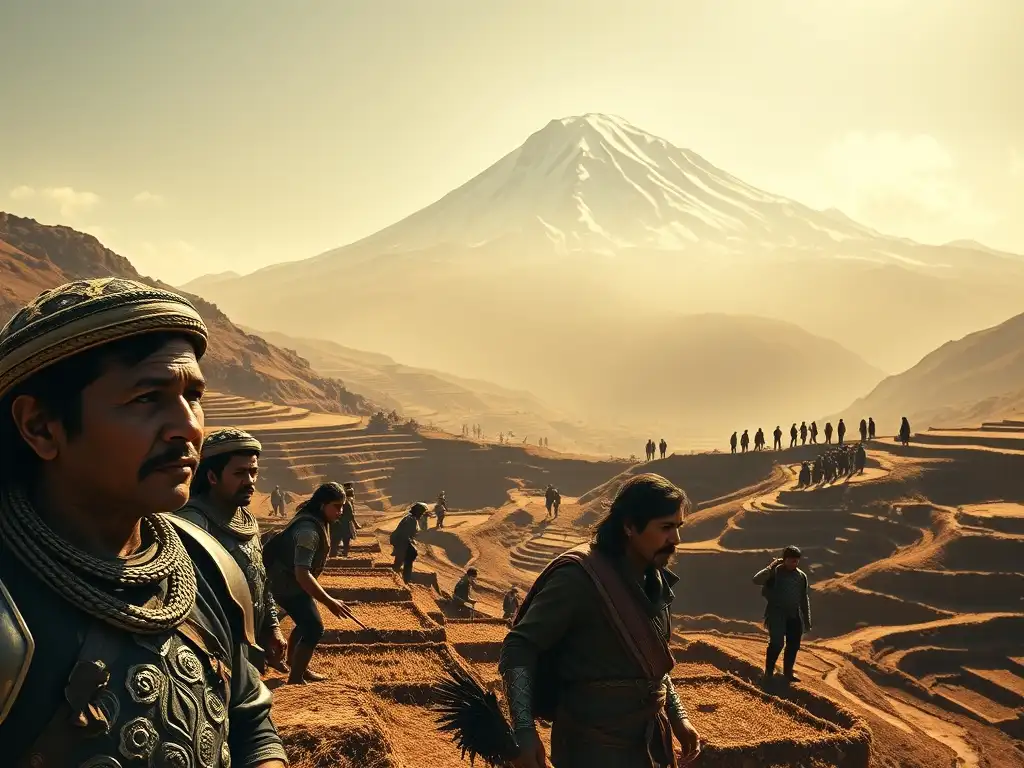
The Spanish encounter with the Incas irrevocably altered the course of Andean history, leaving an enduring legacy that continues to shape the region today. The initial interactions, often romanticized, were far from peaceful exchanges. They marked the beginning of a brutal conquest, a period of immense suffering, and a profound transformation of Andean social structures, beliefs, and ways of life. The impact reverberated across all aspects of Andean society, from the political landscape to the daily lives of its people.
This section will examine some of the most significant consequences of this pivotal historical moment. Understanding this impact requires moving beyond simplistic narratives and delving into the complexities of cultural clash, political upheaval, and demographic devastation. The "Spanish encounter with Incas" was not a singular event but a prolonged process with far-reaching and devastating consequences.
The Collapse of the Inca Leadership Structure
The Inca Empire, at the time of the Spanish arrival, was already experiencing internal tensions and vulnerabilities. Succession disputes following the death of Huayna Capac weakened the empire's centralized power structure. Atahualpa's victory over his brother Huáscar, though solidifying his rule, left the empire fractured and its resources depleted.
This internal fragility significantly contributed to the rapid collapse of the Inca leadership in the face of the Spanish conquistadors. The Spanish skillfully exploited these divisions, using alliances with disgruntled Inca factions to their advantage. The capture of Atahualpa in Cajamarca in 1532 was a decisive turning point, effectively decapitating the Inca leadership and plunging the empire into chaos.
The subsequent execution of Atahualpa further destabilized the empire, leaving a power vacuum that the Spanish readily filled. The Inca system of governance, based on a complex hierarchy and intricate communication networks, crumbled under the onslaught of Spanish conquest, paving the way for the establishment of colonial rule. The loss of the Sapa Inca, the divine emperor, was not simply a political event; it represented the destruction of a central pillar of Inca identity and spiritual authority.
The Beginning of the Spanish Conquest and Colonial Rule
The Spanish conquest, initiated by the capture of Atahualpa, was a swift and brutal affair. The superior weaponry of the Spanish, combined with their strategic alliances with indigenous groups resentful of Inca rule, enabled them to quickly overcome the Inca armies. The initial conquest wasn't solely a military endeavor; it also involved a deliberate dismantling of Inca institutions and the imposition of Spanish political and economic systems.
The establishment of colonial rule involved the appropriation of land, resources, and labor. The encomienda system, though later modified, initially granted Spanish conquistadors control over indigenous populations and their labor. This system, along with forced labor in mines and on plantations, formed the backbone of the colonial economy, extracting immense wealth from the Andes at the expense of the indigenous population.
The Spanish also implemented a new administrative structure, replacing the Inca's centralized system with a colonial bureaucracy designed to serve Spanish interests. This resulted in the displacement of traditional Andean governance and the imposition of a foreign power structure. The legacy of this period continues to shape the political and social landscape of the Andean region.
The Introduction of New Diseases and Their Devastating Effects
The arrival of the Spanish also brought with it a devastating wave of Old World diseases to which the Andean population had no immunity. Smallpox, measles, influenza, and typhus ravaged the indigenous population, causing widespread death and societal disruption. The demographic impact was catastrophic.
Estimates suggest that the Andean population declined by as much as 90% in the decades following the Spanish arrival. This demographic collapse had far-reaching consequences, weakening the ability of indigenous communities to resist Spanish rule and profoundly altering the social fabric of Andean society. The loss of life disrupted traditional social structures, family units, and cultural practices.
The scale of death was so immense that it fundamentally reshaped the population dynamics of the region, creating a demographic vacuum that was slowly filled by a mix of surviving indigenous peoples and European colonists. The introduction of these diseases represents one of the most tragic and enduring consequences of the "Spanish encounter with Incas," a silent killer that contributed significantly to the overall devastation. The long-term effects of this demographic catastrophe are still felt today.
Changes in Andean Culture and Traditions Post-Contact
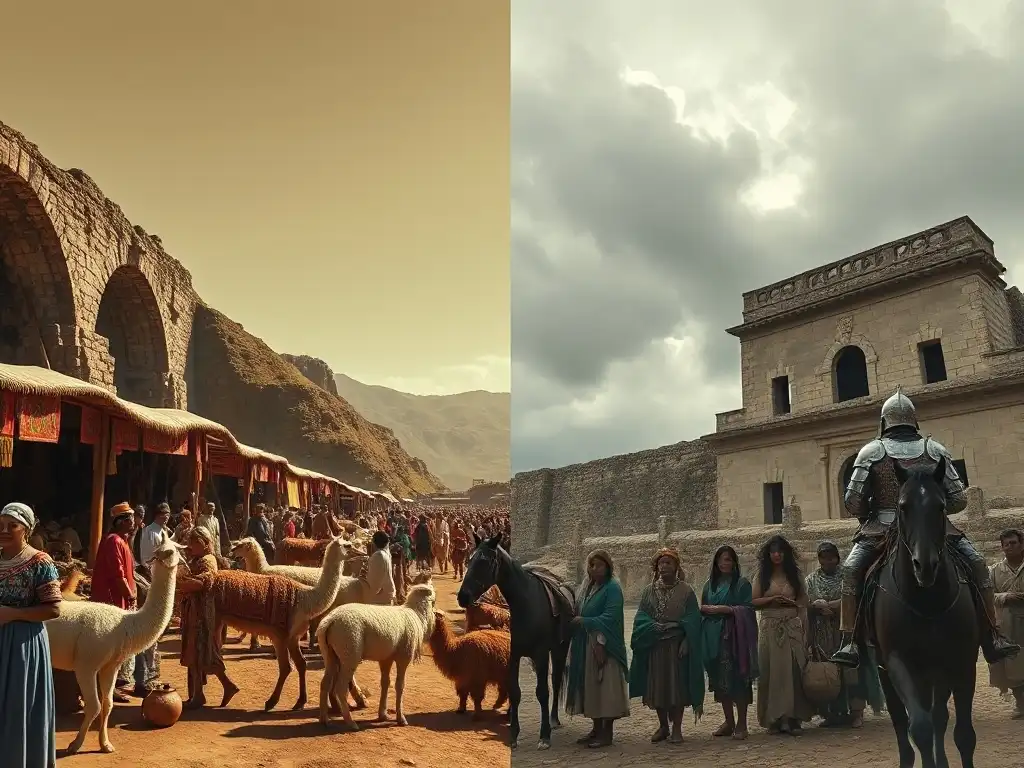
The Spanish conquest profoundly altered Andean culture and traditions, leaving an enduring legacy that continues to shape the region today. The imposition of Catholicism led to the suppression of indigenous religious practices. Temples were destroyed, and the worship of Andean deities like Inti (the sun god) and Pachamama (Mother Earth) was actively discouraged, often violently. Instead, grand cathedrals and churches were built on top of or near existing sacred sites, a clear symbolic assertion of Spanish dominance.
This cultural imposition wasn't merely religious; it permeated all aspects of life. The intricate social structures of the Inca Empire, with its complex system of ayllus (kinship groups) and mita (labor system), were dismantled and replaced with a hierarchical system based on Spanish colonial models. This led to the disruption of traditional land ownership and agricultural practices, impacting the very fabric of Andean society. The introduction of new crops, animals (like horses and cattle), and technologies, while initially beneficial in some respects, also led to unforeseen consequences, such as the displacement of traditional crops and the alteration of landscapes.
The Spanish also introduced new diseases, such as smallpox and measles, which decimated the indigenous population, further destabilizing the social and cultural fabric. The devastating impact of these diseases, coupled with the forced labor and cultural suppression, dramatically altered the demographic landscape and the way of life for Andean communities. The vibrant tapestry of Andean traditions, once characterized by diverse artistic expressions, sophisticated agricultural techniques, and a deep connection to their ancestral lands, was significantly altered, leaving a complex and often painful legacy. Many traditions, however, persisted, adapting and evolving in response to the changing circumstances, showcasing the resilience of Andean culture.
Resistance and Rebellion Against Spanish Rule
Despite the overwhelming military might of the Spanish conquistadors, resistance against Spanish rule was widespread and persistent throughout the Andean region. The initial conquest wasn't a singular event but a protracted struggle marked by numerous rebellions and uprisings. While the Inca Empire's centralized structure initially facilitated the Spanish advance, the Inca’s sophisticated military strategies and knowledge of the terrain allowed for continued resistance even after the capture of Atahualpa. The Inca resistance, led by figures like Manco Inca Yupanqui, demonstrated the determination of the Andean peoples to fight for their autonomy and reclaim their lands.
These rebellions, though ultimately unsuccessful in fully overthrowing Spanish rule, significantly hampered the colonial project and inflicted considerable casualties on the Spanish. Beyond the organized Inca resistance, various indigenous groups throughout the Andes engaged in smaller-scale rebellions and acts of defiance. These actions, ranging from localized uprisings to subtle acts of sabotage and cultural preservation, demonstrated a continuous struggle against colonial oppression. The Tupac Amaru rebellions, for example, in the late 18th century, showcased the enduring resistance against the exploitative colonial system.
These uprisings, though eventually suppressed, highlight the deep-seated resentment and the continuous struggle for autonomy that characterized Andean society under Spanish rule. The legacy of this resistance continues to inspire movements for social justice and cultural preservation in the region today, demonstrating the enduring spirit of the Andean peoples. The ongoing struggle for land rights, cultural recognition, and self-determination in the Andes is a direct consequence of the persistent resistance against Spanish colonialism that started centuries ago.
The Legacy of Pizarro's Arrival: A Lasting Shadow
The Spanish encounter with the Incas, spearheaded by Francisco Pizarro in 1532, irrevocably altered the course of Andean history. While often framed as a conquest, the reality was far more complex, involving a confluence of factors beyond simple military superiority. Disease, internal strife within the Inca Empire, and the sophisticated manipulation of the Spanish, all played crucial roles in the eventual downfall of the Inca civilization.
Understanding this legacy requires moving beyond simplistic narratives of heroic conquistadors and valiant resistance, and instead embracing a nuanced perspective that acknowledges the profound and lasting consequences of this pivotal historical moment. The initial contact, marked by the capture of Atahualpa, was not just a military victory; it was a symbolic seizure of power, a shattering of a complex societal structure that had endured for centuries. The impact reverberates even today.
The Long-Term Consequences of the Spanish Conquest
The Spanish conquest's long-term consequences for the Andean region were devastating and multifaceted. The introduction of European diseases, such as smallpox, measles, and influenza, decimated the indigenous population. Estimates suggest a population decline of over 90% in the first century following the conquest. This demographic catastrophe crippled the Inca's sophisticated agricultural system, leading to widespread famine and societal disruption.
The established social hierarchy crumbled, replaced by a new system imposed by the Spanish crown. The mita, a pre-Columbian labor system, was brutally exploited by the Spanish, forcing indigenous populations into harsh labor conditions in mines and on encomiendas (land grants). This system resulted in widespread suffering and contributed to the continued decline of the indigenous population. The economic impact was equally profound.
The Spanish systematically plundered Andean resources, extracting vast quantities of gold and silver, which fueled the Spanish Empire but left the Andes economically depleted. This exploitation laid the groundwork for centuries of economic inequality and underdevelopment. The initial Spanish encounter with Incas was not merely a political and military upheaval; it was a profound economic and demographic catastrophe.
The Transformation of the Andean World
The Spanish conquest fundamentally reshaped the Andean world, leaving an indelible mark on its landscape, culture, and social fabric. The introduction of new crops, livestock, and technologies altered agricultural practices and land use. Horses, for example, became integral to Andean life, impacting both warfare and transportation. Similarly, the introduction of wheat and other European crops gradually integrated into existing agricultural systems, though often at the expense of traditional Andean crops.
The religious landscape was also dramatically altered. The Spanish actively suppressed indigenous religions, imposing Catholicism through force and indoctrination. While indigenous beliefs persisted, often syncretically blending with Catholic practices, the imposition of Catholicism represented a significant shift in Andean spiritual life. Furthermore, the urban landscape changed significantly.
The Spanish established new cities, often built upon or near existing Inca settlements. These cities became centers of colonial power, reflecting Spanish architectural styles and urban planning principles, which contrast sharply with pre-Columbian urban design. The Spanish encounter with the Incas fundamentally altered the very structure of Andean society, its relationship with the land, and its spiritual beliefs. The changes were not merely superficial; they were deep and enduring.
The Enduring Cultural Heritage of the Andes
Despite the devastating impact of the Spanish conquest, Andean culture demonstrated remarkable resilience. While many aspects of pre-Columbian life were suppressed or transformed, elements of Andean identity persisted, adapting and evolving in response to colonial rule. Indigenous languages, though often marginalized, continued to be spoken.
Traditional weaving techniques, artistic styles, and agricultural practices endured, often incorporating elements from the Spanish culture. This cultural fusion, a testament to the resilience of Andean peoples, resulted in a unique syncretic culture that continues to thrive today. The vibrant tapestry of Andean culture – its music, art, textiles, and agricultural practices – reflects both pre-Columbian heritage and the enduring influence of the Spanish encounter with the Incas.
This complex interplay of continuity and change underscores the profound resilience of Andean civilization in the face of overwhelming adversity. The legacy of the Spanish conquest is not simply one of destruction, but also one of adaptation, resilience, and the enduring strength of Andean cultural heritage. Understanding this nuanced narrative is crucial to appreciating the full complexity of the Andean world.
Reflecting on the Spanish-Inca Encounter: Lessons from History
The Spanish conquest of the Inca Empire serves as a stark reminder of the devastating consequences of unchecked power and the profound impact of cultural clashes. The encounter wasn't simply a military campaign; it was a complex interplay of political maneuvering, religious beliefs, technological advantages, and epidemiological factors that ultimately led to the downfall of a sophisticated civilization. Analyzing this pivotal moment in history offers invaluable lessons for understanding the dynamics of conquest and colonization, and the lasting effects on both the conquering and conquered populations.
One key takeaway is the crucial role of disease in the conquest. Smallpox, measles, and other Old World diseases decimated the Inca population, weakening their resistance to Spanish forces. This highlights the unintended, yet catastrophic, consequences of biological warfare and the vulnerability of populations lacking immunity to new pathogens. The Spanish, unknowingly, wielded a devastating weapon far more powerful than their weaponry alone. The population decline drastically hampered the Inca's ability to organize effective resistance, tipping the scales heavily in favor of the conquistadors.
Furthermore, the Spanish-Inca encounter underscores the importance of understanding cultural differences and avoiding simplistic narratives of superiority. The Inca, with their complex social structures, advanced agricultural techniques, and sophisticated administrative systems, were not a primitive society ripe for conquest. Their sophisticated understanding of their environment and their intricate social organization were crucial elements of their success.
The Spanish failure to fully comprehend these complexities contributed to their eventual success, but also to the long-term instability of the region following the conquest. The imposition of European values and systems led to the destruction of much of the Inca culture and knowledge.
Finally, the legacy of Pizarro's arrival compels us to examine the ethical implications of colonialism and conquest. The brutality, exploitation, and cultural destruction inflicted upon the Inca people serve as a cautionary tale against the unchecked pursuit of power and wealth. The lasting impact of the Spanish conquest, in terms of social inequality, economic exploitation, and the lingering effects of colonialism, are still felt in the Andean region today.
Studying this historical event allows us to critically examine the ethical dimensions of past actions and to work towards a more just and equitable future. Understanding the complexities of the Spanish-Inca encounter allows us to develop a more nuanced understanding of the past and to learn from the mistakes of history to prevent similar tragedies from occurring in the future. The shadow of Pizarro continues to remind us of the importance of empathy, understanding, and responsible engagement with other cultures.
Frequently Asked Questions
What was the initial reaction of the Inca Empire to the arrival of the Spaniards?
The Inca initially viewed the Spaniards with a mixture of curiosity and suspicion. Their advanced civilization was unprepared for the superior weaponry and diseases brought by the Europeans. This initial uncertainty paved the way for later conflict.
How did the Spanish conquistadors manage to conquer such a large and powerful empire like the Inca?
The Spanish victory wasn't solely due to military might. Disease, particularly smallpox, decimated the Inca population, weakening their resistance. Internal conflicts within the Inca Empire also played a significant role in their downfall.
What role did technology play in the Spanish conquest of the Inca?
Superior weaponry, like steel swords and guns, gave the Spaniards a decisive advantage over the Inca's bronze and stone tools. Horses also provided unparalleled mobility and psychological impact on the Inca.
What were the immediate consequences of the Spanish encounter with the Incas for the Inca people?
The Spanish conquest resulted in a dramatic shift in power. The Inca Empire was destroyed, their rulers overthrown, and their culture systematically suppressed. Disease and enslavement caused a devastating loss of life and cultural heritage.
How did the Spanish encounter with the Incas shape the history of South America?
The Spanish conquest led to the colonization of South America, profoundly altering the continent's demographics, political landscape, and cultural identity. This encounter resulted in the fusion of indigenous and European cultures, creating the complex societies we see today.
Final Reflection: The Enduring Legacy of Conquest
The brutal realities of the Spanish conquest of the Inca Empire continue to resonate today, shaping our understanding of colonialism, cultural exchange, and the enduring wounds of historical trauma. The systematic dismantling of a sophisticated civilization, driven by greed and a thirst for power, serves as a stark warning against the dangers of unchecked ambition and the devastating consequences of cultural annihilation. This legacy is not merely a historical footnote; it is a living testament to the complexities of human interaction and the persistent need for critical self-reflection.
The impact of the Spanish encounter on Andean societies continues to be felt in the social, political, and economic landscapes of modern-day Peru and beyond. The enduring effects of this encounter, from the imposition of a new language and religion to the ongoing struggle for indigenous rights, are undeniable. The past is never dead. It's not even past.
– William Faulkner. This quote perfectly encapsulates the enduring power of the Spanish conquest, reminding us that the consequences of past actions continue to shape our present realities. Understanding this history is crucial to fostering a more just and equitable future.
Consider the complexities of this encounter. Reflect on the resilience of the Andean peoples, their capacity for adaptation and survival in the face of unimaginable hardship. You, the reader, are now equipped with a deeper understanding of this pivotal moment in history. Let this knowledge inspire you to engage with the narratives of marginalized communities, to challenge dominant historical narratives, and to work towards a future where such atrocities are not repeated. Embrace the responsibility of learning from the past to build a more just and equitable world for all.
Unveil the Rich Tapestry of Andean History!
Thank you for exploring the fascinating world of Francisco Pizarro and the early encounters between the Spanish and the Andean peoples. You've gained valuable insight into a pivotal moment that shaped the course of history. Now, let's build on that knowledge!
Here are a few ways you can further your understanding and engage with this remarkable history:
- Explore further: Delve into the rich cultural narratives of Andean civilizations through in-depth research and related articles. Discover the complexities of these ancient societies.
- Share your perspective: Join our online community! Share your thoughts and reflections on social media or in the comments section – your insights will enrich the discussion.
- Discover the artifacts: Visit local museums or explore online virtual exhibits showcasing Andean history. Witness firsthand the enduring legacies of these remarkable civilizations.
What aspect of Andean civilization most captivates you, and how do you believe these early encounters impacted their culture?