
The Inca Expansion into the Coast: Adapting to New Environments

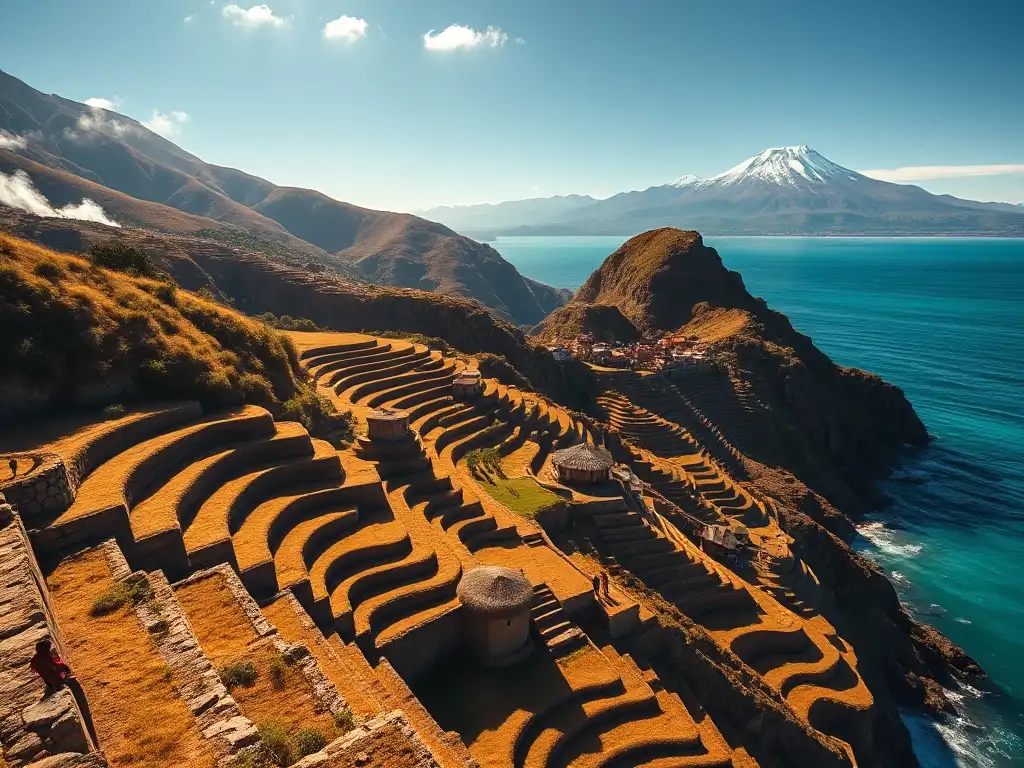
Step into a world lost to time, yet echoing with the grandeur of the Andes! Uncover the secrets of ancient civilizations that thrived amidst breathtaking landscapes, mastering intricate technologies and leaving behind a legacy of astonishing art. But how did the mighty Inca Empire conquer and adapt to the challenges of the coast? Explore our in-depth analysis of Inca coastal expansion strategies and discover the ingenious methods that fueled their remarkable growth. Prepare to be amazed!
-
The Inca Coastal Expansion: Adapting to New Environments
- Understanding Inca Expansion and Coastal Adaptation
- Initial Inca Presence on the Coast: Early Interactions
- Motivations Behind Inca Coastal Conquest
- Inca Strategies for Coastal Domination
- Adapting Inca Infrastructure to Coastal Environments
- The Impact of Inca Rule on Coastal Societies
- Case Studies of Inca Coastal Adaptations
- Challenges Faced by the Inca in Coastal Regions
- The Legacy of Inca Expansion into the Coast
-
Frequently Asked Questions
- What were the main reasons behind the Inca expansion towards the coast?
- How did the Inca adapt their agricultural practices to the coastal environment?
- What challenges did the Inca face during their coastal expansion?
- What was the impact of Inca rule on coastal societies?
- How did Inca coastal expansion strategies differ from their highland strategies?
- Final Reflection: Echoes of Empire on the Coastal Sands
- Unveil Your Inner Explorer: Engage with the Legacy of the Inca!
The Inca Coastal Expansion: Adapting to New Environments
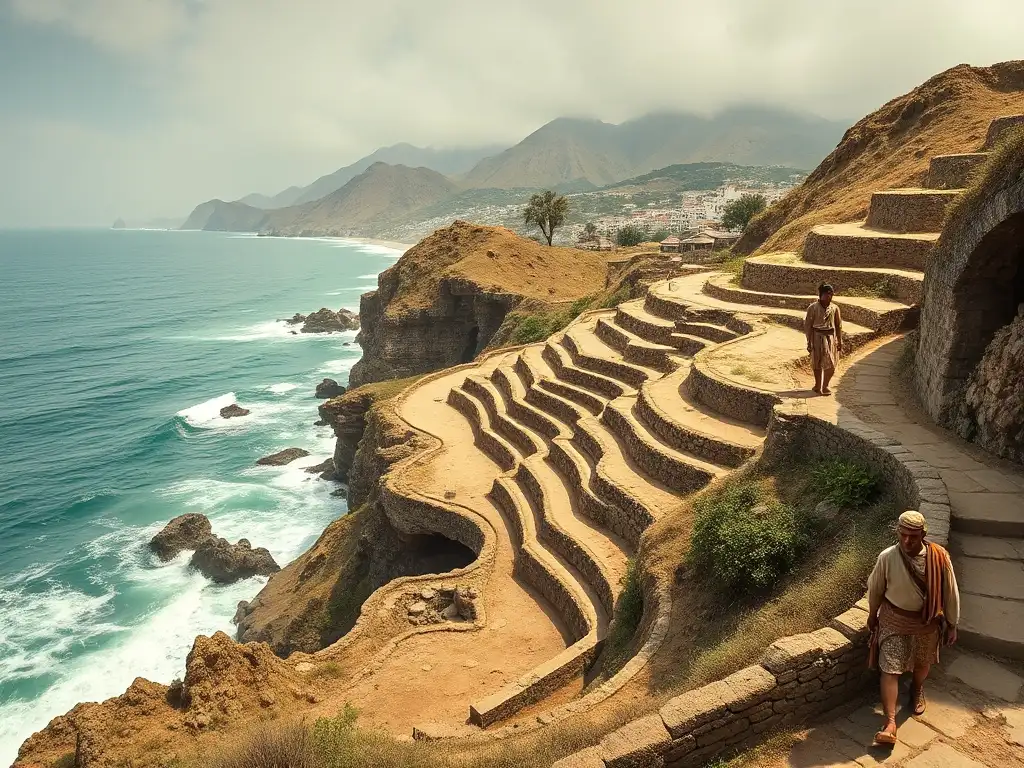
The Inca Empire, renowned for its sophisticated engineering and administrative prowess, didn't limit its reach to the Andean highlands. This article delves into the fascinating story of the Inca expansion onto the Peruvian coast, a region drastically different from their mountainous homeland.
We will explore the challenges the Inca faced in adapting their agricultural practices, infrastructure, and governance to this new environment, examining the strategies they employed to successfully integrate coastal populations and resources into their vast empire. Understanding the Inca coastal expansion strategies reveals crucial insights into their remarkable ability to adapt and conquer, ultimately shaping the trajectory of their empire and leaving a lasting legacy on the region.
This exploration will uncover the complexities of their logistical achievements, their interactions with pre-existing coastal cultures, and the lasting impact of their rule on the coastal landscape and societies. The success of the Inca coastal expansion is a testament to their ingenuity and organizational skills, demonstrating a remarkable capacity for both military conquest and sophisticated cultural integration.
Understanding Inca Expansion and Coastal Adaptation
The Inca expansion was not a simple matter of military conquest. It involved a complex interplay of military might, diplomatic negotiation, and strategic adaptation. While the Inca army undoubtedly played a crucial role, their ability to effectively govern and integrate conquered territories was equally, if not more, important. The coastal region presented unique challenges compared to the Inca's traditional highland environment. The arid climate, different agricultural techniques required, and the presence of established coastal cultures demanded innovative solutions. The Inca addressed these challenges through several key strategies:
- Development of new irrigation systems: The arid coastal climate necessitated sophisticated irrigation systems to support agriculture. The Inca adapted and expanded existing systems, demonstrating their engineering skills in constructing canals and terraces to channel water from rivers and streams to farmland. [Specific examples of Inca irrigation projects on the coast pending]
- Adaptation of agricultural techniques: The coastal environment required different crops and farming methods compared to the highlands. The Inca introduced new crops adapted to the coastal climate, while also incorporating existing coastal agricultural practices. [Specific examples of crops and farming techniques pending]
- Integration of coastal populations: The Inca didn't simply displace existing coastal populations; they integrated them into the imperial structure. This involved incorporating local leaders into the administrative hierarchy and utilizing their knowledge and skills. [Specific examples of Inca integration policies pending]
- Establishment of new administrative centers: The Inca strategically established new administrative centers along the coast, facilitating control and communication throughout the region. These centers served as hubs for resource management, tax collection, and the dissemination of imperial policies. [Specific locations and details of administrative centers pending]
Initial Inca Presence on the Coast: Early Interactions
The Inca's initial encounters with the coastal populations were likely a mix of conflict and cooperation. While the exact timeline and nature of these early interactions remain debated by scholars, evidence suggests a gradual process of expansion and integration rather than a swift, all-encompassing conquest. The pre-Inca coastal civilizations, such as the Chimú and the late Nazca, possessed advanced societal structures and technologies, presenting both challenges and opportunities for the expanding Inca empire.
The Inca likely learned from and adapted to existing coastal technologies, while simultaneously exerting their political and economic control. The successful integration of these coastal societies into the Inca empire is a testament to the Inca's ability to negotiate and adapt to diverse cultural settings. This initial period of interaction laid the foundation for the subsequent expansion and consolidation of Inca power along the Peruvian coast.
Further research is needed to fully elucidate the nuances of these early interactions and their impact on the trajectory of the Inca expansion. Archaeological evidence, including the analysis of settlement patterns and material culture, will continue to shed light on this critical period in Inca history.
Motivations Behind Inca Coastal Conquest
The Inca expansion towards the coast wasn't a haphazard undertaking; it was driven by a complex interplay of factors, primarily economic and strategic. The seemingly insurmountable Andes mountains presented significant challenges to the Inca, limiting access to vital resources and trade routes. Conquering the coastal regions offered a solution to these limitations, opening up access to a wealth of previously unavailable goods and resources.
This expansion was not simply about territorial acquisition; it was about securing the economic and strategic well-being of the Inca Empire. The allure of new resources and the need for strategic control over vital trade routes were key motivations in the Inca's relentless pursuit of coastal territories. The coastal regions represented a significant opportunity for economic diversification and imperial consolidation, which ultimately fueled the expansionist ambitions of the Inca leadership.
Economic Factors Driving Inca Coastal Expansion
The coastal regions offered the Inca Empire a wealth of resources unavailable in the highlands. Fish, a crucial source of protein, was abundant along the coast, significantly supplementing the Inca diet. The coastal areas also provided access to salt, essential for food preservation and a valuable trade commodity. Furthermore, the coastal plains offered fertile land suitable for agriculture, allowing the Inca to cultivate crops like cotton and maize, enhancing their already diverse agricultural output.
The coastal trade routes facilitated the exchange of these resources with other regions, strengthening the Inca economy and reinforcing their power. The acquisition of these coastal resources significantly bolstered the Inca Empire's economic strength and resilience. Access to new markets and trade networks further expanded the empire's economic reach and influence. 🎣
Strategic Military Needs in Coastal Regions
Beyond economic benefits, the Inca coastal expansion served crucial strategic military purposes. Control of the coast provided access to vital sea routes, allowing for easier movement of troops and supplies along the coastline. This significantly enhanced the Inca's ability to respond swiftly to threats and maintain control over their vast empire. Establishing coastal fortresses and settlements served as strategic defensive positions, protecting the empire from potential maritime invasions and ensuring the security of vital trade routes.
The strategic importance of the coastal regions to the Inca's military capabilities cannot be overstated. The ability to quickly deploy troops and resources along the coast was paramount to maintaining control over the empire's vast territory. Furthermore, control of the coast provided a buffer against external threats and contributed to the overall stability and security of the Inca state.
Inca Strategies for Coastal Domination
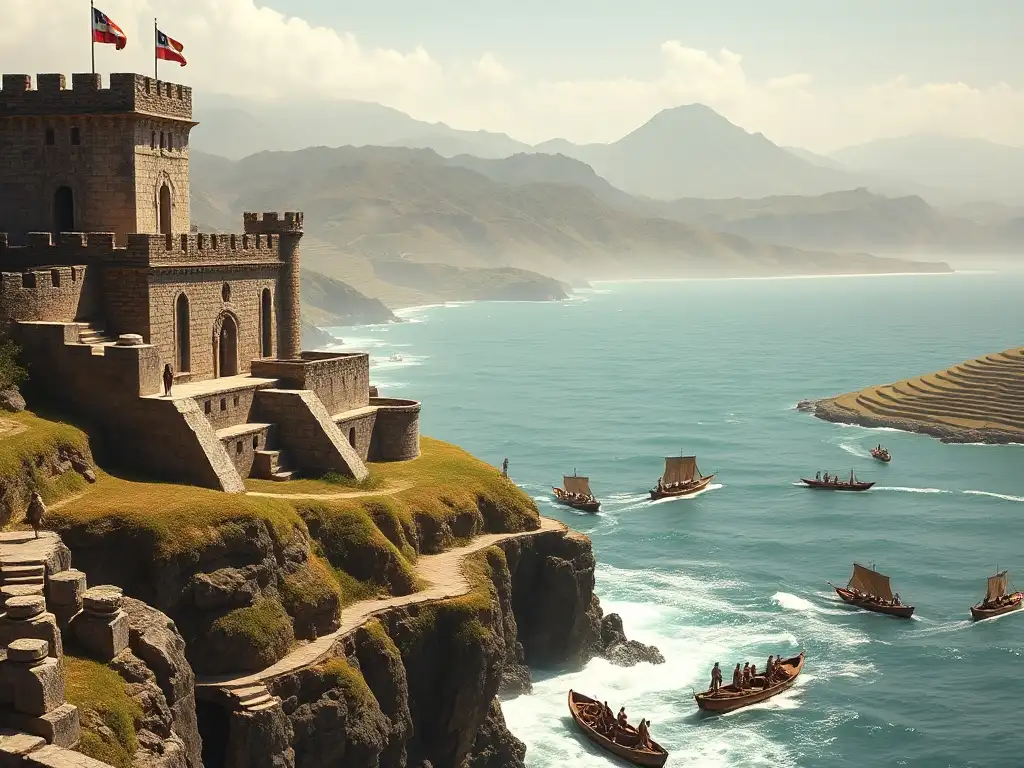
The Inca conquest of the coastal regions was not merely a matter of brute force; it involved a sophisticated strategy that combined military prowess with effective political maneuvering. The Inca strategically employed a combination of military tactics and political integration to secure control over the diverse coastal populations. Their approach was not solely focused on subjugation; rather, it involved a calculated effort to incorporate coastal communities into the Inca empire while minimizing resistance.
This strategy proved highly effective in expanding the empire's reach and consolidating its power along the coast. The Inca's ability to adapt their strategies to the specific circumstances of each coastal region played a crucial role in their success.
Military Tactics Employed by the Inca on the Coast
Inca military tactics on the coast adapted to the unique challenges of the environment. While their characteristic chasquis (runners) remained critical for communication, naval capabilities were developed or adapted to control the coastline. This included the construction of small naval vessels and the deployment of specialized troops trained in amphibious warfare. The Inca army's strength lay not only in its organization and discipline but also in its adaptability.
They were adept at utilizing the terrain to their advantage, employing guerilla tactics when necessary, and adapting their strategies to overcome the challenges posed by the coastal environment. Their military success in coastal regions was a testament to their strategic flexibility and military prowess. The Inca’s ability to effectively combine land and sea-based military operations was a key factor in their successful expansion along the coast.
Political Integration of Coastal Populations
The Inca’s success in conquering the coast wasn't solely reliant on military might. A significant aspect of their strategy involved the skillful integration of coastal populations into the empire. This was achieved through a combination of strategies, including the resettlement of populations, the imposition of tribute systems, and the strategic placement of Inca officials to oversee local administration. The Inca often incorporated aspects of local culture and traditions into their administration, fostering a sense of inclusion and minimizing resistance.
This policy of strategic integration proved highly effective in solidifying Inca control over the coastal regions and ensuring the long-term stability of the empire. The Inca's approach to political integration demonstrated their remarkable understanding of governance and their ability to adapt their administrative strategies to diverse populations. The incorporation of coastal elites into the Inca administrative structure was also instrumental in achieving a degree of peaceful co-existence.
Adapting Inca Infrastructure to Coastal Environments
The Inca's impressive engineering feats extended to their coastal expansion, requiring significant adaptations to the unique challenges of the region. Unlike the mountainous highlands, the coast presented a different set of obstacles: shifting sands, unpredictable weather patterns, and a vastly different landscape. The Incas, renowned for their meticulous planning and construction, overcame these hurdles with innovative solutions.
Their mastery of stonework, for example, allowed them to build sturdy structures resistant to the corrosive effects of sea air and salt spray. The use of specific types of stone, combined with advanced techniques of joining and fitting, ensured the longevity of coastal infrastructure. Furthermore, their understanding of local materials, including wood from coastal forests and reeds from wetlands, allowed for a diverse and resilient building approach.
This adaptability is evident in the construction of coastal forts, administrative centers, and even temples, all designed to withstand the harsh coastal environment. The strategic placement of these structures, often taking advantage of natural features like cliffs and hills, further demonstrates the Incas' sophisticated understanding of coastal geography. Their ability to seamlessly integrate their architectural style with the existing landscape is a testament to their skill and ingenuity.
Inca Road Systems and Coastal Connectivity
The Inca road system, a marvel of ancient engineering, played a crucial role in facilitating their coastal expansion. While the famed Qhapaq Ñan primarily traversed the highlands, its branches extended to the coast, linking inland cities with vital coastal ports. These coastal roads, though often less grand than their highland counterparts, were meticulously constructed to withstand the harsh conditions.
They were strategically routed to avoid treacherous terrain and provide access to important resources and settlements. The integration of these coastal roads into the broader network ensured efficient communication, trade, and the rapid movement of troops and supplies. The construction of bridges, often made from sturdy materials adapted to the coastal environment, further enhanced connectivity.
The strategic placement of waystations along these routes provided crucial rest stops for travelers, contributing to the overall efficiency and reliability of the Inca's coastal logistics network. This well-developed infrastructure facilitated the control and administration of the newly acquired coastal territories.
Adapting Agricultural Practices to Coastal Conditions
The Inca's agricultural prowess was legendary, but their expansion to the coast required significant adaptations to their farming techniques. The arid climate and limited freshwater resources of the coastal deserts posed a significant challenge. However, the Incas skillfully employed a range of innovative techniques to overcome these limitations.
They developed sophisticated irrigation systems, utilizing canals and reservoirs to channel water from rivers and streams to their fields. They also mastered the art of waru waru agriculture, a technique that involved creating raised beds to improve drainage and conserve moisture in the arid environment. Furthermore, they cultivated crops adapted to the coastal conditions, such as cotton, gourds, and certain varieties of maize.
The utilization of guano, the rich fertilizer derived from seabird droppings, significantly boosted agricultural productivity. The combination of these techniques allowed the Inca to establish thriving agricultural settlements along the coast, ensuring food security for their expanding population and supporting their coastal administration. The success of these adapted agricultural practices was integral to the long-term viability of Inca rule in the coastal regions.
Inca Storage and Resource Management in Coastal Areas
The Inca's success in managing resources was fundamental to their empire's growth and stability. This was especially crucial in the coastal regions, where resource distribution was often uneven. The Incas implemented a sophisticated system of storage facilities – qollqas – to manage the surplus agricultural produce and other resources collected from the coastal areas.
These storage facilities, often strategically located near ports and administrative centers, played a critical role in ensuring food security and supporting the logistical needs of the empire. The qollqas were not merely storage buildings; they were part of a complex network designed to efficiently distribute resources throughout the empire, ensuring equitable distribution and mitigating the risk of famine.
The management of coastal resources, including fish, salt, and other marine products, was also carefully controlled, often integrated into the tribute system that underpinned Inca governance. This efficient system of resource management contributed significantly to the stability and prosperity of the Inca empire's coastal territories.
The Impact of Inca Rule on Coastal Societies
The Inca expansion into the coastal regions profoundly impacted the existing societies living there. The arrival of the Inca brought significant changes, both positive and negative, to the lives of the coastal communities. The Inca's centralized administrative system, their sophisticated infrastructure projects, and their intensive agricultural practices dramatically altered the social, economic, and political landscapes of the coastal regions.
The interactions between the Inca and pre-existing coastal populations were complex and varied, ranging from peaceful assimilation to outright resistance. The extent of the Inca's influence differed depending on the specific coastal group and their pre-existing level of social organization and political power. The Inca's system of tribute and labor mobilization significantly impacted the lives of coastal communities, demanding significant contributions to the empire's infrastructure projects and resource management schemes.
Cultural Exchange and Transformation
The Inca expansion to the coast led to significant cultural exchange and transformation. While the Inca imposed their administrative and political structures, they also absorbed and adapted elements of coastal cultures. This cultural exchange is evident in the Inca's adoption of certain coastal technologies, such as fishing techniques and boat building methods. Furthermore, the Inca's artistic and religious practices were influenced by coastal traditions, as seen in the incorporation of coastal motifs and iconography into Inca art and architecture.
However, the Inca imposition of their language, Quechua, and their religious beliefs resulted in the gradual decline of some indigenous coastal languages and belief systems. The process of cultural exchange was complex and often resulted in a synthesis of Inca and coastal traditions, creating a unique cultural blend in the coastal regions. The extent of cultural transformation varied depending on the specific coastal region and the level of Inca control.
Changes in Coastal Governance and Administration
The Inca expansion led to significant changes in coastal governance and administration. The pre-existing political structures of coastal societies were largely dismantled and replaced with the Inca's centralized administrative system. This involved the establishment of new administrative centers, the appointment of Inca officials, and the implementation of the mit'a labor system.
The mit'a system, while providing labor for Inca projects, also imposed significant burdens on coastal communities. The Inca's control over resources, including land, labor, and trade, transformed the economic landscape of the coast. Furthermore, the Inca's judicial system and legal codes were implemented, influencing social relations and conflict resolution in coastal communities.
These changes significantly altered the power dynamics and social structures of the coastal regions, placing Inca authorities at the apex of the administrative hierarchy. The extent of Inca administrative control varied across different coastal regions, reflecting the varying levels of resistance encountered by the Inca during their expansion.
Case Studies of Inca Coastal Adaptations
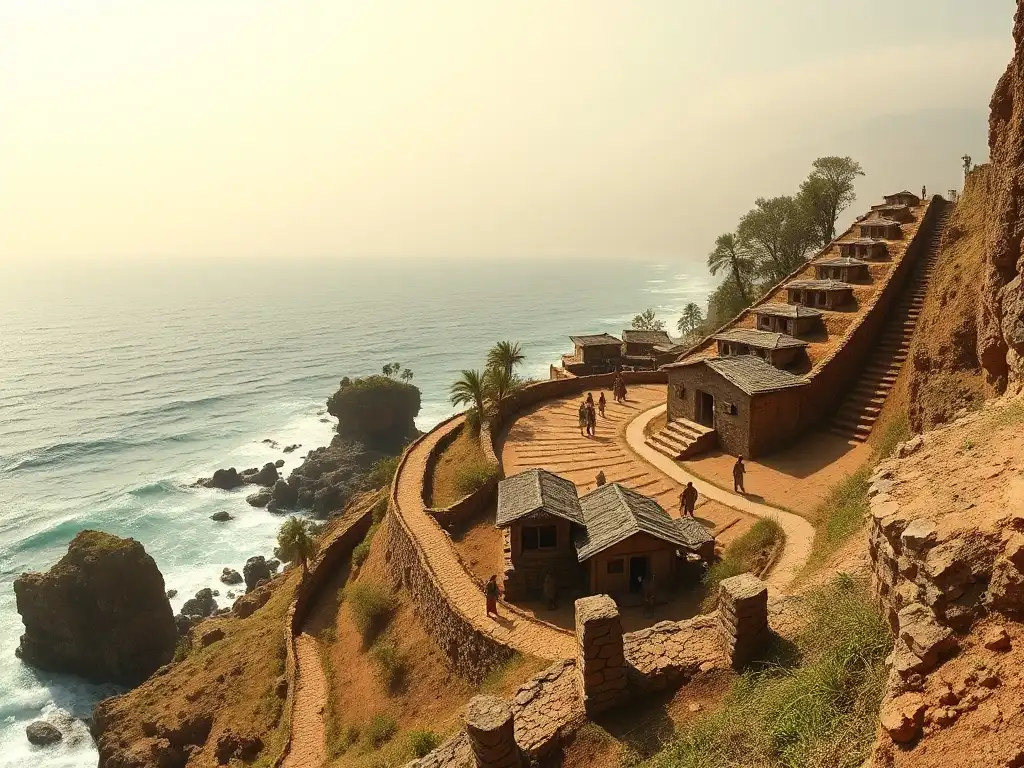
The Inca Empire's expansion along the Peruvian coast wasn't a simple matter of conquest; it required significant adaptation to drastically different environments. The Inca, renowned for their agricultural prowess in the highlands, had to develop new techniques and strategies to thrive in the arid coastal regions. Their success lay in their ability to integrate existing infrastructure and knowledge with their own innovations. This resulted in a fascinating blend of highland and coastal technologies and social structures. Examining specific sites provides valuable insight into these adaptations.
Pachacamac
Pachacamac, a pre-Inca coastal religious center located south of Lima, showcases the Inca's approach to incorporating existing power structures. Rather than completely destroying the existing religious complex, the Inca strategically integrated their own administrative and religious elements into the existing architecture. They built upon the existing foundations, adding their own characteristic stonework and expanding the temple complex to accommodate their administrative needs.
This pragmatic approach minimized conflict and allowed them to effectively control the region's religious and political power. The Inca's careful management of the Pachacamac oracle, for example, solidified their authority and legitimacy in the eyes of the local population. Evidence suggests a significant increase in pilgrimages to the site under Inca rule, highlighting the success of their integration strategy.
Chan Chan
In contrast to Pachacamac, Chan Chan, the capital of the Chimú Kingdom, presented a different challenge. The Chimú, a powerful coastal civilization, possessed advanced irrigation systems and a sophisticated urban planning system. The Inca conquest of Chan Chan wasn't a swift takeover; rather, it involved a complex process of integrating and adapting Chimú technologies. While some Chimú structures were certainly repurposed or destroyed, evidence suggests that the Inca adopted many aspects of Chimú irrigation and urban design.
The intricate network of canals and reservoirs, testament to Chimú engineering, was likely maintained and even expanded upon by the Inca to support their agricultural needs in the coastal desert. This adoption of pre-existing infrastructure minimized the need for extensive reconstruction and maximized the utilization of resources. This demonstrates the Inca’s adaptability and their ability to learn from conquered cultures.
Challenges Faced by the Inca in Coastal Regions
While the Inca demonstrated remarkable adaptability, their coastal expansion wasn't without significant hurdles. The challenges they faced were multifaceted, ranging from political resistance to environmental constraints. Overcoming these obstacles required innovative solutions and a keen understanding of the local conditions.
Resistance from Local Coastal Groups
The Inca's expansion was not met with universal acceptance. Coastal populations, often organized into powerful kingdoms with their own distinct cultures and traditions, actively resisted Inca rule. The Chimú, as mentioned earlier, presented a formidable challenge due to their strong military and advanced infrastructure.
Other coastal groups also engaged in various forms of resistance, ranging from open warfare to subtle acts of defiance. This resistance necessitated significant military investment and a sophisticated strategy of control, involving the deployment of garrisons, the construction of fortifications, and the strategic placement of loyal administrators. The Inca's response involved a combination of force and diplomacy, often employing strategies of co-optation and integration to maintain control.
Environmental Challenges and Adaptation Strategies
The arid coastal climate presented a significant challenge to the Inca, accustomed to the more temperate highlands. The scarcity of freshwater and fertile land required innovative agricultural techniques. The Inca implemented sophisticated irrigation systems, often building upon existing pre-Inca infrastructure, to channel water from rivers and streams to their fields. They also developed specialized agricultural techniques such as terracing and the use of guano (bird droppings) as fertilizer to maximize crop yields in the harsh desert environment.
The development of camelid herding along the coast also played a significant role in providing resources and facilitating transportation in the challenging terrain. The Inca's ability to overcome these environmental limitations is a testament to their engineering prowess and their capacity for adaptation. Their success highlights their understanding of the interconnectedness between agriculture, water management, and human settlement in the coastal region.
The Legacy of Inca Expansion into the Coast
The Inca expansion onto the Peruvian coast, while relatively short-lived compared to their highland dominion, left an indelible mark on the region's culture, infrastructure, and overall trajectory. The Inca's ability to effectively integrate diverse coastal populations into their vast empire demonstrates a sophisticated understanding of political and economic strategies, alongside a remarkable capacity for adaptation to vastly different environments. This success wasn't merely about conquest; it involved a complex interplay of diplomacy, resource management, and cultural exchange.
The consequences of this coastal expansion are still evident today, shaping the cultural landscape and impacting the very fabric of Peruvian society. Understanding this legacy provides crucial insight into the Inca's administrative prowess and their lasting impact on the Andean world.
Inca Influence on Coastal Culture and Traditions
The Inca's arrival on the coast wasn't a simple imposition of their culture; it was a process of negotiation and assimilation. While the Inca certainly promoted their own language, Quechua, and religious practices, they also absorbed and adapted elements of coastal traditions. For example, coastal pottery styles, initially distinct from highland styles, show evidence of Inca influence in later periods, demonstrating a blend of artistic traditions.
Similarly, while the Inca sun god, Inti, became a central figure, local deities and rituals weren't entirely erased but often integrated into the Inca state religion. This syncretism, the blending of different belief systems, is evident in the surviving archaeological record and accounts from Spanish chroniclers.
The Inca's pragmatic approach to cultural integration allowed for a more stable and less resistant population, ultimately contributing to the overall success of their coastal expansion. This contrasts sharply with other empires that attempted to forcefully suppress local customs, leading to greater resistance and instability.
The Inca's Lasting Impact on Coastal Infrastructure
The Inca’s impact on coastal infrastructure is perhaps their most visible legacy. Their renowned engineering skills were employed to create impressive road networks that connected the highlands with coastal cities and ports. This allowed for efficient transport of goods, facilitating trade and communication across the empire.
The cañaris, skilled artisans known for their metalwork, were incorporated into the Inca system and helped build sophisticated irrigation systems to support agriculture in the arid coastal regions. These systems, while some were later destroyed or neglected after the Spanish conquest, demonstrate the Inca's commitment to resource management and their ability to adapt their engineering expertise to the unique challenges of the coastal environment. Furthermore, the construction of tambos, strategically placed waystations along the roads, provided accommodations for travelers and facilitated the movement of people and goods.
These infrastructure projects not only boosted the Inca economy but also left a lasting impact on the coastal landscape, shaping settlement patterns and influencing the development of future infrastructure projects in the region. Many of these roads and irrigation systems, though in ruins, still bear witness to the scale and sophistication of Inca engineering.
Frequently Asked Questions
What were the main reasons behind the Inca expansion towards the coast?
The Inca expansion to the coast was driven by several factors, including the acquisition of vital resources like fish and salt, access to new trade routes, and the desire to control strategically important territories. This secured economic and political power.
How did the Inca adapt their agricultural practices to the coastal environment?
The Incas were remarkably adaptable. They developed innovative irrigation systems and terracing techniques to cultivate crops in the arid coastal regions, supplementing their traditional highland agriculture with coastal crops such as cotton and beans.
What challenges did the Inca face during their coastal expansion?
The Inca faced significant challenges, including the resistance from existing coastal communities, the need to adapt to a new environment, and the logistical difficulties of managing a vast and geographically diverse empire. Disease also played a role.
What was the impact of Inca rule on coastal societies?
Inca rule brought both benefits and drawbacks to coastal communities. While it resulted in improved infrastructure and access to resources, it also involved political subjugation and the imposition of Inca culture and practices.
How did Inca coastal expansion strategies differ from their highland strategies?
Inca coastal expansion involved a greater focus on controlling trade routes and resources compared to their highland strategies, which often emphasized military conquest and the incorporation of existing political structures. Adaptation to diverse environments was crucial in both regions.
Final Reflection: Echoes of Empire on the Coastal Sands
The Inca expansion onto the Peruvian coast wasn't merely a conquest; it was a masterclass in adaptation, a testament to the empire's remarkable ability to integrate diverse environments and populations into a unified system. This strategy, honed over centuries, offers crucial insights into successful empire building and resource management, lessons that remain strikingly relevant in our increasingly interconnected and resource-constrained world. Understanding how the Inca navigated the challenges of coastal life – from arid deserts to fertile valleys – provides a valuable framework for addressing modern issues of sustainability and cultural integration.
The Inca's success in integrating the coastal regions into their vast empire profoundly shaped the cultural and social landscape of Peru, leaving an indelible mark that persists to this day. Their sophisticated infrastructure, including intricate irrigation systems and innovative agricultural techniques, continues to inspire awe and admiration. The legacy of their administrative prowess and their ability to foster a sense of shared identity across diverse populations is equally impressive. The Inca were not merely conquerors; they were builders, administrators, and innovators who left a lasting legacy on the land and its people.
This quote encapsulates the enduring impact of their coastal expansion, highlighting the enduring relevance of their strategies.
Consider the challenges we face today – climate change, resource scarcity, and the need for sustainable development. The Inca's experience offers a powerful reminder of the importance of adaptability, innovation, and inclusive governance. You, the reader, are now equipped with a deeper understanding of the Inca's coastal expansion strategies. Reflect on how these strategies, born from necessity and ingenuity, can inform our own approaches to navigating the complexities of the modern world. Let the echoes of this ancient empire inspire you to build a more sustainable and equitable future.
Unveil Your Inner Explorer: Engage with the Legacy of the Inca!
Thank you for exploring the incredible journey of the Inca expansion into coastal regions! You've uncovered key insights into how this remarkable civilization adapted to diverse environments, and now it's time to build upon your newfound knowledge.
Here are some ways to deepen your connection with the Inca legacy:
- **Visit local museums and historical sites** showcasing Inca artifacts and their environmental adaptations. You might be amazed by what you discover!
- **Join online communities and social media groups** dedicated to Andean history to share your insights and learn from other enthusiasts.
- **Share this article with friends and family** to inspire others to learn about the Inca's ingenuity and adaptability.
What aspect of the Inca's expansion and adaptation most captivated you, and how will you apply this knowledge to your future explorations?