
Nazca Textiles and Trade Networks: Exchange of Goods and Ideas

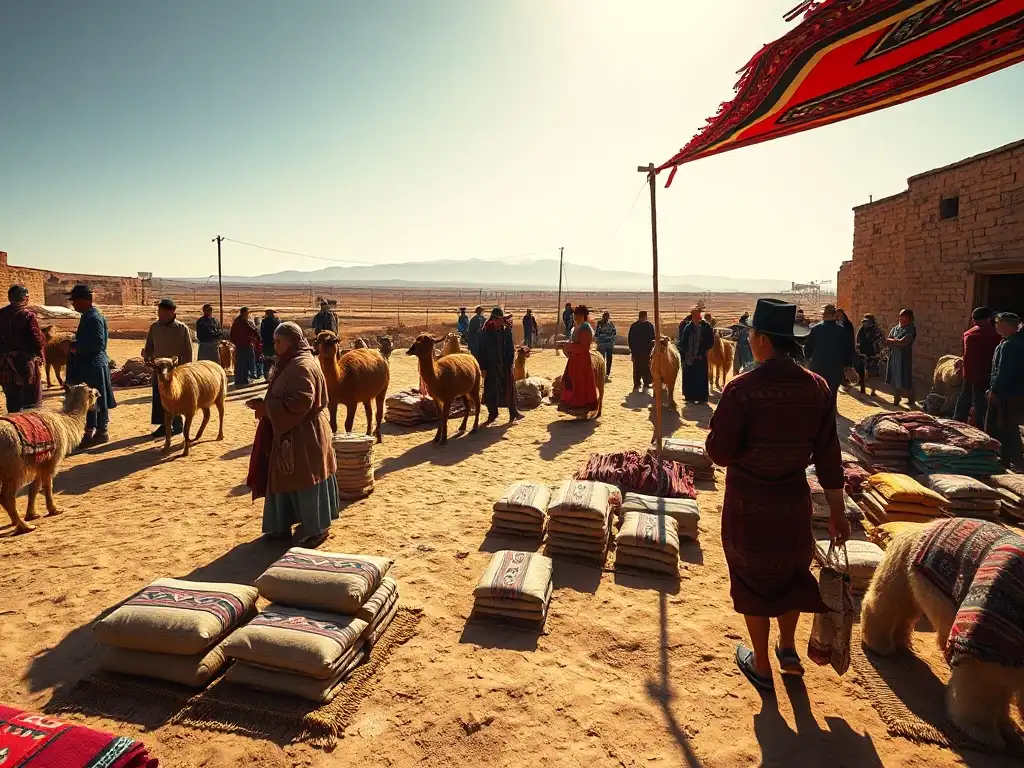
Unravel the mysteries of a lost world. For centuries, the Andean Civilizations have captivated imaginations with their breathtaking artistry and sophisticated societies. But what truly drove the exchange of goods and ideas across vast distances? Prepare to be amazed as we delve into the intricate Nazca textiles trade networks, revealing a story of innovation, cultural exchange, and a legacy that continues to resonate today. Discover how these vibrant textiles shaped not only the Nazca civilization but the entire Andean world.
The Nazca civilization, flourishing along the southern coast of Peru from approximately 100 BCE to 800 CE, is renowned not only for its enigmatic geoglyphs but also for its remarkably sophisticated textiles and extensive trade networks. This article delves into the intricate relationship between Nazca textile production and the exchange of goods and ideas across vast distances, highlighting the crucial role these textiles played in the social, economic, and cultural life of the Nazca people and their interactions with neighboring societies.
We will explore the techniques, materials, and designs of Nazca textiles, examining how these characteristics reveal insights into their trade routes and the cultural exchange that resulted. Understanding the Nazca textile trade networks provides a deeper appreciation of the civilization's complexity and its lasting impact on Andean culture.
The vibrant colors, intricate patterns, and exceptional craftsmanship of Nazca textiles continue to fascinate and inspire, offering a tangible connection to a remarkable ancient society.
Textile Production Techniques and Materials
Nazca textile production was a highly specialized craft, employing advanced techniques for spinning, dyeing, and weaving. Evidence suggests the use of both cotton and camelid fibers (alpaca and llama), with cotton being more prevalent in coastal regions. The remarkable colorfastness of Nazca dyes, achieved through the use of natural pigments derived from plants and minerals, is a testament to their sophisticated understanding of chemistry and material science.
Detailed analysis of textile fragments reveals intricate weaving techniques, including tapestry weaving, which allowed for the creation of complex designs and multi-colored patterns. The production of these textiles required significant skill and expertise, suggesting the existence of specialized workshops or guilds where artisans honed their craft, potentially passing down knowledge through generations. The quality and complexity of the textiles themselves indicate a significant investment of time and resources, underscoring their importance within Nazca society.
The iconography depicted on Nazca textiles offers invaluable insights into the social, religious, and cosmological beliefs of the Nazca people. Common motifs include stylized representations of animals (such as birds, felines, and reptiles), plants, and supernatural beings. These designs are often intricately woven, demonstrating a high level of artistic skill and symbolic representation.
The repetition of certain motifs across different textiles suggests a standardized system of meaning and iconography, potentially related to religious ceremonies, social status, or clan identity. Further research is needed to fully decipher the meaning embedded within these designs, but their complexity and consistency strongly suggest a deep-seated cultural significance. The use of specific colors and patterns may have also signified different social strata or roles within the community.
Trade Routes and Exchange Networks
The distribution of Nazca textiles across a wide geographical area indicates the existence of extensive trade networks connecting the Nazca heartland with other Andean communities. Archaeological evidence suggests that these textiles were traded both along the coast and inland, reaching as far as the highlands of Peru. The presence of Nazca-style textiles in distant locations suggests a complex system of exchange, possibly involving both direct trade and indirect exchange through intermediary groups.
The types of goods exchanged likely varied, with textiles potentially being traded for other valuable resources such as metals, ceramics, or agricultural products. The geographical distribution of specific textile designs or motifs could potentially shed light on the specific trade routes used and the nature of the interactions between different cultural groups. Further research into the distribution patterns of these textiles and associated artifacts is crucial for a comprehensive understanding of Nazca trade networks.
The Impact of Trade on Nazca Culture and Society
The extensive trade networks associated with Nazca textiles had a profound impact on the culture and society of the Nazca people. The exchange of goods fostered cultural exchange, leading to the diffusion of ideas, technologies, and artistic styles. The acquisition of exotic materials and goods through trade enhanced the status and wealth of certain individuals or groups within Nazca society. The demand for Nazca textiles likely stimulated economic growth and specialization within the craft production sector.
Trade also facilitated the spread of religious and ideological beliefs, potentially contributing to the development of shared cultural practices among different Andean communities. The long-distance trade networks established by the Nazca played a crucial role in shaping the cultural landscape of the Andean region. Further investigation into the economic and social implications of this trade is warranted.
- Textile Production Techniques and Materials
- Designs and Iconography: Reflecting Social and Religious Beliefs
- Trade Routes and Exchange Networks
- The Impact of Trade on Nazca Culture and Society
The Significance of Nazca Textiles in Andean Culture
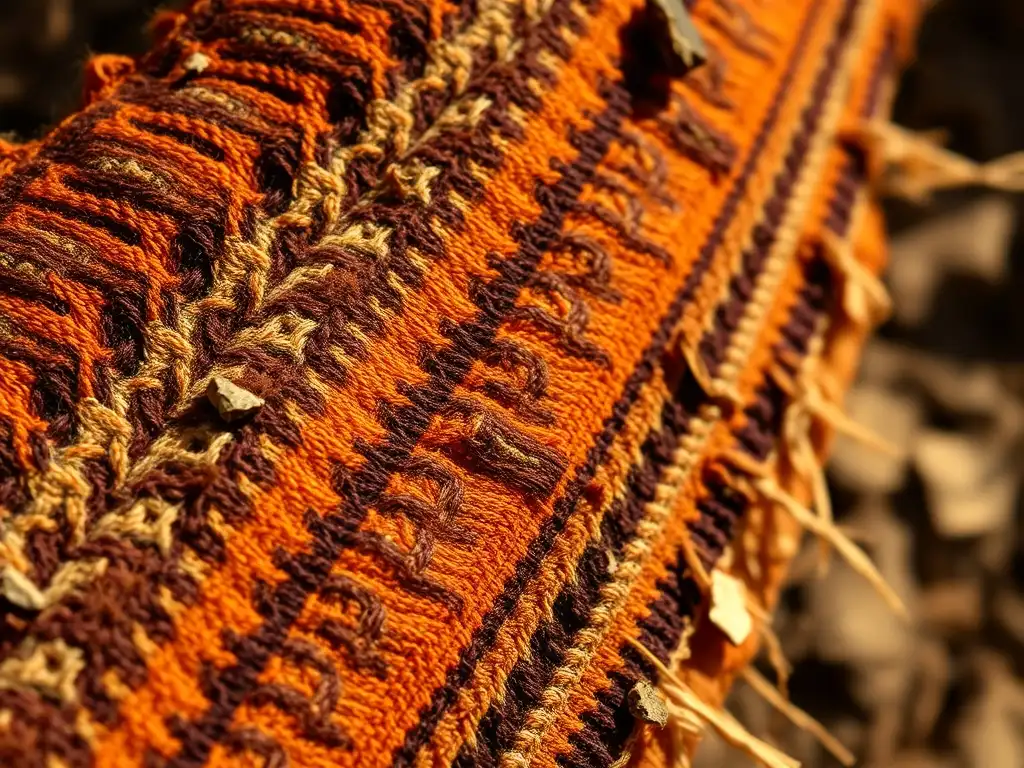
The Nazca textiles trade networks played a crucial role in the socio-economic fabric of the Nazca civilization (c. 100-800 CE). These weren't simply decorative items; they were integral to religious practices, social status, and economic exchange across vast distances in the Andean region. Understanding the significance of Nazca textiles provides critical insights into the complexity and sophistication of this fascinating culture. Their production, distribution, and consumption reveal much about the power structures, belief systems, and trade relationships that shaped Nazca society.
The sheer artistry and technical skill involved in creating these textiles demonstrate a high level of cultural achievement, leaving a lasting legacy on Andean textile traditions. The vibrant colors, intricate designs, and the use of diverse materials speak volumes about their value and importance within the Nazca worldview. Analysis of textile fragments and archaeological contexts consistently points to their multifaceted roles within Nazca society.
Nazca Textile Art: More Than Just Decoration
Nazca textile art transcends mere decoration; it's a powerful form of visual communication. The textiles weren't solely for clothing; they were used in a variety of contexts, including ritual ceremonies, burials, and adornment of elite members of society. The intricate weaving techniques, the vibrant use of natural dyes derived from plants and minerals, and the symbolic imagery all contribute to their significance.
Consider the use of camelid fiber, particularly alpaca and llama wool, which was carefully selected and processed to achieve exceptional softness and durability. The precision of the weaving, often incorporating complex patterns and designs, is a testament to the advanced skills of Nazca artisans. Some textiles feature incredibly fine weaves, demonstrating a mastery of technique that is rarely seen in other contemporary Andean cultures.
The preservation of these textiles, often found in remarkably good condition in arid tombs, allows for detailed analysis of their construction and the materials used. This detailed study allows researchers to better understand the production processes, the social organization of textile production, and the distribution networks that facilitated the widespread exchange of these treasured artifacts.
Nazca textiles held profound ritual and social significance. Archaeological evidence suggests their use in funerary contexts, often found wrapped around mummies or placed within tombs as grave goods. This suggests a belief in the textile's ability to provide protection or facilitate passage to the afterlife.
The type of textile, its design, and the quality of the materials used often correlated with the social status of the deceased. Elaborately woven textiles with intricate designs and rare materials were typically associated with elite individuals, indicating a clear connection between textile production and social hierarchy. Furthermore, the presence of specific motifs or designs on textiles may have signified membership in particular clans or groups within Nazca society.
For example, certain iconographic elements might represent specific deities or ancestral figures, reinforcing the importance of textiles in religious and communal practices. The ceremonial use of textiles is further evidenced by the discovery of textile fragments in ritual sites, suggesting their use in offerings or ceremonies. The symbolic meaning embedded in the textiles served to reinforce social structures and religious beliefs.
The Intricate Designs and Iconography of Nazca Fabrics
The designs and iconography found on Nazca textiles are incredibly diverse and rich in symbolism. Recurring motifs include stylized figures of humans, animals (such as birds, felines, and camelids), and mythical creatures. These designs are often arranged in complex geometric patterns, demonstrating a sophisticated understanding of textile design principles. The use of color is equally significant, with particular colors likely holding specific symbolic meanings.
Scholars are still actively interpreting the complex iconography, but some recurring themes include fertility, celestial events, and shamanistic practices. The precision and detail of the designs highlight the skilled craftsmanship of Nazca weavers. The use of negative space, along with the careful arrangement of colors and patterns, creates visually stunning and intellectually stimulating textiles.
The stylistic consistency across different textiles suggests the existence of established design conventions and the transmission of knowledge across generations of weavers. Further research is needed to fully decipher the meaning behind specific designs and symbols, but the inherent complexity and artistry of Nazca textile designs continue to fascinate and inspire researchers and enthusiasts alike. The intricate detail and symbolic richness of Nazca textiles underscore their importance not only as functional items but also as powerful expressions of cultural identity and belief.
Nazca Trade Routes and Networks
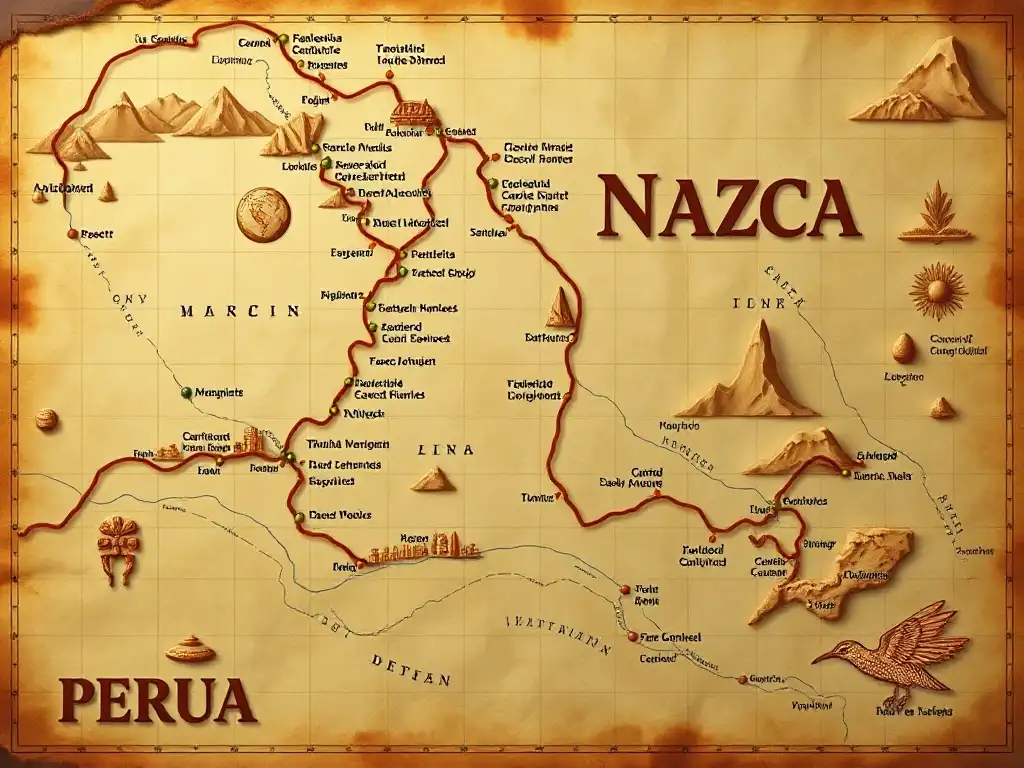
The Nazca civilization, renowned for its enigmatic geoglyphs and sophisticated pottery, also possessed a complex and extensive trade network that facilitated the exchange of goods and ideas across the southern coast of Peru. Understanding these trade routes is crucial to comprehending the Nazca's economic prosperity and cultural influence. Analysis of archaeological evidence, coupled with studies of textile production and distribution, reveals a dynamic system of interaction that extended far beyond their immediate geographical boundaries.
This intricate network wasn't solely about material exchange; it also served as a conduit for the transmission of artistic styles, technological innovations, and religious beliefs, significantly shaping the cultural landscape of the region. The keyword "Nazca textiles trade networks" highlights the central role textiles played in this vibrant exchange.
Evidence of Nazca Trade: Archaeological Findings
Archaeological excavations across the Nazca region have unearthed compelling evidence of extensive trade. The presence of non-local materials in Nazca sites strongly suggests a robust exchange system. For instance, spondylus shells, highly prized for their vibrant red color and used in adornments and ceremonial objects, have been found in significant quantities.
These shells originated hundreds of kilometers away, in the Ecuadorian coast, demonstrating the Nazca's ability to establish and maintain long-distance trade relationships. Furthermore, the discovery of obsidian tools originating from the Andes mountains, far inland from the Nazca desert, further supports this conclusion. The meticulous craftsmanship of these tools, combined with their distance from the source, implies a well-established network of trade and possibly specialized artisans involved in the exchange.
Analysis of isotopic signatures in human remains has also provided insights into dietary patterns, revealing the consumption of foods not readily available in the Nazca region, pointing to external food sources through trade. This evidence paints a picture of a sophisticated system capable of managing long-distance trade, including both raw materials and finished goods. The sheer quantity and variety of non-local artifacts found in Nazca settlements underscore the importance of trade in their economy and culture.
Key Trading Partners of the Nazca Civilization
Identifying the specific trading partners of the Nazca remains a subject of ongoing research, but evidence suggests connections with several contemporaneous cultures. The previously mentioned spondylus shells indicate a strong link with coastal Ecuadorian societies. The presence of obsidian tools points towards interactions with highland communities controlling obsidian sources.
Furthermore, stylistic similarities in pottery and textile designs between Nazca artifacts and those from neighboring cultures, such as the Paracas and Wari, suggest active exchange of artistic ideas and possibly even the movement of artisans. While direct evidence of formalized trade agreements or treaties is lacking, the consistent presence of non-local goods in Nazca sites, combined with stylistic cross-influences, strongly supports the existence of a complex network of trade relationships.
Further research, particularly focusing on comparative analyses of artifacts and settlement patterns across different regions, will undoubtedly shed more light on the specific identities and dynamics of Nazca's trading partners. The complexity of these interactions highlights the interconnectedness of the ancient Andean world.
The Role of Nazca Textiles in Regional Exchange
Nazca textiles represent a significant component of their trade network. Their exceptional quality, intricate designs, and use of vibrant dyes made them highly sought-after commodities. The intricate weaving techniques, including the use of camelid fibers and sophisticated dyeing processes, showcase the advanced technological capabilities of Nazca artisans. These textiles were not simply utilitarian items; they served important ceremonial and social functions, often adorned with symbolic imagery reflecting religious beliefs and social status.
The distribution of Nazca textiles beyond their core region is evidenced by the discovery of similar textile fragments in sites belonging to other cultures. This suggests that textiles were actively traded, serving as both a valuable commodity and a vehicle for cultural exchange. The styles and motifs found on these textiles could have spread through direct trade or through the movement of skilled artisans.
The presence of Nazca-style textiles in distant locations underscores their economic and cultural significance within the broader Andean trade network. The study of Nazca textiles provides invaluable insights into the dynamics of regional exchange and the cultural interactions that shaped the ancient Andean world. The unique characteristics of Nazca textiles, coupled with evidence of their widespread distribution, solidify their importance in understanding "Nazca textiles trade networks".
Materials and Techniques in Nazca Textile Production
The remarkable artistry of Nazca textiles is intrinsically linked to the materials and techniques employed by their creators. Understanding these aspects provides crucial insight into the sophistication of Nazca technology and the economic organization underpinning their vibrant trade networks. The exquisite detail and vibrant colors found in surviving examples are a testament to their mastery of both material sourcing and textile production. The keyword "Nazca textiles trade networks" is central to understanding the wider implications of these artistic achievements.
Sources of Fiber: Cotton and Camelid Wool in Nazca Textiles
Nazca textile production relied heavily on two primary fiber sources: cotton and camelid wool. The coastal desert climate of southern Peru, where the Nazca culture flourished, provided ideal conditions for cotton cultivation. Different varieties of cotton, likely cultivated through careful selection and breeding, provided fibers with varying lengths, strengths, and colors – impacting the final texture and appearance of the finished textiles.
Evidence suggests that the Nazca people cultivated long-staple cotton, prized for its superior quality and suitability for fine weaving. This careful cultivation directly contributed to the high quality of their textiles, enhancing their value within regional and potentially even inter-regional trade networks.
The high Andes, on the other hand, provided the Nazca with access to camelid fibers, primarily from alpacas and llamas. These fibers, naturally softer and warmer than cotton, were likely incorporated into textiles intended for specific purposes, such as clothing and blankets. The use of camelid wool suggests established trade routes connecting the Nazca with highland communities, further highlighting the interconnectedness of Andean societies and the significance of Nazca textiles trade networks in facilitating this exchange.
Analyzing the isotopic composition of the fibers in surviving textiles could provide further evidence regarding the geographic origins of these materials and the extent of Nazca trade networks. The precise ratios of cotton and camelid wool in different textiles may even indicate social status or intended use.
Nazca Weaving Techniques: Looms and Methods
Nazca weavers employed sophisticated techniques, using various types of looms to create their intricate textiles. While the exact types of looms used remain a subject of ongoing research, evidence suggests the use of both backstrap looms and more complex, potentially vertical, looms. The backstrap loom, a portable device, was likely used for smaller-scale projects and weaving simpler fabrics. More complex textiles, characterized by intricate designs and multiple colors, likely required more sophisticated loom types. The precision and intricacy of many Nazca textiles point to a high level of skill and specialized knowledge among Nazca weavers.
The weaving techniques themselves were equally advanced. Evidence suggests the use of various techniques including plain weave, tapestry weave, and weft-faced brocade. The mastery of these techniques allowed Nazca weavers to create textiles with a wide range of textures and patterns.
The use of supplementary weft techniques, for example, allowed for the creation of intricate pictorial designs, further enhancing the value and prestige of these textiles within their trade networks. The creation of these complex textiles required significant time and expertise, contributing to their high value and role within the Nazca economy. Further research into surviving examples and archaeological findings could reveal more specific details about their loom technology and weaving practices.
Natural Dyes and Pigments Used in Nazca Fabric
The vibrant colors found in Nazca textiles are a result of the skillful use of natural dyes and pigments derived from plant and mineral sources. Researchers have identified various sources, including cochineal insects for reds, various plants for yellows and greens, and minerals for browns and blacks. The precise recipes and processes used in dye preparation and application remain largely unknown, but the resulting colors are remarkably durable and vibrant, even after centuries.
This durability further highlights the quality of Nazca textiles and their suitability for trade and exchange. The use of specific dyes and pigments may also have had symbolic meanings within Nazca society, potentially reflecting social status or religious beliefs.
The availability and accessibility of these dye sources would also have influenced Nazca textile production and trade networks. Access to rare or exotic dyes may have increased the value and desirability of certain textiles, making them sought-after commodities in trade. Further analysis of the chemical composition of dyes and pigments in surviving textiles could reveal more about the geographic sources of these materials and the extent of the Nazca trade networks.
The sophisticated use of color and pattern in Nazca textiles underscores their importance not only as functional items but also as significant cultural artifacts that played a vital role in the exchange of goods and ideas within the broader Andean region. The consistent quality and vibrant colors of the textiles speak to a well-established and controlled production process, a key factor in the success of Nazca textiles in trade networks.
The Impact of Trade on Nazca Society
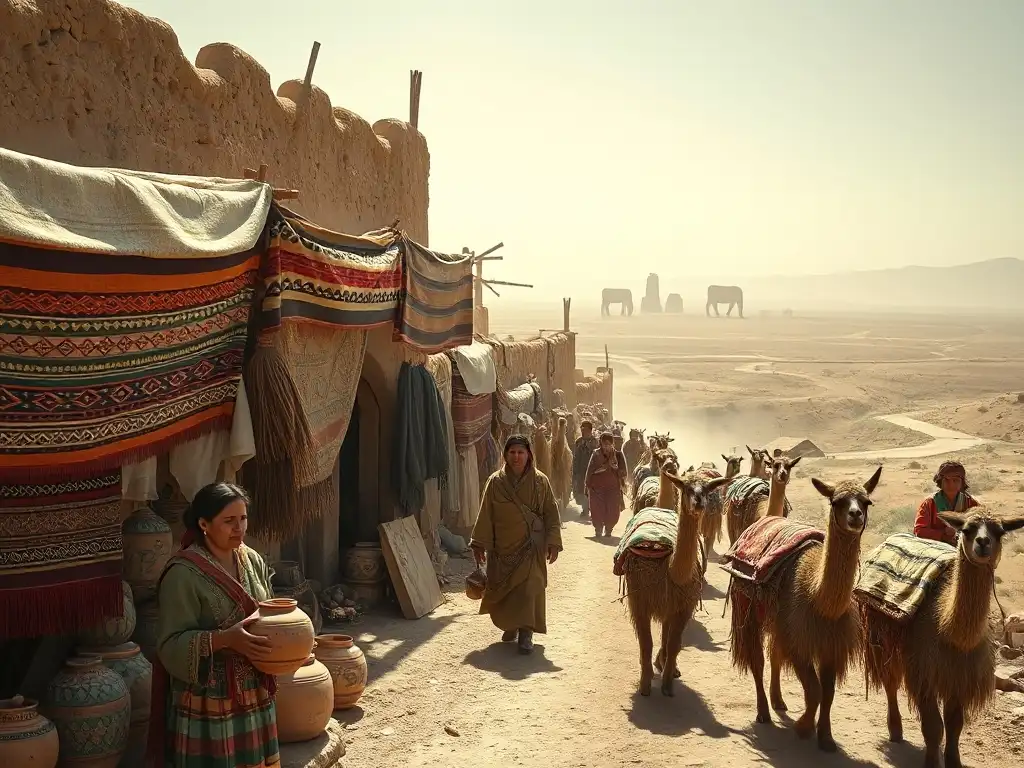
The Nazca civilization, flourishing along the southern coast of Peru from approximately 100 BC to 800 AD, wasn't isolated. Their impressive achievements in textile production were intricately woven (pun intended!) into a complex web of regional and perhaps even inter-regional trade networks.
This wasn't simply a matter of bartering goods; the exchange of Nazca textiles had profound and far-reaching consequences, shaping their economy, social structures, and artistic expressions. Understanding the impact of trade on Nazca society requires examining the economic role of textile production, the social implications of exchange and distribution, and the influence of trade on their art and culture. The keyword "Nazca textiles trade networks" is central to understanding this vibrant and interconnected society.
The Economic Role of Textile Production in Nazca
Textile production was a cornerstone of the Nazca economy. Evidence suggests a highly specialized and stratified system of production. While some households might have produced textiles for personal use, the sheer volume and complexity of surviving artifacts indicate large-scale production centers, likely involving specialized artisans and potentially employing a significant portion of the population.
The intricate designs and high-quality materials point to a sophisticated understanding of textile techniques, including spinning, dyeing, weaving, and embroidery. The economic value of these textiles is evident in their use as prestige goods and their inclusion in elite burials. The range of textiles, from simple cloth for everyday use to elaborately decorated garments and tapestries for ceremonial purposes, suggests a diverse market catering to various social classes and needs.
Analysis of textile remains, coupled with archaeological evidence of workshops and trade routes, offers further insights into the economic organization and scale of textile production within the Nazca society. The sheer volume of surviving textiles suggests a robust and economically significant industry contributing substantially to the Nazca GDP (though quantifying this precisely requires further research).
The exchange of Nazca textiles wasn't merely an economic transaction; it had significant social implications. The intricate designs and the use of rare dyes and materials often served as markers of social status and identity. Elaborately woven textiles were likely worn by elites, signifying their power and position within society.
The distribution of textiles, whether through direct exchange, tribute, or gift-giving, reinforced social hierarchies and political relationships. Textiles served as a powerful means of communication, conveying messages of alliance, status, and religious belief. The presence of Nazca textiles in sites far from the coastal region suggests extensive trade networks connecting the Nazca with other Andean communities, facilitating cultural exchange and potentially influencing the development of textile traditions in neighboring societies.
Further research into burial contexts and the distribution of textiles across different social strata could provide further evidence of the social roles and implications of textile production and exchange. The study of iconography on the textiles themselves might reveal further clues about social structures and beliefs.
How Trade Influenced Nazca Art and Culture
The extensive trade networks in which Nazca textiles played a central role profoundly influenced their art and culture. The exchange of goods and ideas fostered innovation and creativity. The adoption of new techniques, materials, and designs from other cultures enriched the existing Nazca textile traditions.
Conversely, the popularity of Nazca textiles in other regions likely influenced the artistic styles and preferences of those communities. The vibrant colors, intricate designs, and symbolic imagery found in Nazca textiles reflect a rich and complex worldview. The use of specific motifs and patterns may have held religious or ritual significance, further highlighting the intertwined nature of trade, art, and spirituality in Nazca society.
The influence of trade on Nazca art is evident in the diversity of styles and techniques found in surviving textiles, showcasing the dynamic interaction between the Nazca and their neighbors. Analyzing the stylistic variations in textiles from different periods and regions can shed light on the evolution of Nazca art and its response to external influences brought about by trade. The "Nazca textiles trade networks" weren't just economic arteries; they were conduits for cultural exchange and artistic innovation.
The Spread of Nazca Textile Designs and Ideas
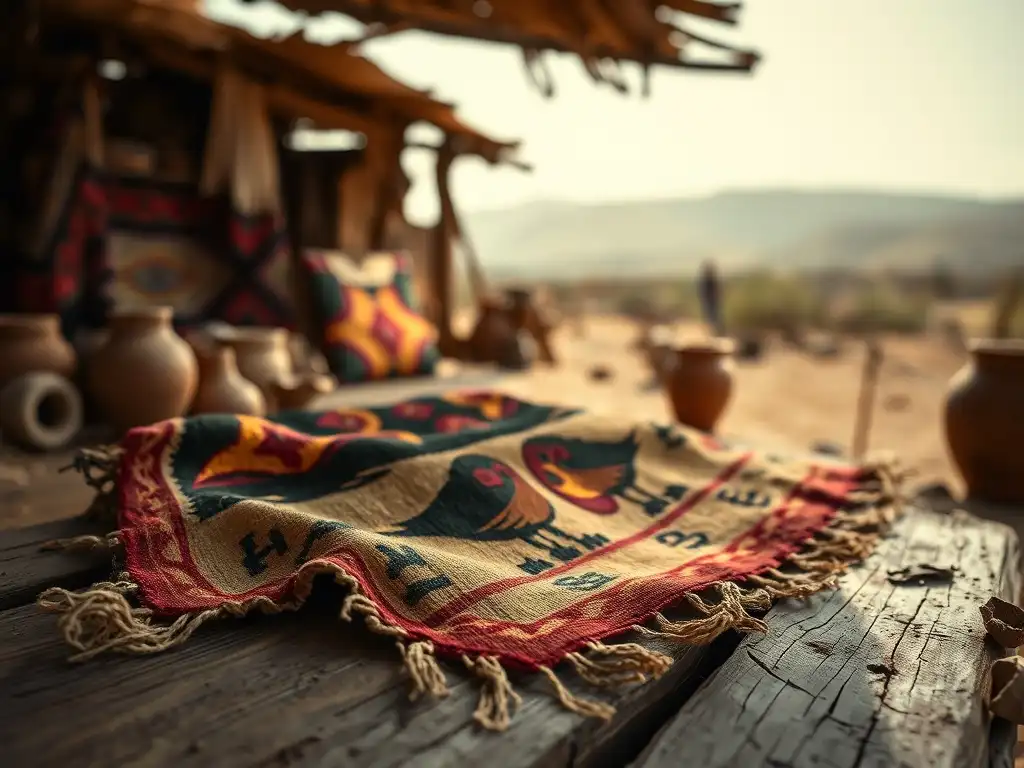
The vibrant and intricate designs characteristic of Nazca textiles weren't confined to the Nazca region itself. Evidence strongly suggests a significant spread of both the textiles themselves and their artistic motifs across a wide geographical area, influencing the artistic styles and potentially even the cultural beliefs of neighboring societies. This dissemination occurred through a complex interplay of trade networks, diplomatic exchanges, and perhaps even migration patterns.
Understanding this spread is crucial to fully appreciating the impact of Nazca culture on the broader Andean landscape and the development of subsequent textile traditions. The analysis of Nazca textile fragments found in archaeological sites far from the Nazca heartland, combined with stylistic comparisons across different cultures, provides valuable insights into these far-reaching connections.
The sheer variety of designs – from geometric patterns to depictions of mythical creatures and stylized plants – further complicates the picture, suggesting a dynamic and evolving exchange of ideas. The precise mechanisms of this diffusion remain a subject of ongoing research, but the evidence points to a sophisticated system of interaction that extended far beyond simple bartering.
Diffusion of Motifs: Nazca Textile Patterns in Other Cultures
The distinctive Nazca textile patterns, characterized by their intricate detail and vibrant colors, are remarkably recognizable even when found in contexts far removed from the Nazca desert. Archaeologists have identified clear similarities between Nazca motifs and those found in the textiles of contemporary cultures, including the Paracas and the Wari. For example, the recurring use of stylized birds, feline figures, and geometric designs can be traced across different regions, suggesting a direct influence or at least a shared artistic vocabulary.
This isn't simply a matter of coincidental similarities; the specific techniques used in creating the textiles, such as the intricate tapestry weaving and the use of specific dyes, also exhibit striking parallels. Detailed analysis of textile fragments, including microscopic examination of the fibers and dyes used, helps confirm the connections. This detailed analysis often reveals specific dye components and weaving techniques that pinpoint the origin or at least the influence of Nazca textile production methods.
The spread of these motifs suggests a complex process of cultural exchange, where ideas and techniques flowed along established trade routes and through various forms of intercultural interaction. The degree of influence varied, of course, with some cultures adopting Nazca motifs wholesale while others integrated them into their existing artistic traditions.
Inter-regional Connections Through Textile Exchange
The Nazca textile trade networks weren't isolated events; they were integral parts of a larger system of exchange that connected different Andean societies. The geographical distribution of Nazca textiles, found in archaeological sites hundreds of kilometers from the Nazca core, underscores the existence of well-established trade routes. These routes likely involved both overland transport and possibly even maritime transport along the coast.
The presence of Nazca textiles in burials and elite contexts in distant locations indicates that these weren't simply everyday items; they held significant symbolic value and were likely used as gifts, tribute, or markers of status. This suggests a level of social and political interaction that went beyond simple economic exchange. Furthermore, the presence of other goods alongside Nazca textiles in these distant sites—such as ceramics, metalwork, and other luxury items—indicates that the textile trade was part of a larger system of reciprocal exchange, where different communities traded their specialized goods and services.
The sheer volume of textiles found in these sites also speaks to the scale of this trade, suggesting a robust and well-organized system of distribution. The organization of these trade networks remains a subject of scholarly debate, but the evidence points to a complex system involving intermediaries, specialized traders, and perhaps even state-sponsored trade.
How Trade Contributed to the Dissemination of Nazca Beliefs
The exchange of Nazca textiles wasn't solely about material goods; it also facilitated the dissemination of religious and cosmological beliefs. The iconography found on many Nazca textiles—depictions of deities, mythical creatures, and celestial events—suggests that these textiles served as powerful vehicles for communicating religious ideas. By trading these textiles, the Nazca people were effectively disseminating their religious beliefs and worldview to other communities.
This process was likely gradual and multifaceted, with the meaning and interpretation of the motifs potentially evolving as they were adopted by different cultures. The use of specific motifs in funerary contexts, for example, suggests that the associated beliefs and rituals were also transmitted along with the textiles. The presence of similar religious iconography in the art and artifacts of other Andean cultures lends further support to this idea.
While further research is needed to fully understand the complexities of this cultural transmission, the evidence strongly suggests that Nazca textile trade played a significant role in shaping the religious landscapes of neighboring societies and contributing to the broader Andean worldview. The enduring legacy of Nazca artistic motifs in subsequent Andean cultures serves as a testament to the power of this cultural exchange.
Analysis of Nazca Textile Trade Networks
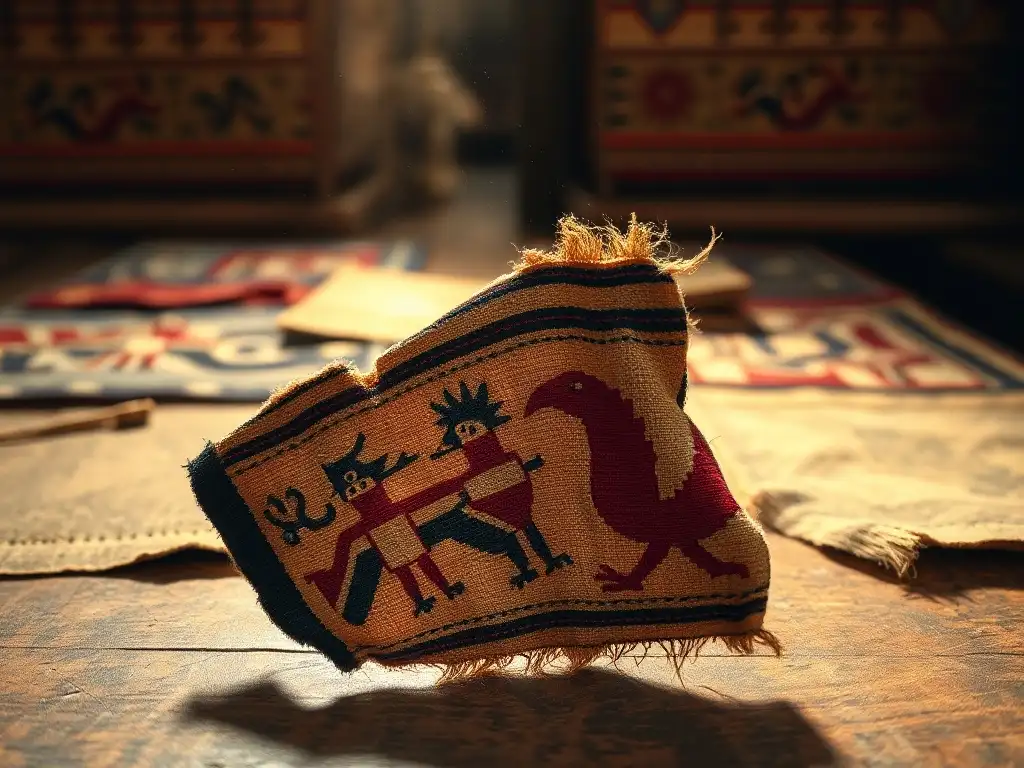
The Nazca civilization, renowned for its enigmatic geoglyphs, also possessed a sophisticated textile industry that played a crucial role in their economic and social structures. Analyzing Nazca textile trade networks reveals a complex system of exchange extending far beyond their immediate geographical boundaries. This intricate web of commerce facilitated the dissemination of not only textiles themselves but also cultural ideas, artistic styles, and technological innovations across the Andean landscape.
The vibrant colors, intricate designs, and high-quality craftsmanship of Nazca textiles are testament to their skilled artisans and the thriving trade that sustained their production. Understanding this network is key to appreciating the full extent of Nazca influence and cultural sophistication. The keyword "Nazca textiles trade networks" is central to this analysis.
Mapping Nazca Trade Routes: Coastal Valleys and Highlands
Reconstructing the precise routes of Nazca textile trade remains a challenge due to the limitations of archaeological evidence. However, analysis of textile finds in various archaeological sites suggests a network connecting the Nazca heartland in the coastal valleys with the highlands of the Andes. Evidence points to a significant exchange between the Nazca and other contemporaneous cultures, including the Wari and Tiwanaku.
The coastal valleys provided access to resources like cotton, crucial for textile production. The highlands, on the other hand, offered materials like alpaca and llama wool, adding different textures and qualities to Nazca textiles. This exchange wasn't solely based on raw materials; finished textiles were also traded, indicating a sophisticated system of production and distribution.
Archaeological findings suggest that coastal communities may have specialized in certain types of textiles, while highland communities focused on others, leading to a complementary trade relationship. The diversity of textiles found in different locations supports this hypothesis, showcasing a complex network of exchange and specialization.
Understanding the Scale of Nazca Textile Commerce
Determining the precise scale of Nazca textile trade is difficult, given the fragmentary nature of the archaeological record. However, the sheer volume of textiles discovered in various sites across the Andes suggests a considerable trade network. The presence of Nazca-style textiles in distant locations, far from the Nazca core region, indicates a wide reach and a significant level of production. This suggests that Nazca textiles were not only used locally but also served as a valuable commodity in regional exchange networks.
The presence of high-quality textiles in elite contexts suggests that these items held significant social and political value. This implies that textile trade was not simply a matter of economic exchange but also played a role in establishing social hierarchies and political alliances. Further research is needed to fully quantify the scale of this commerce, but the available evidence strongly suggests a significant impact on the Nazca economy and social structure. The sheer volume of surviving examples hints at a robust and far-reaching trade network, possibly facilitated by established trade routes and intermediaries.
The Influence of Trade on Nazca Cultural Development
The exchange of goods through Nazca textile trade networks facilitated the exchange of ideas and cultural practices. The stylistic similarities between Nazca textiles and those of other Andean cultures suggest a process of cultural diffusion. This exchange was not a one-way street; Nazca artistic motifs and techniques likely influenced the textile traditions of neighboring cultures, creating a dynamic interplay of artistic styles. The spread of textile-making techniques across different regions also points to a degree of technological transfer and innovation.
The trade in textiles also contributed to the development of social and political structures within Nazca society. The value placed on textiles as commodities likely played a role in establishing social hierarchies and political power. The production and distribution of textiles required skilled labor and organization, potentially leading to the development of specialized workshops and a more complex social structure. Furthermore, the control over the production and trade of textiles may have been a source of political power for elites within Nazca society.
The influence of trade on Nazca culture is a complex topic that demands further investigation, but the available evidence clearly points to a significant impact. The spread of motifs and techniques across the Andean region showcases the pervasive influence of Nazca textile trade networks. 🗺️
The Legacy of Nazca Textiles and Trade
The Nazca civilization, flourishing along Peru's southern coast from roughly 100 BCE to 800 CE, left behind a remarkable legacy, not only in their iconic geoglyphs but also in their exquisitely crafted textiles. These textiles weren't merely functional items; they were integral components of a sophisticated trade network that extended far beyond the Nazca heartland, influencing artistic styles and technological advancements across the Andean region. The intricate designs, vibrant colors, and innovative techniques employed in Nazca textiles offer a fascinating window into their social structures, religious beliefs, and economic interactions.
The sheer diversity of patterns and the use of rare dyes speak volumes about the level of skill and organization within Nazca society, suggesting a well-established system of production and distribution. Analysis of textile fragments found at archaeological sites reveals a complex system of exchange, with Nazca textiles appearing in distant regions, often alongside other valuable goods like ceramics and metalwork.
This suggests not just trade, but the exchange of ideas and cultural practices, enriching the tapestry of Andean civilization. The study of Nazca textiles offers invaluable insights into the dynamism and interconnectedness of ancient Andean societies.
Contemporary Interpretations of Nazca Textile Art
Modern scholars continue to unravel the mysteries encoded within Nazca textile designs. Many motifs, like stylized birds, feline figures, and geometric patterns, are interpreted as representing deities, mythological creatures, or symbols of social status. The vibrant color palettes, achieved through the use of natural dyes derived from plants and minerals, further enhance the symbolic power of these textiles.
Researchers are employing advanced techniques like spectrophotometry to analyze the dyes and identify the precise plant and mineral sources, providing crucial information about Nazca resource management and trade connections. For example, the presence of certain rare dyes in textiles found far from their source regions indicates established trade routes and the high value placed on these materials. Furthermore, the study of textile structures – the types of weaving techniques employed – provides valuable insights into the social organization of Nazca production.
The complexity of some designs suggests specialized workshops and a division of labor, hinting at a sophisticated level of social stratification within Nazca society. The continued study and interpretation of Nazca textile art are essential for a comprehensive understanding of this fascinating civilization. Detailed analysis of weaving styles, color palettes, and iconography allows researchers to connect Nazca textiles with other Andean cultures, revealing a complex web of cultural exchange and influence.
Nazca Textile Techniques and their Influence on Modern Weaving
Nazca weavers were masters of their craft, employing a range of sophisticated techniques that continue to inspire awe and admiration today. One notable technique was the use of continuous warp tapestry, which allowed for the creation of intricate, multi-colored designs. This technique involved weaving with multiple warps, each colored differently, to create complex patterns without the need for separate weft threads. This method is considered exceptionally advanced for its time and demonstrates a high level of technical skill and planning.
Other techniques included plain weave, weft-faced tapestry, and supplementary weft brocade, each contributing to the variety and richness of Nazca textiles. These techniques weren't solely limited to the creation of clothing and household items; they were also applied to the production of ceremonial textiles, used in rituals and religious ceremonies. The influence of Nazca textile techniques can still be seen in modern Andean weaving traditions.
Many contemporary weavers draw inspiration from the patterns and techniques of their ancestors, preserving and adapting these ancient skills for the creation of contemporary art and functional textiles. The legacy of Nazca weaving continues to inspire innovation and creativity, serving as a testament to the enduring power of ancient Andean artistry. The study and preservation of these techniques are crucial for understanding the evolution of weaving in the Andes and appreciating the ingenuity of Nazca artisans.
The Enduring Importance of Nazca Trade Networks in Andean History
The Nazca trade networks played a crucial role in shaping the economic and cultural landscape of the Andean region. The widespread distribution of Nazca textiles, found in archaeological sites across vast distances, demonstrates the extent of their reach and the importance of trade in their society. The exchange of textiles wasn't merely a commercial activity; it also facilitated the dissemination of cultural ideas and artistic styles, influencing the development of subsequent Andean cultures.
The presence of Nazca-inspired motifs and techniques in later textile traditions highlights the lasting impact of their trade networks. Furthermore, the trade in textiles likely contributed to the development of other economic activities, such as the production of dyes, fibers, and other materials used in textile manufacturing. This interconnectedness fostered economic growth and cultural exchange throughout the region, contributing to the rich diversity of Andean civilizations.
Understanding the dynamics of Nazca trade networks is crucial for a complete understanding of the Andean world, highlighting the interconnectedness and mutual influence between different societies. Future research should focus on further clarifying the routes and mechanisms of this trade, using advanced analytical techniques to provide more precise information on the geographical reach and the social dynamics of this important aspect of Nazca culture. The study of Nazca trade networks helps us better understand the broader context of Andean history, emphasizing the importance of interconnectedness and exchange in the development of these remarkable civilizations.
Frequently Asked Questions
What role did textiles play in Nazca society?
Textiles were incredibly important in Nazca society, serving both practical and ceremonial functions. They were used for clothing, blankets, and even in religious rituals, demonstrating high levels of craftsmanship and artistry.
How did the Nazca create their intricate textiles?
Nazca artisans employed advanced weaving techniques, including complex patterns and vibrant dyes derived from natural sources. Their mastery of these techniques is evident in the exquisite detail of surviving textiles.
What evidence exists to support Nazca textile trade networks?
Archaeological findings reveal the presence of Nazca textiles in sites far from the Nazca region itself. This, alongside stylistic similarities with textiles from other cultures, suggests extensive trade routes and cultural exchange.
What kind of goods were exchanged alongside Nazca textiles?
While textiles were a significant export, Nazca trade networks also involved the exchange of metals, ceramics, and agricultural products. This created a complex system of interregional exchange and economic interdependence.
How did these trade networks impact Nazca culture?
Trade networks facilitated the spread of ideas and technologies across the Andes. This led to cultural exchange and innovation in textile production and other aspects of Nazca life, enriching their society.
Final Reflection: The Enduring Threads of Nazca Exchange
The intricate artistry of Nazca textiles continues to resonate today, a powerful testament to the sophisticated trade networks that connected ancient South America. These weren't simply transactions of goods; they were exchanges of ideas, beliefs, and cultural identities, shaping the very fabric of Andean civilization and leaving an indelible mark on the world. The vibrant colors and complex designs we see today whisper tales of a dynamic past, reminding us of the interconnectedness of human societies across time and space.
The impact of Nazca trade networks extends far beyond the mere movement of textiles. These routes facilitated the spread of agricultural techniques, religious practices, and artistic styles, creating a vibrant tapestry of cultural exchange. The enduring legacy of this interconnectedness is a powerful reminder of the importance of collaboration and communication in fostering societal growth and innovation. The past is never dead. It's not even past.
- William Faulkner. This quote perfectly encapsulates the continuing relevance of understanding Nazca trade networks, as their influence continues to shape our understanding of ancient Andean societies and the broader context of global exchange.
Consider the intricate designs, the vibrant dyes, the sheer skill involved in creating these textiles. Now, imagine yourself a part of that ancient world, a weaver, a trader, a recipient of these precious goods. What stories do these textiles tell you? What connections do they forge between you and the past? Let the legacy of Nazca inspire you to appreciate the power of connection, the beauty of cultural exchange, and the enduring strength of human ingenuity. Embrace the threads of history, and weave your own story into the rich tapestry of human experience.
Unveil the Rich Tapestry of Nazca Culture!
Thank you for exploring the fascinating world of Nazca textiles and the intricate trade networks that connected ancient Andean cultures. Understanding the flow of goods and ideas between these civilizations is key to appreciating their lasting legacy. Let's delve even deeper into this vibrant history.
Here are some ways to further immerse yourself:
- Explore Local Exhibits: Visit a museum or cultural center showcasing Andean textiles or artifacts. Experience firsthand the artistry and techniques discussed in our article.
- Join the Conversation: Share your thoughts and insights about Nazca culture on social media. Use #AndeanCivilizations to connect with other enthusiasts and expand the discussion.
- Dive Deeper: Learn more about the relationships between the Nazca and other Andean cultures through books or documentaries.
What intriguing connections did you discover regarding Nazca trade networks?