
Andean Astronomy: Modern Insights into Ancient Celestial Observations

Unravel the mysteries of the Andes! For centuries, the towering peaks and expansive skies have held secrets whispered only by the stars. Journey with us into the fascinating world of ancient Andean astronomy techniques, uncovering the sophisticated celestial knowledge and breathtaking ingenuity of civilizations lost to time. Prepare to be amazed by the intricate observations and remarkable advancements that continue to reshape our understanding of these incredible cultures. Discover how their connection to the cosmos shaped their lives and legacies – the story awaits.
The Andes Mountains, a majestic spine running down the western coast of South America, were not only the backdrop for the rise and fall of powerful empires like the Inca, but also served as a celestial observatory for sophisticated ancient cultures. For centuries, Andean civilizations developed intricate astronomical techniques, weaving celestial observations into their daily lives, religious practices, and agricultural cycles.
This article delves into the fascinating world of ancient Andean astronomy, exploring modern interpretations of their celestial knowledge and the innovative techniques they employed to track the movements of the sun, moon, and stars. We will examine how these ancient observations impacted their societal structures, agricultural practices, and spiritual beliefs, providing a compelling narrative of human ingenuity and connection with the cosmos.
Understanding these ancient Andean astronomy techniques offers a unique perspective on the complexity and sophistication of these often-overlooked civilizations. This exploration will reveal how modern scientific analysis is shedding light on the remarkable accuracy and depth of their astronomical understanding, challenging previously held assumptions and enriching our comprehension of ancient Andean societies.
Understanding Ancient Andean Cosmologies
Andean cosmologies were deeply intertwined with their observations of the heavens. Unlike many other ancient civilizations that focused on a single deity or pantheon, Andean belief systems were characterized by a complex interplay of celestial bodies and earthly forces. The sun, moon, and stars were not merely celestial objects but powerful entities that influenced the lives of the people. Archaeological evidence suggests that many Andean sites were carefully oriented to align with specific astronomical events, such as solstices and equinoxes.
For example, the precise alignment of structures at Machu Picchu with the solstices points to a sophisticated understanding of the sun's annual path. Furthermore, the intricate iconography found on textiles, ceramics, and rock art often depicts celestial events and constellations, providing valuable clues to their cosmological beliefs. The importance of the celestial sphere extended beyond religious beliefs, significantly impacting their agricultural practices and social organization.
Detailed records, albeit often indirect, suggest a complex system of celestial calendars that guided planting and harvesting cycles, ensuring the survival and prosperity of their communities. These calendars were not simply based on the solar year but also incorporated lunar cycles and the movements of other celestial bodies, demonstrating a remarkably holistic approach to timekeeping and agricultural planning. Detailed studies of these calendars are still ongoing, but initial findings suggest a level of precision that rivals many other ancient civilizations.
The Significance of the Sky for Andean Cultures
The sky held profound significance for Andean cultures, shaping their worldview, influencing their agricultural practices, and underpinning their social structures. The sun, in particular, was revered as a life-giving force, its cyclical journey across the sky mirroring the cycles of life, death, and rebirth. The Inti Raymi, the Inca festival of the sun, is a prime example of the sun's central role in their religious and social life. This annual celebration involved elaborate ceremonies and rituals aimed at honoring the sun god and ensuring a bountiful harvest.
However, the importance of celestial observation extended beyond the sun. The moon, stars, and constellations also played crucial roles in their calendar systems and agricultural practices. The precise observation of lunar cycles, for instance, was essential for regulating planting and harvesting schedules, ensuring optimal yields and minimizing crop failures. The ability to predict celestial events was not only a matter of survival but also a source of power and prestige.
Those with advanced astronomical knowledge often held positions of authority within their communities, acting as advisors and interpreters of the celestial messages. This close connection between astronomy and social structure highlights the vital role of celestial observations in shaping Andean societies. Moreover, the intricate knowledge of the constellations and their movements was passed down through generations, solidifying the link between ancestral knowledge and the continuity of their culture. Studies of Andean textiles and pottery frequently reveal depictions of constellations and celestial events, providing tangible evidence of this transmission of astronomical knowledge.
Key Celestial Objects in Andean Astronomy
Andean astronomy wasn't solely focused on a single celestial body; rather, it encompassed a complex interplay of observations of various astronomical phenomena. The sun, of course, held paramount importance, its movements dictating agricultural cycles and marking significant events in the Andean calendar. The sun's position at solstices and equinoxes was meticulously tracked, often using sophisticated architectural alignments to pinpoint these crucial moments.
Detailed records, though not in written form as we understand it, are preserved in the very structure of Andean cities and ceremonial sites. For example, the precise orientation of structures in Machu Picchu demonstrates a profound understanding of solar movements.
Beyond the sun, the moon played a significant role, its phases influencing various aspects of Andean life, including agriculture and ritual practices. The moon's cyclical nature mirrored the cyclical nature of life itself, reflecting a deep connection between the celestial and terrestrial realms. Additionally, the stars served as important navigational tools and were incorporated into constellations that held symbolic meaning within Andean cosmology.
Specific star clusters were associated with deities, animals, and other important elements of their worldview. The Pleiades, for instance, are believed to have played a particularly significant role in Andean agricultural practices, marking planting and harvesting times. Further research is needed to fully understand the specific significance of individual stars and constellations, but the available evidence strongly suggests a highly developed system of celestial observation.
Solstices and Equinoxes in the Andean Worldview
The solstices and equinoxes were not mere astronomical events for the Andean peoples; they held profound cosmological and practical significance. The winter solstice, marking the shortest day of the year, was often associated with rebirth and renewal, mirroring the cyclical nature of life and agriculture. Conversely, the summer solstice, the longest day, was frequently celebrated as a time of abundance and prosperity. These solstices were often marked by elaborate ceremonies and rituals, reflecting their importance within Andean society.
Equinoxes, the points in the year when day and night are of equal length, also held symbolic meaning. They represented a balance between opposing forces, highlighting the Andean understanding of duality and interconnectedness within the cosmos. The careful alignment of many Andean structures with the solstices and equinoxes provides compelling evidence of their sophisticated astronomical knowledge and its integration into their cultural practices.
Archaeological evidence, such as the precise positioning of windows and doorways in many buildings, strongly indicates a deliberate attempt to use these astronomical events to mark important times of the year. The precise correlation between these architectural features and solar movements highlights the advanced understanding of astronomy achieved by Andean cultures.
How Ancient Andean Astronomers Tracked Time
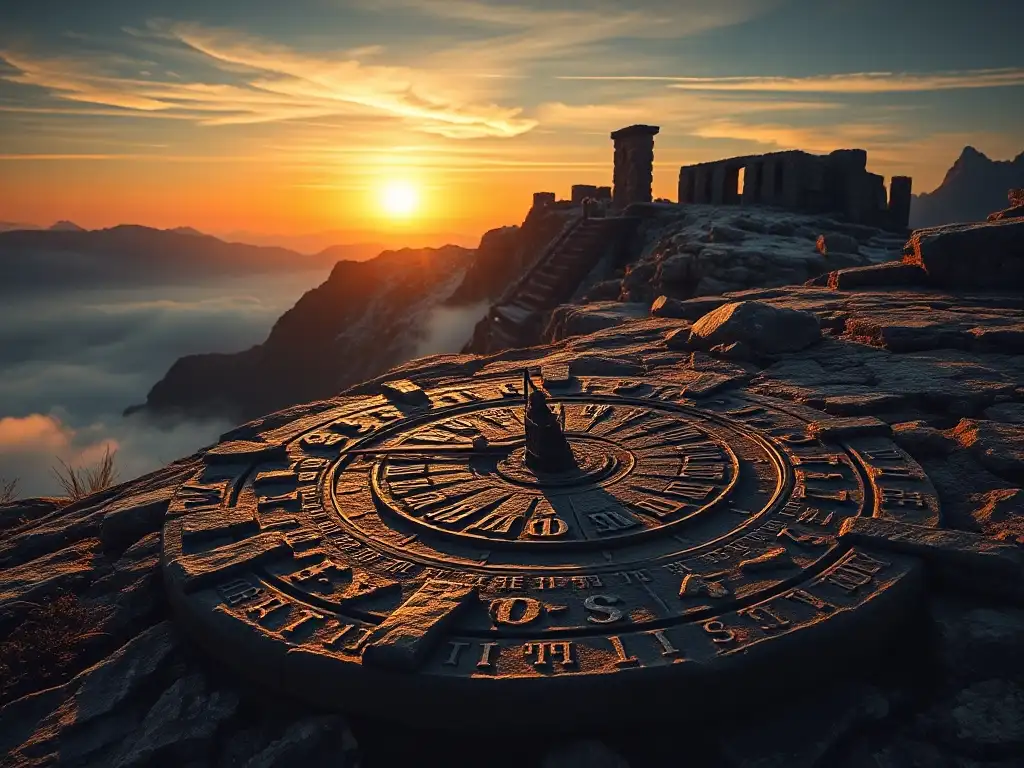
Ancient Andean astronomers employed a variety of ingenious methods to track time, reflecting their intimate understanding of celestial cycles. While they lacked written calendars in the same way as some other ancient civilizations, they developed sophisticated systems using a combination of solar and lunar observations, along with meticulously observed seasonal changes. The precise alignment of structures with the rising and setting sun at solstices and equinoxes is testament to their advanced capabilities. These alignments weren’t accidental; they were carefully planned and executed, demonstrating a profound understanding of geometry and astronomy.
Furthermore, the meticulous observation of the phases of the moon provided another crucial method for tracking the passage of time. The lunar cycle, with its predictable rhythm, offered a shorter time scale than the solar year, allowing for more precise scheduling of activities. Evidence suggests that the integration of solar and lunar cycles into a comprehensive system allowed the Andean people to manage agricultural activities, religious ceremonies, and other societal functions with remarkable accuracy.
The cyclical nature of these celestial events was deeply embedded in their worldview, influencing their understanding of time and its relationship to the natural world. Further research into specific archaeological findings and cultural traditions could provide even more detailed insights into their sophisticated timekeeping systems. The development of complex agricultural practices and social structures strongly suggests the necessity of accurate timekeeping, highlighting the importance of their astronomical observations in the daily life of Andean communities.
Evidence of Advanced Astronomical Knowledge
The ancient Andean civilizations, far from being isolated societies unaware of the cosmos, possessed a sophisticated understanding of astronomy. Evidence suggests a deep connection between their societal structures, agricultural practices, and celestial events. This knowledge wasn't merely theoretical; it was deeply embedded in their daily lives, influencing everything from religious rituals to urban planning.
Careful analysis of archaeological remains reveals intricate calendar systems, precise observations of solstices and equinoxes, and a detailed understanding of planetary movements. For example, the precise positioning of many structures strongly suggests an awareness of the movement of the sun and stars throughout the year, indicating a level of astronomical precision that rivals many other ancient civilizations. Furthermore, the development of sophisticated agricultural techniques, perfectly timed with seasonal changes, points to a deep understanding of celestial cycles and their impact on the environment.
The meticulous record-keeping implied by their calendar systems, whether through knotted strings (quipus) or other means, further underscores their advanced astronomical capabilities. This understanding wasn't confined to a priestly elite; it seems to have been widely disseminated across various social strata, reflecting its importance in daily life. The integration of astronomy into their worldview is evident in their art, mythology, and religious practices, demonstrating its pervasive influence on their culture.
Archaeological Sites and Astronomical Alignments
Many Andean archaeological sites exhibit remarkable astronomical alignments, showcasing the civilizations' advanced knowledge of celestial movements. The precise orientation of structures, plazas, and even entire cities towards significant celestial events like solstices and equinoxes is not coincidental. These alignments are not simply random; they were carefully planned and executed, reflecting a deep understanding of geometry, surveying, and astronomy.
The precision involved suggests the use of advanced observational techniques and instruments, although the exact nature of these tools remains a subject of ongoing research. The integration of astronomical knowledge into urban planning and architecture highlights its central role in Andean societies. These alignments were not merely decorative; they served practical and symbolic purposes, connecting the terrestrial and celestial realms.
The careful orientation of structures towards the sun's path at specific times of the year facilitated the creation of accurate solar calendars, crucial for agricultural planning and religious ceremonies. Furthermore, the alignments often incorporated specific constellations or stars, highlighting the importance of these celestial bodies in their cosmology.
The Intihuatana Stone and its Astronomical Function
The Intihuatana stone, found at various Inca sites like Machu Picchu, is a prime example of the intricate astronomical knowledge of the Andean civilizations. While its exact function remains debated, many scholars believe it served as a sophisticated astronomical instrument used to track the sun's movement and mark significant solar events. Its unique shape and precise positioning suggest a complex understanding of solar geometry.
The Intihuatana's role in religious ceremonies further underscores its astronomical significance. The stone's ability to cast shadows at specific times of the year, precisely marking solstices and equinoxes, provided a practical calendar system for agricultural planning and religious observances. Some theories suggest that the stone might have been used for more complex astronomical calculations, perhaps involving the observation of other celestial bodies.
Further research is needed to fully understand the intricacies of its astronomical function and its role within the broader Inca cosmology. The precision of its construction and placement, however, undeniably points to a high level of astronomical expertise.
Machu Picchu: Astronomical Alignments and Sacred Landscape
Machu Picchu, the iconic Inca citadel, is not just a marvel of engineering; it's also a testament to the Inca's profound understanding of astronomy. The city's layout and the orientation of its structures reveal a sophisticated knowledge of celestial movements. Many buildings are aligned with significant solar events, such as the solstices and equinoxes, suggesting a deliberate integration of astronomical principles into urban planning.
For example, the Temple of the Sun is precisely aligned with the winter solstice sunrise, highlighting the importance of this event in their calendar. The precise positioning of windows and doorways in various structures also suggests a deliberate attempt to track the sun's path throughout the year. Beyond solar alignments, evidence suggests that the Incas also incorporated other celestial bodies into their observations at Machu Picchu.
The sacred landscape of Machu Picchu itself appears to be carefully designed to reflect their cosmological beliefs, integrating astronomical observations with their religious practices and worldview. The integration of astronomy into the very fabric of Machu Picchu underscores its importance as both a practical and sacred site, reflecting the deep connection between the Incas' understanding of the cosmos and their daily lives. The city's complex design continues to reveal new insights into their astronomical expertise, making it a crucial site for understanding ancient Andean astronomy techniques.
Techniques Used by Ancient Andean Astronomers
Ancient Andean astronomers developed sophisticated techniques for observing and interpreting celestial events, demonstrating a deep understanding of the cosmos. Their methods, passed down through generations via oral traditions and practical application, were remarkably accurate and effective, considering the available technology. These techniques weren't merely abstract studies; they were intrinsically linked to their daily lives, influencing agriculture, religious practices, and social organization.
The precision involved in their astronomical calculations is a testament to their keen observational skills and meticulous record-keeping, even without written language in many cases. Understanding these techniques requires examining their observational methods, the use of landscape features, and the incorporation of complex mathematical principles, albeit expressed in a different way than modern systems. Their achievements highlight the ingenuity and intellectual capacity of these ancient societies.
Observational Methods for Tracking Stars and Planets
Andean astronomers primarily relied on naked-eye observations, meticulously charting the movements of stars and planets over extended periods. Their observations were not haphazard; they involved careful monitoring of specific celestial bodies, noting their rising and setting points, as well as their apparent movements across the sky. This meticulous tracking allowed them to predict celestial events with considerable accuracy, crucial for their agricultural cycles and religious calendar.
They likely employed simple instruments, possibly including knotted strings (quipus) to record their observations, although the exact nature of these tools remains a subject of ongoing research. The accuracy of their predictions, often corroborated by archaeological evidence, suggests a sophisticated understanding of celestial mechanics. For example, their ability to predict solstices and equinoxes with remarkable precision indicates a deep understanding of the Earth's axial tilt and its effect on the sun's apparent path.
The Role of the Sighting Pillars in Astronomical Observation
Sighting pillars, or structures with aligned apertures, played a crucial role in Andean astronomical observations. These structures, found at various archaeological sites, were strategically positioned to align with specific celestial events, such as the rising or setting of significant stars or constellations. By observing the sun or stars through these aligned openings, astronomers could accurately mark the solstices and equinoxes, and possibly even predict eclipses.
The precision involved in the construction of these sighting pillars speaks to the advanced understanding of geometry and astronomical principles possessed by these ancient cultures. The alignment itself wasn't arbitrary; it was carefully calibrated to reflect the astronomical significance of the chosen celestial body, reflecting a deep understanding of the relationship between the terrestrial and celestial realms. Further research into the construction and alignment of these pillars could reveal even more about their astronomical practices.
Using Mountains and Natural Features for Astronomical Alignment
The Andean landscape itself served as a giant astronomical observatory. Mountains, hills, and other natural features were used as markers to track the sun's movement throughout the year. The precise alignment of certain structures with significant peaks demonstrates a sophisticated understanding of the relationship between terrestrial and celestial landmarks. This technique allowed for the accurate determination of solstices and equinoxes, crucial for agricultural practices and religious ceremonies.
The use of natural features also provided a readily available and permanent astronomical calendar, independent of any man-made structures. The ingenuity of this approach highlights the close relationship between the Andean people and their environment, demonstrating how their understanding of the landscape was deeply intertwined with their astronomical knowledge. The preservation of these alignments is a testament to the enduring legacy of their astronomical observations.
Ethnoastronomy: Modern Studies and Interpretations
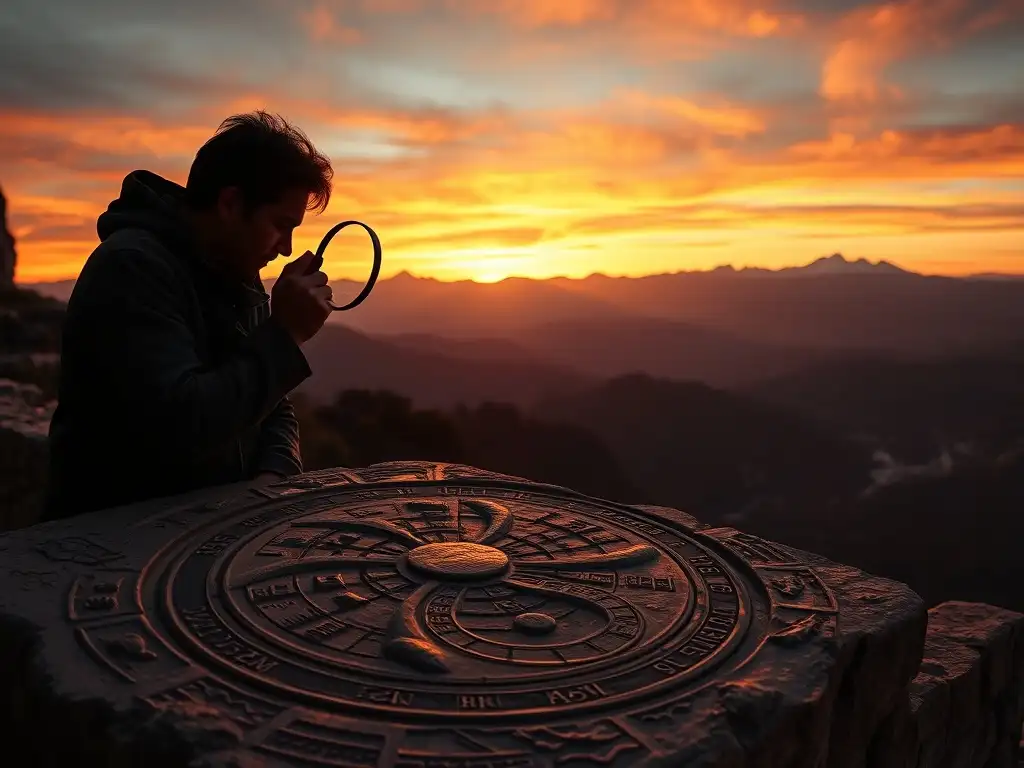
Ethnoastronomy, the study of the astronomical knowledge and practices of different cultures, plays a vital role in understanding ancient Andean astronomy. Modern researchers combine archaeological evidence with the study of surviving indigenous traditions to reconstruct the astronomical knowledge of these ancient civilizations. This interdisciplinary approach involves analyzing archaeological sites, such as Chankillo and Machu Picchu, to identify astronomical alignments and instruments.
It also includes collaborating with indigenous communities to understand the continuing relevance of celestial observations in their cultural practices. These studies reveal a complex interplay between astronomy, religion, agriculture, and social organization in Andean societies. The insights gained from ethnoastronomical research challenge Eurocentric views of ancient science and highlight the sophisticated astronomical knowledge developed independently in the Andes.
By bridging the gap between ancient practices and modern scientific understanding, ethnoastronomy offers a rich and nuanced perspective on the achievements of ancient Andean astronomers. The ongoing research in this field continually refines our understanding of "ancient Andean astronomy techniques," revealing new layers of complexity and sophistication in their celestial observations.
Connecting Ancient Andean Astronomy to Modern Science
Modern scientific techniques are revolutionizing our understanding of ancient Andean astronomy. Archaeologists, astronomers, and anthropologists collaborate to analyze astronomical data gleaned from various sources. For example, the precise alignment of structures like Machu Picchu with celestial events is meticulously studied using sophisticated surveying equipment and astronomical software.
This allows researchers to determine the accuracy of ancient Andean astronomical observations and to reconstruct their celestial calendars with unprecedented precision. Furthermore, chemical analysis of pigments used in astronomical artwork and artifacts can reveal the specific materials used and their potential connection to astronomical observations. This interdisciplinary approach combines traditional archaeological methods with cutting-edge scientific tools, leading to a more nuanced and comprehensive picture of ancient Andean astronomical practices.
The use of GIS (Geographic Information Systems) is also proving invaluable in mapping the distribution of astronomical sites across the Andes, revealing patterns and relationships that might otherwise remain unnoticed. This allows researchers to better understand the regional variations in astronomical knowledge and practice across different Andean cultures. Finally, the application of radiocarbon dating to organic materials found at astronomical sites helps to refine the timelines of these practices and their evolution over time.
The Legacy of Andean Stargazing: What We Can Learn Today
The sophisticated astronomical knowledge of the ancient Andean civilizations offers valuable lessons for contemporary society. Their deep understanding of celestial cycles and their integration of these cycles into their daily lives provide insights into sustainable living and resource management. The intricate calendar systems developed by the Incas and other Andean cultures demonstrate a remarkable ability to predict agricultural seasons and plan accordingly.
This level of precision in astronomical observation is a testament to their advanced understanding of the natural world and their ability to harness its rhythms for their benefit. Furthermore, the integration of astronomy with other aspects of Andean culture, such as religion, art, and architecture, highlights the interconnectedness of knowledge systems in ancient societies. Studying this holistic approach can inform our own efforts to foster interdisciplinary collaboration and a more integrated understanding of the world around us.
Moreover, the enduring legacy of Andean stargazing reminds us of the importance of preserving cultural heritage and recognizing the contributions of indigenous knowledge systems to our understanding of the universe. The deep respect for nature inherent in Andean cosmology offers a valuable lesson for contemporary environmental stewardship and sustainable development.
Preservation and Study of Ancient Andean Astronomical Knowledge
Preserving and studying ancient Andean astronomical knowledge requires a multi-faceted approach. Efforts are underway to protect archaeological sites associated with astronomical observations from damage and looting. This includes the implementation of stricter regulations, improved site management practices, and public awareness campaigns to educate communities about the importance of these sites. The meticulous documentation of existing astronomical structures and artifacts is crucial for future research.
This involves detailed surveys, three-dimensional modeling, and photographic documentation to create comprehensive records of these sites. Additionally, researchers are actively engaging with indigenous communities to learn from their traditional knowledge and perspectives on Andean astronomy. This collaborative approach ensures that the interpretation of ancient astronomical practices is informed by both academic research and indigenous perspectives, fostering a more inclusive and respectful understanding of the past.
Finally, increased funding for research and educational initiatives is essential to support the ongoing study and preservation of ancient Andean astronomical knowledge. This includes supporting archaeological excavations, astronomical research projects, and educational programs that disseminate this knowledge to a wider audience. The future of understanding ancient Andean astronomy hinges on these collaborative, multidisciplinary, and ethically-sound approaches.
- Understanding Ancient Andean Cosmologies
- The Significance of the Sky for Andean Cultures
- Key Celestial Objects in Andean Astronomy
- Solstices and Equinoxes in the Andean Worldview
- How Ancient Andean Astronomers Tracked Time
- Evidence of Advanced Astronomical Knowledge
- Archaeological Sites and Astronomical Alignments
- Techniques Used by Ancient Andean Astronomers
- Ethnoastronomy: Modern Studies and Interpretations
- Connecting Ancient Andean Astronomy to Modern Science
- The Legacy of Andean Stargazing: What We Can Learn Today
- Preservation and Study of Ancient Andean Astronomical Knowledge
- What were some of the ancient Andean civilizations' primary astronomical techniques?
- How did the Incas use astronomy in their daily lives?
- What role did celestial events play in Andean religious beliefs?
- What types of structures were used for astronomical observation in the Andes?
- How do modern insights help us understand ancient Andean astronomy techniques?
Frequently Asked Questions
What were some of the ancient Andean civilizations' primary astronomical techniques?
Ancient Andean cultures used a variety of techniques, including observing the solstices and equinoxes, tracking the movements of constellations, and employing sophisticated calendar systems to predict agricultural cycles and religious events.
How did the Incas use astronomy in their daily lives?
Inca astronomy was deeply intertwined with their daily lives. Agricultural practices were directly influenced by celestial observations, and religious ceremonies were timed to coincide with specific astronomical events. Their calendar system was crucial for organizing society.
What role did celestial events play in Andean religious beliefs?
Celestial events held significant religious importance. The sun, moon, and stars were often deified, and their movements were interpreted as messages from the gods, influencing rituals, festivals, and leadership decisions.
What types of structures were used for astronomical observation in the Andes?
Andean cultures built various structures for astronomical purposes. These include specific alignments of buildings and monuments, such as Machu Picchu, and specially designed observatories, demonstrating their advanced understanding of celestial mechanics.
How do modern insights help us understand ancient Andean astronomy techniques?
Modern technology and archaeological discoveries help us better understand ancient Andean astronomy. Sophisticated computer modeling and detailed analysis of archaeological sites are revealing the complexity and accuracy of their astronomical knowledge.
Final Reflection: Echoes of the Andes in the Modern Sky
The meticulous celestial observations of the ancient Andean cultures remain profoundly relevant today, offering a powerful testament to human ingenuity and our enduring connection to the cosmos. Their sophisticated understanding of the night sky, far from being a relic of the past, provides valuable insights into sustainable living, environmental awareness, and the very nature of scientific inquiry itself. We can learn much from their practical application of astronomy, a knowledge system deeply intertwined with their agricultural practices and spiritual beliefs.
The enduring legacy of Andean astronomy continues to shape our understanding of pre-Columbian societies and their complex relationship with the natural world. Their astronomical knowledge wasn't merely theoretical; it was a vital component of their daily lives, informing everything from agricultural cycles to social organization. As the renowned anthropologist, Maria Rostworowski, once noted, The Andean worldview was profoundly shaped by its astronomical observations, weaving the celestial and terrestrial realms into a single, interconnected tapestry.
This holistic approach to understanding the universe offers a valuable counterpoint to our often fragmented modern perspective.
Consider the ingenuity of these ancient astronomers, their ability to track celestial movements with remarkable accuracy using only their keen observation and sophisticated tools. You too can cultivate a deeper appreciation for the night sky, learning to recognize constellations and understanding the cyclical nature of the cosmos.
By connecting with the ancient wisdom of the Andes, you can foster a renewed sense of wonder and place yourself within the grand narrative of human exploration and understanding of the universe. Let the echoes of the Andean sky inspire you to look up, to learn, and to connect with the timeless mysteries that lie above.
Unveil the Secrets of Andean Astronomy Today!
Thank you for exploring the wonders of Andean astronomy with us! Your journey into the ancient celestial observations has opened a deeper understanding of how these civilizations connected with the cosmos. Now, let's take the next step!
- Dive deeper: Explore our extensive resource section to learn about specific constellations and their significance in Andean culture.
- Share your insights: Join our vibrant community on social media and share your thoughts and discoveries about Andean astronomy. Your perspective is valuable!
- Engage with nature: Plan a stargazing evening this week to experience the night sky as the Andean civilizations did. Document your observations and share them with others.
How do you think ancient Andean celestial observations continue to inform our modern understanding of the universe? Share your thoughts below!