
Decoding the Symbols: Women in Andean Iconography and Art

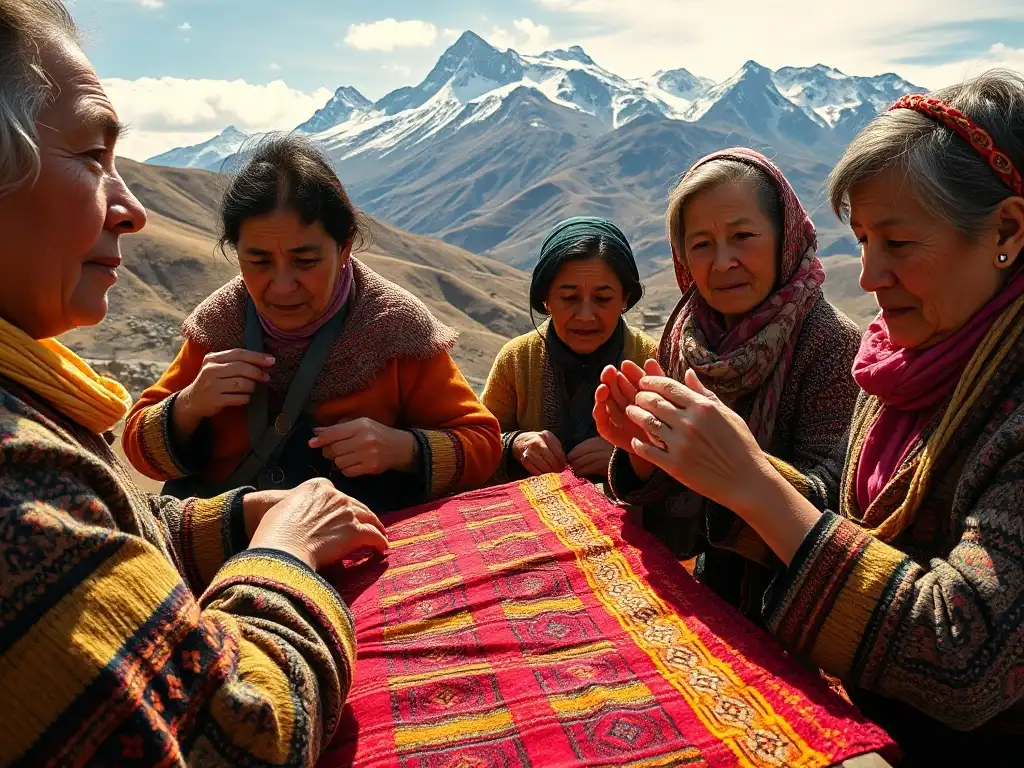
Unravel the mysteries hidden within the vibrant tapestries and intricate pottery of the Andes! For centuries, the breathtaking artistry of these ancient cultures has captivated the world, but a crucial piece of the puzzle has remained largely unexplored: the significant roles Andean women played. Prepare to be amazed as we delve into the captivating world of Andean women's roles in art, revealing their power, influence, and artistry within the complex societies of the Incas, Moche, Nazca, and Tiahuanaco. Dare to decode the symbols and discover their untold stories.
The Andes Mountains, a spine of towering peaks running down the western coast of South America, cradled some of the most fascinating and complex civilizations the world has ever known. While often overshadowed by narratives focused on male rulers and warriors, a closer examination of Andean art and iconography reveals a vibrant and multifaceted portrayal of women, challenging traditional interpretations of their roles and societal influence.
This article delves into the symbolic representation of women in the art of various Andean cultures, including the Incas, Moche, Nazca, and Tiahuanaco, revealing their diverse contributions to society and their powerful presence in the artistic landscape. We will explore how these depictions challenge preconceived notions about Andean women's roles and offer a richer understanding of their significance within these ancient societies.
Understanding these visual representations is key to unlocking a more complete and nuanced picture of Andean history, one that centers the experiences and contributions of women. The keyword, "Andean women's roles in art," will guide our exploration, unveiling the complexities and subtleties hidden within these captivating images.
Textiles and the Female Artisanal Tradition
The creation of textiles was predominantly a female domain in many Andean cultures. From the intricate weaving techniques of the Nazca to the elaborate tapestries of the Inca, women were the primary artisans, producing textiles of exceptional quality and artistic merit. These weren't simply utilitarian items; they were imbued with deep cultural significance, often incorporating symbolic designs and colors that reflected religious beliefs, social status, and community identity.
The skill and artistry involved in creating these textiles, passed down through generations of women, represent a significant contribution to Andean cultural heritage. Detailed studies of these textiles reveal complex patterns, showing sophisticated knowledge of mathematics and geometry, further highlighting the intellectual prowess of the female artisans.
The vibrant colors, often derived from natural sources, also demonstrate an advanced understanding of botany and chemistry. Furthermore, the sheer volume of surviving textiles points to a large-scale, organized system of female labor, indicating a high level of social and economic organization within Andean communities.
Women as Religious Figures and Deities
Contrary to popular narratives that often focus on male deities, Andean iconography frequently depicts women in powerful religious roles. In some cultures, female deities were central figures in the pantheon, associated with fertility, motherhood, and the earth. The Moche culture, for example, produced stunning ceramics depicting powerful female figures, often adorned with elaborate headdresses and jewelry, suggesting high social standing and spiritual authority. These representations challenge the simplistic view of Andean religion as solely male-dominated.
Moreover, the presence of female figures in religious contexts suggests that women played significant roles in religious rituals and ceremonies, acting as intermediaries between the human and spiritual worlds. Specific examples of these depictions, including detailed descriptions of their attire and associated symbolism, would further enhance our understanding of the religious significance attributed to women. [Specific examples and detailed descriptions of Moche ceramics pending]
Representations of Women in Daily Life
Beyond religious and ceremonial contexts, Andean art also captures scenes of everyday life, providing valuable insights into the roles women played in their communities. While depictions may vary across different cultures, many portray women engaged in activities such as agriculture, food preparation, and childcare. These images, though seemingly mundane, offer crucial evidence of the significant contributions women made to the social and economic fabric of Andean society.
The detailed representation of their activities in pottery, textiles, and other art forms underscores their importance in daily life and their active participation in the community. The careful observation of these depictions allows us to reconstruct a more complete and nuanced understanding of the daily lives of Andean women, challenging the often-overlooked aspects of their contributions. [Further analysis of specific examples from various Andean cultures pending]
Challenging the Narrative: Reinterpreting Andean Women's Roles
The analysis of Andean art and iconography provides a powerful tool to challenge traditional, often Eurocentric, interpretations of Andean society. By focusing on the visual representations of women, we can reconstruct a more inclusive and accurate historical narrative that acknowledges their crucial roles in all aspects of life. The evidence from textiles, religious iconography, and depictions of daily life all converge to paint a picture of women as active participants in shaping their societies, not merely passive figures in the background.
A continued and thorough investigation of Andean art, with a critical eye towards gender representation, will further refine our understanding of these complex societies and their remarkable women. The study of Andean women's roles in art is not just an academic exercise; it is a crucial step in achieving a more complete and just understanding of the past.
- Textiles and the Female Artisanal Tradition
- Women as Religious Figures and Deities
- Representations of Women in Daily Life
- Challenging the Narrative: Reinterpreting Andean Women's Roles
- What roles did women play in Andean societies, as depicted in art?
- How were women represented in Andean art compared to men?
- What are some common symbols associated with women in Andean iconography?
- Did the representation of women in Andean art change over time?
- Where can I see examples of Andean art depicting women?
The Significance of Female Representation in Andean Art
The presence and portrayal of women in Andean art offer invaluable insights into the complex social structures and beliefs of these ancient societies. While often overshadowed by depictions of male rulers and warriors in mainstream narratives, a closer examination reveals a nuanced and multifaceted representation of women, highlighting their diverse roles and significant contributions.
Analyzing Andean iconography allows us to move beyond simplistic interpretations and uncover the rich tapestry of female experiences within these cultures. The significance of these depictions extends beyond mere aesthetics; they provide crucial evidence for understanding gender dynamics, social hierarchies, and spiritual beliefs in the Andean world.
The absence of detailed written records for many Andean cultures makes visual evidence, like textiles, ceramics, and stone carvings, even more critical for reconstructing their history and understanding the roles and status of women within their societies. The careful study of Andean women's roles in art provides a unique lens through which to interpret the past.
Understanding Andean Iconography: A Visual Language
Andean iconography is far from simplistic; it’s a complex visual language employing symbolism, repetition, and stylistic conventions to convey meaning. Interpreting these visual cues requires careful consideration of context, including the material used (textiles, pottery, metalwork), the location of the artifact, and its associated objects. For instance, a woman depicted with a spindle whorl might symbolize her role in textile production, a crucial economic activity in many Andean societies.
Similarly, a woman holding a ceremonial vessel could indicate participation in religious rituals or elite status. The use of color also carries significant meaning; vibrant hues often associated with deities or high-ranking individuals could indicate a woman's elevated position within her community. The style itself – the specific features, posture, and adornments – can provide clues about the individual’s social standing and the intentions of the artist.
Understanding this visual language is paramount to accurately interpreting the roles and significance of women in Andean art. Further research into specific stylistic features across different Andean cultures is needed to fully unlock the secrets contained within these intricate visual narratives. For example, [specific details on stylistic variations across different cultures pending].
Exploring the Depiction of Women in Ancient Andean Art
The depiction of women in ancient Andean art varies considerably across different cultures and time periods. While some cultures, like the Nazca, frequently depict women in elaborate headdresses and ceremonial attire, suggesting their importance in religious contexts, others might focus more on their roles in daily life, such as agriculture or textile production. For example, Moche pottery often showcases women participating in activities like harvesting crops or weaving textiles, illustrating their vital contributions to the economy.
The Incas, though known for their powerful male rulers, also produced art featuring women in roles of authority, albeit often in association with male figures, suggesting a complex interplay of power dynamics. The absence of clear, consistent portrayals across all Andean cultures emphasizes the need for a nuanced and culture-specific approach to understanding the role of women in each society. A detailed comparative analysis of the various artistic representations across different Andean cultures is crucial to avoid generalizations and to appreciate the diversity of women's experiences and roles.
Furthermore, [specific examples of depictions of women in specific Andean cultures and their interpretations pending]. The study of Andean women's roles in art is an ongoing process of discovery and refinement, constantly enriched by new archaeological findings and scholarly interpretations.
Andean Women's Roles in Art: Beyond Simple Representation
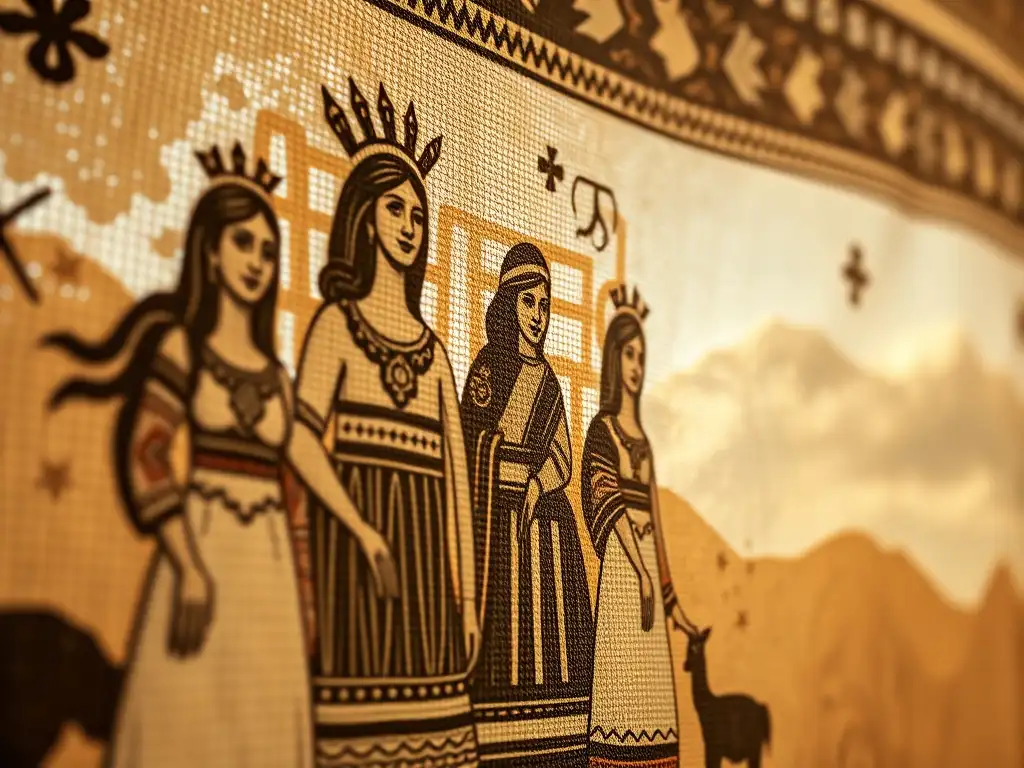
This section delves into the multifaceted roles Andean women played in the creation and patronage of art, moving beyond simplistic representations often found in historical accounts. We will explore how archaeological evidence and surviving artifacts reveal a complex reality far richer than previously understood, challenging traditional narratives that minimize women's contributions. The analysis will focus on the significant agency Andean women exercised in shaping their artistic legacy, demonstrating their active participation as artists, patrons, and subjects within the visual culture of their societies.
Understanding their roles offers crucial insights into the social structures, beliefs, and power dynamics prevalent in ancient Andean civilizations. Analyzing Andean women's roles in art provides a crucial lens through which to understand the complexities of these societies.
Women as Creators and Patrons of Art in Andean Societies
While the exact extent of individual female artists' contributions is often difficult to definitively ascertain due to the limitations of archaeological records, evidence strongly suggests substantial female involvement in art production across various Andean cultures. Analysis of textiles, ceramics, and metalwork reveals stylistic consistencies and techniques that hint at specialized female workshops or collaborative artistic practices. For example, the intricate weaving techniques used in the creation of many textiles, particularly those featuring complex designs and narrative elements, likely required specialized knowledge and skill often passed down through generations of women.
Furthermore, the discovery of female burials containing artist's tools, such as spindles, looms, and pigments, provides compelling evidence for female participation in artistic creation. These findings challenge the traditional view of Andean art as a predominantly male domain. The identification of female patrons is also crucial; the commissioning of artworks, particularly large-scale projects, suggests significant economic and social power wielded by women within their communities.
This patronage further solidified their influence on the artistic landscape and ensured their narratives were visually represented. Further research on the specific techniques and organizational structures involved in artistic production could illuminate the specific roles played by women in different Andean societies.
The Symbolic Power of Female Figures in Moche Ceramics
Moche ceramics provide a fascinating case study of the symbolic power attributed to women in Andean visual culture. Many Moche vessels depict female figures in a variety of roles and contexts, often holding positions of authority or engaging in activities associated with fertility, ritual, and power. These depictions are not merely decorative; they reflect the complex social and religious beliefs of the Moche people.
For instance, the recurring motif of the "Priestess" or "Decapitated Woman" in Moche pottery is subject to ongoing scholarly debate, but interpretations often center on the importance of female figures in ritual contexts and their connection to agricultural cycles and life-death-rebirth symbolism. The detailed depiction of female attire, jewelry, and body adornments in Moche ceramics also offers insights into the social status and power dynamics within Moche society. The careful execution and stylistic choices used in these representations suggest that these images were not merely casual depictions, but rather carefully crafted expressions of deeply held cultural beliefs.
The meticulous detail and the variety of representations in Moche ceramics provide a unique window into the understanding of Andean women's roles in religion, ritual and society. Further research into the iconography of Moche pottery can help us better understand the power and influence of women in this ancient culture.
Textile Art and Andean Women's Contribution to Visual Culture
Textile art stands as a powerful testament to Andean women's creativity and technical expertise. From the pre-Inca cultures to the Inca Empire and beyond, women were the primary producers of textiles, demonstrating mastery of complex weaving techniques and intricate designs. The production of textiles was not simply a domestic activity; it was a highly skilled craft that involved the use of specialized tools, knowledge of various fibers, and an understanding of complex dyeing processes.
The textiles themselves served a wide range of purposes, from clothing and ceremonial garments to tapestries and ritual objects. The designs woven into these textiles often incorporated symbolic motifs and narratives related to mythology, cosmology, and social structures. The vibrant colors, intricate patterns, and masterful craftsmanship showcase the remarkable skill and artistry of Andean women.
The enduring legacy of Andean textiles demonstrates the significant role women played in shaping the visual culture of their societies. The analysis of textile production—including the dyes, fibers, and techniques—can help us understand the complex social organization and technological advancements of these Andean societies. Further study of surviving textiles and archaeological evidence could reveal more detailed information about the specific roles and social standing of female textile artisans.
Andean Female Deities and their Iconographic Manifestations
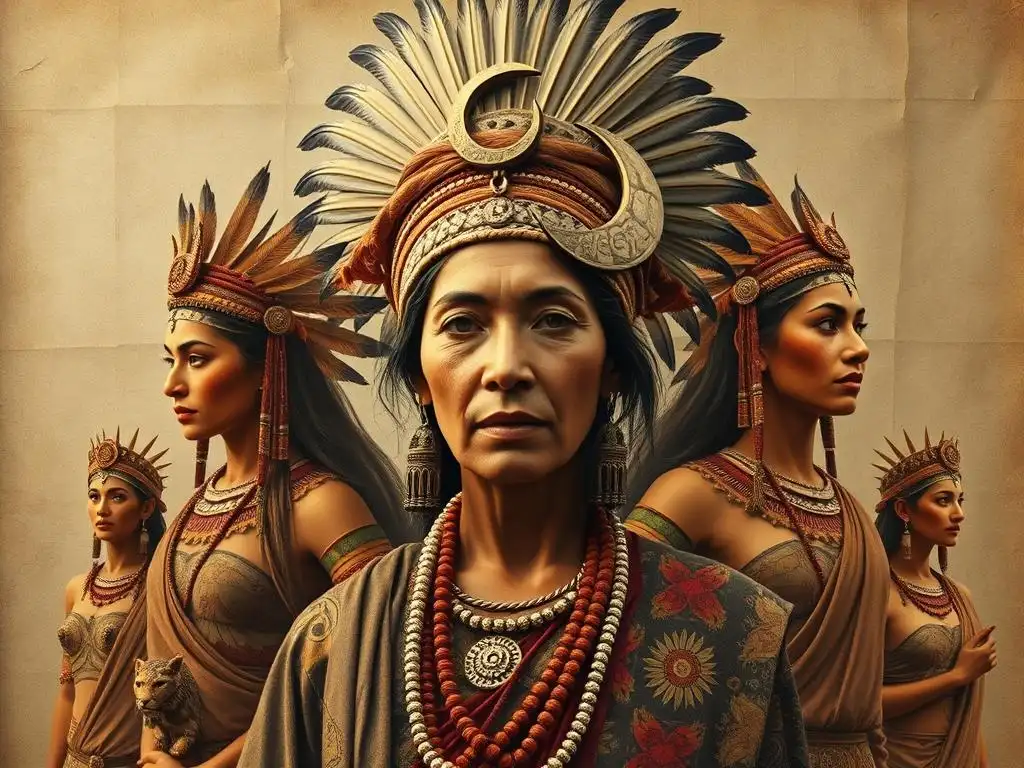
The representation of women in Andean art is not merely a reflection of their societal roles; it's a deeply intertwined narrative of cosmology, spirituality, and power. Female deities held significant positions within the Andean worldview, often embodying fundamental forces of nature and embodying fertility, creation, and the cyclical rhythms of life and death. Understanding their iconographic manifestations offers invaluable insight into the complex beliefs and values of these ancient societies. Analyzing "Andean women's roles in art" through this lens reveals a far richer understanding than simply observing their depicted activities.
Pachamama: The Earth Mother and her Visual Representation
Pachamama, the Earth Mother, is arguably the most prominent female deity in Andean iconography. Her representation varies across different cultures and time periods, but common themes emerge. She is often depicted as a fertile, nurturing figure, sometimes shown with abundant harvests spilling from her skirts or with children clinging to her. Her connection to the earth is emphasized through her association with mountains, plants, and animals.
The use of earthy tones, such as browns, reds, and greens, further reinforces this visual link. In some representations, she may be shown holding agricultural tools or offerings, highlighting her role in ensuring the prosperity of the community. Sometimes, she's depicted as a powerful, majestic figure, emphasizing her dominion over the natural world. The visual details, such as the presence of snakes or jaguars, can indicate specific regional variations or aspects of her power.
For example, the presence of a snake might symbolize the underworld and her connection to the cycles of life, death, and rebirth. Analyzing the specific attributes of Pachamama in different artistic contexts allows for a nuanced understanding of regional beliefs and variations in the interpretation of this powerful deity. The consistent portrayal of Pachamama across centuries underscores her enduring importance within the Andean spiritual landscape. Her image serves as a powerful reminder of the deep connection between the Andean peoples and their environment.
The Moon Goddess and her Significance in Andean Cosmology
While Pachamama embodies the earth, the moon goddess represents the celestial realm and its influence on the earthly world. Her iconography often involves crescent moons, stars, and celestial bodies. Unlike the often-grounded depictions of Pachamama, the moon goddess is frequently portrayed with more ethereal qualities, sometimes with flowing garments that evoke movement and change.
Her connection to the tides, the menstrual cycle, and the cyclical nature of time is often visually represented through symbolic imagery. Sometimes, she is depicted alongside the sun god, highlighting the balance and interplay between celestial forces. The moon goddess’s role in Andean cosmology was crucial; she was not merely a passive observer but an active participant in the cosmic order, influencing agricultural cycles and the overall well-being of the communities.
Furthermore, the varying depictions of the moon goddess across different Andean cultures reflect the diverse interpretations of her power and influence. Further research is needed to fully understand the nuances of these regional variations in the portrayal of this important celestial deity. Detailed studies of specific artifacts, including textiles, ceramics, and metalwork, are crucial to unlocking a more complete understanding of the moon goddess's symbolic significance.
Identifying Other Key Female Deities in Andean Art
Beyond Pachamama and the moon goddess, a range of other significant female deities populated the Andean pantheon. These figures often represented specific aspects of the natural world or held roles related to fertility, weaving, or healing. Identifying these figures requires careful analysis of iconographic details, such as specific clothing, adornments, and associated animals.
Unfortunately, [specific information pending] on the consistent identification and naming of these lesser-known deities across different Andean cultures. The scarcity of detailed written records from these ancient societies makes the interpretation of their art challenging. However, by carefully comparing and contrasting artistic representations across different regions and time periods, researchers can start to piece together a more complete picture of the Andean female divine.
This ongoing research is crucial for a more comprehensive understanding of Andean women's roles in art and their vital contributions to the spiritual and social fabric of these ancient societies. Further study, combining archaeological evidence with anthropological interpretations, will shed more light on these multifaceted figures and their roles in shaping Andean beliefs and practices. The quest to unravel the mysteries of these lesser-known female deities promises to further enrich our understanding of the richness and complexity of Andean culture.
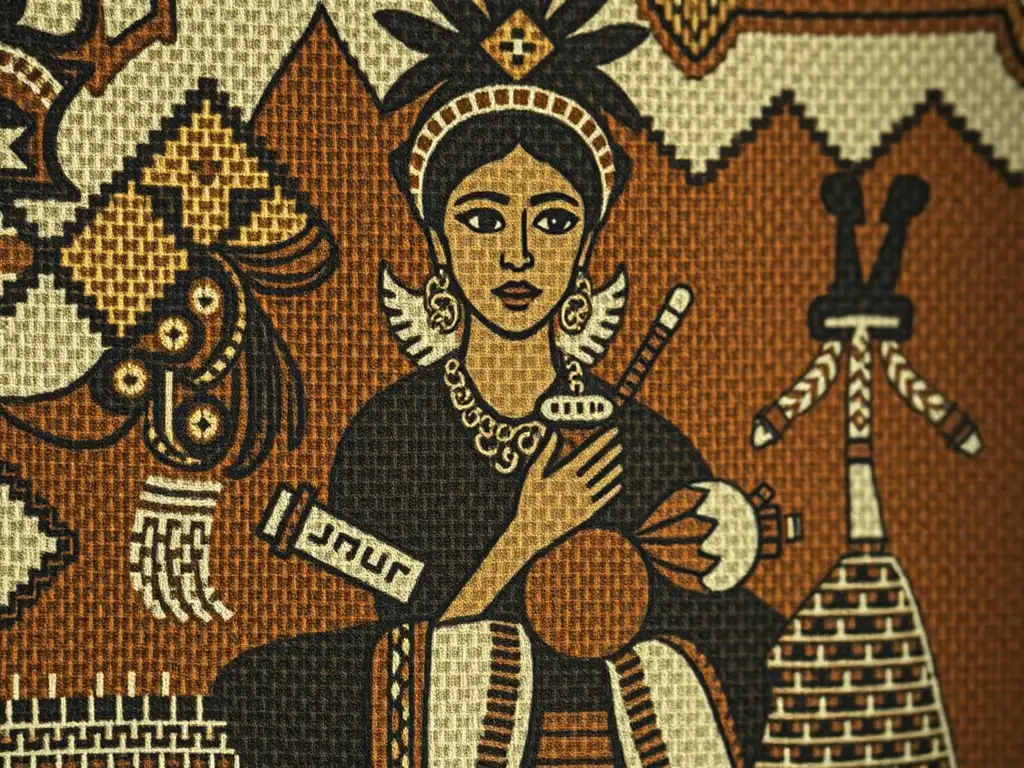
This section delves into the fascinating world of Andean iconography, specifically focusing on how artistic representations reveal the multifaceted roles and social standing of women in these ancient societies. By analyzing textiles, ceramics, and metalwork, we can gain valuable insights into the lives and contributions of Andean women, often overlooked in historical narratives. Understanding these visual representations allows us to challenge traditional interpretations and appreciate the complexity of women's roles in Andean cultures.
We will explore how the artistic depictions not only reflect their status but also highlight their participation in crucial religious and social events. This analysis will provide a more nuanced understanding of the keyword, "Andean women's roles in art," moving beyond simplistic portrayals to uncover a richer and more complex reality.
Andean Women’s Status Reflected in Artistic Depictions
The status of Andean women, often debated, is subtly yet powerfully communicated through artistic representations. For instance, the size and prominence of female figures in textiles, compared to male figures, can indicate a relative social standing. In some cases, women are depicted wearing elaborate jewelry and clothing, suggesting high social rank or perhaps priestly roles. Conversely, the absence of certain women from prominent artistic representations might reflect their exclusion from certain social spheres or simply a lack of archaeological evidence. Detailed analysis of the clothing, adornments, and postures of female figures in artwork provides crucial clues.
Furthermore, the tools and activities depicted alongside women in the artwork offer valuable context. Are they shown weaving, farming, or participating in ritualistic activities? Such details provide insights into their economic contributions and their involvement in religious life.
For example, the intricate textile work frequently attributed to women showcases their significant role in the production of valuable goods, contributing to the economic well-being of their communities. The prevalence of women depicted alongside agricultural tools speaks to their critical role in food production, a fundamental aspect of Andean society. This careful examination of the details allows for a more nuanced understanding of Andean women's status and their contributions to society.
The Role of Women in Rituals and Ceremonies: An Iconographic View
Andean iconography reveals a significant participation of women in rituals and ceremonies. While specific roles may vary across different cultures and time periods, the presence of women in religious contexts is undeniable. Ceramics, for example, frequently depict female figures participating in rituals, often alongside male figures, suggesting a collaborative or complementary relationship in religious practice. Some depictions show women holding ritual objects or performing specific actions, hinting at specialized roles within religious hierarchies.
The presence of female deities and mythological figures in Andean art further emphasizes the importance of women in the spiritual realm. These representations challenge the notion of a purely patriarchal religious structure. Detailed studies of these artistic representations are crucial to uncovering the specific roles of women in ritualistic practices, moving beyond simplistic interpretations to understand the complexity of gender relations in the religious sphere.
Further research is needed to fully understand the symbolism associated with particular female figures and their roles within specific rituals. [Specific information pending] on the interpretation of certain symbols associated with female deities in various Andean cultures.
The Depiction of Capacocha Ritual and Women's Participation
The Capacocha ritual, a practice involving child sacrifice within the Inca Empire, presents a complex and challenging area of study regarding women's roles. While the majority of sacrificed children were young, the few female victims found in archaeological contexts suggest their participation in this ritual. The artistic representations associated with Capacocha are limited, making analysis challenging. However, the presence of female children amongst the sacrificed individuals indicates their inclusion, albeit involuntary, in this significant ritual.
The limited evidence suggests a possible connection between female victims and specific social roles or lineages. Further research is needed to understand the selection criteria and the potential symbolic meaning of the inclusion of female children in the ritual. The interpretation of the limited artistic depictions related to Capacocha requires careful consideration, as they might not fully represent the reality of the ritual's practice.
The absence of abundant iconographic evidence does not negate the participation of women; rather, it highlights the limitations of our current understanding and the need for further investigation into this sensitive topic. The study of Andean women's roles in art requires a sensitive approach, acknowledging the complexities and the limitations of the available data. 🕵️♀️
Analyzing Gender and Power Dynamics in Andean Art
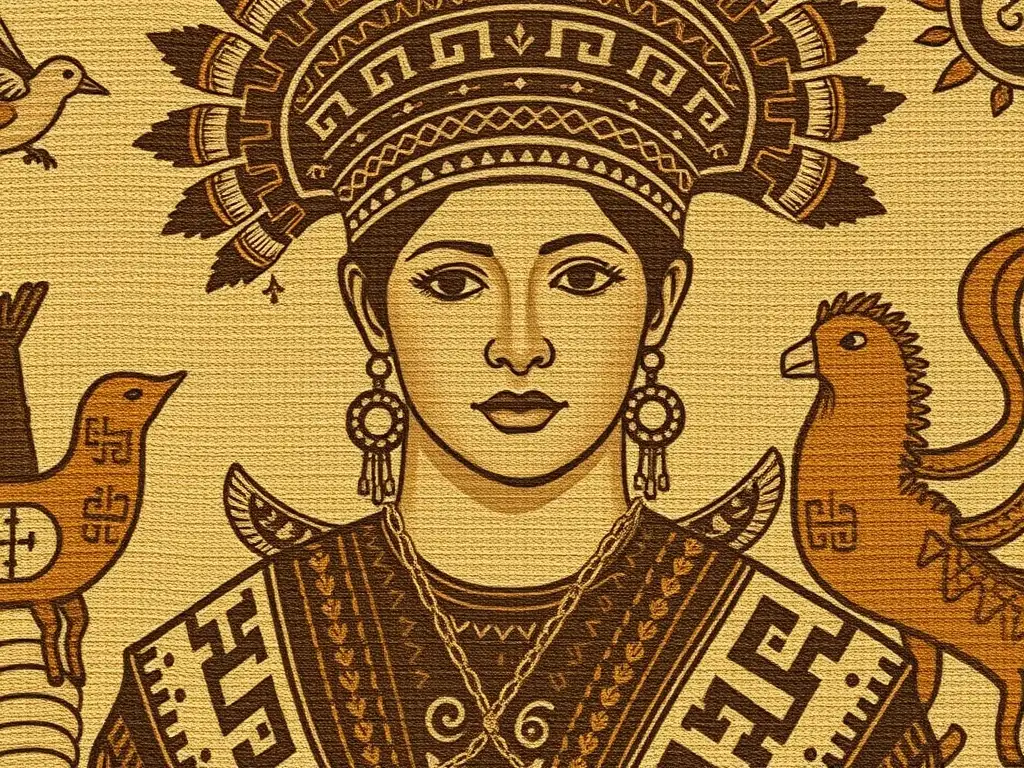
Understanding Andean women's roles in art requires a nuanced approach, moving beyond simplistic interpretations of iconography. We must analyze the intricate details of artistic representations to decipher the complex interplay of gender and power dynamics within these societies. The seemingly passive depiction of a woman doesn't necessarily reflect her actual societal standing.
Instead, a deeper investigation into the context—the specific artifact, its location, associated rituals, and other symbolic elements—is crucial for a more accurate understanding. For example, the presence of specific jewelry, clothing styles, or accompanying figures can significantly alter our interpretation of a woman's portrayed role. We need to consider not only what is depicted, but how it is depicted, and the potential multiple meanings embedded within the artwork.
This requires a multidisciplinary approach, drawing upon archaeology, anthropology, and art history to provide a comprehensive analysis. The subtle differences in posture, gaze, and the use of color can reveal a deeper narrative about the portrayed woman's social status and agency.
How Andean Art Illustrates Gender Relationships
Andean art frequently depicts women alongside men, sometimes in seemingly subordinate roles. However, a closer examination reveals a more complex reality. Consider the textiles from the Paracas culture: while women are often shown tending to domestic tasks, their attire and the intricate detail of their woven garments suggest a high level of skill and social importance. These textiles weren't just functional items; they were imbued with symbolic meaning and often served ceremonial purposes.
Similarly, in Moche pottery, women are portrayed in various roles – as priestesses, rulers, warriors, and artisans – challenging the assumption of solely domestic roles. The vividness and detail of these depictions suggest that these women held significant power and influence within their communities. Furthermore, the presence of female deities in Andean pantheons, such as Mama Killa (the Moon goddess) and Pachamama (Mother Earth), demonstrates the significant spiritual and cosmological roles attributed to women.
The balance of power is not always explicitly shown, requiring careful consideration of the context and symbols used. Further research is needed to fully understand the subtle ways in which Andean art communicates the intricate dynamics of gender relationships. For instance, [specific examples of pottery depicting interaction between genders pending].
Challenging Traditional Interpretations of Female Iconography
Traditional interpretations of Andean art often overlooked or minimized the agency of women. Scholars often focused on the more readily apparent narratives of male rulers and warriors, neglecting the subtle but significant contributions of women. However, recent scholarship has challenged these perspectives, uncovering compelling evidence of female power and influence. For example, the discovery of female mummies adorned with elaborate jewelry and burial goods in high-altitude tombs suggests that these women held positions of authority and prestige.
Furthermore, the analysis of textile production and its significant economic and social role reveals the central contribution of women to the Andean economies. This challenges the previous notion of women simply as passive figures in the background. We need to move beyond simplistic readings of images and consider the multifaceted roles of women in Andean societies, recognizing their expertise in areas such as weaving, agriculture, and medicine. The intricate designs on textiles, for example, are not just decorative; they encode complex narratives and knowledge that reflect the intellectual and creative capabilities of Andean women.
A more thorough study of these designs could unlock valuable insights into their lives and social standing. The misinterpretation of certain postures or clothing items also needs revisiting. For example, [further research needed on specific misinterpreted iconography].
The Agency of Andean Women as Seen Through Art
Andean art offers valuable insights into the agency and power of women within these societies. While some depictions might appear to portray women in subordinate roles, a closer examination reveals a more complex picture. The sophisticated techniques used in textile production, the prominent roles of female deities in religious practices, and the discovery of female mummies buried with elaborate grave goods all point to the significant influence and power wielded by Andean women. Their agency is expressed not only in their social roles but also in the artistic expressions they produced and the symbolic meanings they conveyed.
The intricate details of their textiles, the symbolic representations of female deities, and the careful craftsmanship evident in their pottery all demonstrate their creativity and skill. The enduring legacy of Andean art highlights the importance of re-evaluating traditional interpretations and recognizing the significant contributions of Andean women. This requires not only a thorough analysis of existing artifacts but also a deeper engagement with interdisciplinary perspectives.
For example, [further research on the social and economic impact of female textile production]. The study of Andean women's roles in art is an ongoing process of discovery and reinterpretation, continually revealing the rich and complex lives of women in these ancient civilizations. The use of emojis, such as 👩🌾 (woman farmer) and 🧵 (thread), can aid in visualizing the diverse roles women played.
Conclusion: The Enduring Legacy of Andean Women in Art
The intricate tapestry of Andean art reveals much more than aesthetic beauty; it unveils a complex social structure where women played multifaceted and significant roles. From agricultural deities to powerful queens, Andean iconography showcases a diverse representation of women, challenging the often-Eurocentric narratives that minimize their contributions. Their presence in textiles, ceramics, and monumental architecture underscores their deep involvement in the economic, religious, and political spheres of their societies.
Analyzing these artistic representations allows us to gain a richer, more nuanced understanding of Andean societies and the crucial role women played in shaping their destinies. The enduring legacy of Andean women is not just a matter of historical curiosity; it's a vital lens through which we can reassess our own understanding of gender roles and societal power dynamics. Their stories, etched in clay and woven into textiles, continue to resonate, prompting further investigation and appreciation.
The Importance of Preserving Andean Artistic Heritage
The preservation of Andean artistic heritage is paramount not only for its intrinsic historical value but also for its ongoing relevance. These artifacts, often fragile and vulnerable to the ravages of time and environmental factors, are irreplaceable windows into the past. Their careful preservation ensures that future generations can access and learn from the rich cultural legacy of Andean women.
This involves meticulous conservation efforts, responsible archaeological practices, and the development of robust museum collections and digital archives. Furthermore, engaging local communities in preservation efforts is crucial, ensuring that traditional knowledge and perspectives remain integral to the safeguarding of this invaluable heritage. Without these concerted efforts, a significant part of the story of Andean women—and indeed, the entire Andean civilization—risks being lost forever.
The vibrant colors and intricate designs of Andean textiles, for example, are a testament to the artistry and skill of women, and their preservation is vital for understanding the complexities of Andean textile production and its social significance. Consider the painstaking work involved in creating intricate khipus – knotted cords used for record-keeping – a practice largely attributed to women. Their loss would represent a significant gap in our understanding of Andean record-keeping systems and administrative practices.
Further Research on Andean Women's Contribution to Art
While significant strides have been made in understanding Andean women's roles through art, much remains to be explored. Further research should focus on several key areas. First, a more comprehensive analysis of regional variations in the depiction of women is needed. The artistic styles and iconographic representations varied across different Andean cultures (Inca, Moche, Nazca, Tiahuanaco, etc.
), reflecting unique cultural practices and beliefs. Second, interdisciplinary approaches combining art history, archaeology, anthropology, and gender studies are vital for a more holistic understanding. This collaborative approach can shed light on the complex interplay of gender, power, and artistic expression in Andean societies. Third, more research is needed on the techniques and materials used in creating these artifacts, revealing the skills and knowledge possessed by Andean women artisans.
For instance, understanding the specific dyes and weaving techniques used in textiles can reveal insights into the social organization of textile production and the roles of women within those systems. Finally, increased accessibility to research findings is crucial, making this knowledge available to a wider audience, including Andean communities themselves. This ensures that research contributes to a more accurate and inclusive understanding of Andean history.
The Continuing Relevance of Andean Female Imagery
The enduring power of Andean female imagery lies not just in its historical significance but also in its contemporary relevance. These images challenge traditional Western narratives that often marginalize or erase the contributions of women throughout history. The strength, resilience, and multifaceted roles depicted in Andean art offer inspiring examples of female agency and empowerment.
Furthermore, these images serve as a powerful reminder of the interconnectedness of culture, art, and identity. The vibrant colors, intricate designs, and symbolic representations continue to inspire contemporary artists and designers, demonstrating the enduring artistic legacy of Andean women. Their imagery is a powerful tool for fostering dialogue about gender equality, challenging traditional gender roles, and promoting a more inclusive understanding of history.
The legacy of Andean women, vividly portrayed in their art, continues to inspire and resonate with audiences worldwide, reminding us of the importance of acknowledging and celebrating the contributions of women throughout history. The study of "Andean women's roles in art" is therefore not just an academic pursuit, but a vital endeavor with far-reaching implications for gender studies, art history, and our collective understanding of the past.
Frequently Asked Questions
What roles did women play in Andean societies, as depicted in art?
Andean art showcases women in diverse roles, from textile production and agriculture to religious leadership and political influence. Their depictions challenge the patriarchal narratives often associated with ancient civilizations.
How were women represented in Andean art compared to men?
While depictions varied across cultures and time periods, Andean art often portrayed women with equal prominence to men, reflecting their significant contributions to society. They were often shown participating in important ceremonies and activities.
What are some common symbols associated with women in Andean iconography?
Spindles, looms, and textiles are frequent symbols associated with women's roles in weaving and craftsmanship. Other symbols include fertility goddesses and figures associated with agricultural cycles.
Did the representation of women in Andean art change over time?
Yes, the representation of women evolved across different Andean cultures and periods. While some cultures highlighted their religious and political power, others focused more on their domestic roles.
Where can I see examples of Andean art depicting women?
Many museums worldwide house collections of Andean art showcasing women. You can find examples in museums specializing in Pre-Columbian art including the Larco Museum in Lima, Peru, and the Metropolitan Museum of Art in New York.
Final Reflection: Unveiling the Enduring Legacy of Andean Women
The vibrant tapestry of Andean art, far from being a mere aesthetic display, serves as a powerful testament to the multifaceted roles of women throughout history. These intricate weavings, sculpted ceramics, and painted textiles are not simply decorative; they are living archives, revealing the profound influence of Andean women in shaping their societies, economies, and spiritual landscapes. Their contributions, often overlooked in dominant narratives, continue to resonate today.
The enduring power of these images lies not only in their artistic merit but in their capacity to challenge preconceived notions about gender roles and societal structures. These depictions, often imbued with symbolic meaning, reveal women as active participants in all aspects of Andean life – from agricultural practices and textile production to religious ceremonies and political leadership. The threads of their lives are woven into the very fabric of Andean culture,
a sentiment echoed across generations. Understanding these representations allows us to appreciate the complexity and resilience of Andean women, and to recognize the enduring impact of their legacy on contemporary society.
Consider the intricate details, the symbolic colors, the powerful postures depicted in these ancient works. Let these images inspire you to delve deeper into the stories they tell, to challenge your own assumptions, and to seek out the untold narratives that enrich our understanding of history. You, too, can become a part of this ongoing conversation, by actively seeking out and celebrating the contributions of women throughout history, and by ensuring that their voices are heard and their stories are told.
Unveil the Richness of Andean Culture!
Thank you for exploring the fascinating world of Andean iconography and the powerful representation of women in art. You've gained valuable insights connecting the past to the present. Let's continue your journey of discovery.
- Explore further: Discover our extensive collection of Andean artworks and their unique symbolism in our online gallery.
- Share your perspective: Join our community! Share your thoughts and insights on social media or leave a comment below to inspire others to appreciate Andean culture.
- Deepen your understanding: Expand your knowledge by attending our upcoming webinar on the significance of women in indigenous Andean art traditions.
How has your understanding of the representation of Andean women in art changed after reading this article?