
The Hummingbird's Dance: Symbolism of Life and Energy in Andean Art

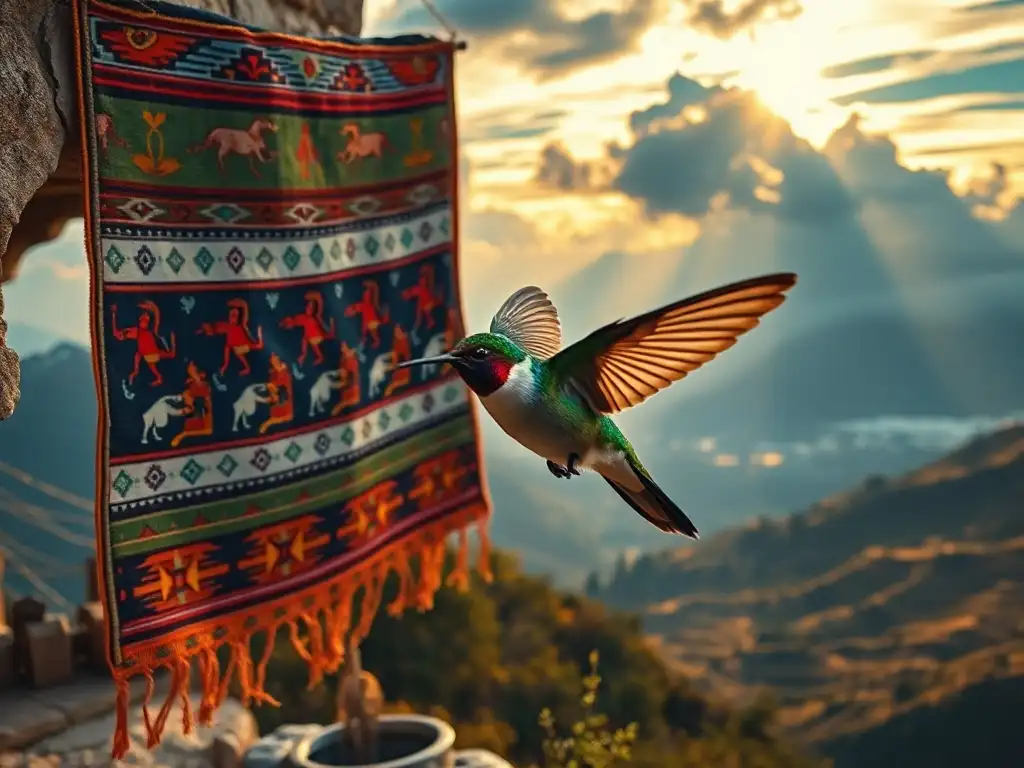
Step into a world lost in time, where vibrant artistry and profound symbolism intertwine. Discover the secrets whispered on the wind, as we delve into the captivating world of Andean civilizations. Their legacy lives on, not only in magnificent ruins, but also in the intricate details of their art.
Prepare to be mesmerized by the Andean hummingbird symbolism, a potent emblem of life, energy, and the spiritual realm, and unlock the mysteries behind this fascinating avian icon. What hidden meanings did these ancient cultures imbue within their breathtaking depictions? Explore the vibrant tapestry of Andean art and uncover the answers...
The hummingbird, a creature of breathtaking speed and vibrant plumage, holds a position of profound significance in the art and mythology of the Andean civilizations. Far from being a mere depiction of a beautiful bird, the hummingbird in Andean art represents a complex interplay of life, death, energy, and the cyclical nature of the cosmos.
This article delves into the rich symbolism associated with the hummingbird across various Andean cultures, exploring its representation in textiles, ceramics, and goldwork, and examining the nuanced interpretations that have evolved over centuries. Understanding the hummingbird's symbolic weight provides crucial insight into the worldview and spiritual beliefs of these fascinating ancient societies, enriching our appreciation of their artistic legacy and revealing the profound connection they held with the natural world.
We will explore how the hummingbird's seemingly effortless flight and dazzling colors mirrored the Andean understanding of life force and the interconnectedness of all things. This exploration will reveal the hummingbird not just as a subject of art, but as a powerful symbol deeply embedded in Andean cosmology and spirituality, a testament to the enduring power of nature's influence on human expression.
The Hummingbird as a Messenger of the Gods
The hummingbird's swift movement and ability to hover were often interpreted as a connection to the spiritual realm. Many Andean cultures believed that hummingbirds acted as messengers between the earthly and divine worlds, carrying prayers and offerings to the gods. This belief is reflected in numerous artistic representations where hummingbirds are depicted interacting with deities or appearing in scenes of ritual sacrifice.
The vibrant colors of the hummingbird, particularly iridescent greens and blues, were associated with the sacred and supernatural, further reinforcing its role as a conduit to the divine. Archaeological evidence, such as textiles and pottery featuring hummingbird motifs alongside depictions of deities, supports this interpretation, showcasing the hummingbird's integral role in Andean religious practices. The precision and detail in these depictions underscore the importance attributed to the bird and its symbolic meaning within the context of their spiritual beliefs.
Hummingbird and the Concept of Ayni (Reciprocity)
The hummingbird's constant movement, its ceaseless feeding from flower to flower, beautifully reflects the Andean principle of ayni, a concept of reciprocity and balance integral to their worldview. The hummingbird's activity was seen as a representation of the continuous exchange of energy within the ecosystem, mirroring the interconnectedness of all living beings and the importance of maintaining harmony within nature. This interpretation is supported by the frequent depiction of hummingbirds alongside flowers and other elements of the natural world in Andean art.
The hummingbird, therefore, becomes a symbol not only of life and energy but also of the crucial role of reciprocal relationships in maintaining cosmic balance. The vibrant colors of the bird could also represent the diverse and abundant bounty of the Andean landscape, further emphasizing the theme of reciprocity and the interconnectedness of all things.
Regional Variations in Hummingbird Symbolism
While the hummingbird's symbolic significance was widespread across the Andes, regional variations existed depending on specific cultural beliefs and artistic traditions. For instance, the Moche culture of northern Peru often depicted hummingbirds in association with warfare and shamanistic rituals, while the Inca emphasized its connection to the sun god, Inti. These differences highlight the dynamic nature of Andean symbolism and the diverse interpretations that emerged within different cultural contexts.
Further research into specific artistic styles from different Andean regions is needed to fully understand the nuances of these variations, and to map the subtle shifts in the hummingbird's symbolic meaning across time and space. [Specific information pending: detailed comparison of hummingbird symbolism across Moche, Inca, Nazca, and Tiwanaku art].
The Hummingbird in Contemporary Andean Culture
The symbolism of the hummingbird continues to resonate in contemporary Andean culture. It remains a powerful symbol of life, energy, and the interconnectedness of all things, often appearing in modern art, textiles, and jewelry. This enduring presence underscores the lasting impact of Andean traditions and the enduring power of the hummingbird as a symbol of hope, resilience, and spiritual connection.
The hummingbird's enduring presence in modern Andean culture reflects the rich tapestry of Andean history, and serves as a testament to the power of ancient symbolism to transcend time and space. The continued use of the hummingbird motif in contemporary art demonstrates its ongoing relevance as a potent symbol within Andean identity and cultural heritage.
- The Hummingbird as a Messenger of the Gods
- Hummingbird and the Concept of Ayni (Reciprocity)
- Regional Variations in Hummingbird Symbolism
- The Hummingbird in Contemporary Andean Culture
- What is the significance of hummingbirds in Andean culture?
- How are hummingbirds depicted in Andean art?
- Which Andean civilizations most prominently featured hummingbird symbolism?
- What is the connection between hummingbirds and the sun in Andean symbolism?
- Where can I learn more about Andean hummingbird symbolism?
The Significance of the Hummingbird in Andean Culture
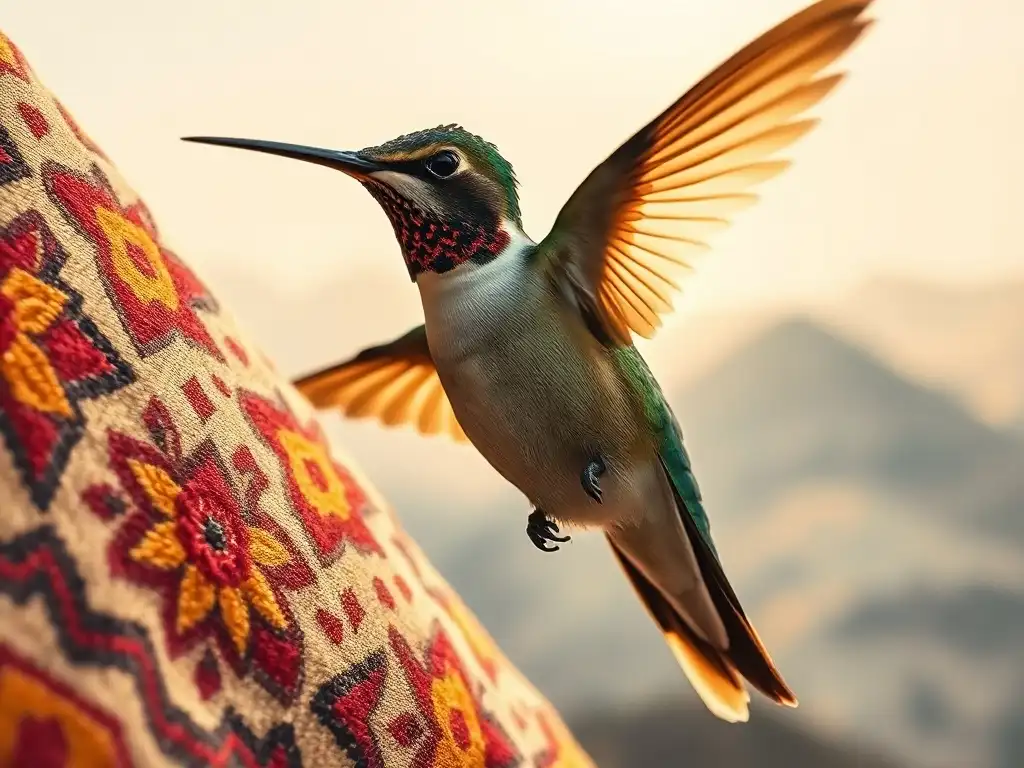
The hummingbird, a creature of vibrant plumage and seemingly impossible flight, holds a position of profound significance in Andean culture. Far from being merely a beautiful bird, the hummingbird embodies a complex web of symbolism related to life, energy, and the spiritual realm. Its rapid, darting movements are seen as a reflection of the dynamic forces of nature, while its ability to hover represents a connection between the earthly and celestial planes.
Understanding the hummingbird's symbolic role requires delving into the diverse artistic expressions and spiritual beliefs of various Andean civilizations. This tiny bird, with its disproportionately large heart, became a powerful metaphor for the heartbeat of the cosmos itself, representing vitality, resilience, and the constant cycle of life and death.
The Andean hummingbird symbolism is deeply intertwined with their understanding of the interconnectedness of all things. Its presence in art, mythology, and ritual underscores its importance as a potent symbol.
Hummingbird Representations Across Andean Civilizations
Hummingbird representations vary across different Andean cultures, reflecting unique artistic styles and spiritual interpretations. While the core symbolism remains consistent – representing life force and vitality – the specific depictions differ.
For instance, the Moche civilization, known for its intricate pottery, often depicted hummingbirds in scenes of ritual and daily life. These depictions frequently showcase the bird's iridescent feathers with remarkable accuracy, highlighting its beauty and grace. Detailed analysis of Moche ceramics reveals hummingbirds associated with both earthly and supernatural realms, sometimes depicted alongside deities or in scenes of shamanic rituals.
In contrast, the Nazca culture, famed for its geoglyphs, incorporated hummingbirds into their vast desert canvases. While not as detailed as the Moche pottery, the Nazca's hummingbird representations, often part of larger compositions, still convey a sense of the bird's energetic vitality. The scale of these geoglyphs suggests a communal effort, indicating the importance of the hummingbird's symbolism within the Nazca society. Further research is needed to fully understand the context and meaning of these gigantic hummingbird images within the broader Nazca iconography. [Specific information pending on precise hummingbird geoglyph locations and interpretations].
The Inca, with their sophisticated empire, also integrated the hummingbird into their art and mythology. Textiles, metalwork, and stone carvings feature hummingbirds, often stylized but still retaining their characteristic dynamism. The Inca likely viewed the hummingbird as a symbol of royal power and divine connection, given its frequent appearance in items associated with the ruling class. The precise meaning of the hummingbird in Inca iconography requires further investigation, as much of their symbolic system is still being deciphered.
The Hummingbird as a Messenger in Andean Beliefs
Beyond its artistic representations, the hummingbird played a crucial role in Andean spiritual beliefs. Many cultures believed the hummingbird acted as a messenger between the earthly and spiritual worlds. Its swift flight and ability to hover were seen as facilitating communication between the living and the ancestors. This role as a messenger is reinforced by its frequent appearance in shamanic contexts.
The hummingbird's connection to the sun and its life-giving energy further solidifies its role as a divine intermediary. Its vibrant colours, mirroring the spectrum of the rainbow, were considered sacred, associating the bird with the power and vitality of the sun itself. In some Andean traditions, the hummingbird's heart beat was believed to be synchronized with the rhythm of the cosmos, emphasizing its role as a conduit of divine energy.
Furthermore, the hummingbird's seemingly effortless flight was interpreted as a symbol of transcendence and spiritual awakening. Its ability to defy gravity was seen as a metaphor for the spiritual journey, suggesting the possibility of overcoming earthly limitations and achieving a higher state of consciousness. The hummingbird’s constant movement, its never-ending dance, became a visual representation of the ever-changing, ever-flowing nature of life itself.
This continuous cycle of life, death and rebirth is a core tenet of many Andean cosmologies. The hummingbird, therefore, served as a powerful reminder of this cyclical nature and the impermanence of all things. The hummingbird's small size, juxtaposed with its immense symbolic weight, further highlights the Andean appreciation for the power found in seemingly insignificant aspects of the natural world.
Andean Hummingbird Symbolism: A Deeper Look
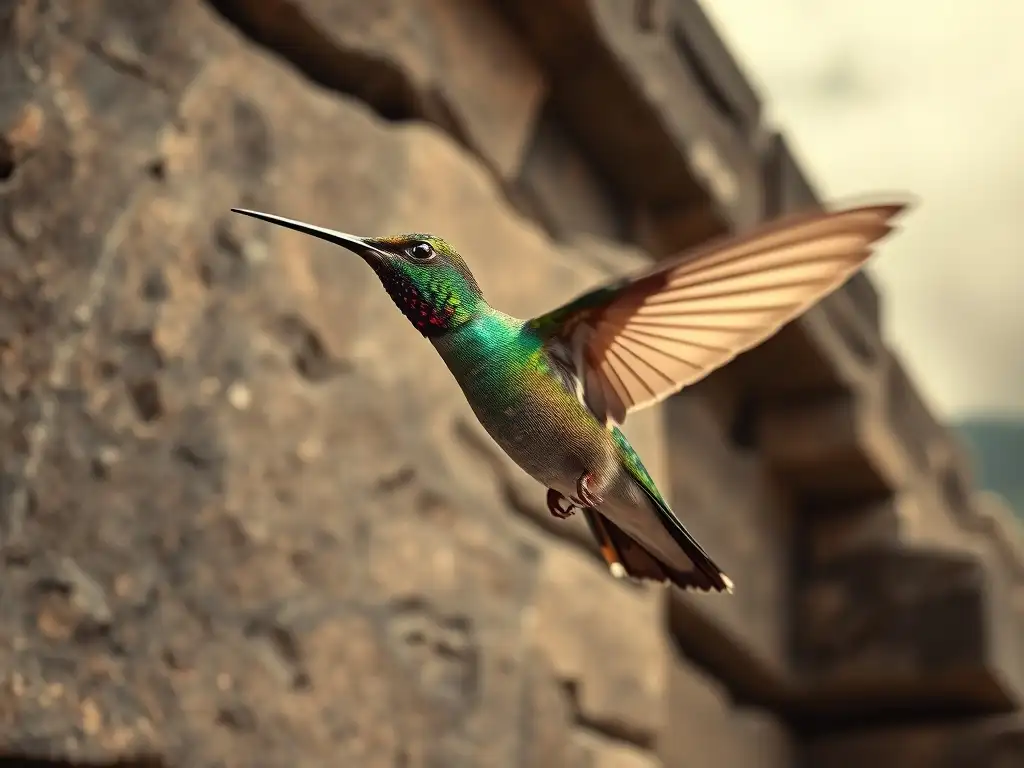
The hummingbird, a creature of dazzling speed and vibrant plumage, holds a position of profound significance in Andean symbolism. Far from being merely a beautiful bird, the hummingbird represents a complex interplay of concepts central to Andean worldview: energy, vitality, the sun, and the divine. Understanding the hummingbird's symbolic role requires exploring its representation across various Andean cultures, from the Inca to the pre-Inca societies.
This nuanced symbolism reveals a sophisticated understanding of the natural world and its connection to the spiritual realm, deeply impacting Andean art, mythology, and daily life. Analyzing Andean hummingbird symbolism allows us to unlock a deeper appreciation for the rich tapestry of Andean beliefs and artistic expression.
The prevalence of hummingbird imagery in textiles, ceramics, and goldwork underscores its importance across different artistic mediums and social strata. This section delves into the multifaceted meanings associated with this captivating creature in Andean culture, focusing on its connection to energy, the sun, and cosmology.
The Hummingbird and Concepts of Energy and Vitality
The hummingbird's incredible energy and seemingly tireless flight perfectly embody the Andean concept of hucha, often translated as "vital force" or "life energy." The rapid beating of its wings, a blur of motion, symbolizes the constant flow and transformation of energy in the universe. In Andean belief systems, maintaining a strong hucha was crucial for health, prosperity, and spiritual well-being. The hummingbird, therefore, became a potent symbol of this vital force, representing the ability to overcome challenges and maintain a dynamic connection with the life force.
Several examples illustrate this association. In many textile designs, the hummingbird is depicted in motion, its wings a whirlwind of color, visually representing the dynamic energy it embodies. Similarly, the hummingbird's ability to hover, seemingly defying gravity, could have been interpreted as a symbol of spiritual power and the ability to transcend earthly limitations.
The hummingbird's small size, contrasted with its immense energy, might have also resonated with the Andean appreciation for the power found in seemingly insignificant things. The vibrant colors of the hummingbird's feathers further contribute to its symbolic association with energy and vitality, echoing the bright hues often used in Andean art to represent life and power. The hummingbird’s ability to feed on nectar, a life-giving substance, strengthened its symbolic connection to hucha.
The Hummingbird's Connection to the Sun and Divine Power
Beyond its representation of hucha, the hummingbird also held a strong association with the sun, a central figure in Andean cosmology. The sun's radiant energy and life-giving power mirrored the hummingbird's own dynamism and vibrancy. The bird's dazzling plumage, often shimmering with iridescent colors, might have been seen as reflecting the sun's light, further solidifying this connection. Furthermore, the hummingbird's rapid movements could have been interpreted as a representation of the sun's journey across the sky.
The connection between the hummingbird and divine power is also evident. In some Andean cultures, the hummingbird was believed to be a messenger of the gods, carrying messages between the earthly and spiritual realms. Its swift flight could have been seen as a symbol of the speed and efficiency with which divine will is enacted.
The hummingbird’s association with the sun, a divine entity in many Andean pantheons, further cemented its sacred status. This spiritual significance is reflected in the careful and often highly stylized manner in which hummingbirds are depicted in Andean art, showcasing the respect and reverence afforded to this powerful symbol. The use of precious metals like gold in hummingbird representations also underscores its sacred and highly valued status within Andean society.
The Hummingbird's Role in Andean Cosmology
The hummingbird’s position within Andean cosmology is complex and multifaceted, reflecting the interconnectedness of the natural and spiritual worlds emphasized in Andean beliefs. The hummingbird's association with the sun and the hucha placed it at the heart of Andean spiritual understanding. Its ability to move effortlessly between different altitudes, from the high mountains to the valleys below, might have symbolized the connection between different levels of reality in Andean cosmology.
The hummingbird's role as a messenger between the earthly and spiritual realms is also significant. Its swift flight could have been interpreted as a representation of the swiftness of divine intervention or the speed with which spiritual messages are transmitted. Furthermore, the hummingbird's ability to feed on nectar, a substance often associated with sacred plants and rituals, reinforced its connection to the spiritual world.
The hummingbird's presence in Andean art, often alongside other sacred symbols, further highlights its integral role within the complex framework of Andean cosmology and belief. Detailed studies of Andean textiles and ceramics reveal recurring motifs that integrate the hummingbird into larger cosmological narratives, demonstrating its crucial symbolic role in the Andean understanding of the universe and humanity's place within it. Further research is needed to fully understand the regional variations in hummingbird symbolism across different Andean cultures and time periods.
The Hummingbird in Andean Art and Iconography
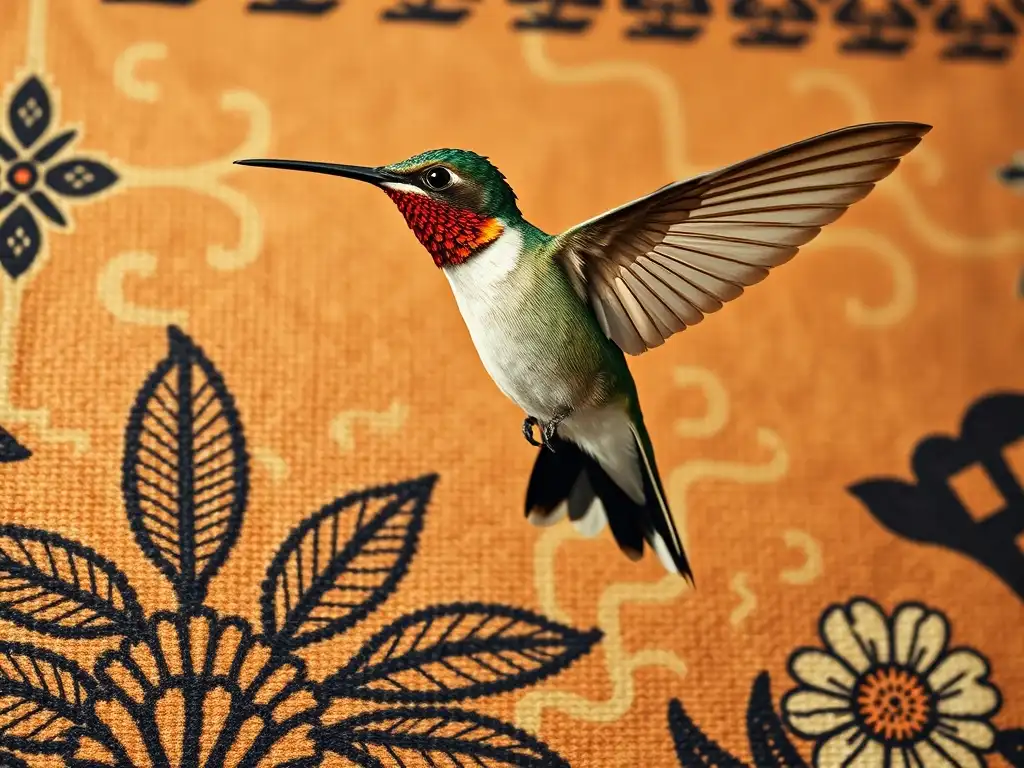
The hummingbird, a creature of vibrant plumage and incredible agility, held a place of profound significance in the spiritual and artistic expressions of various Andean civilizations. Its rapid, almost ethereal flight, coupled with its ability to hover and move in seemingly impossible directions, made it a powerful symbol imbued with potent meanings related to life, energy, and the connection between the earthly and spiritual realms.
This section delves into the diverse ways in which Andean cultures incorporated hummingbird imagery into their art, exploring the nuanced symbolism associated with this captivating creature. Understanding Andean hummingbird symbolism provides crucial insight into the worldview and beliefs of these ancient societies.
Hummingbird Motifs in Moche Pottery and Ceramics
Moche artisans, renowned for their mastery of ceramic techniques, frequently depicted hummingbirds in their elaborate pottery and ceramics. These depictions often showcase the bird's vibrant colors and dynamic movements with remarkable detail. Hummingbirds weren't simply decorative elements; their inclusion often hinted at deeper meanings within the context of the specific piece. For instance, hummingbirds appearing alongside other motifs, such as deities or sacrificial scenes, may suggest a connection between the hummingbird's energy and the ritualistic practices of the Moche.
Analysis of Moche pottery reveals a variety of hummingbird representations. Some portray the hummingbirds in flight, capturing their rapid wingbeats and the blur of their feathers. Others show them perched on flowers, emphasizing their role as pollinators and their connection to the natural world.
The stylistic choices—the use of color, the level of detail, the posture of the bird—all contribute to the nuanced interpretation of the hummingbird's symbolism within each individual piece. Unfortunately, [specific data on the percentage of Moche pottery featuring hummingbirds is pending], but anecdotal evidence from museum collections suggests a significant presence. Further research into Moche iconography could reveal even more subtle variations in hummingbird representations and their associated meanings.
Hummingbird Depictions in Nazca Lines and Geoglyphs
The Nazca Lines, a vast collection of geoglyphs etched into the Peruvian desert, present another fascinating avenue for exploring Andean hummingbird symbolism. While less common than in Moche pottery, the depiction of hummingbirds within this monumental artwork adds another layer to our understanding of the bird's significance. The sheer scale of these geoglyphs, some measuring hundreds of feet in length, underscores the importance of the imagery chosen for their creation.
The depiction of a hummingbird in the Nazca Lines, unlike the detailed portrayals in Moche pottery, relies on a more abstract and symbolic representation. The limited detail necessitates a focus on the overall shape and form to convey the essence of the hummingbird. It's likely that the hummingbird's inclusion within this context is related to its association with [specific Nazca cosmological beliefs pending further research].
The sheer effort required to create these geoglyphs points to a profound belief system that valued the hummingbird's symbolic representation within their larger cosmological narrative. This suggests a connection between the hummingbird's perceived agility and the Nazca's understanding of celestial movements or spiritual journeys.
Hummingbird Imagery in Inca Textiles and Metalwork
Inca art, particularly their textiles and metalwork, also features hummingbird imagery, albeit with a different stylistic approach than the Moche or Nazca. Inca artisans, known for their intricate weaving techniques and sophisticated metalworking skills, incorporated hummingbirds into a variety of artifacts, including clothing, tapestries, and jewelry. The style is generally more stylized and less realistic than in the Moche pottery, often integrating the hummingbird into complex patterns and designs that incorporate other symbolic elements.
The use of hummingbirds in Inca textiles and metalwork frequently suggests a connection between the bird and the Inca worldview. Hummingbirds, with their association with swiftness and energy, might have been linked to the Inca concept of royal power and authority. The vibrant colors used in their depiction likely reflected the importance of these colors within Inca cosmology and their association with specific deities or sacred sites.
For example, [specific examples of Inca textiles or metalwork featuring hummingbirds and their associated symbolic interpretations are pending further research and analysis of museum collections]. The integration of hummingbird motifs into such high-status artifacts underscores their importance within Inca society and reinforces their potent symbolic value. The study of Inca hummingbird representations offers valuable insights into the complex symbolism of the Inca Empire.
The Hummingbird's Flight: A Metaphor for Life and Transformation
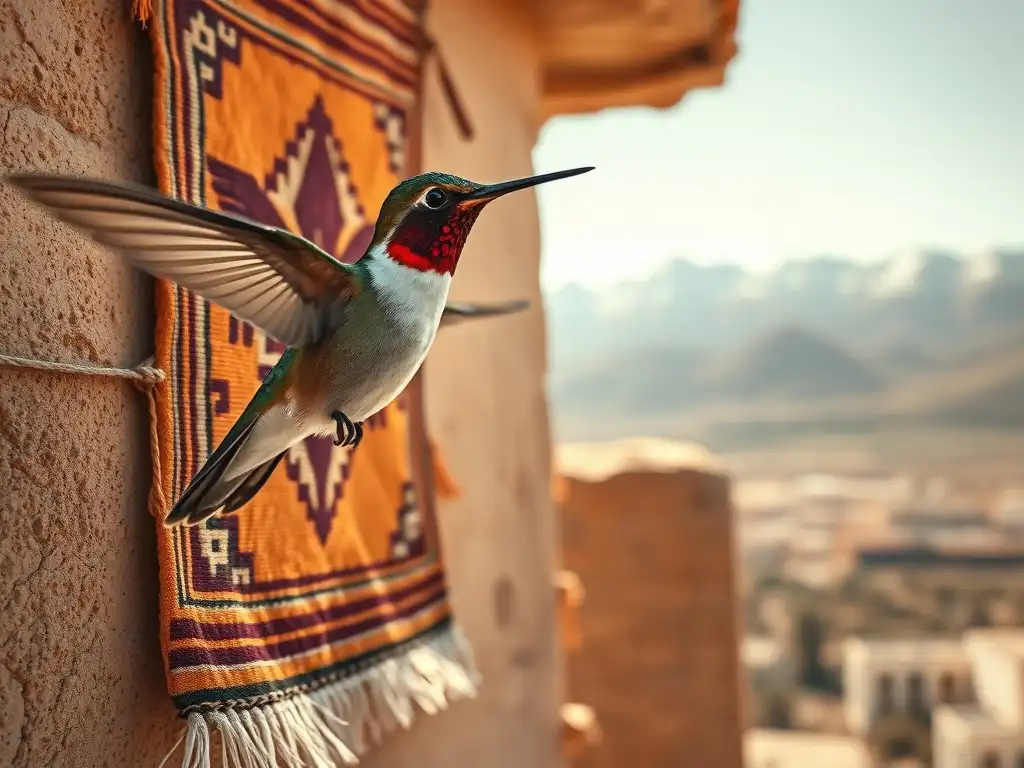
The hummingbird, a creature of vibrant plumage and incredible agility, holds a prominent place in Andean symbolism. Far from being merely a beautiful bird, it represents profound concepts central to Andean worldview: life, death, rebirth, and the constant flux of energy within the cosmos. Its rapid wingbeats, hovering flight, and seemingly effortless navigation of complex terrains serve as powerful metaphors for the cyclical nature of existence and the enduring spirit of Andean cultures.
Understanding Andean hummingbird symbolism requires appreciating the bird's unique characteristics and their intricate connection to the Andean landscape and spiritual beliefs. The hummingbird's significance isn't static; it's deeply embedded in the dynamic interplay between the natural world and the spiritual realm. This section will delve into specific aspects of the hummingbird's symbolic meaning within Andean art and culture.
The Hummingbird's Agility and its Symbolic Meaning
The hummingbird's unparalleled agility—its ability to hover, fly backward, and perform intricate aerial maneuvers—is a key element in its symbolic power. This extraordinary dexterity is interpreted as a representation of adaptability and resilience. In a region characterized by challenging terrains and unpredictable weather patterns, the hummingbird's ability to navigate these difficulties effortlessly mirrors the Andean people's capacity to overcome adversity.
The bird's swift movements also symbolize the rapid pace of life and the constant change inherent in the natural world. Many Andean cultures viewed the hummingbird as a messenger between the earthly and spiritual realms, its swift flight symbolizing the quick transmission of messages and the fluidity of energy between these two planes of existence.
Think of the intricate, almost frantic movements depicted in many pre-Columbian textiles and ceramics; these aren't merely aesthetically pleasing patterns, but visual representations of the hummingbird's energetic dynamism and its role as a conduit for spiritual energy. The hummingbird's ability to access nectar from flowers at all altitudes and in diverse environments reinforces its association with versatility and adaptability.
The Hummingbird's Constant Movement and its Association with Renewal
The hummingbird's ceaseless activity, its constant flitting from flower to flower, is directly linked to the Andean concept of renewal and cyclical time. Unlike linear conceptions of time prevalent in other cultures, the Andean worldview emphasizes the cyclical nature of life, death, and rebirth. The hummingbird's relentless movement mirrors this cyclical process, symbolizing the continuous flow of energy and the constant regeneration of life within the cosmos.
This is further emphasized by the hummingbird's association with the sun, whose daily journey across the sky reflects the cyclical rhythm of life. The hummingbird, therefore, acts as a potent symbol of the sun's life-giving energy and its continuous renewal. Furthermore, the hummingbird's feeding habits – its constant search for nectar – symbolize the ongoing quest for sustenance and spiritual nourishment.
This constant movement, therefore, isn't just physical, but also spiritual, representing the continuous striving for balance and harmony within the Andean worldview. The vibrant colors of the hummingbird, often mirroring the hues of the Andean landscape, further reinforce this association with the dynamism and vibrant energy of the natural world.
The Hummingbird as a Symbol of Resilience in Andean Art
Depictions of hummingbirds in Andean art frequently highlight their resilience. The hummingbird's small size, yet its powerful flight and ability to survive in diverse and challenging environments, makes it a potent symbol of endurance and strength. In a land marked by harsh conditions, the hummingbird's tenacity serves as an inspiration and a reminder of the ability to persevere in the face of adversity.
This symbolism is particularly relevant when considering the numerous challenges faced by Andean civilizations throughout their history. The hummingbird's ability to adapt to changing conditions, to find sustenance even in the most challenging environments, resonates deeply with the Andean experience of survival and resilience. The hummingbird’s presence in Andean art, often depicted amidst intricate patterns and symbolic motifs, underscores this message of enduring strength and the power of adaptation.
Furthermore, the hummingbird's ability to defy gravity with its seemingly effortless flight can be interpreted as a symbol of overcoming limitations and achieving seemingly impossible feats. This aspect of the hummingbird's symbolism reinforces the message of perseverance and hope inherent in Andean culture. The hummingbird's small size, contrasted with its powerful symbolism, underscores the Andean belief that even the smallest among us can possess immense strength and resilience.
Variations and Interpretations of Hummingbird Symbolism
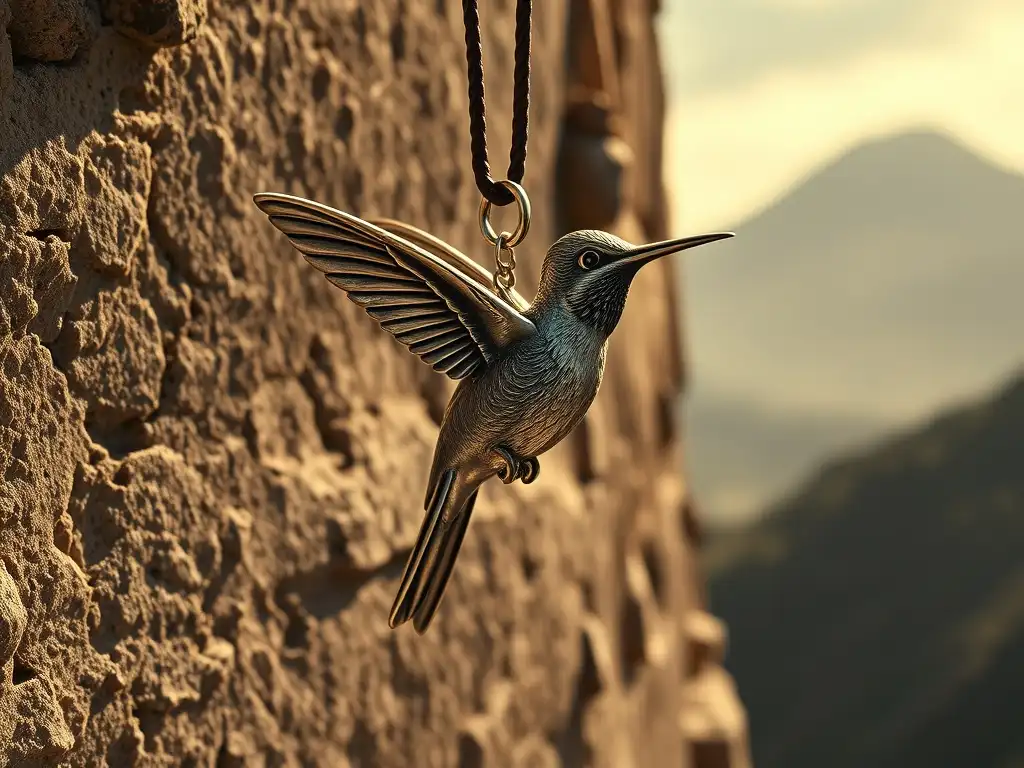
The hummingbird, a creature of vibrant plumage and seemingly impossible aerial agility, holds a position of profound significance in Andean symbolism. Its representation in art varies considerably across different cultures and time periods, reflecting nuanced interpretations of its symbolic power. While the hummingbird frequently represents life, energy, and the connection between the earthly and spiritual realms, the specific connotations can be surprisingly diverse. Understanding these variations requires examining the context of its depiction – the specific artistic style, the accompanying iconography, and the cultural group responsible for its creation.
This nuanced approach allows us to move beyond simplistic interpretations and appreciate the richness of Andean hummingbird symbolism. Analyzing the size, color, and pose of the depicted hummingbird within a broader artistic context is crucial for accurate interpretation. For instance, a large, brightly colored hummingbird might symbolize a powerful deity or shamanic energy, while a smaller, more subdued depiction might represent a gentler aspect of nature or a more personal connection to the spiritual world.
The careful study of Andean art reveals a complex tapestry of meaning woven around this fascinating creature. Analyzing these variations provides a deeper understanding of the beliefs and worldviews of the ancient Andean peoples. Further research into specific archaeological sites and their associated artistic traditions could illuminate even more subtle variations in hummingbird symbolism.
Regional Differences in Hummingbird Iconography
The iconography of hummingbirds varies considerably across different Andean regions. For example, Moche pottery often depicts hummingbirds with highly stylized features, emphasizing their speed and dynamism. These depictions often integrate the hummingbird into complex narratives involving deities, ritual practices, and the natural world.
In contrast, Nazca textiles frequently showcase hummingbirds with a more delicate and intricate rendering, often incorporating them into larger designs featuring geometric patterns and other symbolic motifs. These stylistic differences reflect not only artistic conventions but also potentially distinct cosmological beliefs and interpretations of the hummingbird's symbolic meaning. The Tiahuanaco culture's representation of hummingbirds, while less frequent than in other cultures, often links them to themes of fertility and rebirth.
The variations in the depiction of hummingbirds across these different regions underscore the importance of considering the cultural context when interpreting their symbolic meaning. [Specific examples of artistic differences pending further research into regional styles]. A comprehensive study comparing and contrasting these regional styles would further enhance our understanding of the broader Andean hummingbird symbolism.
The Hummingbird as a Totem Animal in Specific Andean Communities
In many Andean communities, the hummingbird served as a powerful totem animal, embodying specific qualities and attributes associated with particular clans or lineages. The hummingbird's association with specific deities or ancestral spirits further strengthens its totemic significance. [Data on specific Andean communities and their hummingbird totem associations pending].
Oral histories and ethnographic studies are crucial to understanding these deeply embedded cultural connections. For example, certain communities may have viewed the hummingbird as a symbol of swiftness and agility, associating it with warriors or messengers. Others may have linked it to healing powers or shamanic abilities, reflecting the hummingbird's association with the spiritual realm and the ability to traverse between worlds.
The hummingbird's association with specific plants or natural phenomena also played a role in its totemic significance. Understanding the hummingbird's role as a totem animal requires delving into the rich tapestry of Andean oral traditions and ethnographic research. A detailed analysis of these traditions would significantly enhance our understanding of the specific meanings associated with the hummingbird in different communities.
The Hummingbird and its Relationship with Other Andean Deities
The hummingbird's symbolic power is often intertwined with the Andean pantheon of deities. In some contexts, it may be directly associated with specific deities, representing their attributes or acting as their messengers. For example, the hummingbird’s association with the sun god Inti is frequently observed in Andean art. Its rapid flight and vibrant colors could be seen as mirroring the sun's energy and life-giving power.
[Specific examples of hummingbird-deity associations pending]. Other deities, associated with fertility, water, or the underworld, might also have symbolic connections with the hummingbird, depending on the specific cultural context. The hummingbird's ability to hover and move with incredible speed and precision also links it to shamanic practices and the ability to traverse between different realms.
Further research into the iconographic relationships between hummingbirds and specific Andean deities could provide invaluable insights into the complex religious beliefs of these ancient cultures. A thorough examination of Andean mythology and religious practices would illuminate the hummingbird's multifaceted role within the Andean spiritual landscape. The detailed study of Andean art, mythology, and ethnography is crucial for a complete understanding of the hummingbird's significant role within the Andean religious worldview.
Modern Interpretations of Andean Hummingbird Symbolism
The hummingbird, a tiny creature of immense energy and vibrant color, continues to inspire awe and reverence in modern Andean interpretations. Its symbolism, deeply rooted in ancient beliefs, finds new expression in contemporary art, crafts, and cultural practices. This enduring legacy speaks volumes about the enduring power of Andean traditions and their adaptability in the face of modernization.
The Hummingbird as a Source of Inspiration for Contemporary Andean Artists
Contemporary Andean artists frequently incorporate the hummingbird into their work, drawing on its rich symbolic history while adding their own unique perspectives. We see the hummingbird depicted in a variety of mediums, from intricate textiles and ceramics to bold, vibrant paintings and sculptures. These modern interpretations often blend traditional techniques with contemporary styles, resulting in a fascinating dialogue between past and present.
For example, some artists use traditional Andean dyes extracted from plants and insects to create incredibly detailed hummingbird imagery on textiles, maintaining a direct connection to ancestral practices. Others experiment with new materials and techniques, while still retaining the core symbolism of the hummingbird. The incorporation of the hummingbird in contemporary art serves not only as an aesthetic choice but also as a powerful statement of cultural identity and continuity.
The hummingbird's enduring presence in modern Andean artistic expression ensures the continuation of its rich symbolism for future generations. The sheer diversity of artistic expression, ranging from detailed realism to abstract representations, shows a vibrant and evolving understanding of the hummingbird's symbolic weight.
The Legacy of the Hummingbird in Andean Cultural Identity
The hummingbird's legacy extends far beyond the realm of art. Its symbolism deeply permeates Andean cultural identity, influencing various aspects of life. It's a recurring motif in literature, music, and storytelling, often representing concepts of joy, resilience, and the interconnectedness of life.
The hummingbird's rapid flight is often associated with the swift passage of time and the ephemeral nature of existence, adding another layer to its multifaceted symbolism. Moreover, the hummingbird's ability to hover and move with such agility and grace is seen as a metaphor for adaptability and perseverance – qualities highly valued in Andean cultures. In some communities, the hummingbird is associated with specific deities or spirits, further solidifying its importance in Andean spiritual beliefs.
This pervasive presence highlights the hummingbird's enduring role as a powerful symbol within the fabric of Andean culture and its continued relevance in contemporary society. Detailed ethnographic studies are needed to fully understand the nuances of the hummingbird's symbolism across various Andean communities, highlighting the regional variations in its interpretation.
Preserving the Cultural Heritage of Andean Hummingbird Symbolism
Preserving the cultural heritage associated with Andean hummingbird symbolism is crucial for maintaining the richness and diversity of Andean traditions. Efforts to document and archive existing artistic representations, oral histories, and traditional practices are essential steps in this process. Furthermore, supporting contemporary Andean artists who continue to incorporate the hummingbird in their work is vital for ensuring that this powerful symbol remains relevant and vibrant.
Educational initiatives that promote awareness of Andean hummingbird symbolism among younger generations are also important in fostering a sense of cultural pride and continuity. The creation of museums and cultural centers dedicated to showcasing Andean art and culture, which prominently feature the hummingbird, can play a significant role in raising awareness and facilitating the preservation of this important cultural heritage. The challenge lies in balancing the preservation of traditional interpretations with the fostering of creative innovation in contemporary representations of the hummingbird's symbolism.
This requires a multifaceted approach that combines traditional methods of preservation with modern strategies for promoting cultural understanding and appreciation. The future of Andean hummingbird symbolism depends on a collaborative effort between artists, researchers, educators, and community members. Careful consideration must be given to balancing the need for preservation with the inherent dynamism of cultural expression.
Frequently Asked Questions
What is the significance of hummingbirds in Andean culture?
Hummingbirds held deep symbolic meaning in various Andean cultures. They were often associated with vitality, joy, and the sun's energy, representing life's fleeting beauty and the connection between the earthly and spiritual realms.
How are hummingbirds depicted in Andean art?
Hummingbirds are frequently depicted in textiles, pottery, and metalwork, often stylized and integrated into complex designs. Their vibrant colors and swift movements were captured beautifully, reflecting their spiritual importance.
Which Andean civilizations most prominently featured hummingbird symbolism?
While many Andean cultures appreciated hummingbirds, the Inca, Moche, and Nazca civilizations particularly emphasized hummingbird imagery in their art and possibly their mythology, although evidence for the latter is less clear.
What is the connection between hummingbirds and the sun in Andean symbolism?
The hummingbird's swiftness and brilliant colors were linked to the sun's energy and movement across the sky. They were seen as messengers or embodiments of the sun's life-giving power.
Where can I learn more about Andean hummingbird symbolism?
You can explore further by researching Andean art and iconography, specifically focusing on textiles, pottery, and gold objects from the Inca, Moche, and Nazca cultures. Museums and academic publications are excellent resources.
Final Reflection: The Enduring Flight of the Hummingbird Spirit
The vibrant imagery of the hummingbird in Andean art isn't merely a historical artifact; it's a potent symbol resonating deeply with contemporary concerns about resilience, adaptability, and the interconnectedness of life. The hummingbird's seemingly impossible feats of flight, its dazzling plumage, and its vital role in pollination continue to offer a powerful metaphor for navigating the complexities of the modern world. Its enduring presence in Andean culture speaks volumes about the timeless power of symbolism to connect us across generations and cultures.
The hummingbird's symbolic weight in Andean societies, from its association with the sun god Inti to its representation of healing and transformation, continues to inspire artists, spiritual practitioners, and everyday people alike. Its image serves as a constant reminder of the delicate balance of nature and the importance of cherishing the vibrant energy that surrounds us. The hummingbird reminds us that even the smallest creature can possess immense power and grace.
This simple truth, embedded within Andean tradition, holds profound significance as we grapple with environmental challenges and strive for a more harmonious relationship with the natural world.
Consider the hummingbird's relentless energy, its ability to hover and dart with precision, its unwavering focus on its goals. These qualities, mirrored in the spirit of Andean cultures, offer a powerful lesson for us all. Let the hummingbird's dance inspire you to embrace your own unique energy, to find joy in the small moments, and to pursue your passions with unwavering dedication. Embrace the vibrant spirit of the hummingbird, and let its enduring legacy guide you on your own journey of resilience and transformation.
Embrace the Rhythm of Life and Energy!
Thank you for exploring the captivating world of Andean art and the vibrant symbolism of the hummingbird. Your interest marks the beginning of a deeper connection with the rich heritage of these remarkable cultures. Let's delve further into this fascinating subject.
Here are some ways you can continue your exploration:
- Discover more: Immerse yourself in the beauty of Andean art by visiting a local museum or gallery featuring hummingbird imagery. Witnessing these exquisite pieces firsthand will deepen your appreciation.
- Create your own art: Let the hummingbird's symbolism inspire your creativity. Whether you choose painting, sculpting, writing, or another medium, let your imagination soar and reflect the hummingbird's energy and vibrancy.
- Share your newfound knowledge: Discuss the symbolism of the hummingbird with friends and family, sharing this article or simply engaging in conversation about its powerful message. Spread the inspiration!
Reflect on how the hummingbird's symbolism can infuse your daily life with more energy and joy. Share your thoughts in the comments below!