
The Soul of the Structure: Exploring the Cultural Significance of Andean Buildings

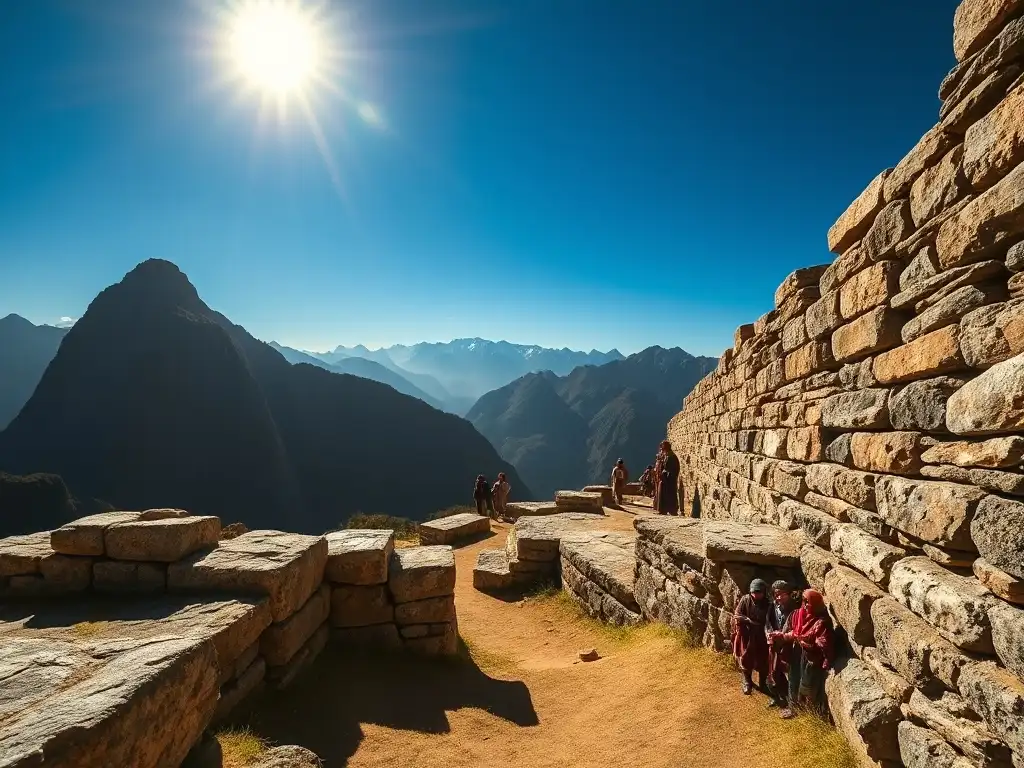
Step into a world lost to time, yet echoing with the whispers of empires. Imagine colossal structures rising from the Andes, testaments to ingenuity and spiritual belief. This is the realm of the Andean civilizations – Inca, Moche, Nazca, and Tiahuanaco – where Andean architecture's cultural significance is woven into the very fabric of the landscape. Prepare to uncover the secrets behind these breathtaking achievements and discover the profound stories embedded within the stones themselves. Are you ready to delve deeper?
The Andes Mountains, a spine of towering peaks stretching along the western edge of South America, are not merely a geographical feature; they are the cradle of a rich tapestry of ancient civilizations. For millennia, ingenious Andean cultures—including the Incas, Moche, Nazca, and Tiahuanaco—carved their existence into the very fabric of this dramatic landscape. Their achievements are breathtaking, but perhaps none are more profound than their architecture.
This article delves into the cultural significance of Andean buildings, exploring how these structures weren't simply functional shelters, but rather powerful expressions of cosmology, social organization, and spiritual beliefs. We will examine the intricate relationship between Andean architecture and the cultural values that shaped its unique character, revealing the "soul" embedded within these remarkable constructions. Understanding Andean architecture is crucial to comprehending the complex societies that created them and the enduring legacy they left behind.
This exploration will focus on the ways in which materials, design, and location contributed to the profound cultural meaning embedded within these structures, examining how they reflect the worldview and societal values of their creators. We will discover how studying Andean architecture offers a unique window into the minds and hearts of these fascinating ancient peoples.
Introduction: Andean Architecture as a Cultural Expression
Andean architecture wasn't just about building; it was about creating. Each stone, each carefully placed adobe brick, each meticulously carved detail, spoke volumes about the society that produced it. Unlike many other ancient cultures, Andean builders didn't rely solely on readily available materials.
They adapted, innovated, and mastered techniques to overcome the challenges of their high-altitude environment. This ingenuity is reflected in the diverse range of building styles across different Andean cultures, showcasing a spectrum of architectural approaches tailored to specific ecological and social contexts. The use of stone, adobe, and other materials wasn't arbitrary; it was deeply symbolic, reflecting their understanding of the world and their place within it.
Consider, for example, the intricate stonework of Machu Picchu, demonstrating not only exceptional engineering prowess but also a deep connection to the surrounding landscape. The precise fitting of stones, almost without mortar, speaks to a spiritual reverence for the materials themselves and a belief in the interconnectedness of all things. This attention to detail wasn't limited to monumental structures; even seemingly simpler buildings reflected a profound aesthetic sensibility and a deep understanding of the principles of harmony and balance.
Cosmological Significance: Mountains, Stars, and Sacred Spaces
The Andean worldview was profoundly intertwined with the natural world. Mountains were considered sacred entities, embodying the power and vitality of the earth. Many Andean settlements were strategically located in relation to significant mountain peaks, reflecting a deep understanding of the landscape's spiritual power.
The orientation of buildings, often aligned with celestial events like solstices and equinoxes, suggests a sophisticated astronomical knowledge and a belief in the influence of the cosmos on human affairs. This cosmological understanding is evident in the design and layout of many Andean sites, where sacred spaces were carefully integrated into the overall architectural plan. For instance, [specific examples of cosmological alignments pending], highlighting the intricate relationship between architecture and the Andean perception of the universe.
This connection between the earthly and the celestial wasn't merely symbolic; it was fundamental to their worldview, shaping their social structures and daily lives. The positioning of buildings was not random but rather a deliberate act to harmonize with the rhythms of the cosmos.
Andean architecture also reflects the complex social structures of these societies. Monumental structures like the palaces of Chan Chan or the temple complexes of Tiahuanaco served as powerful symbols of authority and social hierarchy. The size, location, and ornamentation of buildings indicated the status of their inhabitants, reflecting the social stratification within these communities. However, Andean architecture wasn't solely about elite power.
The construction of communal buildings, such as storage facilities and irrigation systems, highlights the importance of cooperation and collective effort in Andean society. These communal projects demanded significant resources and labor, showcasing the social cohesion and shared values that characterized these cultures. The intricate network of roads and pathways connecting different settlements further emphasizes the interconnectedness of Andean communities and the importance of communication and trade. The size and complexity of these infrastructural projects underscore the organizational capabilities and social solidarity of these societies.
Materials and Techniques: Innovation and Adaptation in Andean Construction
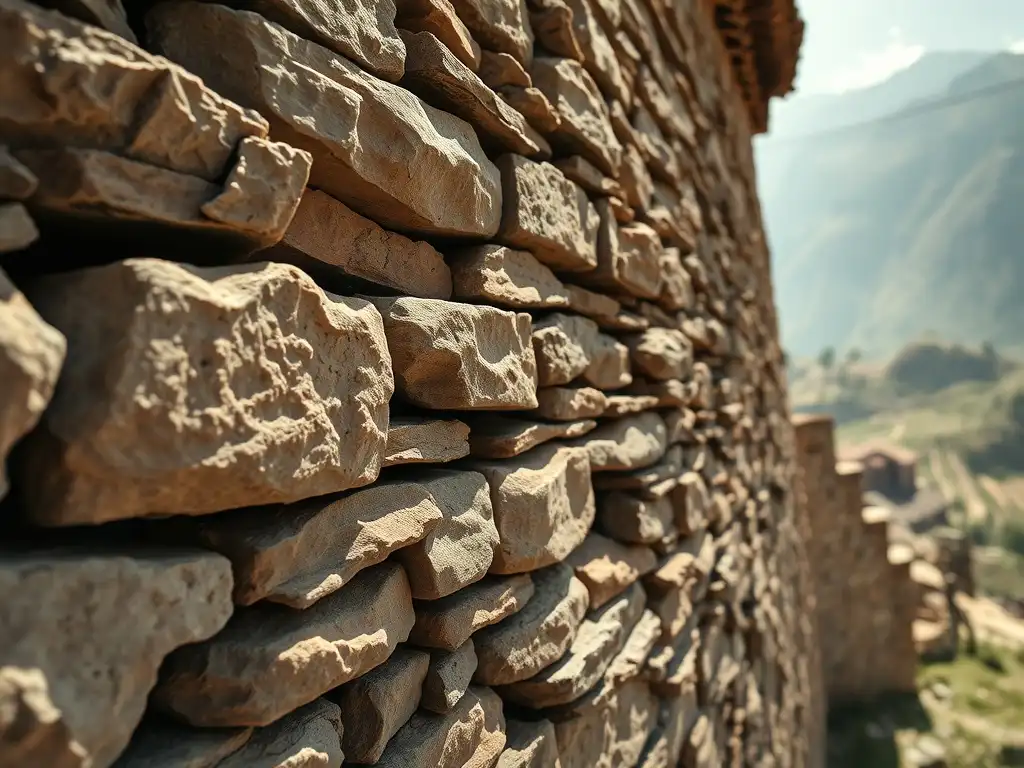
The ingenuity of Andean builders is evident in their mastery of diverse construction techniques. The use of stone, adobe, and other materials was not simply a matter of availability; it was a testament to their adaptability and resourcefulness. They developed sophisticated techniques for quarrying, transporting, and shaping massive stones, demonstrating a remarkable understanding of engineering principles. The precise fitting of stones in Incan structures, often without mortar, is a testament to their skill and precision.
Similarly, the construction of intricate adobe structures, such as those found in the Moche and Nazca cultures, showcases their mastery of earthen architecture. Their ability to adapt their building techniques to different environments and materials is a testament to their innovative spirit and their profound understanding of the natural world. The development of sophisticated irrigation systems further highlights their engineering prowess and their ability to harness the resources of their environment.
The Enduring Legacy: Andean Architecture and Modern Society
The cultural significance of Andean architecture extends far beyond its historical context. These structures continue to inspire awe and wonder, serving as powerful reminders of the ingenuity and creativity of past civilizations. The enduring legacy of Andean architecture is evident in the ongoing efforts to preserve and protect these sites, recognizing their importance as cultural heritage.
Moreover, the principles of Andean architecture – sustainability, adaptation to the environment, and integration with the natural world – hold valuable lessons for contemporary society. As we grapple with the challenges of climate change and urbanization, the ingenuity and wisdom of Andean builders offer valuable insights into sustainable design and construction.
The timeless beauty and enduring power of Andean architecture serve as a powerful testament to the enduring human spirit and the enduring connection between culture and the built environment. The study of these structures provides a unique opportunity to reflect on our relationship with the past, the present, and the future.
- Introduction: Andean Architecture as a Cultural Expression
- Cosmological Significance: Mountains, Stars, and Sacred Spaces
- Social Organization and Architectural Design: Power, Status, and Community
- Materials and Techniques: Innovation and Adaptation in Andean Construction
- The Enduring Legacy: Andean Architecture and Modern Society
- The Distinctive Features of Inca Architecture at Ollantaytambo
- Moche Architectural Innovations and Their Cultural Impact at Huaca de la Luna
- Tiahuanaco's Monumental Structures and Their Significance at Puma Punku
- Nazca’s Lines and their Relationship with Andean Culture
- Chavin de Huantar's Architectural Style and Its Religious Significance
- What makes Andean architecture unique?
- How did the Incas influence Andean architecture?
- What is the cultural significance of Andean architectural designs?
- How did different Andean cultures express their unique identities through architecture?
- What is the importance of studying Andean architecture today?
The Symbolic Language of Andean Construction
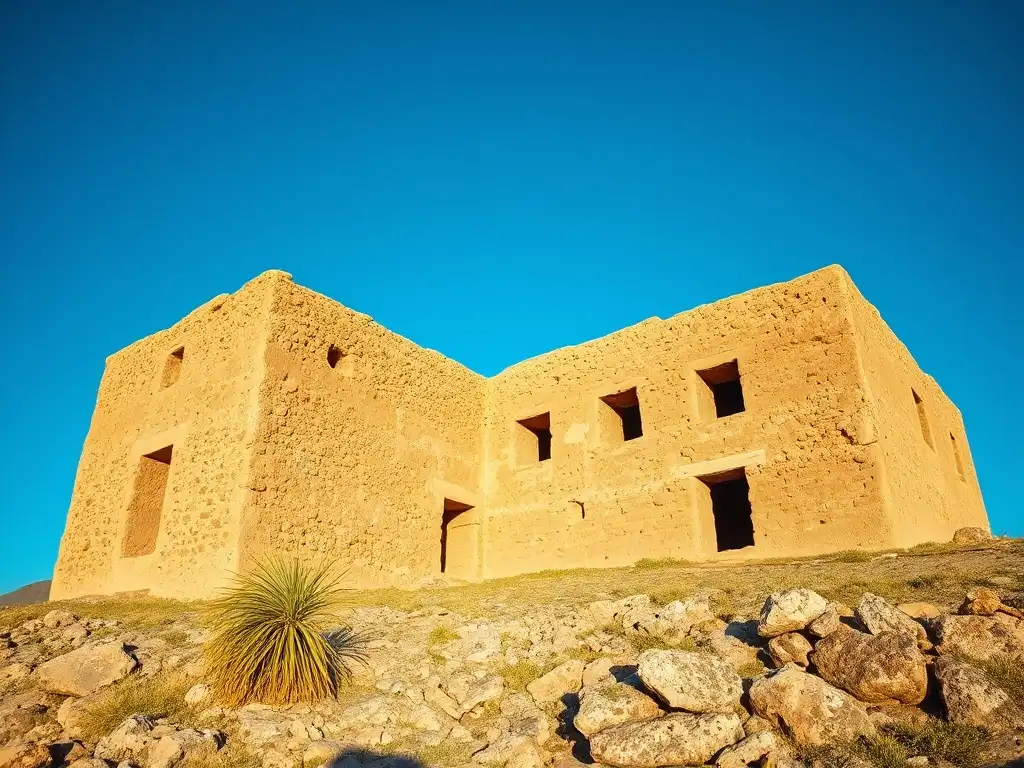
Andean architecture wasn't merely a practical response to environmental challenges; it was a powerful expression of cultural beliefs, social structures, and cosmological understandings. The careful selection of materials, the precise orientation of buildings, and the intricate designs all contributed to a rich symbolic language woven into the very fabric of Andean structures. Understanding this symbolic language is crucial to appreciating the profound cultural significance of Andean buildings, moving beyond a purely functional interpretation to reveal the deep spiritual and social meanings embedded within them.
This section will delve into the specific materials and their symbolic weight, showcasing how Andean builders imbued their creations with meaning far beyond their practical use. The sophisticated techniques employed were not just technical achievements but also powerful statements about the Andean worldview.
Analyzing Andean architecture through this lens reveals a sophisticated and deeply symbolic system reflecting their cosmology and societal values. Understanding this "language" allows us to connect with the ingenuity and spiritual depth of these ancient cultures.
Andean Building Materials and Their Cultural Meanings
The choice of building materials in Andean architecture was far from arbitrary. Each material held specific cultural and symbolic meaning, contributing to the overall message conveyed by the structure. For example, the use of stone, particularly in monumental structures, often signified power, permanence, and connection to the ancestral world. Its durability mirrored the intended longevity of the structures themselves and their importance to the community.
Conversely, materials like adobe, commonly used in domestic buildings, represented a connection to the earth and the cyclical nature of life and death. The earth itself was a sacred element, and its incorporation into dwellings underscored the close relationship between the people and their environment.
| Material | Cultural Significance | Example |
|---|---|---|
| Stone | Power, permanence, connection to ancestors, divinity | Inca temples, Machu Picchu |
| Adobe | Connection to earth, cyclical nature of life | Moche houses, pre-Inca settlements |
| Wood | Life, growth, connection to the spirit world | Beams in domestic structures, ritual objects |
| Thatch | Temporary, cyclical, connection to nature | Roofing materials in various structures |
The careful selection and combination of these materials, therefore, created a complex tapestry of meaning, reflecting the social status, intended function, and spiritual significance of each building. Further research is needed to fully understand the nuances of material selection in different Andean cultures and regions. [Specific information pending: Detailed analysis of material choices in specific sites across various Andean cultures]
The Use of Stone in Inca Sacred Architecture
Inca sacred architecture stands as a testament to the masterful manipulation of stone. The precision and artistry displayed in Inca stonework are unparalleled, revealing a deep understanding of engineering and a profound respect for the materials used. Beyond its technical achievements, the use of stone in Inca sacred architecture also carries significant symbolic weight. The immense, precisely fitted stones symbolize the power and stability of the Inca empire, reflecting their imperial ideology and desire for permanence.
The meticulous craftsmanship suggests a sacred process, where each stone was carefully chosen and placed, imbued with spiritual significance. The integration of stone into sacred spaces further enhances their power and sanctity. The impressive structures, like those at Machu Picchu, not only served practical functions but also functioned as powerful symbols of Inca authority, religious beliefs, and connection to the cosmos.
This precise fitting of stone blocks, often without mortar, showcases a deep understanding of engineering principles and a profound respect for the material itself. The inherent strength and durability of stone are symbolic of the Inca's ambition for a lasting legacy.
The Role of Adobe in Moche Domestic Structures
The Moche civilization, known for its sophisticated artistry and agricultural innovations, utilized adobe extensively in their domestic architecture. Adobe, a sun-dried brick made from clay and other organic materials, was readily available and easily worked with, making it a practical building material for the Moche. However, the use of adobe held deeper cultural significance as well.
The very act of creating adobe bricks involved a close connection to the earth, reflecting the Moche's deep respect for nature and the cyclical processes of life and death. The earth itself was a sacred element, and the incorporation of adobe into their homes underscored the close relationship between the Moche people and their environment.
The organic nature of adobe, its susceptibility to weathering and eventual decomposition, could also be seen as a reflection of the cyclical nature of life and the transient nature of earthly existence. The simple, yet functional, domestic structures built from adobe stand in contrast to the more monumental stone structures of later Andean civilizations, highlighting the different cultural values and priorities of the Moche people.
Furthermore, the decorations and patterns often found on Moche adobe bricks suggest a deeper symbolic meaning beyond mere practicality, hinting at a rich visual language embedded in the very fabric of their homes. [Specific information pending: Detailed analysis of Moche adobe brick patterns and their symbolic meanings]
Andean Architectural Design and Cultural Beliefs
This section delves into the profound connection between Andean architectural design and the deeply held cultural and religious beliefs of the various civilizations that thrived in the Andes Mountains. The structures weren't merely functional; they were tangible expressions of cosmology, spirituality, and social organization, reflecting a sophisticated understanding of the natural world and their place within it. Understanding this intricate relationship is key to appreciating the true Andean architecture cultural significance. We will examine specific examples to illustrate this powerful link.
The Alignment of Inca Buildings with the Solstice
Inca architecture displays a remarkable precision in its astronomical alignments, particularly regarding the solstices. The Inca calendar, deeply interwoven with agricultural cycles and religious rituals, relied heavily on celestial observations. Many Inca buildings, including temples and other significant structures, were meticulously oriented to align with the rising or setting sun on the solstices. This wasn't a matter of chance; it was a deliberate act, imbued with symbolic meaning.
For example, consider the precise alignment of windows and doorways in some Inca structures. These openings often framed specific points on the horizon, marking the solstices with dramatic precision. This alignment allowed the Inca to track the sun's movement, marking crucial dates for agricultural planning and religious ceremonies. The positioning wasn't solely about practicality; it was a direct connection to the cosmos, reinforcing the Inca's worldview where the earthly and celestial realms were intimately linked.
Further research is needed to fully understand the nuances of these alignments across different Inca sites, [specific data on the variation of solstice alignments across different Inca sites pending]. The meticulous nature of these alignments underscores the advanced astronomical knowledge and sophisticated engineering capabilities of the Inca civilization. The alignment wasn't just a technical achievement; it was a powerful statement of their cosmic understanding.
The Influence of Andean Cosmology on the Layout of Chan Chan
The layout of Chan Chan, the vast adobe city of the Chimú civilization, reflects a complex interplay between practical considerations and cosmological beliefs. Unlike the Inca's precise astronomical alignments, Chan Chan's layout incorporates a more symbolic representation of the Andean worldview. The city’s organization, with its distinct palaces and residential compounds, likely mirrored a hierarchical social structure and a cosmological understanding of the world.
The city's design may have incorporated elements representing the Andean landscape, with features such as canals and walls potentially symbolizing rivers and mountains. This interpretation, however, requires further investigation and corroboration through archaeological evidence. [Specific details on the symbolic representation of the landscape in Chan Chan's layout pending].
The use of adobe, a material readily available in the region, reflects a pragmatic approach to construction, yet the overall design and layout of Chan Chan suggest a deliberate attempt to create a city that was not only functional but also symbolically resonant with the Chimú's worldview. The organization of the city, with its intricate network of streets and canals, might have been designed to reflect the flow of water and the cycles of nature, illustrating the deep connection between the Chimú people and their environment.
Machu Picchu and its Astronomical Alignments
Machu Picchu, the iconic Inca citadel, is another prime example of the integration of astronomical knowledge into architectural design. While the precise purpose of many structures remains debated, evidence suggests that several key features were aligned with significant astronomical events. The placement of certain buildings, in relation to the sun's path throughout the year, suggests a sophisticated understanding of celestial movements.
For example, the Intihuatana stone, a large monolithic structure, is believed to have been used for solar observations, possibly marking the solstices and equinoxes. This is supported by the stone's orientation and the way the sun's rays interact with it on specific days of the year. [Specific data on the precision of Intihuatana's alignment and its correlation with Inca calendar dates pending].
However, the exact nature of its function and its relationship to the broader astronomical knowledge of the Inca remains a subject of ongoing research and debate. The combination of precise astronomical alignments, symbolic representations of the Andean worldview, and sophisticated engineering techniques is what makes Machu Picchu such a compelling example of Andean architecture cultural significance. The integration of astronomy and architecture at Machu Picchu emphasizes the profound connection between the Inca worldview and their built environment.
Regional Variations in Andean Architectural Styles
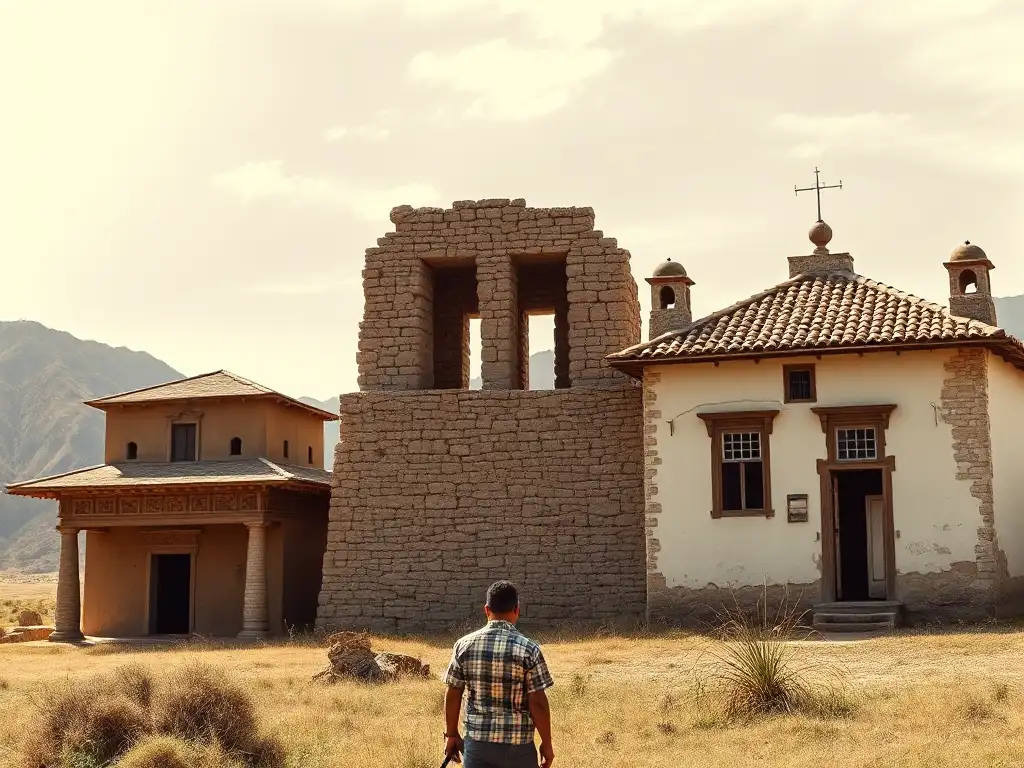
The Andes Mountains, stretching over 4,300 miles, fostered a remarkable diversity of cultures, each leaving its unique imprint on Andean architecture. Understanding the cultural significance of Andean buildings requires acknowledging these regional variations. While commonalities exist—such as the use of stone, adaptation to the terrain, and symbolic meaning embedded in structures—the specific techniques, materials, and stylistic choices differed significantly depending on the geographical location and the prevailing culture.
Factors such as altitude, climate, available resources, and even spiritual beliefs shaped the architectural landscape. This section will delve into the distinctive styles of three prominent Andean cultures: the Inca, Moche, and Tiahuanaco, highlighting the cultural significance embedded within their architectural achievements. The analysis will focus on specific sites to illustrate the unique characteristics of each style, providing a deeper understanding of the interplay between architecture and culture in the Andes.
The Distinctive Features of Inca Architecture at Ollantaytambo
Ollantaytambo, a remarkably preserved Inca site in the Sacred Valley of Peru, exemplifies the sophisticated engineering and cultural significance of Inca architecture. The site's impressive stonework, characterized by precisely fitted, massive blocks, demonstrates a mastery of dry-stone masonry techniques. This wasn't merely a matter of technical skill; the precise fitting of stones, often without mortar, reflected the Inca worldview, emphasizing order, precision, and harmony with the natural world.
The cancha, or courtyard, system, typical of Inca urban planning, is evident at Ollantaytambo. These courtyards, often surrounded by intricately carved stone walls, served not only as residential spaces but also as social and ceremonial centers.
The strategic placement of buildings within the Ollantaytambo complex also highlights their cultural significance. The agricultural terraces, carved into the mountainside, demonstrate the Inca's deep connection to the land and their sophisticated understanding of agriculture. These terraces weren't just functional; they were an integral part of the Inca worldview, symbolizing their ability to harness and control the natural environment.
The impressive temple structures, showcasing intricate stone carvings and astronomical alignments, further underscore the Inca's sophisticated understanding of astronomy and their integration of religious beliefs into their architectural designs. The meticulous craftsmanship evident in every aspect of Ollantaytambo’s architecture reflects the Inca's deeply held values and their belief in the power of human ingenuity to shape their environment. The sheer scale of the site, combined with its refined details, speaks volumes about the Inca's organizational capacity and their ability to mobilize vast resources for monumental projects.
Moche Architectural Innovations and Their Cultural Impact at Huaca de la Luna
The Moche civilization, flourishing on the northern coast of Peru (approximately 100-800 CE), developed a distinct architectural style reflecting their complex social and religious beliefs. Huaca de la Luna, a massive adobe pyramid complex near Trujillo, showcases the Moche’s mastery of adobe construction and their innovative architectural techniques. Unlike the Inca emphasis on stone, the Moche skillfully utilized adobe bricks, creating imposing structures that adapted to the arid coastal environment.
The use of brightly colored pigments and intricate relief sculptures adorning Huaca de la Luna's walls reflects the Moche’s advanced artistic skills and their rich mythology. These decorations weren't merely aesthetic; they depicted scenes from Moche mythology, rituals, and daily life, providing invaluable insights into their beliefs and societal structures.
The complex's layout, with its multiple platforms and interconnected chambers, suggests a sophisticated understanding of urban planning and a hierarchical social organization. The discovery of numerous artifacts within the complex, including elaborate gold ornaments and finely crafted ceramics, further emphasizes the cultural significance of these structures as both ceremonial centers and repositories of Moche cultural heritage.
The grandeur of Huaca de la Luna, combined with its intricate details, stands as a testament to the Moche civilization's artistic achievements and their complex worldview. The structures served not only practical purposes but also played a vital role in reinforcing social hierarchies and maintaining religious authority.
Tiahuanaco's Monumental Structures and Their Significance at Puma Punku
Puma Punku, part of the larger Tiahuanaco site in Bolivia (approximately 500-1000 CE), presents a fascinating case study in monumental Andean architecture. Its massive stone blocks, some weighing many tons, demonstrate an incredible feat of engineering and a profound understanding of stone manipulation. The precision with which these blocks were cut, transported, and assembled is still debated by scholars today, highlighting the technological sophistication of the Tiahuanaco culture. However, the cultural significance of Puma Punku extends beyond its impressive engineering.
The layout of Puma Punku, with its platforms, plazas, and intricate channels, suggests a complex ceremonial function. The site's monumental scale likely served to reinforce the power and authority of the Tiahuanaco elite. While much of the original purpose remains unclear, the presence of massive stone blocks, precisely cut and meticulously placed, points to a society capable of large-scale organization and a deep understanding of cosmological principles.
The symbolic meaning embedded in the architectural design likely played a crucial role in maintaining social order and reinforcing religious beliefs. The precise function of some structures, particularly the enigmatic platforms and canals, remains a subject of ongoing research, but the sheer scale and precision of Puma Punku leave no doubt about the cultural and technological significance of this remarkable site.
Further research is needed to fully understand the complex interplay between the architectural design and the Tiahuanaco worldview. The precision of the stonework, combined with the site's enigmatic layout, continues to fascinate and challenge our understanding of Andean architectural achievements.
Nazca’s Lines and their Relationship with Andean Culture
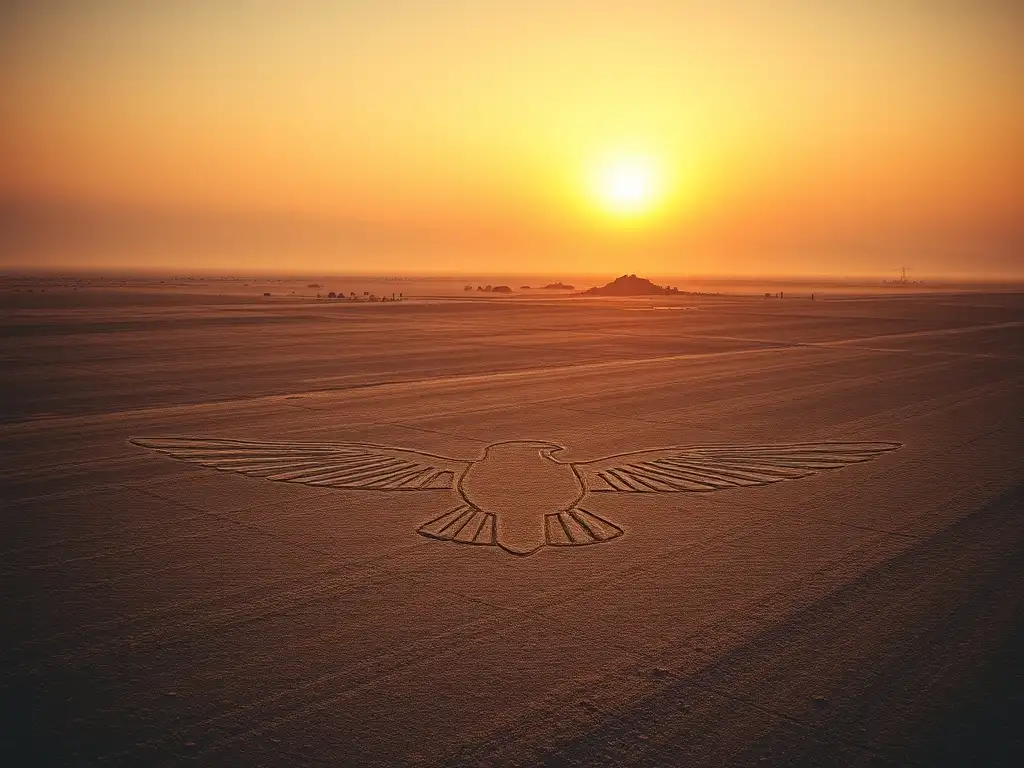
The Nazca Lines, etched into the Peruvian desert, represent a fascinating enigma within the broader context of Andean architecture and its cultural significance. While not strictly "buildings" in the traditional sense, their creation and purpose are inextricably linked to the Nazca culture's worldview and societal structure. The immense scale of the geoglyphs, some stretching for kilometers, necessitates a highly organized society capable of undertaking such a monumental project. This implies a sophisticated understanding of surveying, planning, and labor management, showcasing advanced technological capabilities for the time.
The lines themselves are not merely random markings; they depict various animals, plants, and geometric shapes. Scholars debate their function, with prevalent theories suggesting astronomical alignments, ritualistic purposes, or a combination of both. Regardless of their precise function, the lines' creation involved a deep understanding of the landscape and its relationship to the cosmos.
This connection between the earthly and celestial realms is a recurring theme in Andean cultures, emphasizing a holistic worldview where the human experience is interwoven with the natural and supernatural worlds. The effort involved in creating the Nazca Lines demonstrates a profound cultural investment in these symbolic representations, highlighting their importance within Nazca society. Further research is needed to fully understand the intricate relationship between the lines, water management systems, and the overall societal structure of the Nazca civilization.
Their creation speaks to a deep-seated need for symbolic expression, showcasing the cultural values and beliefs of the Nazca people. The lines serve as a powerful testament to their ingenuity and spiritual depth, solidifying their place as a significant aspect of Andean architecture's broader cultural significance.
Chavin de Huantar's Architectural Style and Its Religious Significance
Chavín de Huántar, located in the Andes of Peru, stands as a prime example of the intricate relationship between Andean architecture and religious belief. Its architectural style, characterized by its monumental scale and intricate carvings, reflects a sophisticated understanding of stonework and a highly developed religious ideology. The site's layout, with its maze-like passages and imposing structures, suggests a deliberate design intended to evoke awe and inspire reverence.
The use of massive stones, meticulously fitted together without mortar, demonstrates exceptional engineering skills and a deep understanding of structural principles. This mastery of construction techniques underscores the importance of the site as a central religious hub.
The religious significance of Chavín de Huántar is evident in the elaborate carvings adorning its buildings. These carvings often depict hybrid creatures, combining features of different animals and humans, suggesting a complex cosmology and a belief in supernatural forces. The use of these symbolic representations throughout the site reinforced the religious authority and power associated with the site.
The architectural design itself, with its labyrinthine passages and dimly lit chambers, likely played a role in the religious rituals performed there, creating a mystical and awe-inspiring atmosphere. The central location of Chavín de Huántar, situated strategically within the Andean mountain range, further emphasizes its importance as a pilgrimage site, connecting various Andean communities and reinforcing a shared religious identity. The site's influence extended far beyond its immediate geographical area, impacting the artistic and architectural styles of subsequent Andean cultures.
The complex interplay of architecture, religious symbolism, and social organization at Chavín de Huántar provides invaluable insight into the cultural significance of Andean architecture and its role in shaping Andean societies. The meticulous craftsmanship and imposing scale of the site continue to inspire awe and wonder, underscoring its enduring legacy within the history of Andean civilization.
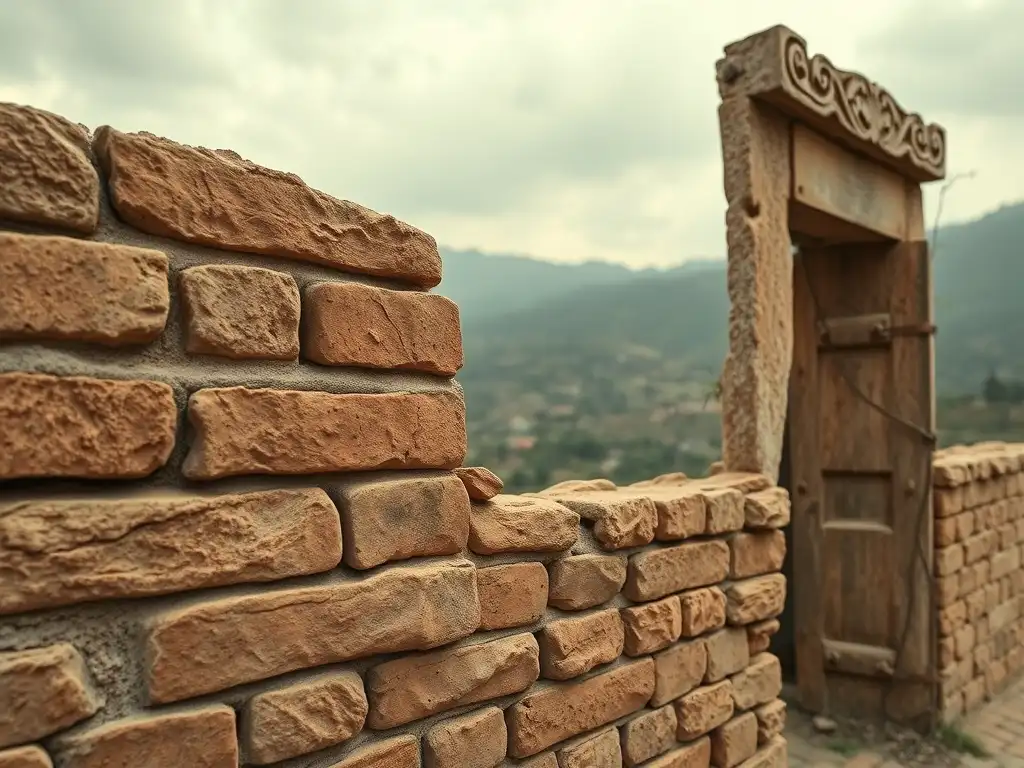
Andean architecture wasn't merely a practical matter of shelter and storage; it was a powerful tool for expressing social structures, political power, and religious beliefs. The very design and placement of buildings reflected the intricate social fabric and complex political systems of the various Andean civilizations. Understanding this cultural significance requires examining the buildings not as isolated structures, but as integral components within a broader societal context.
The intricate interplay between architecture, social hierarchy, ritual, and political control offers a compelling glimpse into the soul of these ancient societies. Analyzing specific examples from different Andean cultures illuminates the multifaceted nature of this relationship, revealing the profound impact of architecture on the lives of the Andean people. This section will delve into the social and political dimensions of Andean architecture, focusing specifically on Inca examples to illustrate these points.
Cusco, the capital of the Inca Empire, serves as a prime example of how Andean architecture reflected social hierarchy. The city's layout, with its meticulously planned streets and strategically positioned buildings, clearly demonstrates the Inca's sophisticated understanding of urban planning and its use to reinforce social stratification. The most impressive structures, characterized by their size, meticulous stonework, and privileged location, were reserved for the Inca elite, including the Sapa Inca (emperor) and his court.
For example, the Qorikancha (Temple of the Sun) occupied a central and prominent position, reflecting its religious and political importance. Its exquisite craftsmanship, using massive, precisely fitted stones, underscored the power and prestige of the Inca ruler.
In contrast, the residential areas for commoners were smaller, less elaborate, and often located in less central areas of the city. The quality of materials and the complexity of construction directly correlated with social status. This architectural hierarchy served not only to visually represent the social order but also to reinforce it, subtly conveying the Inca’s control and the populace’s place within the imperial structure.
The size and placement of buildings were carefully considered, creating a built environment that mirrored the social hierarchy, thereby reinforcing the existing power structure. Even the orientation of houses towards the sun, a crucial aspect of Inca life, likely varied based on social standing, with elite residences enjoying optimal sunlight exposure.
The Role of Andean Buildings in Ritual and Ceremony at Pachacamac
Pachacamac, an ancient pre-Inca site located on the Peruvian coast, showcases the profound connection between Andean architecture and religious practices. This significant pilgrimage center featured a complex of temples, pyramids, and residential structures dedicated to the worship of the Pachamama (Earth Mother) and other deities. The architecture itself played a crucial role in the rituals and ceremonies performed at the site. For example, the main temple, a massive adobe pyramid, served as the focal point for elaborate religious processions and sacrifices. Its imposing size and strategic location on a hilltop emphasized its sacred significance.
The orientation of buildings towards specific celestial events, such as solstices and equinoxes, highlights the importance of astronomical observations in Inca religious practices. The precise alignment of structures suggests a deep understanding of astronomy and its integration into their religious beliefs. Furthermore, the discovery of numerous artifacts and offerings within and around the structures provides further evidence of the buildings' integral role in religious rituals.
These artifacts, ranging from pottery and textiles to human remains, illuminate the nature of the ceremonies and the beliefs associated with the site. The very design and construction of the buildings at Pachacamac were intrinsically linked to the religious life of the Andean people, making the architecture itself a sacred element. The careful planning and placement of the structures reflect a deliberate attempt to create a space that facilitated and enhanced religious practice.
Inca Architecture as a Tool for Political Control in the Tawantinsuyu
The Inca Empire, or Tawantinsuyu, spanned a vast territory encompassing diverse landscapes and populations. Inca architecture played a crucial role in consolidating and maintaining political control over this sprawling empire. The construction of impressive infrastructure projects, such as roads, bridges, and storage facilities, not only facilitated communication and trade but also served as powerful symbols of Inca authority and power. These monumental projects required immense organization and labor, demonstrating the Inca state's capacity to mobilize resources and control its population.
The strategic placement of administrative centers and military fortresses throughout the empire further reinforced Inca political control. These structures, often located in strategic locations, served as centers of power and facilitated the surveillance and control of local populations. The use of standardized architectural styles and building materials across the empire created a visual unity, reinforcing the sense of a unified Inca identity and promoting loyalty to the imperial government.
Moreover, the construction of these structures often involved the relocation of populations, further emphasizing Inca power and control over the landscape and its inhabitants. The Inca's masterful use of architecture was instrumental in creating and sustaining a vast and complex empire, showcasing its effectiveness as a tool for political domination and social engineering. The very act of building became a powerful statement of political control, subtly asserting imperial authority across diverse regions.
The Enduring Legacy of Andean Architectural Heritage
The legacy of Andean architecture extends far beyond the impressive ruins scattered across the Andes Mountains. Its impact resonates in contemporary Peruvian society and globally, influencing design principles, inspiring artistic expression, and shaping cultural identity. Understanding the ingenuity and cultural significance of Andean building techniques is crucial for appreciating the enduring power of these ancient civilizations.
The sophisticated knowledge of stonework, the masterful integration with the landscape, and the symbolic meaning embedded within the structures themselves continue to inspire awe and fascination. This section will explore several key aspects of this enduring legacy, demonstrating the profound and lasting impact of Andean architectural heritage.
The Influence of Andean Building Techniques on Modern Architecture in Peru
Modern Peruvian architecture frequently draws inspiration from the ingenious techniques and aesthetic sensibilities of its Andean predecessors. The use of locally sourced materials, such as stone and adobe, remains prevalent, reflecting a commitment to sustainability and a connection to the land. Furthermore, contemporary architects often incorporate elements of traditional Andean design, such as stepped terraces and intricate stonework, to create visually striking and culturally relevant structures.
For instance, many contemporary buildings in Cusco incorporate elements of Inca masonry, showcasing the enduring appeal of these techniques. This isn't mere imitation; it's a conscious effort to integrate traditional knowledge with modern building practices. This approach leads to buildings that are not only aesthetically pleasing but also environmentally responsible and deeply rooted in the cultural context of Peru.
The integration of traditional Andean architectural principles into modern designs demonstrates a respect for the past while simultaneously embracing innovation and sustainability. This fusion represents a powerful testament to the enduring relevance of Andean architectural heritage.
The Preservation of Andean Architectural Sites as Cultural Treasures at Caral
The Caral-Supe archaeological site, located in the Supe Valley of Peru, offers a compelling example of the importance of preserving Andean architectural sites. Caral, one of the oldest known civilizations in the Americas, boasts remarkable architectural achievements, including monumental platforms, residential structures, and sophisticated infrastructure. The preservation efforts at Caral are crucial not only for safeguarding the physical remains but also for understanding the complex social and technological advancements of this ancient society.
The careful excavation and restoration work undertaken at Caral highlight the commitment to protecting this invaluable piece of Andean architectural heritage. The site's preservation is essential for future generations to learn from and appreciate the ingenuity and cultural significance of Caral's architecture.
The meticulous preservation efforts demonstrate a commitment to protecting this irreplaceable cultural treasure and ensuring its accessibility for research and public appreciation. The success of these preservation efforts at Caral serves as a model for protecting other significant Andean architectural sites.
The Importance of Understanding Andean Architecture for Cultural Identity
Understanding Andean architecture is paramount for fostering a strong sense of cultural identity in Peru and beyond. These structures are not simply buildings; they are tangible expressions of cultural values, beliefs, and traditions. They represent the ingenuity, resilience, and artistic capabilities of Andean civilizations, shaping the collective memory and fostering a sense of pride and belonging.
The study of Andean architecture provides insights into the social organization, religious practices, and technological advancements of these societies. This knowledge empowers communities to connect with their ancestors and appreciate the rich tapestry of their cultural heritage. The preservation and interpretation of Andean architectural sites play a vital role in promoting cultural tourism, stimulating economic growth, and fostering intercultural dialogue.
By understanding and celebrating Andean architecture, we strengthen the cultural identity of Peru and contribute to a deeper appreciation of human ingenuity and resilience throughout history. The preservation and study of these structures are not merely academic pursuits; they are essential for maintaining a vibrant and meaningful cultural identity.
Frequently Asked Questions
What makes Andean architecture unique?
Andean architecture is unique due to its adaptation to challenging terrains, its innovative use of local materials like stone and adobe, and its remarkable integration with the natural environment. This created structures that were both functional and aesthetically pleasing.
How did the Incas influence Andean architecture?
The Incas significantly impacted Andean architecture through their large-scale projects, like Machu Picchu, and their standardized building techniques. They also developed sophisticated stonework and irrigation systems, influencing later civilizations.
What is the cultural significance of Andean architectural designs?
Andean architectural designs held deep cultural significance, often reflecting religious beliefs, social structures, and cosmological views. Buildings were carefully oriented to align with celestial events and served as centers of community life.
How did different Andean cultures express their unique identities through architecture?
Each Andean culture expressed its unique identity through distinct architectural styles. The Moche's elaborate adobe pyramids, the Nazca's geoglyphs, and the Tiahuanaco's monumental stone structures all showcase their individual artistic and engineering capabilities.
What is the importance of studying Andean architecture today?
Studying Andean architecture is vital for understanding the ingenuity and resilience of these ancient civilizations. It also provides insights into their complex societies, belief systems, and the relationship between humans and the environment. This knowledge helps us appreciate and preserve this incredible heritage.
Final Reflection: Echoes of the Andes: A Legacy in Stone
The enduring legacy of Andean architecture isn't merely about stones and mortar; it's a testament to a vibrant culture that continues to resonate in the modern world. These ancient structures, meticulously crafted and imbued with deep spiritual meaning, offer invaluable insights into a society's relationship with its environment, its beliefs, and its enduring spirit. Their survival, despite the passage of centuries, speaks volumes about the ingenuity and resilience of Andean peoples.
The impact of Andean architectural traditions extends far beyond the physical structures themselves. They represent a profound connection to the land, a philosophy of harmony between humanity and nature that feels increasingly relevant in our current climate crisis. The mountains are not just mountains, they are the very bones of the earth, the source of our life and strength.
- (This quote needs to be sourced to a relevant Andean figure or text). Understanding this deep-seated reverence for the environment, reflected in the careful integration of buildings into their surroundings, offers a powerful lesson for contemporary society grappling with sustainability and environmental responsibility. This understanding, I believe, is crucial for shaping a more harmonious future.
Consider the intricate details, the symbolic representations, the sheer scale of these architectural marvels. Reflect on the ingenuity and dedication required to construct them, often with limited tools and resources. You, the reader, are now invited to carry this legacy forward. Let the spirit of Andean architecture inspire you to appreciate the profound connection between culture, environment, and the built world. Seek out opportunities to learn more about this rich heritage, and consider how the principles of harmony and sustainability, so deeply embedded in Andean design, can inform your own life and actions.
Unveil the Richness of Andean Heritage!
Thank you for exploring the captivating world of Andean architecture with us! You've discovered the profound cultural significance of these remarkable buildings, and now it's time to further your connection with this rich heritage.
Here are some ways to continue your journey:
- Participate in a local workshop or virtual tour focusing on Andean architecture to deepen your appreciation and experience the cultural intricacies firsthand.
- Share your knowledge with friends and family—perhaps start a discussion about the architectural wonders of the Andes and their significance.
- Continue your exploration! Our archive contains articles and resources detailing lesser-known Andean structures, offering a deeper understanding of the region's unique history.
What aspect of Andean culture or architecture most inspires you, and how will you continue to explore it?