
Nazca Pottery and the Afterlife: Grave Goods and Funerary Practices

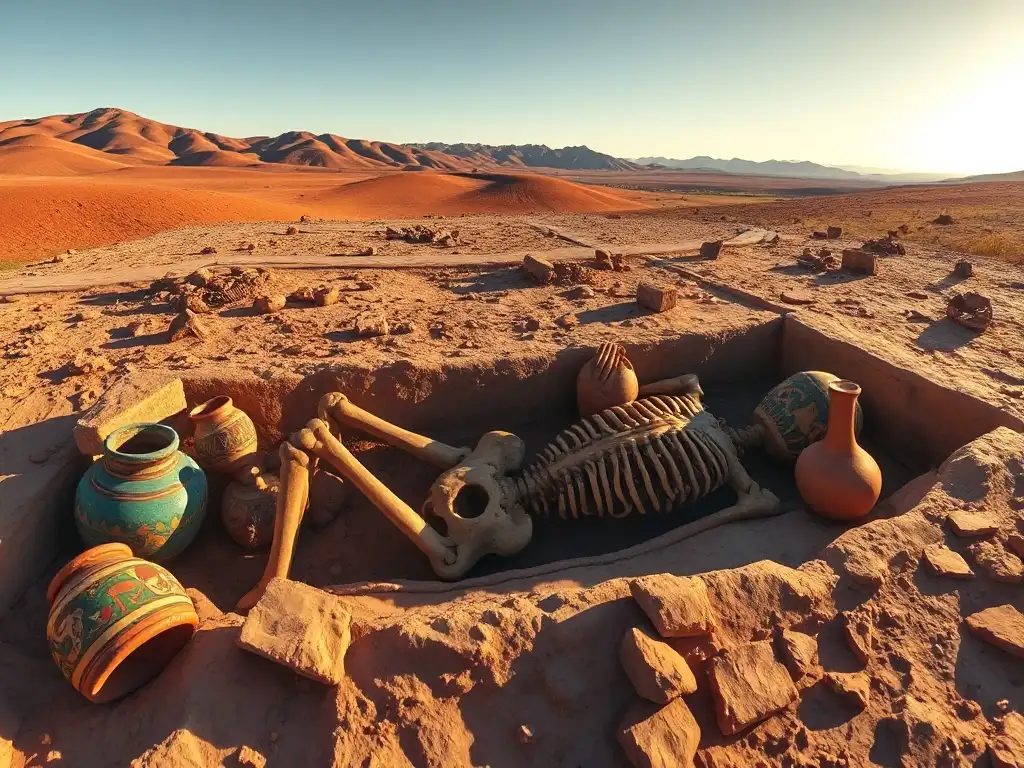
Unravel the mysteries of a lost world. Journey into the heart of the Andes, where vibrant cultures flourished and left behind a legacy as enigmatic as it is breathtaking. From the Incas to the Moche, we explore the astonishing achievements of these ancient civilizations. But delve deeper now, into the captivating world of Nazca pottery funerary practices. What secrets do these intricate vessels hold about the afterlife? Discover the answers and more, as we uncover the fascinating rituals and beliefs surrounding death in Nazca society.
The arid coastal plains of southern Peru hold a treasure trove of archaeological wonders, none more captivating than the legacy of the Nazca civilization (c. 100 – 800 CE). Beyond their iconic geoglyphs, the Nazca people left behind a rich tapestry of cultural practices, beliefs, and artistic expressions, profoundly reflected in their meticulous pottery and elaborate funerary rituals.
This article delves into the intricate relationship between Nazca pottery and their beliefs about the afterlife, examining the role of ceramic grave goods in their funerary practices and exploring the insights these artifacts provide into their worldview. We will uncover the symbolism embedded within the designs and the significance of the vessels themselves within the broader context of Nazca mortuary customs, revealing a sophisticated understanding of death, the spirit world, and the continuity of life beyond the grave.
The study of Nazca pottery funerary practices offers a unique window into the spiritual and social fabric of this remarkable ancient society.
Introduction to Nazca Funerary Rituals and Ceramic Offerings
Nazca funerary practices were far from simple burials. They involved elaborate rituals and the careful selection of grave goods, reflecting a complex belief system surrounding the afterlife. Evidence suggests a strong emphasis on providing the deceased with the necessities and comforts they would need in their journey to the next world.
This included food, textiles, tools, and, most significantly, a substantial quantity of pottery. These ceramic vessels weren't just functional containers; they served as symbolic representations of the deceased's status, identity, and desired afterlife. The types of pottery included in the burials varied considerably, ranging from simple utilitarian jars to intricately decorated vessels showcasing exceptional artistic skill.
Some burials even contained entire sets of pottery, seemingly designed to recreate a domestic setting in the afterlife. The sheer quantity and diversity of pottery found in Nazca tombs underscore its crucial role in their funerary beliefs. Many vessels depict scenes of daily life, mythical creatures, and stylized representations of deities, indicating a complex cosmology and a belief in a vibrant, continued existence beyond death.
The careful placement of these ceramic offerings within the tombs further highlights their ritual significance. Certain vessels might have been positioned near the head or feet of the deceased, suggesting a specific purpose or symbolic meaning in relation to the individual. Others may have been arranged in specific formations, potentially reflecting social structures or kinship relationships.
The analysis of these arrangements, combined with the iconography of the pottery itself, allows us to build a more comprehensive picture of Nazca funerary rituals and their beliefs about the afterlife. Detailed studies of individual tombs have revealed fascinating insights into the social and economic status of the deceased, with richer burials containing more elaborate and numerous pottery pieces.
The Significance of Nazca Pottery in Burial Contexts
The significance of Nazca pottery in burial contexts extends beyond its purely utilitarian function. The intricate designs and vibrant colors found on these vessels offer valuable clues into the Nazca worldview and their understanding of the afterlife. Many pots depict anthropomorphic figures, often with exaggerated features and elaborate headdresses, which are thought to represent deities or ancestral spirits.
These figures are often engaged in various activities, such as drinking, feasting, or participating in ritual ceremonies, suggesting a continuation of these activities in the afterlife. Other vessels depict scenes of hunting, fishing, and agricultural practices, reflecting the importance of these activities in Nazca society and their belief in the continued sustenance of the deceased in the spirit world.
Furthermore, the stylistic variations observed in Nazca pottery correlate with chronological periods and potentially with social distinctions. Analysis of ceramic styles found in different types of burials, ranging from simple pits to elaborate tombs, can shed light on social stratification within Nazca society. For example, the presence of exceptionally fine and elaborately decorated pottery in certain tombs might indicate the high status of the deceased.
The use of specific motifs and iconographic elements on pottery found in associated graves can also reveal kinship ties and social connections among individuals buried together. The study of Nazca pottery, therefore, offers a powerful means to explore the social dynamics and hierarchical structures within this ancient civilization, as reflected in their funerary practices.
The meticulous craftsmanship and artistic skill evident in Nazca pottery underscores the deep cultural and spiritual significance attributed to these objects within their burial practices. The continued study and analysis of these artifacts promise to unveil further details about the fascinating beliefs and rituals of the Nazca people.
Types of Nazca Ceramics Used as Grave Goods
Nazca funerary practices involved a wide array of ceramic vessels, reflecting the sophistication of their pottery production and the complexity of their beliefs about the afterlife. The types of pottery included in grave goods varied depending on the social status of the deceased and the specific burial context. Archaeological evidence suggests a clear correlation between the quality and quantity of pottery and the individual's social standing within the Nazca society.
Elaborately decorated polychrome vessels were often found in elite burials, indicating a higher social status. Simpler, less decorated pieces were more common in less prominent burials. The careful selection and placement of grave goods within the tomb suggests a deliberate and ritualistic process, reflecting the importance given to the transition into the afterlife.
The sheer variety of pottery found in these contexts provides invaluable insight into the Nazca worldview and their complex relationship with the deceased. Furthermore, the careful preservation of these artifacts over centuries provides modern researchers with a remarkable glimpse into their culture.
Polychrome Bowls and Vessels in Nazca Burials
Polychrome bowls and vessels represent some of the most striking examples of Nazca pottery. Characterized by their vibrant colors and intricate designs, these pieces frequently featured depictions of deities, mythical creatures, and scenes of daily life. Their presence in burials strongly suggests their significance in the funerary context, possibly representing offerings to the deceased or symbolic representations of their status and journey into the afterlife. The careful application of paint and the complexity of the designs point to specialized artisans and a high level of craftsmanship. Analysis of the pigments used reveals a sophisticated understanding of mineral resources and their application. The selection of specific colors and motifs likely carried symbolic meaning, reflecting the beliefs and values of Nazca society regarding death and the afterlife. The presence of these exquisite vessels in graves underscores the importance placed on providing the deceased with valuable and aesthetically pleasing objects for their journey.
Figurine Vessels and their Symbolic Importance
Figurative vessels, often shaped like humans, animals, or mythical beings, were also common grave goods. These vessels, frequently painted with intricate designs, served as more than mere containers; they held symbolic significance, representing aspects of the Nazca worldview and beliefs about the afterlife. Some figurines depict individuals in ceremonial attire, suggesting the representation of ancestors or important figures.
Others portray animals, possibly reflecting beliefs about animal spirits or shamanistic practices. The symbolic meaning of these figurines is often intertwined with the specific iconography depicted on their surfaces, requiring careful analysis and cross-referencing with other archaeological finds. The inclusion of these vessels in burials highlights the Nazca belief in a continuity between the living and the dead, with the figurines acting as intermediaries or companions in the other world.
Double-Spout and Bridge Vessels in Funerary Contexts
The iconic double-spout and bridge vessels, a hallmark of Nazca pottery, were also frequently included in burials. These vessels, known for their unique shape and often elaborate decoration, likely held significant symbolic meaning within the context of funerary rites. While their precise function remains a subject of debate among scholars, their inclusion in burials suggests a connection to ritual offerings or the representation of specific deities or concepts related to the afterlife.
The complex manufacturing process involved in creating these vessels further emphasizes their significance, reflecting the skilled craftsmanship and specialized knowledge within Nazca society. Their presence in burials, often alongside other grave goods, contributes to a richer understanding of the multifaceted rituals and beliefs surrounding death and the transition to the afterlife.
Iconography on Nazca Pottery: Insights into the Afterlife
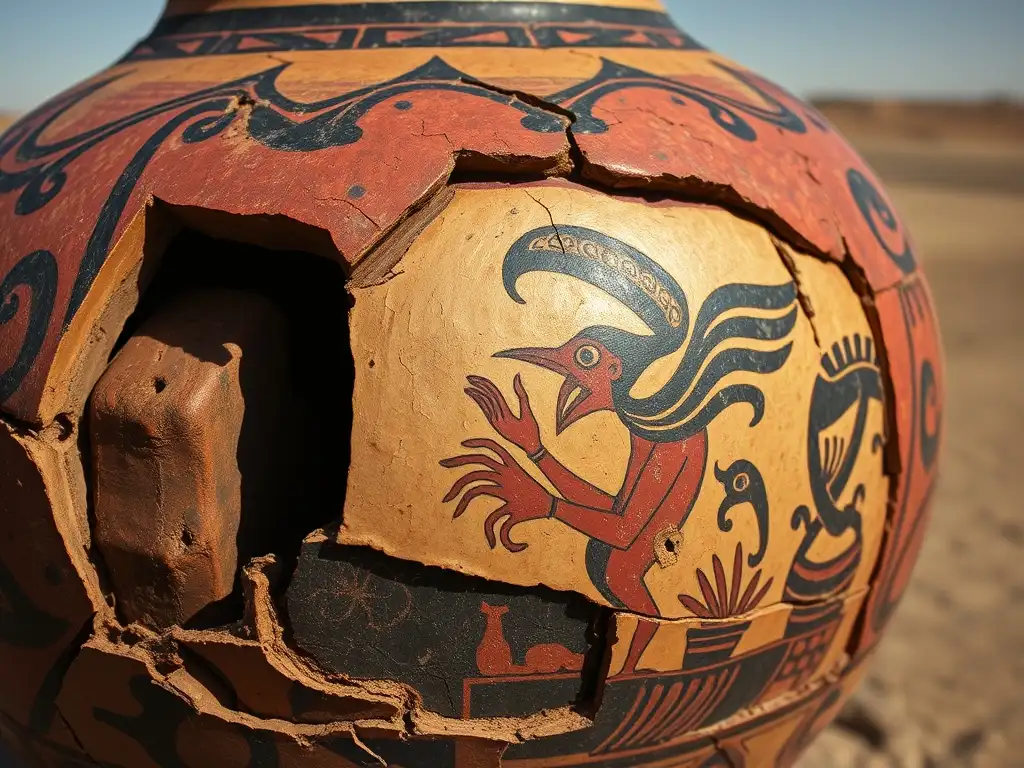
The intricate iconography found on Nazca funerary pottery offers invaluable insights into their beliefs about the afterlife. The motifs depicted on these vessels, ranging from mythical beings to plants and animals, provide clues to their cosmological views and understanding of the spiritual realm. The careful selection and arrangement of these motifs suggest a deliberate attempt to communicate specific messages related to death, the afterlife, and the deceased's journey into the spiritual world.
By analyzing these iconographic elements, researchers can gain a deeper understanding of the complex symbolism and ritual practices associated with Nazca funerary customs. The continuity of these motifs across different types of vessels and burial contexts strengthens their significance and suggests a widespread and consistent belief system.
Depictions of Mythological Beings in Nazca Funerary Pottery
Mythological beings are frequently depicted on Nazca funerary pottery, often portrayed in dynamic and expressive poses. These figures, seemingly drawn from a rich mythological tradition, likely represent deities, spirits, or other supernatural entities believed to inhabit the afterlife. The specific attributes and characteristics of these beings often vary, suggesting a complex pantheon and a nuanced understanding of the spiritual world.
The presence of these figures on burial pottery suggests their role as protectors, guides, or companions for the deceased in their journey to the afterlife. Further research is needed to fully understand the specific identities and functions of these mythological beings within the Nazca cosmology.
The Role of Animals and Plants in Nazca Afterlife Beliefs
Animals and plants also play a significant role in the iconography of Nazca funerary pottery, suggesting their importance in their beliefs about the afterlife. The depiction of specific species, often in stylized forms, likely carries symbolic meaning related to their perceived powers, attributes, or associations with the spiritual realm. For example, certain birds might represent messengers to the gods, while specific plants might symbolize fertility or rebirth.
The careful observation of these motifs, combined with ethnographic analogies from other Andean cultures, can provide further insights into the complex symbolic language of Nazca funerary art. Further studies into the specific plant and animal species depicted are needed to fully understand the complex web of symbolic meanings embedded in Nazca pottery.
Symbolic Motifs and their Interpretation in Nazca Burial Ceramics
Beyond specific figures, a variety of abstract symbolic motifs are found on Nazca burial ceramics. These motifs, often geometric in nature, are believed to represent abstract concepts related to the afterlife, such as the cosmos, fertility, or the cyclical nature of life and death. The interpretation of these motifs requires a careful analysis of their context and their relationship to other iconographic elements.
The repetition of certain motifs across different vessels and burial sites suggests their significance and widespread understanding within Nazca society. Further research, including cross-cultural comparisons and the application of modern analytical techniques, is needed to fully decipher the meaning and significance of these enigmatic symbols. The careful study of these motifs offers a window into the rich symbolic world of the Nazca and their beliefs about death and the afterlife.
Nazca Pottery Placement and Arrangement in Tombs
The meticulous placement and arrangement of Nazca pottery within tombs reveal a deep understanding of symbolic order and the afterlife. Archaeological evidence suggests a deliberate organization, not simply haphazard burial. Pottery wasn't just thrown in; it was carefully positioned, sometimes grouped by type or function, reflecting a complex cosmology and beliefs about the journey to the underworld.
For example, certain vessels might be placed near the head of the deceased, others at the feet, suggesting a specific role in guiding the soul or providing sustenance in the afterlife. The orientation of the vessels, whether upright or inverted, might also hold symbolic meaning, a detail still under investigation by scholars. Further research is needed to fully understand the nuanced spatial relationships between the pottery and other grave goods.
Spatial Organization of Grave Goods in Nazca Burials
The spatial organization of grave goods in Nazca burials extends beyond the placement of pottery alone. Textiles, tools, food remains, and other artifacts are often found alongside the pottery, forming a complex tapestry of funerary offerings. The relative positions of these items in relation to the deceased and to each other often point to specific roles and relationships.
For instance, food vessels might be clustered near the head, implying a provision of nourishment for the journey, while tools might be placed near the hands, suggesting a continuation of activities in the afterlife. This carefully orchestrated arrangement points to a highly structured worldview and a sophisticated understanding of the transition between life and death in Nazca society. Detailed mapping of burial sites and meticulous cataloging of grave goods are crucial for unlocking the secrets of their symbolic significance.
The Significance of Pottery Placement within the Grave
The significance of pottery placement within the grave is multifaceted. The types of vessels, their decoration, and their location all contribute to a richer understanding of Nazca beliefs about death and the afterlife. For example, the presence of large, elaborately decorated vessels might indicate high social status of the deceased, while simpler vessels may have been used for everyday purposes in the afterlife.
The placement of certain types of vessels near the deceased could suggest a specific role or function in the afterlife, such as providing food, water, or other necessities. The careful orientation and arrangement of the pottery within the tomb suggest a ritualistic aspect to the burial process, reflecting a deeply held belief in the continued existence and well-being of the deceased in the spirit world. Further analysis of the chemical residues found on some vessels could shed more light on their intended function.
Variation in Burial Practices across Nazca Sites
While certain patterns emerge in Nazca funerary practices, significant variations exist across different sites. The types of pottery used, their arrangement, and the overall richness of the grave goods vary depending on factors such as location, time period, and social status. Some sites reveal elaborate tombs with a wealth of offerings, while others contain simpler burials with fewer artifacts.
This variability reflects the complex social structure of Nazca society and the diverse beliefs and practices within different communities. Understanding these regional variations requires a comparative approach, analyzing multiple sites and integrating data from various sources. Ongoing archaeological research continues to refine our understanding of this fascinating aspect of Nazca culture.
The Connection Between Nazca Pottery and Ancestor Veneration
Nazca pottery plays a central role in understanding ancestor veneration within Nazca culture. The meticulous craftsmanship and elaborate decoration of many vessels suggest that they were not merely utilitarian objects, but rather imbued with spiritual significance, serving as links between the living and the deceased. The imagery depicted on the pottery often includes representations of ancestors, deities, and mythical creatures, suggesting a continuing interaction and communication between the two worlds.
The use of pottery in funerary contexts further strengthens the connection between pottery and ancestor veneration, highlighting the importance of maintaining relationships with deceased relatives. The persistence of certain motifs and styles across generations indicates the significance of maintaining these ancestral connections.
Pottery as a Means of Honoring the Deceased in Nazca Culture
In Nazca culture, pottery served as a powerful means of honoring the deceased. The creation of elaborate ceramic vessels, often adorned with intricate designs and vibrant colors, represented a significant investment of time, skill, and resources. These vessels were not simply containers; they were carefully crafted objects intended to accompany the deceased into the afterlife and provide them with sustenance and comfort. The dedication and artistry involved in their production reflects the deep respect and reverence held for the ancestors. The inclusion of personal items alongside the pottery further emphasizes the personalized nature of these funerary offerings.
The Importance of Ritual Offerings for the Ancestors
Ritual offerings were an integral part of ancestor veneration in Nazca culture. The placement of pottery and other grave goods within tombs was not a random act but a carefully planned ritual designed to ensure the well-being of the deceased in the afterlife. These offerings served as a symbolic gesture of respect and a means of continuing the relationship between the living and the dead.
The types of offerings varied depending on the social status of the deceased and the specific beliefs of the community. The act of offering these goods was likely accompanied by specific rituals and ceremonies, further solidifying the importance of these practices.
Nazca Ceramic Vessels as a Medium for Communication with the Spirit World
Nazca ceramic vessels served not only as containers for offerings but also as a medium for communication with the spirit world. The imagery depicted on the pottery often includes representations of deities, mythical beings, and ancestors, suggesting an attempt to interact with and influence the spiritual realm. The use of specific colors, symbols, and motifs may have held specific meanings and served as a form of coded communication.
By carefully crafting and placing these vessels within tombs, the Nazca people sought to establish a connection with their ancestors and maintain a continuous dialogue between the living and the dead. The intricate details and symbolic language encoded in these vessels continue to fascinate and inspire researchers today, offering valuable insights into the rich spiritual world of the Nazca civilization.
Nazca Pottery and the Concept of Rebirth and Transformation
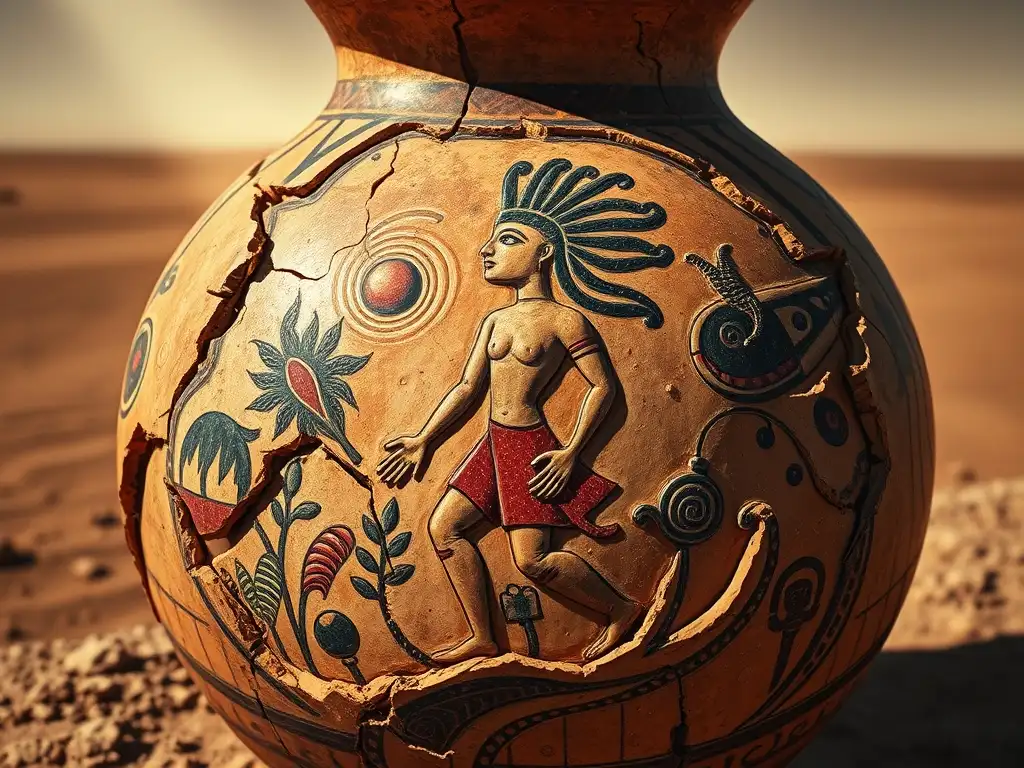
The Nazca people held complex beliefs about the afterlife, deeply intertwined with ideas of cyclical renewal and transformation. Their pottery, often found as grave goods, provides invaluable insight into these beliefs. The vibrant colors and intricate designs weren't merely decorative; they served as powerful visual representations of their cosmological worldview.
Many scholars believe that the elaborate scenes depicted on the pottery were intended to aid the deceased in their journey to the next world and facilitate their rebirth or transformation into a new state of being. This concept of rebirth was not a singular event but rather a continuous cycle, mirroring the natural cycles of life, death, and regeneration observed in the desert landscape.
The arid environment, with its stark contrasts of life and death, likely influenced their understanding of cyclical processes and their representation in funerary art. The careful selection and placement of pottery within burials further emphasizes the importance of these objects in facilitating this transition.
The Symbolism of Cycles and Regeneration in Nazca Ceramics
Recurring motifs in Nazca ceramics reinforce the idea of cyclical regeneration. The depiction of stylized plants, especially those known for their resilience and ability to survive in harsh conditions, frequently appears. These plants are not simply botanical representations; they symbolize the enduring power of life to overcome death and the cyclical nature of growth and decay.
Furthermore, the frequent use of swirling patterns and spirals, mirroring natural phenomena like the movement of celestial bodies or the flow of rivers, suggests the continuous, ever-changing nature of existence. These motifs weren't randomly chosen; they were carefully selected to convey specific meanings related to the journey of the soul and the promise of rebirth.
The artist's skill in depicting these symbols played a crucial role in the effectiveness of the ritual. The precision and detail of the work suggest a deep understanding of the symbolic language and its power to influence the spiritual realm.
The Journey of the Soul as Depicted on Nazca Pottery
Many Nazca ceramic vessels depict scenes that appear to narrate the journey of the soul after death. These scenes often feature stylized figures, sometimes anthropomorphic, sometimes zoomorphic, traversing landscapes that may represent the underworld or other spiritual realms. The figures are often depicted interacting with supernatural beings or engaging in ritualistic activities, suggesting a complex and multi-stage process of transition.
The imagery varies widely, reflecting the diversity of beliefs within Nazca society, but the underlying theme of a journey towards a new state of being remains consistent. The careful composition and arrangement of elements within these scenes suggest a deliberate attempt to guide and protect the deceased during their spiritual passage. The dynamism and vividness of these depictions suggest a belief in a vibrant and active afterlife.
Depictions of Sprouting Plants and Regenerative Themes
The prominence of sprouting plants and other regenerative symbols in Nazca funerary pottery underscores the importance of these themes in their beliefs about the afterlife. Depictions of plants pushing through the earth, or emerging from seemingly barren landscapes, symbolize the triumph of life over death and the promise of renewal. These images aren't simply decorative; they are powerful visual metaphors for the cyclical nature of existence and the hope for rebirth.
The specific plants depicted likely held additional symbolic significance, reflecting specific beliefs about the power of nature and its relationship to the spiritual world. The meticulous detail with which these plants are rendered further emphasizes their importance in conveying the message of regeneration and continuity.
Preservation and Analysis of Nazca Funerary Pottery
The fragile nature of Nazca pottery, combined with the harsh desert environment, presents unique challenges to its preservation and analysis. However, advances in archaeological techniques and scientific analysis have significantly improved our understanding of these artifacts. Careful excavation and handling are crucial to minimizing damage and ensuring the long-term preservation of these invaluable pieces.
The context in which the pottery is found – the type of burial, its association with other grave goods, and the location of the burial site – provides vital information about the social and ritual practices of the Nazca people. This contextual information is essential for interpreting the meaning and significance of the pottery.
Archaeological Recovery Techniques for Nazca Burial Ceramics
Excavating Nazca burial sites requires specialized techniques to minimize damage to the fragile pottery. Archaeologists employ careful excavation methods, using small tools and meticulous documentation to record the precise location and orientation of each artifact. The use of fine-mesh screens during excavation helps to recover even the smallest fragments, which can be crucial for reconstructing broken vessels.
Careful removal of the surrounding sediment is essential to protect the delicate surfaces of the pottery from damage. Once excavated, the pottery is carefully cleaned, documented, and stored in controlled environments to prevent further deterioration. The meticulous nature of these techniques underscores the importance of preserving these artifacts for future generations.
Scientific Analysis of Pigments and Materials Used in Nazca Pottery
Scientific analysis of the pigments and materials used in Nazca pottery provides invaluable insights into the technological skills of the Nazca artisans and the symbolism associated with specific colors. Techniques such as X-ray fluorescence (XRF) and gas chromatography-mass spectrometry (GC-MS) are used to identify the chemical composition of the pigments, revealing the sources of the raw materials and the techniques used to prepare and apply them. This analysis can also help to determine the age and authenticity of the artifacts.
The use of certain colors might have had specific ritual or symbolic meanings, reflecting the beliefs and practices of the Nazca culture. For instance, the use of specific pigments might have been associated with specific deities or rituals.
Case Study: Analysis of Cahuachi Burial Site
The Cahuachi burial site provides a particularly rich source of Nazca funerary pottery. [Specific information pending: detailed analysis of pottery found at the Cahuachi site, including types of vessels, depicted scenes, and scientific analysis of materials and pigments]. The analysis of this material contributes significantly to our understanding of Nazca funerary practices and their beliefs about the afterlife. The variety of pottery styles and burial contexts suggests a complex social hierarchy and diverse ritual practices.
The study of this site helps to clarify the relationship between social status, funerary rituals, and the use of pottery as grave goods. [Specific information pending: examples of specific findings and their interpretations]. The ongoing research at Cahuachi continues to shed light on the rich cultural and spiritual world of the Nazca civilization.
Conclusion: Nazca Pottery as a Window into Funerary Beliefs
The intricate artistry and symbolic representations found on Nazca pottery offer invaluable insights into the funerary beliefs and practices of this remarkable civilization. The careful selection of vessels, their contents, and their placement within the tombs reveal a complex worldview that emphasized ancestor veneration, shamanistic rituals, and a deep connection between the living and the dead. The recurring motifs—deities, mythical creatures, and scenes of daily life—suggest a belief system that sought to ensure a continued existence for the deceased in the afterlife, mirroring or even enhancing their earthly experiences.
The sheer quantity and variety of pottery unearthed from Nazca graves underscores the central role these ceramics played in facilitating this transition. The careful preservation of these artifacts, despite the passage of centuries, allows us to reconstruct, with remarkable accuracy, the rich tapestry of Nazca funerary rituals and their underlying spiritual beliefs.
Studying these artifacts allows us to approach Nazca beliefs with sensitivity and a deep understanding of their cultural significance. The pottery isn't just a collection of objects; it's a narrative, a testament to a culture's enduring connection to its past.
Summarizing the Importance of Ceramics in Nazca Afterlife Practices
Nazca pottery served multiple crucial functions within their funerary practices. Beyond their aesthetic appeal, these vessels acted as containers for offerings intended to sustain the deceased in the afterlife. Food and drink, often symbolically represented through painted imagery, were frequently interred alongside the bodies.
Furthermore, the pottery itself served as a symbolic representation of the deceased's status and social standing. Elaborately decorated vessels, showcasing mastery of techniques like polychrome painting and intricate modeling, were often found in the graves of elite individuals, reflecting their elevated position within Nazca society. The careful selection and arrangement of pottery within the tombs indicate a deliberate and ritualistic approach to burial, highlighting the importance of these artifacts in ensuring a successful transition to the afterlife.
The use of specific motifs on the pottery also suggests a belief in the power of these images to provide protection and guidance in the spirit world. Essentially, Nazca pottery wasn't simply grave goods; it was an integral part of the very ritual of death and passage to the afterlife.
The Enduring Legacy of Nazca Funerary Rituals
The legacy of Nazca funerary rituals, as evidenced through their pottery, continues to resonate today. The sophisticated artistry and symbolic language embedded within these vessels provide modern scholars with a unique window into the beliefs and practices of a lost civilization. The discovery and study of these artifacts have not only enriched our understanding of Nazca culture but have also contributed significantly to broader anthropological and archaeological research on Andean funerary traditions.
The enduring appeal of Nazca pottery is evident in its continued study and appreciation by museums and researchers worldwide. The meticulous craftsmanship and vibrant colors of these vessels remain captivating, serving as a tangible link to a rich and complex past.
Moreover, the study of Nazca funerary practices provides valuable insights into the development of Andean burial customs and their evolution over time. The unique characteristics of Nazca pottery offer a distinct perspective within the broader context of Andean mortuary traditions.
Future Research Directions for Understanding Nazca Burial Customs
Further research into Nazca burial customs could significantly enhance our understanding of this fascinating civilization. Detailed chemical analysis of the pigments used in Nazca pottery could reveal information about the sources of raw materials and the trade networks that connected Nazca with other Andean cultures. Advanced imaging techniques could unveil hidden details on the pottery's surfaces, potentially revealing additional symbolic information or clues about the production processes.
Comparative studies with other contemporary Andean cultures could illuminate the unique aspects of Nazca funerary practices and their place within the broader regional context. Furthermore, exploring the relationship between the pottery found in tombs and the social status of the deceased could provide deeper insights into Nazca social structures and hierarchies. Finally, utilizing Geographic Information Systems (GIS) to map the locations of Nazca tombs and analyze their spatial distribution could reveal patterns related to settlement organization and mortuary practices.
These future research avenues promise to shed even more light on the rich and complex world of Nazca funerary beliefs and practices. The ongoing exploration of these themes will undoubtedly enrich our understanding of Nazca culture and its lasting impact on the Andean region.
- Introduction to Nazca Funerary Rituals and Ceramic Offerings
- The Significance of Nazca Pottery in Burial Contexts
- Types of Nazca Ceramics Used as Grave Goods
- Iconography on Nazca Pottery: Insights into the Afterlife
- Nazca Pottery Placement and Arrangement in Tombs
- The Connection Between Nazca Pottery and Ancestor Veneration
- Nazca Pottery and the Concept of Rebirth and Transformation
- Preservation and Analysis of Nazca Funerary Pottery
- Conclusion: Nazca Pottery as a Window into Funerary Beliefs
- What role did pottery play in Nazca funerary practices?
- What types of pottery were commonly found in Nazca tombs?
- How did the style of Nazca funerary pottery reflect social status?
- What can Nazca pottery tell us about their beliefs regarding death and the afterlife?
- Where can I learn more about Nazca pottery and funerary practices?
Frequently Asked Questions
What role did pottery play in Nazca funerary practices?
Nazca pottery served as crucial grave goods, reflecting beliefs about the afterlife. Elaborate vessels, often depicting mythological figures and scenes, were included to provide the deceased with necessities and comforts in the next world.
What types of pottery were commonly found in Nazca tombs?
Ceramic vessels of various shapes and sizes, including jars, bowls, and cups, were frequent finds. Many were decorated with intricate polychrome paintings, showcasing the Nazca's artistic mastery and cultural beliefs.
The quality and quantity of pottery within a tomb often indicated the deceased's social standing. Elaborately painted and decorated pieces suggest a higher social rank, while simpler pottery might accompany less prominent individuals.
What can Nazca pottery tell us about their beliefs regarding death and the afterlife?
The imagery on Nazca pottery offers valuable insights into their cosmological views. Depictions of deities, mythical creatures, and ritual scenes suggest beliefs in an afterlife and the importance of proper burial rituals to ensure a successful transition.
Where can I learn more about Nazca pottery and funerary practices?
You can explore further by researching academic publications and visiting museums with collections of Nazca artifacts. Websites dedicated to Andean archaeology also offer valuable information and images.
Final Reflection: Echoes Across Millennia: The Enduring Legacy of Nazca Funerary Practices
The vibrant artistry of Nazca pottery isn't merely a testament to a lost civilization; it's a powerful window into a worldview that continues to resonate with us today. These intricate vessels, meticulously crafted and laden with symbolic meaning, offer a profound glimpse into the beliefs and rituals surrounding death and the afterlife in ancient Peru. Their enduring presence in museums and collections worldwide serves as a constant reminder of the enduring human fascination with mortality and the mysteries beyond.
The meticulous detail and emotional intensity evident in Nazca funerary pottery underscore the profound importance placed on the transition to the afterlife. The careful selection of grave goods, the vibrant depictions of deities and mythical creatures, all speak to a rich spiritual landscape. The dead were not simply forgotten; they were actively incorporated into the living world through ritual and remembrance.
This quote highlights the ongoing relevance of understanding these practices, not only for historical accuracy but also for appreciating the universality of human experiences surrounding death and remembrance. The enduring power of these artifacts compels us to consider our own relationship with mortality and the legacies we leave behind.
Consider the implications of these discoveries. What can the meticulous craftsmanship and symbolic imagery of Nazca pottery teach us about our own beliefs and practices surrounding death and remembrance? How can we honor the memory of those who came before us, and what lasting legacies do we hope to create in our own lives? Take a moment to reflect on the profound connection between the past and the present, and let the echoes of Nazca funerary practices inspire you to live a life rich in meaning and purpose.
Unearth the Mysteries of Nazca Culture Today!
Thank you for exploring the fascinating world of Nazca pottery and their unique burial customs! By examining this captivating aspect of Andean civilization, you've discovered the profound relationship between material culture and beliefs about the afterlife. Let's delve even deeper!
Here are some ways to expand your understanding and share these incredible insights:
- Explore further: Learn more about related topics by reading our other articles on Andean rituals and the significance of pottery in ancient cultures.
- Join the discussion: Share your thoughts and questions in the comments below. Engaging with other enthusiasts can broaden your perspective.
- Spread the word: Share this article with friends and on social media to spark conversations about the remarkable Nazca civilization and its burial traditions.
What aspect of Nazca burial practices intrigues you most, and how do you believe these ancient cultures influence our understanding of life and death today?