
The Unseen Toll: How the Spanish Conquest Impacted the Health of Andean Peoples

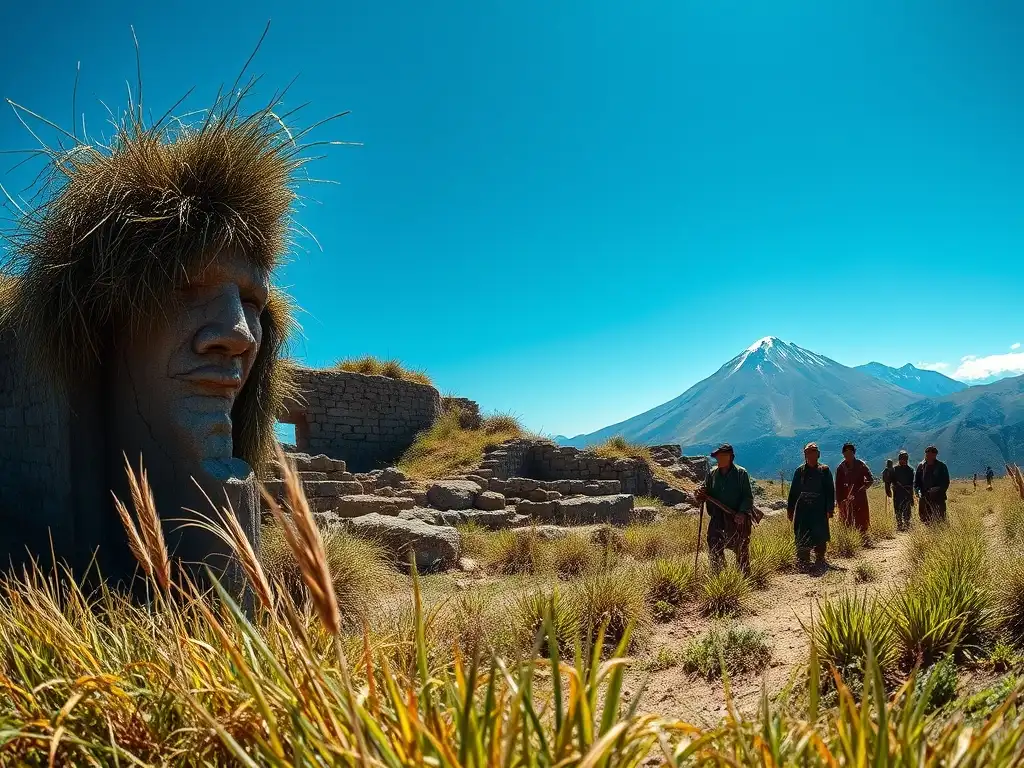
Step into a world lost to time, yet echoing through the ages. For centuries, the Andes Mountains cradled magnificent civilizations – the Incas, Moche, Nazca, and more – each leaving an indelible mark on history. But what happened when these vibrant cultures collided with the Spanish conquest? Discover the unseen toll in our exploration of the Spanish conquest Andean health impact, a story of resilience, devastation, and a legacy that continues to shape the region today. Prepare to uncover a hidden chapter in history…
The Spanish conquest of the Andes, a period marked by dramatic political and social upheaval, also brought about a catastrophic decline in the health of the indigenous population. While the brutality of conquest and forced labor are well-documented, the unseen toll of introduced diseases remains a chilling testament to the devastating impact of colonization. This article delves into the profound and lasting effects the Spanish conquest had on the health of Andean peoples, exploring the introduction of previously unknown diseases and the subsequent demographic collapse that reshaped the region forever.
We will examine the specific impacts of several key diseases, highlighting the vulnerability of Andean populations and the long-term consequences that continue to resonate today. Understanding this "unseen toll" is crucial to a complete understanding of the Spanish conquest and its enduring legacy on the Andes. The keyword "Spanish conquest Andean health impact" will be explored throughout the analysis.
Introduction: The Pre-Conquest Health Landscape of the Andes
Before the arrival of the Europeans, Andean populations, while not immune to disease, possessed a degree of immunity and resilience built up over generations within their environment. Their health was largely influenced by factors such as nutrition, altitude, and endemic diseases. While specific details about the pre-conquest health status remain incomplete due to limited historical records, archeological evidence suggests a relatively healthy population, with evidence of sophisticated agricultural practices that provided a varied diet.
However, the absence of certain pathogens meant their immune systems lacked the defenses necessary to combat the onslaught of diseases introduced by the Spanish. This pre-existing health landscape provides a crucial baseline against which to measure the devastating impact of the introduced diseases. Understanding this context is essential to fully grasping the scale of the demographic catastrophe that followed the Spanish conquest.
The Devastating Introduction of European Diseases
The arrival of the Spanish in the Andes marked a turning point, not just politically and socially, but also epidemiologically. The introduction of previously unknown Old World diseases proved catastrophic for the indigenous populations, who lacked any natural immunity. The sheer scale of mortality caused by these diseases far surpassed the losses due to warfare or forced labor.
The diseases spread rapidly, decimating entire communities and fundamentally altering the demographic landscape of the region. The lack of effective treatments and understanding of disease transmission only exacerbated the situation. This section will explore the devastating effects of several key diseases brought over by the conquistadors.
Smallpox and its Impact on Andean Populations
Smallpox, a highly contagious disease characterized by a distinctive rash, proved particularly devastating. Its rapid spread through densely populated Andean communities resulted in incredibly high mortality rates. [Specific mortality rate data pending] The disease's virulence, coupled with the lack of any pre-existing immunity, led to widespread death and societal disruption. The impact extended beyond immediate mortality, as smallpox outbreaks frequently disrupted agricultural practices and social structures, further weakening already vulnerable communities. The scarring left by the disease also had long-term implications for survivors.
Measles and the Subsequent Health Crisis
Measles, another highly contagious disease, followed a similar pattern of rapid spread and devastating mortality. [Specific mortality rate data pending for measles] Its impact was compounded by the already weakened state of many Andean communities, struggling to recover from previous outbreaks. Measles outbreaks further strained resources and exacerbated existing social vulnerabilities, leaving communities even more susceptible to further disease outbreaks and other hardships. The combination of measles and smallpox created a catastrophic health crisis.
Influenza: A New Threat to Andean Immunity
Influenza, with its ability to mutate rapidly, posed yet another significant challenge to the Andean populations. [Specific mortality rate data pending for influenza] The lack of pre-existing immunity and the weakened state of communities following previous disease outbreaks made them extremely vulnerable. Influenza outbreaks often resulted in high mortality rates, particularly among children and the elderly, further destabilizing already fragile societies. This disease added to the cumulative health burden imposed by the conquest.
The Role of Typhus and Other Imported Illnesses
Beyond smallpox, measles, and influenza, a host of other diseases, including typhus, tuberculosis, and bubonic plague, contributed to the overall health crisis. These illnesses, often spread by vectors like fleas and lice, further exacerbated the already dire situation. [Specific data on the impact of typhus and other diseases pending].
The cumulative effect of these multiple diseases was a dramatic population decline and a profound transformation of Andean society. The introduction of these diseases represents a critical aspect of the "unseen toll" of the Spanish conquest. The long-term impact of these diseases on the genetic makeup of Andean populations remains a subject of ongoing research.
Disruption of Traditional Andean Medicine and Healthcare Systems
The Spanish conquest profoundly disrupted the sophisticated and well-established Andean healthcare systems. For centuries, Andean societies had developed intricate knowledge of medicinal plants, herbal remedies, and surgical techniques. Shamans and healers held respected positions within their communities, providing essential medical care and spiritual guidance.
Their understanding of the human body and the natural world was deeply intertwined with their cosmology and religious beliefs, creating a holistic approach to health and well-being. This system, however, was systematically undermined by the Spanish. The arrival of the conquistadors marked a turning point, leading to the suppression of traditional practices and the imposition of European medical models, which were often ill-suited to the Andean context and its unique diseases.
The impact was devastating, not only on the physical health of the population but also on the cultural and spiritual fabric of Andean societies. The loss of this deeply rooted knowledge system contributed to increased vulnerability to disease and a decline in overall health outcomes.
The Suppression of Andean Healing Practices
The Spanish conquistadors, driven by a fervent desire to convert the indigenous population to Christianity, often viewed Andean healing practices as pagan and superstitious. Shamans and healers were persecuted, their ceremonies and rituals suppressed, and their sacred knowledge actively destroyed. This suppression extended beyond simple intolerance; it was a deliberate attempt to dismantle the power structures of Andean society.
By eliminating the respected healers, the Spanish aimed to weaken the social fabric and facilitate the control and subjugation of the indigenous population. Many traditional healing practices were outlawed, and the use of medicinal plants, previously freely accessible, became subject to restrictions and suspicion. This deliberate campaign of suppression had a far-reaching and devastating impact on the health and well-being of Andean communities.
Loss of Knowledge and Expertise in Traditional Medicine
The systematic suppression of Andean healing practices led to an irreplaceable loss of knowledge and expertise in traditional medicine. Generations of accumulated understanding of medicinal plants, their properties, and their applications were lost. This knowledge, passed down orally through generations of healers, was not documented in a written form readily accessible to the Spanish. The oral tradition was weakened, and the intricate connection between the Andean worldview and medical practice was severed.
This loss extended beyond the immediate impact on healthcare; it represented the erosion of a crucial aspect of Andean cultural identity and intellectual heritage. The consequences of this loss are still felt today, as efforts to recover and preserve this invaluable knowledge continue. The lack of readily available documentation makes the task incredibly challenging.
Forced Adoption of European Medical Practices
The Spanish conquest brought with it the imposition of European medical practices, which were often unsuitable and ineffective in the Andean context. European doctors, lacking an understanding of Andean diseases and the local environment, introduced treatments and remedies that were sometimes harmful or ineffective. The introduction of European diseases, coupled with the disruption of traditional healthcare systems, created a perfect storm leading to widespread epidemics and high mortality rates.
The lack of understanding and the imposition of foreign practices contributed to a decline in overall health, further exacerbated by the already existing social and economic upheaval. The forced adoption of unfamiliar medical practices resulted in a significant loss of trust in healthcare systems, further compounding the negative health outcomes.
Changes in Diet and Nutritional Patterns
The Spanish conquest brought about significant changes in the diet and nutritional patterns of Andean populations, contributing to a decline in their overall health. The disruption of traditional agricultural practices, coupled with the introduction of new foods and livestock, had a profound impact on the nutritional balance and food security of Andean communities. The effects were far-reaching and contributed significantly to the increased vulnerability of the population to diseases and malnutrition.
The Introduction of New Foods and Their Effects
The introduction of new foods, such as wheat, barley, and livestock like cattle and pigs, had both positive and negative consequences for the Andean diet. While some new crops offered dietary diversification, the shift away from traditional Andean crops like potatoes and quinoa often resulted in a less balanced and nutritious diet. The introduction of livestock also led to changes in land use and agricultural practices, impacting the availability of traditional Andean foods.
The long-term effects of this dietary shift contributed to nutritional deficiencies and increased susceptibility to diseases. The lack of sufficient research on the immediate impact of these changes hinders a full understanding of their consequences.
Decline in Traditional Andean Food Production
The Spanish conquest drastically disrupted traditional Andean agricultural practices, leading to a decline in the production of nutritious Andean crops. Forced labor in mines and on plantations diverted labor away from traditional agricultural practices, leading to food shortages and malnutrition. The introduction of European agricultural techniques and crops often proved unsuitable for the Andean environment, further impacting food production. This decline in the availability of traditional Andean foods, rich in essential nutrients, contributed to nutritional deficiencies and increased vulnerability to disease. The long-term impact of this disruption on the Andean diet continues to be felt.
Increased Risk of Malnutrition and Related Ailments
The combined effects of dietary changes, disrupted food production, and forced labor led to increased risks of malnutrition and related ailments among Andean populations. Nutritional deficiencies weakened their immune systems, making them more susceptible to diseases introduced by the Spanish. The prevalence of malnutrition contributed to higher mortality rates, particularly among children and the elderly.
The long-term consequences of this widespread malnutrition had a lasting impact on the health and well-being of Andean communities, shaping their demographics and contributing to long-term health challenges. The extent of the malnutrition is difficult to quantify precisely due to limited historical records, but its impact was undeniably significant.
The Impact of Forced Labor and Exploitation on Health
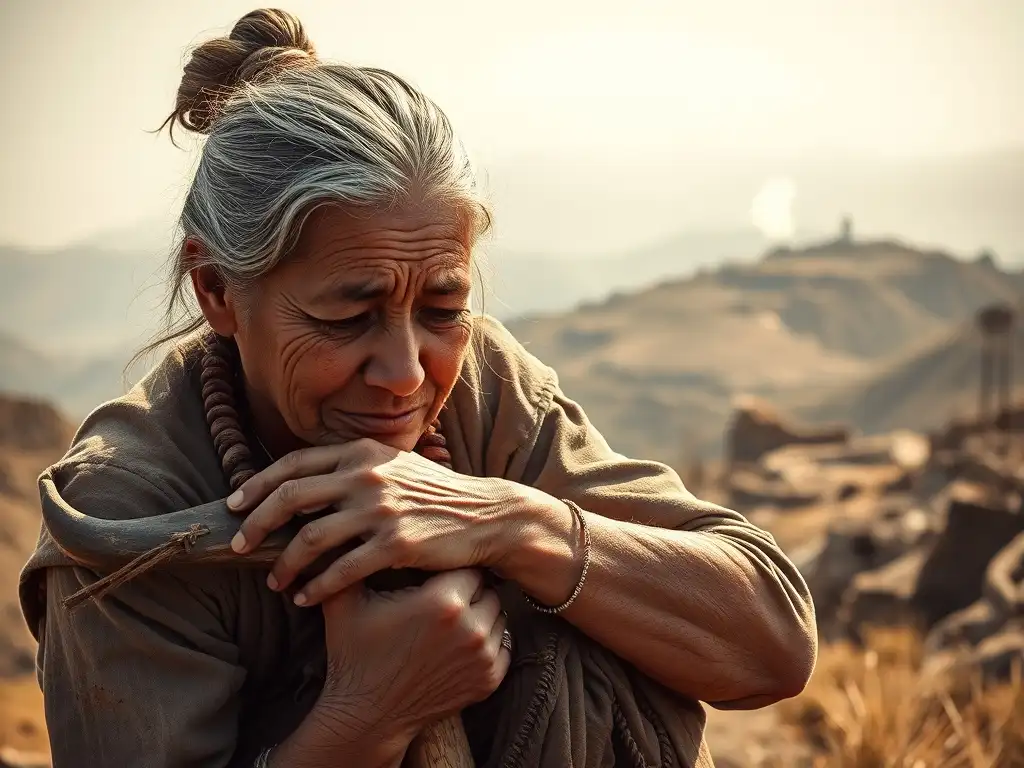
The Spanish conquest dramatically altered the lives and health of Andean peoples, primarily through the introduction of brutal labor systems. The imposition of forced labor, far exceeding the capabilities and endurance of the indigenous population, resulted in widespread malnutrition, exhaustion, and increased susceptibility to disease. Existing social structures, designed for a different scale of labor demands, were shattered, leading to a breakdown in traditional food production and distribution systems.
This resulted in significant nutritional deficiencies, weakening the immune systems of the Andean population and making them more vulnerable to the diseases introduced by the Europeans. The lack of adequate rest and recovery further exacerbated these health issues, creating a vicious cycle of illness and exploitation.
The sheer volume of work demanded, often in harsh and unfamiliar environments, contributed significantly to premature death and widespread debilitation. This forced labor wasn't just physical; it also had profound psychological impacts, as discussed later in this section.
The Mita System and its Health Consequences
The mita, a pre-Columbian system of labor tribute, was brutally repurposed and intensified by the Spanish. While originally a cyclical system with periods of rest and community involvement, the Spanish transformed it into a system of near-constant forced labor, often in dangerous and unhealthy conditions. The mita miners, for instance, faced extreme risks, including cave-ins, exposure to toxic substances, and debilitating injuries. The long hours and arduous work led to widespread exhaustion, malnutrition, and respiratory illnesses.
The lack of adequate medical care and sanitation further compounded the health problems. The system effectively stripped individuals of their agency and control over their bodies and lives, directly impacting their physical and mental health. Records show a marked increase in mortality rates among those conscripted into the mita, highlighting the devastating effects of this exploitative system on Andean health.
Mining Conditions and Exposure to Toxic Substances
The Spanish conquest's insatiable hunger for silver and gold led to the expansion of mining operations throughout the Andes. These mines were notoriously dangerous, characterized by poor ventilation, unstable tunnels, and exposure to toxic substances like mercury. Mercury poisoning, in particular, was widespread, causing a range of debilitating symptoms, including neurological damage, tremors, and kidney failure. The constant inhalation of dust and other airborne particles led to respiratory diseases like silicosis, which further reduced the lifespan and overall health of the miners.
The lack of safety regulations and protective equipment meant that miners faced a constant threat of injury or death. The environmental impact of these mining practices also contributed to broader health problems, contaminating water sources and impacting the surrounding ecosystem. The long-term effects of this environmental degradation continued to affect Andean communities for generations.
The Physical Toll of Labor on Andean Workers
Beyond the mita system and mining, the Spanish imposed forced labor on a massive scale across various sectors. The construction of infrastructure projects, such as roads and fortifications, demanded immense physical effort in often challenging terrains. Agricultural production was also heavily impacted, with indigenous populations forced to cultivate crops for the benefit of Spanish colonizers, often neglecting their own sustenance needs.
The relentless workload, coupled with malnutrition and lack of rest, resulted in widespread physical exhaustion, muscle injuries, and skeletal deformities. The toll on the bodies of Andean workers was immense, leading to reduced life expectancy and a general decline in overall physical health. This physical degradation directly contributed to increased vulnerability to disease and a diminished capacity for work and survival.
The Spanish conquest inflicted not only physical but also profound social and psychological damage on Andean populations. The systematic destruction of social structures, cultural practices, and religious beliefs created a climate of fear, uncertainty, and trauma, leaving deep scars on the collective psyche of the Andean people. The violence, displacement, and loss of identity contributed to a pervasive sense of despair and hopelessness, impacting mental well-being across generations.
The Trauma of Violence and Displacement
The Spanish conquest was characterized by widespread violence, including massacres, torture, and the destruction of communities. This violence inflicted profound trauma on individuals and communities, leading to long-term psychological consequences such as post-traumatic stress disorder (PTSD), anxiety, and depression. The forced displacement of populations from their ancestral lands resulted in the loss of social support networks and traditional ways of life, further exacerbating the psychological toll.
The constant threat of violence and the disruption of social order created a climate of fear and insecurity that significantly impacted mental health. The intergenerational transmission of trauma is also a significant factor, with the effects of the conquest continuing to be felt in Andean communities today.
Loss of Cultural Identity and Its Psychological Impact
The suppression of Andean languages, religions, and cultural practices was a deliberate strategy employed by the Spanish colonizers to subdue and control the indigenous population. This systematic destruction of cultural identity had profound psychological consequences, leading to feelings of alienation, loss, and diminished self-worth. The erosion of traditional social structures and belief systems disrupted the sense of community and belonging, contributing to social fragmentation and psychological distress.
The loss of ancestral knowledge and practices also impacted the ability of communities to adapt to their environment and maintain their livelihoods, leading to further social and economic hardship. The long-term impact of this cultural disruption on mental health remains a significant concern.
The Effects of Slavery and Oppression on Mental Well-being
The enslavement of Andean peoples was a cornerstone of the Spanish colonial system. The brutal conditions of slavery, characterized by violence, exploitation, and the denial of basic human rights, had devastating effects on mental well-being. The constant fear of punishment, the loss of freedom, and the separation from family and community created a climate of despair and hopelessness. The dehumanizing nature of slavery eroded self-esteem and dignity, contributing to widespread psychological distress. The long-term effects of slavery on mental health continue to be felt in Andean communities, highlighting the enduring legacy of this brutal system.
Long-Term Health Impacts and Legacy of the Spanish Conquest
The Spanish conquest inflicted a devastating blow on the health of Andean populations, the effects of which resonate even today. The introduction of new diseases, for which the indigenous peoples had no immunity, led to catastrophic population declines. Measles, smallpox, influenza, and typhus ravaged entire communities, decimating their social structures and knowledge systems. Beyond the immediate mortality, the conquest triggered long-term health issues stemming from malnutrition, forced labor, and the disruption of traditional agricultural practices.
The destruction of established food production systems resulted in widespread famine and nutritional deficiencies, weakening the immune systems of survivors and making them more vulnerable to disease. Furthermore, the forced relocation of populations and the imposition of unfamiliar labor patterns contributed to increased stress levels and physical exhaustion, further compromising overall health. The legacy of these events continues to shape health disparities in the Andean region.
The Persistence of Health Disparities
Even centuries after the conquest, the Andean region continues to grapple with significant health disparities. Indigenous communities often experience higher rates of infectious diseases, malnutrition, and chronic illnesses compared to non-indigenous populations. This disparity is directly linked to the historical trauma inflicted by the Spanish conquest and its enduring social and economic consequences.
Limited access to quality healthcare, inadequate sanitation infrastructure, and persistent poverty all contribute to these ongoing health challenges. Furthermore, the historical marginalization of indigenous knowledge and practices related to health and wellbeing has hampered efforts to address these disparities effectively. Understanding the historical context is crucial to developing targeted interventions that address the root causes of these health inequities.
Intergenerational Trauma and its Health Manifestations
The trauma inflicted by the Spanish conquest was not confined to a single generation. The psychological and emotional wounds inflicted by violence, displacement, and cultural suppression have been passed down through generations, manifesting in various health problems. Studies have linked intergenerational trauma to increased rates of mental health issues, such as depression, anxiety, and post-traumatic stress disorder (PTSD), within Andean communities.
Furthermore, chronic stress associated with historical trauma can contribute to physical health problems, including cardiovascular disease and weakened immune function. Addressing intergenerational trauma requires a holistic approach that acknowledges the historical context and incorporates culturally sensitive interventions to promote healing and resilience.
Ongoing Efforts to Revitalize Andean Healthcare Systems
Despite the enduring challenges, significant efforts are underway to revitalize healthcare systems in the Andean region and address historical inequities. These initiatives focus on integrating traditional Andean healing practices with modern medicine, recognizing the valuable knowledge and expertise held within indigenous communities. Programs aimed at improving access to healthcare in remote areas, strengthening primary care services, and promoting health education are also crucial.
Furthermore, initiatives to improve sanitation and nutrition are essential components of a comprehensive strategy to improve the health and wellbeing of Andean populations. These efforts represent a crucial step towards acknowledging the lasting impacts of colonialism and building a more equitable and just healthcare system.
Conclusion: Understanding the Lasting Health Consequences of Colonialism
The Significance of Studying the Health Impacts of the Spanish Conquest
Studying the health impacts of the Spanish conquest is not merely an academic exercise; it is essential for understanding the present-day health disparities in the Andean region. By examining the historical context, we can identify the root causes of these inequities and develop effective strategies to address them. This historical understanding allows for the creation of more targeted and culturally appropriate healthcare interventions. Moreover, acknowledging the long-term consequences of colonialism fosters a more just and equitable approach to healthcare provision.
A Call for Further Research and Awareness
Further research is crucial to fully comprehend the complex and multifaceted health impacts of the Spanish conquest. More research is needed on the specific diseases introduced, the long-term effects of malnutrition and forced labor, and the mechanisms by which intergenerational trauma manifests in contemporary health outcomes. Raising public awareness about these issues is also essential to promote social justice and advocate for policy changes that address the root causes of health inequities. Increased funding for research and community-based initiatives is crucial for achieving these goals.
Honoring the Resilience of Andean Peoples
Despite the immense suffering inflicted by the Spanish conquest, Andean peoples have demonstrated remarkable resilience. Their capacity to adapt, preserve their cultural heritage, and continue to thrive in the face of adversity is a testament to their strength and determination. Recognizing and celebrating this resilience is crucial to fostering a more equitable future, one that acknowledges the lasting impacts of colonialism while honoring the enduring spirit of Andean communities.
Their story is one of survival, adaptation, and a persistent fight for health and wellbeing. Their legacy deserves not only recognition but also active support in their ongoing efforts towards health equity.
- Introduction: The Pre-Conquest Health Landscape of the Andes
- The Devastating Introduction of European Diseases
- Disruption of Traditional Andean Medicine and Healthcare Systems
- Changes in Diet and Nutritional Patterns
- The Impact of Forced Labor and Exploitation on Health
- Social and Psychological Consequences of the Conquest
- Long-Term Health Impacts and Legacy of the Spanish Conquest
- Conclusion: Understanding the Lasting Health Consequences of Colonialism
- What diseases did the Spanish Conquest introduce to the Andean region?
- How did the introduction of these diseases affect the Andean population?
- What was the impact on Andean agricultural practices after the conquest?
- Did the Spanish Conquest affect traditional Andean medicine?
- How did the changes in health impact the overall success of the Spanish conquest?
Frequently Asked Questions
What diseases did the Spanish Conquest introduce to the Andean region?
The Spanish Conquest brought devastating new diseases to the Andes, including smallpox, measles, influenza, and typhus. These diseases, to which the Andean populations had no immunity, caused widespread death and societal disruption.
How did the introduction of these diseases affect the Andean population?
The introduction of Old World diseases resulted in a catastrophic demographic collapse. Millions of Andean people perished, weakening the existing social structures and facilitating the Spanish conquest.
What was the impact on Andean agricultural practices after the conquest?
The conquest significantly altered Andean agricultural practices. The introduction of new crops and livestock, alongside forced labor systems, impacted traditional farming methods and food security.
Did the Spanish Conquest affect traditional Andean medicine?
Yes, the conquest led to the suppression of traditional Andean medicine and its replacement with European practices. This loss of knowledge had long-term effects on Andean healthcare.
How did the changes in health impact the overall success of the Spanish conquest?
The decimation of the Andean population through disease was a crucial factor in the Spanish conquest's success. The weakened populations were less able to resist Spanish rule.
Final Reflection: A Legacy of Suffering, A Future of Healing
The devastating impact of the Spanish conquest on Andean health continues to resonate today, a stark reminder of the enduring consequences of colonialism and exploitation. The decimation of indigenous populations through disease, forced labor, and malnutrition wasn't a mere historical event; it fundamentally reshaped the genetic landscape and social fabric of the Andes, leaving a legacy of health disparities that persists even now. The echoes of this trauma are felt in the ongoing struggles for access to healthcare and the persistent challenges faced by Andean communities.
The sheer scale of suffering inflicted during this period is almost incomprehensible. The introduction of Old World diseases, against which Andean populations had no immunity, resulted in catastrophic population decline. This loss was not just a numerical statistic; it represented the annihilation of knowledge, culture, and resilience. The conquest was not merely a political and military event; it was a biological catastrophe.
This quote encapsulates the profound and lasting impact of the Spanish conquest on the health and well-being of Andean peoples, an impact that continues to shape their lives centuries later. Understanding this history is crucial to addressing the present-day health inequalities that persist in the region.
Consider the weight of this history, the enduring strength of the Andean people, and the ongoing fight for equitable access to healthcare. You have the power to learn more, to amplify the voices of marginalized communities, and to advocate for policies that promote health equity. Let the story of the Andean people serve as a powerful reminder of the interconnectedness of history, health, and social justice. By acknowledging this past, we can work towards a future where such injustices are prevented, and where the health and well-being of all people are prioritized.
**Discover the Path to Healing and Understanding! **
Thank you for exploring the profound impact of the Spanish conquest on the health of Andean peoples. Your interest in this crucial topic underscores the resilience and complexity of these remarkable civilizations. Let's now consider how we can build on this understanding.
- **Dive deeper into history:** Further research into the cultural and health legacies of Andean civilizations will reveal the richness and enduring spirit of these societies. Explore reputable academic journals and books on the subject.
- **Share this knowledge:** Discuss your findings with friends, family, or colleagues; share relevant articles on social media. You might inspire others to learn more about this important topic.
- **Join the conversation:** Participate in local educational programs, museum exhibits, or community discussions focused on Indigenous health and history. Engaging with others fosters a deeper understanding and promotes collaborative learning.
Understanding the historical impacts of colonization is crucial for developing effective and culturally sensitive healthcare approaches in Indigenous communities today. This knowledge helps us address present-day health disparities and build a more equitable future.