
From Cave to Village: The Evolution of Settlements in the PreCeramic Period

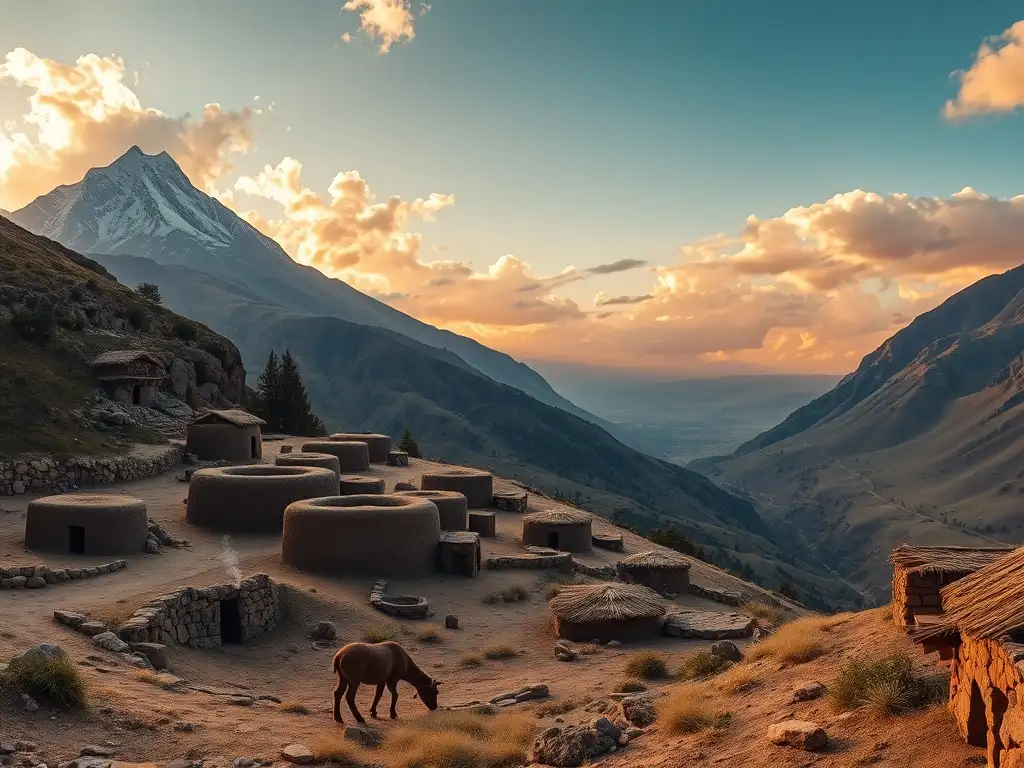
Step into a world lost to time, where towering mountains cradled the birth of extraordinary civilizations. Journey with us as we unravel the mysteries of the Andean world, exploring its vibrant tapestry of culture, art, and ingenuity. But first, prepare to be amazed: discover how the seemingly simple transition from cave dwelling to established villages – the PreCeramic Andean settlement evolution – laid the foundation for the majestic empires that followed. Dare to delve deeper and uncover the secrets of this transformative period.
- Preceramic Andean Settlement Evolution: From Caves to Villages
- Early Human Habitation in the Andes: The Pre-Ceramic Era
- Transitioning from Nomadic to Sedentary Life in the Andes
- The Rise of Villages in the Pre-Ceramic Andes
- Regional Variations in Pre-Ceramic Andean Settlement Patterns
- The Legacy of Pre-Ceramic Andean Settlements
-
Frequently Asked Questions
- What is the PreCeramic period in the Andes?
- How did Andean settlements evolve during the PreCeramic period?
- What are some key characteristics of PreCeramic Andean settlements?
- Which Andean cultures are associated with the PreCeramic period?
- What is the significance of studying PreCeramic Andean settlement evolution?
- Final Reflection: Echoes of the Past, Shaping Our Present
- **Embrace the Journey of Our Ancestors! **
Preceramic Andean Settlement Evolution: From Caves to Villages
The Preceramic period in the Andes (roughly 8000-1800 BCE) represents a fascinating chapter in human history, witnessing the gradual shift from nomadic lifestyles to settled agricultural communities. This transformative era, preceding the development of ceramics, saw significant advancements in social organization, technology, and, crucially, settlement patterns.
Understanding the evolution of Andean settlements during this time provides invaluable insight into the development of complex societies in the region and lays the groundwork for understanding the later flourishing of civilizations like the Inca. This article explores the key stages in this evolution, from the earliest cave shelters to the emergence of the first villages, highlighting the environmental factors and societal changes that drove this remarkable transition.
We will examine the evidence archaeologists have unearthed, revealing a dynamic interplay between human ingenuity and the challenges presented by the diverse Andean landscape. The keyword, "PreCeramic Andean settlement evolution," will be examined throughout this exploration of the fascinating journey from nomadic hunter-gatherers to settled agricultural communities.
Early Cave Dwellings and Rock Shelters
The earliest evidence of human settlement in the Andes during the Preceramic period points towards the utilization of natural shelters such as caves and rock overhangs. These provided protection from the elements and predators, crucial for survival in a challenging environment. Archaeological excavations have unearthed remnants of simple tools, rudimentary hearths, and early evidence of plant processing within these locations.
Analysis of these artifacts reveals a lifestyle predominantly focused on hunting and gathering, with a gradually increasing reliance on wild plant foods as knowledge of local flora grew. These early settlements were likely small, temporary, and mobile, reflecting the nomadic nature of the population. The distribution of these sites across diverse ecological zones suggests a flexible adaptation to varying resource availability.
Furthermore, the presence of simple burial practices within some of these caves indicates the development of early spiritual beliefs and social structures. Evidence suggests that while these populations were largely nomadic, they displayed a growing understanding of their environment and its resources.
The Rise of Initial Villages and the Role of Agriculture
The transition from nomadic hunter-gatherer societies to settled agricultural communities marked a pivotal moment in Andean Preceramic history. This shift, which began gradually around 6000 BCE, was driven by the development of increasingly sophisticated agricultural techniques. The domestication of plants like squash, beans, and potatoes provided a more stable and reliable food source, reducing the need for constant mobility in search of sustenance.
This led to the establishment of more permanent settlements, initially small villages characterized by simple structures made of readily available materials like mud, wattle, and thatch. The emergence of these villages also suggests the development of more complex social structures, with evidence indicating increasing social stratification and the beginnings of specialized labor.
The size and layout of these early villages varied depending on the local environment and resource availability, but they generally consisted of clusters of dwellings centered around communal areas, potentially indicating early forms of social organization and collective activity. These villages represent a significant step towards the development of larger, more complex settlements that would characterize later periods.
Technological Advancements and Settlement Expansion
The development of more efficient agricultural techniques and the adoption of new technologies played a crucial role in the expansion and growth of Andean Preceramic settlements. Innovations in irrigation, terracing, and storage techniques allowed for greater food production and more reliable food security. This surplus facilitated population growth and enabled the development of larger, more complex settlements.
Evidence suggests the increasing use of stone tools, particularly for agricultural purposes, alongside the development of specialized crafts such as textiles and basketry. These advancements not only improved the efficiency of food production but also contributed to the development of a more complex social and economic organization within the settlements. The increased stability provided by agriculture and technological advancements allowed for increased population density and the development of more elaborate social structures and ritual practices, paving the way for the emergence of more complex societies in later periods.
The Legacy of the Preceramic Period
The Preceramic period in the Andes, despite its lack of ceramics, represents a period of significant cultural and societal transformation. The evolution of settlements from simple cave dwellings to established villages reflects a profound adaptation to the Andean environment and a growing understanding of agriculture and social organization. This period laid the groundwork for the more complex societies that would flourish in later eras, demonstrating the ingenuity and resilience of early Andean peoples. The lessons learned and the foundations built during this period profoundly shaped the future trajectory of Andean civilizations, highlighting the importance of understanding this formative era in the region's rich history. The intricate relationship between environmental adaptation, technological innovation, and social organization continues to be a key area of research for archaeologists studying this critical period in Andean history. Further research promises to unveil even more details about the lives and achievements of these early Andean communities.
Early Human Habitation in the Andes: The Pre-Ceramic Era
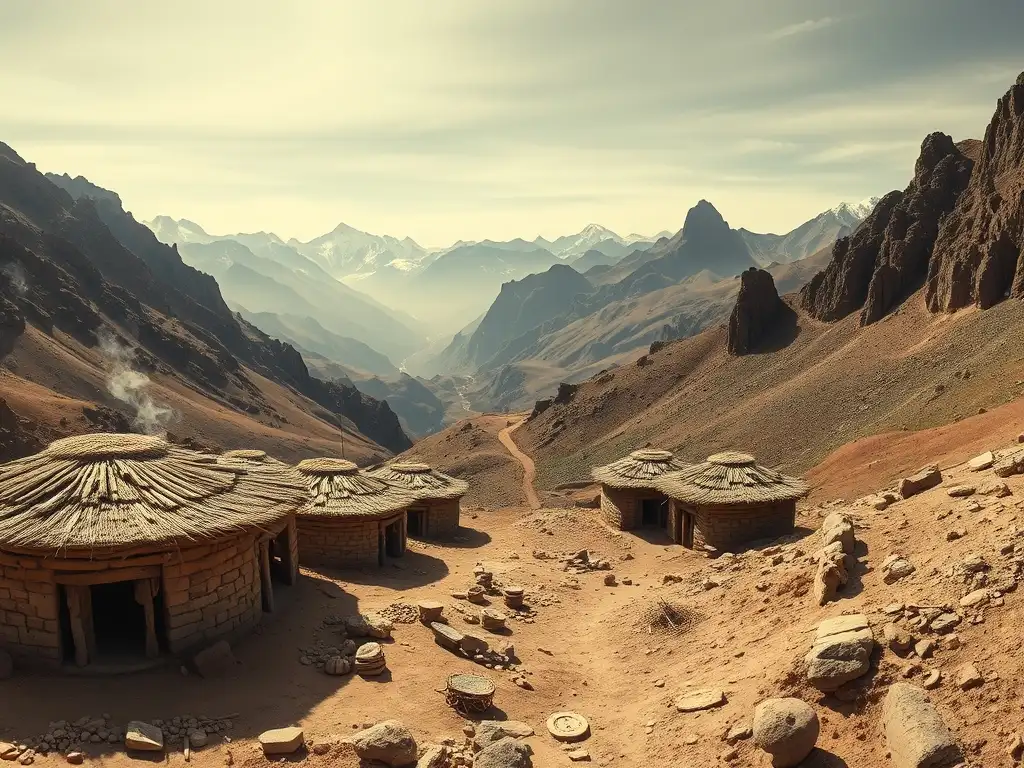
This section delves into the fascinating early stages of human settlement in the Andes, specifically focusing on the Pre-Ceramic period, a time before the widespread adoption of pottery. Understanding the evolution of Andean settlements during this era is crucial to grasping the complex development of PreCeramic Andean settlement evolution and the foundational aspects of later Andean civilizations. We will explore the initial habitation sites, the significance of early art, and the ingenious subsistence strategies employed by these early inhabitants.
This period, spanning roughly from 12,000 to 1800 BCE, witnessed a gradual shift from nomadic hunter-gatherer lifestyles to more settled, village-based communities. The changes in settlement patterns reflect a growing understanding of the Andean environment and a developing capacity for resource management.
Initial Andean Settlements: Caves and Rock Shelters
The earliest evidence of human habitation in the Andes points towards the use of natural shelters, primarily caves and rock shelters. These provided protection from the elements and predators, crucial factors for survival in the challenging Andean terrain. Archaeological findings from sites like Guitarrero Cave in the Callejón de Huaylas, Peru, reveal evidence of human occupation dating back to approximately 10,000 BCE.
These early settlements were characterized by a relatively mobile lifestyle, with groups moving seasonally to exploit different resources. Evidence of toolmaking, including the use of obsidian and other lithic materials, suggests sophisticated technological capabilities even during this early phase of PreCeramic Andean settlement evolution. The artifacts discovered—simple tools, bone implements, and early forms of textile production—provide valuable insights into the daily lives and technological advancements of these early Andean inhabitants.
The selection of cave locations was strategic, often near water sources and areas rich in plant and animal resources. This demonstrates an early understanding of environmental dynamics and a capacity to adapt to the diverse Andean ecosystems. The size and layout of these early settlements varied depending on the available shelter and the size of the inhabiting group.
Some caves reveal evidence of extended occupation, suggesting more stable seasonal settlements, while others show signs of shorter-term use. Further research is needed to fully understand the nuances of settlement patterns and mobility during this period, but the available evidence clearly points to a gradual process of adaptation and settlement intensification.
The Significance of Cave Art in Toquepala and Lauricocha
Cave paintings found in sites like Toquepala and Lauricocha represent a significant aspect of PreCeramic Andean settlement evolution, offering valuable insights into the beliefs, rituals, and worldview of these early communities. Toquepala, located in southern Peru, features remarkable examples of early rock art depicting camelids, human figures, and abstract designs. These paintings, created using pigments derived from local minerals, suggest a symbolic and possibly ritualistic use of the cave environments.
The imagery is often stylized and abstract, suggesting a complex system of visual communication. Similarly, the Lauricocha caves in central Peru contain some of the oldest known depictions of human figures in the Americas. The style, technique, and subject matter of these paintings provide crucial data for understanding the development of artistic expression in the Andes and its connection to the broader social and cultural context.
The interpretation of cave art remains a subject of ongoing debate among scholars. However, the presence of these artistic expressions in early settlements highlights the importance of symbolic thought and the development of complex social structures. The creation and maintenance of these paintings required collective effort and shared understanding, indicating the development of communal activities and potentially ritualistic practices.
The study of cave art, therefore, is not only aesthetically enriching but also provides invaluable information for understanding the cognitive and social development of PreCeramic Andean societies. Further analysis of the pigments, techniques, and spatial distribution of these paintings will undoubtedly shed more light on their meaning and significance within the context of PreCeramic Andean settlement evolution.
Resource Procurement and Subsistence Strategies in the Pre-Ceramic
Understanding the subsistence strategies employed by Pre-Ceramic Andean communities is key to interpreting their settlement patterns and population dynamics. These early inhabitants relied on a mix of hunting, gathering, and, increasingly, early forms of agriculture. The available evidence suggests a gradual shift from a predominantly hunter-gatherer lifestyle to one incorporating more intensive resource exploitation. This transition was not uniform across the Andes, with variations in subsistence practices reflecting the diverse environments and available resources. For example, communities in the coastal regions relied heavily on marine resources, while those in the highlands focused on camelids, wild plants, and tubers.
The development of more sophisticated hunting techniques, including the use of atlatls (spear-throwers) and specialized hunting tools, allowed for more efficient procurement of animal resources. Simultaneously, a growing knowledge of plant life and the development of early agricultural practices, such as the cultivation of native plants like quinoa and potatoes, provided a more reliable source of food. Archaeological evidence from sites like Pikimachay and Jaywamachay demonstrates the early domestication of plants and the importance of agriculture in shaping the lives of Pre-Ceramic Andean populations.
The transition to agriculture, however, was a gradual process, and hunter-gatherer strategies continued to play a crucial role in subsistence for a considerable period. The interplay between hunting, gathering, and agriculture shaped the settlement patterns and population densities of Pre-Ceramic Andean communities.
The increasing reliance on agriculture eventually contributed to the development of more permanent settlements and the emergence of village life. The detailed analysis of plant and animal remains from archaeological sites continues to be essential for a deeper understanding of PreCeramic Andean settlement evolution and the intricate relationship between humans and their environment during this formative period.
Transitioning from Nomadic to Sedentary Life in the Andes
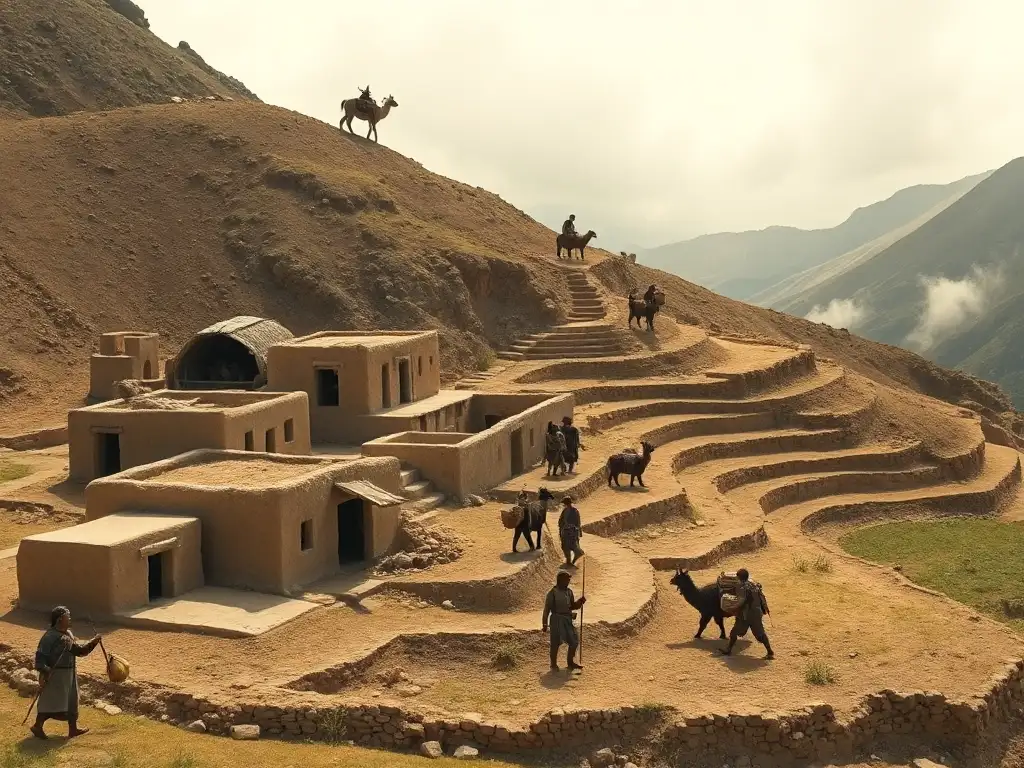
The shift from nomadic hunter-gatherer lifestyles to sedentary agricultural communities represents a pivotal moment in PreCeramic Andean settlement evolution. This transition, spanning millennia, wasn't a sudden event but a gradual process influenced by a complex interplay of environmental factors, technological advancements, and social changes. Understanding this evolution requires examining the subtle changes in settlement patterns, subsistence strategies, and the development of social structures. The archaeological record provides compelling evidence of this gradual shift, revealing a fascinating story of adaptation and innovation in the challenging Andean environment.
The increasing reliance on plant cultivation and animal domestication, coupled with the development of more sophisticated tools and technologies, facilitated the establishment of more permanent settlements. This period witnessed the emergence of early villages, laying the groundwork for the more complex societies that would flourish in later periods. Analyzing the spatial distribution of settlements, the types of artifacts found within them, and the evidence of agricultural practices provides crucial insights into the dynamics of this transformative period in Andean prehistory.
The adoption of a sedentary lifestyle had profound consequences, shaping the social organization, religious beliefs, and artistic expressions of these early Andean communities. This period serves as a foundation for understanding the later, more complex civilizations of the Andes. The transition from nomadism to sedentism is a key aspect of PreCeramic Andean settlement evolution.
The Development of Semi-Permanent Structures at Telarmachay
Telarmachay, a site located in the central Andes, offers valuable insights into the early stages of settlement development during the PreCeramic period. Archaeological excavations have uncovered evidence of semi-permanent structures dating back to approximately 7000 BCE. These structures, while rudimentary compared to later constructions, represent a significant departure from the temporary shelters used by nomadic groups. The presence of hearths, storage pits, and evidence of tool manufacturing within these structures suggests a degree of settled life, indicating extended periods of occupation.
The materials used in the construction – primarily stone and mud – reflect the readily available resources in the region. Analysis of the organic remains found at the site, such as plant and animal bones, provides further information about the subsistence strategies employed by the inhabitants. The layout of the structures and the spatial arrangement of artifacts suggest a level of social organization, although the exact nature of social structures during this period remains a subject of ongoing research.
The development of semi-permanent structures at Telarmachay exemplifies the initial steps towards sedentism, marking a crucial stage in PreCeramic Andean settlement evolution. Further research is needed to fully understand the social and economic factors that contributed to the development of these early settlements. [Specific information pending on the exact number of structures discovered and their dimensions].
Early Forms of Agriculture and Its Impact on Settlement in the Nanchoc Valley
The Nanchoc Valley, located in northern Peru, is known for its rich archaeological record showcasing early agricultural practices and their impact on settlement patterns. The development of agriculture in the Nanchoc Valley, beginning around 4500 BCE, played a pivotal role in the transition from nomadic to sedentary lifestyles. The cultivation of crops like squash, beans, and chili peppers provided a reliable food source, reducing the need for constant movement in search of wild resources.
This led to the establishment of increasingly permanent settlements. The archaeological evidence suggests a gradual increase in settlement size and complexity over time, correlating with the intensification of agricultural practices. The presence of irrigation canals and other water management systems indicates a sophisticated understanding of agriculture and a commitment to settled life.
The discovery of storage facilities suggests surplus food production, which may have contributed to social stratification and the development of more complex social structures. The impact of early agriculture on settlement patterns in the Nanchoc Valley is a prime example of the interconnectedness between subsistence strategies and social organization in PreCeramic Andean settlement evolution. The valley's geography, with its fertile land and access to water resources, facilitated the development of agriculture and the growth of sedentary communities.
The Role of Domestication of Camelids in Shaping Andean Communities
The domestication of camelids – llamas and alpacas – represents another significant factor in the PreCeramic Andean settlement evolution. While the exact timing of domestication remains debated, archaeological evidence suggests that camelids were domesticated in the Andes as early as 7000 BCE. The domestication of these animals provided Andean communities with a valuable source of meat, fiber, and transportation. This increased food security and mobility, contributing to the development of larger and more stable settlements.
The availability of llama and alpaca fiber facilitated the production of textiles, which became an important aspect of Andean culture. Furthermore, llamas played a crucial role in transportation, allowing communities to move goods and resources over long distances. The integration of camelids into Andean society had a profound impact on social organization, economic systems, and the development of trade networks.
The domestication of camelids, therefore, played a key role in shaping the early Andean communities and their settlements, facilitating a transition towards a more sedentary and complex way of life. The impact of camelid domestication on the development of PreCeramic Andean settlements is a continuing area of research, with new discoveries constantly refining our understanding of this crucial aspect of Andean prehistory. The increased reliability of food sources, provided by both agriculture and domesticated animals, is a major theme in the PreCeramic Andean settlement evolution.
The Rise of Villages in the Pre-Ceramic Andes
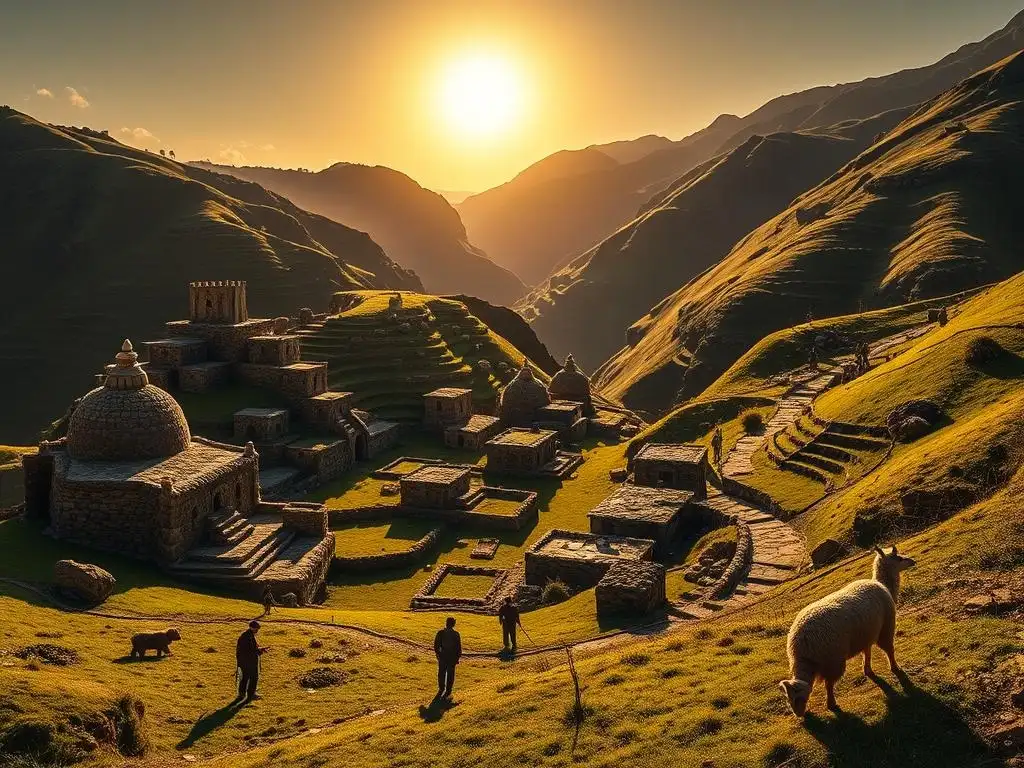
The PreCeramic period in the Andes (circa 8000-1800 BCE) witnessed a transformative shift in settlement patterns, marking a significant step in the evolution of Andean societies. This period, preceding the development of sophisticated pottery, saw the gradual transition from nomadic hunter-gatherer lifestyles to increasingly sedentary, village-based communities. This evolution wasn't a sudden leap, but rather a complex process driven by factors like environmental changes, technological advancements, and evolving social structures. The development of PreCeramic Andean settlement evolution is a fascinating study in human adaptation and societal growth.
This section will delve into specific examples to illustrate this remarkable change. Understanding this period provides a crucial foundation for comprehending the later, more complex Andean civilizations. The rise of villages represents a pivotal moment in the history of the Andes, laying the groundwork for the impressive achievements of later cultures.
Characteristics of Early Andean Villages at Kotosh
Kotosh, located in the central Andes of Peru, offers compelling evidence of early village life during the PreCeramic period. Excavations have uncovered a series of interconnected structures, suggesting a planned settlement layout rather than a haphazard collection of dwellings. These structures, built from mud brick and stone, were often multi-room and displayed evidence of repeated occupation.
A key characteristic of Kotosh is the presence of monumental architecture, such as the well-known "Temple of the Crossed Hands," which points towards a developing social hierarchy and possibly ritualistic practices. Analysis of the artifacts found at Kotosh, including tools made from obsidian and bone, indicates a diversified economy encompassing hunting, gathering, and likely early forms of agriculture.
The size and complexity of Kotosh's structures contrast sharply with earlier, more transient settlements, demonstrating a clear commitment to a sedentary lifestyle and a growing population density. Further research is needed to fully understand the social dynamics within this early Andean village, but the evidence clearly indicates a significant leap forward in settlement complexity.
Aspero, another significant PreCeramic site located on the Peruvian coast, provides valuable insights into the social organization of early Andean villages. Unlike Kotosh's emphasis on monumental architecture, Aspero reveals a more dispersed settlement pattern with a focus on smaller, residential structures. However, the presence of large, elevated platforms and elaborate burial practices suggests a degree of social stratification and possibly specialized roles within the community.
The discovery of intricately carved and polished stones at Aspero points towards the development of craft specialization and potentially a nascent system of exchange networks. The scale of the construction projects at Aspero indicates a level of social cooperation and organization that goes beyond the needs of a simple family unit.
The evidence suggests a more complex social structure than previously imagined for these early Andean settlements, with potential leaders or specialized individuals playing important roles in the community's organization. Further analysis of the skeletal remains and artifacts from Aspero is crucial for a more complete understanding of social dynamics in this coastal village.
The Emergence of Specialized Craft Production at Huaca Prieta
Huaca Prieta, situated on the northern coast of Peru, stands out for its early evidence of specialized craft production during the PreCeramic period. Archaeological findings reveal the development of sophisticated techniques in textile production, particularly the use of cotton and other plant fibers to create complex woven fabrics. The presence of specialized tools and the consistency in textile styles suggests a level of skill and organization that likely involved dedicated craftspeople.
This specialization represents a significant departure from the earlier, more generalized tool-making practices. The development of specialized craft production at Huaca Prieta suggests a growing division of labor within the community and the emergence of economic exchange systems. It is a clear indication of increasing social complexity and the development of more sophisticated social structures.
The discovery of early evidence of gourd cultivation also points toward the development of specialized agricultural practices, further supporting the notion of a more complex and organized society. The evidence from Huaca Prieta underscores the important role of technological innovation in driving the evolution of PreCeramic Andean settlements.
Regional Variations in Pre-Ceramic Andean Settlement Patterns
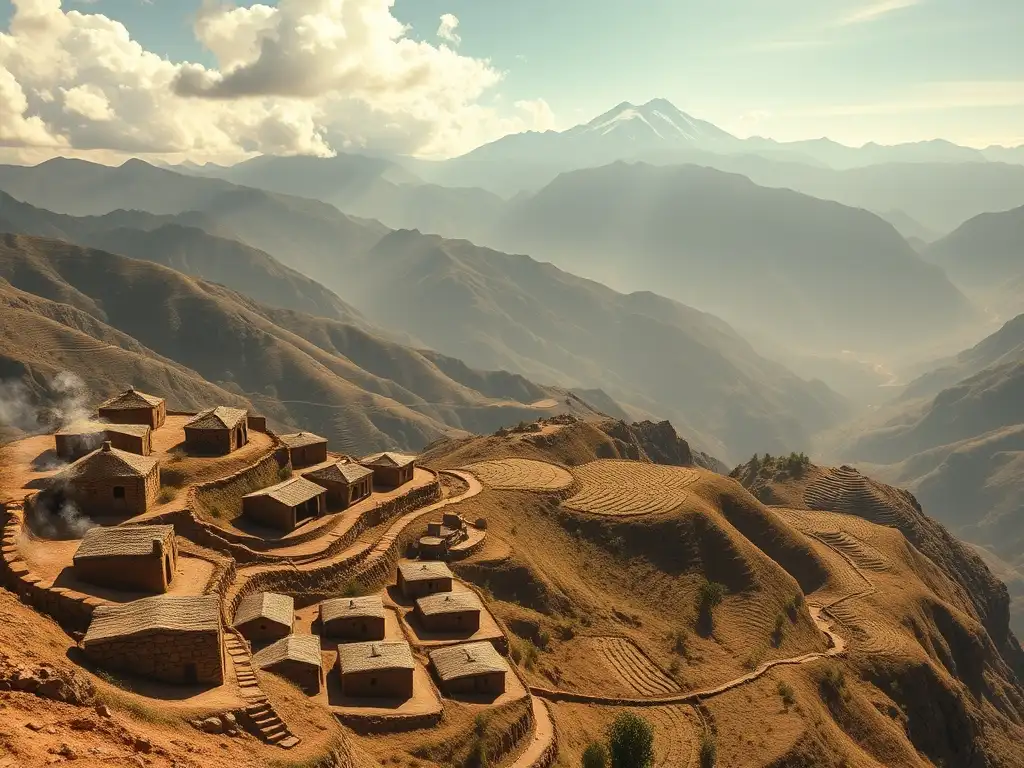
The PreCeramic period in the Andes (roughly 8000-1800 BCE) witnessed a remarkable diversity in settlement patterns, profoundly shaped by the varied geography and resources available across the region. Understanding this diversity is crucial to grasping the complexity of early Andean societies and their adaptation to their environment. The evolution of settlements wasn't a uniform process; rather, it was a mosaic of local adaptations reflecting the interplay between human ingenuity and environmental constraints.
This section will explore key regional variations, focusing on the contrasting approaches to settlement and resource management in coastal and highland environments. The term "PreCeramic Andean settlement evolution" accurately reflects the dynamic and regionally specific nature of this developmental phase.
Coastal Adaptations and Marine Resource Use at Paloma
The coastal regions of Peru offered a wealth of marine resources, fueling the development of unique settlement strategies. Sites like Paloma, located in the central coast, provide invaluable insights into these adaptations. Archaeological evidence suggests a strong reliance on fishing and shellfish gathering, evidenced by the abundance of fish bones, shell middens, and specialized fishing tools discovered at the site. The settlements themselves were often situated near estuaries or bays, maximizing access to these crucial resources.
The architecture of Paloma's settlements was relatively simple, consisting primarily of small, semi-subterranean structures. This contrasts sharply with the more elaborate structures found in some highland settlements. The simpler construction may reflect a more mobile lifestyle, as coastal populations potentially shifted their settlements seasonally to follow migrating fish stocks or exploit different resources.
Further research into the specific layout and organization of Paloma settlements is needed to fully understand the social organization of these early coastal communities. Analyzing the size and distribution of dwelling structures may reveal clues about population density and social stratification.
Detailed analysis of the artifacts found at Paloma, including pottery fragments (even though it's a preceramic site, some fragmented pottery might be present) and other tools, is crucial to understanding their daily lives and technological advancements. The study of marine resource exploitation at Paloma contributes significantly to our understanding of "PreCeramic Andean settlement evolution" in coastal areas.
Highland Settlements and Agricultural Practices at Guitarrero Cave
In contrast to the coastal adaptations, highland settlements like Guitarrero Cave, located in the Callejón de Huaylas, reveal a different strategy focused on agriculture and the exploitation of highland resources. Guitarrero Cave, known for its early evidence of domesticated plants, showcases the importance of agriculture in shaping highland settlement patterns. The cave itself served as a shelter, but the surrounding area likely supported small-scale agricultural activities.
The evidence suggests a gradual shift towards more sedentary lifestyles, linked to the development of agriculture and the cultivation of crops like squash and beans. The location of Guitarrero Cave, nestled in a valley with access to water sources, is indicative of the careful selection of sites suitable for agriculture. Unlike the potentially more mobile nature of coastal settlements, the highland settlements appear to have been more stable, reflecting a greater investment in agricultural production.
The artifacts found at Guitarrero Cave, including early grinding stones and other tools related to food processing, provide strong evidence of agricultural practices. Further investigation into the spatial organization of the cave and the surrounding area is needed to fully understand the relationship between the cave itself and the agricultural activities that supported its inhabitants. This research is key to understanding the "PreCeramic Andean settlement evolution" in the challenging highland environment.
The Interplay Between Environment and Settlement Type
The contrasting settlement patterns observed in coastal and highland regions highlight the significant role of environmental factors in shaping early Andean societies. Coastal communities, with their access to abundant marine resources, developed relatively simple, potentially more mobile settlements focused on exploiting the sea. Highland communities, facing the challenges of a harsher environment, developed a more sedentary lifestyle based on agriculture and the careful management of scarce resources. The evolution of settlements wasn't simply a matter of technological advancement; it was a complex process driven by the constant adaptation to the environment.
The study of these diverse settlement strategies enriches our understanding of the ingenuity and resilience of early Andean populations. Future research should focus on identifying additional sites and conducting detailed analyses of settlement layout, artifact assemblages, and environmental data to further refine our understanding of "PreCeramic Andean settlement evolution" across the diverse landscapes of the Andes.
The integration of data from various disciplines, including archaeology, botany, and paleoclimatology, will be crucial for a comprehensive understanding of this important period in Andean prehistory. The development of sophisticated analytical techniques, such as GIS mapping and isotopic analysis, will further enhance our ability to reconstruct the lives and settlements of these early Andean communities.
The Legacy of Pre-Ceramic Andean Settlements
This section delves into the profound and lasting impact of Pre-Ceramic Andean settlements on the subsequent development of Andean civilizations. The ingenuity and societal structures established during this formative period laid the groundwork for the complex societies that would flourish centuries later. Understanding this legacy is crucial to appreciating the full scope of Andean cultural evolution.
The advancements in agriculture, social organization, and technological innovation seen in these early settlements directly influenced the Inca, Moche, Nazca, and other later Andean cultures. The PreCeramic Andean settlement evolution wasn't a linear progression, but rather a complex interplay of innovation, adaptation, and cultural exchange across diverse geographical regions. Studying these early settlements provides invaluable insights into the roots of Andean identity and the remarkable resilience of its people.
Analyzing their architectural styles, irrigation systems, and social structures illuminates the continuous thread of cultural development that linked these early communities to the later, more renowned Andean empires. The study of PreCeramic Andean settlement evolution is vital for a complete understanding of the Andean cultural trajectory.
Contributions to Later Andean Civilizations
The Pre-Ceramic period (circa 4000-1800 BCE) witnessed the development of crucial innovations that profoundly shaped later Andean societies. These early settlements were not merely isolated villages; they were centers of technological and social experimentation. For example, the sophisticated irrigation systems developed during this period—evidence of which can be found in numerous sites—were refined and expanded upon by later cultures, allowing for intensive agriculture and population growth. The mastery of agriculture, in turn, facilitated the development of more complex social structures and specialized labor.
Moreover, the architectural styles and urban planning evident in Pre-Ceramic settlements, such as the monumental structures at Caral, influenced the construction of later urban centers. These early settlements also established patterns of religious and ceremonial practices that persisted for millennia. The intricate knowledge of astronomy and cosmology, reflected in the alignment of structures, continued to play a significant role in Andean worldview and ritual practices.
The development of specialized crafts, such as pottery and textile production, also laid the foundation for the exquisite artistry that characterized later Andean cultures. In essence, the Pre-Ceramic period provided the essential building blocks upon which the magnificent achievements of later Andean civilizations were constructed. The seeds of their impressive advancements were sown in these early settlements, demonstrating a remarkable continuity in Andean cultural development.
Caral: A Key Pre-Ceramic Settlement
Caral, located in the Supe Valley of Peru, stands as a prime example of a sophisticated Pre-Ceramic settlement. Its monumental architecture, extensive irrigation systems, and evidence of specialized crafts demonstrate a high level of social organization and technological expertise. Unlike many other early settlements, Caral’s influence extended far beyond its immediate vicinity, suggesting a significant role in regional interactions and cultural exchange.
The presence of large platforms, plazas, and residential structures indicates a complex social hierarchy and a centralized organization of labor. Furthermore, the discovery of musical instruments at Caral suggests the importance of music and ritual in the daily life of its inhabitants. The city's layout, with its carefully planned streets and public spaces, reveals an advanced understanding of urban planning and demonstrates a clear commitment to community organization.
The scale and complexity of Caral challenge preconceived notions about the limitations of Pre-Ceramic societies, highlighting their advanced capabilities in engineering, social organization, and cultural expression. The detailed analysis of Caral’s architecture and artifacts continues to unveil new insights into the complexity of Pre-Ceramic Andean life and its contribution to the evolution of Andean civilization. The ongoing research at Caral offers a dynamic glimpse into the richness and sophistication of this pivotal Pre-Ceramic settlement.
Understanding the Foundations of Andean Culture Through Settlements
The study of Pre-Ceramic Andean settlements provides a crucial window into the foundations of Andean culture. By examining these early settlements, we gain a deeper understanding of the social structures, technological innovations, and belief systems that shaped subsequent Andean civilizations. Analyzing the spatial distribution of settlements, the types of structures built, and the artifacts found within them allows researchers to reconstruct aspects of daily life, social organization, and economic activities. For example, the presence of specific types of tools or the size and layout of houses can reveal information about social stratification and specialized labor.
The analysis of agricultural remains sheds light on the crucial role of agriculture in shaping Andean societies. Further study of the development of irrigation systems and agricultural techniques helps us understand the adaptive strategies employed by these early communities. The location of settlements in relation to water sources, agricultural lands, and natural resources reflects the interplay between human activity and the environment.
By considering these factors together, we can gain a comprehensive understanding of the adaptive strategies and innovative solutions employed by Andean populations during the Pre-Ceramic period. This deeper comprehension is crucial to fully appreciating the remarkable achievements of later Andean civilizations and the enduring legacy of their predecessors. The PreCeramic Andean settlement evolution is not merely a historical account; it is a testament to human ingenuity and adaptability in the face of environmental challenges.
Frequently Asked Questions
What is the PreCeramic period in the Andes?
The PreCeramic period in the Andes refers to the time before the widespread use of pottery, roughly from 8000 BCE to 1800 BCE. This era witnessed significant changes in settlement patterns and social organization.
How did Andean settlements evolve during the PreCeramic period?
Settlements evolved from small, mobile hunter-gatherer camps to larger, more permanent villages with evidence of agriculture and specialized labor. This transition is linked to the development of domesticated plants and animals.
What are some key characteristics of PreCeramic Andean settlements?
Key characteristics include evidence of early agriculture, such as squash and beans; the development of stone architecture in some areas; and the emergence of social complexity reflected in variations in house size and grave goods.
Which Andean cultures are associated with the PreCeramic period?
While not formally "cultures" in the later sense, the PreCeramic period saw the development of the foundations for later Andean societies. Early inhabitants across different regions of the Andes laid the groundwork for the Moche, Nazca, and Inca civilizations.
What is the significance of studying PreCeramic Andean settlement evolution?
Studying PreCeramic settlements is crucial for understanding the long-term processes that shaped Andean societies. It provides insights into the development of agriculture, social structures, and technological innovations that laid the foundation for later complex civilizations.
Final Reflection: Echoes of the Past, Shaping Our Present
The meticulous study of Preceramic Andean settlement evolution reveals not just a chronological progression, but a powerful narrative of human adaptation and ingenuity that continues to resonate today. Understanding the challenges faced by these early communities—navigating environmental limitations, developing sophisticated social structures, and establishing enduring agricultural practices—offers invaluable insights into the resilience and adaptability of the human spirit. Their choices, etched into the landscape, serve as a testament to our enduring capacity to shape our environment and build lasting societies.
The impact of these early settlements extends far beyond the archaeological record; their legacy is woven into the very fabric of Andean culture and continues to inform our understanding of societal development. The ingenuity displayed in water management systems, agricultural techniques, and community organization provides a compelling counterpoint to modern challenges. The past is never dead. It's not even past,
wrote William Faulkner, and the echoes of these Preceramic settlements reverberate in the contemporary Andean landscape, reminding us of the enduring power of human connection and innovation.
Consider the choices made by those early settlers. Think about their resourcefulness, their collaboration, and their vision for the future. You too, are part of a continuous narrative of human settlement and development. Reflect on the challenges you face, and how the lessons learned from these ancient communities might inspire your own approach to problem-solving, community building, and sustainable living. Let the echoes of the past guide you towards a more informed and responsible future.
**Embrace the Journey of Our Ancestors! **
Thank you for exploring the fascinating story of human evolution, from early cave dwellings to thriving villages! You've discovered how ingenuity and cooperation laid the foundation for the civilizations we know today. Now, let's build on that knowledge and put it into practice.
Here are some ways you can continue exploring this rich history:
- **Delve deeper:** Visit a local museum or take an online virtual tour to **examine artifacts from early human settlements**. A firsthand encounter with history will deepen your understanding.
- **Share your knowledge:** Discuss with friends and family the significance of early settlements to our culture and how they developed. These conversations can lead to new perspectives and insights.
- **Get creative:** Create a model of an early village using materials you have at home. It's a fun and engaging way to visualize how these early communities lived and thrived.
As you reflect on these suggestions, consider this: How does understanding the development of early settlements influence your perspective on community and innovation in our modern world?