
Unveiling the Sacred Rhythms: Ritualistic Music in Andean Civilizations

Step into a world lost to time, yet echoing with the power of ancient rhythms. Imagine the haunting melodies and intricate rhythms that once filled the sacred plazas of the Andes. This is more than just history; it's a journey into the heart of Andean civilizations ritual music, a sonic tapestry woven from the lives, beliefs, and rituals of the Incas, Moche, Nazca, and Tiahuanaco. Prepare to be captivated as we unveil the secrets hidden within these sacred sounds. What mysteries will these ancient melodies reveal? Explore the depths of Andean musical heritage and discover the answers within.
The vibrant tapestry of Andean civilizations is richly interwoven with the threads of music, a powerful force that transcended mere entertainment. For these ancient societies – including the Incas, Moche, Nazca, and Tiahuanaco – music played a pivotal role in religious ceremonies, agricultural cycles, social gatherings, and even warfare. This exploration delves into the fascinating world of Andean ritualistic music, examining its instruments, styles, and profound social and spiritual significance.
Understanding the sacred rhythms of these cultures offers a crucial window into their beliefs, societal structures, and daily lives. We will uncover how music served as a powerful tool for connecting with the divine, reinforcing social bonds, and expressing a deep connection with the Andean landscape. Prepare to journey through time and sound, discovering the echoes of ancient rituals that still resonate today.
The Instruments of Andean Ritual Music
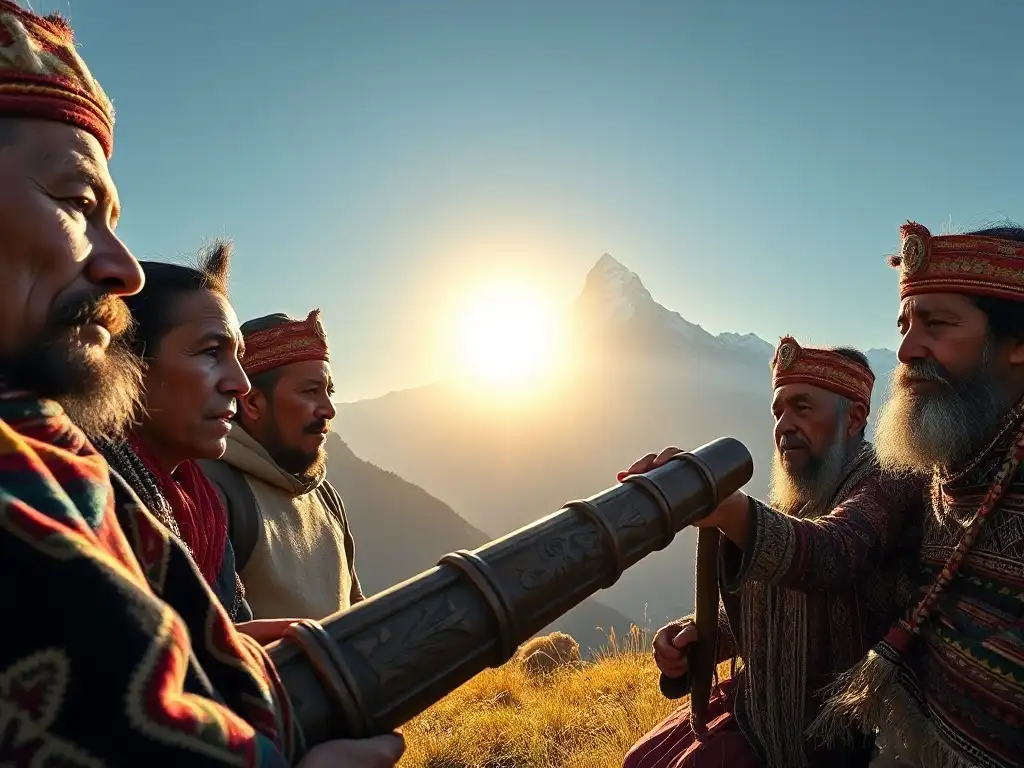
The soundscapes of Andean ritual music were shaped by a diverse array of instruments, many of which continue to be used in modern Andean traditions. These instruments weren't simply tools for creating music; they were imbued with spiritual meaning, often crafted from materials considered sacred or possessing symbolic power. Consider the pututu, a long, shell trumpet used for ceremonial announcements and signaling across vast distances.
Its deep, resonant tone commanded attention and was associated with divine authority. Then there's the antara, a panpipe that, with its multiple pipes producing harmonious melodies, represented the layered complexity of the Andean worldview. The tarka, a type of Andean flute, was another important instrument, its melodies often accompanying dances and rituals.
The rhythmic beating of the tiny (a small drum) and the bombo (a larger drum) provided the pulsating heartbeat of many ceremonies. These instruments, often crafted with meticulous attention to detail, were not just tools for making music, but also objects of reverence and spiritual power. The precise materials used—wood, bone, shell, or metal—often held symbolic meaning, further emphasizing the sacred nature of the music itself.
Musical Styles and Their Ritual Contexts
Andean ritual music wasn't a monolithic entity; rather, it encompassed a variety of styles, each with its own specific purpose and context. Agricultural rites, for example, often featured music characterized by repetitive melodies and rhythmic patterns, reflecting the cyclical nature of planting and harvesting. These repetitive melodies, played on instruments like the antara and tarka, were believed to influence the fertility of the land and ensure bountiful harvests.
In contrast, ceremonies dedicated to honoring deities or ancestors might have employed more complex musical structures, incorporating elements of improvisation and call-and-response patterns. These more elaborate performances, often involving multiple musicians and dancers, served to invoke spiritual presence and reinforce social cohesion.
Unfortunately, precise details of many musical styles are lost to time, but archaeological evidence, ethnomusicological studies, and surviving traditions provide valuable glimpses into this rich and diverse musical heritage. The surviving musical traditions in the Andes today offer valuable insights into the ancient practices, though these are often adapted and evolved over centuries.
The role of music in Andean civilizations extended far beyond the purely ritualistic. Music served as a vital component in social life, reinforcing community bonds and transmitting cultural knowledge across generations. Festivals and celebrations often involved elaborate musical performances, strengthening social ties and promoting collective identity. Music also played a crucial role in storytelling and oral history.
Songs and musical narratives conveyed historical events, myths, and legends, ensuring the preservation of cultural traditions. Moreover, music was deeply intertwined with the spiritual beliefs of these societies, acting as a conduit for communication with the supernatural world. Musicians and singers often held special status within their communities, acting as intermediaries between the human and divine realms.
The power of music to evoke strong emotional responses made it an effective tool for religious expression and social control. The intricate relationship between music, spirituality, and social life underscores the multifaceted role music played in shaping Andean societies. The legacy of this rich musical heritage continues to inspire and resonate in contemporary Andean cultures.
The Echoes of the Past in Modern Andean Music
Even today, the echoes of ancient Andean ritual music can be heard in contemporary musical traditions. Many instruments, styles, and rituals have survived, albeit in modified forms. The enduring presence of these traditions highlights the deep cultural continuity in the Andean region. While the specific contexts and meanings may have evolved, the fundamental connection between music, spirituality, and community remains strong.
The study of modern Andean music offers a valuable lens through which to understand and appreciate the rich musical heritage of the past. This continued practice offers a living testament to the enduring power and significance of music in Andean culture, demonstrating its adaptability and resilience across millennia. Further research into this dynamic relationship is crucial to fully appreciate the profound impact of music on Andean civilizations and their lasting legacy.
- The Instruments of Andean Ritual Music
- Musical Styles and Their Ritual Contexts
- The Social and Spiritual Significance of Music
- The Echoes of the Past in Modern Andean Music
The Significance of Music in Ancient Andean Rituals
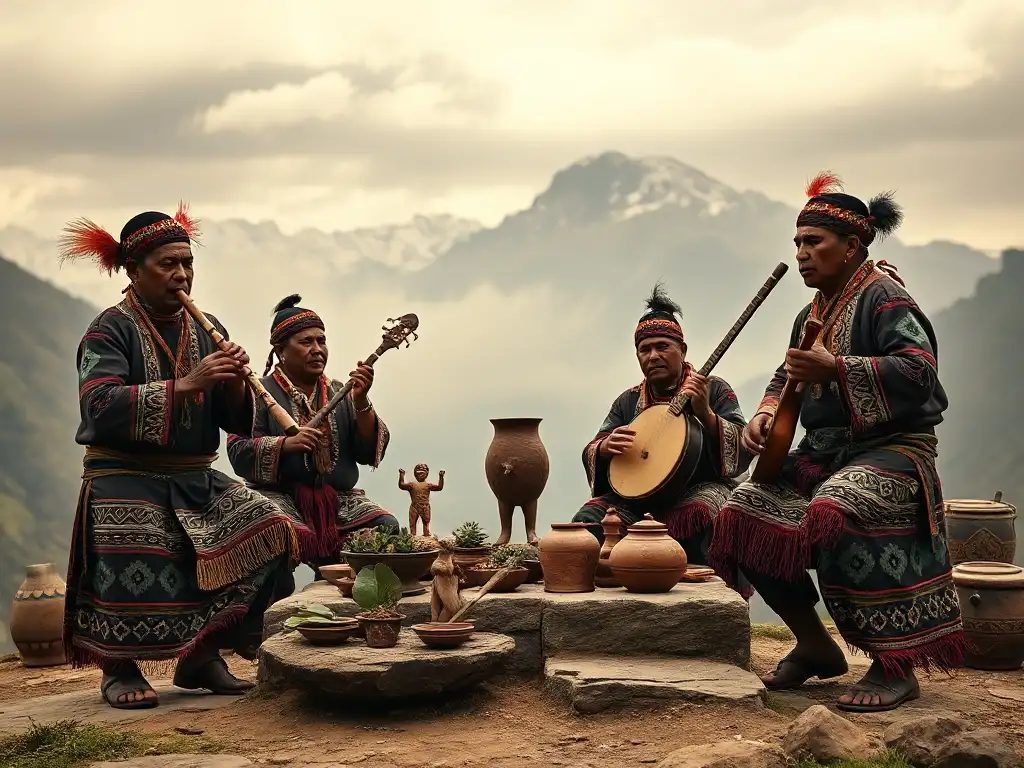
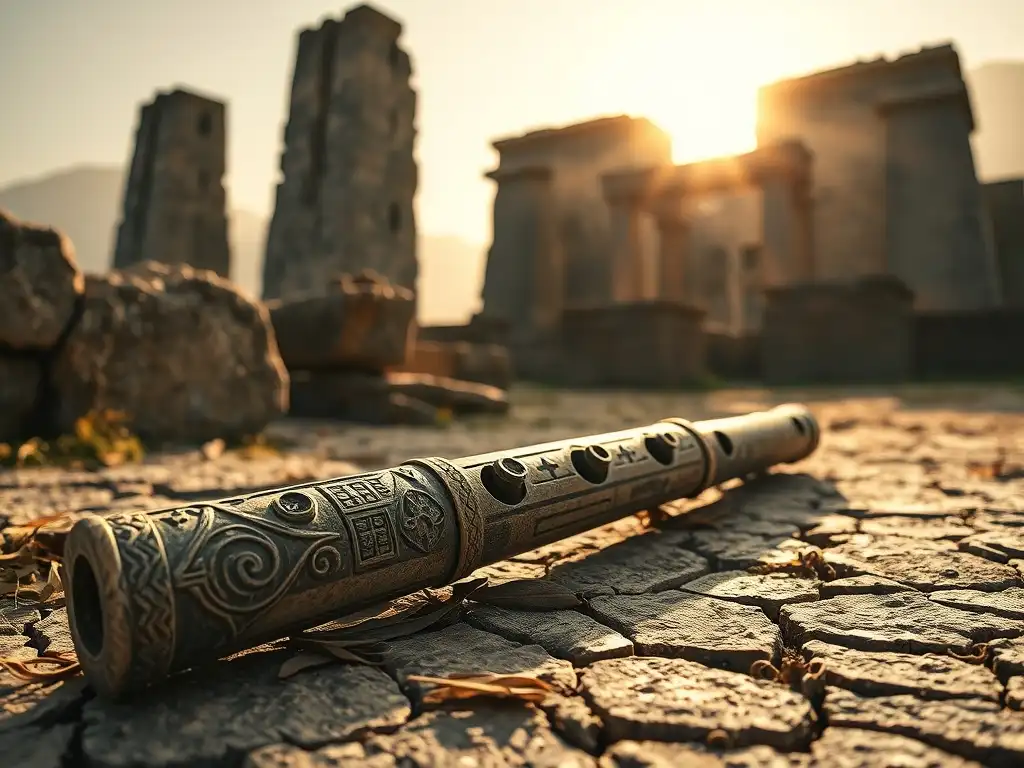
Ancient Andean civilizations didn't merely listen to music; they lived it. Music wasn't a mere form of entertainment; it was deeply intertwined with their spiritual beliefs, social structures, and daily lives. Understanding the role of music in these societies requires moving beyond a purely aesthetic appreciation and delving into its profound ritualistic significance.
This section will explore the multifaceted ways music shaped Andean life, focusing on its use in ceremonies, agricultural cycles, and social gatherings, offering a glimpse into the vibrant sonic landscape of these fascinating cultures. The pervasive presence of music in all aspects of Andean life underscores its importance as a powerful tool for communication, social cohesion, and connection with the supernatural.
We will examine specific examples of instruments, musical styles, and their association with particular deities and rituals, showcasing the intricate relationship between sound and spirituality in ancient Andean societies. The study of Andean civilizations ritual music provides invaluable insights into the worldview and cultural practices of these remarkable peoples.
Andean Civilizations: A Deep Connection Between Music and Spirituality
The Andean worldview was profoundly animistic; the natural world—mountains, rivers, animals—was imbued with spiritual energy. Music served as a conduit to connect with this spiritual realm. For example, the Inca considered the apu (mountain spirits) as powerful deities, and musical performances, often accompanied by specific instruments like the pututu (a shell trumpet), were integral to appeasing and honoring them.
These rituals weren't merely symbolic; they were believed to directly influence the well-being of the community, ensuring bountiful harvests and protection from natural disasters. The intricate melodies and rhythms weren't arbitrary; they were believed to mirror the cosmic order, reflecting the harmony between the earthly and spiritual planes. Archaeological evidence, including the discovery of musical instruments in burial sites, further strengthens this connection between music, spirituality, and the afterlife.
The careful preservation of these instruments suggests their enduring importance beyond their practical use. Many scholars believe that music played a crucial role in shamanistic practices, facilitating altered states of consciousness and communication with the spirit world. The rhythmic patterns and hypnotic qualities of certain musical forms may have been instrumental in inducing trance-like states, enabling shamans to interact with the supernatural.
Ritualistic Music's Role in Andean Cosmology and Beliefs
Andean cosmology was complex and multifaceted, with a strong emphasis on the cyclical nature of time and the interconnectedness of all things. Ritualistic music played a crucial role in reinforcing these beliefs and maintaining cosmic harmony. The agricultural calendar, central to Andean life, was punctuated by a series of musical events. Festivals celebrating planting and harvesting were accompanied by vibrant musical performances, often involving large ensembles of musicians and dancers.
These performances weren't simply celebratory; they were seen as active participation in the life cycle of the earth itself, ensuring fertility and abundance. The music itself was often imbued with symbolic meaning, with specific melodies and instruments associated with particular deities or agricultural cycles. For instance, certain flute melodies might have been associated with water deities, invoking their blessings for irrigation and rainfall. Furthermore, the use of specific instruments like panpipes and drums may have been linked to specific deities or cosmological concepts.
The rhythmic complexity of the music itself might have symbolically represented the cyclical nature of life, death, and rebirth, fundamental elements of Andean cosmology. The precise meanings and interpretations of these musical elements, however, remain a subject of ongoing research and debate amongst Andean civilization scholars. Further research, particularly analyzing preserved musical instruments and iconography, is crucial to fully unveil the intricate relationship between Andean ritual music and their rich cosmology.
This section has explored the significant role of music within Andean civilizations, emphasizing its integration into spiritual beliefs and rituals. The detailed examination of its cosmological significance highlights the profound connection between sound and the Andean worldview. Further research into this fascinating topic promises to uncover even more of the secrets held within the sacred rhythms of these ancient cultures.
Instruments of the Andes: Voices of the Sacred
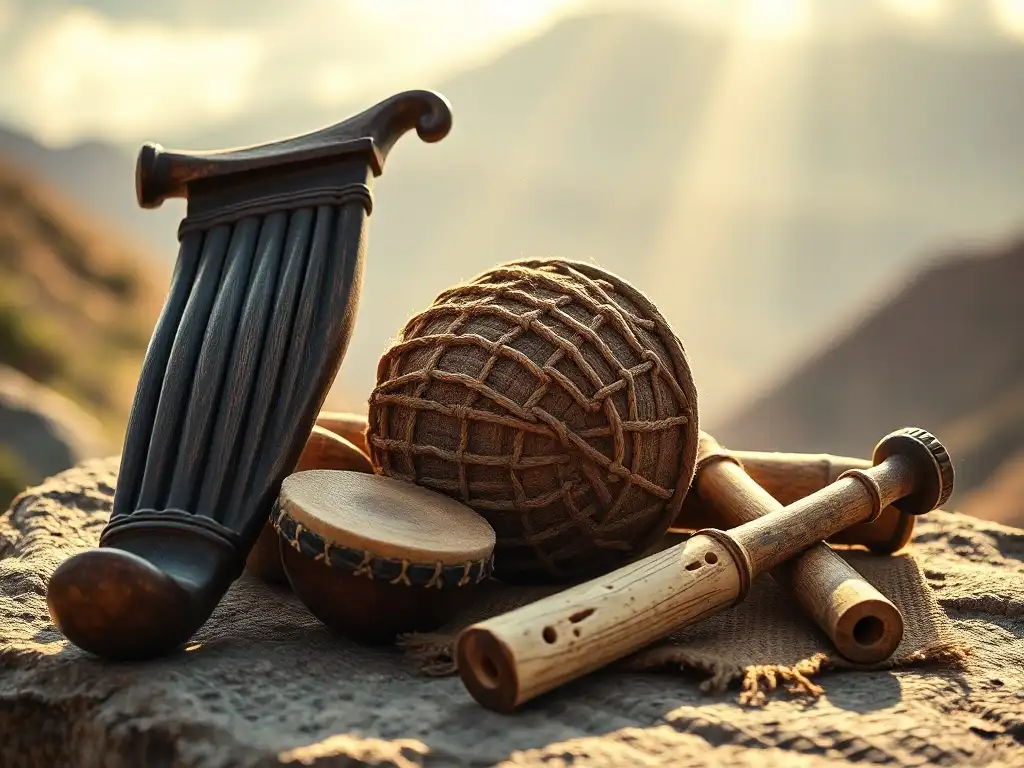
The musical landscape of Andean civilizations was incredibly diverse, reflecting the varied geography and cultures across the region. Understanding the instruments used in their ritualistic music is crucial to appreciating the depth and complexity of their spiritual practices. These weren't merely tools for creating sound; they were extensions of the sacred, embodying the voices of the gods and the spirits of the ancestors.
The sounds produced were deeply intertwined with the beliefs and cosmology of each civilization, shaping their rituals and ceremonies. The meticulous craftsmanship involved in creating these instruments further highlights their importance within Andean society. Analyzing these instruments allows us to better understand the sophisticated musical traditions that accompanied Andean religious practices, providing a window into their worldview and spiritual beliefs.
The study of Andean ritual music reveals not only the soundscapes of the past but also the enduring connection between music and spirituality in Andean cultures. We will now delve into the specific types of instruments employed, highlighting their roles in various ceremonies and rituals.
Wind Instruments: The Soul of Andean Ritual Music
Wind instruments held a prominent position in Andean ritual music. Their ability to produce soaring melodies and evocative soundscapes made them ideal for communicating with the spirit world. Among the most significant were the antara, a panpipe made of several reeds of varying lengths, and the pututo, a long, straight trumpet often made from conch shells. The antara, with its ethereal tones, was frequently used to accompany dances and ceremonies dedicated to deities associated with fertility and abundance. Its ability to create both gentle melodies and powerful, resonant sounds made it versatile across a range of rituals.
The pututo, on the other hand, possessed a more powerful and commanding sound. Its deep, resonant tones were often used in ceremonies involving important figures or significant events, such as the announcement of a harvest or a royal decree. The use of conch shells in the construction of the pututo further reinforces its connection to the sacred, as conch shells were often associated with the sea and the powerful forces of nature.
Archaeological evidence shows the widespread use of these wind instruments across different Andean cultures, suggesting their importance in unifying various ceremonial practices. The precise techniques for playing these instruments, and the specific musical traditions they supported, are still being uncovered by researchers today. Further study is needed to fully elucidate the nuances of these sacred sounds.
Percussion Instruments: Marking Time in Andean Ceremonies
Percussion instruments provided the rhythmic backbone of many Andean ceremonies. These instruments, often made from readily available materials like wood, stone, and animal skins, played a crucial role in setting the tempo and atmosphere of rituals. The tinku, a type of drum often made from a hollowed-out log, provided a powerful, resonant beat that energized participants and helped to maintain the rhythm of communal dances. The huayno, a genre of Andean music, relies heavily on this rhythmic intensity.
Other percussion instruments, such as rattles made from gourds filled with seeds or stones, provided a more delicate, shimmering accompaniment. These instruments, along with the tinku, created a complex interplay of rhythms that mirrored the cyclical nature of Andean cosmology. The rhythmic pulse, often synchronized with movements and chants, helped to create a trance-like state, facilitating communication with the spirit world.
The diversity of percussion instruments used underscores the importance of rhythm in Andean ritual music and its role in shaping the experience of participants. Further research is required to fully understand the regional variations in the use of percussion instruments and their specific functions within different ceremonies. For example, [specific information pending] regarding the use of specific percussion instruments in Nazca ceremonies.
Stringed Instruments: Delicate Melodies of Ancient Andean Rites
While percussion and wind instruments dominated many Andean ceremonies, stringed instruments also played a significant role, particularly in more intimate or personal rituals. The charango, a small lute-like instrument with a distinctive sound, was often used to accompany songs and prayers. Its delicate melodies contrasted beautifully with the powerful sounds of percussion and wind instruments, creating a rich and complex soundscape. The charango's portability made it suitable for both public and private rituals.
Other stringed instruments, including various types of harps and zithers, likely existed, though evidence of their use in ritual contexts is less abundant. The scarcity of preserved artifacts makes it challenging to reconstruct the full range of stringed instruments used in ancient Andean rituals. However, textual sources and iconographic representations suggest a wider variety of stringed instruments than currently documented.
The specific role of stringed instruments within the broader context of Andean ritual music requires further investigation. For example, more research is needed to determine the precise function and usage of [specific information pending] stringed instruments found in specific archaeological sites. The subtle sounds produced by these instruments likely contributed to the overall atmosphere and meaning of the ceremonies, adding layers of complexity to the ritualistic experience.
Andean Ritual Music: A Tapestry of Ceremonies
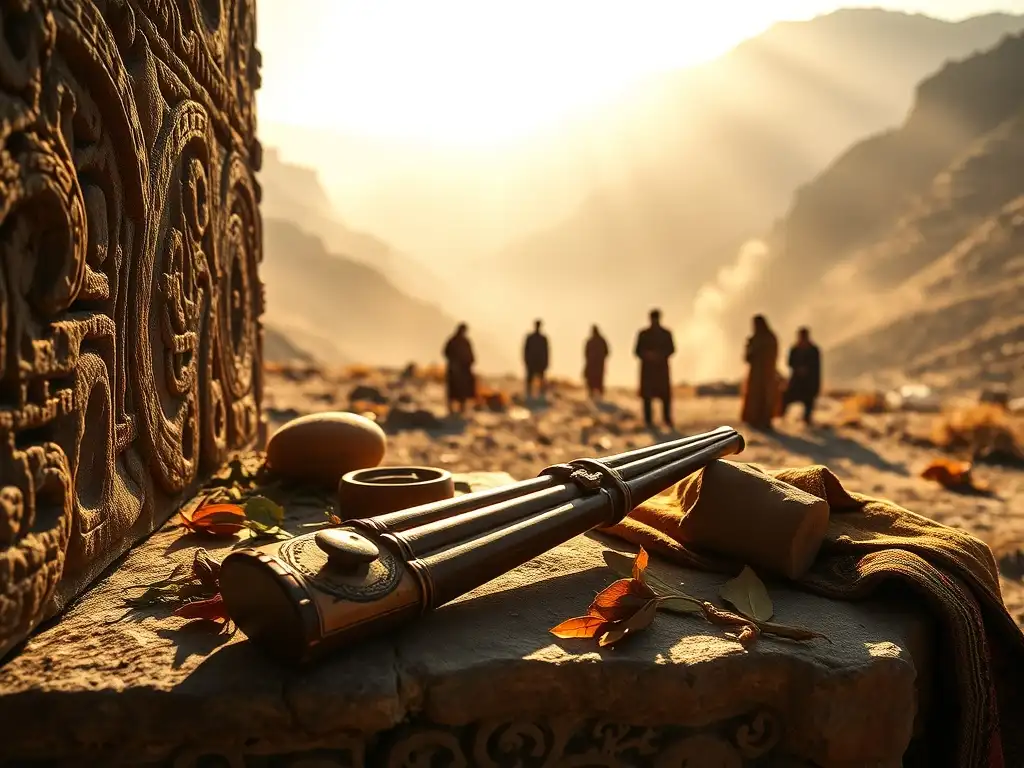
The vibrant tapestry of Andean civilizations is interwoven with the threads of ritualistic music. Sound wasn't merely an aesthetic element; it was a powerful force shaping religious beliefs, social structures, and daily life. From the haunting melodies accompanying funerary rites to the joyous rhythms celebrating harvests, music served as a vital conduit to the spiritual realm and a crucial element in maintaining social cohesion. Understanding the role of music in these ancient societies provides invaluable insight into their complex worldview and sophisticated cultural practices.
This exploration focuses on the diverse ways Andean civilizations integrated music into their religious and social fabric, highlighting the profound significance of sound in their daily lives. The keyword phrase "Andean civilizations ritual music" accurately reflects the core theme of this section. Further exploration into specific instruments and musical styles will enhance our understanding of this fascinating aspect of Andean culture.
Music in Agricultural Rituals of Andean Cultures
Agriculture formed the bedrock of Andean societies. The success of their crops was intrinsically linked to their relationship with the gods and the forces of nature. Musical performances played a crucial role in ensuring bountiful harvests and appeasing the deities responsible for fertility and rain.
For instance, the Inca, known for their sophisticated agricultural techniques, employed elaborate ceremonies involving music and dance to invoke blessings upon their fields. These rituals often involved panpipes, flutes, and drums, creating a sonic landscape intended to resonate with the earth's energies and invite the benevolent intervention of the gods. The rhythms and melodies were carefully chosen to reflect the agricultural cycle, mirroring the growth, blossoming, and harvesting of crops.
Evidence suggests that different musical pieces were associated with specific stages of the agricultural calendar, reinforcing the cyclical nature of life and the importance of maintaining harmony with the natural world. The specific melodies and instrumentation varied across different Andean cultures, reflecting their unique beliefs and practices, but the core function of music in ensuring agricultural prosperity remained consistent. Furthermore, the participation of the entire community in these musical rituals fostered a sense of unity and shared purpose, strengthening social bonds and reinforcing the collective identity of the group.
Funeral Rites and the Mournful Sounds of Andean Music
Death held a profound significance for Andean civilizations, shaping their worldview and influencing their ritual practices. Music played a central role in funerary rites, serving as a means of communicating with the spirit world and guiding the deceased on their journey to the afterlife. The soundscape of Andean funerals was often characterized by somber melodies, played on instruments like the antara (panpipes) and pututo (a long horn), creating a mournful atmosphere reflecting the community's grief and the solemnity of the occasion.
The music wasn't just a background accompaniment; it was believed to possess the power to influence the spirit's passage and ensure a peaceful transition. Different musical styles and instruments might have been used depending on the social status of the deceased or the specific beliefs of the community. For example, [specific information pending] regarding variations in funeral music among different Andean groups.
This highlights the diversity of musical practices within the broader Andean cultural sphere. Detailed archaeological studies and ethnomusicological research are necessary to further illuminate the nuances of Andean funeral music.
Andean Music and the Celebration of Life: Festivities and Rhythms
Beyond the solemn occasions, music played a vital role in celebrating life's joys and milestones. Festivals and communal gatherings were infused with vibrant rhythms and energetic melodies, creating a festive atmosphere that fostered social cohesion and reinforced community bonds. These celebrations often involved dances and processions, with music serving as the driving force behind the collective expression of joy and celebration. Instruments such as the tarka (a type of flute), drums, and rattles created a lively and dynamic soundscape, encouraging participation and fostering a sense of shared identity.
The music of Andean festivities was often characterized by its rhythmic complexity and repetitive patterns, creating a hypnotic effect that propelled the dancers and spectators into a state of collective euphoria. The specific melodies and rhythms varied depending on the occasion and the region, reflecting the diversity of Andean musical traditions. For example, harvest festivals might have featured music that celebrated the bounty of the land, while other celebrations might have focused on honoring specific deities or commemorating historical events.
The study of these festive musical traditions provides valuable insights into the social structures, beliefs, and values of Andean societies. The enduring legacy of Andean ritual music is a testament to the power of sound to shape culture and connect people across time. 🎉
Inca Ritual Music: A Case Study
The Inca Empire, renowned for its sophisticated societal structure and impressive architectural feats, also possessed a rich musical tradition deeply intertwined with religious practices and imperial power. Inca ritual music wasn't merely entertainment; it was a vital component of their worldview, used to communicate with deities, honor ancestors, and solidify social order. Unlike many other Andean cultures, written musical notation was absent, leaving us to rely on archaeological evidence, colonial chronicles, and ethnomusicological interpretations to reconstruct its nature. These sources paint a picture of a complex and multifaceted musical landscape.
The huayno, a genre still prevalent in the Andes today, likely had its roots in Inca ritual music, albeit with significant evolution over the centuries. Early forms probably featured panpipes ( antara), drums ( tinku), and possibly conch shells, creating a sonic environment intended to evoke awe and reverence. The instruments themselves held symbolic meaning; the panpipes, for example, might have represented the layered Andean landscape or the cosmic order. The rhythmic patterns and melodic contours likely reflected the cyclical nature of Inca cosmology, mirroring the seasons, agricultural cycles, and the celestial movements.
Ceremonies involving the Inca state religion, centered around the worship of the sun god Inti and other deities, were lavish affairs involving elaborate musical performances. These events often coincided with significant agricultural festivals or imperial celebrations, emphasizing the interconnectedness of the cosmos, the Inca state, and its subjects. The music played a crucial role in these ceremonies, setting the atmosphere, guiding the participants, and facilitating communication with the supernatural realm. We can imagine the powerful effect of coordinated instrumental and vocal performances, involving hundreds of participants, creating a truly immersive and awe-inspiring experience.
While specific melodies and compositions remain lost to time, the sheer scale and importance attributed to music in Inca society suggest its pivotal role in maintaining social cohesion, reinforcing imperial authority, and expressing the spiritual beliefs of the empire. The integration of music into all aspects of Inca life, from agricultural practices to royal ceremonies, highlights its significance as a powerful tool for social control, religious expression, and cultural transmission.
Further research, combining archaeological findings with ethnomusicological analyses, promises to illuminate even more facets of this fascinating and vital aspect of Inca culture. The study of Inca ritual music offers a unique window into the worldview and social structures of one of the most remarkable civilizations in the Andes.
The Legacy of Andean Ritual Music
The legacy of Andean ritual music is a powerful testament to the enduring spirit and cultural richness of the Andean civilizations. For centuries, music played a pivotal role in their religious ceremonies, agricultural cycles, and social interactions. Its profound influence continues to resonate in contemporary Andean societies, shaping musical traditions and inspiring new artistic expressions. Understanding this legacy requires delving into the diverse musical practices of various Andean cultures, from the intricate melodies of the Incas to the haunting soundscapes of the Nazca.
This rich tapestry of musical traditions provides invaluable insights into the beliefs, values, and social structures of these ancient societies. The study of Andean ritual music offers a unique window into the past, revealing the deep connection between music, spirituality, and daily life in the Andes. This connection is not merely historical; it is a living legacy, actively preserved and reinterpreted by contemporary Andean communities.
The Preservation of Andean Ceremonial Music Today
The preservation of Andean ceremonial music is a testament to the resilience of cultural heritage. Despite the challenges of colonization and globalization, many Andean communities actively maintain their traditional musical practices. This preservation often occurs through oral transmission, with knowledge and skills passed down through generations within families and communities. Elderly musicians, often considered keepers of cultural memory, play a crucial role in teaching younger generations the intricacies of traditional instruments and musical styles.
Furthermore, there's a growing interest in documenting and archiving this musical heritage, with scholars, musicians, and community organizations working together to create digital repositories and educational resources. This collaborative effort ensures that Andean ceremonial music continues to thrive, contributing to the vibrancy of Andean cultures today. The efforts are not without challenges, however.
The increasing influence of Western music and the pressures of modernization threaten the transmission of traditional knowledge and skills. Therefore, sustained support for community-based initiatives and educational programs is essential to safeguard this irreplaceable cultural heritage. For example, [specific data on successful preservation programs pending], showcasing the positive impact of collaborative efforts.
The Influence of Ancient Andean Rhythms on Contemporary Music
The influence of ancient Andean rhythms on contemporary music is undeniable. Many contemporary Andean musicians draw inspiration from pre-Columbian musical traditions, incorporating ancient instruments and melodic structures into their compositions. This fusion creates a unique and compelling musical landscape that blends traditional sounds with modern sensibilities.
The use of ancient instruments like the panpipes (antara), drums (tinku), and flutes (quenacho) adds an authentic Andean flavor to contemporary music, while the incorporation of modern elements like electric guitars and synthesizers adds dynamism and a fresh perspective. This fusion is not simply a stylistic choice; it represents a powerful act of cultural reclamation and revitalization. Contemporary Andean musicians use music as a means to connect with their ancestral heritage and to express their identity in a rapidly changing world.
This dynamic interplay between tradition and innovation is what defines the contemporary Andean music scene, making it a vibrant and exciting area of musical exploration. The rhythmic complexity and emotional depth of ancient Andean music continue to inspire and influence musicians worldwide, demonstrating the enduring power of this ancient musical heritage. We can see examples of this in [specific examples of contemporary Andean musicians and their work pending].
The Ongoing Research and Discoveries of Andean Musical Heritage
Ongoing research into Andean musical heritage continues to yield fascinating discoveries. Archaeological excavations frequently uncover musical instruments and artifacts, providing tangible evidence of ancient musical practices. Ethnomusicological studies, which involve the study of music within its cultural context, offer crucial insights into the social and religious significance of Andean music.
Scholars are using cutting-edge technologies such as 3D scanning and digital audio restoration to analyze and preserve fragile musical artifacts. Furthermore, research is also exploring the connections between Andean music and other musical traditions in the Americas, revealing intricate networks of cultural exchange and influence. These ongoing discoveries expand our understanding of the richness and complexity of Andean musical heritage, challenging existing assumptions and opening new avenues for research.
For example, recent studies have shown [specific examples of recent discoveries and their significance pending] highlighting the dynamic nature of this field. The continued exploration of Andean musical heritage is not merely an academic pursuit; it is a vital contribution to the preservation and celebration of a unique and invaluable cultural legacy.
Frequently Asked Questions
What role did music play in Andean civilizations?
Music played a vital role in daily life and religious ceremonies of Andean civilizations. It was used to accompany rituals, celebrate harvests, and express emotions. Ritual music was believed to connect the living with the spiritual world.
What instruments were used in Andean ritual music?
Andean cultures utilized a variety of instruments, including panpipes (antara), flutes (quena), drums (tinku), and conch shells. The specific instruments varied depending on the civilization and the ritual's purpose.
How did Andean music influence later cultures?
Andean musical traditions and instruments had a lasting impact on the music of later Andean cultures and even influenced colonial and modern musical styles in the region. Many traditional instruments and melodies persist to this day.
What is known about the preservation of Andean ritual music?
While written scores are scarce, knowledge of Andean ritual music is preserved through oral traditions, archaeological findings (like instruments), and ethnomusicological research. This research continues to uncover new insights into these ancient practices.
Where can I learn more about Andean civilizations' ritual music?
You can explore museums with Andean collections, academic journals focusing on ethnomusicology, and documentaries on ancient Andean cultures. Many online resources also delve into this fascinating topic.
Final Reflection: The Enduring Echo of Andean Ritual Music
The vibrant tapestry of Andean ritual music, far from being a relic of the past, continues to resonate deeply within contemporary society, offering a powerful testament to the enduring strength of cultural heritage. Its intricate melodies and rhythmic complexities are not merely historical artifacts; they are living expressions of spirituality, community, and resilience that continue to shape cultural identities across the Andes and beyond. The echoes of these ancient sounds hold valuable lessons for us today, reminding us of the profound power of music to connect us to something larger than ourselves.
The influence of Andean ritual music extends far beyond the archaeological record; it permeates the very fabric of Andean life, shaping social structures, spiritual practices, and artistic expression. Its enduring presence is a testament to the power of tradition to adapt and evolve while preserving its core essence. The music's ability to transcend time and space speaks to a fundamental human need for connection and meaning. As the anthropologist, Ruth Benedict, wisely observed: Culture is the way of life of a people, the sum total of their learned behavior.
Andean ritual music is a powerful embodiment of this learned behavior, a living testament to the enduring spirit of Andean civilizations.
Consider, for a moment, the profound impact music has on your own life. What rhythms and melodies resonate most deeply within you? How can we, in our own lives, cultivate a deeper appreciation for the sacred rhythms that shape our communities and connect us to our shared human experience?
Let the echoes of Andean ritual music inspire you to explore the power of music in your own life, to seek out the rhythms that resonate with your soul, and to celebrate the rich tapestry of human expression that surrounds us. Embrace the enduring legacy of these ancient sounds, and let them guide you towards a more meaningful and connected existence.
Experience the Transformative Power of Andean Ritual Music!
Thank you for exploring the fascinating world of ritual music in Andean civilizations! We hope you've discovered the profound connection between music, spirituality, and community in these vibrant cultures. Now, let's deepen your understanding and connect with the rhythms that resonate with our shared human experience.
Here are some ways to continue your journey:
- Listen to authentic Andean ritual music. Immerse yourself in playlists featuring traditional ceremonies and let the sounds inspire and uplift you.
- Participate in a local workshop or class. Learn to play Andean instruments and experience the rhythms firsthand. Many communities offer opportunities to connect with this rich musical heritage.
- Share your newfound appreciation. Tell your friends about Andean ritual music, or share your insights on social media. You might inspire others to discover this beautiful aspect of Andean culture!
What new perspectives on ritual music and cultural traditions have you gained?