
Aymara Music and Dance: Echoes of Tradition in the Andes

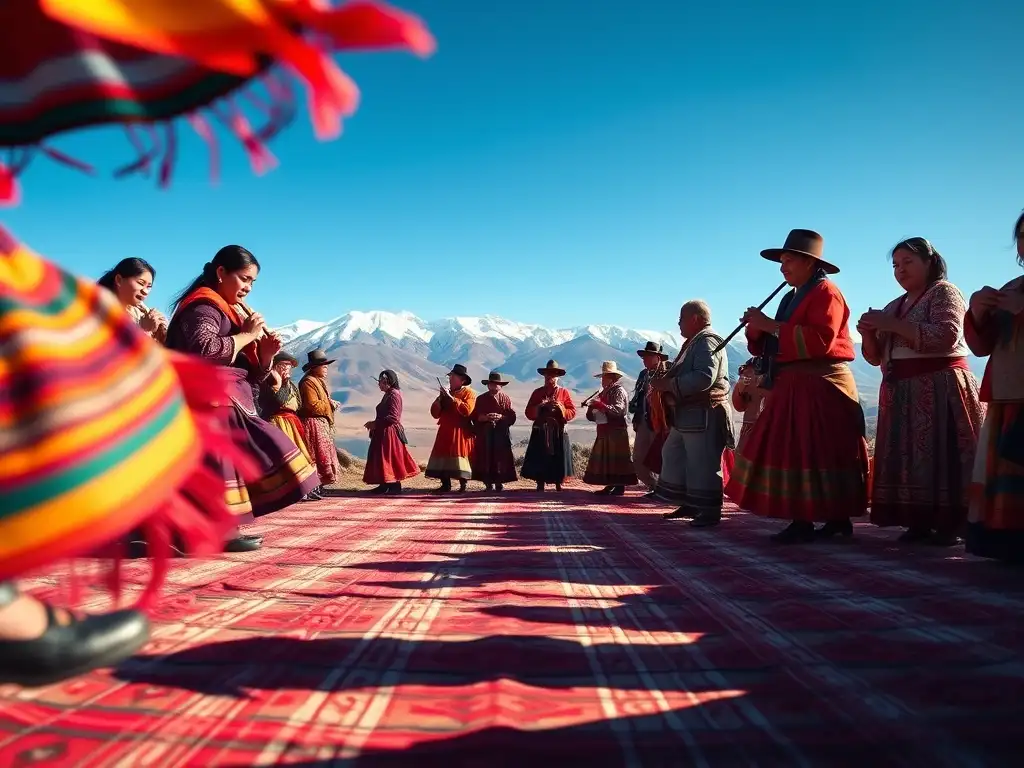
Step into a world lost in time, yet echoing vibrantly in the present. Discover the captivating legacy of the Andean civilizations, from the towering Incan empire to the enigmatic Nazca lines. But today, we delve into something truly special: the rhythmic pulse of Aymara music and dance traditions. Prepare to be enthralled as we unravel the intricate stories woven into every note and movement, revealing a cultural tapestry as rich and diverse as the Andes themselves. Are you ready to listen to the echoes of history?
The Aymara people, inhabiting the high Andes of Bolivia, Peru, and Chile, possess a vibrant and enduring cultural heritage deeply intertwined with their music and dance traditions. For centuries, these art forms have served not only as expressions of joy and celebration but also as crucial vehicles for storytelling, preserving history, and transmitting social values across generations. This exploration delves into the rich tapestry of Aymara music and dance, examining its unique characteristics, its social significance, and its continued relevance in contemporary Andean society.
We will uncover the instruments, rhythms, and movements that define this captivating cultural legacy, highlighting the ways in which these traditions reflect the Aymara worldview and their profound connection to the Andean landscape. Understanding Aymara music and dance traditions offers a profound insight into the resilience and cultural richness of this remarkable indigenous community.
Instruments of the Andes: A Melodic Landscape
Aymara music relies on a diverse array of instruments, many crafted from natural materials readily available in their high-altitude environment. These instruments contribute to the unique sonic character of Aymara melodies. The siku, a panpipe, is arguably the most iconic, its haunting and ethereal sounds echoing across the Andean plains.
Different sizes and arrangements of sikus create a complex and layered soundscape. The charango, a small lute made from armadillo shell, provides a distinctive, bright timbre, often used to accompany vocal performances. Percussion instruments, such as the tinku, a hand drum, and various types of rattles, add rhythmic complexity and energy to the music, often reflecting the movements of the dances themselves.
The distinctive sounds of these instruments, coupled with the unique vocal styles, create a powerful and evocative auditory experience deeply rooted in the Andean environment. The craftsmanship involved in creating these instruments is a testament to the Aymara's ingenuity and connection to their surroundings.
Rhythms and Melodies: Telling the Stories of the Andes
The rhythms and melodies of Aymara music are intimately connected to the social and spiritual life of the community. Many songs narrate historical events, myths, and legends, passing down knowledge and cultural memory through generations. The melodies often feature pentatonic scales, characteristic of Andean music, creating a melancholic yet captivating sound. Rhythms vary considerably depending on the specific occasion, ranging from the lively and upbeat rhythms of celebratory dances to the more subdued and introspective melodies of ritualistic performances.
The structure of the songs, often incorporating call-and-response patterns, emphasizes community participation and underlines the social aspect of musical performance. Specific rhythmic patterns can also be linked to particular ceremonies or celebrations, further highlighting the music's integral role in community life. Detailed studies of these musical structures reveal a complex system of communication and cultural transmission.
Dance: Movement and Expression in the Andes
Aymara dances are not merely physical expressions; they are powerful forms of communication that tell stories, convey emotions, and reinforce social bonds. The movements are often grounded, reflecting the connection to the earth, and frequently incorporate stylized gestures that represent specific events or characters from Aymara mythology and history. These dances are often performed in community settings, such as festivals and ceremonies, uniting participants and spectators in shared cultural experience. The costumes, vibrant and elaborate, play a crucial role, using colors and patterns to symbolize different aspects of Aymara identity and beliefs.
The costumes themselves are often handmade, reflecting the intricate craftsmanship and artistic skills within the community. The dances are a powerful visual representation of the Aymara's rich cultural heritage, reflecting their resilience and deep connection to their ancestral lands. Observing these dances provides a window into their beliefs and social structures.
The Enduring Legacy: Aymara Music and Dance Today
Despite facing challenges of globalization and modernization, Aymara music and dance traditions continue to thrive. Younger generations are actively involved in preserving and promoting these art forms, ensuring their continued relevance in contemporary Andean society. Efforts to document and teach these traditions are underway, aiming to safeguard this valuable cultural heritage for future generations.
The integration of Aymara music and dance into educational programs and cultural events contributes to the vitality and visibility of this important cultural expression. The continued practice and performance of these traditions serve as a testament to the enduring strength and cultural identity of the Aymara people. Their music and dance are not just echoes of the past; they are vibrant expressions of a living culture.
- Instruments of the Andes: A Melodic Landscape
- Rhythms and Melodies: Telling the Stories of the Andes
- Dance: Movement and Expression in the Andes
- The Enduring Legacy: Aymara Music and Dance Today
The Significance of Aymara Music and Dance in Andean Culture
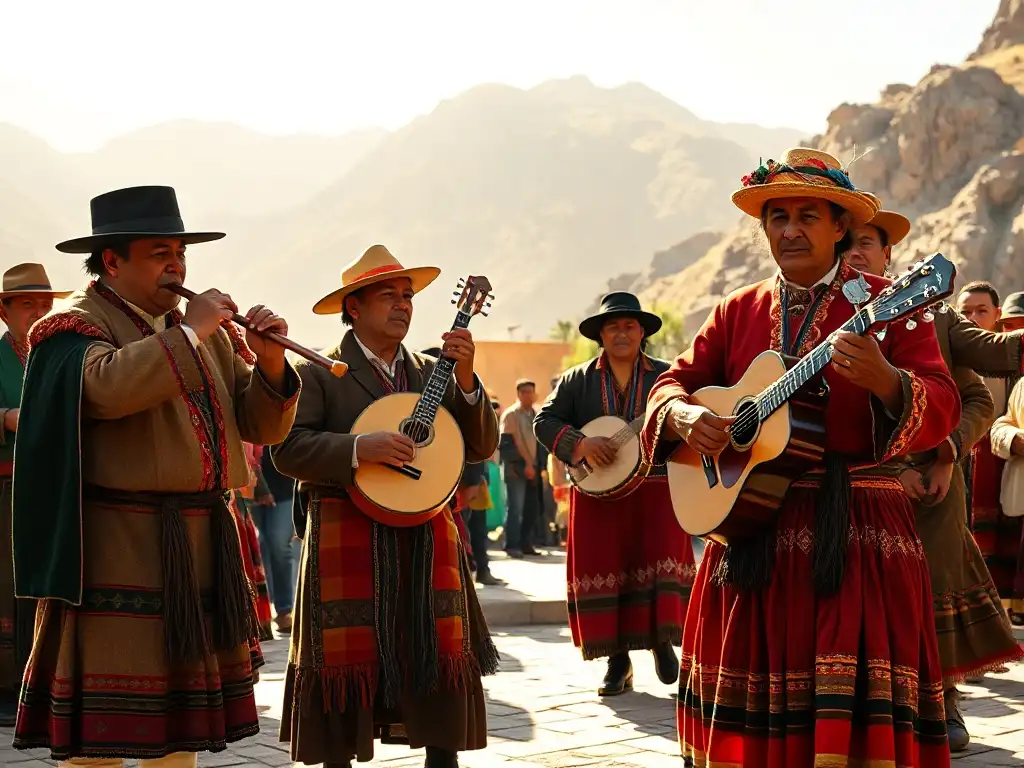
The Aymara people, inhabiting the Andean highlands of Bolivia, Peru, and Chile, possess a vibrant and deeply significant musical and dance tradition. This rich cultural heritage isn't merely entertainment; it's intrinsically linked to their social structure, spiritual beliefs, and historical identity. Aymara music and dance traditions serve as powerful tools for storytelling, community bonding, and the preservation of ancestral knowledge, echoing through generations.
Understanding these traditions offers invaluable insight into the complexities of Aymara culture and its enduring resilience in the face of historical and contemporary challenges. The rhythmic pulse of their music and the graceful movements of their dances are tangible expressions of their connection to the land, their ancestors, and their shared identity. This section delves into the multifaceted role of music and dance within Aymara society, highlighting its enduring power and cultural significance.
The unique sounds and movements are not simply artistic expressions; they are vital components of their social fabric, acting as a conduit to their past and a roadmap for their future. The study of Aymara music and dance traditions provides a compelling lens through which to examine the dynamic interplay between cultural heritage and contemporary life.
Aymara Cultural Expression Through Music and Movement
Aymara music is characterized by its distinctive instrumentation and vocal styles. Instruments like the siku (panpipes), charango (a small lute), and various percussion instruments create a unique sonic landscape. The siku in particular, often played in ensembles, produces haunting melodies that evoke the vastness and majesty of the Andes. Aymara melodies are often modal, with a focus on pentatonic scales, creating a sense of both melancholy and joy. Vocal styles frequently utilize call-and-response patterns, reflecting the communal nature of Aymara society. This interactive element emphasizes participation and shared experience, strengthening social bonds.
The dances themselves are equally expressive. Many Aymara dances are deeply ritualistic, incorporating symbolic movements that tell stories of their history, mythology, and cosmology. These dances are often performed during festivals and ceremonies, providing a visual representation of their cultural values and beliefs. The movements are often grounded, reflecting the connection to the earth, and incorporate gestures that symbolize agricultural cycles, animal life, and spiritual forces.
Detailed ethnographic studies are needed to fully document the nuanced meanings embedded within each dance. [Specific information pending on detailed analysis of symbolic movements in various Aymara dances]. The costumes worn during these performances are also significant, often featuring vibrant colors and intricate designs that reflect regional variations and specific ceremonial contexts.
The Role of Music in Aymara Rituals and Ceremonies
Music plays a central role in Aymara rituals and ceremonies, serving as a vital link between the earthly and spiritual realms. Many ceremonies involve musical performances aimed at appeasing deities, ensuring successful harvests, or honoring ancestors. The music is not simply background; it's an active participant in shaping the ritual's atmosphere and efficacy. For example, during agricultural ceremonies, specific songs and musical patterns are employed to invoke blessings upon the crops. Similarly, music plays a crucial role in funeral rites, helping to guide the spirits of the deceased to the afterlife.
The use of the siku in these ceremonies is particularly significant. The haunting sounds of the panpipes are believed to have the power to communicate with the spiritual world. [Specific information pending regarding the spiritual significance of different siku melodies in various Aymara rituals]. The rhythmic drumming and other percussion instruments often accompany the siku, creating a powerful and evocative soundscape that intensifies the spiritual atmosphere.
The combined effect of music, dance, and ritual actions creates a powerful and deeply moving experience, reinforcing the Aymara people's connection to their ancestral heritage and spiritual beliefs. The preservation of these musical traditions is therefore crucial for maintaining the continuity of Aymara cultural identity and spiritual practices. The intricate relationship between music, ritual, and spirituality within Aymara culture requires further research to fully unpack its complexities and significance.
Traditional Aymara Musical Instruments
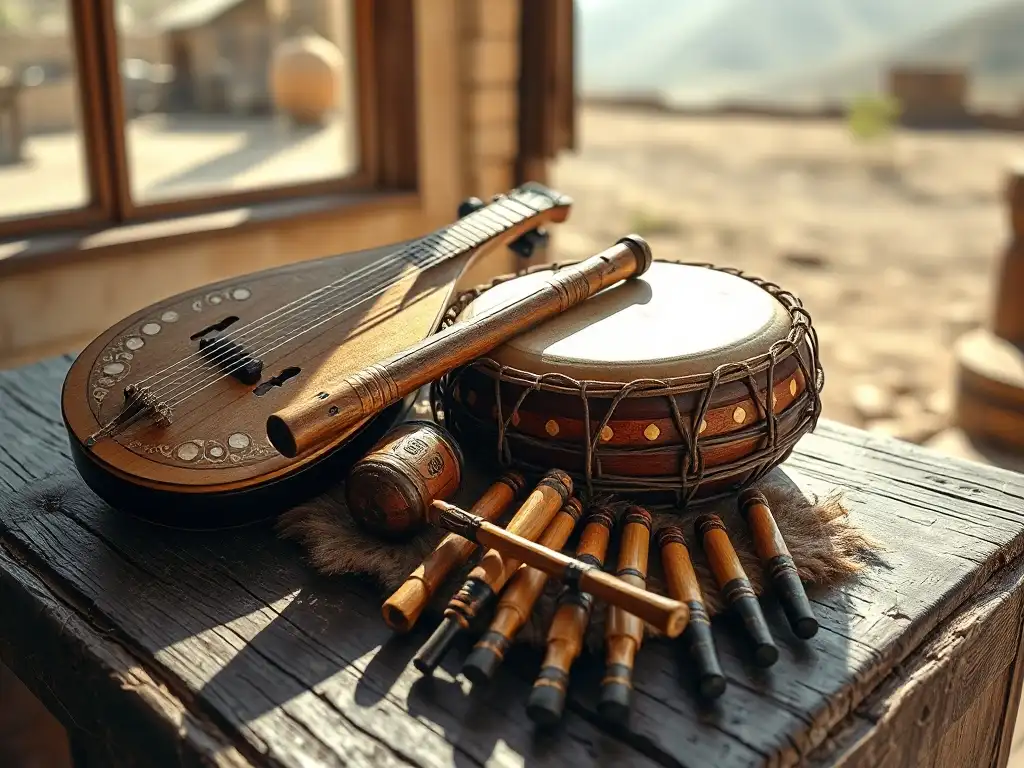
The vibrant soundscapes of Aymara music and dance traditions are intrinsically linked to the unique instruments used to create them. These instruments, often crafted from readily available natural materials, reflect the ingenuity and deep connection to the Andean landscape that characterizes Aymara culture. Understanding these instruments is key to appreciating the nuances and depth of Aymara musical expression. The rich timbre and evocative melodies produced by these instruments have been passed down through generations, carrying with them the stories and spirit of the Andes.
The Siku: The Iconic Panpipe of the Andes
The siku is arguably the most iconic instrument associated with Aymara music and dance traditions. This panpipe, typically made from cane or bamboo, consists of a set of pipes of varying lengths, creating a range of notes. Aymara musicians often play two sikus simultaneously – a siku alto (higher pitched) and a siku bajo (lower pitched) – creating a rich, layered sound. The precise arrangement and tuning of the pipes can vary depending on the region and specific musical style, leading to a diverse range of sounds within the siku family.
The construction of a siku is a meticulous process, requiring skill and precision. The pipes are carefully cut and fitted together, often using natural binding materials. The quality of the siku depends heavily on the chosen material, its dryness, and the skill of the craftsman. Different types of cane produce different timbres, influencing the overall sound.
Master siku makers are highly respected within Aymara communities, their knowledge passed down through apprenticeships and oral traditions. The siku’s sound is integral to many Aymara rituals and celebrations, adding a powerful emotional dimension to ceremonies and dances. Its haunting melodies evoke the vastness of the Andes and the enduring spirit of the Aymara people.
The Charango: A Stringed Instrument of Andean Heritage
While often associated with broader Andean music, the charango holds a significant place within Aymara musical traditions. This small, lute-like instrument is typically constructed from the shell of an armadillo, giving it a distinctive tone. The armadillo shell's unique acoustic properties contribute to the instrument's resonant and slightly melancholic sound. It features five double strings, typically tuned in a similar way to a guitar, though specific tuning variations exist.
Unlike the siku, which is primarily used in ensemble settings, the charango is often played as a solo instrument or to accompany vocal performances. Its versatility allows it to adapt to various musical styles, from traditional Aymara melodies to more modern interpretations. The charango's portability also makes it a popular instrument for both informal gatherings and formal performances.
The intricate fretwork and often ornate decoration of the charango showcase the artistic skill of its makers, reflecting the pride and artistry embedded within Aymara culture. The delicate interplay between the strings creates a captivating soundscape that beautifully complements the rhythmic elements of Aymara music.
Aymara Percussion: Drums and Other Rhythmic Instruments
Percussion instruments play a vital role in providing the rhythmic foundation for Aymara music and dance traditions. While the specific instruments can vary regionally, drums are consistently central to the musical landscape. These drums, often made from animal hides stretched over wooden frames, range in size and construction, producing a variety of tones and rhythms. Smaller hand drums offer a more delicate beat, while larger drums provide a powerful, driving pulse to accompany dances.
Beyond drums, other percussion instruments may include rattles, made from gourds filled with seeds or small stones, and various types of scraped sticks or percussion sticks made of wood or bone. These instruments are often used in combination to create complex and layered rhythmic patterns. The rhythmic precision and syncopation displayed by Aymara percussionists are essential to the energy and dynamism of Aymara music and dance.
The interplay between the percussion and the melody instruments creates a captivating and powerful musical experience, highlighting the intricate relationship between rhythm and melody within Aymara musical traditions. The rhythmic pulse of these instruments provides the energetic heartbeat of Aymara celebrations and rituals.
Aymara Dance Forms and Their Meanings
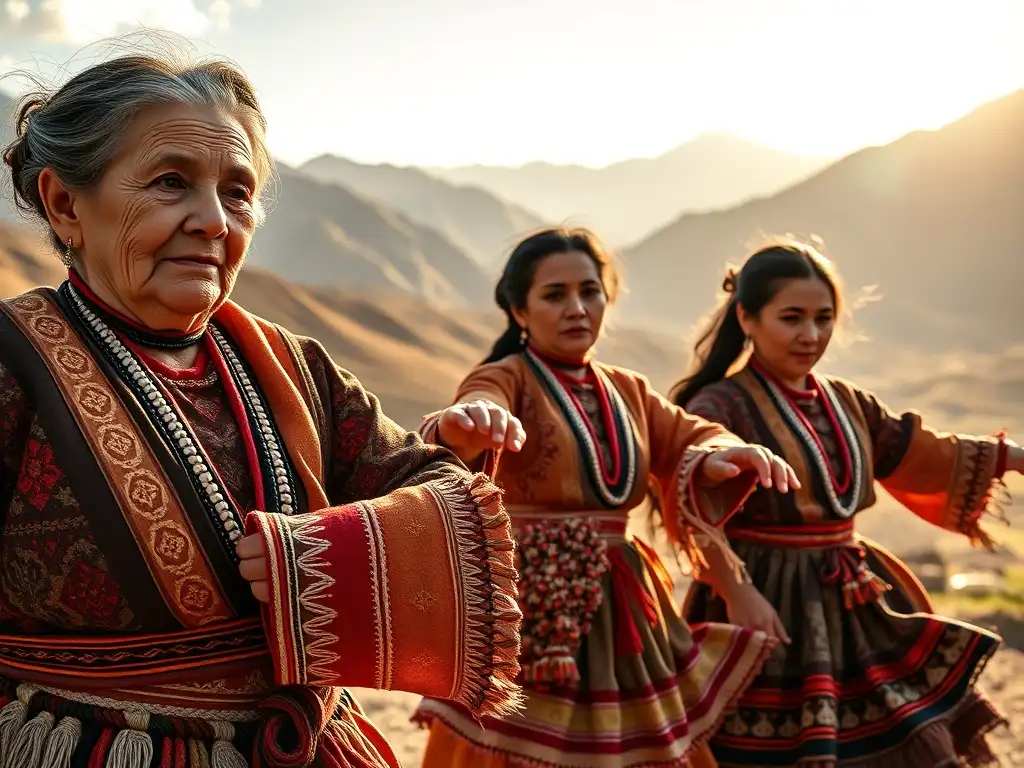
Aymara music and dance traditions are deeply intertwined with their spiritual beliefs, social structures, and agricultural cycles. Dance isn't merely entertainment; it's a vital component of Aymara cultural identity, conveying narratives, celebrating harvests, honoring deities, and reinforcing community bonds. Understanding the rich symbolism embedded within these movements is crucial to appreciating their significance. The gestures, costumes, and rhythms all contribute to a complex tapestry of meaning, often passed down through generations orally and through practical demonstration.
The dances are not static; they evolve and adapt while retaining core elements that link them to ancient practices. This dynamic interplay between tradition and adaptation ensures the continued relevance of Aymara dance in contemporary society. Further research is needed to fully document the nuances of meaning associated with specific movements in various Aymara communities, as regional variations exist.
The Rich Symbolism Embedded in Aymara Dances
The symbolism in Aymara dances is multifaceted. For example, certain movements might represent the cyclical nature of agriculture, mimicking the planting and harvesting of crops. The use of specific colors in costumes can also be highly symbolic, often representing elements of nature (e.g., the earth, the sun, water) or spiritual entities. The rhythmic patterns themselves can reflect the pulse of life, the rhythms of the Andes mountains, or even the celestial movements.
Many dances involve the use of specific props, such as staffs or musical instruments, which further enhance their symbolic meaning. Detailed ethnographic studies are crucial to fully grasp the rich layers of symbolism present in these performances. For instance, the direction of movement, the postures adopted by dancers, and the interactions between dancers can all convey significant messages. [Specific examples of symbolic gestures and their meanings pending].
Specific Aymara Dance Styles: The Waca Waca
The Waca Waca is a vibrant and energetic Aymara dance often performed during festivals and celebrations. Characterized by its fast-paced movements and lively music, the Waca Waca typically involves dancers forming a circle, their steps mimicking the agility of certain Andean animals. The costumes are usually colorful and adorned with intricate designs, reflecting the richness of Aymara artistry. The music accompanying the Waca Waca is typically played on traditional Andean instruments such as the siku (panpipes), tarka (flute), and charango (small guitar).
The overall atmosphere is one of joy and celebration, reflecting the community's shared cultural identity. While the precise origins of the Waca Waca are difficult to pinpoint definitively, its popularity suggests its deep roots within Aymara culture. Further research into archival materials and oral histories could shed more light on its historical development and regional variations.
Specific Aymara Dance Styles: The Tinku
In contrast to the celebratory nature of the Waca Waca, the Tinku represents a more complex and historically significant dance. Traditionally performed as a ritualistic combat dance, the Tinku involves two opposing groups engaging in a stylized fight, often involving symbolic gestures rather than actual violence. While it might seem aggressive, the Tinku is deeply rooted in Aymara cosmology and social structures, representing the resolution of conflicts and the maintenance of balance within the community.
The costumes and musical accompaniment of the Tinku are often distinct from other Aymara dances, reflecting the unique nature of this ritual. The Tinku's symbolism is particularly rich, representing the struggle between opposing forces, the cyclical nature of life and death, and the importance of maintaining harmony within the social fabric. [Specific details on the costumes, music, and symbolic gestures of the Tinku pending further research].
The Tinku offers a fascinating glimpse into the complex interplay between conflict resolution and cultural expression in Aymara society. Understanding its nuances requires careful consideration of its historical context and its ongoing significance within contemporary Aymara communities.
The Evolution of Aymara Music and Dance Through Time
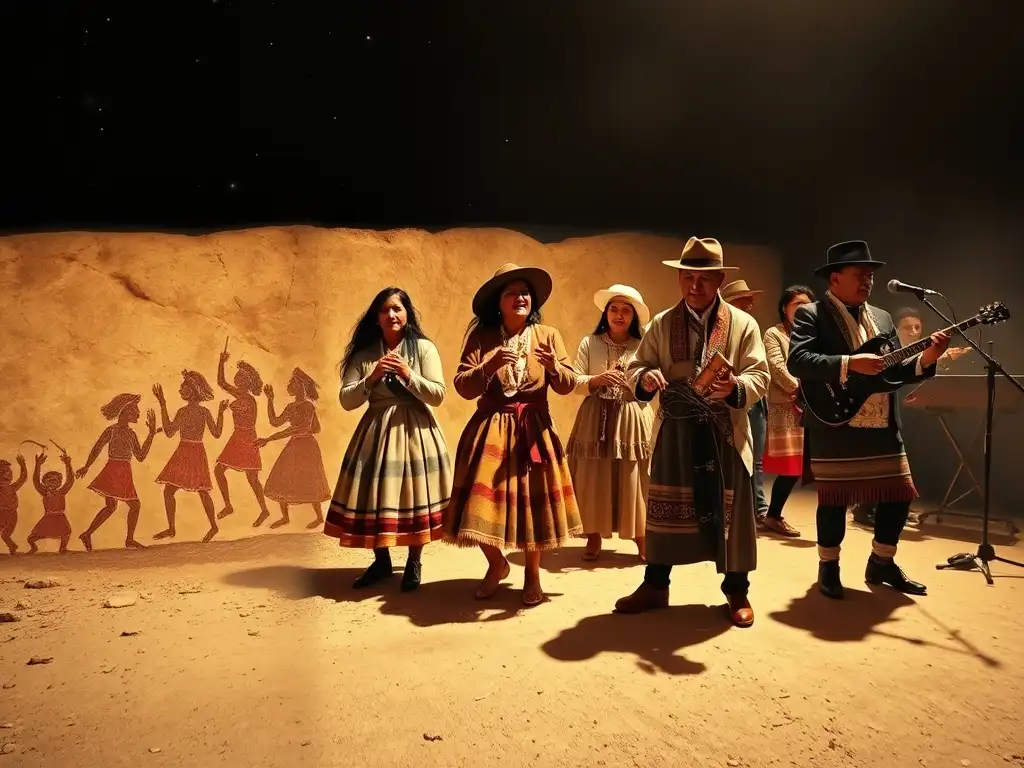
The vibrant tapestry of Aymara music and dance traditions, a testament to the enduring spirit of the Andean people, hasn't remained static. Its evolution reflects a fascinating interplay between ancient practices and modern influences, a continuous process of adaptation and innovation. Understanding this evolution requires examining both the deep historical roots and the contemporary expressions of this rich cultural heritage.
The Aymara people, inhabiting the high altitudes of the Andes Mountains for centuries, have preserved their unique musical and dance forms, passing them down through generations. This transmission, however, hasn't been a simple replication; instead, it has involved a dynamic exchange with surrounding cultures and the ever-changing socio-political landscape.
We will delve into specific aspects of this evolution, tracing the threads of influence and adaptation that have shaped Aymara music and dance into what they are today. The persistence of these traditions in the face of external pressures is a powerful testament to the cultural resilience of the Aymara people and their commitment to preserving their identity.
Historical Influences on Aymara Musical Traditions
Aymara musical traditions are deeply rooted in the pre-Columbian past. Instruments like the siku (panpipes), tarka (vertical flute), and charango (a small lute) have ancient origins, their designs and playing styles evolving over centuries. The soundscapes created by these instruments are often characterized by their haunting melodies and rhythmic complexity, reflecting the challenging environment and spiritual beliefs of the Aymara people. Early Spanish colonial influence inevitably impacted Aymara music, introducing new instruments and musical forms.
However, rather than completely supplanting existing traditions, the process was more nuanced. Aymara musicians often adapted European instruments and musical structures, integrating them into their existing repertoire, creating a unique blend of indigenous and European musical elements. This syncretism is evident in the incorporation of Spanish-influenced harmonies and rhythms into traditional Aymara songs, showcasing the adaptability and resilience of their musical heritage.
The fusion wasn't always harmonious, however; the colonial period also saw attempts to suppress indigenous musical practices. Despite this, Aymara musicians persevered, preserving and adapting their traditions in subtle yet significant ways. This period saw a shift in the use of certain instruments and the evolution of existing musical styles, a testament to the enduring spirit of Aymara musical culture.
Modern Adaptations of Traditional Aymara Dances
While the core elements of traditional Aymara dances persist, modern adaptations reflect changing social contexts and artistic expression. Traditional Aymara dances, often performed during religious festivals and community celebrations, frequently incorporate symbolic movements representing agricultural cycles, animal life, or spiritual beliefs. These dances, characterized by their vibrant costumes, precise steps, and communal participation, continue to be a vital part of Aymara cultural identity. However, in recent decades, there's been a rise in contemporary interpretations of these dances.
Younger generations of Aymara dancers are experimenting with choreography, incorporating elements of modern dance techniques while retaining the fundamental essence of the traditional forms. This fusion creates a dynamic interplay between tradition and innovation, ensuring the continued relevance and vibrancy of Aymara dance in the modern world. Moreover, the use of modern technology, such as video and audio recording, has facilitated the dissemination and preservation of Aymara dances on a wider scale, making them accessible to a broader audience and contributing to their continued evolution.
The adaptability of Aymara dance demonstrates its enduring power and its capacity to engage with contemporary society while remaining true to its cultural roots. This evolution showcases the resilience and creative spirit of the Aymara people in maintaining their cultural legacy in a changing world. The future of Aymara music and dance traditions appears bright, poised for continued growth and innovation while remaining firmly rooted in its rich historical past.
Preserving Aymara Music and Dance Traditions Today
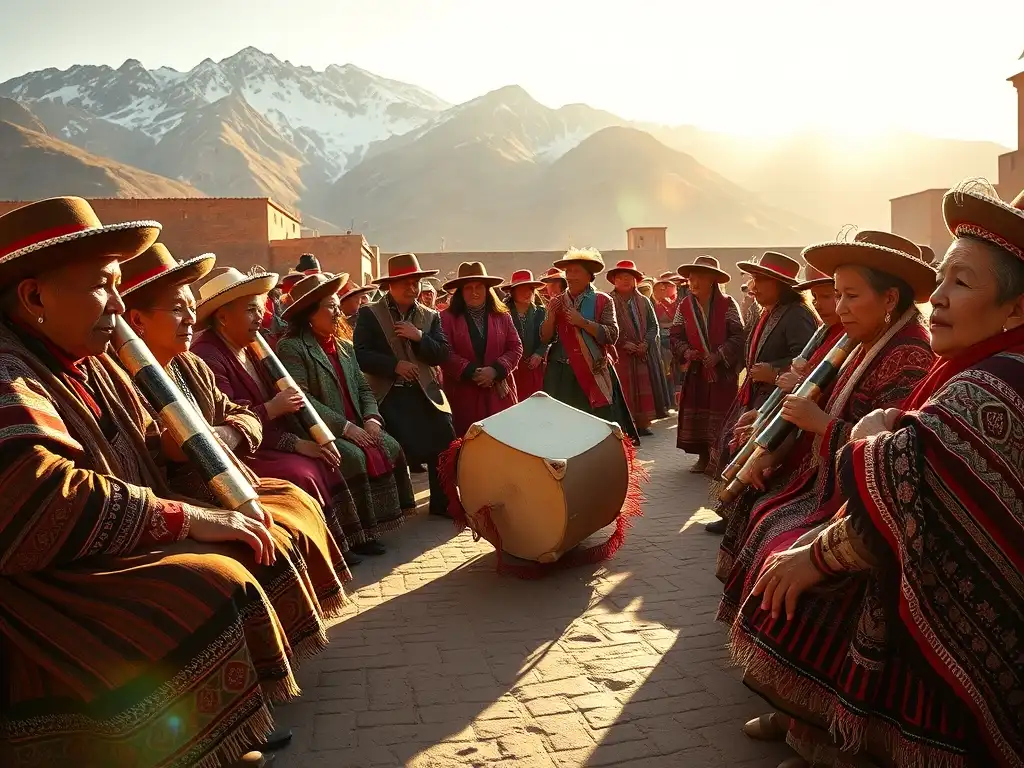
The vibrant tapestry of Aymara music and dance traditions faces the ever-present challenge of modernization and globalization. However, dedicated efforts are underway to ensure the survival and flourishing of this rich cultural heritage. These initiatives recognize the intrinsic link between Aymara musical expression and the community's identity, understanding that the loss of one inevitably impacts the other.
The preservation of Aymara music isn't merely about archiving songs and dances; it's about safeguarding a living culture, a vital part of Andean identity. This requires a multifaceted approach, encompassing community-based initiatives, educational programs, and the strategic use of technology. The success of these efforts hinges on the active participation and commitment of the Aymara community itself.
Community Initiatives to Safeguard Aymara Culture
Many Aymara communities are actively involved in preserving their musical heritage. These initiatives often take the form of workshops, festivals, and community-based music schools. For example, [Specific community example pending] has established a yearly festival dedicated to Aymara music and dance, attracting participants from across the region and showcasing both traditional and contemporary interpretations. These events serve not only as celebratory occasions but also as crucial platforms for knowledge transmission.
Elderly musicians and dancers share their expertise with younger generations, ensuring the continuity of traditions. Furthermore, the creation of community-based archives, often digital, allows for the preservation and dissemination of musical scores, recordings, and related documentation. This digital preservation provides a safeguard against loss and enhances accessibility for researchers and future generations.
The effectiveness of these initiatives is often measured by increased youth participation in musical activities and the growing sense of cultural pride within the community. These are tangible signs that the efforts to preserve Aymara music and dance are bearing fruit. The use of social media and online platforms also plays a significant role in promoting and sharing Aymara music globally, fostering intercultural understanding and appreciation.
The Importance of Passing Down Aymara Musical Heritage
The transmission of Aymara musical heritage is paramount for several reasons. Firstly, it ensures the continuity of a unique cultural expression deeply intertwined with the Aymara identity. Aymara music is not merely entertainment; it's a vehicle for storytelling, expressing spiritual beliefs, and celebrating life's milestones. Losing this musical tradition would represent a significant loss of cultural knowledge and identity.
Secondly, passing down this heritage strengthens community bonds and fosters a sense of collective identity. Learning and practicing traditional music and dance create opportunities for intergenerational dialogue and collaboration, reinforcing the social fabric of Aymara communities. Finally, the preservation of Aymara music contributes to the broader cultural landscape of the Andes, enriching the region's artistic diversity and promoting intercultural understanding. The unique sounds and rhythms of Aymara music offer a valuable window into the history and experiences of this vibrant Andean culture.
The continued practice and appreciation of this tradition are vital for its survival and for the enrichment of global cultural heritage. Failure to pass down this legacy would be a significant loss, not only for the Aymara people but for the world. The preservation of Aymara music and dance traditions is, therefore, not just a cultural imperative but a vital act of safeguarding a significant part of human heritage.
Experiencing the Vibrancy of Aymara Music and Dance
The Aymara people, inhabiting the Altiplano region of the Andes Mountains, possess a rich musical and dance heritage deeply intertwined with their spiritual beliefs, social structures, and daily life. Their vibrant expressions are a testament to their resilience and cultural continuity across centuries. Understanding Aymara music and dance traditions requires appreciating the intricate relationship between music, movement, and the Andean landscape itself.
The sounds and rhythms often mimic the natural world—the wind whistling through the mountains, the flowing rivers, and the rhythmic beat of the llama's hooves. Instruments like the siku (panpipes), charango (a small guitar-like instrument), and tarka (a vertical flute) create unique melodies that evoke both joy and solemnity, reflecting the multifaceted nature of Aymara life. The dances, often performed in groups, tell stories, celebrate harvests, and honor deities, their movements mirroring the agricultural cycles and the spiritual connection to Pachamama (Mother Earth).
The costumes, too, are integral, frequently adorned with vibrant colors and intricate designs representing the Andean cosmology and local flora and fauna. The preservation of these traditions is a crucial aspect of maintaining Aymara cultural identity in a rapidly changing world.
Where to See Authentic Aymara Performances
Finding authentic Aymara music and dance performances requires a bit of research and perhaps venturing beyond the main tourist hubs. While some staged performances cater to tourists, seeking out local festivals and community events offers a more immersive and genuine experience. Many smaller villages and towns in the Altiplano region host regular celebrations, often tied to religious or agricultural events.
These events provide opportunities to witness Aymara music and dance traditions in their most authentic form. Look for festivals celebrating Alasita, Corpus Christi, or local patron saints, as these frequently feature traditional Aymara performances. Moreover, engaging with local communities directly can yield unexpected discoveries.
Asking locals for recommendations, especially those with ties to Aymara heritage, can lead to hidden gems and intimate performances not advertised to tourists. Remember to be respectful of local customs and traditions when attending these events. Consider learning a few basic Aymara phrases to show your appreciation and engage with the community.
How Aymara Music and Dance Connects with Andean Identity
Aymara music and dance traditions are not merely artistic expressions; they are fundamental pillars of Andean identity. They serve as powerful vehicles for transmitting cultural knowledge, values, and history across generations. The rhythmic patterns and melodic structures often encode stories, legends, and historical events, ensuring the continuity of Aymara narratives. The dances, with their specific steps and formations, symbolize social hierarchies, community roles, and spiritual beliefs.
For example, certain dances may depict agricultural rituals, reflecting the deep connection between the Aymara people and the land. The vibrant colors and intricate designs of the costumes further reinforce this connection, often representing the Andean cosmology, the sacred mountains, and the diverse flora and fauna of the region. The continued practice of these traditions serves as a powerful assertion of Aymara cultural identity, particularly in the face of globalization and the pressures of modernization. The preservation and promotion of Aymara music and dance are thus crucial for maintaining cultural diversity and celebrating the rich tapestry of Andean heritage.
The enduring legacy of these traditions underscores the importance of supporting initiatives that safeguard and promote this invaluable cultural treasure. The study of Aymara music and dance offers a unique window into the complex and vibrant history of the Andean region. 🎶
Frequently Asked Questions
What are the main instruments used in Aymara music?
Aymara music features a variety of instruments, including the siku (panpipes), charango (a small guitar-like instrument), and the tarka (a type of flute). Percussion instruments like drums also play a significant role.
How does Aymara dance reflect their culture?
Aymara dances often tell stories of their history, beliefs, and daily life. The movements and costumes are symbolic, reflecting their connection to the Andes mountains and their agricultural practices.
What are some examples of traditional Aymara dances?
Traditional Aymara dances include the diablada, which features costumes representing devils and angels, and various harvest dances celebrating agricultural cycles. These dances are often performed during festivals.
Where can I experience Aymara music and dance today?
You can experience Aymara music and dance at traditional festivals and celebrations throughout the Andes region, particularly in Bolivia and Peru. Many cultural centers also offer performances.
How is Aymara music and dance being preserved today?
Aymara communities actively work to preserve their musical and dance traditions through teaching younger generations and integrating them into modern celebrations. This ensures the continuation of their cultural heritage.
Final Reflection: The Enduring Spirit of Aymara Music and Dance
The vibrant rhythms and intricate steps of Aymara music and dance are not merely historical artifacts; they are living testaments to resilience, cultural identity, and the enduring power of tradition in a rapidly changing world. These ancient forms continue to resonate deeply, offering a powerful connection to the past while simultaneously shaping the cultural landscape of the Andes today. Their survival speaks volumes about the strength of community and the unwavering commitment to preserving a rich heritage.
The exploration of Aymara music and dance has profoundly impacted my understanding of the intricate relationship between culture, identity, and survival. It's a testament to the human spirit's ability to adapt and persevere, even in the face of immense societal pressures. Music is the universal language of mankind,
said Henry Wadsworth Longfellow, and in the case of Aymara music, this language speaks volumes about a people's history, beliefs, and hopes for the future. The enduring legacy of these traditions underscores the importance of actively supporting and celebrating indigenous cultures worldwide.
Consider, for a moment, the power of rhythm and movement to connect us across time and space. The next time you hear music, or witness a dance, take a moment to reflect on the stories it tells, the emotions it evokes, and the cultural heritage it represents. Let the echoes of Aymara music and dance inspire you to explore and appreciate the rich tapestry of human expression that surrounds us, and to actively participate in preserving the cultural heritage of communities everywhere. Let us all be guardians of these invaluable traditions, ensuring their survival for generations to come.
Unveil the Rhythms of the Andes!
Thank you for exploring the rich tapestry of Aymara music and dance. Your interest in these cultural expressions deepens your understanding and connects you to the heart of Andean traditions. Let's further explore this vibrant culture:
- Join a local dance workshop: Immerse yourself in the rhythms and connect with fellow enthusiasts.
- Share this article: Spread the word about Aymara culture with friends and family on social media.
- Attend a cultural festival: Experience the vibrant sounds and sights of Andean culture firsthand.
What aspect of Aymara music or dance most captivates you, and how will you integrate it into your life?