
Unveiling the Secrets of the Early Andean Highlands: A Journey Before the Inca Empire

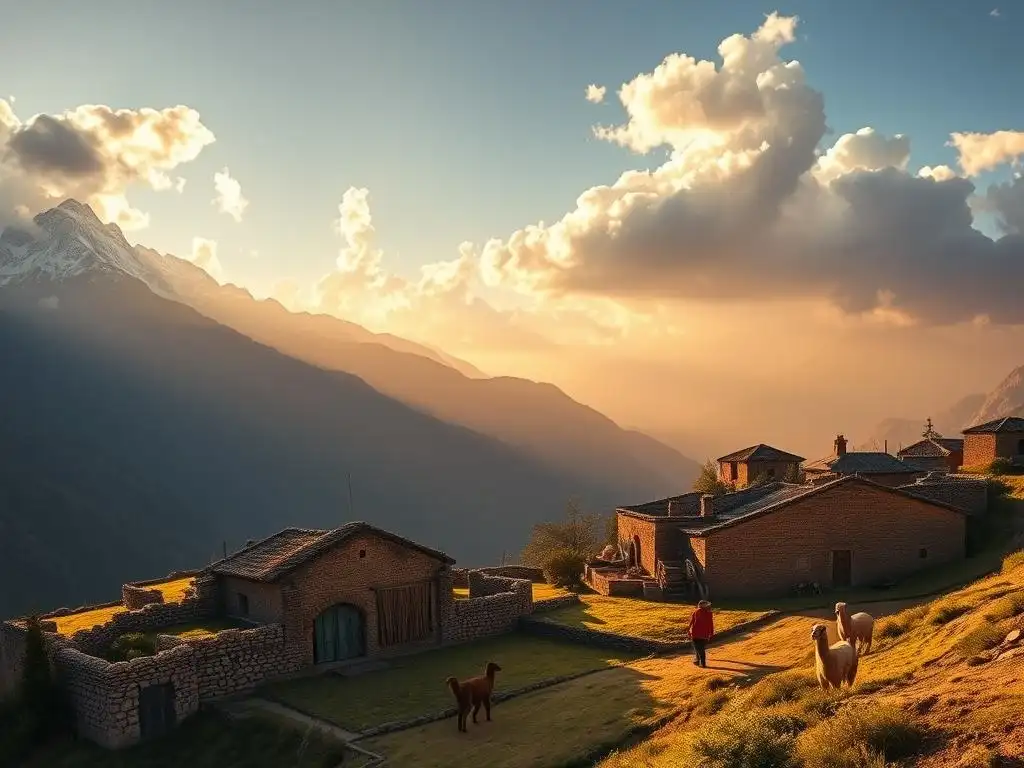
Step into a world lost to time, where towering mountain ranges cradled empires older than history itself. Prepare to be captivated by the Ancient Andean civilizations history, a story far richer and more complex than you ever imagined. This journey through the pre-Incan cultures of the highlands reveals breathtaking artistry, ingenious engineering, and mysteries yet to be fully unraveled. Dare to explore the legacies of the Moche, Nazca, and Tiahuanaco – civilizations that paved the way for the Inca, leaving behind an inheritance of wonder and intrigue. Discover their secrets... if you dare.
The towering Andes Mountains, a spine of rock and ice running down the western coast of South America, have witnessed millennia of human history. Long before the Inca Empire rose to dominance, a vibrant tapestry of cultures flourished in these challenging yet fertile highlands.
This article delves into the fascinating world of the pre-Inca Andean civilizations, exploring their unique societies, advancements, and legacies that shaped the region and laid the groundwork for the Inca's later achievements. We will journey through time, uncovering the intricacies of their social structures, agricultural innovations, religious beliefs, and artistic expressions, all contributing to a richer understanding of "Ancient Andean civilizations history."
From the sophisticated irrigation systems of the Nazca to the monumental architecture of Tiahuanaco, we'll unravel the secrets of these remarkable societies and their enduring impact. This exploration aims to provide a comprehensive overview of the diverse pre-Inca cultures that thrived in the Andean highlands, revealing a complex and captivating history often overshadowed by the later Inca Empire.
Exploring the Pre-Incan Andean World: An Introduction
The Andean highlands, characterized by their high altitude, varied climates, and challenging terrain, presented unique opportunities and obstacles for early inhabitants. Understanding the pre-Inca Andean world requires acknowledging the diverse geography and its influence on cultural development. These societies were not monolithic; instead, a multitude of distinct groups, each with its own unique characteristics, thrived in different ecological niches.
Their ingenuity in adapting to their environment is a testament to human resilience and innovation. The development of sophisticated agricultural techniques, including terracing and irrigation, allowed for the support of increasingly complex social structures. Early Andean civilizations weren't simply isolated communities; rather, they engaged in extensive trade networks, exchanging goods, ideas, and potentially even religious practices across vast distances.
Evidence of this interconnectedness can be found in the similarities and differences observed in their art, architecture, and burial practices. The following sections will explore some of the key pre-Inca cultures and their contributions to the rich history of the Andes.
The Rise of the Chavín Culture: A Foundation for Andean Development
The Chavín culture (c. 900-200 BCE), often considered a formative period for Andean civilization, left an undeniable mark on subsequent societies. Centered around the Chavín de Huántar site in the northern Peruvian Andes, this culture exerted significant influence throughout the region. Their distinctive artistic style, characterized by stylized feline and serpent motifs, is found in artifacts across a wide geographical area, suggesting extensive trade networks and cultural exchange. The Chavín people developed sophisticated religious beliefs, and their impressive ceremonial centers acted as focal points for regional interaction and possibly pilgrimage.
Archaeological evidence indicates that Chavín society was hierarchical, with a likely elite class controlling religious and political power. While the exact nature of their political organization remains a subject of ongoing research, their influence on later Andean cultures is undeniable. The Chavín culture's legacy can be seen in the widespread adoption of their artistic motifs and religious iconography by subsequent groups, highlighting their profound impact on the development of Andean civilization.
The Nazca and Their Enigmatic Lines: A Masterpiece of Engineering and Mystery
The Nazca culture (c. 100 BCE – 800 CE), known for its remarkable geoglyphs etched into the desert floor, represents another significant chapter in pre-Inca Andean history. The Nazca Lines, giant figures and intricate designs visible only from the air, continue to fascinate and puzzle researchers. Their creation involved immense logistical planning and precision engineering, showcasing the Nazca people's sophisticated understanding of land surveying and construction techniques.
Beyond the enigmatic lines, the Nazca culture produced impressive textiles, intricate pottery, and elaborate burial practices, reflecting a complex and highly developed society. Their expertise in irrigation, enabling them to cultivate crops in the arid coastal region, is another testament to their mastery of their environment.
The Nazca's technological prowess and artistic achievements stand as a remarkable testament to human ingenuity and cultural expression in the challenging Andean landscape. The mystery surrounding the purpose of the Nazca Lines adds another layer of intrigue to this fascinating culture.
Tiahuanaco: A Monumental Legacy in the Altiplano
Tiahuanaco (c. 1500-1150 BCE), located on the shores of Lake Titicaca in the Bolivian Altiplano, is renowned for its monumental architecture and sophisticated urban planning. The city's impressive stone structures, including the Gate of the Sun and the Kalasasaya Temple, demonstrate an advanced understanding of stonework and construction techniques. The Tiahuanaco culture exerted significant political and cultural influence across a vast region, and their artistic style is recognizable in artifacts found throughout the Andes. [Specific information pending on the extent of Tiahuanaco's trade networks].
Their sophisticated agricultural practices, adapted to the challenging altiplano environment, allowed them to support a large and complex urban center. The legacy of Tiahuanaco continues to inspire awe and wonder, highlighting the remarkable achievements of this powerful pre-Inca civilization. Further research is needed to fully understand the complex social and political organization of Tiahuanaco.
- Exploring the Pre-Incan Andean World: An Introduction
- The Rise of the Chavín Culture: A Foundation for Andean Development
- The Nazca and Their Enigmatic Lines: A Masterpiece of Engineering and Mystery
- Tiahuanaco: A Monumental Legacy in the Altiplano
- What is the focus of this article, "Unveiling the Secrets of the Early Andean Highlands: A Journey Before the Inca Empire"?
- How does this article relate to the broader topic of "Ancient Andean civilizations history"?
- Which specific Andean civilizations are discussed in the article?
- What aspects of Andean culture does the article cover?
- Why is understanding pre-Inca Andean civilizations important?
The Rise of Early Andean Societies in the Highlands
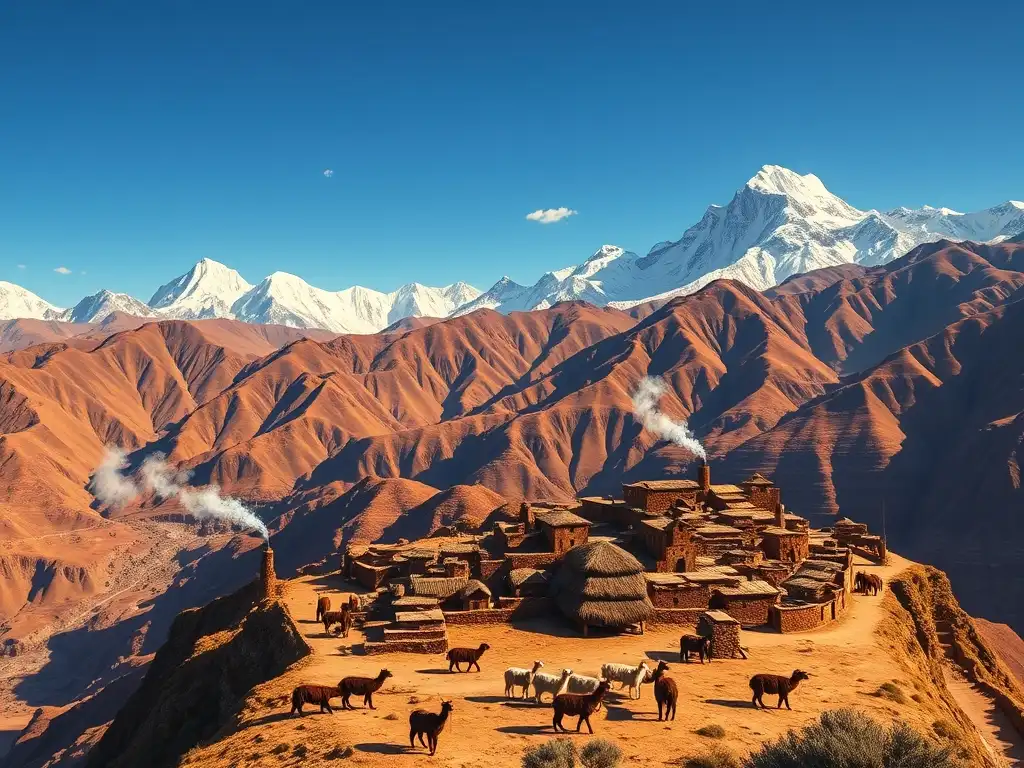
This section delves into the fascinating development of complex societies in the challenging Andean highlands long before the Inca Empire's rise. We'll explore the environmental factors that shaped these cultures and examine the key societies that laid the groundwork for later Andean civilizations. Understanding this period is crucial to grasping the full scope of "Ancient Andean civilizations history."
Understanding the Geographic Context of Andean Civilizations
The Andean highlands present a unique and demanding environment. High altitudes, steep slopes, and variable climates—from frigid peaks to arid valleys—posed significant challenges to early inhabitants. This geographical context profoundly shaped the development of Andean societies. Resource scarcity, for instance, likely fostered innovation in agriculture and water management.
The need to adapt to these harsh conditions led to remarkable ingenuity in areas like terrace farming, irrigation systems, and the domestication of unique crops like potatoes and quinoa. The varied geography also contributed to regional diversity, with distinct cultural practices emerging in different ecological niches. This diversity is a hallmark of "Ancient Andean civilizations history," showcasing remarkable adaptability and resilience.
Understanding this environmental backdrop is key to interpreting the cultural and technological achievements of the pre-Inca era. For example, the development of sophisticated irrigation systems in arid coastal regions stands in stark contrast to the adaptation to high-altitude agriculture in the highlands. This highlights the diverse strategies employed by Andean societies to thrive in their challenging environment.
Key Pre-Incan Cultures of the Andean Highlands
Several significant cultures flourished in the Andean highlands before the Inca, each leaving a unique legacy. Their achievements in agriculture, architecture, and social organization paved the way for the later Inca Empire. Studying these predecessors is essential to fully appreciate the depth and complexity of "Ancient Andean civilizations history."
The Emergence of Complex Societies
The transition from small, dispersed settlements to larger, more complex societies in the Andean highlands was a gradual process. Archaeological evidence suggests a progressive development of social hierarchies, specialized labor, and sophisticated technologies. This transition wasn't uniform across the region. Some areas witnessed a more rapid development of complex societies than others, leading to regional variations in social structures and political organization.
For example, the development of monumental architecture, such as the impressive structures at Chavín de Huántar, indicates a significant level of social organization and resource mobilization. The ability to coordinate large-scale labor projects demonstrates a sophisticated level of social control and leadership. Furthermore, the emergence of specialized crafts, such as pottery and textiles, suggests the development of specialized labor and economic exchange networks. This complexity is a testament to the ingenuity and organizational skills of early Andean peoples.
Regional Variations in Early Andean Development
The Andean highlands were not a monolithic entity. Different ecological zones fostered distinct cultural adaptations. For example, the high-altitude plains favored pastoralism, while fertile valleys supported intensive agriculture. This diversity is reflected in the archaeological record, with variations in settlement patterns, technologies, and social structures across different regions.
We see this clearly in the contrasting developments between the cultures of the northern and southern highlands. The northern highlands witnessed the rise of powerful chiefdoms, while the southern highlands might have had a more decentralized social organization. Moreover, the availability of resources, such as minerals or timber, also influenced the development of specific technologies and economic strategies.
The diversity in the development of these ancient Andean societies underscores the multifaceted nature of "Ancient Andean civilizations history," highlighting the adaptation and evolution of cultural practices across varied geographic and environmental settings. Further research is needed to fully understand the nuances of these regional variations and their impact on the broader trajectory of Andean development. [Specific information pending] on precise population sizes and trade networks for a more complete picture.
The Formative Period in the Andean Highlands: Setting the Stage
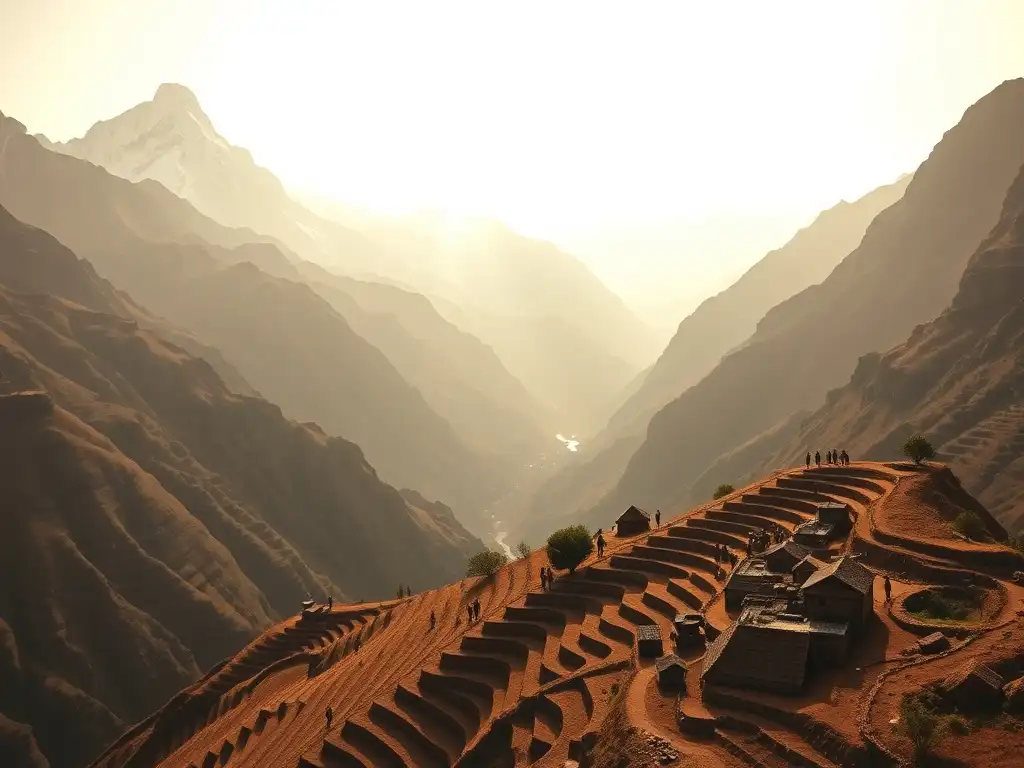
This section delves into the formative period of the Andean Highlands, laying the groundwork for the later, more complex societies like the Inca. Understanding this era is crucial to grasping the full tapestry of Ancient Andean civilizations history. We'll examine the crucial developments in agriculture and social organization that shaped the landscape and the lives of the early Andean inhabitants. This period, spanning roughly from 3000 BCE to 1000 BCE, witnessed transformative changes that profoundly impacted subsequent cultural developments. The challenges of the high-altitude environment spurred innovation and ingenuity, leading to remarkable adaptations and achievements.
The Development of Agriculture in the Early Andes
Early Domesticated Crops and Agricultural Techniques
The harsh environmental conditions of the Andes – high altitude, variable rainfall, and steep terrain – presented significant challenges to early inhabitants. However, rather than being insurmountable obstacles, these challenges spurred innovation in agricultural practices. The development of agriculture was paramount to the growth and stability of these early Andean societies. Key domesticated crops included potatoes ( Solanum tuberosum), quinoa ( Chenopodium quinoa), and various beans ( Phaseolus spp.). These crops, along with others, provided a diverse and resilient food source, capable of withstanding the unpredictable climate.
Early Andean agricultural techniques were remarkably sophisticated for their time. They developed intricate irrigation systems, utilizing canals and terraces to manage water resources effectively. Terracing, in particular, allowed for the cultivation of steep slopes, maximizing arable land in a mountainous region. This ingenious system not only increased agricultural yields but also helped to prevent soil erosion.
Evidence suggests the use of raised fields in some areas, further demonstrating a deep understanding of water management and soil conservation. The mastery of these techniques allowed for increased food production, supporting growing populations and creating surpluses that facilitated societal complexity. This agricultural success is a cornerstone of Ancient Andean civilizations history.
The increasing agricultural productivity of the Early Andes led to the development of more complex social structures. While the exact nature of social organization during this period remains a topic of ongoing research, archaeological evidence suggests a shift from small, egalitarian bands towards larger, more settled communities. The emergence of villages and the construction of more substantial dwellings indicate a growing sense of permanence and stability.
These communities likely developed hierarchical structures, with specialized roles and responsibilities emerging alongside the increased food production. This shift towards larger, more complex communities is crucial in understanding the trajectory of Ancient Andean civilizations history.
The development of social hierarchies may have been linked to the control and distribution of resources, particularly agricultural produce. Individuals or groups may have gained influence or authority based on their control over irrigation systems, fertile land, or specialized crafts. This process of social stratification laid the foundation for the more elaborate political systems that would emerge in later periods.
Archaeological findings, such as variations in burial practices and the presence of elite grave goods, support the existence of social inequality during this formative period. Further research is needed to fully understand the dynamics of power and social interaction in these early Andean communities.
The Role of Ritual and Religion in Early Andean Life
Religion played a fundamental role in the lives of early Andean communities. The relationship between humans and the natural world was paramount, with rituals and ceremonies designed to ensure successful harvests, appease the gods, and maintain cosmic balance. Evidence from this period suggests a strong connection between religious practices and agricultural cycles. The worship of deities associated with fertility, water, and mountains is evident in archaeological discoveries such as cave paintings, ceremonial sites, and offerings found in burials. Understanding the religious beliefs and practices of these early societies is essential for understanding Ancient Andean civilizations history.
The construction of monumental architecture, including some early examples of platforms and structures, possibly served both practical and religious purposes. These structures may have been used for ceremonies, gatherings, or as markers of territorial control. The presence of elaborate burial practices, often involving grave goods such as pottery, textiles, and tools, further highlights the importance of ritual and belief systems in shaping social structures and everyday life.
The intricate iconography found on pottery and textiles provides valuable insights into the cosmology and religious beliefs of these early Andean communities. The study of religious practices and beliefs offers a window into the worldview and values of these early Andean societies, enriching our understanding of their complex cultural heritage.
Key Archaeological Sites: Unveiling the Past
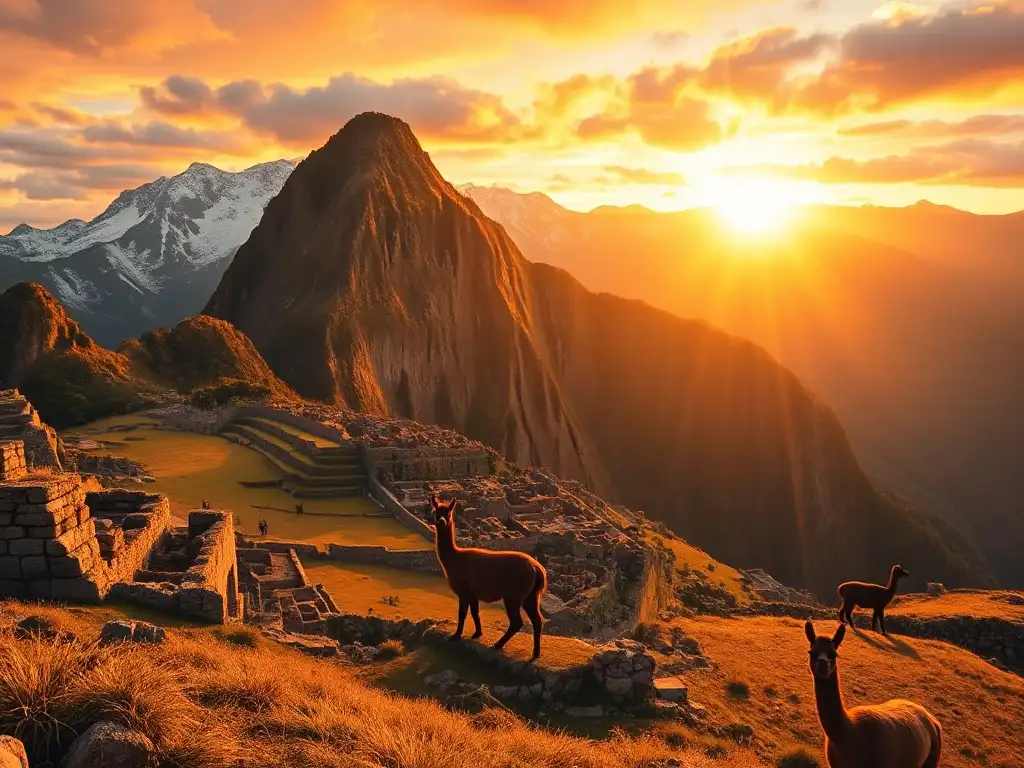
This section delves into the crucial archaeological sites that offer invaluable insights into the development of Ancient Andean civilizations history before the Inca Empire's rise. These sites, showcasing remarkable architectural feats, intricate artistry, and sophisticated technologies, provide a glimpse into the complex societies that flourished in the Andean highlands. Examining these locations allows us to piece together a more comprehensive understanding of the rich tapestry of Ancient Andean civilizations history.
Chavín de Huántar: Insights into Early Andean Life
Chavín de Huántar, located in the northern Peruvian Andes, stands as a testament to the ingenuity and cultural significance of the early Andean civilizations. Its influence reverberated throughout the region, shaping subsequent cultural developments. Its importance lies not only in its architectural marvels but also in the rich trove of artifacts unearthed, revealing much about their religious beliefs, social structures, and daily life. This site is a cornerstone for understanding the complex history of Ancient Andean civilizations.
Architectural Features and Significance
The monumental architecture of Chavín de Huántar is truly awe-inspiring. The main temple complex, built over centuries, is a labyrinthine structure featuring intricately carved stonework. Its design, with its numerous galleries, plazas, and underground passages, suggests a deliberate and symbolic layout. The use of massive stone blocks, precisely fitted together without mortar, demonstrates advanced construction techniques.
The central Lanzón, a towering monolithic sculpture depicting a deity, is a key focal point of the complex, highlighting the religious importance of the site and the sophisticated artistic capabilities of the Chavín culture. The site's layout and scale suggest a highly organized society capable of mobilizing significant labor and resources. This reflects a sophisticated level of social organization, crucial to the development of Ancient Andean civilizations history.
Artifacts and Material Culture
Beyond the impressive architecture, the artifacts unearthed at Chavín de Huántar offer fascinating glimpses into daily life and spiritual beliefs. Numerous ceramic vessels, intricately decorated with stylized animal figures and geometric patterns, have been discovered. These ceramics reveal a complex iconography, hinting at sophisticated religious beliefs and a possible connection to shamanistic practices.
The discovery of obsidian tools and ornaments points to extensive trade networks connecting Chavín with distant regions. The analysis of these artifacts provides crucial data for reconstructing the cultural practices and economic activities of the Chavín people, significantly enriching our understanding of Ancient Andean civilizations history. The artifacts' styles and materials also suggest a level of artistic sophistication that influenced subsequent Andean cultures.
Tiwanaku: Evidence of Advanced Pre-Incan Technologies
Tiwanaku, situated on the shores of Lake Titicaca in modern-day Bolivia, is another pivotal site in understanding the pre-Inca Andean world. The city's remarkable achievements in engineering, water management, and artistic expression showcase the advanced capabilities of its inhabitants, significantly impacting the trajectory of Ancient Andean civilizations history. Its influence spread across a vast area, leaving an undeniable mark on the region's cultural development.
Engineering and Water Management Techniques
Tiwanaku’s engineers demonstrated remarkable skill in manipulating their environment. The city's sophisticated water management system, encompassing canals, aqueducts, and raised fields, allowed for efficient irrigation and agricultural production in a challenging high-altitude environment. The precise stonework and intricate design of these systems showcase an impressive understanding of hydraulic engineering. The construction of massive stone structures, like the Kalasasaya Temple, required meticulous planning and execution, demonstrating the sophisticated engineering capabilities of the Tiwanaku people. These impressive achievements highlight the ingenuity and organizational capacity of the Tiwanaku civilization, adding crucial information to the ongoing narrative of Ancient Andean civilizations history.
Artistic Expressions and Craftsmanship
Tiwanaku's artistic legacy is equally impressive. The city’s distinctive artistic style, characterized by its monumental sculptures and intricate ceramics, is instantly recognizable. The Puerta del Sol, a massive gateway adorned with intricate carvings depicting deities and mythical creatures, is a prime example of Tiwanaku's artistic prowess. The craftsmanship evident in the finely detailed ceramics and textiles further underscores their advanced artistic capabilities.
The unique artistic expression of the Tiwanaku people significantly impacted the development of subsequent artistic traditions in the Andes, providing invaluable insight into the evolution of Ancient Andean civilizations history. The stylistic elements and motifs found in Tiwanaku art have been identified in other Andean sites, demonstrating the city's widespread cultural influence. The sophistication of their artistic techniques and the enduring legacy of their style contribute significantly to our understanding of Ancient Andean civilizations history.
The Legacy of Pre-Incan Andean Cultures
The study of Ancient Andean civilizations history reveals a complex tapestry of interconnected societies, each leaving an indelible mark on the succeeding cultures. Long before the Inca Empire’s rise to prominence, a rich and diverse array of civilizations flourished in the Andean highlands, shaping the cultural landscape in profound ways. Their achievements in agriculture, architecture, and social organization laid the groundwork for later empires, highlighting the enduring impact of their innovations and traditions.
Understanding these pre-Inca societies is crucial to grasping the full scope of Andean history and the development of its unique cultural identity. This section will delve into the lasting influence of these early cultures, demonstrating their crucial role in the formation of the Andean world we know today.
The Influence of Early Andean Societies on Later Civilizations
The impact of pre-Inca Andean societies on subsequent civilizations, including the Inca, is undeniable. For example, the sophisticated agricultural techniques developed by cultures like the Nazca and Tiwanaku – including terracing, irrigation systems, and the cultivation of diverse crops adapted to the challenging Andean environment – were adopted and refined by later Andean societies. These innovations were essential for supporting larger populations and fostering complex social structures.
The Nazca's mastery of irrigation, for instance, allowed them to cultivate vast expanses of arid land, a feat that profoundly influenced later agricultural practices. Their intricate canal systems remain a testament to their engineering prowess and resourcefulness.
Furthermore, advancements in architecture and urban planning, evident in the monumental structures of Tiwanaku and the impressive ceremonial centers of the Moche, provided models for later Andean builders. The Inca’s impressive stonework, for example, shares certain stylistic and technical parallels with the precisely cut stones found in Tiwanaku ruins. This suggests a direct lineage of architectural knowledge and expertise, passed down through generations of Andean builders.
Analyzing these similarities allows us to trace the evolution of architectural techniques and appreciate the continuity of cultural practices across different Andean civilizations. The legacy of these early societies is not merely an historical curiosity; it represents a vital thread in the intricate fabric of Andean cultural development.
Understanding Andean Cultural Continuity
The notion of distinct "civilizations" in the Andean region sometimes obscures the reality of continuous cultural exchange and adaptation. While each society possessed unique characteristics, there was also a significant degree of cultural continuity and interaction. Ideas, technologies, and artistic styles often diffused across geographical boundaries, leading to a dynamic process of cultural evolution. This is evident in the shared religious iconography, agricultural practices, and artistic motifs found across various Andean cultures. The widespread use of specific ceramic styles or textile designs, for instance, might span several different societies and time periods, indicating a complex network of cultural exchange.
The study of Ancient Andean civilizations history requires a nuanced understanding of this continuity. We must avoid viewing each civilization in isolation, as this risks misrepresenting the complex interactions and mutual influence that shaped the Andean world. Instead, it’s crucial to analyze the interwoven threads of cultural exchange and adaptation that connect these societies across time and space. This approach allows for a more comprehensive and accurate understanding of the development of Andean cultures, revealing a richer and more dynamic picture of Andean history.
The Enduring Impact on Andean Art and Traditions
The artistic legacy of early Andean societies continues to resonate in contemporary Andean cultures. Motifs, styles, and techniques developed centuries ago are still visible in modern Andean art and craft traditions. For example, the intricate textile designs of the Paracas culture, renowned for their vibrant colors and complex weaving techniques, continue to inspire contemporary Andean artisans.
Similarly, the stylistic conventions of Moche pottery, with its distinctive representations of human figures and mythological creatures, have had a lasting impact on Andean artistic expression. These stylistic echoes demonstrate that the legacy of these early civilizations is not merely historical; it remains a vital part of living Andean culture.
The persistence of these artistic traditions underscores the deep cultural roots that connect past and present in the Andean region. It highlights the enduring power of artistic expression as a means of cultural transmission and identity formation. By understanding this continuity, we gain a deeper appreciation for the richness and complexity of Andean culture, acknowledging the vital role played by pre-Inca societies in shaping the artistic landscape of the Andes. The study of Ancient Andean civilizations history, therefore, is not only an academic pursuit, but also a journey into the heart of a living cultural heritage.
Continuing Research and Discoveries in the Andean Highlands
The study of ancient Andean civilizations history is a constantly evolving field. New archaeological discoveries are regularly reshaping our understanding of these complex societies. For example, recent excavations in the highlands of Peru have unearthed previously unknown settlements, revealing intricate irrigation systems and sophisticated agricultural techniques that challenge existing narratives about the development of Andean agriculture. These findings suggest a far more complex and nuanced picture of pre-Inca societal organization than previously thought.
The use of advanced technologies like LiDAR (Light Detection and Ranging) is also revolutionizing the field, allowing researchers to map vast areas quickly and identify previously hidden structures and settlements beneath dense vegetation or eroded landscapes. This non-invasive technique has led to the discovery of significant ceremonial centers and extensive road networks, providing invaluable insights into the spatial organization and connectivity of pre-Inca societies. Furthermore, ongoing analysis of artifacts, including textiles, ceramics, and metalwork, is continually refining our knowledge of the artistic styles, religious beliefs, and social structures of these ancient cultures. The application of scientific methods, such as radiocarbon dating and isotopic analysis, helps to precisely date artifacts and provide crucial chronological frameworks for understanding the evolution of these societies.
The ongoing study of ancient DNA from human remains also promises to shed new light on migration patterns, population dynamics, and the genetic relationships between different Andean groups. The integration of diverse methodologies and the continued exploration of the Andean highlands promise to yield exciting new discoveries in the years to come. These advancements demonstrate the dynamic and constantly evolving nature of the study of ancient Andean civilizations history.
Future Directions in the Study of Ancient Andean Civilizations History
The future of research into ancient Andean civilizations history lies in interdisciplinary collaboration and the integration of cutting-edge technologies. This includes a greater emphasis on combining archaeological data with ethnohistorical accounts, linguistic studies, and paleoclimatological research to create a more holistic understanding of the interplay between culture, environment, and societal change. The development of more sophisticated analytical techniques for studying ancient materials, such as advanced imaging technologies and proteomics, will allow researchers to extract greater detail from artifacts and human remains. Furthermore, a focus on community engagement and collaboration with indigenous communities is crucial to ensure that research is respectful of cultural heritage and benefits the descendants of these ancient societies.
This includes working closely with local communities to protect archaeological sites and to incorporate indigenous knowledge and perspectives into research projects. The use of digital technologies, such as 3D modeling and virtual reality, will also become increasingly important in disseminating research findings and making them accessible to a wider audience. These tools can bring the past to life, allowing people to explore ancient sites and artifacts in an immersive and engaging way. Finally, a continued focus on ethical considerations, such as the responsible repatriation of cultural artifacts and the protection of archaeological sites from looting and damage, is paramount.
By embracing these future directions, the study of ancient Andean civilizations history can continue to reveal fascinating insights into the rich and complex past of this remarkable region. The integration of diverse perspectives and cutting-edge technologies will undoubtedly lead to a deeper and more nuanced understanding of these remarkable cultures. This interdisciplinary approach will be crucial in uncovering the remaining secrets of ancient Andean civilizations history.
Frequently Asked Questions
What is the focus of this article, "Unveiling the Secrets of the Early Andean Highlands: A Journey Before the Inca Empire"?
This article explores the history and culture of Andean civilizations before the Inca Empire, focusing on groups like the Moche, Nazca, and Tiahuanaco. It delves into their achievements in art, technology, and societal structures.
How does this article relate to the broader topic of "Ancient Andean civilizations history"?
The article contributes significantly to understanding Ancient Andean civilizations history by providing a detailed look at the pre-Inca period. It offers context and background crucial for a complete understanding of the Inca's later achievements and their relationship to prior cultures.
Which specific Andean civilizations are discussed in the article?
The article primarily discusses the Moche, Nazca, and Tiahuanaco civilizations, highlighting their unique contributions to Andean culture and their influence on subsequent societies, including the Inca. It provides a foundation for a broader understanding of the region's rich history.
What aspects of Andean culture does the article cover?
The article examines various facets of Andean culture, including art, technology, and societal structures. It explores their agricultural techniques, religious beliefs, and artistic expressions, providing insights into their daily lives and worldview.
Why is understanding pre-Inca Andean civilizations important?
Understanding pre-Inca civilizations is crucial because it provides critical context for the Inca Empire's rise and development. Their achievements laid the groundwork for later Inca innovations and provide a richer, more nuanced picture of Andean history.
Final Reflection: Echoes of the Andes: A Legacy Unfolding
The intricate tapestry woven by the pre-Inca Andean civilizations continues to resonate today, a testament to human ingenuity and resilience in the face of challenging environments. Their sophisticated agricultural techniques, complex social structures, and breathtaking artistry offer invaluable lessons in sustainable living and cultural preservation, lessons urgently needed in our increasingly interconnected and fragile world. Understanding their achievements allows us to appreciate the depth and breadth of human potential, challenging simplistic narratives of history and highlighting the diversity of human experience.
The enduring impact of these early Andean societies is undeniable, shaping not only the landscape but also the cultural identity of modern Peru, Bolivia, Ecuador, and beyond. Their legacy lives on in the vibrant traditions, artistic expressions, and even the agricultural practices of contemporary Andean communities. The past is never dead. It's not even past.
- William Faulkner. This quote rings profoundly true when considering the enduring influence of these ancient cultures, whose innovations and beliefs continue to inform the present. Their story reminds us that history is not a static entity, but a living, breathing force that shapes our understanding of ourselves and the world around us.
Consider the ingenuity of their terraced farming, their mastery of astronomy, and the intricate symbolism woven into their textiles and ceramics. These are not merely relics of a bygone era; they are powerful reminders of human potential and the enduring strength of community. You, the reader, are now part of this ongoing conversation.
Take a moment to reflect on the connections between these ancient societies and your own life. How can we learn from their successes and failures to build a more sustainable and equitable future? Let the echoes of the Andes inspire you to explore, to learn, and to contribute to a world where the wisdom of the past informs the possibilities of the future.
Embark on Your Own Andean Adventure!
Thank you for exploring the fascinating world of the Early Andean Highlands! We hope you've gained a new understanding and appreciation for these rich civilizations and their lasting impact on the world we know today. Now, let's turn that inspiration into action.
Here are a few ways to further connect with this incredible history:
- Visit local museums and exhibitions showcasing Andean cultures. Witnessing the artifacts firsthand offers an unparalleled insight into their legacy.
- Engage with online communities dedicated to Andean history. Share your discoveries and connect with fellow enthusiasts.
- Host a discussion group or book club focused on Andean civilizations. This is a great way to share your passion with friends and deepen your own understanding.
What aspect of the Early Andean Highlands captivates you most, and how will you explore it further?