
Andean Mountain Warfare: Adapting Strategies to Rugged Terrain

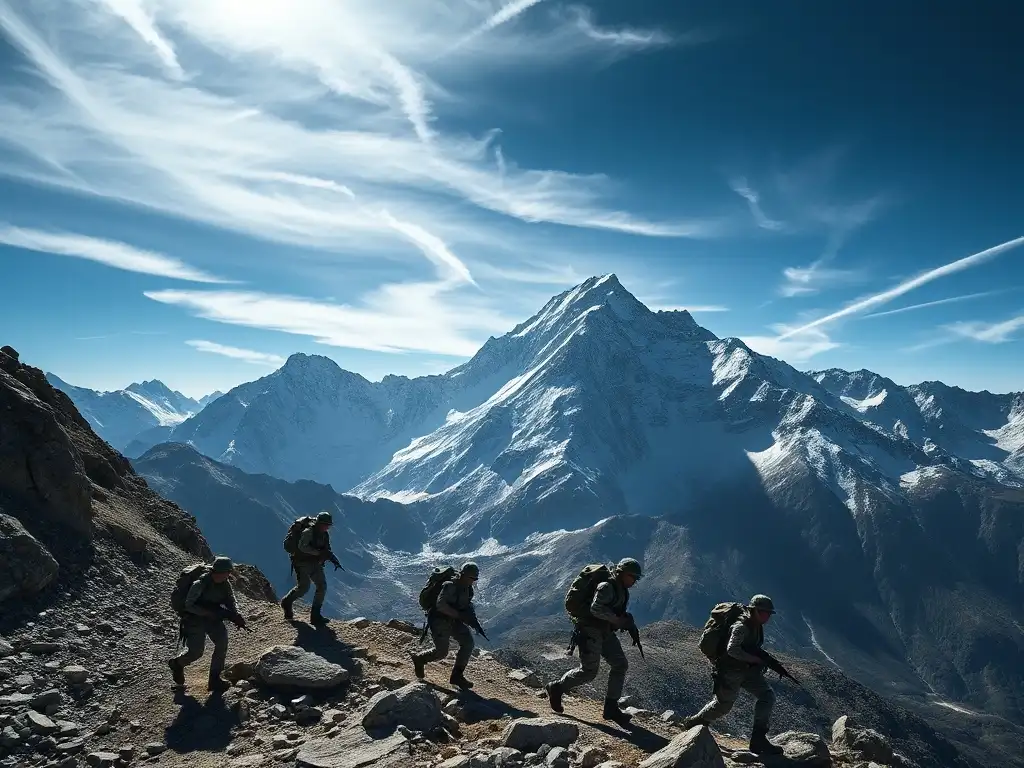
Welcome, explorer! Prepare to ascend into the breathtaking heights of the Andes, where empires rose and fell amidst treacherous peaks. Forget everything you think you know about ancient warfare – the Andean mountain warfare tactics of civilizations like the Incas, Moche, and Nazca defied conventional strategies, adapting to the unforgiving terrain with ingenuity and brutality. Discover the secrets of their success and unravel the mysteries of their military prowess. Dare to delve deeper into this captivating world of Andean conflict…
The towering Andes Mountains, a formidable natural barrier, profoundly shaped the development of warfare among the ancient Andean civilizations. This imposing landscape, characterized by its extreme altitudes, treacherous terrain, and unpredictable weather, presented unique challenges and opportunities for military strategists.
This article delves into the diverse strategies and tactics employed by Andean societies, from pre-Inca cultures to the Inca Empire, demonstrating their remarkable adaptability and ingenuity in conquering the challenges of high-altitude combat. We will explore how the rugged terrain dictated military organization, logistics, and the very nature of warfare itself, highlighting the crucial role of environmental adaptation in shaping Andean military success.
Understanding these innovative tactics provides invaluable insight into the resilience and sophistication of these ancient civilizations, and their ability to thrive in one of the world's most demanding environments. This exploration of Andean mountain warfare tactics reveals a fascinating interplay between human ingenuity and the powerful forces of nature.
Understanding the Challenges of Andean Terrain for Warfare
The Andean environment presented significant obstacles to warfare. The sheer altitude caused debilitating altitude sickness, impacting the physical capabilities of soldiers. The mountainous terrain, characterized by steep slopes, narrow passes, and deep ravines, severely restricted troop movement and maneuverability. Unpredictable weather, including sudden storms, blizzards, and extreme temperature fluctuations, added another layer of complexity to military campaigns.
These harsh conditions meant that traditional warfare strategies were often ineffective, forcing Andean societies to develop unique and innovative approaches to combat. The availability of resources, such as water and food, was also a major concern, significantly influencing the length and scope of military operations. Furthermore, the scattered nature of settlements, often located in remote and inaccessible areas, made it difficult to coordinate large-scale campaigns and maintain supply lines. These challenges necessitated a high degree of adaptability and resourcefulness from Andean armies.
Pre-Incan Mountain Warfare Strategies and Tactics
Before the rise of the Inca Empire, various Andean cultures, including the Moche, Nazca, and Tiahuanaco, developed their own distinct military strategies tailored to the specific challenges of their environment. These strategies were not only influenced by the geographical features but also by the social and political structures of their respective societies. The development of effective mountain warfare tactics was crucial for territorial expansion, resource control, and the maintenance of political power.
Understanding these pre-Inca strategies provides a critical foundation for comprehending the later advancements made by the Inca Empire. These early adaptations laid the groundwork for the more sophisticated military strategies that would emerge later.
Early Andean Conflict: Territorial Disputes and Resource Control
Early Andean conflicts were often driven by territorial disputes and the control of vital resources like water, arable land, and minerals. The scarcity of these resources in the mountainous environment intensified competition between different groups. Archaeological evidence suggests that early conflicts involved smaller-scale skirmishes and raids, rather than large-scale battles. These conflicts were often localized, reflecting the challenges of coordinating large-scale military operations in the rugged terrain.
The nature of these early conflicts shaped the development of military strategies focused on agility, adaptability, and effective use of the terrain for defensive purposes. Further research is needed to fully understand the scale and intensity of these early conflicts. [Specific information pending: More detailed data on the frequency and scale of pre-Inca conflicts].
Adapting to Altitude: Pre-Incan Military Acclimatization
The physiological challenges of high-altitude warfare were a significant factor in military planning. Pre-Inca armies likely employed strategies to minimize the impact of altitude sickness on their soldiers. This might have involved careful selection of troops from high-altitude regions, gradual acclimatization periods before engaging in combat, and the use of altitude-reducing tactics, such as fighting at lower elevations whenever possible.
The evidence for these practices is largely indirect, drawn from inferences based on settlement patterns and archaeological finds, but points towards a sophisticated understanding of the physiological demands of high-altitude combat. More detailed analysis of skeletal remains could reveal further insights into the physical adaptations of pre-Inca warriors.
Early Forms of Mountain Fortification and Defensive Structures
Pre-Inca societies constructed impressive defensive structures adapted to the mountainous terrain. These structures ranged from simple fortifications built on hilltops and natural defensive positions to more complex systems of walls, terraces, and watchtowers. These fortifications were strategically placed to control access to vital resources and strategic passes. Their design and construction demonstrate a deep understanding of the terrain and a sophisticated engineering capability.
The use of natural features, such as cliffs and ravines, was often incorporated into these defensive systems, maximizing their effectiveness. Examples of these early fortifications can be found in various archaeological sites across the Andes, showcasing the ingenuity and strategic thinking of pre-Inca military engineers. Further study of these fortifications is needed to fully understand their design, construction, and effectiveness in combat.
Incan Military Adaptations for High-Altitude Combat
The Incan empire, sprawling across the formidable Andes Mountains, developed sophisticated military strategies uniquely adapted to the challenging terrain. Their success wasn't solely based on brute force but on a deep understanding of high-altitude warfare, encompassing logistical prowess, innovative weaponry, and physiological acclimatization. Incan soldiers underwent rigorous training from a young age, preparing them for the physical demands of mountain combat.
This training wasn't just about physical strength; it incorporated techniques to manage altitude sickness and maintain stamina in thin air. The Incas understood the debilitating effects of altitude, and their training regime aimed to mitigate these effects, giving them a crucial advantage over less-prepared adversaries. Furthermore, their knowledge of local flora and fauna played a vital role in survival and sustenance during campaigns.
They harnessed medicinal plants to treat altitude-related ailments and injuries, showcasing a deep connection between military strategy and environmental understanding. The Incan army's ability to operate effectively at high altitudes was a significant factor in their military dominance.
The Incan War Machine: Organization and Logistics in the Andes
The Incan military wasn't just an army; it was a highly organized and efficient machine, seamlessly integrating logistics into its warfare strategy. The mit'a system, a form of mandatory public service, played a crucial role in supplying the army. This system ensured a constant flow of provisions, manpower, and materials, even in the most remote and inaccessible regions of the Andes.
The intricate network of roads, qhapaq ñan, facilitated rapid troop movement and efficient supply chains. These roads, often carved into mountain sides, provided strategic access to otherwise unreachable areas, allowing for swift responses to threats and effective deployment of troops. The Incas also employed a system of strategically placed storehouses along these routes, ensuring that soldiers never faced critical shortages of food, weapons, or other necessities.
This organizational efficiency, combined with their mastery of the terrain, provided the Incas with a significant logistical advantage in mountain warfare. The sheer scale and effectiveness of their logistical network stand as a testament to their advanced understanding of military supply and organization.
Incan Siege Warfare: Techniques in Mountainous Environments
Incan siege warfare adapted creatively to the mountainous landscape. Traditional siege techniques, effective on flat ground, needed modification to conquer mountain strongholds. Instead of relying solely on battering rams or undermining walls, the Incas developed strategies that capitalized on the terrain's unique characteristics.
They utilized their knowledge of the local geology to identify weaknesses in fortifications, often exploiting fissures or unstable rock formations to breach enemy defenses. The construction of siege ramps, skillfully adapted to the steep slopes, allowed them to bring siege engines, such as catapults and slingers, into effective range. These ramps were not simply inclined planes; they were engineered structures, often using locally sourced materials and reflecting an understanding of structural stability in mountainous environments.
Furthermore, the Incas mastered the art of psychological warfare, employing tactics such as prolonged sieges and cutting off enemy supply lines to break enemy morale before resorting to direct assault. Their siege tactics, therefore, were a blend of engineering prowess, strategic planning, and psychological manipulation, all tailored to the challenges of mountain warfare.
Strategic Use of Terraces and Mountain Passes in Incan Warfare
The Incan mastery of the Andean landscape is strikingly evident in their strategic use of agricultural terraces and mountain passes. The extensive terrace farming systems not only provided food security but also served as crucial defensive positions. These terraces, often built along steep slopes, offered elevated vantage points, providing soldiers with clear fields of fire and allowing them to control access to vital resources.
The Incas further fortified these terraces, creating defensive structures that turned agricultural land into formidable military positions. Mountain passes, natural choke points in the Andean terrain, were strategically controlled by the Incan army. By controlling these passes, they could regulate the movement of troops and supplies, effectively controlling access to different regions of the empire.
Fortifications built at these strategic points acted as barriers, allowing the Incas to ambush or repel any invading forces. The strategic integration of agricultural infrastructure and natural terrain highlights the Incas' innovative and deeply integrated approach to both agriculture and warfare.
Key Elements of Andean Mountain Warfare Tactics
Andean mountain warfare, practiced by various civilizations including the Incas, showcased unique strategies tailored to the region's challenging environment. The terrain dictated tactics, leading to innovative techniques that combined military prowess with a deep understanding of the natural world. Success wasn't just about strength; it relied on adaptability, resourcefulness, and a masterful understanding of the local environment. Different Andean groups developed distinct tactical approaches, but some common threads weave through their strategies, highlighting the overarching principles of Andean mountain warfare.
Utilizing the Terrain: Choke Points, Natural Barriers, and Elevated Positions
The effective use of the terrain was paramount in Andean warfare. Civilizations cleverly utilized natural features to their advantage, creating defensive positions that leveraged the inherent challenges of the landscape. Choke points, such as narrow mountain passes or river valleys, were ideal locations for ambushes and defensive fortifications. Natural barriers, like cliffs and steep slopes, were used to protect flanks and limit the enemy's maneuverability.
Elevated positions, often atop hills or mountain ridges, provided superior observation and firing positions, allowing defenders to inflict heavy casualties on advancing forces. The skillful selection and utilization of these terrain features often determined the outcome of battles, showcasing the importance of tactical awareness and environmental understanding. This strategic use of the terrain was a hallmark of successful Andean warfare.
High-Altitude Combat: Effects on Physiology and Performance
High-altitude combat presented unique physiological challenges. Thin air resulted in reduced oxygen availability, impacting soldiers' stamina, endurance, and cognitive function. Altitude sickness, with symptoms ranging from headaches and nausea to severe pulmonary edema, could severely impair fighting capacity. Andean armies, however, demonstrated remarkable adaptation to these conditions.
Their rigorous training, acclimatization to the high-altitude environment, and knowledge of medicinal plants helped mitigate these physiological effects. Understanding the impact of altitude on both their troops and their enemies provided a strategic edge, allowing them to plan campaigns and battles considering these physiological limitations. This understanding, combined with their training regimes, gave them a significant advantage over invaders less adapted to the harsh conditions of the Andes.
Supply Lines and Logistics in the Andean Mountains
Maintaining effective supply lines in the rugged Andes was a critical aspect of Andean mountain warfare. The challenging terrain presented logistical hurdles, requiring innovative solutions to transport food, water, weapons, and other necessities to remote battlefields. The Incas, for example, developed an extensive network of roads and strategically placed storehouses to ensure a steady supply of provisions for their armies. Llamas, adapted to high altitudes, played a vital role in transporting supplies across difficult terrain.
The organization and efficiency of their supply systems were crucial to their military success, enabling them to sustain prolonged campaigns and maintain troop morale even in remote locations. The logistical challenges presented by the Andes were significant, but the Andean civilizations overcame these obstacles through careful planning, innovative techniques, and a deep understanding of their environment. This logistical prowess was a key factor contributing to their military dominance.
Weapons and Equipment for Mountain Warfare in the Andes
Andean mountain warfare necessitated specialized weaponry and equipment adapted to the challenging terrain. The effectiveness of any army depended heavily on its ability to navigate treacherous paths, maintain supplies, and engage the enemy in often unpredictable and confined spaces. The harsh environment played a crucial role in shaping the design and functionality of their tools of war.
This wasn't simply a matter of using existing weapons differently; it was about creating and employing tools specifically designed for the unique challenges of Andean combat. The ingenuity of Andean cultures in adapting their technology is a testament to their understanding of their environment and the demands of warfare within it.
Specialized Weapons for Close-Quarters Combat in Mountainous Areas
Close-quarters combat was frequent in the narrow mountain passes and densely forested areas of the Andes. This led to the development of weapons optimized for such engagements. While spears and clubs remained common, shorter, more maneuverable weapons like macanas (a type of club) and specialized daggers became increasingly important.
These weapons allowed for greater agility and effectiveness in confined spaces where longer weapons might be cumbersome or even disadvantageous. The design often incorporated features that enhanced grip and control, crucial for maintaining a firm hold during grappling and close-range fighting. Furthermore, the materials used in crafting these weapons were selected for their durability and ability to withstand the stresses of intense, close-range combat.
Defensive Equipment: Armor and Shields Suited for Rugged Terrain
The rugged terrain of the Andes influenced the design of defensive equipment. While full-body armor was impractical in the mountainous environment due to its weight and reduced mobility, lighter forms of protection were employed. These included quilted padding, leather armor, and strategically placed metal plates offering protection against blows to vital areas.
Shields were also adapted to the terrain, often being smaller and more maneuverable than those used on open battlefields. The materials and construction techniques reflected a balance between protection and the need for mobility in the challenging terrain. Lightweight yet relatively strong materials were favored to reduce the burden on the soldiers while still providing adequate defense.
The Importance of Projectile Weapons in Mountain Warfare
Projectile weapons played a vital role in Andean mountain warfare. The ability to engage the enemy from a distance, particularly in difficult terrain, offered a significant tactical advantage. Slings, bows and arrows, and blowguns were frequently used, allowing soldiers to target enemies from elevated positions or across ravines.
The accuracy and range of these weapons varied, depending on the type of weapon and the skill of the user. However, their strategic importance in mountain warfare cannot be overstated, as they allowed for effective attacks while minimizing exposure to the enemy's counterattacks. The development of specialized ammunition, such as arrowheads designed for maximum penetration or sling stones optimized for range and impact, further enhanced their effectiveness.
Case Studies of Andean Mountain Battles
The Andes Mountains witnessed numerous significant battles, each showcasing the unique tactical challenges and adaptations employed by the warring factions. Studying these conflicts provides invaluable insights into the complexities of Andean warfare and the strategic importance of terrain. The outcomes of these battles frequently hinged on the ability of the commanders to effectively utilize the terrain to their advantage, understanding the strengths and weaknesses of their armies in the mountainous environment.
Battle of Ollantaytambo: Analysis of Tactics
The Battle of Ollantaytambo, fought between the Inca and Spanish conquistadors, exemplifies the strategic use of terrain in Andean warfare. The Inca forces, led by Manco Inca Yupanqui, utilized the natural defenses of the Ollantaytambo fortress to their advantage, channeling the Spanish advance into narrow defiles and employing ambushes and flanking maneuvers. The intricate network of terraces and fortifications provided excellent defensive positions, enabling the Inca to inflict heavy casualties on the superior Spanish forces. The battle ultimately highlighted the critical role of defensive fortifications and the effectiveness of using natural obstacles to neutralize a numerically superior enemy.
Battle of Sacsayhuamán: Lessons in Mountain Warfare
The Battle of Sacsayhuamán, another pivotal confrontation between the Inca and Spanish, showcased the importance of strategic positioning and defensive strength in mountain warfare. The Inca fortress of Sacsayhuamán, located on a hill overlooking Cusco, provided a formidable defensive position. Its massive stone walls and complex layout allowed the Inca to effectively resist the Spanish advance. The battle demonstrated the significance of understanding the terrain and adapting defensive strategies accordingly. Despite the superior weaponry of the Spanish, the Inca's strategic use of the terrain and their fortified positions prolonged the siege and inflicted considerable losses on the invading forces.
The Impact of Terrain on the Outcome of Andean Conflicts
The impact of terrain on the outcome of Andean conflicts cannot be overstated. The mountainous environment, characterized by steep slopes, narrow passes, and unpredictable weather, played a crucial role in shaping military strategies and tactics. Control of key mountain passes and strategic high ground often proved decisive in determining the outcome of battles.
Factors such as altitude, climate, and the availability of water resources also significantly influenced the effectiveness of armies and their ability to sustain campaigns. Understanding these geographical factors was crucial for successful military operations in the Andes. The ability to adapt strategies and utilize the terrain to one's advantage proved the key to victory in many Andean conflicts.
Legacy of Andean Mountain Warfare Tactics
The legacy of Andean mountain warfare tactics is surprisingly extensive and continues to resonate even today. The unique challenges presented by the Andes—steep slopes, unpredictable weather, and limited visibility—forced these civilizations to develop innovative strategies that went beyond simple brute force. These strategies weren't solely about conquering enemies; they were deeply intertwined with survival in a harsh environment.
The sophisticated understanding of terrain, logistics, and the psychological aspects of warfare honed by the Inca, for instance, proved remarkably effective. Their mastery of mountain passes, their ability to rapidly deploy troops across challenging landscapes, and their understanding of how to utilize the terrain to their advantage were all key components of their military successes. This wasn't simply a matter of physical prowess; it required detailed planning, logistical expertise, and a deep understanding of the environment.
The Inca, for example, constructed extensive road networks—the Qhapaq Ñan—that facilitated rapid troop movement and communication across their vast empire. This infrastructure was not merely a feat of engineering; it was a crucial element of their military strategy, allowing them to respond swiftly to threats and maintain control over their far-flung territories.
Influence on Later Andean Conflicts and Military Strategies
The impact of Andean mountain warfare tactics extended far beyond the Inca Empire. Later conflicts in the Andean region, even into the colonial and post-colonial periods, saw continued adaptation and utilization of these strategies. The knowledge of navigating treacherous mountain passes, utilizing ambush tactics in narrow ravines, and exploiting the high-altitude environment's effects on enemy troops remained crucial.
Guerrilla warfare, a strategy often associated with asymmetric conflicts, found fertile ground in the Andean terrain, mirroring the tactics employed centuries earlier by smaller Andean groups resisting larger empires. This continuity highlights the enduring relevance of the principles developed in earlier Andean civilizations. The understanding of how terrain could be leveraged to negate the advantages of superior numbers or technology remained a constant.
Even today, the mountainous nature of the region continues to shape military strategies and conflict dynamics in the area. Understanding the historical context of Andean warfare provides valuable insight into the ongoing challenges of military operations in these regions.
Modern Applications of Andean Mountain Warfare Principles
Surprisingly, the principles of Andean mountain warfare continue to find relevance in modern military doctrine. The emphasis on adaptability, logistical expertise, and detailed knowledge of the terrain remains crucial in contemporary warfare, especially in mountainous regions worldwide. Special forces units, for example, often incorporate aspects of mountain warfare tactics honed by Andean civilizations into their training and operations.
Techniques for navigating challenging terrain, establishing secure lines of communication in difficult conditions, and using the environment to mask movements and create tactical advantages are all directly applicable. Moreover, the psychological impact of high-altitude warfare, observed throughout Andean history, is also a significant consideration in modern military planning.
The effects of altitude on physical and mental performance are well-documented, and understanding these factors is crucial for effective military operations in mountainous environments. Therefore, the study of Andean mountain warfare is not only of historical interest, but also offers valuable lessons for contemporary military strategists and practitioners.
The Enduring Importance of Terrain in Warfare
The Andean experience underscores the enduring importance of terrain in shaping warfare. The complex geography of the Andes acted as a powerful constraint and, simultaneously, a source of strategic advantage. It was not merely a backdrop to conflict but an active participant, influencing everything from troop deployment and logistics to the very nature of the battles themselves.
This principle holds true across different eras and geographical locations. Understanding the terrain – its limitations and potential advantages – remains a cornerstone of successful military strategy. The Andean civilizations' mastery of their environment demonstrates this principle vividly.
Their success wasn't solely based on superior weaponry or numerical strength; it was deeply rooted in their intimate understanding of the terrain and their ability to leverage it to their advantage. This crucial lesson is applicable to all forms of warfare, highlighting the enduring significance of geographical factors in military planning and execution. The study of Andean mountain warfare tactics serves as a powerful reminder of the importance of incorporating a thorough understanding of terrain into all aspects of military strategy.
- Understanding the Challenges of Andean Terrain for Warfare
- Pre-Incan Mountain Warfare Strategies and Tactics
- Incan Military Adaptations for High-Altitude Combat
- Key Elements of Andean Mountain Warfare Tactics
- Weapons and Equipment for Mountain Warfare in the Andes
- Case Studies of Andean Mountain Battles
- Legacy of Andean Mountain Warfare Tactics
- What were the key challenges of Andean mountain warfare?
- How did the Andean civilizations adapt their strategies to the mountains?
- What role did the environment play in Andean warfare?
- What kind of weapons and fortifications did Andean armies use?
- How did the Inca Empire utilize mountain warfare tactics to expand its power?
Frequently Asked Questions
What were the key challenges of Andean mountain warfare?
The rugged terrain, including steep slopes, narrow passes, and unpredictable weather, presented significant challenges to armies. Altitude sickness also severely impacted combat effectiveness.
How did the Andean civilizations adapt their strategies to the mountains?
Andean armies utilized guerrilla tactics, relying on ambushes and hit-and-run attacks. They also developed specialized weaponry and fortifications suited to the mountainous landscape.
What role did the environment play in Andean warfare?
The environment was a major factor, dictating strategy and tactics. Control of mountain passes and water sources was crucial for both offense and defense. Climate also heavily influenced campaign timing.
What kind of weapons and fortifications did Andean armies use?
Andean armies employed a variety of weapons including spears, slings, clubs, and bolas. Fortifications ranged from simple defensive positions to elaborate stone structures adapted to the terrain.
How did the Inca Empire utilize mountain warfare tactics to expand its power?
The Inca's extensive road network facilitated troop movement. They employed a combination of diplomatic pressure and military force, adapting their tactics to the specific challenges of each region, effectively conquering a vast empire in the Andes.
Final Reflection: Echoes of Conquest in the Andes
The strategies employed in Andean mountain warfare continue to resonate today, shaping not only military tactics but also our understanding of resilience and adaptation in extreme environments. The seemingly insurmountable challenges of the Andes – the thin air, treacherous terrain, and unpredictable weather – forced combatants to develop innovative solutions that remain relevant in modern conflict zones and even in non-military contexts. This legacy of ingenuity, forged in the crucible of high-altitude combat, offers valuable lessons for strategists and problem-solvers alike.
The enduring impact of Andean mountain warfare extends far beyond the battlefield, shaping the cultural landscape and influencing our perception of human endurance. The stories of courage and survival, passed down through generations, serve as powerful reminders of human adaptability. These narratives, often intertwined with mythology and folklore, highlight the profound connection between people and their environment. The mountains are not just a backdrop; they are an active participant in the story of human struggle and triumph.
This understanding of the environment's influence on conflict is crucial for anyone seeking to navigate complex and challenging situations.
Consider the lessons learned from the past. How can we apply the principles of adaptability and resourcefulness demonstrated by Andean warriors to the challenges we face today? You, the reader, possess the power to translate these historical insights into practical solutions for your own life. Embrace the spirit of innovation and resilience; learn to navigate your own "mountains," be they personal obstacles or societal challenges. The echoes of Andean warfare call upon us to be resourceful, adaptable, and ultimately, to conquer our own limitations.
Embrace the Challenge: Adapt Your Strategies!
Thank you for exploring the fascinating world of Andean mountain warfare! Understanding how strategies evolved to overcome the challenges of this rugged terrain offers valuable insights into resilience and adaptability. Now, let's apply these lessons to your own life.
Here are some ways to build on what you've learned:
- Deepen your understanding: Further research into Andean military tactics, through books and articles on ancient warfare, will reveal how these historical approaches can be applied to modern challenges.
- Share your insights: Discuss your thoughts and experiences on social media or in history forums. What parallels do you see between Aymara and Incan tactics and your own strategic approaches?
- Connect with others: Engage with online or local communities interested in Andean civilizations and warfare. Collaboration can spark new ideas and perspectives.
How will you incorporate the innovative strategies of Andean military history into your own work or personal projects? Share your ideas below!