
Moche Religious Beliefs: Gods, Deities, and the Sacred Worldview

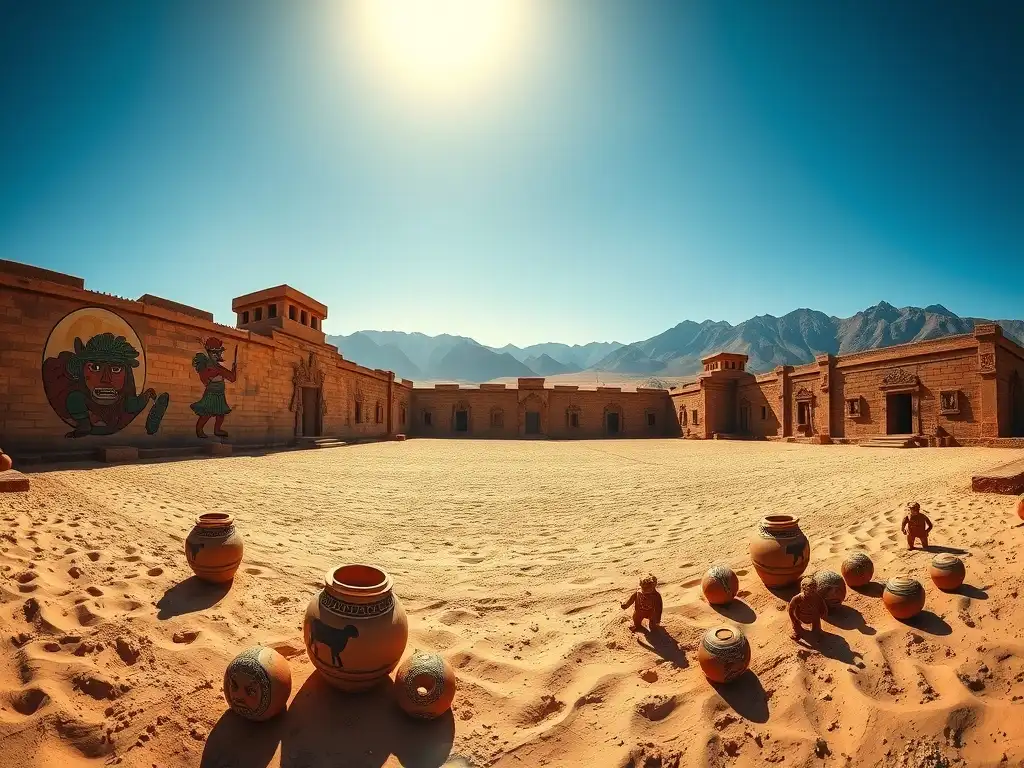
Step into a world lost to time, yet echoing with vibrant life. Unearth the secrets of the Andean civilizations, where breathtaking artistry and complex societies flourished. Prepare to be captivated by the intricate tapestry of the Moche, a culture whose mastery of metalwork and awe-inspiring architecture is only surpassed by the enigma of their gods. Discover the fascinating world of Moche gods and religious beliefs – a journey into a sacred worldview that will leave you wanting more.
The Moche civilization, flourishing along the northern coast of Peru from approximately 100 CE to 800 CE, left behind a remarkable legacy of artistry, engineering, and a complex religious system. Their sophisticated worldview, reflected vividly in their elaborate ceramics, monumental architecture, and intricate iconography, reveals a deeply spiritual society intimately connected to the forces of nature and a pantheon of powerful deities. This article delves into the fascinating world of Moche religious beliefs, exploring their gods, deities, and the sacred worldview that shaped their society and culture.
Understanding the Moche's spiritual landscape is crucial to comprehending their societal structure, artistic expressions, and the remarkable achievements of this influential Andean civilization. We will uncover the evidence from archaeological findings, analyzing their iconography and exploring the interpretations offered by leading experts in the field to paint a comprehensive picture of Moche spirituality.
This exploration will illuminate the significance of their religious practices and their impact on daily life, revealing the profound influence of their beliefs on their unique cultural identity. The keyword "Moche gods and religious beliefs" will be explored in depth, providing a detailed overview of this captivating aspect of Moche culture.
Understanding the Spiritual Landscape of the Moche Civilization
The Moche did not leave behind written texts detailing their religious beliefs, unlike some other ancient civilizations. Therefore, our understanding is primarily derived from the meticulous analysis of their art, particularly their stunning ceramics. These intricately decorated vessels, often depicting scenes of ritual ceremonies, sacrifices, and interactions with deities, provide invaluable insights into their spiritual world.
The Moche worldview appears to have been deeply interconnected with the natural world, particularly the forces of the sea and the cycles of agriculture, vital to their survival in the arid coastal environment. Depictions of powerful natural forces, such as storms, floods, and the ocean itself, are frequently found, suggesting their reverence for these powerful, unpredictable elements. Furthermore, the emphasis on agricultural imagery emphasizes the importance of maize and other crops in their religious practices, highlighting the vital role of fertility and abundance in their beliefs.
The Moche's sophisticated irrigation systems further demonstrate their deep understanding and respect for the natural world and its resources. Archaeological evidence suggests a complex relationship between the Moche elite and the religious sphere, indicating that religious authority held considerable power and influence within their society.
The Moche Pantheon: Key Deities and Their Representations
The Moche pantheon was diverse, featuring a range of deities representing various aspects of nature and human life. While specific names for these deities are unknown, their roles and attributes are often clearly depicted in the iconography. One prominent deity frequently represented is the Decapitated God, a figure often depicted in scenes of sacrifice and ritual, possibly symbolizing renewal or the cyclical nature of life and death.
Other important figures include the Ai Apaec, a deity associated with warfare and possibly representing a powerful ruler or ancestor, and various representations of feline deities, possibly linked to hunting, power, and the night. The depiction of these figures varies considerably across different ceramic styles and time periods, suggesting an evolving religious system and potentially different regional interpretations of the deities. Further research and analysis of newly discovered artifacts continue to refine our understanding of the Moche pantheon and its complexities.
The symbolism and iconography associated with these deities are rich and layered, requiring careful examination to fully appreciate their significance within the broader Moche worldview. For example, the use of specific colors, postures, and accompanying objects all contribute to the multifaceted interpretations of these powerful figures.
Ritual Practices and Sacrifice: Insights from Archaeological Discoveries
Evidence suggests that the Moche practiced a range of elaborate ritual practices, including human sacrifice. While the reasons for these sacrifices remain a subject of ongoing debate among scholars, it is clear that these events held significant religious importance. The discovery of numerous burial sites containing sacrificial victims, often adorned with elaborate jewelry and accompanied by offerings, underscores the ritualistic nature of these acts.
The sacrifices may have been intended to appease deities, ensure successful harvests, or commemorate important events. The depiction of such sacrifices in Moche pottery further highlights the centrality of these practices to their religious beliefs. Analysis of the skeletal remains of sacrificial victims, along with the associated grave goods, provides crucial insights into the social status of those offered and the rituals involved.
The complexity and scale of some of the discovered sacrificial sites suggest that such events were major societal occasions, involving participation from a broad range of individuals. The study of Moche rituals continues to be a vital area of research, offering crucial insights into their religious beliefs and social structures.
The Legacy of Moche Religious Beliefs
The Moche religious system, though not fully understood, significantly impacted the development of their art, architecture, and societal organization. Their belief system, as evidenced by their artistic expressions and ritual practices, illuminates their understanding of the world and their place within it. The legacy of Moche religious beliefs continues to inspire awe and fascination, prompting ongoing research and interpretation. The enduring power of their iconography underscores the profound impact of their spiritual world on their unique cultural identity.
The study of Moche religion remains a dynamic field, with new discoveries and interpretations continually expanding our understanding of this remarkable ancient civilization. Further research is needed to fully unravel the complexities of their religious system and its lasting influence on subsequent Andean cultures. The intricate details of Moche religious beliefs remain a compelling area of study, continually enriching our understanding of this rich and fascinating civilization.
- Understanding the Spiritual Landscape of the Moche Civilization
- The Moche Pantheon: Key Deities and Their Representations
- Ritual Practices and Sacrifice: Insights from Archaeological Discoveries
- The Legacy of Moche Religious Beliefs
Key Moche Deities and Their Roles
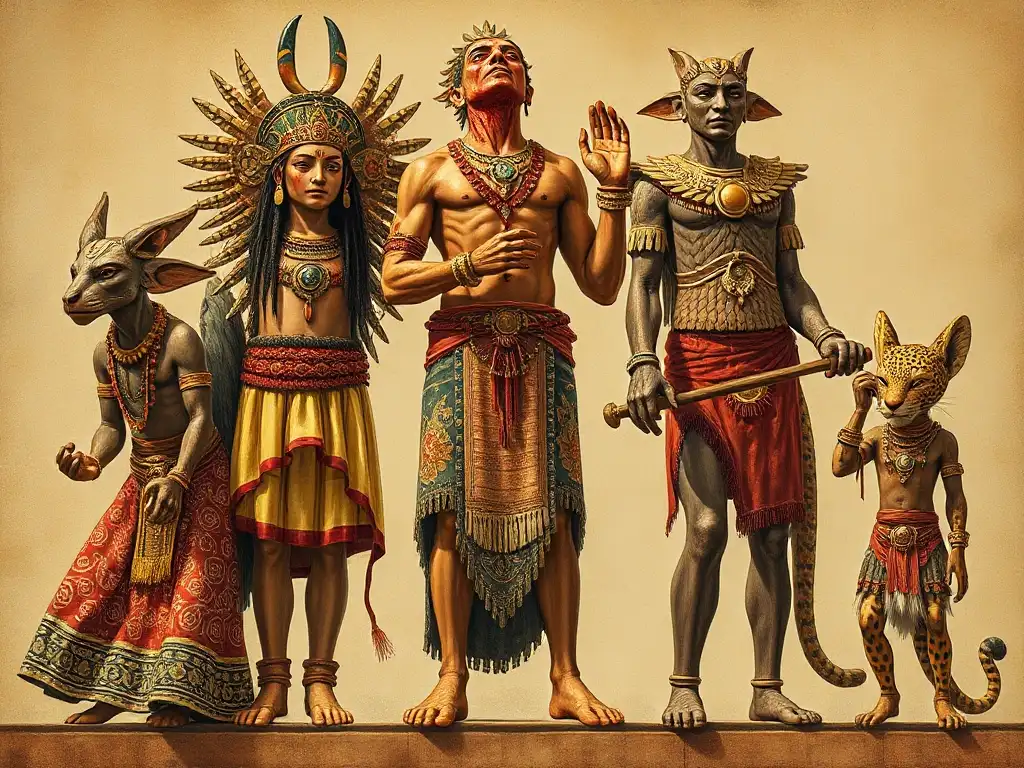
The Moche religion, a complex tapestry woven from ritual, sacrifice, and a profound connection to the natural world, revolved around a pantheon of powerful deities. Understanding these gods is crucial to grasping the Moche worldview and their sophisticated societal structure. Their religious beliefs, deeply intertwined with agriculture, warfare, and the cyclical nature of life and death, are vividly depicted in their stunning pottery and monumental architecture.
The Moche gods and religious beliefs were not merely abstract concepts; they were integral to the daily lives of the people, shaping their social hierarchy and influencing their artistic expressions. This section will explore some of the key figures within this fascinating religious system.
Ai Apaec: The Decapitator God and Moche Cosmology
Ai Apaec, arguably the most prominent deity in the Moche pantheon, is a captivating and somewhat terrifying figure. Often depicted as a fanged, monstrous being engaged in decapitation, Ai Apaec's iconography isn't simply about violence. Instead, it reflects a complex cosmology involving cyclical renewal and the power of sacrifice. The act of decapitation, while gruesome, symbolized the shedding of the old to make way for the new – a crucial element in understanding the Moche agricultural cycle and their perception of life and death as interconnected phases.
Further complicating the interpretation of Ai Apaec is the variation in his depictions. Some portrayals show him as a benevolent creator, while others emphasize his destructive power. This duality highlights the Moche understanding of the cosmos as a place of both creation and destruction, a dynamic balance essential to their worldview. The prevalence of Ai Apaec imagery in Moche art suggests his importance as a central figure in their religious rituals and beliefs, a powerful symbol of the forces shaping their world.
The exact nature of his worship and the rituals associated with him remain a subject of ongoing research, but the sheer quantity of his depictions speaks to his profound significance within Moche society. More research is needed to fully understand the nuances of Ai Apaec's role in Moche religious practices and beliefs. [Specific information pending: details on specific rituals associated with Ai Apaec].
The Moon God: Si, and its Significance in Moche Rituals
The Moon God, known as Si, held a significant place in Moche religious beliefs. While not as visually dominant as Ai Apaec, Si’s influence is evident in numerous artifacts, particularly in the context of fertility and the cycles of nature. Unlike the often aggressive imagery associated with Ai Apaec, Si is typically depicted in a more serene manner, frequently associated with feminine attributes and symbols of abundance.
The Moche revered the moon's influence on the tides, the planting seasons, and the overall fertility of the land. Their agricultural practices were deeply intertwined with lunar cycles, and Si likely played a central role in rituals ensuring bountiful harvests. The representation of Si in Moche art often includes symbols associated with water and vegetation, highlighting the deity’s connection to the life-giving forces of nature.
[Specific information pending: further details on specific rituals and ceremonies dedicated to Si]. The careful observation of lunar cycles suggests a sophisticated understanding of astronomy and its impact on agriculture, reflecting the practical and spiritual significance of Si in Moche society. The moon, as a symbol of cyclical renewal and abundance, mirrored the Moche's own beliefs about the continuous cycle of life and death.
The Sun God: Representing Power and Fertility
The Sun God, though less extensively documented than Ai Apaec or Si, undoubtedly held a position of power and importance within the Moche pantheon. Representing the source of life and energy, the Sun God likely played a significant role in Moche rituals associated with fertility, both of the land and of the people. His iconography, while less consistently represented than other deities, often incorporates symbols of power and radiance, reflecting his role as a life-giving force.
The Sun God’s influence can be inferred from the Moche emphasis on agriculture and their sophisticated irrigation systems. The sun's life-giving energy was essential for their crops, and the Sun God likely served as a guarantor of successful harvests. Furthermore, the sun's power and dominance in the sky may have been associated with the power of the Moche elite, reinforcing their authority and legitimacy.
[Specific information pending: Detailed analysis of Sun God iconography across different Moche artifacts]. While further research is needed to fully understand the Sun God's specific role in Moche religious practices, his importance as a symbol of power and fertility is undeniable, mirroring the fundamental aspects of Moche life and society. The limited visual evidence suggests a more subtle, yet equally important, role compared to the more prominently depicted deities.
Other Moche Deities: The Sea God and the Mountain God
The Moche pantheon wasn't limited to the prominent figures like Ai Apaec. Their worldview, deeply intertwined with the natural environment, included a diverse array of deities representing the powerful forces of nature. Two particularly important, though less extensively documented than Ai Apaec, are the Sea God and the Mountain God. These deities highlight the Moche's reverence for the life-giving and potentially destructive aspects of the coastal and Andean landscapes that shaped their lives.
The Sea God, often depicted in Moche iconography as a powerful, sometimes monstrous figure emerging from the waves, controlled the bounty and dangers of the Pacific Ocean. His representation varied, sometimes showing him as a humanoid with aquatic features, other times as a more abstract, almost elemental, form. The abundance of seafood, crucial to the Moche diet, was directly linked to his favor.
Conversely, powerful storms and devastating tsunamis were attributed to his wrath. Archaeological evidence, such as the discovery of elaborate offerings found near coastal settlements, suggests the Moche performed significant rituals to appease this deity and ensure a continued supply of marine resources.
These offerings often included precious objects, ceramics, and even human sacrifices, demonstrating the importance they placed on maintaining a positive relationship with the Sea God. The specific rituals and the exact nature of the appeasement ceremonies remain subjects of ongoing research, but the sheer volume of artifacts discovered offers compelling evidence of their significance.
The Mountain God, conversely, embodied the power and mystery of the Andes Mountains. The towering peaks, sources of fresh water and vital minerals, were a constant presence in the Moche landscape. Unlike the Sea God's often aggressive depictions, the Mountain God was frequently portrayed as a benevolent, nurturing figure, providing sustenance and protection.
However, his power was also undeniable; landslides, earthquakes, and other geological events were clearly linked to his capricious nature in Moche mythology. Representations often show him adorned with mountain flora and fauna, emphasizing his connection to the Andean ecosystem. The Moche's mastery of irrigation systems, testament to their engineering skills, likely reflected a desire to harness the mountain's life-giving resources while minimizing the risks associated with its unpredictable power.
The study of Moche agricultural practices and their intricate canal systems provides further insight into their relationship with the Mountain God and the importance of maintaining balance with the natural world. The precise details of rituals dedicated to the Mountain God are less clear than those for the Sea God, yet the profound impact of the Andes on their civilization suggests the existence of elaborate ceremonies to honor this powerful deity.
Moche Religious Practices and Rituals
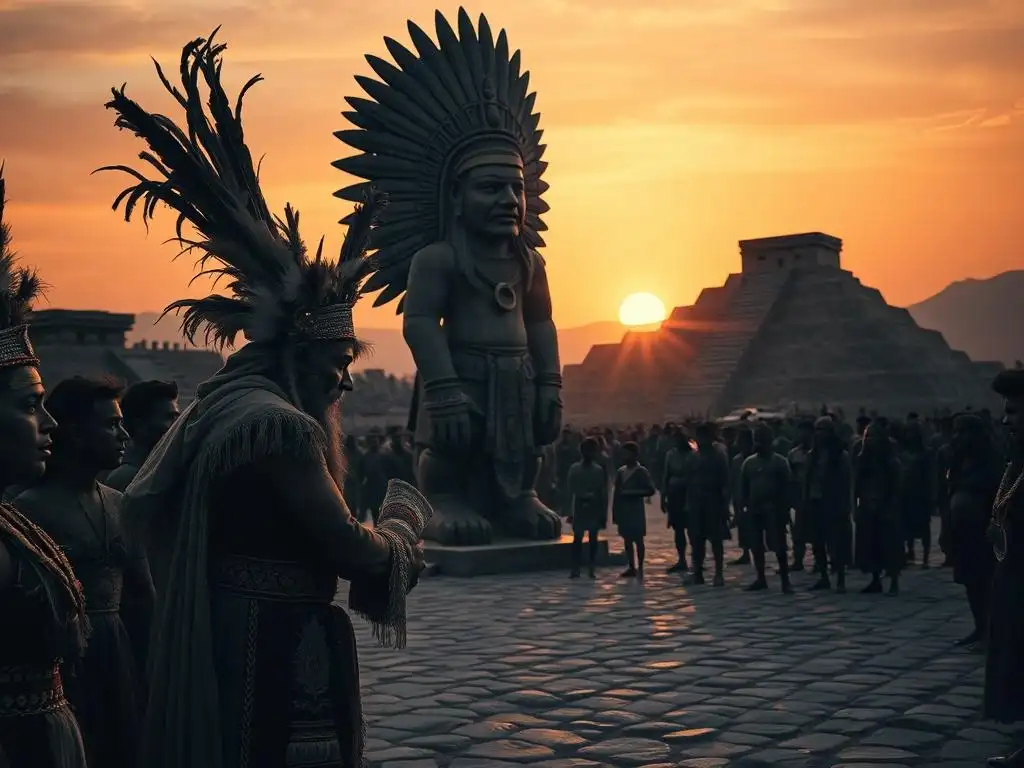
The Moche civilization, flourishing along the northern coast of Peru from approximately 100 to 800 CE, developed a complex and sophisticated religious system deeply interwoven with their daily lives. Their religious beliefs, centered around powerful deities and a reverence for nature, are vividly depicted in their elaborate artwork, particularly their stunning ceramics and monumental architecture. Understanding Moche religious practices provides crucial insight into their social structures, political organization, and worldview.
The Moche people didn't leave behind written texts, so our understanding relies heavily on archaeological evidence, meticulously interpreting the iconography and context of discovered artifacts. This section delves into the key aspects of Moche religious practices, revealing a fascinating blend of ritual, sacrifice, and shamanistic influence. The prominence of "Moche gods and religious beliefs" in their society is undeniable, shaping every facet of their existence.
Human Sacrifice in Moche Religion: Purpose and Meaning
Human sacrifice formed a significant part of Moche religious rituals. While the exact frequency and specific reasons remain debated among scholars, archaeological evidence strongly suggests its prevalence. The discovery of numerous sacrificial burials, often containing elaborate grave goods and positioned within significant temple complexes, indicates the ritualistic nature of these events.
These sacrifices weren't haphazard; rather, they were carefully planned and executed, reflecting a deep-seated belief system. The victims, sometimes identified as individuals of high social standing, were often adorned with jewelry and other prestigious items, suggesting that these sacrifices held a specific meaning within the Moche worldview. Some theories propose that human sacrifice was performed to appease the gods, ensure bountiful harvests, or to commemorate important events or leaders.
The gruesome detail with which some sacrifices are depicted in Moche pottery further emphasizes their importance and the solemn nature of the rituals. Analyzing the context of these discoveries, including the positioning of bodies and accompanying artifacts, is crucial to understanding the complex symbolism and the socio-political implications of this practice within the Moche society. Further research is needed to fully understand the nuanced reasons behind Moche human sacrifice, but it undoubtedly played a crucial role in their religious beliefs and practices.
Shamanism and Ritual Specialists in Moche Society
Alongside the evidence of human sacrifice, the Moche civilization reveals a strong presence of shamanistic practices and specialized ritual leaders. Moche iconography frequently portrays figures with supernatural attributes, often depicted in ritual contexts. These figures, likely shamans or priests, were possibly intermediaries between the human and divine realms.
Their roles extended beyond simple religious ceremonies; they probably played significant roles in healing, divination, and maintaining social order. Depictions of shamans in Moche art often include paraphernalia like hallucinogenic plants, suggesting the use of altered states of consciousness in their rituals. This aligns with ethnographic studies of other Andean cultures, where shamanistic practices were integral to religious and social life.
The precise social hierarchy and training involved in becoming a Moche shaman remains unclear, but the prominent role of these individuals in religious ceremonies is evident from the archaeological record. The high level of skill and artistry reflected in the creation of ceremonial objects, such as elaborate headdresses and ritual paraphernalia, points to a specialized class of artisans and priests working closely together to execute these complex religious events. The Moche belief system, therefore, was not solely a matter of individual faith but involved a structured system with dedicated practitioners wielding significant social influence.
Moche Temple Structures: Huacas as Centers of Religious Activity
The impressive adobe structures known as huacas served as central hubs for Moche religious activities. These monumental edifices, often situated strategically overlooking fertile valleys or the coast, were more than mere temples; they were complex architectural feats that embodied the Moche worldview. The construction of these huacas required considerable labor and resources, reflecting their significant importance within Moche society.
Their grand scale and intricate designs clearly indicate the power and influence of the religious elite involved in their construction and maintenance. Many huacas contain evidence of ritual practices, such as sacrificial offerings and ceremonial deposits, further solidifying their role as religious centers. The elaborate murals and intricate decorations found within some huacas provide invaluable insights into Moche cosmology and iconography, depicting deities, mythical creatures, and scenes of ritual ceremonies.
The careful planning and execution of these structures demonstrate the sophisticated engineering and architectural skills of the Moche, showcasing their ability to mobilize large-scale labor and resources for religious purposes. The huacas, therefore, represent more than just buildings; they are tangible manifestations of the Moche religious beliefs and their central role in shaping the society's social and political structures. Studying these sites allows us to better understand the centrality of "Moche gods and religious beliefs" in the daily lives of the Moche people.
Moche Funerary Rites and Beliefs About the Afterlife
Moche funerary practices reveal a complex worldview encompassing elaborate rituals and beliefs about the afterlife. Unlike many cultures that focus solely on burial, the Moche invested significant time and resources into preparing their dead for their journey into the next world. This wasn't a simple process; it was a deeply symbolic act reflecting their religious beliefs and social standing.
The sheer variety of Moche burials showcases the nuanced understanding of the afterlife. Some individuals were interred in simple graves, while others received elaborate treatments, indicating a hierarchical society where funerary practices mirrored social status. The most lavish burials often included a wealth of grave goods, reflecting the belief that material possessions would be essential in the afterlife.
These goods ranged from intricately crafted pottery and textiles to gold and silver ornaments, and even food and drink offerings. The presence of these items suggests a belief in a continuous existence after death, where the deceased would require sustenance and comfort.
The Moche also performed elaborate rituals surrounding death and burial. Evidence from archaeological sites shows that bodies were often adorned with elaborate headdresses, jewelry, and clothing before interment. In some cases, bodies were carefully positioned within elaborate tombs, often accompanied by human sacrifices. These sacrifices, usually young women or warriors, were believed to accompany the deceased into the afterlife, providing service and companionship. The meticulous preparation of the bodies and the inclusion of human sacrifices highlight the significant importance the Moche placed on the transition to the next world.
Furthermore, the positioning of the bodies within the tombs provides insights into their beliefs about the afterlife. Some bodies were found positioned in a fetal position, possibly symbolizing rebirth or a return to the womb. Others were found facing specific directions, potentially aligning with their cosmological beliefs and the journey of the soul. The careful arrangement of the bodies and grave goods emphasizes the planned and structured nature of their funerary rituals, suggesting a deeply ingrained belief system surrounding death and the afterlife.
The meticulous nature of these practices underscores the considerable importance the Moche attributed to the proper passage into the next world. Detailed analysis of these burial practices continues to shed light on the intricacies of Moche religious beliefs and their perception of the afterlife. Further research is needed to fully understand the symbolism embedded within these rituals.
Iconography and Symbolism in Moche Religious Art
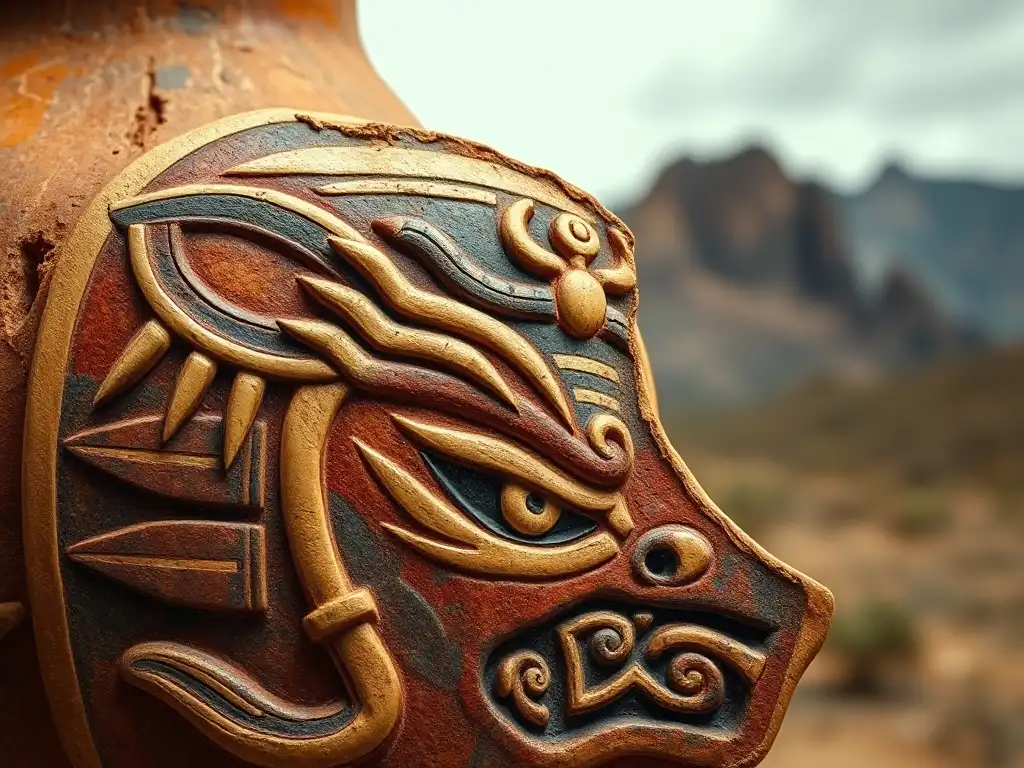
The Moche civilization, flourishing along the northern coast of Peru from approximately 100 to 800 CE, left behind a rich legacy of religious art that offers invaluable insights into their complex belief system. Their iconography, largely preserved in intricately crafted pottery and vibrant murals, provides a window into the pantheon of Moche gods and the sacred worldview that shaped their society.
Understanding this visual language is crucial to deciphering the nuances of Moche religious beliefs, moving beyond simple descriptions of their deities to grasp the underlying cosmological principles. The meticulous detail and stylistic consistency across different artistic mediums suggest a highly structured and formalized religious practice, deeply ingrained in the social fabric of the Moche people.
Analyzing the iconography allows us to reconstruct aspects of their rituals, beliefs about the afterlife, and the importance of nature in their spiritual life. The recurring motifs and symbolic representations reveal a sophisticated understanding of the cosmos and their place within it.
Depictions of Moche Gods in Pottery and Murals
Moche pottery, renowned for its exceptional craftsmanship and realism, frequently depicts anthropomorphic deities. These representations, often characterized by elaborate headdresses, adornments, and symbolic attributes, provide visual clues to the deities' identities and powers. For instance, the Ai Apaec deity, often depicted as a fanged, monstrous figure associated with warfare and sacrifice, appears frequently in Moche art.
His appearance, often accompanied by human sacrifices depicted in gruesome detail, suggests a powerful and fearsome god. In contrast, other deities are portrayed more benignly, possibly representing fertility, abundance, or the forces of nature. These depictions are not merely decorative; they served a ritualistic purpose, possibly acting as offerings or representing the presence of the deity in ceremonies.
The murals, though less numerous than the pottery, provide equally important visual information. While often fragmentary, the surviving murals showcase large-scale depictions of deities engaging in ritualistic acts or interacting with other supernatural beings. The scale and context of these murals suggest a public or ceremonial function, emphasizing the importance of these deities in the Moche community's collective religious experience.
The use of vibrant colors and dynamic compositions further reinforces the power and significance of the figures represented. Detailed analysis of the stylistic variations across different pottery and mural styles reveals possible regional differences in religious practices or the prominence of specific deities within different Moche communities. More research is needed to fully understand the specific meanings behind the variations in the depiction of these Moche gods and religious beliefs.
Symbolic Animals: The Feline, Serpent, and Bird
Animals hold significant symbolic meaning within Moche religious iconography. The feline, often depicted as a jaguar or puma, is commonly associated with power, ferocity, and rulership. Its presence in Moche art suggests its importance in their cosmology, possibly representing a powerful deity or embodying aspects of the supernatural world.
The serpent, another recurring motif, often symbolizes fertility, water, and the underworld. Its association with life-giving forces and the cycle of regeneration underscores the Moche understanding of the interconnectedness of life and death. The bird, often a raptor or a stylized bird of prey, frequently represents the sky, the sun, and possibly the intermediary between the earthly and celestial realms.
The combination of these animals in various artistic contexts adds layers of meaning. For example, a feline deity adorned with serpent motifs might represent a fusion of power and fertility, or a deity who controls both the earthly and underworld realms. The intricate interplay of these symbolic animals highlights the complexity of Moche religious thought and the nuanced ways in which they understood the natural world's relationship to the supernatural.
Further investigation into the specific contexts in which these animals appear could yield a deeper understanding of their symbolic significance within the Moche pantheon and their beliefs. The study of these symbolic animals is essential for a comprehensive understanding of Moche gods and religious beliefs.
Decoding Moche Religious Iconography: The Presentation Theme
A particularly intriguing aspect of Moche religious art is the recurring theme of "presentation." Many depictions showcase figures, often deities or elite individuals, offering gifts, food, or prisoners to other figures, often interpreted as deities or supernatural beings. This theme of presentation highlights the importance of ritual offerings and the hierarchical structure of Moche society.
The act of offering suggests a reciprocal relationship between humans and the supernatural, where offerings ensure the favor and protection of the deities. The types of offerings depicted, such as richly decorated vessels, elaborate garments, or even human sacrifices, reflect the value placed on these offerings and the importance of maintaining a harmonious relationship with the supernatural world.
The meticulous detail in these depictions—the expressions on the faces of the figures, the intricate details of the offerings, and the overall composition—suggests that these scenes were not simply decorative but rather conveyed complex religious narratives. The arrangement of figures and objects within these scenes likely held symbolic meaning, representing specific rituals or mythological events. Further research is needed to fully interpret the nuances of these presentation scenes and their implications for understanding Moche religious practices.
Deciphering the symbolism within these presentations offers crucial insights into the social hierarchy, ritual practices, and the nature of the relationship between the Moche people and their gods. This theme contributes significantly to a more thorough understanding of Moche gods and religious beliefs.
The Influence of Moche Religious Beliefs on Their Society
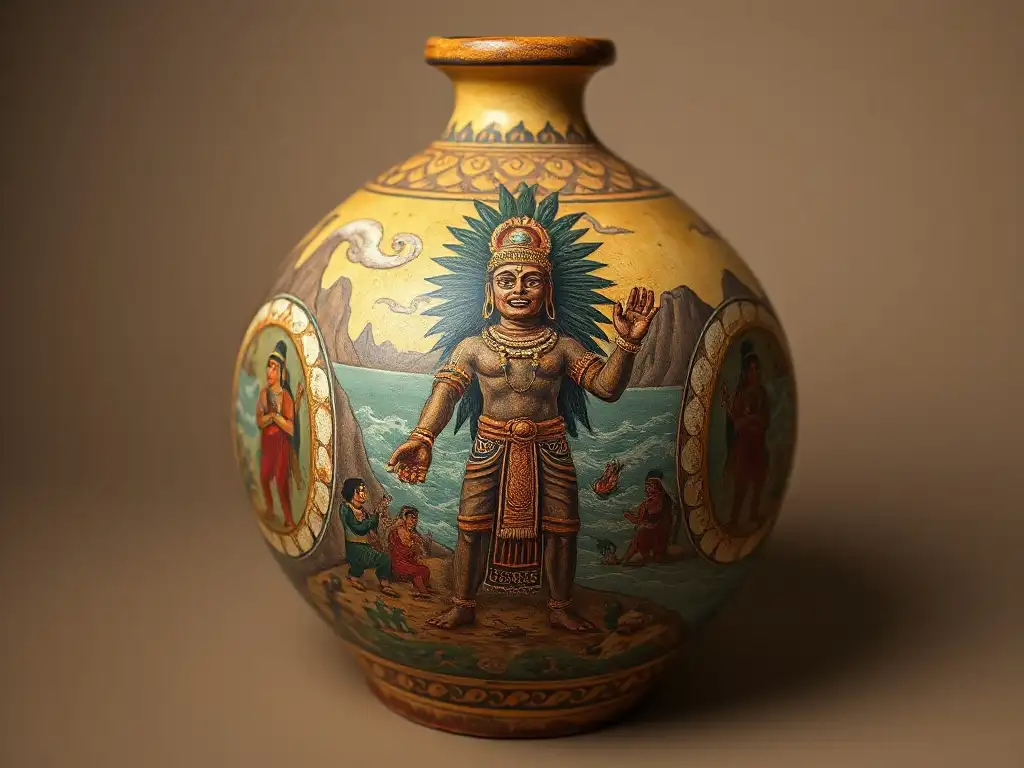
The Moche religion, a complex system of beliefs and practices, profoundly impacted every facet of Moche society. Understanding their religious worldview is crucial to grasping their social structures, political organization, and daily routines. The pervasive nature of Moche religious beliefs is evident in their art, architecture, and even their agricultural practices. Their intensely spiritual life wasn't confined to temples and rituals; it permeated their entire existence. This section will explore how Moche religious beliefs shaped their social hierarchy, warfare, and daily lives. The keyword "Moche gods and religious beliefs" is central to understanding this intricate relationship.
The Moche social hierarchy was intricately linked to their religious beliefs. Evidence suggests a powerful priestly class held significant authority, mediating between the people and the supernatural world. These priests likely controlled access to sacred knowledge, rituals, and resources, solidifying their position at the top of the social ladder.
Archaeological findings, such as elaborate tombs filled with precious artifacts and the depiction of priests in ceremonial attire on pottery, support this interpretation. The elite likely enjoyed privileged access to food, resources, and even human sacrifice, reinforcing their religious and social dominance. The intricate iconography found on Moche ceramics often portrays priests performing rituals, suggesting the importance of their role in maintaining social order and cosmic balance.
Furthermore, the construction and maintenance of monumental structures like the Huaca del Sol and Huaca de la Luna, massive adobe pyramids, required significant manpower and resources, suggesting a highly organized society directed by a powerful religious elite. This system wasn't simply a top-down power structure; the common people participated in religious festivals and rituals, reinforcing their faith and maintaining social cohesion.
The Role of Religion in Moche Warfare and Expansion
Moche warfare and territorial expansion were deeply intertwined with religious beliefs. Military campaigns were likely seen as a way to gain access to resources, expand their influence, and appease their gods. The capture of prisoners of war was not only a strategic military objective but also a vital element in religious rituals, notably human sacrifice.
Depictions of warfare and sacrifice on Moche pottery illustrate the close connection between military conquest and religious practice. The warriors, often depicted wearing elaborate headdresses and carrying weapons, were likely seen as divinely empowered agents of the Moche state. Success in battle was attributed to divine favor, strengthening the rulers' legitimacy and authority.
Conversely, defeat might have been interpreted as a sign of divine displeasure, demanding appeasement through rituals or even the sacrifice of high-ranking officials. The complex interplay of religious beliefs and military expansion is a crucial aspect of understanding Moche society's rise and eventual decline. Further research into Moche military strategies and their religious interpretations is needed to fully understand this dynamic.
How Moche Religion Shaped Daily Life and Agriculture
Moche religious beliefs extended beyond grand ceremonies and warfare; they deeply influenced daily life and agriculture. The Moche people relied heavily on agriculture, and their crops were believed to be under the direct influence of supernatural forces. Rituals and offerings were likely performed to ensure bountiful harvests and to appease the deities associated with fertility and water. The intricate irrigation systems they developed, a testament to their engineering prowess, were not merely technological achievements; they also reflected a deep understanding of the relationship between the natural world and the supernatural realm.
The Moche worldview emphasized the interconnectedness of all things, highlighting the importance of maintaining a harmonious relationship with the environment and the deities who controlled it. Daily life was likely punctuated by smaller, domestic rituals performed by individuals or families, reinforcing their connection to the supernatural world. These might have included offerings of food, drink, or other items to household deities or ancestral spirits.
The pervasiveness of religious beliefs in Moche daily life underscores their central role in shaping their worldview and their society's overall structure. Further research into domestic artifacts and settlements is needed to gain a more complete understanding of the everyday religious practices of the Moche people. The study of Moche pottery, with its vibrant depictions of daily life and religious ceremonies, continues to provide invaluable insights into their deeply spiritual culture.
The Legacy of Moche Religious Thought
The Moche civilization, flourishing along the northern coast of Peru from approximately 100 CE to 800 CE, left behind a rich tapestry of artistic and archaeological evidence that illuminates their complex religious beliefs. While much remains shrouded in the mists of time, careful analysis of their iconography, ceramics, and monumental architecture reveals a deeply spiritual worldview profoundly impacting later Andean cultures.
Their sophisticated understanding of the cosmos, the interconnectedness of life, and the power of nature continues to resonate in the religious practices and beliefs of subsequent Andean societies. The Moche's reverence for powerful deities, their emphasis on ancestor veneration, and their intricate rituals laid the groundwork for many of the religious themes found in later Andean civilizations, including the Inca.
Understanding their religious thought provides a crucial key to unlocking a deeper understanding of the broader Andean cultural landscape. The intricate details of Moche religious practices, particularly their sophisticated ceremonies and rituals, are still being uncovered, adding to the intrigue and the ongoing fascination surrounding this remarkable civilization.
Connections to Later Andean Religious Traditions
The Moche's influence on subsequent Andean religious traditions is undeniable. Many themes and iconographic elements found in Moche art reappear, albeit in modified forms, in the religious practices of later cultures, particularly the Inca. For example, the Moche's emphasis on ancestor veneration, evident in their elaborate tomb complexes and the depiction of ancestors on their pottery, finds parallels in the Inca's reverence for their royal lineage and the capacocha sacrifices.
Furthermore, the Moche's sophisticated understanding of astronomical cycles and their incorporation of celestial imagery into their religious art foreshadows similar cosmological concerns in later Andean cultures. The Moche's belief in powerful deities who controlled the forces of nature also finds echoes in the Inca pantheon, suggesting a continuity of religious ideas across centuries. The stylistic similarities between Moche and later Andean iconography, particularly in the representation of deities and supernatural beings, further highlights the lasting impact of Moche religious thought.
While the specific details might differ, the underlying themes of reverence for nature, ancestor veneration, and a complex cosmology provide a clear link between Moche religious beliefs and those of their successors. This continuity underscores the enduring influence of the Moche on the religious landscape of the Andes.
Moche Religious Beliefs: Animism and Ancestor Veneration
A central tenet of Moche religious beliefs appears to have been animism, the belief that spirits inhabit natural objects and phenomena. This is clearly demonstrated in their art, where animals, plants, and even inanimate objects are often depicted with human-like characteristics, suggesting a belief in their inherent spiritual power. The Moche frequently portrayed powerful, anthropomorphic deities associated with specific natural forces, like the sea, the sun, and rain. These deities were not merely abstract concepts but were seen as active agents in the world, capable of both benevolence and destruction.
Alongside animism, ancestor veneration played a significant role in Moche society. Elaborate tombs, filled with grave goods and often showcasing intricate murals, reveal the importance placed on honoring deceased ancestors. The Moche believed that their ancestors retained influence in the world of the living, acting as intermediaries between the living and the supernatural realm.
This belief is further supported by the frequent depiction of ancestors on their pottery, often shown in scenes of ritual or offering. The combination of animistic beliefs and ancestor veneration created a rich and complex spiritual worldview that permeated all aspects of Moche life, from daily routines to elaborate ceremonies. The reverence for both the natural world and their ancestors formed the foundation of their religious practices and shaped their social structures.
Further Research on Moche Deities and Religion: Iconographic Analysis
Further research into Moche deities and religious beliefs requires a meticulous analysis of their iconography. The Moche's pottery, in particular, serves as a rich source of information, depicting a wide range of deities, rituals, and mythological scenes. Detailed studies of these images, focusing on the symbolism of specific objects, gestures, and accompanying figures, are essential for unraveling the complexities of their religious system.
For instance, the recurring motif of a deity wielding a staff or scepter might signify power and control over the natural world, while the presence of specific animals could indicate associations with particular deities or natural forces. Advanced techniques like digital image processing and 3D modeling could aid in the analysis of intricate details often obscured by the passage of time and environmental damage. Furthermore, comparative studies with the iconography of other contemporary and later Andean cultures might reveal shared themes and influences, providing further insights into the evolution of Andean religious thought.
By systematically analyzing the iconographic evidence and employing advanced research methodologies, scholars can continue to decipher the secrets of Moche religious beliefs and their lasting legacy in the Andes. This ongoing research is crucial for a more complete understanding of the Moche civilization and its place within the broader tapestry of Andean history and culture.
Frequently Asked Questions
What were the most important Moche gods?
The Moche pantheon was complex, but key deities included the Ai Apaec, a fearsome deity often depicted as a fanged being, and a fertility deity, typically represented as a powerful woman. Other important figures included deities associated with the sea and agriculture.
How did the Moche express their religious beliefs?
Moche religious beliefs were expressed through elaborate ceremonies, monumental architecture, and exceptional artistry. Their iconic pottery and metalwork frequently depict religious scenes and figures.
What role did sacrifice play in Moche religion?
Sacrifice, including human sacrifice, played a significant role in Moche religious practices. It was likely believed to maintain cosmic balance and appease the gods. Evidence suggests both voluntary and involuntary sacrifices occurred.
What is known about Moche funerary practices?
Moche funerary practices were closely tied to their religious beliefs. Elaborate tombs containing grave goods reflecting the deceased's status were common. The positioning of the bodies and included offerings provided insights into their beliefs about the afterlife.
How did Moche religion influence their daily lives?
Moche religion permeated all aspects of daily life. Agricultural cycles, political structures, and even artistic expression were deeply intertwined with their religious worldview. Their beliefs shaped their society and its values.
Final Reflection: Echoes of the Moche: A Legacy of Faith and Power
The vibrant religious beliefs of the Moche civilization, far from being relics of a distant past, continue to resonate in our understanding of ancient Andean cultures and the enduring human need for spiritual expression. Their intricate iconography, powerful deities, and elaborate rituals offer a compelling window into a society deeply connected to the natural world and the forces that shaped their lives. The sophisticated artistry and architectural achievements that stemmed from their faith are a testament to the power of belief in shaping a civilization.
The Moche worldview, with its complex pantheon of gods and goddesses representing both the benevolent and destructive forces of nature, profoundly impacted the social structure and artistic output of the culture. Their faith wasn't merely a personal matter; it was woven into the very fabric of their society, influencing everything from agricultural practices to warfare. The Moche were not simply worshippers; they were active participants in a dynamic relationship with the supernatural world.
This active engagement with their deities shaped their identity and left an indelible mark on the landscape of Peru. It compels us to consider the profound influence religious belief can have on shaping a society and its legacy.
Consider the enduring power of these images, the intricate details of their ceramics, the grandeur of their pyramids. These are not just artifacts; they are echoes of a vibrant faith, a testament to human ingenuity and spiritual yearning. You, the reader, are now invited to reflect on the parallels between the Moche's deep connection to their world and your own relationship with spirituality and belief.
How do our own beliefs shape our understanding of the world and our place within it? What enduring legacies do we hope to leave behind? Let the echoes of the Moche inspire you to explore the enduring power of faith in shaping our lives and the world around us.
Explore the Sacred: Take Action Today!
Thank you for exploring the fascinating world of Moche religious beliefs! You've uncovered the intricate relationship between their gods and the sacred worldview that shaped their civilization. Now, let's bring this knowledge to life and deepen your understanding.
Here are a few ways you can engage further with this captivating topic:
- Dive Deeper: Compare Moche beliefs and rituals to those of other Andean cultures, such as the Inca or Nazca, to gain a richer cultural perspective. Consider researching their agricultural practices and how they were intertwined with religious beliefs.
- Share Your Thoughts: Join our community! Share your insights on social media or leave a comment below. Let's discuss the similarities and differences between Moche beliefs and those of other ancient societies, such as the Egyptians or Mesopotamians.
- Create Something New: Express your understanding creatively. Paint a scene depicting a Moche ceremony, write a short story inspired by their mythology, or compose a poem reflecting on the enduring power of their spiritual beliefs in the modern world.
What aspects of Moche spirituality resonated most with you, and how might these resonate with your own worldview or personal practices?