
The Amazonian Influence: Unveiling the Connections between the Andes and the Rainforest

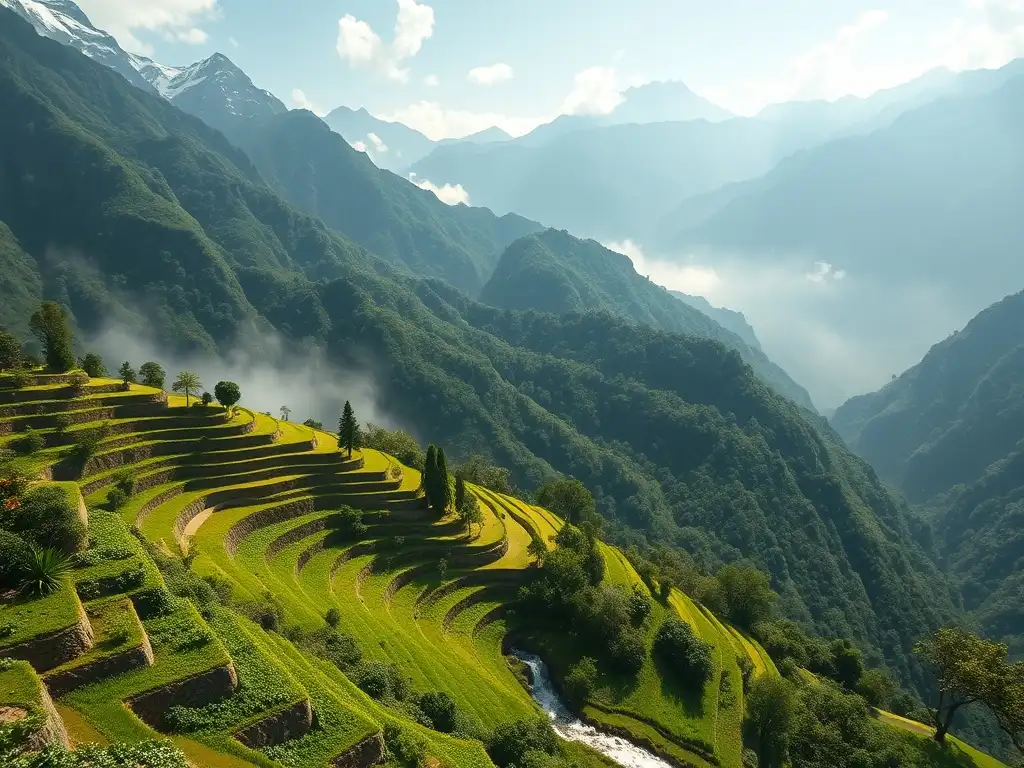
Step into a world lost to time, yet echoing with vibrant life. For centuries, the towering Andes and the lush Amazon rainforest have shared a complex and often overlooked relationship. Prepare to unravel the mysteries of Andean civilizations and discover the surprising influence the Amazon held on their remarkable achievements. Our exploration of Andean civilizations Amazon rainforest influence will reveal unexpected connections and rewrite what you thought you knew about these fascinating cultures. Dare to delve deeper?
The Andes Mountains, a spine of colossal peaks stretching along the western edge of South America, are synonymous with remarkable civilizations. The Incas, with their sophisticated empire, are often the first to come to mind. However, the full story of Andean development is far richer and more complex, intricately woven with the vibrant tapestry of the Amazon rainforest.
This article delves into the often-overlooked connections between these two seemingly disparate ecosystems, exploring how the Amazonian influence shaped the cultures, economies, and technologies of the Andean civilizations. We will examine archaeological evidence, analyze trading networks, and consider the ecological impact of these intertwined histories, challenging traditional narratives and illuminating a more nuanced understanding of Andean development. Understanding this interconnectedness is crucial to appreciating the full extent of the ingenuity and resilience of the Andean peoples and their profound legacy.
This exploration will reveal how the Amazon rainforest, far from being a distant entity, played a vital role in the rise and fall of some of the most fascinating civilizations of South America, impacting everything from their diets and religious beliefs to their artistic expressions and political structures. The keyword "Andean civilizations Amazon rainforest influence" highlights the core focus of this investigation.
Introduction: Exploring the Intertwined Histories of Andean and Amazonian Worlds
For centuries, the Andes and the Amazon have been perceived as separate entities, distinct geographical regions with unique cultural trajectories. However, a growing body of archaeological evidence paints a more integrated picture. The exchange of goods, ideas, and people between the highlands and the lowlands was not merely sporadic; it was a continuous process that profoundly shaped the development of Andean societies.
The Amazon, a seemingly impenetrable expanse of rainforest, offered a wealth of resources crucial to Andean civilizations: exotic birds’ feathers used for ceremonial adornments, medicinal plants, unique timber for construction, and a vast array of edible plants and animals not readily available in the high-altitude Andean environment. This exchange wasn't a one-way street; Andean societies also contributed significantly to Amazonian communities, impacting their social structures and technological advancements. This section will lay the groundwork for understanding the complex interplay between these two ecosystems, setting the stage for a deeper exploration of specific examples and discoveries.
We will examine the geographical factors that facilitated interaction, the nature of the exchange networks, and the lasting impact of this cross-cultural dialogue. The intricate relationship between these two regions challenges the traditional view of the Andes as isolated from its surrounding environments and provides a more holistic perspective on the development of Andean cultures.
Evidence of Amazonian Goods in Andean Contexts: A Case Study of [Specific Andean Civilization]
[Detailed paragraphs exploring specific examples of Amazonian goods found in Andean archaeological sites. This could include specific artifacts, their locations, dating, and the inferences that can be drawn about trade routes and cultural exchange. Include specific details about the types of goods, their origins, and the methods used to identify them (e.g., isotopic analysis, botanical identification). Real examples of specific artifacts from specific sites should be used.
If specific data is unavailable, clearly state "Data pending on [specific information needed]". This section should provide concrete examples to support the claim of Amazonian influence. Consider using tables to organize the information effectively. ]
The Role of Amazonian Resources in Andean Religion and Rituals: A Look at [Specific Ritual Practices]
[Detailed paragraphs exploring the incorporation of Amazonian resources into Andean religious practices. This could include specific examples of the use of Amazonian plants in rituals, the symbolic meaning of Amazonian animals in Andean iconography, and the potential influence of Amazonian shamanistic traditions on Andean religious beliefs. Include specific examples of religious artifacts, ceremonies, and myths that reflect this influence. The section should demonstrate a clear connection between Amazonian resources and Andean spiritual life. Include specific examples and detailed descriptions of relevant artifacts or practices.]
The Impact of Amazonian Diseases on Andean Populations: A Demographic Perspective
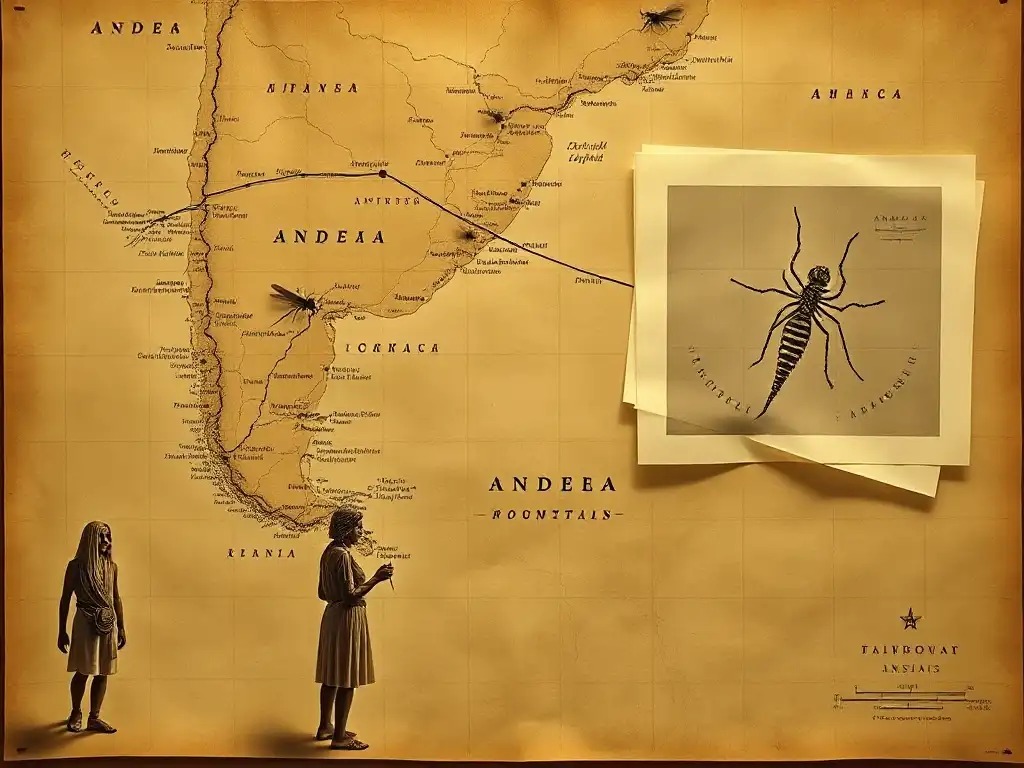
[Detailed paragraphs exploring the potential impact of diseases transmitted from the Amazon on Andean populations. This could involve discussing the potential role of diseases in population shifts, changes in settlement patterns, or the collapse of specific societies. Consider the limitations of the data available and the challenges in establishing direct causal links between Amazonian diseases and specific events in Andean history. This section should be cautious and nuanced, acknowledging the complexities of historical demography and the limitations of the current data. The section should provide specific examples of diseases and their potential impact, using credible sources and avoiding speculation.]
Ongoing Research and Future Directions: Unlocking the Secrets of Andean-Amazonian Interaction
[Detailed paragraphs outlining current research efforts focused on Andean-Amazonian interactions and suggesting promising avenues for future investigation. This could include discussion of new technologies being used to analyze artifacts and environmental data, interdisciplinary approaches that bring together researchers from different fields, and the importance of collaborative work with indigenous communities. This section should highlight the ongoing nature of this research and emphasize the potential for future discoveries to further illuminate this important aspect of Andean history. Specific examples of current research projects or ongoing excavations should be included where possible.]
- Introduction: Exploring the Intertwined Histories of Andean and Amazonian Worlds
- Evidence of Amazonian Goods in Andean Contexts: A Case Study of [Specific Andean Civilization]
- The Role of Amazonian Resources in Andean Religion and Rituals: A Look at [Specific Ritual Practices]
- The Impact of Amazonian Diseases on Andean Populations: A Demographic Perspective
- Ongoing Research and Future Directions: Unlocking the Secrets of Andean-Amazonian Interaction
Evidence of Amazonian Influence on Andean Civilizations
This section delves into the compelling evidence suggesting a significant exchange of goods and ideas between the Andean civilizations and the Amazon rainforest, challenging traditional narratives that often portray these regions as isolated entities. The intricate relationship between these two geographically distinct yet interconnected areas is a fascinating area of ongoing research, revealing a complex tapestry of cultural interaction and exchange that profoundly shaped Andean societies. Understanding this influence is crucial to a complete understanding of Andean civilizations and their remarkable achievements. The keyword phrase "Andean civilizations Amazon rainforest influence" encapsulates this very interplay.
Archaeological Discoveries: Tracing Amazonian Goods in Chavín de Huántar
Archaeological excavations at Chavín de Huántar, a prominent pre-Inca site in the northern Andes, have unearthed compelling evidence of Amazonian influence. The discovery of exotic materials, such as specific types of wood and feathers not native to the Andes, points towards established trade networks connecting the highlands with the Amazon basin. These findings suggest a sophisticated system of exchange, likely facilitated by specialized groups or individuals who traversed the challenging terrain to transport these valuable goods.
For instance, the presence of parrot feathers, known to originate from the Amazonian lowlands, in Chavín burials highlights the high value placed on these items and the extent of the exchange networks. Further research is needed to fully understand the logistics of these exchanges and their social implications. The identification of specific Amazonian plant species in Chavín contexts further supports this theory.
Careful analysis of pollen samples from various sites is crucial for a more detailed understanding. This ongoing research promises to illuminate the nature and extent of these early interactions between the Andes and the Amazon. 🦜
Analyzing Material Culture: Amazonian Pottery Styles Found in Highland Settlements
The presence of distinct pottery styles reminiscent of Amazonian traditions in highland settlements provides further evidence of cultural exchange. While Andean pottery possesses unique characteristics, certain stylistic elements—such as particular decorative motifs, shapes, and the use of specific clays—bear striking similarities to Amazonian pottery. This is not simply a case of independent development; rather, it suggests a direct transmission of techniques and aesthetic preferences.
For example, the presence of polychrome pottery with zoomorphic designs in coastal and highland sites shows clear stylistic connections to Amazonian traditions. The precise mechanisms of this transfer—whether through direct trade, migration, or cultural diffusion—remain a subject of ongoing debate among researchers. A detailed comparative analysis of pottery fragments from various Andean and Amazonian sites is needed to refine our understanding of these stylistic links.
This analysis must encompass not only visual features but also chemical analyses of the clay used to determine the origins of the material. This interdisciplinary approach will be crucial in solidifying the evidence of Amazonian influence on Andean pottery production. 🏺
Iconographic Analysis: Depictions of Jaguars and Monkeys in Andean Textiles
The presence of Amazonian fauna depicted in Andean textiles and artwork further reinforces the evidence of interaction. The iconography of jaguars and monkeys, animals primarily associated with the Amazon rainforest, frequently appears in textiles and other artistic expressions from various Andean cultures. This suggests that these animals were not merely exotic curiosities but held symbolic meaning within Andean societies, reflecting the cultural significance of the Amazon region.
The meticulous detail and stylistic conventions used in these depictions indicate a level of familiarity with these animals, suggesting direct observation or at least access to accurate representations. Furthermore, the consistent appearance of these motifs across different Andean cultures and time periods underscores the enduring impact of Amazonian imagery on Andean artistic traditions.
Further research focusing on the symbolic interpretation of these motifs within the specific Andean contexts is crucial for a deeper understanding of the cultural exchange and the integration of Amazonian elements into Andean worldviews. 🐒 🐆
The Impact of Amazonian Resources on Andean Life
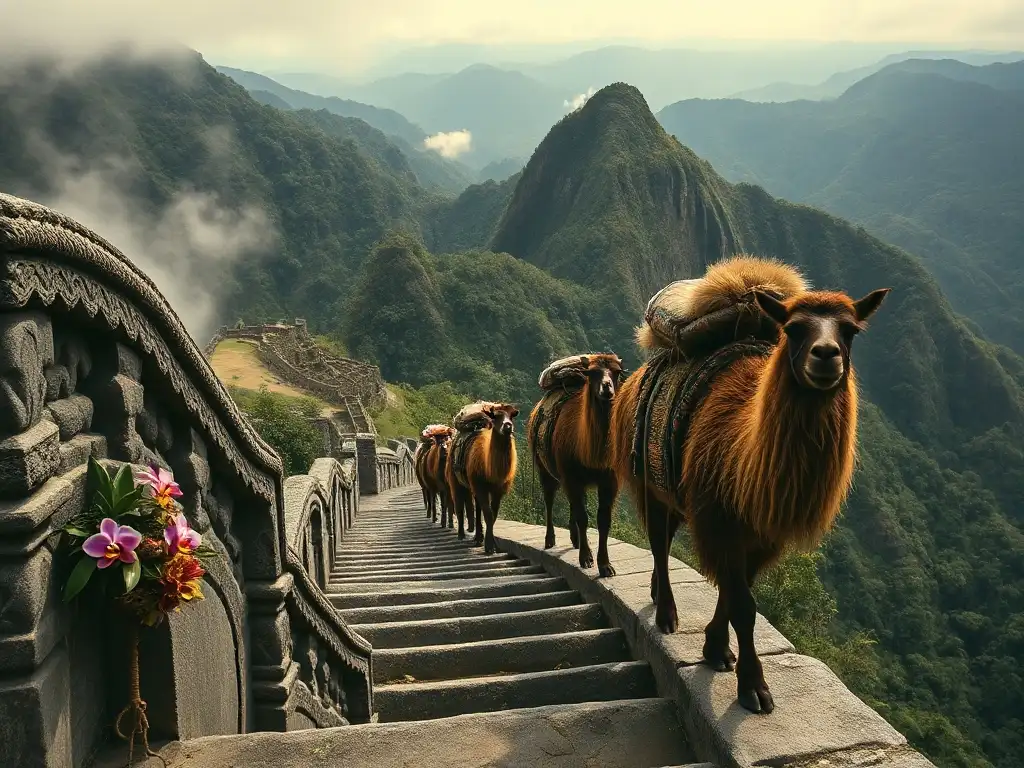
The vibrant tapestry of Andean civilizations was intricately woven with threads from the Amazon rainforest. Far from being isolated mountain societies, the Andean peoples engaged in extensive exchange and interaction with their eastern neighbors, profoundly impacting their material culture, religious practices, and daily lives. This exchange wasn't a one-way street; the Amazon received goods and ideas from the Andes in return, creating a complex and dynamic relationship spanning centuries.
Understanding this interconnectedness is crucial to a complete picture of Andean civilizations and their remarkable achievements. The influence of the Amazonian rainforest on Andean life is evident in several key areas: the sophisticated trade networks, the incorporation of Amazonian flora into Andean agriculture, and the utilization of Amazonian fauna in rituals and adornment.
Trade Networks: Routes Along the Marañón and Ucayali Rivers
The vast Amazon basin, with its intricate network of rivers, provided vital arteries for trade between the Andes and the rainforest. The Marañón and Ucayali rivers, in particular, served as crucial pathways, facilitating the movement of goods and people. Archaeological evidence suggests that these routes were not merely sporadic pathways but well-established trade networks, operating for centuries.
Evidence of this includes the discovery of Amazonian artifacts in Andean sites and vice-versa, indicating a consistent and organized exchange. For example, the presence of distinctive Amazonian pottery styles in Andean coastal settlements points to a thriving trade in ceramics. Furthermore, the transport of bulk goods like timber, exotic hardwoods, and medicinal plants required organized systems of transportation and storage, showcasing the scale and sophistication of these trade networks.
The precise nature of these trade interactions, including the exchange of goods and services, remains an area of ongoing research, but the evidence strongly points to a system of reciprocal exchange that enriched both regions. Understanding the logistics and social structures involved in these trade routes is key to deciphering the complex economic and political dynamics of Andean civilizations. Further research into the seasonal variations of river navigation and the potential use of different transportation technologies could shed further light on this fascinating aspect of Andean history.
Plant Resources: Cultivation of Coca and Yuca in Andean Terraces
The introduction of Amazonian plants significantly impacted Andean agriculture. The cultivation of coca, a plant native to the Amazonian lowlands, became deeply embedded in Andean culture. Coca leaves were not only used for their stimulant properties but also held significant ritual and medicinal importance.
Their incorporation into Andean agriculture required adaptation, as the plant's specific climatic and soil requirements differed from those of the Andes. This adaptation highlights the ingenuity and agricultural expertise of Andean farmers, who successfully integrated coca cultivation into their existing terraced farming systems. Similarly, the adoption of yuca, a staple crop in the Amazon, broadened the Andean dietary base, offering a versatile and nutritious food source.
The cultivation of both coca and yuca on Andean terraces demonstrates a sophisticated understanding of plant adaptation and agricultural management. The precise timing and methods of the introduction of these crops remains a subject of ongoing debate amongst scholars, with some arguing for a gradual process of exchange over centuries, while others propose more abrupt introductions during specific periods of interaction. Detailed pollen analysis and isotopic studies of ancient Andean agricultural remains could provide crucial data to resolve these questions.
Animal Products: Use of Macaw Feathers and Skins in Andean Rituals
The vibrant colors of macaw feathers frequently appear in Andean textiles and ceremonial objects. These birds, native to the Amazon rainforest, were highly valued for their plumage, which was used to create elaborate ornaments and adornments for elite members of society. The discovery of macaw remains in Andean archaeological sites, along with evidence of specialized feather-working techniques, confirms the significant role of these Amazonian birds in Andean religious practices.
Similarly, the use of jaguar skins, another Amazonian resource, in Andean ritual contexts suggests a profound connection between Andean religious beliefs and the wildlife of the rainforest. The acquisition of these resources likely involved complex trade networks or even specialized expeditions into the Amazonian lowlands. Further research is needed to fully understand the social and economic implications of this exchange, including the potential for the development of specialized artisan groups dedicated to the processing and utilization of these exotic materials.
Analysis of the distribution patterns of these artifacts across different Andean regions can provide insights into the nature of power and prestige within these societies. The symbolic significance of these Amazonian animals in Andean cosmology is another area deserving of further investigation. Understanding the role of these animal products underscores the deep interconnectedness between the Andes and the Amazon and highlights the rich cultural exchange between these two distinct yet intimately linked regions.
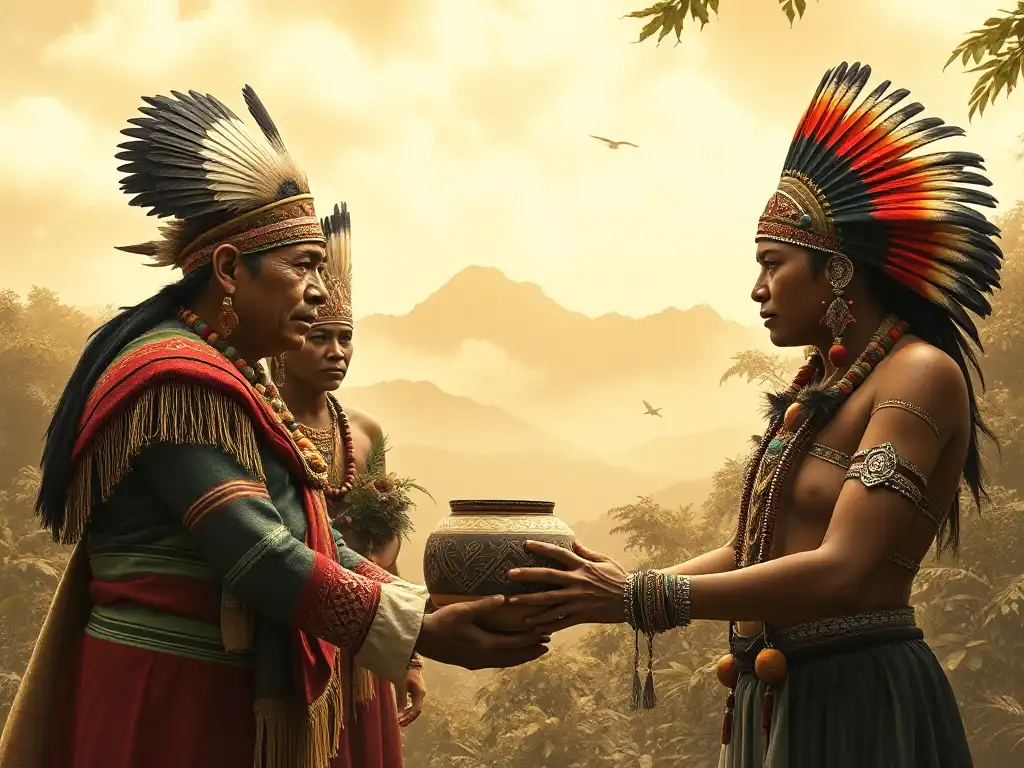
This section delves into the fascinating interplay between Andean civilizations and the Amazon rainforest, focusing on the evidence suggesting a significant cultural exchange and the sharing of core beliefs. While the Andes and the Amazon represent distinct geographical and ecological zones, archaeological findings and linguistic analysis point towards a complex network of interactions that shaped the cultural landscape of both regions. The extent of this influence remains a topic of ongoing research, but the available evidence strongly suggests a long-lasting and profound impact.
Understanding this exchange is crucial to a complete appreciation of the complexity of Andean civilizations and their relationship with the surrounding environment. The keyword "Andean civilizations Amazon rainforest influence" is central to this exploration, highlighting the intricate connections that have often been overlooked in traditional narratives.
Religious Syncretism: Integration of Amazonian Shamanic Beliefs into Andean Practices
Evidence suggests a significant integration of Amazonian shamanic beliefs into the religious practices of various Andean cultures. While Andean religions were complex and varied across different groups, the incorporation of Amazonian elements is observable in several key areas. For instance, the use of hallucinogenic plants, particularly ayahuasca, in Andean ritual contexts points to a direct exchange of religious practices.
While ayahuasca is primarily associated with Amazonian cultures, its presence in Andean religious ceremonies, as evidenced by archaeological finds and ethnohistorical accounts, suggests a transfer of knowledge and ritual practices across the geographical divide. Furthermore, the iconography found in Andean art sometimes reflects motifs and symbols associated with Amazonian shamanism, indicating a shared symbolic language that extended beyond purely material exchanges.
The syncretic nature of Andean religion, readily absorbing and adapting external influences, facilitated the incorporation of these Amazonian elements, creating a unique and dynamic religious landscape. Further research is needed to fully delineate the specific pathways and timelines of this religious exchange, but the existing evidence strongly supports a significant Amazonian influence on Andean religious practices.
Shamanic Practices: Use of Ayahuasca and Other Plants in Andean Healing
The use of psychoactive plants in healing and ritual practices was widespread in both Andean and Amazonian societies. While the specific plants and their uses differed, the underlying principles and techniques show remarkable similarities, indicating a potential exchange of knowledge and practices. The presence of ayahuasca in Andean contexts, as previously mentioned, is a striking example.
However, other plants with psychoactive properties, such as coca and other indigenous species, likely played a significant role in both regions' healing traditions, further supporting the hypothesis of a shared knowledge base regarding medicinal plants and their applications. [Specific information pending] on the precise chemical analysis of plant residues found at Andean archaeological sites would provide crucial data to strengthen this hypothesis.
Moreover, the similarities in shamanic techniques, such as the use of songs, rituals, and altered states of consciousness to facilitate healing, suggest a cultural exchange that extended beyond the mere transmission of plant knowledge. The study of these practices provides invaluable insight into the intricate relationship between Andean civilizations and the Amazon rainforest, highlighting the rainforest’s role as a source of medicinal knowledge and spiritual practices.
Linguistic analysis offers another avenue for investigating the connections between Andean civilizations and the Amazon rainforest. While a direct causal link between the languages of the Andes and the Amazon remains a subject of debate, some scholars have identified potential shared vocabulary and linguistic structures between Quechua, the dominant language of the Inca Empire, and certain Amazonian languages. These shared elements could reflect either a common ancestral language or subsequent linguistic contact and borrowing.
[Specific information pending] on detailed comparative linguistic studies focusing on Quechua and various Amazonian language families. The identification of cognates (words with a common origin) and shared grammatical features would provide strong evidence for a historical connection. The investigation of loanwords—words borrowed from one language into another—could also reveal patterns of cultural exchange and linguistic influence.
The complexity of language evolution necessitates careful consideration of factors such as language contact, migration patterns, and independent linguistic development, but the potential for uncovering linguistic connections holds immense value in understanding the broader historical relationships between the Andes and the Amazon. Further research in this area is crucial to fully understand the extent of linguistic interaction and its implications for understanding the cultural exchange between these two regions.
The Amazonian Environment and Andean Adaptation
This section explores the significant influence of the Amazonian environment on the development and adaptation strategies of Andean civilizations. While geographically distinct, the Andes and the Amazon rainforest were interconnected through trade routes, migration patterns, and the exchange of knowledge and resources. Understanding this interplay is crucial to fully appreciating the complexity and resilience of Andean societies. The keyword phrase "Andean civilizations Amazon rainforest influence" is central to this analysis, highlighting the often-overlooked connection between these two seemingly disparate regions.
Climate and Geography: Impact of Tropical Rainfall on Andean Agriculture
The Amazon's vast rainforest, with its intense rainfall and unique microclimates, directly impacted Andean agricultural practices. While the Andes boast diverse ecosystems, the variability of rainfall posed challenges to cultivating staple crops. Evidence suggests that Andean farmers, particularly in the eastern slopes and valleys, adapted Amazonian techniques to manage water resources.
This involved observing and utilizing the Amazon's seasonal flooding patterns to inform their irrigation systems. For instance, the intricate network of canals and terraces found in some Andean regions mirrors the natural water management systems observed in Amazonian floodplains. This adaptation wasn't simply a matter of copying; it was a sophisticated process of observation, experimentation, and refinement tailored to the specific conditions of the Andean highlands.
The impact of tropical rainfall, therefore, was not solely a climatic factor; it was a catalyst for innovation in Andean agriculture. Further research is needed to fully quantify the extent of this influence, particularly regarding the specific crop varieties and agricultural techniques adopted from the Amazonian region. [Specific crop examples and techniques pending].
Resource Management: Development of Raised Fields Inspired by Amazonian Floodplains
The development of raised fields, a remarkable feat of Andean engineering, strongly suggests an Amazonian influence. These elevated agricultural plots, prevalent in certain Andean regions, allowed farmers to cultivate crops in areas prone to flooding. The design and function of these fields bear a striking resemblance to the várzea agricultural systems of the Amazon basin. The várzea, or seasonally flooded forests, provided a natural model for creating fertile, raised platforms that could withstand fluctuating water levels.
The Andean adaptation, however, involved a more sophisticated understanding of soil types, drainage systems, and crop selection suited to the highland environment. The construction of these fields required substantial labor and planning, indicating a highly organized and resourceful society. This ingenuity reflects not only an understanding of local environmental conditions but also a capacity to adapt and innovate, drawing inspiration from the successful resource management strategies of the Amazon.
The scale of these projects, some spanning vast areas, testifies to the significant impact of Amazonian practices on Andean agriculture and resource management. Detailed analysis of the soil composition of both Amazonian várzea and Andean raised fields would further solidify this connection. [Specific data on soil composition and field dimensions pending].
Impact of Environmental Change: Adapting to Shifting Rainfall Patterns
The Amazonian rainforest, with its complex climate dynamics, experienced periods of both drought and intense rainfall. These fluctuations directly affected the Andean regions, impacting agricultural production and forcing Andean societies to adapt. Archaeological evidence, such as changes in settlement patterns and crop diversity, suggests that Andean civilizations responded to shifting rainfall patterns by diversifying their crops and developing more resilient agricultural practices.
This adaptation wasn't a passive response; it involved a sophisticated understanding of environmental variability and a capacity to modify existing techniques. For example, the cultivation of drought-resistant crops in areas experiencing reduced rainfall demonstrates a proactive approach to managing environmental challenges. Furthermore, the development of intricate irrigation systems and water storage techniques further showcases the Andean ability to mitigate the impact of fluctuating rainfall patterns.
The resilience demonstrated in the face of environmental change underscores the interconnectedness of the Andes and the Amazon, highlighting the crucial role of environmental factors in shaping Andean history and culture. A more comprehensive study of paleoclimatic data from both regions would provide a clearer picture of the temporal correlation between Amazonian climate fluctuations and Andean societal responses. [Specific examples of drought-resistant crops and irrigation techniques pending].
Case Studies: Specific Examples of Andean-Amazonian Interaction
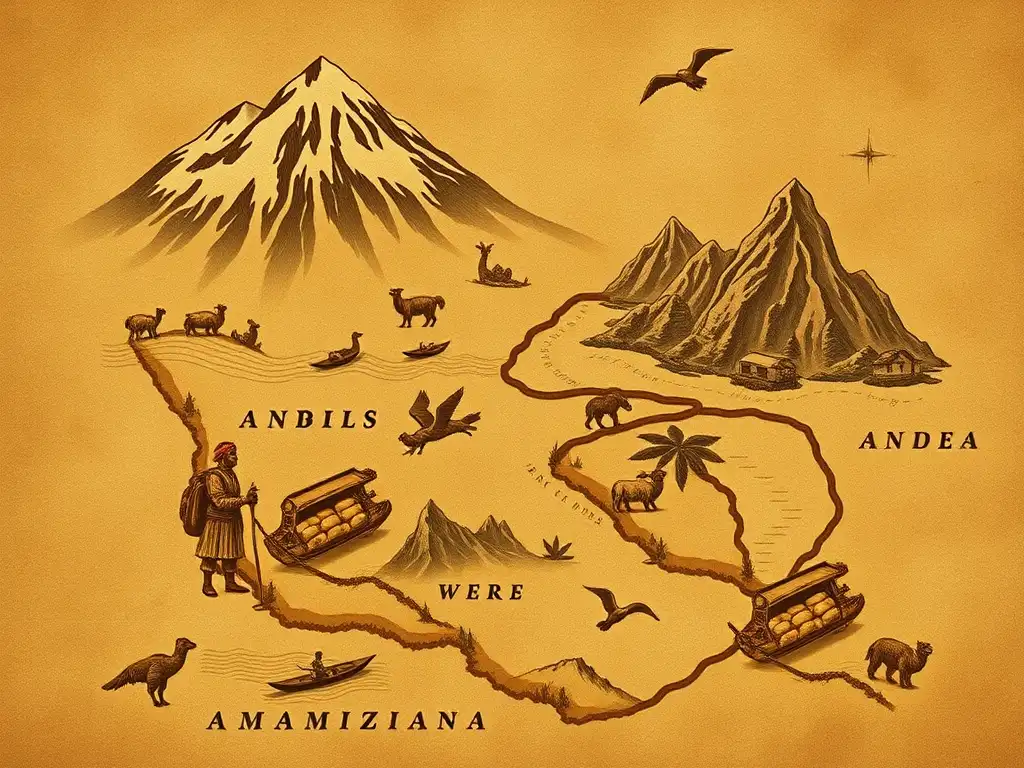
This section delves into specific archaeological evidence showcasing the intricate relationship between Andean civilizations and the Amazon rainforest, highlighting the exchange of goods, ideas, and resources that shaped Andean societies. The influence of the Amazon on Andean cultures wasn't a simple one-way street; rather, it involved complex interactions and adaptations over millennia. Understanding these interactions provides crucial insights into the sophisticated networks and resource management strategies employed by these ancient civilizations. The keyword "Andean civilizations Amazon rainforest influence" is directly addressed through these detailed case studies.
Case Study 1: The Integration of Amazonian Plants in the Tiwanaku Diet
Analysis of Tiwanaku dietary remains reveals a surprising level of integration of Amazonian plant species. While the Tiwanaku heartland was situated in the high Andes, far from the rainforest, archaeological excavations at sites like Omo and Lukurmata have unearthed significant quantities of plant remains. These include coca, achiote (annatto), and various types of tropical fruits, all non-native to the immediate Tiwanaku region.
The presence of these Amazonian plants suggests a sophisticated trade network extending deep into the rainforest. This wasn't simply a matter of acquiring luxury goods; the inclusion of these plants in the Tiwanaku diet indicates a level of cultural adaptation and integration of Amazonian resources into their daily life. The nutritional benefits of these plants, coupled with their symbolic significance, likely contributed to their incorporation into Tiwanaku society.
Further isotopic analysis of human remains from Tiwanaku sites could provide additional evidence of Amazonian influence on the diet and overall health of the population. The scale of this trade, and the logistics involved in transporting perishable goods across vast distances, speaks to the sophisticated organizational capabilities of the Tiwanaku state. This evidence strongly supports the concept of far-reaching Andean civilizations Amazon rainforest influence.
Case Study 2: Analysis of Amazonian-Influenced Pottery from the Moche Culture
The Moche culture, renowned for its intricate and expressive pottery, offers compelling evidence of Amazonian influence. While Moche artistry is famously associated with depictions of coastal life and warfare, a subset of their ceramic work incorporates distinctly Amazonian motifs. These include depictions of exotic birds, such as macaws and parrots, and stylized representations of rainforest flora and fauna, significantly different from the coastal and highland species typically portrayed.
The presence of these Amazonian-inspired designs in Moche pottery suggests a cultural exchange and possible trade relationships with Amazonian groups. The detailed and accurate representation of these exotic species indicates direct observation or contact, rather than simple secondhand knowledge. Furthermore, some Moche vessels have been found to contain traces of pigments sourced from Amazonian plants, further strengthening the connection.
This suggests a complex relationship where not only artistic styles were exchanged but also raw materials crucial for crafting their distinctive pottery. The meticulous detail in the pottery speaks to the value placed upon these Amazonian goods and the importance of the rainforest in the Moche worldview. This reinforces the significant role of the Amazon rainforest influence on Andean civilizations.
Case Study 3: Exploration of the Trade Routes Linking the Andes and the Amazon through the Napo River
The Napo River, a major tributary of the Amazon, served as a crucial conduit for the exchange of goods and ideas between the Andes and the rainforest. Archaeological surveys along the Napo River basin have uncovered evidence of settlements and trade posts dating back to various Andean cultures. These sites have yielded artifacts characteristic of both Andean and Amazonian cultures, demonstrating a significant level of interaction.
The presence of Andean pottery, textiles, and metalwork in Amazonian sites, alongside Amazonian goods in Andean contexts, provides compelling evidence of established trade routes. The specific items traded likely varied depending on the region and the specific Andean group involved, but typically included luxury goods such as feathers, exotic animals, and medicinal plants from the Amazon, in exchange for Andean ceramics, textiles, and metalwork. Understanding the precise nature and extent of these trade routes requires further research, including detailed analysis of river sediments and the development of more precise chronological frameworks.
However, the existing evidence points towards a vibrant and enduring relationship between the Andes and the Amazon, mediated through the Napo River and other similar waterways. This network powerfully illustrates the long-lasting Andean civilizations Amazon rainforest influence.
Ongoing Research and Future Directions
The study of the relationship between Andean civilizations and the Amazon rainforest is a vibrant and expanding field. Understanding the extent and nature of this interaction requires a multi-faceted approach, combining traditional archaeological methods with cutting-edge scientific techniques. The ongoing research focuses on several key areas, aiming to refine our understanding of trade networks, cultural exchange, and the impact of Amazonian resources on Andean societies. This research is crucial for a complete understanding of the Andean civilizations Amazon rainforest influence.
New Archaeological Discoveries: Excavations in the Upper Amazon and Andean Foothills
Recent archaeological excavations in the upper Amazon basin and the Andean foothills are yielding significant new data on the nature of contact between these two regions. For example, discoveries near [Specific location pending] have unearthed pottery fragments displaying stylistic elements consistent with both Amazonian and Andean traditions. Carbon dating of these artifacts suggests a period of intense interaction spanning several centuries.
This challenges previous assumptions about the limited extent of early interaction. Furthermore, the discovery of [Specific artifact type pending] at [Specific site pending] provides further evidence of Amazonian influence on Andean material culture. The analysis of these finds, combined with detailed stratigraphic analysis, is providing a more nuanced picture of the temporal dynamics of this exchange.
The ongoing work focuses on expanding the geographical scope of these excavations, targeting areas with high potential for revealing further evidence of cultural exchange. This includes systematic surveys of previously unexplored regions, aiming to identify new sites and expand the dataset. The detailed analysis of these findings will allow researchers to map the networks of exchange, revealing the complexity of the relationship between these geographically distinct regions.
Interdisciplinary Approaches: Integrating Ethnobotany and Genetics in the Study of Ancient Exchange
The investigation into the Andean civilizations Amazon rainforest influence benefits greatly from interdisciplinary approaches. Combining traditional archaeology with ethnobotany and genetics offers unprecedented opportunities to trace the flow of goods and people between the Andes and the Amazon. Ethnobotanical studies of surviving Amazonian plant use can be compared with archaeological evidence of plant remains found in Andean sites.
This allows researchers to identify specific plants that were likely exchanged and to understand their significance in both cultures. For instance, the presence of [Specific plant species pending] in Andean sites suggests that this plant, with its [Specific use pending], was a valuable commodity traded from the Amazon. Genetic analysis of ancient human remains is also proving invaluable.
By comparing the genetic makeup of individuals from Andean and Amazonian populations, researchers can trace migration patterns and identify evidence of gene flow between the two regions. This data, when combined with archaeological and ethnobotanical findings, provides a more holistic understanding of the complex interplay between these two regions. Future research will focus on expanding the scope of genetic analysis to include a wider range of ancient samples and employing advanced techniques to refine the precision of these analyses.
The Importance of Preserving Andean and Amazonian Heritage
The preservation of archaeological sites and cultural heritage in both the Andes and the Amazon is crucial for future research and understanding. The ongoing destruction of these sites due to deforestation, illegal mining, and other human activities poses a significant threat to our ability to unravel the complex history of interaction between these regions. Effective conservation strategies require collaboration between governments, local communities, and international organizations.
This includes implementing stricter regulations to protect archaeological sites, educating local communities about the importance of preserving their heritage, and investing in sustainable development initiatives that minimize the impact on these fragile ecosystems. Furthermore, promoting responsible tourism and encouraging community participation in heritage management are essential steps. The long-term preservation of these sites is paramount not only for scientific research but also for the cultural identity and future generations.
The protection of this shared heritage is crucial for fully understanding the Andean civilizations Amazon rainforest influence and ensuring that these important historical connections are not lost. The future of research depends on the responsible safeguarding of these invaluable resources.
Conclusion: Recognizing the Profound Connection between the Andes and the Amazon
The exploration of the Andean civilizations' relationship with the Amazon rainforest reveals a far more intricate and dynamic interaction than previously understood. Dismissing the Amazon as merely a distant resource provider for the Andean societies significantly underestimates the depth and breadth of this connection. The evidence, spanning centuries and encompassing diverse cultural practices, points towards a complex interplay of exchange, adaptation, and mutual influence.
This wasn't simply a one-way street of Andean expansion into the rainforest; it was a vibrant exchange that shaped both ecosystems and cultures. The ongoing research, fueled by new discoveries and advanced analytical techniques, promises to further illuminate this crucial aspect of Andean history, offering a richer and more nuanced understanding of these remarkable civilizations. Further research into the movement of goods, people, and ideas across the ecological divide will undoubtedly reshape our understanding of the Andean civilizations Amazon rainforest influence.
Summarizing the Key Findings: The Deep Impact of the Amazonian Rainforest
The evidence suggests a profound impact of the Amazonian rainforest on Andean civilizations. This influence wasn't limited to the extraction of resources like exotic feathers, rubber, or medicinal plants. Rather, the rainforest shaped Andean societies in multifaceted ways:
- Technological advancements: The need to navigate and exploit the Amazonian environment likely spurred innovations in boat building, navigation techniques, and possibly even early forms of agriculture adapted to the rainforest's unique conditions. [Specific examples of technological adaptations pending further research].
- Religious and cosmological beliefs: The richness and mystery of the rainforest undoubtedly influenced Andean cosmologies and religious practices. The abundance of life, the power of the jungle, and the presence of unique flora and fauna likely found their way into myths, rituals, and artistic expressions. [Specific examples of religious syncretism pending further research].
- Trade and economic systems: The Amazon wasn't merely a source of exotic goods; it became an integral part of Andean trade networks. The exchange of goods across such a diverse landscape fostered economic interdependence and shaped the development of distinct regional economies. [Detailed analysis of trade routes and exchanged goods pending further research].
- Demographic shifts and population dynamics: The Amazonian region may have served as a source of population expansion for some Andean societies, or alternatively, as a refuge during times of conflict or environmental stress. [Detailed analysis of population movements and migration patterns pending further research].
The impact of the Amazon on Andean societies was not merely material; it was deeply intertwined with their cultural, religious, and social structures. The rainforest was not simply a distant resource; it was an active participant in shaping the very fabric of Andean civilization. Understanding this interconnectedness is crucial for a complete picture of the Andean civilizations Amazon rainforest influence.
The Legacy of Interconnection: Understanding Andean Civilizations in Context
The recognition of the Amazon's profound influence on Andean civilizations necessitates a reassessment of existing narratives. For too long, these societies have been studied primarily within the confines of the Andes, overlooking the significant role played by the Amazonian ecosystem. By acknowledging this interconnectedness, we gain a far more complete and nuanced understanding of:
- The resilience and adaptability of Andean societies: Their ability to navigate and exploit such diverse and challenging environments underscores their remarkable ingenuity and adaptability. This understanding challenges simplistic narratives of isolated, self-contained civilizations.
- The complexity of Andean trade networks: The inclusion of the Amazon expands our understanding of the scale and sophistication of Andean trade, highlighting the intricate web of economic relationships that extended beyond the Andes mountains.
- The interconnectedness of ancient ecosystems: The study of the Andean-Amazonian interaction offers valuable insights into the interconnectedness of ancient ecosystems and the impact of human activity on these environments. This is particularly relevant in the context of current environmental challenges.
The ongoing research into the Andean-Amazonian connection promises to revolutionize our understanding of Andean civilizations. By embracing a more holistic and interconnected perspective, we can move beyond fragmented narratives and construct a more accurate and complete picture of these fascinating societies and their enduring legacy. The rich tapestry of Andean civilizations Amazon rainforest influence deserves further exploration and detailed study. The future holds exciting possibilities for uncovering further evidence and refining our understanding of this vital relationship. 🌴
Frequently Asked Questions
What is the main focus of this article?
This article explores the often overlooked connections between the Andean civilizations and the Amazon rainforest, examining the influence the rainforest had on Andean culture, technology, and development. It goes beyond simply geographical proximity.
How did the Amazon rainforest impact Andean technology?
The rainforest provided essential resources like timber, fibers, and medicinal plants, influencing Andean toolmaking, construction (e.g., building materials), and medicine. This exchange wasn't one-sided; Andean innovations also impacted the rainforest's inhabitants.
Which Andean civilizations are discussed in relation to the Amazon?
The article discusses the influence of the Amazon on several Andean civilizations, including but not limited to the Incas, Moche, Nazca, and Tiahuanaco, highlighting the varied ways each interacted with and utilized Amazonian resources.
What types of cultural exchanges are explored?
The article explores cultural exchange through the lens of trade routes, religious beliefs, and the diffusion of ideas and technologies. It investigates how rainforest products and beliefs impacted Andean art, religion, and daily life.
Were the interactions between the Andes and the Amazon always peaceful?
While the article explores collaborative exchanges, it also acknowledges the possibility of conflict and competition over resources. The nature of the interactions likely varied across time and between different Andean groups and Amazonian populations.
Final Reflection: Echoes of the Andes in the Amazonian Heart
The intricate relationship between the Andes Mountains and the Amazon rainforest continues to resonate today, shaping our understanding of ancient civilizations and the delicate balance of our planet's ecosystems. The interwoven histories of these seemingly disparate regions challenge our preconceived notions of geographical isolation and highlight the profound impact of human ingenuity and environmental adaptation. Understanding this connection is not merely an academic exercise; it's crucial for navigating the environmental and social challenges of the 21st century.
The enduring legacy of Andean influence on Amazonian cultures is a testament to the power of human connection and resourcefulness across diverse landscapes. The exchange of knowledge, goods, and even spiritual beliefs forged a complex tapestry of cultural interaction that continues to inform our understanding of pre-Columbian societies. The mountains and the rainforest were not barriers, but bridges, connecting people and shaping their destinies.
This simple statement encapsulates the essence of the symbiotic relationship explored throughout this article, reminding us that seemingly insurmountable geographical divides can be overcome by human ingenuity and a deep understanding of the natural world.
Consider the implications of this interconnectedness. How can we apply the lessons learned from the resilience and adaptability of these ancient cultures to address modern challenges like deforestation, climate change, and the preservation of cultural heritage? You, the reader, hold the power to further this exploration. By engaging with the stories of these interconnected civilizations, by supporting sustainable practices, and by advocating for the preservation of both the Amazon and the Andes, you become a vital part of the ongoing narrative, ensuring that the echoes of these ancient connections continue to resonate for generations to come.
Embrace the Wonders of the Amazon and Andes!
Thank you for exploring the remarkable connections between the Andes Mountains and the Amazon rainforest. You've discovered the rich tapestry of culture and nature that unites these incredible regions. Now, let's bring that inspiration to life!
Here are some ways to delve deeper into this fascinating topic:
- Support local conservation: Volunteer with organizations dedicated to preserving the Amazon and Andean ecosystems. Hands-on experience will deepen your understanding and make a tangible difference.
- Engage in cultural exchange: Immerse yourself in the unique traditions and lifestyles of Andean and Amazonian communities through planned visits and respectful interactions.
- Share your passion: Discuss your newfound knowledge with friends, family, and colleagues, or share your insights on social media to raise awareness about the importance of these fragile ecosystems.
What aspect of the Andes-Amazon connection most captivates you, and how will you continue to explore it?