
The Serpent's Coil: Unraveling the Symbolism of Snakes in Andean Art

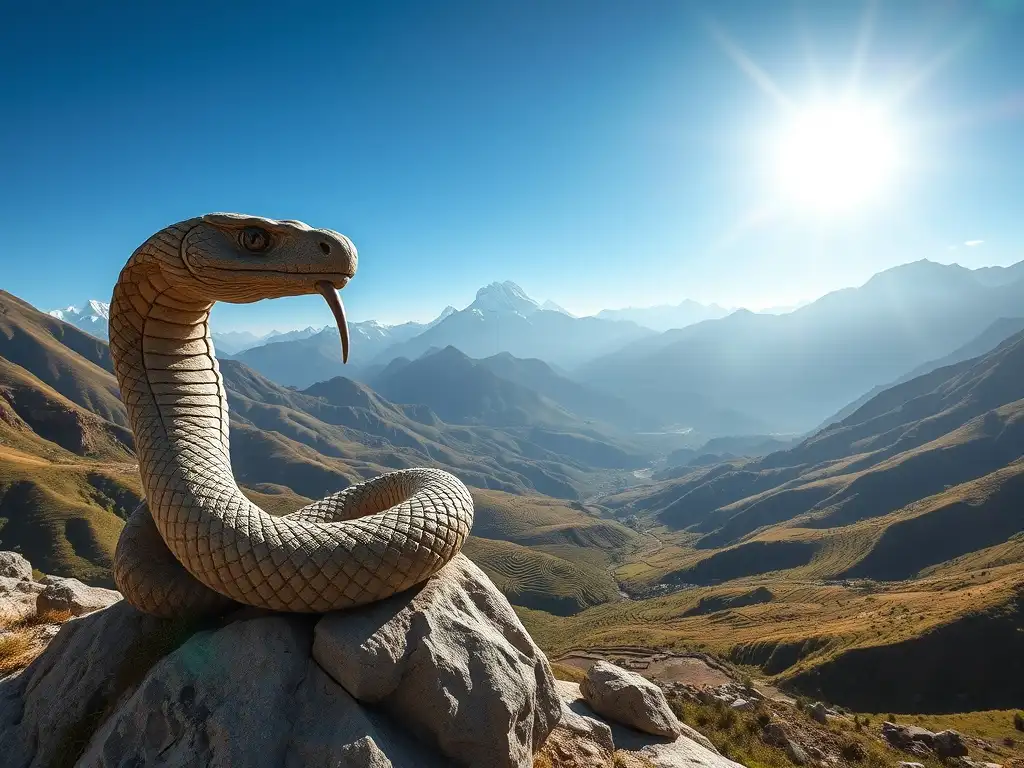
Step into a world lost to time, yet echoing with vibrant life. Journey through the breathtaking landscapes and enigmatic cultures of the Andes, where empires rose and fell, leaving behind a legacy of artistry and innovation. Prepare to be captivated by the intricate details of Andean snake symbolism, a potent motif woven into the very fabric of Andean art and belief. What secrets do these coiled serpents hold? Discover the answers within...
The Andean region, a breathtaking tapestry of towering mountains and fertile valleys, is home to a rich history of vibrant civilizations. From the intricate artistry of the Nazca lines to the sophisticated engineering of Machu Picchu, the Andean cultures left behind a legacy of awe-inspiring achievements. Central to understanding this legacy is deciphering the symbolism embedded within their art, and among the most pervasive and intriguing motifs is the serpent.
This article delves into the multifaceted symbolism of snakes in Andean art, exploring its diverse interpretations across different cultures and time periods, revealing how this powerful creature held significant religious, political, and cosmological meaning for these ancient societies. We will unravel the complexities of Andean snake symbolism, examining its representations in various art forms and considering the contexts in which these symbols appear.
Understanding this potent symbol provides crucial insight into the beliefs, values, and worldview of the Andean civilizations, enriching our appreciation for their remarkable cultural heritage. Prepare to be captivated by the intricate narratives woven into the very fabric of Andean art, as we trace the winding path of the serpent through time and across cultures.
Snakes as Symbols of Fertility and Renewal in Andean Mythology
The serpent's association with fertility and renewal is deeply rooted in Andean cosmology. Many cultures across the region viewed the snake as a representation of the earth's life-giving forces, its cyclical shedding of skin symbolizing rebirth and regeneration. This is particularly evident in the Moche culture, known for their striking ceramic art depicting serpents intertwined with agricultural motifs, such as maize and other crops.
These depictions often show snakes emerging from or surrounding fertile fields, explicitly linking the serpent's power to abundance and the cyclical nature of agricultural production. The association with water is also crucial; snakes are often depicted near springs or rivers, underscoring their role in sustaining life and ensuring successful harvests.
The potent imagery of the serpent, therefore, served as a powerful reminder of the essential connection between the natural world and the survival of Andean societies. Moreover, the serpent's ability to move both on land and in water further reinforced its association with the interconnectedness of the Andean environment and the cyclical processes of life, death, and rebirth.
The Serpent and the Underworld: Exploring the Chthonic Associations
Beyond fertility, Andean snake symbolism also encompasses chthonic aspects, connecting the serpent to the underworld and the realm of the ancestors. In several Andean cultures, the serpent was viewed as a mediator between the earthly and spiritual realms, a conduit for communication with the spirit world. This association is often depicted through the representation of snakes emerging from tombs or caves, symbolic entrances to the underworld.
In some cases, the snake is shown intertwined with human figures, suggesting a close relationship between the living and the deceased. This symbolic representation, often found in textile art and funerary objects, highlights the Andean belief in the continuity of life and the importance of honoring ancestors.
The snake, as a powerful symbol of the underworld, became a conduit for ancestral power and a reminder of the cyclical nature of life and death within the Andean worldview. Further research is needed to fully understand the nuances of these chthonic associations across different Andean cultures.
The serpent's symbolic power extended beyond the spiritual realm, finding expression in political and social contexts. In some Andean societies, the serpent served as a royal emblem, signifying power, authority, and divine legitimacy. The Incas, for example, may have incorporated serpent imagery into their royal iconography, though further research is needed to confirm the extent of this practice.
The serpent's association with the earth's generative forces likely contributed to its adoption as a symbol of kingship, emphasizing the ruler's role in ensuring the prosperity and well-being of their people. The use of serpent motifs in royal artifacts and architecture would have served to reinforce the ruler's authority and divine connection. This aspect of Andean snake symbolism highlights the intertwined nature of religious, political, and social structures within these complex societies.
Regional Variations in Andean Snake Symbolism: A Comparative Analysis
It is crucial to acknowledge the diversity of Andean cultures and the variations in their interpretations of snake symbolism. While certain themes, such as fertility and the underworld, recur across different groups, the specific iconography and associated meanings can vary significantly. For instance, the representations of snakes in Nazca art differ considerably from those found in Moche or Tiahuanaco art.
A comparative analysis of these regional variations is essential for a comprehensive understanding of Andean snake symbolism. Further research, involving a detailed examination of artifacts and iconographic patterns from various Andean cultures, is required to map these regional differences and develop a more nuanced understanding of the cultural significance of snakes across the Andean region.
This comparative approach will reveal a rich tapestry of interpretations, highlighting the unique cultural expressions within the broader Andean context. Careful consideration of these differences will enrich our understanding of the complex and multifaceted world of Andean symbolism.
- Snakes as Symbols of Fertility and Renewal in Andean Mythology
- The Serpent and the Underworld: Exploring the Chthonic Associations
- Political and Social Power: Snakes as Royal Emblems
- Regional Variations in Andean Snake Symbolism: A Comparative Analysis
The Significance of Serpents in Ancient Andean Cultures
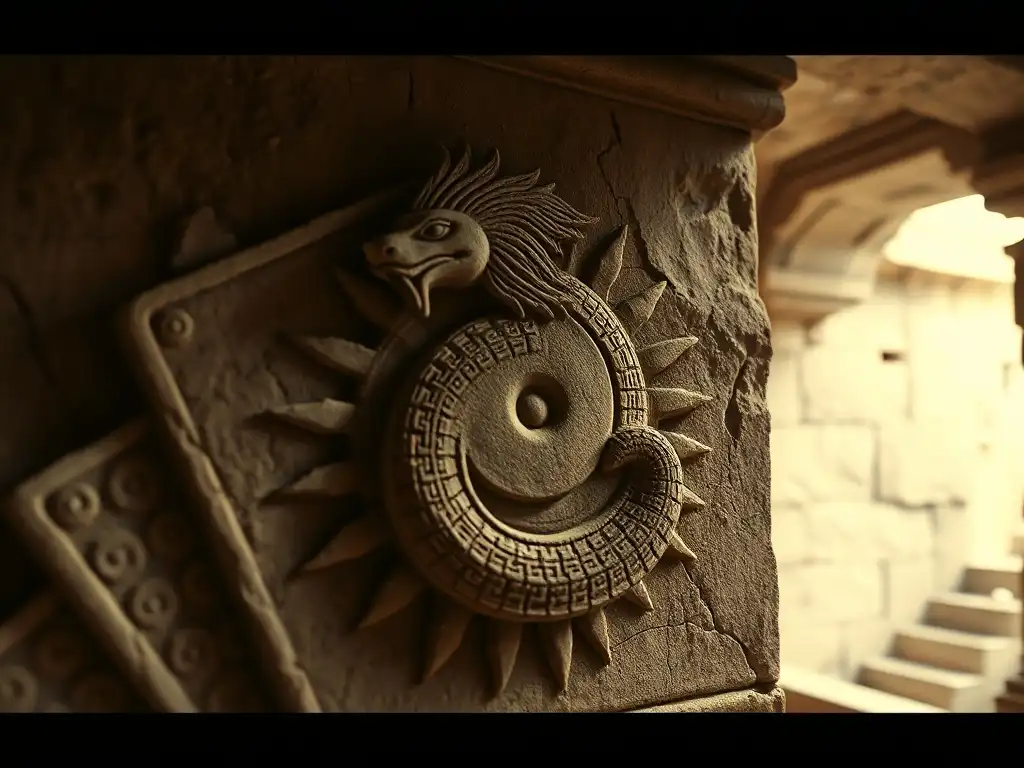
The serpent, a powerful and multifaceted symbol, holds a prominent place in the rich tapestry of Andean iconography. Its significance transcends mere representation; it embodies a complex interplay of beliefs, myths, and cosmological understandings that shaped the worldview of various Andean cultures. Unlike a simplistic "good" or "evil" dichotomy often found in other cultures' interpretations, Andean snake symbolism is far more nuanced, reflecting the intricate relationship between humanity and the natural world.
Understanding this symbolism offers a crucial lens through which to interpret Andean art, mythology, and societal structures. The pervasive presence of snakes in Andean art, from textiles to ceramics to monumental architecture, testifies to its deep-rooted importance within these societies. Analysis of these representations reveals a fascinating spectrum of meanings, reflecting the diverse beliefs and practices across different Andean groups.
The study of Andean snake symbolism is therefore not just an exploration of artistic expression, but a journey into the heart of ancient Andean cosmology and spirituality. We can trace the evolution of these symbolic meanings across different periods and cultures, revealing a dynamic and ever-evolving relationship between humans and the serpent.
The Ubiquitous Presence of Snakes in Andean Iconography
Snakes appear repeatedly across a wide range of Andean artistic expressions. Their depiction varies significantly depending on the culture and time period, yet certain common threads unite these diverse representations. For instance, the Moche culture of northern Peru (100-800 CE) frequently depicted snakes in their elaborate ceramics, often intertwined with other motifs like felines and birds, suggesting complex cosmological narratives.
These depictions often involved highly detailed rendering of the snakes' scales and movements, suggesting a keen observation of the natural world and a deep reverence for the creature. Conversely, Nazca pottery (100 BCE – 800 CE) frequently displays stylized snake forms, often integrated into intricate geometric patterns, suggesting a connection between the serpent and the earth's energies. The Incas (1438-1533 CE), while using a more simplified artistic style compared to earlier cultures, still incorporated snake imagery into their textiles, metalwork, and stone carvings.
Sometimes, these snakes were depicted as protective deities; other times they were part of more complex narrative scenes. The sheer volume and diversity of these representations underscore the snake's central role in Andean belief systems.
We can further analyze this ubiquity by considering the materials used. The prevalence of snakes in textiles, for example, suggests a possible connection to the earth and its fertility, given the importance of weaving and agriculture in Andean life. Similarly, the appearance of snakes in metalwork might signify their association with precious metals and the underworld, given the Andean belief in subterranean realms.
The presence of snakes carved into stone structures hints at their connection to the landscape and the permanence of their symbolic power. This widespread use across diverse media emphasizes the snake's enduring importance throughout Andean history. Further research is needed to fully understand the regional variations in snake representation and their specific cultural connotations within each Andean community.
Understanding the Cultural Context of Andean Snake Representations
The interpretation of Andean snake symbolism requires careful consideration of the cultural context. Simply viewing snakes as purely "good" or "evil" would be a gross oversimplification. In Andean cosmology, the serpent often represented duality, embodying both life-giving and destructive forces. This duality is reflected in the various ways snakes were depicted: sometimes as benevolent deities associated with water, fertility, and healing; other times as powerful, potentially dangerous entities linked to the underworld and the forces of nature. The context of the artwork, including accompanying symbols and the overall narrative, is vital in deciphering the intended meaning.
For example, a snake depicted with flowing water might symbolize abundance and fertility, reflecting the life-giving properties of water in the arid Andean landscape. Conversely, a snake intertwined with a skull or other symbols of death might represent the cyclical nature of life and death, reflecting the Andean understanding of the cosmos as a dynamic and ever-changing entity. The use of color also played a significant role.
Certain colors were associated with specific meanings, and the choice of color in depicting a snake could significantly alter its symbolic interpretation. Detailed studies of individual artifacts, combined with ethnohistorical accounts and linguistic analysis, are essential for nuanced interpretations of Andean snake symbolism. This requires further investigation into the specific meanings attributed to snakes by different Andean groups, considering their unique cultural practices and beliefs.
This detailed approach will allow us to move beyond superficial interpretations and gain a deeper understanding of the rich symbolic language of Andean art. The ongoing research into Andean cultures promises to further illuminate the fascinating and complex world of Andean snake symbolism.
Andean Snake Symbolism: Key Interpretations
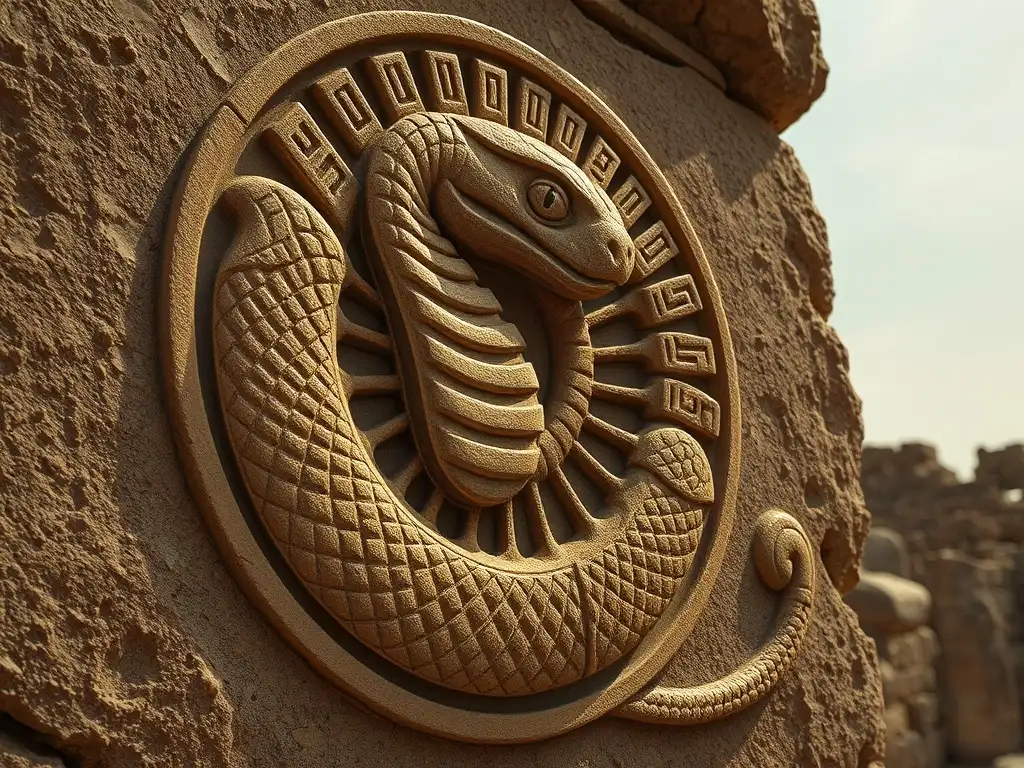
The pervasive presence of snakes in Andean art, across diverse cultures and time periods, speaks volumes about their complex and multifaceted symbolism. From the fertile valleys of the coast to the high-altitude Andean plains, the serpent's image appears in textiles, ceramics, metalwork, and stone carvings, consistently conveying potent meanings related to fertility, power, and the spiritual realm. Understanding Andean snake symbolism requires considering the cultural context and the specific artistic representations.
Analyzing these visual narratives reveals a deep connection between the serpent and the Andean worldview. This section will explore key interpretations of Andean snake symbolism, delving into the rich tapestry of meanings woven into these captivating representations. The recurring theme of the serpent's coil reflects the cyclical nature of life, death, and rebirth, fundamental to Andean cosmology.
Snakes as Symbols of Fertility and Water
The Connection Between Serpents and Agricultural Cycles
The Andean civilizations were heavily reliant on agriculture. Their survival depended on the successful cultivation of crops like maize, potatoes, and quinoa. The cyclical nature of planting, growth, and harvest mirrored the life cycle, a concept intimately linked with the serpent's imagery. The serpent, often depicted shedding its skin, symbolized renewal and regeneration, directly reflecting the annual agricultural cycle and the continuous renewal of life from the earth.
Many ceramic vessels depict snakes intertwined with plants, emphasizing this connection between the serpent's regenerative power and the bounty of the harvest. Archaeological evidence, such as the discovery of snake-shaped artifacts near irrigation systems, further strengthens this association. The abundance of crops was directly tied to the availability of water, making the serpent's connection to water sources even more significant.
Snakes and the Concept of Life-Giving Waters
Water, a precious resource in the Andean landscape, was often associated with life-giving power. Serpents, inhabiting rivers, lakes, and springs, became symbolic representations of this vital element. Their sinuous bodies, mirroring the flow of water, reinforced this association.
The presence of snakes in artistic depictions related to water sources, such as springs or irrigation canals, suggests their role as guardians or manifestations of these life-sustaining forces. Furthermore, some Andean myths and legends feature serpents controlling or embodying water sources, underscoring their importance in the Andean cosmology and reinforcing their status as powerful symbols of fertility and life. The connection between water, fertility, and the serpent is not merely symbolic; it reflects the practical realities of Andean life and their deep understanding of the natural world.
Snake Motifs in Royal Regalia and Elite Art
Beyond fertility and water, snakes in Andean art often represent power and authority. They frequently appear in royal regalia, adorning crowns, scepters, and other objects associated with elite status. The serpent's potent symbolism, its association with life-giving forces, and its inherent power made it a fitting emblem for rulers and the elite.
This is evident in the intricate gold and silver serpent ornaments found in royal tombs, signifying the ruler's connection to the spiritual and earthly realms. The meticulous craftsmanship and the use of precious materials further emphasize the significance of these snake motifs within the Andean power structure. The use of snakes in royal contexts underscores their role as potent symbols of authority and divine right to rule.
The Serpent's Role in Shamanic Practices
The serpent's association with the underworld and the spiritual realm also points to its role in shamanic practices. Shamanistic traditions often utilize animal imagery to represent spiritual power and to facilitate communication with the spirit world. The serpent, with its ability to move between the earthly and spiritual realms, perfectly embodies this role.
In Andean shamanism, the serpent might have represented a guide, a protector, or a powerful entity within the spiritual world. The depiction of snakes in shamanic contexts often involves their association with other symbolic elements, such as feathers, plants, and celestial bodies, further illuminating their complex spiritual significance.
While detailed accounts of specific Andean shamanic rituals involving snakes are often scarce due to the oral nature of traditions, the artistic representations provide valuable insights into their spiritual roles. The enduring presence of the serpent in Andean art reflects its continued importance in the spiritual and cosmological beliefs of these ancient cultures.
Snakes as Intermediaries Between Worlds
Snakes, in Andean cosmology, frequently represent a powerful connection between the earthly realm and the spirit world. Their ability to move both above ground and below, often inhabiting hidden crevices and burrows, made them potent symbols of the liminal spaces between existence. This interpretation is reinforced by numerous depictions in textiles, ceramics, and metalwork, where snakes are shown traversing landscapes, sometimes even emerging from or disappearing into mountains or other geographical features associated with sacred sites.
The Andean worldview often saw these mountains as portals to other dimensions, making the snake's presence in such imagery especially significant. The fluidity of the snake's movement, its ability to seamlessly transition between different environments, mirrored the Andean understanding of the interconnectedness of the cosmos.
This perception of snakes as intermediaries extended beyond simple physical locations; they were also seen as conduits for communication between the living and the deceased, facilitating the flow of energy and information between the worlds. This is evidenced by the frequent appearance of snakes in funerary contexts, suggesting their role in guiding souls to the afterlife.
The Serpent's Journey Between the Earth and the Underworld
The snake's subterranean nature deeply influenced its symbolic association with the underworld. Many Andean cultures believed the underworld was a place of both power and danger, a realm of ancestral spirits and powerful energies. The snake's ability to navigate this hidden world, its familiarity with its dark and mysterious depths, elevated its status as a powerful intermediary. Depictions often show snakes descending into caves or emerging from subterranean springs, visually representing this journey between the earthly and underworldly realms.
The snake's sinuous form, mirroring the winding paths and unpredictable nature of the underworld, further solidified this connection. Furthermore, the cyclical shedding of a snake's skin provided a powerful metaphor for death and rebirth, reinforcing the snake's role in the cyclical processes of life and regeneration within the Andean cosmological framework. Some specific examples in Moche pottery depict snakes emerging from the mouths of underworld deities, highlighting this connection vividly.
The Dual Nature of Snakes: Life and Death
The symbolism of snakes in Andean art is not limited to a single, unidimensional interpretation. Instead, they embody a complex duality, simultaneously representing both life and death, creation and destruction. This duality mirrors the Andean understanding of the interconnectedness of opposing forces in the cosmos.
The snake's life-giving properties are often associated with its connection to the earth, its ability to inhabit fertile lands, and its association with water sources, essential for agricultural prosperity. Conversely, the snake's venomous nature and association with the underworld led to its connection with death and the forces of chaos. This duality is reflected in the varied iconographic representations: sometimes depicted with benevolent features, associated with fertility and abundance; other times, depicted with aggressive postures, symbolizing danger and the unpredictable forces of nature.
This complex duality, far from being contradictory, highlights the Andean understanding of a balanced cosmos where opposing forces are not mutually exclusive but rather interdependent aspects of a larger, unified whole. The snake, therefore, serves as a potent reminder of the dynamic interplay between life and death, creation and destruction, within the Andean worldview.
Variations in Andean Snake Depictions Across Cultures
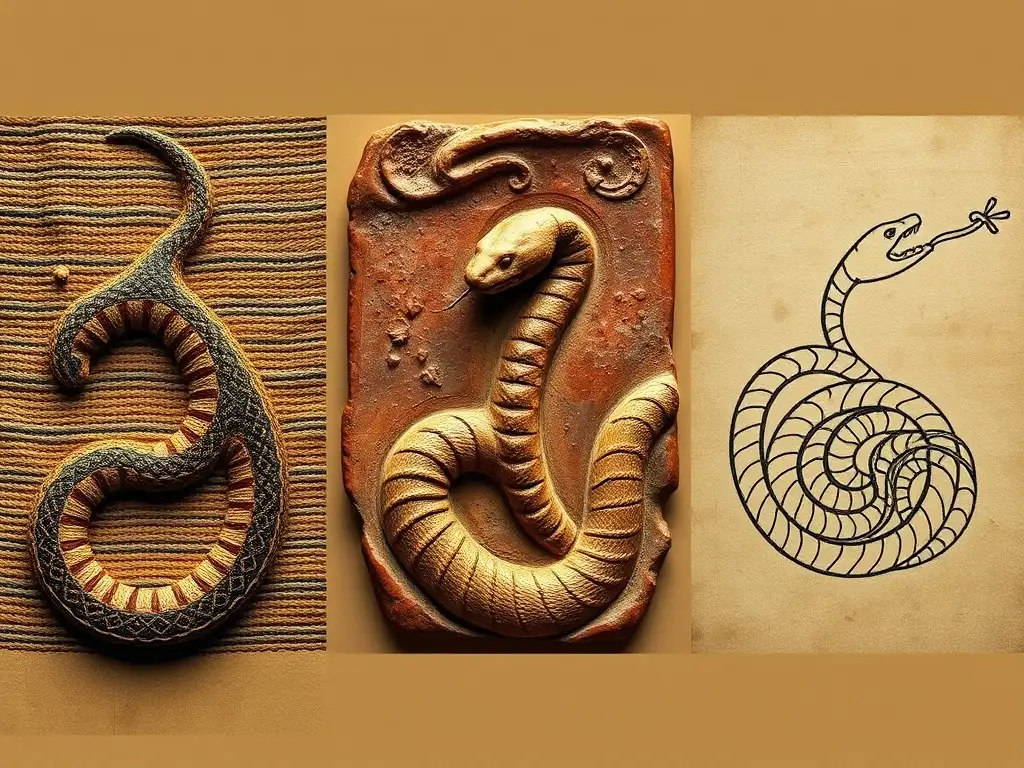
The Andean region, cradle of diverse and sophisticated civilizations, reveals a fascinating tapestry of snake symbolism across its ancient cultures. While the serpent motif appears consistently throughout Andean art, its depiction varies significantly depending on the specific civilization and its artistic conventions. This section explores the nuances of these variations, highlighting the distinct approaches to representing snakes in Moche, Nazca, and other Andean cultures.
Understanding these differences provides crucial insights into the diverse interpretations and significance of the serpent within the Andean worldview. The recurring theme of the serpent, however, suggests a shared understanding of its power and symbolic weight across these seemingly disparate societies. Analyzing the stylistic choices reveals not only artistic preferences but also potential cultural beliefs and cosmological understandings.
The evolution of Andean snake symbolism, from naturalistic representations to highly stylized abstractions, reflects the dynamic nature of Andean artistic expression and its deep connection to the natural world. This exploration of "Andean snake symbolism" aims to illuminate the rich complexity of this ubiquitous motif.
Serpent Representations in Moche Art: A Focus on Naturalism
Moche art, renowned for its remarkable realism and detailed depictions of the natural world, showcases snakes with striking naturalism. Moche artisans meticulously rendered the physical characteristics of serpents, capturing their scales, textures, and movements with exceptional accuracy. This focus on realism suggests a deep appreciation for the natural world and a close observation of the snakes' behavior in their environment.
The snakes are frequently depicted in dynamic poses, sometimes coiled, sometimes slithering, often integrated within larger narrative scenes that depict rituals, battles, or mythological events. This integration demonstrates the serpent's importance within the Moche worldview, not merely as a symbol but as an active participant in their cosmology.
The careful attention to detail in these representations also reflects the high level of artistic skill and technical mastery achieved by Moche artists. The snakes are not merely decorative elements; they are integral components of the narrative, conveying symbolic meaning within the context of the larger scene.
Specific Snake Species Depicted in Moche Pottery and Murals
Analysis of Moche pottery and murals reveals a remarkable diversity in the types of snakes depicted, suggesting a detailed knowledge of the herpetofauna of the region. While definitive identification of all species is challenging due to the artistic conventions of the time, several distinct snake morphologies are clearly identifiable. For example, some depictions show snakes with relatively slender bodies and smooth scales, potentially representing species like Pseudoboa cloelia, a common snake in the Andean region.
Other representations show thicker, more robust snakes with keeled scales, possibly corresponding to species like Bothrops asper, a venomous pit viper. The inclusion of these diverse snake species in Moche art underscores their significance within the Moche ecosystem and their integration into their symbolic system.
Further research, combining art historical analysis with herpetological expertise, could potentially lead to a more precise identification of the snakes depicted and a deeper understanding of their symbolic meaning within the Moche culture. This detailed approach to "Andean snake symbolism" provides a clearer picture of the Moche's intimate connection with their environment.
The Stylized Serpents of Nazca Art: Geometric Abstraction
In stark contrast to the naturalistic representations found in Moche art, Nazca depictions of snakes embrace a highly stylized and geometric aesthetic. The serpents in Nazca art are often rendered as abstract forms, composed of simplified lines and geometric shapes. These stylized representations prioritize symbolic meaning over realistic portrayal. The focus shifts from capturing the physical attributes of the snake to conveying its essence through abstract design.
This stylistic choice reflects a different artistic sensibility and a potentially different understanding of the serpent's symbolic significance within the Nazca worldview. The geometric simplification does not diminish the power of the image; instead, it amplifies its symbolic weight through its reduction to essential forms. The use of bold lines and geometric patterns emphasizes the serpent's inherent energy and mystical qualities.
The Nazca Lines and Their Depiction of Serpent-like Figures
The famous Nazca Lines, sprawling across the desert landscape, also feature several geoglyphs that exhibit serpent-like characteristics. While not always clearly identifiable as snakes, these large-scale figures share certain features with the stylized serpents found in Nazca pottery and textiles. Their elongated bodies, sinuous forms, and sometimes triangular heads echo the motifs observed in smaller-scale artworks.
These giant geoglyphs suggest that the serpent's symbolism held significant importance within the Nazca culture, extending beyond the realm of individual artworks to encompass the landscape itself. The monumental scale of these figures further emphasizes their power and spiritual significance.
The precise meaning of these serpent-like figures within the context of the Nazca Lines remains a subject of ongoing research and debate, but their presence underscores the pervasiveness of this motif in Nazca culture and its integration into their cosmological vision. The study of these geoglyphs adds another layer to the understanding of "Andean snake symbolism" within the broader context of Nazca civilization.
Tiahuanaco Serpent Imagery: Cosmic and Religious Significance
The Tiahuanaco culture, flourishing in the Bolivian Altiplano between approximately 500 and 1000 CE, developed a complex and fascinating system of symbolism, with snakes playing a prominent role. Unlike some depictions in other Andean cultures, Tiahuanaco snakes are often intertwined with other motifs, suggesting a more intricate cosmological significance. They are frequently depicted in association with celestial bodies, such as the sun and stars, implying a connection to the heavens and the cyclical nature of time.
This celestial association is further reinforced by the frequent appearance of snakes within complex geometric patterns, which may represent constellations or other celestial phenomena. The intricate knotwork and spirals commonly found alongside snake imagery in Tiahuanaco art suggest a deep concern with cosmic order and the interconnectedness of the universe. These weren't simply decorative elements; they were powerful symbols embedded within a complex religious framework.
The scale and complexity of the Tiahuanaco constructions themselves – monumental structures like Akapana and Pumapunku – further underscore the importance of these symbolic representations. The meticulous craftsmanship and the scale of the carvings suggest a deeply held belief in the power and significance of the serpent imagery.
The Use of Snakes in Religious Iconography at Tiahuanaco
The religious significance of snakes in Tiahuanaco is evident in their presence on numerous artifacts, including pottery, textiles, and stone carvings. Analysis of these artifacts reveals that snakes were not simply decorative elements but rather integral components of religious rituals and beliefs. For example, some scholars suggest that the serpent's association with water sources, particularly underground springs and subterranean flows, points to a connection with fertility and life-giving forces.
This interpretation aligns with the importance of water management in the arid Altiplano region. Moreover, the frequent depiction of snakes alongside human figures, often in positions of dominance or power, indicates their potential role in religious ceremonies and the worship of deities associated with both the earthly and spiritual realms. The presence of snakes on ceremonial objects further strengthens this interpretation, suggesting their use in rituals aimed at appeasing or harnessing the power of these potent symbolic creatures.
Specific examples, such as the details found on certain ceramic vessels or the intricate carvings on stone monuments, would require further investigation to fully elucidate the specific religious practices involving snake imagery. However, the evidence strongly points to a significant role for snakes within the Tiahuanaco pantheon and religious life.
Inca Interpretations of Snakes: Integration of Previous Traditions
The Inca Empire, which rose to prominence in the 15th century, inherited and adapted many pre-existing Andean traditions, including the symbolism associated with snakes. However, the Inca interpretation of snakes differed somewhat from those of earlier cultures, particularly in its integration into a broader imperial ideology. While earlier cultures may have emphasized the serpent's connection to the cosmos or fertility, the Inca often associated snakes with power, royalty, and the continuity of their lineage.
The serpent, therefore, became a symbol of imperial authority and the divine right to rule. This is evident in the use of serpent motifs in royal regalia and official iconography. The Inca cleverly integrated existing symbolism into their own belief system, thereby solidifying their claim to legitimacy and power.
This process of cultural appropriation and adaptation is a key feature of Inca imperial ideology, demonstrating their pragmatic approach to the incorporation of prior Andean traditions. This fusion of existing beliefs and imperial symbolism underscores the complex interplay between cultural continuity and political power in the Andean world.
Serpent Motifs in Inca Textiles and Architecture
Serpent motifs are strikingly visible in Inca textiles and architecture, often intricately woven into fabrics or carved into stone. In textiles, the snakes are frequently depicted in a stylized manner, often incorporating geometric patterns and other symbolic elements. These textiles, intended for use in both religious ceremonies and everyday life, demonstrate the pervasive presence of serpent imagery throughout Inca society.
The meticulous craftsmanship and the vibrant colors used in these textiles highlight the importance placed on these symbolic representations. In Inca architecture, serpent motifs are less overtly represented than in textiles, but they still appear in subtle ways. For example, certain architectural features, such as the arrangement of stones or the design of decorative elements, may incorporate serpentine forms, suggesting a more subtle but equally powerful use of this symbolism.
The use of serpent motifs in both textiles and architecture serves as a powerful reminder of the Inca's skillful integration of pre-existing Andean traditions into their imperial ideology, further cementing their power and authority throughout the empire. The continued presence of these motifs in surviving artifacts provides invaluable insight into the Inca worldview and their relationship with the natural and spiritual worlds.
The Enduring Legacy of Andean Snake Symbolism
The serpent, a creature of both fear and fascination, holds a prominent place in the rich tapestry of Andean symbolism. Its representation in ancient Andean art isn't merely decorative; it's a complex system of beliefs and narratives reflecting cosmology, power, and the interconnectedness of the natural world. From the intricate ceramics of the Moche to the monumental stone carvings of the Inca, the snake's image weaves its way through centuries, its meaning subtly shifting yet remaining deeply rooted in Andean cultural identity.
This enduring legacy speaks to the profound impact the serpent has had on shaping Andean worldview and continues to resonate in modern interpretations. Understanding this enduring legacy is crucial for appreciating the depth and complexity of Andean art and culture.
The persistence of the serpent motif underscores its continued relevance and importance within Andean societies. We can trace its influence through various mediums, reflecting its adaptable nature and enduring power as a symbol.
The Persistence of Serpent Imagery in Contemporary Andean Art
Despite the passage of centuries and the impact of colonialism, serpent imagery persists in contemporary Andean art. While the style may evolve, the symbolic weight remains. Modern Andean artists often incorporate serpent motifs into their work, demonstrating a continued connection to ancestral traditions.
This isn't merely a nostalgic gesture; it's a vibrant expression of cultural identity and a powerful way to maintain a link to the past. For example, contemporary textiles frequently feature stylized snakes, often interwoven with other traditional designs, representing continuity and the enduring power of ancient symbols. Similarly, contemporary sculptures and paintings may depict serpents in contexts reflecting both traditional beliefs and modern interpretations.
The snake, therefore, serves as a powerful symbol of cultural continuity and resilience. The continued use of this imagery in various forms highlights its enduring significance and its role in shaping contemporary Andean artistic expression. This preservation of ancient symbolism is not static; it's a dynamic process, adapting to modern contexts while retaining its core meaning.
The Importance of Understanding Andean Snake Symbolism for Cultural Preservation
Understanding Andean snake symbolism is paramount for effective cultural preservation efforts. By recognizing the depth and complexity of these symbols, we can better appreciate the cultural heritage of Andean communities and support initiatives aimed at preserving their traditions. Misinterpretations or a lack of understanding can lead to the erosion of cultural significance.
Accurate interpretation ensures that these symbols are not reduced to mere decoration but are understood within their rich historical and spiritual context. Moreover, understanding this symbolism fosters respect for the diverse cultural expressions of Andean peoples, promoting inclusivity and cultural sensitivity. Furthermore, the study of Andean snake symbolism can inform educational programs and museum exhibits, ensuring that these powerful cultural narratives are accurately and respectfully conveyed to a wider audience.
The preservation of Andean snake symbolism is not only about protecting artifacts; it's about safeguarding a living cultural legacy. This understanding helps to ensure the continued vitality of Andean culture and its rich artistic traditions. 🐍
Frequently Asked Questions
What is the significance of snakes in Andean cultures?
Snakes held diverse symbolic meanings across different Andean cultures. They were often associated with fertility, water, and the underworld, but also with healing and power. Their interpretations varied widely depending on the specific civilization and context.
How did Andean artists depict snakes in their art?
Andean artists depicted snakes in various ways, from realistic portrayals to stylized forms. They frequently appeared in textiles, ceramics, and metalwork, often intertwined with other motifs like plants or deities. The snake's appearance could also signify different meanings.
Were snakes worshipped as deities in the Andes?
While not always directly worshipped as primary deities, snakes were frequently associated with powerful deities and spiritual forces. They often served as symbols of these entities, reflecting their power and influence in the Andean worldview. Their representation varied considerably across different cultures.
Did the meaning of snake symbolism change over time in the Andes?
Yes, the meaning of snake symbolism evolved across different Andean cultures and time periods. While some interpretations remained consistent, regional variations and cultural shifts influenced how snakes were depicted and understood. The meaning could even shift depending on the context.
Where can I find examples of Andean snake symbolism in art?
Examples of Andean snake symbolism can be found in museums and archaeological sites across the Andes region. Many online resources also showcase images and information about Andean art featuring snakes. You can search specifically for examples from the Inca, Moche, Nazca, or Tiahuanaco cultures.
Final Reflection: The Enduring Power of the Andean Serpent
The intricate symbolism woven into Andean snake imagery remains profoundly relevant today, a testament to the enduring power of ancient narratives to shape our understanding of the world. These serpentine figures, far from being mere decorations, offer a window into the complex cosmology, social structures, and spiritual beliefs of Andean cultures, echoing across millennia in their continued influence on art, mythology, and even modern interpretations.
The enduring presence of the snake in Andean art speaks volumes about the cyclical nature of life, death, and rebirth, a theme deeply resonant with the Andean worldview. The serpent is not merely a creature, but a force, a symbol of transformation and renewal, a reminder that even in darkness, there is the potential for new beginnings.
This understanding, passed down through generations, continues to shape artistic expression and cultural identity, reminding us of the interconnectedness of past and present. The subtle shifts in representation, from the fearsome serpent of conquest to the life-giving serpent of fertility, reflect the dynamic and evolving nature of Andean societies themselves.
Consider the serpent's coil, its cyclical form a mirror to the rhythms of nature and the human experience. You, too, are part of this continuous cycle, a participant in the ongoing narrative of life. Let the enduring power of the Andean serpent inspire you to embrace change, to recognize the transformative potential within yourself and the world around you, and to find meaning in the cyclical nature of existence. Embrace the wisdom of the ancients, and allow the serpent's coil to guide you on your own journey of self-discovery and understanding.
Unveiling the Enigmatic Symbolism of Snakes in Andean Art
Thank you for exploring the fascinating world of snakes in Andean art! You've gained valuable insights into how these powerful symbols reflect cultural beliefs and historical perspectives. Now, let's delve even deeper!
Here are some suggestions to further your understanding:
- Explore Andean Art First-hand: Visit local museums and galleries showcasing Andean artwork. Carefully examine the depictions of snakes and consider their possible meanings within their cultural context.
- Join the Discussion: Share your thoughts on snake symbolism with other enthusiasts in our online forum. Your insights may offer fresh perspectives and spark new avenues of exploration.
- Uncover Traditional Narratives: Research ancient myths and legends from Andean cultures that feature snakes. Compare these narratives with what you've learned to gain a richer understanding of the symbolism.
What aspects of snake symbolism in Andean culture most intrigue you? Let's discuss!