
The Rhythm of the Andes: Traditional Music and Dance as Living History

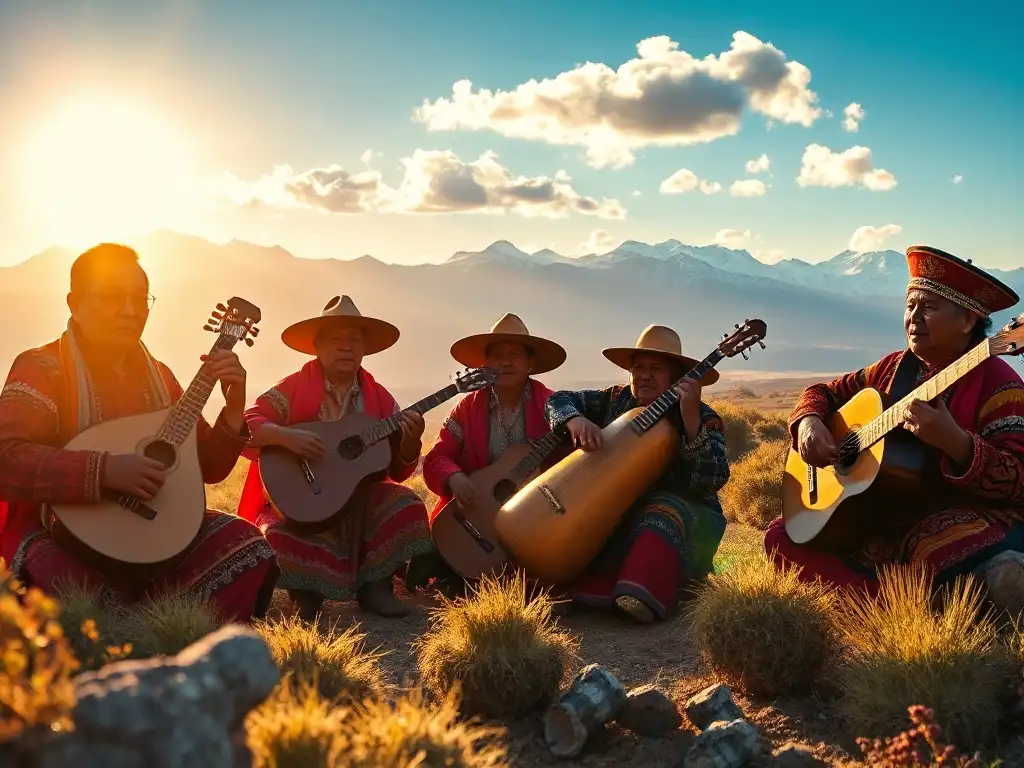
Step into a world lost to time, yet echoing with vibrant life. Discover the captivating legacy of the Andean civilizations, where intricate artistry and breathtaking innovation shaped a landscape as awe-inspiring as its people. Prepare to be enthralled by the resonant power of Andean traditional music instruments, a legacy that continues to pulse through the heart of South America. Journey with us as we unravel the stories woven into the very fabric of their culture, exploring the deep connection between music, dance, and the enduring spirit of the Andes.
The Andes Mountains, a spine of towering peaks stretching along the western edge of South America, have nurtured a vibrant tapestry of cultures for millennia. From the intricate artistry of the Nazca Lines to the sophisticated engineering of Machu Picchu, the Andean civilizations left an indelible mark on history.
However, their legacy extends beyond monumental architecture and breathtaking artistry; it resonates deeply in the rhythms and melodies of their traditional music and dance. This article delves into the enduring power of Andean traditional music and dance, exploring how these art forms serve not only as captivating expressions of cultural heritage but also as living testaments to the resilience and continuity of indigenous communities.
We will examine the crucial role of traditional Andean music instruments in preserving this rich cultural legacy and explore how these instruments continue to shape the soundscapes of the Andes today. This exploration will provide insight into the importance of "Andean traditional music instruments" in maintaining cultural identity and fostering a sense of community across generations.
The Panpipes' Melodious Voice: A Symbol of Andean Heritage
The siku, or panpipes, arguably represents the most iconic of Andean traditional music instruments. These instruments, crafted from meticulously selected reeds or bamboo, produce a hauntingly beautiful sound, often used to accompany ceremonial dances and narrate ancient stories. The siku's construction varies significantly across different Andean regions, reflecting the diverse musical traditions of the area.
Some sikus are composed of only a few pipes, while others can boast more than a dozen, each tuned to a specific note. The intricate craftsmanship and the emotional depth of the music produced make the siku a powerful symbol of Andean identity and a testament to the enduring skill of Andean artisans. The music created by the siku is often characterized by its haunting melodies and intricate harmonies, reflecting the complex social structures and spiritual beliefs of the Andean people.
Master siku players can evoke a wide range of emotions, from joy and celebration to sorrow and reflection, making the instrument a versatile and expressive tool for storytelling and cultural preservation. The making of the siku itself is a tradition passed down through generations, ensuring the continued presence of this crucial instrument within Andean musical culture.
The Zampoña's Resonant Tones: A Diverse Family of Instruments
Closely related to the siku, the zampoña is another prominent member of the Andean panpipe family. While often visually similar to the siku, the zampoña distinguishes itself through its construction and playing techniques. The zampoña typically consists of two sets of pipes, played simultaneously to create a richer, more complex sound. This dual-pipe configuration allows for a broader range of musical expression, enriching the already diverse soundscape of Andean music.
Different regions and communities boast their unique variations of the zampoña, leading to a wide array of tonal qualities and playing styles. This diversity reflects the adaptability and ingenuity of Andean musicians in their creative use of available resources and materials. The zampoña's resonant tones often accompany dances celebrating harvest, religious festivals, or community gatherings, highlighting its importance in Andean social life. Its vibrant and powerful sound is an essential component of many traditional Andean musical ensembles.
Beyond the Panpipes: The Rich Diversity of Andean Traditional Music Instruments
While the siku and zampoña undeniably hold significant cultural importance, the Andean musical landscape encompasses a far wider array of instruments. The charango, a small lute-like instrument made from armadillo shell, provides a bright, distinctive timbre. The tarka, a type of transverse flute, offers a high-pitched, piercing sound often used in lively melodies.
Percussion instruments like the bombo (a large bass drum) and various types of rattles add rhythmic complexity to the music. These instruments, alongside many others, demonstrate the rich and diverse musical heritage of the Andes, showcasing the ingenuity and creativity of Andean peoples in crafting instruments from readily available materials.
The diverse range of these instruments reflects not only the varied geography of the Andes but also the rich diversity of musical styles and traditions across different Andean communities. Further research is needed to fully document the precise number and types of instruments utilized across the vast Andean region, but even a cursory overview reveals the immense musical wealth of the area.
The Enduring Legacy: Music and Dance as Living History
The continued use of these "Andean traditional music instruments" in contemporary Andean communities is a testament to the enduring power of cultural heritage. Traditional music and dance serve as vital links to the past, fostering a sense of identity and community among indigenous populations. The vibrant sounds and movements of traditional performances not only entertain but also educate, transmitting knowledge, stories, and values across generations.
By preserving and promoting these art forms, Andean communities ensure that their rich cultural legacy continues to thrive in the modern world. The rhythmic pulse of Andean music and dance is, therefore, far more than just entertainment; it is a living history, a dynamic force shaping identity and community in the heart of the Andes. The preservation and promotion of these traditions are crucial for ensuring the continued vitality of Andean culture.
- The Panpipes' Melodious Voice: A Symbol of Andean Heritage
- The Zampoña's Resonant Tones: A Diverse Family of Instruments
- Beyond the Panpipes: The Rich Diversity of Andean Traditional Music Instruments
- The Enduring Legacy: Music and Dance as Living History
- What types of traditional instruments are used in Andean music?
- How does Andean music reflect the culture and history of the region?
- Are there any differences in musical styles across different Andean cultures?
- Where can I experience authentic Andean music and dance?
- How has Andean traditional music adapted and evolved over time?
Andean Musical Heritage: A Journey Through Time
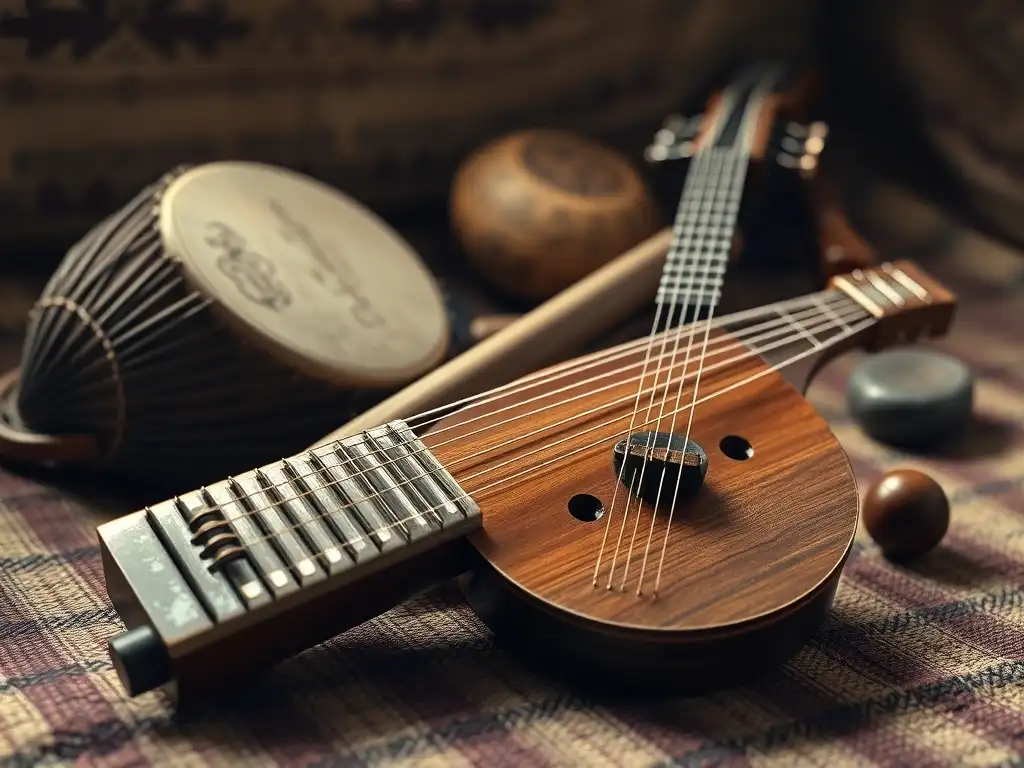
This section delves into the profound significance of music within Andean cultures, exploring its historical evolution and enduring presence in contemporary society. We will examine how music served not only as entertainment but also as a vital component of religious rituals, social gatherings, and storytelling traditions. Understanding this rich heritage is crucial to appreciating the complex tapestry of Andean civilization. The vibrant soundscapes created by Andean traditional music instruments are a testament to the ingenuity and artistry of these ancient societies.
The Significance of Music in Andean Cultures
Music in the Andes wasn't merely a form of leisure; it was deeply intertwined with the fabric of daily life. From the sacred rituals honoring the Apus (mountain gods) to the celebratory dances marking harvests and life cycle events, music played an integral role. Consider the yaraví, a genre of melancholic songs often expressing longing or sorrow, reflecting the complex emotional landscape of Andean life. These songs, often accompanied by simple yet evocative Andean traditional music instruments, served as powerful vehicles for conveying cultural values, historical narratives, and personal experiences.
The intricate melodies and rhythms were often passed down through generations, ensuring the preservation of cultural memory. Furthermore, music facilitated social cohesion, providing a common ground for community members to connect and share their experiences. The rhythmic pulse of Andean music bound communities together, reinforcing social bonds and cultural identity.
Ancient Andean Soundscapes: Exploring Pre-Columbian Instruments
Pre-Columbian Andean civilizations developed a remarkable array of instruments, each with its unique sonic characteristics and cultural significance. These instruments, crafted from readily available materials such as wood, bone, stone, and shells, offer invaluable insights into the musical practices of these societies. Among the most iconic are:
- Antaras: Panpipes made from reeds or cane, ranging in size and number of pipes. The antaras produced haunting melodies, often used in ceremonial contexts.
- Tarkas: Vertical flutes, typically made of wood or bone, known for their piercing and expressive sounds. These were frequently used in ensembles, creating rich and layered musical textures.
- Pututos: Large conch shell trumpets, used to signal important events and communicate over long distances. Their deep, resonant sound carried across valleys and mountains, announcing ceremonies or warnings.
- Ocarinas: Ceramic wind instruments, shaped like small birds or animals. Their sweet, mellow tones added a delicate touch to Andean musical compositions.
The construction and playing techniques of these Andean traditional music instruments reveal a sophisticated understanding of acoustics and musical principles. Archaeological discoveries continue to shed light on the diverse repertoire and musical practices of these early Andean cultures. The enduring legacy of these instruments is evident in their continued use in contemporary Andean music, connecting the past with the present.
The Evolution of Andean Music Through the Centuries
The soundscapes of the Andes have undergone significant transformations throughout history, yet the core elements of Andean traditional music instruments and musical styles persist. The arrival of Europeans introduced new instruments and musical styles, resulting in a fascinating fusion of indigenous and European musical traditions. The Spanish colonial period saw the introduction of instruments like the guitar and the harp, which gradually integrated into Andean musical ensembles.
However, indigenous instruments and musical forms were not supplanted; instead, a creative synthesis emerged, enriching the musical landscape. This fusion is evident in the development of hybrid genres, such as huayno, a lively and popular dance music that incorporates both indigenous and European musical elements. The development of huayno showcases the adaptability and resilience of Andean musical traditions in the face of external influences.
The continued use of traditional Andean traditional music instruments, alongside newer instruments, demonstrates the enduring strength of the Andean musical heritage. The ongoing evolution of Andean music reflects the dynamic interplay between tradition and innovation, ensuring the vitality of this rich cultural legacy. Further research into specific regional variations and contemporary adaptations would provide a more complete picture of this dynamic evolution.
Traditional Andean Music Instruments: Voices of the Past
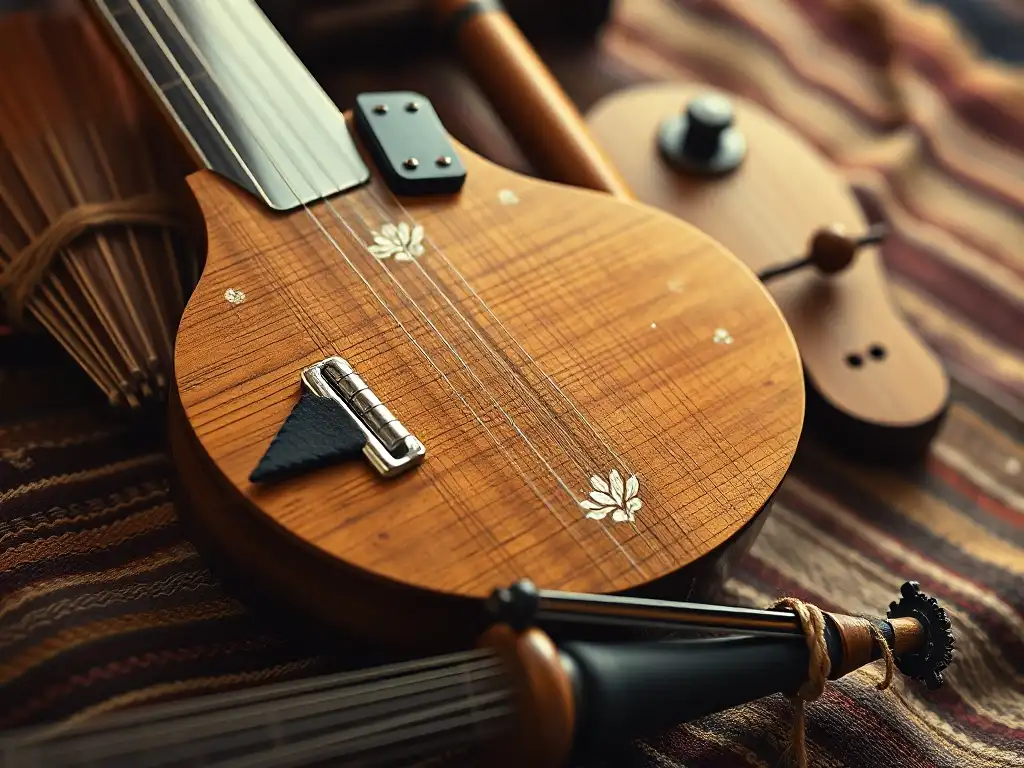
This section delves into the fascinating world of Andean traditional music instruments, exploring their diverse forms, cultural significance, and enduring legacy. These instruments aren't merely tools for creating music; they are integral parts of Andean cultural identity, carrying echoes of ancient rituals, beliefs, and social structures. Understanding these instruments provides a deeper appreciation for the rich tapestry of Andean musical heritage and its continued relevance in contemporary indigenous communities.
The variety of instruments, each with its unique sound and purpose, reflects the diverse geography and cultural traditions across the Andes. From the haunting melodies of the quena to the vibrant rhythms of the bombo, these instruments embody the spirit of the Andes. The study of "Andean traditional music instruments" reveals a vibrant and complex history intertwined with the lives and beliefs of the people.
Wind Instruments: The Soul of the Andes
Wind instruments hold a particularly sacred place in Andean musical traditions, often associated with spiritual practices and ceremonies. Their evocative soundscapes seem to capture the very essence of the Andean landscape, from the whispering winds to the soaring peaks. The use of these instruments in modern times continues this tradition, adapting to current musical styles while retaining their ancestral significance.
The Quena: A Flute with Ancient Roots
The quena, a simple yet expressive end-blown flute, is arguably the most iconic Andean wind instrument. Made traditionally from cane or wood, its haunting melodies have resonated through the Andes for centuries. Its relatively simple construction belies its versatility; skilled players can coax a wide range of emotions from the quena, from melancholic laments to joyous celebrations.
The quena's enduring popularity is a testament to its timeless appeal and enduring connection to Andean identity. Archaeological evidence suggests its use dates back millennia, making it a true living link to the past. Different regions have developed unique variations in the quena's design and playing style, adding to its rich diversity.
The Siku or Zampoña: Panpipes of the Highlands
The siku (also known as zampoña) is a set of panpipes, typically made from cane or bamboo. These instruments are played in pairs, often creating a mesmerizing interplay of contrasting tones. The siku's distinctive sound is instantly recognizable, often featuring in both traditional and contemporary Andean music. The number of pipes in a siku can vary, impacting the range and complexity of the music produced.
Mastering the siku requires considerable skill and patience, as the player must coordinate the breath and embouchure to produce clear and resonant notes from each pipe. The intricate interplay between the two siku creates a rich musical texture, reflecting the complexity and depth of Andean culture. The siku is frequently used in ceremonial contexts, underscoring its importance in Andean spiritual life.
The Pinkillu: A Ceremonial Flute
The pinkillu, a vertical flute, is often associated with sacred ceremonies and rituals. Unlike the quena, the pinkillu is usually made from wood and features a distinctive, slightly nasal tone. Its use is often linked to specific religious or community events, highlighting its role in maintaining traditional Andean practices.
While less common than the quena or siku in modern music, the pinkillu continues to play a vital role in preserving traditional Andean musical heritage. The precise techniques and rituals surrounding the playing of the pinkillu are often closely guarded within specific communities, passed down through generations of musicians. Further research is needed to fully document the regional variations and specific ceremonial uses of this evocative instrument.
Percussion Instruments: The Heartbeat of the Andes
Percussion instruments provide the rhythmic foundation for much of Andean music, infusing the music with energy, passion, and a sense of communal celebration. Their powerful sounds resonate not only through the air but also through the bodies and hearts of the listeners, creating a palpable connection to the music and its cultural context. The rhythmic complexity achieved through the use of these instruments often mirrors the intricate social structures and relationships of the Andean communities.
The Bombo: A Large Andean Drum
The bombo, a large, double-headed barrel drum, is a cornerstone of Andean percussion. Its deep, resonant sound provides a powerful rhythmic drive to many musical styles. The bombo's size and weight require considerable strength and skill to play effectively, contributing to its powerful presence in musical performances. Variations in the bombo's size and construction exist across different regions, leading to subtle differences in tone and sound. The bombo frequently accompanies dances and other celebrations, symbolizing community and shared experience.
The Wankara: A Traditional Drum
The wankara, a smaller, hourglass-shaped drum, complements the bombo's deep tones with its sharper, more agile rhythm. Often played in pairs, the wankaras add a layer of intricate rhythmic complexity to the music. Their smaller size allows for greater precision and dexterity, enabling the creation of complex rhythmic patterns. The wankara's sound is often described as brighter and more energetic than the bombo, contributing a dynamic element to the overall musical texture. The wankara, like the bombo, plays a crucial role in many traditional Andean dances and celebrations.
The Caja: A Small Snare Drum
The caja, a small, cylindrical snare drum, provides a sharp, percussive accent to the music. Its smaller size allows for rapid, precise strokes, adding rhythmic detail and punctuating the musical phrases. Often played with sticks, the caja's sound cuts through the other instruments, providing a clear and concise rhythmic counterpoint. Its compact size makes it easily portable, allowing it to be incorporated into a wide range of musical settings, from intimate gatherings to large-scale performances. The caja's versatility and portability have contributed to its widespread use across various Andean musical traditions.
Stringed Instruments: Melodies of the Mountains
Stringed instruments hold a prominent place in the rich tapestry of Andean traditional music. Their delicate melodies, often echoing the vast landscapes of the Andes, tell stories of ancient traditions and cultural exchange. The sounds produced by these instruments, whether plucked gently or strummed with passion, are deeply intertwined with the spiritual and social life of Andean communities.
The craftsmanship involved in their creation is a testament to the ingenuity and artistic skill passed down through generations. Many of these instruments are not only functional but also beautiful works of art, often adorned with intricate carvings and colorful embellishments that reflect the vibrant culture of the region. The diversity of stringed instruments found in the Andes reflects both the region's unique history and its openness to outside influences.
The Charango: A Small Andean Lute
The charango, a small lute-like instrument, is perhaps the most iconic stringed instrument of the Andes. Its distinctive sound, characterized by a bright, almost whimsical tone, is instantly recognizable. Traditionally made from the carapace of an armadillo (though modern versions utilize wood), the charango's construction is a marvel of ingenuity. Its five double courses of strings, typically tuned in fifths, allow for a wide range of musical expression.
The charango plays a crucial role in various Andean musical genres, from the lively huayno to the melancholic yaraví. Its popularity has transcended geographical boundaries, with charango players found throughout South America and beyond. The instrument's compact size makes it easily portable, allowing musicians to share their music across vast distances and diverse communities. Master charangueros demonstrate incredible dexterity, playing complex melodies and intricate rhythms with effortless grace.
The Andean Harp: A Blend of Cultures
The Andean harp, a striking instrument with its large, triangular soundbox, represents a fascinating blend of indigenous and European musical traditions. Introduced to the Andes during the colonial era, the harp quickly became integrated into the existing musical landscape. Its resonant sound, capable of producing both delicate arpeggios and powerful chords, proved well-suited to Andean musical styles. The Andean harp is often significantly larger than its European counterparts, reflecting the Andean preference for powerful, projecting sounds.
Its construction often incorporates local materials and decorative elements, further highlighting its adaptation to the Andean context. The harp's versatility allows it to be used in a wide variety of musical settings, from solo performances to ensemble pieces. Its rich, full-bodied sound adds depth and complexity to Andean musical compositions. The distinctive construction and ornamentation of the Andean harp showcases the creative fusion of cultures that characterized the region's musical development.
The Mandolina: A European-Influenced Stringed Instrument
The mandolina, while originating in Europe, has found a comfortable home in the Andes, becoming another example of the region's remarkable ability to adapt and integrate external musical influences. Its introduction likely coincided with the arrival of European colonists, and its adoption reflects the ongoing exchange of cultural elements throughout history. While sharing a similar structure to its European counterpart, the Andean mandolina often features unique design elements and playing styles that reflect local traditions. The mandolina's bright, clear tone complements other Andean instruments, adding a layer of melodic intricacy to musical arrangements.
Its use in Andean music further demonstrates the fluidity of musical exchange and the dynamic interaction between different cultures. The mandolina's presence in Andean musical ensembles highlights the region’s ongoing musical evolution and adaptability. Its integration into the Andean soundscape underscores the ongoing process of cultural exchange and musical innovation.
Andean Dance: Movement as a Form of Expression
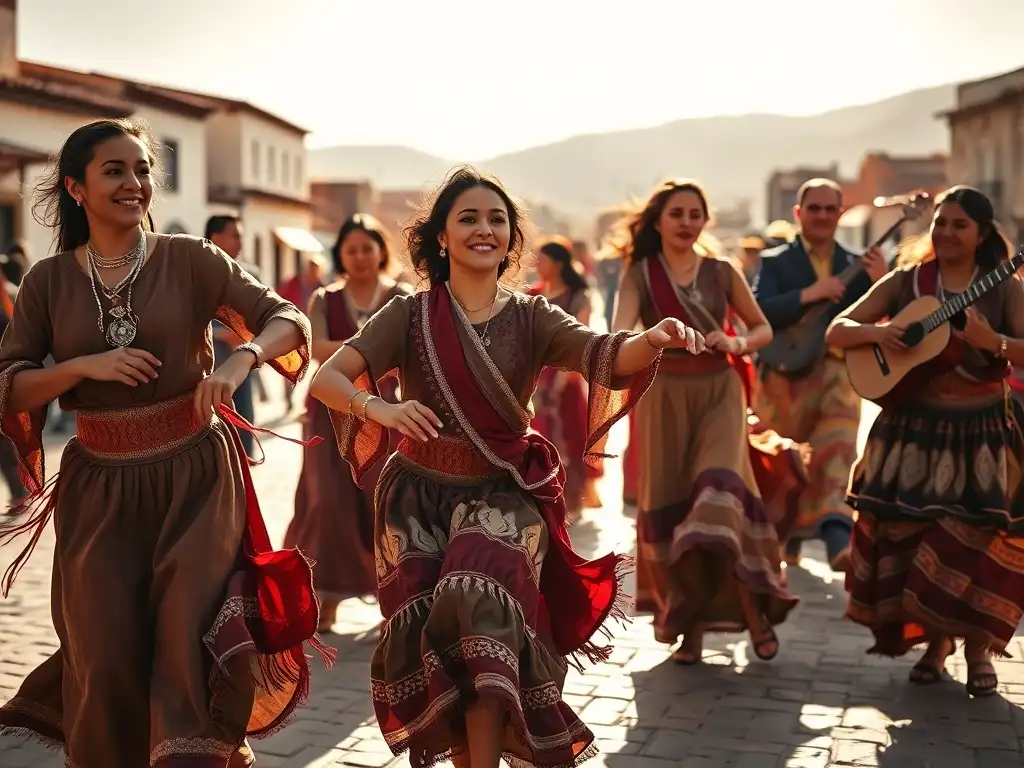
Andean dance isn't merely entertainment; it's a powerful, vibrant expression of cultural identity, history, and spirituality. For centuries, these dances have served as living repositories of ancestral knowledge, transmitting stories, beliefs, and social structures across generations. The movements themselves, often intricate and physically demanding, reflect the Andean peoples' deep connection to their environment, their deities, and their communities.
Understanding Andean dance requires appreciating its multifaceted nature: a blend of ritual, storytelling, and social interaction, all interwoven with the rich tapestry of Andean traditional music instruments. The rhythmic pulse of panpipes, zampoñas, and drums provides the heartbeat for these dynamic performances, further emphasizing the inextricable link between music and dance in Andean culture. The preservation of these traditions is crucial for understanding the enduring legacy of Andean civilizations.
The Ritualistic Nature of Andean Dances
Many Andean dances hold profound ritualistic significance, often connected to agricultural cycles, religious ceremonies, or ancestral veneration. These dances aren't simply performed for entertainment; they're integral parts of community life, serving as a conduit to the spiritual realm. For example, certain dances are performed to appease deities associated with fertility, ensuring bountiful harvests.
Others commemorate important historical events or pay homage to ancestors. The costumes, often elaborate and symbolic, further enhance the ritualistic aspect, with specific colors, materials, and adornments carrying deep meaning. The intricate choreography, passed down through generations, often mimics the movements of animals or celestial bodies, reflecting the Andean worldview and its connection to the natural world.
The use of Andean traditional music instruments during these rituals reinforces their sacred nature, creating a powerful atmosphere of reverence and connection. The precise movements and musical accompaniment are not arbitrary; they are carefully orchestrated to achieve a specific spiritual purpose. Detailed ethnographic studies are still needed to fully document the ritualistic significance of many dances, especially those performed in remote communities.
Regional Variations in Andean Dance Styles
The vast geographical expanse of the Andes has fostered a remarkable diversity of dance styles, each reflecting the unique cultural nuances of specific regions. From the high-altitude plains to the coastal deserts, the dances vary significantly in their costumes, music, and movements. These regional variations are a testament to the rich tapestry of Andean cultures and the adaptability of their traditions.
The availability of specific resources and the influence of neighboring cultures have also shaped the distinctive character of Andean dances in different locations. For instance, the use of certain Andean traditional music instruments, like the charango (a small lute) might be more prevalent in one region than another, influencing the overall sound and rhythm of the dance. Documenting and preserving this rich diversity is crucial for safeguarding the cultural heritage of the Andes.
Diablada: A Dance of Devils and Angels
Diablada, a dramatic and visually stunning dance, is particularly popular in Bolivia and Peru. It's a theatrical representation of the battle between good and evil, with dancers portraying devils, angels, and other mythical figures. The costumes are spectacular, often adorned with intricate masks, feathers, and metallic embellishments.
The music, played with a variety of Andean traditional music instruments including brass bands and drums, is energetic and captivating. Diablada showcases a fascinating blend of indigenous Andean traditions and the influence of European Catholicism, reflecting the complex historical interactions in the region. The dance's powerful choreography and symbolic costumes effectively convey the themes of conflict, redemption, and the enduring struggle between opposing forces.
Huayno: A Lively Social Dance
Huayno is a vibrant social dance prevalent throughout the Andes, characterized by its lively rhythm and expressive movements. Unlike Diablada’s theatrical nature, Huayno is often performed at social gatherings and celebrations. Couples dance in close embrace, their movements fluid and passionate, reflecting the joy and intimacy of community life.
The music, typically played with charangos, guitars, and Andean flutes, creates a festive atmosphere. The variations in Huayno’s musical styles and dance steps across different regions illustrate the dance's adaptability and its integration into various social contexts. The popularity of Huayno demonstrates the enduring appeal of traditional Andean dance as a form of social expression and celebration.
Saya: A Dance of Afro-Andean Heritage
Saya, a dynamic and rhythmical dance, vividly reflects the Afro-Andean heritage of Bolivia. Its origins lie in the fusion of African musical and dance traditions with indigenous Andean elements. The movements are energetic and infectious, often characterized by rapid footwork and rhythmic clapping.
The music is equally vibrant, featuring drums, flutes, and other Andean traditional music instruments, creating a powerful and celebratory atmosphere. Saya's distinctive style showcases the rich cultural exchange that has shaped the Andean region, highlighting the enduring contributions of African communities to the region's artistic expression. The preservation and promotion of Saya are crucial for recognizing and celebrating the diversity of Andean cultures.
The Living Legacy: Andean Music and Dance Today
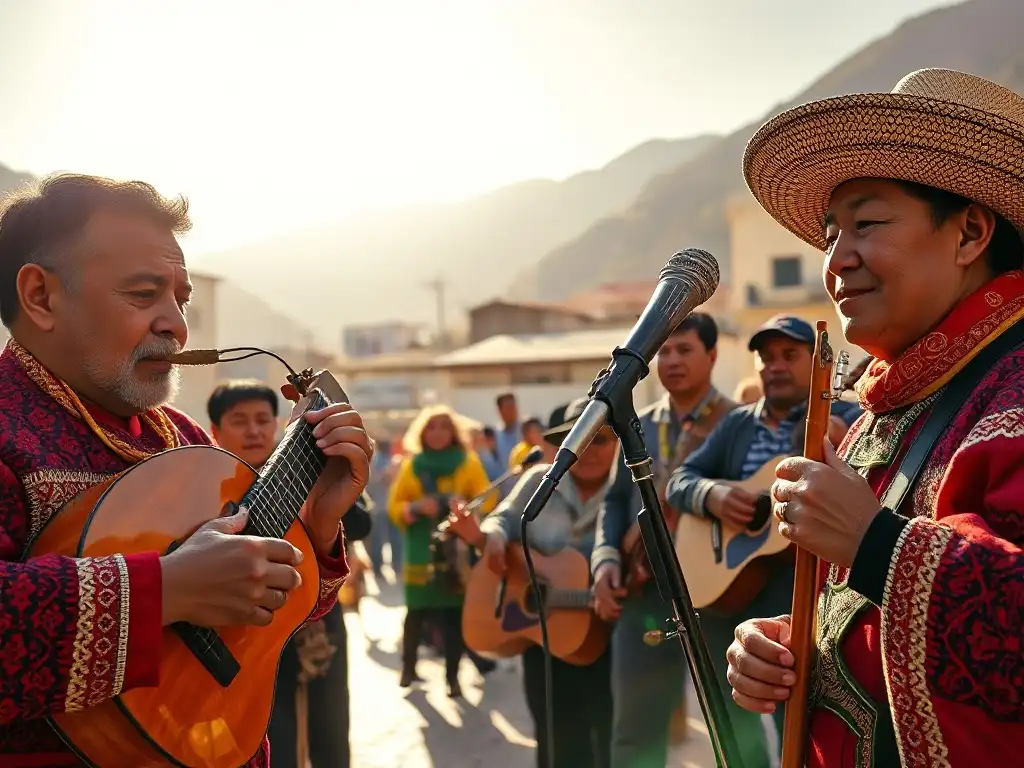
The vibrant tapestry of Andean culture continues to thrive, woven intricately with its traditional music and dance. These aren't mere relics of the past; they are living expressions of identity, resilience, and community, passed down through generations. Understanding the role of Andean traditional music instruments in this legacy is crucial to appreciating the depth and richness of these cultural practices.
The rhythmic pulse of the zampoña, the haunting melody of the antara, and the powerful beat of the tinku are more than just sounds; they are the heartbeat of a living culture. This section will explore how these traditions are preserved and adapted in the modern era.
The Role of Indigenous Communities in Preserving Traditions
Indigenous communities across the Andes play a pivotal role in preserving their ancestral musical heritage. Their dedication ensures that the unique sounds and techniques associated with Andean traditional music instruments are not lost to time. This preservation isn't simply about playing ancient songs; it's about safeguarding the knowledge, skills, and spiritual significance embedded within these traditions.
Many communities establish schools and workshops dedicated to teaching younger generations the art of crafting and playing instruments like the charango, quena, and bombo. These institutions also pass down the intricate steps of traditional dances, often accompanied by storytelling that connects the music to the community's history and beliefs. The transmission of this knowledge is often a family affair, with elders sharing their expertise with children and grandchildren, ensuring the continuity of musical traditions for generations to come.
This intergenerational knowledge transfer is vital in maintaining the authenticity and integrity of Andean musical practices. The survival of these traditions depends heavily on the active participation and commitment of these communities. Their dedication is a testament to the enduring power of cultural heritage.
Contemporary Andean Artists: Keeping the Music Alive
While traditional methods remain central, contemporary Andean artists are creatively blending traditional styles with modern influences. This fusion creates innovative soundscapes that resonate with both traditional audiences and a wider global fanbase. Many musicians are incorporating elements of rock, pop, and jazz into their compositions, resulting in a rich and multifaceted musical landscape. This doesn't diminish the importance of Andean traditional music instruments; instead, it demonstrates the adaptability and enduring appeal of these instruments in a changing world.
For example, some artists use the zampoña in unexpected ways, creating sounds that would have been unimaginable to their ancestors. This dynamic interplay between tradition and innovation ensures that Andean music remains relevant and engaging for a diverse audience, attracting new listeners while maintaining its core identity. This evolution is a testament to the vitality of Andean musical heritage and its capacity for continuous growth and adaptation.
The Impact of Andean Culture on Global Music
The influence of Andean music extends far beyond the Andes Mountains. The unique sounds and rhythms of Andean traditional music instruments have captivated audiences worldwide, inspiring countless musicians and composers. The distinctive melodies and harmonies have found their way into various genres, enriching the global musical landscape. The incorporation of Andean instruments and musical styles in contemporary compositions demonstrates the universality of music and its power to transcend geographical boundaries. This global appreciation highlights the enduring appeal of Andean music and its contribution to the rich tapestry of world music. The impact is not just limited to artistic expression; it also promotes cultural exchange and understanding, fostering appreciation for the diverse musical traditions of the world. The growing global interest in Andean music underscores the importance of preserving and celebrating these unique cultural expressions. The global reach of Andean music is a testament to its enduring power and artistic significance.
The Yuyarichun Project: Reviving Quechua Music and Dance
The Yuyarichun Project stands as a powerful example of community-led efforts to revitalize Andean traditional music and dance. Based in [Specific Region in the Andes pending], this initiative focuses on preserving and promoting Quechua musical traditions, often facing the threat of assimilation and cultural loss in the face of globalization. Their work goes beyond simple performance; it involves meticulous research into ancient musical practices, interviewing elders and studying historical records to reconstruct authentic melodies and dance steps. This meticulous approach ensures accuracy and respect for the cultural heritage they are safeguarding.
The project's impact extends beyond the preservation of musical scores and choreography. Yuyarichun actively engages young people, teaching them not only the technical aspects of playing traditional Andean instruments like the zampoña, antara, and charango, but also the cultural context and significance of the music. Workshops and performances are integral to their strategy, fostering a sense of pride and ownership among the younger generation. This intergenerational transmission of knowledge is crucial for the long-term survival of these vibrant traditions. They have even developed a curriculum incorporating traditional Andean music into local schools, ensuring its continuity within the educational system.
Furthermore, the Yuyarichun project recognizes the social and economic benefits of preserving its cultural heritage. By showcasing traditional music and dance at festivals and international events, they create opportunities for the community to generate income and connect with wider audiences. This economic empowerment aspect is often overlooked in cultural preservation efforts, but Yuyarichun highlights its critical role in ensuring the sustainability of their work. The project's success lies in its holistic approach, combining cultural preservation, educational outreach, and economic development to create a truly sustainable legacy for future generations.
Their efforts serve as an inspiring model for other communities seeking to safeguard their unique musical heritages. The revival of Andean traditional music instruments, like the charango, is a key focus of their work, demonstrating the importance of preserving these unique soundscapes. Their dedication to this task is truly commendable.
Connecting with the Andean Spirit Through Music and Dance
This section explores the profound connection between Andean people and their traditional music and dance, focusing on how these art forms serve as a powerful conduit to understanding their rich cultural heritage. Andean traditional music instruments, integral to this cultural expression, are not merely tools; they are vessels carrying the spirit of the Andes. The vibrant rhythms and melodies are not simply entertainment, but a tangible link to ancestors and a living testament to resilience and continuity.
The music and dance are deeply intertwined with daily life, religious ceremonies, and social gatherings, reflecting the cyclical nature of Andean life and its harmonious relationship with the natural world. Understanding this connection is key to appreciating the enduring legacy of Andean culture.
Experiencing Authentic Andean Performances
Experiencing an authentic Andean performance is akin to stepping into a time capsule. The energy is palpable; the musicians' skill is breathtaking. The intricate movements of the dancers, often accompanied by the haunting melodies of instruments like the zampoña (panpipes), the charango (a small Andean guitar), and the tarka (a vertical flute), tell stories passed down through generations. These performances often incorporate elements of storytelling, ritual, and social commentary, offering a holistic glimpse into Andean worldview. Authentic performances are not merely spectacles; they are living, breathing expressions of cultural identity. They provide a powerful opportunity to connect with the Andean spirit on a deeply emotional level. Many communities actively preserve these traditions, offering workshops and performances to share their heritage with visitors and younger generations. Observing the detailed craftsmanship of the Andean traditional music instruments themselves adds another layer of appreciation for the dedication and artistry involved in their creation.
The Therapeutic Power of Andean Music
Beyond their cultural significance, Andean musical traditions possess a remarkable therapeutic power. The repetitive rhythms and modal melodies have a calming effect, often used in healing ceremonies and rituals. The sikuris, for instance, a type of Andean panpipes played in ensembles, produce a sound that resonates deeply within the listener, promoting relaxation and a sense of well-being.
Studies [specific information pending] have begun to explore the scientific basis of this therapeutic effect, investigating the impact of Andean music on stress reduction, emotional regulation, and even physical health. The use of Andean traditional music instruments in therapeutic settings is gaining recognition, showcasing the versatility and healing potential of this ancient art form. This therapeutic aspect adds another dimension to the importance of preserving these musical traditions for the benefit of both physical and mental health.
The Importance of Cultural Preservation for Future Generations
The preservation of Andean traditional music and its associated instruments is not merely a matter of historical interest; it is crucial for the future. These traditions embody a wealth of knowledge, skills, and spiritual beliefs that risk being lost if not actively protected. The younger generation needs to be actively engaged in learning and practicing these art forms, ensuring the continuity of this vital cultural heritage. Educational programs, community initiatives, and government support are essential to safeguard this precious legacy.
The creation of archives documenting the construction techniques of Andean traditional music instruments, along with recordings of performances and oral histories, are crucial steps in ensuring the long-term survival of this rich cultural tapestry. The task is not simply to preserve, but to revitalize and adapt these traditions for a changing world, allowing them to continue to thrive and inspire for generations to come. 🌎
Frequently Asked Questions
What types of traditional instruments are used in Andean music?
Andean music utilizes a diverse range of instruments. Panpipes (antara) are iconic, alongside drums (tambor), flutes (quena), and stringed instruments (charango). Many instruments are made from natural materials.
How does Andean music reflect the culture and history of the region?
Andean music is deeply intertwined with the region's history and culture. Musical styles often reflect specific geographic locations and indigenous traditions, preserving ancient stories and beliefs through song and dance.
Are there any differences in musical styles across different Andean cultures?
Yes, significant variations exist. The Incas, for example, had distinct musical traditions compared to the Moche or Nazca cultures. Each group developed unique musical styles reflecting their beliefs and lifestyles.
Where can I experience authentic Andean music and dance?
You can experience authentic Andean music and dance at traditional festivals and celebrations throughout the Andes region. Many museums and cultural centers also offer performances showcasing traditional music.
How has Andean traditional music adapted and evolved over time?
Andean traditional music has shown remarkable resilience. While maintaining core elements, it has integrated influences from Spanish colonization and other cultures, resulting in a rich and diverse musical landscape.
Final Reflection: Echoes of the Andes: A Legacy in Motion
The vibrant tapestry of Andean traditional music, far from being a relic of the past, continues to resonate powerfully in the 21st century. Its enduring influence is a testament to the resilience of culture and the profound connection between music, identity, and community. The instruments, the melodies, and the dances themselves are living archives, carrying stories and traditions across generations.
The enduring power of Andean music lies not just in its captivating melodies and rhythmic complexity, but in its ability to bridge cultural divides and foster a sense of shared heritage. It's a powerful reminder that music transcends language barriers, acting as a universal language of emotion and experience. Music is the universal language of mankind.
- Henry Wadsworth Longfellow. This quote rings especially true when considering the global appreciation for Andean music, which continues to inspire and influence musicians worldwide, demonstrating the enduring power of cultural exchange.
Consider the instruments themselves – the haunting panpipes, the resonant charango, the vibrant zampoña. Each one holds a history, a story waiting to be discovered. You, the reader, are now invited to actively listen, to seek out the sounds of the Andes, and to engage with this rich musical heritage. Explore the music, learn about the instruments, and allow yourself to be transported to the heart of the Andes. Let the rhythm move you, and let the legacy inspire you.
Embrace the Rhythm: Experience Andean Culture Today!
Thank you for exploring the vibrant world of Andean music and dance! You've discovered the deep connections between tradition and history that shape this unique culture. Now, let's delve even deeper and actively engage with these living traditions.
Here are some ways you can connect and contribute:
- **Participate in a local dance or music workshop** to truly experience the rhythm—feel the beat in your bones!
- **Share your favorite Andean music** with friends and family; spread the joy and rich history of these traditions within your community.
- **Support local Andean artisans** by purchasing authentic crafts or instruments; this directly helps preserve the culture and its artistry.
What aspect of Andean music or dance resonates most with you? Share your thoughts and join the conversation!