
Nazca Lines: The Future of the Geoglyphs and Their Protection

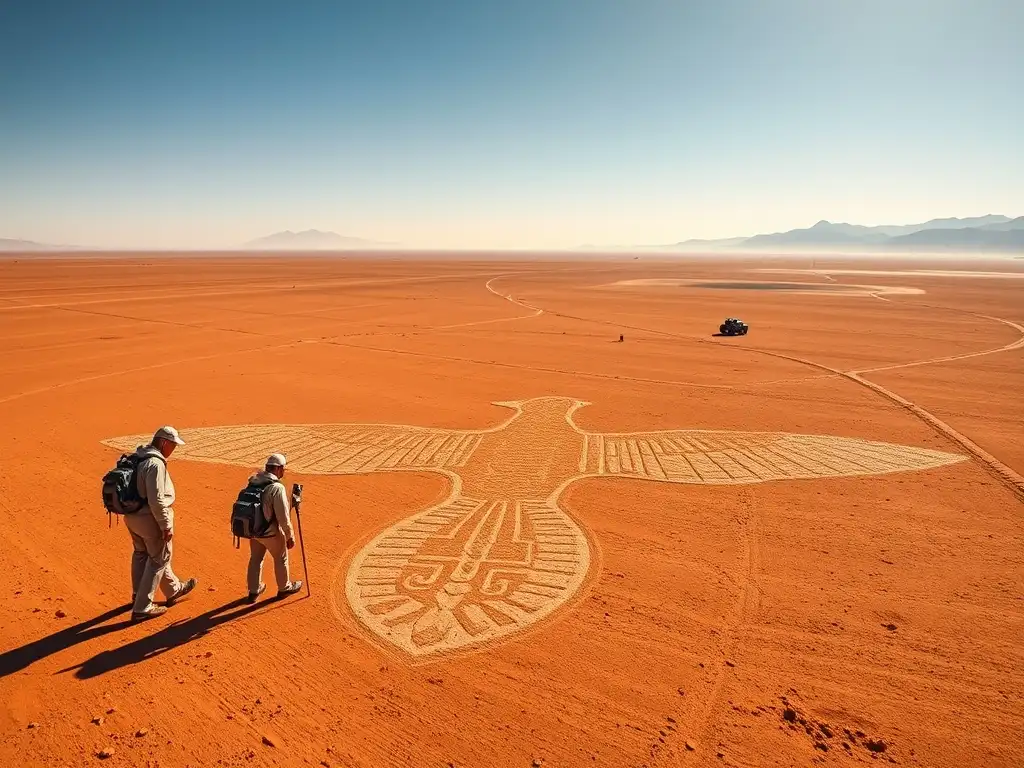
Step into a world of enigma and wonder, where colossal geoglyphs etched into the desert floor whisper tales of a lost civilization. For centuries, the Nazca Lines have captivated the world, but their future hangs in the balance. Discover the crucial Nazca Lines preservation strategies being implemented to protect this invaluable heritage, and uncover the secrets these ancient masterpieces still hold. Dare to explore the intricate story of the Nazca and their astonishing legacy – your journey begins now.
- Nazca Lines: Preservation and Future Outlook
- Challenges to Nazca Lines Preservation
- Nazca Lines Preservation Strategies
- Technological Innovations for Monitoring
- Community and Cultural Aspects of Conservation
- Future Outlook for the Nazca Lines
-
Frequently Asked Questions
- What are the biggest threats to the Nazca Lines' preservation?
- What preservation strategies are currently in place to protect the Nazca Lines?
- How is tourism impacting the Nazca Lines' preservation?
- What role does technology play in Nazca Lines preservation?
- What can individuals do to help preserve the Nazca Lines?
- Final Reflection: Echoes in the Desert: Securing the Nazca Lines' Legacy
- Protect and Honor the Nazca Legacy Today!
Nazca Lines: Preservation and Future Outlook
The Nazca Lines, a collection of ancient geoglyphs etched into the Peruvian desert, stand as a testament to the ingenuity and artistry of the Nazca culture. These enigmatic figures, ranging from simple lines and geometric shapes to intricate depictions of animals and plants, have captivated researchers and the public alike for decades.
Understanding the Nazca Lines' creation, purpose, and preservation is crucial not only for appreciating the cultural heritage of the Nazca civilization but also for safeguarding this invaluable piece of world history for future generations. This article delves into the current state of the Nazca Lines, exploring their historical significance, the threats they face, and the innovative preservation strategies being implemented to ensure their longevity.
We will examine the challenges involved in protecting these fragile monuments from the relentless forces of nature and the impact of human activity, focusing specifically on the most pressing concerns surrounding Nazca Lines preservation strategies. The future of these iconic geoglyphs depends on a multifaceted approach involving scientific research, technological advancements, and international collaboration.
The Historical Significance of the Nazca Geoglyphs
The Nazca Lines, created between 500 BC and 500 AD, represent a remarkable feat of engineering and artistic expression. Their precise creation, using techniques still debated by archaeologists, involved removing the dark reddish-brown surface stones to reveal the lighter subsoil, creating striking contrasts against the desert landscape. The sheer scale of some of the figures, stretching hundreds of meters in length, is breathtaking.
While their exact purpose remains a subject of ongoing research, prevailing theories suggest they may have served religious, astronomical, or ritualistic functions. Some scholars believe the lines were used as pathways for ceremonial processions, while others propose they were linked to water management systems or served as a form of astronomical calendar. Regardless of their precise meaning, the Nazca Lines offer invaluable insights into the worldview, societal structure, and technological capabilities of the Nazca civilization.
Their intricate designs and masterful execution demonstrate a sophisticated understanding of geometry, surveying, and land management, showcasing the advanced skills of this ancient culture. The geoglyphs are not merely artistic expressions; they are a complex record of a lost civilization, a window into a past that continues to intrigue and inspire. Understanding this historical context is paramount to appreciating the urgency of their preservation.
The Vulnerability of the Nazca Lines
Despite their resilience against the harsh desert environment for centuries, the Nazca Lines are increasingly vulnerable to a range of threats. The primary concern is the impact of erosion caused by wind and infrequent but intense rainfall. These natural forces gradually wear away the surface, obscuring the lines and diminishing their clarity. Furthermore, human activities pose a significant risk.
The construction of roads and other infrastructure, coupled with increased tourism, has led to soil compaction and damage to the fragile geoglyphs. Illegal off-road driving, often undertaken by tourists disregarding regulations, directly contributes to the degradation of the lines. Additionally, climate change exacerbates these problems, with unpredictable weather patterns intensifying erosion and posing unforeseen challenges to the long-term survival of these irreplaceable cultural treasures. The delicate balance of the desert ecosystem is easily disrupted, highlighting the need for proactive and comprehensive preservation strategies.
The fragility of the Nazca Lines necessitates a careful and considered approach to conservation, incorporating both preventative measures and restorative techniques. The challenge lies in balancing the desire for access and appreciation with the need to protect these invaluable historical artifacts for generations to come. 💰
Challenges to Nazca Lines Preservation
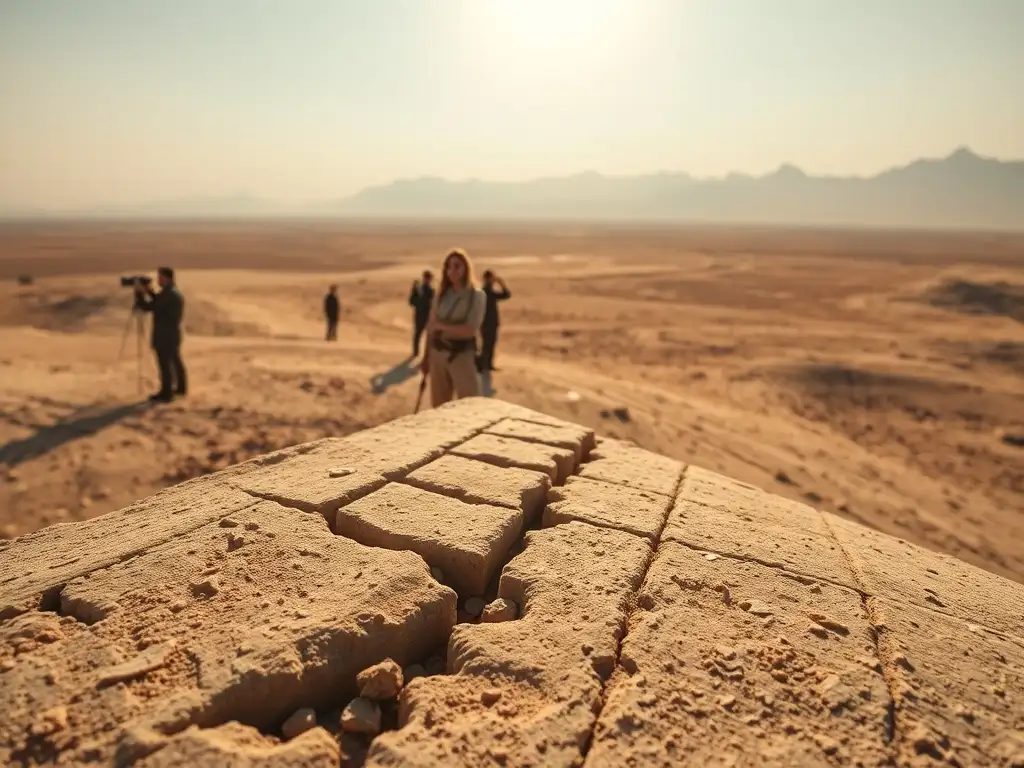
The Nazca Lines, a UNESCO World Heritage site, face numerous challenges threatening their long-term preservation. Understanding these threats is crucial for developing effective Nazca Lines preservation strategies and ensuring these enigmatic geoglyphs endure for future generations. The delicate nature of the lines, etched into the desert surface, makes them particularly vulnerable to a range of factors, demanding proactive and innovative conservation efforts. The scale of the challenge is immense, requiring a multi-faceted approach combining scientific research, technological advancements, and community engagement.
Erosion and Weathering
Erosion and weathering are perhaps the most significant natural threats to the Nazca Lines. The arid climate of the Nazca desert, while seemingly protective, presents subtle yet persistent challenges. Wind erosion gradually removes the dark desert varnish that defines the lines, causing them to fade and become less distinct. Occasional flash floods, though infrequent, can cause significant damage, scouring away the surface material and altering the geoglyphs' shapes. Furthermore, subtle shifts in the desert floor due to seismic activity can subtly distort the lines over time.
The severity of wind erosion varies depending on the location and the prevailing wind patterns. Studies have shown a correlation between increased wind speed and the rate of varnish loss. For instance, areas exposed to strong winds from the Pacific Ocean experience more rapid degradation than those sheltered by natural formations.
This necessitates targeted conservation efforts focusing on the most vulnerable sections. Precise monitoring of wind patterns and erosion rates is essential for predicting future damage and prioritizing intervention strategies. Additionally, research into stabilizing the desert varnish through the application of protective coatings is actively being explored, though careful consideration is needed to avoid unintended consequences.
Damage from Tourism
The increasing popularity of the Nazca Lines as a tourist destination presents a significant challenge to their preservation. While tourism brings economic benefits to the region, the sheer volume of visitors can lead to unintended damage. Foot traffic, even on designated pathways, can compact the soil and contribute to erosion. The vibrations from touristic flights, while seemingly insignificant, could contribute to the long-term degradation of the delicate lines over time.
The impact of tourism is not solely limited to physical damage. The creation of infrastructure to support tourism, such as roads and viewing platforms, can inadvertently disrupt the delicate ecosystem and increase the vulnerability of the lines to environmental factors. Sustainable tourism practices, including limiting visitor numbers, establishing well-maintained viewing points, and educating tourists about the fragility of the site, are critical for mitigating the negative impacts of tourism. Furthermore, investing in advanced monitoring systems to track visitor numbers and identify areas of high impact can aid in informed decision-making regarding visitor management.
Threats from Agriculture and Land Use
Agricultural activities in the vicinity of the Nazca Lines pose another considerable threat. Irrigation and cultivation can destabilize the surrounding soil, leading to increased erosion and sedimentation that can bury or obscure the geoglyphs. The use of agricultural machinery can cause direct damage, especially in areas where the lines are close to cultivated land. Furthermore, the expansion of urban areas and infrastructure development near the site increases the risk of accidental damage or encroachment onto the geoglyphs themselves. The challenge lies in balancing the needs of the local communities with the imperative to protect this invaluable cultural heritage.
Sustainable land management practices are crucial for minimizing the impact of agriculture on the Nazca Lines. This includes promoting water-efficient irrigation techniques, avoiding cultivation near the lines, and implementing strict regulations on land use in the surrounding area. Community involvement and education are vital in promoting sustainable practices and fostering a sense of shared responsibility for the preservation of this unique cultural heritage.
Furthermore, innovative agricultural techniques that minimize land disturbance and promote soil stability, are essential for mitigating the negative impacts of agricultural activities on the Nazca Lines. Long-term strategies might involve exploring alternative economic activities for local communities that are less damaging to the environment and the geoglyphs.
Impact of Mining and Infrastructure
The Nazca Lines' delicate nature makes them incredibly vulnerable to the pressures of modern development. Mining activities, particularly those involving heavy machinery and the extraction of subsurface resources, pose a significant threat. Vibrations from mining operations can destabilize the ground, leading to cracks and erosion that gradually damage the geoglyphs. Furthermore, the construction of roads, pipelines, and other infrastructure projects often necessitates land clearing and earth-moving activities in close proximity to the lines.
Even seemingly minor disturbances can cause irreversible damage to these ancient figures, gradually obscuring their intricate details over time. The expansion of urban areas and agricultural activities also contributes to this problem, as increased human activity leads to soil compaction and erosion, further threatening the preservation of the Nazca Lines. Effective Nazca Lines preservation strategies must therefore prioritize sustainable development practices that minimize the environmental impact of mining and infrastructure projects in the region. This requires careful planning, rigorous environmental impact assessments, and the implementation of mitigation measures to protect these invaluable cultural heritage sites.
For example, the use of alternative transportation routes and the implementation of stricter regulations on mining activities near the lines are crucial steps towards ensuring their long-term survival. Failure to address these issues effectively will undoubtedly result in the continued degradation and eventual loss of these unique and irreplaceable historical treasures. A comprehensive and proactive approach to sustainable development is paramount for the future of the Nazca Lines.
Vandalism
Vandalism presents a direct and immediate threat to the integrity of the Nazca Lines. While natural erosion is a slow and gradual process, acts of vandalism can cause instantaneous and irreparable damage. These acts range from unauthorized vehicle access, leaving tire tracks across the fragile geoglyphs, to deliberate attempts to deface or destroy the figures. Graffiti, the creation of new, unauthorized markings, and even the removal of soil from the geoglyphs are all forms of vandalism that contribute to their deterioration.
Furthermore, the remote location of the lines makes them difficult to monitor and protect effectively, leaving them vulnerable to the actions of individuals or groups who disregard their cultural significance. Strengthening security measures, enhancing surveillance technologies, and increasing public awareness campaigns are vital steps towards combating vandalism. Education plays a crucial role in fostering a sense of responsibility and respect for these invaluable historical sites amongst the local population and tourists alike.
The implementation of stricter penalties for acts of vandalism is also necessary to deter future incidents and protect the long-term preservation of the Nazca Lines. The development of robust monitoring systems, potentially incorporating drone surveillance and advanced imaging techniques, could significantly improve our ability to detect and respond to acts of vandalism promptly. The combination of enhanced security, public education initiatives, and stringent enforcement is essential for the effective protection of these remarkable geoglyphs against the destructive forces of vandalism.
Nazca Lines Preservation Strategies
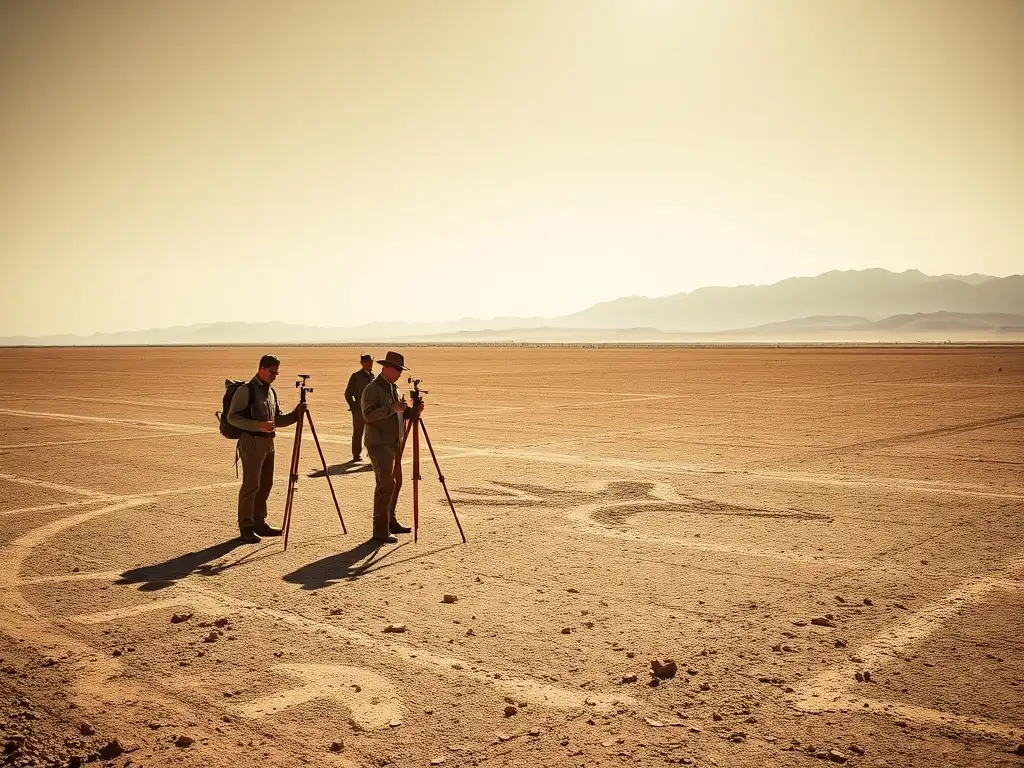
The Nazca Lines, a breathtaking testament to the ingenuity of the Nazca culture, face an array of threats jeopardizing their long-term survival. Understanding and implementing effective Nazca Lines preservation strategies is paramount to ensuring these enigmatic geoglyphs endure for generations to come. The delicate nature of the lines, etched into the desert surface, makes them susceptible to both natural and human-induced damage. This section will delve into crucial strategies currently employed and potential future advancements in safeguarding this invaluable archaeological site.
Archaeological Research and Monitoring
Thorough archaeological research is the cornerstone of any successful preservation effort. Continuous monitoring of the geoglyphs is crucial for detecting early signs of deterioration. This involves a multi-pronged approach:
- Regular Ground Surveys: Teams of archaeologists conduct regular physical inspections of the lines, documenting any changes, erosion, or damage. This meticulous process allows for early intervention and preventative measures. Data collected includes photographic records, GPS coordinates, and detailed descriptions of observed changes. For example, a recent survey revealed increased erosion in a specific section due to increased wind activity following an unusual rainfall pattern. This data informed the implementation of targeted stabilization techniques.
- Remote Sensing Technology: Aerial surveys using drones equipped with high-resolution cameras and LiDAR (Light Detection and Ranging) provide comprehensive mapping and monitoring capabilities. LiDAR, in particular, allows for the creation of detailed 3D models, revealing subtle changes in the geoglyphs' topography over time, which might be imperceptible through ground-level observation alone. This technology aids in assessing the overall health of the lines and identifying areas requiring immediate attention.
- Environmental Monitoring: Understanding the environmental factors affecting the geoglyphs is crucial. This includes monitoring rainfall patterns, wind speeds, temperature fluctuations, and even seismic activity. This data helps predict potential threats and allows for the implementation of proactive preservation measures. For instance, predicting periods of increased wind erosion allows for the temporary deployment of protective barriers.
Advanced Technologies for Mapping and Analysis
Beyond traditional surveying methods, cutting-edge technologies are increasingly crucial for Nazca Lines preservation. These tools offer unprecedented accuracy and detail in documenting and analyzing the geoglyphs:
- 3D Modeling and Virtual Reality: Advanced 3D modeling techniques, combined with virtual reality (VR) applications, allow researchers and the public to experience the Nazca Lines in an immersive and interactive way, without causing any physical impact on the fragile site. This offers a valuable educational tool while reducing the need for physical site visits.
- Hyperspectral Imaging: This technology captures images across a wide range of wavelengths, revealing information about the composition and condition of the lines that is invisible to the naked eye. This can help identify areas of subtle damage or changes in the soil that might indicate underlying problems.
- GIS (Geographic Information Systems): GIS technology plays a vital role in integrating and analyzing data from various sources, creating a comprehensive database for monitoring and managing the preservation efforts. This allows researchers to track changes over time, identify patterns of deterioration, and prioritize conservation efforts.
Protective Barriers and Access Zones
Limiting human impact is a critical aspect of Nazca Lines preservation strategies. This involves implementing carefully planned access restrictions and protective measures:
- Designated Viewing Areas: Establishing clearly defined viewing areas helps to concentrate visitor traffic, minimizing the risk of accidental damage to the geoglyphs. Signage and guided tours can further educate visitors about the fragility of the site and the importance of responsible behavior.
- Protective Barriers: In particularly vulnerable areas, physical barriers, such as fences or strategically placed vegetation, can help to protect the lines from trampling and erosion. The design of these barriers must be carefully considered to minimize their visual impact on the landscape.
- Controlled Access: Strict regulations regarding access to the site, potentially including limited entry permits and controlled tour groups, can help minimize the negative impact of human activity. This requires careful planning and coordination to balance preservation needs with the desires of researchers and tourists.
The future of the Nazca Lines hinges on the continued development and implementation of robust and innovative preservation strategies. By combining traditional archaeological methods with cutting-edge technology and carefully managed access, we can help ensure that these remarkable geoglyphs remain a source of wonder and knowledge for generations to come. Further research into the impact of climate change and the development of more sustainable tourism practices are also vital components of a comprehensive approach to Nazca Lines preservation.
Sustainable Tourism Practices
Sustainable tourism is paramount for the long-term preservation of the Nazca Lines. Over-tourism poses a significant threat, leading to soil erosion and damage to the fragile geoglyphs. Implementing sustainable tourism practices involves carefully managing visitor numbers, directing traffic to minimize impact, and promoting responsible behavior.
This includes educating tourists about the fragility of the site and the importance of adhering to designated viewing areas. The creation of well-maintained walkways and viewing platforms, away from the lines themselves, is crucial. Furthermore, promoting alternative, less impactful tourism activities in the surrounding region can help to alleviate pressure on the Nazca Lines.
This could involve showcasing the rich cultural heritage of the Nazca people through museums and interactive exhibits, or fostering eco-tourism initiatives focusing on the unique flora and fauna of the area. A well-structured system of permits and visitor fees, reinvested directly into conservation efforts, is also vital for ensuring the sustainability of tourism and its contribution to the preservation of the site. This approach ensures that the economic benefits of tourism are directly linked to the preservation of the very asset that drives it.
Community Engagement and Education
The local communities surrounding the Nazca Lines play a vital role in their protection. Engaging them actively in preservation efforts fosters a sense of ownership and responsibility. Educational programs targeted at local residents are crucial, raising awareness about the historical and cultural significance of the geoglyphs, and the economic benefits of their preservation.
This can be achieved through workshops, community events, and educational materials in local languages. Moreover, empowering local communities through economic opportunities linked to the conservation of the lines is essential. This could involve creating job opportunities in sustainable tourism, guiding, maintenance, and the production of locally-made crafts inspired by the Nazca culture.
By involving the community in the decision-making process regarding tourism management and conservation strategies, a sense of shared responsibility is fostered, leading to increased vigilance and active participation in protecting the fragile geoglyphs for future generations. This approach is far more effective than imposing top-down solutions.
Collaboration for Preservation
Effective Nazca Lines preservation requires a collaborative effort involving multiple stakeholders. This includes government agencies, local communities, researchers, archaeologists, and international organizations. Open communication and information sharing are vital to coordinate conservation efforts, and to ensure that all actions are aligned with best practices.
International collaborations can provide access to advanced technologies, expertise, and funding for research and conservation projects. This collaborative approach should also encompass the development of a comprehensive management plan that addresses all aspects of the site's preservation, from sustainable tourism management to environmental protection and ongoing research. The plan should be regularly reviewed and updated to incorporate new research findings and address emerging challenges.
This coordinated effort, encompassing a broad spectrum of stakeholders, ensures a holistic and effective approach to protecting this invaluable cultural heritage site for future generations. The success of such a collaborative effort hinges on transparency, trust, and a shared commitment to the long-term preservation of the Nazca Lines.
Legal Frameworks and Policies
Peruvian law plays a crucial role in Nazca Lines preservation. The country recognizes the immense cultural significance of the geoglyphs, classifying them as a national heritage site deserving of the highest level of protection. Specific legislation outlines penalties for damaging or altering the lines, ranging from fines to imprisonment. Enforcement, however, remains a challenge.
While laws exist to prevent unauthorized access and construction near the site, effective monitoring across the vast expanse of the Nazca desert requires significant resources and ongoing effort. Furthermore, international collaborations and agreements are vital to ensuring the long-term protection of these globally significant archaeological treasures. These collaborations often involve sharing best practices in conservation, funding joint research initiatives, and developing unified strategies for combating threats like tourism-related damage and climate change impacts.
The legal framework's effectiveness hinges on consistent funding, technological advancements in surveillance, and community engagement to foster a sense of shared responsibility for this unique cultural heritage. The government's commitment to strengthening these legal frameworks and ensuring their consistent enforcement is paramount for the future of the Nazca Lines. Specific details regarding the exact penalties for violations and the ongoing collaborations with international organizations require further research and updated information.
Restoration Techniques
The delicate nature of the Nazca Lines necessitates highly specialized restoration techniques. Traditional methods, such as careful removal of encroaching vegetation and sediment, remain essential. However, modern technologies are increasingly incorporated to enhance precision and minimize impact.
This includes the use of drones for detailed mapping and monitoring, enabling early detection of damage and facilitating targeted interventions. Advanced imaging techniques, like satellite imagery and LiDAR scanning, provide crucial data for assessing the overall condition of the geoglyphs and identifying areas requiring attention. Furthermore, research into environmentally friendly materials and techniques is ongoing, aiming to develop sustainable solutions for the long-term conservation of the lines.
The focus is on minimizing intervention, prioritizing non-invasive methods whenever possible. This delicate balance between preservation and restoration is a constant challenge, demanding a careful and multi-faceted approach that integrates traditional expertise with the latest technological advancements. Specific examples of successful restoration projects and the types of materials used require further research and detailed case studies.
Technological Innovations for Monitoring
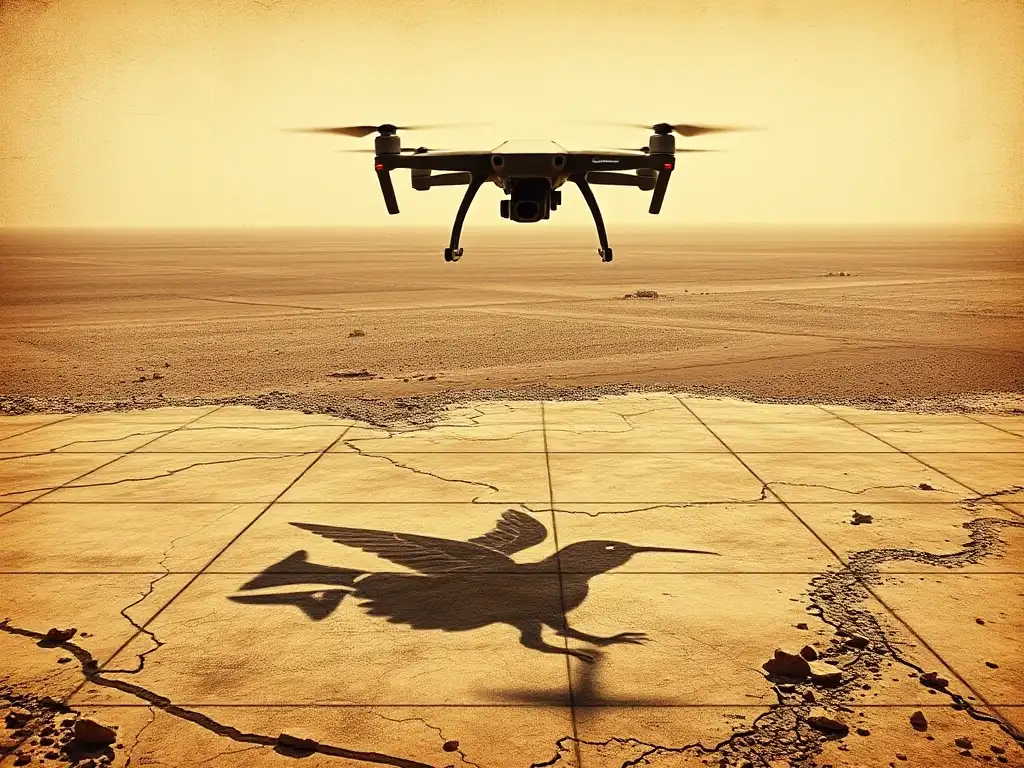
The preservation of the Nazca Lines, a fragile testament to a sophisticated ancient culture, demands innovative approaches. Traditional methods of monitoring and protection are proving insufficient against the threats of erosion, vandalism, and climate change. Fortunately, advancements in technology offer unprecedented opportunities to enhance our understanding and safeguard these invaluable geoglyphs. Effective Nazca Lines preservation strategies must now incorporate cutting-edge tools to ensure their long-term survival. This section details some of the most promising technological innovations currently being implemented or explored.
Remote Sensing and Satellite Imagery
High-resolution satellite imagery and advanced remote sensing techniques provide a comprehensive overview of the Nazca Lines' condition. These technologies offer a non-invasive method of monitoring changes over time, detecting subtle signs of deterioration like erosion or vegetation encroachment. By analyzing multispectral and hyperspectral data, researchers can identify areas requiring immediate attention.
For example, variations in soil moisture content, readily detectable via satellite, can indicate areas susceptible to increased erosion. This allows for proactive intervention, preventing significant damage before it becomes irreversible. Furthermore, the use of time-series analysis of satellite imagery allows for the creation of detailed maps showing the evolution of the geoglyphs over decades, providing crucial insights into the rate of degradation and the effectiveness of implemented conservation measures.
This data-driven approach is vital for refining Nazca Lines preservation strategies and ensuring their long-term protection. The frequency of satellite monitoring can be adjusted based on the identified risk levels, optimizing resource allocation and maximizing the impact of conservation efforts.
Drones and Aerial Photography
Drones equipped with high-resolution cameras and specialized sensors are revolutionizing the way we monitor and document the Nazca Lines. Their maneuverability allows for detailed inspections of areas inaccessible by traditional methods, providing unprecedented close-up views of the geoglyphs. Drone-based photography offers high-resolution images and videos, capturing intricate details of the lines' structure and identifying subtle signs of damage often missed by ground-based surveys.
Thermal imaging capabilities can detect variations in ground temperature, helping to pinpoint areas of subsurface instability or moisture changes that could indicate impending erosion. Moreover, the relatively low cost and ease of deployment of drones makes them a highly efficient tool for regular monitoring, enabling more frequent inspections and quicker responses to emerging threats. This continuous data collection, combined with the data from satellite imagery, offers a robust and comprehensive system for monitoring the health of the geoglyphs and informing proactive Nazca Lines preservation strategies.
3D Modeling and Virtual Reality
The creation of detailed 3D models of the Nazca Lines, using data gathered from aerial photography and ground surveys, provides a powerful tool for understanding their complexity and facilitating conservation efforts. These 3D models can be used for virtual site visits, allowing researchers and the public to explore the geoglyphs without causing any physical impact. This virtual exploration can aid in educational programs and contribute to a greater appreciation of the Nazca Lines’ cultural significance.
Furthermore, the models can be used to simulate the impact of different environmental factors, such as wind erosion or rainfall, helping to predict future degradation and evaluate the effectiveness of different preservation techniques. This predictive modeling is crucial in developing effective and targeted Nazca Lines preservation strategies.
Virtual reality experiences can also be created, providing immersive and engaging educational opportunities for a global audience, fostering awareness and support for conservation efforts. This innovative approach moves beyond simply preserving the physical site; it ensures the enduring legacy of the Nazca Lines through digital preservation and educational outreach.
Geographic Information Systems (GIS)
Geographic Information Systems (GIS) are proving invaluable in the ongoing effort to preserve the Nazca Lines. These sophisticated systems allow researchers and conservationists to create detailed, three-dimensional maps of the geoglyphs, capturing their precise locations, dimensions, and even subtle changes over time. This level of detail is crucial for understanding the overall condition of the lines and identifying areas most vulnerable to degradation.
For example, GIS analysis can pinpoint areas experiencing increased erosion due to wind or water runoff, allowing for targeted preventative measures. Furthermore, by overlaying historical aerial photographs with current GIS data, researchers can track the evolution of the lines and assess the effectiveness of different preservation strategies. This longitudinal approach is crucial for long-term planning and resource allocation for Nazca Lines preservation strategies.
The precise mapping capabilities of GIS also aid in monitoring unauthorized access and construction near the geoglyphs, a significant threat to their integrity. By integrating data from various sources – satellite imagery, ground surveys, and even drone footage – GIS provides a comprehensive and dynamic picture of the Nazca Lines, facilitating informed decision-making for their protection. The use of GIS in this context represents a significant advancement in archaeological preservation, offering a powerful tool for understanding and safeguarding these remarkable ancient works.
Sensor Networks for Early Warning
The fragility of the Nazca Lines necessitates a proactive approach to conservation, and sensor networks are emerging as a key technological solution. These networks consist of a variety of sensors strategically deployed across the geoglyph sites. These sensors can monitor a range of environmental factors that contribute to the degradation of the lines, including rainfall, wind speed, temperature fluctuations, and even soil moisture levels. By continuously collecting and transmitting data in real-time, these networks provide early warnings of potential threats.
For instance, if unusually heavy rainfall is detected, authorities can take preventative measures such as diverting water flow or reinforcing vulnerable sections of the lines. Similarly, sensors detecting increased wind erosion can trigger the implementation of protective measures like sand dune stabilization. The data collected by these sensor networks is often integrated with GIS systems, creating a comprehensive monitoring and management platform. This integrated approach allows for a rapid response to environmental threats, minimizing the damage to the fragile geoglyphs.
The development and implementation of sophisticated sensor networks represent a crucial step towards ensuring the long-term preservation of the Nazca Lines, offering a powerful example of how technology can be harnessed for the protection of cultural heritage. The ongoing refinement of sensor technology and data analysis techniques promises even more effective monitoring and preservation efforts in the future. The use of such cutting-edge technology is paramount for effective Nazca Lines preservation strategies.
Community and Cultural Aspects of Conservation
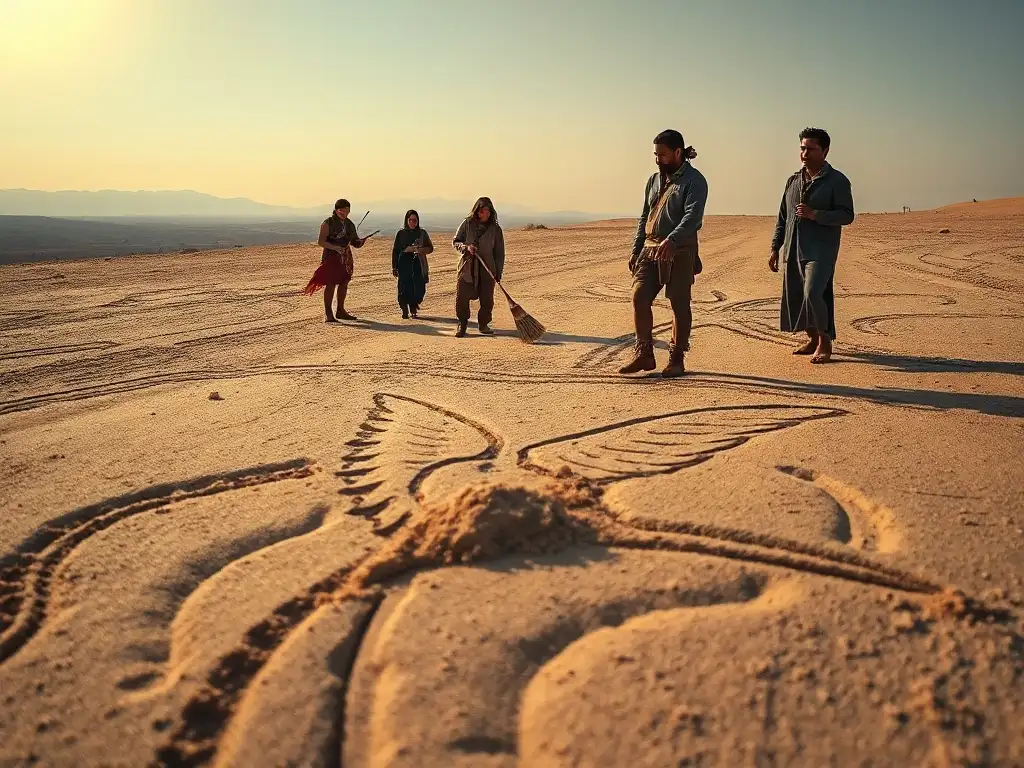
The preservation of the Nazca Lines isn't solely a matter of scientific and engineering solutions; it's deeply intertwined with the social and cultural fabric of the region. Effective Nazca Lines preservation strategies must prioritize the active participation and benefit of local communities, recognizing their historical connection to the geoglyphs and their crucial role in safeguarding this invaluable cultural heritage. Ignoring this human element risks undermining long-term conservation efforts.
Role of Local Communities
Local communities residing near the Nazca Lines hold a wealth of unwritten knowledge about the geoglyphs, passed down through generations. This indigenous knowledge, often overlooked in traditional archaeological approaches, provides invaluable insights into the site's history, use, and vulnerabilities. For instance, [Specific example of local knowledge regarding environmental factors affecting the lines pending].
Integrating this knowledge into conservation planning is crucial. This can be achieved through participatory mapping exercises where local residents help identify vulnerable areas or erosion patterns. Furthermore, involving them in monitoring programs empowers them and fosters a sense of ownership, increasing their commitment to preservation.
Economic incentives, such as sustainable tourism initiatives directly benefiting the local population, are also critical. This approach transforms the community from passive observers to active guardians of their cultural heritage, creating a more sustainable and effective preservation model. This active involvement is vital for the long-term success of any Nazca Lines preservation strategy.
Indigenous Knowledge
The importance of indigenous knowledge in Nazca Lines preservation cannot be overstated. For centuries, local communities have observed and interacted with the geoglyphs, developing an intimate understanding of the environmental factors affecting their condition. This knowledge encompasses traditional practices for land management, understanding of local weather patterns, and even anecdotal evidence of past damage and repair.
[Specific example of traditional land management practices impacting geoglyph preservation pending]. For example, traditional farming techniques might have inadvertently contributed to erosion in certain areas, while other practices may have helped protect the lines. Documenting and incorporating this knowledge into scientific assessments is crucial for developing more effective and culturally sensitive conservation plans.
This approach ensures that conservation strategies are not only scientifically sound but also respect and integrate the perspectives of those who have lived alongside this extraordinary site for generations. The Nazca Lines preservation strategies must embrace this holistic approach, weaving together scientific expertise with indigenous wisdom.
Cultural Heritage Tourism
Sustainable cultural heritage tourism presents a significant opportunity for Nazca Lines preservation. By carefully managing tourist access and promoting responsible tourism practices, it's possible to generate revenue that directly supports conservation efforts while simultaneously educating visitors about the importance of protecting this unique site. This approach goes beyond simply generating income; it fosters a sense of shared responsibility among tourists, encouraging them to become active participants in the preservation process.
However, careful planning and implementation are essential to avoid negative impacts. This includes controlling visitor numbers, establishing designated viewing points to minimize ground disturbance, and providing educational materials that highlight the fragility of the geoglyphs. Moreover, prioritizing the employment of local guides and businesses directly benefits the community, further strengthening their commitment to long-term preservation.
A well-managed tourism model can therefore be a powerful tool in the arsenal of Nazca Lines preservation strategies, ensuring the site’s continued survival while improving the lives of those who call it home. A balance between accessibility and protection is key to making this strategy successful. Careful monitoring and adaptive management are crucial for long-term success.
Local Stakeholder Involvement
The preservation of the Nazca Lines is inextricably linked to the well-being and perspectives of the local communities. Their ancestral connection to the land and the geoglyphs themselves is crucial for long-term conservation success. Ignoring their needs and knowledge risks undermining efforts and potentially causing resentment. Effective Nazca Lines preservation strategies must prioritize meaningful engagement with local stakeholders.
This involves not just informing them of conservation efforts, but actively seeking their input and integrating their traditional ecological knowledge (TEK) into management plans. For example, incorporating local farming practices that minimize soil erosion and runoff near the geoglyphs is vital. Furthermore, creating economic opportunities linked to responsible tourism, such as guiding or crafting locally-inspired souvenirs, can foster a sense of ownership and responsibility among residents, transforming them from passive observers into active participants in preservation. This approach fosters a sense of shared heritage and promotes sustainable development, ensuring the lines' protection aligns with the community's interests and long-term prosperity.
Failure to do so could lead to conflict and ultimately hinder conservation goals. The success of any Nazca Lines preservation initiative hinges on building trust and fostering collaborative partnerships with local communities. Open dialogue, transparent decision-making processes, and equitable benefit-sharing are essential components of a successful strategy.
Ethical Considerations
The Nazca Lines' preservation presents a multitude of ethical dilemmas. Balancing the desire for public access and tourism with the need to protect the fragile geoglyphs is a constant challenge. Over-tourism poses a significant threat, leading to soil compaction, erosion, and even vandalism. Therefore, ethical Nazca Lines preservation strategies must carefully manage visitor numbers and access points, potentially implementing stricter regulations and alternative viewing methods, such as elevated viewing platforms or virtual tours.
Another crucial ethical consideration is the potential displacement of local communities due to tourism development or conservation initiatives. Any interventions must prioritize the rights and well-being of the people whose lives are directly affected, ensuring they are not marginalized or unjustly impacted. Furthermore, the ethical implications of archaeological research on the geoglyphs must be carefully considered.
Any excavation or investigation should be conducted with utmost respect for the cultural heritage, employing non-destructive techniques whenever possible, and prioritizing the preservation of the site's integrity over purely academic interests. The long-term legacy of the Nazca Lines depends not only on their physical preservation but also on the ethical framework guiding all conservation efforts. Transparency, accountability, and respect for both the cultural heritage and the local communities are essential pillars of responsible stewardship.
Future Outlook for the Nazca Lines

The Nazca Lines, a testament to the ingenuity and artistry of the Nazca culture, face an ongoing battle against the relentless forces of nature and the unintended consequences of human activity. Their preservation is not merely an archaeological concern; it's a global responsibility to safeguard a unique and irreplaceable piece of human history. Effective Nazca Lines preservation strategies are crucial for ensuring their survival for future generations. This section will explore the key elements necessary to secure a future for these enigmatic geoglyphs.
Continued Investment in Preservation
Continued and increased investment in preservation efforts is paramount. This isn't simply about patching up existing damage; it requires a multifaceted approach. Current funding levels, while contributing to some progress, often fall short of what's truly needed for comprehensive protection. This insufficient funding hampers the implementation of vital strategies, including:
- Erosion Control: The desert climate, while seemingly stable, presents constant challenges. Wind erosion, particularly during sandstorms, gradually degrades the lines. More robust measures, such as strategically placed windbreaks and improved soil stabilization techniques, are crucial. The current methods, while helpful, need significant upgrades to account for the increasing intensity of weather events potentially linked to climate change. Data on the rate of erosion in specific areas is needed to better target these efforts. [Specific erosion rate data pending]
- Improved Monitoring Systems: Advanced technologies like drone surveillance, satellite imagery, and ground-penetrating radar can provide a more comprehensive understanding of the lines' condition and identify areas requiring immediate attention. Regular, high-resolution monitoring allows for proactive intervention, preventing minor issues from escalating into major problems. The current monitoring system relies heavily on manual inspections, which are time-consuming and less comprehensive.
- Visitor Management: The impact of tourism, while economically beneficial to the region, presents a significant threat. Foot traffic, even on designated paths, causes compaction and erosion. Improved visitor management strategies, including stricter regulations, better signage, and potentially limiting access to certain areas, are crucial for mitigating this impact. Data on visitor numbers and their impact on specific areas is vital for informed decision-making. [Specific visitor impact data pending]
International Collaboration and Funding
The preservation of the Nazca Lines is not solely a Peruvian responsibility; it's a global heritage issue. International collaboration is essential for securing the long-term survival of these remarkable geoglyphs. This involves:
- Sharing Expertise: Collaboration between archaeologists, engineers, environmental scientists, and other specialists from around the world can bring diverse perspectives and expertise to bear on the challenges of preservation. This exchange of knowledge can lead to innovative solutions and more effective strategies.
- Securing Funding: International organizations and governments should contribute financially to preservation efforts. This could involve grants, joint projects, and other forms of financial support to supplement national funding. A dedicated international fund for the Nazca Lines preservation could be established, modeled after similar initiatives for other world heritage sites. This collaborative funding model would ensure the long-term financial stability of preservation projects.
- Raising Awareness: International collaboration can also significantly enhance global awareness of the importance of the Nazca Lines and the threats they face. This increased awareness can translate into greater public support and, consequently, increased funding and political will for preservation efforts. Successful campaigns have already shown the power of collaborative international awareness campaigns.
Long-Term Management Plans
Effective long-term management requires a comprehensive and sustainable plan encompassing all aspects of preservation, encompassing not only immediate concerns but also anticipating future challenges. This includes:
- Developing a Comprehensive Database: A centralized database containing all relevant information about the Nazca Lines—their condition, history, environmental factors, and preservation efforts—is crucial for informed decision-making. This database would serve as a valuable resource for researchers, policymakers, and future generations.
- Community Involvement: Local communities play a vital role in the preservation of the Nazca Lines. Their involvement in monitoring, tourism management, and educational initiatives is essential for fostering a sense of ownership and responsibility. This ensures the long-term sustainability of preservation efforts. Engaging local communities will also boost local economies through sustainable tourism practices.
- Adapting to Climate Change: Climate change is expected to exacerbate existing threats to the Nazca Lines. Long-term management plans must incorporate strategies for adapting to these changing conditions, including more robust erosion control measures and improved monitoring systems. This proactive approach is crucial to ensure the long-term survival of these remarkable geoglyphs. The development of climate change models specific to the Nazca region is essential for effective adaptation strategies. [Nazca region climate change model data pending]
The future of the Nazca Lines depends on a commitment to proactive and sustainable preservation strategies. By investing in research, technology, international collaboration, and community engagement, we can ensure these remarkable geoglyphs continue to inspire awe and wonder for generations to come. 🏖️
Role of Technology in Conservation
The preservation of the Nazca Lines requires a multi-pronged approach, and technology plays a crucial role in enhancing our efforts. High-resolution aerial photography, using drones equipped with advanced sensors, offers unparalleled detail in monitoring geoglyph degradation. This allows researchers to identify subtle changes over time, pinpointing areas requiring immediate attention far more effectively than traditional ground-based surveys.
Furthermore, the use of Geographic Information Systems (GIS) allows for the creation of detailed digital maps, facilitating comprehensive analysis of the lines' condition and informing targeted conservation strategies. This technology aids in identifying environmental stressors, such as erosion patterns and vegetation encroachment, allowing for proactive interventions. Sophisticated 3D modeling techniques can even create virtual reconstructions of the lines, allowing for detailed study and planning for future preservation efforts, even in areas inaccessible to researchers.
The application of spectral imaging, including multispectral and hyperspectral imagery, can reveal subtle variations in soil composition and vegetation growth that are invisible to the naked eye, providing crucial data on the underlying structure and health of the geoglyphs. This level of detail is critical for understanding the lines' vulnerability and guiding effective conservation interventions. Finally, the development and implementation of advanced monitoring systems, potentially incorporating AI-powered image analysis, promises even more efficient and proactive detection of damage and degradation, ensuring timely responses and minimizing long-term damage.
Securing the Legacy
Ensuring the long-term preservation of the Nazca Lines demands a holistic strategy that extends beyond technological advancements. Public awareness and education are paramount. Initiatives to educate local communities and tourists about the fragility of the geoglyphs and the importance of their preservation are crucial. This involves creating accessible and engaging educational materials, promoting responsible tourism practices, and fostering a sense of ownership and responsibility among local populations. Stricter regulations and enforcement are also essential.
This includes controlling access to the geoglyphs, implementing stricter guidelines for construction and agricultural activities in the surrounding areas, and enforcing penalties for violations. International collaboration is also key. Sharing knowledge, resources, and best practices among researchers, conservationists, and government agencies worldwide can significantly improve preservation efforts. Funding for research and conservation projects remains a critical factor.
Securing long-term funding, through government support, private donations, and international collaborations, is essential to sustain ongoing preservation efforts and adapt to emerging challenges. Finally, establishing a comprehensive, long-term management plan, incorporating all these elements, is crucial for guaranteeing the survival of this extraordinary cultural heritage for future generations. This plan should be adaptable and regularly reviewed to account for new technologies, changing environmental conditions, and evolving societal needs. The Nazca Lines are a global treasure, and their preservation requires a concerted and ongoing commitment from all stakeholders.
Frequently Asked Questions
What are the biggest threats to the Nazca Lines' preservation?
The biggest threats are natural erosion from wind and rain, and human activity, including tourism and nearby construction. Climate change exacerbates these issues.
What preservation strategies are currently in place to protect the Nazca Lines?
Current strategies include limiting access to the geoglyphs, monitoring their condition, and researching new conservation techniques. Efforts are also focused on environmental protection in the surrounding area.
How is tourism impacting the Nazca Lines' preservation?
Tourism, while beneficial economically, poses a threat through soil compaction from foot traffic and vehicle use near the site. Improperly managed tourism can accelerate degradation.
What role does technology play in Nazca Lines preservation?
Technology plays a crucial role through remote sensing for monitoring, 3D modeling for documentation and analysis, and the development of innovative conservation materials and techniques.
What can individuals do to help preserve the Nazca Lines?
Supporting responsible tourism practices, advocating for sustainable development in the region, and donating to organizations dedicated to their preservation are all ways to contribute.
Final Reflection: Echoes in the Desert: Securing the Nazca Lines' Legacy
The fragility of the Nazca Lines, a testament to a lost civilization, mirrors the fragility of our own relationship with history. These ancient geoglyphs, etched into the Peruvian desert, face an ever-present threat from environmental degradation and the encroaching pressures of modern development. Their survival depends not only on scientific intervention but also on a fundamental shift in our understanding of their value and our responsibility to protect them.
The Nazca Lines are more than just intriguing markings in the sand; they are a powerful symbol of human ingenuity, cultural expression, and the enduring mystery of the past. Their continued existence is a testament to the resilience of both nature and human endeavor. The past is never dead. It's not even past.
– William Faulkner. This quote resonates deeply, reminding us that the Nazca Lines, though created centuries ago, continue to speak to us, demanding our attention and respect. Their preservation is not just about saving artifacts; it's about safeguarding a vital thread in the tapestry of human history, a thread that connects us to our ancestors and challenges us to be better stewards of our shared heritage.
Consider, for a moment, the legacy you wish to leave behind. What steps can you take, however small, to contribute to the preservation of our shared cultural heritage? From supporting organizations dedicated to the protection of the Nazca Lines to advocating for sustainable tourism practices, each action, no matter how seemingly insignificant, contributes to a larger movement.
Let the echoes of the Nazca Lines inspire you to become a guardian of history, ensuring that these magnificent geoglyphs continue to inspire awe and wonder for generations to come. Let us ensure that their story, etched in the desert sands, continues to be written, not erased.
Protect and Honor the Nazca Legacy Today!
Thank you for exploring the fascinating world of the Nazca Lines and their historical significance. Your interest is crucial in raising awareness and ensuring the preservation of these incredible geoglyphs. Now that you've learned more, let's explore how you can actively contribute to protecting this invaluable cultural treasure.
Here's how you can help:
- Become a Heritage Guardian: Join a local or international organization dedicated to conserving the Nazca Lines. Your support can make a real difference in their preservation efforts.
- Spread the Word: Share your newfound knowledge with friends, family, and on social media. Every conversation helps raise awareness of these monumental works of art.
- Deepen Your Understanding: Visit the Nazca Lines or explore virtual exhibits to further appreciate their beauty and complexity. Share your insights and discoveries about the ancient Andean civilizations.
What steps will you take to ensure future generations can experience the wonder of the Nazca Lines?