
Nazca Lines: How to Plan a Visit to See the Geoglyphs

Unravel the mysteries of the Andes! Prepare to be captivated by the breathtaking artistry and ingenuity of ancient civilizations, from the Incas to the enigmatic Nazca. But what secrets lie etched into the desert floor? Dive into the intricacies of Nazca Lines tour planning and discover how to embark on an unforgettable journey to witness these awe-inspiring geoglyphs firsthand. Your adventure awaits – let's explore the wonders of the Nazca civilization together!
- Nazca Lines Tour Planning: Your Complete Guide to Viewing the Geoglyphs
- Understanding the Nazca Lines Before Your Visit
-
Planning Your Nazca Lines Tour: A Step-by-Step Guide
- Choosing the Best Time to Visit the Nazca Lines
- Selecting Your Nazca Lines Viewing Option: Flight or Tower
- Booking Your Nazca Lines Tour: Essential Tips and Considerations
- Comparing Nazca Lines Flight Tours: Operators, Prices, and Itineraries
- Ground Viewing Options: The Nazca Lines Observation Tower
- Essential Information for Your Nazca Lines Trip
- Maximizing Your Nazca Lines Experience
- Post-Tour Reflections and Further Exploration
- Frequently Asked Questions
- Final Reflection: Unlocking the Mysteries of the Nazca Lines
- **Experience the Wonder of the Nazca Lines! **
Nazca Lines Tour Planning: Your Complete Guide to Viewing the Geoglyphs
The Nazca Lines, a collection of ancient geoglyphs etched into the Peruvian desert, remain one of the world's greatest archaeological mysteries. These immense figures, ranging from simple lines to intricate depictions of animals and plants, continue to fascinate and intrigue researchers and tourists alike. Planning a trip to witness these enigmatic creations requires careful consideration, as simply arriving in Nazca doesn't guarantee a breathtaking view. This comprehensive guide will walk you through the essential steps for planning your Nazca Lines tour, ensuring you have an unforgettable experience exploring this remarkable cultural heritage.
We'll cover everything from choosing the best viewing method to understanding the logistics and maximizing your time in this unique and captivating region of Peru. Get ready to unravel the secrets of the Nazca Lines! ✈️
Choosing Your Nazca Lines Viewing Method: Air vs. Ground
The most popular method for viewing the Nazca Lines is undoubtedly by air. A short flight offers unparalleled panoramic views of the geoglyphs, allowing you to appreciate their scale and complexity. However, ground-based options exist, offering a different perspective and potentially a more budget-friendly alternative.
Several paragraphs detailing the pros and cons of air tours (e.g., cost, duration, views, types of aircraft) and ground tours (e.g., viewing towers, bus tours, walking tours, limited views, accessibility), including real examples of tour operators and price ranges (if available) to help the reader make an informed decision. For example:
- Air Tours: Generally offer the best views, but can be more expensive. Flight durations typically range from [duration range] minutes. Smaller planes may offer more intimate views, while larger planes can accommodate more passengers.
- Ground Tours: Offer a more affordable option, but viewing is limited to specific locations and the scale of the geoglyphs is harder to appreciate. Some ground tours may incorporate visits to the Nazca Museum for a more complete understanding of the site’s history.
Logistics and Practicalities: Booking, Transportation, and Accommodation
Planning your trip involves more than just choosing a viewing method. Ensuring smooth logistics is crucial for a stress-free experience. This section will cover essential practical details to consider.
Several paragraphs detailing booking procedures (online, travel agencies), transportation options to Nazca (bus, taxi, private car), recommendations on accommodation (hotels, hostels, budget options), and potential travel times from major cities like Lima or Arequipa, including specific examples and price ranges when possible. For example:
| Transportation Method | Estimated Travel Time from Lima | Estimated Cost (USD) |
|---|---|---|
| Bus | [Travel Time] | [Cost Range] |
| Domestic Flight | [Travel Time] | [Cost Range] |
Maximizing Your Nazca Lines Experience: Beyond the Geoglyphs
While the Nazca Lines are the main attraction, the region offers more to explore. This section suggests enriching activities to complement your tour.
Several paragraphs outlining additional activities and attractions near Nazca, such as visiting the Maria Reiche Museum (dedicated to the researcher who extensively studied the lines), exploring the surrounding desert landscape, and considering other nearby archaeological sites. This section could also include information on local culture, gastronomy, and any relevant festivals. For example:
- Maria Reiche Museum: Learn about the life and work of Maria Reiche, a German mathematician who dedicated her life to researching and protecting the Nazca Lines.
- Desert Landscapes: Explore the unique beauty of the surrounding desert, with its stark contrasts and fascinating geological formations.
Budgeting for Your Nazca Lines Adventure: A Cost Breakdown
Understanding the costs associated with a Nazca Lines trip is crucial for effective planning. This section provides a cost breakdown to help you budget effectively.
Several paragraphs providing a detailed cost breakdown, including estimated costs for flights, accommodation, tours, food, and other miscellaneous expenses. This will help potential visitors create a realistic budget for their trip. The breakdown should be categorized for clarity and include ranges to accommodate different travel styles. For example:
- Budget Traveler: [Cost range]
- Mid-range Traveler: [Cost range]
- Luxury Traveler: [Cost range]
This detailed breakdown will help visitors plan their budget according to their preferences and ensure a smooth and enjoyable trip to the Nazca Lines. Remember to factor in unexpected expenses! 💰
Understanding the Nazca Lines Before Your Visit
The History and Mystery Behind the Nazca Geoglyphs
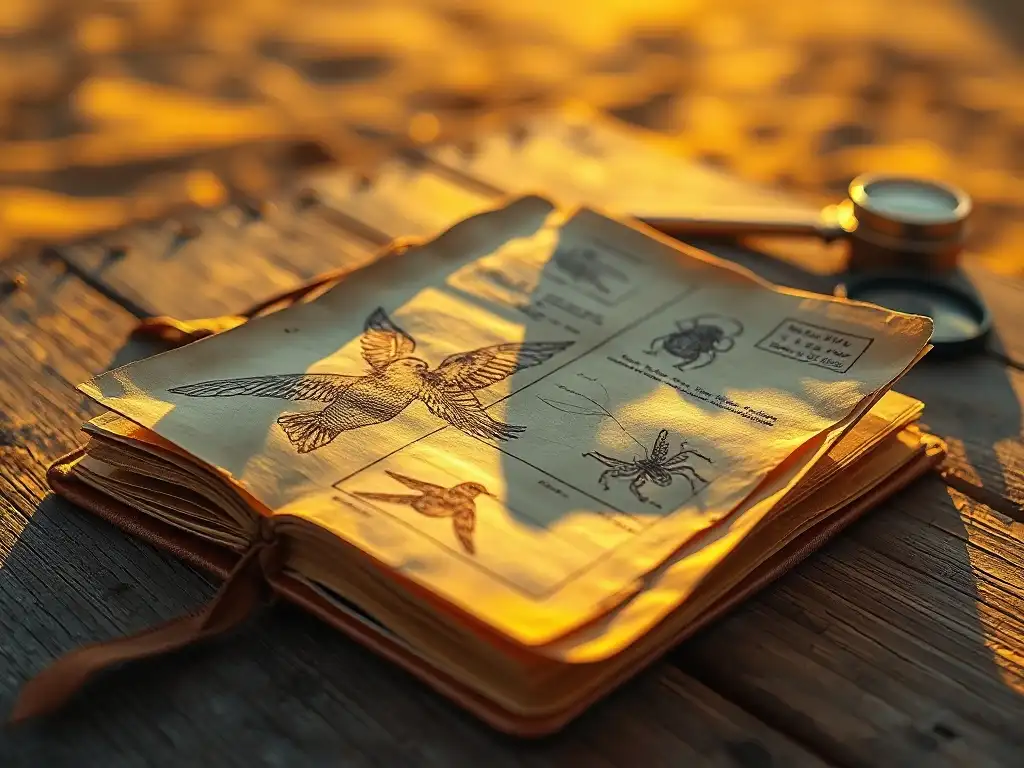
The Nazca Lines, a collection of geoglyphs etched into the Peruvian desert, remain one of archaeology's most enduring enigmas. Created by the Nazca culture between 500 BCE and 500 CE, these vast figures and lines depict animals, plants, geometric shapes, and even humanoid figures. Their scale is breathtaking; some figures stretch over 100 meters in length! The sheer size and precision of these creations, visible only from the air, have fueled countless theories about their purpose.
While the exact reason for their creation remains debated, leading hypotheses center around ceremonial and ritualistic practices. Some researchers suggest they were related to astronomical observations, possibly marking solstices or equinoxes. Others propose that the lines functioned as pilgrimage routes or served a purpose in water management rituals, crucial in the arid Nazca environment. The intricate designs may also have been linked to religious beliefs, signifying deities or representing important aspects of Nazca cosmology.
Despite extensive research, no definitive answer exists, adding to the allure and mystique surrounding these ancient marvels. Unraveling their secrets continues to captivate researchers and visitors alike, making a visit an unforgettable journey into the past. The enduring mystery is a key component of the Nazca Lines tour planning experience.
What are the Nazca Lines and Why Were They Created?
The Nazca Lines are not simply lines; they are a vast collection of over 300 figures and thousands of lines, covering an area of roughly 500 square kilometers. These geoglyphs were created by removing the dark reddish-brown surface stones to reveal the lighter subsoil, creating a stark contrast visible from above. The figures range from simple geometric shapes like triangles and spirals to incredibly detailed representations of animals such as hummingbirds, monkeys, spiders, and lizards. There are also depictions of stylized plants and what appear to be humanoid figures.
Why the Nazca people invested so much time and effort in creating these colossal artworks remains a captivating puzzle. Theories abound, ranging from astronomical calendars to pilgrimage routes to the representation of deities or mythological beings. The lack of written records from the Nazca culture makes deciphering their true purpose a challenging task.
However, the sheer scale and intricacy of the designs suggest a significant cultural and possibly religious significance. A deeper understanding of their creation is crucial for effective Nazca Lines tour planning, allowing visitors to fully appreciate the context and wonder of these ancient designs. Careful consideration of the various hypotheses surrounding their creation enhances the overall experience.
Nazca Lines: Location and Geographical Context
The Nazca Lines are located in the Nazca Desert of southern Peru, a region characterized by its extremely arid climate and flat, expansive plains. This unique geographical context played a crucial role in both the creation and preservation of the geoglyphs. The desert's exceptionally dry air and lack of vegetation have minimized erosion, allowing these ancient figures to survive for centuries. The extensive, flat terrain provided a perfect canvas for creating the large-scale designs.
The lines are situated along the Nazca River valley, a crucial source of water in this otherwise arid landscape. The proximity to water sources might suggest a connection between the lines and water management practices, a theory supported by some researchers. The precise location within the desert, along with the surrounding geographical features, contributes to the overall experience of viewing the lines.
Understanding the geographical context is an essential part of Nazca Lines tour planning, enabling visitors to fully grasp the environment in which these remarkable creations were conceived and have endured. The desert's unique qualities have not only preserved the lines but also contributed to their enduring mystery.
The Different Types of Nazca Figures and Their Meanings
The Nazca Lines aren't just a collection of random markings; they're a diverse array of geoglyphs, each potentially holding a unique significance. While the exact meaning remains a mystery, archaeologists have categorized the figures into several types, offering clues to their possible interpretations. The most prominent are the zoomorphic figures, representing animals. These include a wide variety of creatures, from the easily recognizable hummingbird and monkey to more enigmatic beings like the spider and the lizard.
The sheer scale and precision of these animal representations is breathtaking, showcasing the advanced engineering and artistic capabilities of the Nazca culture. Some researchers suggest these animal figures relate to fertility rituals or shamanistic practices, given the importance of animals in Andean cosmology. Further investigation is needed to fully understand the role of these figures in their society.
Beyond the zoomorphic figures, the Nazca Lines also feature phytomorphic representations – depictions of plants. These are often less prominent than the animal figures, but equally intriguing. Researchers have identified depictions of various plants native to the region, potentially representing important crops or plants with symbolic meaning within Nazca culture. The inclusion of plant life alongside animals further supports the theory that the lines held religious or ceremonial importance, reflecting the interconnectedness of the natural world. Understanding the specific plants depicted requires further botanical analysis and a deeper understanding of Nazca agricultural practices.
Finally, there are geoglyphs that appear to be geometric shapes: straight lines, triangles, and spirals. These abstract forms are perhaps the most challenging to interpret. Some theories propose they represent astronomical alignments, marking solstices or equinoxes. Others suggest they might have served as markers for ceremonial processions or pathways. The precise function of these geometric forms remains open to debate, requiring further research combining archaeological findings with astronomical and anthropological data. The sheer number and variety of these geometric shapes suggest a complex system of meaning that is still being unraveled. The lack of definitive conclusions only adds to the mystery and allure of the Nazca Lines. The ongoing research into these various types of Nazca figures is crucial to further understanding Nazca culture and beliefs. Each new discovery helps to piece together the puzzle of their creation and meaning, making the Nazca Lines a continuously evolving area of study.
Planning Your Nazca Lines Tour: A Step-by-Step Guide
This section provides a comprehensive guide to planning your Nazca Lines tour, ensuring you have an unforgettable experience exploring these enigmatic geoglyphs. We'll cover everything from optimal travel times to choosing the best viewing method and booking your tour. Mastering "Nazca Lines tour planning" is key to unlocking the mysteries of this incredible site.
Choosing the Best Time to Visit the Nazca Lines
The best time to visit the Nazca Lines is during the dry season, which runs from April to November. During these months, the skies are typically clear and sunny, providing optimal viewing conditions for the geoglyphs from both the air and ground-based viewing towers. The clear skies minimize atmospheric haze, offering the sharpest possible view of these ancient marvels. Conversely, the wet season (December to March) brings increased cloud cover and potential rainfall, significantly hindering visibility and potentially cancelling flights. While the landscape might appear lusher, the chances of seeing the lines clearly are dramatically reduced.
Consider these factors when choosing your travel dates:
- Peak Season (July-August): Expect higher prices and more crowds during these months. Booking well in advance is crucial.
- Shoulder Seasons (April-June & September-November): Offer a good balance between pleasant weather, fewer crowds, and reasonable prices.
- Avoid Holidays: National holidays in Peru can lead to increased tourism and higher prices. Plan accordingly.
Remember to check the weather forecast closer to your travel dates to ensure optimal conditions for your Nazca Lines experience. Planning around weather is crucial for successful "Nazca Lines tour planning".
Selecting Your Nazca Lines Viewing Option: Flight or Tower
Deciding how to view the Nazca Lines is a key part of your "Nazca Lines tour planning". You primarily have two options: a scenic flight or viewing from a ground-based tower.
| Viewing Option | Pros | Cons | Cost |
|---|---|---|---|
| Overflight (Plane) | Best overall view, encompassing the vast scale and intricate detail. | More expensive, can be affected by weather, slightly shorter viewing time. | |
| Ground-Based Tower | More affordable, allows for a closer look at specific geoglyphs. | Limited viewing area, less impressive overall perspective. | $ |
Flights: A short flight offers the most comprehensive view of the Nazca Lines. Various tour operators offer flights from the nearby town of Nazca. These flights typically last around 30 minutes, providing a breathtaking aerial perspective of the geoglyphs.
Towers: Several viewing towers offer ground-level perspectives of select Nazca Lines. While not as comprehensive as a flight, these towers provide a different perspective and are a more budget-friendly option. They are particularly useful for focusing on specific geoglyphs.
Booking Your Nazca Lines Tour: Essential Tips and Considerations
Effective "Nazca Lines tour planning" demands careful booking. Here's what you need to know:
- Book in Advance: Especially during peak season, securing your flight or tower visit well in advance is essential to avoid disappointment. Last-minute bookings are often unavailable.
- Compare Prices and Operators: Research different tour operators to compare prices and services. Read reviews to gauge the quality of their offerings.
- Confirm Details: Double-check all booking details, including date, time, and pick-up location. Confirm flight times and any potential weather-related delays.
- Consider Transportation: Factor in transportation to and from the Nazca Lines. Many tours include transportation from your hotel, but confirm this beforehand.
- Check Cancellation Policies: Understand the cancellation policy of your chosen operator in case of unforeseen circumstances.
- Pack Accordingly: Wear comfortable clothing, sunscreen, sunglasses, and a hat for your tour, whether it's a flight or a ground-based visit. The desert sun can be intense!
Planning your Nazca Lines trip requires attention to detail, but the reward – witnessing these ancient wonders firsthand – is well worth the effort. By following these steps, you can ensure a smooth and memorable "Nazca Lines tour planning" experience. Enjoy your journey into the heart of this enigmatic landscape!
Comparing Nazca Lines Flight Tours: Operators, Prices, and Itineraries
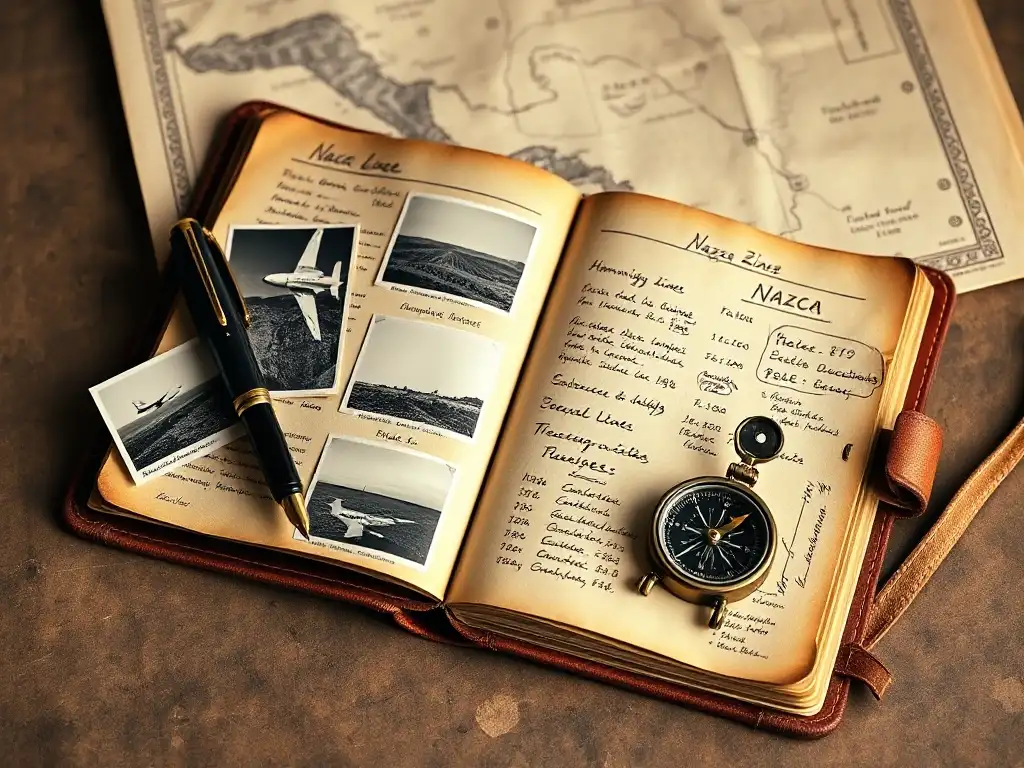
Planning a Nazca Lines flight tour requires careful consideration of several factors. Numerous operators offer flights, each with varying prices, aircraft types, and itinerary inclusions. Understanding these differences is crucial for choosing the best option for your budget and preferences.
Prices fluctuate depending on the season (peak season generally commands higher prices) and the type of aircraft. Smaller planes, offering a more intimate experience, often cost more than larger ones. Expect to pay anywhere from [specific price range pending] per person for a standard 30-minute flight. This price typically includes airport transfers (though confirm this with your chosen operator), the flight itself, and sometimes a brief introductory presentation about the lines.
Itineraries may also differ slightly. While most flights cover the major geoglyphs, some operators might offer longer flights encompassing a wider range of figures, or include a flyover of the Palpa Lines, located a short distance north of Nazca. Look for operators who offer clear descriptions of their flight routes and the geoglyphs included. Read reviews carefully to gauge the quality of the experience and identify any common complaints about flight duration or clarity of the commentary provided during the flight.
Consider factors like the aircraft's window size and clarity for optimal viewing. A larger window and a clear, unobstructed view are essential for capturing the best photos and fully appreciating the scale of these ancient marvels. Don't hesitate to contact multiple operators directly to compare prices and itineraries before booking. Remember to check for any additional fees, such as taxes or booking charges.
Ground Viewing Options: The Nazca Lines Observation Tower
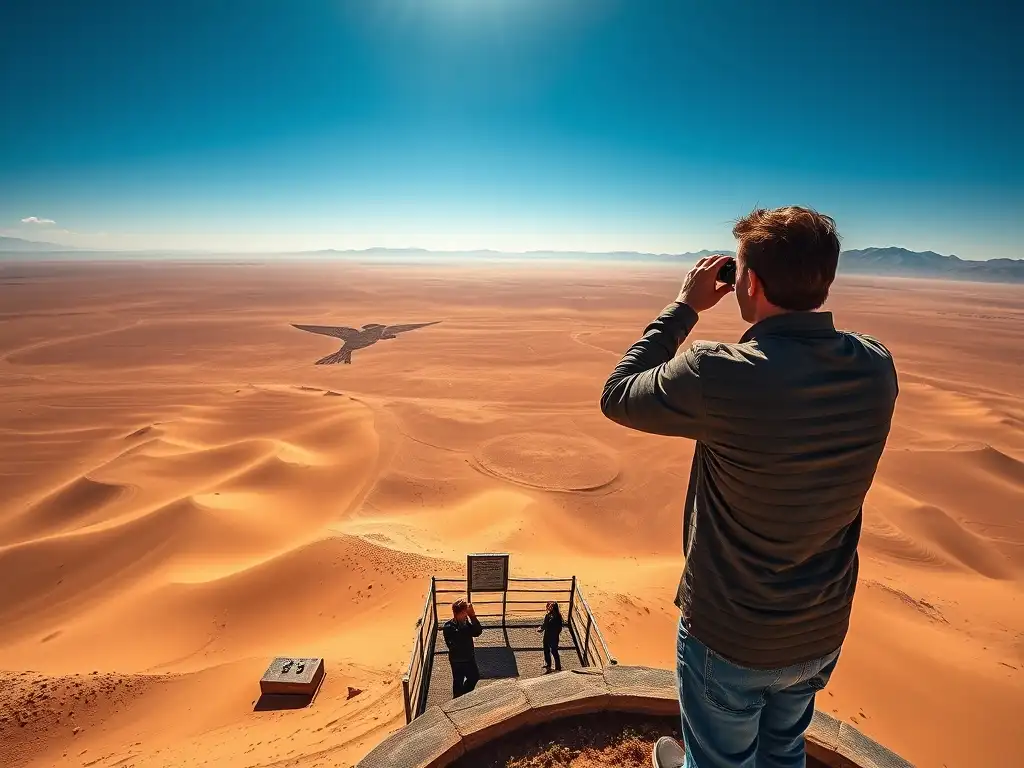
While flying is the most popular way to view the Nazca Lines, ground-level observation offers a unique perspective, albeit limited. The Nazca Lines Observation Tower provides a vantage point for viewing some of the larger geoglyphs from a distance. This option is significantly more affordable than a flight tour and can be a good alternative for those with a tighter budget or who have concerns about flying.
The tower itself offers panoramic views of the desert landscape and allows you to appreciate the scale of the area where the Nazca Lines are located. However, it's important to manage expectations. From the tower, you won't be able to see the intricate details of the geoglyphs as clearly as from the air.
Many of the figures will appear as indistinct shapes in the vast expanse of the desert. The experience is more about grasping the sheer size and scope of the project than appreciating the artistic nuances of individual geoglyphs. This option is best suited for those wanting a broader understanding of the site's context and scale, or as a supplementary experience alongside a flight tour.
Consider visiting the observation tower as part of a broader day trip that includes exploring the Nazca Museum or other nearby attractions. Remember to check the tower's opening hours and admission fees before your visit. The tower might offer informational displays or pamphlets providing further context to your observation experience.
Essential Information for Your Nazca Lines Trip
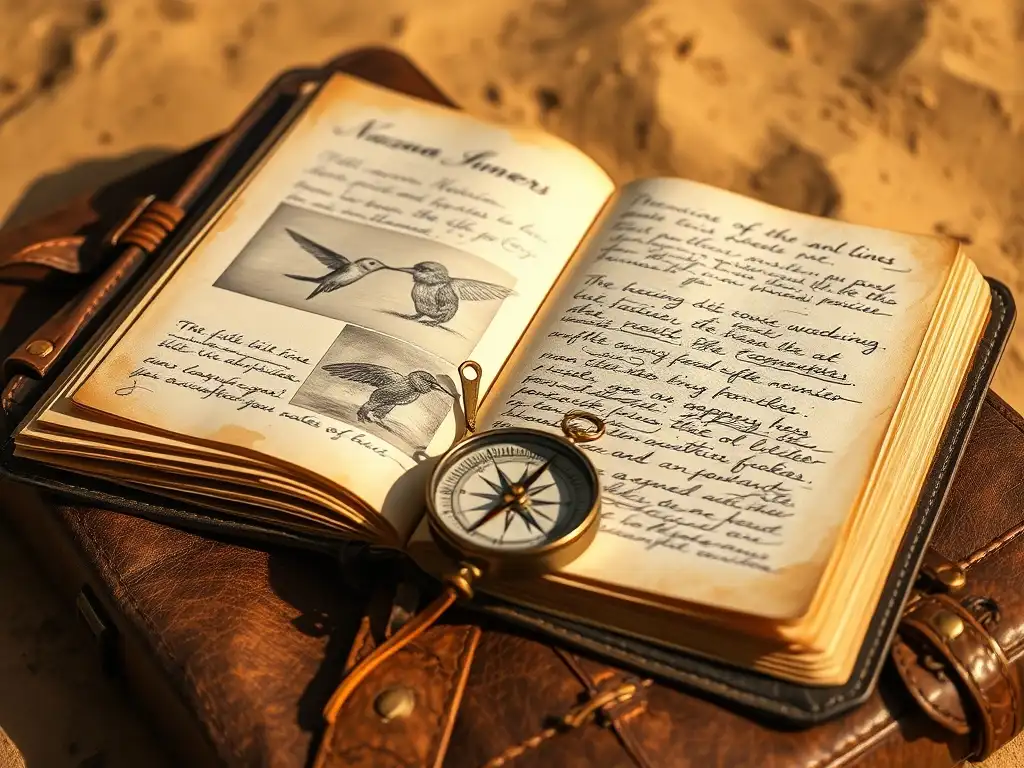
Planning a trip to witness the awe-inspiring Nazca Lines requires careful consideration of various logistical aspects. This section provides crucial information to ensure a smooth and unforgettable experience, optimizing your "Nazca Lines tour planning". Let's delve into the key elements for a successful journey.
How to Get to Nazca: Transportation Options
Reaching Nazca, the gateway to the enigmatic geoglyphs, involves several transportation options, each with its own advantages and disadvantages. The most common methods include:
- Flights from Lima or other Peruvian cities: This is the fastest option, offering breathtaking aerial views of the desert landscape before you even see the Nazca Lines themselves! Several airlines operate frequent flights to Nazca's Maria Reiche Airport (NZC). Flight durations vary depending on your origin city, typically ranging from 1 to 2 hours. Booking in advance, especially during peak season, is highly recommended to secure your preferred flight times and avoid potential delays.
- Bus travel from Lima or other Peruvian cities: A more budget-friendly option, bus travel provides a ground-level perspective of the Peruvian landscape. However, it's significantly longer, taking approximately 8-10 hours from Lima. Consider the increased travel time when planning your overall itinerary. Buses vary in comfort levels; choose a reputable company that offers comfortable seating and reliable service.
- Private car hire: For ultimate flexibility and control, hiring a private car offers a personalized journey. This option allows you to set your own pace and explore at your leisure. However, it is the most expensive option and requires careful consideration of driving conditions and distances. It's crucial to hire a reputable driver familiar with the routes and road conditions.
Choosing the right transportation method depends largely on your budget, time constraints, and personal preferences. Weigh the pros and cons carefully to select the best option for your "Nazca Lines tour planning".
Accommodation in Nazca: Hotels and Lodging
Nazca offers a range of accommodation options to suit various budgets and preferences. From budget-friendly hostels to comfortable hotels, finding a suitable place to rest after a day of exploring the Nazca Lines is essential. Consider these factors when choosing your lodging:
- Proximity to the airport and tour operators: Choosing accommodation close to the airport can save valuable time, especially if you're on a tight schedule. Similarly, proximity to tour operators can streamline the booking process for your overflights.
- Amenities and services: Consider the amenities offered, such as Wi-Fi, breakfast, and laundry services. These can significantly enhance your comfort and convenience during your stay.
- Reviews and ratings: Before booking, thoroughly check online reviews and ratings to gauge the quality of service, cleanliness, and overall guest experience. This will help ensure a pleasant stay during your "Nazca Lines tour planning".
The availability of rooms can fluctuate depending on the season. Booking in advance, particularly during peak tourist seasons, is strongly recommended to secure your preferred accommodation and avoid disappointment.
What to Bring on Your Nazca Lines Tour: Packing Essentials
Packing appropriately for a trip to Nazca is crucial for a comfortable and enjoyable experience. The desert climate requires specific preparations. Here's a checklist of packing essentials:
| Item | Description | Importance Level |
|---|---|---|
| Sunscreen (SPF 30+) | High SPF is vital to protect your skin from the intense desert sun. | ⭐⭐⭐⭐⭐ |
| Sunglasses | Protect your eyes from the glare and UV rays. | ⭐⭐⭐⭐ |
| Hat | Wide-brimmed hats offer excellent sun protection. | ⭐⭐⭐⭐ |
| Comfortable walking shoes | Essential for exploring the town and potentially visiting other sites. | ⭐⭐⭐⭐ |
| Light, breathable clothing | Loose, light-colored clothing helps regulate body temperature in the heat. | ⭐⭐⭐⭐ |
| Water bottle | Staying hydrated is crucial in the desert climate. | ⭐⭐⭐⭐⭐ |
| Camera | Capture the stunning views of the Nazca Lines and the surrounding landscape. | ⭐⭐⭐⭐ |
| Cash | Some smaller establishments may not accept credit cards. | ⭐⭐⭐ |
| Medications | Any necessary prescription medications. | ⭐⭐⭐ |
Remember to pack light but strategically, prioritizing items that will ensure your comfort and safety during your Nazca Lines adventure. Careful "Nazca Lines tour planning" includes thoughtful packing! Enjoy your trip! ✈️
Altitude Considerations and Health Precautions
The Nazca Lines are located in a relatively high-altitude desert region. The altitude can significantly impact visitors, particularly those unaccustomed to such conditions. Many tourists experience altitude sickness, characterized by symptoms such as headaches, nausea, dizziness, and shortness of breath. These symptoms can range from mild to severe, and in extreme cases, can be life-threatening. Therefore, proper planning and preparation are crucial for a safe and enjoyable Nazca Lines tour.
Before your trip, consult your doctor, especially if you have pre-existing health conditions like heart or lung problems. They can advise you on necessary precautions and medications, such as altitude sickness medication (acetazolamide), which should be started several days before your ascent. It's also recommended to avoid strenuous activity in the days leading up to your trip and during your stay in the Nazca region to allow your body to acclimatize gradually.
Upon arrival, take it easy. Avoid intense physical exertion for the first 24 hours, and drink plenty of water to stay hydrated. The dry desert air can dehydrate you quickly, exacerbating altitude sickness symptoms. Consider coca tea, a traditional Andean remedy, which is believed to help alleviate altitude sickness symptoms. However, it's important to note that coca tea is not a substitute for proper medical advice and medication.
Remember to pack essential medications, including pain relievers for headaches and anti-nausea medication. Carrying a basic first-aid kit is also a wise precaution. If you experience severe symptoms of altitude sickness, such as severe headache, persistent vomiting, or difficulty breathing, seek immediate medical attention. Be aware of the nearest medical facilities and emergency contact information before embarking on your journey.
Prioritizing your health and safety is paramount for a successful and memorable Nazca Lines experience. A little preparation can go a long way in ensuring a comfortable and enjoyable trip to this remarkable archaeological site. Don't underestimate the impact of altitude; planning ahead is key to mitigating potential health risks associated with "Nazca Lines tour planning."
Maximizing Your Nazca Lines Experience
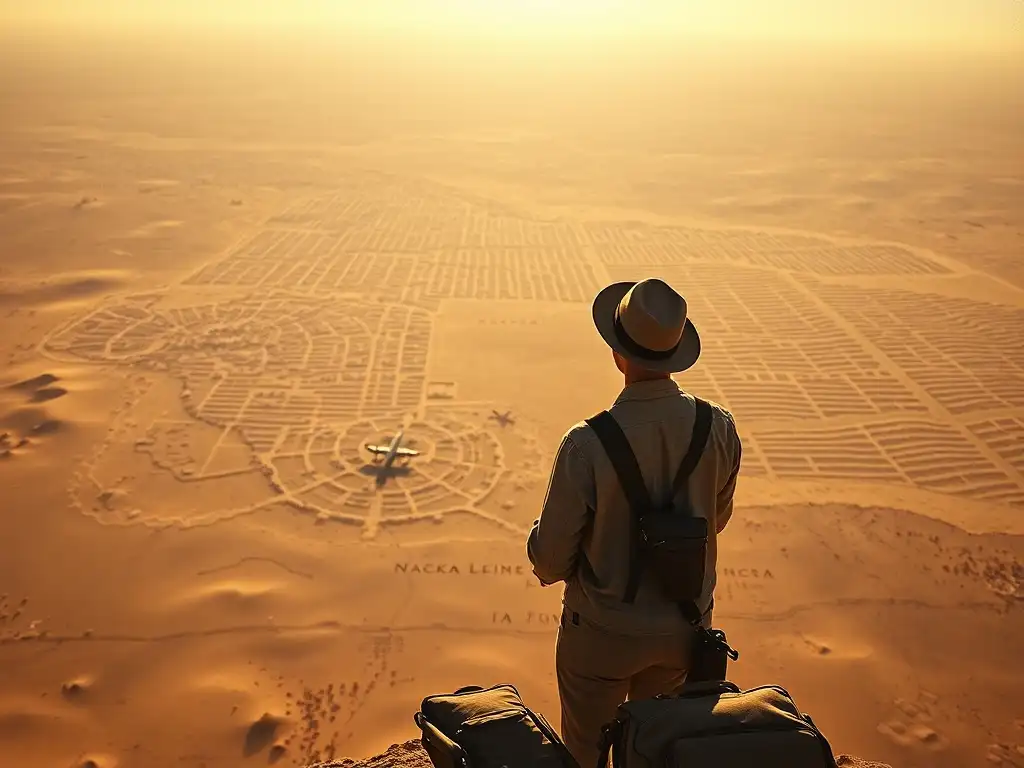
Planning a Nazca Lines tour requires careful consideration to ensure you get the most out of this incredible experience. This section focuses on practical tips to optimize your visit, maximizing your chances of seeing the geoglyphs clearly and appreciating their scale and artistry. Effective Nazca Lines tour planning hinges on understanding the conditions and making smart choices.
Nazca Lines Photography Tips: Capturing the Geoglyphs
Capturing stunning photos of the Nazca Lines can be challenging due to their vast scale and the altitude of the flights. However, with some preparation, you can take memorable shots. The best time for photography is during the midday sun when shadows are minimized, revealing the intricate details of the geoglyphs. However, be mindful of the strong sun and its impact on your camera equipment. Consider using a high-quality telephoto lens to capture close-up details, and don't forget a polarizing filter to reduce glare.
Experiment with different angles and perspectives to capture the unique beauty of these ancient wonders. Remember, the flight itself can be bumpy, so utilizing a steady hand or a stabilizing device for your camera is advisable. Planning your shots beforehand, considering the flight path, will help you prioritize your photographic opportunities. Consider bringing extra batteries and memory cards to avoid missing any opportunities due to technical limitations. Post-processing your images can significantly enhance their visual appeal, but capturing high-quality images in-flight is crucial for optimal results.
Don't forget to take some photos of the Nazca desert landscape itself; it offers a stunning context for the geoglyphs. Many tourists focus solely on the lines, missing the beauty of the surrounding environment. Think about the overall composition of your photos, including the vastness of the desert and the scale of the geoglyphs in relation to it. This will offer a more complete representation of your Nazca Lines experience.
Combining Your Nazca Lines Trip with Other Nazca Attractions
A Nazca Lines tour shouldn't be limited to just the aerial view. The region offers much more to explore. The Maria Reiche Museum, dedicated to the German mathematician who dedicated her life to studying the lines, provides valuable insights into their history and research. Planning a visit to this museum before or after your flight enhances your understanding and appreciation of the geoglyphs.
Furthermore, the nearby city of Nazca itself offers a glimpse into the vibrant culture of the region. Explore the local markets, sample traditional cuisine, and interact with the friendly locals. This cultural immersion adds another layer to your Nazca experience, providing a richer understanding of the people who inhabit the land where these enigmatic lines reside.
Consider spending a day or two exploring the city; it is a great way to avoid feeling rushed during your trip and to experience the true essence of the Nazca region. Some tours even offer combined packages that include visits to the museum and other local attractions, enhancing the overall value of your Nazca Lines tour planning. Don't hesitate to research and inquire about these options to personalize your trip.
Exploring the Nazca Culture and Its Legacy
Understanding the Nazca culture is key to appreciating the significance of the lines. The Nazca people were skilled artisans, creating intricate textiles, pottery, and gold artifacts. While the purpose of the lines remains debated, studying the culture provides context for interpreting their potential meaning. Researching their sophisticated irrigation systems and their advanced knowledge of astronomy helps to understand their ingenuity and societal organization.
This knowledge will greatly enrich your appreciation of the Nazca Lines and provide a deeper understanding of the civilization that created them. Consider visiting museums in Lima or other major cities that showcase Nazca artifacts to gain a more holistic understanding of their culture and artistry before your trip. This pre-trip research will help you better appreciate the significance of the geoglyphs and their place within the broader context of Nazca civilization. Learning about their beliefs and societal structures can provide valuable clues towards deciphering the mystery surrounding the creation and purpose of the Nazca Lines.
The more you understand the Nazca culture, the more meaningful your Nazca Lines tour will become. It's not just about seeing the lines; it's about understanding the civilization that created them and their lasting legacy. 🗺️
Respecting the Nazca Lines and Preserving the Heritage
Visiting the Nazca Lines is a privilege, offering a unique glimpse into a fascinating ancient civilization. However, this privilege comes with a responsibility: to protect this invaluable cultural heritage for future generations. The fragility of the lines, etched into the desert surface over millennia, makes them susceptible to damage from even minor disturbances. Foot traffic, for example, can gradually erode the geoglyphs, obscuring their intricate details. Therefore, responsible tourism is paramount.
The best way to view the Nazca Lines is from the air. This minimizes environmental impact and allows for a comprehensive appreciation of the scale and complexity of the geoglyphs. Ground-level viewing points, while offering a different perspective, are often limited in their scope and can contribute to erosion. Choosing an air tour operator committed to sustainable practices is crucial. Look for operators that prioritize minimizing fuel consumption, adhere to strict flight paths, and actively participate in conservation efforts. Some operators even contribute to local community initiatives aimed at preserving the Nazca Lines.
Beyond choosing a responsible tour operator, individual visitors can also play a crucial role in preservation. Refrain from attempting to access the geoglyphs on foot or by unauthorized means. Respect designated viewing areas and follow any guidelines provided by local authorities or tour guides. Even seemingly insignificant actions, such as leaving litter, can contribute to environmental degradation and impact the lines' longevity.
Remember, your actions, no matter how small, contribute to the preservation or erosion of this incredible site. Leaving no trace behind is not just a good practice for nature, but a necessity for protecting the Nazca Lines. The future of this extraordinary cultural treasure depends on our collective responsibility to protect it. Let's ensure that future generations can marvel at these enigmatic geoglyphs just as we do.
Post-Tour Reflections and Further Exploration
After witnessing the breathtaking scale and mystery of the Nazca Lines, many visitors find themselves pondering their significance and the broader context of Nazca culture. This section aims to provide avenues for continued learning and reflection, encouraging a deeper appreciation for this fascinating civilization. Planning a Nazca Lines tour is only the first step in understanding their profound impact.
Understanding the Impact of Tourism on the Nazca Lines
The Nazca Lines' delicate nature makes them particularly vulnerable to the effects of tourism. Increased foot traffic, even from controlled viewing platforms, can contribute to soil erosion and damage over time. The sheer number of tourists visiting annually presents a significant challenge to preservation efforts. Sustainable tourism practices are crucial to mitigate these impacts. This involves:
- Strict adherence to designated viewing areas: Unauthorized access to the geoglyphs causes significant and irreversible damage. Following guidelines set by local authorities is paramount.
- Minimizing environmental impact: Responsible tour operators should implement strategies to reduce their carbon footprint and avoid disturbing the fragile desert ecosystem.
- Supporting local communities: Tourism should benefit the communities surrounding the Nazca Lines, fostering economic opportunities while promoting responsible environmental stewardship. This ensures long-term preservation efforts are sustainable.
- Investing in research and monitoring: Continuous monitoring of the geoglyphs' condition and ongoing research into their preservation is vital. This ensures proactive measures are taken to address any emerging threats.
The long-term preservation of the Nazca Lines requires a collaborative effort between governmental bodies, tourism operators, and visitors themselves. Each individual plays a crucial role in ensuring these enigmatic wonders remain intact for future generations. Responsible tourism is not just about minimizing harm; it's about actively contributing to the site's longevity.
Further Reading and Resources about the Nazca Culture
To deepen your understanding of the Nazca Lines and the broader Nazca civilization, exploring additional resources is essential. This includes:
- Academic journals and publications: Numerous scholarly articles and books delve into the various aspects of Nazca culture, from their intricate pottery and textile artistry to their complex social structures and astronomical knowledge. Searching academic databases for keywords like "Nazca Lines," "Nazca pottery," and "Nazca astronomy" will yield a wealth of information.
- Museums and archaeological sites: Museums worldwide house impressive collections of Nazca artifacts. Visiting these museums and exploring other archaeological sites in the region provides a tangible connection to the past.
- Documentary films and television programs: Many documentaries offer engaging insights into the ongoing research and discoveries surrounding the Nazca Lines and the Nazca civilization. These provide a visually rich and accessible way to learn about this fascinating culture.
- Online resources and virtual tours: Numerous websites and online platforms offer virtual tours and information about the Nazca Lines and Nazca culture. These resources can supplement on-site visits and provide additional context.
Engaging with these resources will not only enrich your understanding of the Nazca Lines but also provide a broader perspective on the achievements and mysteries of this ancient Andean civilization. The quest for knowledge doesn't end with a tour; it's a journey of continuous exploration and discovery.
Nazca Lines: Future Research and Preservation Efforts
The Nazca Lines remain a subject of ongoing research and debate. While much has been discovered, many questions still surround their creation, purpose, and meaning. Future research efforts will likely focus on:
- Advanced imaging techniques: Utilizing technologies such as LiDAR and high-resolution satellite imagery will allow for a more comprehensive understanding of the geoglyphs' extent and their relationship to the surrounding landscape.
- Interdisciplinary approaches: Collaboration between archaeologists, anthropologists, astronomers, and other specialists is crucial for a holistic understanding of the Nazca Lines and their cultural significance.
- Improved preservation strategies: Further research into the effects of environmental factors and tourism on the geoglyphs will inform the development of more effective preservation techniques. This includes investigating innovative methods for soil stabilization and protection against erosion.
- Community engagement: Involving local communities in preservation efforts is vital for long-term sustainability. Empowering local stakeholders ensures that preservation initiatives are culturally sensitive and economically viable.
The future of the Nazca Lines hinges on a combination of scientific advancement, effective preservation strategies, and a commitment to responsible tourism. Continued research and investment in preservation efforts are essential to ensure these remarkable geoglyphs remain a source of wonder and fascination for generations to come. The ongoing work to understand and protect the Nazca Lines is a testament to humanity's enduring fascination with the past.
Frequently Asked Questions
What is the best time of year to visit the Nazca Lines?
The best time to visit is during the dry season, from May to September. The clear skies offer the best views of the geoglyphs.
How can I see the Nazca Lines?
The most common way is by taking a short flight over the Nazca Desert. Bus tours offer ground-level views of a few lines, but not the full scope.
What should I pack for a Nazca Lines tour?
Pack light clothing, sunscreen, a hat, and sunglasses. The desert sun is intense. Motion sickness medication may also be helpful for the flight.
How much time should I allocate for a Nazca Lines tour?
Allow at least half a day to travel to Nazca, take the flight, and return. Consider adding extra time for exploring other attractions in the area.
Are there any other sites to visit near the Nazca Lines?
Yes! Consider visiting the Nazca Museum to learn more about the culture, or exploring the Chauchilla Cemetery, with its well-preserved pre-Inca mummies.
Final Reflection: Unlocking the Mysteries of the Nazca Lines
The Nazca Lines remain a testament to human ingenuity and a profound connection to the earth, a legacy that continues to inspire awe and wonder in the modern world. Their enduring mystery, coupled with the accessibility of tours, makes experiencing these ancient geoglyphs a truly unique and unforgettable journey. Planning your visit, as detailed in this article, is the first step towards unlocking this ancient enigma for yourself.
The impact of the Nazca Lines extends far beyond their physical presence in the Peruvian desert. They represent a powerful link to a bygone era, forcing us to contemplate the capabilities and beliefs of past civilizations. Their enduring mystery fuels ongoing research and debate, reminding us of the vast unknown that still surrounds us. The Nazca Lines are a powerful reminder that there is still much to learn about our past, and that the mysteries of the world are often the most rewarding to explore.
This quote encapsulates the spirit of adventure and intellectual curiosity that a visit to the Nazca Lines inspires.
You, the reader, now hold the key to planning your own unforgettable adventure. Don't just read about the Nazca Lines; experience them. Let the scale of these ancient creations humble you, let the mystery ignite your imagination, and let the journey itself become a personal testament to the enduring power of human creativity and the boundless wonders of our world. Embrace the challenge of planning your trip, and prepare to be amazed.
**Experience the Wonder of the Nazca Lines! **
Thank you for joining us on this captivating journey into the world of the Nazca Lines! We hope you've been inspired by the mysteries of these ancient geoglyphs and are eager to see them for yourself. Now, let's turn that inspiration into action!
Here's how you can plan your own adventure to explore these incredible landmarks:
- **Plan Your Trip:** Begin by researching and booking a tour that suits your travel style and schedule. A scenic flight offers a truly unforgettable perspective.
- **Immerse Yourself in the Local Culture:** Engaging with local guides will significantly enhance your experience, providing deeper insights into the history and cultural significance of the lines.
- **Share Your Journey:** Capture the unforgettable moments and share your experiences on social media, inspiring others to discover this wonder of the world.
What are you most hoping to learn or discover during your visit to the Nazca Lines?