
Inca Festivals and Celebrations: Marking Imperial Events

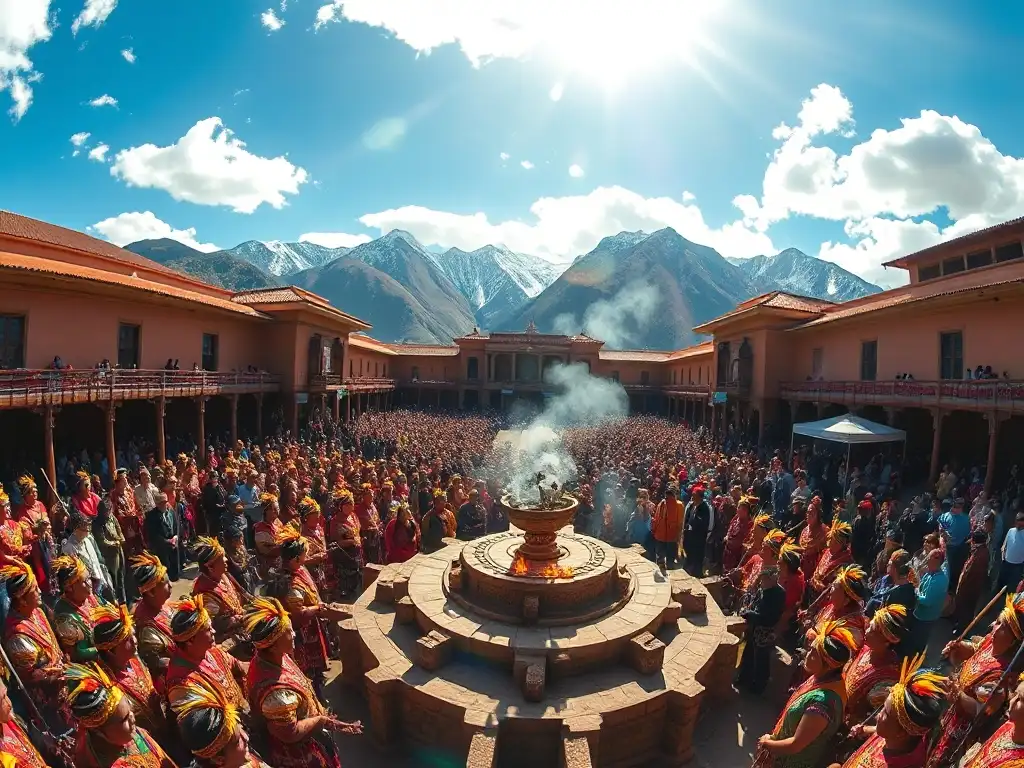
Uncover the mysteries of the Andes! Prepare to be captivated by the vibrant tapestry of ancient Andean civilizations, from the ingenious artistry of the Nazca to the awe-inspiring architecture of the Incas. But first, delve into a world of vibrant color and ritual: discover the secrets behind Inca festival traditions, where celestial alignments met imperial power, and breathtaking ceremonies celebrated life, death, and the very essence of the Andean world. What breathtaking rituals awaited the Inca emperors? Read on to uncover the answers...
The Inca Empire, renowned for its sophisticated engineering, intricate social structures, and vast territorial reach, also possessed a rich tapestry of religious and social festivals. These celebrations, far from being mere entertainment, were integral to the functioning of the empire, reinforcing imperial power, solidifying social bonds, and ensuring the continued favor of the gods.
Understanding Inca festival traditions provides crucial insight into the complexities of their worldview, their political strategies, and their daily lives. This exploration delves into the significance of Inca rituals and festivities, examining the intricate calendar system that governed their celebrations, and highlighting the grandeur of Inti Raymi, the most celebrated festival of the Inca year.
The meticulous organization and widespread participation in these events underscore the importance of collective identity and imperial control within the Inca state. By analyzing these vibrant celebrations, we gain a deeper appreciation for the enduring legacy of the Inca Empire and the sophisticated culture that shaped it.
The Significance of Inca Rituals and Festivities
Inca rituals and festivities served multiple crucial purposes within the empire. They were not simply occasions for merriment, but rather complex ceremonies designed to maintain cosmic balance, honor the gods, and reinforce the authority of the Sapa Inca, the emperor. These events often involved elaborate processions, sacrifices (both animal and, in certain cases, human), and the offering of precious goods like gold and silver.
The participation of the entire community, from the highest-ranking officials to the common people, was vital in solidifying social cohesion and reinforcing the power of the ruling elite. The festivals also played a key role in the redistribution of resources, with the Sapa Inca often overseeing the distribution of food and other necessities to the population. This system of reciprocal obligations helped to maintain social harmony and prevent unrest.
The scale and complexity of these events varied depending on their religious significance and the specific occasion, but all shared a common goal: the reaffirmation of Inca power and the maintenance of order within the empire. Specific examples of lesser-known festivals and their associated rituals are currently being researched and will be added to this section in a future update.
Understanding the Inca Calendar and its Influence on Celebrations
The Inca calendar, a sophisticated system based on observations of the sun, moon, and stars, played a fundamental role in determining the timing and nature of their numerous festivals. Unlike the Gregorian calendar we use today, the Inca calendar was intricately linked to agricultural cycles and astronomical events. The year was divided into twelve months, each associated with specific agricultural activities and religious observances.
This meticulous system ensured that festivals coincided with crucial moments in the agricultural year, such as planting and harvesting, further emphasizing the close relationship between the Incas and their environment. Moreover, the calendar's precision allowed for the precise coordination of large-scale events, involving the participation of vast numbers of people across the empire.
The precise details of the calendar's structure and its influence on the scheduling of different festivals are still under investigation by scholars, with ongoing research revealing new and nuanced interpretations of its complexities. Further research is needed to fully understand the intricate relationship between the Inca calendar and the scheduling of their multitude of celebrations.
Inti Raymi: The Festival of the Sun
Inti Raymi, the Festival of the Sun, stands as the most prominent and significant festival in the Inca calendar. This grand celebration, held annually during the winter solstice (around June 24th), honored Inti, the sun god, considered the most important deity in the Inca pantheon. The festival lasted for several days and involved elaborate ceremonies, processions, and sacrifices at the main temple in Cusco, the imperial capital.
The Sapa Inca himself played a central role in these rituals, performing sacrifices and leading the festivities. Inti Raymi wasn't just a religious event; it also served as a powerful display of imperial power and authority. The participation of nobles, priests, and commoners from across the empire demonstrated the vast reach and influence of the Inca state.
The festival’s significance is reflected in the meticulous planning and vast resources dedicated to its execution. The sheer scale of Inti Raymi, its religious importance, and its political implications firmly establish it as the apex of Inca festival traditions, a testament to the power and complexity of their civilization. 🎉
Capac Raymi: The Celebration of Nobility and Initiation
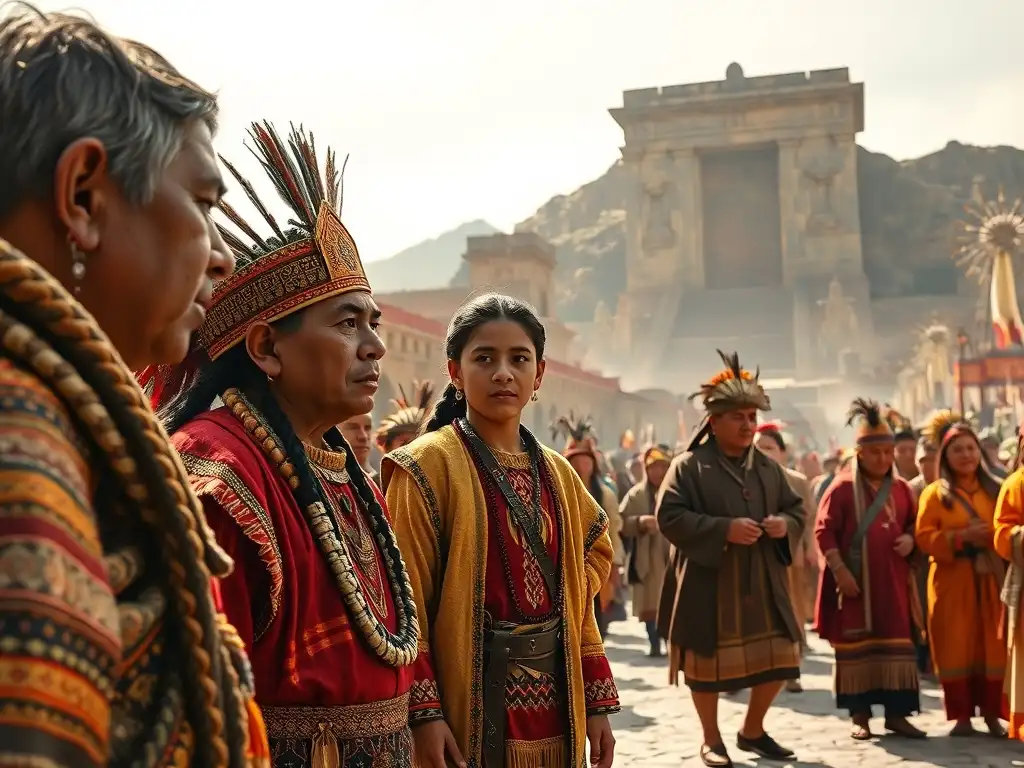
Capac Raymi, meaning "Great Feast" in Quechua, was arguably the most significant Inca festival. It wasn't merely a celebration; it was a complex ritual marking the Inca emperor's power and legitimacy, reaffirming the cosmic order, and initiating young nobles into their roles within the empire. The festival's grandeur reflected the Inca's belief in their emperor as a divine intermediary between the human and spiritual realms. Celebrations involved elaborate processions through Cusco, the imperial capital, showcasing the emperor's wealth and power.
Thousands of participants, including nobles adorned in exquisite textiles and priests performing sacred ceremonies, would participate. The heart of the celebration involved a series of symbolic acts, such as the emperor's public appearance and participation in rituals designed to ensure a bountiful harvest and the continuation of the empire's prosperity. These rituals often involved sacrifices, offerings of gold and silver, and dances representing the cyclical nature of life and the cosmos. The timing of Capac Raymi, typically during the winter solstice, further emphasized its connection to the agricultural cycle and the renewal of life.
The festival served as a potent reminder of the Inca's dominion and the intricate relationship between the imperial power and the cosmic balance. The entire event was a carefully orchestrated spectacle designed to impress and inspire both the Inca elite and the common people, reinforcing the emperor's divine authority and the stability of the empire. Failure to properly execute the rituals was believed to have dire consequences, highlighting the crucial role of Capac Raymi in maintaining the Inca world order.
Coya Raymi: Honoring the Moon and Feminine Energy
In contrast to the overtly masculine focus of Capac Raymi, Coya Raymi celebrated the feminine principle, honoring the moon and the coya, the Inca emperor's wife. This festival, typically held during the full moon, highlighted the importance of fertility and the balance between masculine and feminine energies within Inca cosmology. While less publicly flamboyant than Capac Raymi, Coya Raymi held immense significance in the Inca worldview.
It was a time to pay homage to Mama Killa, the moon goddess, and to acknowledge the coya's role as a powerful spiritual figure. The celebrations often involved women performing sacred dances and rituals, offering prayers for fertility and abundance. The coya, as a symbol of feminine power and fertility, played a central role in the ceremonies, often leading processions and making offerings to the moon goddess.
Unlike the highly structured and militaristic aspects of Capac Raymi, Coya Raymi had a more intimate and community-focused character. While it still involved ceremonial acts and offerings, the emphasis was on the communal celebration of fertility and the acknowledgement of the feminine principle's vital role in the continuation of life and the prosperity of the empire. The festival's unique focus on feminine energy and fertility provides valuable insight into the complex and nuanced nature of Inca religious practices and beliefs.
Uma Raymi: The Celebration of Water and Fertility
Uma Raymi, the "Water Festival," celebrated the life-giving power of water, crucial for agriculture in the Andean region. This festival, held during the rainy season, was a time for thanksgiving and prayers for abundant rainfall. The Inca's deep reverence for water, recognizing its essential role in sustaining life and agricultural productivity, is clearly reflected in the significance of Uma Raymi. The celebrations often involved elaborate rituals performed near rivers, lakes, and springs.
Priests would make offerings to the water deities, praying for bountiful harvests and protection from droughts. These ceremonies often involved the symbolic purification of the land and people through water. Communities would participate in communal activities, reinforcing social bonds and celebrating the shared dependence on water resources. The festival’s emphasis on water’s significance highlights the intricate relationship between the Inca civilization and its environment.
The Inca’s sophisticated water management systems, including canals and irrigation networks, underscore their deep understanding of water's importance. Uma Raymi wasn't simply a celebration; it was a ritual reaffirming the Inca's dependence on and respect for the natural world, highlighting the practical and spiritual significance of water in their lives. The festival’s focus on water and fertility underscores the close link between religious practices and the practical needs of Inca society.
Other Key Inca Celebrations and Rituals
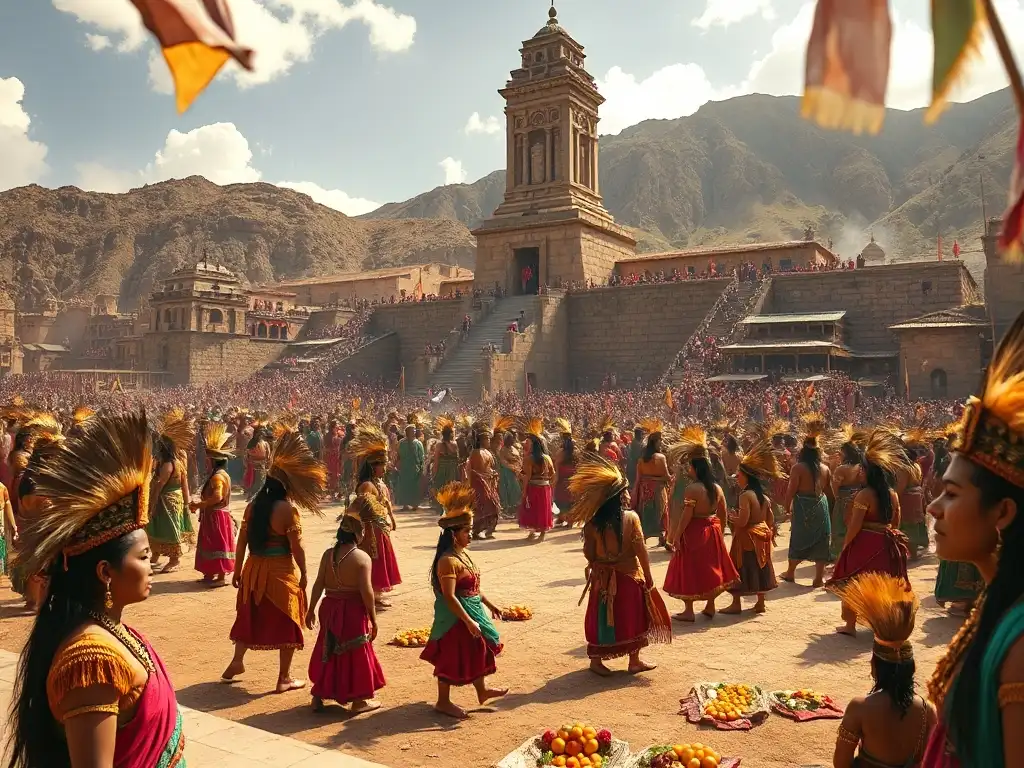
Beyond the Inti Raymi and Capac Raymi, the Inca calendar was replete with other significant celebrations and rituals, many tied to agricultural cycles and the veneration of specific deities. For instance, the Coya Raymi, celebrated in honor of the Coya, the Inca emperor's wife, held a prominent place. This festival likely involved elaborate ceremonies and offerings, reflecting the significant role of the female lineage in Inca society. The details surrounding the Coya Raymi are somewhat scarce, however, requiring further research to fully understand its scope and significance.
We know that the Coya held considerable power and influence, acting as a spiritual leader and advisor to the Sapa Inca. Therefore, a festival dedicated to her would undoubtedly have been a major event. Furthermore, local communities celebrated smaller, localized festivals, often linked to harvests, planting seasons, or specific patron deities.
These varied considerably across the vast Inca Empire, highlighting the rich tapestry of local traditions woven into the larger imperial framework. Archaeological evidence suggests a diversity of rituals, from offerings of coca leaves and chicha (a fermented corn beverage) to elaborate processions and dances. The precise nature of many of these local celebrations remains an area of ongoing scholarly investigation, presenting exciting opportunities for future research into Inca festival traditions.
The Role of Music and Dance in Inca Festivals
Music and dance were integral components of all Inca festivals, serving not only as entertainment but also as vital expressions of religious devotion and social cohesion. Elaborate musical instruments, such as panpipes ( antara), drums ( tinku), and conch shells ( pututu), created a powerful and evocative soundscape. These instruments, often crafted from natural materials, were not simply tools for making music, but also sacred objects imbued with spiritual significance. The music itself was deeply intertwined with the religious and cosmological beliefs of the Inca, acting as a conduit between the human and divine realms.
Similarly, dance played a crucial role in communicating narratives, honoring deities, and representing the cyclical nature of life and the cosmos. Highly choreographed dances, often involving large groups of participants, depicted scenes from mythology, agricultural cycles, or historical events. The dancers, often adorned in elaborate costumes and masks, were highly trained, and their performances were considered sacred acts.
The synchronization and precision of their movements underscore the importance of communal harmony and the structured social hierarchy within Inca society. The interplay of music and dance created a powerful and immersive experience for participants, strengthening social bonds and reinforcing the authority of the Inca empire. The legacy of these musical and dance traditions continues to be celebrated in modern Andean communities, preserving a vital link to the past.
The Legacy of Inca Festival Traditions
While the Spanish conquest brutally suppressed many Inca traditions, including their festivals, elements of Inca celebrations persist in modern Andean culture. Many contemporary Andean festivals retain echoes of Inca rituals and beliefs. For example, the Inti Raymi, though heavily influenced by modern interpretations, continues to be celebrated annually in Cusco and other Andean communities. This enduring celebration demonstrates the resilience of Inca cultural heritage and the deep connection between the past and the present.
The use of traditional musical instruments, dance styles, and costumes in contemporary Andean festivals are further testament to the lasting impact of Inca traditions. The vibrant colors, intricate designs, and powerful rhythms of these celebrations directly reflect the artistic and spiritual legacy of the Inca Empire. However, it is essential to acknowledge that these modern interpretations are not simple recreations of the original Inca festivals, but rather dynamic expressions of a living culture that continues to evolve.
Understanding the continuity and change in these traditions provides valuable insights into the enduring legacy of Inca culture and its profound influence on modern Andean societies. These contemporary festivals offer a powerful reminder of the rich history and cultural depth of the Inca Empire and its enduring influence on Andean identity. Careful study of these celebrations can reveal much about the adaptive nature of culture and its ability to transmit values across generations.
- The Significance of Inca Rituals and Festivities
- Understanding the Inca Calendar and its Influence on Celebrations
- Inti Raymi: The Festival of the Sun
- Capac Raymi: The Celebration of Nobility and Initiation
- Coya Raymi: Honoring the Moon and Feminine Energy
- Uma Raymi: The Celebration of Water and Fertility
- Other Key Inca Celebrations and Rituals
- The Role of Music and Dance in Inca Festivals
- The Legacy of Inca Festival Traditions
Frequently Asked Questions
What were some important Inca festivals?
Inca festivals were numerous and varied, often tied to the agricultural cycle. Important examples include Inti Raymi, celebrating the winter solstice and the sun god Inti, and Capac Raymi, honoring the harvest. These events were crucial to Inca society.
How did Inca festivals reflect their beliefs?
Inca festivals deeply reflected their religious beliefs and agricultural practices. Rituals involved offerings to gods, processions, and feasts, demonstrating their reverence for nature and the Inca rulers' divine status. Religious ceremonies were central to their lives.
What role did the Inca emperor play in festivals?
The Sapa Inca (emperor) played a central role, often presiding over ceremonies and leading processions. His participation legitimized the events and reinforced his divine authority. He was considered a key intermediary between the gods and the people.
What types of activities took place during Inca festivals?
Festivals involved a variety of activities, including religious rituals, processions, feasts, music, and dancing. Agricultural offerings were common, showcasing the importance of farming to Inca society. These events were vibrant and community-focused.
How did Inca festival traditions influence later cultures?
Inca festival traditions left a lasting legacy, influencing religious practices and cultural celebrations in the Andean region even after the Spanish conquest. Many modern Andean festivals share roots with ancient Inca celebrations, demonstrating the enduring impact of Inca traditions.
Final Reflection: Echoes of the Andes: The Enduring Legacy of Inca Festivals
The vibrant tapestry of Inca festivals, once woven into the very fabric of imperial life, continues to resonate in the hearts and traditions of Andean communities today. Their enduring power lies not just in historical significance, but in their ability to connect us to a rich cultural heritage that speaks to universal themes of community, spirituality, and the cyclical nature of life. The echoes of these ancient celebrations remind us of the importance of preserving and understanding our shared human past.
The influence of Inca festival traditions extends far beyond the dusty pages of history books; they remain a vital part of the cultural identity of modern Peru and surrounding nations. These celebrations, with their intricate rituals and vibrant expressions of faith, continue to shape social structures and community bonds. They serve as powerful reminders of the resilience and adaptability of human culture. The past is never dead. It's not even past.
– William Faulkner. This quote perfectly encapsulates the enduring presence of Inca festivals, their legacy woven into the present moment.
Consider, for a moment, the profound connection between the Inca's reverence for nature and our own growing awareness of environmental stewardship. Reflect on the intricate social structures fostered by their communal celebrations and how we might apply similar principles of cooperation and mutual support in our own lives.
You, too, can participate in this enduring legacy by learning more about these traditions, supporting cultural preservation efforts, and seeking out opportunities to connect with the vibrant spirit of the Andes. Let the echoes of these ancient festivals inspire you to build stronger communities and celebrate the rich tapestry of human experience.
Embrace the Spirit of the Incas!
Thank you for exploring the vibrant world of Inca festivals and celebrations with us! We hope you've gained a deeper understanding of how these cultural events commemorate important historical moments. Now, let's put that knowledge into practice!
- Discover and Participate: Seek out local cultural events and festivals in your community—immerse yourself in a celebration that reflects the spirit of the Incas.
- Share Your Experiences: Share your thoughts on your favorite festival or celebration in the comments below, or connect with others on social media to share your enthusiasm.
- Expand Your Knowledge: Delve deeper into the rich history of Andean civilizations by exploring the exclusive resources available on our website.
What aspect of Inca culture most inspires you to celebrate and share its legacy?