
Unearthing Andean Burials: Modern Forensic Analyses and Interpretations

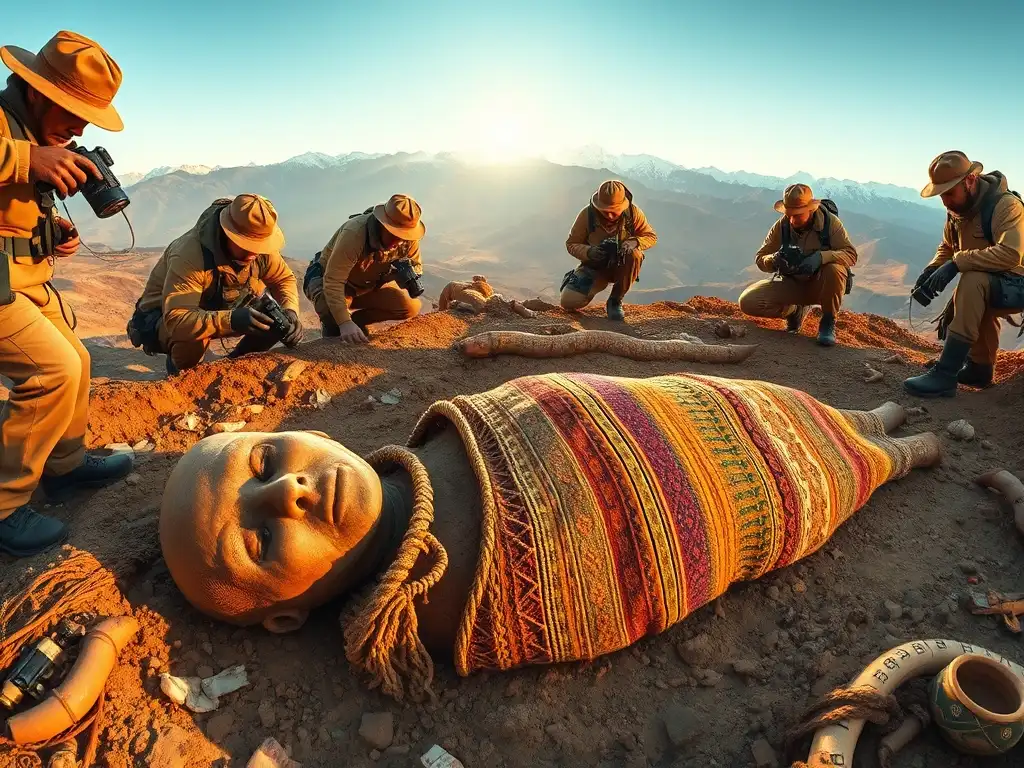
Step into a world lost to time, yet echoing with untold stories. For centuries, the mysteries of the Andes have captivated the world, from the towering heights of Machu Picchu to the enigmatic Nazca Lines. But what secrets lie beneath the surface? Our exploration of Andean burial forensic analysis unveils astonishing insights into the lives, beliefs, and rituals of these remarkable civilizations. Prepare to be amazed as we delve into the cutting-edge techniques revealing the truth behind these ancient Andean remains. Discover more about the fascinating world of Andean burial forensic analysis and unlock the mysteries of the past.
The study of Andean civilizations has been revolutionized by advancements in forensic science. No longer limited to archaeological excavation and artifact analysis, researchers now employ sophisticated techniques to glean unprecedented insights from ancient Andean burials.
This approach allows for a far more nuanced understanding of daily life, social structures, and even the causes of death within these fascinating societies. This article explores the significant contributions of modern forensic analyses to our interpretations of Andean history, focusing on how these methods illuminate the lives and deaths of individuals within various Andean cultures, including the Incas, Moche, Nazca, and Tiahuanaco.
The application of forensic techniques to Andean burial sites offers a powerful lens through which to examine the complexities of these ancient societies and challenge long-held assumptions. We will delve into specific examples of how this interdisciplinary approach is reshaping our understanding of Andean burial practices and their cultural significance, ultimately enriching our knowledge of Andean burial forensic analysis.
Skeletal Analysis and Paleopathology
The meticulous examination of skeletal remains provides invaluable information about the health, diet, and lifestyle of ancient Andean populations. Paleopathology, the study of ancient diseases, reveals insights into prevalent illnesses and injuries, offering clues about the living conditions and environmental factors influencing these communities. For instance, analysis of skeletal remains from pre-Inca sites has revealed high rates of malnutrition and infectious diseases, providing evidence of societal challenges and vulnerabilities.
Detailed analysis of bone structure can also indicate habitual activities, such as repetitive movements associated with specific crafts or agricultural practices. This data, combined with isotopic analysis of bones and teeth, allows researchers to reconstruct dietary patterns and migration histories with remarkable precision.
Furthermore, the identification of trauma, such as fractures or wounds, can shed light on violence, warfare, or occupational hazards within these societies. The meticulous recording and analysis of these skeletal features provide crucial context for understanding the lives of individuals interred in Andean burial sites.
Isotopic analysis, particularly of stable isotopes like carbon and nitrogen in bone collagen, offers a powerful tool for reconstructing ancient diets and mobility patterns. By analyzing the ratios of these isotopes, researchers can determine the types of plants and animals consumed by individuals, providing insights into their ecological relationships and subsistence strategies. Differences in isotopic signatures between individuals within a burial site can reveal social stratification and dietary disparities.
For example, analysis of isotopic ratios in Inca burials has shown variations in diet reflecting different social classes, with elites exhibiting access to a wider range of resources than commoners. Furthermore, strontium isotope analysis can trace individual mobility patterns, identifying individuals who migrated from different regions, enriching our understanding of social networks and population dynamics within Andean societies. This method significantly contributes to the field of Andean burial forensic analysis by providing a detailed picture of individual lives.
DNA Analysis and Ancient Andean Genomics
The relatively recent application of ancient DNA (aDNA) analysis to Andean burials has opened exciting new avenues for research. aDNA analysis allows for the reconstruction of ancient genomes, providing insights into genetic relationships, population history, and disease susceptibility. This data helps researchers trace the movements and interactions of different Andean populations, illuminating the complex processes of migration, admixture, and cultural exchange.
Furthermore, aDNA analysis can identify specific genetic markers associated with disease, providing more detailed information about the paleopathology of ancient Andean populations. The potential of aDNA analysis to revolutionize our understanding of Andean history is immense, although challenges remain in terms of sample preservation and contamination. The successful application of aDNA analysis to Andean burial forensic analysis promises to dramatically reshape our understanding of these ancient societies.
The Future of Andean Burial Forensic Analysis
The integration of forensic techniques into the study of Andean burials represents a significant advancement in our understanding of these ancient civilizations. Future research will likely see the continued integration of cutting-edge technologies, such as advanced imaging techniques and proteomic analysis, to extract even more detailed information from these precious archaeological sites. As these techniques are refined and applied more widely, we can expect a deeper understanding of Andean social structures, health, and cultural practices.
The interdisciplinary nature of this field underscores the importance of collaboration between archaeologists, anthropologists, geneticists, and forensic scientists in unlocking the secrets held within Andean burial sites. This collaborative approach will continue to enhance the field of Andean burial forensic analysis, contributing significantly to our knowledge of these remarkable societies.
- Skeletal Analysis and Paleopathology
- Isotopic Analysis: Diet, Mobility, and Social Status
- DNA Analysis and Ancient Andean Genomics
- The Future of Andean Burial Forensic Analysis
- What is the focus of Andean burial forensic analysis?
- How do forensic techniques help understand Andean societies?
- What types of technology are used in Andean burial forensic analysis?
- What ethical considerations are involved in Andean burial forensic analysis?
- How does Andean burial forensic analysis contribute to our understanding of Inca civilization specifically?
Understanding Andean Burial Practices Through Forensic Science
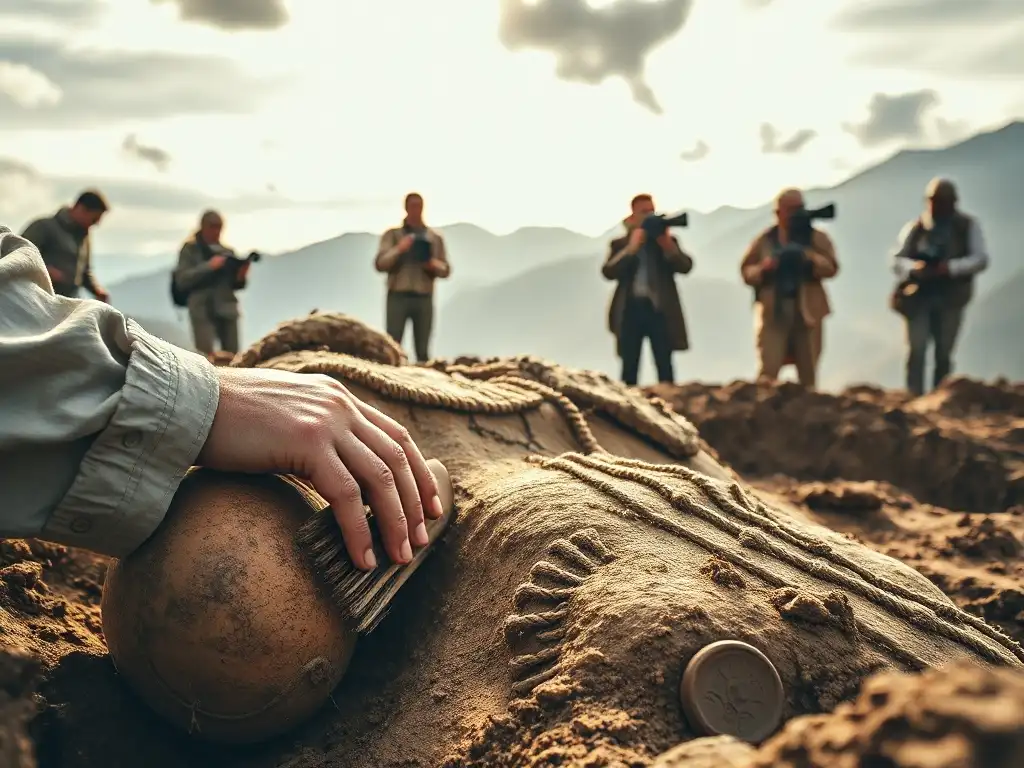
Andean burial practices offer a captivating window into the complex social structures, religious beliefs, and daily lives of ancient Andean societies. Traditional archaeological methods, while invaluable, often leave many questions unanswered. This is where the power of forensic science comes in, providing a more nuanced and detailed understanding of these fascinating cultures.
By applying modern forensic techniques to the analysis of Andean remains, researchers are able to extract significantly more information than ever before, leading to a richer and more complete picture of the past. The integration of forensic anthropology, genetics, and other specialized fields allows for a multidisciplinary approach, resulting in more robust and reliable interpretations of past events.
This section will delve into the specific applications of forensic science in Andean archaeology, highlighting key advancements and their impact on our understanding of Andean burial customs. The study of Andean burial forensic analysis is a rapidly evolving field, constantly revealing new insights into these ancient civilizations.
The Role of Forensic Anthropology in Andean Archaeology
Forensic anthropology plays a crucial role in the investigation of Andean burials. Anthropologists meticulously analyze skeletal remains to determine age at death, sex, stature, and evidence of trauma or disease. This information provides critical context for interpreting burial practices.
For example, the discovery of multiple individuals buried together, coupled with forensic analysis revealing similar age ranges and the presence of grave goods, might suggest family units or kinship groups. Conversely, the presence of skeletal trauma indicative of violence could shed light on inter-group conflicts or social unrest. Furthermore, isotopic analysis of skeletal remains can reveal dietary habits and geographic mobility, offering valuable insight into social stratification and trade networks.
The meticulous examination of bone structure, coupled with advanced imaging techniques like micro-CT scanning, allows researchers to identify subtle pathologies and anomalies, enriching our understanding of the health and lifestyle of ancient Andean populations. This detailed level of analysis significantly enhances the interpretation of archaeological findings, moving beyond simple observation to a more sophisticated understanding of the cultural and social contexts surrounding death and burial.
Advances in Forensic Techniques Applied to Andean Remains
Significant advancements in forensic techniques have revolutionized the study of Andean remains. The application of ancient DNA (aDNA) analysis allows researchers to trace genetic lineages, uncovering relationships between individuals and populations across vast stretches of time. This can illuminate migration patterns, population dynamics, and the spread of cultural practices.
Furthermore, stable isotope analysis of bone collagen and enamel provides detailed information about the diet of individuals, reflecting their social status and access to resources. For instance, analysis may reveal differences in dietary intake between elite and commoner populations, reflecting social hierarchies within Andean societies. Advanced imaging techniques, such as X-ray micro-computed tomography (micro-CT), enable non-destructive examination of skeletal remains, revealing intricate details of bone structure and pathology that might otherwise be missed.
This allows for more precise assessments of age at death, the presence of diseases, and the nature of any trauma sustained before death. The integration of these advanced techniques with traditional archaeological methods provides a powerful synergy, unlocking a wealth of information previously inaccessible to researchers. The continuous development of new technologies ensures that the field of Andean burial forensic analysis will continue to yield groundbreaking discoveries, enriching our understanding of these fascinating ancient civilizations for years to come.
Key Methods in Andean Burial Forensic Analysis
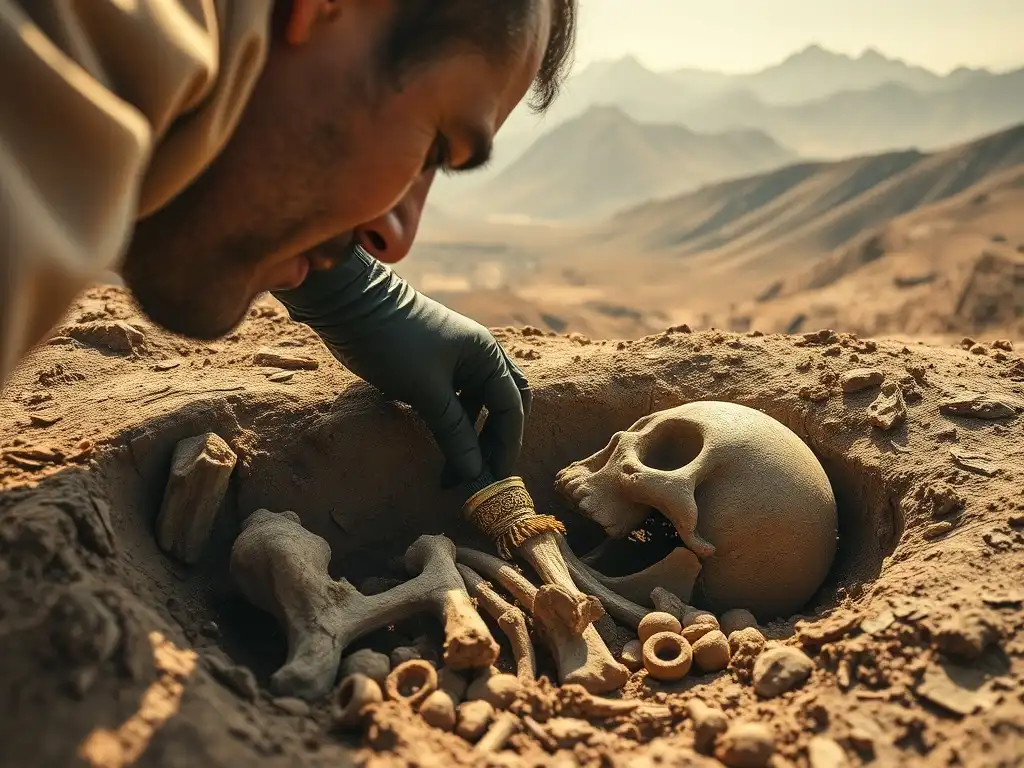
This section delves into the crucial methodologies employed in modern forensic analysis of Andean burials, providing a deeper understanding of how scientists reconstruct the lives and deaths of ancient Andean peoples. The application of these techniques offers invaluable insights into their social structures, health, diet, and migration patterns, significantly enhancing our understanding of Andean civilizations beyond what archaeological excavation alone can provide.
The analysis of Andean burial sites using forensic techniques has revolutionized our understanding of these cultures, revealing intricate details about their daily lives and societal organization. This detailed approach to "Andean burial forensic analysis" is crucial for a comprehensive understanding of the past.
Osteological Analysis: Deciphering Skeletal Remains
Osteological analysis, the study of bones, forms the cornerstone of Andean burial forensic analysis. Skeletal remains offer a wealth of information, providing clues about age at death, sex, stature, and even aspects of an individual's lifestyle. For example, analysis of bone density can indicate physical activity levels, while dental wear patterns can reveal dietary habits. Furthermore, microscopic examination of bone surfaces can detect evidence of healed fractures, indicating past injuries and potential occupational hazards.
Careful examination of skeletal remains from Andean sites has revealed fascinating details. Studies have shown variations in skeletal morphology between different Andean groups, reflecting potential genetic differences and adaptations to diverse environments. Analysis of Inca skeletal remains, for example, has revealed evidence of high altitude adaptations, while studies of coastal cultures have highlighted differences in skeletal structure potentially related to differing dietary habits and lifestyles.
The meticulous recording and analysis of skeletal features, utilizing standardized protocols and comparative datasets, are critical for accurate interpretation and the reconstruction of ancient Andean demographics. The precision of this method enhances the accuracy of "Andean burial forensic analysis."
Paleopathology: Identifying Diseases and Trauma in Ancient Andes
Paleopathology, the study of ancient diseases and injuries, plays a vital role in understanding the health and well-being of Andean populations. Examination of skeletal remains can reveal evidence of infectious diseases, nutritional deficiencies, and traumatic injuries. For instance, skeletal lesions can indicate the presence of tuberculosis, syphilis, or other infectious diseases prevalent in the Andes. Analysis of bone isotopes can provide further insights into dietary factors that may have contributed to disease.
Studies utilizing paleopathological techniques on Andean mummies and burials have uncovered compelling evidence of various health challenges faced by these populations. Evidence of treponemal disease, characterized by bone lesions, has been found in several Andean cultures, suggesting widespread infection. Nutritional deficiencies, reflected in stunted growth and other skeletal markers, are also frequently observed, highlighting the importance of environmental factors and agricultural practices on population health. The application of paleopathology in "Andean burial forensic analysis" provides a critical understanding of the health status and disease burden of ancient Andean societies. This further contextualizes their societal structures and daily lives.
Isotopic Analysis: Reconstructing Diet and Geographic Origins
Isotopic analysis offers a powerful tool for reconstructing the diet and geographic origins of ancient Andean individuals. By analyzing the stable isotopes of carbon, nitrogen, and strontium in bone collagen and teeth, researchers can determine the types of food consumed and the geographic location where an individual spent their formative years. This information is invaluable for understanding migration patterns, trade networks, and social interactions between different Andean groups.
For example, strontium isotope analysis can identify individuals who migrated from one region to another during their lifetime, providing evidence of social mobility or population movements. Carbon and nitrogen isotope ratios can reveal the relative contribution of different food sources (e.g., maize, camelids, fish) to the diet, shedding light on agricultural practices and subsistence strategies. The integration of isotopic data with other lines of evidence, such as osteological and archaeological data, provides a more holistic understanding of ancient Andean lives.
Isotopic analysis is a crucial component of modern "Andean burial forensic analysis," enriching our knowledge of Andean mobility and dietary practices. The precision of this technique contributes significantly to the overall accuracy of the analysis.
DNA Analysis: Unraveling Genetic Relationships in Andean Populations
DNA analysis has revolutionized our understanding of Andean populations, offering invaluable insights into ancient genetic relationships previously obscured by the passage of time. By extracting and analyzing DNA from ancient Andean remains found within burial contexts, researchers can reconstruct population movements, trace familial connections within burial sites, and even identify potential diseases prevalent in these communities.
This non-invasive technique, when applied ethically and responsibly, provides a powerful tool for reconstructing the intricate social structures and migratory patterns of Andean civilizations. The preservation of ancient DNA (aDNA) in Andean contexts, particularly in arid and high-altitude environments, has proven surprisingly successful, leading to a wealth of new data.
For instance, studies analyzing mitochondrial DNA (mtDNA), inherited maternally, have revealed significant genetic continuity between ancient Andean populations and their modern descendants. This highlights the enduring legacy of these societies and challenges previous assumptions of complete population replacement. Further research utilizing nuclear DNA, which provides a more comprehensive genetic picture, has helped to refine these findings, identifying specific genetic lineages and tracing their geographical distribution across the Andes. This nuanced approach allows researchers to distinguish between migration events, population admixture, and long-term genetic isolation, providing crucial context for understanding the complex dynamics of Andean societies.
The successful application of DNA analysis in Andean burial forensic analysis is, however, contingent upon several crucial factors. The quality of DNA preservation is paramount, as degradation over time can significantly limit the amount of usable genetic information. Environmental conditions, burial practices (e.g., mummification techniques), and the presence of contaminating modern DNA all influence the success of aDNA extraction and analysis.
Furthermore, careful consideration of ethical implications is crucial, requiring collaboration with local communities and adherence to strict protocols to ensure the respectful treatment of ancestral remains. The ongoing development of advanced DNA sequencing technologies continues to improve the accuracy and depth of information obtained from ancient Andean remains, promising even more detailed insights in the years to come.
The ethical considerations surrounding the use of ancient DNA are constantly evolving and require careful consideration, ensuring respect for ancestral remains and collaboration with local communities is paramount. This collaborative approach is crucial for ensuring the responsible and ethical application of this powerful technology.
Case Studies of Andean Burial Forensic Analysis
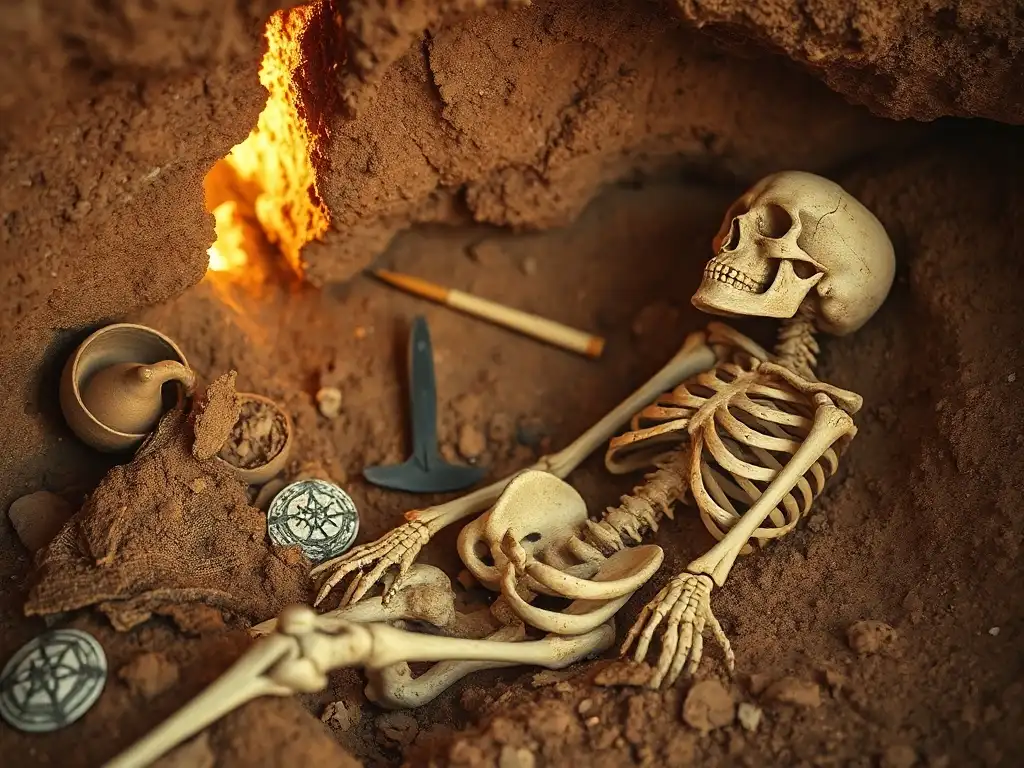
This section delves into specific examples of how forensic analysis has revolutionized our understanding of Andean burial practices, offering insights into social structures, ritualistic beliefs, and daily life in these ancient societies. By applying modern scientific techniques to the analysis of human remains and associated artifacts, researchers are uncovering previously hidden details, challenging established narratives, and enriching our knowledge of Andean civilizations.
The meticulous study of Andean burial sites, using techniques like isotopic analysis, radiocarbon dating, and skeletal analysis, has become crucial in piecing together a more comprehensive picture of the past. The keyword "Andean burial forensic analysis" is central to understanding the advancements in this field.
Analysis of the Sipán Royal Tombs
Forensic Findings and Their Interpretations
The Sipán royal tombs in northern Peru, discovered in the 1980s, provide a remarkable case study in Andean burial forensic analysis. The elaborate burials, containing numerous artifacts and the remains of high-status individuals, offered a unique opportunity to analyze the lives and deaths of the Moche elite. Forensic analysis of the skeletal remains revealed details about their diet, health, and even potential causes of death.
Isotopic analysis of their bones indicated a diet rich in marine resources, suggesting access to coastal trade networks and a privileged lifestyle. Evidence of trauma on some skeletons, coupled with the presence of weaponry in the tombs, suggests the possibility of violent conflict or ritual sacrifice. The analysis of textile fragments and other organic materials found within the tombs, using techniques like DNA analysis and microscopic examination, further illuminated the sophistication of Moche craftsmanship and social organization.
The detailed analysis of these findings has significantly enhanced our understanding of Moche societal structures and their relationship with the environment. Further research into the specific chemical composition of the grave goods, for example the pigments used in the elaborate murals, could further refine our understanding of Moche trade routes and artistic techniques. The combined evidence from various forensic techniques offers a far more nuanced portrayal of Moche society than was previously possible.
Insights from the Llullaillaco Maiden
Reconstructing Ritual Practices Through Forensic Evidence
The discovery of the "Llullaillaco Maidens" – three Inca children sacrificed on Llullaillaco volcano – presents another compelling example of the power of Andean burial forensic analysis. The exceptionally well-preserved mummies, discovered in 1999, provided invaluable information about Inca ritual practices and social structures. Forensic analysis of their remains revealed details about their health, diet, and the circumstances surrounding their deaths.
Analysis of their clothing and the artifacts found with them, including coca leaves and chicha (fermented corn beverage), indicated their role in a complex religious ceremony. The analysis of their hair and fingernails revealed information about their diet and overall health in the months leading up to their sacrifice, showing a carefully planned and controlled diet in the period before the ritual. Furthermore, studies of their clothing and adornments shed light on the status and social roles of these children within Inca society.
The forensic evidence, combined with anthropological and historical interpretations, paints a more vivid picture of Inca religious beliefs and their understanding of the cosmos. The detailed analysis of the Maiden's remains continues to provide new insights, with ongoing research focused on the use of advanced imaging techniques and isotopic studies to further unravel the mysteries surrounding these remarkable sacrifices. This meticulous analysis demonstrates the potential of forensic science to illuminate the complexities of ancient Andean cultures and their intricate relationship with the supernatural.
Examining the Puruchuco-Huaquerones Cemetery
The Puruchuco-Huaquerones cemetery, located near Lima, Peru, offers a rich tapestry of information regarding the social structures and mortuary practices of the pre-Columbian Lima culture (ca. AD 200-1000). Forensic analysis of the burials within this extensive cemetery has provided invaluable insights into the lives and deaths of its inhabitants. The sheer scale of the necropolis, with hundreds of individual graves, allows for statistically significant comparisons between different burial types and associated grave goods. Careful excavation techniques, coupled with advanced forensic anthropological methods, have revealed a complex social hierarchy reflected in the variability of burial treatment.
For example, the presence of elaborate grave goods, such as finely crafted ceramics, textiles, and metalwork, alongside specific skeletal positions and the inclusion of multiple individuals in some graves, points towards a stratified society with distinct social classes. Individuals interred with lavish offerings likely held positions of power or high social standing within their communities. Conversely, simpler burials with minimal grave goods suggest a lower social status.
The detailed study of skeletal remains, utilizing techniques like isotopic analysis, has further enhanced our understanding. Isotopic analysis of bone collagen reveals dietary differences between individuals, potentially reflecting disparities in access to resources and reinforcing the social stratification observed through grave goods. Furthermore, skeletal trauma analysis has identified instances of violence, suggesting potential conflict or social unrest within the community.
The frequency and nature of such trauma provide further clues to the complexities of Puruchuco-Huaquerones society. Ongoing research continues to refine our understanding of the social and economic dynamics of this fascinating site.
Understanding Social Structures Through Burial Analysis
Analysis of burial patterns at Puruchuco-Huaquerones provides a compelling lens through which to interpret the social structures of the Lima culture. The meticulous recording of grave goods, skeletal positioning, and the presence or absence of specific artifacts reveals a complex social hierarchy. For instance, the discovery of multiple individuals interred together in elaborate tombs, accompanied by a wealth of prestigious artifacts, suggests kinship ties and the existence of elite lineages.
These individuals may have been members of ruling families or held significant religious authority. The careful arrangement of bodies within these tombs, sometimes with specific orientations or symbolic gestures, points toward structured mortuary rituals reflecting their elevated social standing.
In contrast, simpler burials, often lacking elaborate grave goods and containing only a single individual, indicate a lower social status. These burials often show a lack of ritualistic preparation, suggesting a more egalitarian, or at least less prominent, position within the society. The distribution of these different burial types within the cemetery itself also provides valuable information.
The location of elaborate tombs, often in more central or prominent areas of the cemetery, reinforces their social importance. The careful analysis of skeletal remains, including age and sex determination, offers further insights into family structures and demographic patterns within the community.
By combining these data points, researchers can begin to reconstruct the social fabric of the Lima culture, revealing the intricate relationships between social status, burial practices, and the overall societal structure. The study of Puruchuco-Huaquerones serves as a prime example of how careful forensic analysis of Andean burials can illuminate our understanding of ancient social organizations.
Interpreting the Results of Andean Burial Forensic Analysis
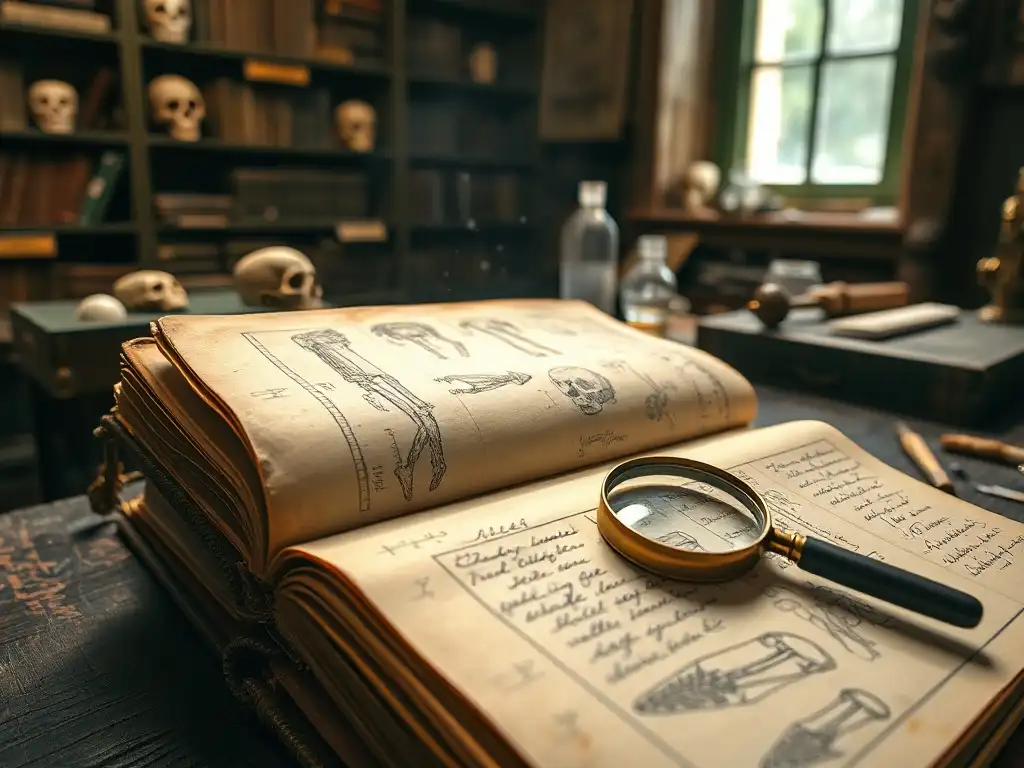
This section delves into the multifaceted interpretations derived from modern forensic analyses of Andean burials, offering crucial insights into various aspects of ancient Andean societies. By applying advanced techniques, researchers are able to move beyond simple descriptions of grave goods and skeletal remains to reconstruct complex social structures, religious practices, and the health landscape of these fascinating civilizations. The data obtained allows for a more nuanced understanding of Andean burial practices, challenging previously held assumptions and revealing new layers of complexity. The keyword, "Andean burial forensic analysis," is central to this exploration.
Forensic analysis of Andean burials provides invaluable data for understanding social stratification. The presence or absence of grave goods, the quality of craftsmanship evident in those goods (e.g., intricately woven textiles, finely crafted pottery, gold ornaments), and the location of the burial within a cemetery all contribute to a picture of social hierarchy. For example, the discovery of richly adorned individuals interred in elaborate tombs, often accompanied by numerous artifacts suggesting high status (like specialized tools or imported goods), directly points to an elite class. Conversely, simple burials with minimal grave goods indicate a lower social standing.
Further analysis can reveal more subtle indicators of social standing. Isotopic analysis of skeletal remains can reveal dietary differences, reflecting access to resources and potentially social status. Individuals with diets rich in protein and specific isotopes may reflect a higher position in the social hierarchy compared to those with diets indicating reliance on more readily available, less prestigious food sources.
Similarly, skeletal indicators of trauma or disease, if found disproportionately in certain burial contexts, could reveal social vulnerabilities and inequalities within the society. Detailed studies of skeletal morphology can also reveal differences in physical activity levels, potentially correlating with different roles and responsibilities within the community. Analyzing the age and sex distribution of individuals found in different burial types provides further insights into social structures and demographics.
Reconstructing Rituals and Beliefs about Death
Andean burial practices were far from uniform, varying significantly across different cultures and time periods. Forensic analysis offers tools for reconstructing these rituals and gaining insight into the beliefs surrounding death and the afterlife.
The position of the body (e.g., flexed, extended), the presence of specific grave goods (e.g., food offerings, ceremonial objects), and the manipulation of the remains (e.g., mummification, cranial deformation) all provide clues. For instance, the discovery of multiple individuals buried together might indicate communal burial practices or familial relationships, while the inclusion of specific artifacts could point to beliefs about the journey to the afterlife or the deceased's role in society.
The careful analysis of skeletal remains can also reveal signs of ritualistic practices. Evidence of trepanation (surgical removal of a portion of the skull) has been found in many Andean cultures. Forensic analysis can help determine the technique used, the survival rate of the procedure, and its potential social or religious significance.
The presence of specific pigments or materials on the remains may also indicate ritualistic practices related to body decoration or preservation. By studying the patterns and variations in these practices across different sites and time periods, researchers can gain a deeper understanding of the evolution of Andean beliefs about death and the afterlife. This detailed analysis helps to paint a richer picture of the spiritual and cosmological beliefs of these ancient civilizations.
Understanding Health and Disease in Ancient Andean Populations
Forensic analysis of skeletal remains provides a window into the health and disease patterns of ancient Andean populations. Skeletal lesions, dental pathologies, and isotopic signatures can reveal information about nutritional deficiencies, infectious diseases, and occupational hazards. For example, evidence of dental caries (cavities) might indicate a diet rich in carbohydrates, while skeletal lesions could indicate infections or nutritional deficiencies. Isotopic analysis of the bones can provide insights into dietary habits and exposure to environmental contaminants. The presence of specific pathogens in ancient DNA extracted from skeletal remains can reveal the prevalence of certain diseases in the population.
Furthermore, analysis of skeletal trauma can reveal information about violence, warfare, and occupational hazards. Fractures, healed injuries, and other signs of trauma can provide insights into the lifestyle and living conditions of these populations. By combining these forensic findings with other archaeological data (e.g., environmental reconstructions, settlement patterns), researchers can build a more comprehensive understanding of the health and well-being of ancient Andean communities.
This understanding allows for a more nuanced interpretation of social structures, economic activities, and environmental factors that shaped the lives of these people. The detailed study of ancient Andean health, using forensic analysis, offers a powerful tool for understanding the complexities of these past societies.
The Ethical Considerations of Andean Burial Analysis
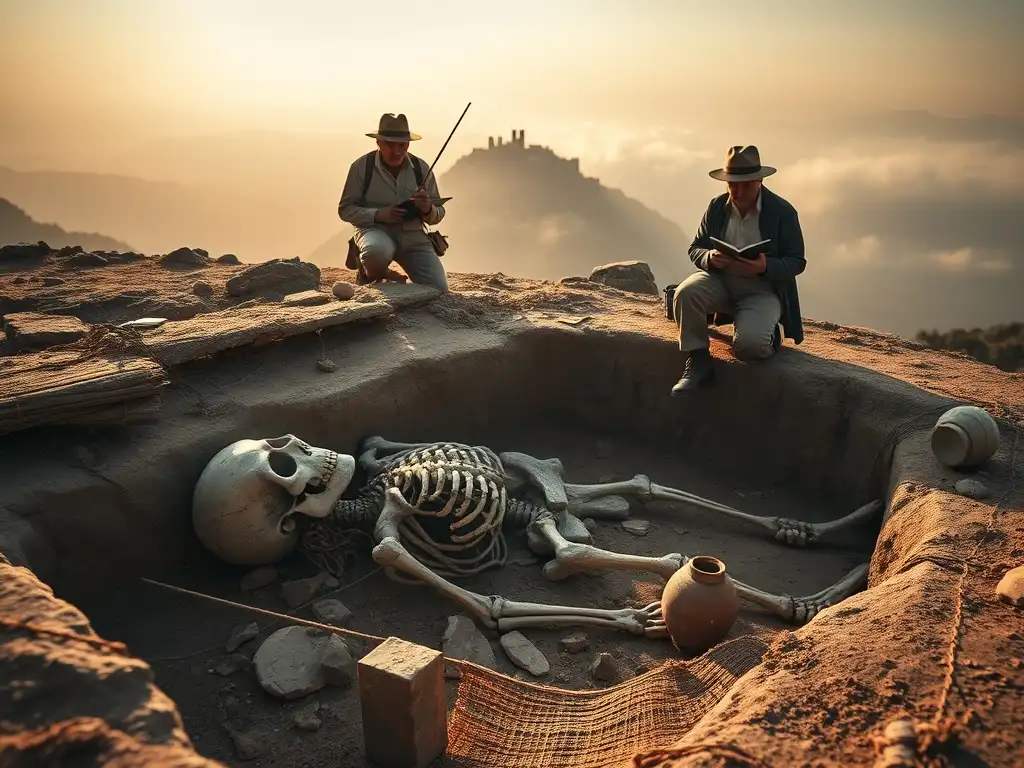
The study of Andean burials, while offering invaluable insights into ancient Andean societies, necessitates a rigorous ethical framework. The sheer age and cultural significance of these remains demand a level of respect and sensitivity that goes beyond standard archaeological practices. Improper handling can lead to irreparable damage, not only to the physical artifacts but also to the cultural heritage of descendant communities. This section will explore the critical ethical considerations involved in Andean burial forensic analysis, focusing on the need for respect, collaboration, and meticulous documentation.
Ignoring these ethical imperatives risks undermining the very knowledge we seek to gain. The careful and respectful treatment of Andean burial sites and their associated artifacts is paramount for maintaining the integrity of the historical record and fostering trust between researchers and indigenous communities. This is crucial for the long-term success of Andean burial forensic analysis projects.
Respecting Cultural Heritage and Ancestral Remains
Andean burial sites are not simply repositories of artifacts; they are sacred spaces holding profound spiritual significance for many indigenous communities. The remains found within these sites are considered ancestors, deserving of the utmost reverence. Ethical Andean burial forensic analysis therefore prioritizes minimizing disturbance to the burial context.
This involves careful excavation techniques, meticulous recording of the spatial relationships between artifacts and skeletal remains, and a deep awareness of the cultural sensitivities surrounding death and burial practices in the Andean region. Any intervention must be guided by principles of respect and a commitment to preserving the integrity of the burial environment as much as possible.
This is more than just a matter of professional conduct; it is a fundamental requirement for maintaining the cultural heritage and avoiding the potential for significant harm to ancestral remains and the communities connected to them. The ethical implications of intrusive analysis must be carefully weighed against the potential benefits of the research.
Collaboration with Indigenous Communities
Meaningful engagement with descendant communities is not optional; it is essential for ethical Andean burial forensic analysis. These communities possess invaluable traditional ecological knowledge (TEK) and oral histories that can contextualize archaeological findings, providing crucial insights that purely scientific approaches might miss. Furthermore, their perspectives on the appropriate treatment of ancestral remains are paramount. Effective collaboration requires respectful dialogue, mutual understanding, and a genuine commitment to shared decision-making. This might involve incorporating indigenous knowledge into research design, involving community members in the excavation and analysis processes, and ensuring that research findings are shared transparently and appropriately with the communities involved. The lack of such collaboration represents a profound ethical failing, potentially leading to mistrust and hindering future research opportunities. Successful projects prioritize building relationships based on trust and mutual respect. Examples of successful collaborative projects highlight the benefits of such approaches, showcasing the richness of knowledge gained through collaborative efforts.
The Importance of Proper Documentation and Curation
Meticulous documentation and curation are not simply administrative tasks; they are crucial for the ethical conduct of Andean burial forensic analysis. Detailed records, including high-resolution photography, 3D scanning, and comprehensive contextual data, are essential for future researchers to understand the findings without needing further intrusive investigation. This commitment to rigorous documentation ensures the long-term preservation of knowledge and minimizes the need for repeated excavations, reducing the risk of damage to fragile remains and the disturbance of sacred sites.
Proper curation, including the safe storage and preservation of artifacts and skeletal remains, is equally important. This requires specialized facilities and expertise to ensure the long-term preservation of these invaluable resources.
Neglecting proper documentation and curation not only undermines the scientific value of the research but also constitutes an ethical failure, potentially leading to the loss of irreplaceable cultural heritage. The ethical responsibility extends beyond the immediate research project, encompassing the long-term preservation and accessibility of the data and artifacts for future generations.
Future Directions in Andean Burial Forensic Analysis
The field of Andean burial forensic analysis is rapidly evolving, driven by technological advancements and a growing interdisciplinary approach to archaeological investigation. Understanding the past through the lens of these analyses continues to refine our knowledge of Andean civilizations, offering new perspectives on social structures, health, and daily life. This section explores promising avenues for future research, focusing on the potential of emerging technologies and the importance of collaborative efforts across various scientific disciplines.
The ultimate goal remains a more nuanced and comprehensive understanding of Andean burial practices and their significance within the broader societal context. This will inevitably lead to a richer understanding of Andean burial rituals and their societal implications, furthering the field of Andean burial forensic analysis.
Emerging Technologies and Their Potential
The application of cutting-edge technologies promises to revolutionize Andean burial forensic analysis. Techniques like advanced imaging (e.g., micro-CT scanning) allow for non-destructive analysis of skeletal remains, revealing intricate details of bone structure and pathology that were previously inaccessible. This allows researchers to gain detailed insights into the health and lifestyle of individuals, contributing significantly to our understanding of Andean demographics and societal organization.
Furthermore, isotopic analysis of skeletal remains offers valuable insights into dietary habits and migration patterns, painting a vivid picture of the lives of individuals buried in these sites. For example, analysis of strontium isotopes in teeth can pinpoint an individual's place of origin, potentially revealing trade networks or population movements within the Andes. The development of AI-driven image analysis tools is also promising, automating the process of identifying and classifying skeletal features, significantly accelerating the pace of research and allowing for analysis of larger datasets.
This will help to create more comprehensive and accurate models of Andean populations and their histories. The potential of DNA analysis, while still facing challenges related to the preservation of ancient DNA in Andean climates, remains a significant area of future development, offering the possibility of identifying familial relationships and tracing genetic lineages across generations. The combination of these technologies offers a powerful toolkit for researchers to uncover previously hidden aspects of Andean history.
Interdisciplinary Approaches to Andean Archaeology
Effective Andean burial forensic analysis requires a truly interdisciplinary approach. The complexity of these sites necessitates the collaboration of archaeologists, anthropologists, bioarchaeologists, geneticists, chemists, and other specialists. Archaeologists provide the contextual understanding of the burial sites, their placement, associated artifacts, and ritual practices. Anthropologists contribute their expertise in human skeletal biology and cultural interpretations.
Bioarchaeologists analyze the skeletal remains to assess health, diet, and lifestyle. Geneticists can provide insights into population history and kinship. Chemists contribute to understanding the composition of artifacts, pigments, and other materials found in burial contexts. This synergistic approach maximizes the information extracted from each site, leading to a more comprehensive understanding of the deceased individuals and the societies they belonged to.
For example, combining skeletal analysis with isotopic data can reveal a detailed picture of an individual's life, from their place of origin to their diet and the diseases they encountered. This integrated approach allows for a more holistic interpretation of Andean burials. The integration of data from multiple disciplines offers a more comprehensive and nuanced understanding of Andean societies.
The Ongoing Quest to Understand Andean Civilizations Through Their Burials
Andean burials represent a rich and complex source of information about these ancient societies. By carefully analyzing these sites using a combination of traditional archaeological methods and modern forensic techniques, researchers continue to shed light on a wide range of topics, including social stratification, ritual practices, and the impact of disease. The ongoing research in this field constantly refines our understanding of Andean civilizations.
Future research will likely focus on addressing current gaps in our knowledge, such as the role of gender and social status in burial practices, the impact of climate change on population dynamics, and the evolution of Andean mortuary rituals over time. Furthermore, the ethical considerations surrounding the study of human remains will continue to play a critical role, emphasizing the need for respectful and responsible research practices that prioritize the preservation of cultural heritage. The continued application of advanced technologies and interdisciplinary collaboration will be crucial in uncovering the secrets held within these ancient Andean burial grounds, adding significant layers to our understanding of these fascinating and complex civilizations.
The quest to unlock the mysteries of Andean burials is a testament to the enduring power of archaeology and its ability to reveal the stories of past societies. Each new discovery brings us closer to a more complete and nuanced understanding of Andean history, culture, and social structures.
Frequently Asked Questions
What is the focus of Andean burial forensic analysis?
Andean burial forensic analysis focuses on applying modern forensic techniques to ancient Andean remains. This helps researchers understand aspects like diet, health, social status, and cause of death, offering insights into daily life and societal structures.
How do forensic techniques help understand Andean societies?
By analyzing skeletal remains, researchers can determine age, sex, and health conditions. Isotopic analysis reveals dietary habits and geographic origins, while DNA analysis can identify familial relationships and population movements.
What types of technology are used in Andean burial forensic analysis?
Modern techniques include radiocarbon dating for determining age, X-ray and CT scanning for non-destructive examination of remains, and DNA sequencing for genetic analysis. Stable isotope analysis helps to reconstruct diets and migration patterns.
What ethical considerations are involved in Andean burial forensic analysis?
Ethical considerations prioritize respect for the deceased and their descendants. Research requires collaboration with local communities and adherence to strict protocols to ensure the dignity and cultural sensitivity of the process.
How does Andean burial forensic analysis contribute to our understanding of Inca civilization specifically?
Analysis of Inca burials helps decipher aspects of Inca social hierarchy, ritual practices, and health conditions within their population. This contributes to a more nuanced understanding of Inca power structures and daily life.
Final Reflection: Unearthing Truths, Honoring Voices
The meticulous analysis of Andean burials, once relegated to the realm of archaeology, is now a vibrant field intersecting with modern forensic science, offering unprecedented insights into the lives and deaths of ancient Andean populations. This intersection not only provides a more complete picture of the past but also raises crucial ethical questions about our responsibility in interpreting and respecting these ancient remains.
The enduring legacy of Andean civilizations continues to shape our understanding of human resilience, societal structures, and the complex interplay between culture and environment. The past is never dead. It's not even past.
- William Faulkner. This quote resonates deeply as we grapple with the ethical implications of exhuming and analyzing these ancient remains. Our responsibility lies not only in extracting scientific data but also in ensuring that these analyses serve to amplify the voices of those who lived and died in the Andes, rather than silencing them through insensitive or exploitative practices. The ongoing dialogue surrounding repatriation and community involvement in research is paramount to achieving this goal.
Consider the profound stories held within these ancient remains. Each skeleton, each artifact, whispers tales of lives lived, challenges faced, and beliefs held. You, the reader, are now part of this ongoing conversation. Reflect on the power of forensic science to illuminate the past, and consider how we can use this knowledge to foster a deeper understanding and appreciation for the rich tapestry of human history. Let us strive to ensure that future research respects the dignity of the deceased and empowers descendant communities to participate meaningfully in the interpretation of their ancestors' legacies.
**Discover the Secrets of Andean Burials! **
Thank you for exploring the fascinating world of Andean burial practices with us! You've already uncovered the intricate techniques and sophisticated forensic analyses that illuminate these ancient traditions. Now, let's delve even deeper into this rich history.
Here are some exciting ways to continue your exploration:
- **Visit a Museum:** Immerse yourself in the discoveries firsthand by visiting a local museum with Andean artifacts or exhibits on ancient cultures. Many museums offer exceptional collections.
- **Join an Online Community:** Connect with fellow enthusiasts and experts on online forums dedicated to Andean civilizations. Share your insights, ask questions, and learn from others' experiences.
- **Support Archaeological Research:** Consider supporting organizations actively involved in archaeological digs or preservation efforts in the Andes. Volunteering your time or making a donation can make a significant impact.
What specifically captivates you about Andean burial practices—the elaborate rituals, the stunning artifacts, or the poignant stories of those laid to rest? We'd love to hear your thoughts in the comments below!