
The Use of Hallucinogens in Tiahuanaco Rituals: Altering Consciousness and Perception

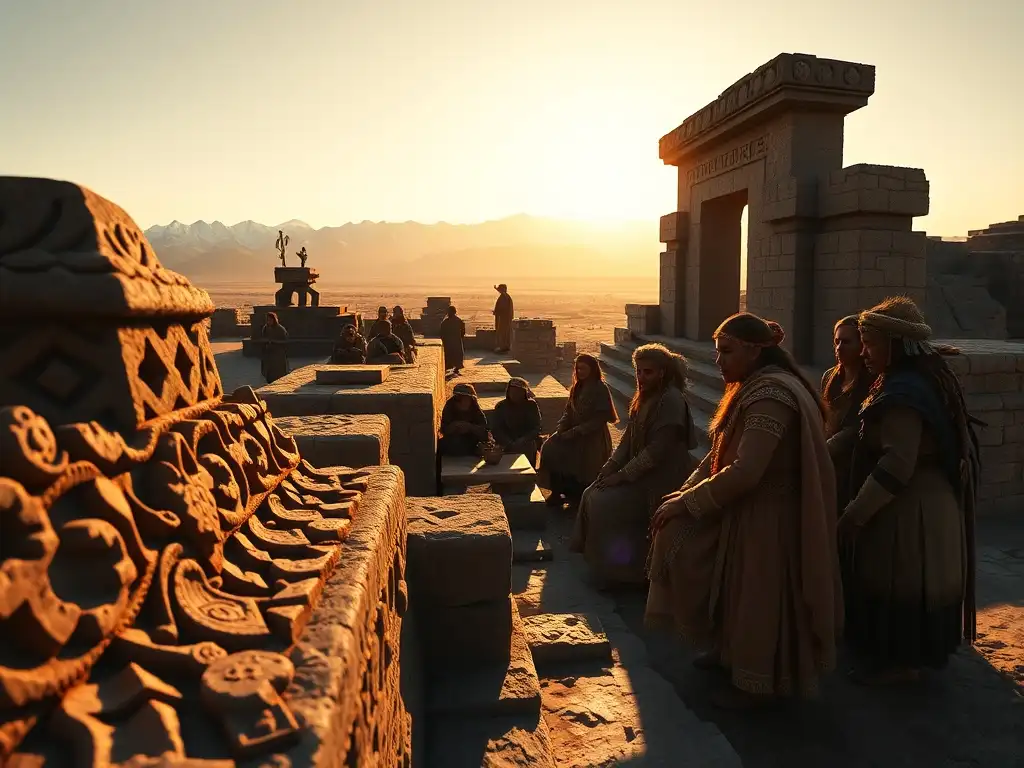
Step into a world lost to time, where the towering ruins of Tiahuanaco whisper secrets of a civilization that defied explanation. Imagine a society where the veil between worlds was thin, and hallucinogens served as keys to unlock altered states of consciousness. Prepare to uncover the enigmatic role of Tiahuanaco hallucinogens rituals in shaping their beliefs, art, and societal structure. Dare to delve deeper into the mysteries that await you...
- Tiahuanaco Hallucinogens Rituals: Altering Consciousness and Perception
- Psychoactive Substances in Tiahuanaco Religious Practices
- Tiahuanaco Rituals and Altered States of Consciousness
- Iconography and Hallucinogenic Imagery in Tiahuanaco Art
- The Effects of Hallucinogens on Tiahuanaco Spirituality
- Evidence Supporting the Use of Hallucinogens in Tiahuanaco
- The Legacy of Tiahuanaco Hallucinogenic Practices
-
Frequently Asked Questions
- What role did hallucinogens play in Tiahuanaco culture?
- What evidence supports the use of hallucinogens in Tiahuanaco rituals?
- Were all Tiahuanaco rituals linked to hallucinogen use?
- How did the use of hallucinogens affect Tiahuanaco society?
- What are the ethical considerations in studying Tiahuanaco's use of hallucinogens?
- Final Reflection: Echoes of the Andes: A Legacy of Altered Consciousness
- Unveil the Mysteries of Altered Consciousness in Tiahuanaco!
Tiahuanaco Hallucinogens Rituals: Altering Consciousness and Perception
The enigmatic Tiahuanaco civilization, flourishing in the Andean highlands from approximately 500 to 1000 CE, left behind a legacy of monumental architecture, intricate artistry, and a complex religious system. Understanding their spiritual practices is crucial to deciphering the societal structure and worldview of this fascinating culture. This article delves into the compelling evidence suggesting the significant role of hallucinogenic substances in Tiahuanaco rituals, exploring how these altered states of consciousness impacted their perception of the world and their relationship with the divine. We will examine the evidence, considering archaeological findings, anthropological interpretations, and the broader context of hallucinogen use in ancient Andean cultures. The use of hallucinogens in Tiahuanaco rituals offers a unique window into the beliefs, practices, and social dynamics of this remarkable civilization, helping us to better understand their cosmology and the profound spiritual experiences that shaped their society. This exploration will focus on the Tiahuanaco hallucinogens rituals and their impact on the culture.
The Significance of Rituals in Tiahuanaco Society
Tiahuanaco society was deeply rooted in ritualistic practices. Evidence suggests a highly structured and organized religious system, reflected in their monumental architecture, such as the iconic Kalasasaya complex and the Puerta del Sol (Sun Gate). These structures were not merely functional; they served as significant locations for ritual activities.
The intricate carvings and symbolic representations adorning these structures hint at a complex cosmology and a sophisticated understanding of the natural world. Archaeological excavations have unearthed numerous artifacts, including ceramic vessels, textiles, and human remains, which provide further insights into their ritual practices. These findings often contain traces of plant-based substances, strongly suggesting the use of hallucinogens as integral components of their religious ceremonies.
The precise nature and frequency of these rituals remain a subject of ongoing research, but the available evidence points towards their central role in Tiahuanaco social life. The rituals likely served multiple purposes, from ensuring successful harvests and appeasing deities to facilitating communication with the spirit world and promoting social cohesion. The sheer scale and complexity of the structures themselves suggest the importance of these rituals to the Tiahuanaco people.
Understanding the Role of Hallucinogens in Ancient Andean Cultures
The use of hallucinogens in ancient Andean cultures was far from uncommon. Ethnobotanical studies have identified several plant species, such as Brugmansia (angel's trumpets) and Datura (jimsonweed), that possess potent psychoactive properties and were likely used in ritual contexts across various Andean cultures. These plants were not simply recreational drugs; they were considered sacred and were incorporated into religious ceremonies to induce altered states of consciousness, facilitating communication with deities, accessing otherworldly realms, and gaining spiritual insight.
The use of these substances was often tightly controlled by religious specialists or shamans who understood their effects and guided participants through the experience. The effects of these hallucinogens, including vivid hallucinations, altered perceptions of time and space, and intense emotional experiences, likely played a significant role in shaping the religious beliefs and practices of Andean societies. The integration of these substances into ritual contexts suggests a sophisticated understanding of their effects and their potential to foster spiritual growth and social bonding.
Further research is needed to fully understand the specific types of hallucinogens used in Tiahuanaco rituals and their precise effects on the participants. However, the existing evidence strongly supports the hypothesis that hallucinogens were an integral part of their religious life.
Psychoactive Substances in Tiahuanaco Religious Practices
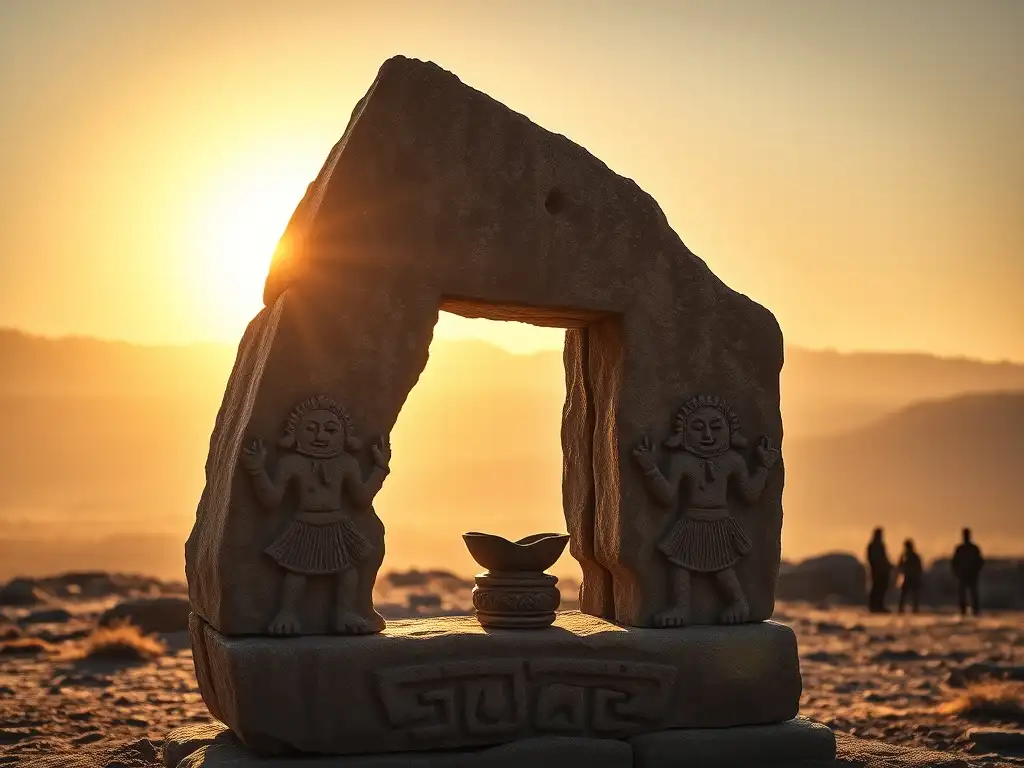
The use of hallucinogenic substances in Tiahuanaco religious practices remains a subject of ongoing scholarly debate, fueled by archaeological findings and interpretations of iconography. While definitive proof is elusive due to the limitations of archaeological evidence, the presence of certain plants associated with psychoactive properties, combined with artistic representations suggestive of altered states of consciousness, strongly suggests their significant role in Tiahuanaco ritual life. The integration of these substances wasn't simply recreational; it appears deeply interwoven with their complex cosmology, shaping their understanding of the cosmos and their relationship with the divine.
Understanding this aspect offers crucial insights into the beliefs and practices of this enigmatic civilization. The potential use of hallucinogens needs to be considered within the broader context of Tiahuanaco's sophisticated societal structures and spiritual beliefs, recognizing the complexities and nuances involved.
Identifying Hallucinogenic Plants Used by the Tiahuanaco People
Identifying the specific hallucinogenic plants used by the Tiahuanaco people presents a significant challenge. However, several candidates have been proposed based on ethnobotanical studies of later Andean cultures and the presence of certain plant remains at archaeological sites. One prime candidate is Datura, a genus containing several species with potent deliriant and hallucinogenic properties.
The presence of Datura in the Andean region during the Tiahuanaco period is well-documented, and its use in shamanistic practices has been recorded in numerous ethnohistorical accounts from later periods. Its powerful effects, including vivid hallucinations and altered perceptions of time and space, align with the iconography found in Tiahuanaco art suggesting altered states.
Another possibility is the use of Brugmansia, also known as angel's trumpets. Similar to Datura, Brugmansia contains tropane alkaloids that induce powerful hallucinogenic experiences. The plants' trumpet-shaped flowers are visually striking and could have held symbolic significance within Tiahuanaco rituals. Furthermore, the psychoactive properties of Anadenanthera peregrina (yopo), a powerful hallucinogen used by various pre-Columbian cultures, cannot be entirely ruled out, although direct evidence from Tiahuanaco sites is currently lacking. Further research, including advanced phytochemical analysis of archaeological samples, is needed to definitively identify the specific plants used.
The potential use of more than one plant is also a strong possibility. Complex mixtures of different plants, each with its unique psychoactive properties, may have been employed to create specific ritualistic experiences. This aligns with the sophisticated understanding of botany and pharmacology evident in other Andean cultures. The lack of written records necessitates reliance on careful archaeological analysis and cross-cultural comparisons to piece together a more complete picture.
The Preparation and Administration of Tiahuanaco Hallucinogens
The methods used by the Tiahuanaco people to prepare and administer these hallucinogens remain largely speculative, but some inferences can be made based on later Andean traditions. It is likely that the plants were processed in various ways to enhance their potency and to control the intensity of the experience. This might have involved drying, grinding, or mixing with other substances. The preparation could have been a ritualistic act in itself, imbued with symbolic meaning and conducted by specialized individuals, potentially shamans or priests.
Possible Administration Methods
Ingestion might have been the most common method, possibly involving consuming the plant material directly or as part of a beverage. Inhaling powdered plant material, similar to the use of *yopo* in other cultures, is another possibility, though evidence remains scarce. Topical application is less likely given the nature of the psychoactive compounds. The administration method would undoubtedly have been carefully controlled to manage the intensity and duration of the hallucinogenic experience, ensuring a safe and controlled ritual environment. The social context of the administration is as crucial as the preparation itself, suggesting a highly structured and controlled process.
The administration of these substances would likely have been a highly structured and ritualized event, overseen by individuals with specialized knowledge. These individuals may have played a crucial role in interpreting the visions and experiences induced by the hallucinogens, guiding participants through the altered state of consciousness and connecting the experience to their religious beliefs and cosmology. The social and religious context surrounding the use of these substances is critical to understanding their role within Tiahuanaco society.
Further research is needed to fully understand this complex aspect of Tiahuanaco culture. The precise details of preparation and administration remain a significant area for future research, promising to unveil further fascinating insights into Tiahuanaco religious practices.
Tiahuanaco Rituals and Altered States of Consciousness
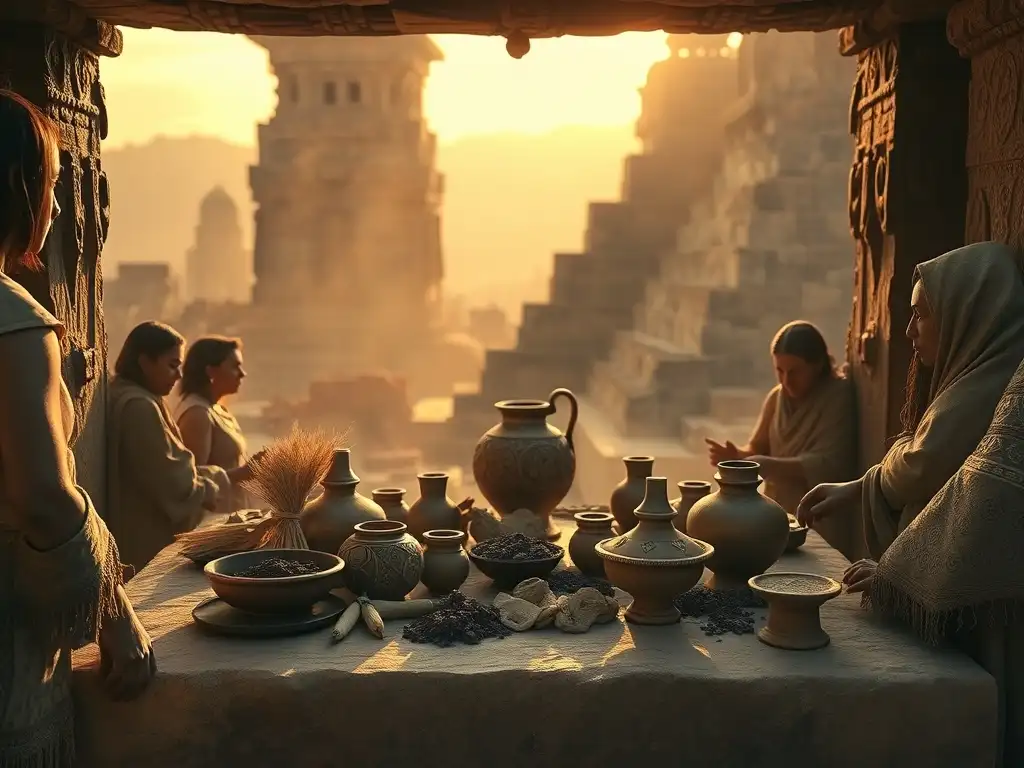
This section delves into the compelling evidence suggesting the significant role of hallucinogens in Tiahuanaco rituals, exploring how these substances may have facilitated altered states of consciousness and their connection to religious practices. The use of hallucinogens wasn't simply recreational; it was deeply interwoven with the spiritual fabric of Tiahuanaco society, shaping their understanding of the cosmos and their relationship with the divine.
Analyzing archaeological findings and anthropological interpretations, we aim to paint a picture of the complex interplay between altered perceptions, religious beliefs, and social structures within this fascinating civilization. The evidence points towards a sophisticated understanding of the effects of these substances and their integration into a carefully orchestrated ritual system.
The Purpose of Hallucinogenic Rituals in Tiahuanaco
The primary purpose of hallucinogenic rituals in Tiahuanaco likely revolved around establishing a connection with the spiritual realm. Archaeological evidence, such as the discovery of paraphernalia potentially used for preparing and ingesting hallucinogens within sacred sites, strongly suggests their ritualistic use. These rituals were not solely individualistic experiences but rather communal events, potentially fostering social cohesion and reinforcing shared beliefs. The ingestion of substances like Anadenanthera peregrina (yopo), or possibly other plants containing psychoactive compounds, could have induced visions and altered perceptions, allowing participants to experience a direct communion with their deities and ancestors.
One hypothesis suggests that these altered states facilitated communication with the spirit world, enabling shamans or religious leaders to receive divine guidance or prophecies. The intricate iconography found on Tiahuanaco artifacts, depicting figures with seemingly altered states of consciousness, further supports this notion. The complex designs and symbolic representations could be interpreted as visual manifestations of these hallucinatory experiences, providing a tangible link between the earthly and spiritual realms.
Furthermore, the use of hallucinogens might have played a role in healing rituals, with the altered states facilitating therapeutic processes. This would align with the shamanistic practices observed in many other indigenous cultures. Further research, including detailed chemical analysis of artifacts and a deeper understanding of the iconography, is needed to fully elucidate the intricacies of these practices.
Ritualistic Contexts: Temples and Ceremonial Centers
The precise locations where these hallucinogenic rituals took place remain a topic of ongoing investigation. However, it's highly probable that the monumental architecture of Tiahuanaco, particularly its temples and ceremonial centers, served as the primary venues for such ceremonies. The scale and grandeur of these structures suggest their importance in the social and religious life of the civilization.
The Kalasasaya Temple, for example, with its massive stone blocks and intricate carvings, presents a compelling candidate for a site of significant ritual activity. The precise layout and orientation of these structures may have been carefully designed to enhance the effects of the hallucinogens, perhaps aligning with astronomical events or specific geographical features.
Consider the potential for carefully controlled environments within these temples. The enclosed spaces, combined with the ingestion of hallucinogens, could have created an atmosphere conducive to profound spiritual experiences. The dim lighting, the rhythmic chanting or music, and the presence of significant artifacts could have all contributed to a powerful and immersive ritualistic experience.
Further investigation into the architectural design and the spatial arrangement of these sites is crucial for gaining a more comprehensive understanding of the ritual contexts. Detailed mapping and analysis of the potential use of acoustics within these spaces could reveal additional clues about their function in facilitating altered states of consciousness.
Experiencing the Divine: Altered Perception in Tiahuanaco Rituals
The altered perceptions induced by hallucinogens likely played a crucial role in shaping the religious beliefs and cosmology of the Tiahuanaco people. Visual hallucinations, intensified sensory experiences, and altered states of consciousness could have provided a framework for understanding the divine and the workings of the cosmos. The intricate iconography found on Tiahuanaco pottery and textiles, featuring stylized figures, mythical creatures, and complex geometric patterns, may reflect these altered perceptions. These artistic representations may serve as visual records of the hallucinatory experiences, providing insights into the religious beliefs and worldview of the civilization.
The intense emotional and spiritual experiences associated with these rituals likely reinforced existing religious beliefs and strengthened social bonds within the community. The shared experience of altered consciousness could have fostered a sense of collective identity and reinforced the authority of religious leaders. The combination of the potent hallucinogens, the ceremonial setting, and the social context likely created a profoundly powerful and transformative experience.
The lingering effects of these altered states could have influenced daily life, shaping individual behavior and social interactions. Further research on the relationship between the hallucinogenic experiences and the artistic and architectural achievements of Tiahuanaco is crucial for a more complete understanding of the profound influence of these rituals on their culture.
Iconography and Hallucinogenic Imagery in Tiahuanaco Art
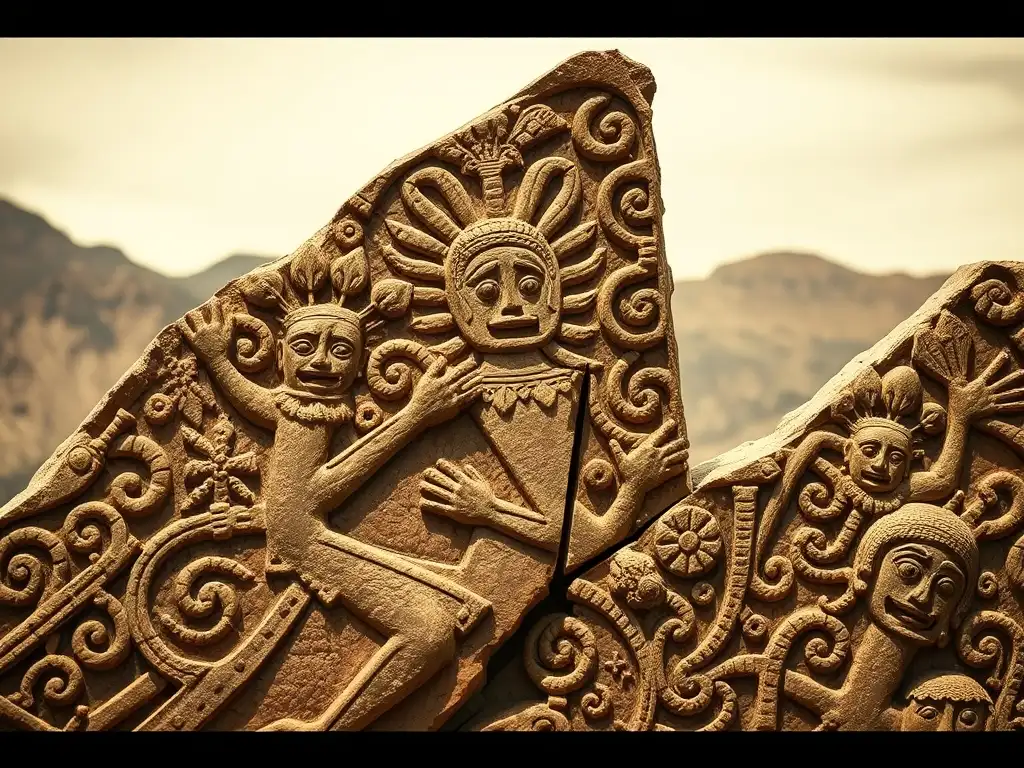
The intricate art of the Tiahuanaco civilization, characterized by its monumental architecture and sophisticated craftsmanship, offers compelling evidence suggesting the significant role of hallucinogens in their religious rituals. Analyzing Tiahuanaco iconography reveals recurring motifs and symbols strongly suggestive of altered states of consciousness, induced likely through the ingestion of psychoactive substances. The prevalence of these images across various media—stone carvings, ceramics, textiles (where surviving examples allow for such analysis)—points to a deeply ingrained cultural connection between religious practice and hallucinogenic experience. This section will delve into specific examples and interpretations of this fascinating interplay.
Decoding Tiahuanaco Art: Visual Representations of Hallucinogenic Experiences
Many scholars interpret specific Tiahuanaco artistic representations as direct visual depictions of hallucinogenic experiences. The recurring motif of "staff gods," figures often depicted with elongated features, exaggerated eyes, and intricate headdresses, are frequently cited as examples. These figures are often shown in dynamic poses, seemingly floating or in states of ecstatic trance.
The highly stylized and sometimes distorted human forms could represent the altered perception of reality experienced under the influence of hallucinogens. Furthermore, the prevalence of geometric patterns and intricate designs, especially those incorporating spirals, concentric circles, and zigzags, are reminiscent of the enteogen visions reported by users of substances like San Pedro cactus and other plants known to have been used in the Andes.
These patterns, often found interwoven within larger scenes, may represent the fragmented and intensely visual nature of altered perception. The repetition of these motifs across different artistic mediums reinforces their significance within Tiahuanaco culture and their possible connection to ritual practices involving hallucinogens.
The Influence of Hallucinogens on Tiahuanaco Artistic Expression
The impact of hallucinogens extends beyond simply depicting altered states; it likely influenced the very process of artistic creation within Tiahuanaco society. The intense creativity and visionary quality apparent in their art could be directly linked to the use of these substances.
The precision and detail in their stone carvings, the vibrant colors (where preserved) in their ceramics, and the complex weaving techniques in their textiles all suggest a heightened sensory awareness and a unique creative capacity, possibly facilitated by altered states of consciousness. It's plausible that the artists themselves ingested hallucinogens to enhance their creative process, leading to the production of the uniquely striking and often surreal imagery characteristic of Tiahuanaco art.
This interpretation aligns with ethnographic studies of other cultures where psychedelic substances have played a vital role in artistic inspiration and spiritual expression. Further research into the chemical analysis of pigments and materials used in Tiahuanaco art could potentially shed more light on this hypothesis.
Depictions of Staff Gods and Entoptic Phenomena
The "staff gods" of Tiahuanaco art are particularly intriguing in their possible connection to hallucinogenic experiences. Their elongated limbs and features, along with their often-repeated poses, are strongly suggestive of entoptic phenomena—visual patterns and hallucinations that can occur during altered states of consciousness. These phenomena often involve geometric shapes, such as grids, spirals, and lattices, which are prominent features in Tiahuanaco art.
The intense visual experience reported by users of hallucinogens often includes vivid geometric designs that seem to shift and morph, mirroring the dynamism and complexity found in the depictions of these figures. The staff gods, therefore, could be interpreted not just as deities, but as visual representations of the transformative experiences associated with hallucinogenic rituals. The repetition of these motifs across various artistic mediums suggests a deliberate attempt to visually record and communicate these transformative experiences, solidifying their importance within the Tiahuanaco religious worldview.
The detailed study of these representations provides crucial insights into the intersection of art, religion, and altered states of consciousness within this remarkable civilization. Further research involving comparative analysis with other Andean cultures known to have used hallucinogens could strengthen this interpretation.
The Effects of Hallucinogens on Tiahuanaco Spirituality
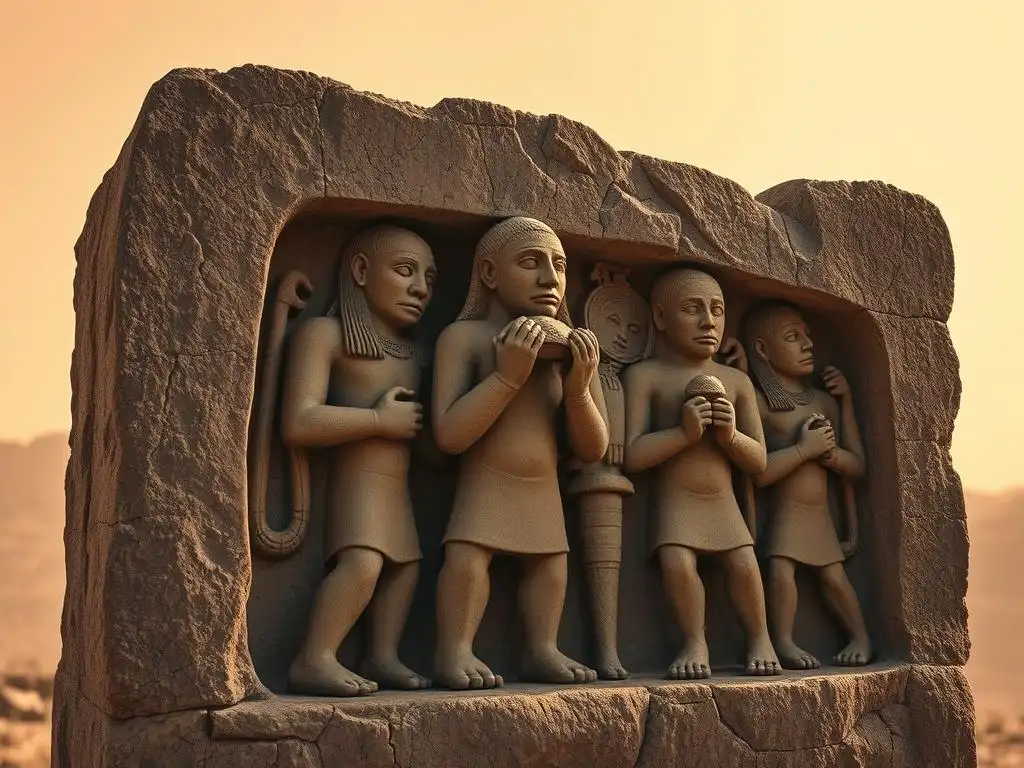
The use of hallucinogens in Tiahuanaco rituals profoundly impacted the spirituality of this ancient Andean civilization. Evidence suggests that substances like San Pedro cactus ( Echinopsis pachanoi) and possibly other plants played a crucial role in shaping their religious experiences and worldview. These substances weren't simply recreational; they were integral to connecting with the spiritual realm, facilitating communication with deities, and accessing altered states of consciousness considered essential for understanding the cosmos.
The impact extended far beyond individual experiences, shaping the very fabric of Tiahuanaco society and influencing its art, architecture, and social structures. Understanding the role of these substances provides critical insight into the complex religious beliefs and practices of the Tiahuanaco people. Further research is needed to fully elucidate the precise types and quantities of hallucinogens employed, and to further clarify their specific effects within the context of Tiahuanaco rituals.
Connecting with Ancestors and Deities Through Hallucinogenic Trances
The ingestion of hallucinogens in Tiahuanaco likely facilitated communication with the spiritual world, enabling individuals to interact with ancestors and deities. Archaeological evidence, while limited, points towards ritual contexts surrounding the use of these substances. The intricate carvings and depictions found on Tiahuanaco artifacts, often featuring hybrid beings and supernatural entities, may reflect visions experienced under the influence of hallucinogens. These visions were likely not considered arbitrary; they were believed to offer profound insights into the nature of reality and the relationships between the human and divine realms. The intense sensory experiences induced by these substances could have fostered a sense of unity with the cosmos, reinforcing the spiritual beliefs and practices of the Tiahuanaco people.
It's hypothesized that shamanic practitioners played a key role in guiding these experiences, interpreting the visions and mediating between the earthly and spiritual worlds. The social standing and authority of these shamans were likely directly linked to their ability to effectively utilize and interpret the effects of these hallucinogens. Further research into the iconography and symbolism prevalent in Tiahuanaco art could shed more light on the specific ways in which hallucinogenic experiences were interpreted and integrated into their religious cosmology.
Hallucinogens as a Tool for Shamanic Practice in Tiahuanaco
The shamanic practices of Tiahuanaco were inextricably linked to the use of hallucinogens. These substances served as tools for accessing altered states of consciousness, allowing shamans to perform rituals, heal the sick, and communicate with the spirit world on behalf of the community. The shaman's role was crucial, acting as an intermediary between the human and divine realms.
Their expertise in the preparation and administration of hallucinogens, coupled with their ability to interpret the resulting visions, conferred significant social and spiritual power. The preparation of these substances was likely a complex process, involving specialized knowledge of botany, pharmacology, and ritual practices.
The use of hallucinogens within this context wasn't simply about altering perception; it was about achieving a state of heightened awareness and spiritual insight. This practice allowed shamans to diagnose illnesses, predict the future, and guide their communities through challenging times. The effectiveness of a shaman was directly linked to their mastery of these techniques, highlighting the profound importance of hallucinogens within the broader context of Tiahuanaco society and their spiritual beliefs.
The Impact of Altered States on the Tiahuanaco Worldview
The altered states of consciousness induced by hallucinogens profoundly shaped the Tiahuanaco worldview. The visions and experiences encountered during these rituals likely contributed to the development of their complex cosmology, their understanding of the cosmos, and their social structures. The intricate iconography found in Tiahuanaco art, characterized by hybrid beings, geometric patterns, and representations of deities, may reflect the visual and sensory experiences generated by hallucinogens. These experiences may have contributed to their belief in a interconnected and dynamic universe, where the boundaries between the human, animal, and divine realms were fluid and permeable.
The use of hallucinogens in Tiahuanaco rituals wasn't a marginal practice; it was deeply ingrained in their culture and spirituality. It influenced their art, architecture, and social organization. The impact of these substances extends beyond simple religious practices; they played a vital role in shaping the very essence of Tiahuanaco civilization and its unique worldview.
Further research into this topic is crucial to understanding the role of altered states of consciousness in shaping the cultural and spiritual landscape of this fascinating civilization. The Tiahuanaco hallucinogens rituals remain a captivating area of study, promising to reveal further insights into the complexities of this ancient Andean culture.
Evidence Supporting the Use of Hallucinogens in Tiahuanaco
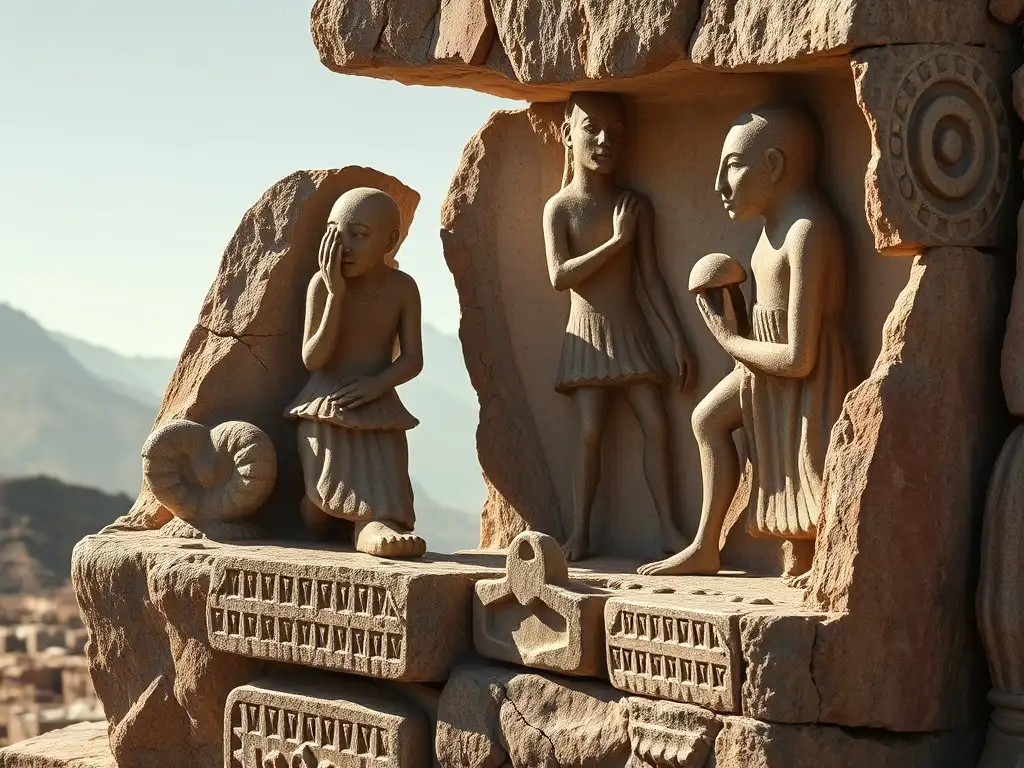
This section delves into the compelling evidence suggesting the prominent role of hallucinogens in Tiahuanaco rituals. The use of psychoactive substances to alter consciousness and facilitate communication with the spiritual world was likely a significant aspect of their religious practices. This exploration will focus on archaeological discoveries, ethnohistorical accounts, and the specific context of ritual paraphernalia found at key sites. The term "Tiahuanaco hallucinogens rituals" aptly summarizes this crucial element of their complex religious system.
Archaeological Findings: Residue Analysis and Material Culture
Archaeological investigations have yielded significant evidence supporting the use of hallucinogens in Tiahuanaco rituals. Residue analysis of artifacts, particularly pottery and paraphernalia associated with rituals, has revealed traces of psychoactive compounds. For instance, studies on ceramic vessels unearthed at various Tiahuanaco sites have identified residues consistent with coca and other plants with known hallucinogenic properties. The presence of these residues isn't merely coincidental; the careful preservation of these vessels suggests their intentional use in ritual contexts.
Furthermore, the material culture itself offers clues. Elaborate textiles, intricately carved stone sculptures, and unique forms of pottery often depict imagery suggestive of altered states of consciousness. These visual representations, while open to interpretation, frequently include motifs mirroring the reported effects of hallucinogens—such as distorted figures, swirling patterns, and scenes that seem to transcend the ordinary. The sheer artistry and detail in these artifacts indicate that the production and use of hallucinogens were not casual activities but rather integral components of highly structured rituals. The specific types of hallucinogens used and their intended effects remain areas of ongoing research, necessitating further analysis of the existing artifacts and the discovery of new evidence. Precise identification of the specific plant species used is often challenging due to the degradation of organic materials over time. However, the consistent presence of residues and the supportive visual evidence strongly suggest a widespread use of hallucinogens.
Ethnohistorical Accounts and Interpretations
While direct written records from the Tiahuanaco period are scarce, ethnohistorical accounts from later Andean cultures offer valuable insights. Chronicles and oral traditions from groups who inhabited the region after the decline of Tiahuanaco often describe the use of hallucinogens in religious ceremonies.
These accounts, while needing careful contextualization and critical analysis, reveal a consistent pattern of using plants like coca, tobacco, and possibly other, less easily identifiable substances, to induce altered states of consciousness. The interpretations of these accounts must consider potential biases and the passage of time, but they nonetheless provide a valuable framework for understanding the broader context of hallucinogen use in the Andean region.
The continuity of certain ritual practices across different Andean cultures suggests a long and deeply rooted tradition of using psychoactive substances in religious ceremonies, with Tiahuanaco likely playing a central role in establishing these practices. Further research into these ethnohistorical accounts, cross-referencing them with archaeological findings, is crucial to better understand the specific rituals and their significance.
Tiwanaku and Wankarani Sites: Evidence of Snuff Trays and Paraphernalia
The sites of Tiwanaku and Wankarani provide particularly strong evidence for the use of hallucinogens. At these locations, archaeologists have unearthed numerous artifacts clearly associated with the ritual consumption of psychoactive substances. Specifically, the discovery of intricately carved snuff trays and paraphernalia, such as tubes and spatulas, points to the ritualized use of snuffs derived from hallucinogenic plants.
The meticulous craftsmanship evident in these artifacts highlights the importance attributed to these rituals. The design and decoration of these objects often incorporate symbolic imagery connected to the Tiahuanaco cosmology and religious beliefs, further reinforcing their ritual significance. Detailed analysis of the materials used in constructing these artifacts, along with residue analysis, can provide further insights into the specific types of hallucinogens employed and the techniques used in their administration.
The sheer quantity and variety of snuff trays and related paraphernalia discovered at Tiwanaku and Wankarani strongly suggest a widespread and deeply ingrained practice of using hallucinogens within their religious system. The careful placement of these artifacts within specific ritual contexts further underscores their central role in Tiahuanaco religious life. The continued study of these sites promises to shed more light on the specific practices and beliefs surrounding the use of hallucinogens in Tiahuanaco culture.
The Legacy of Tiahuanaco Hallucinogenic Practices
The use of hallucinogenic substances in Tiahuanaco rituals wasn't simply a fleeting phenomenon; it left an indelible mark on subsequent Andean cultures. The sophisticated understanding of psychoactive plants and their ritualistic applications, evident in Tiahuanaco's religious practices, significantly influenced later Andean spiritual traditions. This influence wasn't a direct replication but rather a complex process of adaptation and transformation, reflecting the evolving socio-political landscapes and religious beliefs across different Andean societies. Understanding this legacy requires careful consideration of both continuity and change in the usage of these powerful substances.
The Influence on Later Andean Cultures
Evidence suggests that the symbolic and ritualistic frameworks surrounding hallucinogen use in Tiahuanaco directly impacted the practices of later Andean civilizations, including the Inca. While the specific plants and rituals varied, the fundamental concept of altered states of consciousness to facilitate communication with the divine or access otherworldly realms persisted. This continuity can be observed in the recurring motifs found in art and textiles from various periods.
For example, representations of specific plants, often interpreted as hallucinogens, appear in both Tiahuanaco artifacts and those of later cultures, suggesting a shared symbolic language. The use of textiles with intricate designs, possibly representing altered states of perception or shamanic journeys, is also a point of continuity. Further research is needed to fully understand the extent of this influence, particularly concerning the specific types of hallucinogens used and the detailed nature of their ritualistic applications in different cultures.
The complex interplay between continuity and innovation in Andean religious practices underscores the enduring power of Tiahuanaco's legacy. The transmission of these practices wasn't simply a passive inheritance but rather a dynamic process involving cultural exchange and adaptation.
Comparison with Inca and Wari use of Hallucinogens
While both the Inca and Wari civilizations employed hallucinogens in their religious practices, their usage differed significantly from that of the Tiahuanaco culture. The Inca, for instance, are primarily associated with the use of coca leaves, which, while possessing stimulant properties, differ markedly from the potent hallucinogens likely employed by the Tiahuanaco people. The limited evidence available suggests that Inca rituals involving coca were more focused on maintaining energy and facilitating social cohesion, rather than inducing intense visionary experiences.
The Wari, on the other hand, while less extensively studied in this context, also appear to have utilized different psychoactive plants and employed them in different ritual contexts. A direct comparison is difficult due to the scarcity of complete archaeological records concerning Wari religious practices. However, the existing evidence suggests a more localized and less centralized approach to hallucinogenic use compared to the seemingly organized and possibly pan-Andean influence exerted by Tiahuanaco religious practices involving these substances.
The differences highlight the diverse ways in which Andean societies integrated hallucinogens into their spiritual and social life, reflecting unique cultural contexts and beliefs. More research is needed to better understand the specific types of hallucinogens used by the Wari and to compare their ritual applications with those of the Tiahuanaco.
The Enduring Relevance of Tiahuanaco Rituals and Spirituality
The study of Tiahuanaco hallucinogen rituals holds enduring relevance for understanding Andean spirituality and its lasting impact. The sophisticated understanding of psychoactive plants and their integration into elaborate religious ceremonies reflects a profound connection between humans and the natural world. This deep-seated spiritual connection continues to resonate in contemporary Andean cultures, where traditional practices often incorporate elements of shamanism and a reverence for the natural environment.
The enduring legacy of Tiahuanaco's religious practices isn't merely a historical curiosity; it provides valuable insights into the complex relationship between religion, cosmology, and the use of altered states of consciousness in shaping Andean societies. Further investigation into these rituals can illuminate the role of hallucinogens in fostering social cohesion, facilitating communication with the divine, and navigating the complexities of the human experience.
The study of Tiahuanaco hallucinogens rituals offers a window into a rich and complex spiritual tradition that continues to influence Andean cultures today. Understanding this legacy allows us to appreciate the depth and complexity of Andean spirituality and its enduring power.
Frequently Asked Questions
What role did hallucinogens play in Tiahuanaco culture?
Hallucinogens, likely entheogens like San Pedro cactus and possibly others, were central to Tiahuanaco rituals. They were believed to facilitate communication with the spiritual world and enhance religious experiences.
What evidence supports the use of hallucinogens in Tiahuanaco rituals?
Archaeological findings, including iconography depicting altered states of consciousness on ceramics and textiles, strongly suggest the use of hallucinogens. Furthermore, the presence of potential hallucinogenic plants in the region adds supporting evidence.
Were all Tiahuanaco rituals linked to hallucinogen use?
While evidence points to widespread use, it's unlikely that all rituals involved hallucinogens. The use likely varied depending on the specific ceremony's purpose and context.
How did the use of hallucinogens affect Tiahuanaco society?
The use of hallucinogens likely impacted various aspects of Tiahuanaco society, influencing religious beliefs, social structures, and artistic expression. It may have also played a role in political power dynamics.
What are the ethical considerations in studying Tiahuanaco's use of hallucinogens?
Researchers must approach the topic with sensitivity and respect for the cultural heritage of the Andean people. It's crucial to avoid perpetuating harmful stereotypes or misinterpretations of ancient practices.
Final Reflection: Echoes of the Andes: A Legacy of Altered Consciousness
The use of hallucinogens in Tiahuanaco rituals wasn't merely a historical curiosity; it represents a profound engagement with the spiritual and the physical world, a practice that continues to resonate with our understanding of altered states of consciousness today. The echoes of these ancient practices, though muted by time, still whisper of humanity's enduring quest for connection with something beyond the tangible. Understanding these rituals offers a crucial lens through which to examine our own relationship with altered states and the search for meaning.
The enduring power of the Tiahuanaco rituals lies not just in their historical significance, but in their ability to challenge our modern perspectives on spirituality and perception. They force us to consider the diverse ways in which humans have sought to understand the universe and their place within it. The very act of altering consciousness, whether through ritual or other means, speaks to a fundamental human need to transcend the limitations of ordinary experience. The shaman, the medicine man, the priest—these are all figures who, through altered states of consciousness, seek to bridge the gap between the human and the divine.
This quote highlights the universality of the human desire to connect with something greater than oneself, a desire that fueled the rituals of Tiahuanaco and continues to shape our spiritual and artistic expressions today.
Consider the implications of this ancient practice. How might understanding the Tiahuanaco's use of hallucinogens inform our own approaches to spirituality, creativity, and mental health? You, the reader, are now invited to reflect on the enduring power of altered states of consciousness and the diverse ways in which humanity has sought to explore the inner and outer worlds. Let the echoes of the Andes inspire you to explore your own relationship with consciousness, and to consider the profound ways in which our understanding of the world is shaped by our perceptions, both ordinary and extraordinary.
Unveil the Mysteries of Altered Consciousness in Tiahuanaco!
Thank you for exploring the fascinating world of Tiahuanaco rituals and the use of hallucinogens to alter consciousness and perception. You've uncovered a remarkable aspect of Andean civilization, and now let's delve even deeper!
Here are some ways to expand your understanding and engage further with this captivating subject:
- Deepen your knowledge by researching the various hallucinogens used in ancient cultures and their specific roles in rituals.
- Share your discoveries with others by discussing your insights on social media or in online forums dedicated to Andean history and archaeology. Let's inspire others to learn about these rich traditions!
- Connect with experts by joining a community or attending a webinar focused on indigenous practices and altered states of consciousness. This will offer a unique perspective and firsthand insights.
What aspects of altered consciousness in ancient Andean societies intrigue you most, and how do you believe this knowledge might reshape our understanding of their culture and beliefs?