
The Inca Capital: Cusco, the Heart of the Empire

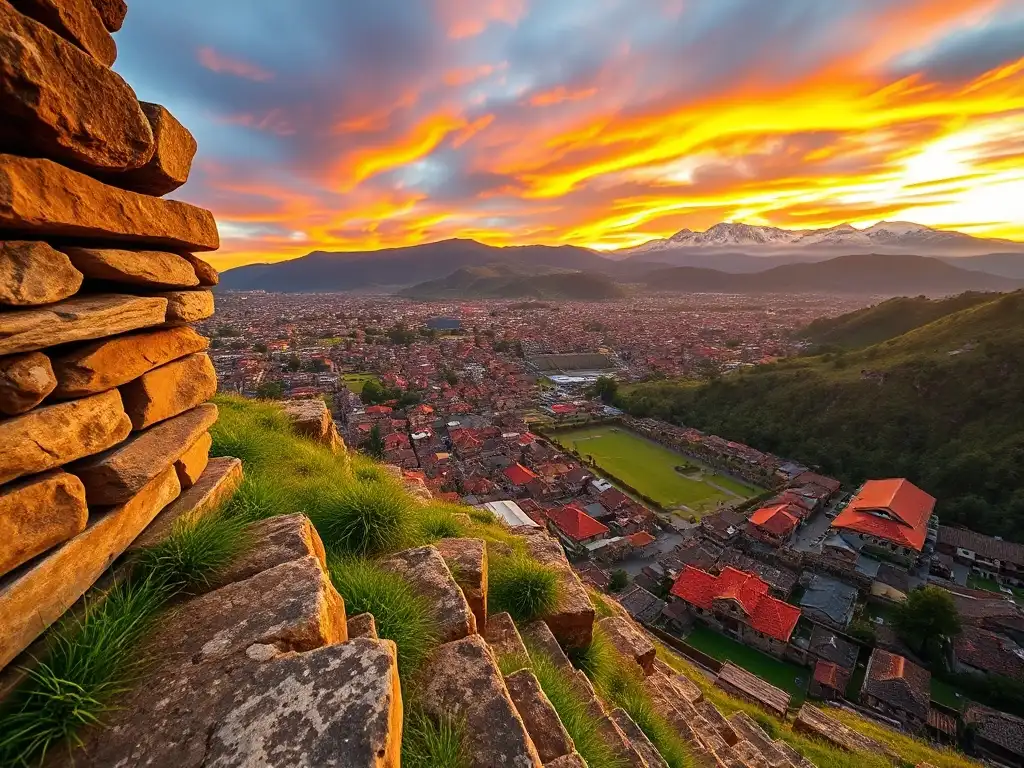
Step into a world lost to time, yet echoing with the whispers of a magnificent empire. Journey with us to the heart of the Andes, where the Cusco Inca Empire history unfolds before your eyes. Discover the secrets of this legendary capital, a city built on breathtaking ingenuity and a legacy that continues to captivate. Are you ready to uncover the mysteries of Cusco and its place within the vast Inca civilization? Let's begin...
- Cusco: The Heart of the Inca Empire
- The Origins of Cusco: From Myth to Reality
- Cusco as the Capital of the Inca Empire
- Key Architectural Marvels of Cusco
- Cusco's Cultural Significance in the Inca World
- The Fall of the Inca Empire and Cusco's Transformation
- Cusco Today: A Blend of Inca and Colonial History
- Frequently Asked Questions
- Final Reflection: Cusco's Enduring Legacy, A Heartbeat Through Time
- Unveil the Wonders of Cusco Today!
Cusco: The Heart of the Inca Empire
Cusco, nestled high in the Andes Mountains of Peru, wasn't merely a city; it was the very heart of the Inca Empire, a pulsating center of political power, religious devotion, and economic activity. For centuries, this strategically located city served as the capital, a testament to Inca ingenuity and a profound reflection of their sophisticated civilization. Understanding Cusco's significance requires exploring its role as the administrative hub, its religious importance, and its impact on the broader Inca world.
This exploration delves into the intricate tapestry of Cusco's history within the Inca Empire, examining its evolution from a small settlement to the magnificent capital that captivated chroniclers and continues to fascinate historians today. We will uncover how its strategic location, impressive architecture, and complex social structure contributed to the Empire's power and longevity, solidifying Cusco's place as a crucial site for understanding "Cusco Inca Empire history."
Understanding Cusco's Significance in Inca History
Cusco's importance to the Inca Empire cannot be overstated. It served as the administrative center, the religious heartland, and a crucial point for trade and communication throughout the vast empire. The city's layout, meticulously planned and reflecting Inca cosmology, reveals a profound understanding of urban planning and societal organization.
Its strategic position in the Andes Mountains provided access to vital resources and facilitated control over surrounding territories. The Inca rulers, the Sapa Inca, resided in Cusco, overseeing the empire's administration and exercising their authority from the heart of this magnificent city. The city's growth and development are intrinsically linked to the rise and expansion of the Inca Empire itself.
Analyzing Cusco's history provides invaluable insight into the broader workings of the Inca state. The sheer scale of the city, even in its partially ruined state, speaks volumes about the Inca's engineering prowess and their ability to mobilize vast resources for monumental construction projects.
Cusco as the Administrative Center of the Inca Empire
The Inca Empire was a remarkably organized and efficient state, and Cusco played a pivotal role in its administration. The city housed the government's central offices, where officials managed the empire's vast resources, including agriculture, mining, and labor. A complex system of roads, the Qhapaq Ñan, radiated outwards from Cusco, connecting the capital to all corners of the empire, facilitating communication and the swift movement of goods and people.
This efficient system allowed the Inca to maintain control over their far-flung territories and effectively govern a diverse population. The organization of Cusco itself mirrored the hierarchical structure of the Inca government, with palaces, temples, and administrative buildings strategically located to reflect the power dynamics of the ruling class. Evidence from archaeological excavations continues to reveal the complexity of this administrative system, revealing detailed records and intricate accounting practices.
The Religious Significance of Cusco
Beyond its administrative functions, Cusco held immense religious significance for the Inca. The city was considered a sacred place, the center of the Inca world, and home to numerous temples and shrines dedicated to various deities. The most important of these was the Coricancha (Temple of the Sun), a magnificent structure that served as the main religious center of the empire.
The Coricancha was not merely a place of worship; it also housed the mummies of past Sapa Inca, further solidifying the city’s spiritual power and its role in maintaining continuity and legitimacy of the ruling dynasty. The religious festivals and ceremonies held in Cusco played a vital role in unifying the empire and reinforcing the Inca ideology.
These events brought together people from across the empire, strengthening social bonds and reinforcing the power of the Sapa Inca as both a political and spiritual leader. The integration of religious and political power in Cusco was a key element in the success of the Inca Empire.
The Impact of Cusco on Inca Society and Culture
Cusco's influence extended far beyond its administrative and religious roles. The city was a center of artistic and technological innovation, a crucible where Inca artisans and engineers created remarkable works of art and architecture. The city's architecture, characterized by its precise stonework and intricate designs, showcases the Inca's mastery of engineering and their deep understanding of construction techniques. The development of sophisticated agricultural techniques, such as terracing, allowed the Inca to cultivate the challenging Andean terrain, and Cusco served as a model for implementing these techniques throughout the empire. The city’s cultural influence is evident in the spread of Inca language, customs, and religious beliefs across its vast territories, demonstrating the profound impact of Cusco on the lives of the diverse populations that made up the Inca Empire. The legacy of Cusco is not limited to the Inca period; its influence continues to resonate in modern Peruvian society and culture.
The Origins of Cusco: From Myth to Reality
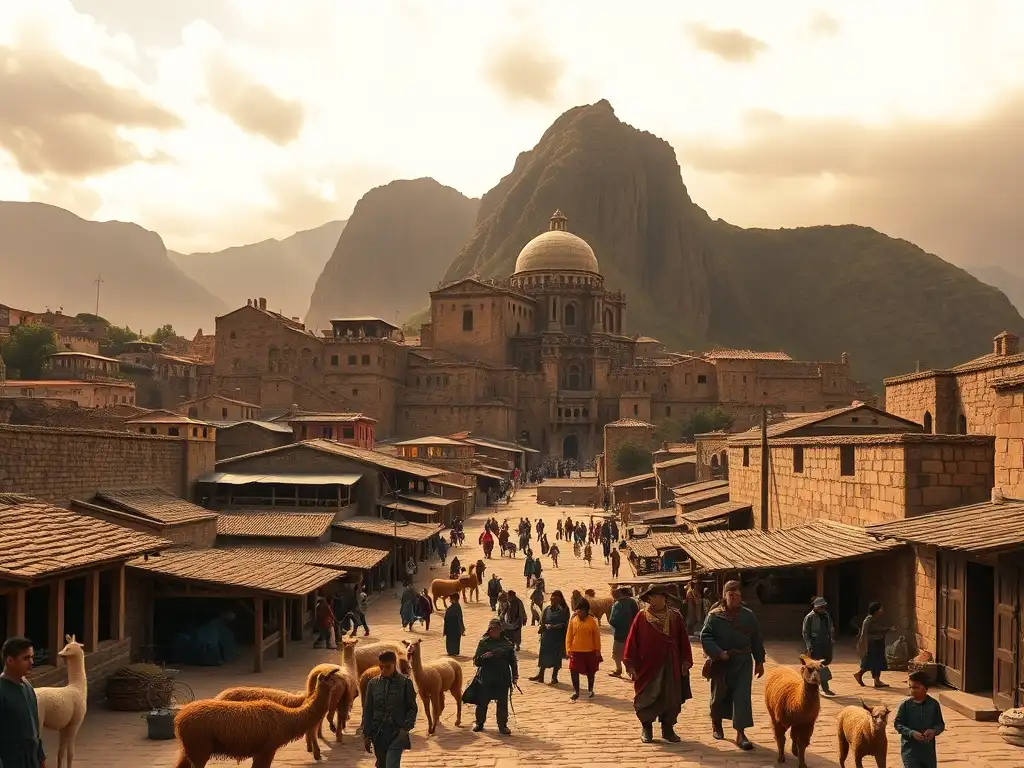
Cusco, the heart of the Inca Empire, boasts a history as captivating as its breathtaking mountain setting. Understanding Cusco's role in the Inca Empire requires exploring its origins, a journey that blends captivating myths with compelling archaeological evidence. The city's rise from a relatively small settlement to the imperial capital is a testament to the Inca's organizational prowess and ambition, a narrative deeply intertwined with the "Cusco Inca Empire history" itself.
This section delves into the early stages of Cusco's development, examining both the legendary founding and the tangible archaeological remnants that confirm its ancient roots. The strategic location, combined with the Inca's sophisticated engineering and urban planning, solidified Cusco's position as the undisputed center of their vast empire.
The Legend of Manco Cápac and Mama Ocllo: Founding Cusco
The most widely known account of Cusco's founding is the captivating legend of Manco Cápac and Mama Ocllo, the first Inca rulers. This myth, passed down through generations of oral tradition, depicts them emerging from the sacred Lake Titicaca, tasked by the sun god Inti with establishing a new civilization. Armed with a golden staff, Manco Cápac was instructed to find the ideal location to plant the staff – a place where it would sink into the earth.
This spot, according to the legend, became the foundation of Cusco. The legend is not just a simple story; it encapsulates the Inca's profound connection to their deities and the sacred geography of their world. The narrative emphasizes the divine mandate for their rule and the symbolic importance of Cusco as a divinely chosen location.
The story of Manco Cápac and Mama Ocllo continues to resonate today, shaping the cultural identity of Cusco and contributing significantly to the rich tapestry of "Cusco Inca Empire history." Their legacy, whether mythical or historical, is undeniably central to the city's identity.
Archaeological Evidence of Early Cusco Settlement
While the legend of Manco Cápac provides a compelling narrative, archaeological discoveries offer a more tangible understanding of Cusco's early development. Excavations have unearthed evidence of pre-Inca settlements dating back centuries before the supposed arrival of Manco Cápac and Mama Ocllo. These findings suggest a more nuanced and complex history, indicating that Cusco's growth was a gradual process built upon pre-existing settlements.
The discovery of pre-Inca pottery, tools, and building foundations challenges the simplistic notion of a sudden, divinely ordained founding. Instead, it paints a picture of continuous habitation and gradual expansion, with the Inca ultimately building upon and transforming existing structures to create their magnificent capital. Analyzing these archaeological remains provides crucial insights into the materials, techniques, and social structures of the pre-Inca inhabitants of the Cusco Valley, enriching our understanding of the "Cusco Inca Empire history" by providing a more complete picture of the city's development.
Further research and analysis of these artifacts are crucial to unraveling the full story of early Cusco and its inhabitants. The ongoing archaeological work continues to refine our understanding, adding new layers of complexity to the narrative. This intricate layering of history, from pre-Inca settlements to the Inca expansion, contributes to the unique and compelling "Cusco Inca Empire history."
Cusco as the Capital of the Inca Empire
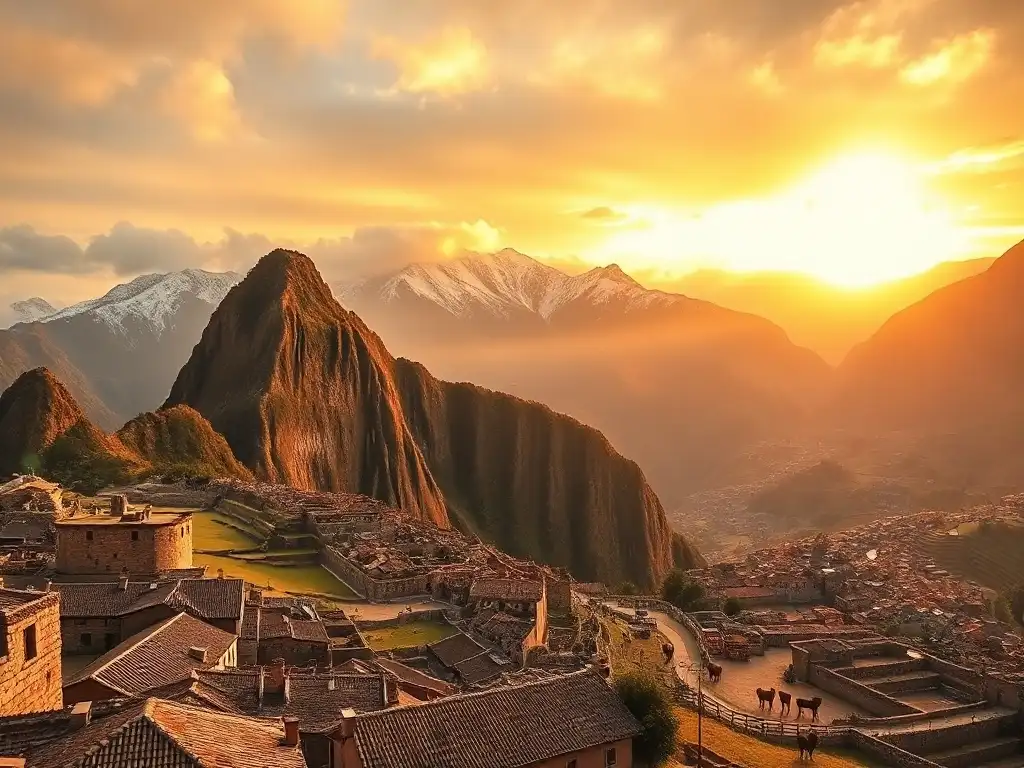
Cusco, the "navel of the world" in Quechua, wasn't merely a city; it was the beating heart of the vast Inca Empire. Its strategic location in a fertile valley of the Andes, coupled with its symbolic significance, cemented its position as the capital. This wasn't a haphazard choice; Cusco's selection as the capital reflected a sophisticated understanding of political geography and the need for a central hub to manage a sprawling empire.
The city's growth and development, intricately linked to the Inca's expansion and consolidation of power, are testament to the empire's administrative prowess and enduring legacy. Understanding Cusco's role as the capital is crucial to understanding the Inca Empire's structure and its remarkable achievements.
The strategic placement of Cusco, combined with its carefully planned infrastructure, facilitated the effective governance of a vast and diverse population spread across a challenging terrain. This section delves deeper into the intricacies of Cusco's significance as the nerve center of Inca power.
Cusco: The Political and Administrative Center of the Inca State
Cusco served as the undisputed political and administrative center of the Inca state. From its meticulously planned streets to its imposing palaces and temples, the city reflected the hierarchical structure of Inca society. The emperor, the Sapa Inca, resided in the magnificent Qorikancha (Temple of the Sun), a testament to the Inca's religious beliefs and their integration with political power.
This wasn't simply a place of worship; it was the center of state religious ceremonies, which reinforced the emperor's divine authority and legitimacy. The Qorikancha also housed the administrative offices responsible for managing the empire's resources and overseeing its vast bureaucracy.
The city was also home to the Apuqulla, the administrative headquarters of the empire. This complex housed officials who managed the mit'a, the labor tax system that underpinned Inca infrastructure projects and agricultural production. The mit'a was a crucial element of Inca governance, and its efficient administration from Cusco ensured the empire's continued growth and prosperity.
Records meticulously kept in quipus (knotted cords) were stored and analyzed here, providing vital information for decision-making at the highest levels of government. The effective management of resources and labor from Cusco ensured the efficient functioning of the empire across its vast territories. This centralized system of administration allowed the Inca to maintain control and order across a diverse and geographically challenging landscape.
The Layout of Imperial Cusco: A City of Power
The layout of Cusco itself was a deliberate expression of Inca power and authority. The city was designed according to a precise plan, with streets running in a grid pattern, reflecting a sophisticated understanding of urban planning. This wasn't merely practical; it symbolized order and control, reflecting the Inca's centralized system of governance. Important buildings, such as the Qorikancha and the royal palaces, were strategically located to emphasize their importance within the city's hierarchy. The placement of these buildings wasn't arbitrary; it reinforced the social and political order of the Inca state.
The city's design also reflected the Inca's mastery of engineering and construction. The intricate network of canals and aqueducts provided a reliable water supply, essential for the city's population and agriculture. The use of stone masonry, a hallmark of Inca architecture, is evident throughout the city, demonstrating their advanced skills and sophisticated understanding of engineering principles.
The impressive scale and precision of the stonework further underscored the Inca's power and authority. The city's infrastructure—a testament to Inca engineering—supported the efficient functioning of the administrative and religious centers, solidifying Cusco's role as the capital. The city's design was not simply functional; it was a powerful statement of Inca control and the empire's sophistication.
The Role of Cusco in Inca Governance and Control
Cusco's central role extended beyond its administrative functions. It served as a vital communication hub, connecting the empire's diverse regions through a sophisticated network of roads and messengers. The chasquis, a relay system of runners, ensured rapid communication between Cusco and the empire's furthest reaches. This efficient communication network allowed the Inca to swiftly respond to challenges and maintain control across their vast territory. The swift transmission of information was crucial for maintaining order and responding to any threats to the empire's stability.
Furthermore, Cusco was a center of religious and cultural significance. The emperor, considered a divine ruler, played a key role in maintaining religious order and ensuring the empire's prosperity. Religious festivals and ceremonies held in Cusco reinforced the emperor's authority and the unity of the empire. This combination of political and religious authority consolidated the Inca's control and ensured the empire's stability.
The strategic integration of religious practices with political governance further solidified Cusco's importance as the heart of the Inca Empire. The city's role as a center of religious and cultural activity helped to unify the diverse populations of the empire under the Inca's rule, strengthening their control and promoting a sense of shared identity. The intricate interplay between political power, religious beliefs, and sophisticated infrastructure cemented Cusco's place as the indispensable capital of the Inca Empire, a key aspect of "Cusco Inca Empire history".
Key Architectural Marvels of Cusco
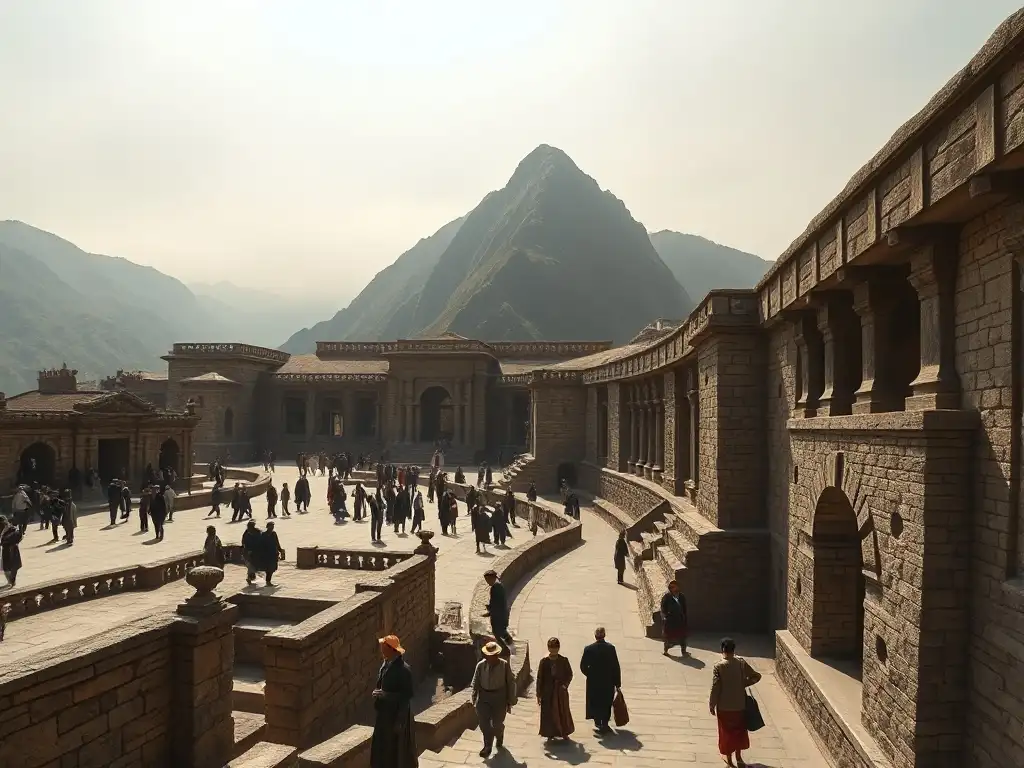
Cusco, the former capital of the Inca Empire, boasts a remarkable collection of architectural marvels that stand as testaments to the ingenuity and sophistication of Inca engineering and artistry. These structures, built using masterful techniques and incorporating sophisticated astronomical alignments, provide invaluable insights into the Inca worldview and their advanced understanding of construction. Understanding these sites is key to grasping the Cusco Inca Empire history. The city itself is a living museum, with Inca foundations seamlessly integrated into the modern cityscape. This section will focus on three prominent examples that showcase the empire's architectural prowess: Sacsayhuamán, Coricancha, and Q'enqo.
Sacsayhuamán: The Fortress Overlooking Cusco
Sacsayhuamán, situated on a hill overlooking Cusco, is arguably the most impressive Inca structure in the region. This massive fortress, a testament to Inca military might and engineering skills, is characterized by its cyclopean walls constructed from enormous, precisely fitted stones. These stones, some weighing over 100 tons, were transported from distant quarries and expertly joined without mortar, a feat that continues to baffle modern engineers. The precise engineering involved in their placement, with minimal gaps between the stones, speaks volumes about the Inca's advanced knowledge of astronomy and geometry.
The strategic location of Sacsayhuamán, offering panoramic views of the city and surrounding valleys, further underscores its significance as a defensive stronghold. The fortress's design incorporated intricate passageways, ramps, and strategically placed towers, allowing for effective defense against potential invaders. Detailed analysis of the fortress reveals a sophisticated understanding of defensive architecture, showcasing the Inca's capacity for large-scale projects and their dedication to protecting their capital.
The sheer scale of Sacsayhuamán, combined with its intricate design, truly exemplifies the power and sophistication of the Inca Empire. Its construction speaks volumes about the Inca's organizational capabilities and their ability to mobilize vast resources for monumental projects. The enduring legacy of Sacsayhuamán highlights its importance within the Cusco Inca Empire history.
Coricancha: The Temple of the Sun and Inca Religion
Coricancha, or the Temple of the Sun, located in the heart of Cusco, served as the most important religious center of the Inca Empire. This temple, dedicated to the Inca sun god Inti, was renowned for its opulent decoration and its intricate astronomical alignments. The walls were originally covered in sheets of gold, reflecting the sun's rays and creating a dazzling spectacle. The temple's architecture incorporated sophisticated astronomical observations, with specific alignments designed to track the sun's movements throughout the year.
This meticulous attention to astronomical detail reveals the profound importance of religion and the sun god in Inca culture. The temple's construction demonstrates the Inca's mastery of stonework and their ability to create highly refined and aesthetically pleasing structures. Beyond its religious significance, Coricancha also served as a repository for royal treasures and a center of political power.
The temple’s destruction following the Spanish conquest is a tragic loss to our understanding of Inca religious practices and artistic achievements. However, the remaining foundations still allow scholars to study the original structure and its role in the Cusco Inca Empire history. The meticulous work of archaeologists continues to unveil new information about this sacred site.
Q'enqo: A Ceremonial Center with Intricate Carvings
Q'enqo, another significant archaeological site near Cusco, is a fascinating example of Inca ceremonial architecture. Unlike the imposing scale of Sacsayhuamán, Q'enqo is characterized by its intricate carvings and subterranean chambers. This site, likely used for both religious ceremonies and possibly as a royal mausoleum, features a complex network of tunnels, caves, and carved niches. The intricate carvings, often depicting religious motifs and possibly astronomical alignments, demonstrate the Inca's mastery of stone carving and their symbolic use of religious imagery.
Scholars believe Q'enqo served as a site for rituals and ceremonies, possibly linked to ancestor veneration or other sacred practices. The site's subterranean chambers, carved deep into the rock, add an element of mystery and intrigue, enhancing its significance within the context of Inca religious beliefs. The combination of above-ground structures and underground chambers suggests a sophisticated understanding of sacred space and the symbolic importance of both the earthly and underworld realms.
The careful study of the carvings and architectural features at Q'enqo continues to provide valuable insights into Inca religious practices and cosmological beliefs, contributing significantly to our understanding of Cusco Inca Empire history. Further research is needed to fully understand the site's function and significance within the broader context of the Inca Empire. The ongoing excavations and analysis of Q'enqo promise to reveal even more details about this unique and fascinating site.
Cusco's Cultural Significance in the Inca World
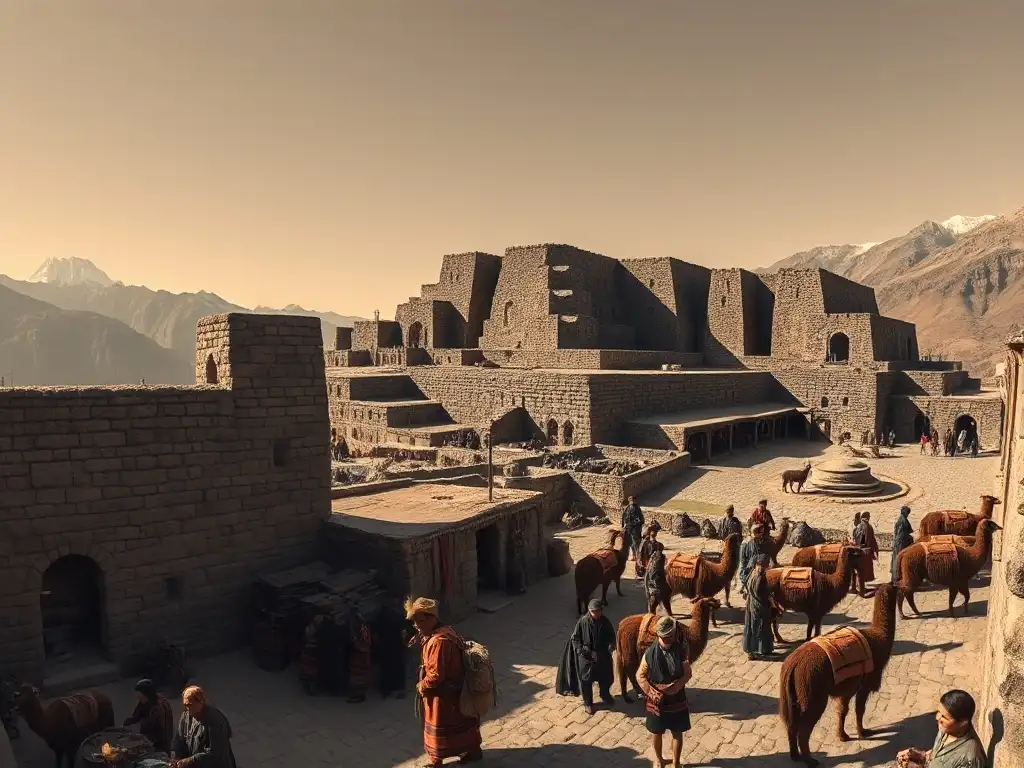
Cusco's importance to the Inca Empire transcended its role as a purely administrative center. It served as the umbilicus mundi, or center of the world, deeply embedded in the Inca worldview and cosmology. This spiritual significance profoundly impacted the city's layout, architecture, and daily life, shaping its cultural landscape in ways that are still visible today.
Understanding Cusco requires acknowledging its central role not just in governance, but also in religion, art, and societal life. The city's strategic location in the Andes, coupled with its perceived sacredness, solidified its position as the heart of the Inca Empire and a powerful symbol of Inca identity.
The very stones of Cusco whispered tales of Inca power and spiritual authority, a legacy that continues to resonate through the ages. This section will explore several key aspects of Cusco's profound cultural influence within the Inca world, focusing on its religious practices, artistic production, and the significance of its most important festival.
Cusco and Inca Religious Practices and Beliefs
Cusco was the religious epicenter of the Inca Empire. The city's layout itself reflected this, with temples and sacred sites carefully positioned to align with the cosmos and significant geographical features. The Coricancha, or Temple of the Sun, stood at the heart of the city, a testament to the Inca's sun worship. This magnificent structure, adorned with gold and precious stones, served as the primary site for religious ceremonies and housed the mummies of Inca rulers.
The Inca believed that the sun god, Inti, was their ancestor and the source of all life and power. Thus, Cusco, as the dwelling place of Inti's earthly representation, held immense religious significance. The city was also home to numerous other temples dedicated to various deities, including the moon goddess, Mama Killa, and the creator god, Viracocha. These temples were not merely places of worship; they were integral to the Inca social and political order, reinforcing the authority of the Sapa Inca and the legitimacy of his rule.
The religious practices performed in Cusco's temples shaped Inca society, influencing everything from agricultural cycles to warfare. Elaborate rituals, sacrifices, and festivals were conducted to appease the gods and ensure the prosperity and stability of the empire. The sheer scale and opulence of the religious structures in Cusco underscore the immense importance placed upon religious beliefs within Inca society and the central role of Cusco in maintaining that faith.
Cusco as a Center for Inca Arts and Crafts
Cusco was not only a religious hub but also a flourishing center for Inca arts and crafts. Skilled artisans from across the empire converged in Cusco, contributing to the city's vibrant artistic output. The city's workshops produced exquisite textiles, pottery, metalwork, and stone carvings, many of which were used in religious ceremonies or adorned the palaces and temples of the Inca elite.
The renowned Inca skill in stonework is particularly evident in Cusco's architecture, with intricately fitted stones forming the basis of many structures. This mastery of stonework, combined with sophisticated knowledge of engineering and construction techniques, allowed for the creation of impressive buildings and infrastructure that withstood the test of time. The production of textiles in Cusco was equally impressive, with artisans creating richly colored and patterned fabrics using techniques that were passed down through generations.
These textiles were not only functional but also served as symbols of status and prestige, with intricate designs indicating the wearer's social standing. The high quality and artistry of Cusco's crafts are a testament to the Inca's advanced technological capabilities and their deep appreciation for aesthetic beauty. The level of artistry displayed in Cusco's artifacts provides compelling evidence of the city's crucial role as a center for artistic innovation and skill within the Inca Empire.
The Importance of Inti Raymi: The Festival of the Sun
Inti Raymi, the Festival of the Sun, was the most important festival in the Inca calendar and was celebrated annually in Cusco. This spectacular event, which involved thousands of participants, was a grand display of Inca power, religious devotion, and artistic expression. The festival celebrated the sun god, Inti, and marked the winter solstice, a crucial time for agricultural renewal. The festivities involved elaborate processions, sacrifices, dances, and feasts, all designed to honor Inti and ensure a bountiful harvest.
The Sapa Inca himself presided over the ceremonies, further emphasizing the festival's importance as a display of imperial authority. Inti Raymi was not merely a religious celebration; it served as a vital mechanism for social cohesion, reinforcing the Inca's shared identity and loyalty to the empire. The scale and extravagance of the festival, along with its central location in Cusco, solidified the city's position as the cultural and spiritual heart of the Inca world.
The continued celebration of Inti Raymi, albeit in a modified form, is a testament to its enduring cultural significance and its connection to Cusco's rich history within the Inca Empire. The festival's enduring legacy serves as a powerful reminder of Cusco's pivotal role in Inca culture and history. 🎉
The Fall of the Inca Empire and Cusco's Transformation
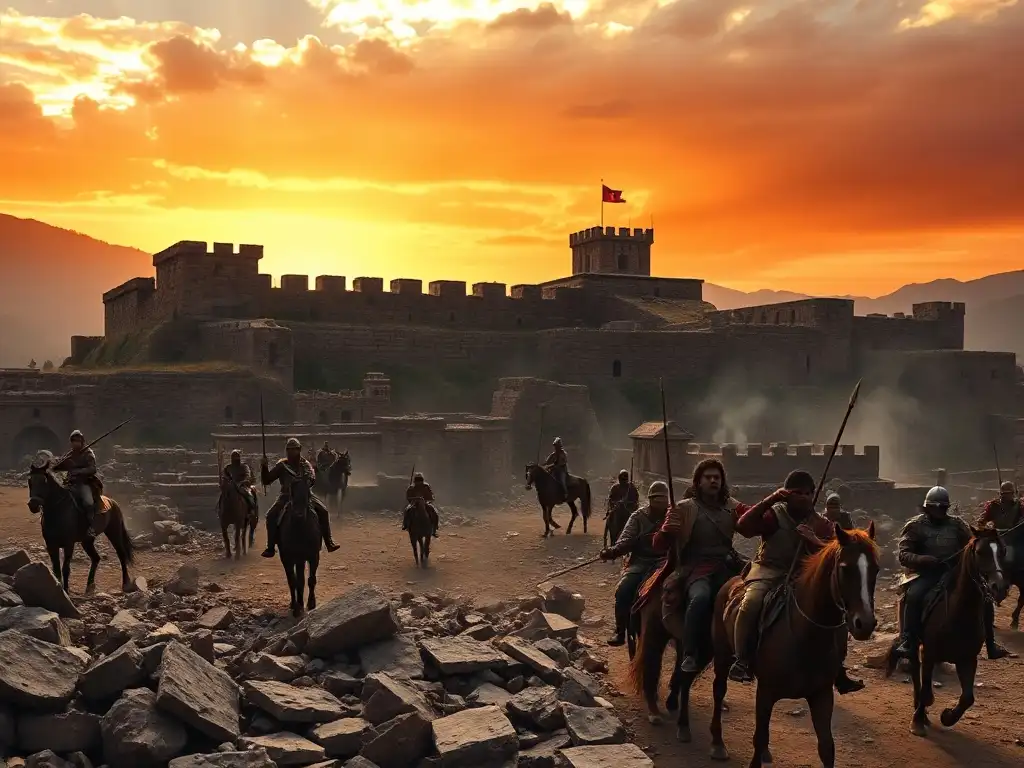
The Inca Empire, a marvel of Andean engineering and societal organization, met its demise in the 16th century with the arrival of the Spanish conquistadors. Cusco, the heart of the Inca Empire, experienced a dramatic shift, transitioning from the imperial capital to a colonial city. This transformation profoundly impacted its physical landscape, social structures, and cultural identity, leaving an indelible mark that resonates even today.
Understanding this period is crucial to grasping the full scope of Cusco's history and its enduring significance as a testament to both Inca ingenuity and the lasting effects of colonial rule. The fall of the Inca Empire and Cusco's subsequent transformation are intertwined narratives, each shaping the other in a complex interplay of conquest, adaptation, and resilience. The keyword "Cusco Inca Empire history" is inherently tied to this pivotal era.
The Spanish Conquest of Cusco
The Spanish conquest of Cusco, beginning in 1533, was a brutal affair. Francisco Pizarro and his relatively small force, aided by internal Inca conflicts and diseases, successfully overthrew the Inca Emperor Atahualpa. The conquest wasn't a swift victory; it involved sieges, battles, and significant resistance from the Inca population.
Cusco, a city of immense symbolic and material importance, became a prime target for the Spanish, who saw its strategic location and wealth as key to consolidating their control. The Inca's sophisticated urban planning, with its intricate network of roads, canals, and monumental architecture, was gradually dismantled and replaced with Spanish colonial structures. The Spanish systematically looted Inca palaces and temples, appropriating gold, silver, and other precious artifacts.
This looting wasn't just about material wealth; it was a deliberate act to erase Inca cultural heritage and assert Spanish dominance. The destruction of the Inca infrastructure and the imposition of a new urban design dramatically altered the city's character, paving the way for a new era under colonial rule. The Spanish conquest of Cusco represents a pivotal moment in "Cusco Inca Empire history," marking a violent transition from one civilization to another.
Cusco Under Colonial Rule and its Impact
Following the conquest, Cusco was reorganized as a Spanish colonial city. The Spanish built their own churches, palaces, and administrative buildings, often incorporating Inca stones into their new structures. This blend of Inca and Spanish architecture is a unique characteristic of Cusco's cityscape.
However, the integration was far from harmonious; the Spanish imposed their social hierarchy, religious beliefs, and economic systems, subjugating the indigenous population. The Inca nobility was largely supplanted by Spanish officials, leading to a significant power shift and the marginalization of the Inca cultural heritage. Many Inca traditions and practices were suppressed, while the Catholic Church played a crucial role in the process of cultural transformation.
The introduction of new crops, livestock, and economic systems also profoundly impacted the Andean economy and society. The colonial period witnessed a significant demographic shift, with a decline in the indigenous population due to disease, forced labor, and other factors. This period in "Cusco Inca Empire history" saw the city's transformation into a center of Spanish colonial power, but it also marked a period of cultural suppression and social upheaval.
Cusco's Legacy and Modern-Day Significance
Despite the devastation of the Spanish conquest and the subsequent colonial period, Cusco retains a powerful legacy. Its remarkable architecture, a blend of Inca and Spanish styles, stands as a testament to its rich and complex past. The city's historical significance continues to attract visitors from around the world, making tourism a significant part of its modern-day economy.
The Inca legacy is still visible in many aspects of Cusco's culture, from traditional festivals and crafts to the language and social structures. Furthermore, there's a growing recognition and appreciation of Inca heritage, leading to efforts to preserve and promote Inca history and culture. Cusco's modern identity is inextricably linked to its Inca past, and understanding its history is essential to appreciating its cultural richness and significance.
The city serves as a powerful reminder of the enduring impact of the Inca Empire and a compelling case study in the complex interplay between conquest, cultural transformation, and the resilience of indigenous populations. The story of Cusco's transformation remains a central thread in the narrative of "Cusco Inca Empire history," showcasing a city that has endured, adapted, and thrived despite immense historical upheaval.
Cusco Today: A Blend of Inca and Colonial History
Cusco, the former capital of the Inca Empire, stands as a powerful testament to the enduring legacy of Andean civilization. Its history is a captivating tapestry woven from threads of Inca ingenuity and Spanish colonial influence, resulting in a unique urban landscape that seamlessly blends ancient foundations with Baroque architecture. The very stones beneath your feet whisper tales of emperors, conquests, and a remarkable cultural fusion.
Understanding Cusco's modern character requires acknowledging this layered history, where the echoes of the Inca Empire resonate even today. The city's vibrant cultural scene, thriving tourism industry, and remarkable preservation efforts all contribute to its enduring fascination. Exploring Cusco isn't just about visiting historical sites; it's about experiencing a living legacy, a city where the past continuously interacts with the present.
The city's strategic location, nestled in a fertile valley within the Andes Mountains, played a crucial role in its selection as the Inca capital, a choice that continues to shape its identity. This strategic location, combined with its rich history, makes Cusco a significant site for studying Inca Empire history.
Exploring the Archaeological Sites of Cusco
Cusco's archaeological richness is undeniable. Many Inca structures remain remarkably intact, integrated into the city's fabric. These sites offer invaluable insights into Inca urban planning, architectural techniques, and societal organization. The Qorikancha, or Temple of the Sun, is a prime example.
Originally a magnificent complex dedicated to the Inca sun god, Inti, its surviving walls, expertly crafted from precisely fitted stones, still evoke awe. Even after the Spanish conquest, the site was incorporated into the foundations of Santo Domingo church, demonstrating a fascinating overlay of Inca and colonial architecture. Other significant archaeological sites within and around Cusco include Sacsayhuamán, a massive fortress with cyclopean stonework; Q'enqo, a ceremonial site with intricate carvings; Puka Pukara, a possible administrative or military center; and Tambomachay, a site believed to have been used for water management and ritual purification.
These sites offer diverse perspectives on Inca engineering, religious practices, and military strategies. Exploring these locations allows for a deeper understanding of Cusco's significance within the Inca Empire's political and spiritual landscape. The sheer scale and precision of the Inca stonework, evident in these sites, continues to baffle and inspire modern engineers and archaeologists alike.
Experiencing the Culture and Traditions of Cusco
Beyond the archaeological marvels, Cusco offers a vibrant immersion into Andean culture. The city pulsates with the rhythm of traditional festivals, markets overflowing with colorful textiles and handicrafts, and the tantalizing aromas of Andean cuisine. The influence of the Inca Empire is evident in the indigenous Quechua language, still widely spoken, and in the enduring traditions passed down through generations.
Witnessing a traditional dance performance or participating in a local festival provides a powerful connection to the rich cultural heritage of the region. From the intricate designs of Andean textiles to the rhythmic melodies of traditional music, the cultural tapestry of Cusco is a captivating blend of ancient practices and modern interpretations. The city's commitment to preserving its indigenous heritage is palpable, contributing to its unique identity and making it a compelling destination for cultural tourism.
Experiencing Cusco's culture is to experience a living legacy, a dynamic interplay of past and present, where the spirit of the Inca Empire continues to thrive. This living culture is an integral part of understanding Cusco Inca Empire history.
Planning Your Visit to Cusco: Altitude Acclimatization
Cusco's high altitude (approximately 11,152 feet or 3,400 meters above sea level) requires careful planning. Altitude sickness, or acute mountain sickness (AMS), is a common concern for visitors. To mitigate the risks, gradual acclimatization is crucial. Spending a few days at a lower altitude before arriving in Cusco, or even spending a day or two at a slightly lower altitude nearby (like the Sacred Valley), is highly recommended.
Staying hydrated is paramount; drink plenty of water throughout your stay. Avoid strenuous physical activity on your first day, and listen to your body. Symptoms of AMS can include headache, nausea, fatigue, and shortness of breath. If you experience severe symptoms, seek medical attention immediately.
Proper planning and acclimatization will ensure a safe and enjoyable experience, allowing you to fully appreciate the wonders of Cusco and its rich history. Ignoring altitude acclimatization can significantly impact your ability to explore the historical sites and fully experience the "Cusco Inca Empire history" you came to discover. Remember, a well-planned trip allows you to fully immerse yourself in the city's rich offerings.
Frequently Asked Questions
What was Cusco's significance in the Inca Empire?
Cusco was the ceremonial and political center of the Inca Empire, holding immense religious and administrative importance. It served as the heart of the empire, radiating power and influence throughout the vast Andean region.
How did the Inca build Cusco?
The Incas were master builders, utilizing advanced stonework techniques to construct Cusco's impressive structures. They skillfully fitted stones together without mortar, creating strong and aesthetically pleasing buildings that have endured for centuries.
What are some key architectural features of Cusco?
Cusco's architecture is characterized by its precise stonework, intricate designs, and integration with the surrounding landscape. Key features include complex irrigation systems and strategically placed religious sites.
How did the Spanish conquest affect Cusco?
The Spanish conquest significantly altered Cusco's landscape, destroying many Inca structures and imposing a new colonial city plan. However, some Inca foundations remain visible beneath the colonial overlay.
Where can I learn more about Cusco's Inca Empire history?
You can delve deeper into Cusco's history through museums in Cusco and nearby sites like Machu Picchu, as well as books and academic articles focusing on Inca civilization and archaeology.
Final Reflection: Cusco's Enduring Legacy, A Heartbeat Through Time
The echoes of the Inca Empire still resonate powerfully in Cusco, a city whose stones whisper tales of a civilization that shaped the Andes and continues to captivate the world. The meticulous planning, the breathtaking architecture, and the enduring spirit of the Inca people are not merely historical artifacts; they are living testaments to a sophisticated society that thrived centuries ago and whose influence continues to shape the cultural landscape of Peru and beyond.
Cusco's impact transcends its physical presence; it's a powerful symbol of resilience, innovation, and cultural preservation. The city's ability to adapt and endure, even after the devastating impact of the Spanish conquest, speaks volumes about the strength of its people and the enduring power of their heritage. The past is never dead. It's not even past.
– William Faulkner. This quote perfectly encapsulates Cusco's enduring relevance – its history is not simply a relic of the past, but a vibrant force shaping its present and future. The ongoing archaeological discoveries and the tireless efforts to preserve Inca sites underscore the profound importance of understanding and appreciating this rich legacy.
Consider, for a moment, the intricate network of roads, the sophisticated agricultural techniques, and the remarkable engineering feats that defined the Inca Empire. These achievements were not simply the result of brute force, but of ingenuity, collaboration, and a deep understanding of their environment. You, too, can draw inspiration from this legacy.
Embrace the spirit of innovation, the power of community, and the importance of respecting and preserving the rich tapestry of human history. Let Cusco's story inspire you to explore your own heritage, to appreciate the achievements of past civilizations, and to build a future that honors the wisdom of the past.
Unveil the Wonders of Cusco Today!
Thank you for exploring the rich tapestry of Cusco, the heart of the Inca Empire! We hope you've uncovered fascinating insights that deepen your appreciation of this extraordinary city. Let's now delve deeper into the wonders of Cusco and the Andean civilizations.
Here are some exciting next steps you can take:
- Plan a trip to Cusco to witness its breathtaking architecture, vibrant culture, and warm hospitality.
- Explore local resources and reputable travel groups specializing in Andean history to further your journey of discovery.
- Share your newfound knowledge with friends and family; perhaps organize a presentation or discussion on the incredible legacy of the Inca civilization.
What aspect of Cusco's history most excites you to experience firsthand?